
City driving demands more than just engine performance and comfort. Daily commutes, crowded streets, and frequent stops put stress on brakes, making certain vehicles easier to own and maintain than others. Brake longevity isn’t a glamorous topic, but it affects safety, maintenance costs, and total driving satisfaction.
Cars that resist brake wear combine efficient regenerative systems, smart weight distribution, and precise stopping power, allowing drivers to stay confident behind the wheel without frequent pad replacement.
However, under-engineered vehicles or high-performance machines optimized for speed often accelerate brake wear, leaving owners with higher maintenance costs and more frequent visits to service shops.
Understanding which cars preserve their braking systems can save money and prevent headaches. Electric and hybrid models often lead the charge with regenerative braking, while sedans with balanced chassis dynamics rely on well-tuned weight and suspension.
SUVs, trucks, and performance vehicles must work harder to stop, and without supportive systems, brake components degrade faster. Even small cars can reveal weaknesses if stopping power isn’t matched to engine output and vehicle weight. This guide breaks down ten vehicles into two groups.
The first five excel at preserving brakes in city and highway conditions, combining safety, design, and smart systems. The latter five showcase models that, while attractive in other ways, push brake components hard, accelerating wear and creating maintenance headaches.
Each vehicle receives a detailed look at handling, braking systems, and urban or suburban driving conditions, helping you decide which cars meet your expectations for longevity, efficiency, and safety.
By going through this comparison, drivers gain insight into how braking behavior can shape ownership experience. Whether considering cost, reliability, or peace of mind, understanding brake performance informs decisions that go beyond horsepower or aesthetics.
Stop-start traffic and congested streets no longer need to dictate frequent brake replacement when the right car is chosen. The following breakdown examines individual models with real-world insight, highlighting strengths and weaknesses for modern drivers.
5 Cars That Don’t Wear Brakes Quickly
1. Toyota Prius Prime 2024
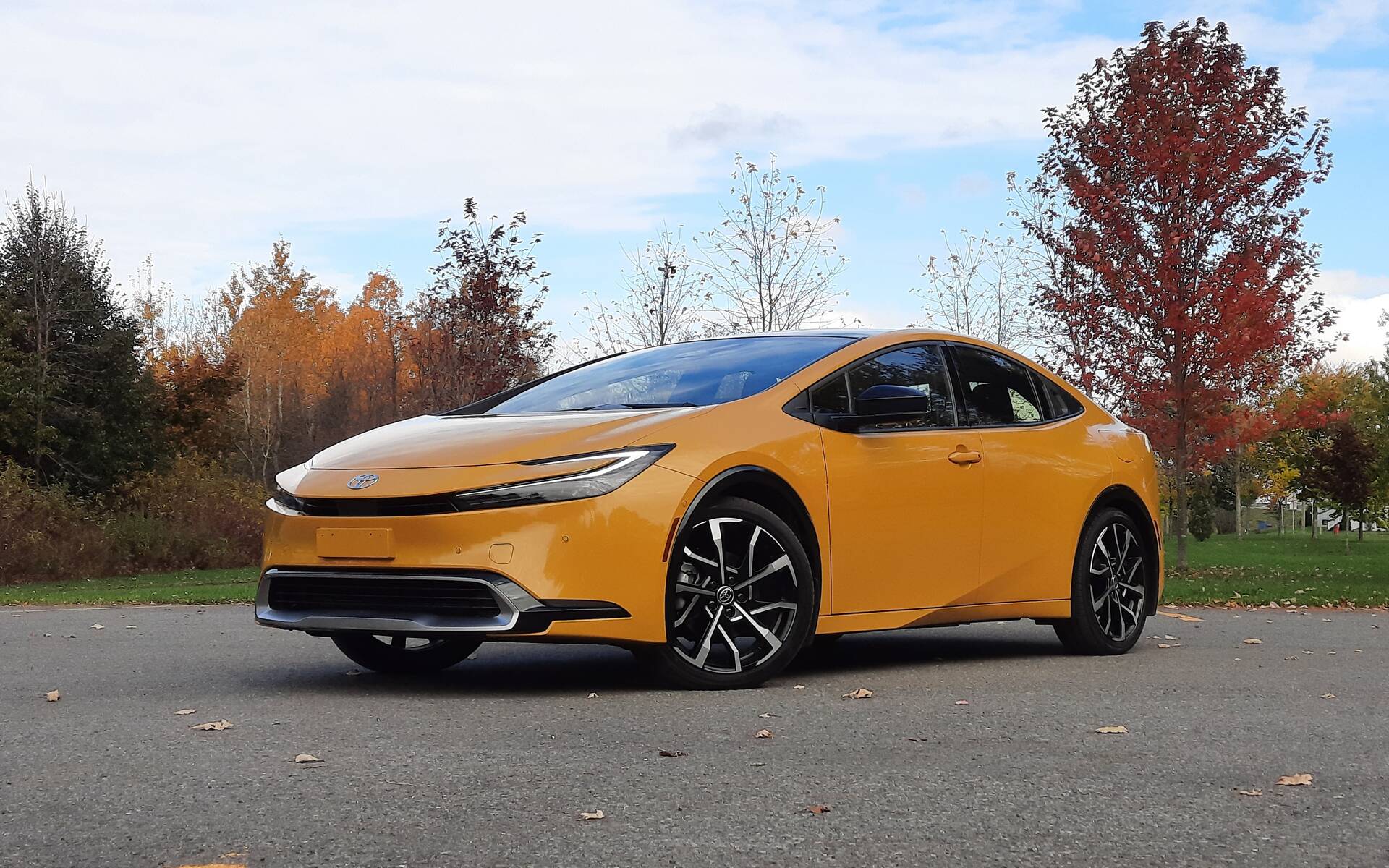
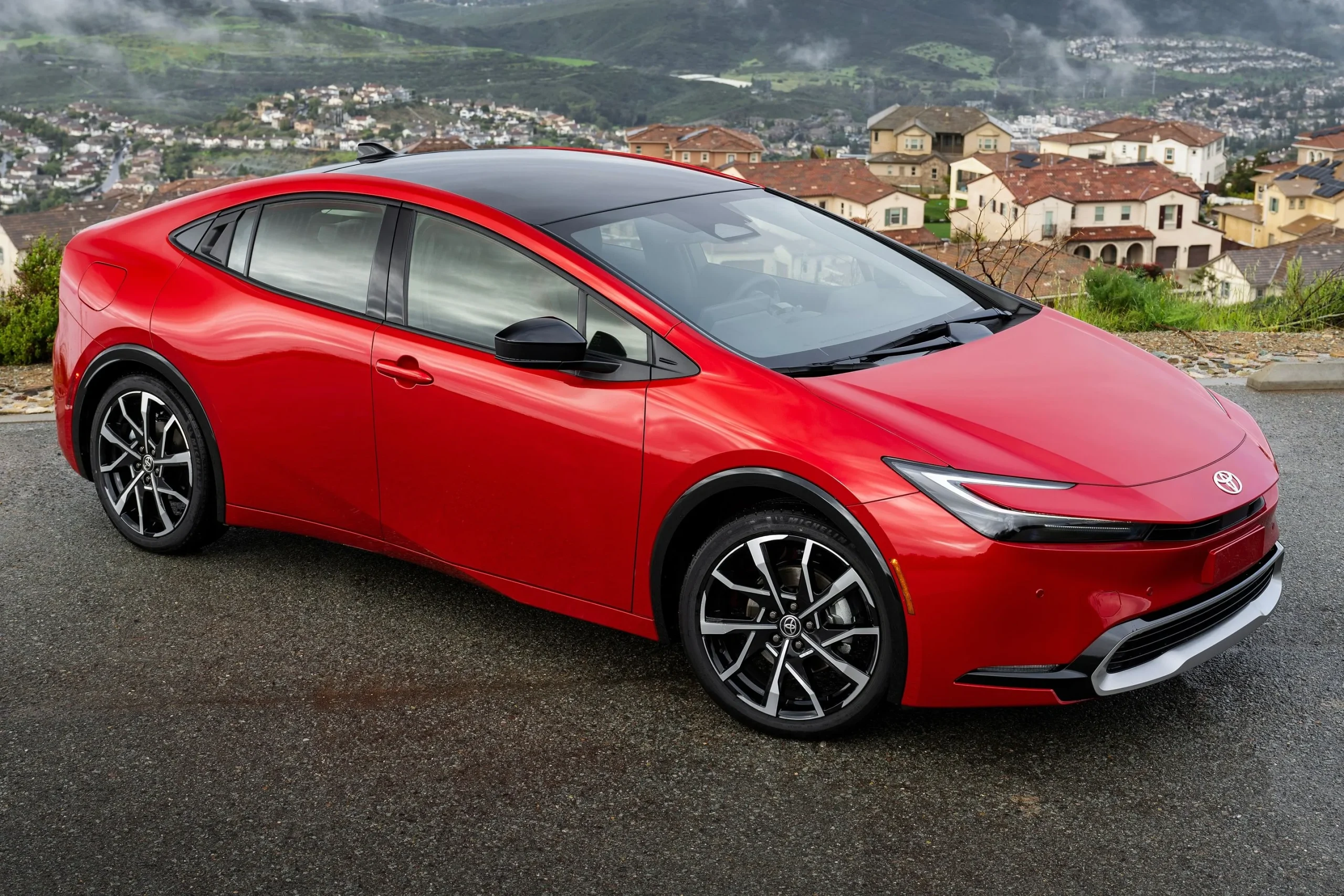
The Toyota Prius Prime 2024 delivers more than excellent fuel efficiency. Its hybrid system enhances brake preservation, using regenerative technology to capture kinetic energy during deceleration.
Each press of the brake pedal is partly absorbed by the electric motor, reducing friction on traditional pads. This reduces heat build-up, the main contributor to premature wear, and ensures pads last far longer than in conventional cars.
Drivers notice consistent stopping power regardless of traffic conditions. Regenerative braking is adjustable, allowing control over energy recovery and deceleration. In dense city streets, frequent stops do not overwhelm the system. Instead, electric regeneration handles a substantial portion of braking effort, meaning friction pads only engage during harder stops or emergencies.
Weight distribution and suspension design complement braking. Prius Prime’s low center of gravity stabilizes the car during deceleration, reducing stress on front brakes.
Even during repeated stoplight cycles, the system balances energy use and stopping distance efficiently. A well-tuned hydraulic system supports seamless transitions between regenerative and friction braking, giving a natural pedal feel while protecting brake components.
Interior technology provides additional support. Energy monitors and braking feedback cues let drivers optimize regenerative use without conscious calculation. Less aggressive driving, combined with efficient power management, amplifies pad longevity. Brake inspections reveal minimal wear over high-mileage city commutes.
Highway use mirrors city results. The Prius Prime maintains brake health with subtle energy capture during deceleration, proving that hybrid technology can protect essential components while improving efficiency. The car’s compact size further reduces demand on the brakes compared with heavier hybrid SUVs, adding to longevity.
Toyota Prius Prime 2024 balances everyday commuting with engineering designed to reduce friction-based brake use. Stoplight-to-stoplight traffic becomes less stressful mechanically, and maintenance intervals extend naturally.
Owners benefit from both reduced replacement costs and consistent, reliable braking under varied conditions. By embracing energy recovery and thoughtful chassis design, this hybrid represents one of the most brake-friendly options on the market today.
2. Honda Accord Hybrid 2024
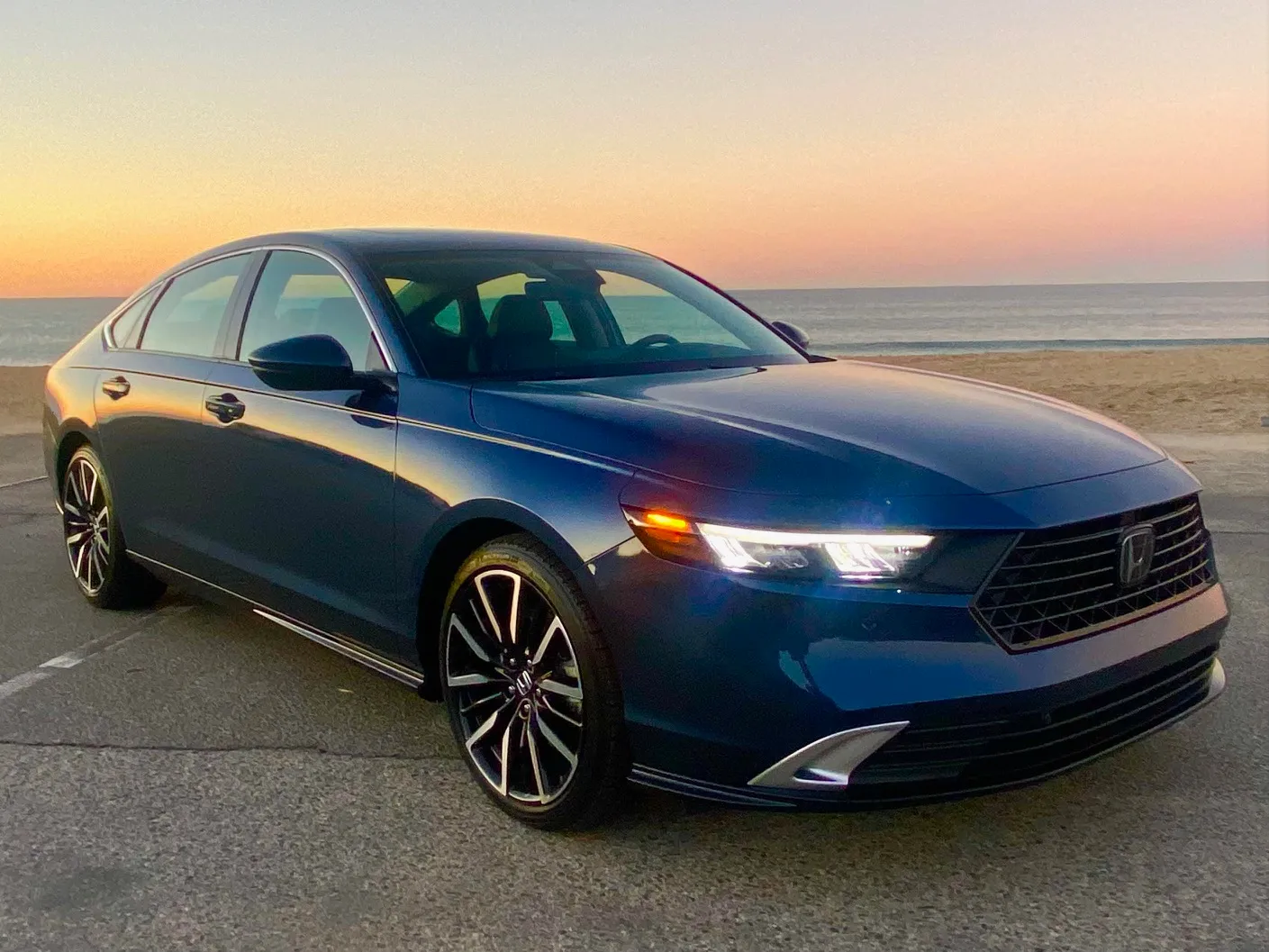
Honda Accord Hybrid 2024 combines traditional sedan stability with regenerative braking to extend pad life. Its integrated electric motor assists during deceleration, capturing energy for battery recharge while relieving friction components. Daily urban routines, including repeated starts and stops, place less strain on brakes compared to non-hybrid sedans of similar size.
Brake feel remains predictable. Drivers experience smooth modulation, which prevents sudden overuse of pads. The system is intuitive, providing a natural resistance that blends electric regeneration with friction pads. Long commutes in traffic lights or heavy intersections show consistent stopping performance, maintaining safety without forcing early wear.
Weight and balance play a vital role. With a lower center of gravity and evenly distributed powertrain components, the Accord Hybrid avoids excessive pressure on front brakes. Front-to-rear brake force ratios are tuned to respond efficiently under both city and highway driving. This prevents overheating, a leading cause of rapid brake pad erosion in standard vehicles.
Vehicle controls integrate regenerative input without overwhelming the driver. Pedal travel remains comfortable, and braking is linear, allowing precise control when inching through traffic or coming to complete stops. Energy recovery can be adjusted via drive modes, letting drivers tailor the experience for maximum efficiency or responsiveness.
Suspension design contributes indirectly to brake longevity. Absorbing bumps reduces sudden weight moves that might otherwise demand hard braking. This stabilization ensures pads are used efficiently, extending their service life. Tires and wheel alignment maintain optimal contact with road surfaces, preventing friction spikes during cornering or emergency braking.
Fuel efficiency and brake health intersect seamlessly. By reducing reliance on mechanical braking during low-speed travel, hybrid technology cuts fuel consumption and prolongs pad life simultaneously. A long-term inspection reveals little degradation even after extensive stop-and-go commutes.
Honda Accord Hybrid 2024 exemplifies sedans designed with component preservation in mind. Smooth, adjustable regenerative braking, intelligent weight distribution, and thoughtful suspension work together to extend brake life. Drivers gain confidence in performance while reducing maintenance costs, proving that hybrid technology can serve both efficiency and durability.
Also Read: 5 Hybrid Cars That Make Sense Downtown vs 5 That Don’t
3. Hyundai Ioniq 5 2024
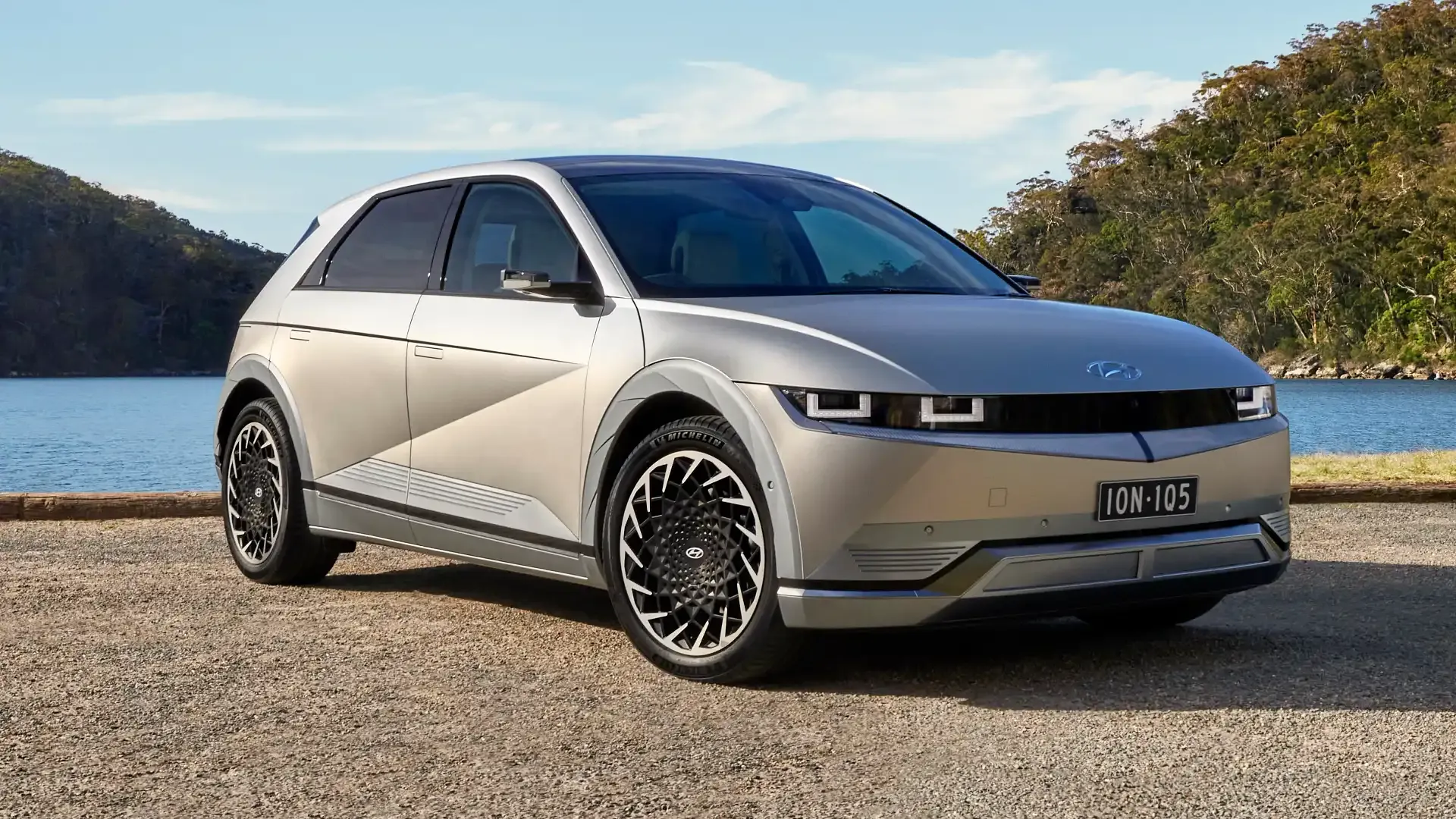
The Hyundai Ioniq 5 2024 redefines urban braking with an electric-first approach. Its EV platform enables nearly complete reliance on regenerative braking in everyday city driving, sparing friction pads from high-frequency use. Stoplight-to-stoplight patterns in congested streets translate into minimal mechanical wear, even with repeated deceleration cycles.
Pedal feedback mimics traditional braking, preserving driver confidence while shifting most energy capture to the battery. Energy recuperation is strong at low speeds, which aligns perfectly with urban traffic conditions. Sudden braking remains responsive, engaging friction pads only when necessary for emergency stops or rapid deceleration.
Chassis design reinforces brake preservation. A flat battery pack lowers the center of gravity, improving weight transfer during stops. This helps maintain balance without forcing additional friction-based braking, especially when cornering or driving through tight intersections. Tire traction works in tandem with regenerative braking to prevent skidding or unnecessary pad engagement.
Software integration tracks energy recovery, adjusting regenerative force dynamically. Traffic-heavy commutes benefit from the system’s ability to maximize electric braking while keeping deceleration natural. Drivers rarely feel a difference from traditional braking, yet pad wear occurs at a fraction of standard levels.
Cabin technology supports driver awareness. Dashboard indicators show energy recuperated per stop, reinforcing gentle habits and encouraging efficient braking. Longer highway trips also see benefits, as initial regenerative braking reduces dependence on mechanical pads during mild deceleration events.
Performance metrics confirm the strategy. Brake inspections after urban driving cycles reveal minimal wear, extending service intervals. The combination of EV drivetrain, low mass distribution, and regenerative management produces one of the most brake-friendly setups currently available.
Hyundai Ioniq 5 2024 demonstrates that electric vehicles can preserve braking components while enhancing safety. Drivers enjoy consistent stopping power without the stress of accelerated pad wear. This EV illustrates how thoughtful integration of electric braking, weight balance, and software coordination can reduce maintenance costs while improving daily drivability.
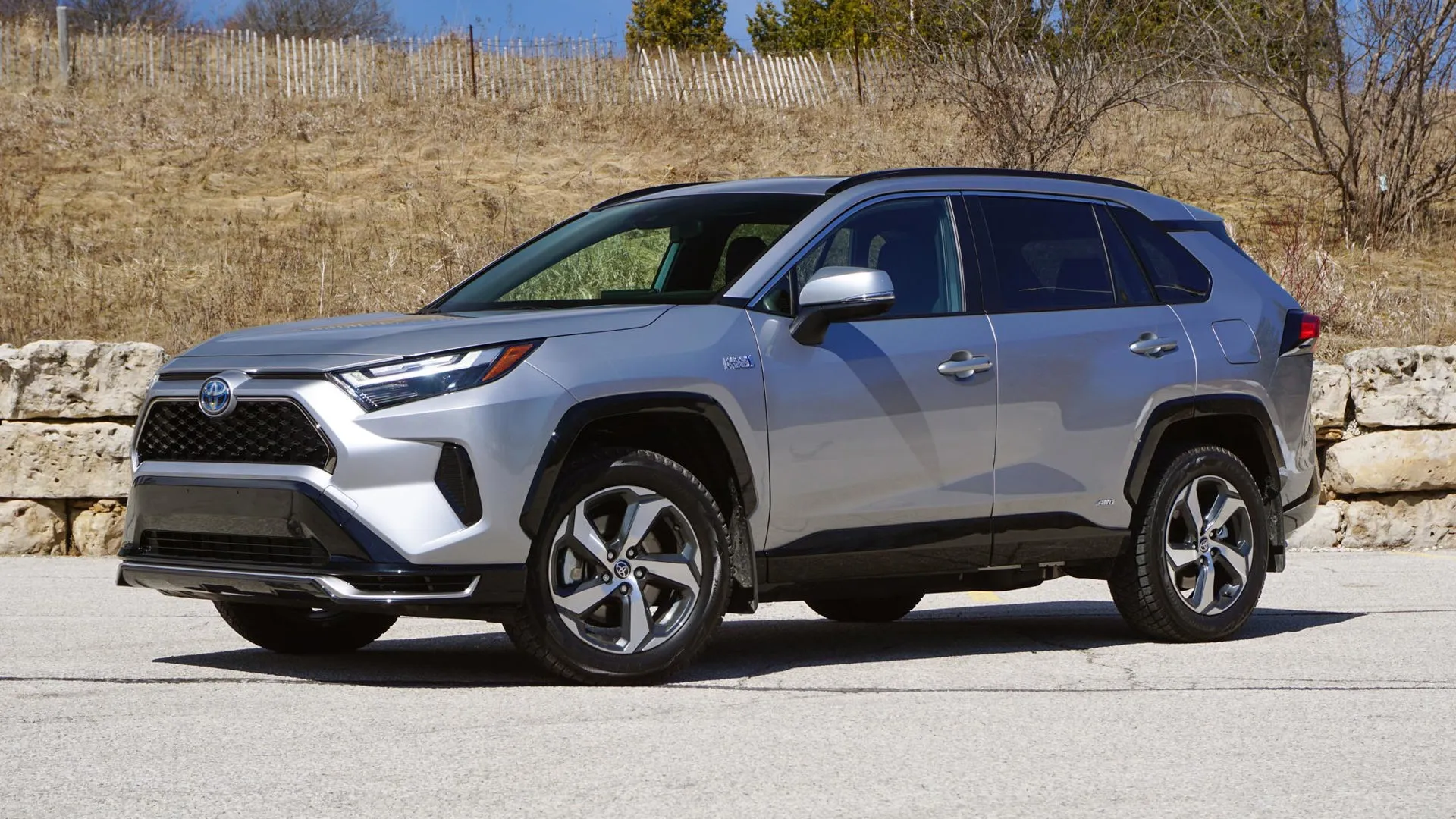
4. Toyota RAV4 Prime 2024
Compact SUV practicality meets brake longevity in the Toyota RAV4 Prime 2024. Its plug-in hybrid drivetrain provides electric-assist braking that absorbs most deceleration energy in urban environments. Frequent starts and stops, common during city commuting, place minimal frictional stress on brake components.
Throttle modulation supports regenerative braking optimization. Each light-footed deceleration contributes to battery recovery, while harder stops engage friction pads seamlessly. Pedal feel remains natural and consistent, allowing drivers to feel in control without over-relying on mechanical braking.
Vehicle weight is distributed intelligently. Hybrid components and battery placement lower the center of gravity, stabilizing the RAV4 Prime during emergency braking and cornering.
This reduces front-end brake overload, a common cause of pad glazing in heavier SUVs. Suspension tuning complements braking by maintaining balanced weight transfer, preventing extra stress on individual brake components.
Technology integration reinforces longevity. Energy flow displays allow drivers to visualize braking contributions and encourage eco-conscious habits. Regenerative braking modes can be adjusted to emphasize energy capture without compromising comfort, translating into measurable pad savings.
Even under highway conditions, brake wear is minimized. Smooth deceleration from higher speeds leverages electric assistance, allowing friction components to remain cooler. This reduces the risk of heat-induced wear or premature rotor degradation, common in non-hybrid crossovers.
Interior ergonomics enhance controlled braking. Visibility over the hood, straightforward pedal layout, and supportive seating allow drivers to modulate stops precisely. Less sudden braking also reduces tire scuffing, further protecting the entire vehicle’s systems.
Toyota RAV4 Prime 2024 succeeds by pairing hybrid efficiency with component durability. Urban traffic, frequent lane changes, and stoplight patterns are handled with minimal friction pad engagement, reducing maintenance intervals. Drivers benefit from cost savings, safety confidence, and smooth braking performance in a practical crossover package.
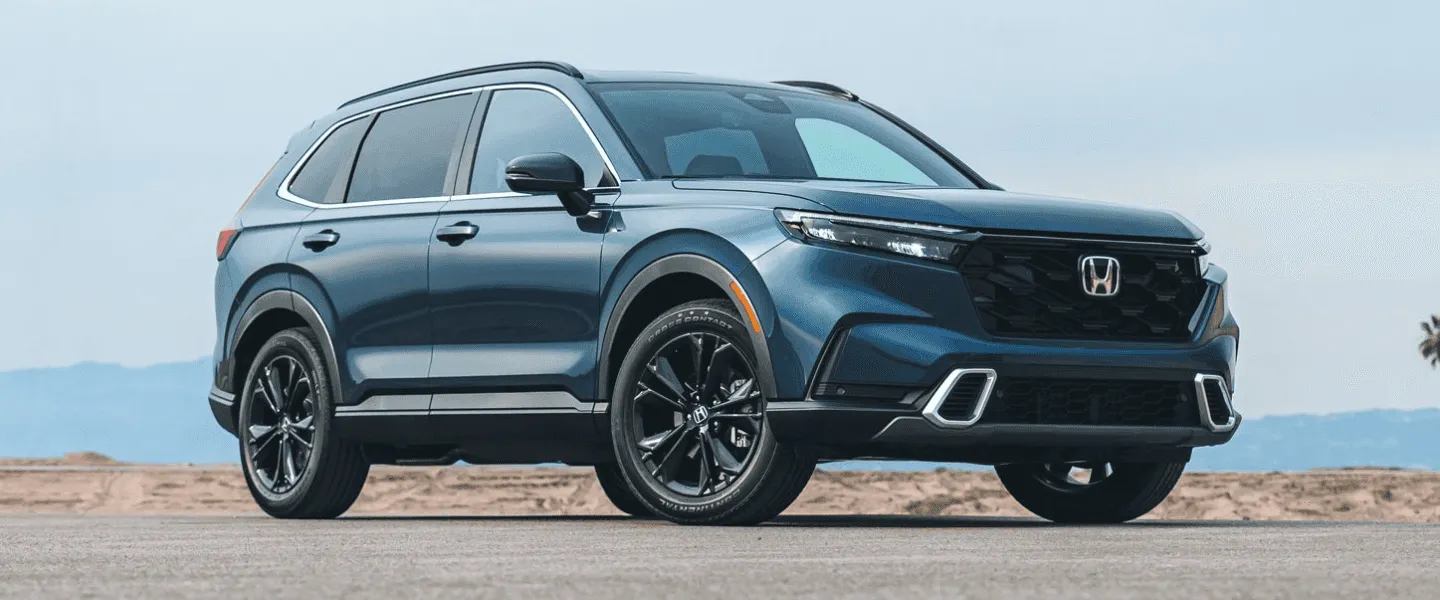
5. Honda CR-V Hybrid 2024
Urban driving challenges braking systems, yet the Honda CR-V Hybrid 2024 mitigates wear effectively. Its integrated electric motor captures kinetic energy during deceleration, reducing reliance on mechanical pads and extending service life. Stop-and-go commuting across congested streets benefits from this energy recovery.
Brake pedal response is linear and predictable. Regenerative braking covers most low- to mid-speed stops, while traditional pads engage only for rapid deceleration. This balance maintains comfort while preserving friction components. Drivers experience minimal fade or inconsistency, even after extended city runs.
Chassis engineering supports longevity. Low-mounted battery placement improves weight distribution, while suspension absorbs minor road imperfections, preventing excessive load transfer to brakes. Front-to-rear brake ratios are calibrated to ensure even wear, extending rotor and pad life.
Technology contributes directly. Real-time energy recovery displays and selectable braking modes allow drivers to tailor stopping characteristics. In urban congestion, regenerative contribution can approach full braking for routine deceleration, preserving friction components further.
The CR-V Hybrid maintains efficiency without sacrificing control. Even in high-density traffic or when merging onto busy streets, drivers can brake confidently without rapid pedal consumption. Regular inspections reveal little wear despite repeated low-speed stops.
Interior ergonomics encourage smooth operation. Well-positioned pedals and supportive seating allow fine modulation of brake input. Visibility in tight urban streets minimizes sudden stops, indirectly protecting brake systems.
Honda CR-V Hybrid 2024 combines hybrid technology, smart engineering, and driver-friendly design. Urban drivers enjoy lower maintenance costs, extended pad life, and consistent braking performance. This SUV demonstrates that thoughtful integration of electrification and vehicle dynamics can preserve critical components in daily traffic conditions.
5 Cars That Wear Brakes Quickly
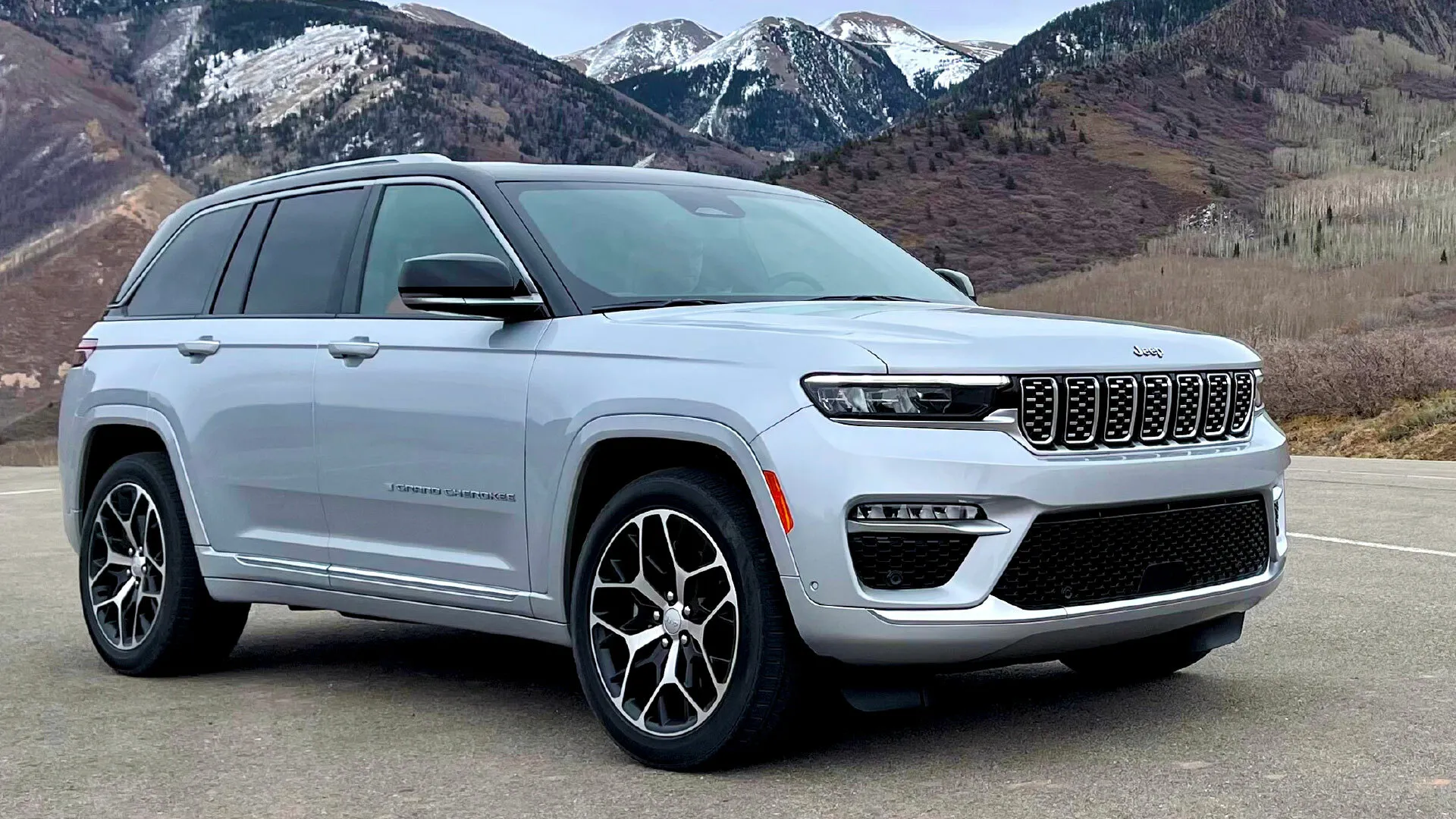
1. Jeep Grand Cherokee 2024
The Jeep Grand Cherokee 2024 delivers impressive off-road performance and a commanding presence, yet city braking exposes its limitations. Heavy curb weight and high center of gravity create extra demand on the brakes during frequent stops. Urban commuting with repeated light to moderate braking accelerates pad wear more quickly than smaller or lighter vehicles.
Powerful engine output often encourages spirited starts, unintentionally increasing the braking load. Even gentle throttle inputs can generate momentum that requires strong mechanical braking to stop safely. Stoplights, intersections, and pedestrian zones force the system to repeatedly manage high energy loads, contributing to faster friction consumption.
Suspension tuning also influences brake demand. Designed to absorb uneven roads, the Grand Cherokee’s soft suspension allows huge weight transfer during deceleration. This can increase front pad usage disproportionately, leading to uneven wear if aggressive braking occurs often. Steering responsiveness further amplifies pressure on brake components when drivers need quick corrections in dense traffic.
Regenerative braking is unavailable, as the vehicle is gasoline-only in most trims. This forces reliance on traditional friction pads for all energy absorption. Urban commuters experience more frequent replacements compared with hybrid or electric models, especially during stop-and-go patterns.
Cabin technology and features compound energy demands indirectly. Advanced infotainment, climate control, and safety electronics add weight and draw attention away from smooth, conservative driving. Drivers may respond with more abrupt braking when distracted, further accelerating wear. In practice, maintaining consistent stopping intervals is more challenging than in smaller, more nimble vehicles.
Highway driving reveals a difference. Momentum helps maintain efficiency at higher speeds, but city streets highlight the physical limits of friction brakes under repeated cycles. Long-term pad inspection frequently shows early glazing or wear compared to smaller crossovers or sedans, requiring proactive maintenance to preserve stopping efficiency.
Jeep Grand Cherokee 2024 excels off-road and in open-road performance, but urban brake stress is high. Heavy weight, soft suspension, and gasoline-only operation combine to accelerate component wear. Owners planning frequent city travel should anticipate increased brake maintenance costs, highlighting the tradeoff between rugged capability and urban efficiency.
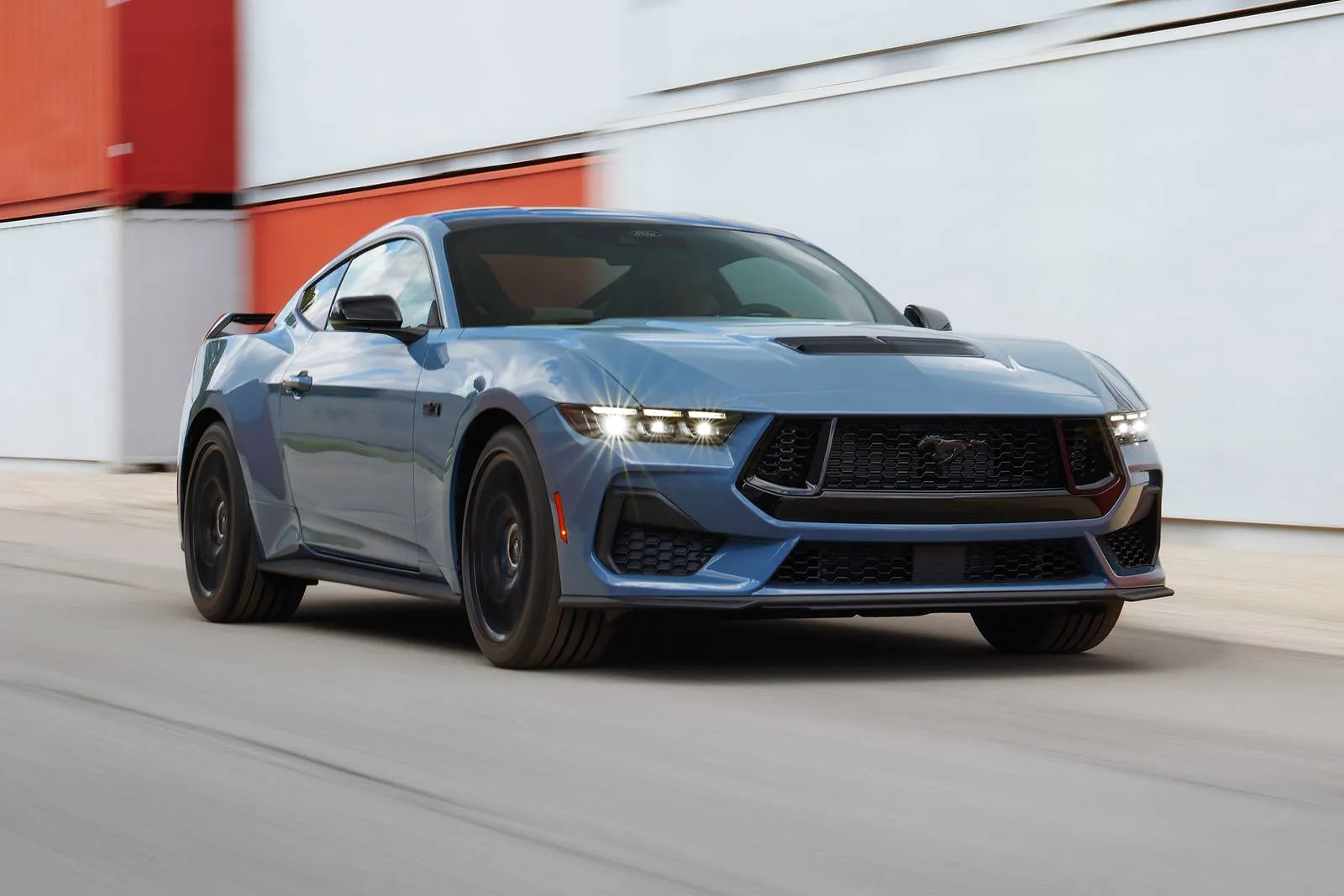
2. Ford Mustang GT 2024
Performance dominates the Ford Mustang GT 2024, and braking demands match that focus. Its potent V8 engine and rear-wheel-drive configuration encourage energetic starts, requiring friction brakes to work continuously in stop-and-go traffic. City driving, with repeated launches and stops, exposes the Mustang’s brake system to frequent high-energy cycles.
Throttle response is aggressive by design. Even moderate pressure on the accelerator can generate momentum that requires strong mechanical braking to regain control. This repeated load, combined with performance-oriented pads, accelerates wear. In urban conditions, brake replacements can become routine rather than occasional maintenance tasks.
Weight distribution contributes to stress. While the Mustang handles well at speed, the long nose and concentrated front weight increase front pad pressure during deceleration. Suspension geometry amplifies this under heavy braking, making pad wear predictable and faster in repeated city stops.
The braking system itself is tuned for high-speed performance. Larger rotors, multi-piston calipers, and aggressive pad compounds provide strong deceleration at high speeds but generate more heat at low urban speeds. Heat cycling causes glazing and reduces pad longevity. Short, frequent stops in traffic exacerbate this effect compared with sustained highway braking.
Driver behavior affects longevity. Enthusiastic acceleration encourages quick reaction braking, creating cycles that exceed standard expectations for urban sedans. Pedal modulation is critical, yet casual drivers may unintentionally stress the system, shortening service intervals.
Cabin and technology design provide minimal mitigation. While adaptive cruise or driver assistance can aid in traffic, the core hardware is optimized for spirited driving rather than city commuting. Regenerative energy recovery is absent, meaning friction brakes handle every deceleration.
Ford Mustang GT 2024 provides thrilling performance, but accelerates brake wear in city settings. Heavy front bias, performance-oriented hardware, and aggressive throttle response combine to increase friction demands. Urban drivers must plan for higher maintenance frequency if daily commuting is a routine.
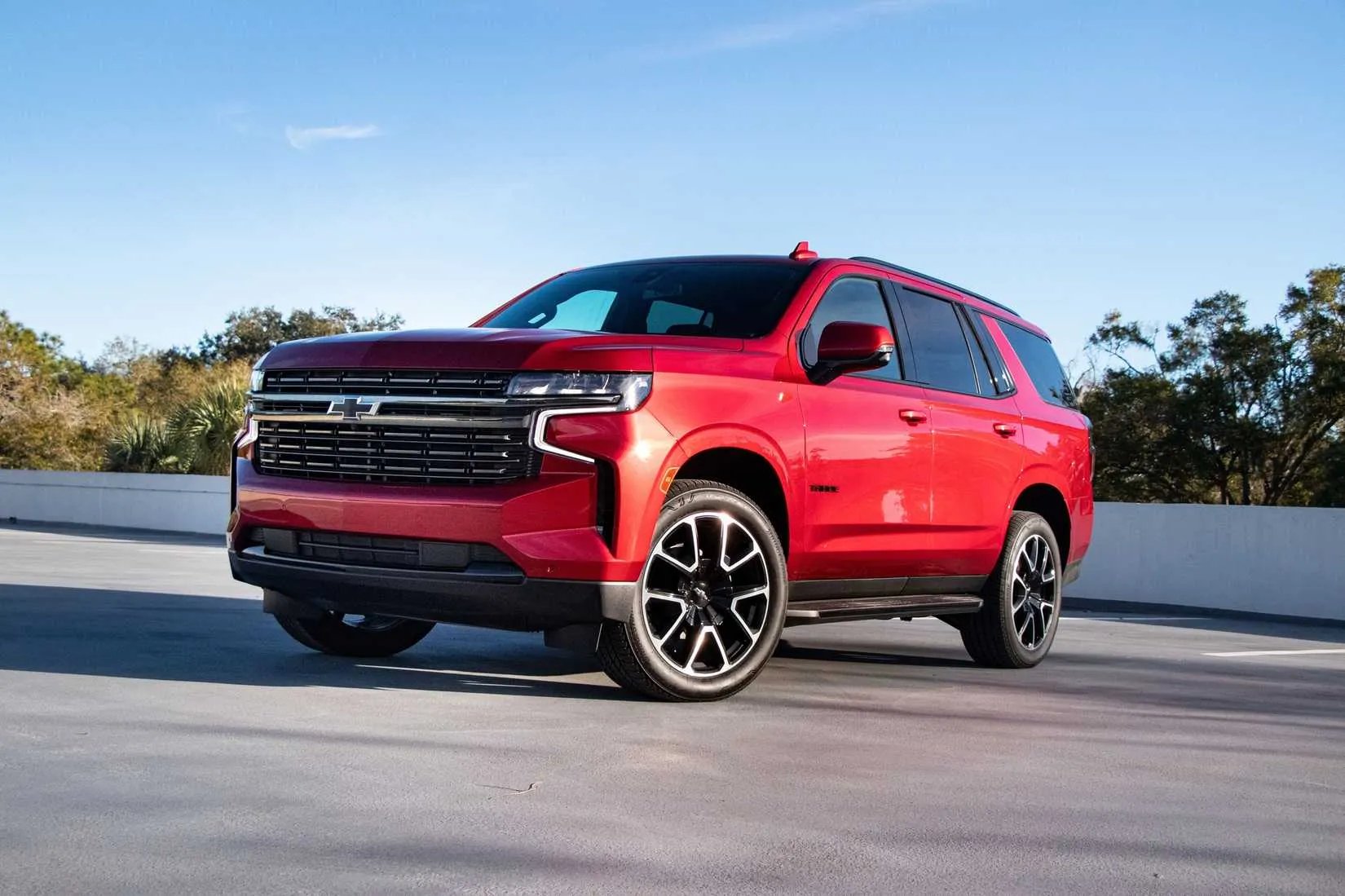
3. Chevrolet Tahoe 2024
Full-size SUV Chevrolet Tahoe 2024 impresses with capacity and presence, yet city streets reveal a limitation: heavy braking loads shorten component lifespan. With substantial curb weight and a long wheelbase, every stoplight or congested intersection generates mechanical stress on pads and rotors.
Acceleration contributes to brake wear. Even modest throttle use produces momentum that must be managed quickly, requiring strong friction braking. Urban drivers quickly notice that repeated stop-start driving in traffic accelerates pad erosion compared with mid-size SUVs or compact models.
Suspension and chassis design further affect stopping performance. Designed for off-road comfort and towing, the Tahoe allows pronounced weight transfer during deceleration. Front brakes absorb the bulk of stress, leading to uneven wear if braking is frequent and abrupt.
No regenerative braking system exists, so friction pads handle all energy absorption. Prolonged city driving exposes pads and rotors to more heat cycles than highway conditions. Repeated thermal stress can shorten component life and increase maintenance costs.
Cabin weight and equipment add secondary pressure. Luxury options and cargo capacity increase mass, which directly translates into heavier braking demands. Steering responsiveness in traffic requires quick modulation, further amplifying brake engagement. Drivers who fail to anticipate stops may inadvertently accelerate pad wear.
Even braking under moderate traffic conditions results in consistent component consumption. Stop-and-go patterns highlight the limitations of a large, heavy SUV in terms of component longevity. Rotors may warp as time goes on, pads can glaze, and replacement intervals tighten compared with smaller, lighter vehicles.
Chevrolet Tahoe 2024 delivers utility, comfort, and power, but challenges urban brake longevity. High curb weight, limited energy recovery, and suspension design combine to accelerate wear in city traffic. Owners should anticipate higher maintenance and adopt smoother driving habits to mitigate accelerated friction component degradation.
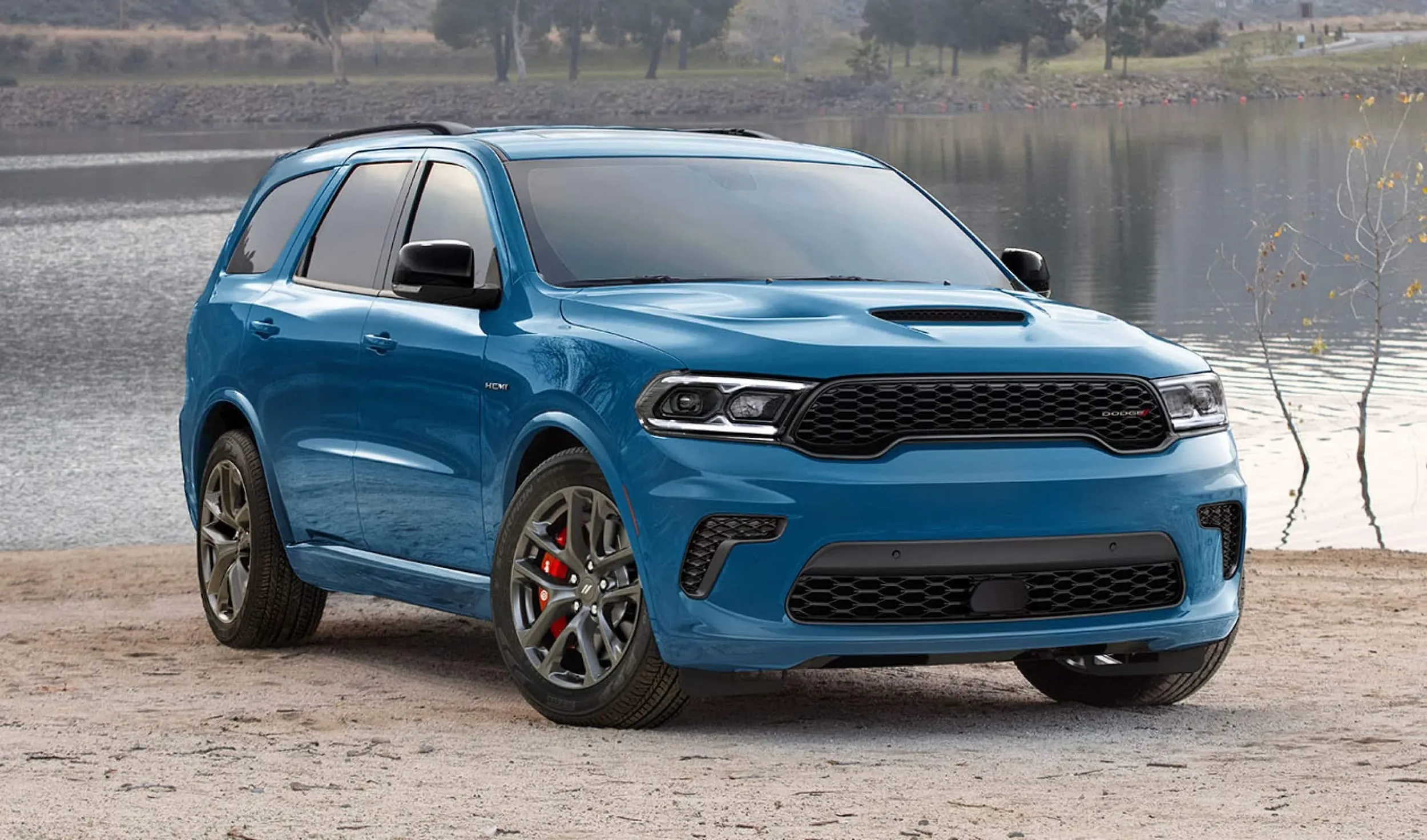
4. Dodge Durango SRT 2024
Performance SUV Dodge Durango SRT 2024 offers thrilling acceleration, yet city use exposes intense brake consumption. Its supercharged engine produces immediate torque, meaning brakes must engage frequently in stop-and-go traffic. Short, repeated stops place stress on pads and rotors beyond what average commuters experience.
Brake pedal response is firm, tuned for high-speed highway stops. Urban deceleration cycles generate heat faster than intended for low-speed traffic, leading to glazing and pad wear. Even light urban braking can activate performance rotors under huge load, accelerating replacement intervals.
Vehicle mass and weight distribution amplify stress. Front-biased layout, combined with high curb weight, creates more load on front friction components. Suspension design prioritizes comfort and control at speed but transfers deceleration force to pads during frequent city stops. Long-term use shows accelerated wear compared with non-performance SUVs.
Driver habits influence brake longevity. Aggressive launch behavior is natural in this vehicle, prompting more frequent and forceful stops. Urban traffic with frequent traffic lights exacerbates pad consumption, while consistent high-speed braking patterns are rare, reducing performance efficiency benefits.
Cabin and electronics add an indirect load. Climate control, heavy sound systems, and onboard amenities contribute to weight and distraction, resulting in later or harder braking events. Emergency stops in traffic increase stress on already high-load components.
Heat cycling is continuous. Repeated city deceleration creates more thermal variation than highway use. Pads can glaze, rotors may develop hot spots, and stopping distance may change subtly as wear progresses. Performance systems are designed to handle peak events, not constant low-speed repetition.
Dodge Durango SRT 2024 excels in spirited driving, but urban commuting accelerates brake wear. Heavy front bias, repeated low-speed deceleration, and performance-oriented components make it less ideal for drivers seeking low-maintenance city operation. Owners should plan for more frequent inspections and pad replacements.
Also Read: 5 Cars That Stay Comfortable in LA Traffic vs 5 That Don’t
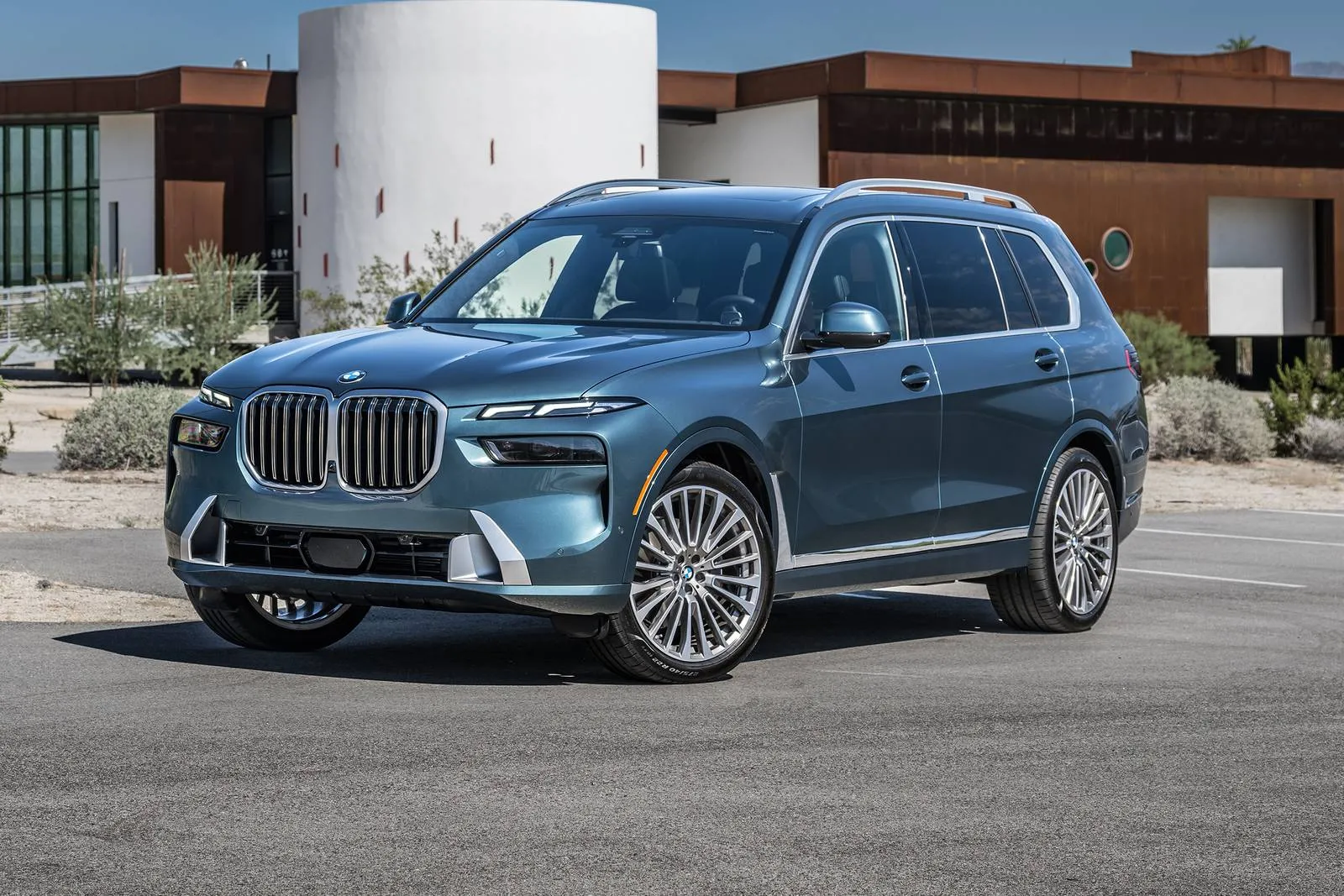
5. BMW X7 xDrive50i 2024
Luxury and size dominate the BMW X7 xDrive50i 2024, yet these traits strain brakes in city conditions. With substantial curb weight, advanced luxury features, and a high-performance engine, friction brakes must work continuously during urban stop-and-go traffic. Even careful drivers experience accelerated wear.
Acceleration produces momentum. City starts, merges, and lane changes demand immediate braking input. Without regenerative systems, every deceleration relies solely on mechanical pads, exposing them to repeated stress cycles. Weight distribution and suspension tuning affect efficiency.
Designed for smooth highway cruising, the X7 transfers considerable load to the front brakes under repeated stops. Suspension movement, while improving comfort, increases pressure on rotors and pads during deceleration. Stoplight-heavy routes highlight these limitations quickly.
Brake components are performance-oriented. Multi-piston calipers and large rotors provide exceptional stopping power but are sensitive to repeated low-speed urban braking. Heat buildup occurs quickly, increasing pad glazing and reducing long-term friction efficiency. Frequent city stops reduce their lifespan compared with highway use.
Driver behavior amplifies the issue. Enthusiastic acceleration is tempting, given engine power and smooth chassis response. Even moderate city traffic requires repeated brake application under higher loads than smaller SUVs. Cabin and electronics add to curb weight, indirectly increasing braking demands.
Highway driving contrasts city experience. Open roads allow thermal relief and long braking intervals, preserving components. City streets, however, create continuous engagement that overwhelms friction-only braking systems in a short timeframe. Owners may notice earlier pad replacement schedules.
BMW X7 xDrive50i 2024 delivers luxury, refinement, and power. Urban commuting, however, accelerates brake wear due to heavy curb weight, high output, and performance-focused components. Drivers prioritizing longevity should expect higher maintenance and adopt smoother braking habits to preserve pads and rotors.
