
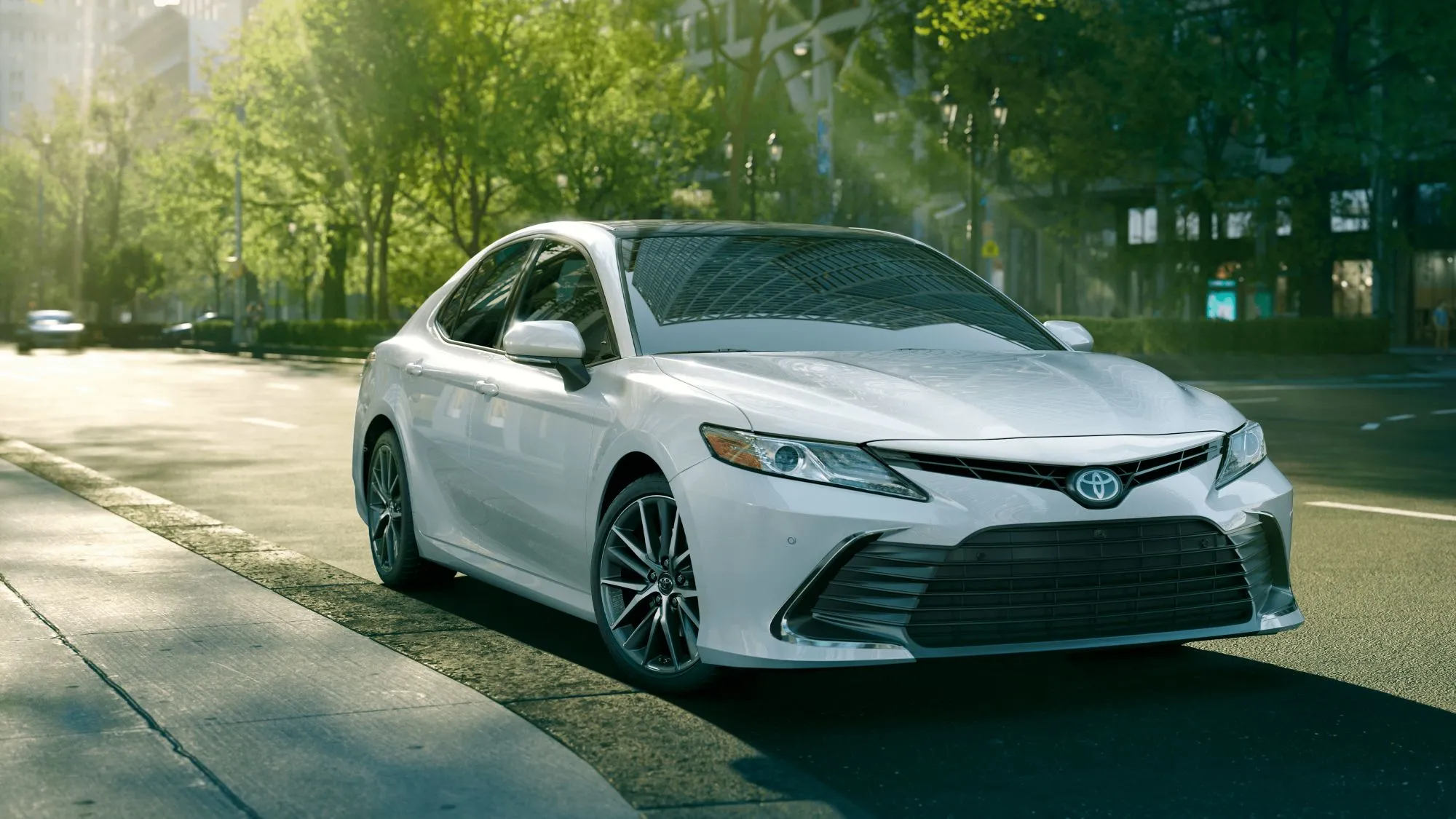
City commuting can turn a reliable car into a source of frustration if frequent starts and stops take a toll. Rush-hour traffic, short errands, and urban errands demand vehicles that tolerate constant ignition without compromising performance or durability. While some cars adapt smoothly to this stress, others reveal mechanical and electrical vulnerabilities when starts accumulate throughout the day.
Reliability under frequent starts is not just about engine quality. Starter motors, transmission durability, battery capacity, and even fuel delivery systems play a role in how well a car withstands repeated cycles. Drivers seeking vehicles for stop-and-go scenarios benefit from designs that focus on urban resilience and stress-free operation.
This guide looks into ten vehicles, five that handle frequent starts with ease and five that reveal strain in similar conditions. Each entry considers real-world performance, comfort, and mechanical dependability during repeated ignition cycles. The goal is to provide insight for commuters, city dwellers, and anyone whose daily routine demands more from a car than highway cruising.
Through careful evaluation of engines, transmissions, electrical systems, and cabin ergonomics, these vehicles demonstrate the subtle differences between stress-tolerant machines and those that add tension. Whether you prioritize a smooth ride, predictable behavior, or consistent response under pressure, understanding how cars react to frequent starts can save frustration, money, and time.
From compact sedans to mid-size SUVs, this list highlights the best performers for urban reliability and identifies models that may struggle when stop-and-go traffic dominates the commute. By examining performance, comfort, and mechanical resilience, this guide aims to equip readers with knowledge for smarter choices in vehicles that demand frequent attention to ignition.
Choosing the right vehicle can make urban life calmer, more predictable, and less stressful. Vehicles that perform reliably under frequent starts allow drivers to focus on the road instead of worrying about wear, unexpected stalls, or costly repairs. Let’s see which cars rise to the challenge and which may leave owners second-guessing their choice.
5 Vehicles That Stay Reliable With Frequent Starts
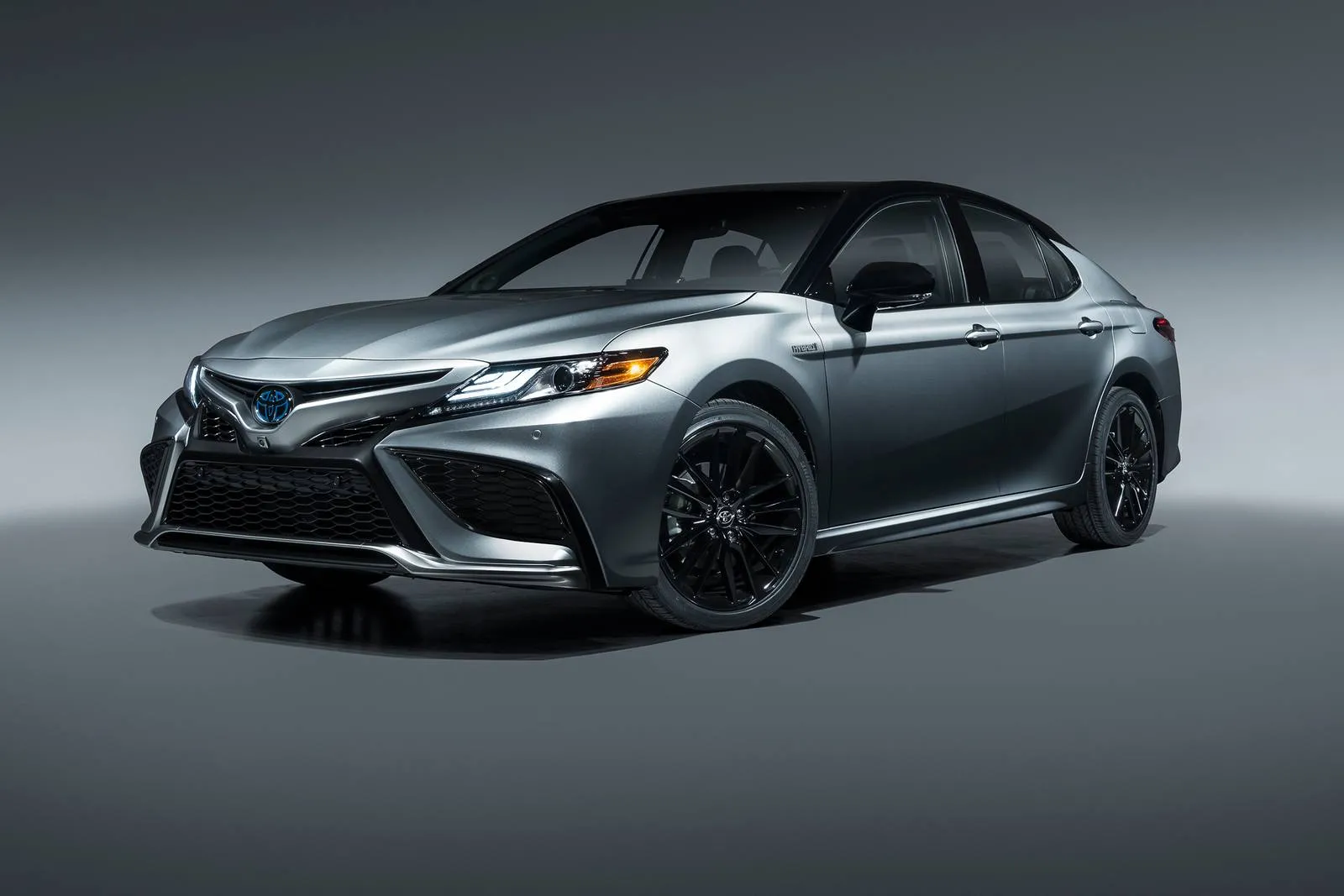
1. Toyota Camry Hybrid LE 2024
Smooth operation defines the Toyota Camry Hybrid LE 2024, especially during repeated starts in urban traffic. Its hybrid powertrain balances electric and gasoline propulsion seamlessly, reducing wear on the engine during short trips. Drivers experience minimal strain on the starter system because the electric motor handles low-speed propulsion while the gasoline engine engages only when needed.
Cabin comfort supports stop-and-go conditions. Seats maintain posture without requiring constant adjustment, and control layouts allow easy access without distraction. Displays indicate energy usage clearly, helping drivers anticipate fuel needs during frequent starts.
Acceleration remains gradual and predictable, preventing sudden jerks that could stress the drivetrain. Regenerative braking contributes to smooth deceleration and recaptures energy, reducing reliance on traditional brakes. This system also lowers the mechanical strain associated with repeated stops.
Reliability extends to the battery system, which integrates robust thermal management. Frequent short trips do not overheat components, and system monitoring adjusts energy flow to optimize performance. Electric-only mode allows quiet, stress-free operation during low-speed urban maneuvers.
Fuel economy benefits from start-stop tolerance. Energy is recaptured efficiently, and the engine operates only when necessary. Drivers can tackle errands or congested streets without concern for accelerated wear or unexpected maintenance issues.
Toyota Camry Hybrid LE 2024 demonstrates that thoughtful hybrid engineering translates to mechanical resilience. Frequent starts, common in urban environments, become routine rather than stressful. The balance of comfort, energy management, and drivetrain durability supports daily driving with minimal mental or mechanical strain, making this sedan a standout for city commuters.
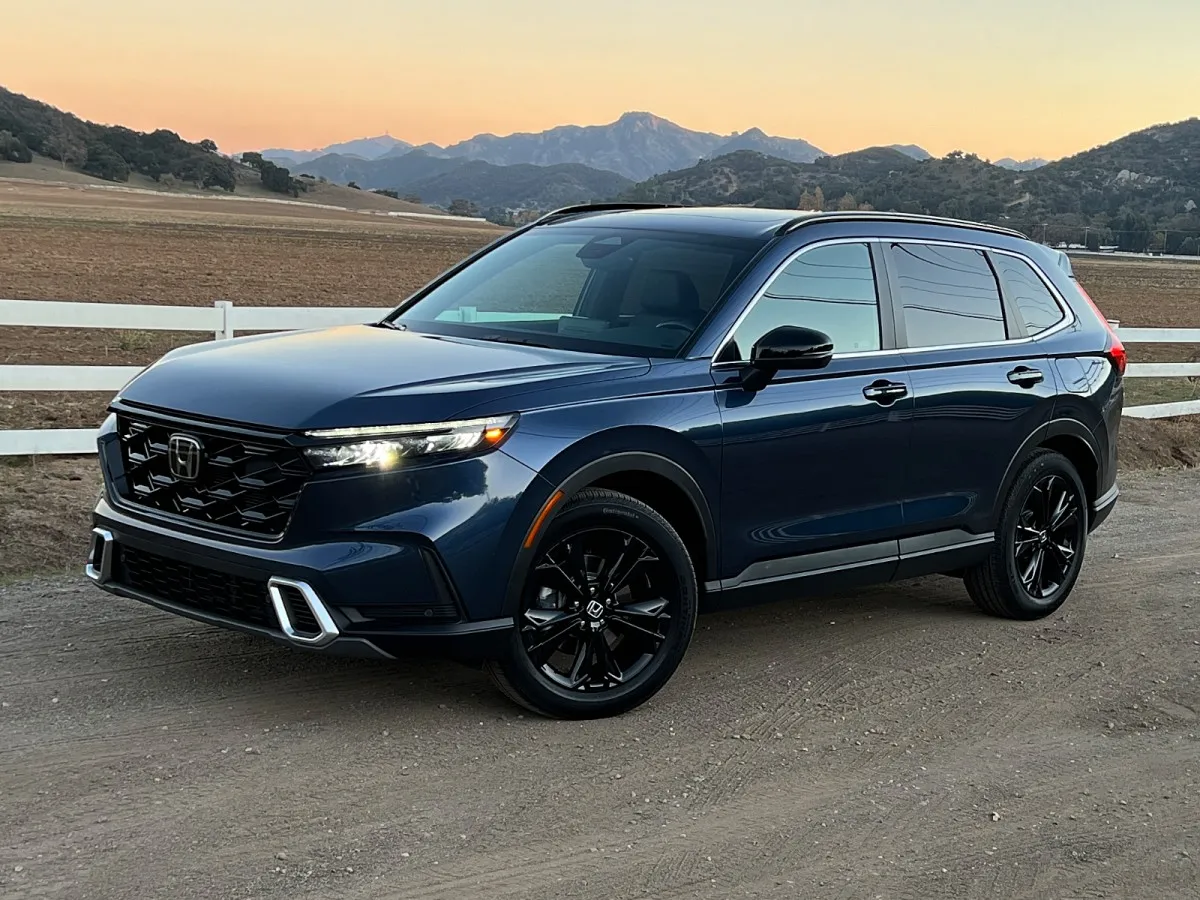
2. Honda CR-V Hybrid EX 2024
Frequent starts challenge the Honda CR-V Hybrid EX 2024 less than most mid-size SUVs. Its intelligent hybrid system ensures the gasoline engine starts only when required, while electric propulsion handles urban stop-and-go movements efficiently. Starter motor wear is minimal because the engine rarely cycles unnecessarily during short intervals.
Steering and suspension tuning complement urban reliability. Smooth inputs and controlled ride quality reduce stress for both driver and passengers. Potholes, abrupt stops, and short accelerations remain manageable without amplifying mechanical strain.
Cabin ergonomics emphasize calm, with logically arranged controls and intuitive displays that communicate energy flow, fuel levels, and hybrid status. Drivers remain informed without excessive distraction, enabling safer responses to frequent starting conditions.
Regenerative braking eases mechanical wear. Each stop recovers energy and reduces reliance on traditional brakes, decreasing the rate at which pads and rotors degrade under repeated cycles. Acceleration is smooth and responsive, which supports precise, stress-free urban driving.
Thermal management ensures consistent performance. Even during consecutive starts, battery and engine temperatures remain within safe thresholds, preventing overheating that could compromise long-term reliability. This focus on internal systems strengthens the vehicle’s tolerance to repetitive ignition.
Honda CR-V Hybrid EX 2024 combines hybrid efficiency, intelligent energy management, and mechanical resilience. Stop-and-go traffic no longer becomes a concern, as the vehicle handles frequent starts quietly, predictably, and efficiently. Commuters benefit from reduced maintenance worries and consistent daily performance.
Also Read: 5 Cars for Florence Daily Commuting and 5 Fuel-Efficient Choices
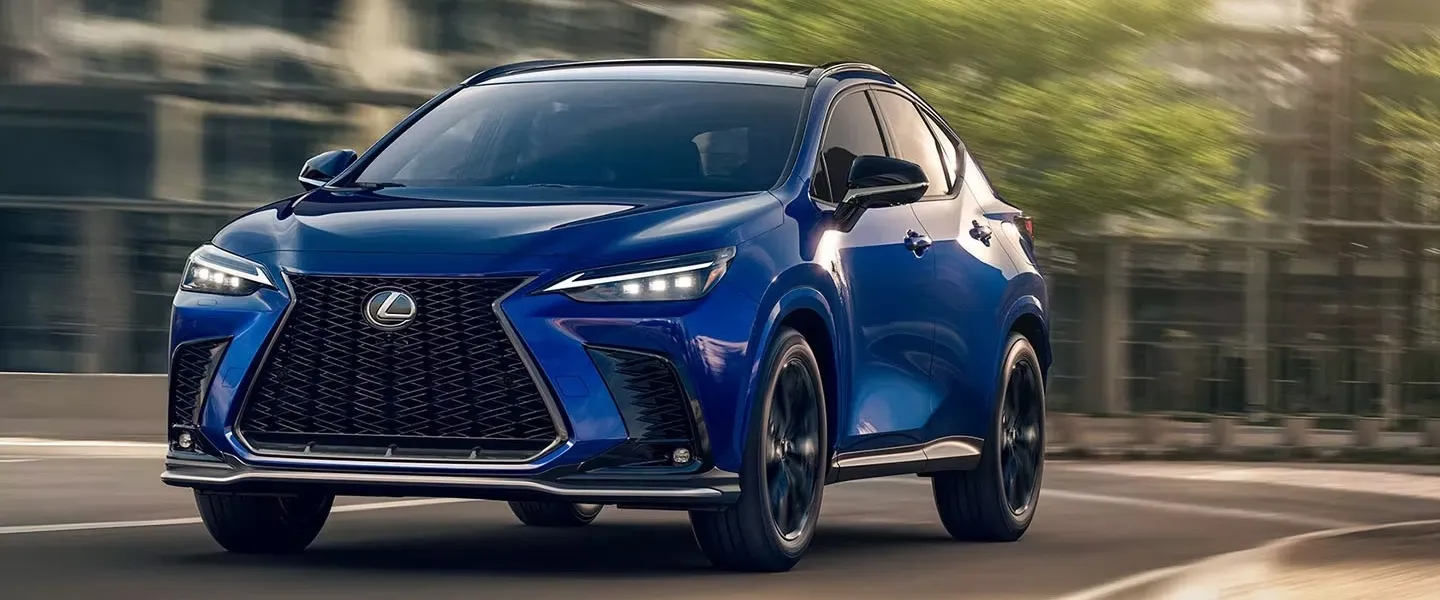
3. Lexus NX 350h 2024
Luxury meets resilience in the Lexus NX 350h 2024. Its hybrid powertrain supports frequent urban starts by seamlessly blending electric and gasoline power, reducing engine load during repeated ignitions. Owners enjoy smooth acceleration from standstill, with little feedback or jolt transmitted through the cabin.
Interior refinement contributes to stress reduction during frequent starts. Heated seats, ergonomic controls, and a well-laid dashboard minimize distractions and allow drivers to focus on urban maneuvering. Information displays show energy distribution and fuel use clearly, making it easy to understand the car’s operation during stop-and-go traffic.
Ride quality maintains composure over uneven roads. Adaptive suspension absorbs bumps, while steering remains responsive without exaggerating input. The combination ensures that repeated accelerations do not disrupt passenger comfort or chassis integrity.
Battery and thermal systems protect longevity. The hybrid battery cycles energy efficiently, preventing overheating or excessive drain from short trips. This allows multiple daily starts without mechanical compromise or concern for degraded performance.
Fuel efficiency remains high even in city conditions. Regenerative braking recovers energy during frequent decelerations, and engine engagement is calculated for minimal disruption. This reduces the frequency of wear on engine and brakes while supporting smooth performance.
Lexus NX 350h 2024 demonstrates that luxury vehicles can also thrive under urban stress. Mechanical reliability, hybrid efficiency, and thoughtful ergonomics combine to deliver a vehicle capable of repeated starts without imposing strain on either driver or vehicle.
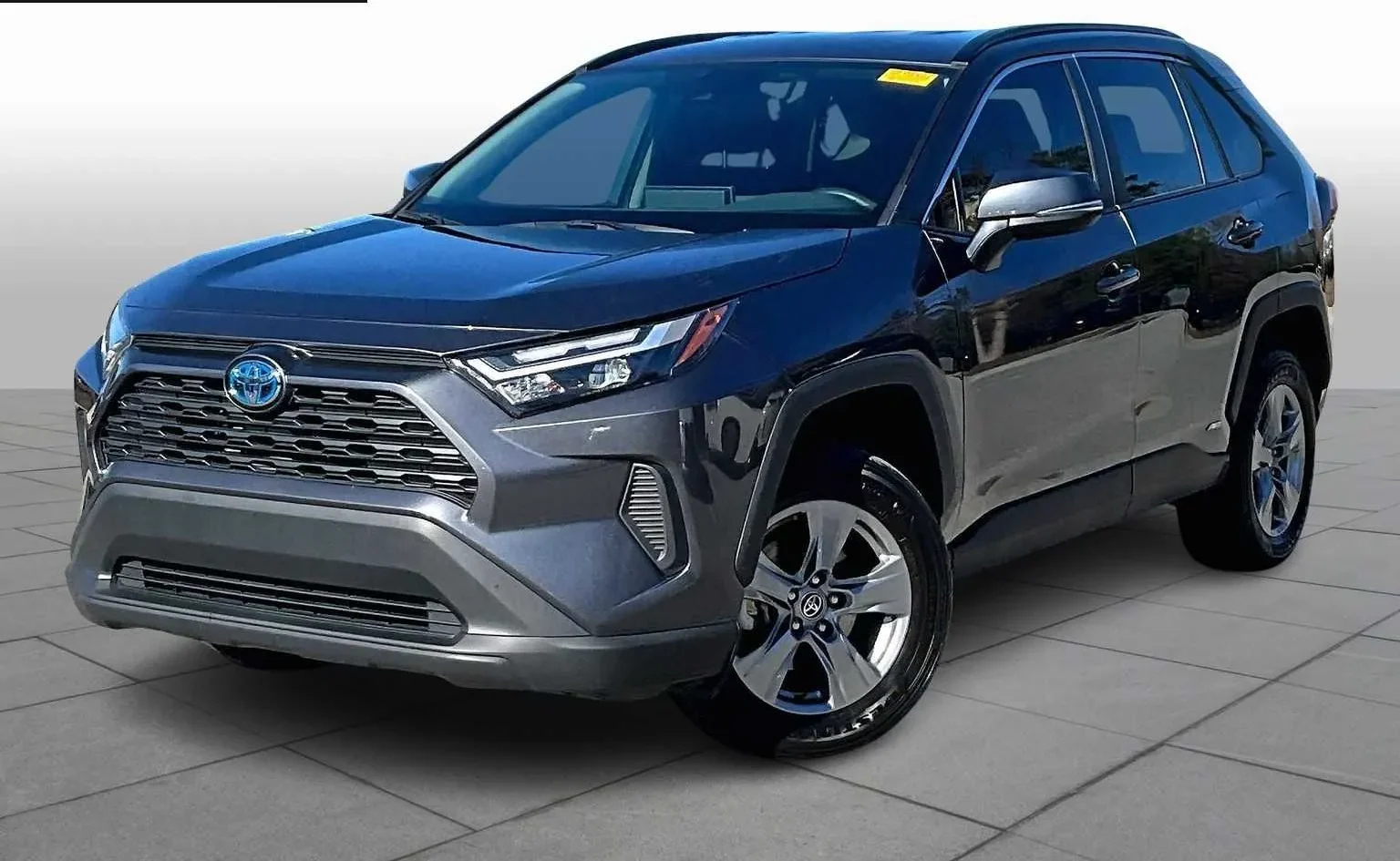
4. Toyota RAV4 Hybrid XLE 2024
Urban commuting exposes vehicles to frequent starts, yet the Toyota RAV4 Hybrid XLE 2024 excels under these conditions. Its hybrid system allows the engine to remain dormant at low speeds, with electric motors managing acceleration and deceleration efficiently. This reduces wear on the starter motor and engine components, extending mechanical life in stop-and-go conditions.
Suspension tuning enhances city resilience. Smooth damping absorbs road imperfections without transferring excessive motion to the cabin. Steering remains predictable, allowing precise navigation through narrow streets and congested intersections.
Cabin ergonomics prioritize clarity and ease. Controls are accessible, displays show hybrid operation intuitively, and seating supports alert posture during frequent stops. These features reduce driver fatigue during repetitive starts.
Acceleration and braking remain balanced. Progressive throttle response avoids jerky starts, while regenerative braking mitigates wear on conventional brakes and recaptures energy during repeated stops. These systems reduce stress on key mechanical components.
Thermal management safeguards battery longevity. The system adjusts cooling and heating dynamically, preventing overuse of components during rapid start-stop cycles. This ensures reliable performance even under heavy urban usage.
Fuel efficiency benefits from intelligent energy management. Frequent starts are absorbed without excessive fuel consumption, as electric power reduces reliance on the gasoline engine for short bursts. RAV4 Hybrid XLE 2024 demonstrates how hybrid engineering can make urban driving calm and reliable.
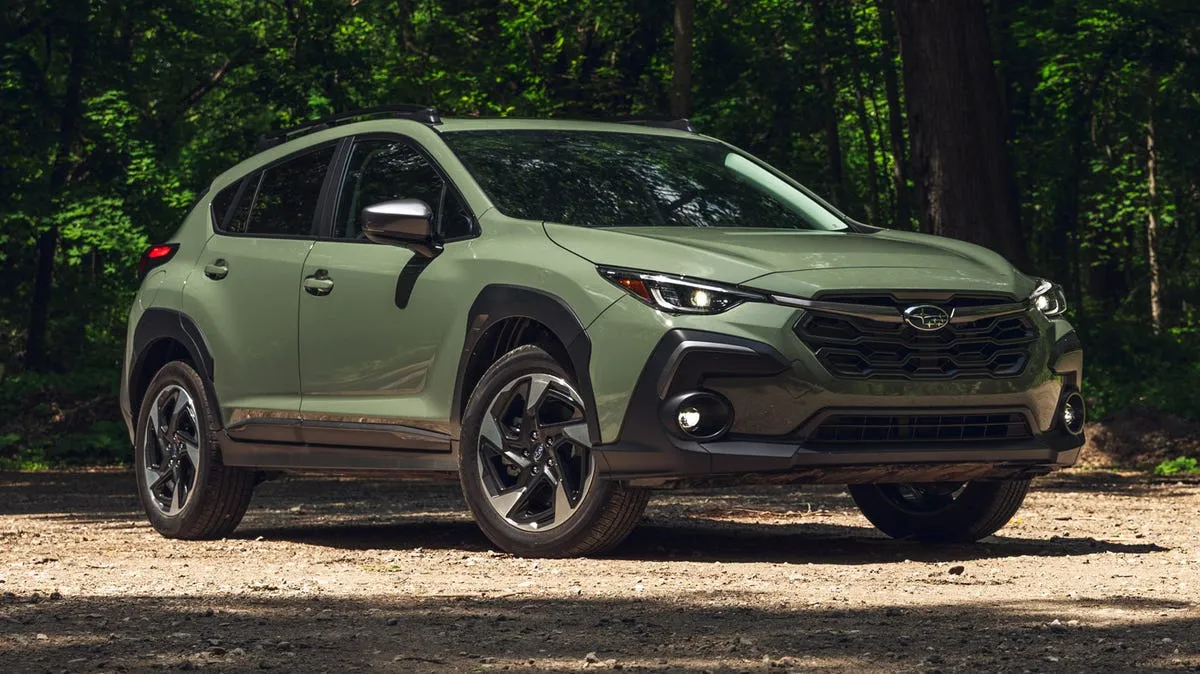
5. Subaru Crosstrek Hybrid Limited 2024
The Subaru Crosstrek Hybrid Limited 2024 demonstrates remarkable reliability in conditions that demand frequent starts, thanks to its advanced hybrid drivetrain and robust mechanical construction. The electric motor efficiently manages low-speed movements, reducing the frequency of engine engagement and minimising wear on the starter system.
This configuration allows repeated ignition cycles to occur without placing undue stress on critical components, making urban stop-and-go traffic easier to manage. Engineering attention to suspension and chassis design enhances performance on imperfect city roads.
Even during continuous stops and accelerations, the ride quality remains composed, steering is responsive, and passengers experience minimal jolts. This combination not only promotes comfort but also mitigates fatigue during longer urban journeys, allowing drivers to maintain composure through congested conditions.
The cabin layout supports attentive and confident operation. Controls are logically positioned, displays are legible at a glance, and hybrid system information provides clear insight into energy flow and power allocation. Drivers can anticipate vehicle responses during short trips, ensuring that frequent stops remain predictable and stress-free.
Interior ergonomics and instrumentation together foster a sense of control without distracting from road awareness. Braking and acceleration systems are calibrated specifically for urban efficiency. Regenerative braking captures energy during deceleration, extending the lifespan of conventional brake components while maintaining smooth and controlled stops.
Throttle response is linear, reducing abrupt movements and preventing unnecessary disturbances to passengers during repeated manoeuvres. Thermal and battery management systems sustain operational reliability even under repeated urban starts.
Components remain within optimal temperature ranges, and energy storage is preserved for consistent performance throughout the day. This ensures that the hybrid system continues to deliver both efficiency and responsiveness, regardless of the number of short trips undertaken.
In all, the Subaru Crosstrek Hybrid Limited 2024 provides a harmonious blend of durability, efficiency, and comfort. Its engineering allows it to handle the demands of urban commuting with minimal mechanical stress, while its refined ride, predictable controls, and intelligent hybrid systems make daily city driving a dependable and pleasant experience for both driver and passengers alike.
5 Vehicles That Don’t Stay Reliable With Frequent Starts
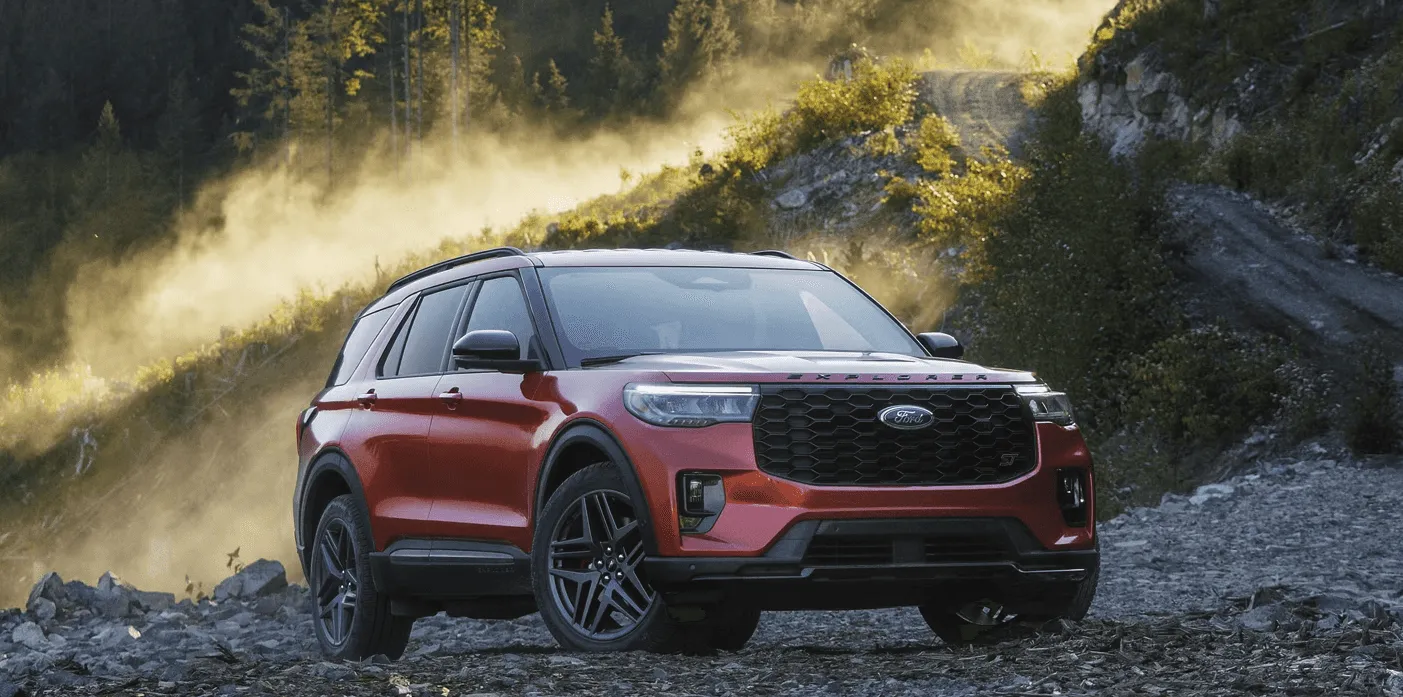
1. Ford Explorer XLT 2024
Ford Explorer XLT 2024 projects capability, but frequent starts in urban settings expose some of its limitations. The six-cylinder engine provides ample power, yet repeated ignition cycles during stop-and-go traffic stress the starter motor and electrical systems more than lighter, hybrid-focused vehicles. Drivers may notice slight hesitations when restarting after frequent stops, requiring careful throttle modulation to avoid abrupt acceleration.
Steering feels responsive at higher speeds, but in tight city corridors, the vehicle’s size challenges precision. Lane changes and cornering require constant attention. Over repeated stops, this can create mental fatigue, as the driver balances throttle, brake, and steering inputs more actively than smaller, lighter vehicles.
Ride quality, while comfortable on highways, becomes less forgiving in urban conditions. Suspension absorbs bumps, yet the higher mass amplifies minor jolts, which can disturb passengers during repeated starts. The combination of weight and rigid tuning increases the perception of strain in frequent stop scenarios.
Cabin ergonomics provide convenience, yet some controls demand multiple touches to adjust settings during short urban trips. Accessing climate controls or infotainment options while performing frequent stops can increase driver distraction.
Fuel efficiency suffers under frequent starts. The traditional gasoline engine cycles on each ignition, consuming more fuel than hybrids designed for short bursts. During repeated stop-and-go maneuvers, the Explorer’s MPG rating decreases noticeably, adding cost and environmental impact as time goes on.
Electronics and onboard diagnostics offer support but cannot fully mitigate mechanical stress from frequent starts. While the vehicle remains robust, drivers quickly learn that long idle periods and repeated engine cycles accelerate wear compared to models built for urban rhythm.
Ford Explorer XLT 2024 excels for open-road driving and longer trips. In dense traffic, frequent starts introduce cumulative strain on the engine, brakes, and suspension. City dwellers may appreciate its capability, but the vehicle demands attentive operation, making routine commutes more demanding than those in more urban-optimized vehicles.
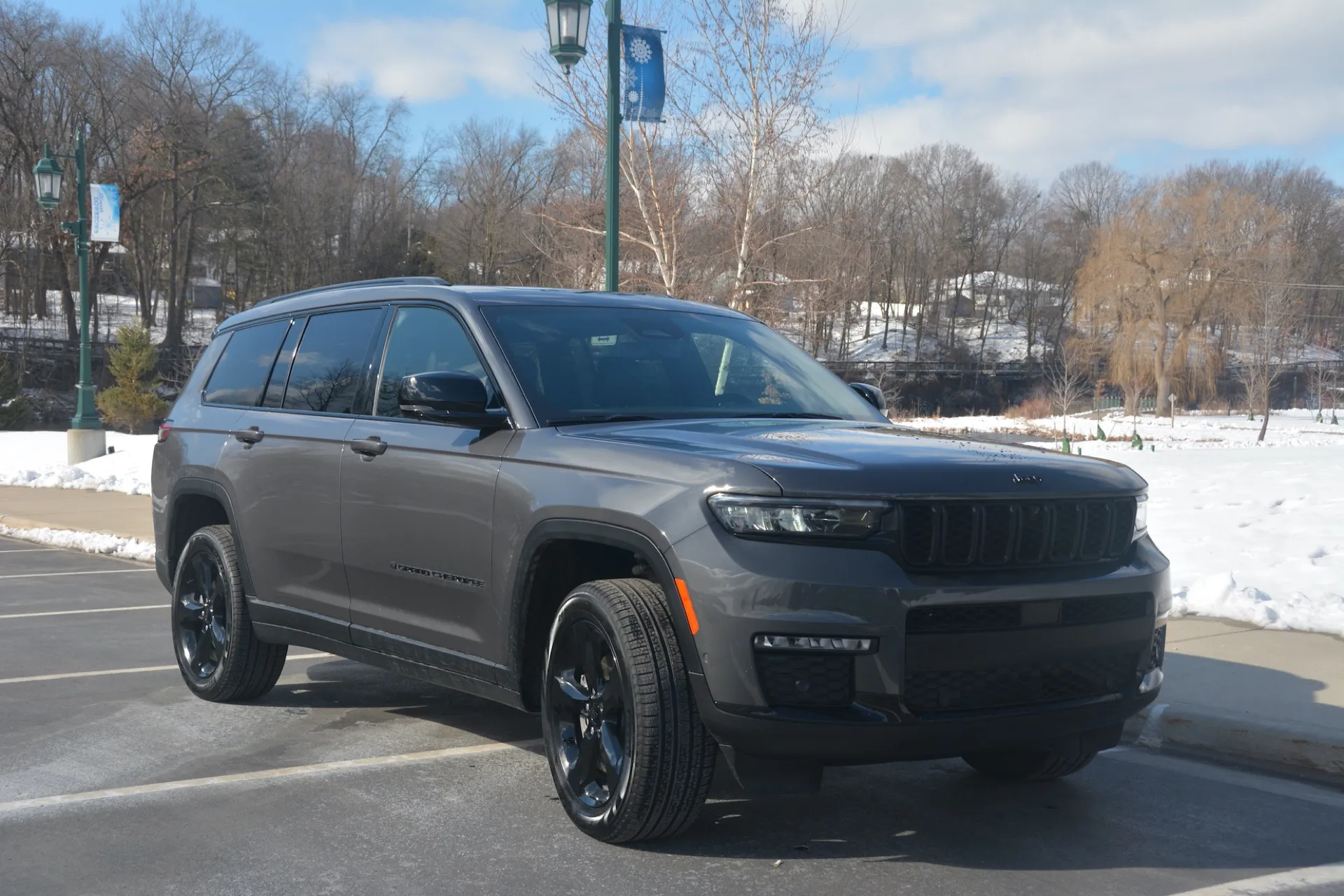
2. Jeep Grand Cherokee L 2024
Jeep Grand Cherokee L 2024 offers impressive off-road capability, yet frequent starts in urban areas highlight challenges for everyday city driving. The V6 engine delivers power smoothly, but repeated ignition cycles place extra strain on the starter and electrical system, producing minor delays or hesitation during stop-and-go conditions.
Handling is confident on open roads, but in urban streets, size and weight complicate precise maneuvering. Drivers need to plan movements carefully, particularly when negotiating tight intersections or parallel parking. Small adjustments require conscious effort, increasing cognitive load during dense traffic.
Suspension is designed for off-road comfort, which translates to a firmer feel during repeated acceleration and braking in urban environments. Potholes, speed bumps, and uneven surfaces magnify vibration in the cabin, reducing perceived comfort for both driver and passengers.
Fuel consumption rises rapidly under frequent starts. Each ignition engages the gasoline engine fully, unlike hybrid systems that rely on electric propulsion for low-speed movement. Drivers may notice MPG dropping noticeably in stop-and-go traffic compared to highway cruising, increasing operational costs.
Brake and throttle systems remain mechanically durable, but repeated cycles contribute to faster wear on components not designed for constant short-term loads. While the vehicle is capable, the experience can feel more demanding than urban-optimized SUVs built to handle frequent ignition smoothly.
Jeep Grand Cherokee L 2024 impresses in capability and luxury, but urban commutes emphasize its limitations. Frequent starts make the experience more taxing, requiring careful attention and consistent throttle management. In stop-and-go traffic, the vehicle’s strengths on the open road become sources of strain.
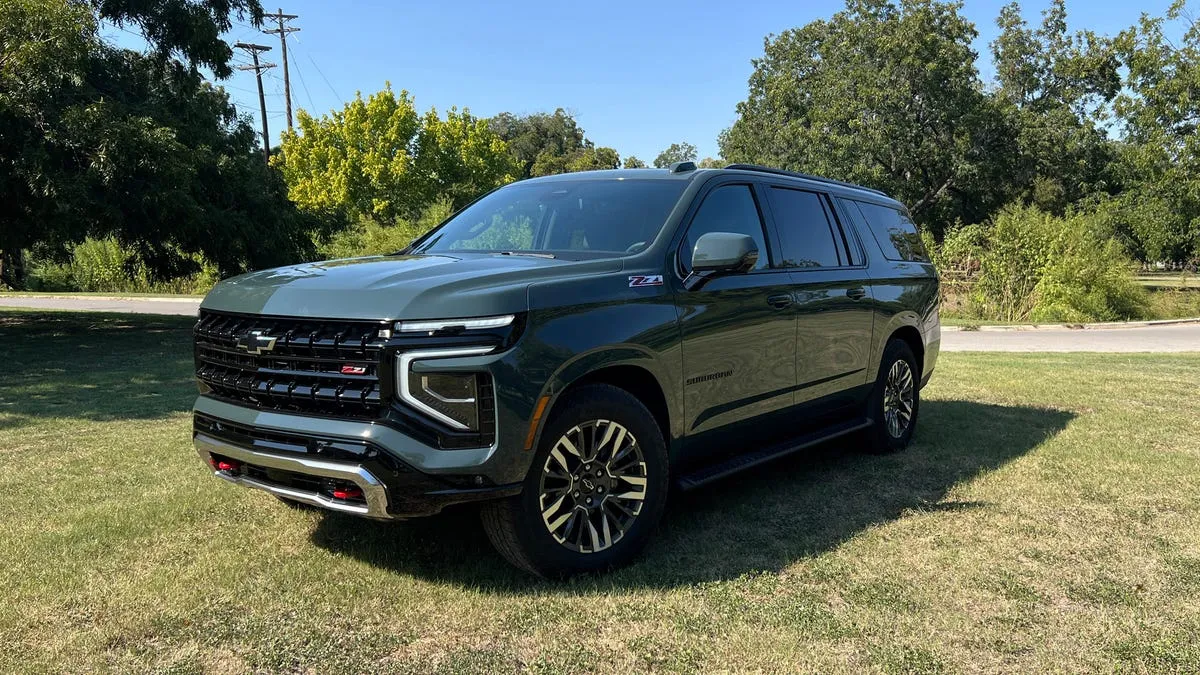
3. Chevrolet Suburban Z71 2024
The Chevrolet Suburban Z71 2024 conveys presence and authority with its extended wheelbase and substantial body. While these attributes favour open-road stability and hauling, frequent starts in urban settings reveal certain limitations. The large V8 engine produces abundant power, yet repeated ignition cycles place strain on starter components and increase fuel consumption during stop-and-go driving.
Short, congested trips demand careful attention to throttle and braking, making energy management a consistent consideration. Handling remains stable on open highways, but tight city corners and narrow lanes expose the Suburban’s scale.
Steering corrections become more frequent when accelerating and decelerating repeatedly, and the vehicle’s weight amplifies minor inputs, requiring constant focus from the driver. Urban traffic conditions highlight these characteristics, transforming routine starts and stops into tasks that require deliberate attention to maintain control.
Ride comfort reflects the SUV’s emphasis on stability. The suspension absorbs large irregularities effectively, yet repeated braking and acceleration emphasize body roll and cabin sway. Passengers may perceive these movements more sharply than in smaller or hybrid alternatives, and the accumulation of minor motions during extended urban travel can contribute to fatigue.
Interior ergonomics provide spaciousness and convenience, but some controls require multiple interactions during frequent stops. Adjusting infotainment settings or cabin climate demands concentration, potentially diverting focus from the careful coordination of accelerator, brake, and steering required in congested streets.
Fuel efficiency declines quickly under repeated stop-and-go conditions. Each engine start consumes considerable energy, and the absence of regenerative braking places all deceleration demands on traditional brake components, accelerating wear on pads and rotors. Drivers must remain attentive to energy use and mechanical response throughout urban journeys.
Assistance technologies such as parking sensors and lane guidance offer support, yet they cannot offset the physical and mechanical demands imposed by the Suburban’s size and engine characteristics. Frequent starts in city traffic highlight the difference between open-road capability and urban practicality, revealing challenges that require deliberate driving strategies to maintain smooth and controlled operation.
The Chevrolet Suburban Z71 2024 excels in long-distance comfort and power delivery, but frequent ignition cycles in dense urban conditions demand heightened attention, making city driving more taxing compared with vehicles engineered for repeated starts and lighter traffic scenarios.
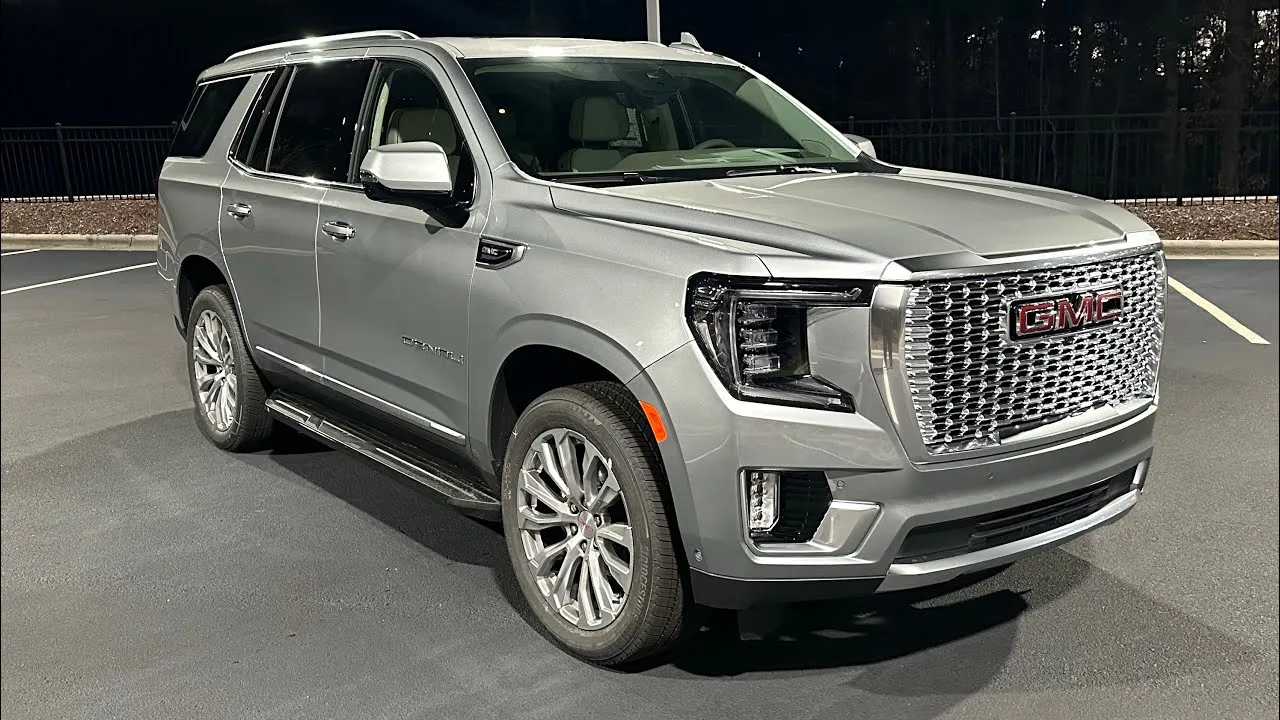
4. GMC Yukon Denali 2024
GMC Yukon Denali 2024 combines luxury with substantial mass, a combination that can feel cumbersome during frequent starts in urban areas. The V8 engine delivers ample torque, yet repeated ignition cycles contribute to noticeable wear on starter components, requiring careful throttle modulation to prevent jerky starts.
Maneuvering the Yukon in city streets demands awareness. Its extended wheelbase and wide profile require anticipation during lane changes and tight turns. Repeated stops intensify driver focus, making short urban trips mentally draining.
Suspension tuning favors highway comfort and off-road robustness. In stop-and-go traffic, the firm ride and weight distribution allow the cabin to rock slightly during acceleration and braking, producing minor but consistent fatigue for passengers.
Cabin ergonomics remain premium, yet touchscreen interfaces and multi-step controls can feel cumbersome when repeated starts require frequent adjustments. Physical controls simplify basic operations, but more advanced settings often require attention that detracts from managing vehicle movement.
Fuel efficiency suffers under urban stress. Frequent engine starts increase consumption sharply, and traditional braking accelerates wear compared to hybrid-assisted systems. The vehicle demands active maintenance planning to keep long-term performance stable.
Technology aids such as parking sensors and blind-spot alerts improve confidence, but they cannot fully reduce the cognitive load imposed by repeated starts. Each stop requires coordination of steering, braking, and throttle to maintain smooth, safe operation.
GMC Yukon Denali 2024 delivers an authoritative presence on highways and long trips. Frequent urban starts transform their power and mass into factors that require constant attention, adding complexity to short daily commutes compared to lighter, hybrid, or more urban-optimized vehicles.
Also Read: 5 Cars for Flagstaff Mountain Driving and 5 Cold-Weather Performers
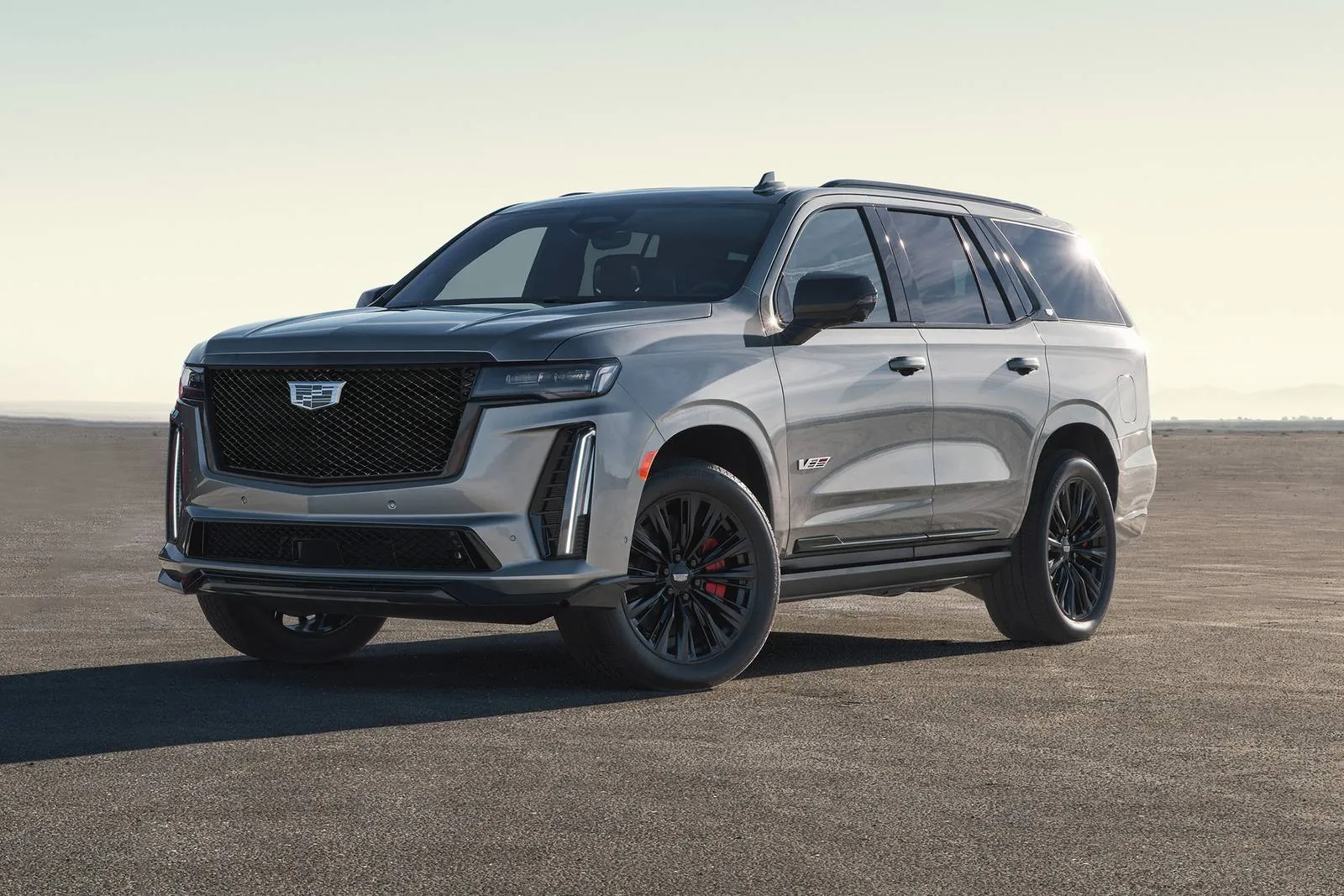
5. Cadillac Escalade ESV 2024
Cadillac Escalade ESV 2024 emphasizes luxury and space, yet frequent starts expose the challenges of such a large SUV in urban conditions. The V8 engine responds with authority, but repeated ignition cycles place added stress on starter motors and electrical systems. Drivers may notice subtle hesitation during rapid start-and-stop patterns.
Handling is stable at speed, but in crowded streets, the vehicle’s length and width necessitate constant awareness. Parking, turning, and merging require deliberate input, and repeated stops amplify cognitive demands as time goes on.
Suspension is tuned for comfort over rough surfaces, yet frequent acceleration and braking cycles emphasize cabin sway and body movement. Passengers may experience minor jolts and vibrations with each stop, which reduces the calm typically expected in luxury vehicles.
Cabin technology remains advanced, yet adjusting climate controls or infotainment during frequent starts can distract from smooth operation. The vehicle’s size magnifies the importance of careful control inputs, increasing driver effort in short, repetitive trips.
Fuel efficiency is heavily affected by urban stop-and-go conditions. The large displacement engine consumes more fuel per ignition cycle than hybrids or smaller SUVs, while traditional brakes wear faster due to the lack of regenerative systems.
Driver assistance and camera systems help maintain confidence, but they cannot compensate for mechanical strain induced by repeated starts. Each cycle requires attention to multiple systems simultaneously to ensure controlled, predictable behavior.
Cadillac Escalade ESV 2024 impresses with luxury, power, and space, yet frequent urban starts turn its size, weight, and fuel demands into challenges for daily city commuting. While ideal for long distances or highways, repeated ignitions in dense traffic reveal the stress imposed on drivers and machinery alike.
