
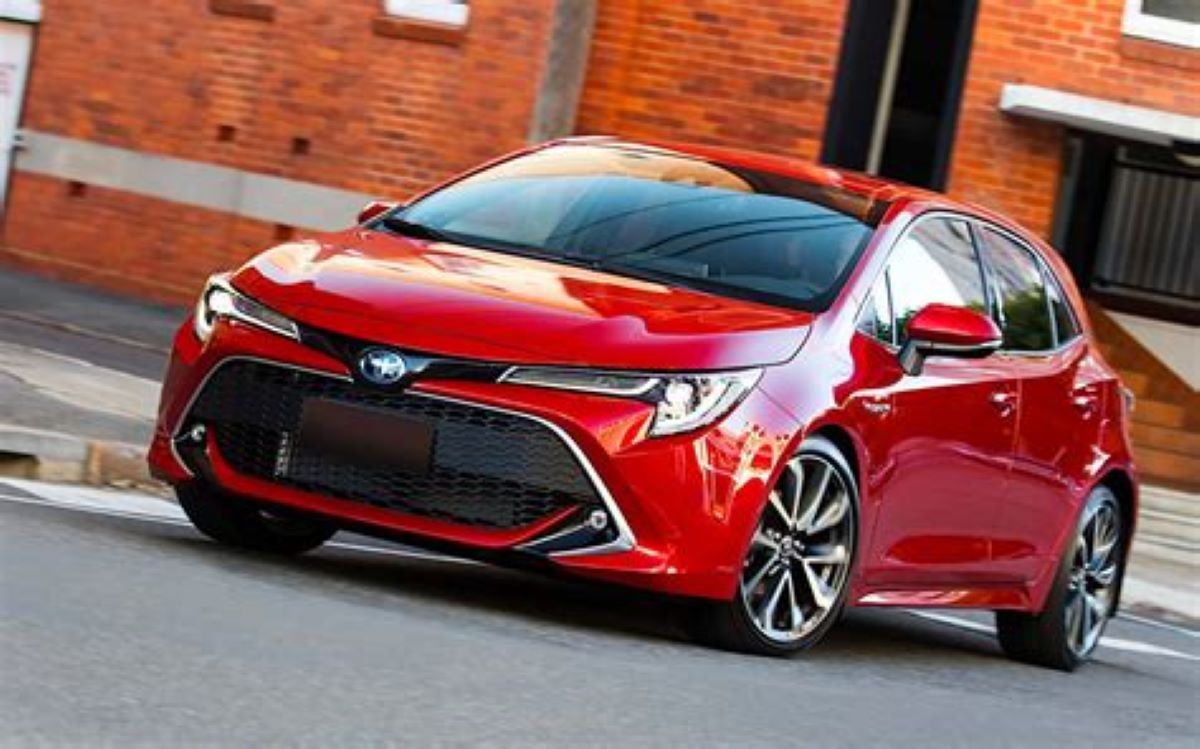
Parking has become one of the most pressing challenges in modern urban living, transforming from a simple convenience into a complex puzzle that drivers must solve daily.
As cities grow denser and vehicle ownership continues to rise, the battle for parking space has intensified, making the choice of vehicle more critical than ever before.
The decision between a compact car that can slip into tight street parking spots and a larger vehicle that demands the security and space of a private garage goes far beyond mere preference it’s a lifestyle choice that affects daily routines, expenses, and stress levels.
Street parking, with its pay-as-you-go meters and unpredictable availability, offers flexibility and cost savings for those who choose wisely. The right vehicle can transform the frustrating circling of city blocks into a quick, efficient parking experience.
Compact dimensions, tight turning radii, and manageable lengths can mean the difference between finding a spot in minutes or spending half an hour searching for an opening. These street-parking champions are designed with urban environments in mind, featuring smart engineering that maximizes interior space while minimizing exterior footprint.
Conversely, some vehicles simply aren’t built for the constraints of curbside real estate. Whether due to their imposing size, luxury status, security requirements, or specialized features, certain cars demand the protection and space that only private parking can provide.
Full-size trucks, luxury sedans, exotic sports cars, and large SUVs often require the controlled environment of a garage or dedicated parking space not just for convenience, but for preservation, security, and practicality.
This distinction has real financial implications too. Private parking in major cities can cost anywhere from $200 to over $500 monthly, while street parking, though sometimes metered, generally offers greater flexibility without long-term commitments.
Insurance rates, vehicle maintenance, and resale value are all influenced by parking choices. Understanding which vehicles thrive in street parking scenarios and which ones genuinely need dedicated private space can help prospective buyers make informed decisions that align with their urban lifestyle, budget, and daily driving patterns. Let’s explore five vehicles that excel at street parking and five that truly require private accommodations.
5 Vehicles That Manage Street Parking
These exceptionally practical vehicles feature compact dimensions and durable exteriors perfectly suited for surviving competitive street parking environments, providing reliable transportation through urban neighborhoods without the damage anxieties typically associated with leaving vehicles exposed to sidewalk chaos and parallel parking contact.
Their sensible engineering includes modest footprints and resilient bumper designs that resist the dings and scrapes found in delicate vehicles while fitting into tight street spaces, handling frequent parallel parking attempts by less-skilled drivers nearby, and surviving shopping cart impacts and minor door dings that inevitably occur during unattended street exposure.
1. Honda Fit (Jazz)
The Honda Fit stands as the ultimate urban warrior when it comes to conquering street parking challenges. This subcompact hatchback has earned legendary status among city dwellers for its exceptional ability to squeeze into parking spaces that larger vehicles wouldn’t dare attempt.
Measuring just 161 inches in length and 67 inches in width, the Fit’s compact dimensions make parallel parking feel almost effortless, even for less experienced drivers.
The excellent outward visibility provided by its upright design and large windows allows drivers to judge distances accurately, reducing the anxiety often associated with tight parking maneuvers.
What truly sets the Honda Fit apart is its remarkably tight turning radius of just 34.1 feet, allowing drivers to go through the narrow city streets and execute parking maneuvers with surprising ease. The steering is responsive and well-weighted, providing excellent feedback during low-speed parking situations.
The raised seating position, unusual for a car of this size, gives drivers a commanding view of their surroundings, making it easier to spot available parking spaces from a distance and assess whether a particular spot is worth attempting.
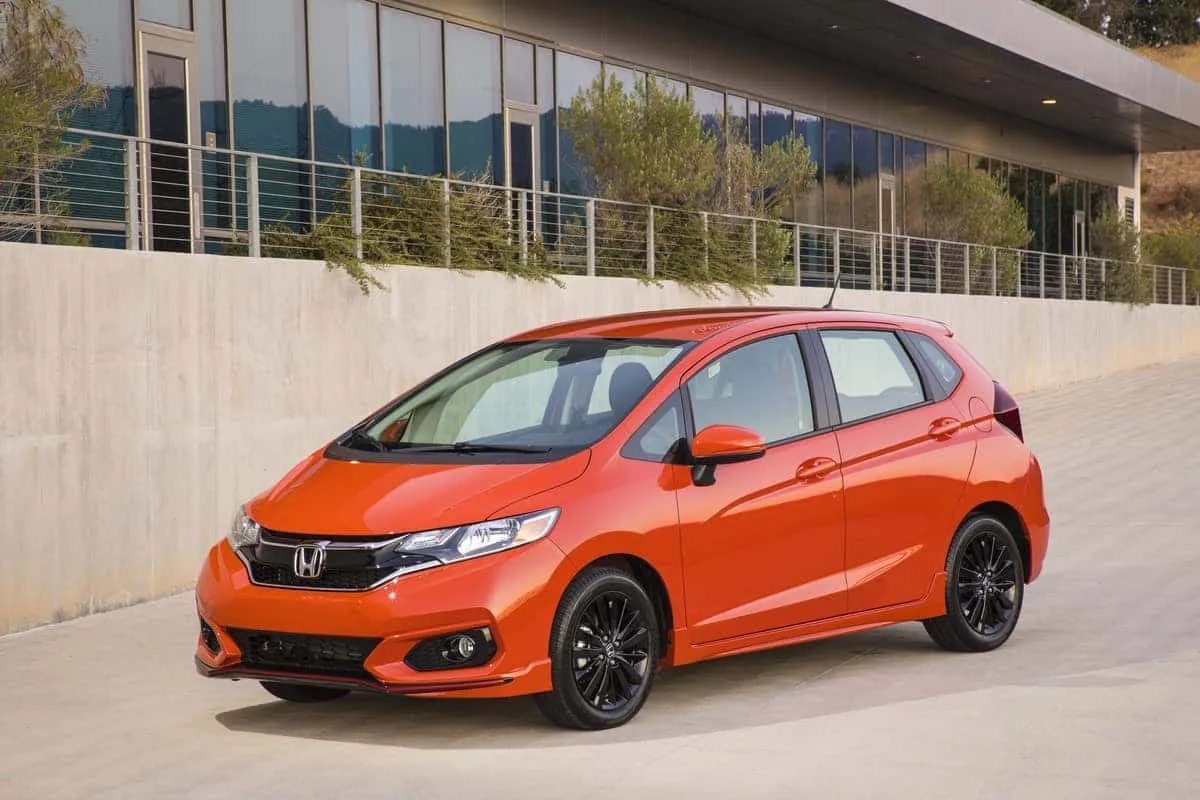
Despite its small exterior footprint, the Fit’s ingenious “Magic Seat” system provides remarkable interior versatility, meaning you’re not sacrificing cargo capacity for that parking advantage.
The rear seats can fold flat, flip up, or recline, creating various configurations that can accommodate everything from tall plants to bicycles. This means urban dwellers don’t have to choose between a car that parks well and one that can handle weekend home improvement projects or IKEA runs.
The Fit’s unassuming appearance is actually an advantage when it comes to street parking. Unlike flashy luxury vehicles, the Fit doesn’t attract unwanted attention or increase the risk of theft or vandalism, making it perfectly suited for overnight street parking in various neighborhoods.
The durable build quality means minor parking bumps and scrapes, which are inevitable with regular street parking, won’t devastate the car’s value or require expensive cosmetic repairs.
2. Mini Cooper
The Mini Cooper has built its entire identity around urban maneuverability, making it one of the most street-parking-friendly vehicles on the market. With a length of just 151 inches for the two-door model, the Mini Cooper can fit into parking spaces that most vehicles would pass by without a second thought.
This British icon combines its diminutive size with a fun-to-drive personality that transforms the mundane task of finding parking into an engaging urban adventure.
The Mini’s compact dimensions are complemented by exceptionally precise steering that provides excellent feedback at parking speeds.
The tight turning circle of approximately 35 feet allows the Mini to pivot quickly into parallel parking spots, while the firm suspension and low seating position give drivers an excellent sense of the car’s boundaries.
The short overhangs at both front and rear maximize the usable length of any parking space, meaning you can fit into spots that are technically shorter than the car’s length by getting closer to the vehicles in front and behind.
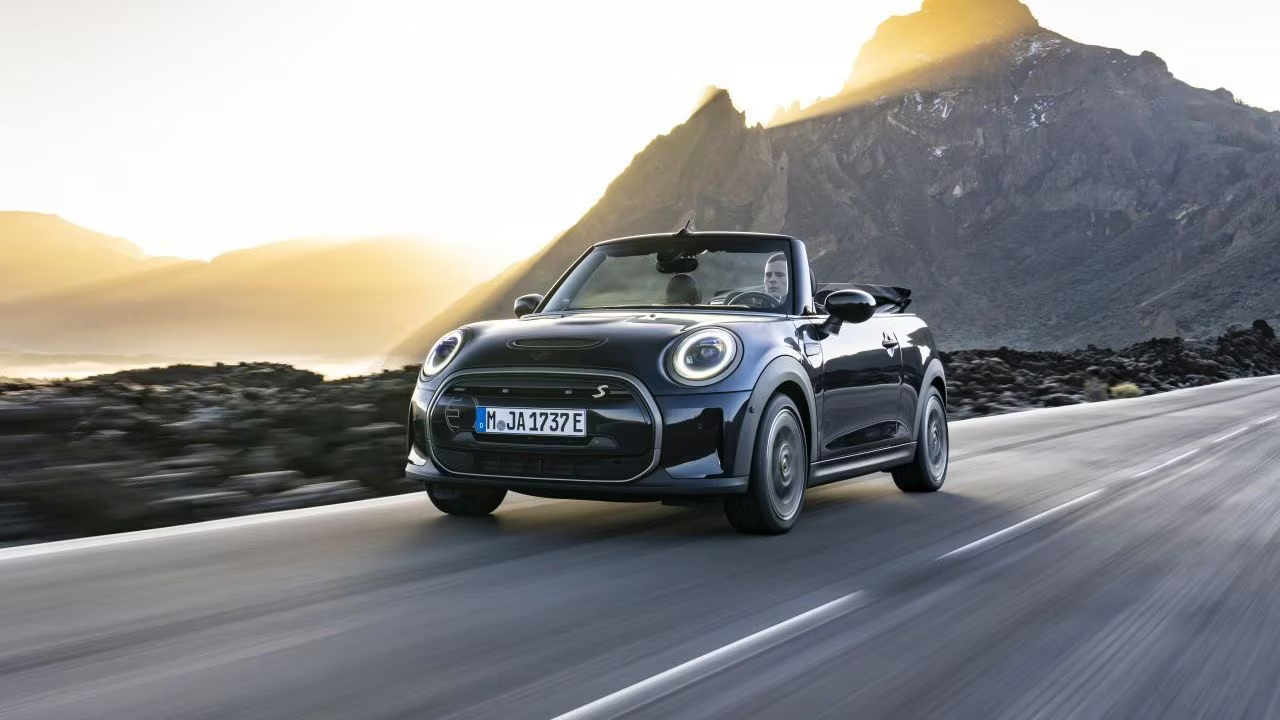
What makes the Mini particularly suited to street parking is its robust build quality and durable exterior materials. The reinforced body panels can withstand the occasional parking bump without showing significant damage, while the relatively affordable cost of replacement body parts means that street parking scrapes won’t break the bank.
The standard rear parking sensors on many Mini models provide audible guidance during backing maneuvers, adding an extra layer of confidence when parallel parking in tight spaces.
Customization options allow Mini owners to personalize their vehicles extensively, which creates a sense of attachment and pride even when parking on busy city streets. The interior, though compact, is thoughtfully designed with high-quality materials that don’t feel cheap despite the car’s small size.
Modern Mini models come equipped with advanced parking assistance features, including cameras and automated parking systems, which can parallel park the car with minimal driver input a feature that’s particularly valuable for those intimidated by street parking.
3. Toyota Corolla
The Toyota Corolla represents the sensible choice for street parking mastery, combining compact dimensions with legendary reliability that makes it ideal for urban parking scenarios.
At approximately 182 inches long, the Corolla occupies a sweet spot small enough to fit into most street parking spaces comfortably, yet large enough to provide a grown-up driving experience and adequate passenger space. This balanced approach makes it perfect for city dwellers who need versatility without sacrificing parking convenience.
The Corolla’s straightforward design philosophy extends to its parking capabilities. The car features excellent sight lines, with thin A-pillars and large side mirrors that provide clear views of your surroundings during parking maneuvers.
The steering is light and responsive at low speeds, making parallel parking less of a workout than it would be in heavier, larger vehicles. The predictable handling characteristics mean that even novice parkers can quickly develop confidence in placing the Corolla precisely where they want it.
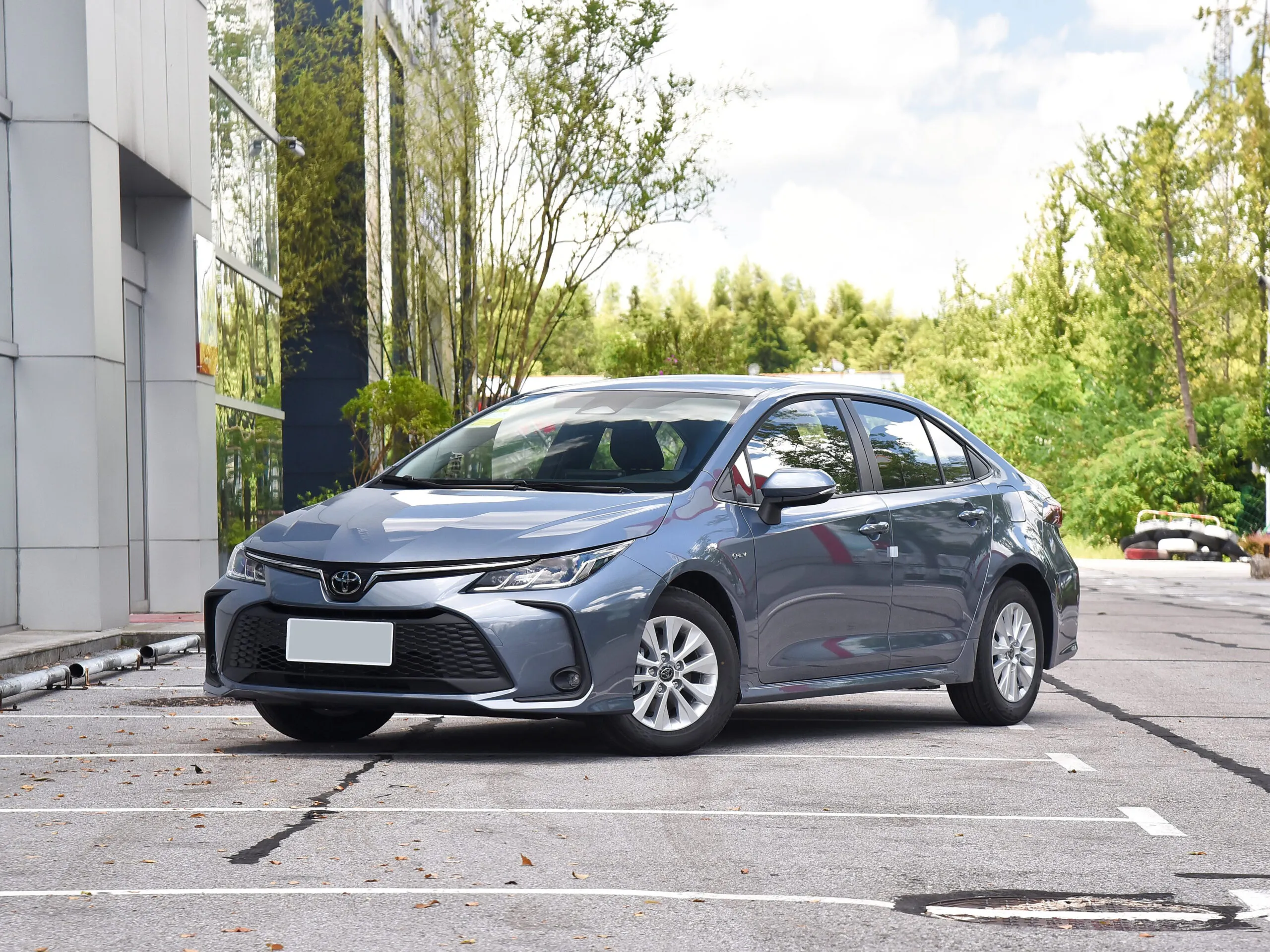
One of the Corolla’s greatest advantages for street parking is its invisibility factor. This car blends into urban environments so seamlessly that it rarely attracts attention from thieves or vandals.
The understated styling might not turn heads, but it won’t make your car a target when parked on the street overnight either. The affordable replacement parts and widespread availability of Corolla components mean that any parking-related damage can be repaired quickly and economically.
Modern Corollas come equipped with impressive technology features, including backup cameras, parking sensors, and in some models, automated parking assistance.
These features make street parking even more approachable, particularly in tight urban spaces where precision is essential. The Toyota Safety Sense suite of driver assistance features provides additional peace of mind, protecting against parking-related mishaps with automatic emergency braking and other protective systems.
4. Volkswagen Golf
The Volkswagen Golf has earned its reputation as Europe’s favorite compact car partly through its exceptional urban parking capabilities. The hatchback design, measuring around 168 inches in length, provides the perfect combination of interior space and exterior compactness.
The Golf’s Germanic engineering emphasizes precision, which translates beautifully to parking situations where every inch matters. The car’s squared-off rear end maximizes cargo capacity while making it easier to judge distances when backing into tight street parking spots.
The Golf’s responsive steering provides excellent feedback during parking maneuvers, with a weighting that inspires confidence without requiring excessive effort.
The tight turning radius allows for swift repositioning when parallel parking, while the car’s planted feel even at low speeds makes precise placement second nature.
The raised seating position compared to sedans in its class gives drivers better visibility of parking space boundaries and surrounding vehicles, reducing the guesswork involved in street parking.
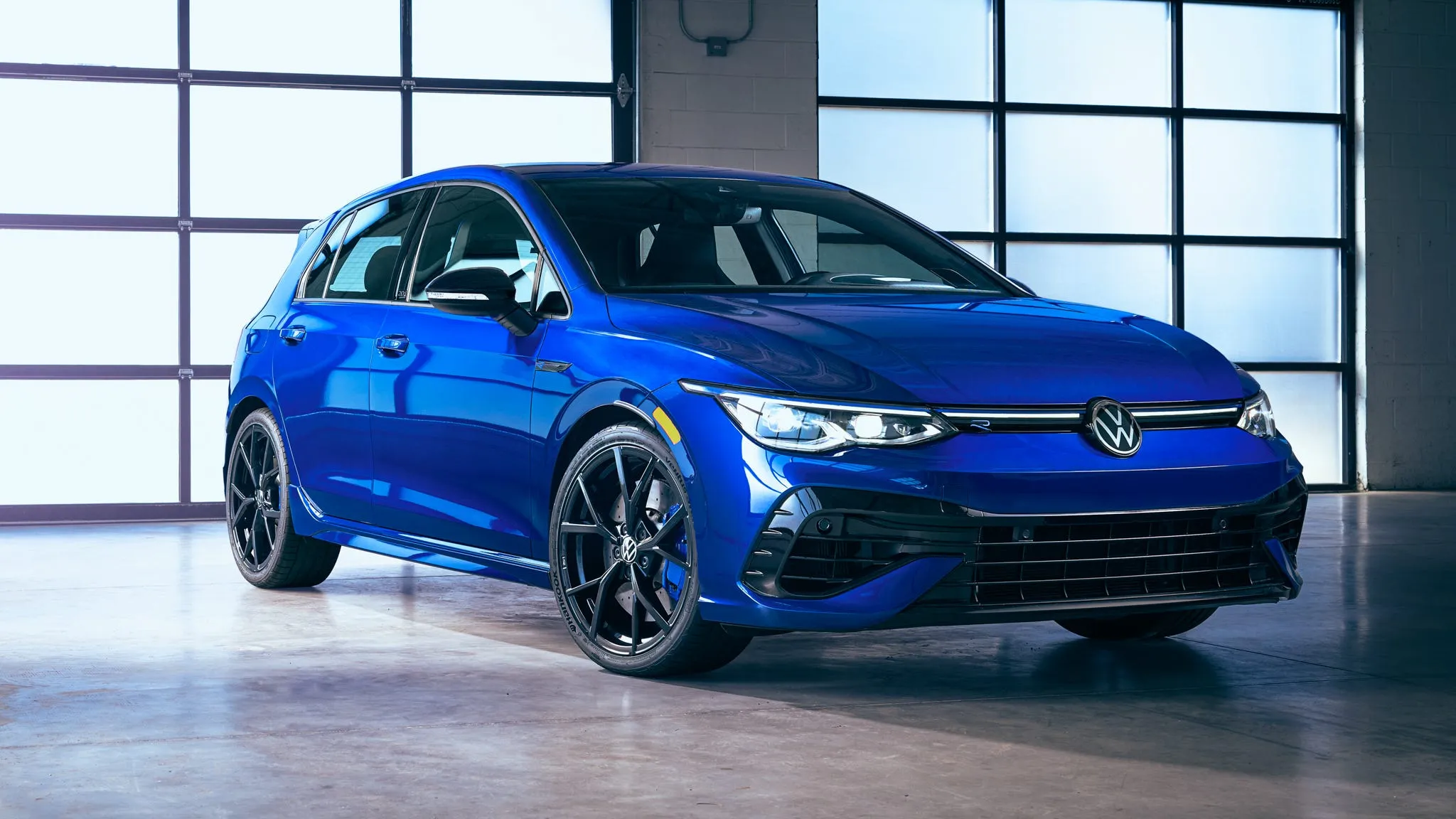
Build quality is where the Golf distinguishes itself from competitors. The solid construction and high-quality materials mean the car can withstand the rigors of daily street parking without developing squeaks, rattles, or premature wear.
The paint quality and body panel fit are superior to many competitors, meaning that minor parking lot encounters are less likely to result in visible damage. The doors close with a satisfying thunk that conveys solidity, and that same robust construction provides real protection in the unfortunate event of a parking-related collision.
The Golf’s technology suite includes features specifically designed to ease parking stress. Many models offer 360-degree camera systems, parking sensors at both ends, and even automated parallel parking systems that can maneuver the car into tight spots with minimal driver input.
The infotainment system is intuitive and responsive, making it easy to access parking-related features without distraction. The Golf’s refined interior creates a pleasant environment even when you’re spending extra time searching for that elusive parking spot, with supportive seats and quality materials throughout.
Also Read: 5 Cars That Work for Brooklyn Neighborhoods vs 5 That Feel Oversized
5. Mazda CX-30
The Mazda CX-30 proves that crossover SUVs can excel at street parking when properly designed. At 173 inches long, the CX-30 maintains compact dimensions despite offering the raised seating position and cargo versatility that modern buyers crave.
This subcompact crossover combines the maneuverability advantages of a small car with the practical benefits of an SUV, creating an ideal vehicle for urban environments where street parking is the norm.
The CX-30’s raised driving position provides excellent visibility for identifying potential parking spots from a distance and assessing whether they’re worth attempting.
The generous window area and slim roof pillars minimize blind spots, making parallel parking less intimidating than in many larger crossovers.
The precise steering, a Mazda hallmark, offers excellent feedback during low-speed maneuvers, allowing drivers to place the vehicle exactly where intended with minimal corrections.
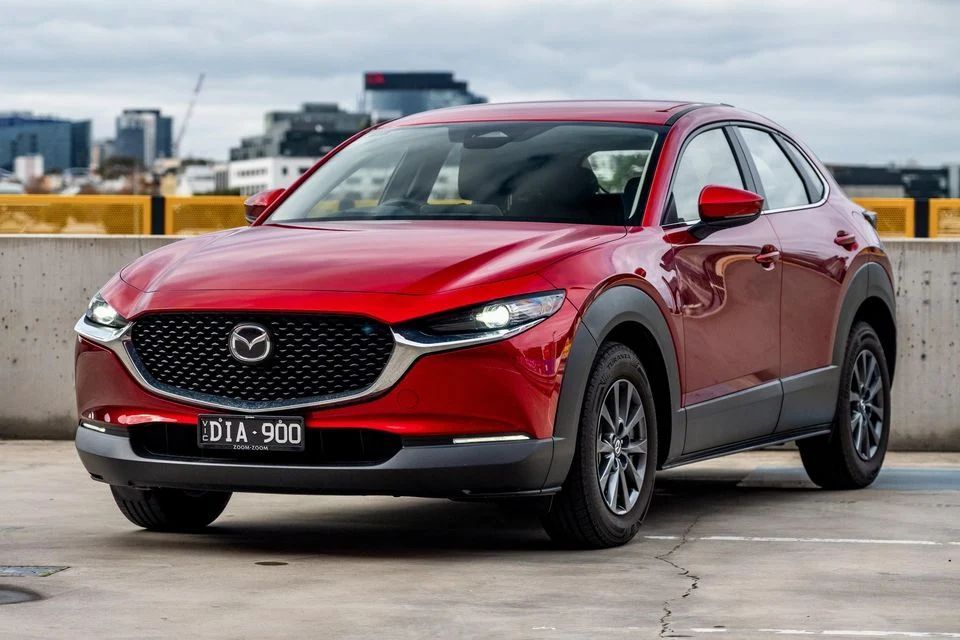
Mazda’s commitment to driving dynamics extends to the parking experience. The CX-30’s chassis is composed and stable, even during the sometimes abrupt steering inputs required when maneuvering into tight street parking spots.
The tight turning circle for a vehicle of its class allows for confident execution of parking maneuvers, while the responsive brakes provide excellent modulation at parking speeds.
The all-wheel-drive system available on many models provides extra traction during winter street parking situations, helping the CX-30 go through the icy or snow-covered parking spots that might challenge two-wheel-drive competitors.
Technology features enhance the CX-30’s street parking capabilities significantly. Standard equipment includes a rearview camera with dynamic guidelines, while higher trims add front and rear parking sensors, a 360-degree camera system, and automated parking assistance.
The head-up display available on upper trims can show parking sensor information, allowing drivers to keep their eyes focused forward while monitoring clearances.
The Mazda Connect infotainment system is intuitive and responsive, making it easy to access parking-related features without fumbling through complex menus while trying to secure a tight parking spot.
5 Vehicles That Need Private Space
These impractically delicate vehicles suffer from fragile finishes and excessive dimensions that make street parking genuinely risky, creating constant anxiety about damage, theft, and deterioration when left unattended in competitive urban parking environments where contact and vandalism become inevitable realities.
Their problematic characteristics include soft paint that shows every minor scratch and luxury components that attract thieves, leading to expensive bumper repairs from unavoidable parallel parking contact, stolen catalytic converters or wheels during overnight street exposure, and rapid finish deterioration from constant weather exposure without garage protection.
1. Ford F-250 Super Duty
The Ford F-250 Super Duty represents the antithesis of a street-parking-friendly vehicle, embodying everything that makes private parking not just preferable but practically essential.
This full-size heavy-duty pickup truck stretches over 250 inches in length when equipped with an extended cab and long bed, making it longer than most parallel parking spaces in urban environments.
The width of nearly 80 inches means the F-250 barely fits within standard parking spaces, often overlapping the lines and creating conflicts with adjacent vehicles.
The sheer size of the F-250 makes street parking a logistical nightmare in most urban settings. The turning radius exceeds 50 feet, meaning that maneuvering this beast into a parallel parking spot would require multiple attempts and likely block traffic in the process.
The high ground clearance and tall ride height make it difficult to judge distances to curbs and other vehicles, while the massive exterior mirrors, though necessary for towing, extend the effective width even further. Attempting to parallel park an F-250 on a busy city street would create a traffic hazard and frustrate everyone involved.
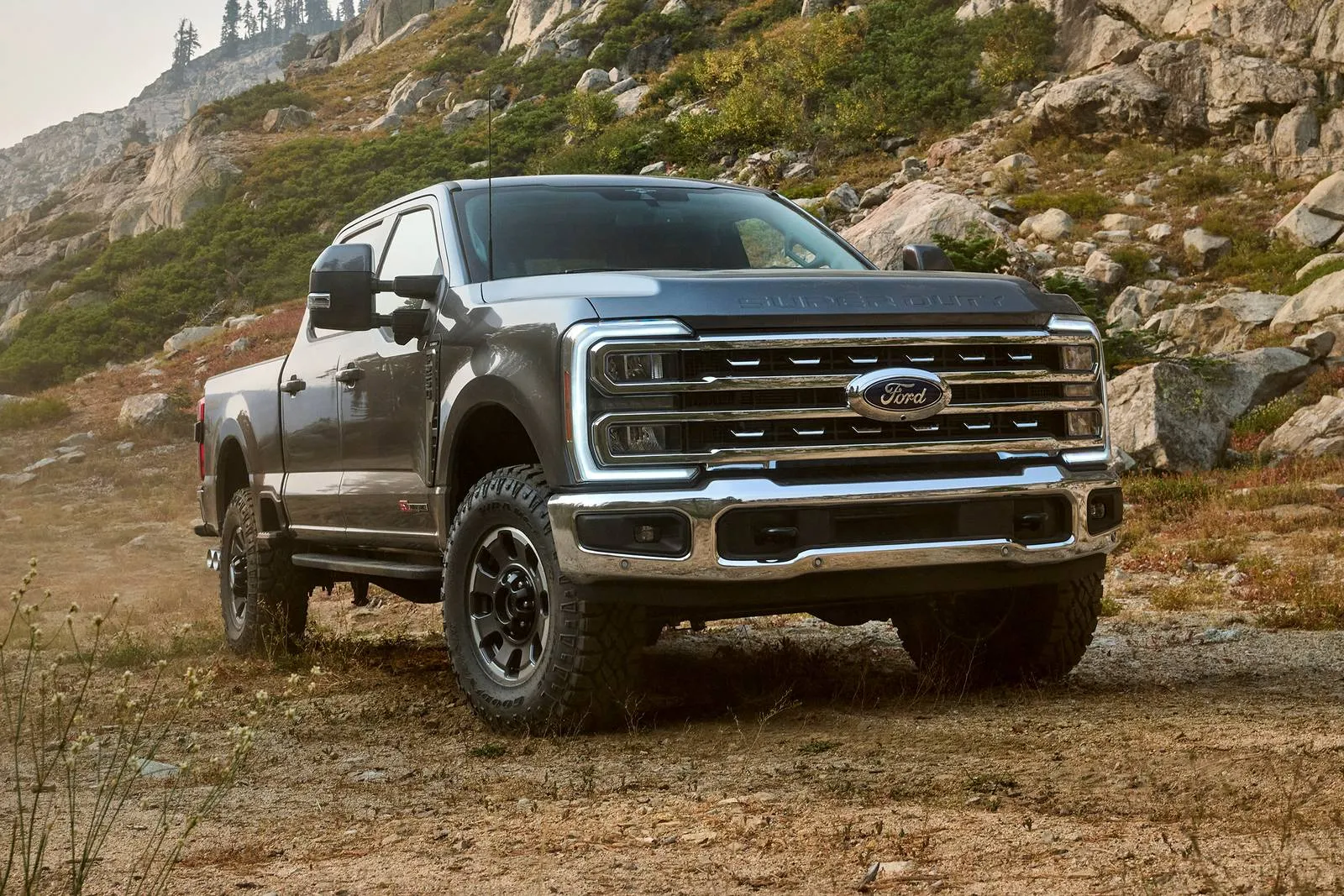
Beyond the physical challenges, the F-250’s value and purpose make private parking essential. These trucks often cost $50,000 to $80,000 or more when properly equipped, representing a significant investment that deserves protection from the elements and potential vandalism.
Many F-250 owners use their trucks for work, storing valuable tools and equipment in the bed or attached toolboxes. Leaving such equipment exposed on the street invites theft, potentially costing thousands of dollars and disrupting work schedules.
The F-250’s purpose as a work truck or serious towing vehicle means it often arrives home dirty from job sites or outdoor adventures.
Having private space allows owners to wash and maintain their trucks properly, preserving the paint and preventing rust. The truck’s size makes it impossible to use most commercial car washes, requiring a private space with water access for cleaning.
The investment in bed liners, tonneau covers, and other accessories all benefit from garage storage that protects against UV damage and weather exposure.
2. Mercedes-Benz S-Class
The Mercedes-Benz S-Class flagship sedan epitomizes luxury and technological sophistication, characteristics that make private parking absolutely essential rather than merely preferable.
This prestigious vehicle, often costing $110,000 to $180,000 or more, represents the pinnacle of automotive engineering and luxury, making it far too valuable and conspicuous for the risks associated with street parking.
The S-Class stretches over 206 inches in length, and while this is manageable in terms of pure dimensions, the real issue is the vehicle’s status and value rather than its size.
The S-Class features advanced technology throughout, including complex electronic systems, air suspension, and sophisticated driver assistance features that can be damaged by extreme weather exposure.
The air suspension system, while providing an impossibly smooth ride, contains sensitive components that benefit from garage storage protecting them from temperature extremes and road salt.
The numerous cameras, sensors, and radar units embedded in the bodywork represent thousands of dollars in technology that’s vulnerable to vandalism or theft when the car is parked on public streets.
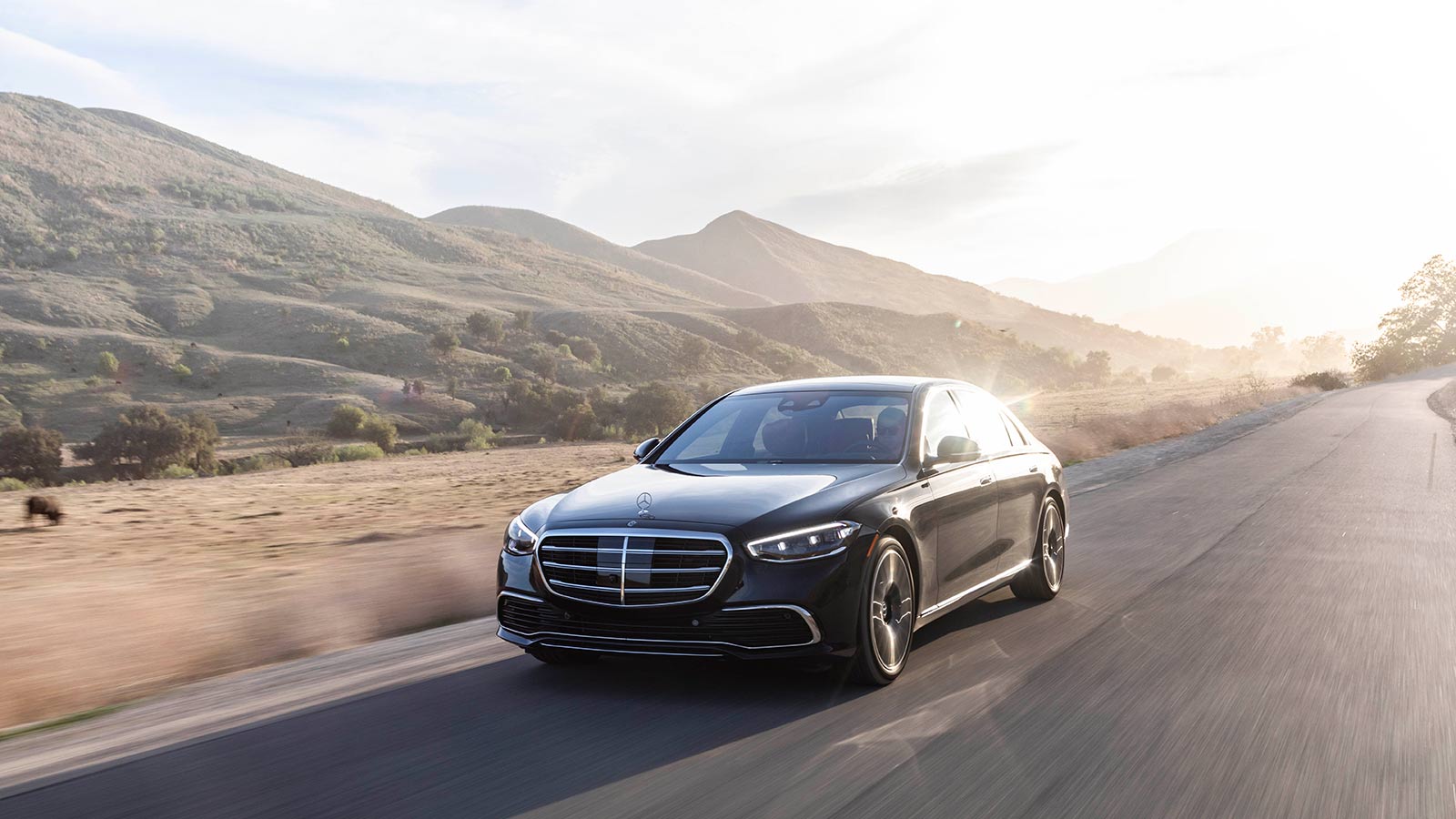
Security concerns make private parking non-negotiable for S-Class owners. This vehicle is a prime target for thieves, both for the car itself and for valuables often left inside by owners accustomed to secure parking.
The keyless entry and start systems, while convenient, can be vulnerable to relay attacks when the car is parked on the street near the owner’s home. The advanced security features built into the S-Class work best when the car is parked in a controlled environment where their alerts can be immediately addressed.
The S-Class serves as a statement of success and professionalism for many owners, often used for business purposes or special occasions. Maintaining the vehicle in pristine condition is essential for preserving its image and value, something that’s impossible with regular street parking exposure.
The advanced driver assistance features require regular calibration, and garage storage ensures that cameras and sensors remain clean and functional. The sheer investment in an S-Class both initial purchase and ongoing maintenance demands the protection that only private, secure parking can provide.
3. Chevrolet Suburban
The Chevrolet Suburban holds the distinction of being one of America’s largest SUVs, a title that makes private parking essential for practical, security, and preservation reasons. Measuring over 225 inches in length and 81 inches in width, the Suburban physically exceeds the dimensions of most street parking spaces.
This full-size SUV is simply too large for the parallel parking spots typically found in urban environments, and attempting to squeeze it into such spaces would be an exercise in futility that blocks traffic and frustrates other drivers.
The Suburban’s massive turning radius, typically around 40 feet or more, makes maneuvering in tight urban spaces extremely challenging.
The high beltline and thick roof pillars create significant blind spots that complicate parking maneuvers, while the long wheelbase makes it difficult to judge the vehicle’s position relative to other cars and curbs.
The power-folding third-row seats, while increasing versatility, also add complexity that requires the protection of garage storage to maintain proper function over the vehicle’s lifespan.
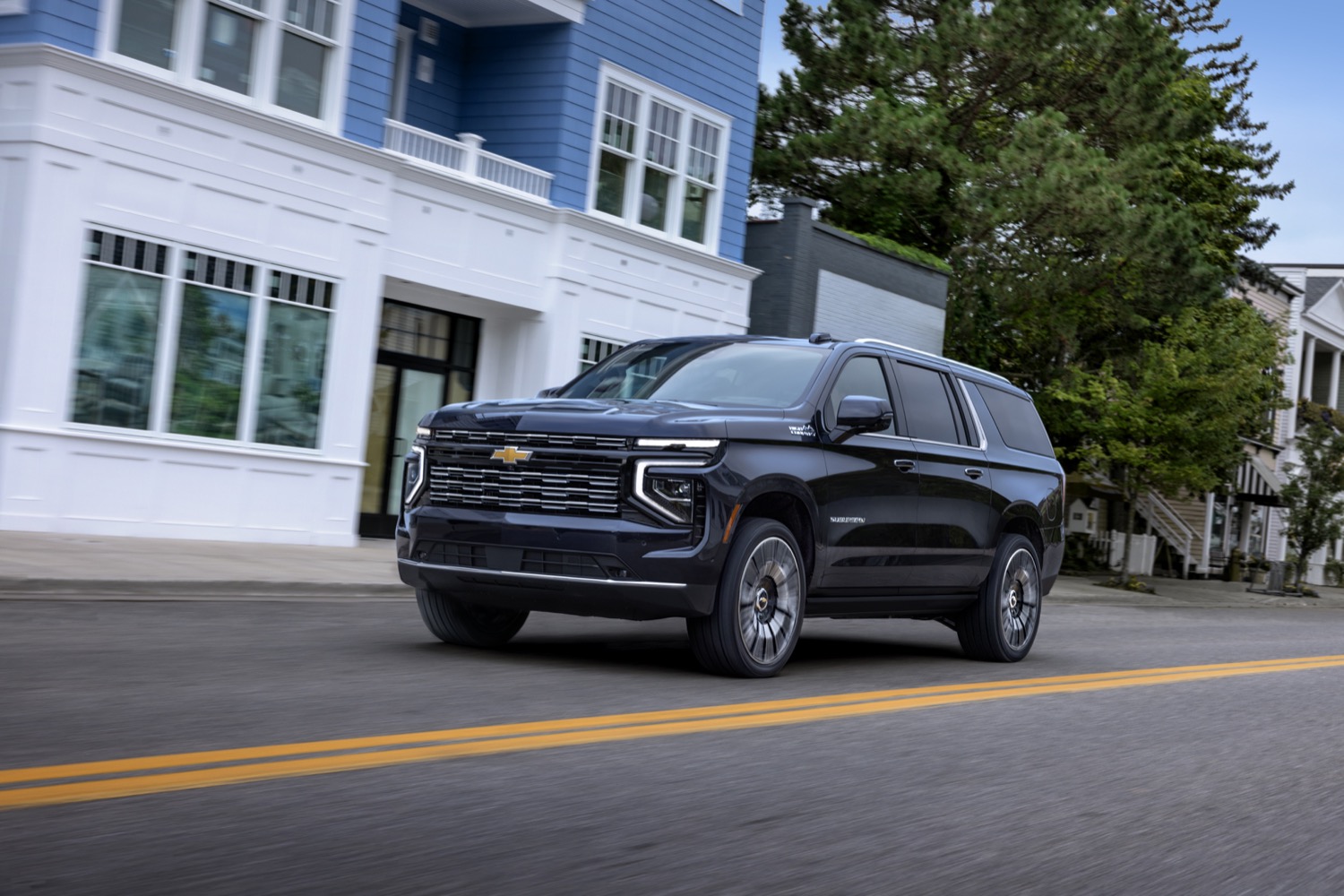
Family use patterns make private parking particularly important for Suburban owners. These vehicles often serve as family haulers, accumulating valuable car seats, sports equipment, and personal belongings that shouldn’t be left exposed on public streets.
The eight or nine-passenger capacity means the Suburban typically belongs to large families who rely on the vehicle daily, making security and reliability paramount. The risk of break-ins when street parked, particularly with visible valuables, makes private parking a necessity rather than a luxury.
The Suburban’s purpose often involves towing boats, campers, or trailers, activities that create additional maintenance needs. Having private parking space allows owners to perform pre-trip inspections, maintain towing equipment, and store towing accessories securely.
The enhanced cooling systems and transmission coolers necessary for heavy towing duty benefit from garage storage that protects them from corrosion and weather damage. The investment in a vehicle capable of serious towing and hauling deserves the protection and security that only private parking can provide.
4. Porsche 911
The Porsche 911 represents automotive excellence and sporting pedigree, characteristics that make private parking absolutely essential despite the car’s relatively compact dimensions.
While the 911 is actually small enough to fit into most parking spaces at around 178 inches long, the six-figure price tag, performance-oriented design, and collector appeal make street parking unconscionable for owners of this iconic sports car. The 911 isn’t too large for street parking it’s too special, too valuable, and too vulnerable.
The 911’s low ride height and aerodynamic design make it particularly susceptible to curb damage and undercarriage strikes when going through the imperfect surfaces common in street parking areas.
The expensive wheels and performance tires, often costing thousands of dollars per set, are vulnerable to pothole damage and vandalism when left on public streets.
The wide rear fenders and aggressive stance mean the 911 barely fits within standard parking spaces, increasing the risk of door dings and side-swipe damage from careless neighboring parkers.
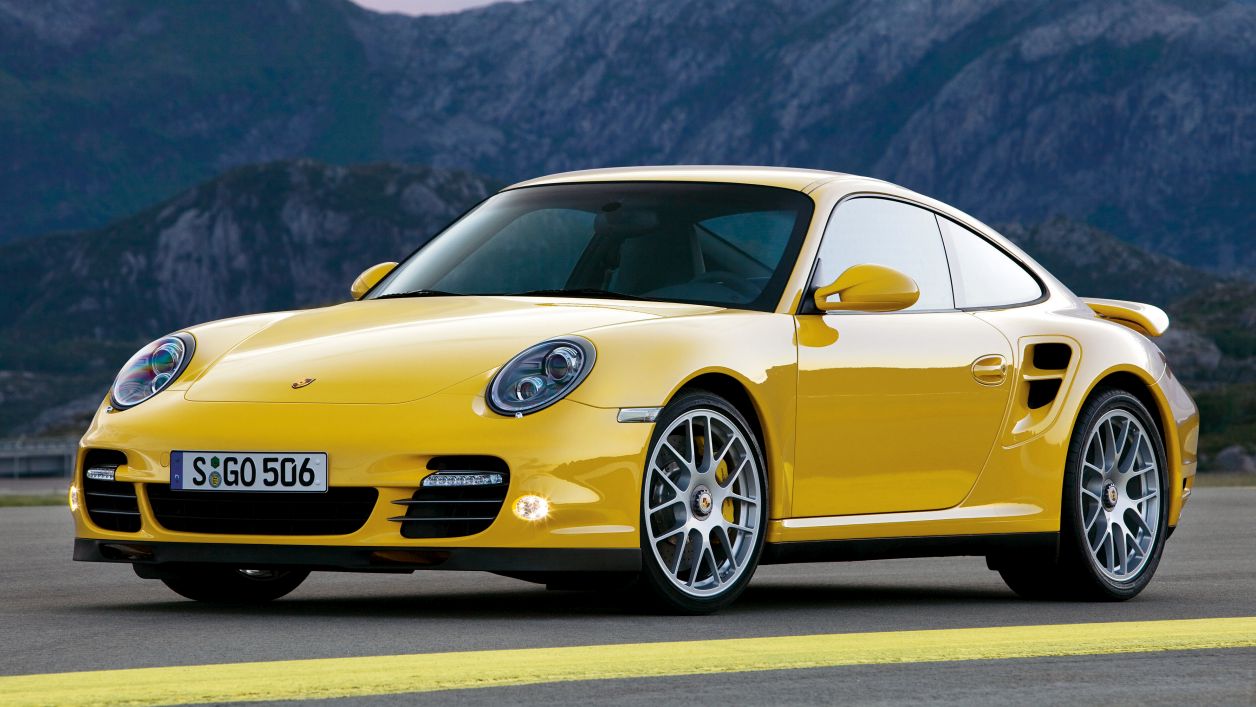
Security concerns raise private parking from preference to necessity. The Porsche 911 is among the most stolen vehicles globally, with organized theft rings specifically targeting these valuable sports cars for parts or export.
The advanced keyless entry systems can be vulnerable to signal relay attacks, and leaving a 911 parked on the street, particularly overnight near the owner’s residence, is an invitation to theft. The specialized components and exotic materials used throughout the vehicle make it attractive to thieves even when the entire car isn’t stolen.
The 911’s status as both a performance machine and a collector’s item means that preservation is paramount. Many 911 variants appreciate in value over time, particularly limited editions and GT models, making them investments rather than mere transportation.
Maintaining collector-grade condition requires meticulous care and protection from the elements, something impossible with street parking. The car’s mechanical complexity means that owners need secure, private space for detailing, inspections, and the mechanical sympathy that these special vehicles deserve.
The 911 isn’t just a car it’s an automotive icon that demands respect, protection, and the security that only private parking can provide.
5. Ram 1500 TRX
The Ram 1500 TRX represents the extreme end of the pickup truck spectrum a supercharged, performance-oriented beast that makes private parking essential for multiple compelling reasons.
This 702-horsepower monster stretches over 232 inches in length and nearly 88 inches in width including mirrors, dimensions that physically exceed most street parking spaces.
The TRX’s aggressive stance, with widened fenders and massive 35-inch all-terrain tires, creates a footprint that makes squeezing between other vehicles nearly impossible in typical urban parking scenarios.
The sheer value of the TRX, often exceeding $90,000 when properly equipped, makes it far too expensive to risk in street parking situations.
This isn’t just a truck it’s a high-performance vehicle with specialized components throughout. The supercharged 6.2-liter V8 engine represents cutting-edge performance engineering, while the sophisticated four-wheel-drive system, adaptive suspension, and performance-tuned components all deserve the protection that garage storage provides.
The custom interior with premium materials and advanced technology further emphasizes the need for secure, climate-controlled parking.
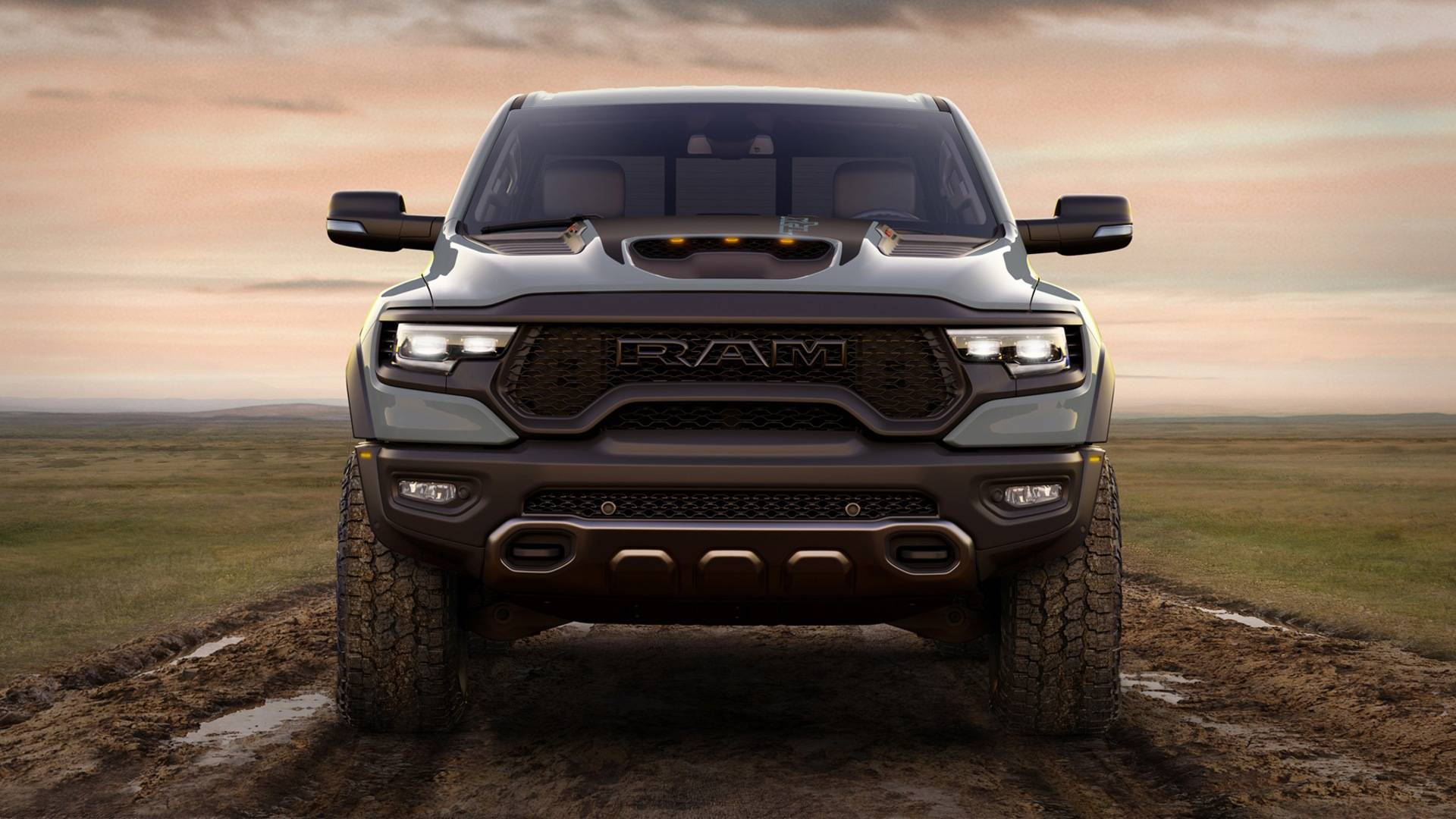
The TRX’s purpose as a performance off-road vehicle creates unique storage needs. Owners typically modify these trucks with additional accessories, including lift kits, auxiliary lighting, winches, and specialized bumpers, investments that can add $10,000 to $20,000 to the vehicle’s value.
These modifications make the truck even more attractive to thieves and require protection from weather and vandalism. The ability to maintain and install accessories requires private parking space where work can be performed securely.
Weather protection becomes critical for TRX owners who want to preserve their significant investment. The aggressive styling includes numerous vents, scoops, and aerodynamic elements that can be damaged by environmental exposure. The premium paint finishes and graphics packages require protection from UV damage and harsh weather.
The extensive use of aluminum body panels means that garage storage helps prevent the cosmetic issues that can develop with constant weather exposure.
The TRX represents the ultimate expression of truck performance and capability, an investment that deserves the protection, security, and respect that only private parking can provide.
Also Read: 5 Vehicles That Work in San Francisco Neighborhoods vs 5 That Can’t Keep Up
