
Los Angeles traffic is legendary for all the wrong reasons. The average LA driver spends over 80 hours per year stuck in gridlock, transforming the daily commute into a test of patience and endurance.
In this concrete jungle where freeways become parking lots and the 405 earns its nickname “the world’s largest parking lot,” your choice of vehicle can make the difference between arriving at your destination relaxed or completely frazzled.
The truth is, not all cars are created equal when it comes to stop-and-go traffic. While some vehicles cocoon you in climate-controlled comfort with intuitive technology and supportive seating, others leave you shifting uncomfortably, battling road noise, and fighting with outdated infotainment systems that add frustration to an already stressful commute.
In LA’s unique driving environment, comfort isn’t a luxury it’s a necessity. Features like adaptive cruise control, ventilated seats, exceptional sound insulation, and smooth automatic transmissions transform from nice-to-haves into essential equipment.
The best traffic warriors offer excellent visibility to go through the lane changes, fuel efficiency to ease the pain at the pump during extended idle times, and ergonomic interiors designed for extended sitting.
This guide examines ten vehicles across the comfort spectrum five that turn traffic into a tolerable, even pleasant experience, and five that will have you dreaming of working from home.
Whether you’re shopping for your next commuter or simply curious about what separates the serene from the stressful, understanding these differences can revolutionize your LA driving experience.
5 Cars That Stay Comfortable in LA Traffic
These exceptionally refined vehicles feature smooth automatic transmissions and excellent climate control perfectly suited for surviving Los Angeles’ legendary gridlock, providing comfortable transportation through hours-long 405 crawls and stop-and-go Sepulveda Boulevard traffic without the fatigue typically associated with harsh-riding vehicles during endless SoCal commutes.
Their thoughtful engineering includes seamless transmission programming and powerful air conditioning that resist the discomfort found in jerky-shifting vehicles while handling daily bumper-to-bumper crawls from Valley to Westside, constant brake-and-gas cycling on congested PCH, and parking lot conditions on the 10 during rush hours requiring all-day cabin comfort.
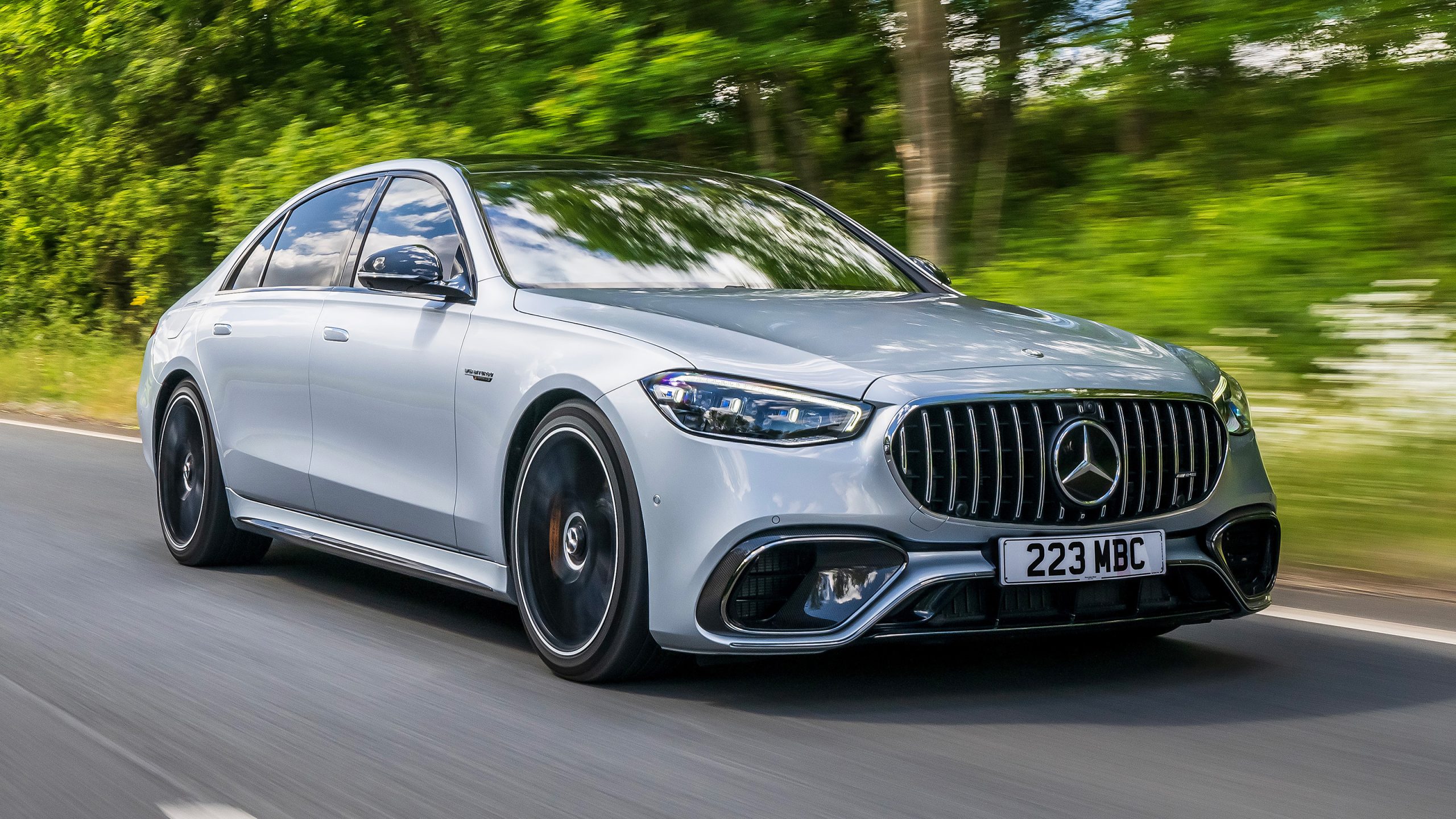
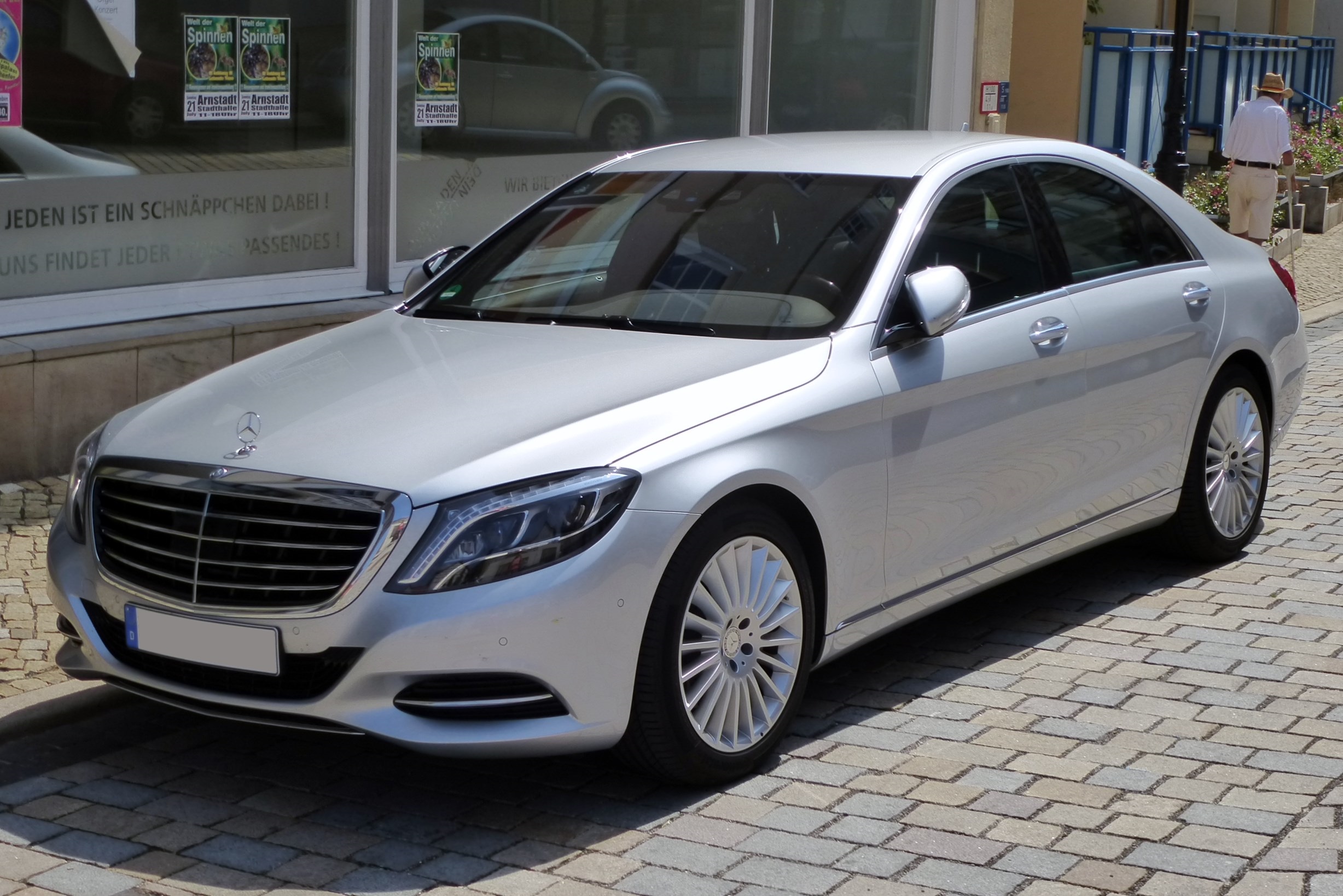
1. Mercedes-Benz S-Class
The Mercedes-Benz S-Class doesn’t just handle LA traffic it transforms it into a mobile sanctuary. This flagship luxury sedan represents the pinnacle of automotive comfort engineering, making it the ultimate weapon against the soul-crushing reality of bumper-to-bumper congestion on the 101 or PCH.
At the heart of the S-Class’s traffic-taming abilities is its AIRMATIC air suspension system, which uses adaptive damping to absorb every pothole, expansion joint, and imperfection in LA’s notoriously deteriorating road surfaces.
The system continuously adjusts in real-time, creating a magic carpet ride that insulates occupants from the harsh realities beneath the wheels. Combined with active body control, the S-Class practically glides over road imperfections that would send jarring shocks through lesser vehicles.
The cabin itself is a masterclass in luxury and technology. Multi-contour seats offer heating, ventilation, and massage functions across multiple programs essential when you’re facing a two-hour crawl from downtown to Santa Monica.
The massage function alone can transform a stressful commute into a spa-like experience, working out tension as you inch along. The seats provide exceptional lumbar support and are infinitely adjustable to accommodate any body type or preference.
Mercedes’ MBUX infotainment system is intuitive and responsive, featuring a massive curved display that seamlessly integrates navigation, entertainment, and vehicle settings.
The system learns your preferences over time, and voice control actually works reliably, allowing you to adjust climate, change music, or reroute navigation without taking your eyes off the road critical in LA’s aggressive traffic environment.
Climate control in the S-Class borders on pharmaceutical precision. The multi-zone system maintains exact temperatures, while advanced air filtration with HEPA filters keeps LA’s notorious smog and pollution outside where it belongs.
The cabin stays fresh and comfortable regardless of external conditions. Sound insulation is extraordinary, with acoustic glass and extensive sound-deadening materials creating a library-quiet environment even at highway speeds. In traffic, you’re cocooned from the cacophony of motorcycles, trucks, and aggressive exhaust systems surrounding you.
The S-Class’s driver assistance features shine in traffic scenarios. Active Distance Assist DISTRONIC adaptive cruise control smoothly maintains following distances, handling the accelerate-brake-accelerate rhythm of traffic automatically.
Active Steering Assist keeps you centered in your lane, reducing the constant micro-corrections that cause fatigue. The system feels natural and unobtrusive more like having an attentive co-pilot than invasive automation.
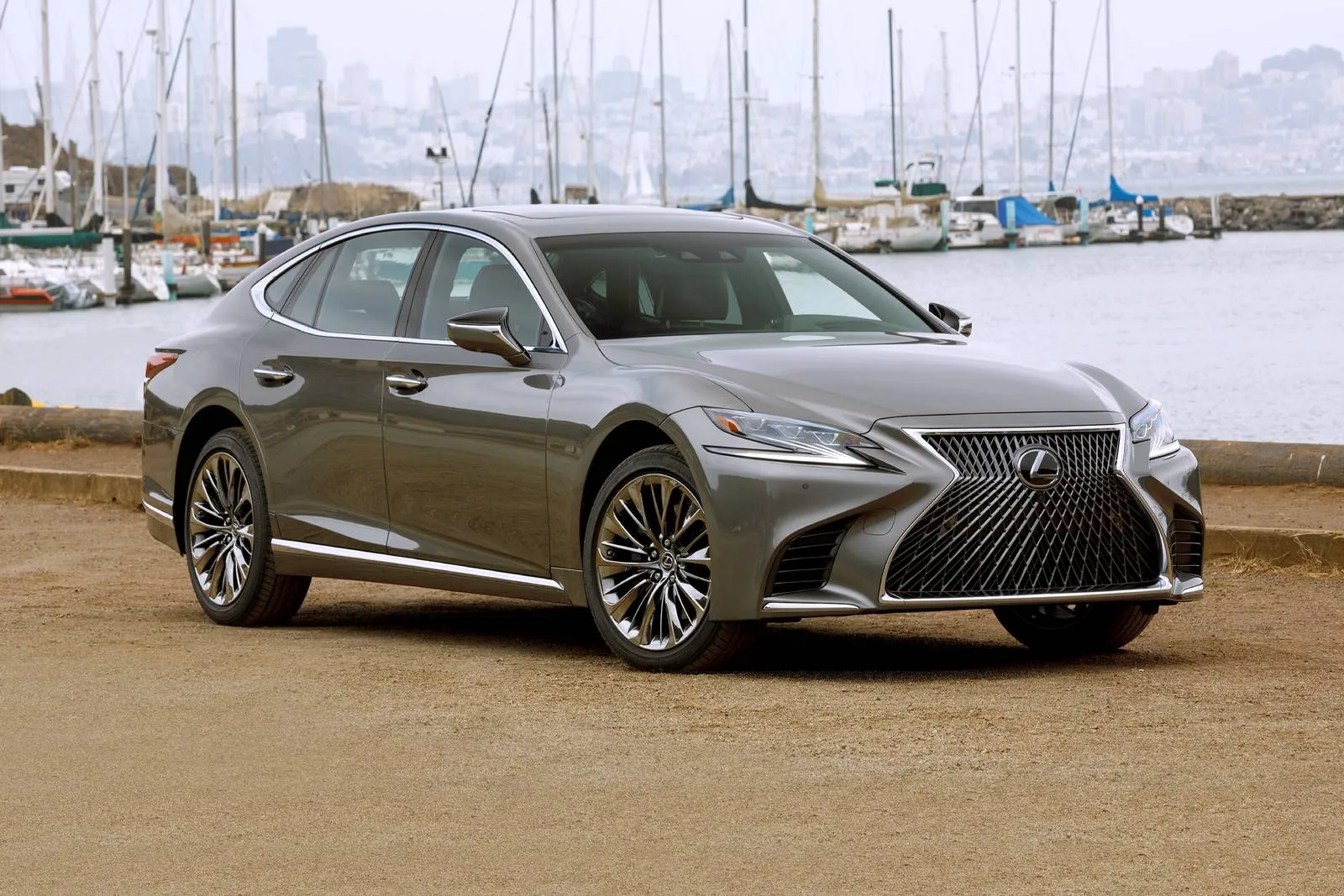
2. Lexus LS 500
The Lexus LS 500 brings Japanese precision and refinement to the traffic comfort equation, offering a slightly different approach than its German rivals but equally effective results.
Lexus has long understood that comfort isn’t just about soft seats it’s about creating a holistic environment where every element works in harmony.
The LS 500’s suspension system deserves special mention. The available air suspension with adaptive variable control reads the road surface ahead using cameras and adjusts damping rates proactively rather than reactively.
This predictive technology means the car is preparing for bumps before you reach them, delivering an impossibly smooth ride through LA’s patchwork pavement. The system can also lower the car at speed for improved aerodynamics and raise it for easier entry and exit in parking situations.
Interior materials in the LS represent Takumi craftsmanship at its finest. Hand-pleated door panels, genuine wood trim, and semi-aniline leather create a sensory experience that raises the mundane act of sitting in traffic.
The seats themselves feature 28-way power adjustment with heating, ventilation, and massage. The massage function offers multiple programs including “yoga mode” for rear passengers, which reclines the seat while raising the ottoman transforming traffic time into genuine relaxation time.
Lexus’s commitment to quietness borders on obsessive. The LS employs noise-reducing wheels, acoustic glass all around, extensive sound insulation, and active noise cancellation technology that uses the audio system to generate opposing sound waves, effectively silencing intrusive noises.
The result is a cabin that feels removed from the chaos outside, where conversations happen in normal tones and subtle road textures become the loudest sounds you hear.
The Lexus Safety System+ 2.5 includes all the traffic-friendly features you need: full-speed range adaptive cruise control, lane-keeping assist, and traffic sign recognition.
The system operates smoothly and confidently, though with slightly more conservative following distances than German systems perfectly acceptable when comfort rather than aggression is the priority. The large head-up display projects key information directly in your line of sight, reducing the need to glance down at instruments.
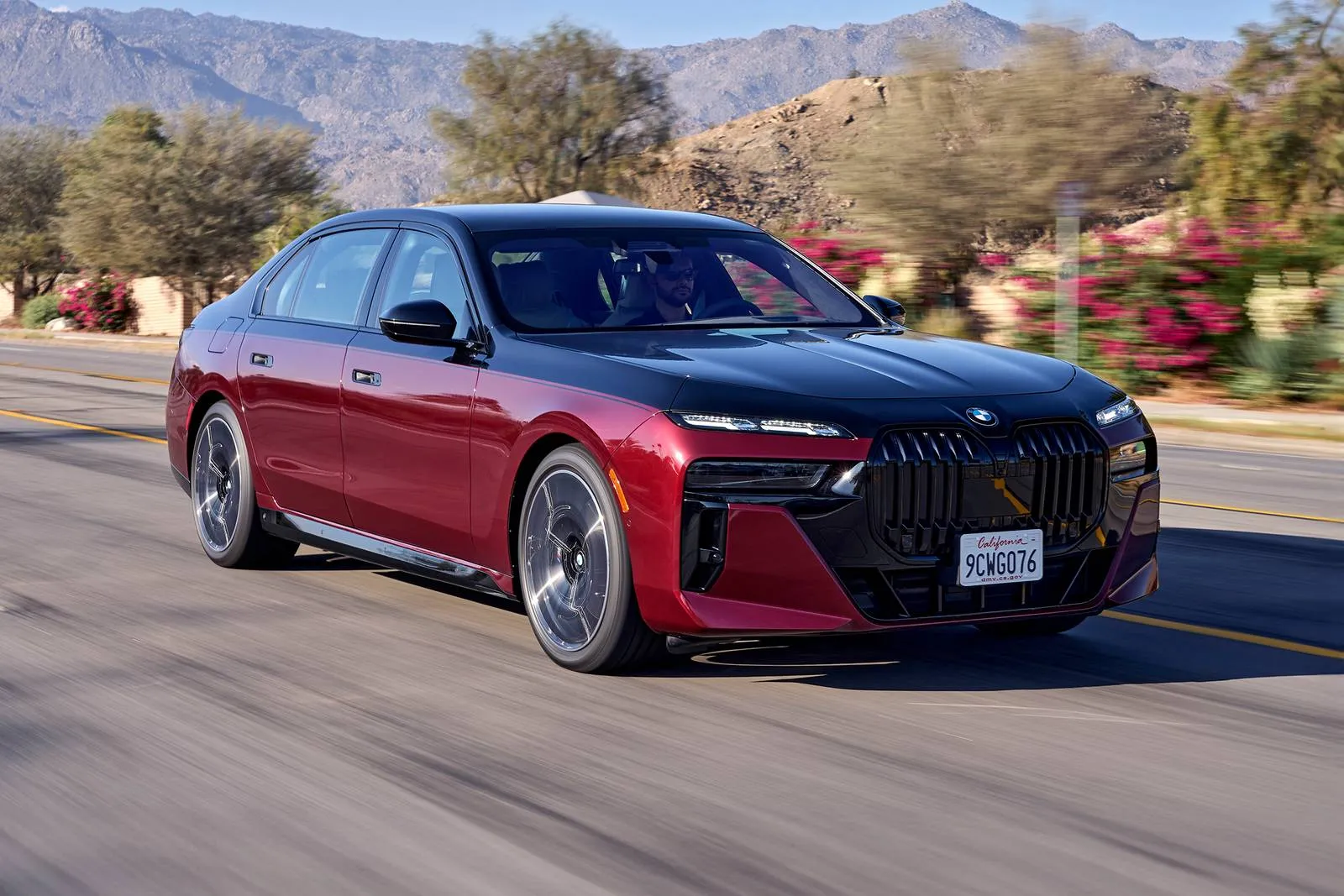
3. BMW 7 Series
The BMW 7 Series strikes an intriguing balance between the comfort-focused Mercedes and the sporty handling BMW is known for, creating a vehicle that remains engaging even when you’re moving at walking pace through Hollywood or Beverly Hills.
BMW’s Executive Drive Pro suspension is the secret weapon here. This system combines air springs with active anti-roll stabilization and adaptive dampers, resulting in a ride that’s simultaneously supple and controlled.
The car absorbs bumps with surprising compliance while maintaining composure that inspires confidence important when you need to make sudden lane changes to avoid LA’s notoriously unpredictable drivers. You get comfort without the floaty, disconnected feeling some luxury sedans exhibit.
The 7 Series cabin emphasizes technology and modern luxury. The Vernasca leather seats offer heating, ventilation, and massage with multiple programs. The Vitality program is particularly effective during long traffic sits, using alternating massage patterns to improve circulation and reduce fatigue.
The rear seats, particularly in the long-wheelbase version, rival first-class airline accommodations with individual climate zones, entertainment screens, and tables.
BMW’s iDrive 8 system, displayed across a curved dual-screen setup, represents one of the most sophisticated infotainment platforms available.
The interface is logical and quick-responding, with excellent graphics and seamless smartphone integration. The navigation system provides real-time traffic updates specific to LA’s conditions, often suggesting alternate routes before you’d think to look for them yourself.
Gesture controls allow you to adjust volume or accept calls with simple hand movements a futuristic touch that actually proves useful.
The Bowers & Wilkins Diamond Surround Sound System available in the 7 Series isn’t just about volume it’s about creating an immersive audio environment that transforms traffic time into entertainment time.
With 30 speakers producing concert-hall quality sound, you can lose yourself in music, podcasts, or audiobooks while the world creeps by outside.
Driver assistance features in the 7 Series are comprehensive and sophisticated. The Extended Traffic Jam Assistant can handle steering, acceleration, and braking at speeds up to 40 mph covering the vast majority of LA traffic situations.
The system works reliably and requires only occasional steering input to remain active, genuinely reducing driver fatigue during extended commutes.
4. Genesis G90
The Genesis G90 represents exceptional value in the luxury segment, delivering comfort features that rival or exceed vehicles costing significantly more. For LA commuters who want S-Class comfort without the S-Class price tag, the G90 deserves serious consideration.
Genesis has equipped the G90 with an adaptive suspension system that continuously adjusts damping based on road conditions and driving inputs.
While it may not have the predictive capabilities of the most expensive systems, it delivers a beautifully controlled ride that soaks up road imperfections while maintaining stability. The tuning skews toward comfort, which is exactly what you want when facing the 405 at rush hour.
The interior of the G90 is genuinely impressive, with Nappa leather upholstery, genuine wood and metal trim, and attention to detail that belies its accessible price point. The front seats offer 22-way power adjustment with heating, ventilation, and massage functions.
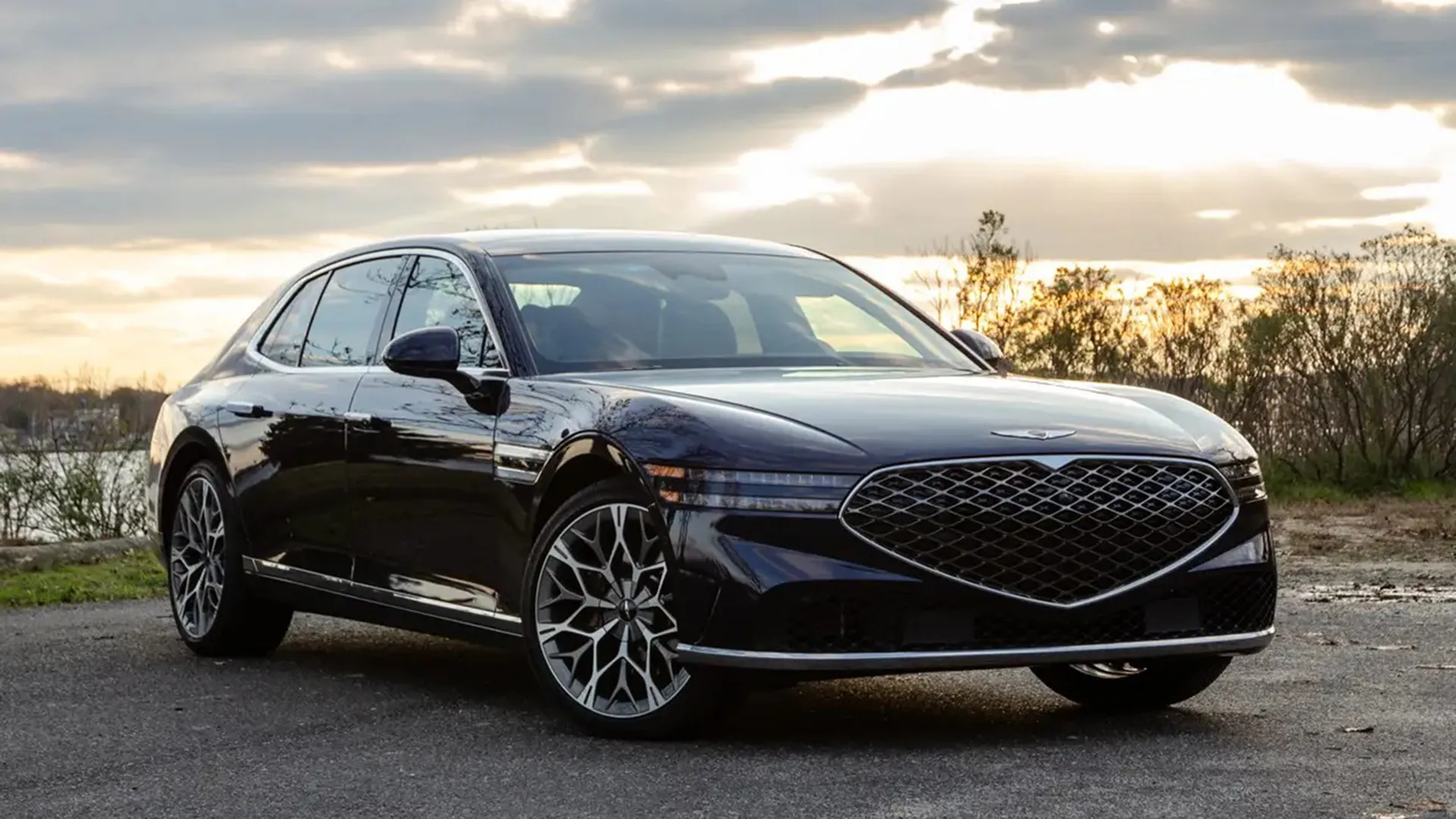
The cushions strike an excellent balance between support and comfort soft enough for long-distance comfort but supportive enough to prevent fatigue. The rear seats, especially with the available Executive package, offer limousine-level accommodations with power adjustment, heating, ventilation, and a leg rest.
Genesis has thoughtfully included features specifically useful in traffic scenarios. The Around View Monitor provides a 360-degree view of your surroundings, making it easy to go through the tight parking lots or squeeze through congested areas.
The Blind-Spot View Monitor displays video of your blind spots in the instrument cluster when you activate turn signals incredibly helpful when changing lanes in dense traffic where motorcycles and small cars disappear.
The Lexicon audio system with 23 speakers creates an enveloping soundscape that makes traffic time more enjoyable. The acoustic glass and extensive sound deadening keep road and wind noise to remarkable minimums you’ll hear the music more clearly than the traffic around you. Genesis Highway Driving Assist combines adaptive cruise control and lane-keeping to reduce driver workload in traffic.
The system operates smoothly and naturally, handling the constant speed changes traffic demands without the jerky behavior some systems exhibit. It won’t work in stop-and-go traffic below 20 mph, but it significantly reduces fatigue when traffic is moving slowly but steadily.
Also Read: 10 Classic Sports Cars That Deserve a Modern Revival
5. Volvo S90
The Swedish approach to automotive comfort, as exemplified by the Volvo S90, emphasizes wellbeing, simplicity, and thoughtful design qualities that shine during extended exposure to LA traffic conditions.
Volvo’s air suspension delivers a supple, controlled ride that filters out road imperfections beautifully. The tuning prioritizes comfort over sportiness, creating a serene driving experience even on compromised road surfaces.
The suspension works in harmony with the chassis to deliver stability without harshness you feel planted and secure without experiencing the jarring impacts that rougher roads would normally transmit.
The S90’s interior reflects Scandinavian design philosophy: uncluttered, elegant, and focused on human needs. The Nappa leather seats, available with perforations for ventilation, feature four-way lumbar support and extendable thigh support crucial for maintaining comfort during long sits.
The ventilation system is particularly effective in LA’s warm climate, while the heating provides soothing warmth on those rare cool mornings. The massage function uses subtle air bladder adjustments rather than aggressive kneading, which some drivers find more relaxing during extended use.
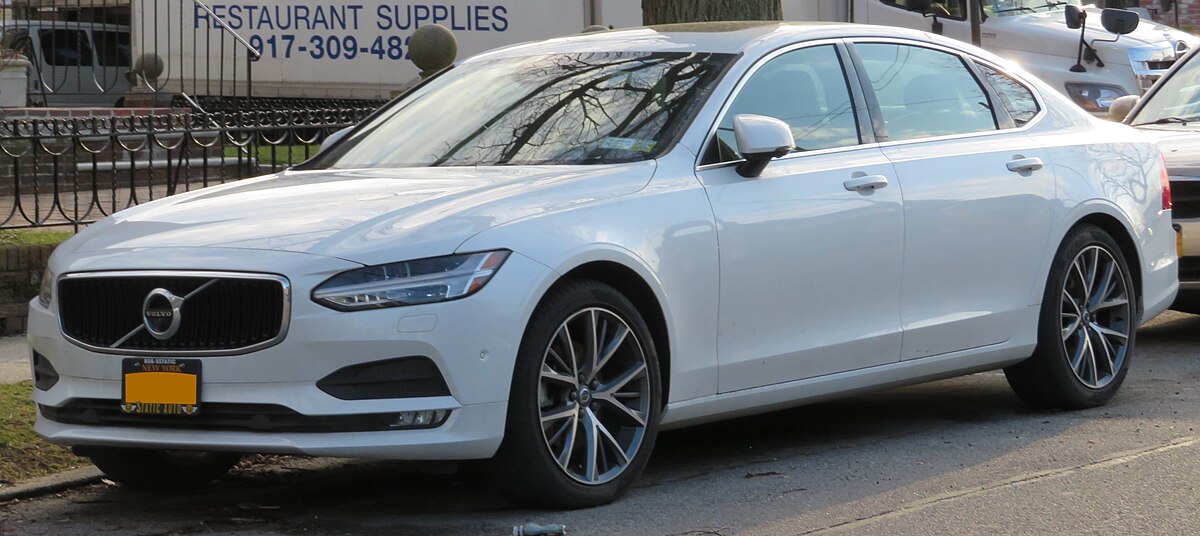
Climate control in the S90 includes an advanced air quality system with a particle filter that removes dust, pollen, and pollutants addressing LA’s air quality challenges directly.
The CleanZone technology actually monitors outside air quality and can close vents if pollution levels spike, particularly relevant when stuck behind diesel trucks or in areas with poor air quality.
Volvo’s Sensus infotainment system, controlled through a large vertical touchscreen, offers intuitive operation and excellent integration with smartphones.
The interface prioritizes frequently used functions and keeps menus shallow, reducing the frustration of digging through submenus while driving. The navigation system integrates seamlessly with traffic data, though the interface isn’t quite as refined as German competitors.
The Bowers & Wilkins premium sound system with 19 speakers provides exceptional audio quality that transforms the cabin into a listening room. The system is tuned specifically for the S90’s interior acoustics, delivering clear, balanced sound at any volume level.
Pilot Assist, Volvo’s adaptive cruise control and lane-keeping system, functions up to 80 mph and handles traffic situations with smoothness and predictability.
The system requires periodic steering input but genuinely reduces fatigue during stop-and-go conditions, handling the constant speed adjustments traffic demands while you focus on situational awareness.
5 Cars That Don’t Stay Comfortable in LA Traffic
These frustratingly uncomfortable vehicles suffer from harsh ride quality and inadequate cooling capacity that create genuine misery during Los Angeles traffic, transforming daily commutes into endurance tests as stiff suspensions transmit every pavement imperfection and overwhelmed AC systems struggle maintaining comfort during hours-long sun exposure.
Their problematic engineering includes firm sport-tuned suspensions and undersized climate systems that cannot provide the comfort required for LA’s unique traffic challenges, leading to exhausting rides where constant jolts cause headaches, cabin temperatures climbing uncomfortably during standing traffic, and transmissions that lurch annoyingly during endless creeping cycles.
1. Jeep Wrangler
The Jeep Wrangler is an icon of off-road capability and rugged adventure, but these very qualities that make it exceptional on trails make it challenging in LA’s urban gridlock. Despite recent improvements, the Wrangler remains fundamentally compromised for extended highway and traffic use.
The Wrangler’s body-on-frame construction and solid axles brilliant for rock crawling and trail obstacles create a ride quality that feels choppy and unsettled on pavement, particularly in traffic conditions.
Every expansion joint, pothole, and road imperfection transmits directly into the cabin. The suspension doesn’t absorb bumps so much as react to them, creating a bouncing, sometimes jarring experience during stop-and-go driving.
LA’s deteriorating road infrastructure amplifies these characteristics, turning minor imperfections into constant reminders that you’re driving a vehicle engineered for different purposes.
Seating in the Wrangler prioritizes durability and ease of cleaning over long-distance comfort. The upright seating position and firm cushions feel fine for short trips but become fatiguing during extended traffic exposure.
The seats lack the contouring, adjustability, and support features that make hours in traffic tolerable. There’s no lumbar adjustment in most trim levels, no seat ventilation to combat LA heat, and the cushions compress uncomfortably over time, creating pressure points during long sits.
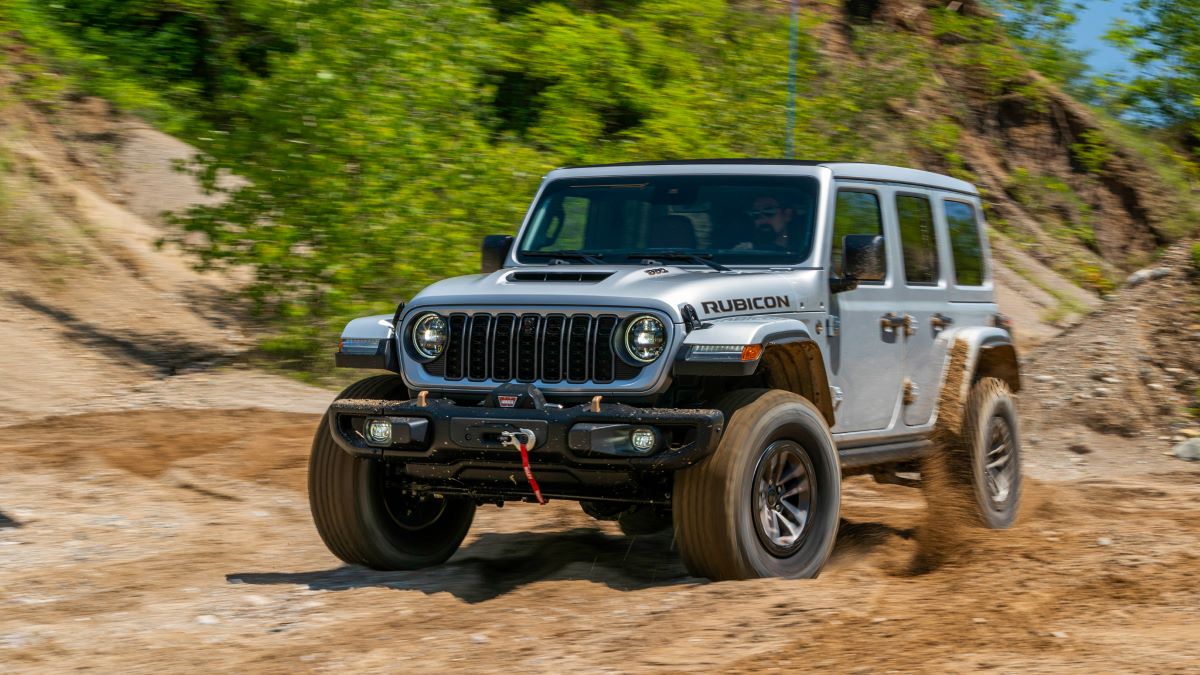
Road and wind noise in the Wrangler, especially in models with removable tops, is substantial. The upright windshield and boxy aerodynamics create wind roar at highway speeds, while the off-road-oriented tires generate significant road noise even on smooth pavement.
In traffic, you’re constantly exposed to external sounds other vehicles, motorcycles, sirens creating an auditory environment that increases stress and fatigue. Even with the hard top installed and windows up, conversations require raised voices at highway speeds.
The Wrangler’s manual transmission, while beloved by enthusiasts for off-road control, becomes tiresome in traffic. The clutch requires significant effort, and during extended stop-and-go conditions, the constant clutch work can create leg fatigue and frustration.
The automatic transmission option improves the traffic experience, but can’t overcome the fundamental comfort limitations elsewhere in the vehicle.
Visibility is excellent a genuine positive but the driving position and lack of modern driver assistance features in lower trims means you’re fully engaged in managing the vehicle at all times.
There’s no adaptive cruise control in base models to handle the constant speed changes traffic demands, no lane-keeping assist to reduce steering input fatigue. You’re piloting the vehicle manually through every moment of your commute, which becomes exhausting over time.
2. Toyota 86 / Subaru BRZ
The Toyota 86 and its mechanical twin, the Subaru BRZ, are brilliant sports cars that deliver genuine driving engagement and precise handling dynamics. Unfortunately, these very characteristics that make them thrilling on canyon roads make them uncomfortable in LA traffic’s reality.
The sport-tuned suspension that delivers exceptional handling creates a firm, sometimes harsh ride in everyday conditions. The dampers are calibrated for cornering response rather than comfort, which means they transmit road imperfections directly to occupants.
In traffic, where you’re constantly crossing expansion joints, going through the potholed surfaces, and dealing with road imperfections, the firm suspension becomes punishing rather than sporty.
The low-profile performance tires amplify this harshness, creating impacts from bumps that would barely register in comfort-oriented vehicles.
Seating position in the 86/BRZ is low and sporting excellent for feeling connected to the road, challenging for visibility in traffic and comfort during extended periods.
The seats themselves, while supportive during spirited driving, are firm and heavily bolstered in ways that become uncomfortable during long stationary periods.
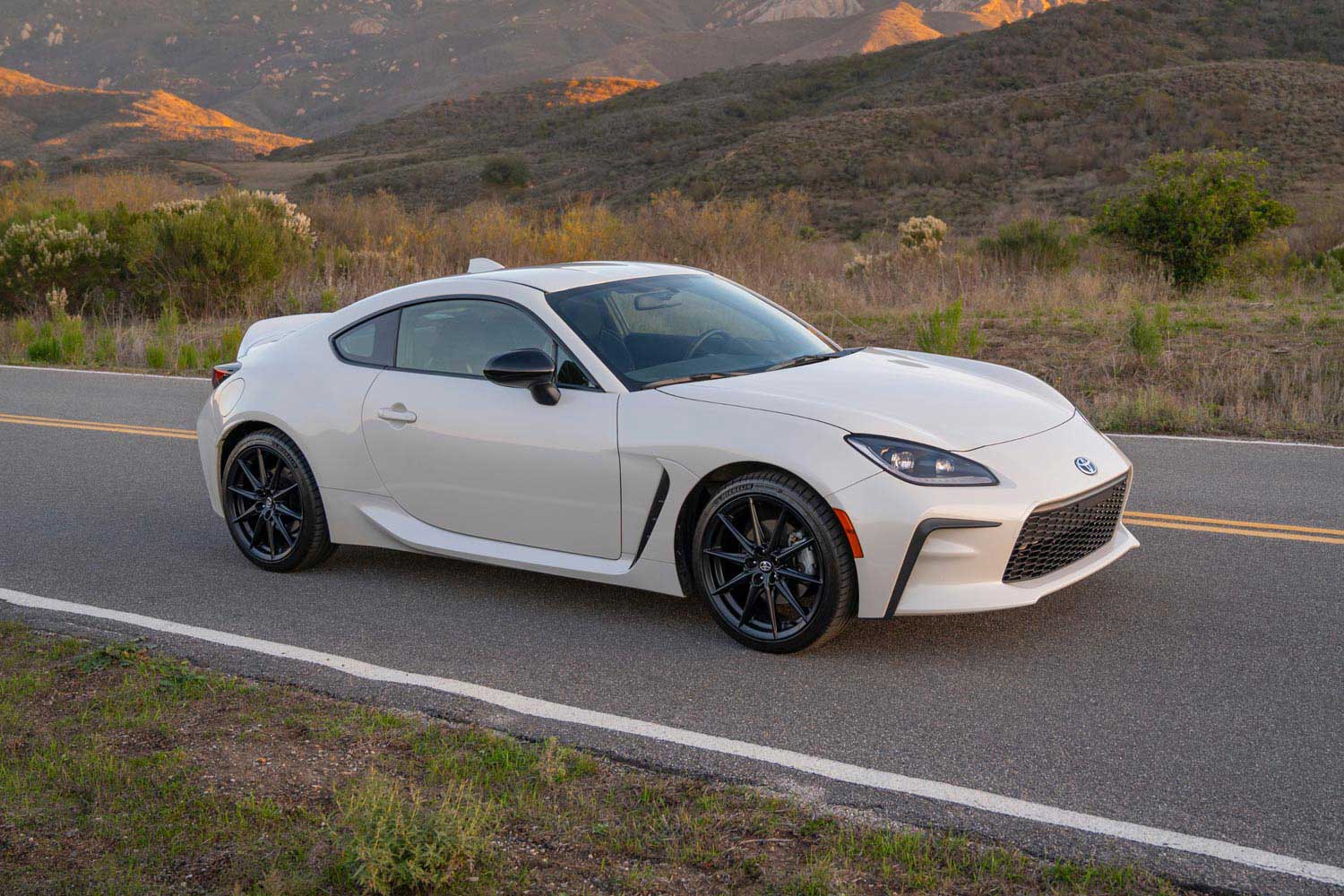
There’s no seat ventilation, limited adjustment range, and the aggressive bolstering that holds you in corners creates pressure points when you’re simply sitting still in traffic.
The cramped interior dimensions that contribute to the sports car’s intimate driving feel become claustrophobic in traffic. Limited headroom, tight elbow room, and a general sense of confinement create a less relaxing environment than roomier vehicles.
The small windows and thick pillars that aid structural rigidity reduce visibility and create blind spots that require extra attention when changing lanes in dense traffic adding to the stress and workload.
Both cars feature manual transmissions as standard, with automatics available but not ideal. The manual transmission is delightful on engaging roads but tedious in traffic, requiring constant clutch work that fatigues the left leg during extended gridlock.
The automatic transmission, while improving the traffic experience, is a traditional torque converter unit that doesn’t shift as smoothly or responsively as modern dual-clutch or CVT transmissions, creating occasional jerky behavior in stop-and-go conditions. Engine noise and vibration, while characterful during enthusiastic driving, become wearing in traffic.
The naturally aspirated boxer engine sends vibrations through the steering wheel and pedals at idle, and the exhaust note that sounds exciting on open roads becomes droning and tiresome during extended exposure in slow-moving conditions.
3. Ford Mustang GT
The Ford Mustang GT represents American muscle car tradition powerful, charismatic, and engaging to drive enthusiastically. However, its performance-oriented nature creates significant comfort compromises in traffic situations that reveal its specialization.
The Mustang GT’s sport-tuned suspension with performance-oriented dampers delivers exceptional handling but a choppy ride on imperfect pavement.
The magnetic dampers available in higher trims help, offering multiple modes that soften the ride somewhat, but even in comfort mode, the Mustang transmits road textures and imperfections more directly than dedicated comfort vehicles. LA’s broken pavement and expansion joints create constant jostling that becomes tiresome during long traffic exposures.
The powerful V8 engine is thrilling when you can use its performance, but in traffic, it becomes a source of heat and inefficiency. The engine generates substantial heat that radiates into the cabin, making the air conditioning work harder to maintain comfort in LA’s warm climate.
Fuel economy in traffic is dismal, with the big V8 returning single-digit mpg figures in stop-and-go conditions, adding insult to injury as you watch the fuel gauge drop while barely moving.
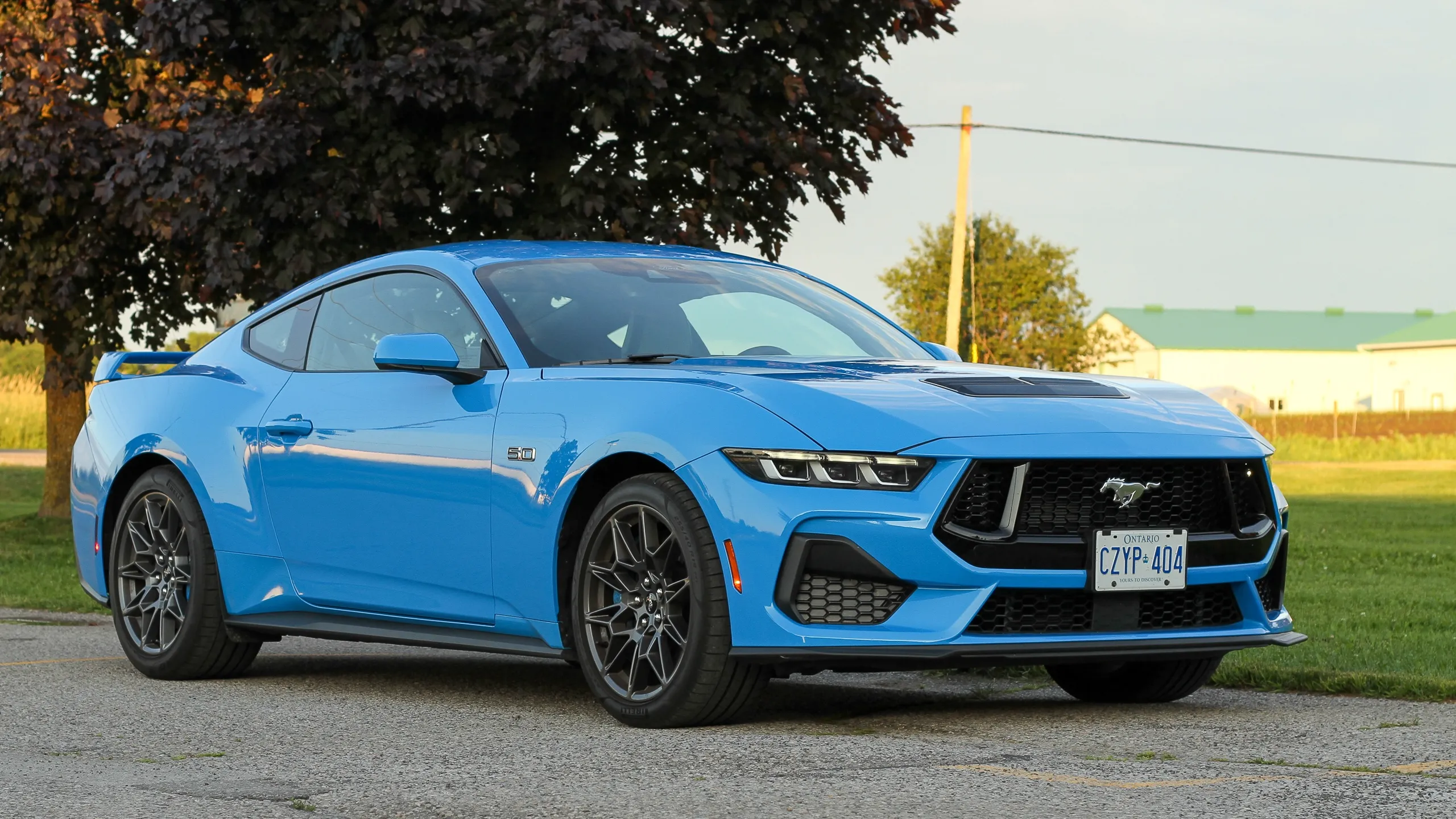
Visibility in the Mustang is challenging due to thick rear pillars and a high beltline. The aggressive styling that looks fantastic creates significant blind spots that make lane changes in traffic more stressful and dangerous.
You’re constantly checking mirrors and blind spots, unable to rely on quick glances to assess surrounding traffic. This constant vigilance increases cognitive load and fatigue during extended drives.
The Mustang’s seats are designed for performance driving rather than comfort. While supportive during cornering, they lack the adjustability and comfort features that make hours in traffic tolerable.
There’s no seat ventilation in most trims, limited lumbar adjustment, and the firm cushions and aggressive bolstering create pressure points during extended sitting. The driving position, while excellent for canyon carving, isn’t optimized for relaxed traffic cruising.
Engine noise and exhaust sound, while emotionally stirring in the right context, become fatiguing in traffic. The V8 rumble that quickens enthusiast pulses becomes droning and tiresome when experienced continuously at idle and low speeds.
Active exhaust systems available in some trims help by quieting things down in normal mode, but the fundamental character remains present exciting for short bursts, exhausting over hours.
4. Mazda MX-5 Miata
The Mazda MX-5 Miata is universally celebrated as one of the purest driving experiences available lightweight, balanced, and engaging in ways few modern cars achieve. These attributes, unfortunately, don’t translate to traffic comfort.
As a two-seat roadster, the Miata offers minimal weather protection and sound insulation even with the top up. Road noise, wind noise, and external sound intrusion are substantial.
In traffic, you’re exposed to the full cacophony of LA’s urban environment motorcycles, trucks, sirens, aggressive exhausts creating a noisy, stressful environment. The soft top provides minimal insulation, and even the available hardtop RF model transmits significantly more noise than conventional hardtop vehicles.
The ride quality, tuned for driving engagement and handling precision, is firm and communicative perfect for canyon roads, less ideal for sitting still or moving slowly over imperfect pavement.
The relatively short wheelbase and firm suspension make the Miata feel busy and active over road imperfections, constantly moving and adjusting in ways that feel dynamic when driving spiritedly but fidgety and unsettled in traffic.
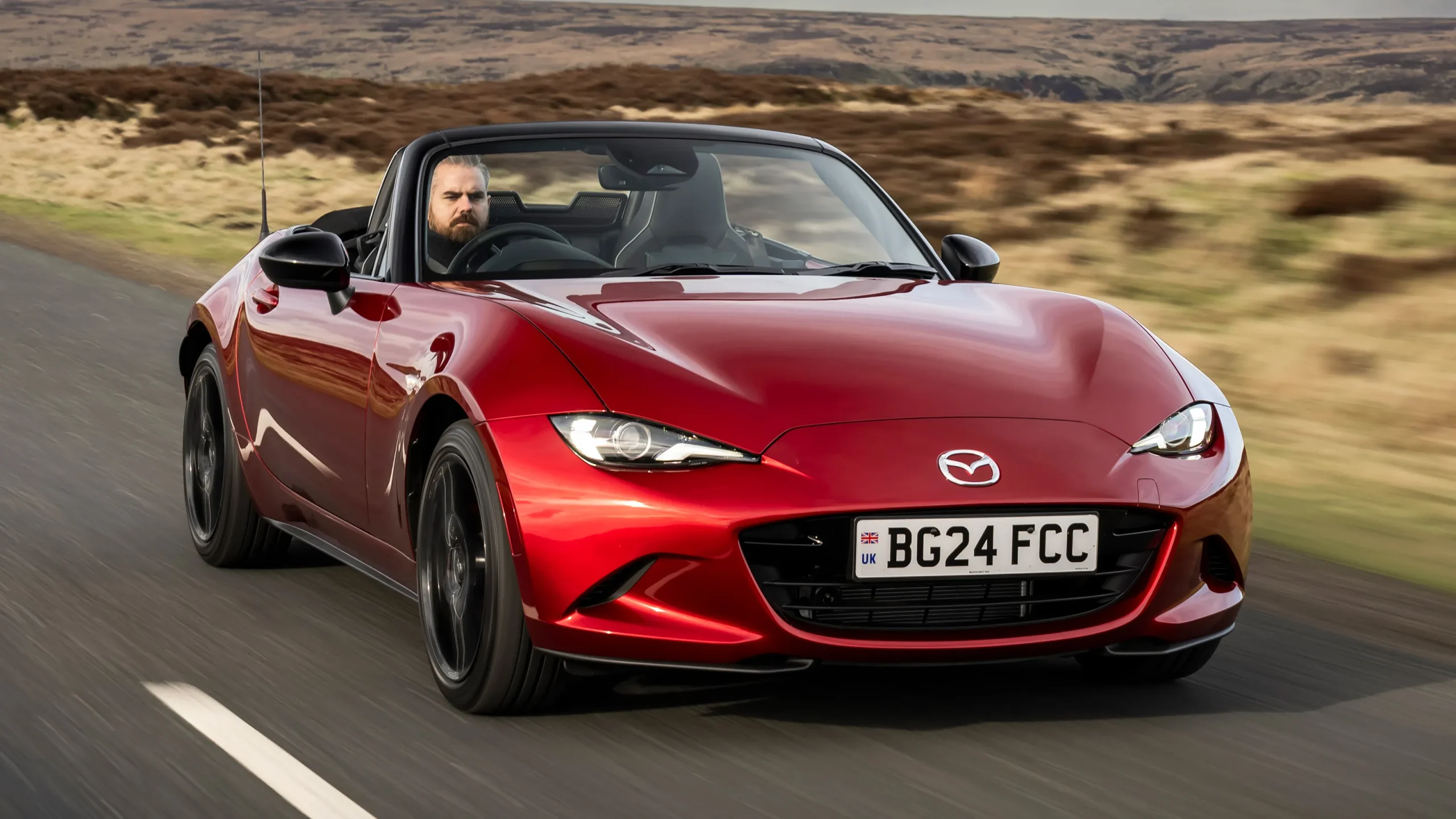
Seating in the Miata is snug and low, designed to make you feel connected to the car rather than comfortable over long periods. The seats lack adjustment range, lumbar support, and any comfort features like heating or ventilation.
The driving position, with your legs extending forward and your body reclined, isn’t ideal for extended stationary periods. The tight cockpit that feels intimate and sporty becomes cramped and claustrophobic during long traffic exposures.
Climate control in the Miata, especially with the soft top, struggles in LA’s warm climate. The small cabin heats up quickly in the sun, and the air conditioning system, while adequate, works hard to maintain comfort.
With the top down in traffic, you’re exposed to sun, heat, and exhaust fumes from surrounding vehicles less romantic than cruising down PCH with the wind in your hair. The manual transmission, standard in most Miatas, is a joy on open roads with its precise, short-throw shifter.
In traffic, however, it becomes a constant workout clutch in, shift, clutch out, repeat endlessly. The light clutch reduces leg fatigue somewhat, but extended traffic exposure still creates tiredness and frustration that automatic-equipped vehicles avoid.
5. Chevrolet Corvette C8
The mid-engine Chevrolet Corvette C8 is an engineering marvel that delivers supercar performance at an accessible price point. Its exotic configuration and performance focus, however, create multiple comfort challenges in everyday traffic use.
Visibility in the C8 is challenging due to the mid-engine configuration. Thick rear pillars, a high rear deck, and small rear window create massive blind spots that make lane changes and backing up stressful in dense traffic.
The low seating position reduces forward visibility over surrounding vehicles, limiting your ability to see upcoming traffic conditions. You’re constantly relying on mirrors and the available camera system, which adds cognitive workload during traffic navigation.
The C8’s sport-tuned suspension with magnetic dampers offers surprising ride quality for a sports car, but remains firm and communicative compared to comfort-oriented vehicles. Road imperfections transmit through the chassis, and the low-profile performance tires amplify impacts.
In traffic on LA’s deteriorating roads, you feel every expansion joint, pothole, and surface change. The magnetic ride control helps, offering softer settings, but even in Tour mode, the Corvette feels busy and active over imperfect pavement.
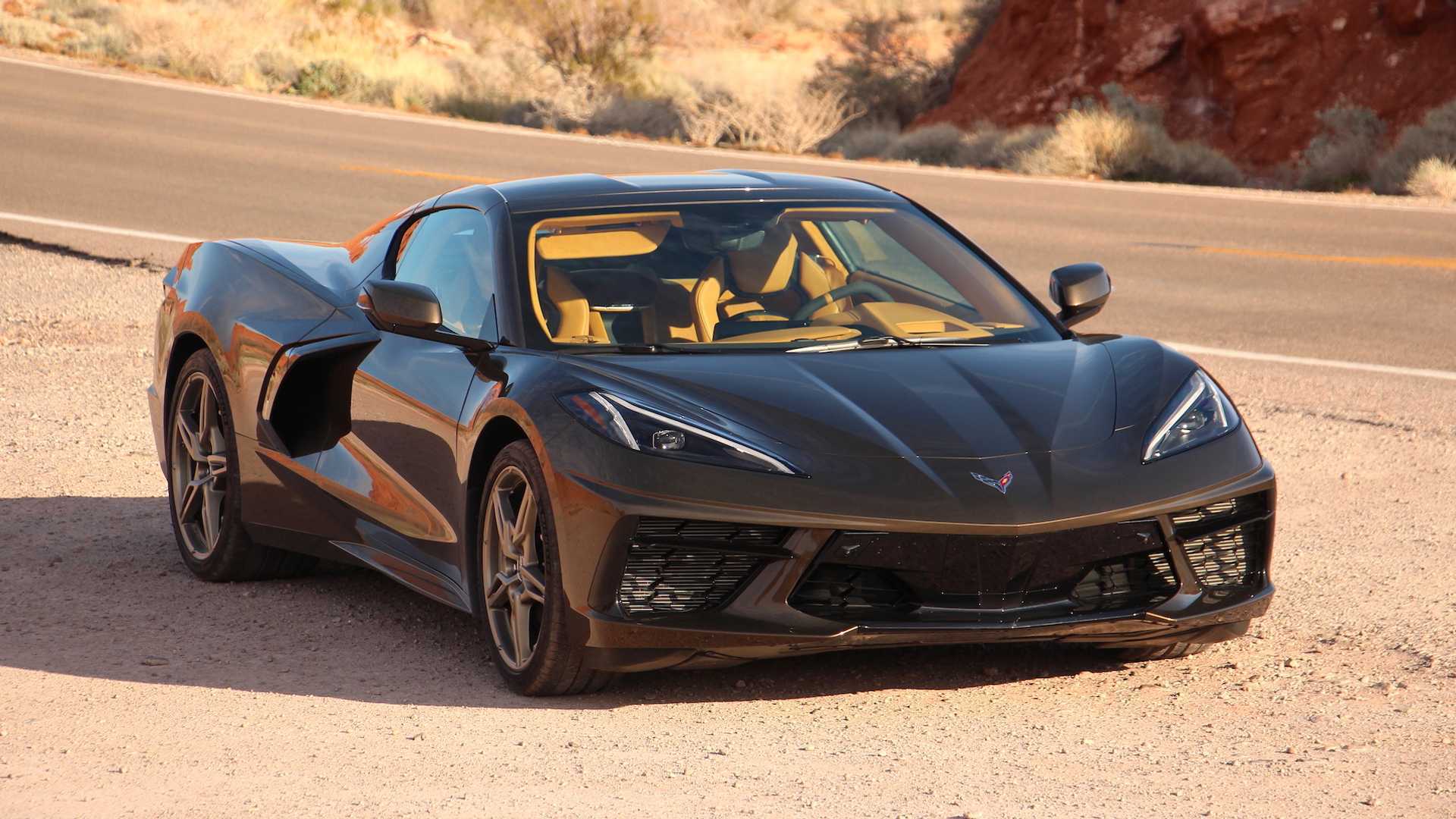
Entry and exit from the C8 is an athletic event due to the low seating position, wide sills, and tight cabin. In traffic where you might want to stretch or adjust position, you’re essentially committed to staying put.
The deep footwell and mid-engine configuration create a cramped feeling despite adequate interior space, and the narrow cabin puts occupants close together without much elbow room.
Engine noise and heat become factors in the C8 during traffic use. The mid-mounted V8 sits directly behind the cabin, and while insulation is surprisingly good, you still experience more engine presence than front-engine vehicles vibration through the seats, mechanical sounds, and heat.
In stop-and-go traffic, the engine generates substantial heat that must be managed, sometimes resulting in cooling fans running at higher speeds even when moving slowly. The C8’s seats are supportive and well-bolstered for performance driving but less ideal for extended comfort.
They lack ventilation in most configurations, have limited adjustment range compared to luxury vehicles, and the aggressive bolstering that holds you during cornering creates pressure points during stationary periods. The GT2 seats available in higher trims improve comfort somewhat but still prioritize sport over relaxation.
