Hybrids are often praised for combining fuel efficiency with modern performance, but not all deliver equal benefits in urban driving. Stop-and-go traffic exposes the strengths and weaknesses of hybrid systems, revealing which vehicles truly maximize efficiency and which fall short despite their electrified badges.
Some models, like the 2026 Toyota Prius, Honda Civic Hybrid, and Toyota Camry Hybrid, are engineered to thrive in congestion, using electric motors, regenerative braking, and intelligent energy management to reduce fuel consumption while maintaining smooth, responsive performance.
Compact SUVs like the Hyundai Tucson Hybrid and Kia Niro Hybrid extend these advantages to drivers who need versatility without sacrificing efficiency. These vehicles demonstrate that a thoughtful hybrid system can make daily commuting less stressful, more economical, and environmentally friendly, offering drivers a tangible edge in dense city traffic over conventional gasoline-powered vehicles.
5 Hybrids That Deliver Real Benefits in Traffic
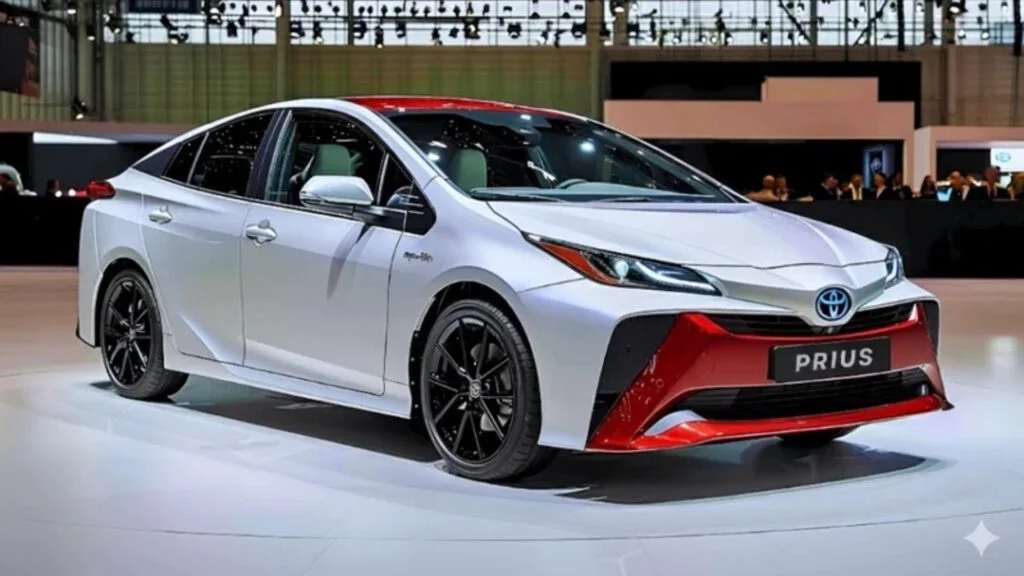
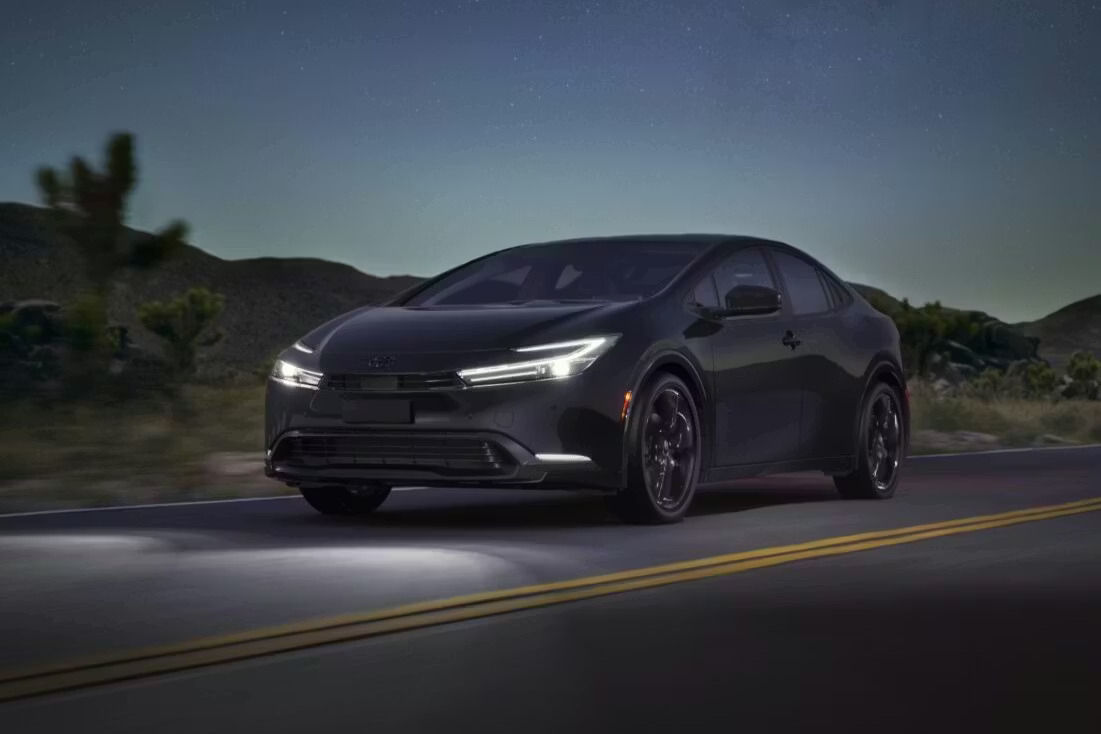
1. 2026 Toyota Prius: Efficient, Comfortable, and Smart for Urban Driving
The 2026 Toyota Prius continues to set the benchmark for hybrid efficiency, combining advanced technology, comfort, and practicality for both city and highway driving. Its Synergy Drive hybrid system is designed for urban efficiency, allowing the car to move at low speeds using only electric power.
The lightweight and aerodynamic design minimizes energy use, resulting in an impressive 57 miles per gallon in city driving for the standard hybrid. The Plug-in Hybrid model offers up to 44 miles of electric-only range, allowing many daily commutes without using gasoline.
Fuel economy is a major strength of the Prius, making it ideal for stop-and-go traffic. The hybrid system provides instant and responsive torque, improving agility in urban driving. The Plug-in Hybrid achieves 0-60 miles per hour in 6.9 seconds and can operate in EV mode even under harder acceleration.
EPA estimates indicate the front-wheel-drive Prius LE reaches 57 mpg in the city and 56 mpg on the highway. All-wheel-drive versions are slightly lower at 53 mpg city and 54 mpg highway. Real-world highway testing shows front-drive models achieve 49 mpg at 75 miles per hour, demonstrating strong efficiency in practical use.
All 2026 Prius models include Toyota Safety Sense 3.0. This suite features Full-Speed Range Dynamic Radar Cruise Control, Lane Tracing Assist, and Traffic Jam Assist, which help reduce driver fatigue in heavy traffic. Other standard safety features include automatic emergency braking, pedestrian detection, and blind-spot monitoring.
The interior combines style with functionality. The driver-facing gauge cluster and spacious first-row seating improve usability. Cargo space is generous for a compact hybrid, with the LE model providing 23.8 cubic feet behind the rear seats.
Infotainment options include an 8.0-inch touchscreen as standard and a 12.3-inch screen on higher trims. All models support wireless Apple CarPlay and Android Auto, voice control, Wi-Fi, and over-the-air updates.
The Prius is powered by a 2.0-liter inline-four gasoline engine paired with electric motors. Front-wheel-drive models produce 194 horsepower, while all-wheel-drive models reach 196 horsepower with a rear electric motor. A continuously variable transmission ensures smooth acceleration in both city and highway driving.
Toyota offers a 3-year or 36,000-mile limited warranty, 5-year or 60,000-mile powertrain coverage, 10-year or 150,000-mile hybrid component warranty, and two years or 25,000 miles of complimentary maintenance. The 2026 Prius remains an excellent choice for commuters seeking efficiency, comfort, and advanced technology while maintaining enjoyable and responsive driving.
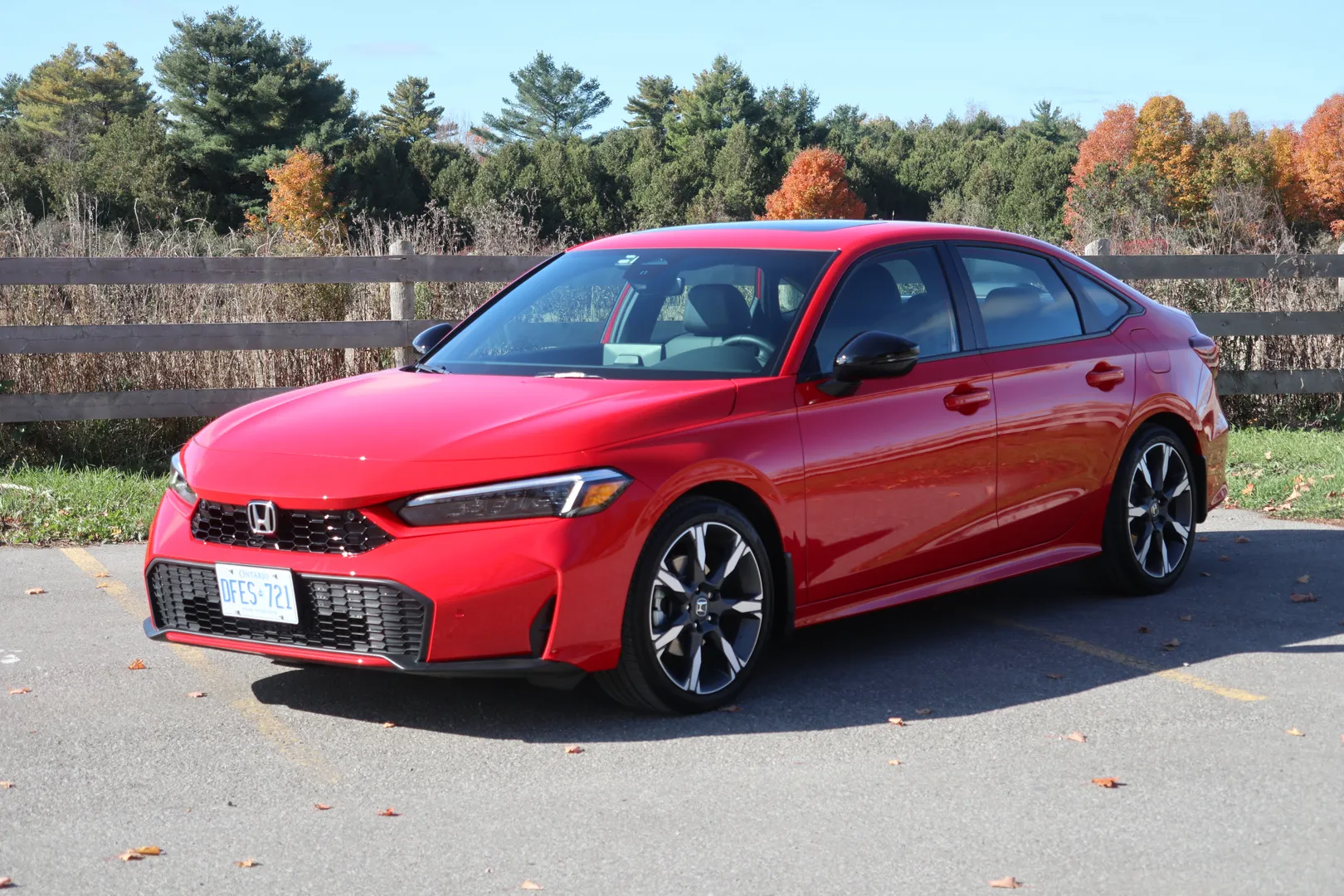
2. 2026 Honda Civic Hybrid: Efficient, Fun, and Refined for City Driving
The 2026 Honda Civic Hybrid combines efficiency, performance, and comfort, making it a standout choice in the compact hybrid segment. Its eHEV dual-motor system uses the gas engine primarily as a generator to power the electric traction motor.
This design provides smooth, instant torque in stop-and-go traffic without the jerky engagement of a traditional engine. With 232 lb-ft of torque and 200 horsepower, the Civic Hybrid accelerates quickly, reaching 0-60 mph in just 6.6 seconds, outperforming many other small sedans, including the sporty Civic Si.
The hybrid system delivers strong fuel efficiency, with EPA estimates ranging from 49 to 56.5 mpg. Regenerative braking charges the battery while slowing down, and steering-wheel deceleration selectors allow precise control of braking in heavy traffic, reducing the need to use the brake pedal frequently.
Standard Honda Sensing® features include Traffic Jam Assist, Adaptive Cruise Control with Low-Speed Follow, and Lane Keeping Assist, helping reduce driver fatigue in congested conditions.
On the road, the Civic Hybrid offers a smooth, quiet, and responsive driving experience. It handles city streets and highways with agility, thanks to its taut yet balanced suspension. Visibility is generally excellent, aided by narrow roof pillars and door-mounted side mirrors, while a multi-angle rearview camera helps compensate for the slightly short back window.
The interior is attractive and practical. Front seating is comfortable for passengers of varying heights, while rear shoulder and legroom are generous, though headroom is slightly limited due to the sloping roofline.
Climate controls are intuitive, and road and wind noise are kept to a minimum. Storage is strong, with 14.8 cubic feet of trunk space in the sedan and 24.5 cubic feet in the hatchback, with folding rear seats for larger items.
Technology is straightforward and functional. A standard 7-inch touchscreen supports Apple CarPlay and Android Auto, while the optional 9-inch display includes Google Built-In, wireless phone connectivity, and a Bose audio system for higher trims.
Although slightly more expensive than rivals such as the Hyundai Elantra and Toyota Corolla, the Civic Hybrid justifies its cost with strong performance, impressive fuel economy, a refined interior, and practical features. Warranty coverage includes three years or 36,000 miles for basic coverage and five years or 60,000 miles for the powertrain.
The 2026 Honda Civic Hybrid is a fun-to-drive, efficient, and refined compact car that excels in city traffic while remaining comfortable and practical for daily use. It combines Honda’s strong engineering with modern hybrid technology, making it an excellent choice for drivers who want efficiency without sacrificing enjoyment behind the wheel.
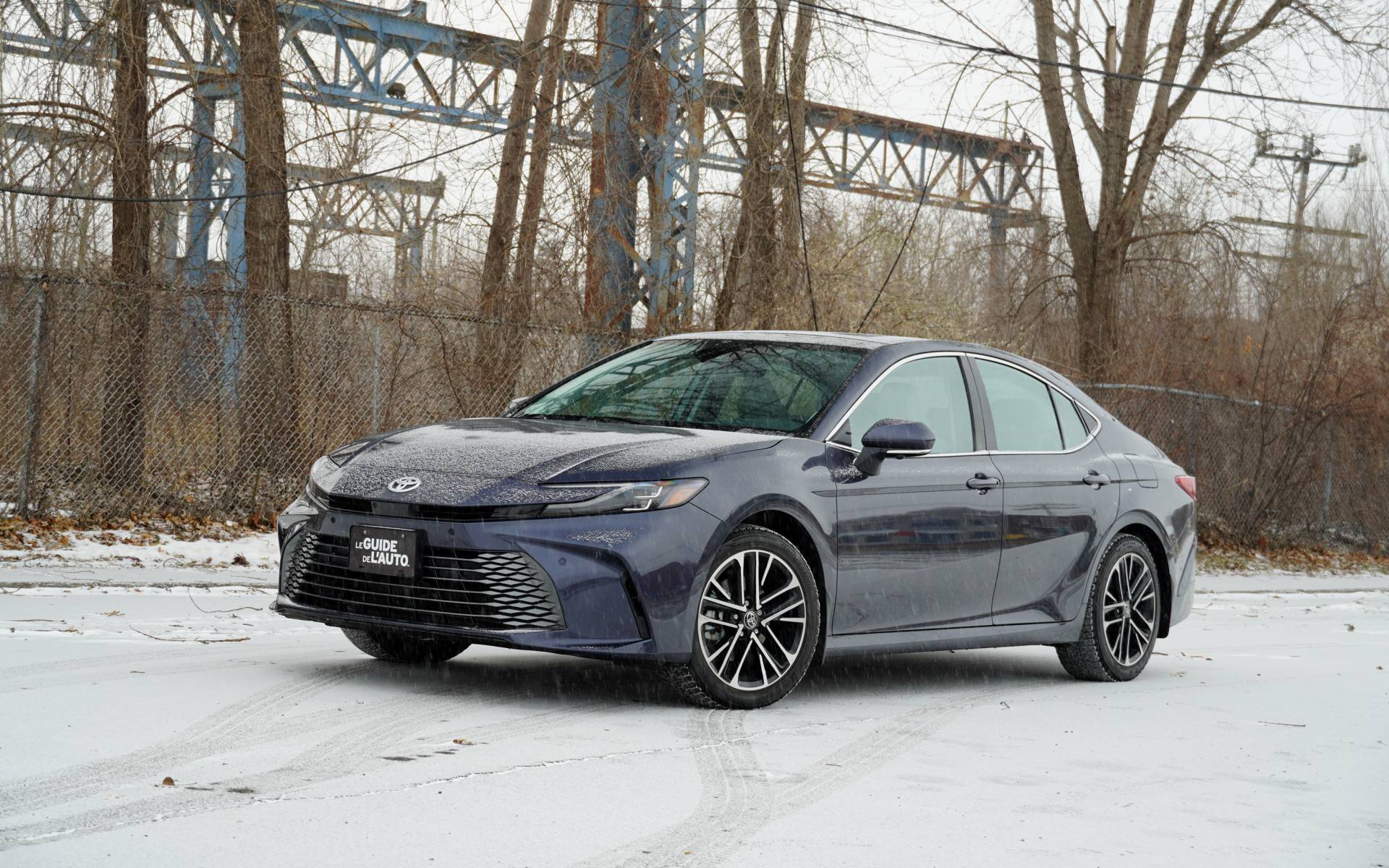
3. 2026 Toyota Camry Hybrid: Efficient, Comfortable, and Traffic-Ready
The 2026 Toyota Camry is now exclusively a hybrid, bringing Prius-level efficiency and technology to the midsize sedan segment. Its refined battery cooling system allows the electric motor to handle long periods of idling without engaging the gas engine, delivering up to 53 mpg in city driving. The hybrid setup provides instant and smooth torque, making stop-and-go traffic more manageable and reducing fuel consumption.
Traffic-focused features enhance comfort and safety. Toyota Safety Sense 3.0 comes standard on all models, including Pre-Collision System with Pedestrian Detection, Lane Tracing Assist, and Proactive Driving Assist. Traffic Jam Assist enables hands-free, low-speed steering in congested conditions up to 25 mph, while adaptive cruise control and lane-centering technology reduce driver fatigue.
A 12.3-inch digital gauge cluster and optional head-up display deliver clear, actionable information without distracting the driver, and the standard Blind Spot Monitor assists in lane changes.
The Camry Hybrid offers two powertrain options. Front-wheel-drive models use a 2.5-liter four-cylinder engine combined with two electric motors for 225 horsepower, while all-wheel-drive models add a third motor driving the rear axle, increasing output to 232 horsepower.
A continuously variable automatic transmission ensures smooth acceleration. In testing, front-wheel-drive models reached 60 mph in 7.0 seconds, with all-wheel-drive XSE models achieving 6.8 seconds, providing performance comparable to or better than many rivals.
Inside, the Camry Hybrid features a spacious and comfortable cabin with dual-zone climate control, rear air vents, and available leather upholstery on higher trims. Cargo space is practical, holding seven carry-on suitcases or 19 cases with the rear seats folded.
Infotainment includes an 8.0-inch touchscreen standard, with 12.3-inch displays on SE, XLE, and XSE trims, all running Toyota’s latest software. Apple CarPlay and Android Auto are standard, and higher trims offer wireless connectivity and an optional nine-speaker JBL audio system.
Safety is comprehensive, with automated emergency braking, lane-departure warning, adaptive cruise control, and curve-preparation braking. Toyota provides three years or 36,000 miles limited warranty, five-year or 60,000 miles powertrain coverage, ten years or 150,000 miles for hybrid components, and two years or 25,000 miles of complimentary maintenance.
The 2026 Camry Hybrid combines efficiency, technology, and comfort, delivering a safe, smooth, and economical ride for daily commuting and highway driving while maintaining responsive performance and modern convenience.
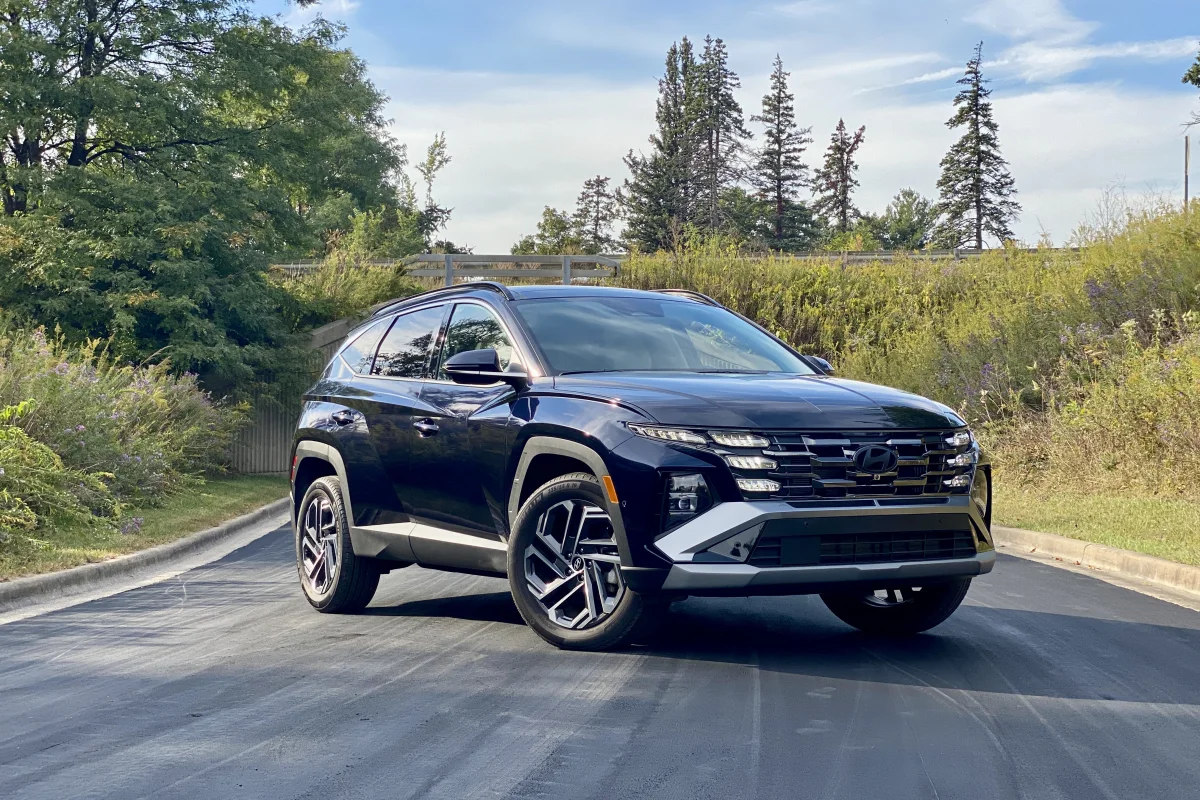
4. 2026 Hyundai Tucson Hybrid: Efficient, Comfortable, and City-Ready
The 2026 Hyundai Tucson Hybrid brings hybrid efficiency to the compact SUV segment, combining utility, comfort, and advanced technology for urban and suburban driving. Its hybrid powertrain delivers up to 38 mpg in city and highway driving, bridging the gap between SUV practicality and city efficiency.
The electric motor provides instant torque for smooth, responsive acceleration, while regenerative braking recovers energy, making it ideal for stop-and-go traffic. The plug-in hybrid version offers 32 miles of electric-only range using a 13.8-kWh battery, with a Level 2 charger capable of fully recharging in about two hours.
Traffic-friendly features enhance convenience and safety. Hyundai SmartSense comes standard, including Forward Collision-Avoidance Assist with pedestrian and cyclist detection, Lane Following Assist, Blind-Spot Collision Warning, Rear Cross-Traffic Collision-Avoidance Assist, and Smart Cruise Control with Stop & Go.
These systems reduce driver fatigue and improve safety in congested driving conditions. A quiet cabin, optional 360-degree camera, and responsive handling further support a stress-free driving experience.
The Tucson Hybrid combines a turbocharged 1.6-liter four-cylinder engine with an electric motor, producing 231 horsepower and 258 lb-ft of torque, while the PHEV reaches 268 horsepower. Power is delivered through a six-speed automatic transmission with standard all-wheel drive.
In testing, the hybrid model accelerates to 60 mph in 7.1 seconds, outperforming the nonhybrid Tucson and rivaling the Toyota RAV4 Hybrid. Steering is solid, and the suspension provides a comfortable, confident ride without excessive road noise.
Inside, the Tucson Hybrid features a modern, functional cabin with standard 12.3-inch infotainment and instrument displays, wireless Apple CarPlay and Android Auto, available wireless charging, and an intuitive dashboard layout with physical controls for HVAC and audio.
The SUV seats four comfortably, with generous cargo space for nine carry-on suitcases, expanding to 22 bags with rear seats folded. Higher trims add premium features like Bose audio, digital key, and additional tech enhancements.
Warranty coverage is generous, including five years or 60,000 miles limited warranty, 10 years or 100,000 miles powertrain, and three years or 36,000 miles of complimentary maintenance.
The 2026 Hyundai Tucson Hybrid is an efficient, practical, and comfortable SUV that delivers hybrid fuel savings, advanced safety features, and city-friendly performance, making it a strong choice for commuters and families seeking a versatile electrified vehicle.
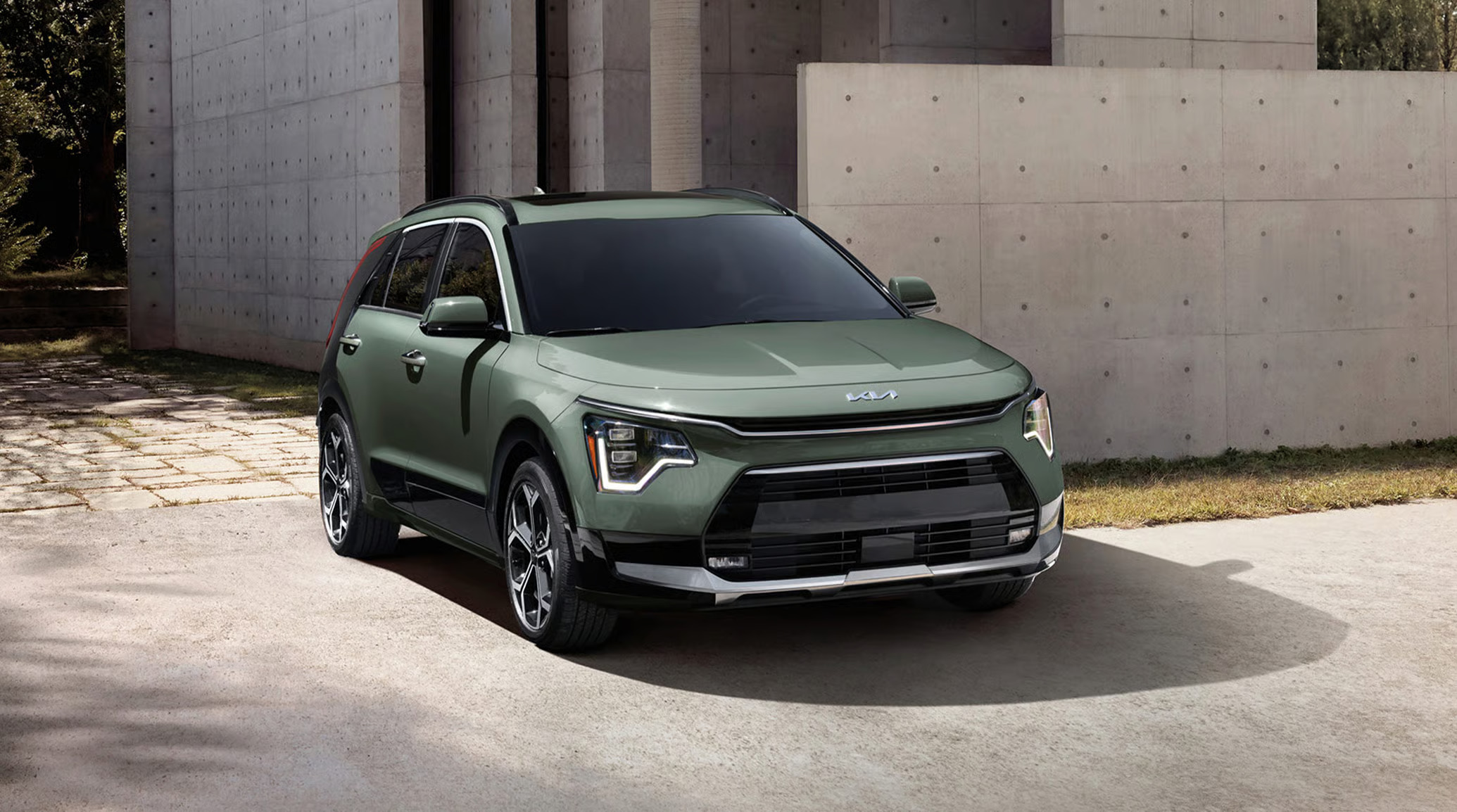
5. 2026 Kia Niro Hybrid: Efficient, Comfortable, and City-Ready
The 2026 Kia Niro Hybrid is built for city driving, offering a compact size and a hybrid system optimized for stop-and-go traffic. Its small footprint makes it easy to drive in tight spaces, while the hybrid system prioritizes electric-only takeoffs.
In heavy congestion, regenerative braking captures energy efficiently, allowing the vehicle to operate at low speeds without consuming fuel. The standard hybrid achieves approximately 53 mpg in city driving, making it a highly efficient option for commuters.
The Niro Hybrid includes a suite of advanced driver-assistance features that enhance comfort and safety. Standard equipment includes forward-collision warning with automated emergency braking, lane-keeping assist, and blind-spot monitoring.
Smart cruise control can bring the vehicle to a full stop, while optional adaptive cruise control with lane-centering and highway driving assist reduces stress in heavy traffic. Instant torque from the electric motor ensures smooth, responsive acceleration, and regenerative braking helps save fuel while reducing wear on the brakes.
The hybrid powertrain pairs a 139-hp 1.6-liter four-cylinder engine with an electric motor, producing adequate performance for city and suburban driving. A six-speed dual-clutch automatic transmission is standard, with front-wheel drive only.
The plug-in hybrid adds a more powerful electric motor for a combined 180 horsepower, improving acceleration, with the PHEV reaching 60 mph in 7.5 seconds compared to 8.9 seconds for the standard hybrid. The plug-in hybrid offers about 33 miles of electric-only range and can recharge in less than three hours using a Level 2 charger.
Inside, the Niro Hybrid features a modern, sculptural cabin using recycled materials and natural fibers. The vehicle seats four adults comfortably, and cargo space is generous, holding eight carry-on suitcases in the hybrid and six in the PHEV, expanding when the rear seats are folded.
Infotainment includes an 8.0-inch touchscreen on the base trim or a 10.3-inch display on higher trims, with Apple CarPlay, Android Auto, navigation, and optional wireless charging. Higher trims offer a seven-speaker Harman/Kardon audio system.
Kia provides a five-year or 60,000-mile limited warranty and a 10-year or 100,000-mile powertrain warranty, though complimentary scheduled maintenance is not included.
The 2026 Kia Niro Hybrid is a practical, efficient, and quiet city crossover, delivering smooth low-speed driving, fuel-saving technology, and advanced safety features, making it a strong choice for daily commuting and urban lifestyles.
Also Read: 5 Cars That Tolerate Short Daily Trips vs 5 That Prefer Long Drives
5 That Offer Minimal Gains
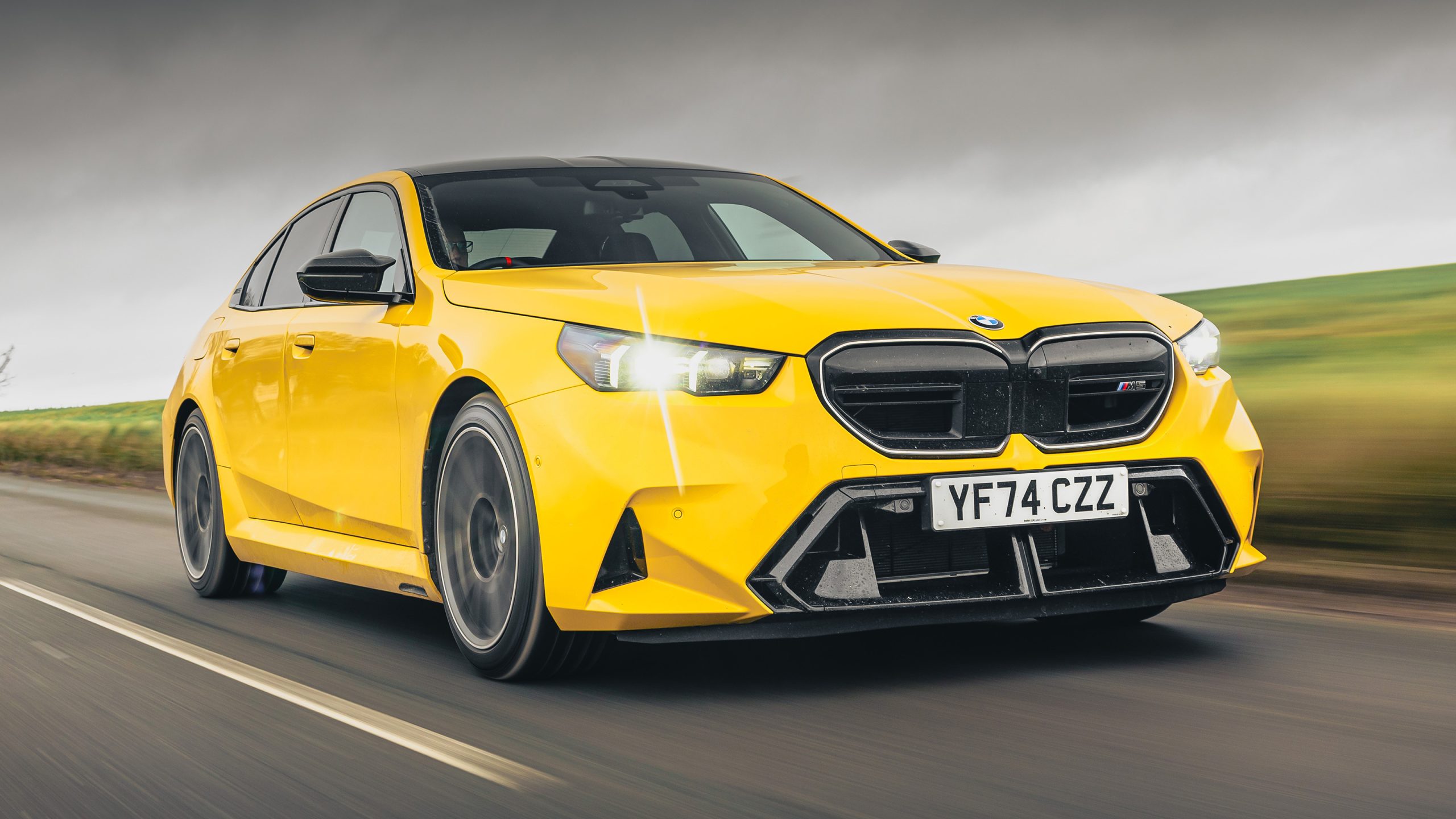
1. 2026 BMW M5 PHEV: Powerful but Challenging in Urban Traffic
The 2026 BMW M5 Plug-in Hybrid (PHEV) is engineered for high performance, but its capabilities in city traffic are limited. While the hybrid system allows for smooth and silent low-speed driving, the practical benefits are minimal for urban commuting due to significant trade-offs in weight and efficiency.
A major factor is the M5’s massive curb weight of approximately 5,400 pounds, about 1,000 pounds heavier than its predecessor and comparable to a full-size SUV. Accelerating this mass from a standstill consumes substantial energy, largely offsetting the efficiency of the electric motor. The PHEV system provides an all-electric range of 25 to 29 miles, but once the 14.8-kWh battery is depleted, the 4.4-liter twin-turbo V8 must propel the car, resulting in poor fuel economy.
With a depleted battery, the M5 achieves only 14 MPG combined, and in heavy stop-and-go traffic, efficiency can drop further. Although the model includes an 11-kW onboard charger, regular plug-ins are required to maintain any hybrid advantage.
Urban handling is also affected by the added weight. BMW has stiffened the suspension for control, creating a firm and brittle ride over potholes and speed bumps. Despite rear-axle steering, the car’s nearly SUV-like width makes tight streets and parking garages difficult to manage.
Dynamic performance in traffic is also compromised. The electric motor works through the engine’s gearbox rather than providing direct drive, which produces a slight delay and rubbery sensation during low-speed acceleration. This makes the M5 feel less sharp and responsive in urban conditions than lighter, non-hybrid predecessors.
While the 2026 BMW M5 PHEV excels as a high-performance vehicle on open roads, its weight, fuel consumption, and city ride quality make it less practical and efficient for stop-and-go driving. Its hybrid system offers only limited benefits in traffic, leaving the car better suited for highways and spirited driving rather than urban commuting.
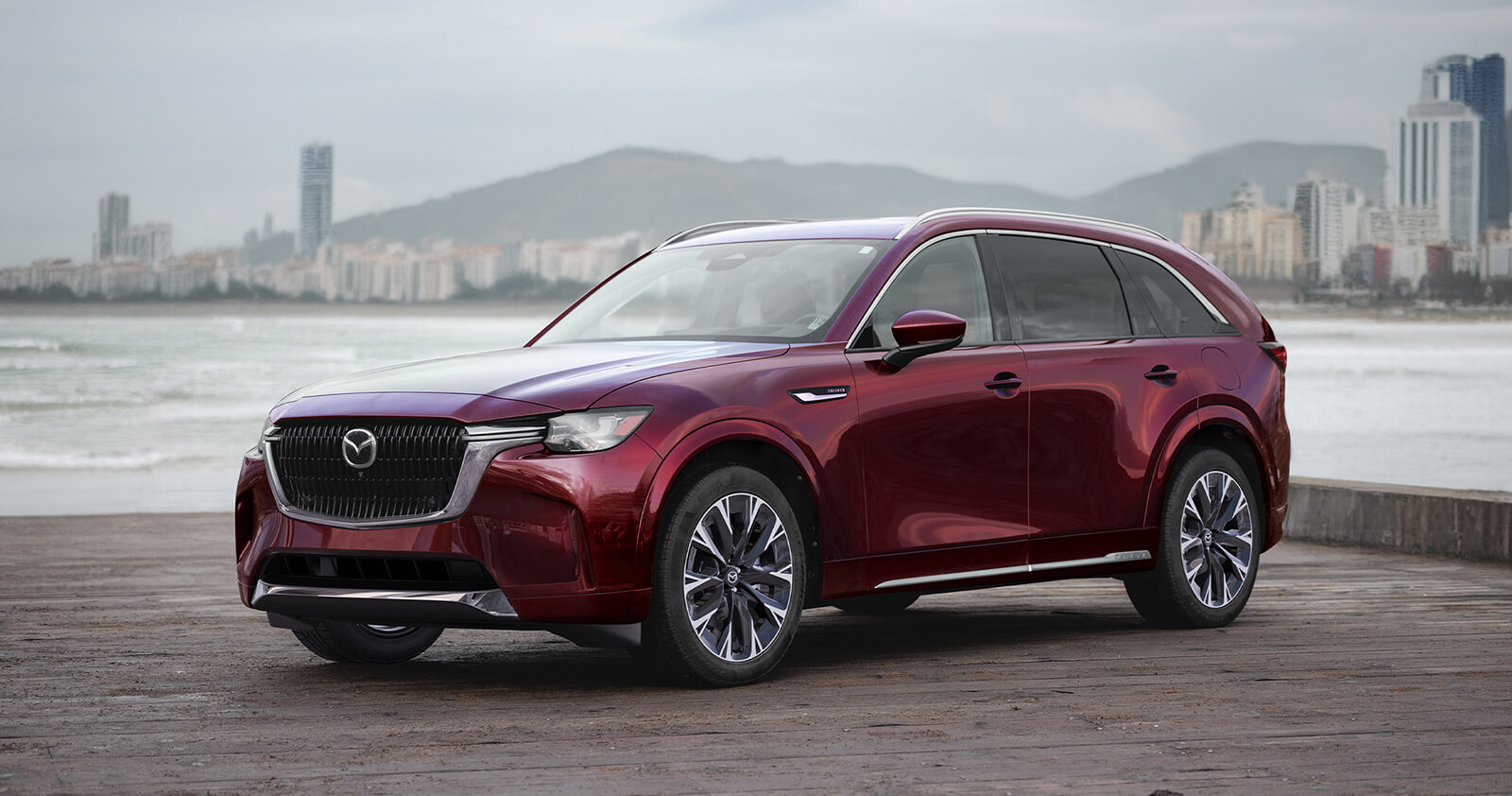
2. 2026 Mazda CX-90 Mild Hybrid: Sporty but Limited in City Efficiency
The 2026 Mazda CX-90 Mild Hybrid delivers a sporty driving experience but offers only modest fuel efficiency gains in urban traffic. Its 48-volt M-Hybrid Boost system is a mild hybrid, meaning the electric motor is too weak to move the SUV independently. In stop-and-go traffic, the gasoline engine must remain on or restart almost instantly, providing only a 1-2 mpg improvement over the non-hybrid CX-90.
The system relies on a small 0.33 kWh lithium-ion battery and a modest electric motor placed between the 3.3L inline-six engine and the transmission.
Electric assistance is limited to very low speeds, typically below 6 mph, and there is no EV mode for normal city driving. The motor functions primarily as supplemental power, smoothing throttle response and giving a slight boost of roughly 16.9 hp during initial acceleration from a standstill.
In terms of fuel consumption, the CX-90 Mild Hybrid achieves approximately 23-24 mpg in city driving, reflecting minimal advantage over traditional V6 engines in dense traffic. The i-Stop system does help save fuel by shutting off the engine at lights, but frequent restarting in congested conditions can feel noticeable, unlike the quiet operation of a full hybrid.
Performance is prioritized over efficiency. The 8-speed automatic transmission is designed for a direct, engaging feel, which enhances highway cruising and spirited driving but can feel slightly unrefined during low-speed urban driving. The mild hybrid system offers smoother acceleration and minor fuel savings, but it does not change the vehicle’s heavy reliance on the gasoline engine in city settings.
The 2026 Mazda CX-90 Mild Hybrid is best suited for drivers seeking refined performance and responsive handling, rather than significant efficiency gains in traffic. Its mild hybrid system improves throttle feel and offers minimal assistance, but it cannot replicate the fuel savings of full hybrids or plug-in hybrid variants during stop-and-go commutes.
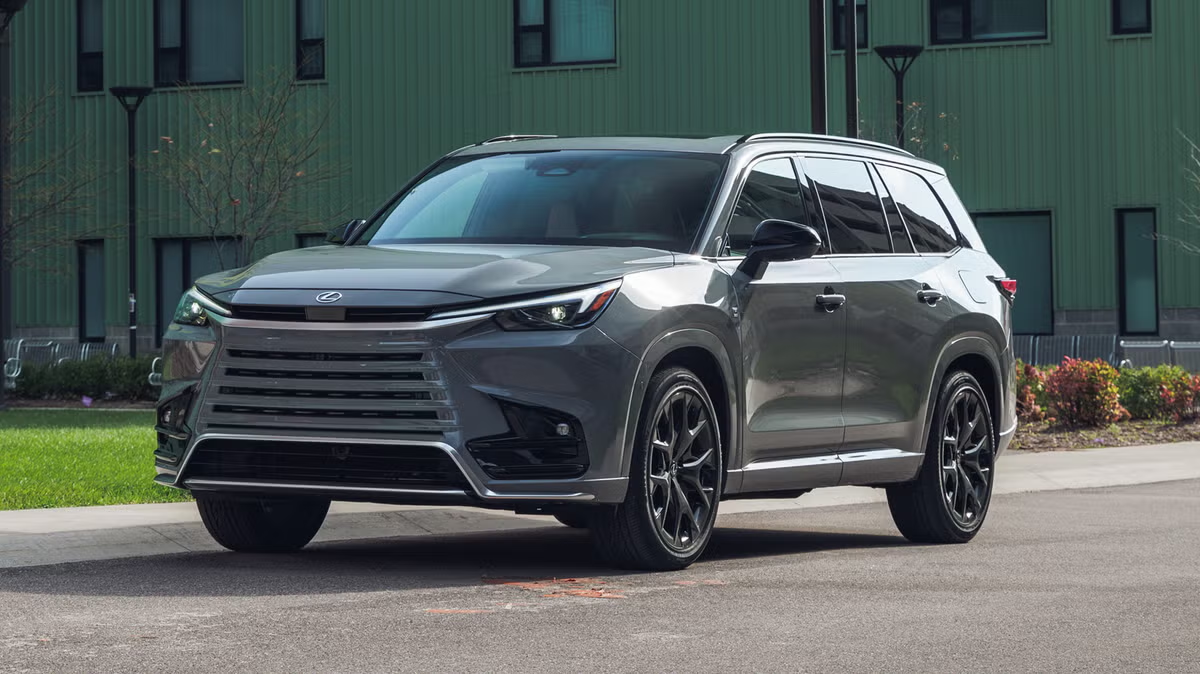
3. 2026 Lexus TX 500h: Powerful Luxury Hybrid with Limited City Efficiency
The 2026 Lexus TX 500h F Sport Performance is designed as a performance-oriented luxury hybrid, prioritizing power and smooth acceleration over stop-and-go efficiency.
While it carries a hybrid system, its 27 city mpg rating is modest for a hybrid SUV, and real-world traffic tests often show 21–23 mpg. Unlike traditional hybrids that rely heavily on electric power in congestion, the TX 500h uses its hybrid system mainly to enhance performance and reduce turbo lag.
Several factors limit its efficiency in urban driving. The 2.4-liter turbocharged engine and hybrid system produce a total of 366 horsepower and 406 lb-ft of torque, requiring frequent engine engagement to maintain high output.
The vehicle’s 1.4-kWh nickel-metal hydride battery supports only brief low-speed operation, depleting quickly in heavy traffic and forcing the gasoline engine to restart often. Its nearly 5,000-pound curb weight adds to the energy required for frequent stops and accelerations.
The six-speed automatic transmission provides a sporty, direct feel but is less efficient than a CVT in stop-and-go traffic. The standard DIRECT4 all-wheel-drive system, which actively manages power distribution through a high-output rear e-Axle, also draws additional energy from the hybrid battery, reducing EV-mode opportunities.
In practice, the TX 500h provides only a 1–3 mpg advantage over the standard gas-only TX 350 AWD during dense urban commutes. While it offers refined power delivery, smooth acceleration, and luxury features, it is not optimized for fuel savings in traffic.
For drivers prioritizing city efficiency, the TX 550h+ Plug-in Hybrid is a better choice, offering a larger battery and up to 33 miles of electric-only range, effectively eliminating gasoline use during most urban commutes.
The 2026 Lexus TX 500h excels as a luxury performance hybrid, but its benefits in stop-and-go city driving are limited, making it best suited for highway cruising and spirited driving rather than urban efficiency.
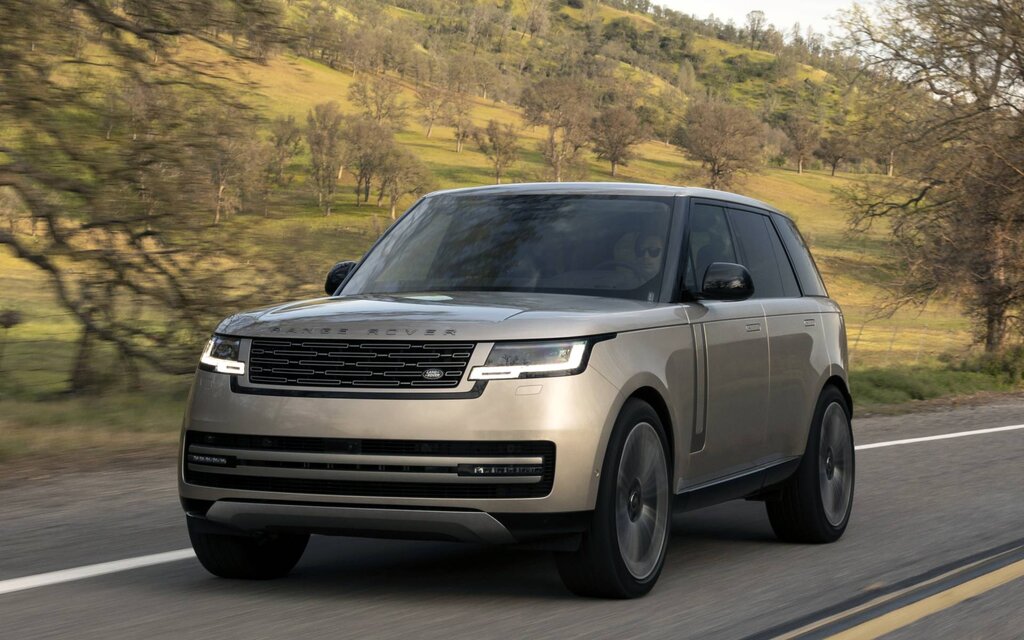
4. 2026 Land Rover Range Rover Hybrid: Urban-Friendly Power for City Driving
The 2026 Land Rover Range Rover Hybrid offers substantial advantages in urban traffic, despite its nearly 6,000-pound curb weight. Unlike traditional gas-only SUVs, the plug-in hybrid system allows the Range Rover to operate as a pure electric vehicle in congested conditions, providing smooth, silent low-speed driving and avoiding the inefficiencies of frequent idling and low-gear acceleration.
The hybrid system delivers instant torque of up to 590 lb-ft, which makes initial acceleration from a standstill effortless. In stop-and-go traffic, the electric motor handles low-speed maneuvers, while regenerative braking captures energy during deceleration to extend battery range.
The PHEV model offers a certified electric range of up to 76 miles, with real-world estimates of 35 to 50 miles, allowing most daily commutes to be completed without using gasoline. These features make the hybrid Range Rover highly effective in city environments, where conventional SUVs typically consume excessive fuel.
However, certain conditions can reduce the benefits. Once the battery is depleted, the vehicle relies on its 3.0L six-cylinder engine to move its massive frame, reducing fuel economy to around 23.6 mpg.
The additional weight of the hybrid system also limits efficiency on long highway trips, where the battery cannot be recharged frequently. Gains in urban driving depend on consistent charging; using a standard Level 2 charger, a full recharge takes roughly five hours.
The 2026 Range Rover Hybrid is most effective in city traffic, offering nearly silent, zero-emission driving for low-speed commuting.
Its combination of electric torque, regenerative braking, and plug-in capability provides substantial real-world benefits, though these are contingent on keeping the battery charged to avoid relying entirely on the gas engine for such a heavy vehicle. For urban drivers, it represents a significant improvement in efficiency and refinement compared with conventional full-size SUVs.
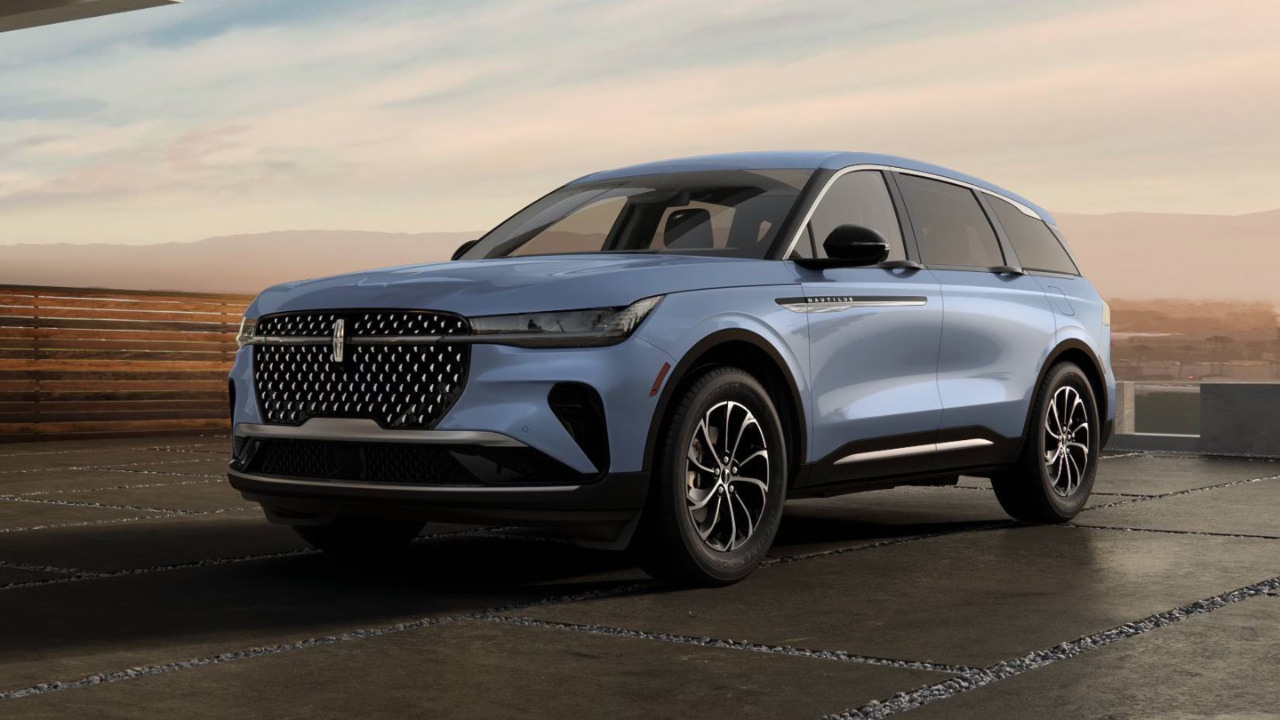
5. 2026 Lincoln Nautilus Hybrid: Comfort-Focused Efficiency for City Driving
The 2026 Lincoln Nautilus Hybrid emphasizes comfort, quiet operation, and refinement rather than extreme fuel savings in stop-and-go traffic. Its hybrid system provides significant efficiency improvements over the gasoline-only model, though real-world benefits may seem less dramatic due to the vehicle’s size, energy demands, and high-tech features.
For city driving, the Nautilus Hybrid achieves an EPA-estimated 30 MPG, compared with 21 MPG for the standard gasoline engine, representing a 43 percent improvement in urban fuel efficiency.
With a 20-gallon fuel tank, it can travel roughly 600 to 620 miles per fill-up, approximately 120 miles farther than the non-hybrid version. Regenerative braking helps recover energy while slowing down, and the hybrid system supports smooth, low-speed driving, reducing fuel consumption in heavy traffic.
Some factors reduce the perceived gains. Class competitors such as the Lexus RX 350h reach up to 37 MPG city, making the Nautilus Hybrid appear less efficient in comparison.
The city and highway fuel economy ratings are nearly the same at 30 MPG city and 31 MPG highway, so drivers do not experience a large efficiency boost, specifically in traffic. Brake feel can be inconsistent during stop-and-go driving due to transitions between regenerative and mechanical braking.
The hybrid system also powers luxury features, including the 48-inch dashboard display and the available 28-speaker audio system. These systems draw constant energy and can subtly affect real-world fuel performance.
The 2026 Lincoln Nautilus Hybrid delivers a meaningful improvement in fuel economy compared with the gasoline version while maintaining a quiet, smooth, and refined driving experience. It is best suited for drivers who value comfort and technology alongside moderate urban efficiency rather than a hybrid focused solely on maximizing city mileage.
While hybrid technology can improve fuel economy, several models prioritize power, luxury, or performance over urban efficiency. Vehicles such as the BMW M5 PHEV, Mazda CX-90 Mild Hybrid, and Lexus TX 500h deliver only modest gains in stop-and-go traffic due to heavy curb weight, small batteries, or systems tuned for highway performance.
Even luxury hybrids like the Lincoln Nautilus and Land Rover Range Rover PHEV illustrate that consistent charging and careful energy management are essential to achieve maximum benefits. Choosing the right hybrid depends on understanding whether a vehicle’s hybrid system is designed for city commuting or optimized for performance and highway driving.
For drivers seeking meaningful fuel savings, comfort, and reduced stress during congested commutes, the models that excel in traffic clearly stand apart from those that offer minimal gains.
Also Read: Top 10 Cars That Made Need for Speed: Rivals Memorable