
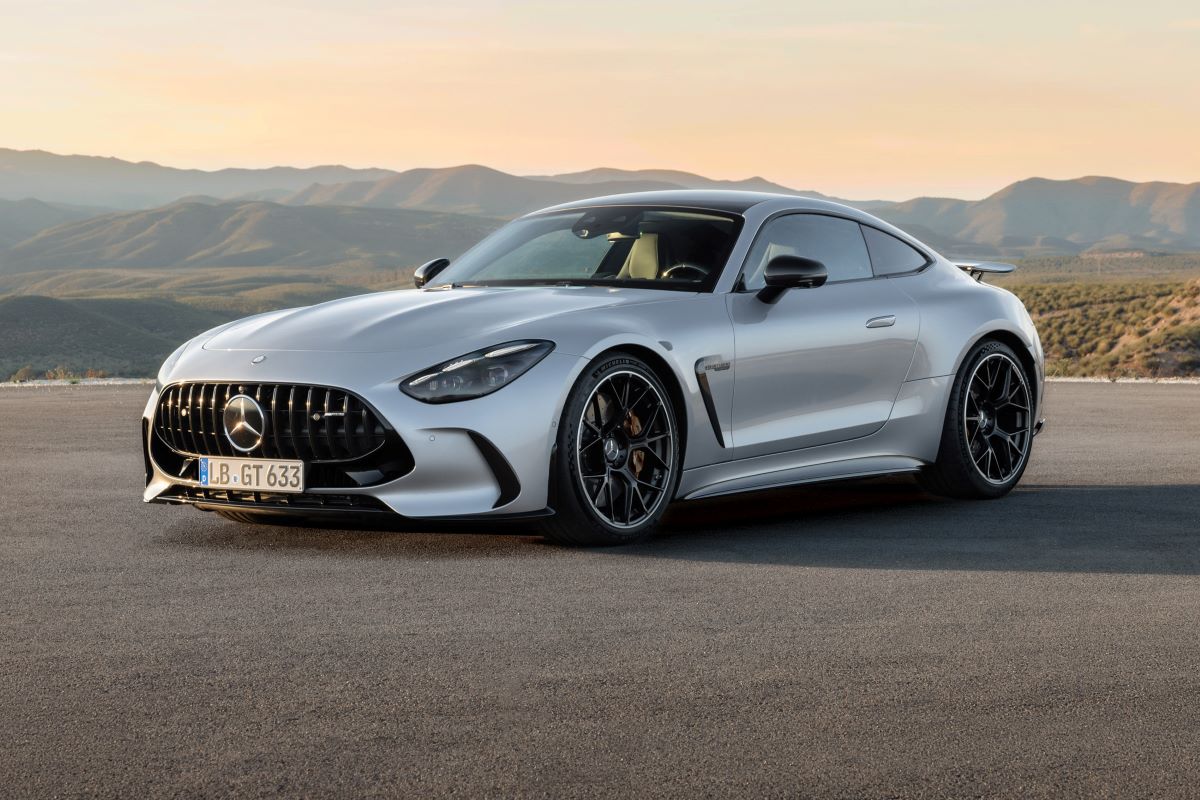
Over the past decade, Mercedes Benz has gone through one of the most transformative periods in its long history. Known for decades as a brand built on luxury, safety, and engineering depth, it has expanded its identity to include cutting edge digital technology, electrification, and some of the most extreme performance cars ever to wear the three pointed star.
The result is a lineup that not only reflects changing customer expectations, but also helps define where the entire automotive industry is heading.
This era has seen Mercedes push hard in multiple directions at once. On one side, it has doubled down on high performance through AMG, producing cars with staggering power and track ready engineering.
On the other, it has launched a new generation of electric vehicles under the EQ name, focusing on range, efficiency, and futuristic interior design. At the same time, its core luxury sedans and SUVs have become rolling showcases of digital interfaces, driver assistance systems, and comfort innovations.
What makes the last decade especially important is how Mercedes blended tradition with reinvention. Longstanding nameplates such as the S Class and C Class evolved dramatically, adopting new platforms, engines, and technology that changed how people interact with their cars.
Meanwhile, entirely new models appeared to fill niches that barely existed before, from four door coupes with supercar performance to fully electric luxury flagships.
The fifteen models on this list did more than just sell well. Each one marked a turning point in design, performance, technology, or brand direction.
Together, they tell the story of how Mercedes Benz redefined itself for a new automotive age while still honoring the engineering values that built its reputation. Here are fifteen Mercedes Benz models that defined the last decade.
Also Read: 5 Cars That Are Easy to Own Without a Garage vs 5 That Depend on Covered Parking
1. Mercedes AMG GT
The Mercedes AMG GT marked a major moment for Mercedes performance identity. Introduced as a dedicated sports car developed primarily by AMG, it stepped out of the shadow of the earlier SLS and established a new, long term performance platform for the brand. It was not just another fast Mercedes, but a car built to rival the best sports cars in the world.
With its front mid engine layout and rear wheel drive configuration, the AMG GT focused on balance and driver engagement. The twin turbocharged V8 delivered massive torque and a thunderous soundtrack, while the low, wide body emphasized its serious performance intentions. It looked dramatic without relying on excess decoration.
The chassis was engineered with track use in mind. Aluminum construction kept weight under control, and the suspension tuning delivered sharp responses. Whether on a racetrack or a fast road, the AMG GT felt planted and precise, proving AMG could build more than just powerful straight line machines.
Inside, the cabin blended luxury and sport in a very Mercedes way. High quality materials sat alongside performance focused details such as a wide center console and supportive seats. Drivers felt they were in something special, not just a modified sedan.
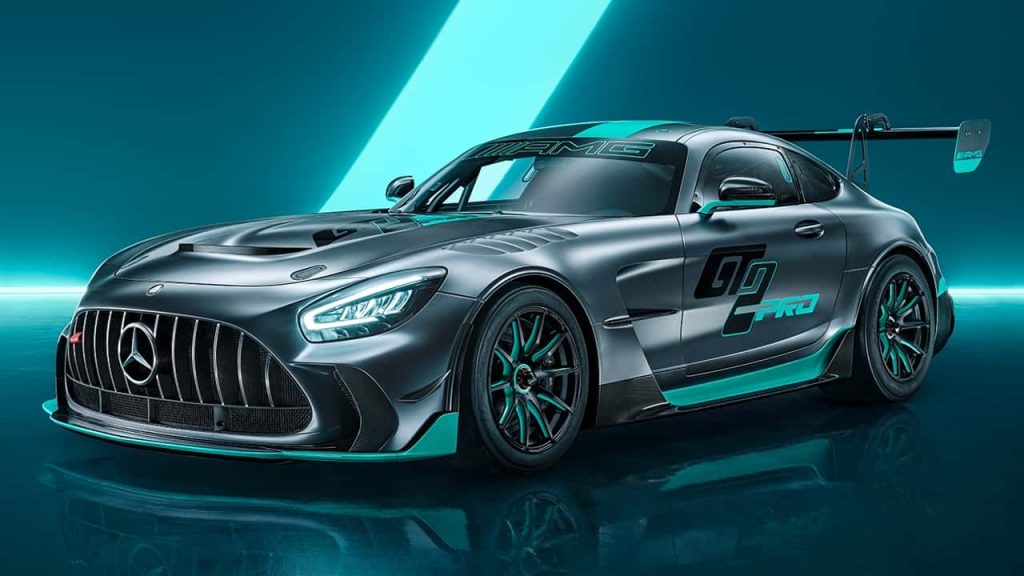
Over time, the AMG GT range expanded to include even more extreme versions, pushing performance to levels that competed with established sports car benchmarks. This evolution kept the model relevant and showed AMG’s growing confidence as a standalone performance brand.
The AMG GT defined the last decade by giving Mercedes a true sports car family that could carry the performance flag globally. It demonstrated that AMG engineering was capable of building focused, high precision machines, not just high horsepower luxury cruisers.
2. Mercedes Benz S Class (W223)
The latest generation S Class set the standard for what a modern luxury sedan should be. For decades, the S Class has introduced new technology that later spreads across the industry, and the W223 generation continued that tradition in a big way.
From the outside, the design was sleek and elegant, but it was the interior where the real revolution took place. A massive central touchscreen and advanced digital displays transformed the cabin into a high tech environment.
Voice control, augmented reality navigation, and advanced driver assistance systems made the car feel closer to a smart device than a traditional automobile.
Comfort reached new levels with improved seats, advanced air suspension, and sophisticated noise isolation. Long journeys became even more relaxing, reinforcing the S Class reputation as one of the best cars in the world to be driven in or to drive yourself.
Under the skin, the W223 introduced new hybridized engines that balanced performance with improved efficiency. This showed how Mercedes was adapting its flagship to modern environmental expectations without sacrificing smoothness or power.
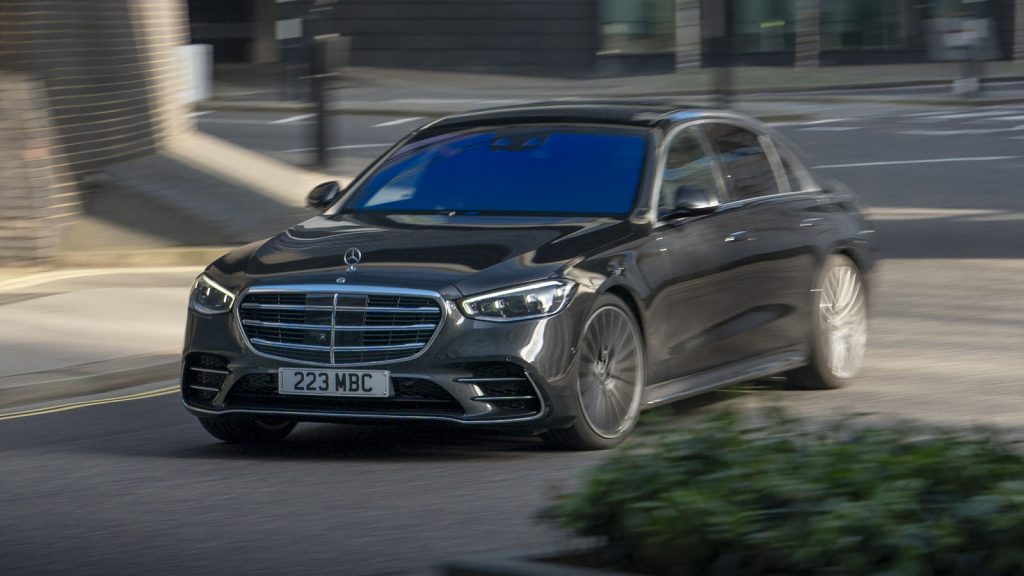
Safety and driver assistance technology also moved forward. Enhanced semi autonomous features allowed the car to handle more driving tasks under certain conditions, signaling the brand’s push toward a more automated future.
The W223 S Class defined the decade by acting as a rolling technology showcase. It proved that Mercedes still leads in luxury innovation and set a benchmark that competitors continue to chase in terms of comfort, digital integration, and advanced assistance systems.
3. Mercedes AMG C63 (W205)
The AMG C63 of the W205 generation redefined what a compact executive performance sedan could be. By fitting a hand built twin turbocharged V8 into the relatively small C Class body, Mercedes created a car that combined everyday usability with supercar level drama.
This engine was the heart of the car’s character. It delivered huge torque from low revs and a deep, aggressive exhaust note that made every drive feel special. The rear wheel drive layout ensured that power delivery remained engaging and sometimes challenging, which enthusiasts appreciated.
Despite its wild performance, the C63 remained practical. It had four doors, usable rear seats, and a comfortable ride in its softer modes. This dual personality helped it appeal to buyers who wanted a family car that could transform into a performance machine at the push of a button.
Handling improved significantly over earlier generations. A more rigid chassis, upgraded suspension, and advanced electronics helped control the massive power. On a twisty road or track, the car felt far more composed than its power figures might suggest.
Inside, the C63 blended luxury and sport in classic Mercedes style. Premium materials sat alongside performance displays and supportive seats, reminding occupants that this was both a high end sedan and a serious AMG product.
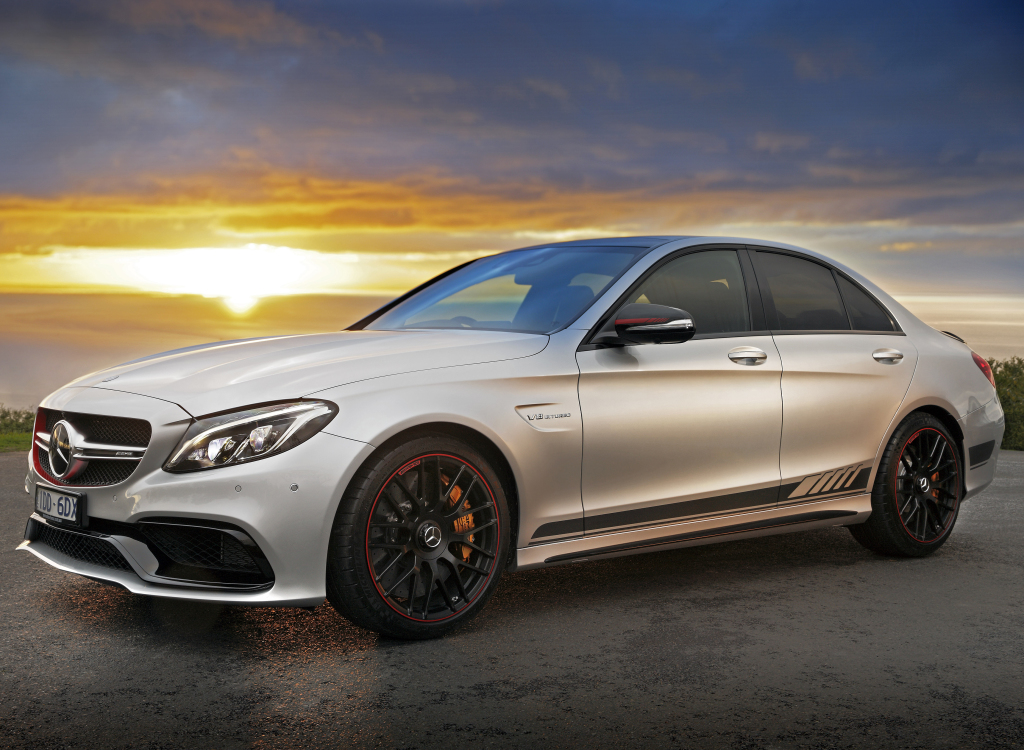
The W205 C63 defined the last decade by proving that downsized performance cars could still offer big engine excitement. It became one of the final and greatest examples of a compact sedan powered by a large V8, marking the peak of a particular era in AMG history.
4. Mercedes Benz G Class (Updated W463)
The updated G Class of the last decade proved that an icon could evolve without losing its soul. While the boxy shape and upright stance remained instantly recognizable, nearly everything underneath was modernized.
This transformation allowed the G Class to stay relevant in a market that increasingly demanded both luxury and advanced technology.
One of the biggest changes was the new chassis and suspension setup. For the first time, the front axle moved to an independent design, dramatically improving on road comfort and handling. Despite this shift, the G Class retained its legendary off road capability, including locking differentials and serious ground clearance.
Inside, the cabin experienced a major upgrade. High quality materials, large digital displays, and advanced infotainment systems brought the G Class in line with Mercedes’ luxury standards. The blend of rugged exterior and high tech interior became a defining part of its appeal.
Performance also moved forward, especially in AMG versions. Powerful engines delivered strong acceleration, making the G Class feel surprisingly quick for such a large and tall vehicle. This mix of brute strength and refinement broadened its audience far beyond traditional off road enthusiasts.
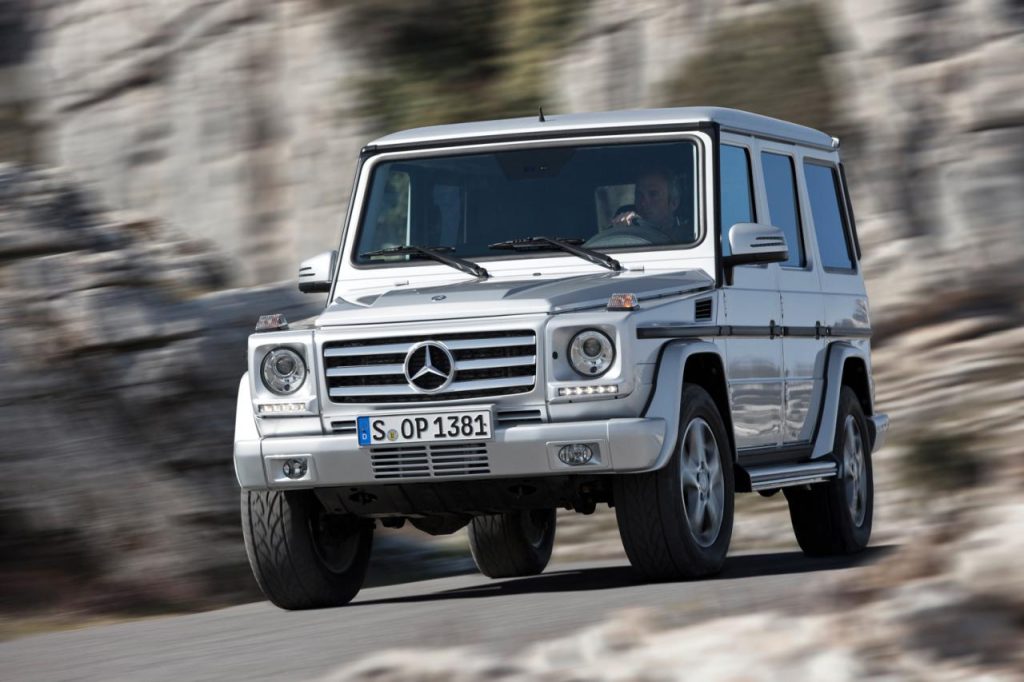
Safety and driver assistance systems were also brought up to date. Features such as adaptive cruise control and lane keeping assistance made long journeys more relaxing, reinforcing its role as a luxury SUV as much as an off road machine.
The modern G Class defined the decade by showing how a heritage model could be reinvented without losing its identity. It balanced nostalgia with innovation, becoming both a status symbol and a serious piece of engineering for a new generation of buyers.
5. Mercedes Benz EQS
The Mercedes Benz EQS marked a bold step into the fully electric luxury future. As the brand’s flagship electric sedan, it was designed from the ground up on a dedicated EV platform. This allowed engineers to rethink proportions, aerodynamics, and interior space in ways not possible with traditional combustion cars.
Its smooth, flowing exterior shape was heavily influenced by the need for efficiency. The low drag design helped maximize range, making the EQS one of the longest range electric luxury sedans of its time. The visual result was futuristic and clearly different from traditional Mercedes sedans.
Inside, the cabin redefined digital luxury. The optional full width display panel stretched across the dashboard, combining multiple screens into a single glass surface. Advanced software, voice control, and customizable interfaces made the car feel like a high end digital lounge.
Comfort remained a core focus. The electric drivetrain delivered near silent operation and smooth acceleration. Combined with advanced suspension systems and excellent sound insulation, the EQS provided an exceptionally calm driving experience.
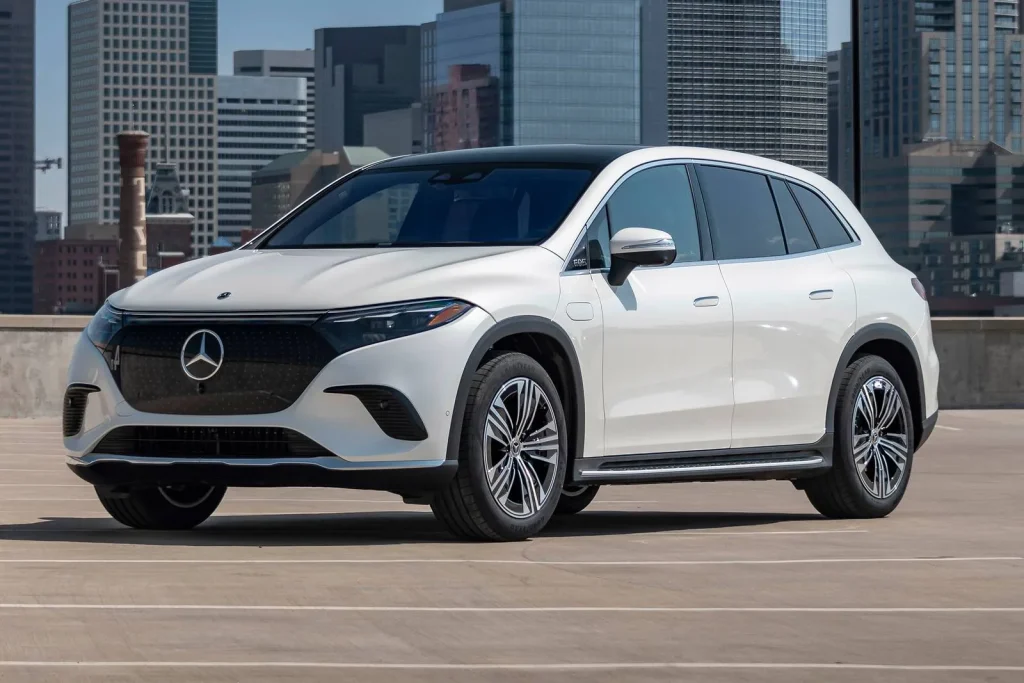
Performance was still impressive. Instant electric torque allowed quick acceleration, while the low center of gravity from the battery pack improved stability. Even though it focused on luxury, it still delivered the strong, effortless performance expected from a flagship Mercedes.
The EQS defined the decade by signaling Mercedes’ serious commitment to electrification at the highest level. It showed that electric vehicles could deliver not only efficiency but also the comfort, technology, and prestige traditionally associated with the S Class.
6. Mercedes AMG E63 S (W213)
The AMG E63 S of the W213 generation became one of the ultimate high performance sedans of its era. It combined the practicality and comfort of the E Class with astonishing power and advanced all wheel drive performance.
At the heart of the car was a twin turbocharged V8 producing immense horsepower and torque. This engine gave the E63 S explosive acceleration, allowing it to rival many dedicated sports cars in straight line performance. The soundtrack and response made every drive feel dramatic.
A key innovation was the fully variable all wheel drive system with a drift mode. This allowed the car to switch from maximum traction to rear wheel drive behavior at the push of a button. It gave drivers both security in poor conditions and playful handling when desired.
Chassis tuning was equally impressive. Adaptive suspension, strong brakes, and precise steering allowed the big sedan to feel surprisingly agile. On winding roads or racetracks, it hid its size well and delivered consistent, confidence inspiring performance.
Inside, the E63 S retained the luxury expected of an E Class. High quality materials, advanced displays, and comfortable seating ensured it remained a refined daily driver despite its extreme capabilities.
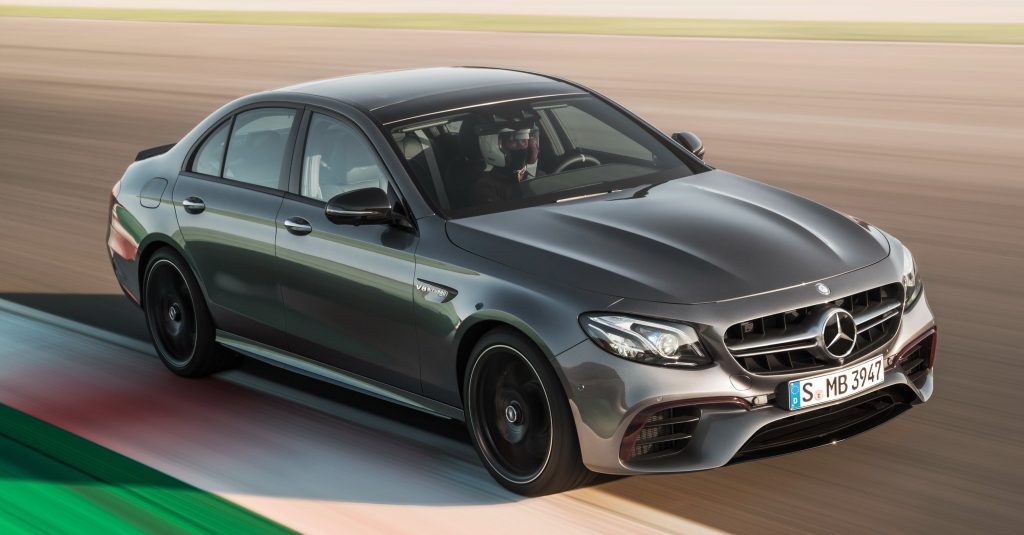
The W213 E63 S defined the decade by showing how far the super sedan concept had evolved. It offered comfort, space, and technology alongside performance levels that once belonged only to low slung supercars.
7. Mercedes Benz CLS (Third Generation)
The third generation CLS continued to shape the idea of the four door coupe, a segment Mercedes itself created years earlier. In the last decade, this model blended sleek design with advanced technology, reinforcing the brand’s focus on emotional styling alongside engineering.
Its exterior featured a low, flowing roofline and smooth surfaces that gave it a sporty yet elegant presence. The CLS stood apart from traditional sedans, appealing to buyers who wanted something more expressive without moving to a full sports car.
Inside, the cabin shared much of its architecture with other modern Mercedes models, including large digital displays and advanced infotainment. The interior design emphasized both luxury and visual drama, with flowing lines and high quality finishes.
Engine options ranged from efficient mild hybrid setups to powerful AMG versions. This wide range allowed the CLS to serve as both a stylish cruiser and a serious performance machine, depending on configuration.
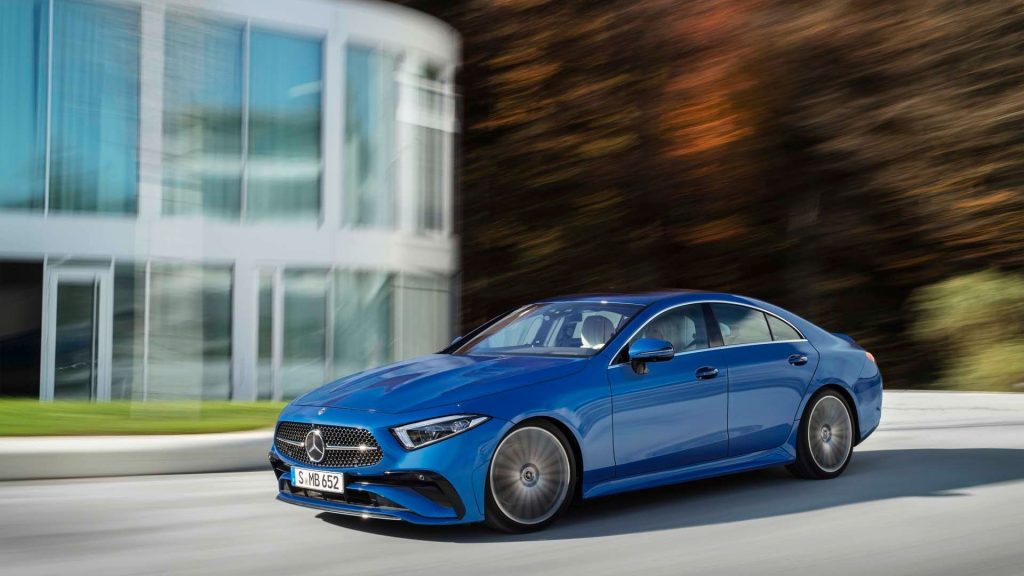
Ride comfort and refinement remained strong, making it suitable for long distance travel. At the same time, responsive steering and composed handling gave it a sporty edge compared to more traditional luxury sedans.
The CLS defined the decade by proving that design could be just as important as raw performance or technology. It helped keep Mercedes at the forefront of style driven luxury cars, influencing competitors across the industry.
8. Mercedes AMG GT 4 Door Coupe
The Mercedes AMG GT 4 Door Coupe expanded the idea of what an AMG performance car could be. Instead of being a strict two seat sports car, this model combined supercar levels of performance with the practicality of a four door layout. It created a new space between traditional sedans and exotic coupes.
Under the hood, the most powerful versions used a twin turbocharged V8 engine that delivered immense power and torque. Acceleration was brutal, easily matching or surpassing many dedicated sports cars. The sound and response gave the car a strong emotional character.
Chassis engineering was a major focus. Rear wheel steering, adaptive suspension, and advanced all wheel drive systems worked together to make the large car feel agile. It could change direction with surprising precision, especially at high speeds on flowing roads or tracks.
The design played a key role in its identity. A long hood, wide stance, and sloping roofline gave it a dramatic presence. It looked more like an exotic performance machine than a traditional luxury sedan, which helped it stand out in a crowded market.
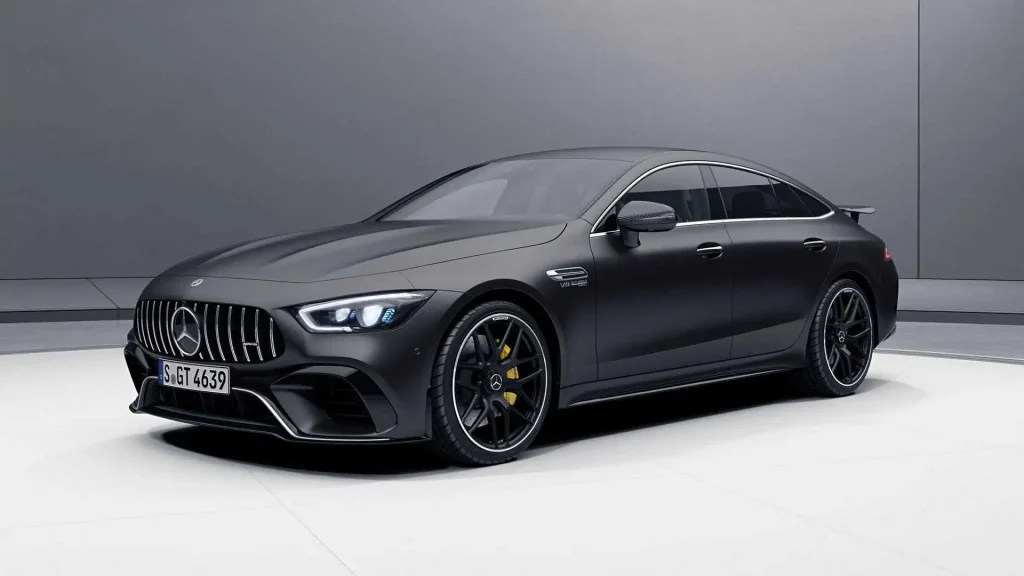
Inside, the cabin blended high performance details with luxury and technology. Large digital displays, premium materials, and supportive sport seats made it feel both advanced and special. It was designed to be comfortable enough for daily use while still feeling focused.
The AMG GT 4 Door Coupe defined the decade by showing how far performance luxury could be pushed in a practical format. It allowed Mercedes to compete in a new high end performance segment, combining everyday usability with extreme speed and handling.
9. Mercedes Benz A Class (Fourth Generation)
The fourth generation A Class represented a turning point for Mercedes in the compact segment. It brought the brand’s latest digital technology and design language to a smaller, more accessible model, helping attract a younger audience.
The most notable feature was the introduction of the advanced infotainment system with dual screens and intelligent voice control. This setup made the cabin feel futuristic and connected, setting a new benchmark for technology in compact luxury cars.
Design inside and out was far more emotional than earlier versions. The exterior featured sharper lines and a more athletic stance, while the interior used turbine style air vents and ambient lighting to create a premium atmosphere.
Engine options covered a wide range, from efficient everyday versions to high performance AMG variants. This flexibility allowed the A Class to serve as both a practical city car and a serious hot hatch, depending on configuration.
Driving dynamics improved as well. A more rigid platform and refined suspension gave the car a stable and composed feel, even at higher speeds. It maintained comfort while adding a sportier edge.
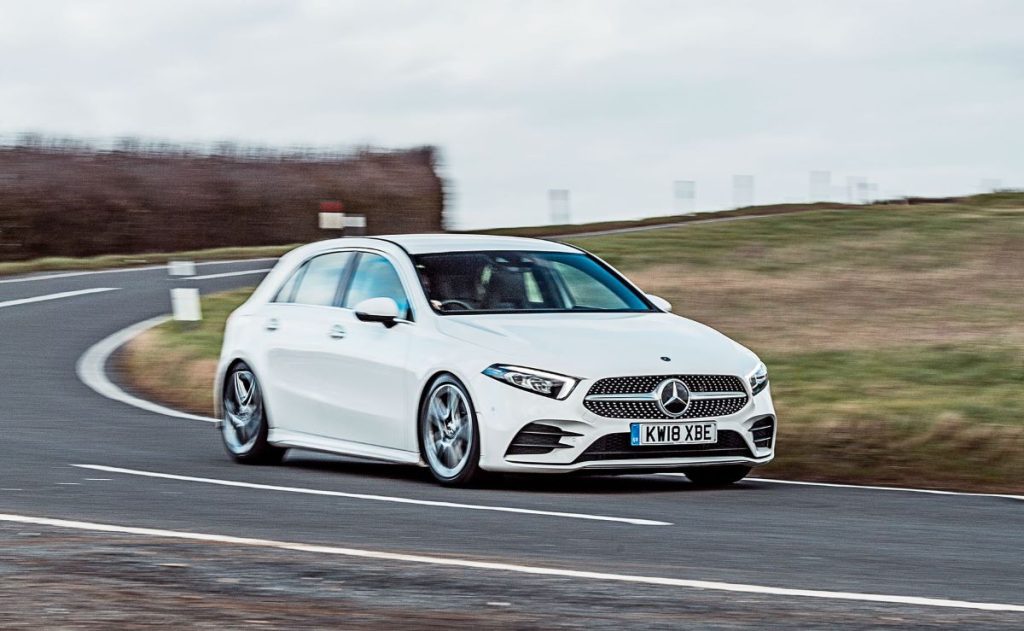
The A Class defined the decade by democratizing Mercedes technology. It showed that features once reserved for flagship models could be successfully introduced in smaller, more affordable vehicles without losing the brand’s premium character.
10. Mercedes AMG One
The Mercedes AMG One became one of the most ambitious performance projects in the company’s history. It aimed to bring Formula One hybrid powertrain technology to a road legal car, something no manufacturer had fully achieved before.
At its core was a highly complex hybrid system based on a real F1 derived turbocharged engine. Combined with multiple electric motors, the setup produced extraordinary power while also demonstrating advanced energy recovery technology.
The car’s design was driven by aerodynamics and cooling needs. Large vents, aggressive bodywork, and race inspired elements made it clear this was closer to a competition machine than a traditional road car. Every shape had a functional purpose.
Chassis and suspension engineering focused on delivering track level performance. Lightweight construction, advanced materials, and precision tuning allowed the car to handle immense speed and cornering forces.
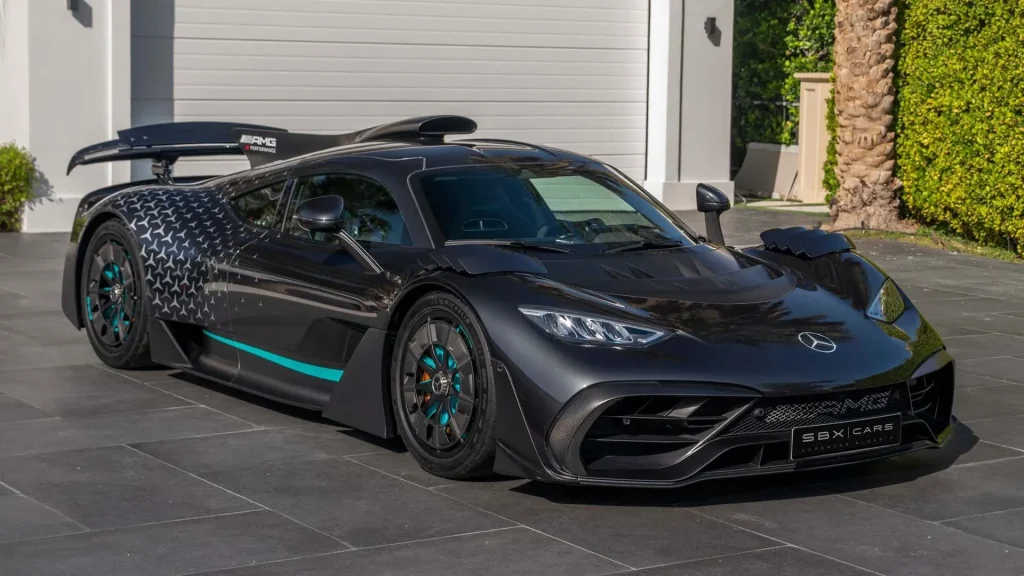
Inside, the cockpit was minimal, and the driver was focused. Racing-style seats, a squared off steering wheel, and exposed structural elements emphasized its motorsport connection. Comfort was secondary to performance and authenticity.
The AMG One defined the decade by showcasing the extreme edge of Mercedes engineering. It demonstrated how lessons from the highest level of racing could influence road cars, even if only in very limited numbers.
11. Mercedes Benz GLE Coupe (New Generation)
The new generation GLE Coupe helped define the luxury performance SUV coupe segment. Combining the height and presence of an SUV with a sloping roofline and sporty styling, it targeted buyers who wanted practicality with a more emotional design.
Its updated platform improved ride quality and handling compared to earlier versions. Advanced suspension systems allowed it to remain comfortable on rough roads while still feeling stable and controlled at speed.
Engine choices ranged from efficient hybrids to powerful AMG versions. This range allowed the GLE Coupe to serve as both a refined family vehicle and a high performance machine capable of rapid acceleration.
The interior reflected Mercedes’ latest design direction, with large digital displays and high quality materials. Passengers enjoyed a premium environment with modern connectivity and comfort features.
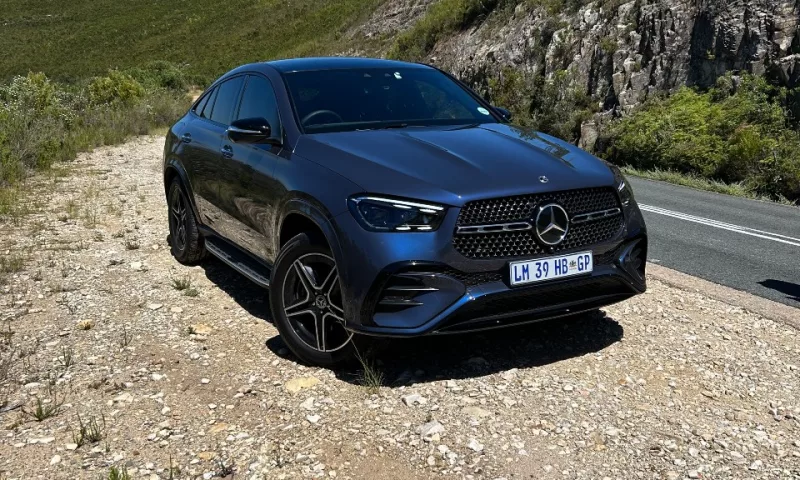
Technology played a key role in its appeal. Driver assistance systems, advanced infotainment, and customizable driving modes helped it feel as advanced as it looked.
The GLE Coupe defined the decade by reinforcing the popularity of style focused SUVs. It showed how Mercedes could blend design, technology, and performance in a body style that became increasingly important worldwide.
12. Mercedes Benz S Class Coupe and Cabriolet (Final Generation)
The final generation S Class Coupe and Cabriolet marked the end of an era for Mercedes grand touring luxury. These models represented a rare blend of elegance, power, and long distance comfort in a two door format. At a time when SUVs were taking over, they stood as statements of traditional automotive glamour.
Visually, both versions were stunning. The long hood, pillarless side glass, and flowing roofline created a silhouette that felt timeless rather than trendy. With the top down on the Cabriolet, the car offered an open air experience that combined prestige with relaxed cruising ability.
Under the hood, powerful engines delivered smooth and effortless performance. Whether equipped with refined V8 units or high performance AMG versions, the cars had more than enough power for high speed touring. Acceleration was strong, yet always delivered with a sense of composure rather than aggression.
Ride comfort was a major priority. Advanced suspension systems scanned the road surface and adjusted damping to maintain a smooth ride. Long journeys felt serene, with minimal road noise and excellent isolation from rough surfaces.
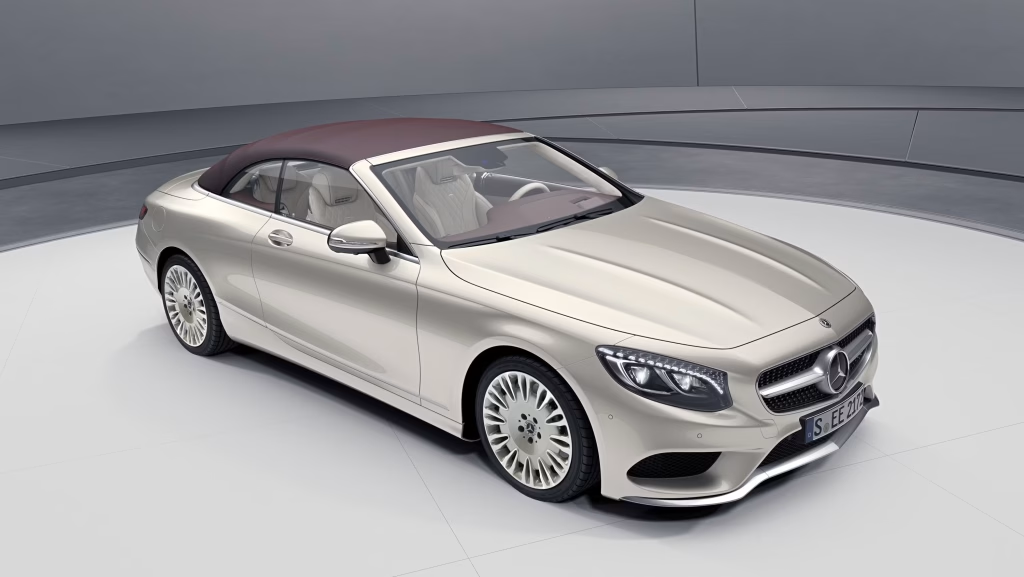
Inside, the cabins were among the most luxurious Mercedes ever produced. Rich leather, wood trim, and ambient lighting created an atmosphere closer to a high end lounge than a sports car. Heated armrests, advanced climate systems, and premium audio made every drive feel special.
Technology was also cutting edge for their time. Large digital displays, driver assistance systems, and customizable settings ensured the cars felt modern despite their classic body style. They blended traditional craftsmanship with contemporary innovation.
These models defined the last decade by serving as a farewell to large luxury two door touring cars from Mercedes. They represented a level of style and comfort that became increasingly rare, closing a chapter in the brand’s history with grace and power.
13. Mercedes AMG A45 S
The AMG A45 S proved that extreme performance could come in a compact package. As one of the most powerful hot hatches ever built, it showed how far AMG engineering had progressed in extracting serious speed from small, lightweight platforms.
Its turbocharged four cylinder engine was a technical masterpiece, producing remarkable output for its size. The power delivery was strong across the rev range, and the engine’s character gave the car a sense of urgency that matched much larger performance vehicles.
All wheel drive played a key role in making that power usable. Advanced torque distribution allowed the car to maintain strong traction while also offering playful handling characteristics. In certain modes, it could even send more power to the rear wheels for a more dynamic feel.
Chassis tuning made the A45 S feel sharp and responsive. Quick steering, firm suspension, and powerful brakes turned it into a serious tool for fast road driving and track days. Despite its size, it delivered the kind of grip and control usually associated with larger sports cars.
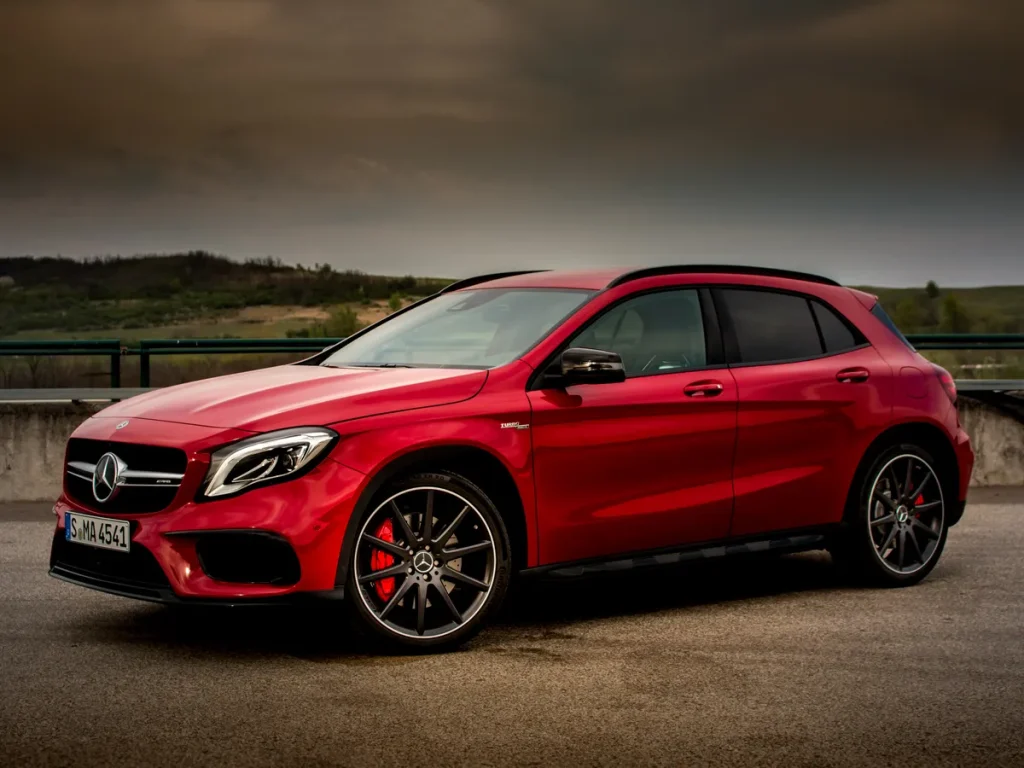
Inside, the cabin combined compact practicality with high tech features. Digital displays, sport seats, and AMG specific details created an environment that felt both modern and focused. It was a car that could handle daily commuting and weekend excitement equally well.
The A45 S defined the decade by showing that downsizing did not mean dulling performance. It demonstrated how advanced engineering and turbocharging could deliver supercar levels of excitement in a practical, everyday format.
14. Mercedes Benz EQC
The Mercedes Benz EQC was one of the brand’s first serious steps into the premium electric SUV market. While not as extreme as later electric models, it played a crucial role in introducing customers to the EQ electric sub brand and its design philosophy.
Powered by dual electric motors, the EQC delivered smooth and quiet acceleration. Instant torque made it feel responsive in city driving, while the all wheel drive setup provided confident traction in various conditions. It offered a calm and refined experience rather than aggressive sportiness.
The design blended familiar SUV proportions with subtle futuristic elements. Smooth surfaces, unique lighting signatures, and aerodynamic detailing helped it stand apart from traditional combustion models without looking overly radical.
Inside, the EQC carried over much of Mercedes’ luxury DNA. High quality materials, advanced infotainment, and comfortable seating ensured that the transition to electric did not mean sacrificing comfort or prestige. The driving experience emphasized quietness and ease.
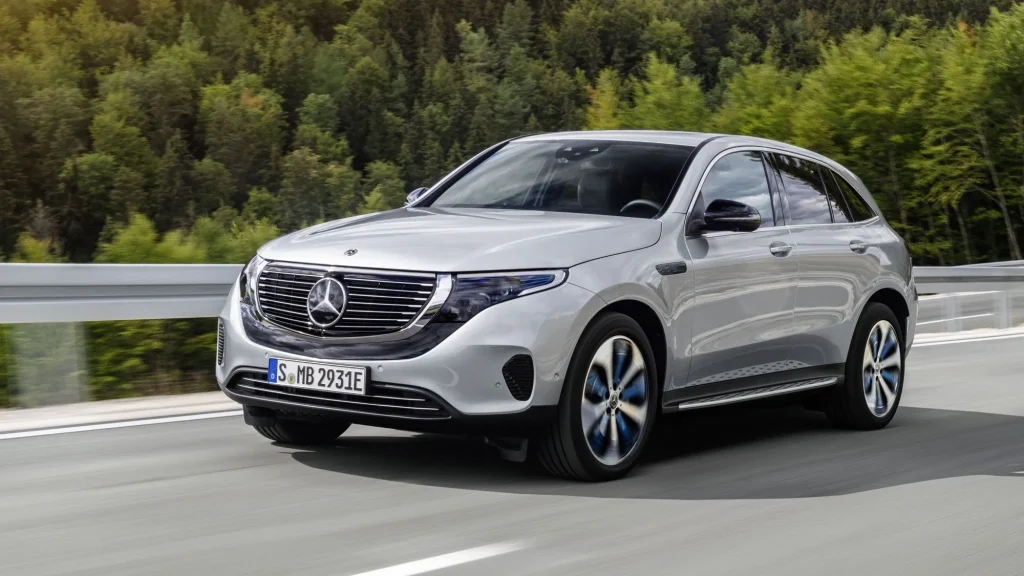
Technology focused on efficiency and usability. Energy flow displays, navigation systems that considered charging needs, and driver assistance features helped owners adapt to electric driving with confidence.
The EQC defined the decade by acting as a bridge between Mercedes’ traditional luxury SUVs and its future electric lineup. It showed that electrification could be integrated into the brand’s identity without losing refinement or everyday practicality.
15. Mercedes AMG SL (New Generation)
The newest generation SL marked a major reinvention of one of Mercedes’ most famous nameplates. Developed closely with AMG from the start, it shifted the SL from a relaxed cruiser toward a more focused sports car while retaining its luxury roots.
The design became more aggressive and athletic, with a wider stance and sharper detailing. A fabric roof replaced the old metal folding system, reducing weight and improving driving dynamics. The result was a roadster that looked and felt more performance oriented.
Engine options centered around powerful AMG tuned units, delivering strong acceleration and a deep, emotional soundtrack. The car felt far more responsive than some earlier luxury focused SL models, making it more engaging on twisty roads.
A new chassis and suspension setup improved handling significantly. Better rigidity and advanced tuning gave the car sharper turn in and greater stability at speed. It finally felt like a true sports car rather than just a fast convertible.
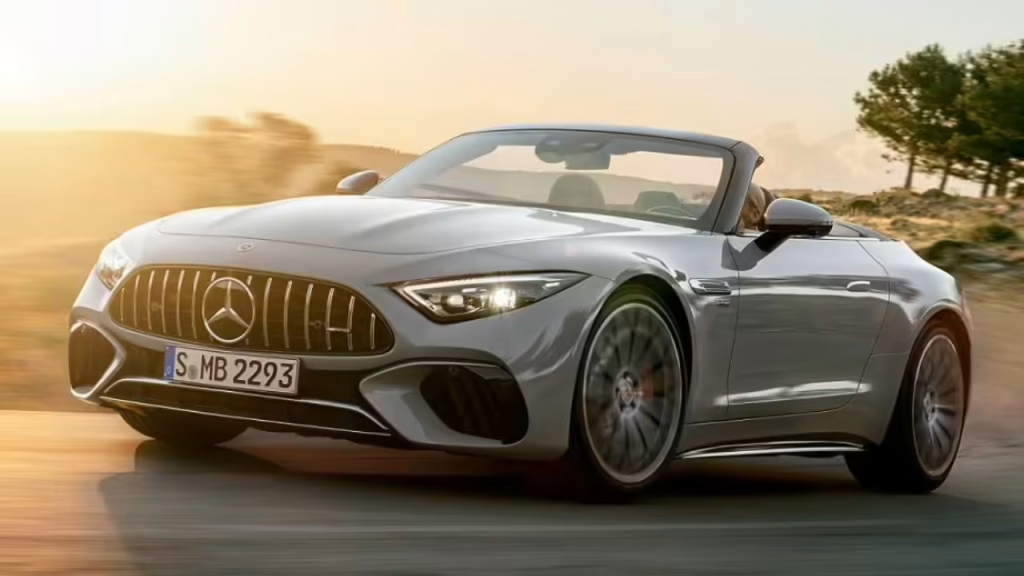
Inside, the cabin balanced sport and luxury. High quality materials, digital displays, and supportive seats created a modern environment that still felt premium. The adjustable central screen added a touch of innovation while keeping usability in mind.
The new SL defined the decade by revitalizing a historic model for a new generation. It showed how Mercedes could honor tradition while evolving toward a more performance focused future.
Also Read: 5 Sedans Suited for St. Louis Mixed City Driving vs 5 That Feel Inefficient Downtown
