
City life changes what families need from a vehicle. In dense urban areas, driving is less about long highway cruises and more about short trips, tight parking, crowded streets, and constant stop and go traffic.
Parents are juggling school drop-offs, grocery runs, after-school activities, and weekend errands, often with limited time and even less space to maneuver.
A car that feels perfect in the suburbs can quickly become frustrating in a city. Large vehicles may offer space, but squeezing them into narrow parking garages or parallel spots on busy streets can turn simple errands into stressful events.
On the other hand, tiny cars may be easy to park but struggle to handle strollers, backpacks, sports gear, and growing kids.
Safety and visibility also take on new importance. City driving involves pedestrians, cyclists, delivery scooters, buses, and unpredictable traffic patterns.
Families benefit from vehicles that offer a clear view of surroundings, responsive brakes, and helpful driver assistance features that reduce the mental load of navigating crowded roads. Comfort matters too, since even short drives can feel long with restless children in the back.
This is why some vehicles naturally fit urban family life while others feel like constant compromises. The right model makes daily routines smoother, from loading kids into car seats at the curb to finding parking near a busy school entrance.
The wrong one can feel oversized, impractical, or simply exhausting to live with in tight city conditions. In this article, we first explore vehicles that truly suit city families, balancing space, efficiency, safety, and maneuverability.
Then we look at vehicles that tend to fall short in urban family life, not because they are bad overall, but because their design priorities clash with the realities of crowded city environments.
Also Read: 5 Electric Vehicles That Cope With Houston Gridlock vs 5 That Overheat Early
5 Vehicles That Suit City Families
The best vehicles for city families are those that make everyday logistics feel easier rather than more complicated.
Urban parents rarely have the luxury of wide driveways, empty parking lots, or quiet roads. Instead, they deal with curbside loading, underground garages, narrow lanes, and traffic that can change pace without warning.
Practical size is one of the most important traits. A good city family vehicle is compact enough to maneuver through tight streets and fit into small parking spaces, yet spacious enough inside to handle car seats, shopping bags, and the endless items that seem to travel with children. Smart interior packaging often matters more than overall length.
Ease of entry and exit is another key factor. Parents frequently load kids while parked on busy streets, sometimes in awkward positions. Wide opening doors, reasonable seat height, and low step in heights can make a big difference when strapping in a toddler or helping an older child climb in with a heavy backpack.
Technology also plays a big role. Features like parking sensors, rearview cameras, blind spot monitoring, and automatic emergency braking provide an extra layer of awareness in crowded traffic.
These systems help reduce stress and add confidence when navigating school zones, shopping districts, and packed intersections.
Fuel efficiency and smooth low-speed driving behaviour are equally important. City families spend a lot of time in traffic, so vehicles that are economical and easy to drive in stop-and-go conditions help save both money and mental energy. A calm, predictable driving experience can make a busy day feel more manageable.
The five vehicles in this section stand out because they balance family space with urban friendliness. They make the daily rhythm of city parenting feel more organized, more comfortable, and far less stressful behind the wheel.
1. Honda Fit
The Honda Fit has long been a favorite for urban drivers, and for city families with one or two children, it offers a surprisingly smart balance of size and practicality.
From the outside, it looks small enough to slip into tight parking spaces, but inside it feels far more spacious than most people expect. That efficient use of space is exactly what city families need.
One of the Fit’s biggest strengths is its flexible rear seating. The back seats can fold in multiple ways, allowing parents to carry strollers, grocery bags, school projects, or even small pieces of furniture without needing a large SUV. This adaptability is perfect for families whose daily cargo changes constantly.
Its compact footprint makes driving through narrow streets and crowded neighborhoods much less stressful. Parents can focus more on traffic and pedestrians instead of worrying about scraping mirrors or struggling to turn on tight corners. Parking in small garages or parallel spots also becomes far easier than with larger vehicles.
Fuel efficiency is another major benefit. City families often make many short trips throughout the week, and a car that sips fuel rather than guzzling it keeps running costs manageable. The Fit’s light, responsive feel in stop and go traffic also reduces driver fatigue during busy days filled with errands.
Visibility from the driver’s seat is excellent, which is a big advantage in pedestrian-heavy areas. Large windows and a relatively upright seating position make it easier to spot cyclists, children crossing streets, and cars approaching from tight angles. That extra awareness adds an important layer of safety.
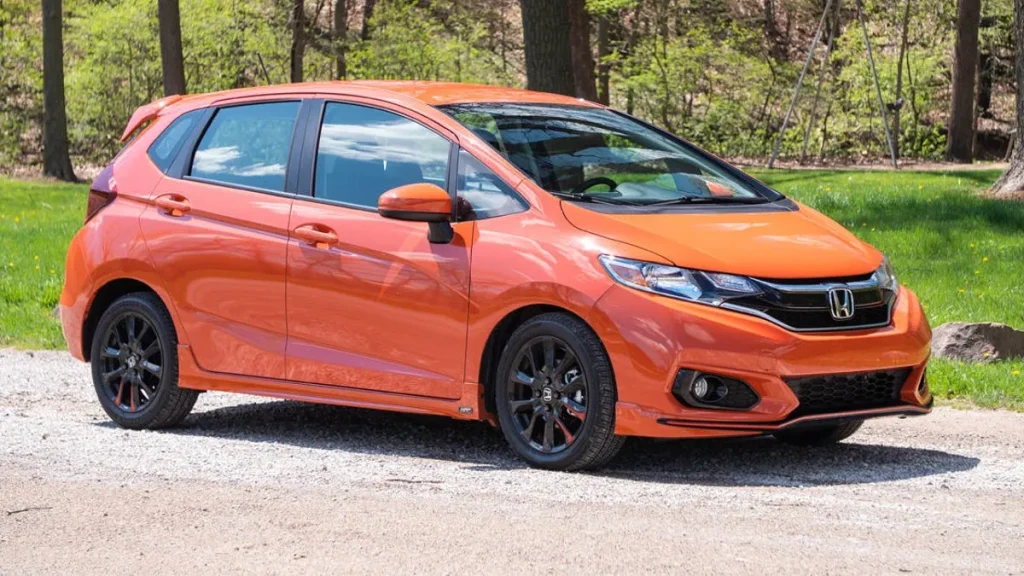
I am including the Honda Fit because it proves that a small car can still serve family life well in a city. It makes daily tasks like parking, loading, and short trips feel simple rather than overwhelming.
2. Toyota Corolla Cross Hybrid
The Toyota Corolla Cross Hybrid hits a sweet spot between compact size and family-friendly space. It offers the slightly raised seating position many parents prefer, while still being small enough to handle crowded city streets without feeling bulky. That balance is ideal for urban environments where space is always limited.
The hybrid system is especially useful for city families. Electric assistance at low speeds makes the vehicle smooth and quiet in stop and go traffic, which can be calming during school runs and daily commutes. At the same time, strong fuel economy helps keep long term ownership costs under control.
Inside, the Corolla Cross Hybrid provides enough rear seat room for child seats without feeling cramped up front. The cargo area can handle groceries, backpacks, and a folded stroller, which covers most everyday family needs. It is not oversized, but it is thoughtfully proportioned for real world use.
Safety technology is another highlight. Features like automatic emergency braking, lane support systems, and blind spot monitoring help drivers manage the constant activity of urban roads. These systems act as an extra set of eyes in busy traffic, which can be reassuring when driving with children on board.
Its ride quality is tuned for comfort rather than sportiness, which works well on uneven city pavement. Potholes, speed bumps, and rough patches are absorbed without making the cabin feel unsettled. That smoother ride helps keep passengers comfortable, especially younger kids who may be sensitive to bumpy motion.
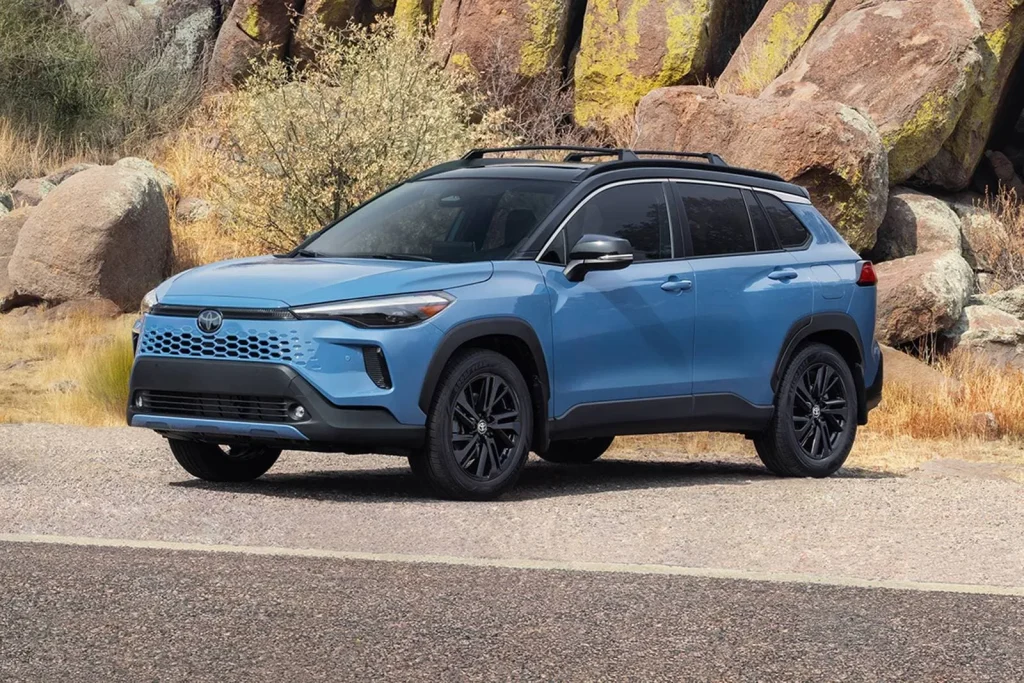
I chose the Corolla Cross Hybrid because it combines efficiency, practicality, and modern safety in a size that feels just right for city based family life.
3. Kia Soul
The Kia Soul stands out in urban family use because of its boxy shape and clever interior design. While its exterior dimensions are compact, the tall roof and squared off body create a cabin that feels open and usable.
This makes it easier to fit child seats, school bags, and everyday gear without stepping up to a much larger vehicle.
The upright design also helps with entry and exit. Parents do not have to bend down as much as they would in a low sedan, and kids can climb in with less effort. When you are loading and unloading children multiple times a day on busy streets, that small ergonomic advantage makes a noticeable difference.
Maneuverability is one of the Soul’s strongest traits. Its short length and good steering response make it easy to navigate tight city corners and narrow lanes.
Parking in crowded areas is less intimidating, which is a huge benefit for families who often need to stop near schools, shops, and activity centers.
Despite its city friendly size, the Soul offers a respectable cargo area. Groceries, sports equipment, and weekend bags fit without too much juggling. For families who live in apartments without large storage areas, having flexible cargo space in the car becomes especially important.
Technology features in recent versions include driver assistance systems that help with urban safety. Alerts for vehicles in blind spots or obstacles when reversing are particularly helpful in parking lots and tight residential streets. These features reduce stress in environments where hazards can appear quickly.
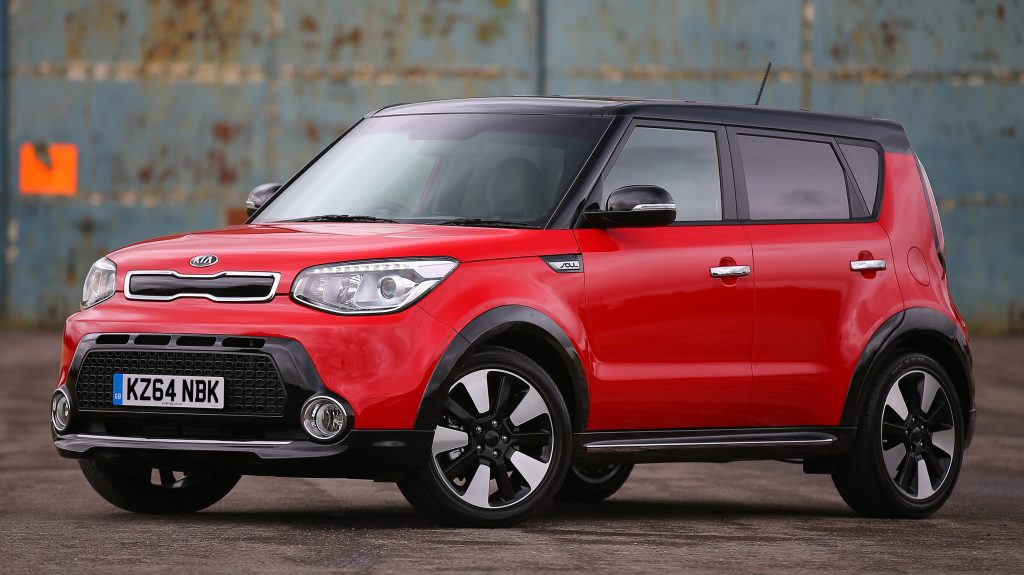
I included the Kia Soul because it shows how smart design can make a compact car genuinely practical for family life in the city. It delivers space where it counts while staying easy to drive and park.
4. Subaru Crosstrek
The Subaru Crosstrek works well for city families who want a little extra capability without stepping into a large SUV.
Its compact exterior size keeps it manageable on narrow streets, yet the slightly raised ride height gives drivers a better view of traffic and pedestrians. That improved visibility is especially helpful in busy urban environments.
Inside, the Crosstrek offers enough rear seat space for child seats while still leaving reasonable legroom for front passengers. The cargo area can handle everyday items like groceries, backpacks, and a folded stroller. It is not huge, but it is shaped in a way that makes loading simple and efficient.
Subaru’s all wheel drive system can be a quiet advantage in cities with wet weather, steep driveways, or occasional rough roads. While not essential for everyone, the added traction provides reassurance when roads are slick or when navigating uneven alleyways and parking ramps. That sense of stability adds to overall confidence.
Ride comfort is another plus. The suspension is tuned to handle bumps and potholes without feeling overly soft or bouncy. In cities where pavement conditions can vary block by block, a composed ride helps keep kids comfortable and reduces driver fatigue over the course of a busy day.
Safety technology is a key reason the Crosstrek fits family use. Features like forward collision warning, automatic braking, and lane assistance help drivers stay aware in heavy traffic. These systems act as a helpful backup in situations where distractions are common and quick reactions matter.
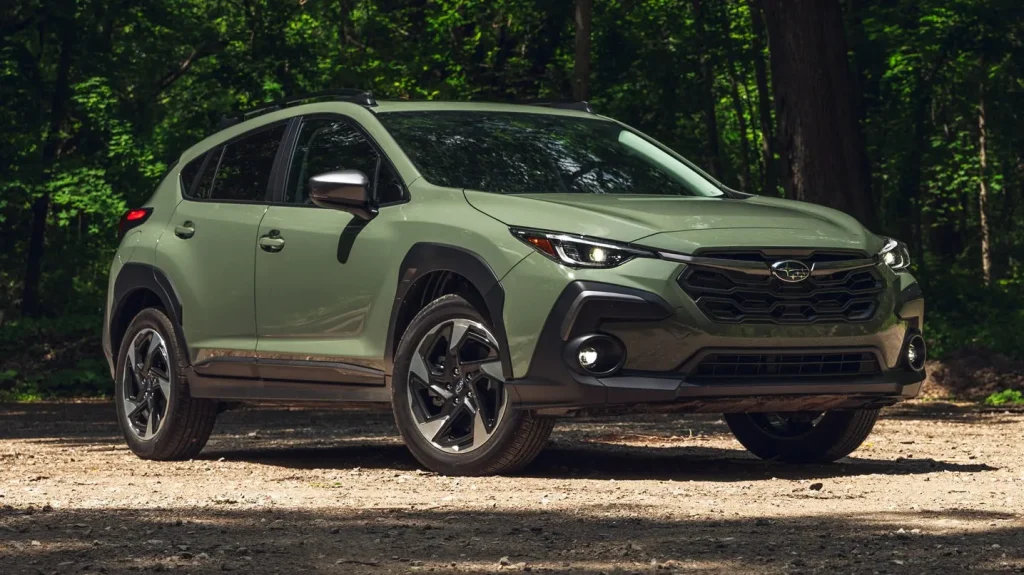
I chose the Subaru Crosstrek because it blends compact city friendly dimensions with family ready practicality and safety. It feels like a versatile tool for parents who need one vehicle to handle daily urban life with confidence.
5. Hyundai Kona
The Hyundai Kona is a strong match for smaller city families who want SUV style practicality in a very manageable footprint.
Its compact size makes it easy to thread through tight streets and fit into parking spaces that would frustrate larger vehicles. That convenience becomes valuable during daily school and errand runs.
The higher seating position compared to a traditional sedan helps drivers see over traffic and better spot pedestrians and cyclists. In crowded city environments, that extra awareness can make driving feel less stressful and more controlled. It also helps parents feel more comfortable when navigating busy intersections.
Rear seat space is suitable for young children and car seats, while the cargo area handles everyday items like grocery bags and small strollers. It is not designed for very large families, but for households with one or two kids, it covers most daily needs without feeling oversized.
Modern driver assistance features add to its urban appeal. Parking sensors, rearview cameras, and blind spot alerts help drivers manage tight parking situations and heavy traffic. These technologies reduce the pressure of driving in dense areas where space and reaction time are limited.
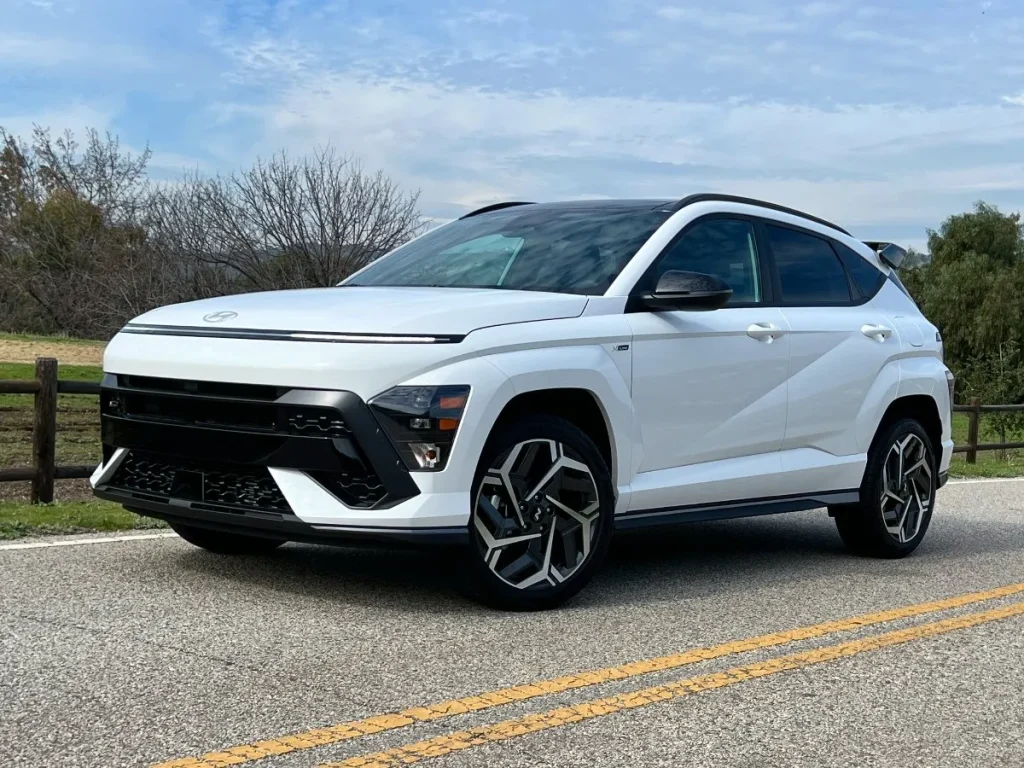
Fuel efficiency is another advantage, especially for families who make many short trips. The Kona’s engines are tuned for good economy and smooth low speed response, which suits stop and go traffic. This helps keep operating costs down while making daily driving feel easy.
I included the Hyundai Kona because it offers a practical mix of size, safety, and efficiency for families who want something slightly elevated but still truly city friendly.
5 Vehicles That Do Not Suit City Families
Some vehicles are excellent in their intended roles but feel out of place in dense urban family life. The challenges of city driving often expose traits that are less noticeable in suburbs or on highways.
Large dimensions, poor visibility, high fuel consumption, or difficult maneuverability can turn routine family tasks into daily frustrations.
Oversized vehicles are a common issue. Full size SUVs and large trucks may offer generous interior space, but squeezing them through tight streets or into small parking garages can be stressful. Parents may spend extra time searching for suitable parking, which adds pressure to already busy schedules.
Sports focused vehicles can also be problematic. Low ride heights, stiff suspensions, and limited rear seat space make them less practical for loading children, installing car seats, or dealing with rough urban roads. Style and performance often come at the cost of everyday comfort and usability.
Fuel efficiency matters more than many people expect. City families often drive short distances in heavy traffic, where larger engines can consume significant fuel. Over time, those extra costs add up, making some vehicles less sensible for urban routines.
The following five vehicles highlight these mismatches. They are not necessarily poor choices overall, but their size, design focus, or driving characteristics make them less suited to the tight, busy, and unpredictable nature of city based family life.
1. Chevrolet Tahoe
The Chevrolet Tahoe offers huge interior space and strong road presence, but those same qualities make it difficult to live with in a dense city as a family vehicle.
Its large size can feel overwhelming on narrow streets where cars are parked tightly on both sides. Maneuvering through older neighborhoods often requires extra caution and patience.
Parking is one of the biggest challenges. Many urban parking garages have tight ramps and compact spaces that were not designed with full size SUVs in mind. Parents may find themselves circling for larger spots or avoiding certain garages altogether, which adds stress and wastes time during busy days.
Fuel consumption is another drawback in stop and go traffic. Large engines that work well for towing or highway cruising tend to use more fuel in city conditions. For families making frequent short trips to schools, shops, and activities, those higher fuel costs can become a noticeable burden over time.
Visibility directly in front of and behind the vehicle can also be tricky despite modern cameras and sensors. The Tahoe’s tall hood and large rear pillars create blind areas that require extra attention in crowded areas with pedestrians and cyclists. Even with technology, its physical size still demands more effort from the driver.
Loading kids can also be less convenient than expected. The step up into a tall SUV may be harder for younger children, and lifting strollers or heavy bags into a higher cargo floor takes more effort. These small inconveniences become more noticeable when repeated several times a day.
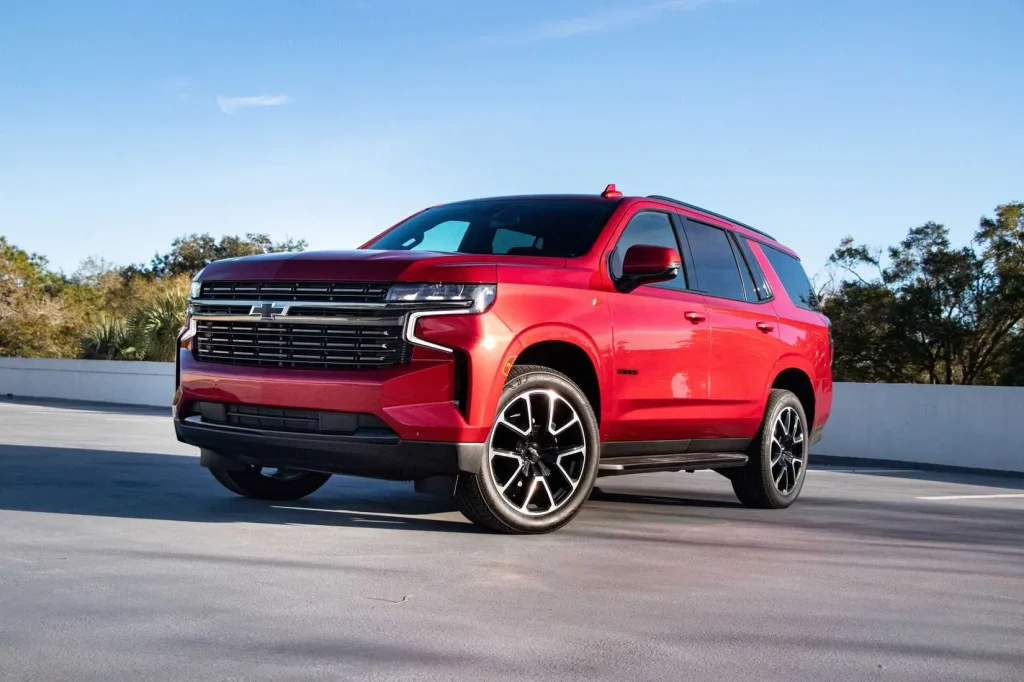
I included the Chevrolet Tahoe because it shows how a vehicle that excels in space and highway comfort can feel oversized and inefficient for the tight, frequent stop nature of city family life.
2. Ford F-150
The Ford F-150 is one of the most capable and popular trucks on the market, but for city families, its size and design can create daily complications. Full size pickup trucks are wide, long, and tall, which makes navigating narrow urban streets more difficult than in compact SUVs or hatchbacks.
Parking is often the biggest headache. Standard city parking spots may barely accommodate the truck’s length, and parallel parking on busy streets can feel like a stressful maneuver. Parents trying to drop kids off quickly may find themselves avoiding certain areas simply because parking feels too difficult.
The high ride height and large hood can limit visibility of objects or people close to the vehicle. In neighborhoods with heavy pedestrian traffic, cyclists, and small children crossing streets, this reduced close-range visibility can be a concern. Extra care is required in situations where smaller vehicles offer a clearer view.
Fuel economy in city driving is another issue. Trucks like the F-150 are built for hauling and towing, not frequent short trips in traffic. Stop-and-go conditions tend to increase fuel use, which can make everyday school runs and errands more expensive than they need to be.
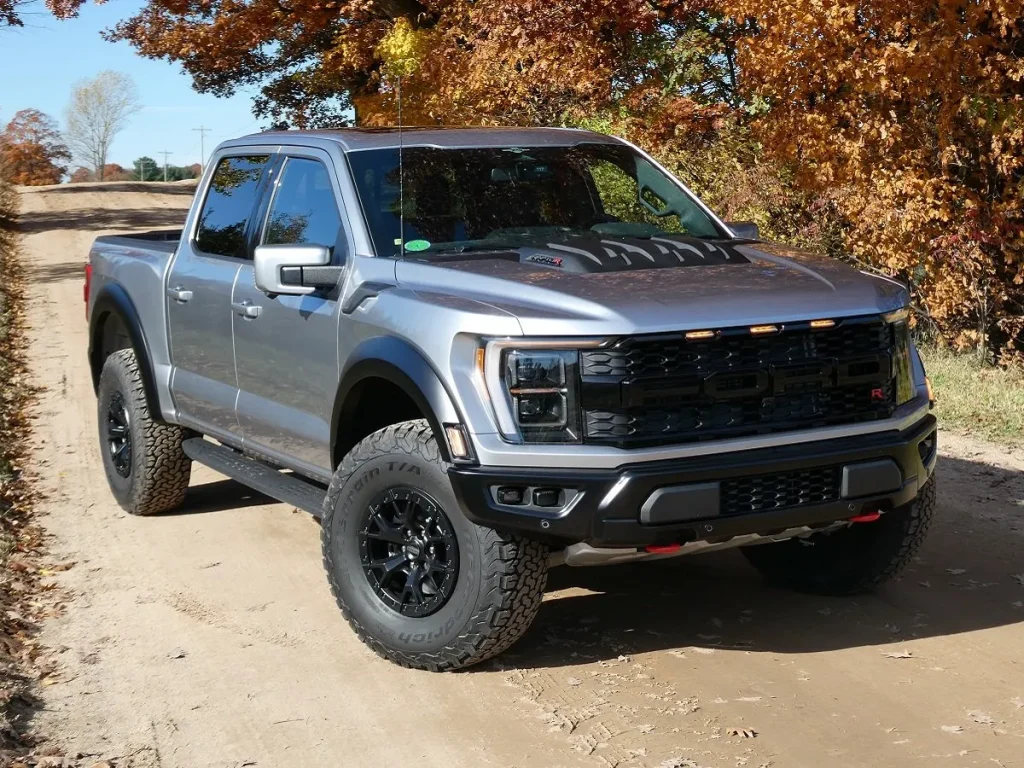
Rear seating in some configurations is spacious, but the overall design still prioritises cargo beds and utility over enclosed family space. Groceries and personal items in an open bed may require additional covers or organizers, which is less convenient than a traditional enclosed trunk.
I chose the Ford F-150 because it represents vehicles that are extremely capable for work and outdoor use, yet feel oversized and less practical for the constant tight maneuvering of urban family routines.
3. Dodge Challenger
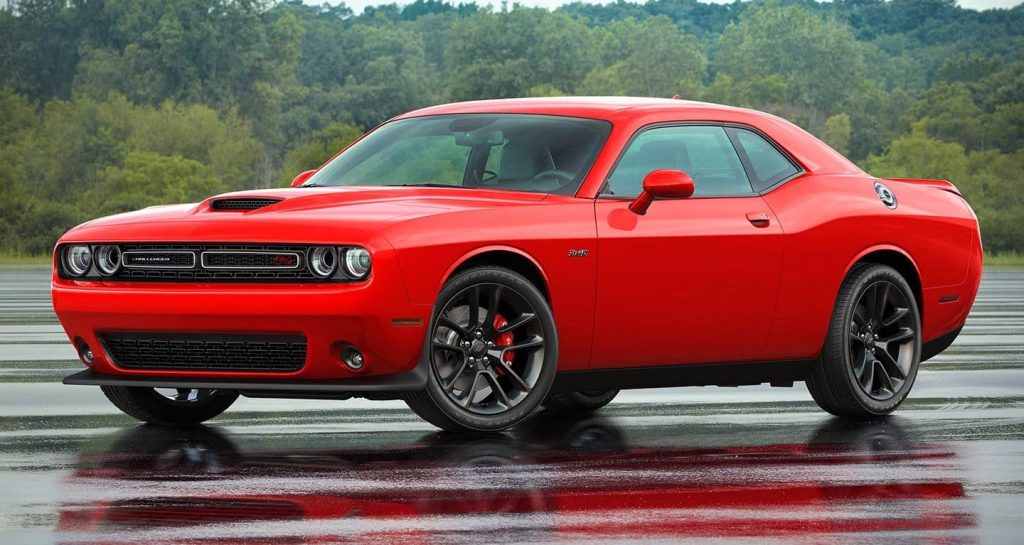
The Dodge Challenger delivers bold styling and strong performance, but its coupe design makes it less suitable for everyday city family duties. With only two doors and a long, heavy body, getting children in and out of the back seat can be awkward, especially when parked on a busy street.
Rear seat access is one of the biggest drawbacks. Parents often need to slide front seats forward and bend into the cabin to secure car seats or help children buckle up. Doing this repeatedly in tight curbside spaces can be frustrating and time consuming compared to using a four door vehicle.
Visibility is also limited compared to family focused vehicles. Thick pillars and a higher beltline can make it harder to see pedestrians, cyclists, and cars approaching from angles. In crowded city environments where awareness is critical, this reduced outward view can add to driver stress.
The Challenger’s size is another factor. Although it is a coupe, it is still quite long and wide. Fitting into small parking spaces or maneuvering in tight garages can feel more difficult than in shorter, more upright family vehicles designed for urban use.
Fuel consumption tends to be higher as well, particularly in city traffic where performance engines are not operating in their most efficient range. For families on a budget, those extra fuel costs can add up over months of daily driving.
I included the Dodge Challenger because it highlights how a car built around style and performance can struggle to meet the practical, repeatable demands of city based family transportation.
4. Jeep Wrangler (Two Door)
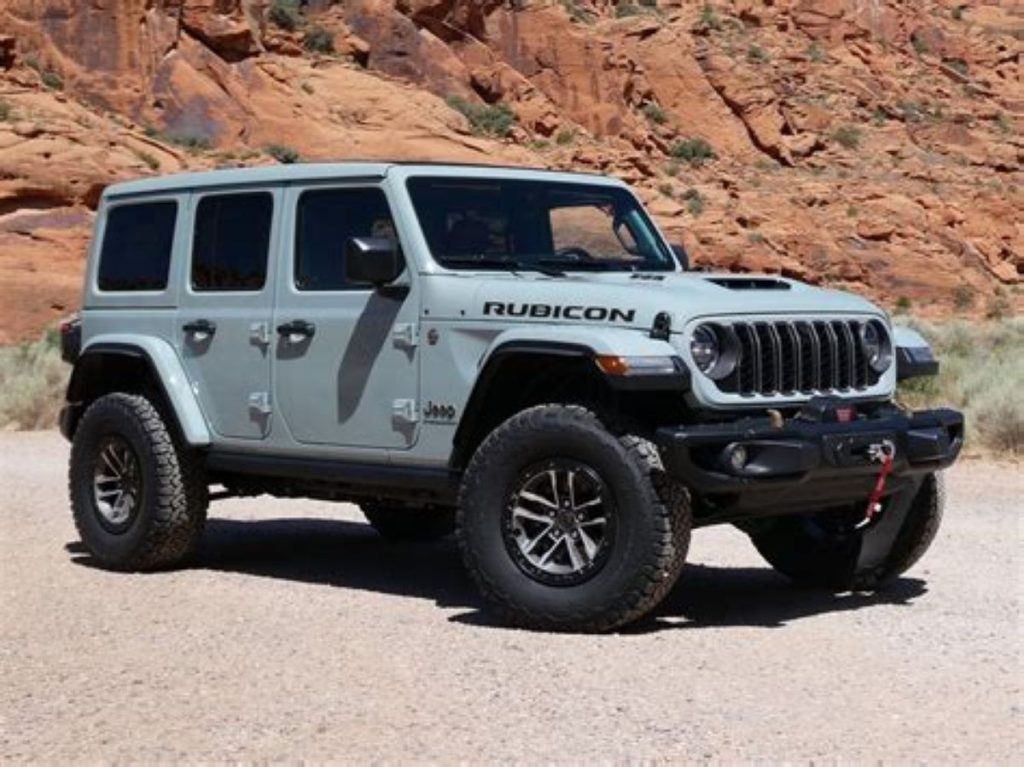
The two door Jeep Wrangler is built for adventure and rugged terrain, but those same traits can make it less practical for city families.
Its short wheelbase and tall ride height give it off-road ability, yet climbing in and out can be harder for small children. Parents may find themselves lifting kids more often than they would in lower, more family-focused vehicles.
Rear seat access is limited in the two-door version. Getting children into car seats requires folding and moving the front seats forward, which can be awkward in tight parking spaces or on busy streets. Repeating that process several times a day during school runs quickly becomes inconvenient.
Ride comfort is another concern. The Wrangler’s suspension is designed to handle rough trails, not smooth out potholes and broken city pavement. On uneven urban roads, the ride can feel bouncy and unsettled, which may make longer drives less comfortable for passengers, especially younger kids.
Cargo space is also restricted compared to many small SUVs. Once the rear seats are in use, there is limited room left for strollers, groceries, and school gear. Families may need to pack carefully or leave items behind, which is not ideal for busy daily schedules.
Fuel economy tends to be modest, particularly in stop-and-go traffic, where the Wrangler’s boxy shape and off road focused design are less efficient. Over time, this can increase running costs compared to more city-oriented family vehicles.
I chose the two door Jeep Wrangler because it shows how a vehicle that excels in outdoor settings can feel compromised in the repetitive, space-constrained routines of city family life.
5. Mercedes-Benz S-Class
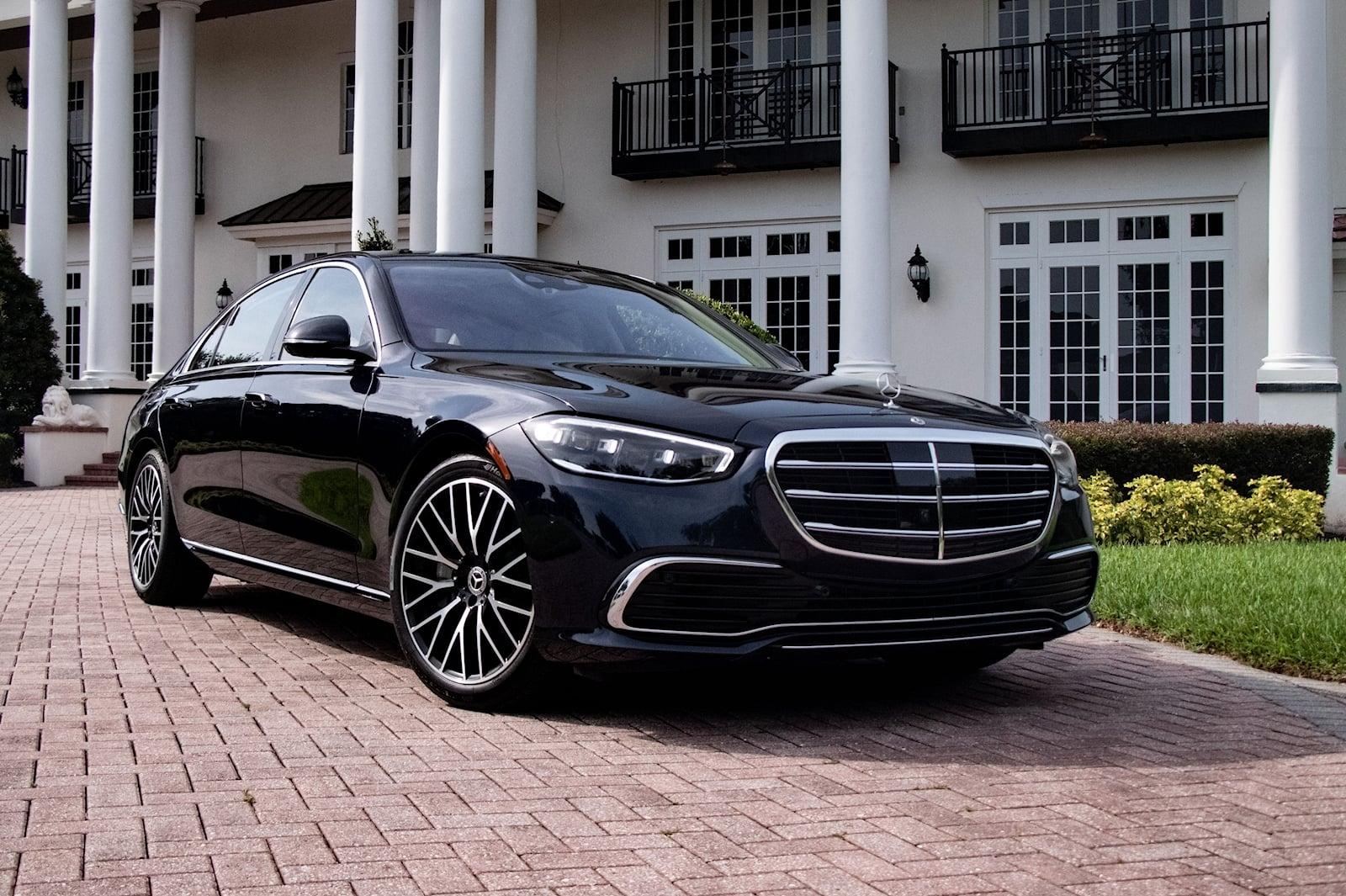
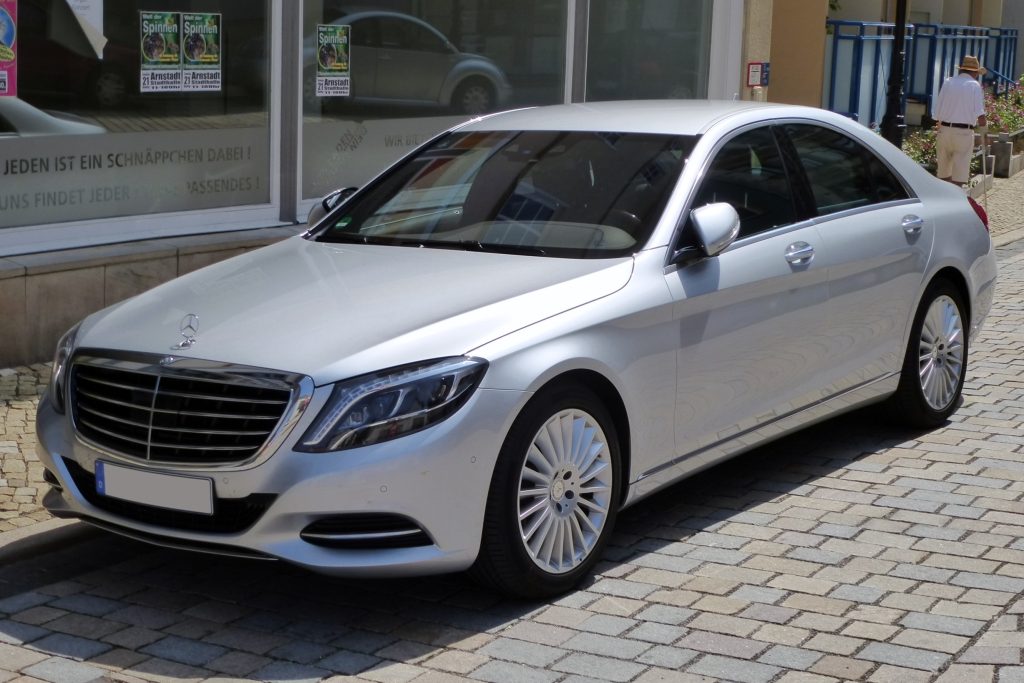
The Mercedes-Benz S-Class is a flagship luxury sedan known for comfort and advanced technology, but its large size and focus on rear passenger luxury make it less suited to practical city family use.
It is long and wide, which can make navigating tight streets and small parking structures more stressful than in compact family vehicles.
While the rear seats are extremely comfortable, the low seating position means parents still need to bend down to secure young children into car seats.
Unlike taller crossovers, the sedan’s lower roofline and door openings can make this daily task slightly more awkward, especially in tight curbside spaces.
Cargo space, though decent, is separated in a traditional trunk. Loading bulky items like large strollers or multiple sports bags can be less convenient than using a hatchback or SUV style rear opening. Families often benefit from more flexible cargo layouts than a sedan typically provides.
Repair and maintenance costs are also higher than average. City driving increases the likelihood of minor scrapes, wheel damage from potholes, or bumper scuffs from tight parking. Fixing these issues on a high end luxury car can be significantly more expensive, which may not be ideal for family budgets.
Fuel economy in urban conditions is respectable for a luxury car but still not as efficient as smaller, hybrid focused family vehicles. For families making frequent short trips, the difference in fuel use adds up over time.
I included the Mercedes-Benz S-Class because it highlights how a vehicle that delivers exceptional comfort and prestige can still fall short on the everyday practicality, flexibility, and ease of use that city families often need most.
Also Read: 5 Cars That Stay Affordable Over Years of City Use vs 5 That Don’t
