
Cities are no longer static places built around predictable routines and stable infrastructure. They expand upward instead of outward, repurpose roads, restrict emissions, and redesign traffic flow with little warning.
A vehicle that feels perfect today can feel outdated within a few years if it cannot adjust to these changes. That reality is what makes adaptability one of the most valuable qualities in modern vehicles.
Urban change now happens on multiple levels at once. Parking spaces shrink, congestion pricing appears, fuel rules tighten, and digital systems like app-based parking and charging networks become essential.
Vehicles that survive and thrive in these conditions are not always the most powerful or luxurious. They are the ones designed with flexibility, efficiency, and ease of use at their core.
At the same time, many vehicles struggle because they were built for a version of the city that no longer exists. They assume wide roads, cheap fuel, easy parking, and minimal regulation. When cities move away from those assumptions, these vehicles become stressful, expensive, and impractical to live with on a daily basis.
This article is written to clearly separate vehicles that can adapt to city changes from those that cannot. The goal is not to praise trends or criticize specific owners, but to explain how design choices interact with evolving urban realities. By looking at real world usability rather than marketing promises, the contrast becomes obvious.
In the first half, the focus is on vehicles that adjust well as cities evolve. These vehicles handle tighter spaces, new rules, and changing commute patterns without forcing owners to constantly compromise. In the second half, the attention shifts to vehicles that resist change and end up feeling out of place.
Understanding this difference helps buyers make smarter long-term decisions, especially in cities where rules and infrastructure are still actively shifting.
Also Read: 5 EVs That Handle Urban Winters Respectably vs 5 That Lose Range Quickly
5 Vehicles That Adapt to City Changes
Vehicles that adapt to city changes tend to share a common mindset rather than a specific shape or price tag.
They are built to function in uncertainty, where traffic rules, fuel access, and infrastructure can change faster than ownership cycles. Instead of relying on brute size or excess power, they prioritize balance.
Adaptable vehicles usually succeed because they respect space. They fit into tighter parking, navigate narrow streets easily, and do not intimidate other road users.
This becomes increasingly important as cities reclaim road space for pedestrians, cyclists, and public transport. A vehicle that occupies less visual and physical space feels more welcome.
Another major factor is efficiency. Cities push toward lower emissions, better fuel economy, and electrification. Vehicles that already operate efficiently face fewer restrictions and lower running costs. They also remain usable even as fuel prices fluctuate or charging infrastructure evolves unevenly.
Technology also plays a quiet but important role. Adaptable vehicles integrate well with modern city systems, whether that means hybrid drivetrains, regenerative braking, or driver assistance features that reduce fatigue in stop and go traffic. These features are not about luxury but about sustainability and usability.
This section focuses on five vehicles that handle urban evolution gracefully. Each one represents a different approach, but all of them share a practical understanding of how cities work today and how they are likely to work tomorrow.
The reason for writing about these vehicles is to highlight design decisions that age well instead of fighting progress. Rather than chasing extremes, these vehicles stay relevant by staying flexible.
1. Toyota Corolla Hybrid
The Toyota Corolla Hybrid adapts well to city changes because it was designed around efficiency rather than spectacle. As cities introduce emission zones and fuel related restrictions, this vehicle already operates comfortably within those boundaries.
Its hybrid system reduces fuel use in traffic heavy environments where traditional engines struggle the most.
Urban driving often involves frequent stops, short trips, and unpredictable congestion. The Corolla Hybrid benefits from regenerative braking and electric assistance in these conditions. This allows it to operate quietly and smoothly in dense areas, reducing both fuel consumption and driver fatigue. These traits align closely with how cities actually function.
Size also plays a major role in its adaptability. The Corolla Hybrid is compact enough to handle shrinking parking spaces and narrow lanes, yet spacious enough inside to remain practical for daily use. This balance allows it to fit into older city layouts as well as newly redesigned zones.
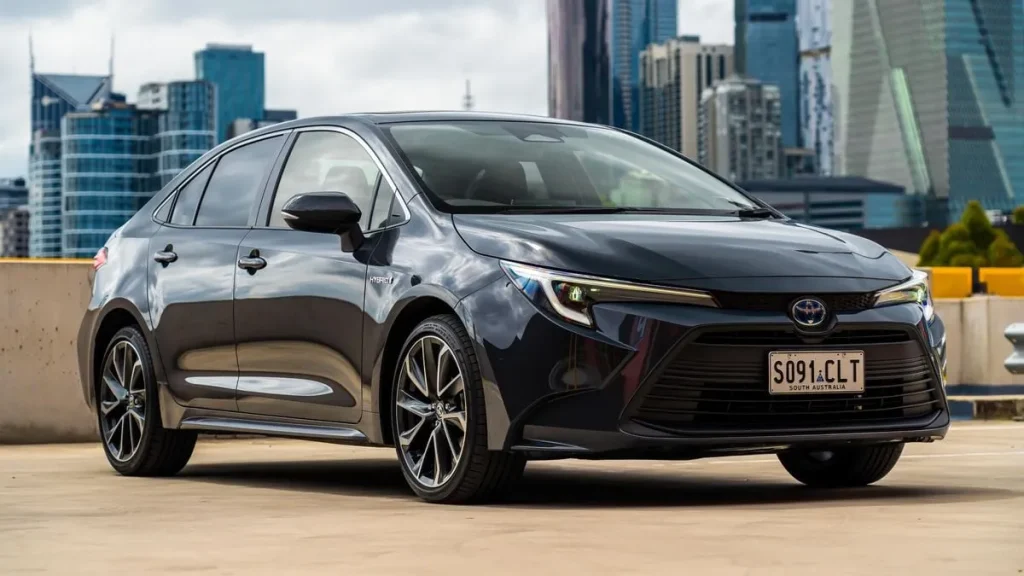
The reason for including this vehicle is simple. It demonstrates how conservative, well tested engineering can outlast aggressive trends. While cities debate bans and incentives, the Corolla Hybrid remains usable without requiring owners to constantly adjust their habits.
Its adaptability is not dramatic, but it is dependable. That quiet consistency is exactly what changing cities reward over time.
2. Honda Fit
The Honda Fit adapts to city changes by making space efficiency its strongest asset. As cities prioritize compact mobility and flexible usage, this vehicle offers interior practicality that exceeds its external footprint. That quality becomes increasingly valuable in dense urban environments.
The Fit’s upright design allows for excellent visibility, which is critical as cities add cyclists, pedestrians, and mixed traffic zones. Drivers benefit from better awareness without relying heavily on cameras or sensors. This natural visibility reduces stress and improves safety in evolving road layouts.
Another reason the Fit handles city change well is its modular interior. Seats fold and adjust in ways that support varied urban lifestyles, from grocery runs to small business deliveries. As city residents shift toward multifunctional vehicle use, this flexibility becomes a long term advantage.
The vehicle’s lightweight construction also contributes to efficiency and maneuverability. It responds well in traffic, fits into small parking areas, and does not feel burdensome in crowded neighborhoods. These qualities help it remain relevant even as infrastructure becomes more constrained.
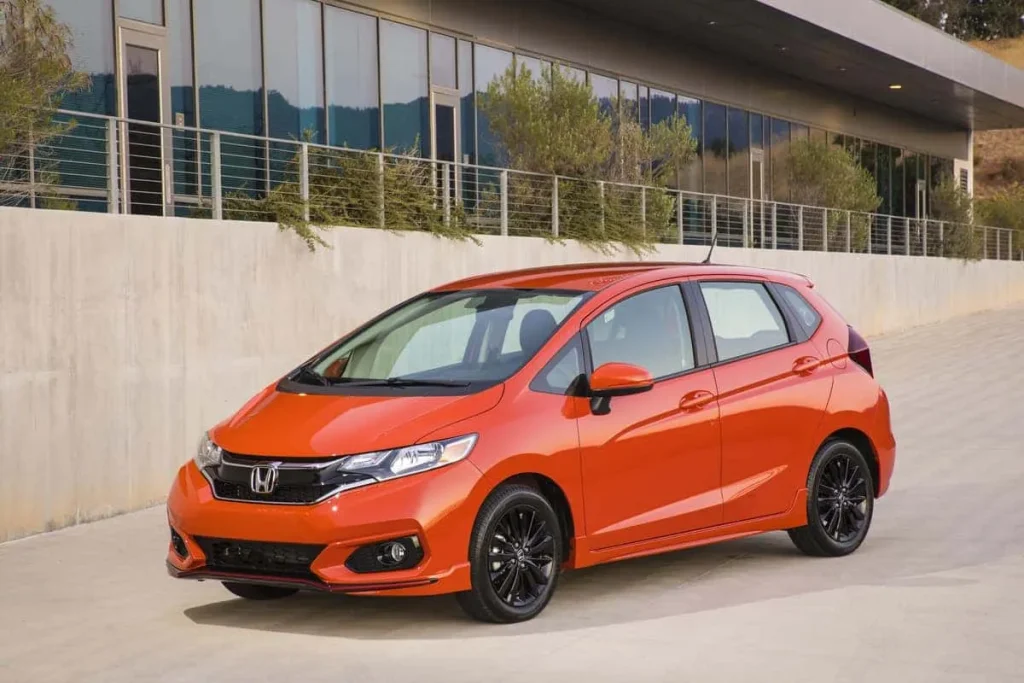
This vehicle is included because it proves that adaptability does not require complex technology. Thoughtful design and efficient use of space can be just as effective. The Honda Fit quietly aligns itself with how cities evolve rather than resisting those changes.
3. Hyundai Kona Electric
The Hyundai Kona Electric adapts to city changes by aligning itself with the long term direction urban planning is clearly taking.
Cities are steadily moving toward electrification through incentives, charging expansion, and emissions limits. A fully electric vehicle like the Kona is already positioned within those future focused policies.
Urban driving favors electric powertrains because of their instant torque and smooth low speed control. The Kona Electric performs well in stop and go traffic, steep ramps, and crowded intersections without the noise or vibration of traditional engines.
This makes it more compatible with dense residential areas where quiet operation is increasingly valued.
Its compact SUV shape also reflects modern city needs. While cities reduce lane widths and parking sizes, many drivers still want a slightly elevated seating position for visibility. The Kona balances those needs without becoming oversized. It fits urban constraints while offering a sense of confidence behind the wheel.
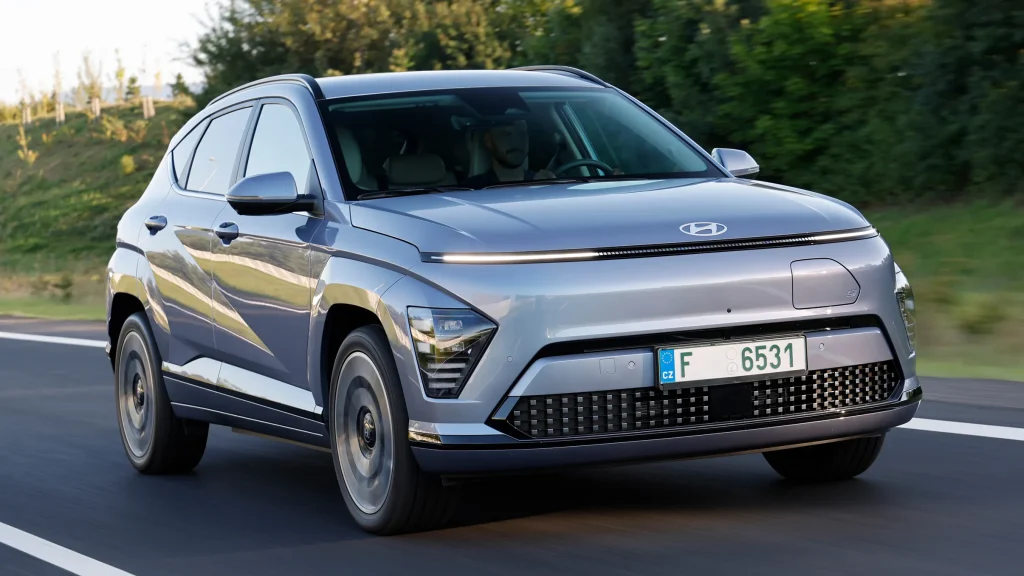
The reason for writing about this vehicle is to show how electrification works best when combined with reasonable proportions.
The Kona Electric does not demand special treatment from the city. Instead, it blends into evolving infrastructure naturally, adapting feel effortless rather than forced.
4. Mini Cooper
The Mini Cooper adapts to city changes through scale and personality rather than raw practicality. As cities shrink usable road space and tighten parking access, the Mini thrives in environments where larger vehicles struggle.
Its small footprint allows it to navigate historic streets, dense downtowns, and redeveloped urban zones with ease. This becomes increasingly important as cities prioritize walkability and restrict oversized vehicles. The Mini does not feel like an intruder in these spaces.
Another advantage lies in its responsive handling. Urban driving often involves quick decisions, tight turns, and sudden stops. The Mini’s agile nature makes these conditions less stressful and more controlled. That responsiveness helps drivers adapt to constantly changing traffic patterns.
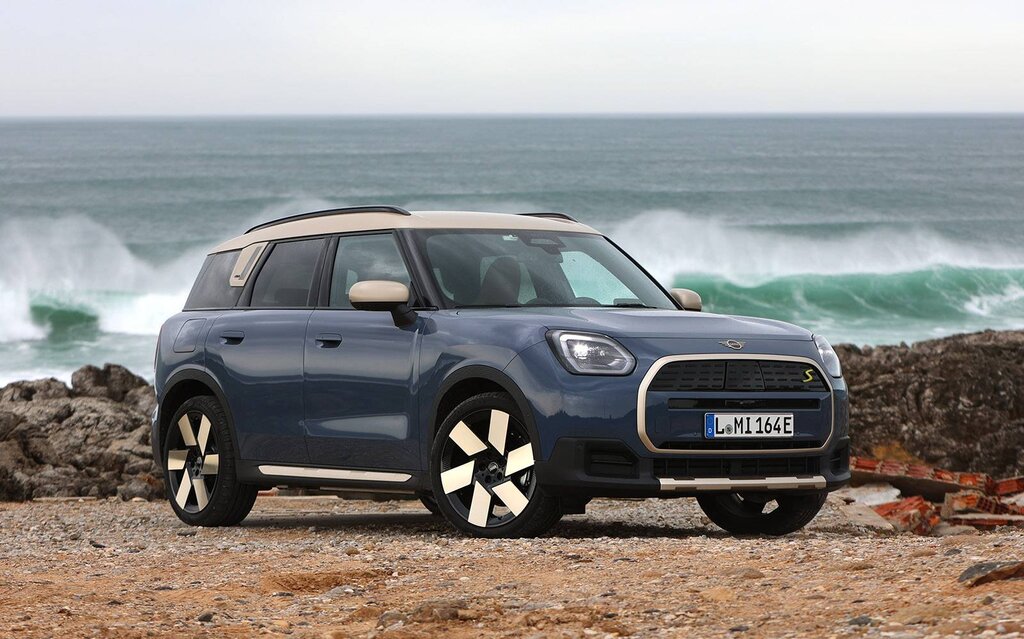
The inclusion of this vehicle highlights how emotional appeal and urban suitability can coexist. The Mini Cooper proves that adaptability does not need to feel purely functional. It adapts by embracing the city’s scale and rhythm instead of trying to overpower it.
5. Toyota Prius
The Toyota Prius remains one of the strongest examples of long term urban adaptability. It has survived multiple generations of city evolution by staying ahead of regulatory and efficiency trends rather than reacting to them.
Hybrid efficiency allows the Prius to function comfortably in cities with fluctuating fuel prices and tightening emissions standards. It reduces dependence on external infrastructure while still delivering low running costs. This balance keeps it relevant even during transitional phases in urban policy.
Aerodynamic design and predictable behavior make it easy to live with in dense traffic. The Prius does not demand attention or special accommodation. It fits naturally into everyday city routines, which is exactly why it continues to succeed.
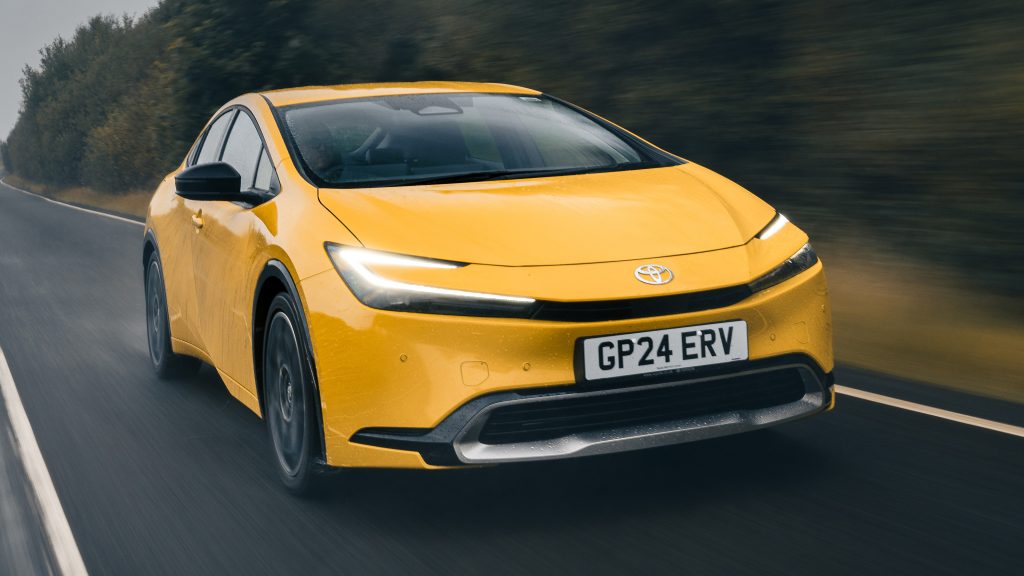
The reason for including the Prius is to show how early adaptation creates lasting relevance. It anticipated urban change long before it became mainstream. That foresight is why it still belongs in modern cities.
5 Vehicles That Do Not Adapt to City Changes
Not every vehicle struggles in the city because it is poorly built. Many struggle because they were designed with assumptions that no longer apply. Wide roads, cheap fuel, unlimited parking, and minimal regulation once shaped vehicle design. Cities have moved on, but some vehicles have not.
Vehicles that fail to adapt often rely on size, power, or excess capability that rarely gets used in urban environments.
As cities introduce congestion pricing, parking restrictions, and emissions rules, these vehicles become liabilities rather than assets. Owners are forced to plan around the vehicle instead of the vehicle supporting daily life.
Another issue is inefficiency. High fuel consumption and limited maneuverability clash with modern city priorities. These vehicles may perform well on highways or rural routes, but cities increasingly discourage their presence through design rather than direct bans.
This section is written to explain why certain vehicles feel out of place as cities evolve. The goal is not criticism for its own sake, but clarity. Understanding why these vehicles struggle helps buyers avoid choices that create long-term frustration.
Each of the following vehicles represents a different mismatch between design intent and urban reality. Together, they illustrate how resisting change can make ownership harder with each passing year.
1. Ford F-150
The Ford F-150 struggles to adapt to changing cities because it was engineered around maximum capability rather than urban necessity.
While its reputation for strength and reliability is well earned, those strengths rarely align with daily city life. Urban environments simply do not require the towing capacity, bed size, or engine output that define this vehicle.
Size is the most immediate problem. The length and width of the F-150 make navigating narrow streets and dense neighborhoods a constant challenge. Older city layouts, which were never designed for vehicles of this scale, amplify the difficulty.
Turning corners, merging into traffic, or entering underground parking structures often requires careful calculation rather than instinctive driving.
Parking becomes a recurring source of stress. Many city parking spaces cannot comfortably accommodate a full size pickup.
Even when parking is possible, the truck often occupies more space than intended, creating inconvenience for others and increasing the likelihood of damage. As cities reduce curbside parking in favor of bike lanes and pedestrian zones, these challenges become more frequent.
Fuel consumption further limits its suitability. Stop and go traffic exposes the inefficiency of large engines, leading to high running costs. As cities introduce congestion charges and emissions-based policies, owning such a vehicle for daily urban use becomes increasingly expensive.
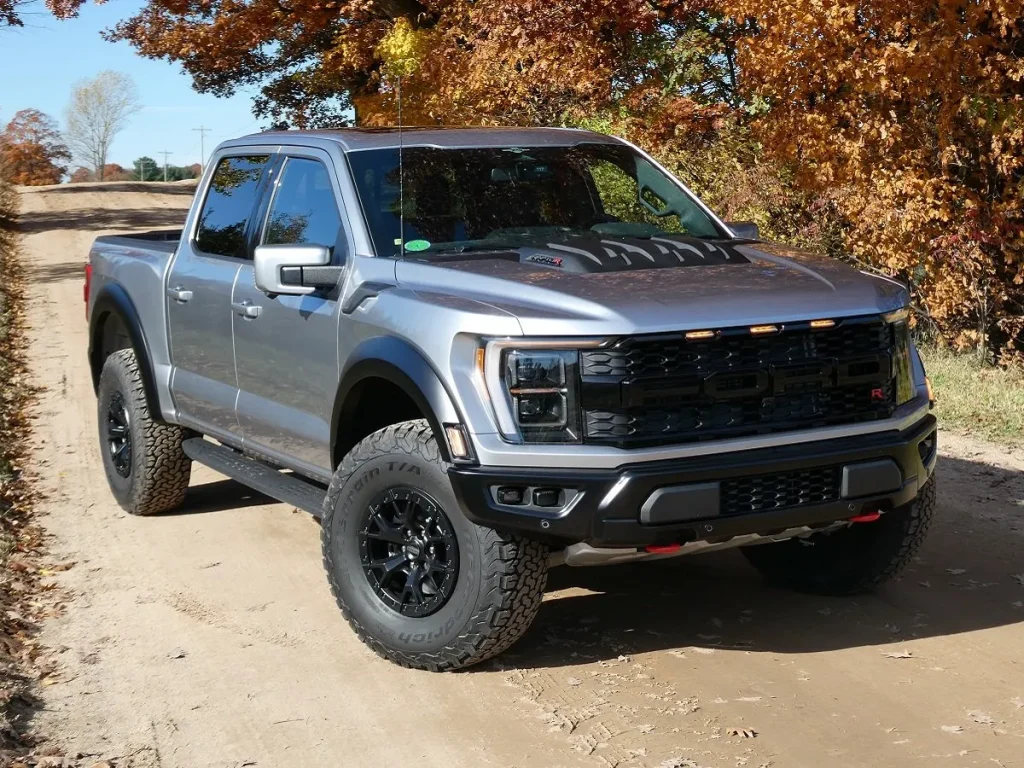
Another issue is visibility and safety. While the elevated driving position offers forward visibility, blind spots around the vehicle are substantial. In cities prioritizing pedestrian safety, this creates additional risk and demands heightened attention from the driver at all times.
The Ford F-150 is included here to illustrate how excessive capability becomes a disadvantage in cities. It excels in environments that allow it to breathe and work. Dense urban spaces demand restraint and efficiency, qualities that sit outside the core identity of this vehicle.
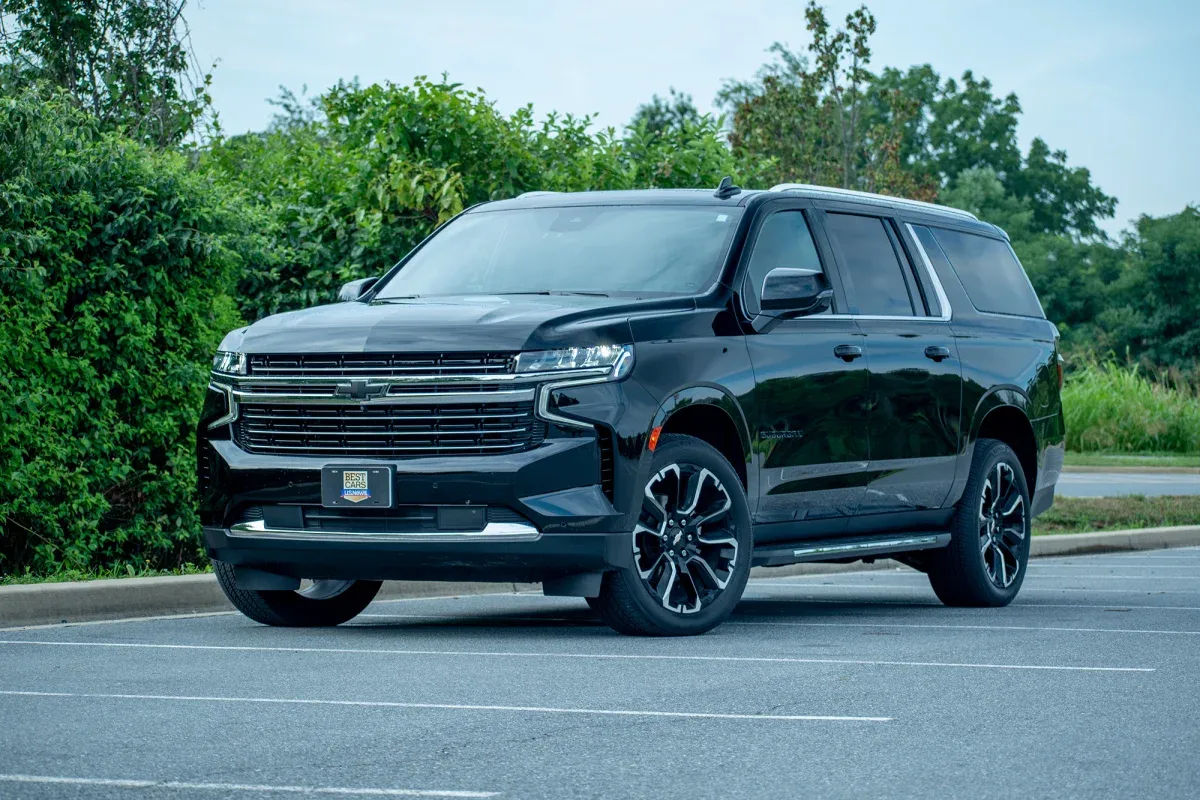
2. Chevrolet Suburban
The Chevrolet Suburban represents a vehicle that once fit urban life but now struggles as cities evolve. Designed for space, comfort, and long distance travel, it carries those priorities into environments that increasingly discourage them. Its sheer scale conflicts with modern city design at almost every level.
Length is one of its biggest challenges. Maneuvering through tight streets, crowded intersections, and compact parking garages requires constant awareness. Many urban garages are simply not built to handle vehicles of this size comfortably, forcing drivers to avoid entire areas of the city.
Fuel efficiency is another major drawback. The Suburban’s weight and engine size make it inefficient in traffic heavy conditions. Short trips, which dominate urban driving, result in disproportionately high fuel consumption.
As cities push toward lower emissions, this inefficiency becomes more than just a cost issue. It becomes a regulatory concern.
The vehicle’s interaction with modern road design is also problematic. Cities are narrowing lanes, adding traffic calming measures, and prioritizing vulnerable road users. In this context, the Suburban feels oversized and intrusive rather than composed and confident.
While the interior offers comfort and space, much of that space goes unused in daily city routines. Carrying excess capacity through congested streets wastes energy and adds stress without delivering practical benefits.
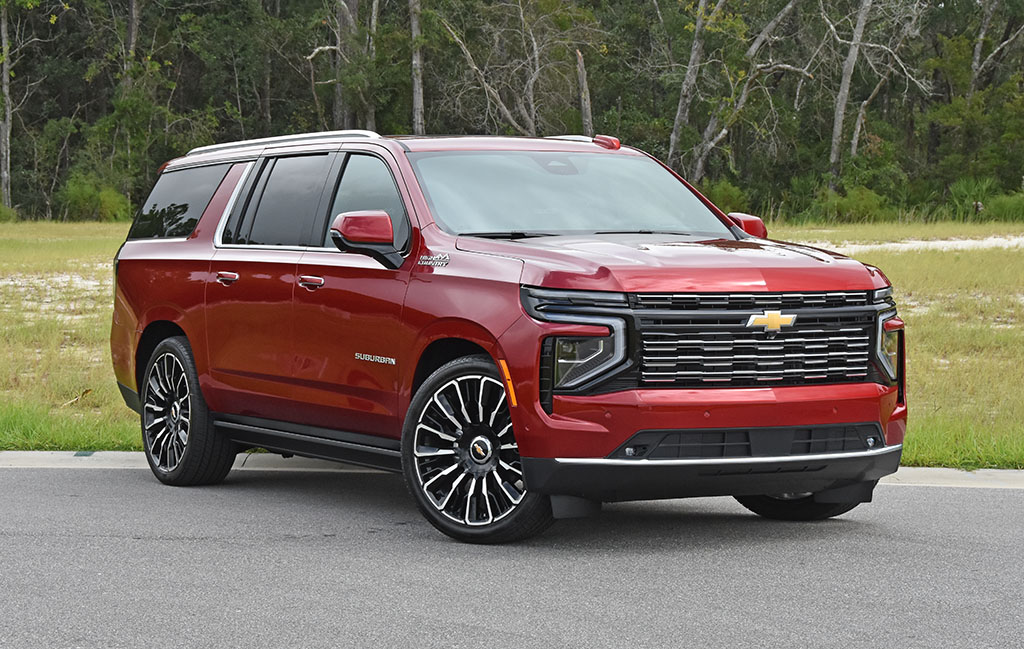
This vehicle is included to demonstrate how scale can become a liability. The Chevrolet Suburban is not poorly engineered, but its strengths no longer match urban priorities. As cities continue to evolve, its mismatch becomes harder to ignore.
3. Dodge Challenger
The Dodge Challenger struggles in modern cities because its identity is built around performance that cannot be used responsibly or legally in dense environments. Designed to deliver power, sound, and visual presence, it finds itself constrained by urban limits at every turn.
Traffic neutralizes its core strengths. Acceleration and speed are rendered meaningless in stop and go conditions. Instead of enjoyment, drivers experience frustration as the vehicle constantly feels held back. High fuel consumption becomes the dominant characteristic rather than performance.
The wide body and long doors complicate parking and tight maneuvers. In crowded areas, opening doors without obstruction becomes difficult, increasing the risk of damage. Narrow streets and compact spaces demand precision that the Challenger was not designed to prioritize.
Low ground clearance adds another layer of inconvenience. Speed bumps, uneven road surfaces, and poorly maintained streets require constant caution. This reduces confidence and comfort during everyday driving.
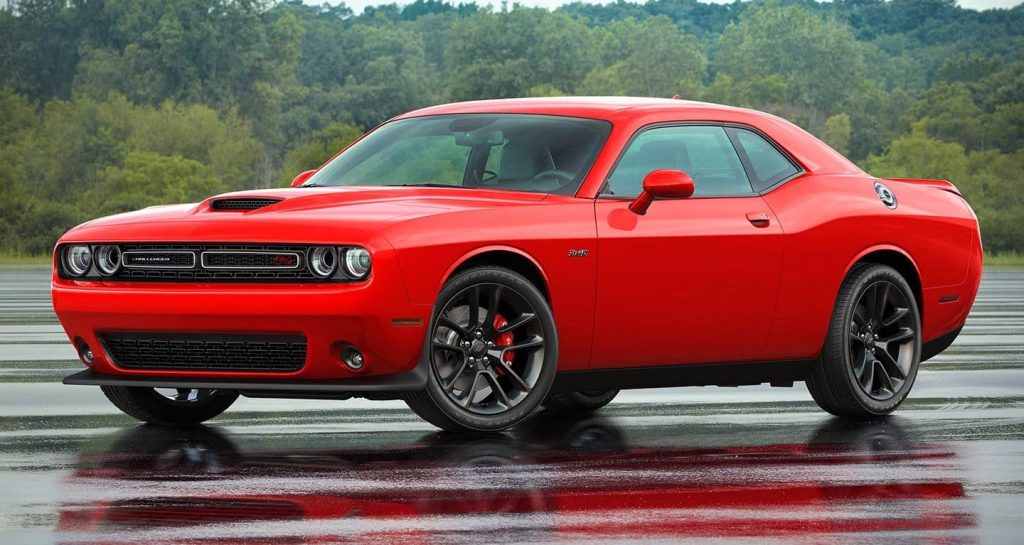
Visibility is also compromised. The long hood and thick pillars limit awareness in pedestrian heavy areas. Urban driving demands constant attention, and these design traits increase mental load.
This car is included to highlight how emotional appeal can clash with urban reality. The Dodge Challenger thrives on freedom and space, both of which cities are intentionally reducing. Its struggle is rooted in environmental mismatch rather than mechanical flaws.
4. BMW 7 Series
The BMW 7 Series struggles to adapt because it reflects an older interpretation of luxury that no longer aligns with urban values. Its size, weight, and power were once symbols of success, but in modern cities they often signal inefficiency.
Maneuverability is a persistent issue. Narrow streets and tight parking garages turn routine trips into calculated efforts. As cities restrict vehicle access and reduce parking availability, these challenges become more frequent.
Fuel consumption and operating costs further reduce practicality. Large engines perform poorly in traffic heavy conditions, and rising fuel prices amplify the burden. Environmental regulations increasingly target vehicles like this, limiting their long term usability in cities.
While technologically advanced, much of its engineering focuses on comfort rather than efficiency. The result is a vehicle that feels excessive rather than refined in urban settings.
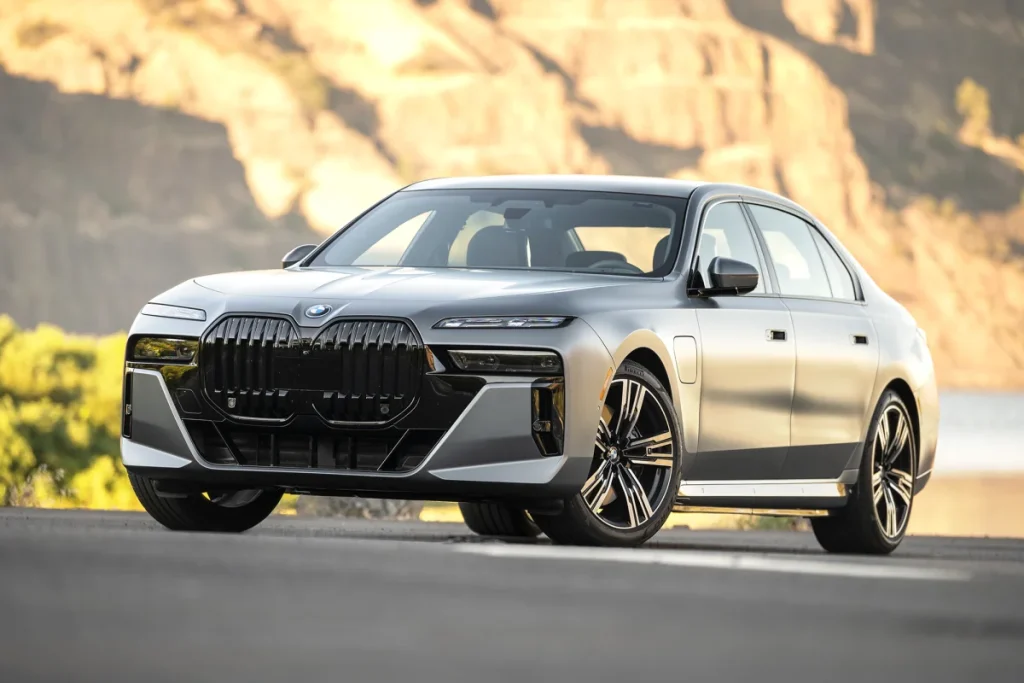
This vehicle is included to show how definitions of luxury are changing. Modern cities value subtlety, efficiency, and adaptability. The BMW 7 Series struggles because it represents a past era of priorities.
5. Toyota Sequoia
The Toyota Sequoia struggles in cities due to its bulk and purpose driven design. Built for towing and long distance travel, it brings excess capacity into environments that demand efficiency and restraint.
Parking is a constant challenge. Its size limits access to garages and compact streets, forcing drivers to plan routes and destinations carefully. As cities reduce parking availability, this limitation becomes more severe.
Fuel consumption is another major issue. Carrying unused capacity through city traffic wastes energy and money. Urban driving magnifies inefficiency, making daily use costly.
The vehicle also feels disconnected from modern urban infrastructure. Narrowed lanes, pedestrian zones, and traffic calming measures work against its design.
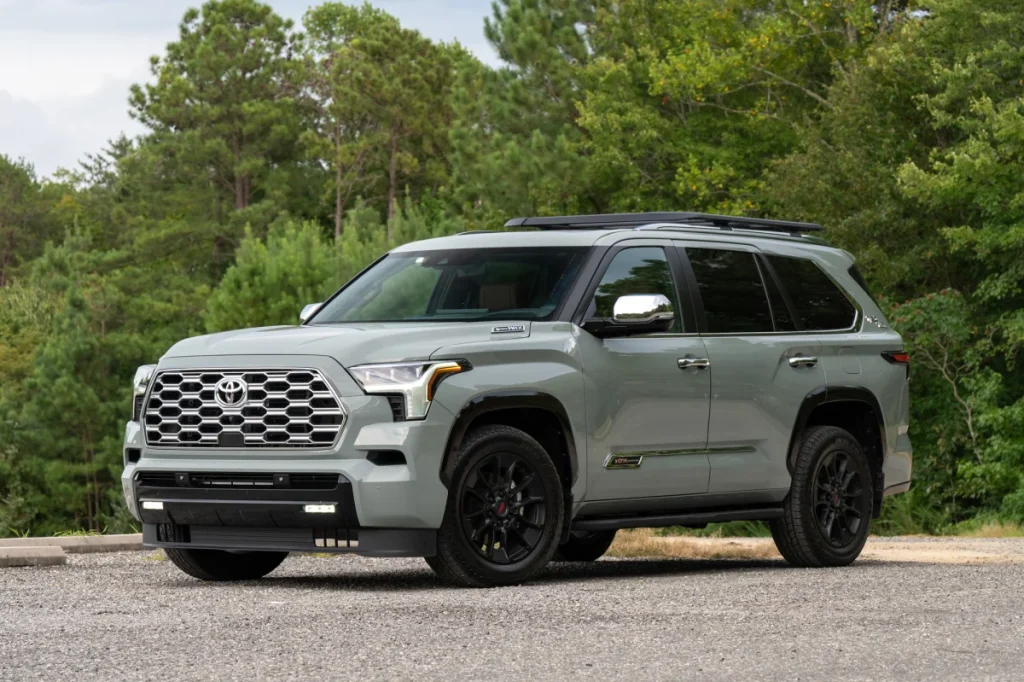
This vehicle is included to demonstrate that reliability alone does not guarantee urban compatibility. The Toyota Sequoia remains dependable, but cities increasingly favor vehicles that integrate smoothly rather than dominate space.
Cities today are changing faster than vehicles are replaced. Urban areas are becoming denser, more regulated, and more focused on sustainability. Roads are narrower, parking is limited, and emissions are closely monitored. These changes directly affect how practical a vehicle feels in everyday city life.
The article divides vehicles into two clear groups. One group adapts well to evolving city environments, while the other struggles to keep pace. The difference is not about quality or brand reputation. It is about whether a vehicle’s design aligns with modern urban realities.
Vehicles that adapt to city changes share common traits. They are compact enough to navigate tight streets, efficient enough to manage rising fuel and energy costs, and flexible enough to handle varied daily use. These vehicles reduce stress rather than adding to it.
Efficiency plays a central role in adaptability. Hybrid and electric powertrains perform well in stop-and-go traffic, where traditional engines waste fuel. As cities encourage lower emissions through incentives and restrictions, efficient vehicles remain usable without forcing owners to adjust their routines.
Size is another defining factor. Adaptable vehicles respect space. They fit into shrinking parking spots, handle narrow lanes with ease, and blend into mixed traffic zones. Their presence does not disrupt the balance cities are trying to create between cars, pedestrians, and cyclists.
Technology in adaptable vehicles focuses on usability rather than excess. Features that reduce driver fatigue, improve visibility, and simplify urban driving matter more than raw performance. These vehicles feel designed for real conditions rather than ideal ones.
In contrast, vehicles that fail to adapt are often built around outdated assumptions. Many assume wide roads, abundant parking, and unrestricted fuel use. Modern cities no longer support these conditions, making such vehicles increasingly inconvenient.
Large pickup trucks and oversized SUVs struggle primarily due to scale. Their size makes maneuvering stressful and parking difficult. As cities reduce curb space and redesign streets, these vehicles feel oversized and intrusive rather than capable.
Fuel consumption further worsens the problem. Large engines perform poorly in traffic-heavy environments. Rising fuel costs and emissions-based charges make daily urban use expensive and inefficient, especially for short trips.
Performance-focused cars face a different challenge. High-powered vehicles are designed for speed and acceleration, yet cities limit both. Traffic, speed enforcement, and noise regulations prevent drivers from using the very qualities these cars are built around.
Luxury vehicles with large engines also struggle. Once symbols of urban success, they now clash with changing values that prioritize sustainability and efficiency. Their size, weight, and operating costs feel excessive in modern city settings.
Vehicles built for maximum capacity, such as large SUVs or vans, often carry unused capability through congested streets. Cities increasingly penalize inefficiency through design choices like narrow lanes, restricted zones, and limited parking access.
Across all non adaptable vehicles, a clear pattern emerges. Ownership requires constant compromise. Drivers must plan routes, search harder for parking, pay higher running costs, and accept restricted access to certain areas.
The article emphasizes that these vehicles are not poorly made. They simply belong to environments that are disappearing. Cities have evolved, and vehicles that do not evolve with them feel increasingly out of place.
The broader lesson is that adaptability has become the most valuable trait in urban vehicles. Cars that succeed in cities do not dominate space or demand attention. They integrate smoothly into daily life.
As cities continue to change, vehicles designed with balance, efficiency, and restraint will remain relevant. Those who resist these shifts will continue to feel like outsiders in the very places they are driven most.
Also Read: 5 Vehicles That Stay Reliable With Frequent Starts vs 5 That Don’t
