
Modern city life has changed the way vehicles are used. Cities today are denser, more crowded, and more unpredictable than they were even a decade ago. Roads are narrower, traffic is heavier, parking is tighter, and daily trips are shorter but more frequent.
A vehicle that matches modern city life must fit into this reality without demanding constant adjustment from the driver.
It should be easy to maneuver, calm in stop-and-go traffic, efficient with fuel or energy, and resilient enough to handle rough pavement and crowded parking. Most importantly, it should reduce stress rather than add to it.
Modern cities also place new expectations on ownership. Rising fuel costs, limited parking availability, stricter emissions norms, and growing awareness of running costs all influence how valuable a vehicle feels.
A car that wastes fuel in traffic or feels awkward to park can quickly become frustrating. Likewise, a vehicle that is expensive to repair or easy to damage in tight urban spaces may feel like the wrong choice, even if it looks impressive on paper.
At the same time, not every vehicle has adapted to modern city needs. Some models are still designed around open roads, wide parking spaces, and long uninterrupted drives.
When placed into dense urban environments, these vehicles feel mismatched. Their size becomes a problem. Their power goes unused. Their ownership costs feel unjustified. Instead of supporting daily life, they begin to shape it in inconvenient ways.
This article compares two clear groups. The first group includes five vehicles that genuinely match modern city life. These are vehicles that feel natural in traffic, manageable in tight spaces, and sensible to own in busy urban settings.
The second group includes five vehicles that do not match modern city life well. These vehicles may be excellent in other environments, but in cities they often feel inconvenient, wasteful, or stressful.
The purpose is practical. A vehicle should fit your environment. In modern cities, the right vehicle can make daily life smoother and more predictable. The wrong one can turn simple routines into ongoing frustration.
Also Read: 5 Electrified Cars That Fit Apartment Living vs 5 That Don’t
5 Vehicles That Match Modern City Life
A vehicle that matches modern city life is not defined by horsepower, luxury badges, or road presence. It is defined by how well it integrates into everyday urban routines. Modern cities require vehicles that can adapt quickly.
You may drive through heavy traffic in the morning, squeeze into a narrow parking spot in the afternoon, and deal with broken pavement or sudden rain in the evening. A suitable city vehicle must handle all of this without feeling fragile or demanding.
These vehicles usually share a few important qualities. First, they are easy to maneuver. Compact dimensions or smart design help drivers navigate narrow streets and crowded intersections. Second, they behave smoothly at low speeds.
City driving rarely allows fast acceleration, so a calm and predictable response is more valuable than raw power. Third, they are efficient. Whether through good fuel economy or electrification, they reduce waste in traffic.
Fourth, they are practical. Modern city life involves errands, work commutes, and occasional hauling. A city friendly vehicle must support these needs without being oversized.
I am writing about these five vehicles because they represent how vehicle design has evolved to meet modern urban demands. These are not niche or novelty choices.
They are vehicles that feel comfortable living in the city day after day. They are also vehicles that make financial sense over time, with manageable running costs and fewer ownership headaches.
Matching modern city life also means emotional comfort. A good city vehicle does not make the owner anxious about parking damage, fuel consumption, or daily wear. It feels durable and appropriate for its environment.
The five vehicles below consistently fit into modern cities rather than fighting against them. They make daily driving easier, not more complicated, which is why they feel like the right tools for urban living today.
1. Toyota Corolla
The Toyota Corolla matches modern city life because it is designed around everyday usability rather than extremes. In cities, predictability matters more than excitement.
The Corolla delivers that by being easy to drive, easy to park, and easy to maintain. Its size works well on narrow streets and in crowded parking lots, which immediately reduces daily stress.
I am writing about the Corolla here because it represents smart urban ownership. City driving involves frequent stopping, slow movement, and tight spaces.
The Corolla handles this naturally. Steering is light enough for parking, and visibility is good enough to spot pedestrians and cyclists early. This builds confidence in dense traffic.
Fuel efficiency is another reason it fits modern city life. Traffic wastes fuel quickly, and the Corolla minimizes that loss. Over months and years, this matters. Ownership costs stay predictable, which is important in cities where expenses already run high.
Durability also plays a role. Cities are tough on vehicles. Door dings, rough pavement, and constant use are part of daily life. The Corolla is resilient enough that these realities do not feel financially threatening. Repairs and parts are widely available, which reduces downtime and inconvenience.
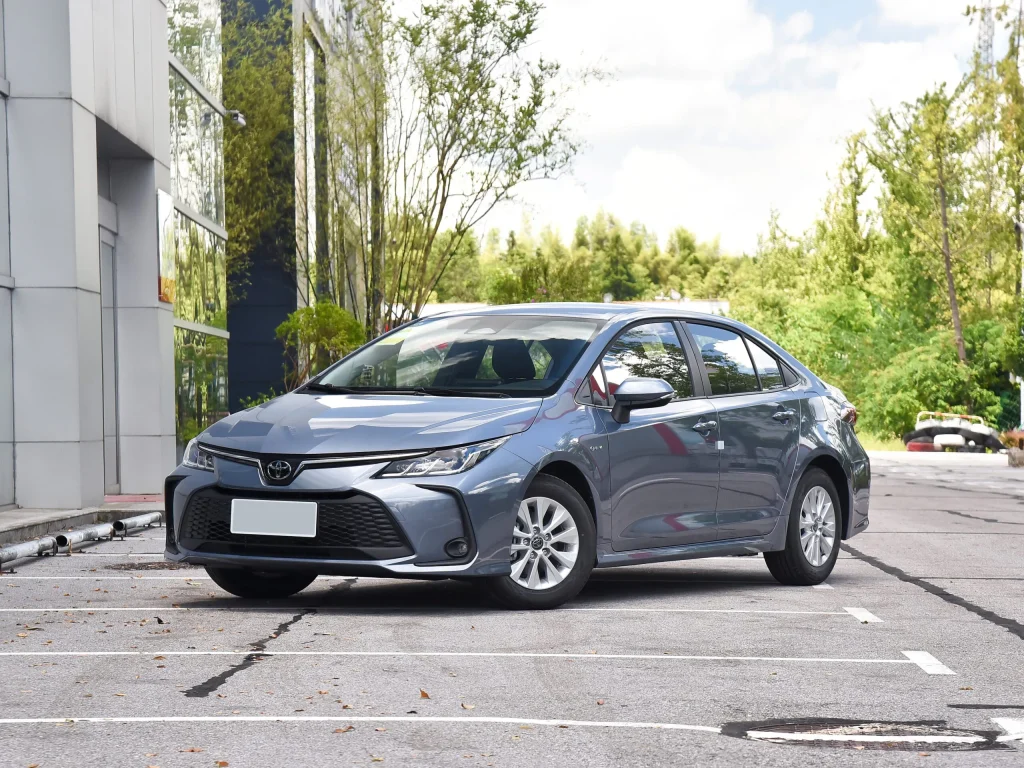
The Corolla belongs on this list because it does not demand special treatment. It fits naturally into city routines, supports daily commuting and errands, and remains reliable year after year. In modern city life, that kind of quiet consistency is one of the most valuable qualities a vehicle can have.
2. Honda Civic Hatchback
The Honda Civic Hatchback matches modern city life because it combines compact urban friendliness with real practicality. Cities demand flexibility, and the hatchback body style provides that. You get a vehicle that is easy to maneuver but capable of carrying more than a typical sedan.
I am writing about the Civic Hatchback because city residents often rely on their vehicles for more than commuting. Grocery runs, moving small furniture, and daily errands are common. The hatchback layout supports this without requiring a larger vehicle. That balance is ideal for urban environments.
In traffic, the Civic Hatchback feels composed. Low speed response is smooth, which helps during stop and go movement. The vehicle does not feel strained or awkward when traffic patterns change suddenly. This makes commuting less tiring.
Parking is another advantage. The Civic Hatchback fits into tight spaces more easily than larger vehicles. In cities where parking is limited, this alone can define ownership satisfaction.
Ownership costs also align well with city life. Fuel economy is reasonable, maintenance is manageable, and resale value remains strong. This protects the owner financially over time.
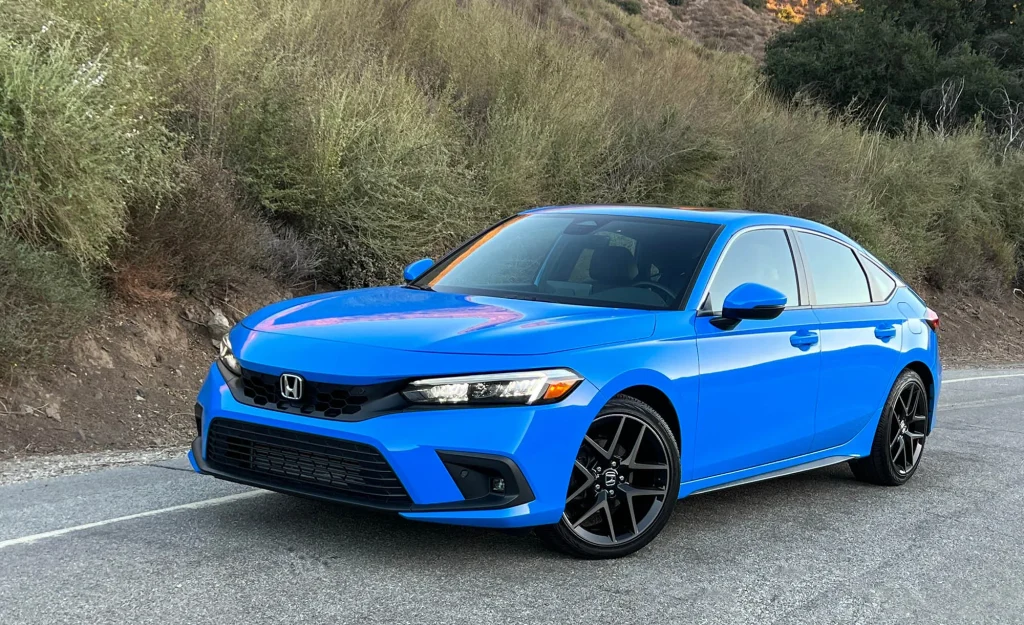
The Civic Hatchback belongs here because it reflects modern urban priorities. It is efficient, practical, and adaptable. It supports daily life without excess size or unnecessary complexity, making it a strong match for modern city living.
3. Toyota Corolla Cross
The Toyota Corolla Cross matches modern city life by offering crossover benefits without urban drawbacks. Many city drivers want higher seating for visibility, but full size SUVs are difficult to live with in dense areas. The Corolla Cross provides a middle ground.
I am writing about the Corolla Cross because modern cities reward visibility and comfort but punish bulk. This vehicle offers a slightly elevated driving position that helps drivers read traffic better, while still remaining compact enough to park easily.
Road conditions in cities are often uneven. The Corolla Cross handles rough pavement and speed breakers more comfortably than low sedans, reducing stress. At the same time, it does not feel clumsy or oversized.
Fuel efficiency and reliability also matter. City traffic can inflate running costs quickly. The Corolla Cross keeps those costs reasonable, making it a sensible long term urban choice. Maintenance remains straightforward, which is important when time and convenience matter.
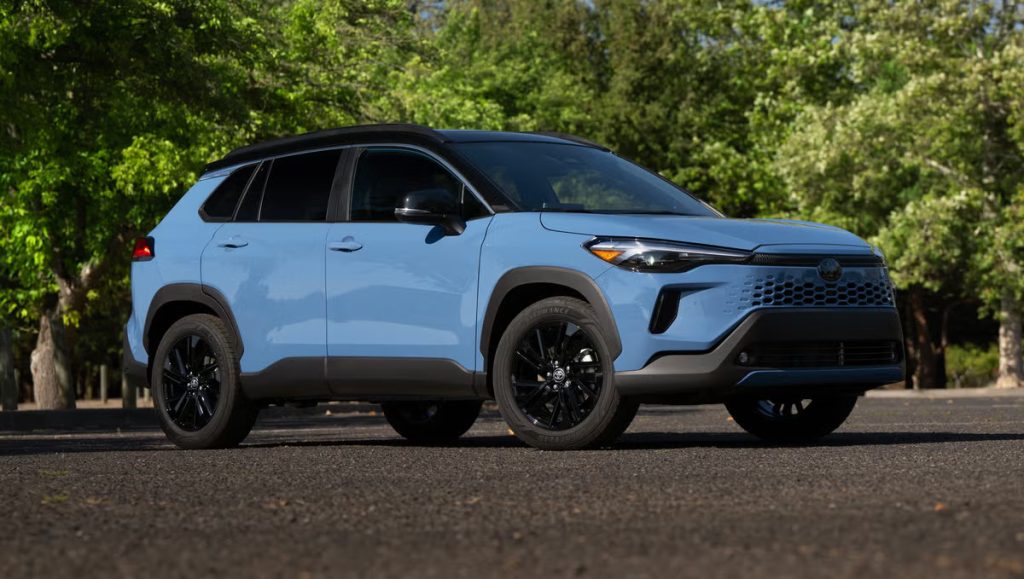
The Corolla Cross belongs on this list because it fits the way cities function today. It balances comfort, size, and efficiency in a way that aligns with modern urban needs. It feels like a vehicle designed for today’s city, not yesterday’s roads.
4. Mini Cooper
The Mini Cooper matches modern city life because it embraces compact design without sacrificing confidence. In crowded cities, size matters more than almost anything else. The Mini excels here by fitting into spaces other vehicles simply cannot use.
I am writing about the Mini Cooper because parking is one of the biggest daily challenges in cities. The Mini transforms that challenge into an advantage. Parallel parking becomes easier, and tight street spaces become usable. This alone can significantly reduce daily stress.
Driving in traffic also feels easier. The Mini is responsive at low speeds, making it feel agile rather than sluggish. In cities where quick reactions matter more than speed, this responsiveness is valuable.
Despite its size, the Mini feels solid. It does not feel overwhelmed by buses or trucks around it. This builds confidence in dense traffic.
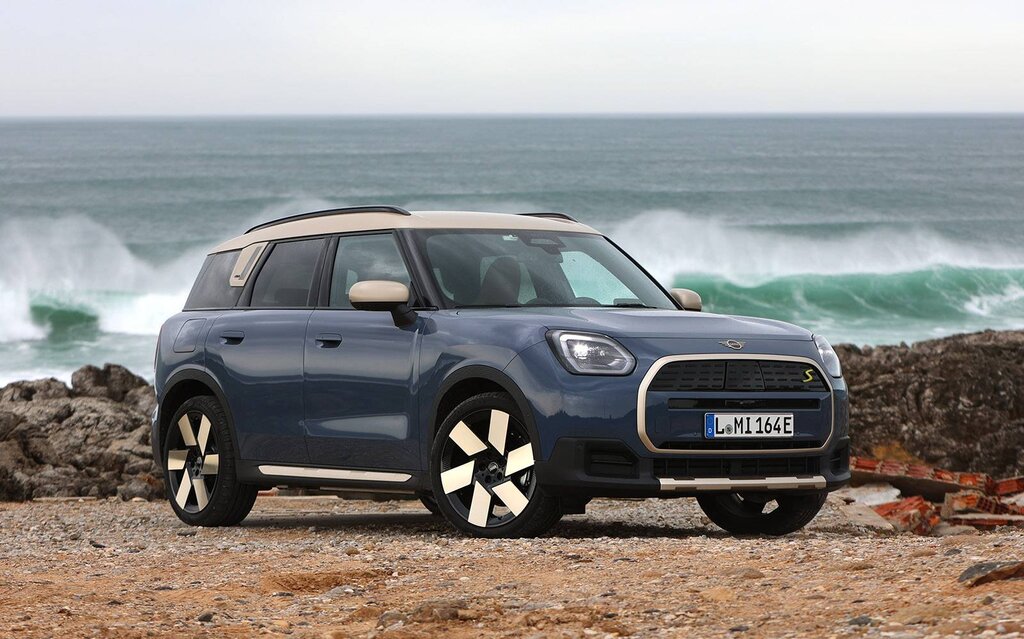
The Mini Cooper belongs here because it aligns perfectly with modern city constraints. It turns limited space into freedom and makes urban driving more manageable. For drivers who prioritize ease and agility, it feels purpose-built for city life.
5. Hyundai Kona
The Hyundai Kona matches modern city life by blending compact size with crossover practicality. It offers enough height for visibility and comfort, while remaining small enough to maneuver easily in dense streets.
I am writing about the Kona because it represents how modern vehicles are adapting to urban needs. City drivers want confidence and comfort without excess bulk. The Kona delivers that balance.
In traffic, it feels calm and predictable. Low speed movement is smooth, which reduces fatigue during long commutes. The ride handles rough pavement reasonably well, which is important in cities with inconsistent road quality.
The Kona also supports daily errands with practical cargo space. It is flexible without being oversized. Ownership costs remain manageable, which is essential in urban living where expenses accumulate quickly.
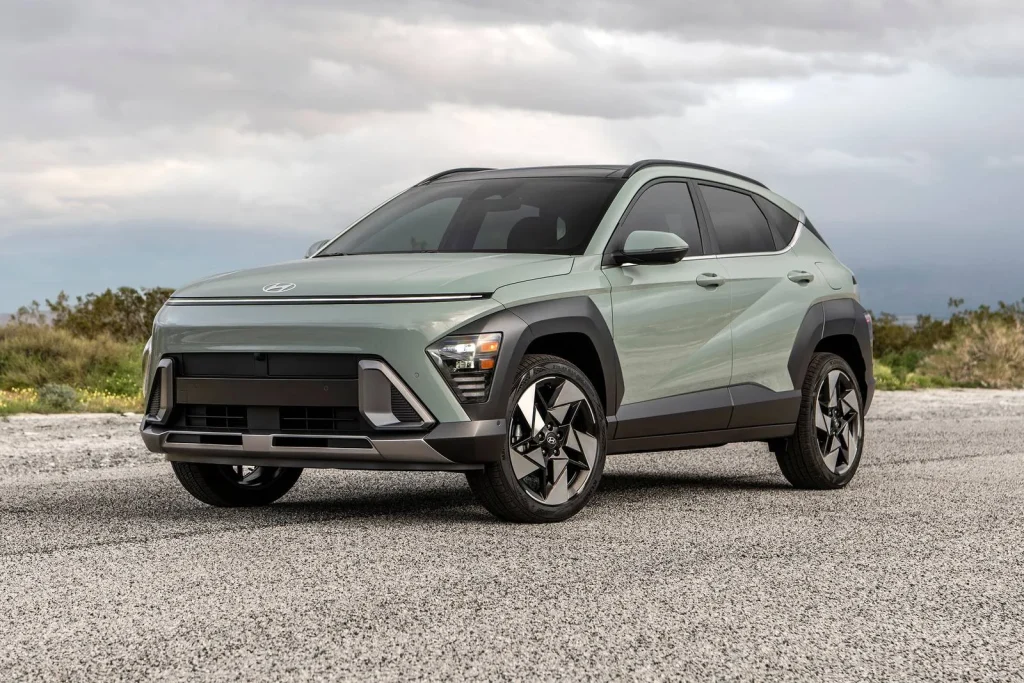
The Kona belongs on this list because it feels appropriate for modern city environments. It supports daily routines, adapts to crowded conditions, and remains easy to live with. That makes it a strong match for modern urban life.
5 Vehicles That Don’t Match Modern City Life
Modern cities expose weaknesses quickly. Tight parking, narrow streets, heavy congestion, uneven road surfaces, and rising ownership costs all place pressure on vehicles every single day.
A vehicle that does not match modern city life usually feels like it belongs to another environment. It may be designed for wide highways, open suburbs, or recreational use rather than dense urban reality.
When placed into city conditions, these vehicles often create friction. Instead of making daily routines easier, they demand extra effort, caution, and expense.
Vehicles that don’t match modern city life often share a few traits. They are physically large, making parking and maneuvering stressful. They may be designed around power or presence rather than efficiency, which leads to wasted fuel in stop and go traffic.
Some rely on comfort systems or luxury materials that are easily damaged in crowded parking environments. Others are purpose-built vehicles that excel at specific tasks but feel compromised when used daily in the city.
Another issue is mental burden. In modern cities, drivers already manage stress from traffic and time pressure. A vehicle that requires constant vigilance to avoid damage or excessive fuel use becomes emotionally draining.
Owners may find themselves planning routes, avoiding certain areas, or feeling anxious every time they park. That emotional cost is part of why these vehicles feel mismatched.
I am writing about these five vehicles because they represent common city ownership regrets. They may look impressive, feel powerful, or carry prestige, but over time they often feel inconvenient and inefficient in urban settings.
The problem is not quality. It is suitability. Cities have evolved faster than some vehicle designs. What worked comfortably ten or fifteen years ago may now feel out of place.
These vehicles are not bad machines. In the right environment, they can be excellent. But in modern city life, where space is limited and efficiency matters, they often feel like the wrong tools. This section highlights vehicles that struggle to justify themselves in dense urban living.
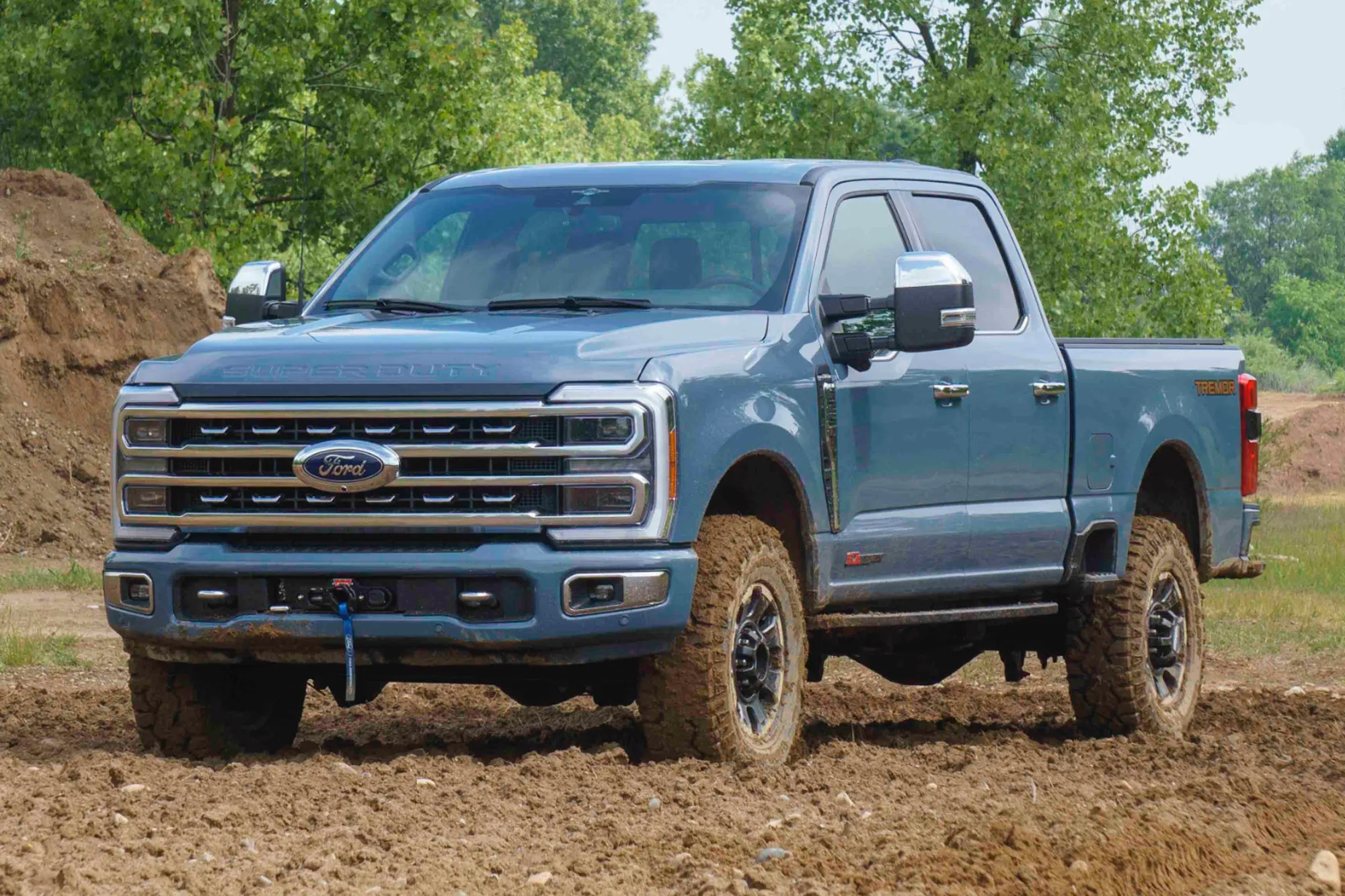
1. Ford F-250 Super Duty
The Ford F-250 Super Duty does not match modern city life because it is built for heavy work, not daily urban movement. In a city, its size becomes a constant challenge.
Parking spaces are rarely designed to accommodate a truck of this length and width. Even when a spot is available, maneuvering into it can feel stressful and time-consuming.
I am writing about the F-250 here because city life rarely rewards extreme capability. Towing strength and payload capacity are valuable only if they are used regularly.
In urban environments, these strengths sit unused while the drawbacks dominate. Tight streets make turning awkward, and narrow lanes reduce clearance margins.
Fuel consumption is another major issue. In stop and go traffic, large trucks burn fuel rapidly. City congestion amplifies this cost, making ownership expensive daily. Over time, fuel spending alone can make the vehicle feel unjustified for city use.
There is also increased risk of damage. Scratches, dents, and curb contact are more likely with such a large vehicle in confined spaces. Repairs can be costly, and the truck may attract theft interest, adding another layer of concern.
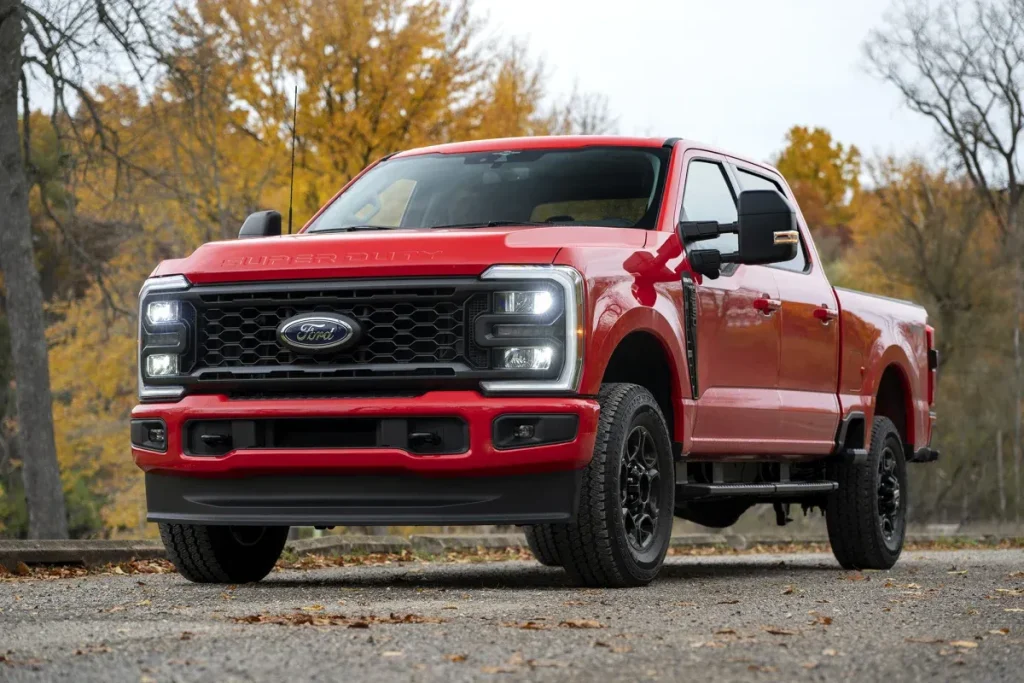
The F-250 belongs on this list because it is designed for a different lifestyle. In modern cities, it often feels oversized, inefficient, and stressful to manage. Unless the owner truly needs its capabilities every week, it does not align well with urban reality.
2. Chevrolet Suburban
The Chevrolet Suburban struggles in modern city life because its size overwhelms the environment. It offers exceptional interior space and comfort, but cities rarely allow owners to use those advantages easily.
Parking becomes the main daily frustration. Many city garages and street spaces are simply not designed for vehicles of this length.
I am writing about the Suburban here because it represents the problem of excess. In dense cities, excess size becomes a liability. Tight turns, narrow streets, and crowded parking areas make driving feel cumbersome rather than confident. The vehicle demands more attention and caution than most city drivers want to give.
Fuel efficiency is another drawback. Large SUVs consume significant fuel in traffic. In cities where traffic delays are common, this cost becomes very noticeable. Owners may feel like they are paying continuously for space they rarely use.
Psychologically, the Suburban can also feel heavy. Drivers may avoid certain neighborhoods or parking areas because maneuvering feels difficult. Over time, this sense of restriction makes the vehicle feel mismatched to daily urban life.
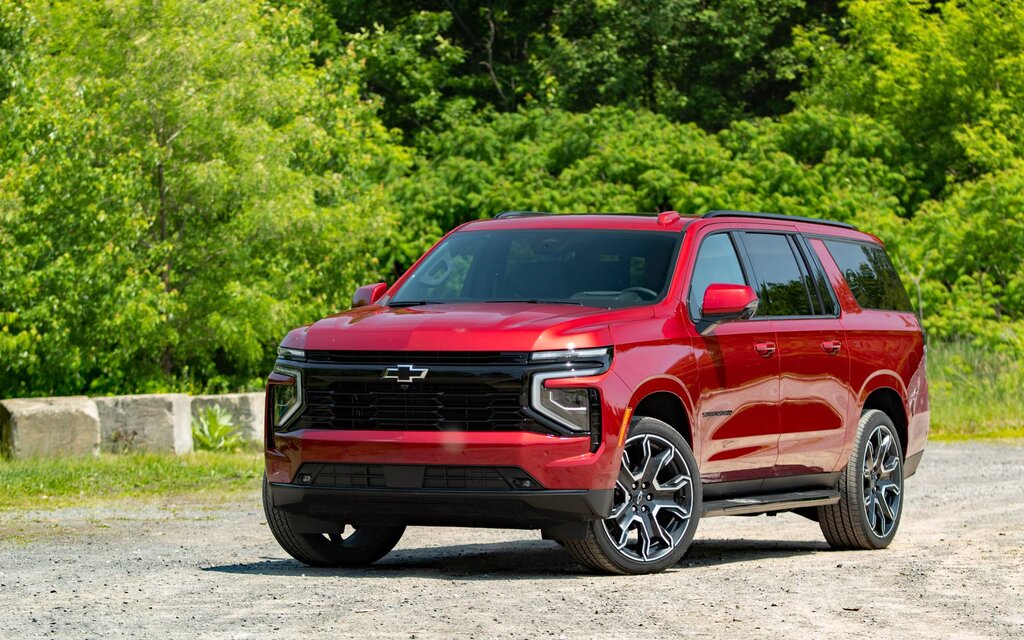
The Suburban belongs on this list because it excels in suburban and highway environments, but modern cities penalize its size and thirst. For most urban residents, it feels like more vehicle than the environment can comfortably support.
3. Dodge Challenger
The Dodge Challenger does not match modern city life because its design priorities conflict with urban needs. It is wide, long, and styled for presence rather than maneuverability. In cities, these traits quickly become disadvantages.
I am writing about the Challenger here because city driving rarely allows drivers to enjoy its strengths. Power and straight-line performance are mostly wasted in traffic. Instead, the driver deals with awkward parking, limited rear visibility, and clearance concerns on narrow streets.
Parking is especially challenging. Long doors require space to open, which is often unavailable in city lots. The wide body reduces flexibility in tight spaces. These daily inconveniences accumulate into frustration.
Fuel consumption also plays a role. In stop and go conditions, the Challenger’s engines consume fuel aggressively. Over time, this makes ownership feel inefficient and unnecessary for city life.
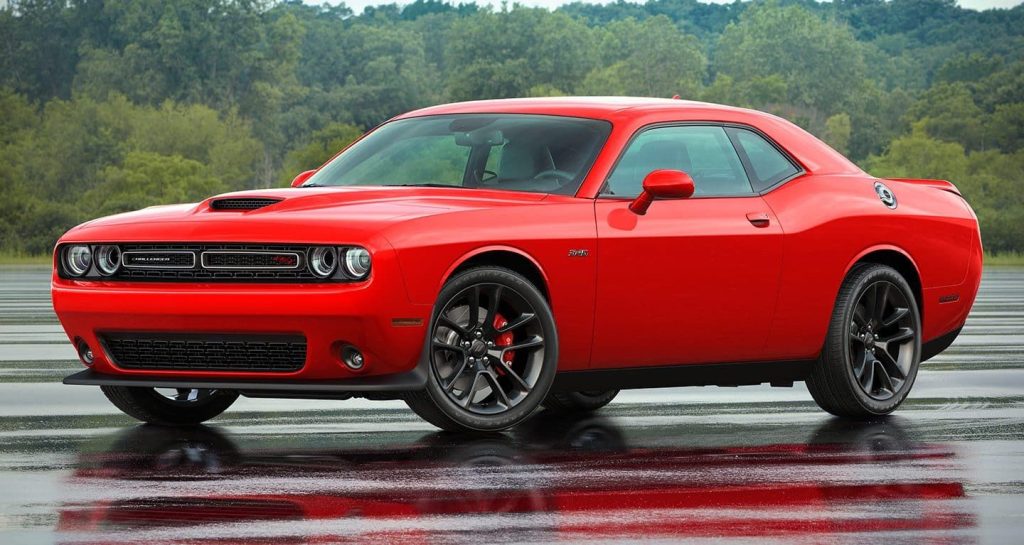
The Challenger belongs on this list because it is emotionally appealing but practically misaligned. It feels designed for open roads and weekend drives, not crowded urban routines. In modern cities, it often feels more like a statement than a sensible daily tool.
4. Mercedes-Benz S-Class
The Mercedes-Benz S-Class struggles in modern city life because its luxury creates anxiety in dense environments. The car is large, expensive, and filled with delicate systems. City conditions increase the likelihood of small damages, and in a vehicle like this, small damages feel costly.
I am writing about the S-Class here because cities are unforgiving to premium vehicles. Tight parking increases the risk of door dings. Traffic increases brake and suspension wear. Repairs and maintenance costs are already high, and city use accelerates them.
The size of the S-Class also works against it. Maneuvering through narrow streets and parking in older city infrastructure can feel stressful. Even with modern driver aids, the physical dimensions remain a challenge.
Psychologically, the S-Class can feel like too much responsibility. Instead of enjoying the comfort, owners may worry constantly about damage and costs. That worry reduces the pleasure of ownership.
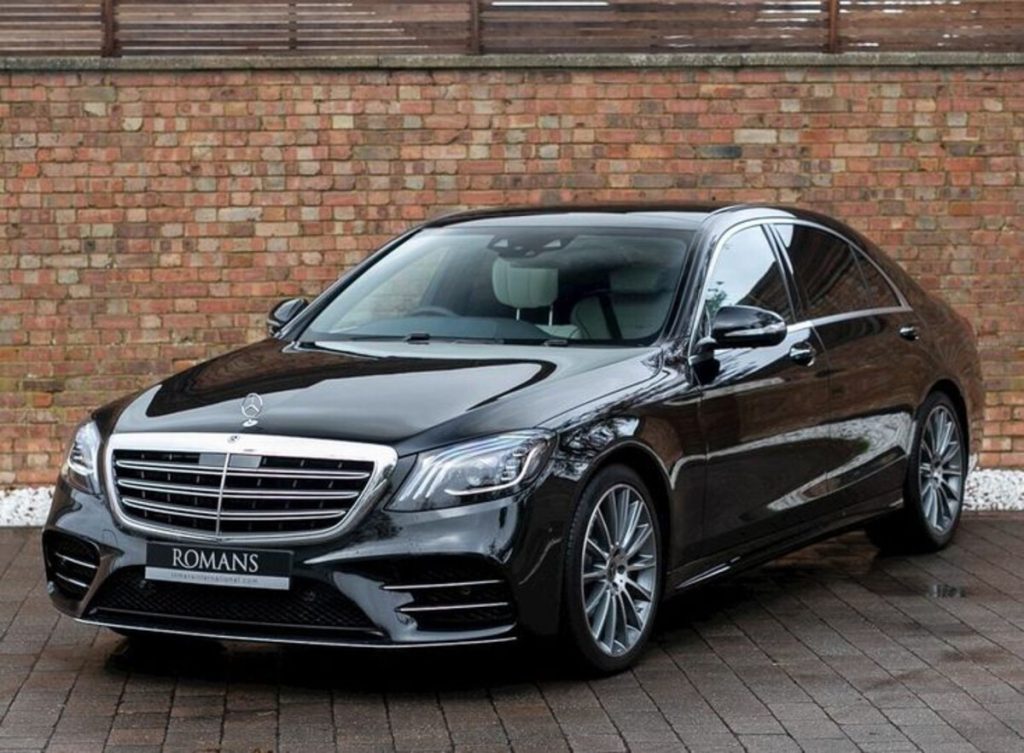
The S-Class belongs on this list because it shines in environments where space is abundant and roads are smooth. In modern cities, it often feels like a luxury that is difficult to relax around.
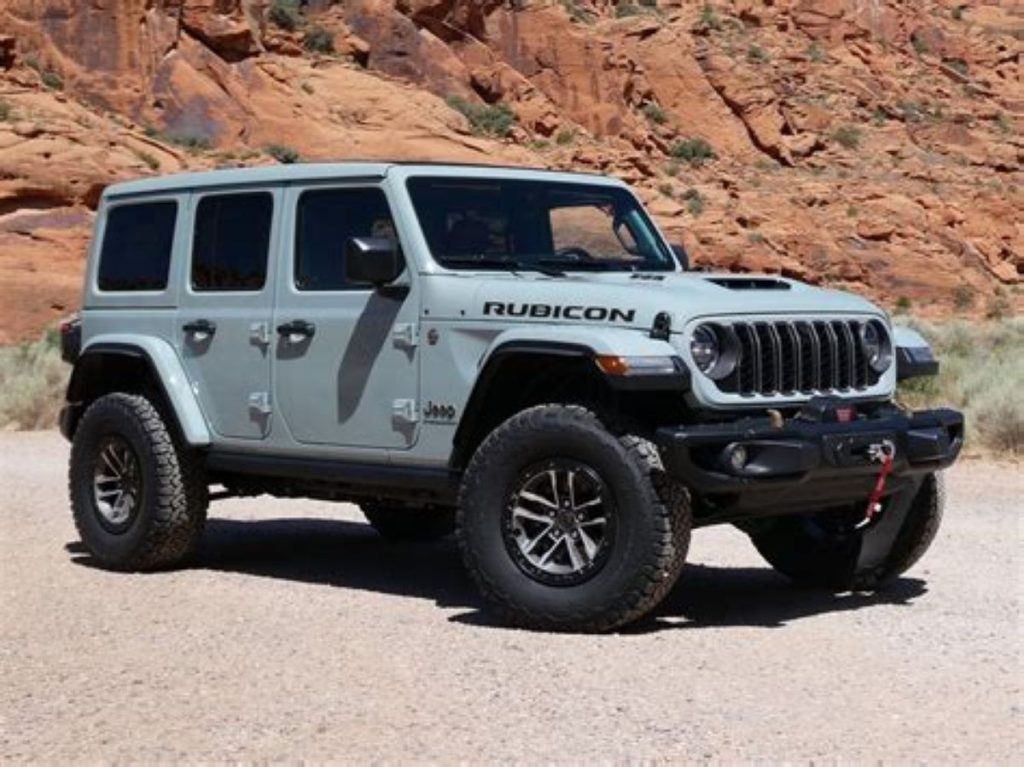
5. Lifted or Modified Jeep Wrangler
A lifted or heavily modified Jeep Wrangler does not match modern city life because its modifications prioritize off-road ability over urban comfort. While the Wrangler itself is versatile, modifications often make it louder, rougher, and less efficient.
I am writing about modified Wranglers here because city roads reward smoothness and efficiency. Lift kits and oversized tires can make potholes feel harsher and increase road noise. This reduces comfort during daily commutes.
Fuel efficiency often suffers as well. Larger tires and added weight increase fuel consumption, which becomes expensive in traffic-heavy cities.
Parking and maneuvering can also become more difficult. Increased height and altered steering feel reduce precision in tight spaces. Security can be another concern, as modified Wranglers often attract unwanted attention.
The modified Wrangler belongs on this list because it is built for adventure rather than routine. In modern city life, it often feels noisy, inefficient, and inconvenient, making it a poor match for dense urban environments.
This article explores how well different vehicles fit into modern city life and why some models feel naturally suited to urban environments while others feel increasingly out of place.
Modern cities are defined by dense traffic, narrow streets, limited parking, uneven road surfaces, and rising ownership costs. In this context, the value of a vehicle is measured less by power or prestige and more by ease of use, efficiency, and low daily stress.
Vehicles that match modern city life tend to integrate smoothly into everyday routines, while mismatched vehicles create friction that grows over time.
The vehicles that match modern city life share a common theme of balance. The Toyota Corolla stands out as a dependable urban companion because it is easy to manoeuvre, fuel efficient, and durable enough to handle constant city use without creating financial anxiety.
The Honda Civic Hatchback adds flexibility to this formula by combining compact size with useful cargo space, making it practical for commuting and daily errands without feeling bulky.
The Toyota Corolla Cross shows how modern crossovers can work in cities when they avoid excessive size, offering better visibility and comfort while remaining easy to park.
The Mini Cooper demonstrates how compact dimensions can turn city constraints into advantages, especially when parking and navigating tight streets. The Hyundai Kona completes the group by blending crossover comfort with urban-friendly proportions, giving drivers confidence and practicality without unnecessary excess.
These vehicles feel worth owning in cities because they reduce effort. They are calm in traffic, manageable in tight spaces, and sensible in long term ownership costs.
They also create emotional comfort by not making owners constantly worry about fuel waste, parking damage, or daily wear. In short, they work with the city instead of against it.
On the other side, the article highlights vehicles that do not match modern city life well. The Ford F-250 Super Duty and Chevrolet Suburban represent the problem of extreme size in dense environments.
Their capabilities are rarely used in cities, while their drawbacks dominate daily life through parking difficulty, fuel consumption, and maneuvering stress.
The Dodge Challenger shows how performance-oriented design can feel wasted and inconvenient in stop-and-go traffic, where power offers little benefit but size and fuel use become liabilities.
The Mercedes-Benz S-Class illustrates how luxury can become a burden in cities, where tight parking and constant risk of minor damage turn ownership into a source of anxiety rather than comfort.
A lifted or heavily modified Jeep Wrangler highlights how vehicles built for adventure can feel noisy, inefficient, and uncomfortable in daily urban routines.
Overall, the article emphasizes that suitability matters more than image. Modern city life rewards vehicles that are compact, efficient, practical, and resilient. Vehicles that ignore these realities often feel impressive at first but gradually become inconvenient and costly.
The right city vehicle simplifies daily life, while the wrong one adds friction. Choosing wisely means matching the vehicle to the environment, not forcing the environment to accommodate the vehicle.
Also Read: 5 EVs That Handle Urban Winters Well vs 5 That Lose Range Quickly
