
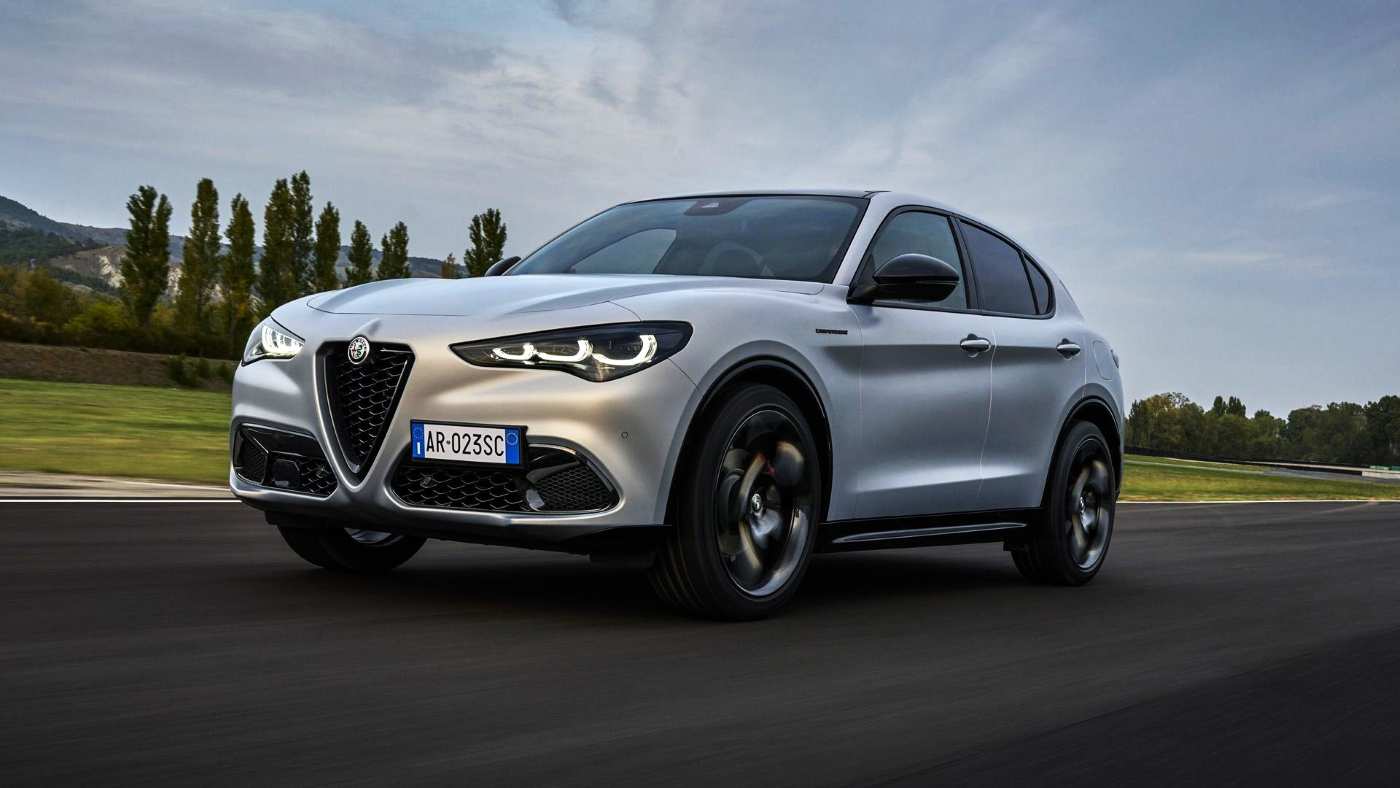
Alfa Romeo has hit the reset button on its next-generation Giulia and Stelvio, pushing both models far deeper into the future as the brand rethinks its entire product strategy. Once expected much sooner, the redesigned sedan and crossover are now not anticipated to arrive until 2028, underscoring just how extensive the changes have become.
According to reports, Alfa Romeo has delayed the next-gen Giulia and Stelvio after deciding the original plans no longer aligned with market realities. Both vehicles will now be built on the STLA Large platform, and there’s a strong possibility they could be offered with a twin-turbocharged inline-six engine.
The company has recently seen a rare bright spot in Europe with the launch of the Alfa Romeo Junior. Demand has been strong, with more than 50,000 orders logged by mid-September, giving the brand some much-needed momentum. Outside Europe, however, Alfa Romeo’s situation looks far less encouraging, largely due to an aging and limited lineup.
Nowhere is that more evident than in the United States. Alfa Romeo currently sells just three models, the Giulia, Stelvio, and Tonale, and together they managed only 5,652 sales over the course of the year.
That figure represents a 36 percent decline and paints a stark picture of the brand’s struggles. To put it bluntly, BMW sold more X4 crossovers on their own than Alfa Romeo sold vehicles across its entire U.S. lineup.
Those challenges aren’t going away anytime soon. Alfa Romeo CEO Santo Ficili has confirmed that the company must fundamentally rethink the upcoming Giulia and Stelvio, stating that it needs to “change everything” about them.
“We need to go from only-BEV to all the other powertrains,” Ficili told. “You can imagine what it means we need to change: to reinvent platforms, electronic architectures, connectivity of the car, not only for Alfa Romeo but all the [Stellantis group] brands.”
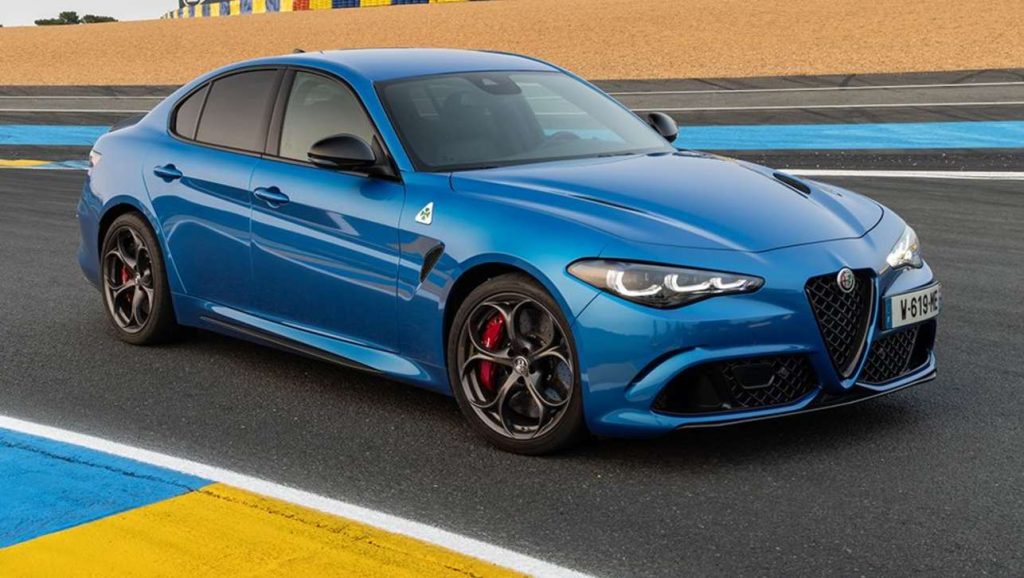
That shift represents a major late-stage course correction. The Stelvio, in particular, was originally slated to debut last year. However, electric vehicle adoption has not accelerated at the pace many automakers predicted, and the U.S. decision to eliminate the clean vehicle tax credit last year only added to the pressure.
At the same time, the European Union softened its previously rigid stance on emissions. The original 2035 zero-emissions mandate has been revised, moving away from an outright ban and toward a 90 percent reduction target. This adjustment effectively leaves the door open for combustion-engine vehicles to remain on sale beyond 2035.
“We are changing our path because we were imagining Alfa Romeo’s future was electric-only, to respect the rules coming from Brussels,” said the CEO.
Rather than pushing forward with vehicles that risked falling flat, Alfa Romeo opted for a more dramatic overhaul. Ficili explained that the future Giulia and Stelvio will be based on the STLA Large architecture. That opens the door to a broader range of powertrains and raises the possibility of using Stellantis’ twin-turbocharged 3.0-liter Hurricane inline-six, currently found in the Dodge Charger.
While Ficili stopped short of confirming specific engine options, he noted that more clarity will come during Stellantis’ upcoming Capital Markets Day. At that event, CEO Antonio Filosa is expected to outline a revised roadmap for Alfa Romeo alongside updates for other Stellantis brands.
European versions of the redesigned Giulia and Stelvio will likely be offered with both fully electric and plug-in hybrid configurations. The publication also notes that range-extended electric vehicles remain under consideration as part of the new strategy.
What is clear is the timeline. With the next-generation models now pushed back to 2028, Alfa Romeo will continue selling the current Giulia and Stelvio through the end of 2027.
That’s a long runway for vehicles already showing their age, but it reflects just how much work remains as Alfa Romeo attempts to realign its future with shifting regulations, uneven EV demand, and a rapidly changing global market.
Also Read: 7 Best Sedans That Handle City Traffic Comfortably
