
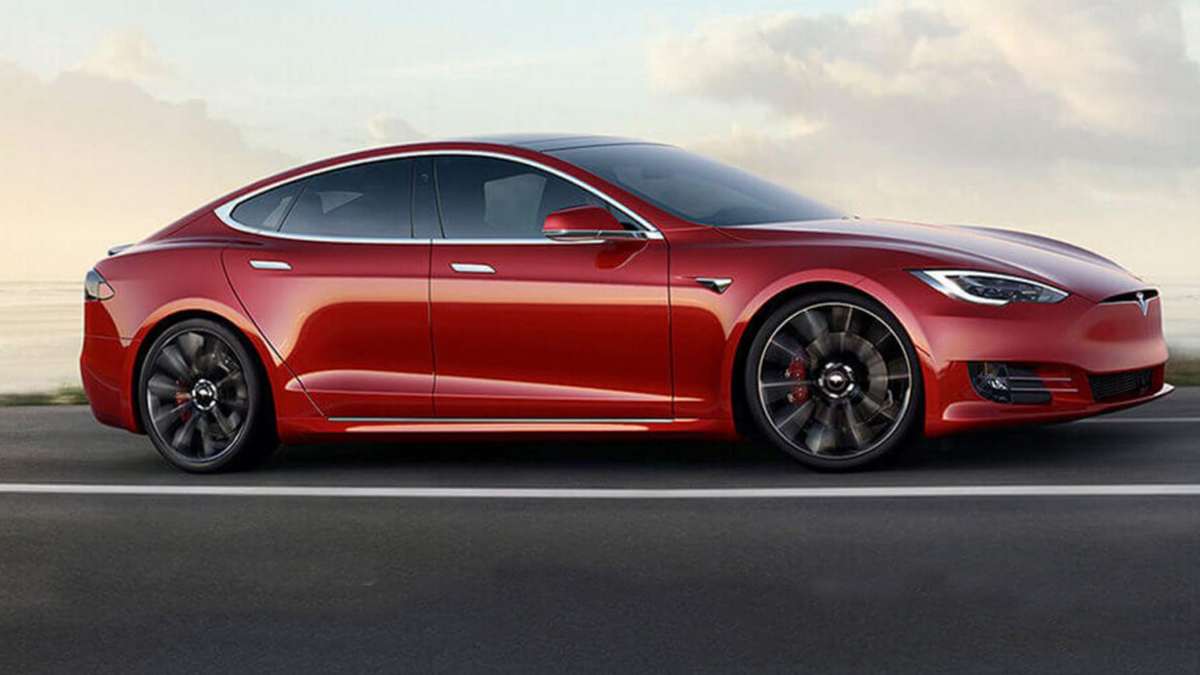
A Tesla Model S has reportedly completed the first coast-to-coast Full Self-Driving (FSD) Cannonball Run with no human intervention, a feat that highlights both the potential and current limitations of Tesla’s driver-assistance technology. The journey, covering 3,081 miles from Los Angeles to New York, took 58 hours and 22 minutes, including more than 10 hours spent charging.
A Tesla Model S completed the first zero-intervention FSD Cannonball Run across the United States. The drive encountered snowy weather, included multiple detours, and required over 10 hours of charging. Tesla’s FSD remains classified as Level 2 autonomy, requiring human supervision; true Level 4 autonomy is still in development.
The 2024 Tesla Model S reportedly achieved the first fully hands-off coast-to-coast FSD run, starting in Los Angeles and ending in New York. The small team behind the drive covered the distance in 58 hours and 22 minutes, marking a significant milestone in public demonstrations of Tesla’s driver-assist technology.
For context, the original Cannonball Run began in the early 1970s as a protest against newly imposed speed limits and stricter traffic enforcement in the U.S.
In Tesla lore, the challenge became a point of interest after CEO Elon Musk claimed the company would attempt a coast-to-coast demonstration in 2017, a promise that never materialized. This latest effort provides a real-world glimpse at what such a journey entails when relying solely on FSD.
Alex Roy, one of the team members and a former contributor to The Drive, described the video documenting the run as “crazy.” The journey was completed in snowy conditions, including during an active snowstorm, circumstances that can significantly affect EV battery performance.
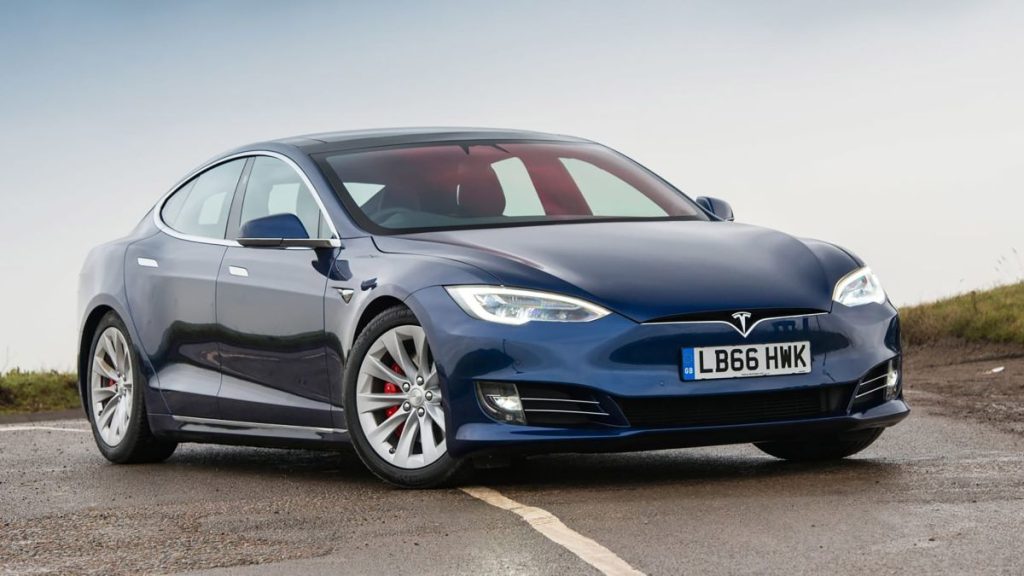
Despite these challenges, the team maintained an average speed of roughly 64 mph, slower than previous attempts, and spent a total of 10 hours and 11 minutes stopped for charging, something gasoline-powered vehicles do not contend with.
The report also notes that the Model S navigated multiple detours, including a 90-minute diversion after one team member was left behind. How this occurred is notable in itself, but the key takeaway was the team’s commitment to letting FSD handle the situation rather than manually taking control.
FSD continues to face a number of well-documented issues, some currently under federal investigation. Improvements and software updates are expected to produce faster and smoother results in future attempts.
It is important to reiterate that FSD is still classified as SAE Level 2 autonomy, meaning constant human supervision is required, a consideration for any Tesla owner contemplating a similar challenge.
Tesla is also actively developing a fully autonomous driving system, though not for current road-going vehicles. That technology is intended for the company’s dedicated robotaxi program, the so-called Cybercab, which is expected to enter production in April 2026. Whether Tesla meets this target or adds it to its growing list of delayed promises remains to be seen.
