Urban driving has a unique set of challenges that require a specific type of vehicle to navigate efficiently. Cities with heavy traffic, narrow streets, and limited parking spaces demand cars that are compact, agile, and easy to handle.
Hatchbacks have long been a preferred choice for urban dwellers because of their maneuverability, fuel efficiency, and versatility. These cars can slip through congested streets, park in tight spots, and offer surprising storage despite their small footprints.
While some hatchbacks excel in dense areas, others struggle due to underpowered engines or less responsive handling. Choosing the right hatchback can drastically improve the daily driving experience, reduce stress during commutes, and even save on fuel costs over time.
Beyond the technical specifications, factors like steering responsiveness, visibility, and turning radius play crucial roles in making a hatchback suitable for city life. Drivers need vehicles that can accelerate smoothly from stop-and-go traffic, maintain control in sudden situations, and offer comfort without sacrificing practicality.
Additionally, modern hatchbacks often come equipped with smart technology features that enhance safety and convenience, making them even more appealing in tight urban spaces. This article will examine two contrasting categories of hatchbacks: those that thrive in dense areas and those that feel underpowered when faced with challenging driving conditions.
By analyzing specific models in each category, readers will gain a clearer understanding of which hatchbacks meet the demands of city life and which may leave drivers frustrated.
Recognizing these differences can guide buyers in making informed choices, ensuring that their vehicle suits their lifestyle, environment, and expectations. Ultimately, selecting a hatchback is not just about brand or price, but about how well the car adapts to the real conditions of everyday driving.
5 Hatchbacks That Shine in Dense Areas
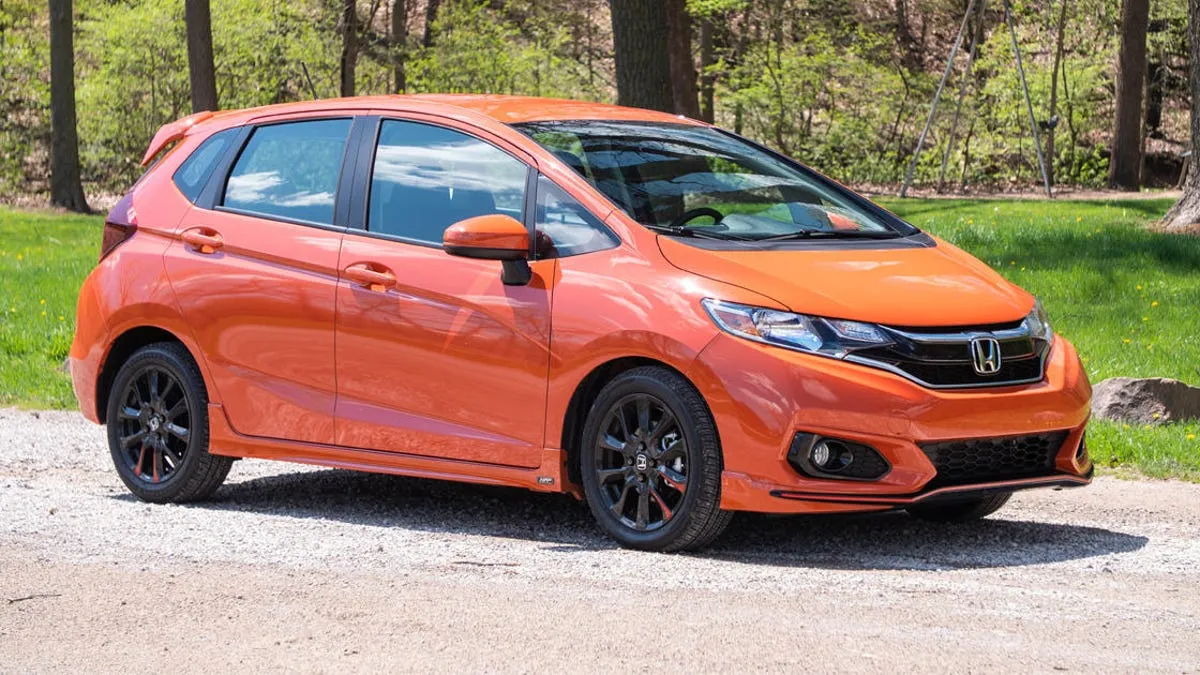
1. Honda Fit
The Honda Fit is celebrated for its exceptional maneuverability in tight city streets. Its compact dimensions make squeezing into narrow parking spaces effortless, while the car’s light steering response allows drivers to change lanes with precision and confidence.
Despite its small size, the Fit offers stable handling, even when making sudden stops or turns. Urban traffic becomes less stressful, as the car feels light, responsive, and reliable in every situation.
Inside, the Fit surprises with its cleverly designed interior space. Passengers enjoy a roomy cabin, and the Magic Seat system provides multiple configurations to store bulky or awkwardly shaped items. Folding the rear seats creates a flat cargo area, while the upright seat mode increases vertical storage for taller items. This versatility allows drivers to transport groceries, luggage, or even small furniture without compromising comfort.
Visibility is another advantage that makes the Honda Fit ideal for city driving. Large windows, slim pillars, and an elevated seating position give drivers a clear view of surrounding traffic. Parking and merging are less intimidating, while the rearview camera further assists in tight spaces. Pedestrians and cyclists are easier to spot, reducing the likelihood of accidents in crowded urban environments.
The engine and transmission are tuned for smooth urban performance. While it is not a high-powered vehicle, the Fit delivers sufficient acceleration for merging onto highways or navigating through busy intersections. Its handling remains composed under stop-and-go conditions, giving drivers confidence in unpredictable traffic. The car’s lightweight frame enhances agility without sacrificing stability.
Modern technology makes the Honda Fit a practical city companion. Features such as touchscreen infotainment, smartphone connectivity, and safety aids like lane departure warnings help drivers manage traffic more effectively. Parking sensors and rear cameras simplify tricky spots, while fuel efficiency ensures city commuting remains affordable. This combination of practicality, performance, and technology keeps the Fit among the top hatchbacks for dense areas.
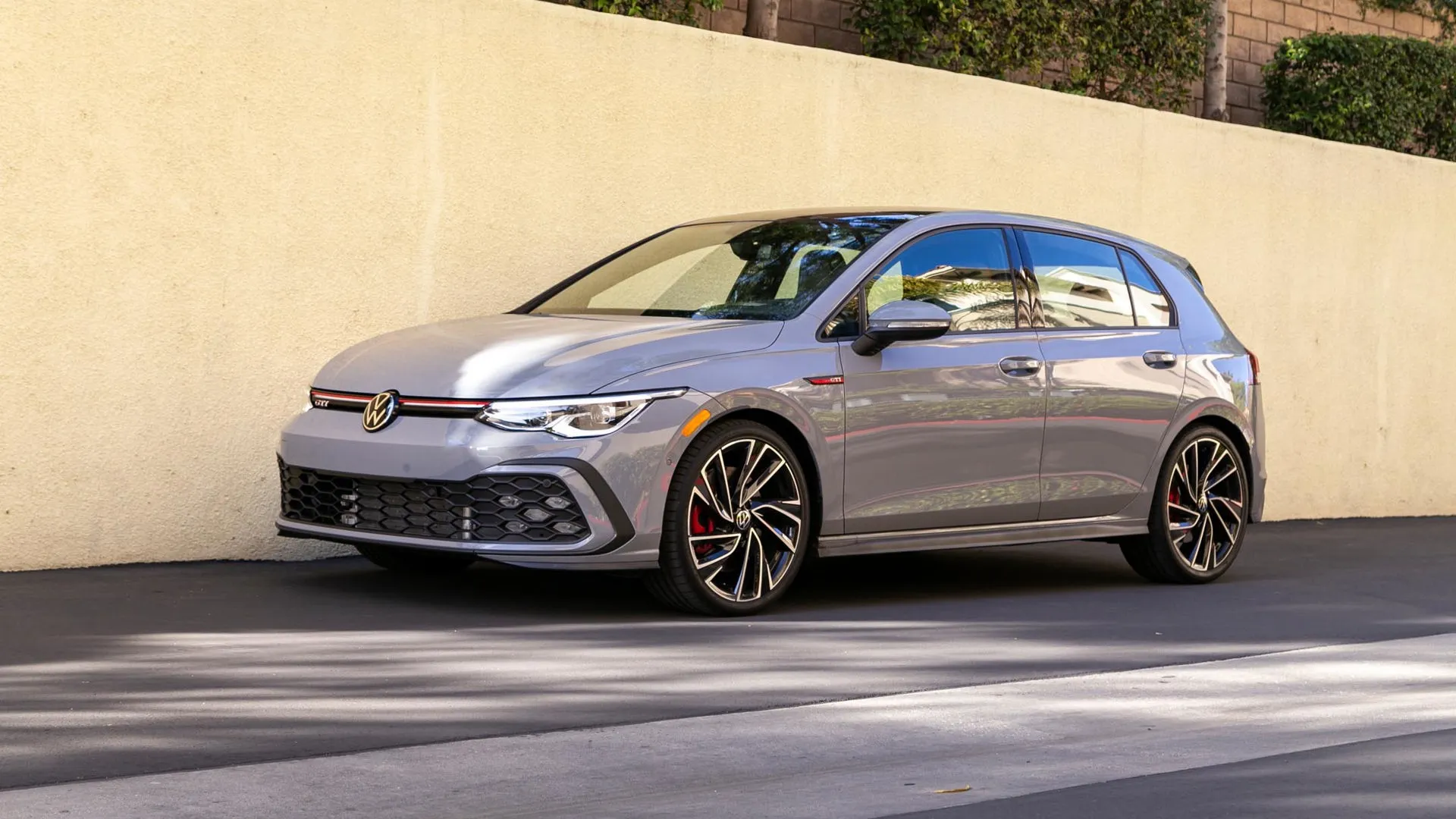
2. Volkswagen Golf
The Volkswagen Golf offers a refined balance of performance and practicality for urban driving. Its compact hatchback form allows it to navigate narrow lanes with ease, while the precise steering makes cornering smooth and predictable. The car’s braking system is responsive and reliable, which is crucial for stop-and-go traffic and sudden urban hazards. Even in busy city centers, the Golf maintains a composed and confident presence.
Inside, the Golf’s cabin emphasizes comfort, convenience, and driver focus. Seats provide ample support for both short trips and extended commutes, while controls are logically positioned to reduce distraction. Its interior is quiet and well-insulated from city noise, allowing a more pleasant driving experience. The hatchback design adds practicality, making loading groceries or work gear simple and efficient.
The Golf’s engine provides enough power to handle city conditions with poise. Turbocharged options offer brisk acceleration without overwhelming the driver, enabling quick lane changes and confident merges. Handling is stable even on uneven roads or in adverse weather conditions, giving drivers reassurance when navigating busy intersections or tight streets.
Fuel efficiency complements the Golf’s performance, making it economical for urban commutes. Drivers can enjoy responsive handling and adequate power while still benefiting from reduced fuel consumption. Frequent trips through congested streets become less costly, and the car’s balance between performance and efficiency ensures it can handle various city challenges.
Safety technology further strengthens the Golf’s suitability for dense areas. Features such as adaptive braking, parking assistance, and collision mitigation contribute to driver confidence. Lane-keeping assistance and stability control reduce the risk of minor accidents, while practical cargo space and interior comfort make the Golf a complete urban companion for daily commuting and errands.
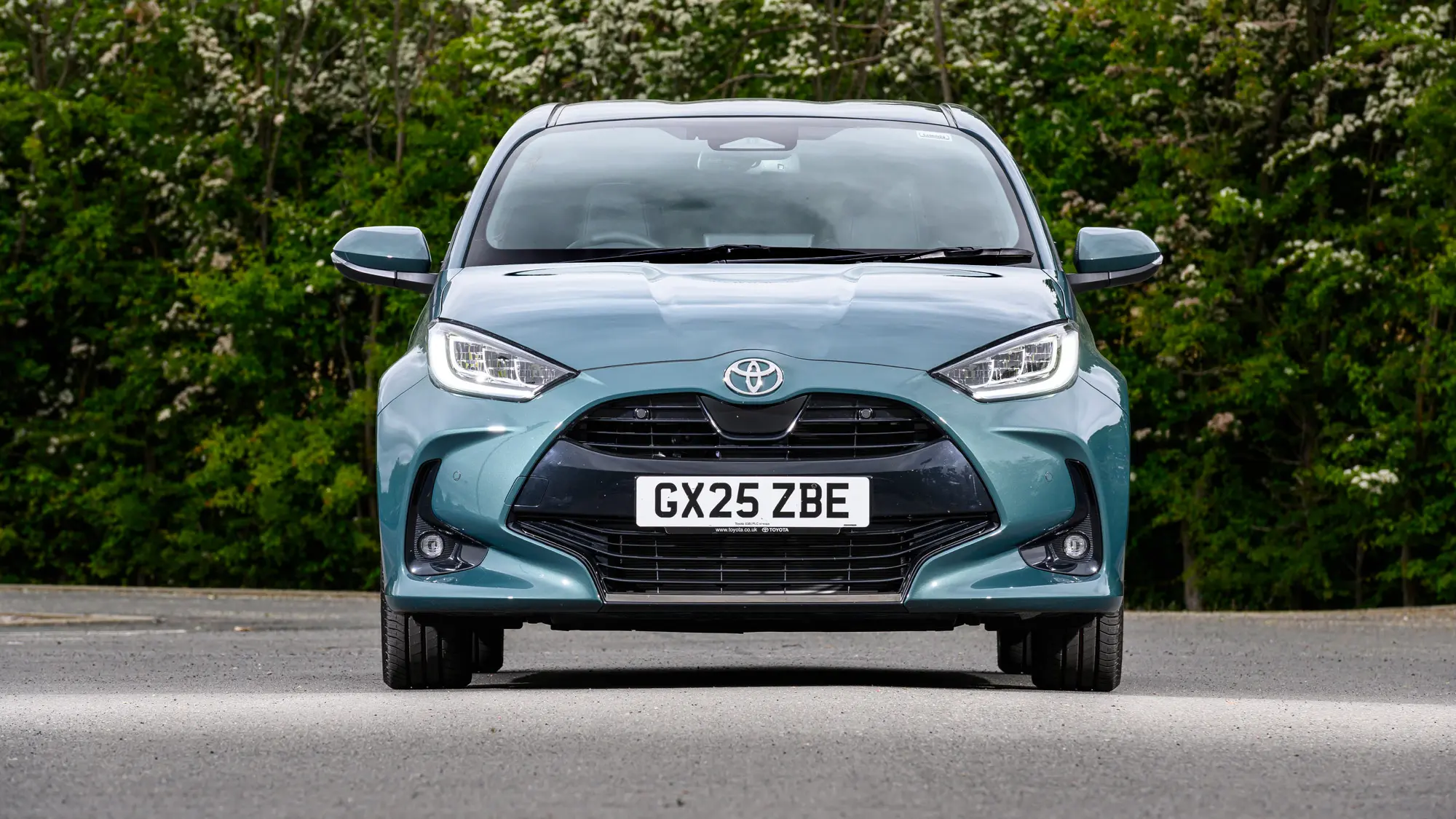
3. Toyota Yaris
The Toyota Yaris is highly regarded for its agility and efficiency in city driving. Its compact size allows for easy maneuvering in narrow streets and tight parking spaces, while its responsive steering enables precise lane changes. Braking is consistent and reliable, essential for stop-start urban conditions. Despite its small footprint, the Yaris feels stable and controlled, offering reassurance in dense traffic.
Inside, the Yaris provides a surprisingly comfortable and functional environment. Passengers have adequate headroom and legroom, and the cabin layout ensures intuitive access to controls. The rear seats fold flat or split to create flexible storage solutions for shopping, luggage, or larger items. The car’s design maximizes space without compromising passenger comfort, making it ideal for urban living.
The engine delivers sufficient power for everyday city speeds. While not a sports-oriented car, the Yaris accelerates smoothly, allowing drivers to merge into traffic confidently. Its transmission ensures fluid gear changes even in heavy traffic, reducing stress during frequent stops. The focus on practicality ensures that the car is responsive without requiring excessive effort from the driver.
Fuel economy is a major strength of the Yaris. Its efficient engine consumes minimal fuel even in congested streets, making city commuting affordable and environmentally friendly. Regular trips to work, school, or shopping require fewer stops at the gas station, which is a significant advantage for urban drivers.
Safety and technology features further enhance the Yaris’s suitability for city driving. Rearview cameras, parking sensors, and alert systems assist drivers in navigating crowded areas. Touchscreen interfaces provide easy access to navigation, communication, and entertainment features. Together, these attributes make the Yaris a dependable and practical choice for urban environments.
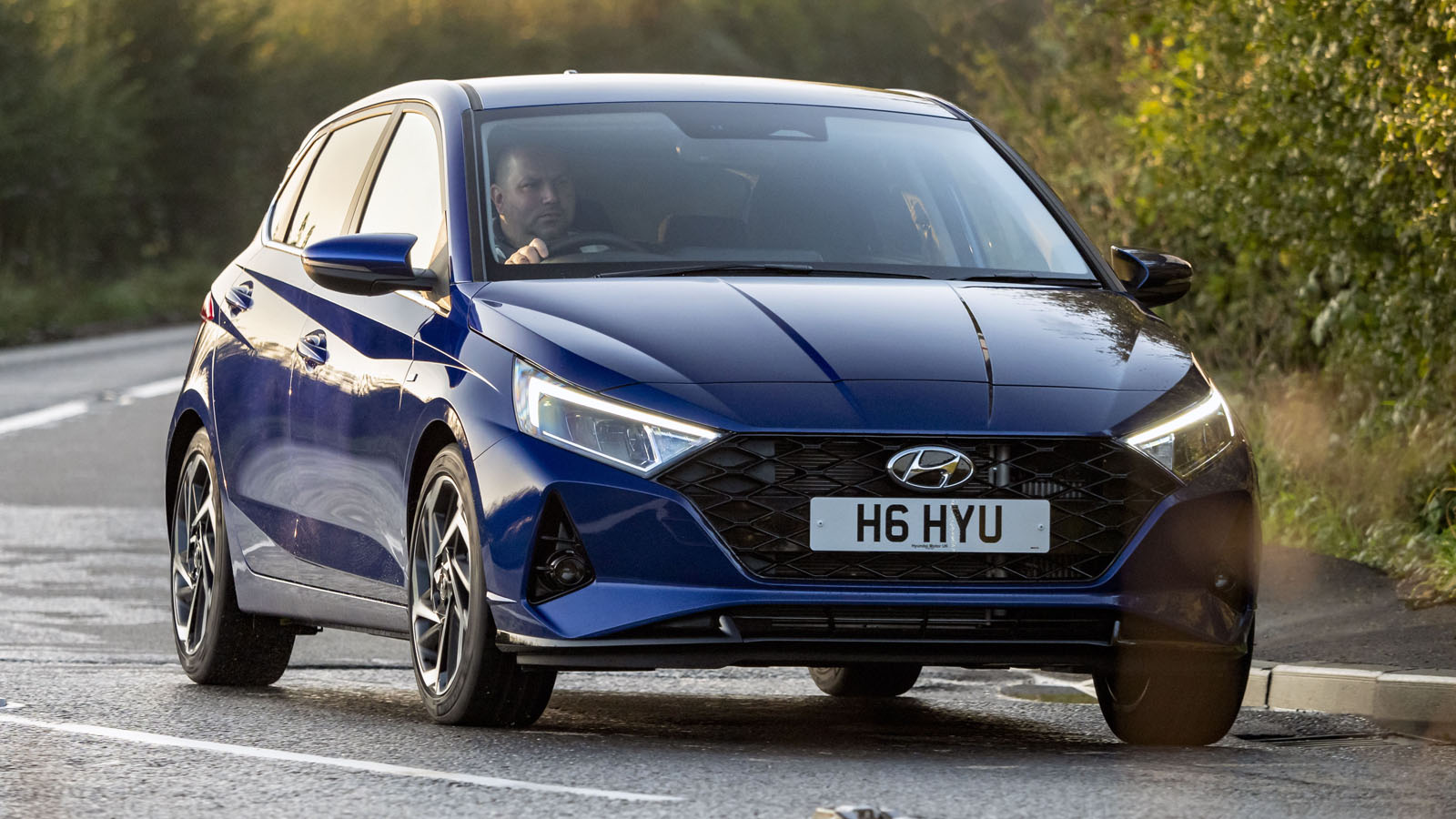
4. Hyundai i20
The Hyundai i20 is engineered to handle dense urban conditions efficiently. Its compact size and responsive steering make tight corners, narrow streets, and small parking spaces easy to navigate. Smooth acceleration and predictable braking provide confidence in stop-and-go traffic. The i20 combines practicality with controlled handling to make city driving more comfortable.
Inside, the i20 offers a thoughtfully designed cabin that emphasizes passenger comfort and usability. Seats are supportive, and the dashboard layout minimizes distraction. The rear seats fold down to create extra cargo space for groceries or other large items. The car provides flexibility and convenience without feeling cramped.
Engine performance is balanced for city use. The i20 provides sufficient power to handle traffic merges and quick lane changes, while fuel efficiency ensures urban commuting remains cost-effective. Handling remains stable even on uneven roads or during sudden maneuvers, giving drivers a sense of control.
Safety technology contributes to the i20’s urban-friendly design. Lane departure warnings, stability control, and parking sensors make navigating busy streets less stressful. Drivers can focus on traffic without worrying about minor accidents or unexpected obstacles.
Modern features enhance convenience and ease of use. Touchscreen infotainment, smartphone integration, and rearview cameras assist in navigation and parking. These technological aids, combined with responsive handling and flexible storage, make the Hyundai i20 a reliable and practical hatchback for city dwellers.
5. Ford Fiesta
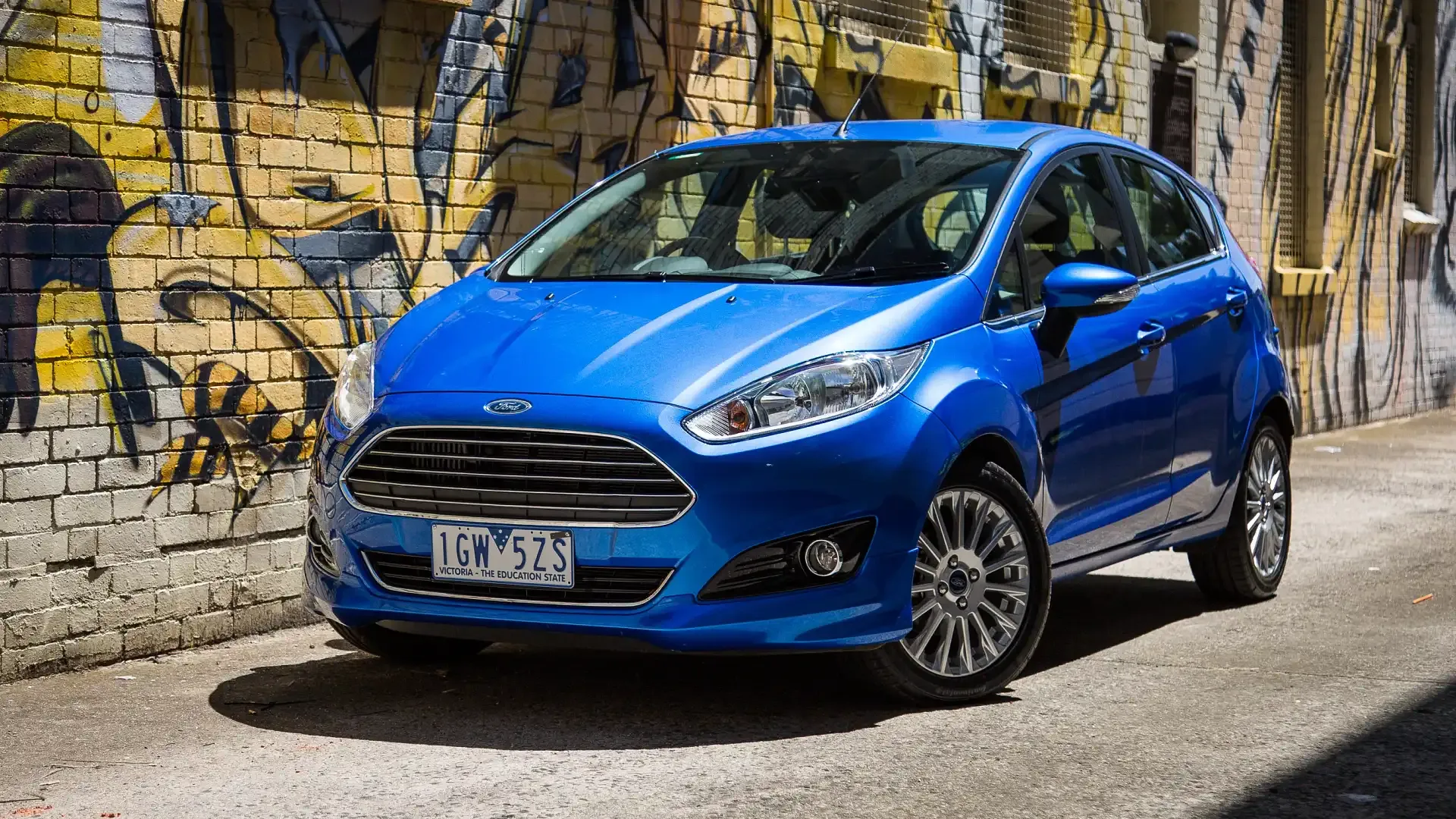
The Ford Fiesta is widely appreciated for its agility and driving dynamics in urban areas. Its compact body allows for effortless movement through narrow streets and tight traffic. Steering is precise, and the car responds well to sudden maneuvers, while braking performance provides confidence in stop-and-go conditions. Even in dense traffic, the Fiesta feels nimble and controlled.
The interior is comfortable and functional, designed with the driver in mind. Seats offer support during long or challenging commutes, and controls are placed for easy access. The hatchback layout allows for flexible cargo storage, accommodating daily errands efficiently. Foldable rear seats increase usability for larger items.
The Fiesta’s engine offers balanced performance suitable for city conditions. Acceleration is sufficient to merge with traffic smoothly, while handling remains predictable during quick turns or lane changes. Drivers experience confidence and control even in challenging urban scenarios.
Fuel economy complements performance, making the Fiesta practical for frequent urban driving. It uses fuel efficiently, reducing the cost of daily commutes. This makes it ideal for city dwellers who prioritize both performance and savings.
Safety and technology features support the Fiesta’s urban capabilities. Parking sensors, traction control, and connectivity features reduce stress while navigating crowded streets. Combining agility, comfort, and smart technology, the Fiesta proves to be one of the most city-friendly hatchbacks available.
5 Hatchbacks That Feel Underpowered
1. Nissan Versa Note
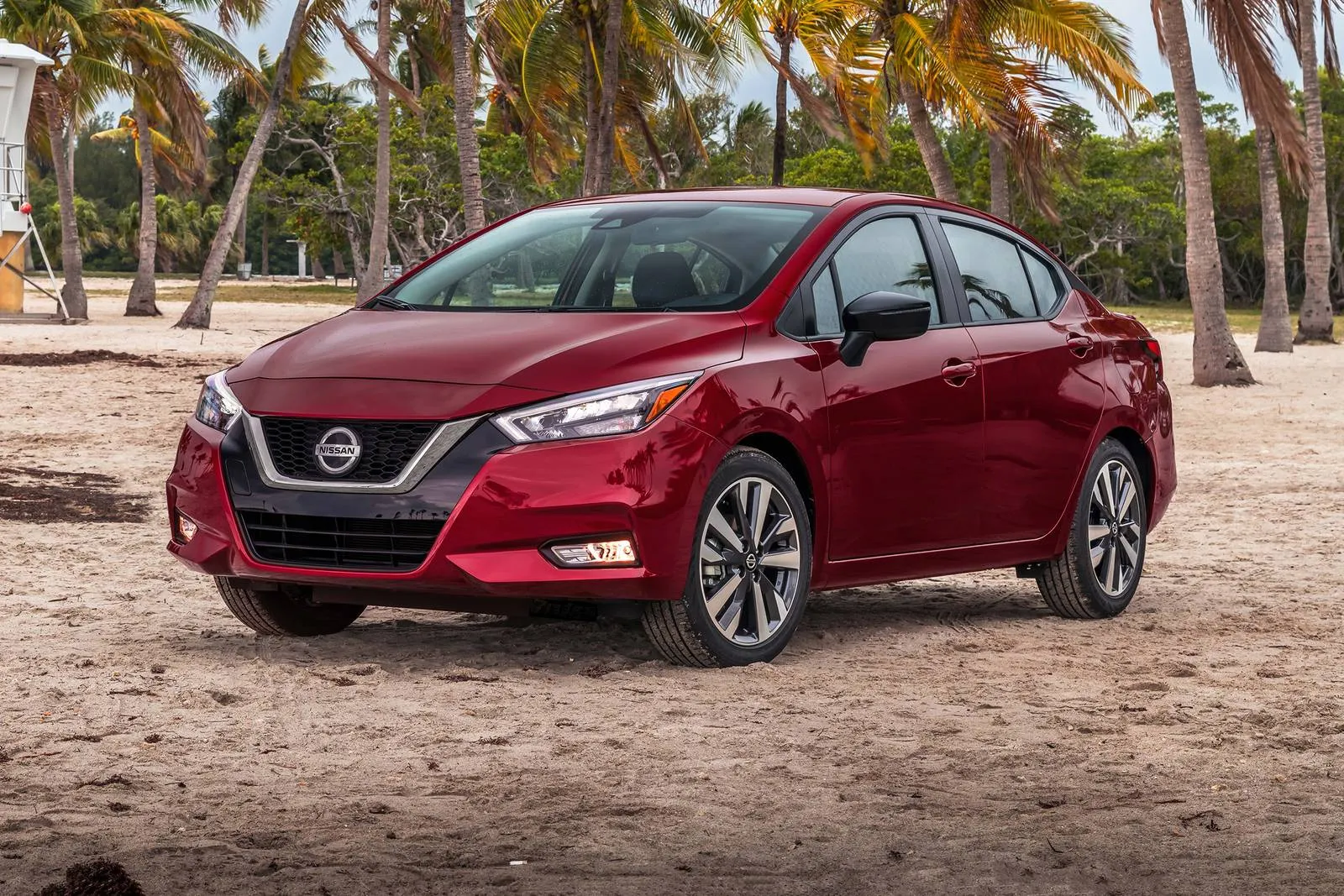
The Nissan Versa Note often struggles with acceleration in dense urban traffic. Its small engine can feel underwhelming when merging onto busy streets or overtaking slower vehicles. Stop-and-go traffic highlights its limited power, which can frustrate drivers who need a responsive city car. Even small inclines require extra effort, making long commutes more tiring.
Fuel efficiency is decent, but the performance trade-off diminishes its appeal. Drivers often find themselves pressing the accelerator more than expected just to keep pace with surrounding traffic. The transmission occasionally feels hesitant when quick acceleration is required. In congested conditions, the lack of engine responsiveness becomes very noticeable.
Handling is functional but lacks the nimbleness of more capable hatchbacks. Tight corners or quick lane changes feel sluggish, and the steering response can seem disconnected from the driver’s inputs. Parking in tight spaces requires extra care, as the car does not feel as precise or confident as others in its class.
Inside, the cabin is practical but basic. Seating is adequate for short trips, but comfort during longer city commutes is limited. Cargo space is available, yet it cannot offset the driving frustration caused by low engine power. The car provides utility but falls short in delivering an engaging driving experience.
Technology and safety features are standard but do not compensate for the engine limitations. Rearview cameras and basic alerts exist, but the lack of acceleration and responsiveness dominates the urban driving experience. Drivers seeking confidence in dense traffic may feel dissatisfied with the Versa Note.
2. Chevrolet Spark
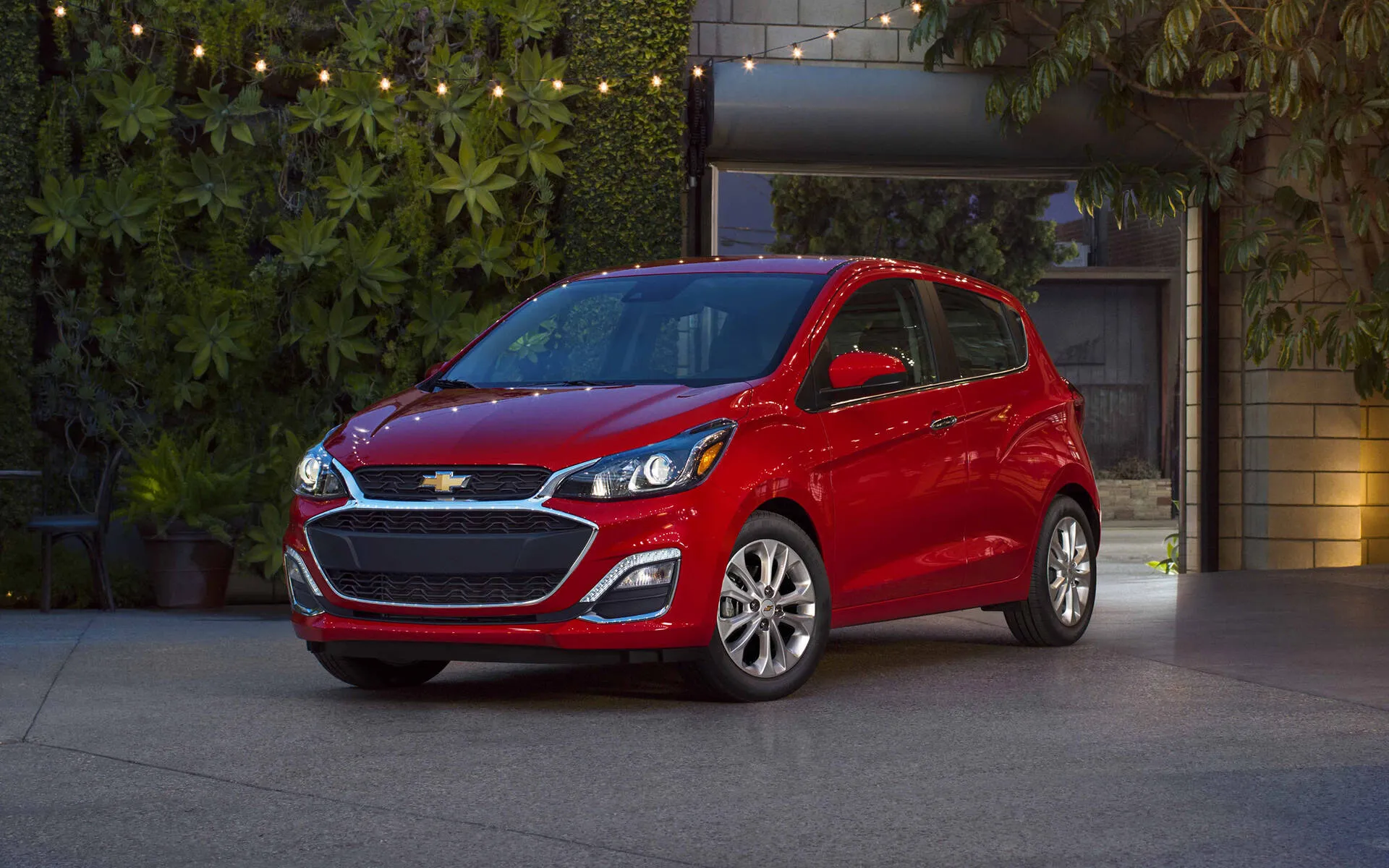
The Chevrolet Spark is extremely compact, which helps with parking, but its weak engine reduces its effectiveness in city traffic. Acceleration is slow, making merging onto main roads or overtaking other vehicles challenging. Stop-start traffic highlights its underpowered performance, which can be frustrating for drivers navigating busy streets.
While fuel economy is good, the performance limitations reduce practicality. Braking and handling are acceptable but not exciting, and sudden maneuvers require extra attention. The car feels less confident when forced to react quickly, which is a drawback in busy urban areas.
Cabin space is minimal, adding to the sense of underpowered performance. Passengers may feel cramped on longer trips, and the limited cargo space reduces versatility. Comfort and functionality are basic, offering utility but not the ease or confidence required for demanding city commutes.
Transmission performance can be inconsistent under heavy traffic. Gear shifts may feel delayed, and drivers need to anticipate acceleration in stop-and-go scenarios. This can make frequent urban driving feel more labor-intensive than it should, highlighting the car’s lack of power.
Safety and technology features exist but cannot make up for the weak engine. Parking sensors and basic alerts help slightly, but the Spark struggles in maintaining speed and responding quickly in traffic. Drivers may experience frustration, especially when compared with more capable city hatchbacks.
3. Mitsubishi Mirage
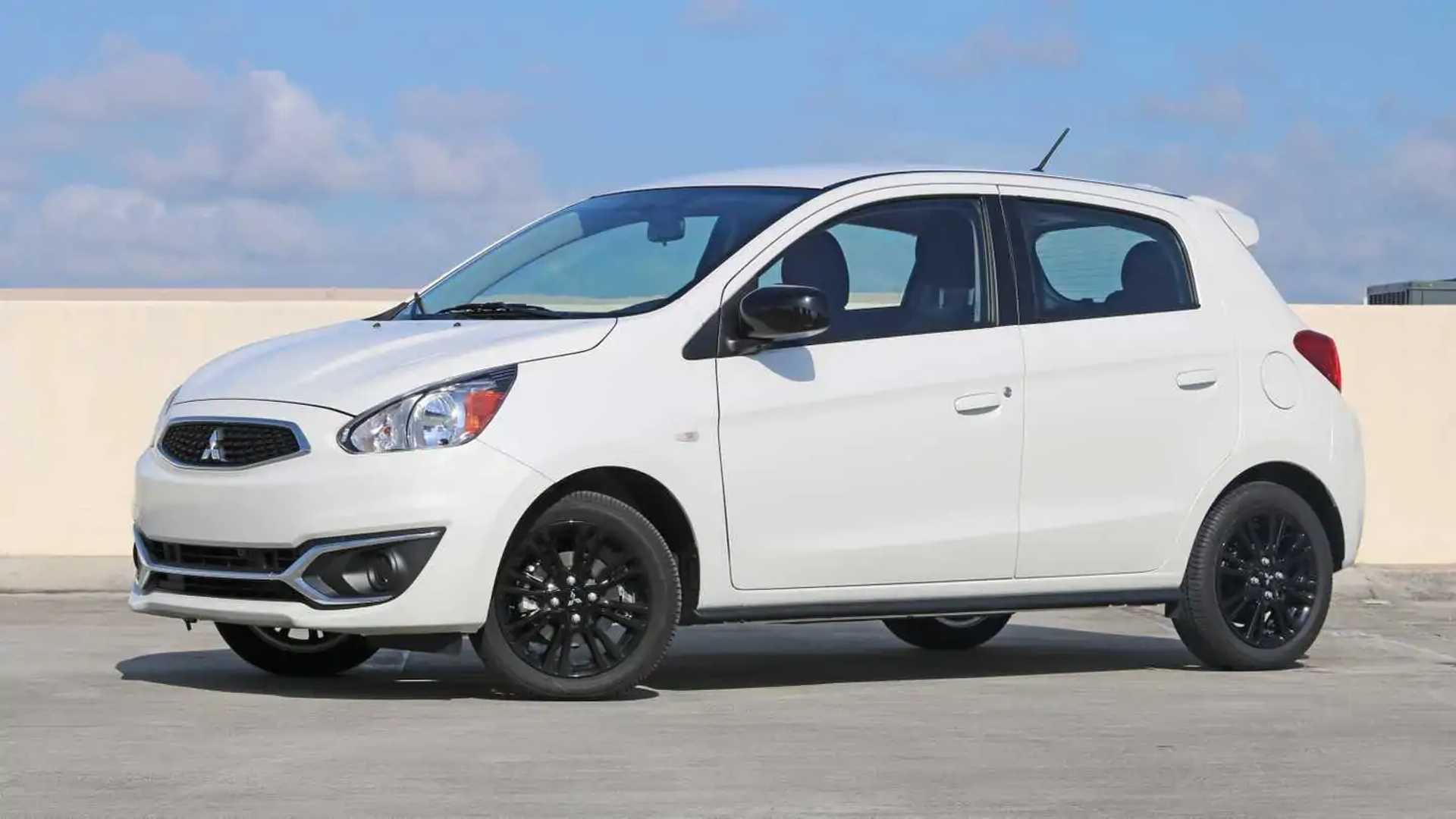
The Mitsubishi Mirage prioritizes fuel efficiency over performance, resulting in a car that feels sluggish in city traffic. Its small engine struggles to provide enough power for confident acceleration, particularly when merging onto busy roads or overtaking slower vehicles. Even small inclines emphasize the car’s limited capabilities, making it less enjoyable for daily urban driving.
Handling is lightweight but lacks precision, which can make maneuvering through crowded streets less smooth. Steering response feels disconnected during quick maneuvers, and tight turns require more effort than expected. Parking in narrow spaces is manageable but less confident than with more agile hatchbacks.
Cabin space is modest. While the Mirage accommodates four passengers, legroom and comfort are limited, especially during longer drives. The cargo area is functional but does not compensate for sluggish performance. Urban errands may feel like a chore, highlighting the car’s limitations.
Fuel efficiency is a bright spot, but it cannot fully offset sluggish acceleration. Stop-and-go city driving may feel frustrating, as the car requires constant attention to maintain speed. Drivers must adjust expectations for performance, which can be tiring during busy commutes.
Technology features are minimal and do little to enhance city driving. Infotainment systems and safety aids are basic, and the lack of engine responsiveness dominates the experience. For urban drivers seeking agility and confidence, the Mirage may feel underwhelming and unsatisfying.
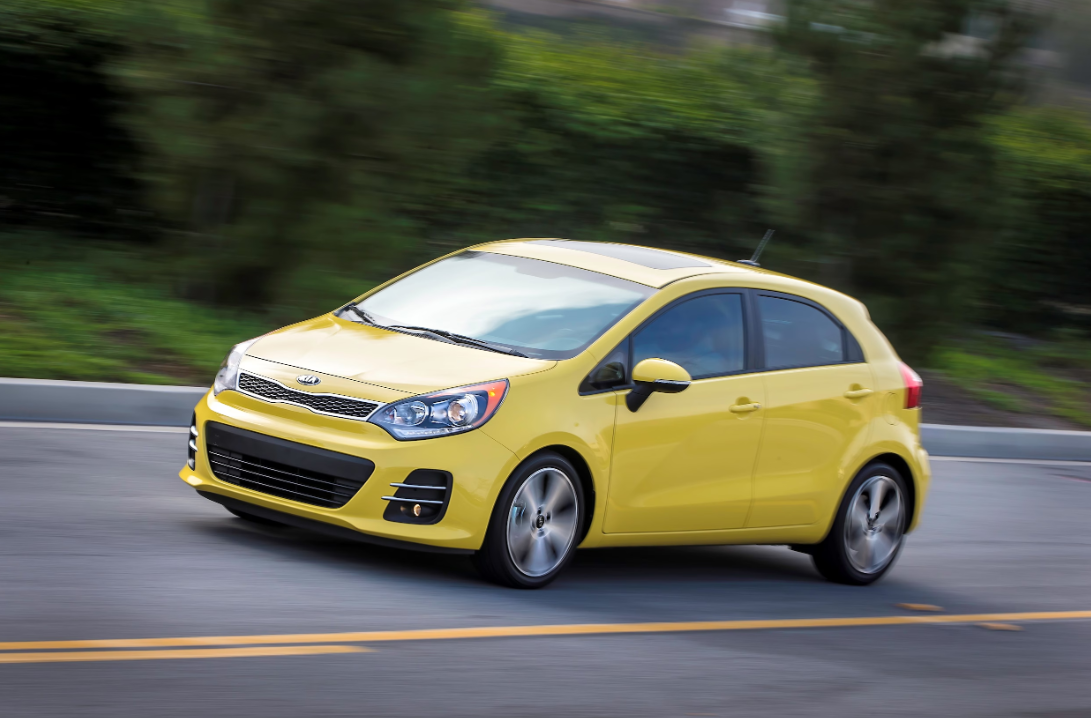
4. Kia Rio Hatchback
The Kia Rio Hatchback is reliable but feels noticeably underpowered in dense city traffic. Its engine delivers modest acceleration, making traffic merges and overtaking slower vehicles challenging. Drivers may struggle to maintain momentum in stop-and-go conditions, which reduces the confidence needed for urban driving.
Handling is competent but lacks the agility expected in smaller hatchbacks. Turning radius and steering responsiveness are adequate, yet the car does not feel quick or precise when navigating tight corners or crowded streets. This can make driving feel more deliberate and less fluid.
Cabin comfort is decent, but the driving experience is affected by limited engine output. Passengers may enjoy the interior space, but acceleration feels unenthusiastic and sluggish. The restrained performance reduces the sense of engagement and makes city driving less enjoyable.
Fuel economy is respectable, yet it does not fully compensate for underwhelming power. Quick lane changes or emergency acceleration situations can feel stressful, requiring drivers to anticipate traffic conditions. The car performs reliably but lacks responsiveness in busy areas.
Safety and technology features provide support but cannot overcome the performance limitations. Lane assistance, braking aids, and infotainment help in navigation, yet drivers seeking a lively and responsive city hatchback may find the Rio underwhelming.
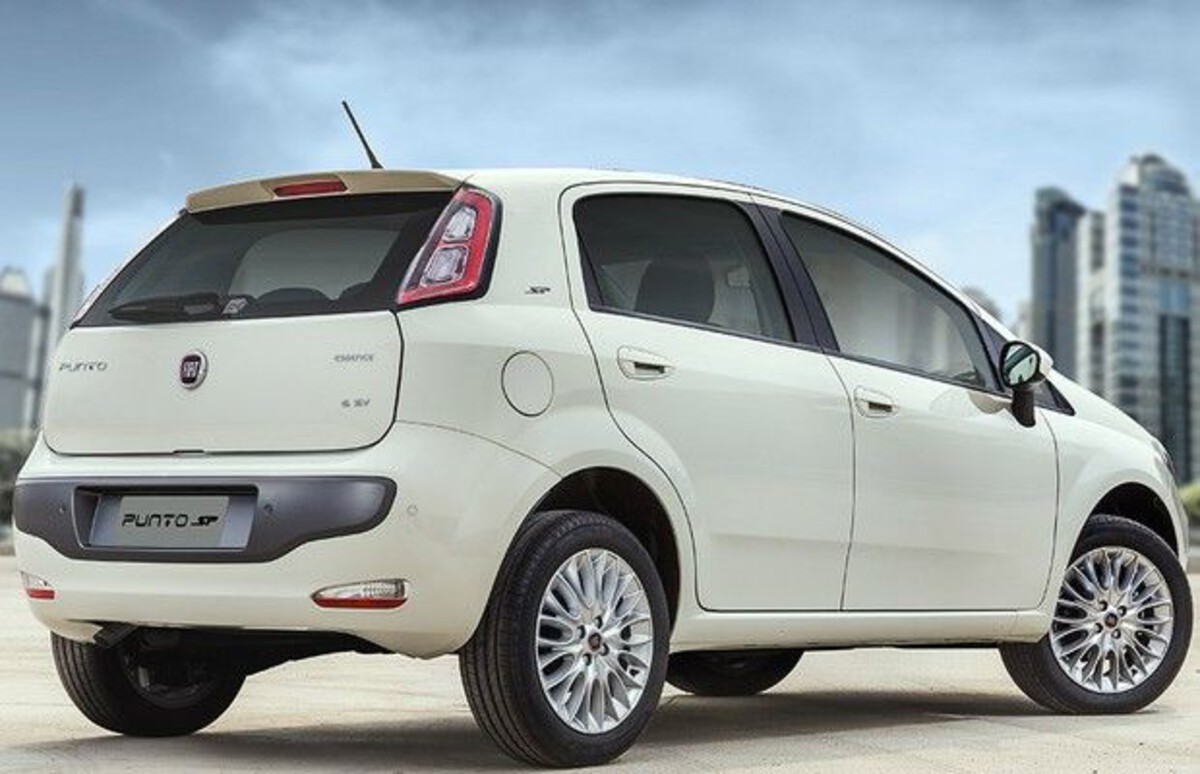
5. Fiat Punto
The Fiat Punto offers style and compact dimensions but lacks sufficient engine power for dense urban conditions. Acceleration is modest, making it difficult to maintain momentum in busy streets. Stop-and-go traffic highlights its underpowered nature, which can be frustrating for drivers who need a responsive city car.
Handling is acceptable but not particularly engaging. Steering response is adequate for casual maneuvers, but quick turns or sudden lane changes require more effort. The car does not inspire the same confidence as more powerful hatchbacks, especially in congested environments.
Interior space is functional yet limited. Seating is comfortable for short trips, but longer city commutes can feel constrained. Cargo space is adequate but does not enhance the car’s urban usability when combined with sluggish performance. Drivers are more likely to notice the engine limitations than interior comfort.
Fuel efficiency is good, yet the underpowered engine overshadows this advantage. Merging, overtaking, and stop-and-go traffic require constant attention and extra effort. Urban driving can feel labor-intensive and less convenient than expected for a hatchback of this size.
Technology and safety features are basic. While parking sensors, infotainment, and alerts are helpful, they cannot offset the lack of power. The Punto performs adequately for city errands but feels slow and less capable in busy traffic conditions, leaving drivers longing for stronger performance.