City driving requires electric vehicles that are practical, compact, and easy to use. In 2026, some EVs excel in this environment by combining clever design, responsive handling, and user-friendly technology.
Cars such as the Renault Twingo E-Tech, Fiat Grande Panda, Hyundai Inster, Mini Cooper SE, and Honda Super-N deliver small footprints, versatile interiors, and efficient controls, making parking, commuting, and daily errands simple and stress-free. These vehicles prioritize agility, visibility, and intuitive features, allowing drivers to focus on the road instead of struggling with tight streets or complex systems.
At the same time, other EVs like the Tesla Model X, GMC Sierra EV, Hyundai Ioniq 9, Cadillac Escalade IQ, and Mercedes-Benz EQS offer high levels of power, luxury, and technology, but their large size and complicated interfaces create challenges for urban driving.
In dense city environments, these vehicles require constant attention and careful planning, showing that advanced features do not always translate into ease of use in everyday urban conditions.
1. Renault Twingo E-Tech (2026): A Fun and Practical City EV
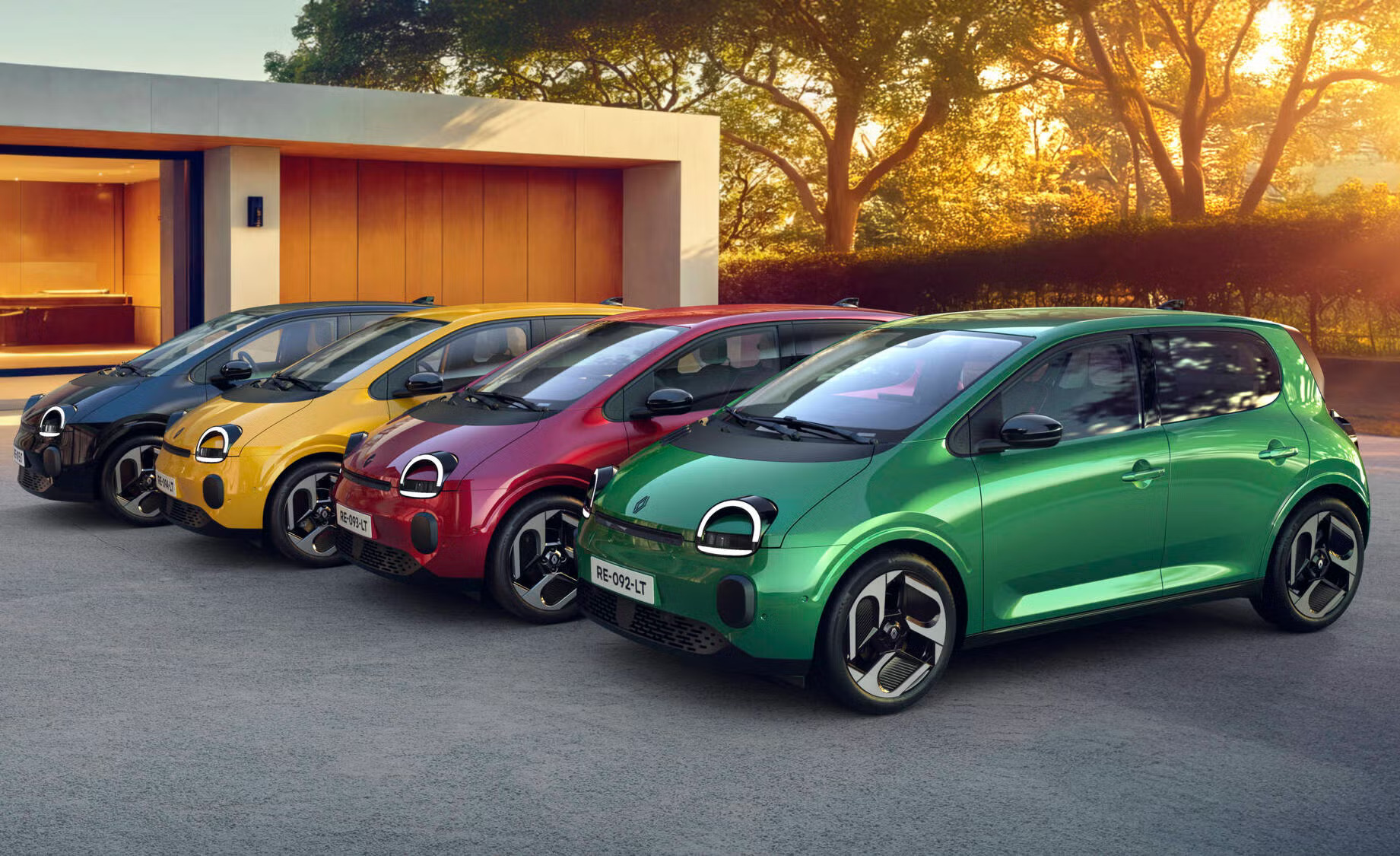
The 2026 Renault Twingo E-Tech is a compact, affordable electric car designed for city life, with a starting price under €20,000. Developed on Renault’s AmpR Small architecture, this fourth-generation Twingo is built in Slovenia and will arrive in the UK in 2027. It offers two trims, Evolution and Techno, both five-door models with clever sliding rear seats and a versatile interior, making it ideal for daily commuting and urban fleets.
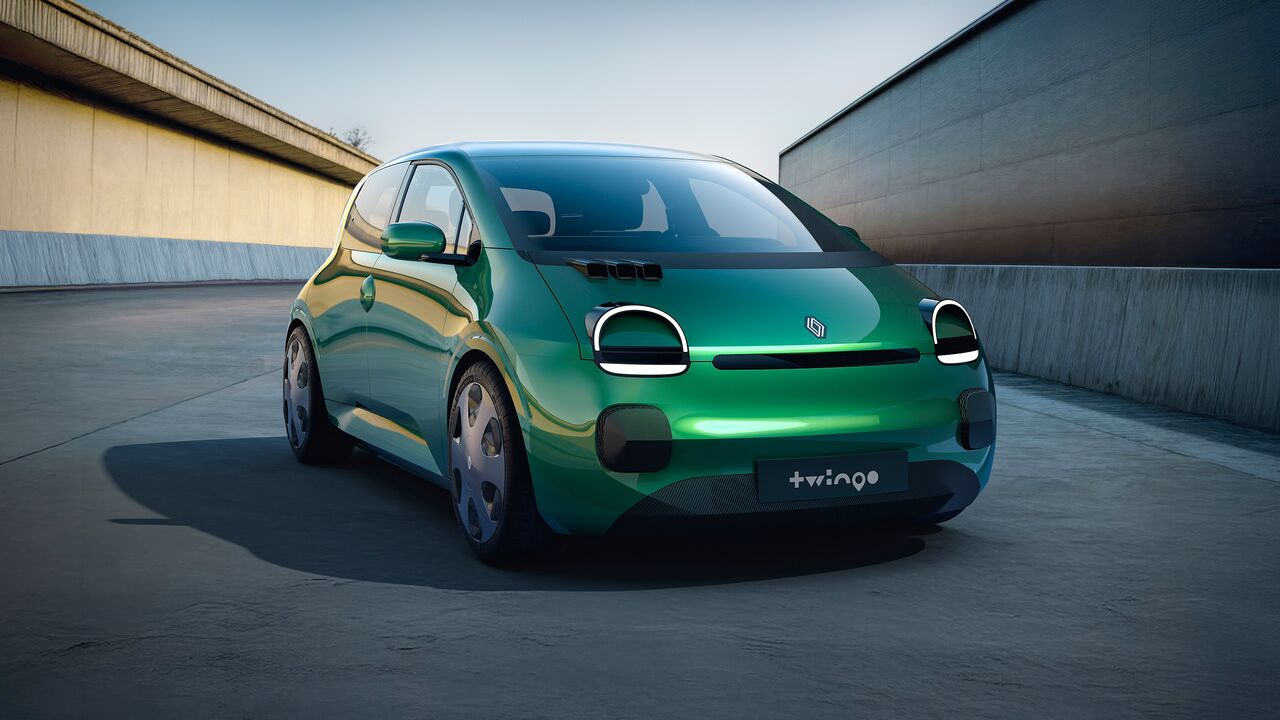
The exterior retains the Twingo’s playful charm with horseshoe-shaped LED lights, a smiling grille, and bright, fun color options, including Absolute Green, Absolute Red, and Mango Yellow. Inside, the dashboard features a 7-inch driver display and a 10-inch central touchscreen.
The Techno trim includes Renault’s OpenR Link system with Google built in, providing EV route planning, voice control via Google Assistant, and a virtual co-pilot named Reno.
Practical touches include a 360-liter boot that expands to over 1,000 liters when seats are folded, a 50-liter underfloor compartment for charging cables, and 19 liters of additional cabin storage. Sliding rear seats allow flexible use of space for passengers or cargo, giving the Twingo a size advantage inside despite its compact exterior.
Power comes from an 82 hp front electric motor paired with a 27.5 kWh LFP battery, offering up to 263 km (WLTP) range. The car accelerates briskly for its size, reaching 62 mph in 12.1 seconds, and tops out at 81 mph.
Standard charging uses a 6.6 kW AC system, fully charging in around four hours, while optional 11 kW AC or 50 kW DC fast charging significantly reduces recharge times. The Techno trim adds one-pedal driving and adjustable regenerative braking for smoother city driving, along with bidirectional V2L and V2G charging capabilities.
Safety and convenience are strong points, with up to 24 advanced driver-assistance systems, including adaptive cruise control with traffic jam assist, hands-free parking, blind-spot monitoring, and automatic emergency braking. Even the base Evolution trim offers cruise control and essential safety features.
The Renault Twingo E-Tech blends affordability, charm, and practicality into a compact package. Its small footprint, smart interior design, efficient battery, and modern technology make it an ideal city EV. While its range is modest and heated seats may be limited to higher trims, it offers a fun, characterful, and versatile driving experience for under $24,000, proving that a small electric car can be both practical and enjoyable.
2. Fiat Grande Panda (2026): Practical, Cheery, and City-Ready
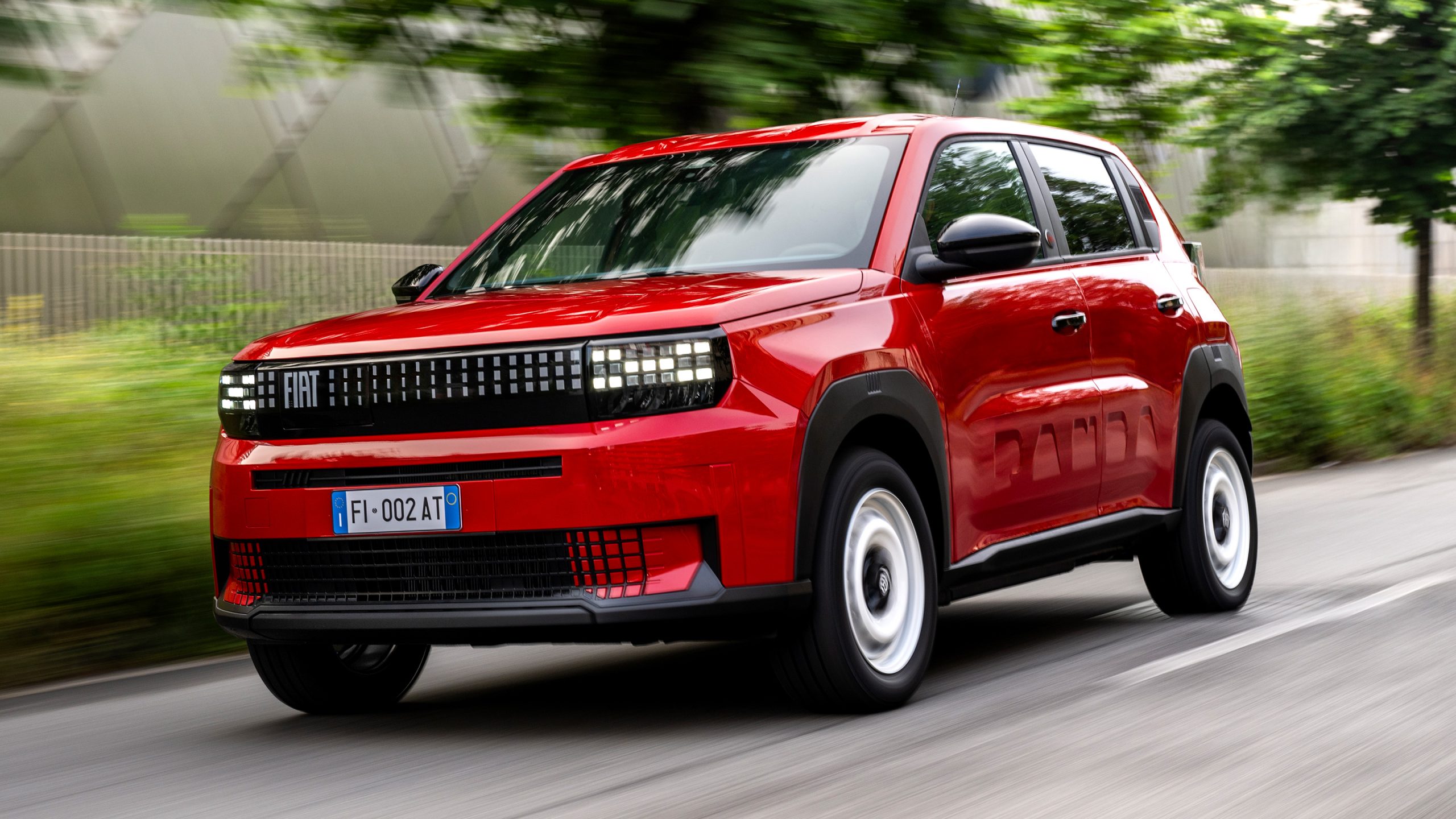
The 2026 Fiat Grande Panda returns with a practical, compact design that balances functionality, style, and affordability. Sporting a boxy silhouette, massive windows, and a shoebox-like cabin, it offers excellent all-around visibility and a sense of space uncommon in small superminis.
At just under 4 meters long, the Grande Panda is larger than previous generations, positioning it at the small end of the supermini spectrum while maintaining Fiat’s signature charm and quirky detailing. Its suspension is tuned for urban agility, absorbing potholes and bumps with ease, while light steering makes low-speed driving effortless.
The Grande Panda is available in electric and mild-hybrid versions. The EV delivers 111 hp and up to 199 miles of WLTP range, while real-world driving on mixed routes yields around 150 miles. Mild-hybrid petrol versions feature a turbo triple engine with a six-speed twin-clutch automatic, offering a lower starting price than the electric model.
A standout feature is Fiat’s integrated retractable charging cable, hidden behind the front logo, which eliminates the need to handle or store dirty cables and stretches up to 4.5 meters for convenience. Low-speed functions like “e-creeping” and “e-parking” enhance city usability, and the car’s compact footprint and 10.9-meter turning circle make parking and maneuvering in tight spaces simple.
Inside, the cabin emphasizes clever storage and playful design. The dash references Fiat’s heritage, with a shelf-like layout and styling nods to the Lingotto factory and the original 1980 Panda.
Cabin colors are bright and cheerful, and the seats, door trims, and rear pillars feature embossed Fiat branding. While rear seating comfortably accommodates two adults, three across may be tight. Storage solutions include bins and an upper glovebox, though items may shift without liners.
On the road, the Grande Panda is optimized for city driving rather than sporty performance. Ride quality is firm but manageable, steering is light but could be more responsive, and body control is adequate for urban roads. Despite modest performance, it remains a practical, fun, and accessible supermini.
Priced from around $26,000 for the EV and slightly lower for the hybrid, the Grande Panda offers a unique combination of affordability, practicality, and distinctive Fiat character.
Compared with rivals like the Renault 5, Citroën ë-C3, and Hyundai Inster, it stands out for clever detailing, integrated charging solutions, and a cheery, heritage-inspired design. The Grande Panda proves that a city-ready supermini can be both useful and full of personality, continuing Fiat’s tradition of small, clever cars.
3. Hyundai Inster (2026): Compact, Versatile, and Urban-Friendly
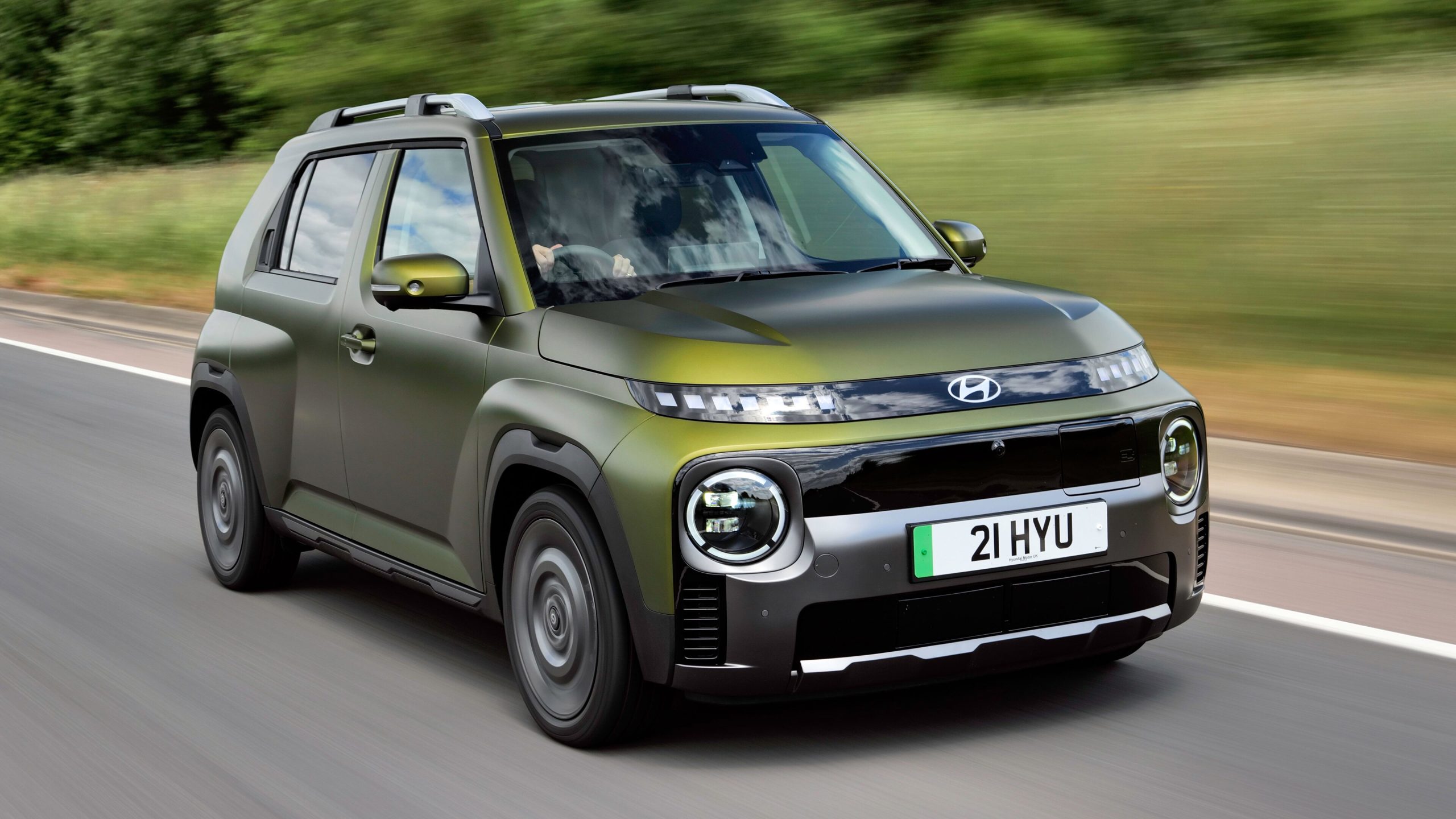
The 2026 Hyundai Inster is a small electric vehicle designed for city driving, combining a compact frame with surprising versatility. Its narrow, tall, and boxy shape makes it ideal for tight streets, urban traffic, and parking, while large windows provide excellent all-around visibility.
Despite its modest footprint, the Inster includes sliding rear seats that allow drivers to maximize legroom or cargo space, making it highly adaptable for daily city use.
The Inster comes with two battery options. The base model has a 42 kWh battery producing 97 hp with a WLTP range of 203 miles, while the longer-range version offers a 49 kWh battery, 115 hp, and up to 229 miles of WLTP range, translating to roughly 150–223 miles in real-world mixed driving.
Both versions support fast charging, allowing a 10–80% recharge in just 30 minutes. Standard features include one-pedal driving for smooth deceleration, a twist-stalk gear selector, driver-assistance systems, and a heat pump, all designed to make urban driving simpler and less stressful.
Inside, the cabin is bright, cheerful, and practical. The upper-trim 02 model features sliding rear seats that create extra legroom or fold with the front passenger seat to transport long items.
The dash includes two high-resolution screens and a mix of physical switches, offering intuitive control despite occasional infotainment lag. Cabin colors are playful, with vibrant upholstery and plastics, while instruments and controls maintain a grown-up, functional layout.
On the road, the Inster delivers a comfortable ride. Its suspension absorbs city potholes and speed bumps efficiently, though light steering and body roll in corners emphasize relaxed, urban driving rather than sporty performance. Acceleration is modest, taking over 10 seconds to reach 62 mph, but the car’s low weight keeps it nimble for commuting and tight maneuvers.
The Inster’s styling is distinctive without being overly cartoonish. Circular front running lights, pixel-style indicators, and disciplined panel lines give it a confident presence, while the Inster Cross adds rugged cladding, unique wheels, and exclusive colors without changing driving capability.
Priced from approximately $29,000 to $33,000 (after incentives), the Hyundai Inster competes with the Renault 5, Fiat 500e, and Mini Cooper Electric. Its compact size, flexible interior, urban-focused features, and cheerful design make it an attractive choice for city drivers seeking practicality, style, and efficiency in a small electric car.
4. Mini Cooper SE (2026): Compact, Agile, and Tech-Forward
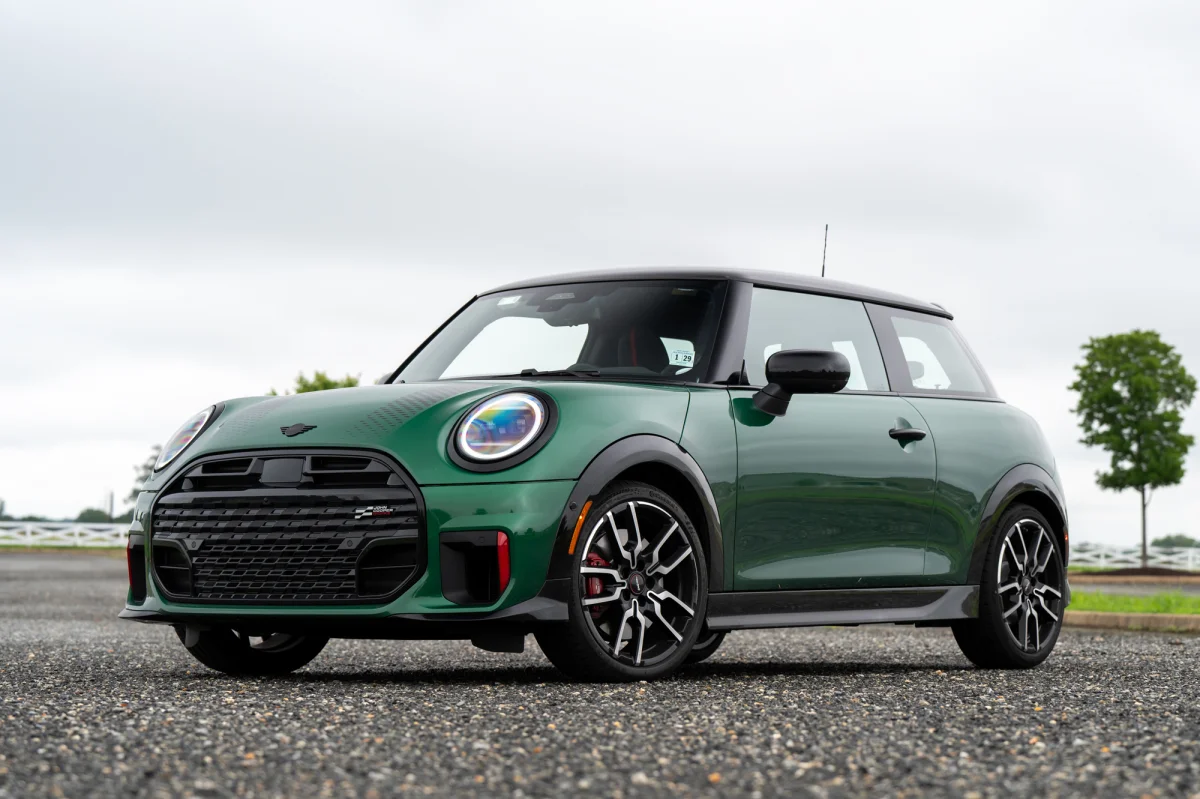
The 2026 Mini Cooper SE builds on the brand’s iconic small-hatchback legacy while embracing electric power and modern technology. Its compact size and short wheelbase make it exceptionally agile in urban environments, allowing quick cornering and easy fitting into tight parking spaces.
Despite being slightly larger and heavier than earlier generations, the Cooper SE maintains its characteristic go-kart-like driving feel, offering sharp handling and responsive steering for confident city and suburban driving.
The Mini Cooper SE emphasizes “Charismatic Simplicity,” reducing clutter in the cabin while integrating technology through a circular 9.4-inch OLED central touchscreen, voice controls, and a minimalist interior layout.
Standard features include the Parking Assistant, Back-Up Assistant, and Active Cruise Control, all designed to simplify urban driving and stop-and-go traffic. The design pays homage to the classic Mini, with subtle updates like octagonal front detailing, circular headlamps with multiple light signatures, and Union Jack rear lights that react as the car senses the key or smartphone.
Three powertrains are available. The base Cooper E delivers 181 hp and 214 lb-ft of torque with a 36.6 kWh battery, achieving 0–62 mph in 7.3 seconds and a WLTP range of up to 185 miles (around 150 miles in real-world urban driving).
The mid-level SE has 215 hp, 243 lb-ft, a 49.2 kWh battery, and a 0–62 mph time of 6.7 seconds with a WLTP range of 247 miles (roughly 210–220 miles in practice). The John Cooper Works (JCW) variant offers 255 hp and 258 lb-ft of torque, hitting 0–62 mph in 5.9 seconds, with a WLTP range of 250 miles, featuring sport-tuned suspension, red brake calipers, and a subtle body kit.
On the road, the Cooper SE is fun and engaging despite a firm ride typical of EVs and the car’s 1,600 kg weight. The steering is precise, the acceleration is immediate thanks to electric torque, and the car responds eagerly to driver inputs. While the JCW model aims to offer a hot-hatch feel, its sporty appeal is more about character than outright performance.
Priced from approximately $32,000 for the Cooper E to $40,000 for the JCW, the Mini Cooper SE competes with rivals like the Renault 5, Fiat 500e, Peugeot e-208, and Hyundai Inster. Its combination of compact dimensions, instant electric acceleration, distinctive styling, and tech-forward interior makes it a charismatic and practical choice for city drivers seeking a fun, engaging electric hatchback with
5. Honda Super-N (2026): Compact, Engaging, and City-Ready
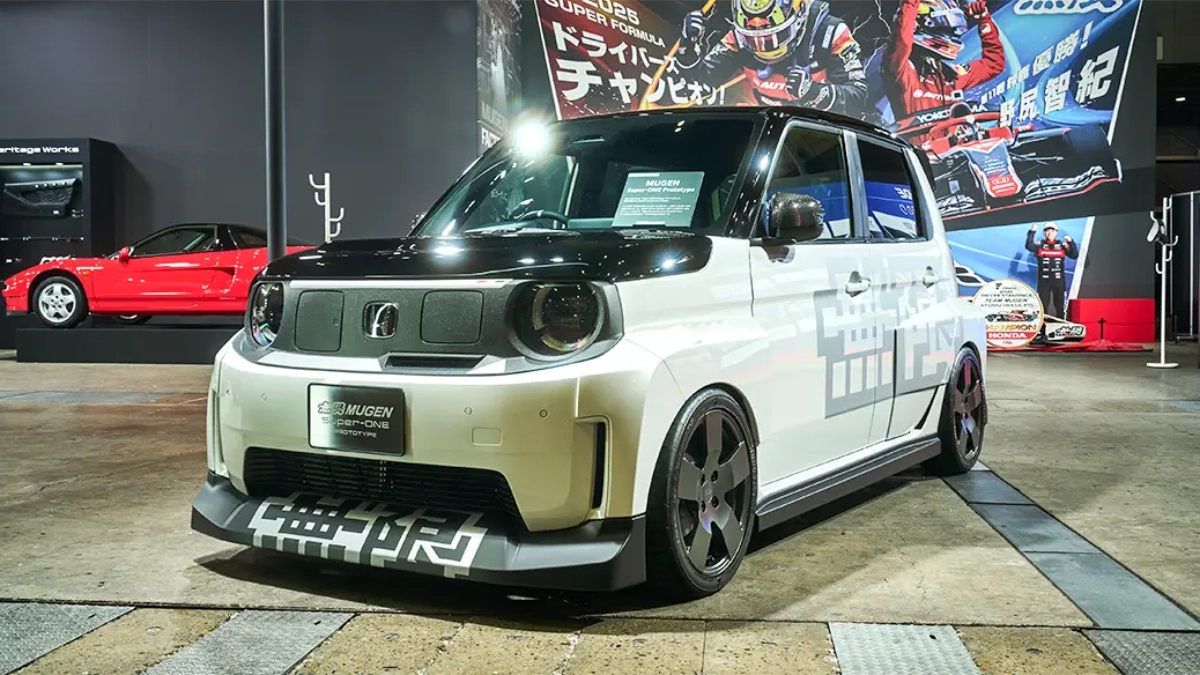
The 2026 Honda Super-N, also known as the Super-One in Japan, is a micro-electric vehicle designed for dense urban environments. Built on Honda’s lightweight Kei car platform, it measures just 3.4 meters in length with a 2.5-meter wheelbase, making it ideal for tight parking and congested city streets.
Despite its small footprint, the Super-N offers a surprisingly airy and practical cabin for four passengers, with versatile rear “Magic Seats” that fold or flip to expand cargo space for shopping, errands, or everyday tasks.
The Super-N blends urban practicality with driver engagement. It features a one-pedal driving mode for smoother stop-and-go performance and a “Boost Mode” that delivers extra power for sharper acceleration during merges or quick maneuvers.
Honda has added a simulated seven-speed gearbox and engine sound, giving the car a lively personality and enhancing the driving experience while keeping it approachable for city commuting.
Inside, the cabin emphasizes function and usability. A 9-inch central touchscreen and 7-inch digital gauge cluster handle infotainment and driver information, supported by USB-C charging ports, adaptive cruise control, electric windows, and a heated steering wheel.
The step-through cabin design, straight sides, and low floor make it easy to move within the vehicle, while durable materials and large, physical controls maintain a practical and reassuring interior feel.
The Super-N’s battery sits under the floor, lowering the center of gravity and improving stability despite the car’s tall, narrow proportions. Steering is quick, and body roll is limited through tight turns, allowing confident, responsive handling in city conditions.
The front-wheel-drive layout and 185-section Advan tires provide traction and control, while the compact battery keeps the car light. With a ~30 kWh battery, the Super-N delivers roughly 180 miles of range, with 50 kW fast-charging capability suitable for short top-ups.
Styling is playful yet practical. Its boxy, upright shape maximizes interior space, while performance-inspired touches such as flared wings, 15-inch alloys, and subtle bodywork give it personality without increasing its footprint.
Priced likely under $25,000, the Honda Super-N targets urban drivers seeking a small, efficient, and fun EV.
While it cannot match the premium appeal of the Honda E, its compact size, engaging “Boost” mode, versatile interior, and cheerful design make it a compelling choice for young drivers, small families, and anyone needing a practical, city-focused electric vehicle. Its clever packaging and lively character position it as a standout option in the micro-EV segment.
Also Read: 5 Cars That Handle Tampa Daily Traffic vs 5 That Feel Underbuilt
5 That Complicate It
1. Tesla Model X (2026): Advanced but Challenging for City Driving
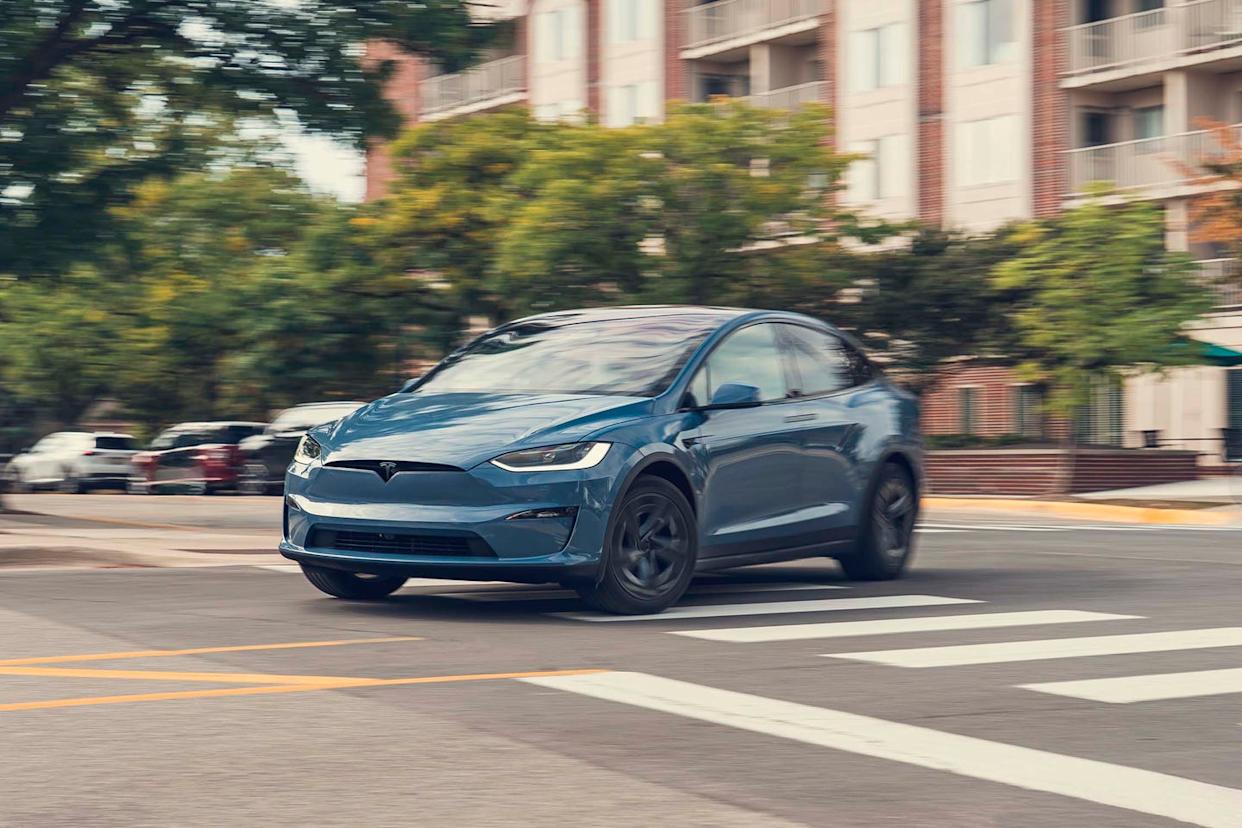
The 2026 Tesla Model X remains one of the most technologically sophisticated electric vehicles on the market, but its size, complex features, and screen-focused controls make urban driving challenging.
With a length of roughly 199 inches and a width of over 89 inches, including mirrors, the Model X is large and cumbersome on narrow streets, in heavy traffic, and within standard parking garages. Its air suspension allows up to 8.9 inches of ground clearance, which helps absorb potholes, yet the vehicle lacks the agility of smaller city-focused EVs.
The signature Falcon Wing doors, while striking, require significant vertical space to open approximately 7.5 feet. In low-ceiling garages, these doors may fail to open fully, complicating passenger entry and exit, especially when installing child seats. Their motorized operation can also be slow or prone to sensor errors, further frustrating urban use.
Tesla’s Full Self-Driving (FSD) system is included, providing city street guidance and stop-light recognition. However, it remains a Level 2+ system, requiring constant driver attention. In complex downtown scenarios, the automation may behave unpredictably, preventing a relaxed driving experience.
Inside, the Model X relies on a minimalist, touchscreen-heavy interface. Almost all functions, from gear selection to climate control, are controlled via a 17-inch screen. While visually clean, this can be distracting in stop-and-go traffic, where quick tactile adjustments are often safer.
Visibility also presents challenges. Though the panoramic windshield offers an expansive forward view, the small rear window and large headrests limit rear sightlines, forcing reliance on cameras and blind-spot indicators to monitor surrounding traffic.
The 2026 Tesla Model X delivers cutting-edge technology, impressive performance, and iconic features, but its size, falcon-wing doors, reliance on touchscreens, and high-tech systems make city driving demanding rather than effortless.
2. GMC Sierra EV (2026): Electric Power Meets Urban Challenges
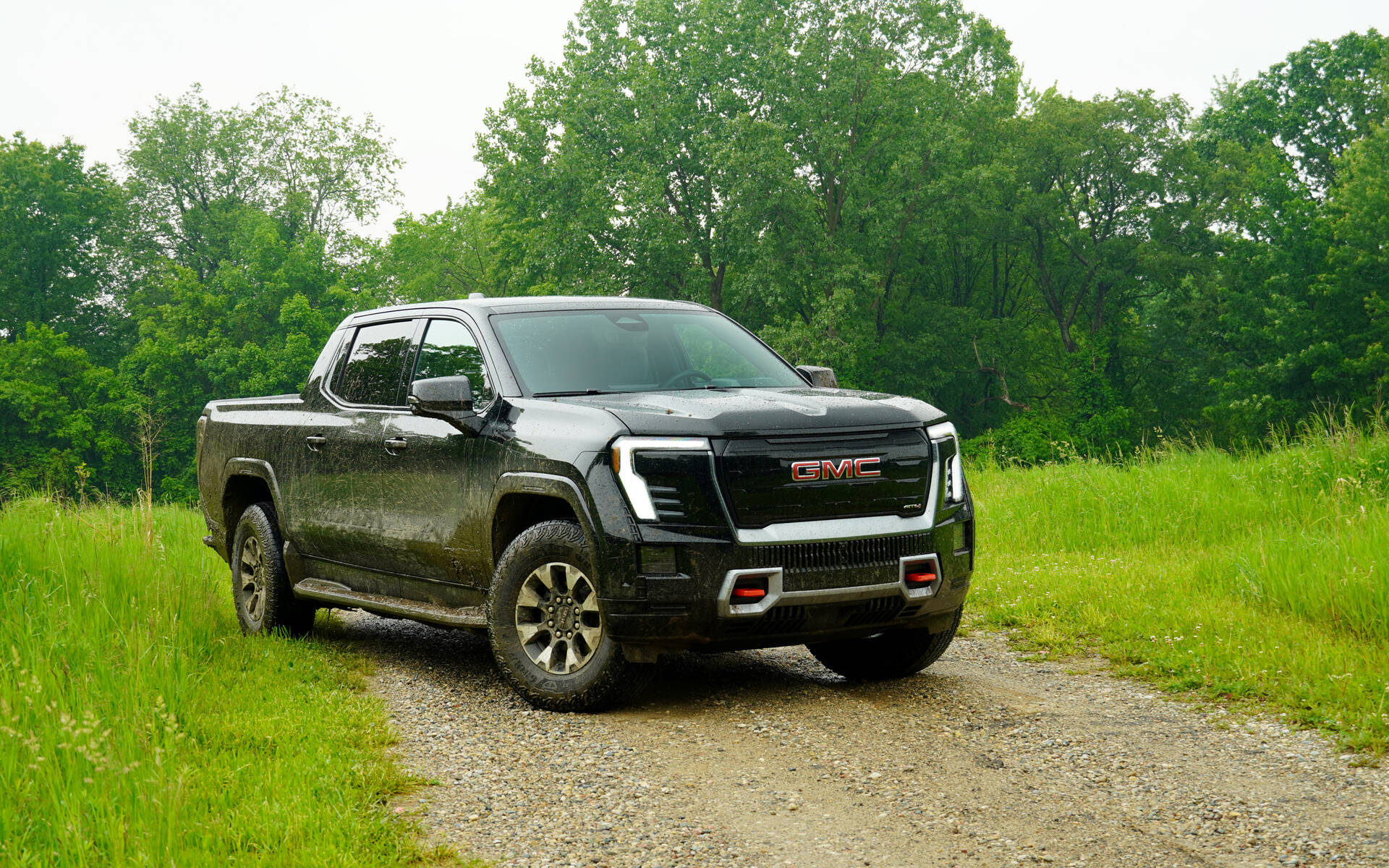
The 2026 GMC Sierra EV is a full-size electric truck that delivers impressive capability, but its enormous size and technical complexity make city driving challenging. At approximately 8,844 pounds, with a long wheelbase and wide body, the Sierra EV feels cumbersome on standard urban streets.
Its sheer footprint turns tight intersections, construction zones, and residential roads into obstacles, while parallel parking in conventional city spaces is nearly impossible. Drivers often need oversized parking or specialized lots.
The truck’s weight also affects handling in stop-and-go traffic. Despite regenerative braking, the Sierra EV requires substantial energy to accelerate and careful braking to stop safely, particularly in pedestrian-heavy areas. This makes quick reactions and spatial awareness essential.
Urban efficiency is another concern. Optimized for towing and hauling, the Sierra EV consumes a disproportionate amount of battery in congested traffic or slow-moving grids. Prolonged city driving can reduce range significantly, increasing reliance on scarce high-capacity chargers and amplifying range anxiety.
Adding to the complexity, the Sierra EV offers multiple advanced driving features that require constant attention. Its 4-Wheel Steer and CrabWalk functions assist in tight or diagonal maneuvers, while three ride height levels and multiple regenerative braking modes demand frequent adjustment based on road conditions.
Drivers must actively switch settings for potholes, school zones, or crowded streets, which can be mentally taxing in dense urban environments.
The GMC Sierra EV excels as a powerful, technologically advanced electric truck, ideal for hauling and heavy-duty use. However, its size, weight, and intricate driving systems make it less suited for city streets. While it represents the peak of electric truck engineering, urban drivers may find it demanding, requiring careful planning and constant attention to maximize safety, efficiency, and maneuverability.
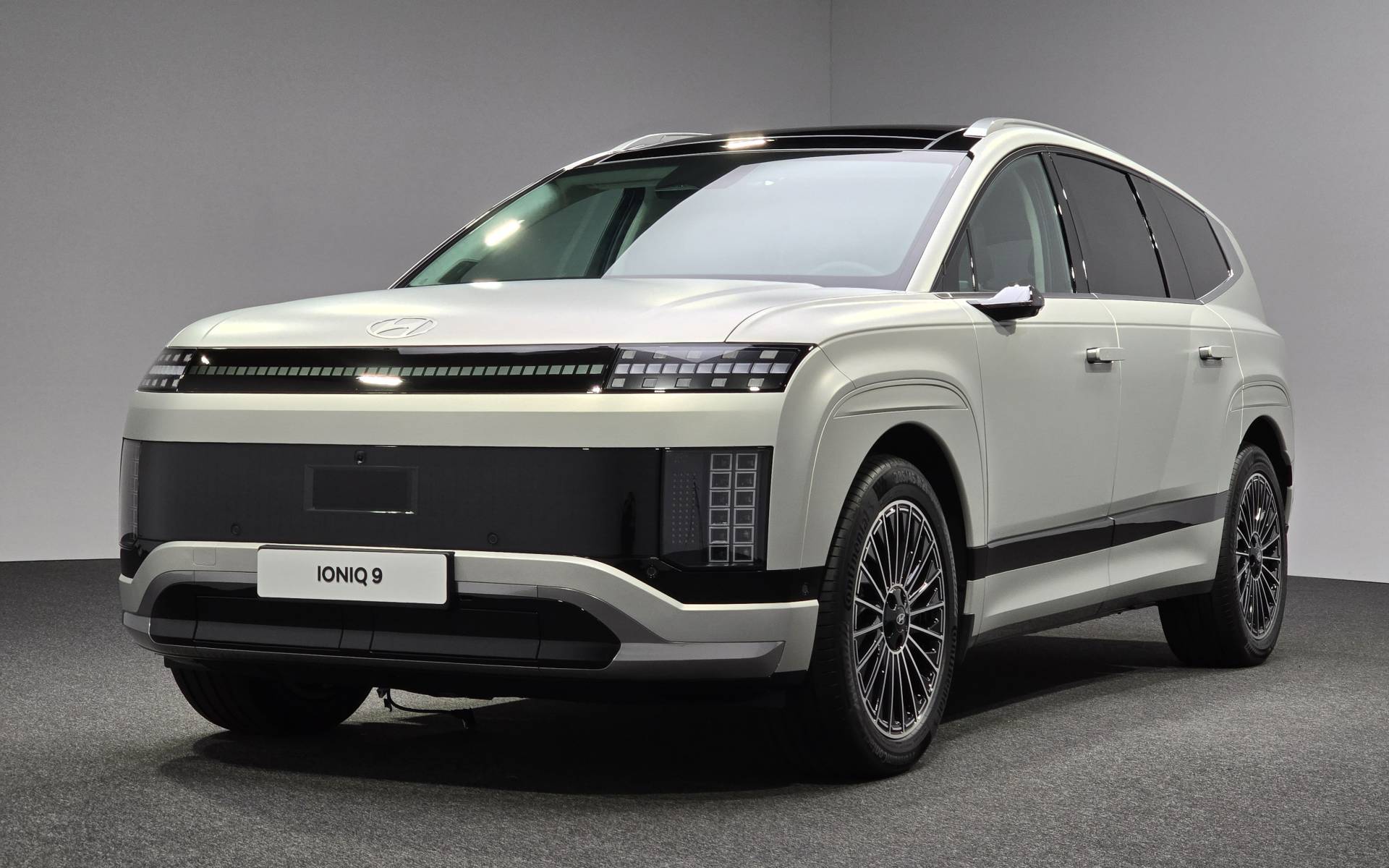
3. Hyundai Ioniq 9 (2026): Luxury Space Meets Urban Limitations
The 2026 Hyundai Ioniq 9 is a large three-row electric SUV designed for comfort and family travel, but its substantial dimensions make city driving demanding. At over 5 meters in length and nearly 2 meters wide, it exceeds the size of its Kia EV9 sibling.
Its 12.5-meter turning circle further complicates tight turns, often requiring multi-point maneuvers where smaller SUVs could manage in one. Unlike some competitors, it lacks four-wheel steering, meaning the driver must account for its extensive footprint when handling narrow streets and multi-story parking.
Urban braking can also be challenging. While regenerative braking is generally smooth, some drivers report sudden motor regeneration just before a complete stop, producing a jerky final halt. This can reduce passenger comfort in stop-and-go traffic and requires constant attentiveness.
Digital enhancements, while high-tech, introduce additional strain in city conditions. Optional digital side mirrors force drivers to shift focus frequently, and thick A-pillars can block sightlines at intersections. The driver monitoring system can trigger repeated audible alerts if attention is diverted even briefly, which may distract in dense traffic situations.
Ride and steering are more suited to open roads than urban streets. The top-spec 21-inch wheels can feel unsettled over potholes and pressure cracks, while the steering, though light, responds more slowly than in smaller, nimbler SUVs. Quick urban maneuvers demand extra input, increasing driver effort.
The Ioniq 9 provides a spacious, luxurious environment with advanced technology and family-friendly features. However, its large size, slow steering, braking quirks, and high-tech alerts make city driving more labor-intensive. While ideal for highway cruising or suburban use, drivers should consider its urban limitations carefully when planning daily city commutes or parking in tight spaces.
4. Cadillac Escalade IQ (2026): Urban Challenges for a Luxury Giant
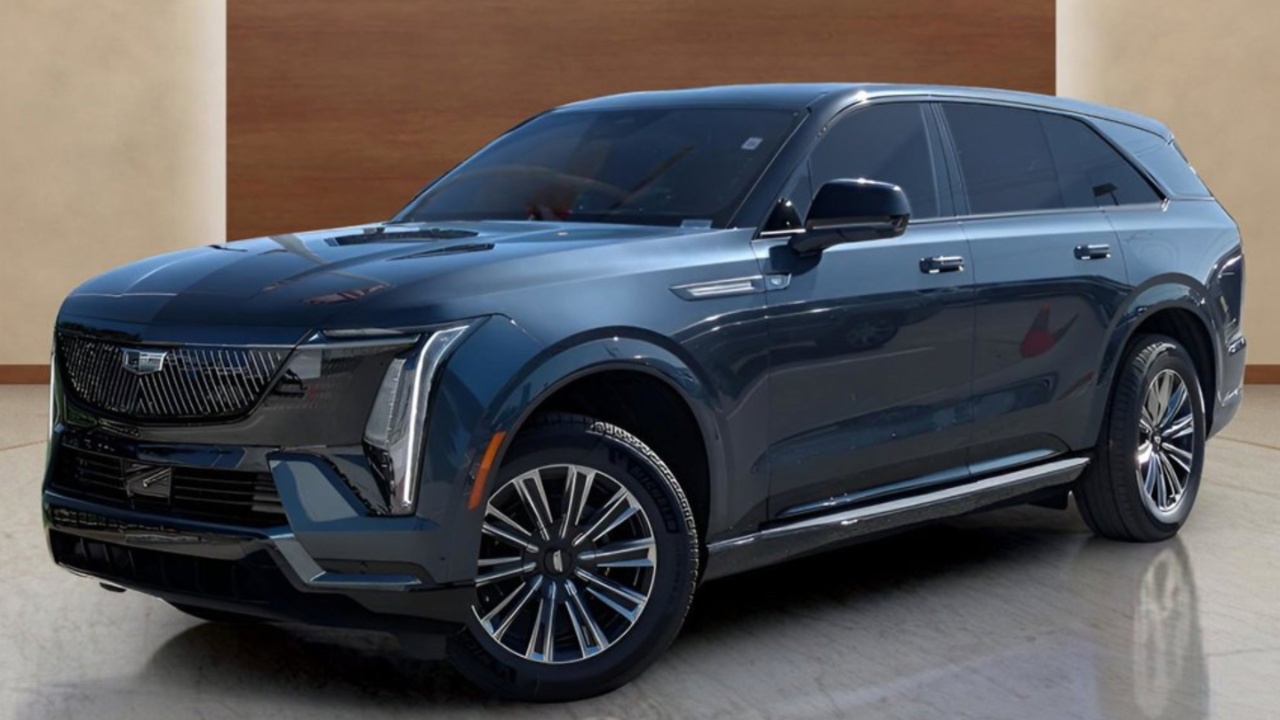
The 2026 Cadillac Escalade IQ is a full-size electric SUV that offers luxury and performance but faces significant challenges in urban environments.
Measuring over 5.3 meters in length and 94 inches wide, with 24-inch wheels, its size makes city driving and parking difficult. Standard parking spaces are often too small, and drivers frequently need to occupy two spots for a single stop, complicating street parking and urban errands.
The Escalade IQ’s weight, exceeding 9,000 pounds, adds to these challenges. Braking distances are long at approximately 139 feet from 60 mph, which can be a concern in stop-and-go traffic.
The vehicle’s dual 750-hp motors generate immense torque that can cause torque steer, making rapid acceleration feel unpredictable in dense areas. While the four-wheel steering system reduces the turning radius to about 39.3 feet, the vehicle’s bulk still requires careful attention on narrow streets and in tight parking garages.
The tech-heavy cabin further complicates city use. The 55-inch pillar-to-pillar LED display requires multiple steps to perform simple functions. The removal of Apple CarPlay and Android Auto means drivers rely on a built-in Google system that may feel less intuitive.
Camera-based rearview mirrors can be unreliable in certain conditions, and lane-change views are displayed on the central screen rather than in the driver’s natural line of sight, increasing distraction risk.
Software issues also affect city performance. Early models have reported a hard-braking glitch that causes sudden stops. Advanced parking aids, including the diagonal movement Arrival Mode, are available but require careful operation and may be impractical in fast-moving urban conditions.
The Cadillac Escalade IQ delivers impressive technology and presence, but its massive size, weight, and complex controls make city driving demanding. Drivers need to remain alert and cautious, as the vehicle’s luxury features do not reduce the practical challenges of maneuvering and parking in tight urban settings.
5. Mercedes-Benz EQS (2026): Urban Challenges of a Luxury Electric
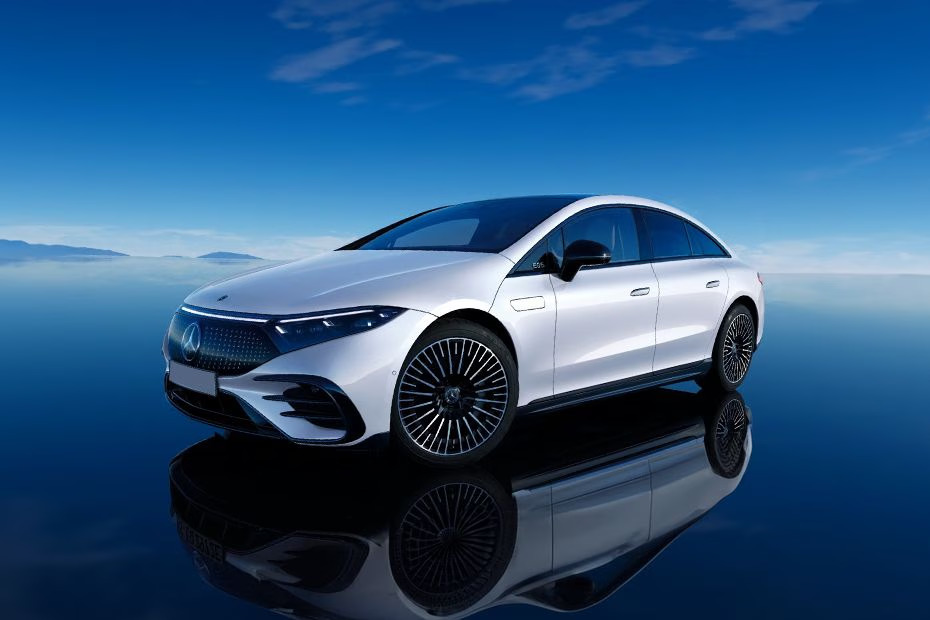
The 2026 Mercedes-Benz EQS delivers exceptional luxury and efficiency, but its size and advanced technology create challenges for city driving. Measuring over 5.2 meters long and weighing more than 5,000 pounds, the EQS feels heavy in tight streets, sharp corners, and multi-story parking garages.
Its sleek, aerodynamic “one-bow” design prioritizes efficiency but reduces rear visibility, requiring heavy reliance on cameras for parking and maneuvering in confined spaces.
The EQS features a 56-inch MBUX Hyperscreen, offering a high-tech experience but with a steep learning curve. Basic functions like climate control often require multiple menu steps.
Touch-sensitive haptic controls on the dash and steering wheel are highly responsive, sometimes resulting in accidental inputs during turns or while wearing gloves. The combination of multiple screens and animations can distract the driver in heavy urban traffic.
Braking performance in stop-and-go conditions can feel inconsistent. The shift between regenerative and mechanical braking may feel mushy, making smooth, incremental stops difficult.
Safety systems can also be overly sensitive. Active Brake Assist may trigger sudden stops while reversing or turning, and the rear-axle steering, designed to reduce the turning circle, can create a pivot sensation that feels unnatural during quick adjustments.
Visibility is further impacted by the aerodynamic shape. Thick A-pillars and a steep windshield can obstruct sightlines at intersections, and the fixed glass roof, even with light-blocking film, can allow distracting glare from nearby buildings.
The Mercedes-Benz EQS combines top-tier luxury and cutting-edge technology with urban driving challenges. Its large size, heavy weight, sensitive safety systems, and camera-dependent design require careful attention and planning to operate effectively on crowded city streets and in tight parking spaces.
Selecting the right EV for city life means considering size, technology, and practicality. Compact, clever vehicles such as the Twingo E-Tech, Grande Panda, Inster, Cooper SE, and Super-N make commuting and parking straightforward, offering an enjoyable and convenient urban driving experience.
Larger EVs, including the Model X, Sierra EV, Ioniq 9, Escalade IQ, and EQS, bring impressive performance and luxury but demand more effort in urban streets. Their size, heavy weight, and complex systems can make simple tasks such as parking, turning, or adjusting controls more difficult.
Urban drivers must decide whether cutting-edge technology and power outweigh the benefits of practicality and simplicity, or if smaller, city-focused EVs better suit everyday needs and reduce stress during busy city travel.
Also Read: 10 Cars That Are Shockingly Easy to LS Swap Without Breaking the Bank