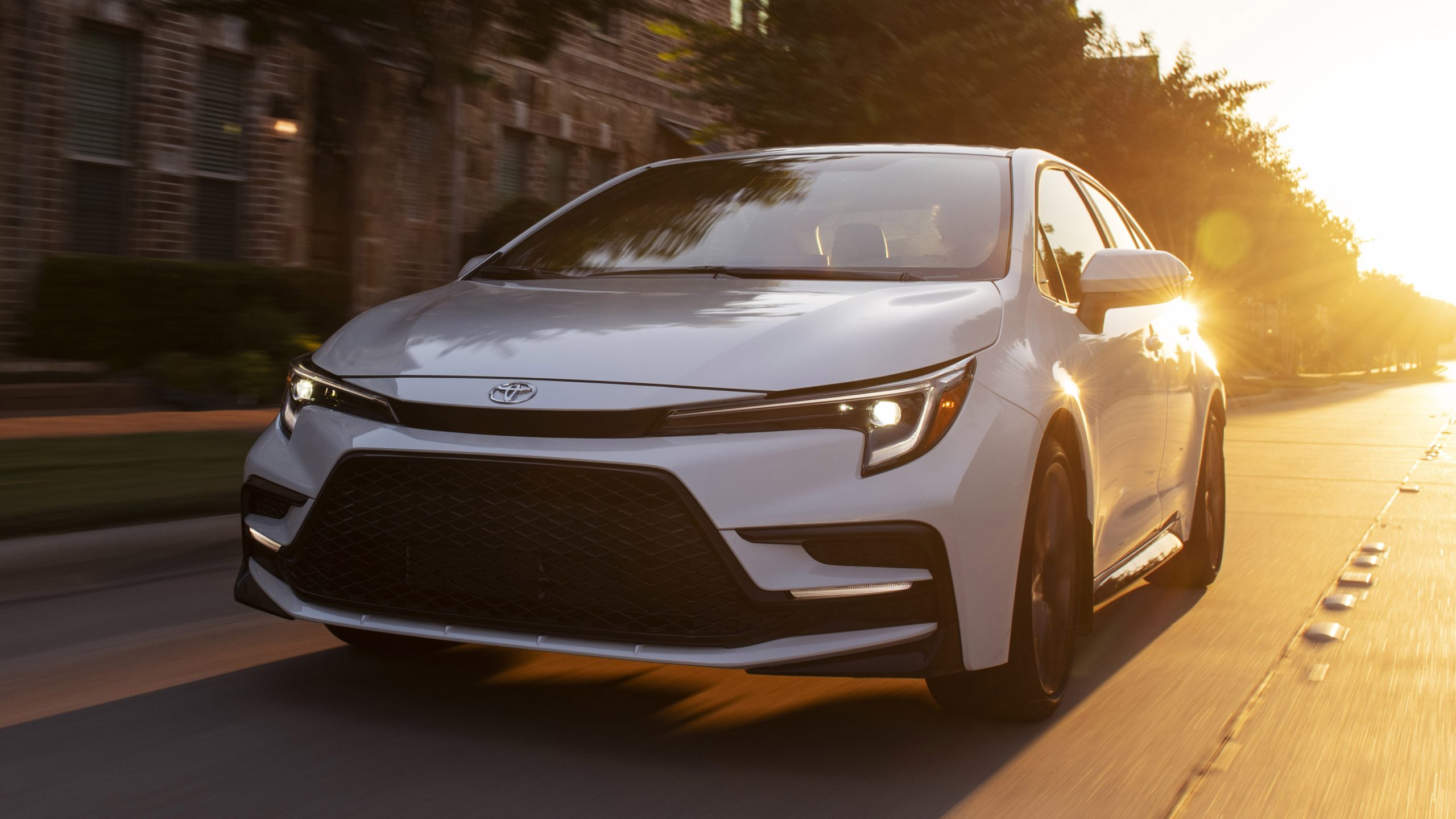
City driving can reveal the true cost of owning a vehicle. Some cars make ownership predictable and manageable, while others can surprise drivers with expensive repairs and high maintenance demands.
Models like the Toyota Corolla, Honda Civic, Hyundai Elantra, and Toyota Prius are designed for reliability, low upkeep, and long-term durability in stop-and-go traffic. Their service intervals are clear, replacement parts are widely available, and efficient powertrains reduce mechanical stress. Even sporty options like the Mazda3 combine enjoyable driving with low-cost maintenance, offering city drivers peace of mind.
On the other hand, luxury and high-performance vehicles such as the Land Rover Range Rover, Porsche Cayenne, BMW X6 M, Audi A8, and Mercedes-Benz G-Class often carry unexpected costs. Advanced electronics, complex suspension systems, and proprietary components increase repair frequency and labor expenses. For urban owners, these vehicles require careful budgeting and awareness of high long-term ownership costs.
1. Toyota Corolla: A Benchmark for Low-Cost, Predictable Ownership
The Toyota Corolla is widely recognized as one of the most affordable and reliable cars to own, especially in urban settings where consistent performance and manageable upkeep are essential. It is consistently ranked among the least expensive vehicles to maintain, with annual service costs averaging between $340 and $362.
This is significantly lower than the industry average of about $651, reinforcing the Corolla’s reputation as a benchmark for long term reliability and cost efficiency.
One of the main reasons the Corolla delivers predictable ownership costs is its durable engineering. Toyota relies on proven, naturally aspirated engines rather than complex turbocharged setups. These powertrains are designed for longevity, and many Corollas exceed 200,000 miles with routine maintenance.
The use of timing chains instead of belts and conservative engine tuning helps minimize wear while reducing the likelihood of expensive mechanical failures. Modern Corolla models also feature continuously variable transmissions that are optimized for smooth, efficient city driving, contributing to dependable everyday performance.
The Corolla performs particularly well in stop-and-go city conditions. Its braking and drivetrain systems are engineered to withstand frequent acceleration and deceleration, which is common in urban traffic.
The hybrid variant is especially efficient in these environments, delivering outstanding fuel economy and helping to stabilize fuel-related expenses. EPA estimates the hybrid as high as 53 mpg in the city, while real-world testing still shows strong efficiency across both hybrid and non-hybrid models.
Routine maintenance further enhances the Corolla’s predictability. Service intervals are simple and clearly defined, often guided by dashboard maintenance reminders every 5,000 miles. Repair frequency is lower than average, and when repairs are needed, parts are inexpensive and widely available due to the Corolla’s global popularity. Most mechanics are highly familiar with the model, which helps keep labor costs reasonable.
Toyota also integrates technology designed to prevent problems before they occur. Standard Toyota Safety Sense features help reduce the risk of accidents, while ToyotaCare and Service Connect assist owners by tracking maintenance schedules and monitoring vehicle health. These systems encourage proactive care and reduce the likelihood of unexpected repairs.
While the Corolla is not focused on sporty performance, it offers a comfortable ride, solid fuel economy, and a well-equipped interior with modern safety and infotainment features. Backed by competitive warranty coverage and complimentary scheduled maintenance, the Toyota Corolla remains one of the most dependable and cost-effective vehicles for city drivers seeking predictable ownership.
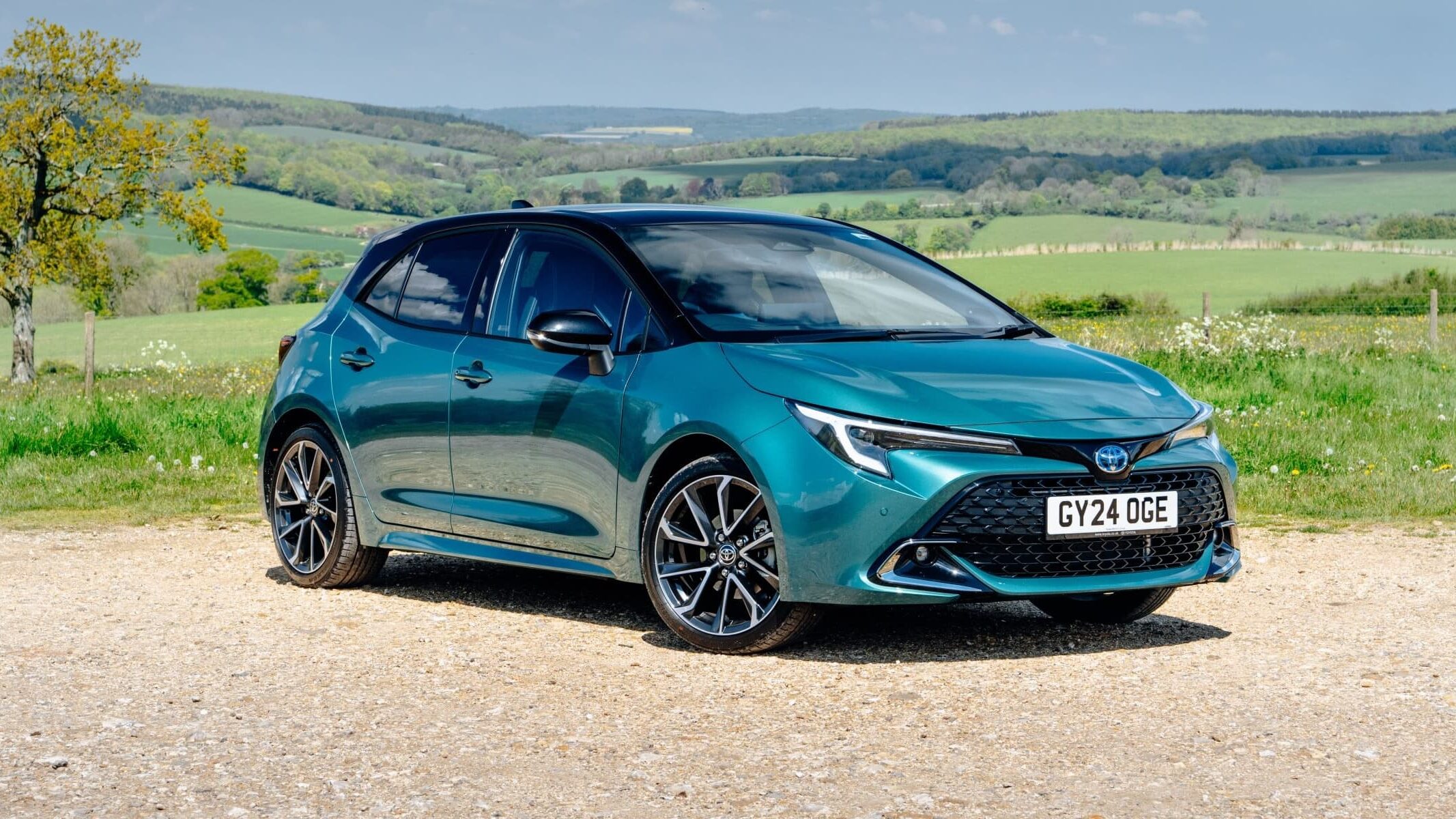
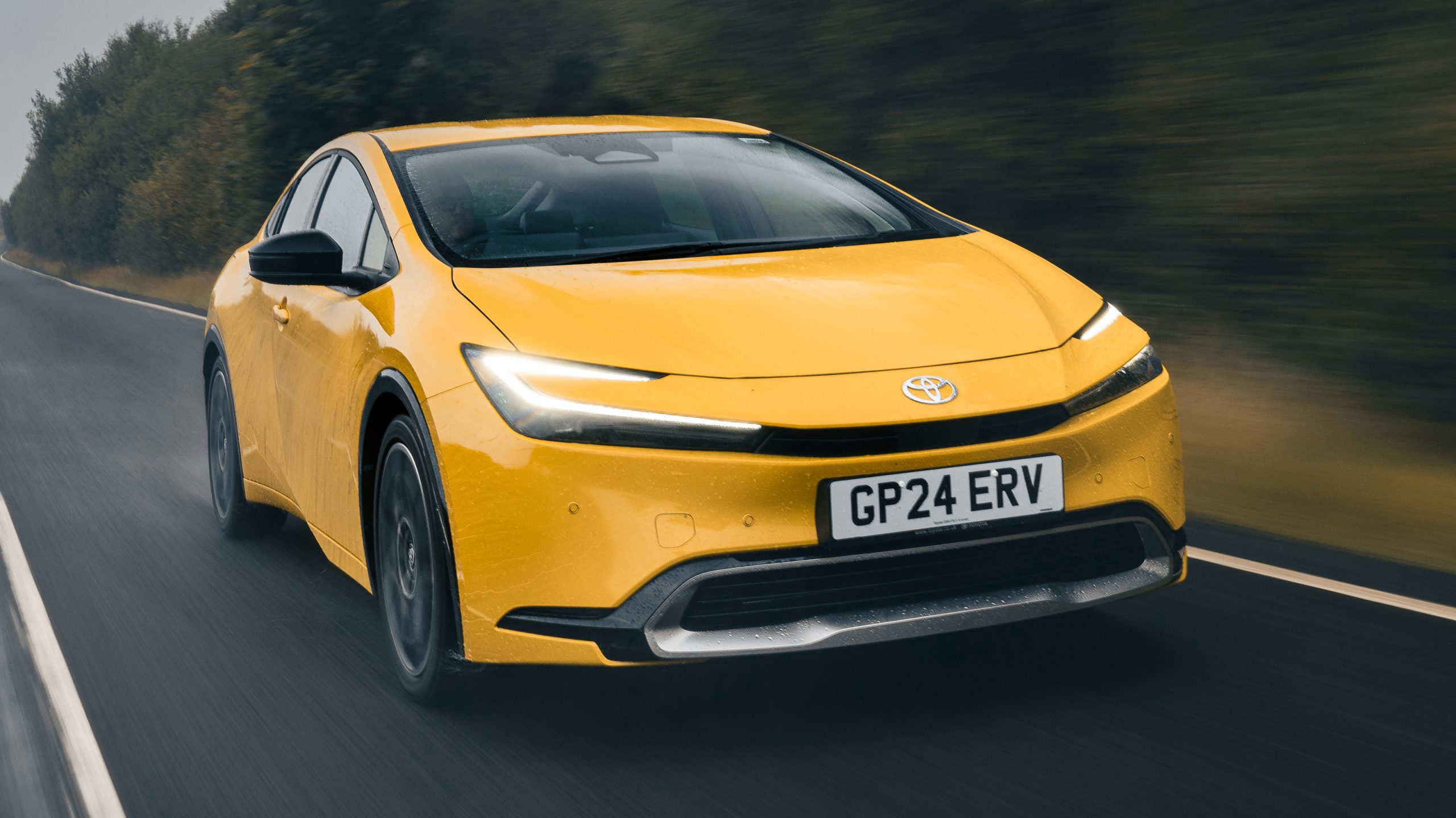
2. Toyota Prius: A City-Focused Hybrid Designed for Predictable Maintenance
The Toyota Prius has built a long-standing reputation as one of the most economical and dependable vehicles for urban driving. With a 10 year maintenance cost of just over $4,100, the Prius appeals to city drivers who value consistency, low wear, and long-term reliability. Its hybrid engineering is specifically designed to reduce strain on key mechanical systems that are typically stressed in stop-and-go traffic.
One of the most important factors behind the Prius’s low maintenance demands is regenerative braking. In city conditions, the electric motors slow the vehicle while capturing energy to recharge the hybrid battery.
This process greatly reduces the use of traditional brake pads and rotors, allowing them to last far longer than those on conventional gasoline vehicles. In many cases, brake components can remain functional for 100,000 to 150,000 miles before replacement, which significantly lowers routine service costs.
The Prius also minimizes engine and transmission wear through its hybrid powertrain design. It uses an electronically controlled continuously variable transmission, known as an eCVT, which avoids the complex gear sets and clutches found in traditional automatic transmissions.
The gasoline engine frequently shuts off at low speeds or during stops, reducing idle time and total engine operating hours. This is especially beneficial in city traffic, where engines in non-hybrid vehicles tend to experience accelerated wear.
Maintenance planning for the Prius remains simple despite its advanced technology. Routine service intervals closely mirror those of standard gas-powered cars, with maintenance reminders typically appearing every 5,000 miles. These services usually involve oil changes, tire rotations, and inspections, making ownership costs easy to anticipate and budget for.
Long-term reliability is further supported by the Prius’s extensive real-world testing. The model has accumulated millions of miles in demanding taxi and fleet service, demonstrating its ability to reach very high mileage with few major mechanical issues when properly maintained. This history reinforces confidence in the Prius as a durable and predictable vehicle.
The Prius also includes features that suit dense urban environments. It is optimized for low-speed, electric-assisted driving, and its electrical system places relatively low demand on the 12-volt battery.
To maintain long-term dependability, owners should stay attentive to hybrid battery cooling system maintenance and consistent oil changes. For city drivers seeking low wear and steady ownership costs, the Toyota Prius remains a highly practical hybrid choice.
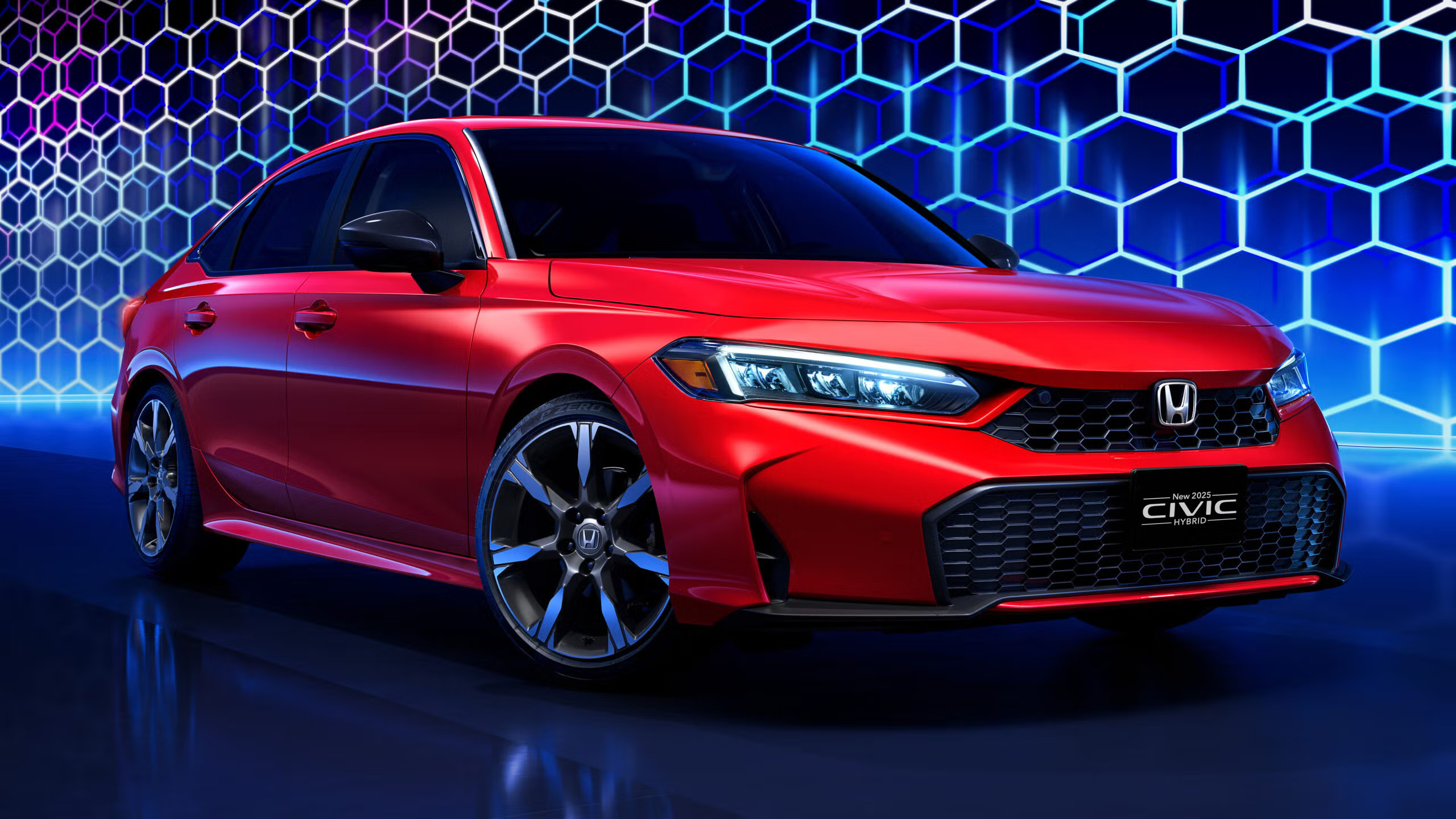
3. Honda Civic: Reliable, Predictable Ownership Built for City Driving
The Honda Civic has long been known for exceptional reliability, low ownership costs, and strong parts availability, making it a dependable choice for city driving. Its design philosophy emphasizes durability, simplicity, and proactive maintenance, which helps owners avoid costly surprises in stop-and-go urban environments.
Rather than reacting to failures, the Civic focuses on preventing them through smart engineering and technology.
One of the Civic’s biggest strengths is its proactive maintenance approach. Honda’s Maintenance Minder system monitors real driving conditions such as engine load, temperature, idling time, and trip length. Instead of relying on rigid service schedules, it alerts drivers when maintenance is actually needed. This helps owners plan service visits in advance and reduces the likelihood of unexpected repairs, turning maintenance into a predictable and manageable expense.
Durability is another cornerstone of the Civic’s reputation. Honda engines are widely known to exceed 200,000 miles when maintained properly, and the Civic’s drivetrain is optimized for urban use.
Its continuously variable transmission and engine are engineered to handle frequent idling and constant acceleration common in city traffic. Key components such as brakes and suspension are built for high mileage use, reducing the frequency of major part replacements.
Routine maintenance costs remain low and consistent. Oil changes are typically recommended every 7,500 to 10,000 miles, and other routine services, such as filter replacement,s are affordable.
Because the Civic is one of the most popular vehicles on the road, replacement parts are easy to find and competitively priced. The car’s relatively simple mechanical design also keeps labor costs down, since repairs are straightforward for most technicians.
The Civic is also optimized for daily city use. Its hybrid powertrain delivers strong fuel efficiency, which lowers fuel expenses and contributes to lower running costs. Standard safety technology through Honda Sensing helps reduce the risk of collisions by offering features like collision mitigation braking and road departure mitigation. These systems can help keep insurance premiums and body repair costs more predictable over time.
Beyond maintenance, the Civic holds its value well. Strong demand in the used car market means it retains resale value even with higher urban mileage. Combined with its comfortable ride, engaging driving dynamics, spacious interior, and generous cargo capacity, the Civic delivers practicality without sacrificing enjoyment.
In everyday use, the Honda Civic proves that a car does not need flashy design to be rewarding. Its blend of reliability, predictable maintenance, efficiency, and strong resale value makes it one of the most sensible and cost-effective compact cars for city drivers seeking long term peace of mind.
4. Hyundai Elantra: Strong Warranty and Predictable Costs in the Compact Class
The Hyundai Elantra stands out in the compact sedan segment by offering strong value, dependable engineering, and maintenance costs that are easy to anticipate. Designed with urban driving in mind, the Elantra combines efficient powertrains, clear service schedules, and accessible technology to keep ownership stress low.
Average maintenance costs over the first five years typically fall between $3,000 and $5,000, and many Elantras are known to reach beyond 200,000 miles when properly cared for.
Predictable maintenance begins with Hyundai’s straightforward service schedule. City driving is often classified as severe service due to frequent idling, short trips, and stop-and-go traffic.
Hyundai addresses this by recommending oil changes and inspections at regular intervals, usually every 5,000 to 7,500 miles. Following this schedule helps prevent minor wear from escalating into major repairs, making maintenance both routine and budget-friendly.
The Elantra’s engine options are built for efficiency and longevity. Buyers can choose from a naturally aspirated 2.0-liter engine, a turbocharged 1.6-liter engine in the N Line, or a fuel-efficient hybrid setup.
Each is designed to perform reliably in urban conditions, where smooth power delivery and low fuel consumption matter more than outright speed. The hybrid model, in particular, excels in city traffic by reducing fuel use and mechanical strain.
Service costs remain manageable thanks to Hyundai’s use of widely available parts and standardized repair procedures. Authorized service centers rely on genuine components, which help maintain long term reliability and consistent performance.
A major advantage is Hyundai’s 10 year or 100,000-mile powertrain warranty, which offers substantial protection against expensive mechanical failures and adds confidence for long term ownership.
Safety technology also plays a role in keeping repair costs predictable. Hyundai SmartSense driver assistance features, including forward collision avoidance and lane keeping assist, are available across much of the lineup. These systems help reduce the likelihood of accidents, which can otherwise introduce unexpected repair and insurance expenses.
Inside, the Elantra provides a spacious and practical cabin with modern infotainment options and solid cargo capacity. Passenger comfort is strong for the class, making it suitable for daily commuting or longer urban trips. While performance varies by engine choice, the Elantra balances comfort, efficiency, and usability well.
With generous warranty coverage, low repair costs, and clear maintenance guidelines, the Hyundai Elantra delivers dependable and predictable ownership for city drivers seeking strong value in a compact sedan.
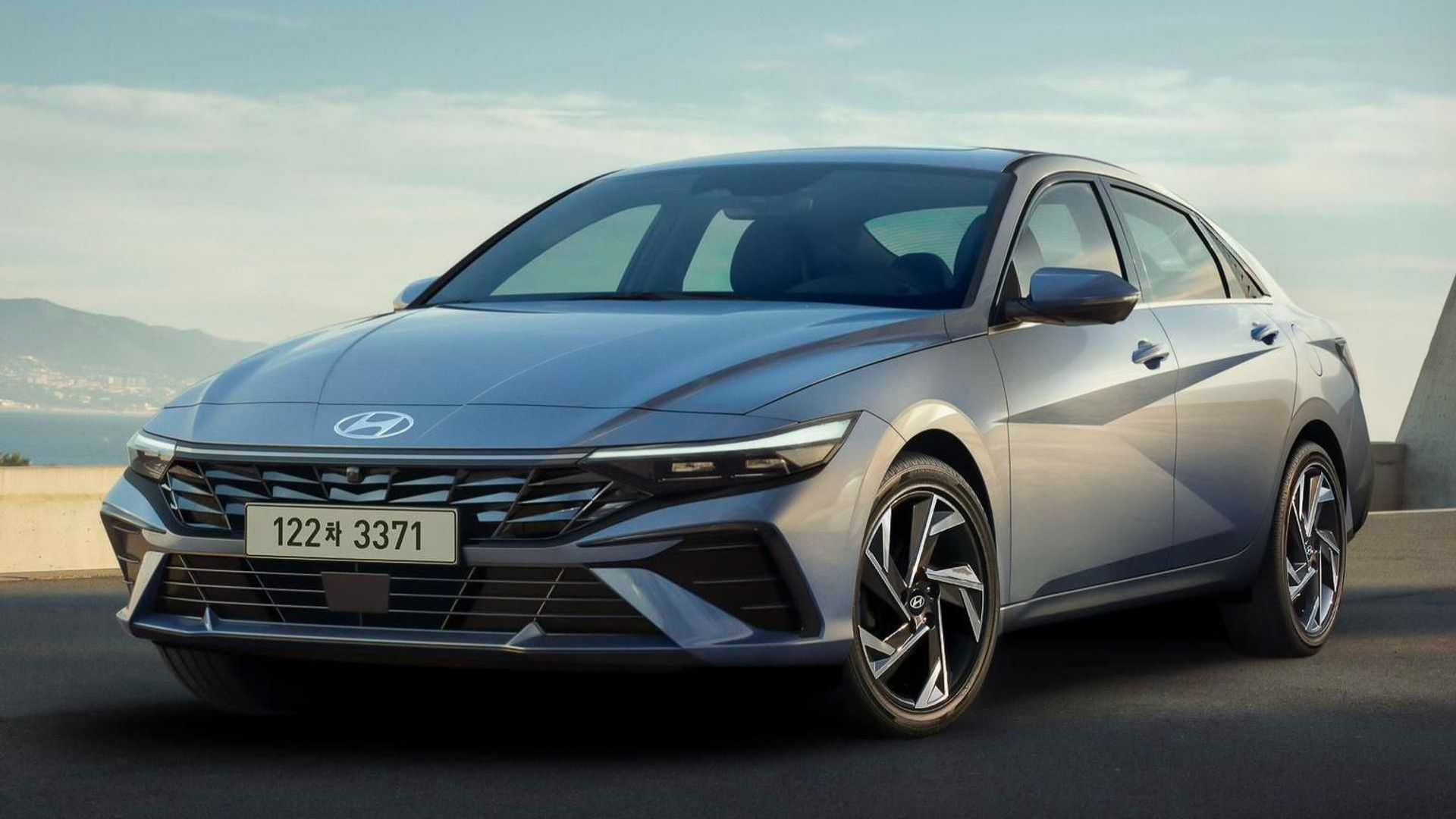
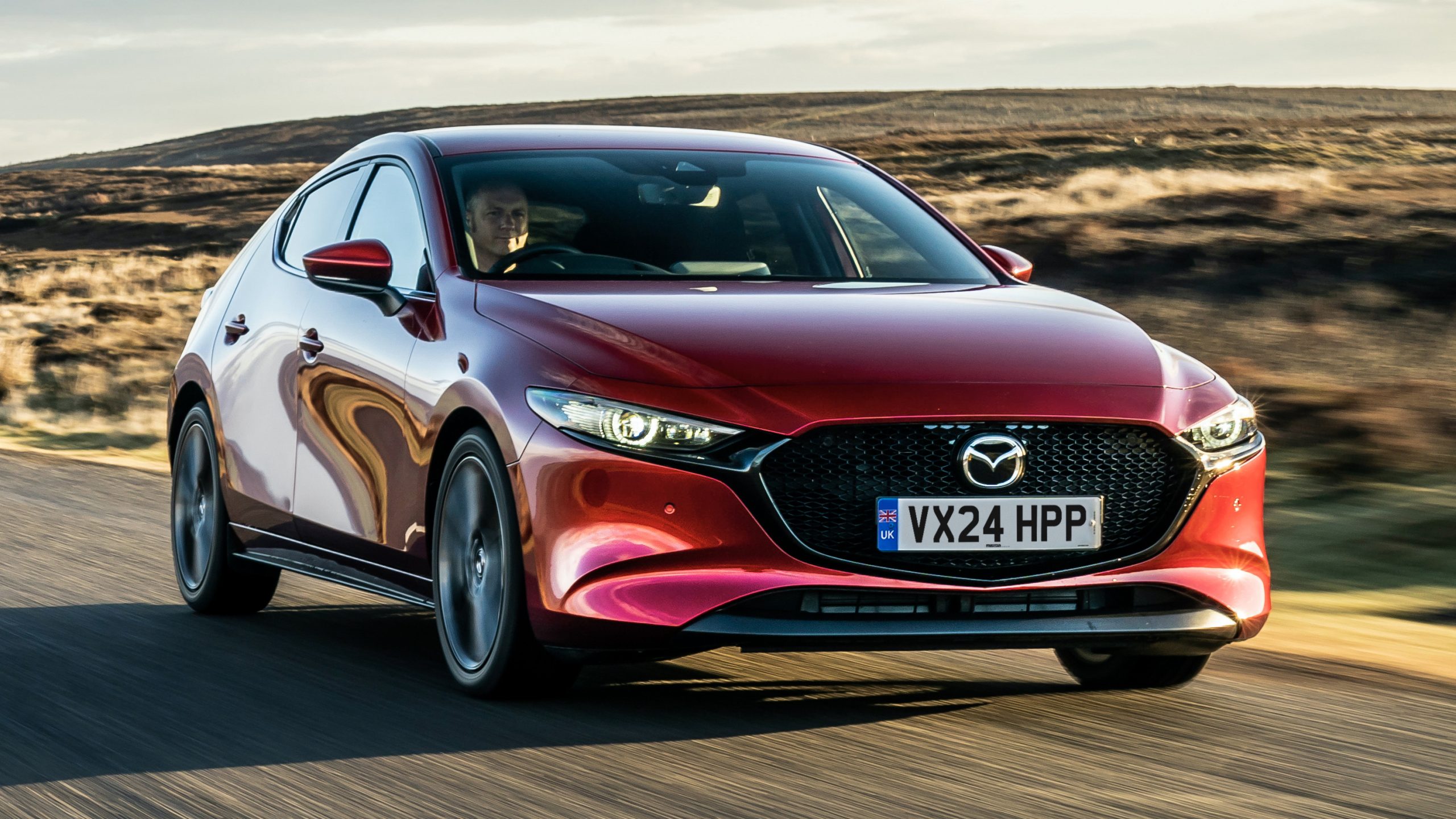
5. Mazda3: Sporty Character with Predictable, Low-Maintenance Ownership
The Mazda3 stands out in the compact car segment for blending an engaging, fun-to-drive personality with reliable and predictable daily ownership. Particularly in its naturally aspirated 2.0-liter and 2.5-liter versions, the Mazda3 delivers low maintenance costs while remaining durable enough to handle the demands of city driving.
Its engineering philosophy emphasizes prevention, simplicity, and high-quality components, which helps reduce unexpected repairs and keeps ownership costs below the industry average for compact sedans.
At the heart of the Mazda3’s reliability is Mazda’s Skyactiv engine and transmission technology. These powertrains are designed to maximize fuel efficiency while reducing internal mechanical stress, an important advantage in stop-and-go urban traffic where engines spend more time idling and cycling between low speeds.
With proper maintenance, Skyactiv engines are widely known to last between 200,000 and 300,000 miles. The shared technology across multiple model years has also created a well-documented and predictable maintenance pattern for owners and technicians alike.
Mazda’s focus on preventative design further supports consistent ownership costs. The Mazda3 requires fewer annual service visits than the industry average, thanks to conservative engineering and durable materials.
Scheduled maintenance, such as oil changes, tire rotations, and brake inspection,s is designed to catch wear early, preventing minor issues from developing into costly failures. Mazda also builds in generous safety margins for critical components, allowing the car to tolerate the harsh conditions of urban driving with less risk of breakdowns.
Cost-effective ownership is another major advantage. Some ownership reports show Mazda3 maintenance and repair expenses running several hundred dollars below the segment average over five years. The likelihood of major repairs during the early ownership period is relatively low, and the Mazda3 avoids excessive reliance on complex electronic systems that can be expensive to diagnose and repair.
Urban-friendly features also contribute to predictable costs. Mazda’s i-Activsense safety technology, including smart brake support and rear cross traffic alert, helps prevent minor accidents common in tight city environments. Consistent real-world fuel efficiency further stabilizes running costs, regardless of traffic density.
To maintain reliability, owners should follow regular oil change intervals, especially in heavy city use, monitor brake wear, and consider rust protection in regions with harsh winters. With its balance of driving enjoyment, durability, and manageable maintenance, the Mazda3 offers a rare combination of sporty character and dependable urban ownership.
Also read: 5 Cars That Stay Comfortable in LA Traffic vs 5 That Don’t
5 That Generate Surprise Costs
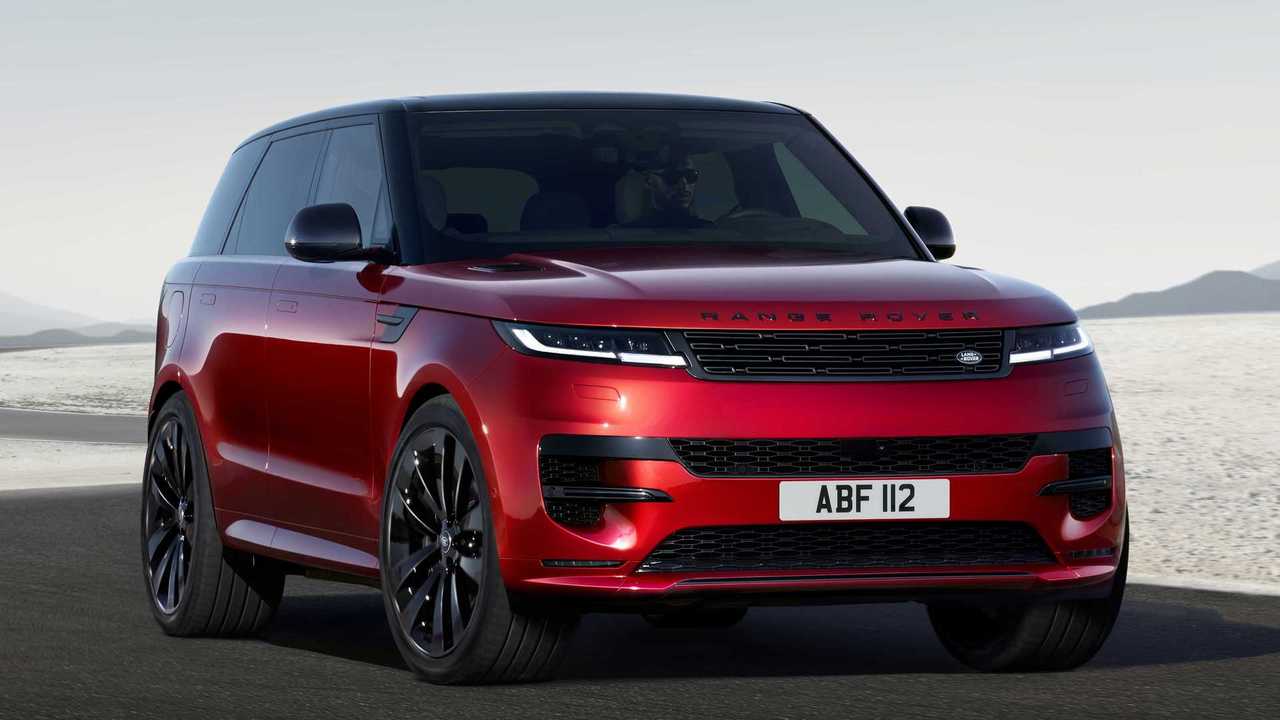
1. Land Rover Range Rover: Luxury Engineering with Extremely High Long-Term Repair Costs
The Land Rover Range Rover sits at the top of the luxury SUV market in terms of comfort, capability, and prestige, but it also leads the industry in long-term maintenance and repair expenses.
Over a 10 year ownership period, maintenance costs commonly exceed $19,000 to $20,000, placing the Range Rover more than $7,000 above the average for luxury SUVs. These elevated costs are largely driven by engineering complexity, expensive parts, and a high likelihood of major repairs as mileage increases.
A primary contributor to these costs is the vehicle’s advanced and intricate engineering. Range Rovers are built to deliver both elite off-road performance and refined on-road luxury, which requires sophisticated systems that are costly to maintain.
The air suspension system, a defining feature of the brand, is prone to issues such as air leaks, failing compressors, and faulty height sensors. Even a single air suspension component can cost well over $1,000 to repair. Electrical systems add another layer of expense, as complex infotainment and vehicle control modules often require specialized diagnostic software before repairs can even begin.
Engine and drivetrain components further increase ownership risk. Certain models are known for issues with turbochargers and timing chains, and repairs in these areas can range from several thousand dollars to well over $10,000, depending on severity. These are not isolated incidents but part of a broader pattern tied to the vehicle’s complexity.
Parts and labor costs are also significantly higher than average. Range Rovers use premium materials such as aluminum and high-strength steel, which raise replacement costs for body and structural components. Repairs must often be performed by technicians trained specifically on Jaguar Land Rover systems, resulting in higher labor rates and limited access to affordable alternatives.
Reliability data shows that more than half of Range Rovers will require a major repair within the first 10 years, with issues often appearing shortly after the factory warranty expires. Even routine services are costly, with oil changes alone sometimes exceeding $500. For buyers, the Range Rover delivers unmatched luxury but demands a substantial financial commitment long after purchase.
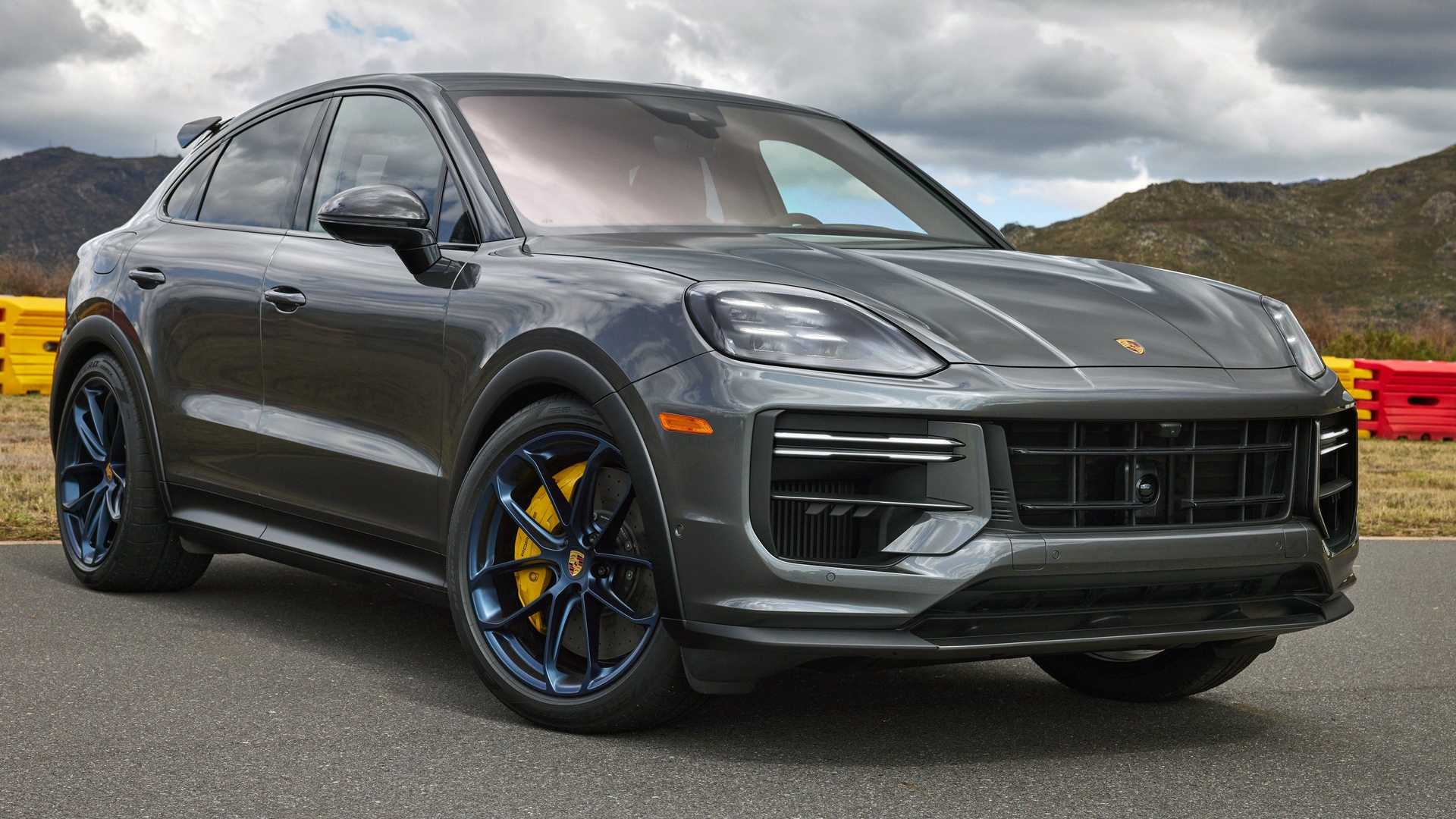
2. Porsche Cayenne: Performance Luxury with Costly Ownership Surprises
The Porsche Cayenne delivers sports car performance in an SUV package, but that capability comes with maintenance costs that often catch owners off guard.
The main issue is the disconnect between its depreciated used market price and the high, fixed costs associated with maintaining a vehicle originally engineered to sell for $80,000 to well over $150,000. While a used Cayenne can be purchased for the price of a mid-range sedan, its upkeep still reflects its high-performance luxury roots.
One of the most common sources of surprise expenses is routine wear and tear. The Cayenne is a heavy vehicle that is tuned for aggressive driving, which places significant stress on consumables.
High-performance tires and large brake components wear quickly, and replacing all four tires along with pads and rotors can easily cost between $4,000 and $6,000. For owners accustomed to typical SUV maintenance pricing, these recurring expenses can be shocking.
Labor and parts costs add another layer of complexity. The Cayenne relies on proprietary Porsche technology, and many repairs require the use of the Porsche Integrated Workshop Information System diagnostic tool.
Because most general repair shops lack this equipment, owners are often forced to use Porsche dealerships or specialized independent shops. Labor rates commonly range from $220 to $350 per hour, and Porsche parts carry premium pricing with limited compatibility across other brands.
Mechanical failures, when they occur, are rarely inexpensive. Air suspension components in models equipped with Porsche Active Suspension Management can cost several thousand dollars per corner to repair.
Certain generations are also known for transfer case failures that lead to drivetrain vibration and costly replacements. Earlier V8 models add risk through complex cooling systems with buried plastic coolant pipes that require extensive labor to access.
Electronic complexity further increases risk. Water intrusion from clogged drains can damage sensitive control modules hidden beneath the interior, leading to costly electrical repairs. To manage these risks, buyers are best served by choosing a Porsche Certified Pre-Owned model and following the factory maintenance schedule closely to reduce the chance of major, unexpected failures.
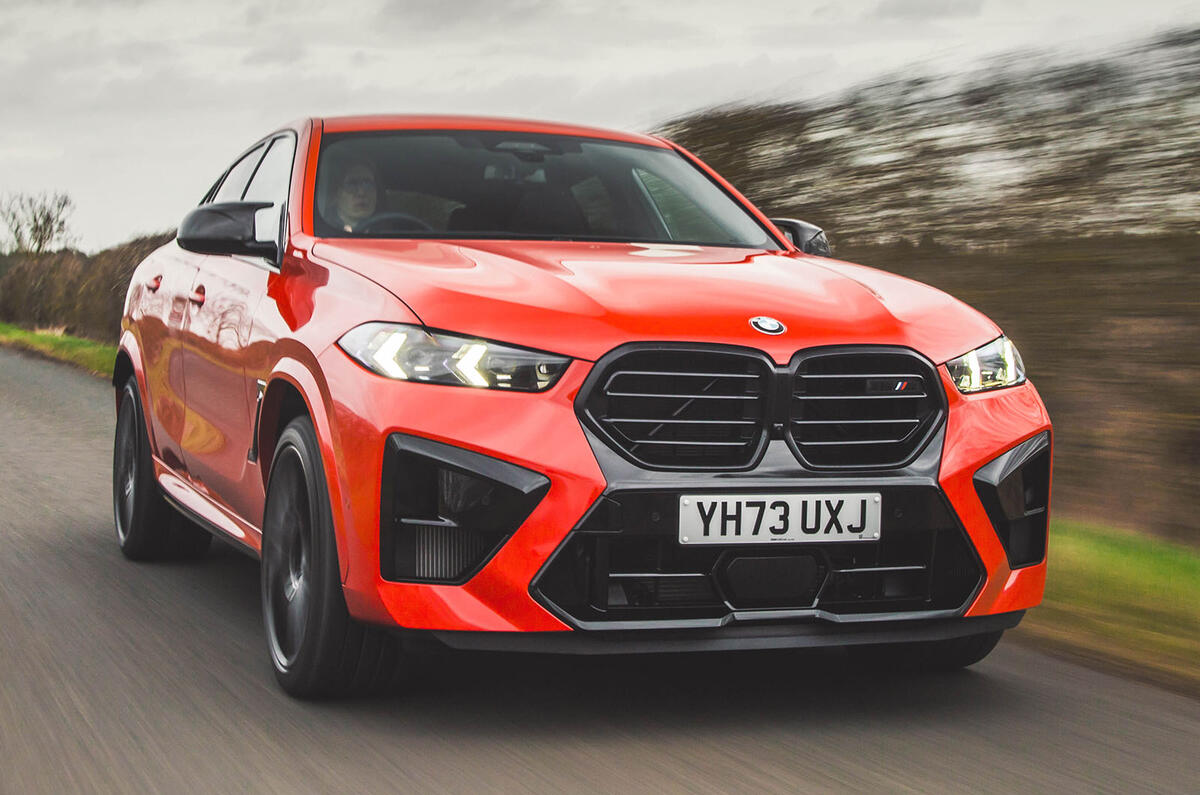
3. BMW X6 M: High-Performance Engineering with Heavy Ownership Costs
The BMW X6 M is designed to deliver supercar-level performance in an SUV body, but that ambition comes with significant and often unexpected ownership costs. Unlike standard luxury SUVs, the X6 M blends extreme mechanical stress, specialized components, and high operating expenses, making maintenance and repairs far more expensive and less predictable.
A major driver of these costs is mechanical complexity. The X6 M uses a bespoke, high-output 4.4-liter twin-turbocharged V8 developed specifically for BMW’s M division. This powertrain places the vehicle in a higher risk category for major repairs, with data showing an increased likelihood of significant mechanical issues compared to average luxury SUVs.
Wear items are also far from ordinary. Massive performance brakes and high-friction pads wear quickly under the strain of the vehicle’s 5,400-pound weight, and replacement costs can easily reach several thousand dollars. The staggered tire setup further adds to expenses, since the wider rear tires cannot be rotated and often require replacement every 15,000 miles at costs exceeding $2,500.
Depreciation represents another major financial hit. With a starting price of roughly $129,700 in 2026, the X6 M loses value rapidly as maintenance concerns discourage second-hand buyers. Over five years, depreciation can approach $74,000, wiping out more than half of the vehicle’s original value.
Daily operating costs remain high as well. Fuel economy averages around 15 miles per gallon combined, and the required use of premium fuel can push five-year fuel expenses beyond $26,000. Insurance premiums are also elevated, often running about 35 percent higher than those for a standard BMW X5, adding more than $10,000 over the same period.
Servicing the X6 M compounds these expenses. Many independent repair shops lack the tools needed to work on their M-tuned all-wheel-drive and adaptive suspension systems.
This often forces owners to rely on dealership service departments, where labor rates for M models are billed at a premium. For buyers, the X6 M offers thrilling performance, but ownership demands substantial financial commitment well beyond the purchase price.
4. Audi A8: Advanced Luxury Comes with High Ownership Costs
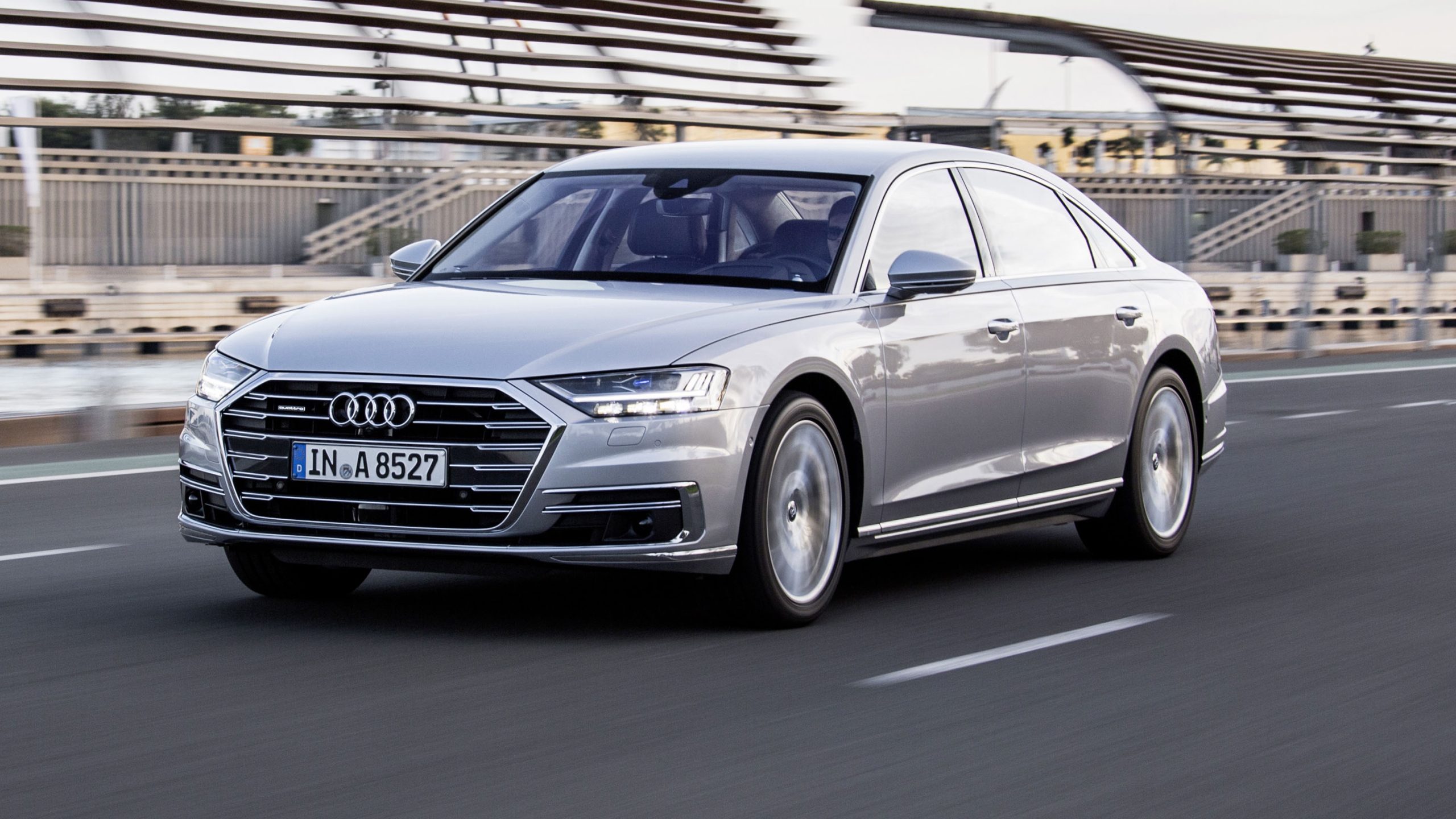
The Audi A8 represents the pinnacle of German luxury sedans, offering cutting-edge technology and unmatched ride comfort. However, these benefits come with high and often unexpected ownership costs. As of 2026, the A8’s complex systems and specialized parts make maintenance far more expensive and labor-intensive than typical luxury models like the A4 or Q5.
A major contributor to surprise costs is the Adaptive Air Suspension. This system delivers the car’s signature smooth ride but relies on rubber bladders, electronic compressors, and intricate integration with the car’s central computer. Air strut replacement can cost $1,500 to $3,000, and recalibration requires specialized tools, preventing most independent mechanics from performing the work.
The A8 is also loaded with proprietary sensors for driver-assistance systems. Even routine repairs, such as windscreen replacement, can trigger expensive recalibrations. The front windshield houses cameras for lane-keep assist and night vision, and replacing a chipped windshield can easily exceed $2,500 because all sensors must be reprogrammed using Audi-specific diagnostics.
Its aluminum space frame enhances performance and reduces weight but significantly increases repair complexity. Minor collisions demand specialized facilities with vacuum-sealed rooms and aluminum-specific welding equipment, often doubling or tripling bodywork costs compared to steel-framed luxury sedans.
Routine mechanical work is also labor-intensive. The cramped engine bay requires removing the bumper, radiator, and other components just to access simple parts like the alternator or starter. With dealership labor rates often above $200 per hour, a minor repair can quickly escalate into a multi-thousand-dollar bill.
Additionally, the A8 demands premium fluids and components. It requires high-grade synthetic oil, specialized brake pads, and noise-reducing foam tires. Using substandard parts can lead to secondary system failures, further inflating repair costs.
While the Audi A8 delivers world-class comfort and technology, its highly advanced engineering and specialized parts make ownership expensive. Buyers should expect high routine and unexpected costs, emphasizing the importance of certified service and strict adherence to the manufacturer’s maintenance schedule.
5. Mercedes-Benz G-Class: High Costs Behind Luxury Status
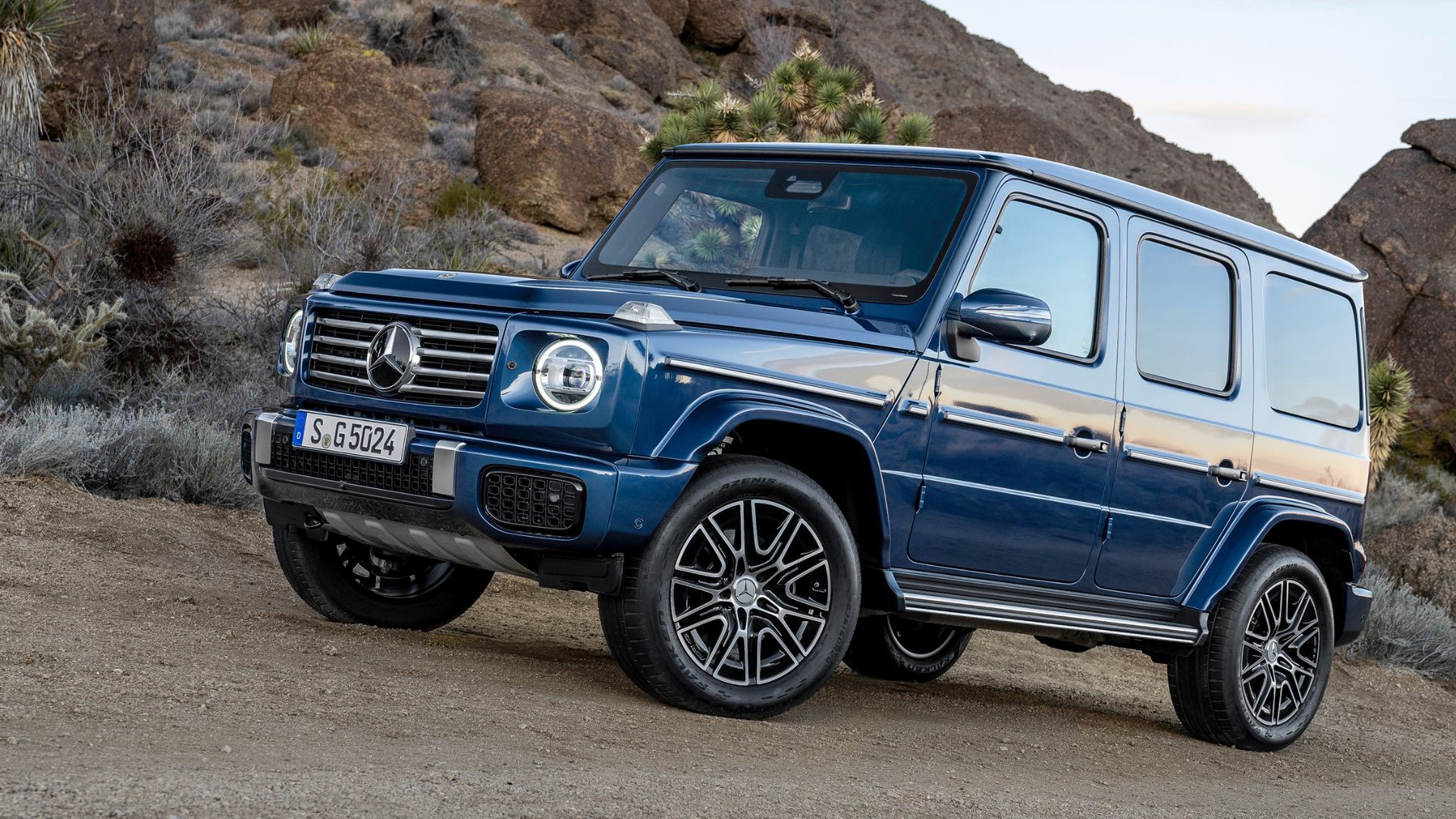
The Mercedes-Benz G-Class, also known as the G-Wagon, delivers unmatched off-road capability and luxury, but ownership comes with frequent financial surprises. In 2026, the estimated 10-year maintenance and repair costs for a model like the G 550 reach around $16,925, exceeding the luxury SUV segment average by more than $4,400.
The vehicle’s specialized engineering contributes heavily to these expenses. Its hand-built assembly, solid axles, and triple-locking differentials require service at authorized dealerships using genuine OEM parts.
Labor rates are high, and the probability of a major repair within the first decade is roughly 44%, surpassing similar luxury SUVs by over 5%. Even routine maintenance, such as brake or tire replacement, is more expensive due to the vehicle’s high-performance, heavy-duty components.
Operational inefficiency further drives costs. The G-Class often weighs over 7,000 pounds, and its boxy design increases aerodynamic drag, leading to high fuel consumption. Even with mild-hybrid technology, city mileage can drop to 14 MPG, while highway driving averages just 17 to 19 MPG. The stress of this weight also accelerates wear on consumables like brakes, tires, and suspension components.
Depreciation and market dynamics add another layer of hidden costs. Although the G-Class retains roughly 60% of its value after five years, the dollar losses are significant.
Some 2022 models depreciated nearly 25% in just two years, and by 2026, newer models could lose over $10,000 in a single year. Limited production, high demand, and dealer markups can inflate purchase prices far above the MSRP, with taxes and fees for an AMG G 63 reaching more than $14,000 in the first five years.
While the G-Class delivers iconic luxury and rugged capability, its ownership costs, spanning specialized maintenance, fuel, depreciation, and market premiums, require careful planning. Buyers should anticipate frequent high-ticket repairs and ongoing operational expenses well beyond the vehicle’s initial price.
Selecting a vehicle for city use requires considering reliability, maintenance predictability, and total cost of ownership. Cars like the Corolla, Prius, Civic, Elantra, and Mazda3 provide consistent performance, simple upkeep, and long-lasting durability, helping drivers avoid unexpected expenses.
Luxury and high-performance models such as the Range Rover, Cayenne, X6 M, A8, and G-Class demonstrate how advanced technology, complex drivetrains, and specialized labor can increase both routine and unexpected costs.
Urban drivers benefit from understanding these differences because predictable vehicles reduce stress, save money, and maintain value over time. Choosing the right balance between comfort, performance, and maintenance requirements ensures that a vehicle remains practical and financially manageable for daily city driving.
Also Read: Top 10 Cars That Look Like They Belong in a Crime Epic