City streets present a unique challenge for drivers. Unlike highways or open roads, urban environments demand a combination of agility, precision, and awareness. Narrow lanes, tight corners, parked cars on either side, and sudden pedestrian crossings require a vehicle to respond quickly and efficiently.
For many drivers, the difference between a car that feels nimble and one that feels cumbersome can significantly affect daily comfort and safety. A sedan that fits well into these constraints allows drivers to maneuver without stress, making trips shorter, parking easier, and traffic jams less daunting.
While compact SUVs and hatchbacks often receive praise for city driving, sedans can offer a more balanced approach. They generally provide smoother rides, better fuel efficiency, and lower profiles, which are advantageous for both visibility and parking.
However, not all sedans are created equal in urban environments. Some models excel at squeezing through narrow alleys and sharp corners, while others feel oversized, difficult to angle into tight spaces, or awkward when reversing. Choosing the right sedan involves evaluating width, turning radius, visibility, and handling characteristics rather than just looking at engine power or luxury features.
City driving also emphasizes the psychological aspect of car control. A sedan that feels manageable encourages drivers to navigate confidently and reduces anxiety when dealing with congested streets. Conversely, a wide sedan can make even routine trips feel stressful, particularly in older neighborhoods with narrow lanes.
Features such as compact body design, responsive steering, and tight suspension geometry often contribute to the ease of urban driving. Moreover, technological aids like parking sensors, rear cameras, and automatic braking can complement a car’s natural agility.
In addition to comfort and control, practical considerations influence which sedans perform best in narrow streets. Fuel efficiency becomes crucial when stop-and-go traffic is constant, and low turning radii reduce the time and effort needed for U-turns or parallel parking.
Interior space also matters, as smaller sedans may trade cargo room for maneuverability, while larger sedans could feel cramped when negotiating tight turns. Understanding these trade-offs helps potential buyers make informed decisions based on their daily driving needs.
A city-friendly sedan balances size, responsiveness, and convenience. By considering these factors, drivers can identify vehicles that fit seamlessly into dense urban grids.
This guide categorizes sedans into two groups: those that handle narrow streets with ease and those that often feel too wide, offering insight into the practical realities of city driving. Recognizing these differences can save time, reduce stress, and enhance the driving experience for anyone navigating the complexities of modern urban life.
5 Sedans That Manage Narrow City Streets Well
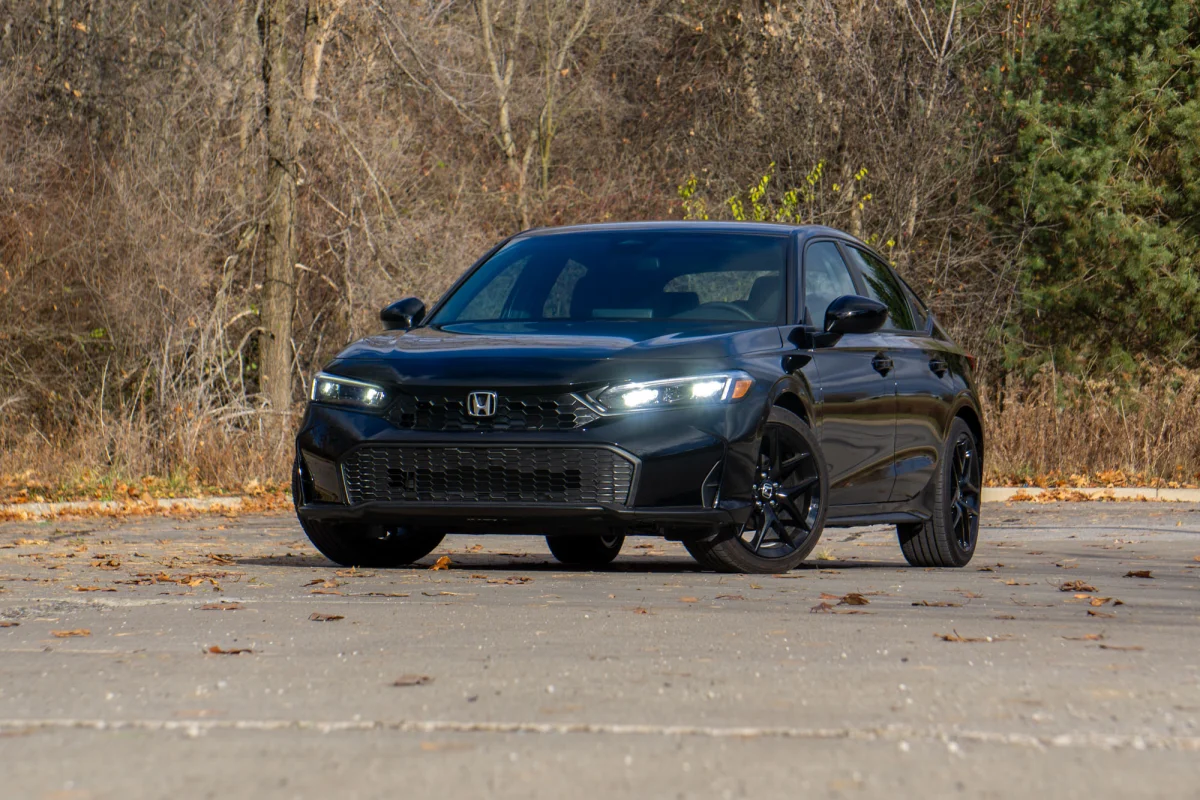
Honda Civic
The Honda Civic is celebrated for its nimble handling and compact size, which make it ideal for city streets. Its well-designed body allows drivers to maneuver through tight lanes without effort. The steering is precise, giving a strong sense of control when negotiating sharp corners. Visibility is excellent, helping drivers anticipate pedestrians and parked cars alike.
Inside, the Civic offers a surprisingly spacious cabin considering its exterior dimensions. Seats are comfortable and adjustable, supporting long drives through congested areas. The dashboard is intuitive, placing essential controls within easy reach. Even during busy commutes, the layout allows drivers to stay focused without distraction.
The Civic’s suspension is tuned to absorb minor road imperfections common in urban environments. Small potholes and uneven pavement are softened, preventing jolts from disturbing passengers. At the same time, the car maintains enough rigidity for responsive handling. This combination enhances both comfort and confidence during city driving.
Its size and design make parallel parking less stressful, reducing the number of corrective maneuvers required. Rear sensors and cameras guide tighter spots. Drivers can approach angled or limited spaces with minimal worry. The car’s agility ensures smooth entry and exit from crowded areas.
Fuel efficiency also contributes to the Civic’s urban practicality. Frequent stops and starts in traffic are less taxing on fuel consumption. Its engine offers sufficient power without compromising maneuverability. Quick acceleration and responsive braking improve handling in tight spaces.
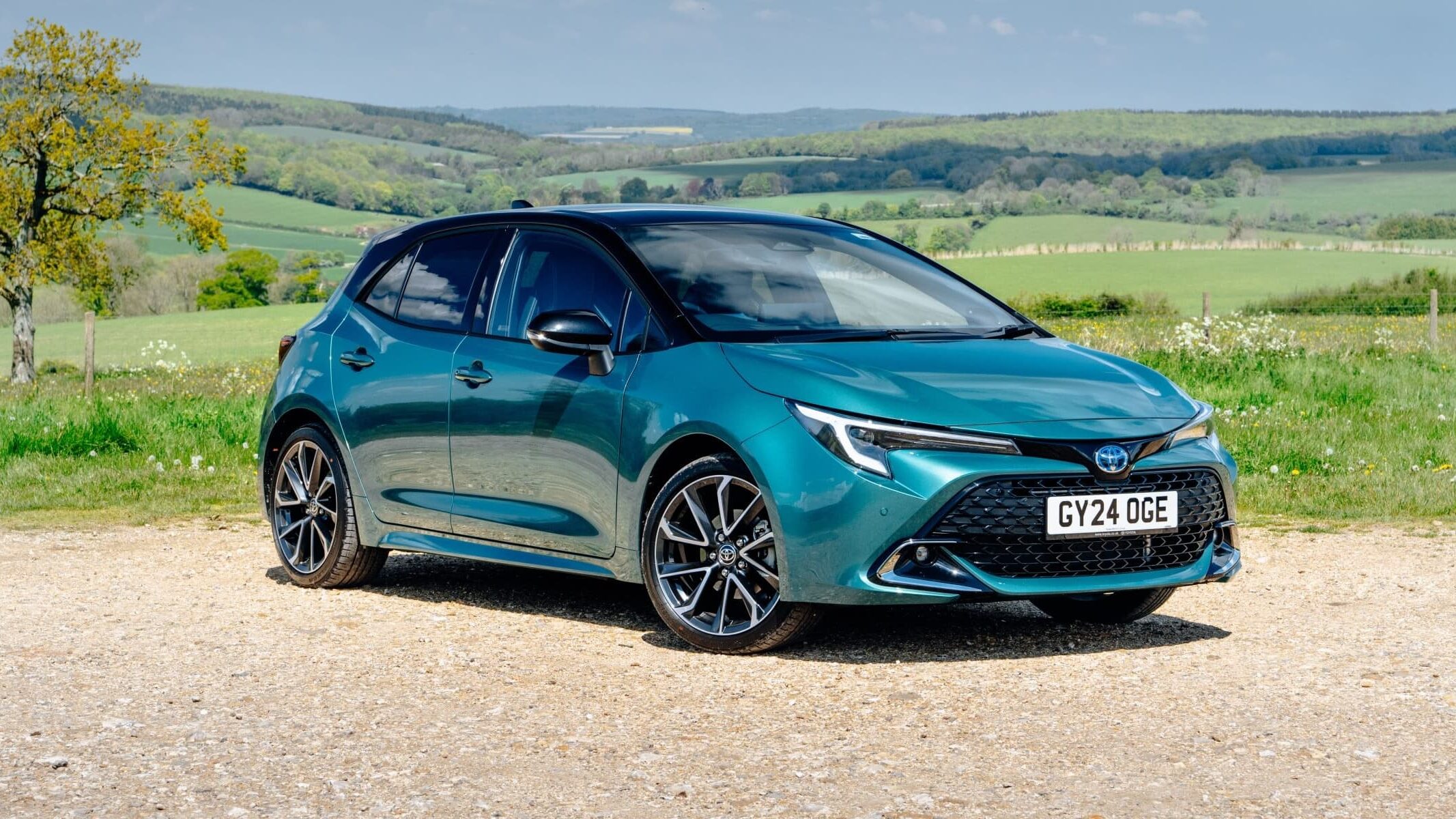
Toyota Corolla
The Toyota Corolla is widely regarded as a practical and reliable sedan for urban drivers. Its moderate width ensures it can navigate narrow streets without feeling bulky. Steering is light and precise, allowing for smooth corrections in traffic. The high-quality build and visibility enhance confidence during complex maneuvers.
Inside, the Corolla prioritizes comfort and functionality. The cabin layout is clear and intuitive, with controls logically placed. Seating offers good sightlines, assisting drivers in spotting obstacles. Suspension tuning allows the car to glide over rough patches common in city roads.
The Corolla is easy to park in tight urban spaces. Parallel parking or reversing into small spots is less intimidating due to compact dimensions. Rear-view cameras and parking sensors support confident maneuvering. Its manageable size ensures that even congested streets feel accessible.
Traffic responsiveness is another advantage. Brakes react predictably, allowing drivers to stop safely in sudden congestion. Its small turning radius enables efficient navigation through intersections. The car feels stable while performing sharp turns, maintaining a calm ride. Urban streets are less stressful with this sedan.
The Corolla’s combination of efficiency and maneuverability makes it ideal for city use. Fuel economy is excellent, even during stop-and-go driving. Steering and handling provide a comfortable, confident experience. For drivers prioritizing ease of navigation over luxury, the Corolla remains one of the most suitable options available.
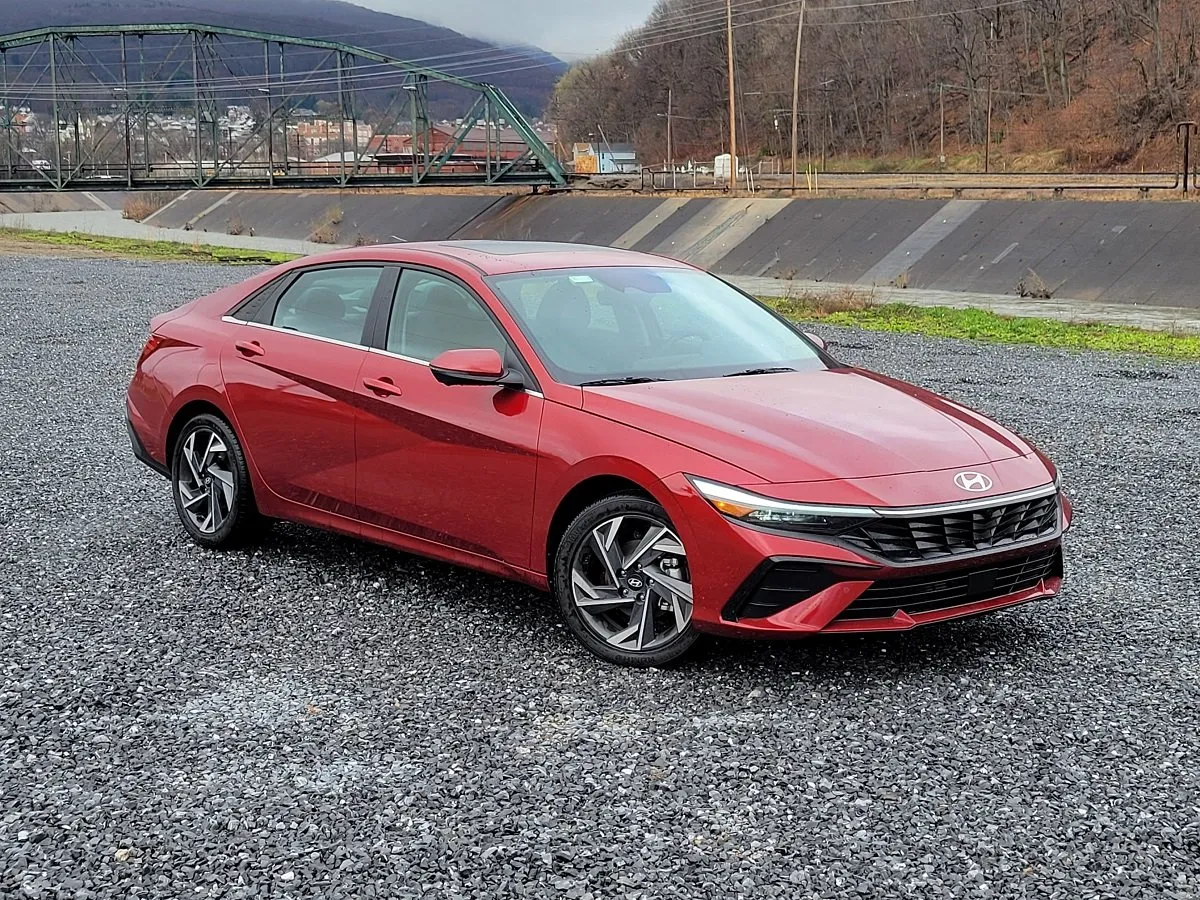
Hyundai Elantra
The Hyundai Elantra blends modern styling with city-friendly dimensions. Its body is compact enough to slip through narrow lanes without hesitation. Steering is responsive and precise, helping drivers handle tight intersections. Visibility from the driver’s seat supports confident navigation through congested areas.
Inside, the Elantra features a well-thought-out cabin. Controls are accessible and easy to operate. Seating is supportive for both short commutes and longer trips. Suspension absorbs minor bumps and uneven road surfaces, maintaining comfort and control.
Urban parking is convenient in the Elantra. Its compact design allows easier access to parallel and angled spaces. Backup cameras and sensors enhance maneuverability. Drivers can execute tight turns and reverse smoothly without hesitation. The car’s agility makes city streets feel less restrictive.
Stop-and-go traffic is manageable thanks to responsive brakes and predictable handling. Sudden stops or swerving maneuvers feel controlled and safe. The tight turning radius allows for confident navigation of corners and narrow streets. Even in high-density areas, drivers maintain composure behind the wheel.
The Elantra balances performance, comfort, and fuel efficiency for city driving. Its small footprint reduces stress in dense neighborhoods. Engine output supports smooth acceleration without sacrificing control. Steering feedback and cabin comfort combine to make urban driving a more pleasant experience.
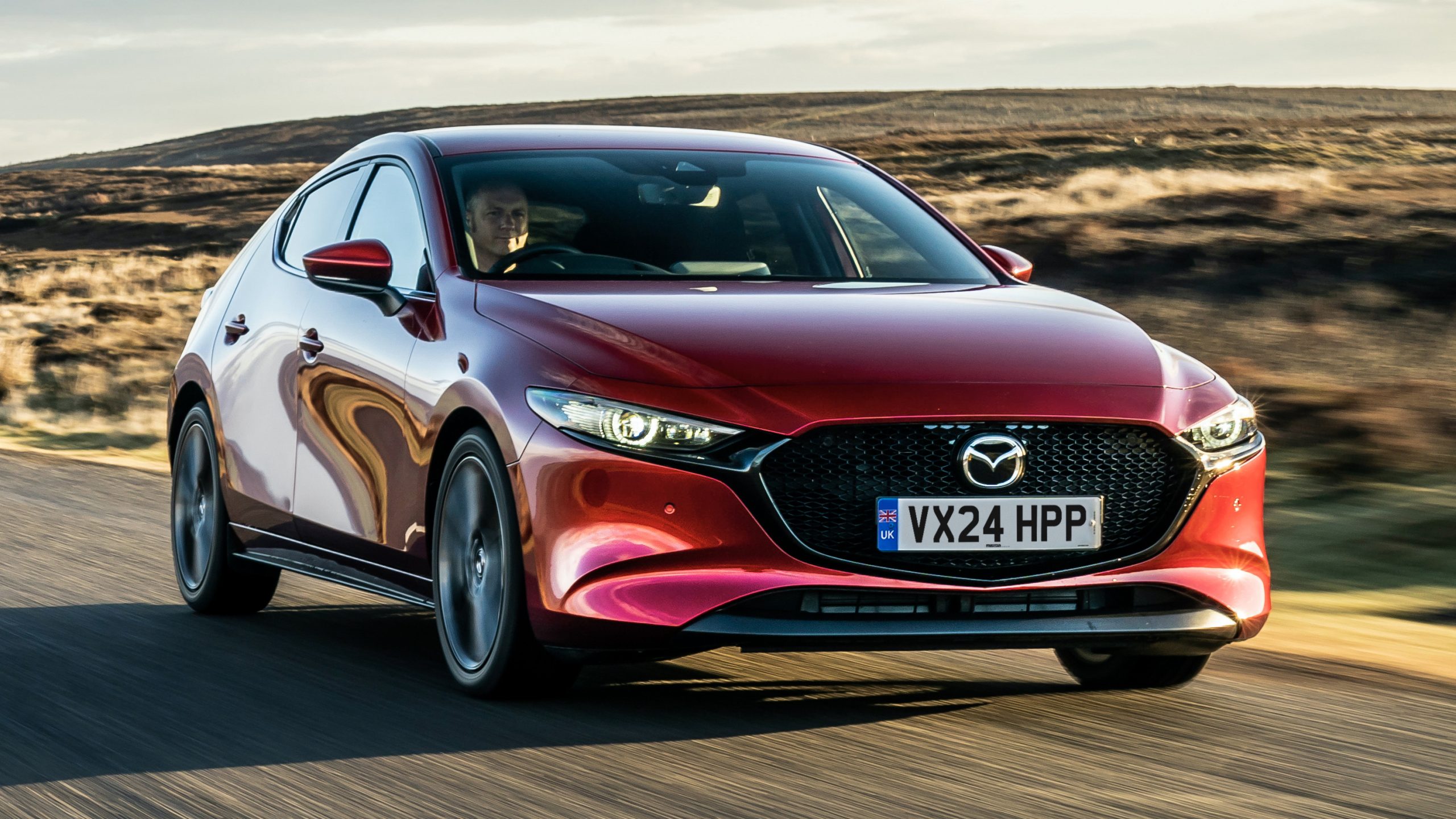
Mazda3
The Mazda3 is praised for its sporty feel and precise steering. Its compact size is well-suited for tight city streets. Drivers can maneuver through narrow roads with confidence. Low body lines improve visibility over obstacles and parked cars, enhancing urban awareness.
Inside, the Mazda3 focuses on driver-centric ergonomics. Controls are intuitively placed, reducing distractions in busy traffic. Seats provide both comfort and support during long periods of stop-and-go driving. Suspension design balances ride comfort with responsive handling, making city driving more enjoyable.
The Mazda3 excels at parking and low-speed maneuvering. Its compact size allows for easier parallel parking. Sensors and rear cameras provide guidance in tight spots. Steering precision ensures the car can be positioned accurately. Narrow streets feel far less intimidating for the driver.
Traffic responsiveness is a standout feature of the Mazda3. Braking is predictable, offering confidence during sudden stops. Its tight turning radius supports smooth cornering in crowded intersections. Drivers can navigate dense urban layouts efficiently. The combination of size and handling creates a stress-free urban experience.
The Mazda3 also offers a dynamic yet practical driving experience. Engine performance complements the car’s maneuverability without overwhelming the driver. Steering and chassis balance enhance control and comfort. For urban commuters, the Mazda3 combines agility, practicality, and a touch of sportiness effectively.
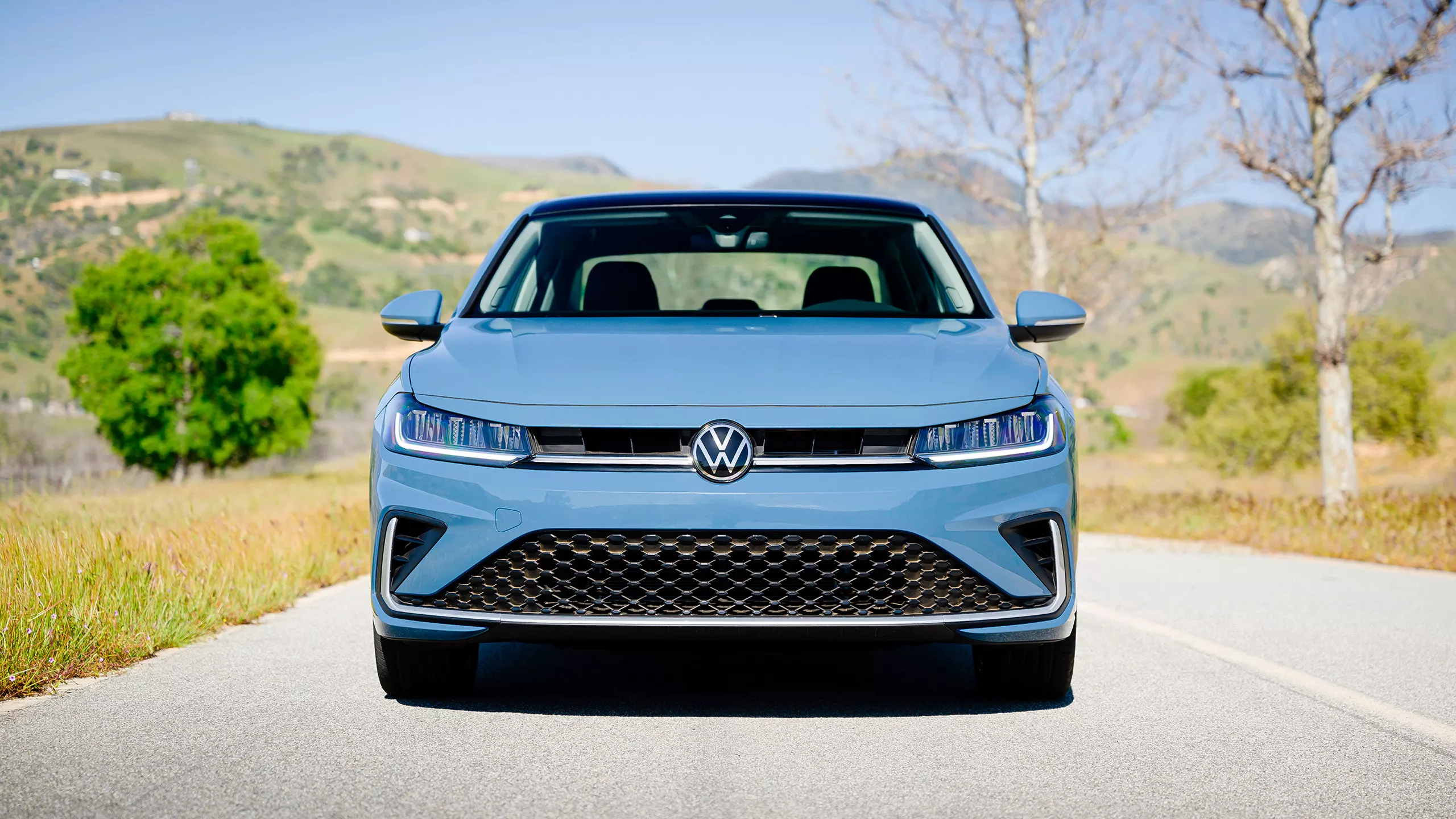
Volkswagen Jetta
The Volkswagen Jetta is a sedan that combines German engineering with practical urban dimensions. Its moderate width ensures it can pass through narrow streets comfortably. Steering is responsive, making sudden course adjustments easy. Visibility is excellent, aiding drivers in spotting pedestrians, cyclists, and obstacles.
Inside, the Jetta offers a functional and driver-friendly cabin. Controls are easy to reach, and the dashboard design is clear and uncluttered. Seats are supportive, even during extended city commutes. Suspension smooths out minor bumps, improving ride comfort on uneven city roads.
Urban parking is convenient in the Jetta. Its manageable size simplifies parallel and angle parking. Rear sensors and cameras enhance maneuverability. Steering precision allows the driver to place the car accurately in tight spaces. Narrow streets are less stressful to navigate in this sedan.
The Jetta responds well to traffic demands. Braking is reliable, offering confidence in stop-and-go conditions. The turning radius allows for agile cornering. Drivers can handle dense intersections with ease. Its balance of size, comfort, and control makes city navigation straightforward.
For drivers seeking practicality and comfort, the Jetta is an excellent choice. Its dimensions allow for confident urban driving. Steering and handling reduce stress during tight maneuvers. Fuel efficiency and responsive braking complement its urban suitability. The Jetta merges comfort, control, and compact design effectively for city life.
5 Sedans That Feel Too Wide for City Streets
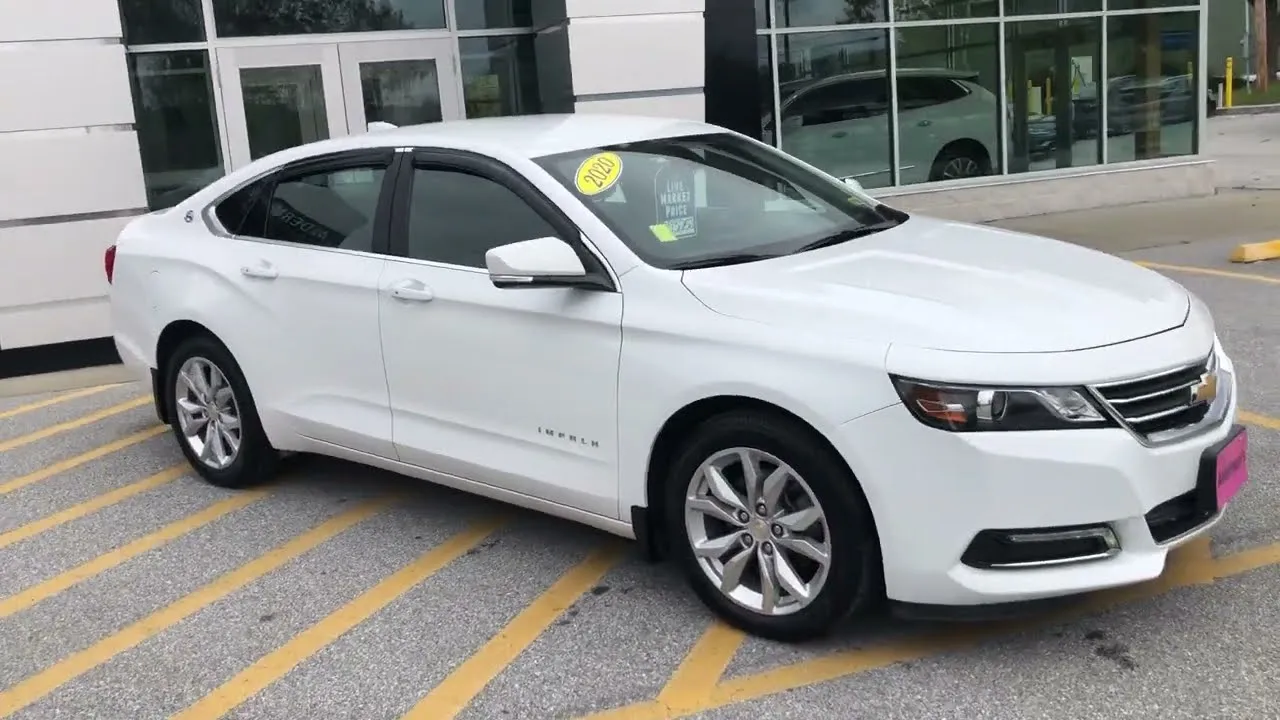
Chevrolet Impala
The Chevrolet Impala is designed for comfort and spaciousness, but its width and length make it less ideal for narrow urban streets. Maneuvering in tight lanes often requires extra caution and multiple steering adjustments. Lane changes feel more deliberate, and sharp corners require planning. The car’s size can make congested areas feel restrictive for many drivers.
Visibility is another challenge with the Impala. Its wide body reduces sightlines, making it harder to judge distances accurately. Pedestrians, cyclists, and parked cars may require more careful attention. Blind spots are more prominent, especially when reversing or turning. This demands a higher level of focus during city driving.
Parallel parking can be a stressful experience in the Impala. Even with rear-view cameras and sensors, fitting into narrow spaces often takes several attempts. Angled parking requires careful maneuvering. Drivers must account for the length and width, which can be cumbersome in densely populated areas. The sedan feels significantly larger than most city-friendly vehicles.
Stop-and-go traffic amplifies the challenges of driving the Impala in urban environments. Braking is adequate, but the bulk makes sudden maneuvers more difficult. Tight intersections and narrow roads require extra caution. Drivers must plan their movements carefully to avoid scraping curbs or other vehicles. The car is better suited to open streets than congested city grids.
Despite these challenges, the Impala shines on highways or wide suburban streets. Its roomy interior and smooth ride offer comfort during long drives. On urban streets, however, the driver must adjust to the larger dimensions. Stress levels may increase when navigating tight corners or crowded neighborhoods. The Impala’s design favors space over city agility.
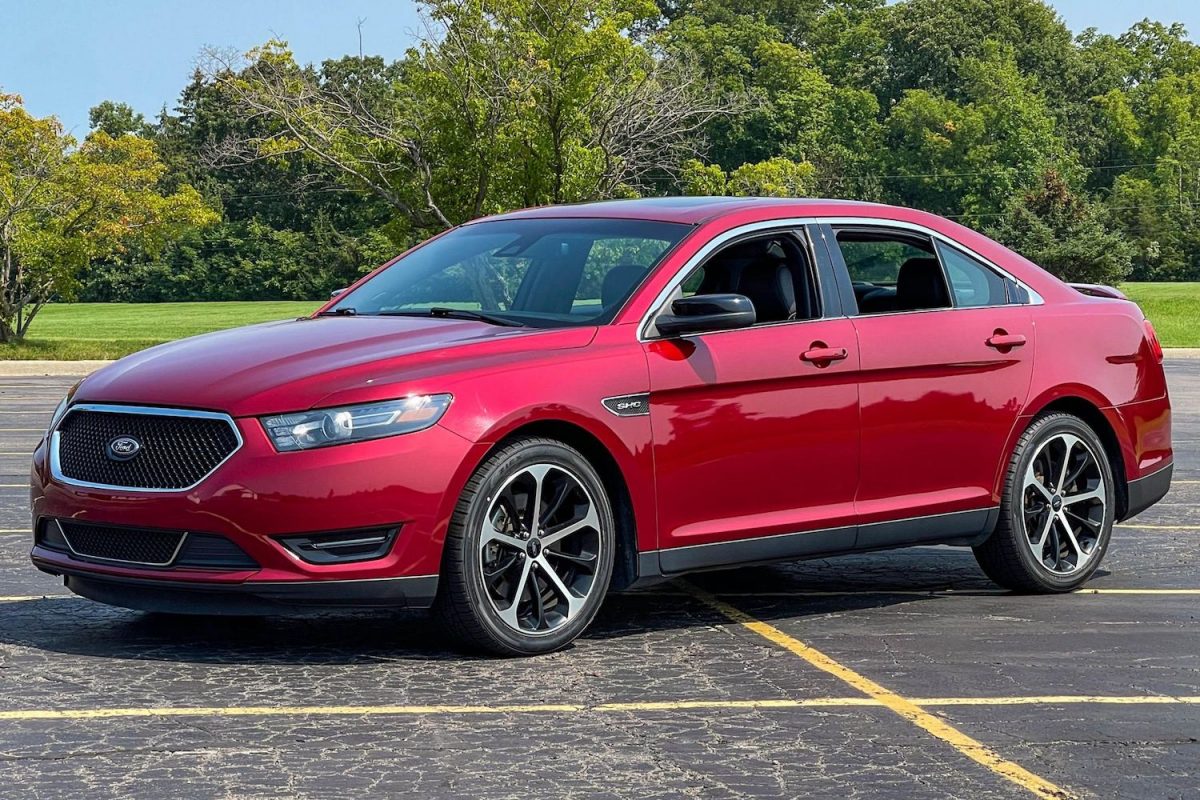
Ford Taurus
The Ford Taurus provides a spacious cabin and a comfortable ride, but its wide body presents difficulties in urban navigation. Narrow streets require slower speeds and careful steering to avoid collisions. Sharp corners can feel restrictive. Drivers often need multiple corrections to stay centered in a lane.
Visibility is limited due to the Taurus’s size. Front and rear sightlines are less forgiving, especially when parking. Blind spots are more pronounced in crowded areas. Pedestrians or cyclists may require additional attention when turning. The width adds an extra layer of challenge to everyday city driving.
Parking is another area where the Taurus struggles. Parallel spots are tight, and backing into spaces can be cumbersome. Even with technology like cameras or sensors, the sedan demands patience. Angled parking can be awkward due to its width. Drivers may feel less confident maneuvering in narrow areas.
Stop-and-go traffic is more tiring in the Taurus compared to narrower sedans. Braking feels less immediate, and handling bulk in tight intersections requires focus. Sudden lane changes are less smooth. Narrow streets and tight corners often demand slower, more deliberate movements. Urban driving can feel restrictive with this vehicle.
The Taurus excels on open roads where width and length are advantageous. Its cabin space and smooth ride are ideal for long journeys. However, city streets amplify the challenges caused by its size. Steering adjustments and careful planning become essential to prevent mishaps. Its dimensions prioritize comfort over maneuverability.
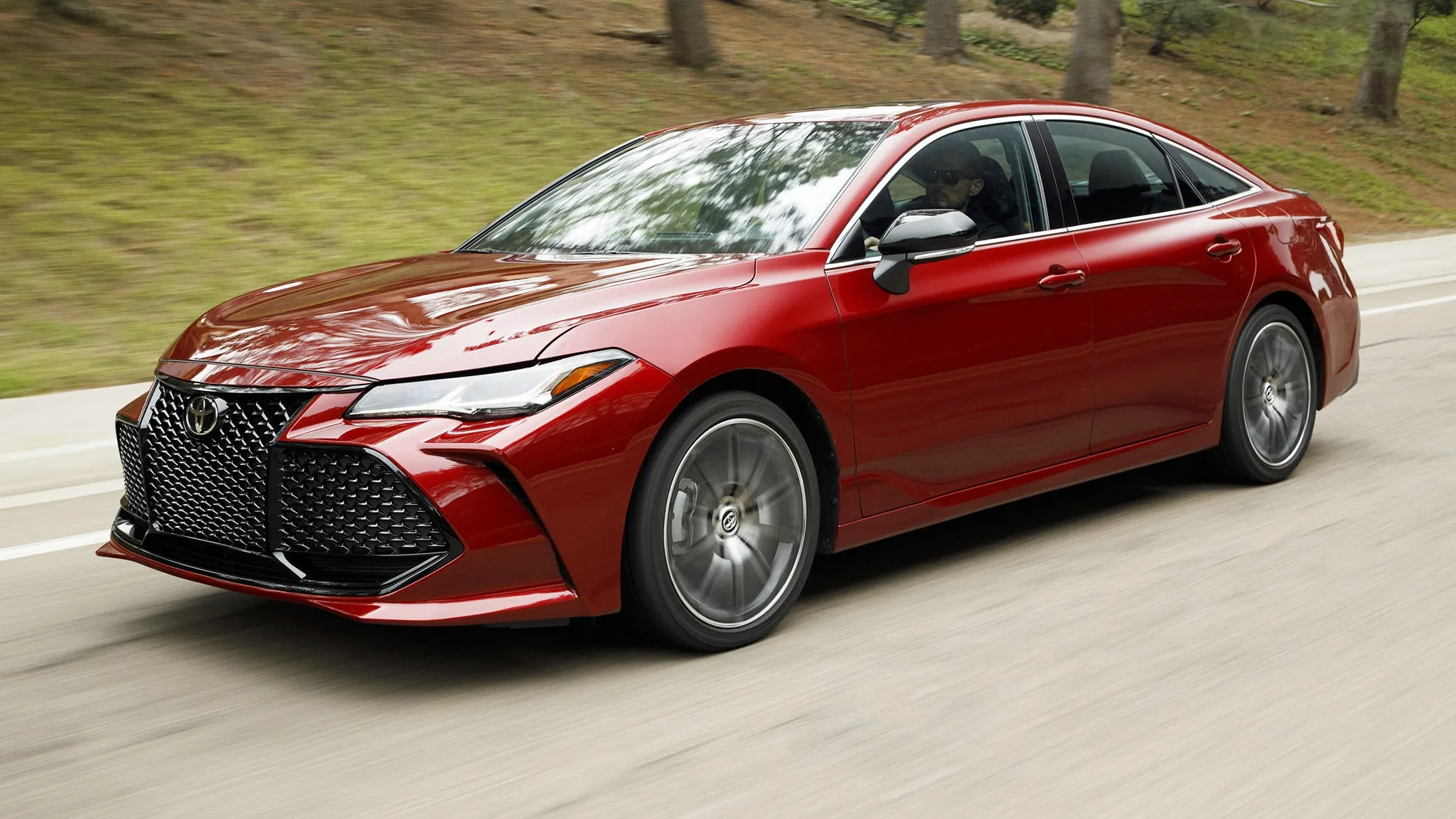
Toyota Avalon
The Toyota Avalon is a full-size sedan known for comfort, quietness, and refined ride quality. However, its wide body and extended length make it less suited for congested streets. Navigating narrow roads requires constant attention and careful steering. Turning radius limitations make tight corners more challenging than expected.
Visibility is limited when driving the Avalon in tight areas. Large doors and a long hood can obstruct sightlines. Parking in narrow spaces demands precision. Blind spots are more pronounced, requiring frequent mirror checks. Drivers must plan movements carefully to avoid obstacles.
Parallel parking is often difficult in the Avalon. Despite modern parking assistance features, the sedan’s size makes tight spots challenging. Reversing in crowded areas requires extra attention. Maneuvering between cars in urban streets can feel awkward and cumbersome. Its spacious design compromises city agility.
Stop-and-go city traffic is demanding in the Avalon. Larger dimensions require slower, deliberate braking and careful navigation. Sudden stops or lane changes are less fluid than in smaller sedans. Narrow streets and crowded intersections increase stress for the driver. The vehicle’s size can make city driving mentally taxing.
On highways or open roads, the Avalon’s size becomes an asset. Passengers enjoy a quiet, comfortable ride with ample legroom. Engine performance feels balanced and smooth. Yet, urban environments magnify its width, making navigation less practical. Drivers often need to account for its bulk in every maneuver.
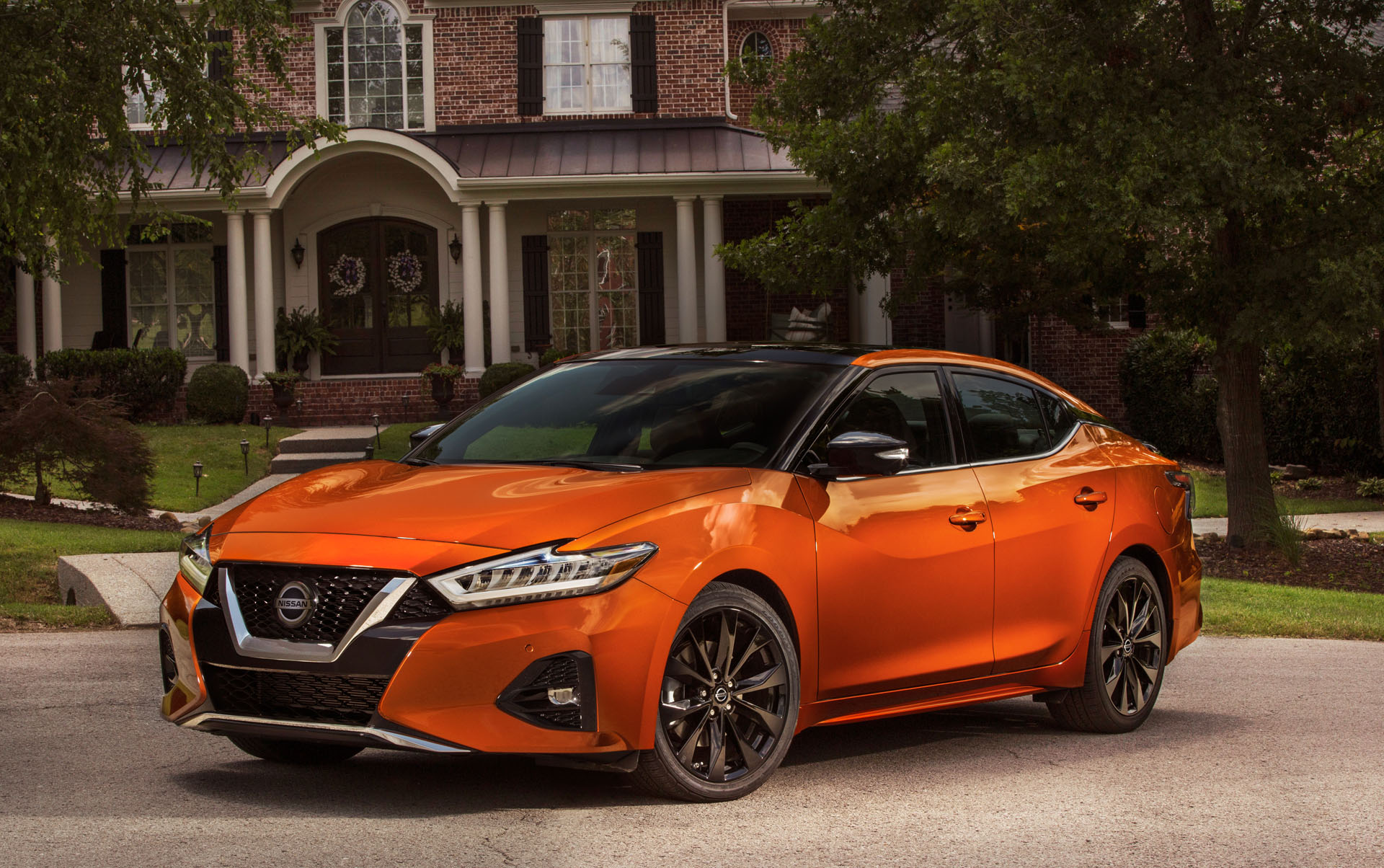
Nissan Maxima
The Nissan Maxima offers sporty styling combined with a larger sedan footprint. Its width, however, can pose challenges in city streets. Narrow lanes require careful positioning and precise steering. Sharp turns and tight corners often feel restrictive. The size increases mental effort during daily urban commutes.
Visibility can be tricky due to its broad body. Drivers may struggle to judge the distance between the car and nearby obstacles. Blind spots become more noticeable, especially in crowded parking lots. Pedestrians or cyclists require heightened attention. City driving demands a more cautious approach than smaller sedans.
Parking in the Maxima is more difficult compared to compact sedans. Parallel and angled spots require precise maneuvering. Sensors and rear-view cameras help but do not eliminate the challenges. Crowded streets and tight spaces can feel intimidating. Drivers may need multiple adjustments to avoid collisions.
Stop-and-go traffic highlights the Maxima’s limitations in urban areas. Braking is responsive, but the car’s bulk reduces agility. Lane changes in tight spaces require planning and patience. Traffic intersections demand careful steering. City navigation is less forgiving in a wide vehicle like this.
The Maxima is more comfortable on highways or open roads, where width enhances stability. Its cabin is spacious and quiet, making long drives enjoyable. Engine responsiveness suits open-road acceleration. However, urban streets magnify its unwieldy dimensions, increasing the stress of navigating tight areas.
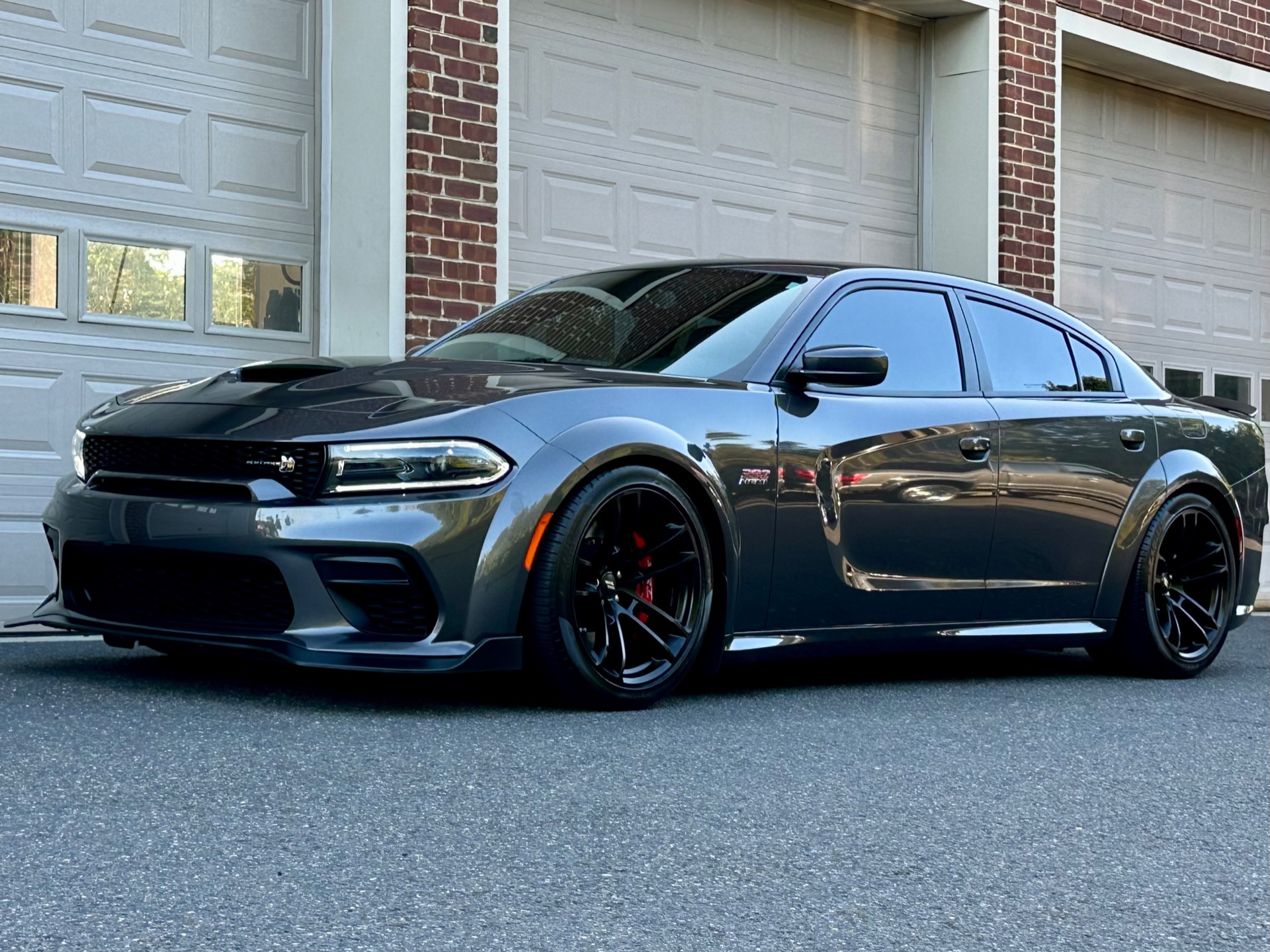
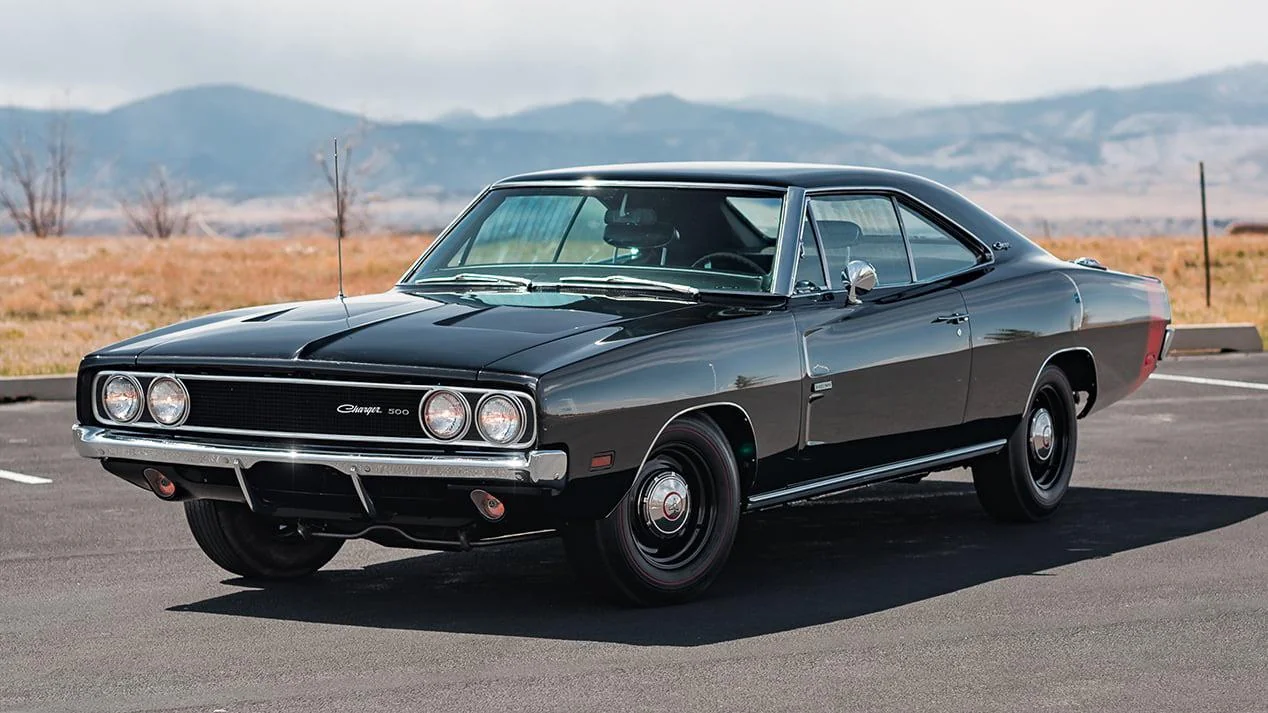
Dodge Charger
The Dodge Charger is a large, aggressive sedan that prioritizes road presence and power. Its width makes navigating tight city streets challenging. Turns often require multiple adjustments. Narrow lanes can feel claustrophobic for the driver, especially in dense urban settings.
Visibility can be a concern when driving the Charger in tight spaces. Its broad front and long profile reduce sightlines. Parking in crowded areas is more challenging than in smaller sedans. Blind spots are significant, requiring careful attention to surrounding traffic. Steering adjustments must be precise to avoid obstacles.
Parallel parking in the Charger is a demanding task. Angled spots or tight spaces require deliberate positioning. Sensors and cameras assist, but the car’s width adds stress to the maneuver. Reversing in narrow streets can be uncomfortable. Urban areas reveal the limitations of the Charger’s size.
Stop-and-go traffic can feel cumbersome in this sedan. Its weight and width reduce agility, making sudden maneuvers slower. Tight intersections require planning and careful execution. Drivers must be attentive and patient to navigate urban congestion safely. The vehicle feels less agile compared to smaller city-oriented sedans.
On highways, the Charger excels with its power and stability. Spacious interiors and robust engine performance provide comfort and speed. The wide design enhances stability at high speeds. Yet, in narrow city streets, the Dodge Charger emphasizes its bulk, making urban driving more stressful than maneuverable.