Running errands is a task that most people handle multiple times a week, whether it is picking up groceries, dropping off dry cleaning, or visiting the post office. While cars are meant to make life easier, some vehicles seem to turn simple tasks into minor challenges.
The design, size, or layout of certain cars can make everyday activities more cumbersome than expected. Small storage spaces, low seating positions, or awkward door configurations can add frustration to what should be routine trips. In some cases, vehicles designed for performance or aesthetics sacrifice practical functionality, making daily life a bit more complicated.
Even cars with advanced technology or luxury features may not always consider the ease of loading groceries, fitting strollers, or navigating tight parking lots. Drivers often notice these inconveniences after they purchase a vehicle, when the reality of daily use clashes with expectations.
Some cars have limited visibility, making backing out of driveways stressful, while others have door designs that make loading children or packages difficult. The interior layout, seat adjustments, and trunk space play a significant role in how convenient a car is for routine errands. When these elements are ignored, even a brand-new car can feel like a daily challenge rather than a helpful tool.
Certain types of cars, such as sports coupes or compact electric vehicles, prioritize style and efficiency over practicality. This can leave drivers struggling with simple tasks that larger or more thoughtfully designed vehicles handle easily.
Cars with small trunks, heavy doors, or unusual seat arrangements often require more effort to complete errands, adding time and frustration to tasks that should be simple. These challenges are not always immediately obvious, but they become apparent over months of daily use. For families, city drivers, or anyone who depends on their car for multiple short trips, these issues can quickly become noticeable.
Understanding which vehicles tend to make errands less convenient can help buyers make informed decisions. While some cars excel at speed, handling, or fuel efficiency, they may fall short when it comes to basic functionality. For people who regularly carry passengers, groceries, or equipment, choosing a vehicle with practical design features is essential.
Otherwise, drivers may find themselves repeatedly navigating awkward spaces or struggling with storage limitations. Paying attention to these factors can save time, reduce stress, and ensure that the vehicle serves its intended purpose as a daily helper.
This article highlights ten cars that, despite their popularity or performance, make simple errands more challenging. Each vehicle is examined for its quirks, limitations, or design choices that interfere with everyday convenience.
Readers can use this information to anticipate potential challenges and weigh them against other features that may be more appealing. The goal is to provide insight into how specific cars interact with routine tasks, helping drivers understand which models may complicate errands rather than simplify them.
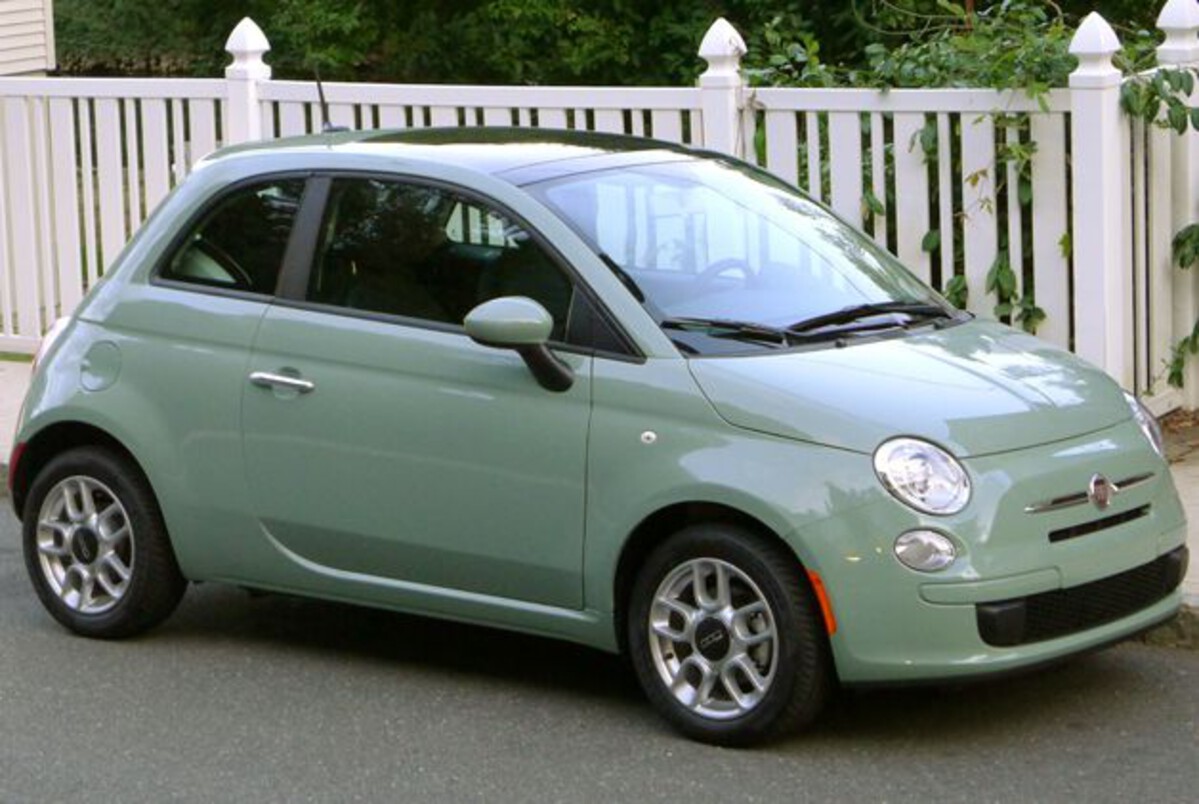
1. Fiat 500
The Fiat 500 is celebrated for its retro styling and compact size, but these qualities also contribute to its inconvenient design. Its small doors and narrow interior make entering and exiting a tight parking spot more difficult than expected. Carrying multiple bags or larger items can be a struggle, as the trunk is extremely limited in space. Even short trips to the grocery store may require careful packing or multiple runs.
Passengers often notice that the seating arrangement is cramped, particularly in the back row. Taller adults may find their knees pressing against the front seats, which reduces comfort during short errands. The small cabin makes it harder to adjust seats or move items around. Additionally, the low seating position may be uncomfortable for some drivers during quick stops.
Loading bulky items is challenging because the hatchback trunk opens in a way that limits the height of cargo that can fit. Folding down the rear seats can help, but it often requires removing or adjusting headrests. Grocery bags, sports gear, or medium-sized boxes rarely fit without careful maneuvering. This makes day-to-day shopping more time-consuming than expected.
Parking is easier in tight city spaces, but visibility is limited, and the driver must be extra cautious when reversing. Blind spots are noticeable, and the short front overhang can be misleading in narrow driveways. Drivers may spend more effort ensuring that they do not scrape the front bumper or sides. These minor inconveniences accumulate during routine errands.
Despite its charm and fuel efficiency, the Fiat 500 sacrifices practicality for style. Short trips become less convenient, particularly for families or those carrying multiple items. Drivers must carefully plan how they load and access the car to avoid minor frustrations. For some, the appeal of its design outweighs these drawbacks, but the car clearly adds complexity to simple tasks.
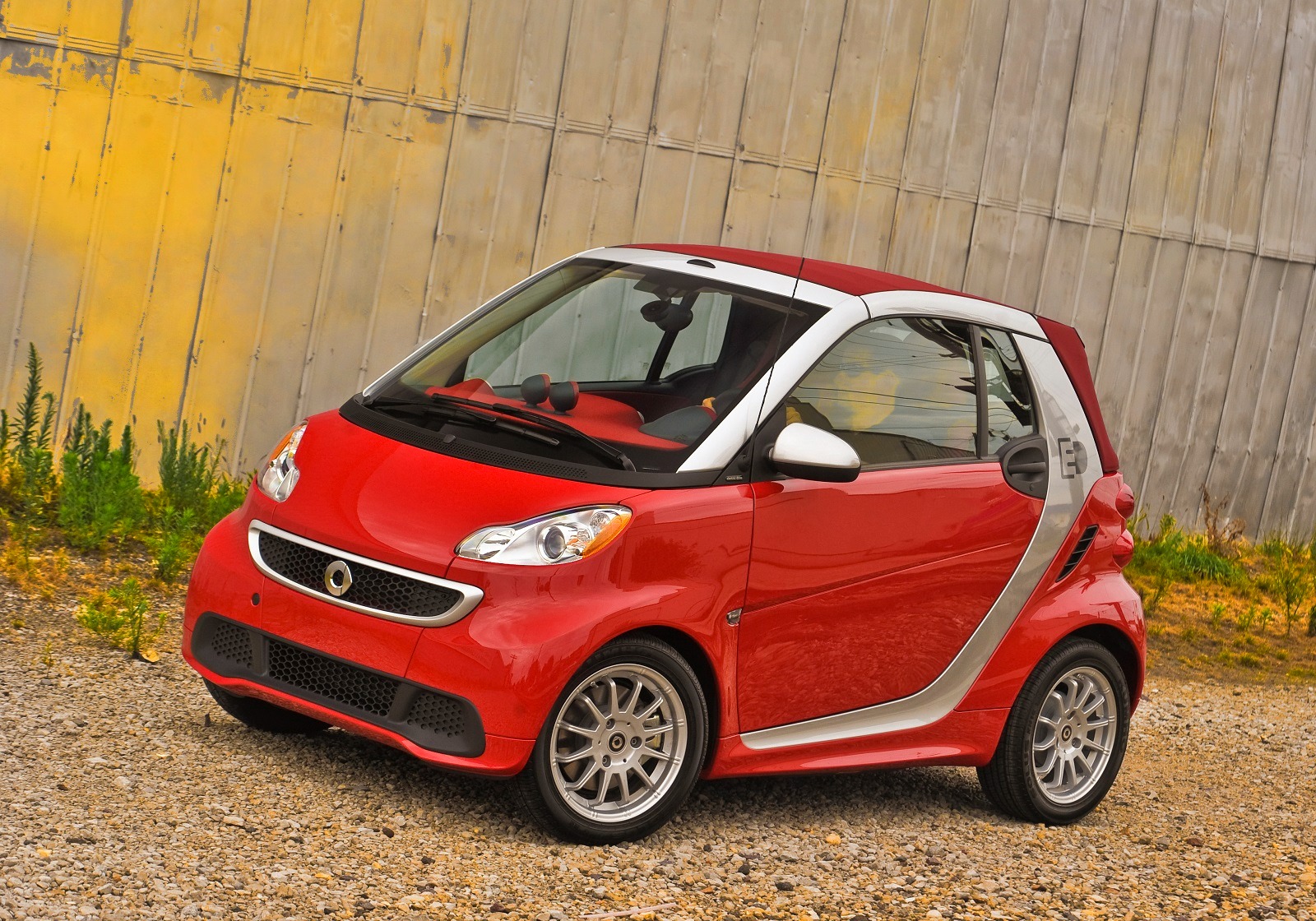
2. Smart Fortwo
The Smart Fortwo is one of the smallest cars available on the market, which creates unique challenges for errands. While parking is simple, the interior space is extremely limited. Carrying groceries or large packages often requires multiple trips. Even two passengers find the cabin tight during short drives around town.
The doors are unusually long relative to the interior space, which can make getting in and out awkward in narrow spots. Adjusting mirrors or seats may require effort because the compact cabin restricts movement. Drivers who expect the same convenience as a larger car may be surprised by these limitations.
Trunk space is minimal, leaving little room for anything beyond a few small bags. Folding the seats helps, but it still does not accommodate larger items easily. Daily shopping trips can become more of a puzzle than a simple task, requiring creative packing solutions.
Visibility is generally good for forward driving, but the rear is difficult to judge due to the tiny size and short overhang. Maneuvering around other cars or in tight lots demands attention and careful handling. Small collisions are unlikely, but minor bumps may occur during hurried errands.
Despite its efficiency in traffic and fuel economy, the Smart Fortwo forces drivers to rethink how they handle everyday tasks. Its small size is a strength in some contexts but a limitation for carrying items or passengers. Those prioritizing convenience may find the trade-offs frustrating.
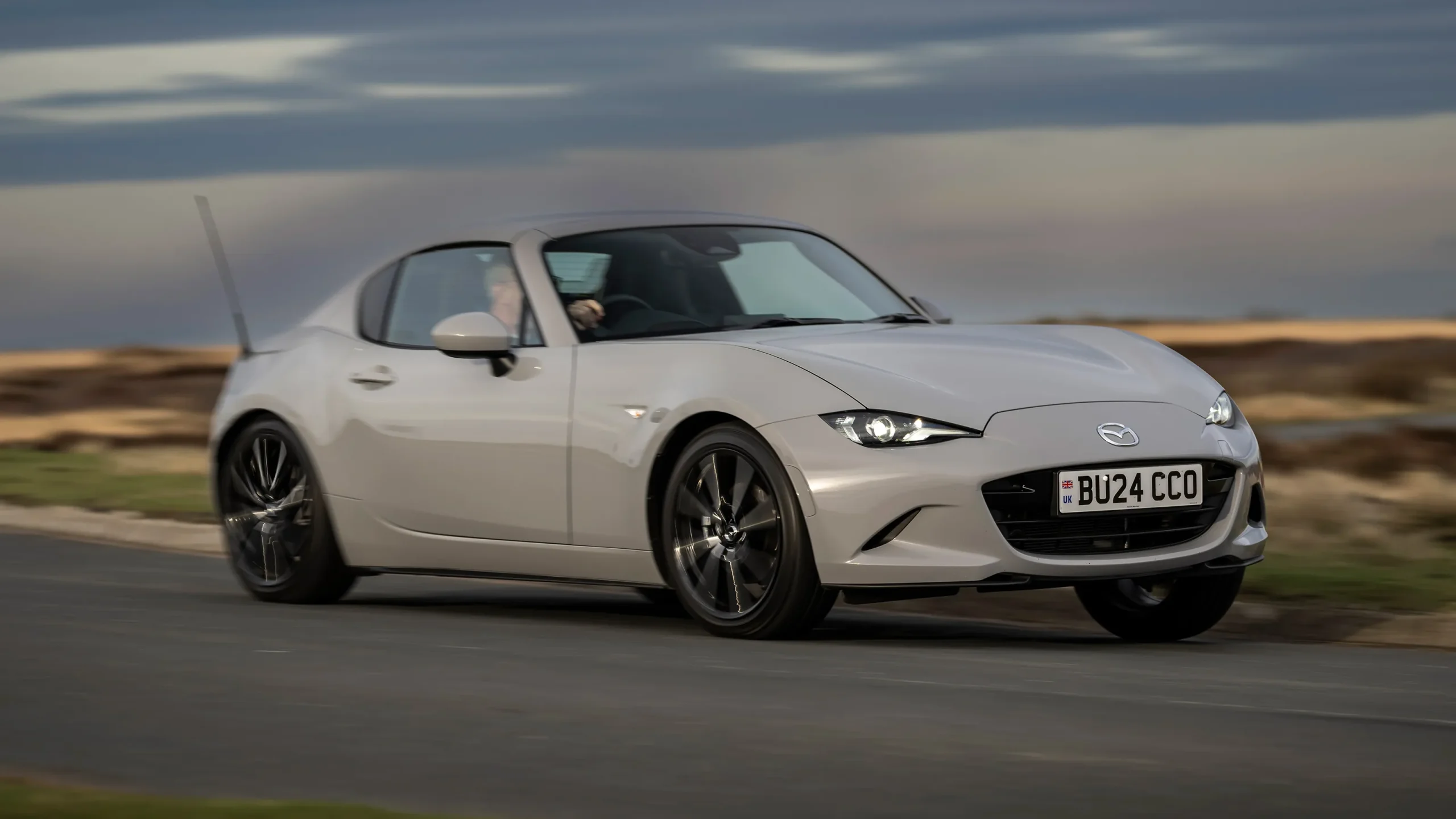
3. Mazda MX-5 Miata
The Mazda MX-5 Miata is beloved for its sporty handling, but it struggles with practical errands. Its two-seat layout means carrying passengers or extra items is nearly impossible. Small trunks provide just enough room for essentials but not groceries or larger packages. Quick trips become complicated when multiple tasks are involved.
The low seating position can make entering and exiting the car cumbersome, especially for older drivers. Adjusting seats to access cargo or passengers requires careful maneuvering. This can be irritating when running frequent errands.
Trunk space is extremely limited, and the soft top reduces interior cargo capacity further. Even small boxes may not fit without folding seats partially. Running errands with friends or family is nearly impossible without leaving items behind.
Parking is manageable in tight spaces, but visibility is somewhat restricted due to the low profile. Backing out of crowded lots requires more effort than drivers may anticipate. Minor collisions or scrapes are more likely if attention is not constant.
While the MX-5 Miata delivers a thrilling driving experience, it is poorly suited for practical errands. Its charm lies in performance rather than functionality. Everyday shopping or passenger transport becomes an exercise in planning and restraint.
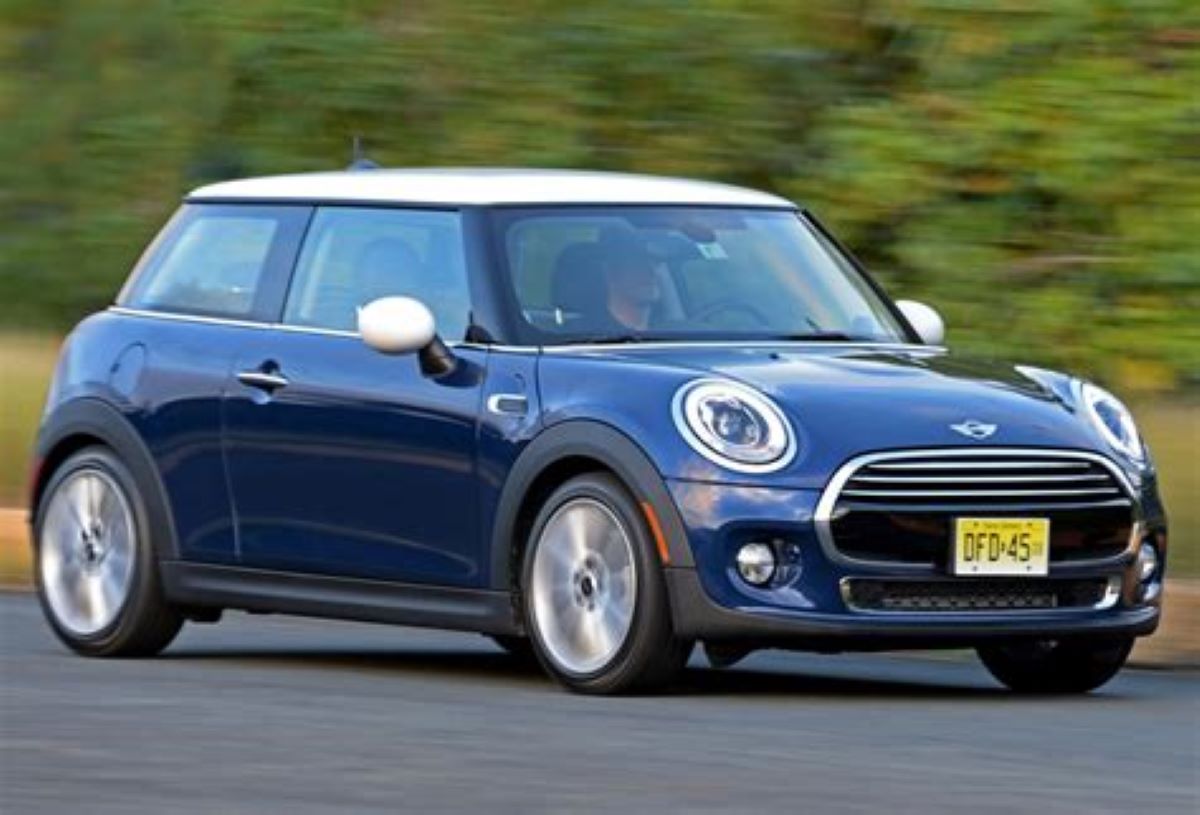
4. Mini Cooper
The Mini Cooper offers a stylish design, but it often makes daily errands harder. Its small size limits cargo capacity, and the back seats are tight for adults. Grocery trips or carrying multiple bags can quickly become inconvenient. Planning trips in advance is often necessary to avoid overloading.
Rear doors are narrow, which makes accessing the back seats more difficult. Children or elderly passengers may struggle to get in comfortably. Adjusting interior space for packages requires time and patience. This can slow down simple errands significantly.
Trunk space is limited, especially with rear seats upright. Larger items require folding down seats, which is not always quick or simple. The interior layout can force careful arrangement of items to maximize space.
Visibility is a concern in crowded parking lots. Short overhangs and a compact profile may create misleading impressions of space. Drivers must pay attention to avoid minor bumps or scratches.
Despite its fun design and urban maneuverability, the Mini Cooper is not ideal for errands that involve carrying items or multiple passengers. Its compact charm comes with practical sacrifices. Efficiency in daily life is often reduced.
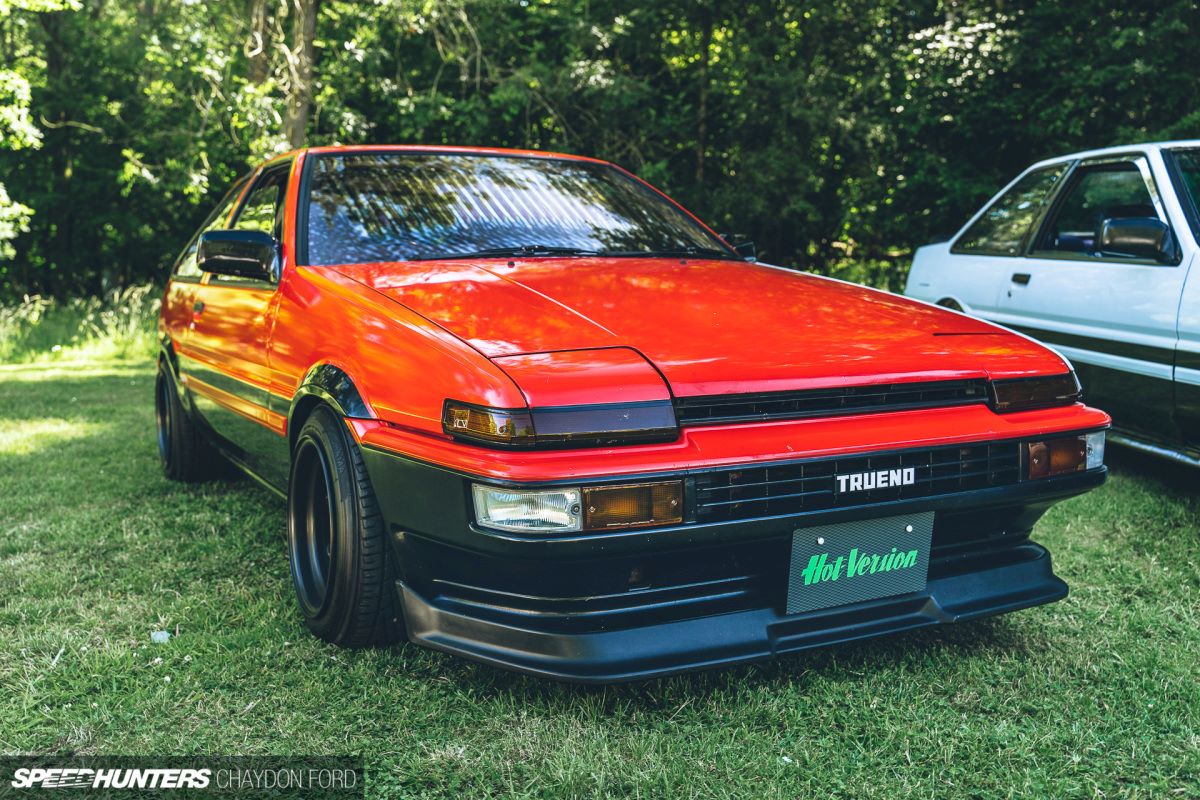
5. Toyota 86
The Toyota 86 is a compact sports coupe designed with performance in mind, which comes at the expense of practicality for errands. Its low seating position requires drivers to bend when entering or exiting, which can be uncomfortable for taller individuals or those with mobility issues.
The cabin is snug, with minimal legroom in the back, making it difficult to carry more than one passenger comfortably. Daily tasks like grocery shopping can quickly feel cumbersome because the interior lacks the space to manage multiple bags efficiently.
Trunk space is limited, and the small hatch does not provide enough room for bulky items. Even folding down the rear seats does not solve the issue entirely, as the slope of the cabin can restrict taller packages. Drivers often need to carefully plan how items are loaded to avoid damaging them or the interior. For people who frequently transport more than a few essentials, the Toyota 86 is not ideal for daily convenience.
The low ride height also poses challenges in certain parking situations. Speed bumps, steep driveways, and uneven surfaces can require extra attention to avoid scraping the undercarriage.
Small errands that involve multiple stops can turn into minor logistical puzzles, with drivers adjusting cargo or navigating tight spaces with extra care. These challenges are compounded when the car is fully loaded or when multiple passengers are involved.
Interior storage compartments are limited and do not accommodate larger personal items. Cup holders, small trays, and door pockets exist but cannot replace the need for proper cargo space. Drivers frequently find themselves shuffling items between seats or leaving nonessential belongings at home to make room for groceries or shopping bags. The practical limitations become clear over time, especially for those using the car daily.
While the Toyota 86 is enjoyable for weekend drives or spirited handling on winding roads, its functionality for routine errands is compromised. The focus on sporty design and performance makes everyday use less convenient, especially when multiple stops or passengers are involved.
Those who prioritize practicality may find the trade-off between driving enjoyment and convenience to be too great for daily tasks.
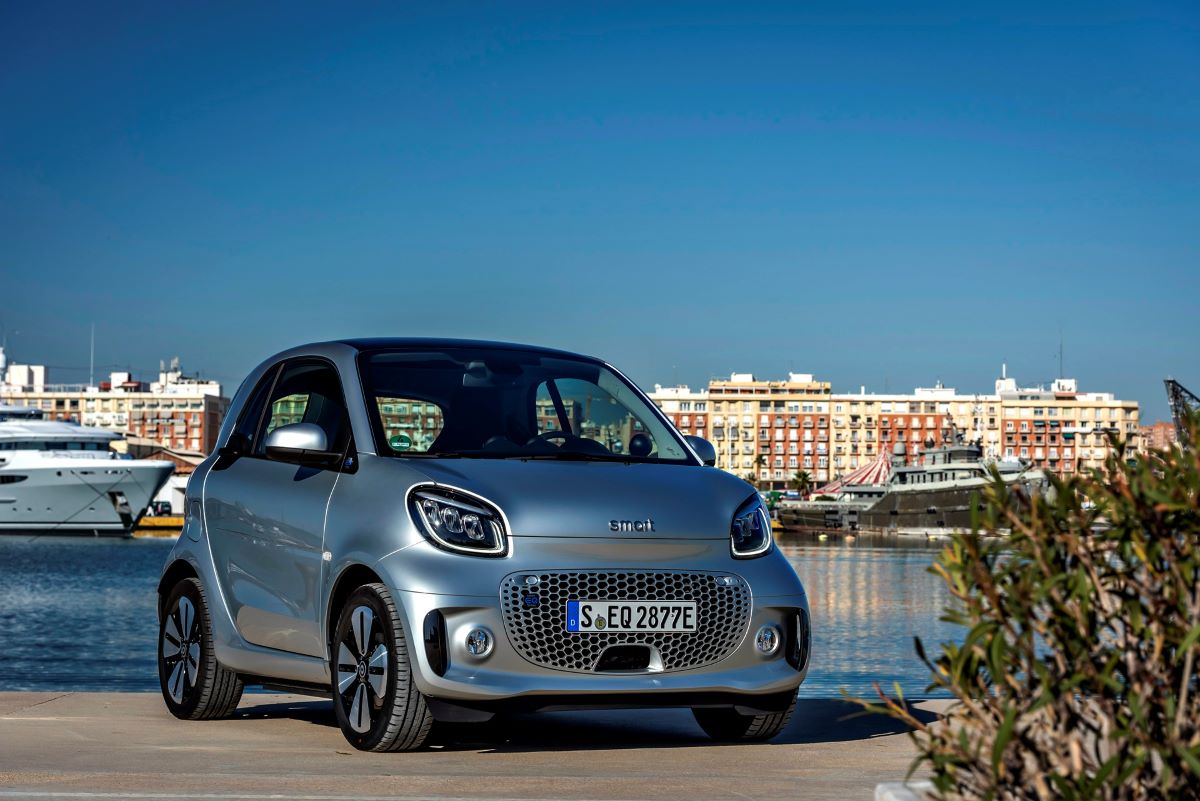
6. Smart EQ ForTwo
The electric Smart EQ ForTwo is designed for city driving and efficiency, but its tiny size creates daily frustrations. While maneuvering through traffic or fitting into small parking spots is simple, the cabin barely accommodates two adults comfortably.
Trips that involve groceries, packages, or passengers are limited by the minimal storage space. For families or people who carry more than one item at a time, errands can become complicated.
The doors are long relative to the car’s size, which makes opening and closing them in narrow spaces tricky. Adjusting the seat to reach pedals or cargo is awkward, and the small cabin can feel claustrophobic on longer errands. Drivers quickly notice that the compact design is excellent for mobility but poor for utility. Even short trips to the store may require careful planning to maximize cargo space.
Trunk space is extremely small, barely fitting a few grocery bags. Any larger items require creative placement or multiple trips, which adds time to everyday tasks. The back of the car cannot hold additional passengers, forcing a driver to make sacrifices for practicality. Daily errands that are simple in a larger vehicle become time-consuming and require more thought in the Smart EQ ForTwo.
Visibility is generally good, but the short length can make judging distances in traffic or while backing out more difficult than expected. The driver must constantly adjust for blind spots, particularly in tight urban settings. Even minor mistakes in parking or reversing can cause inconvenience, and the lack of extra interior room limits flexibility.
Despite its efficiency and eco-friendly design, the Smart EQ ForTwo falls short in practicality for everyday errands. Its small size works well for commuting, but the restrictions on storage, passenger space, and cargo make routine tasks less convenient. Drivers who rely on their car for frequent shopping trips or transporting items may find the limitations frustrating.
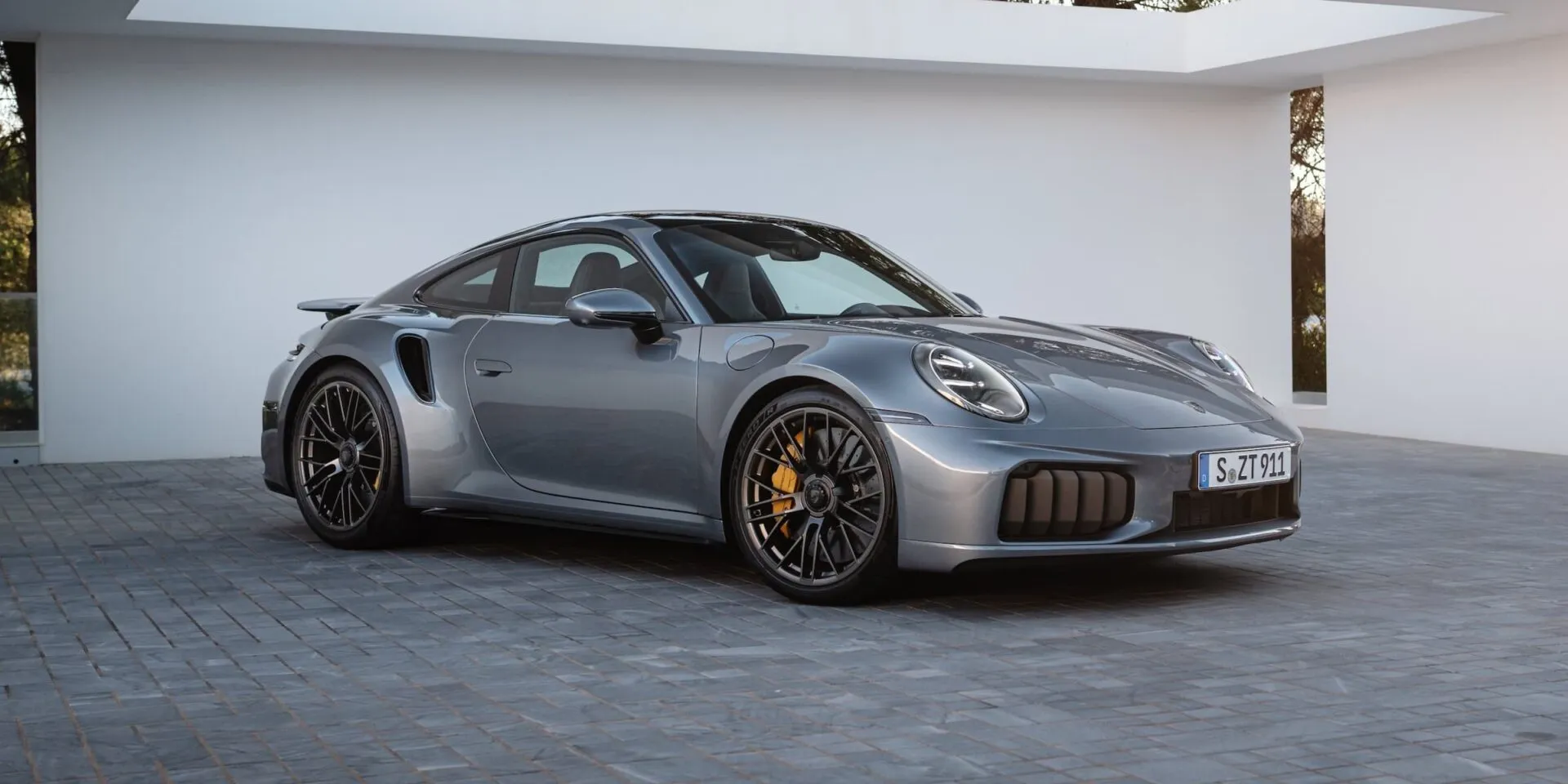
7. Porsche 911
The Porsche 911 is an iconic sports car, designed for speed and handling rather than everyday convenience. Its two-door configuration makes accessing the rear seats a challenge, especially for passengers carrying bags or children.
The trunk space is limited, with only a small front trunk available for storage. Simple errands like grocery shopping or picking up packages often require careful planning to fit items into the compact areas.
The interior is low-slung, requiring drivers and passengers to bend when entering and exiting. Taller drivers may find the seating position uncomfortable for short stops and daily tasks. Adjusting the front seats to maximize comfort while maintaining access to storage space is often a compromise, and routine errands can feel less efficient as a result.
Rear storage is almost nonexistent, and the small front trunk cannot accommodate larger packages. Drivers frequently need to divide shopping into smaller trips or leave items behind. Even when folding the rear seats, the sloped design of the cabin limits usable cargo space. For daily errands that involve multiple stops or larger items, the Porsche 911 presents practical difficulties.
Parking requires attention due to the low profile and wide rear end. Tight city streets or crowded lots can be challenging to navigate without scraping bumpers or curbs. Drivers must be cautious at all times, as visibility can be misleading and the car’s sporty design favors aesthetics over practicality. Minor inconveniences can quickly add up during everyday errands.
While the Porsche 911 excels on the road and offers a thrilling driving experience, it is poorly suited for routine errands. Carrying groceries, passengers, or larger items is more complicated than in a more practical vehicle. The trade-off for style and performance is a lack of everyday convenience that can frustrate those relying on it for simple tasks.
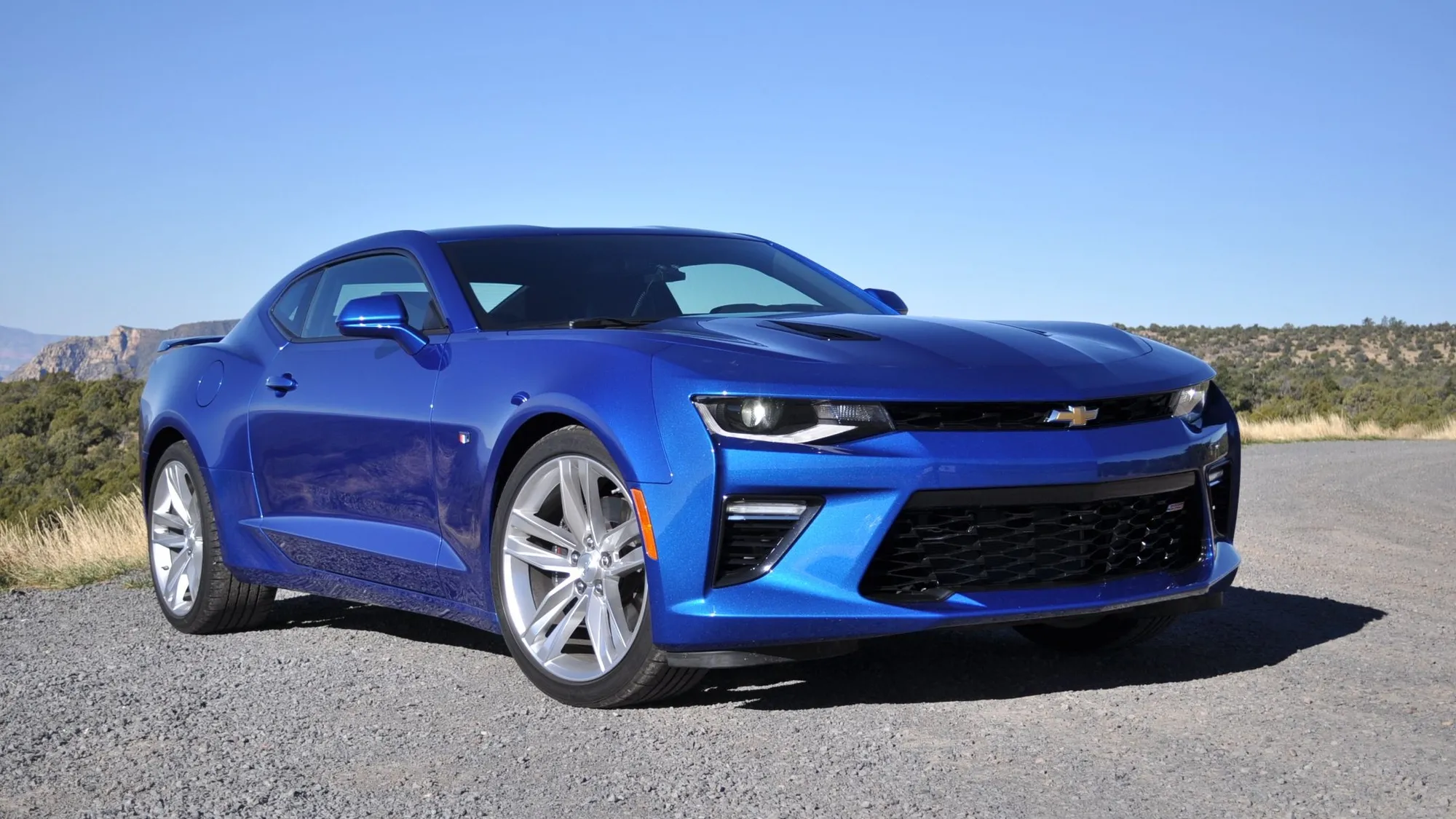
8. Chevrolet Camaro
The Chevrolet Camaro is a muscle car known for performance and aggressive styling, but daily errands highlight its limitations. The two-door layout makes rear-seat access difficult, and interior space is tight for anything beyond short drives.
Groceries, packages, or passenger transport can feel restricted, requiring extra effort or multiple trips. The low roofline can make loading items a struggle, especially for taller drivers.
The interior offers minimal storage beyond glove compartments and small door pockets. Cup holders and small trays are present but cannot replace proper cargo space. Daily errands that involve several items become more of a challenge than a simple routine. Drivers often need to plan how and when they carry items to avoid inconvenience.
Trunk space is limited and awkwardly shaped, making larger boxes or bags difficult to fit. Even folding the rear seats does not fully solve the problem, as the sloped roof reduces usable height. Trips to the store or running errands with multiple passengers often require careful packing and rearranging to maximize capacity.
Visibility is restricted due to the Camaro’s low profile and wide design. Parking in crowded lots demands extra care, and reversing can be tricky without assistance. Drivers must be constantly aware of blind spots, curbs, and other obstacles, adding time and stress to routine errands.
Despite its speed and style, the Camaro does not prioritize everyday practicality. It offers a thrilling drive, but cargo space, passenger comfort, and ease of access are compromised. Routine shopping, small errands, and transporting items can become inconvenient tasks for daily use.
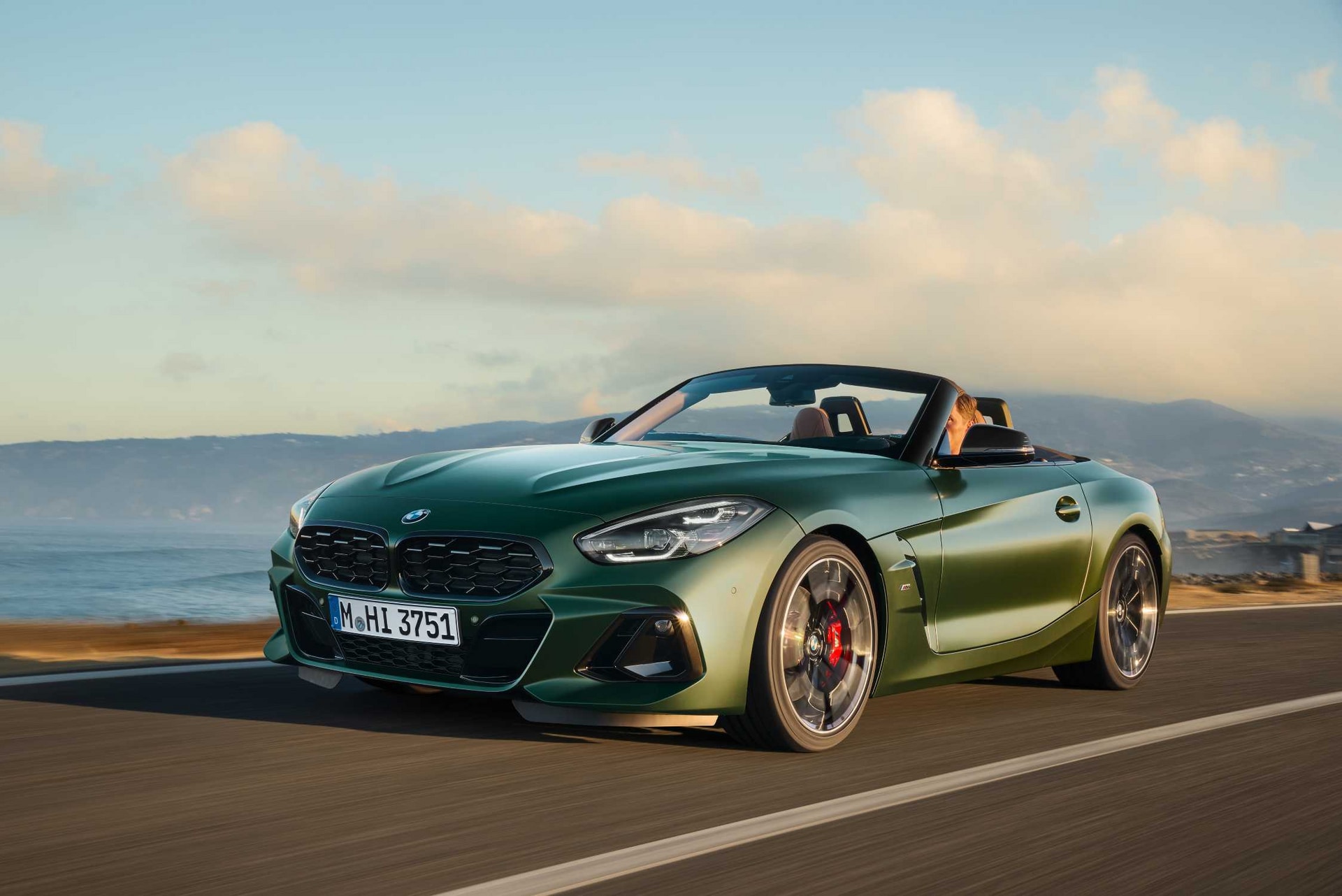
9. BMW Z4
The BMW Z4 is a two-seater roadster designed for sporty driving, but it presents several challenges for daily errands. Its compact cabin means there is almost no room for rear passengers, and storage space is minimal.
Carrying groceries, packages, or larger personal items requires careful planning, as the trunk cannot accommodate more than a few small bags. This makes seemingly simple errands more time-consuming than in a larger vehicle.
The low seating position adds to the inconvenience of daily use. Drivers must bend when entering or exiting, which can be uncomfortable for taller individuals or those with limited mobility. Adjusting the seats to access the trunk or load items requires extra effort, and frequent stops can become tiring. Even short trips feel more physically demanding due to the car’s design.
Trunk space in the BMW Z4 is very limited, with a small area designed mainly for a few essentials. Folding seats is not an option, and the sloping roofline reduces cargo height significantly. Drivers often have to split shopping trips into smaller loads or leave items behind, making errands less efficient. The car’s focus on style and performance comes at a clear cost to practicality.
Parking requires constant attention due to the low profile and wide design of the car. Blind spots and limited rear visibility can make reversing in crowded lots tricky. Drivers must be cautious to avoid minor scratches or bumps, adding stress to what should be routine errands. Even simple stops at the store can feel more complicated than expected.
While the BMW Z4 offers an engaging driving experience, it is far from ideal for day-to-day tasks. Its sleek design, while visually appealing, sacrifices storage, accessibility, and comfort. People who frequently run errands or transport items may find themselves repeatedly challenged by the car’s limitations, making convenience a rare feature.
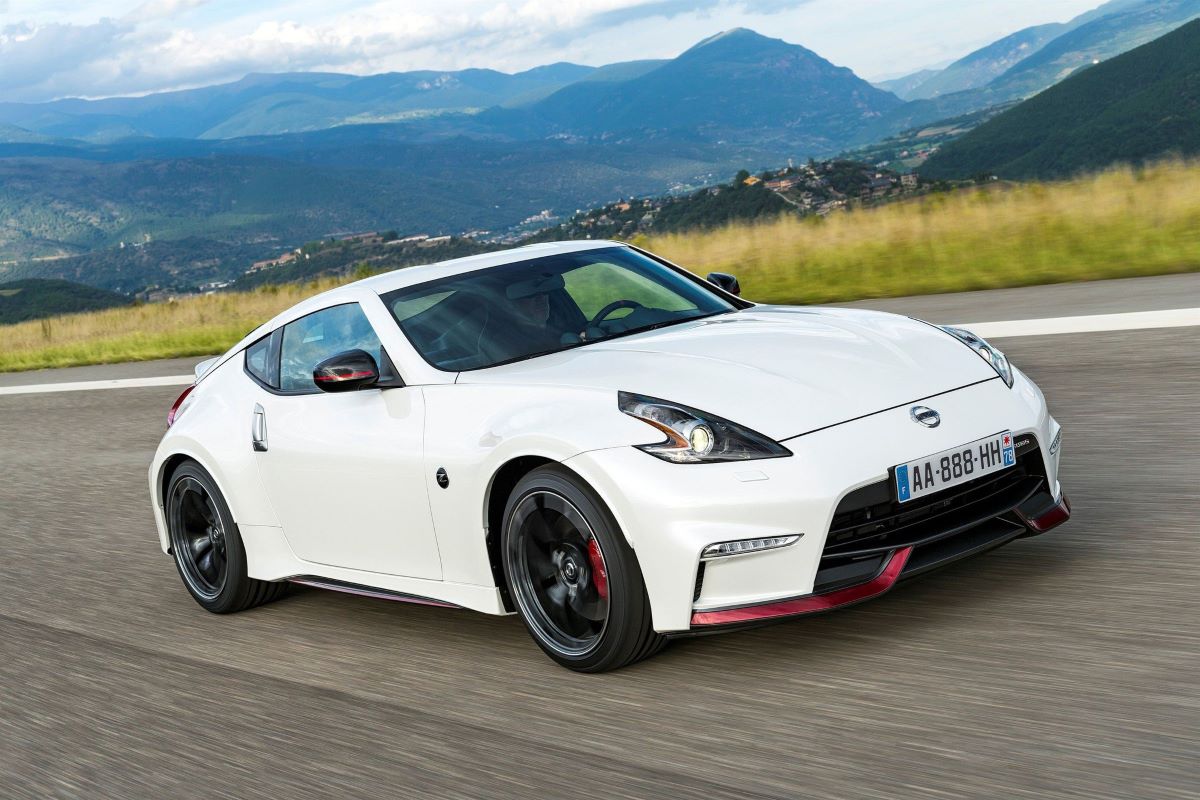
10. Nissan 370Z
The Nissan 370Z is another sports coupe that emphasizes performance over practicality, which impacts daily errands. Its two-door configuration limits passenger and cargo access, making it difficult to carry more than one person or multiple items. Grocery trips, errands, or transporting larger objects often require extra thought and planning, adding complexity to what should be simple tasks.
Entering and exiting the 370Z is more demanding than in a typical sedan or SUV. The low seating position requires bending, and the cabin is narrow, reducing comfort during short trips. Drivers often feel cramped when handling packages or assisting passengers, which can slow down daily routines. Adjusting the front seats to make room for items is often necessary but inconvenient.
The trunk space is small and irregularly shaped, making it challenging to fit boxes, groceries, or luggage. Even folding rear seats provides minimal additional space due to the coupe’s sloping roofline.
Many drivers find themselves returning home to retrieve forgotten items because the trunk cannot accommodate a typical shopping load. This limitation becomes particularly frustrating when running multiple errands in a single outing.
Parking and maneuvering require extra care because of the car’s low profile and wide body. Blind spots and limited rear visibility make navigating tight lots more stressful, and drivers may need to make multiple adjustments when parking. Small scratches or scrapes become a realistic concern, increasing the effort required for everyday tasks.
While the Nissan 370Z is admired for its speed, handling, and sleek design, it is less suitable for routine errands. Its focus on performance reduces practicality in daily life, making grocery trips, passenger transport, and other simple activities more complicated than necessary. The trade-off between excitement and convenience is noticeable, leaving some drivers wishing for a more functional vehicle.