Cincinnati’s streets present a unique challenge for drivers. Between the constant traffic lights, the hilly terrain, and the narrow downtown streets, vehicles often experience a combination of frequent stopping, slow acceleration, and constant maneuvering.
For residents who commute daily, a car’s ability to handle stop-and-go conditions is just as important as its reliability. In such conditions, cars that manage braking efficiently, maintain fuel economy, and offer responsive handling tend to stand out.
On the other hand, some vehicles may struggle under these conditions, wearing brakes quickly or showing signs of strain from constant use. The urban spaces demands a careful balance between comfort and durability. When shopping for a car in Cincinnati, drivers must consider not only speed and style but also how the vehicle responds to frequent stopping and starting.
Vehicles with smaller turning radii, efficient braking systems, and reliable transmissions can make life in heavy traffic less stressful. Equally, brake longevity and ease of maintenance become critical concerns. In addition to performance, cabin comfort and driver assistance features, like adaptive cruise control or automatic braking, enhance the experience of city driving.
Fuel efficiency is another factor that cannot be ignored, as frequent idling and low-speed driving can quickly consume gasoline. Compact SUVs, sedans, and hybrids often fare well under these conditions, offering a blend of space, maneuverability, and efficiency.
Conversely, larger or sport-oriented vehicles can face challenges, wearing down components faster due to repeated braking and stop-start cycles. Understanding which cars perform well in these circumstances and which struggle can guide Cincinnati drivers in making choices that save money, reduce stress, and increase safety.
This article will provide a detailed look at five cars that thrive in Cincinnati’s stop-and-go traffic and five vehicles that may suffer from accelerated brake wear, highlighting key attributes that influence performance and durability. Each choice will focus on real-world urban usability, helping drivers identify vehicles that balance functionality with longevity.
With careful consideration, drivers can navigate Cincinnati’s roads confidently and avoid cars that require constant maintenance or early repairs. The following sections break down the vehicles, analyzing their strengths and weaknesses based on handling, braking, and urban performance.
5 Cars Built for Cincinnati’s Stop-and-Go Roads
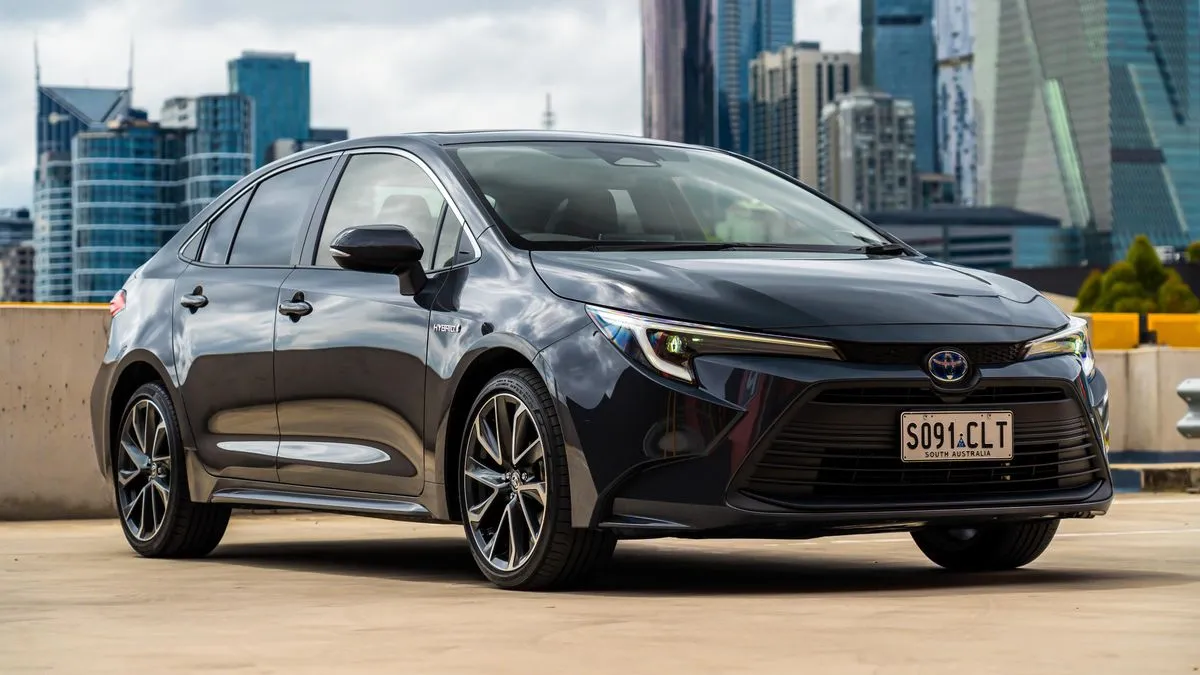
1. Toyota Corolla
The Toyota Corolla is widely known for its reliability and low maintenance costs. Its compact size makes navigating narrow streets and tight parking spaces much easier. The car’s hybrid variant further improves fuel efficiency during constant stop-and-go driving. With smooth brakes and responsive handling, it offers a comfortable urban driving experience.
The Corolla’s suspension is tuned for comfort, absorbing minor bumps and potholes without jarring passengers. Steering is precise, allowing confident turns in downtown traffic. The interior is thoughtfully designed, with intuitive controls that reduce driver fatigue.
Safety features like lane departure alerts and adaptive cruise systems make city driving safer. Its consistent performance under frequent braking and acceleration makes it a practical choice.
Fuel economy is a major advantage for the Corolla, especially in the city. The hybrid version allows drivers to reduce gas expenses significantly. The braking system is durable, designed to handle repeated stops without rapid wear.
Its engine delivers sufficient power for highway merging but remains efficient during slower city speeds. The Corolla balances cost, comfort, and performance for daily commuters.
Reliability has made the Corolla a top choice for urban drivers over decades. Minimal maintenance requirements and readily available parts keep ownership stress low. Tire wear is moderate due to its suspension and weight distribution.
Combined with excellent visibility and ergonomics, this car consistently performs well in traffic-heavy cities. Drivers benefit from predictable handling and smooth braking under various road conditions.
City dwellers appreciate the Corolla for its value and versatility. It is suitable for single drivers, families, or anyone facing daily stop-and-go patterns. Long-term ownership proves economical due to low repair costs. Its reputation for longevity ensures drivers can navigate Cincinnati streets confidently. For practical urban mobility, the Corolla remains one of the most reliable options.
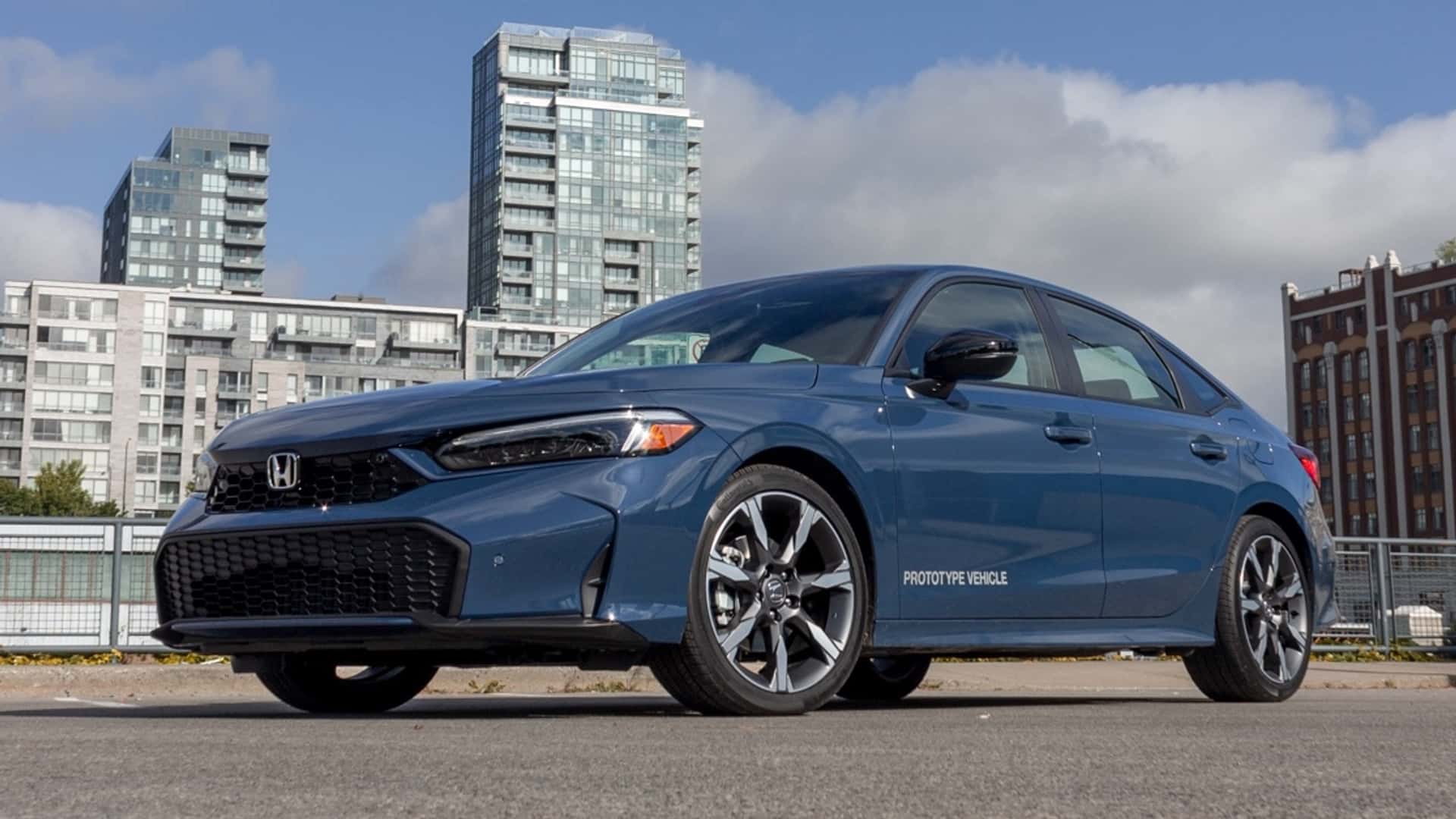
2. Honda Civic
The Honda Civic is a compact sedan with agile handling, ideal for traffic-dense areas. Its brakes are responsive and durable, suitable for repeated stop-and-go driving. The Civic’s engine provides smooth acceleration without feeling underpowered. Cabin ergonomics and visibility make city navigation comfortable.
The Civic’s suspension is firm but forgiving, making hilly roads easier to manage. Steering feedback is precise, giving drivers confidence in tight maneuvers. The interior includes driver-assist technologies that reduce stress in crowded streets.
Fuel efficiency remains impressive even during low-speed driving. Frequent braking does not compromise performance, highlighting its urban suitability.
Honda’s reputation for reliability extends to the Civic, requiring minimal maintenance. Brakes last longer than many competitors under repetitive use. Engine and transmission systems handle city conditions without strain. The compact size allows effortless parking and lane changes. This combination of agility and durability appeals to frequent commuters.
Noise reduction in the cabin ensures comfort during traffic jams. Adaptive cruise control and automatic braking enhance safety and convenience. Technology features make daily driving more efficient. Tire wear is controlled due to thoughtful suspension design. The Civic blends practicality with enjoyable urban handling.
The Civic’s versatility is unmatched in the compact car category. It works well for commuters, young professionals, and small families. The balance of fuel economy, maneuverability, and durability makes it a long-term city companion. For drivers seeking a reliable, low-maintenance car in Cincinnati, the Civic remains a dependable choice.
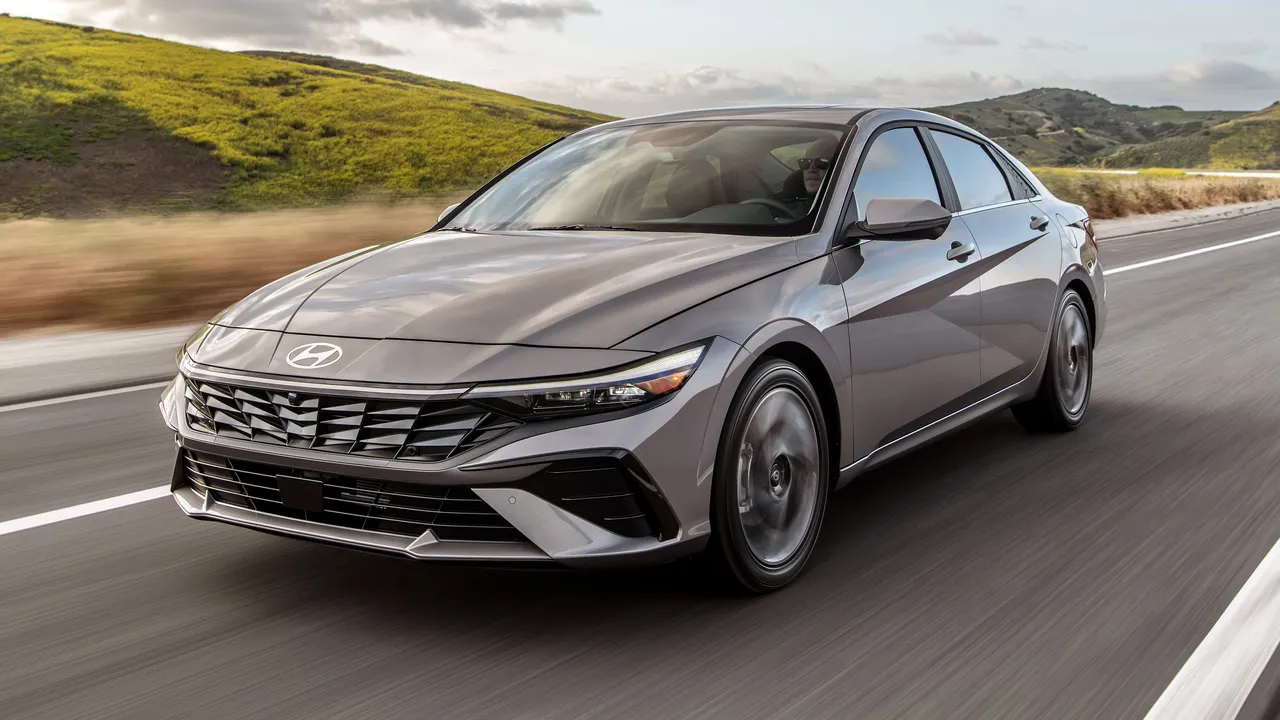
3. Hyundai Elantra
The Hyundai Elantra offers a comfortable and efficient ride in urban environments. Its compact dimensions make it ideal for dense traffic. Brakes respond quickly, handling repeated stops with minimal wear. Interior comfort and advanced technology features improve daily driving.
The Elantra’s suspension softens road imperfections while maintaining control during turns. Steering is responsive, allowing confident navigation in tight city spaces. Fuel-efficient engines reduce expenses during stop-and-go conditions. Driver assistance features, like blind-spot monitoring, enhance urban safety. Maintenance costs remain reasonable over the long term.
Brakes on the Elantra are built to last, with pads and rotors designed for frequent use. Hybrid models further improve fuel economy without compromising power. Acceleration is smooth, minimizing strain on the drivetrain. Interior ergonomics prioritize comfort and convenience, reducing fatigue during long commutes.
Technology integration makes the Elantra appealing for modern drivers. Touchscreen displays, navigation, and connectivity options enhance usability. Safety features support urban driving challenges. Combined with good visibility and compact size, the Elantra handles Cincinnati streets with ease. Its reliability and efficient braking make it a practical choice.
The Elantra provides a balance of style and function for city dwellers. It combines cost-effectiveness with responsive handling. Drivers experience fewer maintenance issues compared to larger vehicles. The Elantra is designed to meet the needs of frequent stop-and-go commuters without sacrificing comfort or reliability.
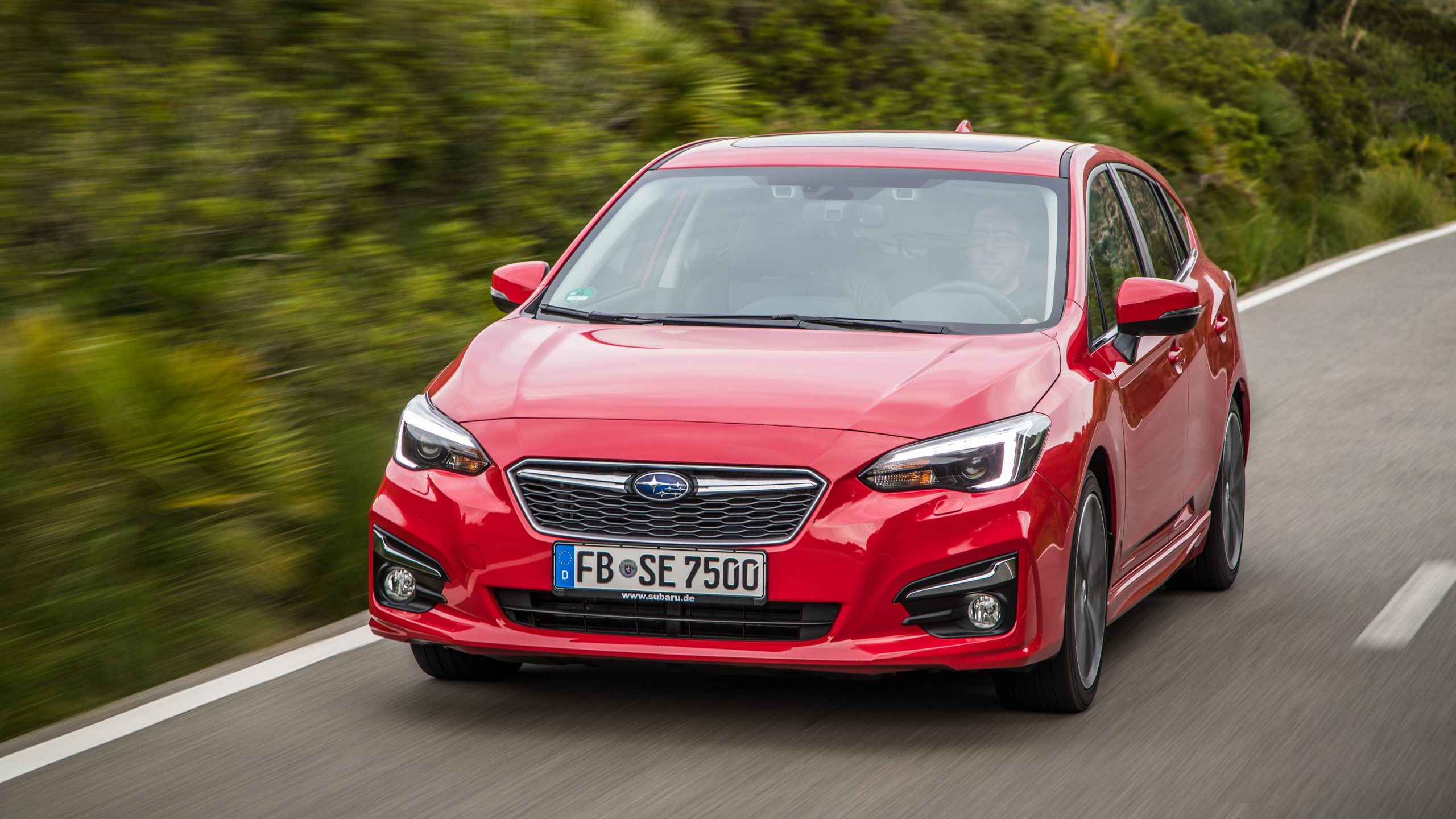
4. Subaru Impreza
The Subaru Impreza offers all-wheel-drive capability, useful for Cincinnati’s occasional rainy or slippery conditions. Compact dimensions and nimble handling make it suitable for congested streets. Brakes respond reliably during frequent stops. Interior comfort and safety technology support stress-free driving.
The Impreza’s suspension absorbs uneven roads while maintaining control in turns. Steering is accurate, enhancing maneuverability in downtown areas. Engine power is adequate for city driving without excessive fuel consumption. The car’s AWD system provides extra stability during inclement weather. Brake durability ensures longevity even under repeated stops.
Fuel efficiency is respectable, especially for an AWD vehicle. Hybrid models are limited, but the gas-powered variant balances power and economy. Cabin noise is minimized, providing a pleasant environment during traffic delays. Maintenance remains manageable, with widespread availability of parts.
Safety features, including adaptive braking and collision warnings, enhance driver confidence. Compact size allows easy parking and lane changes. The interior is thoughtfully designed for ergonomics and visibility. Its reliability makes it a practical choice for frequent urban drivers.
The Impreza appeals to drivers seeking a versatile compact vehicle. It provides stability, comfort, and responsive handling for city streets. Long-term durability is enhanced by careful engineering of brakes and suspension. For Cincinnati commuters, it delivers consistent performance in stop-and-go traffic conditions.
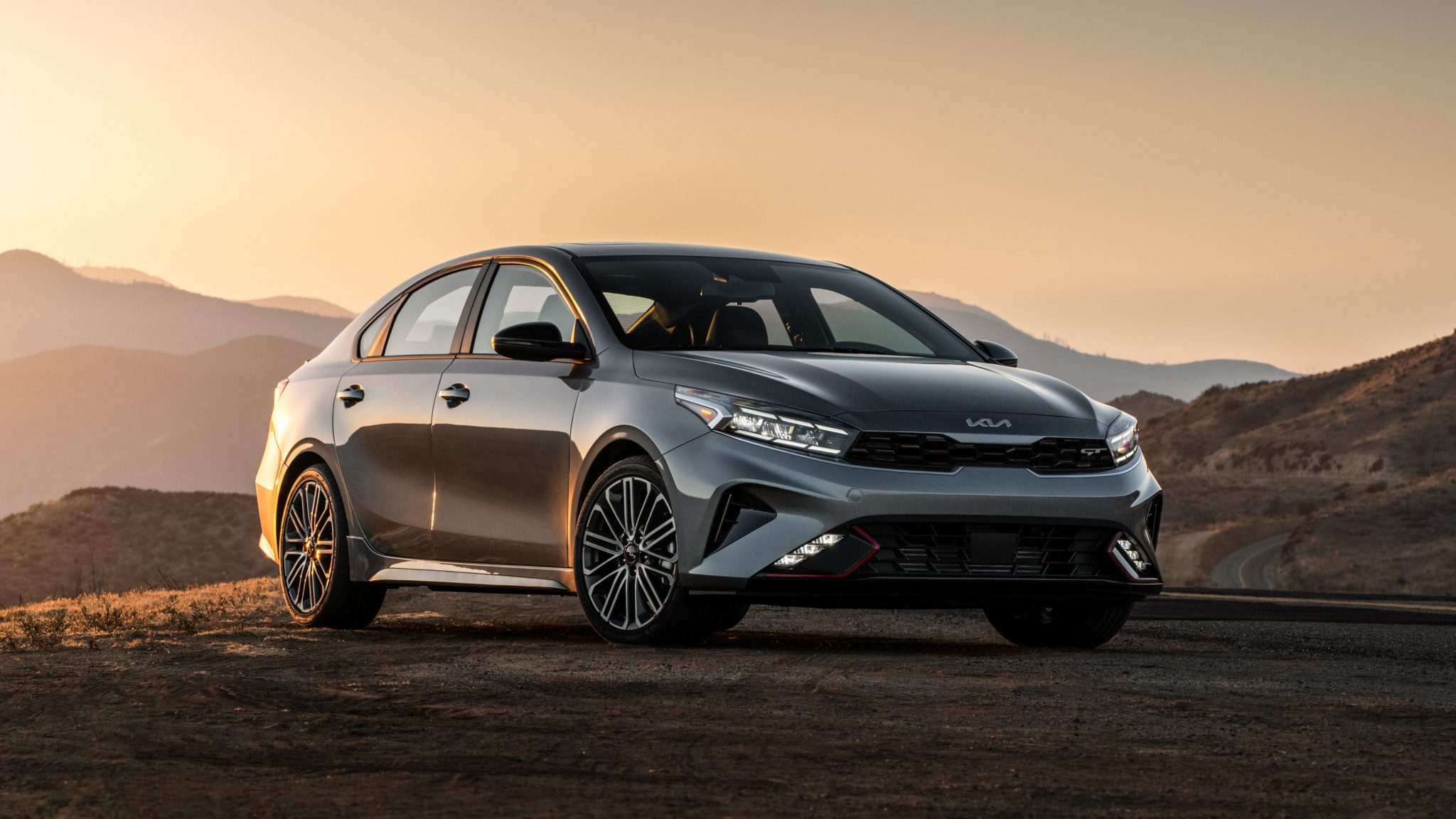
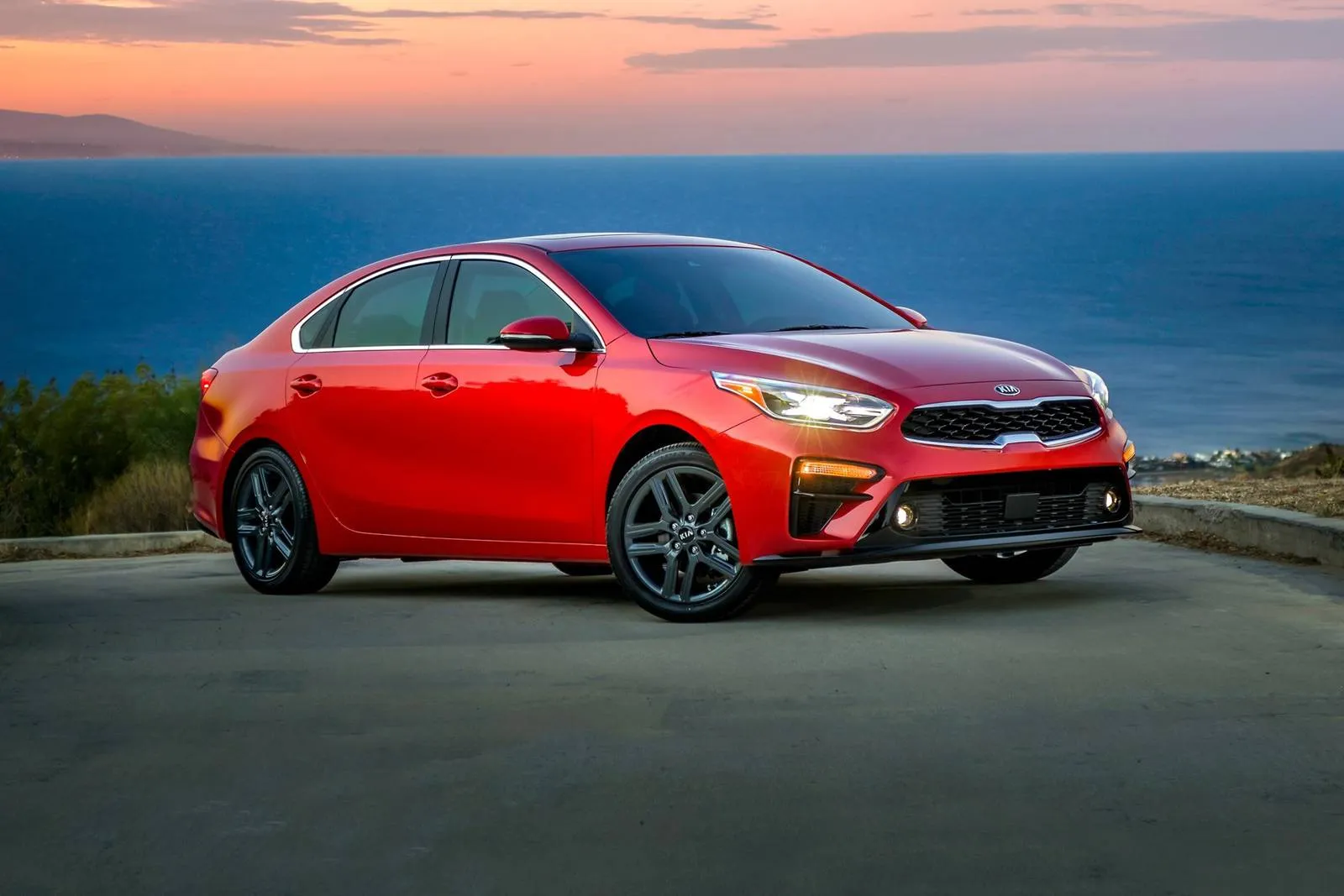
5. Kia Forte
The Kia Forte is an affordable compact car that balances maneuverability and comfort. Its braking system is responsive, capable of handling frequent urban stops. Fuel efficiency is excellent, even in low-speed traffic. The interior is equipped with technology and driver-assist features for convenience.
Suspension tuning prioritizes comfort without sacrificing handling. Steering is precise, making tight corners and parking easier. The Forte’s engine delivers smooth acceleration, reducing strain during constant stop-and-go driving. Brake longevity is designed to withstand repetitive use.
Cabin noise is minimal, creating a calm driving experience in congested areas. Infotainment and connectivity features enhance daily usability. Tire and brake maintenance remain manageable over time. The compact design improves agility on crowded streets.
The Forte provides value without compromising reliability. City drivers benefit from its balance of efficiency, comfort, and technology. Its brakes and suspension are designed for longevity under repeated stops. Cost-effective maintenance makes it ideal for urban commuters.
Kia’s warranty and engineering support increase peace of mind for drivers. The Forte remains competitive with other compact sedans for city driving. Its durability and fuel efficiency make it a smart choice for frequent stop-and-go conditions. It is a practical option for Cincinnati residents.
5 Cars That Wear Brakes Too Fast
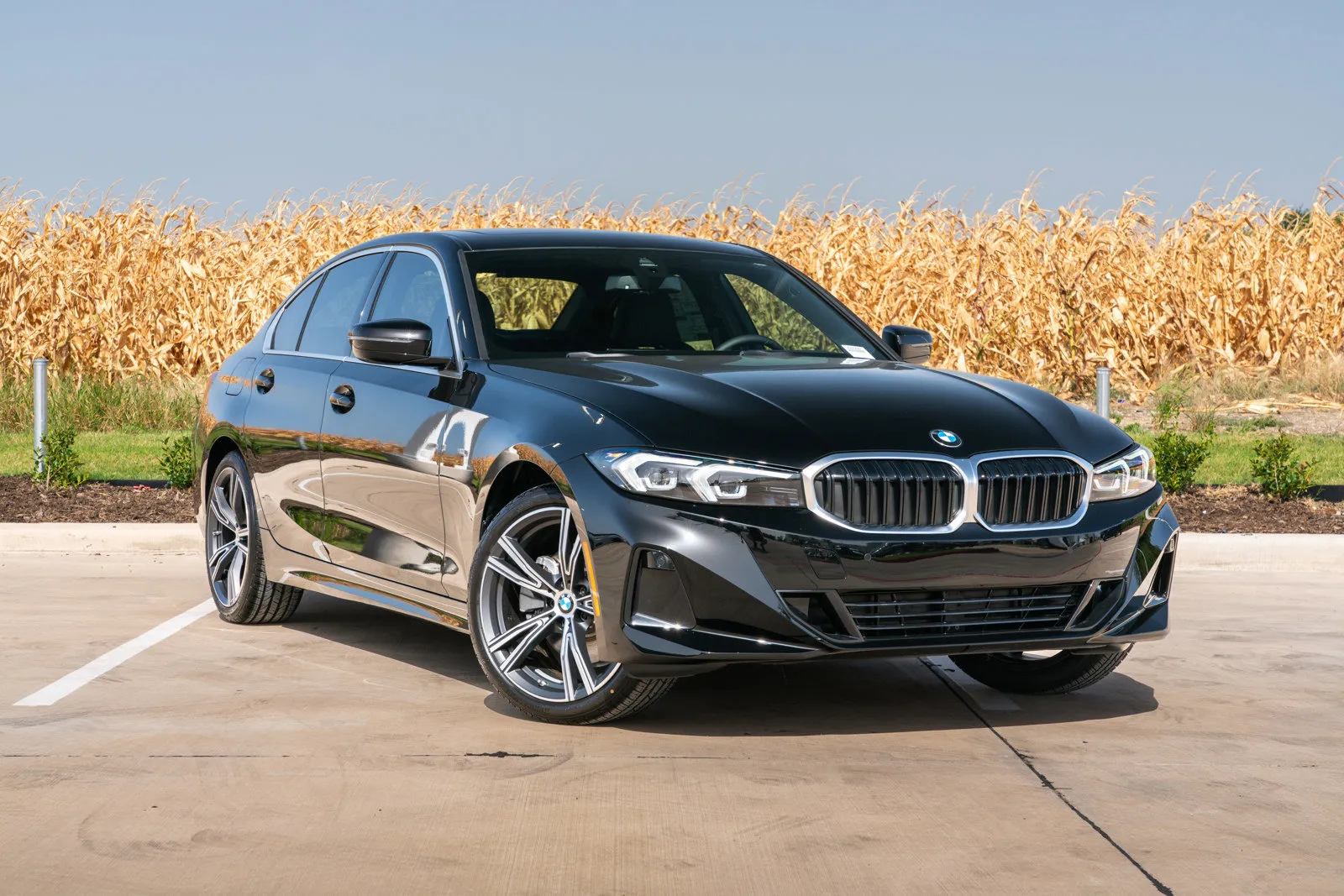
1. BMW 3 Series
The BMW 3 Series is known for sporty performance, but repeated stop-and-go driving can wear brakes quickly. Larger brake rotors and heavier materials experience more heat in urban traffic. Aggressive driving behavior common in sporty sedans accelerates wear. Owners may face higher maintenance costs as a result.
Suspension tuning favors handling over comfort, increasing strain on braking components. Steering is sharp, encouraging spirited driving, which may not suit constant city stops. Performance tires provide grip but wear faster under frequent braking. The car prioritizes agility over durability in stop-and-go scenarios.
Brake replacement can be frequent for owners who commute daily in congested areas. Brake pads are high-performance but thin, reducing lifespan under urban use. Rotors are prone to warping if repeatedly heated and cooled. Maintenance and repair costs are higher than in compact, city-oriented vehicles.
Fuel efficiency is lower compared to smaller sedans, especially in stop-and-go conditions. Engine responsiveness encourages quick acceleration, further taxing brakes. Cabin comfort is excellent but cannot compensate for increased maintenance frequency. Frequent city use exposes limitations of performance-focused engineering.
For Cincinnati drivers, the 3 Series may be enjoyable on open roads but less practical in dense traffic. Brake wear, repair costs, and fuel economy are significant considerations. While handling is precise, the car’s design prioritizes sporty driving over longevity in urban conditions.
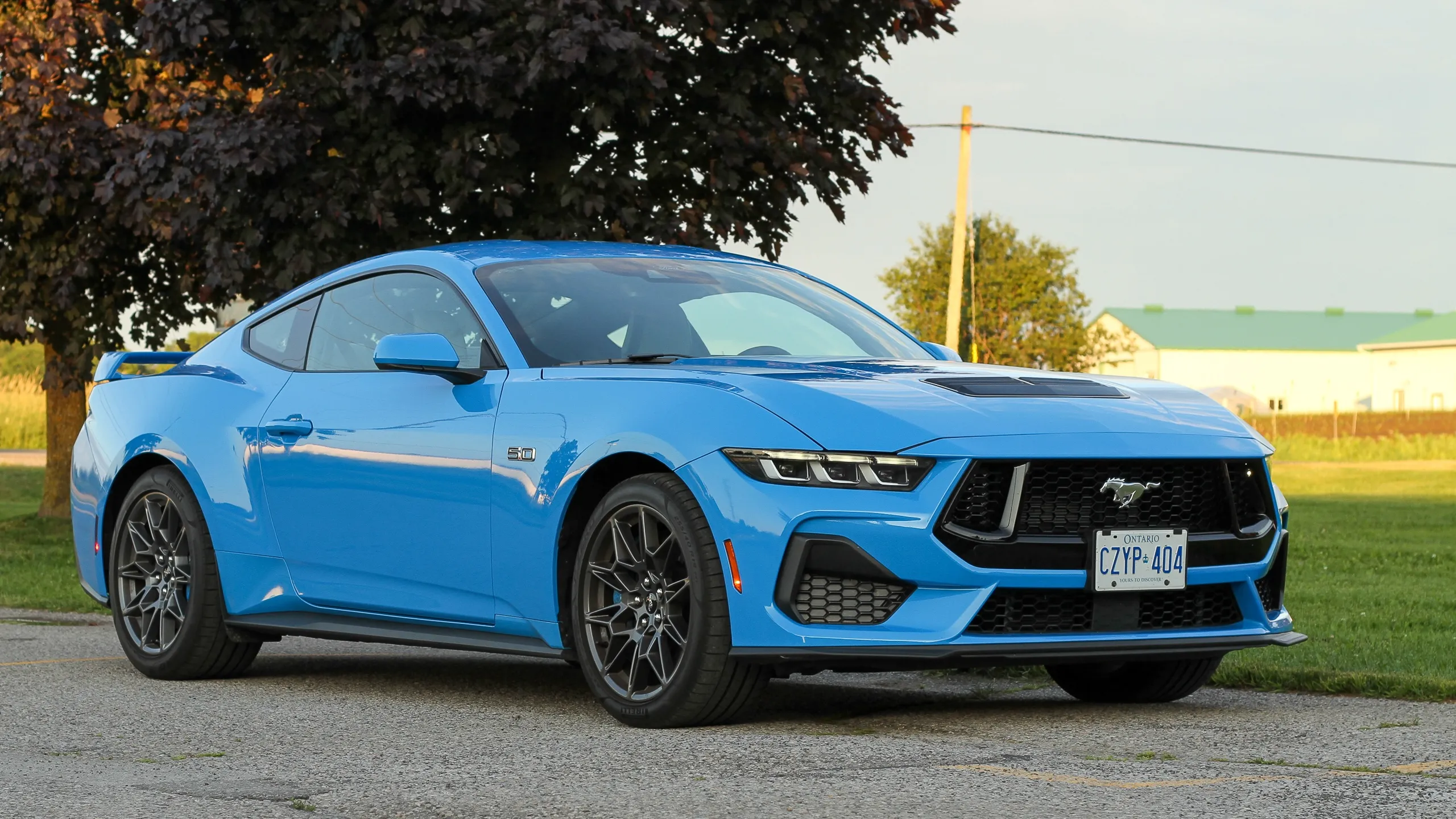
2. Ford Mustang
The Ford Mustang is a classic sports car with powerful brakes, yet repeated stopping in traffic accelerates wear. Heavier rotors and larger tires increase braking demand. Urban driving often exceeds design expectations, leading to faster component degradation. Stop-and-go conditions can be particularly taxing on this vehicle.
Suspension prioritizes performance, providing a firm ride that transfers more stress to the braking system. Aggressive acceleration paired with frequent braking causes pads to wear quickly. Tire wear is also accelerated due to sporty grip characteristics. Urban streets reveal limitations in brake longevity.
Brake replacement and rotor maintenance become necessary sooner than expected. Performance-oriented parts cost more than standard city sedans. Daily commuting in congested areas significantly reduces brake lifespan. Owners must plan for additional maintenance expenses.
Fuel economy suffers due to engine size and driving patterns. Frequent acceleration in city traffic consumes more fuel than sedans designed for stop-and-go conditions. Comfort features exist but cannot counterbalance the increased operational costs. The vehicle excels on highways but struggles in urban congestion.
Cincinnati drivers may find the Mustang thrilling but expensive to maintain. Brake wear and fuel consumption make it less practical for daily traffic. While visually appealing and powerful, the car’s engineering prioritizes performance over long-term city usability.
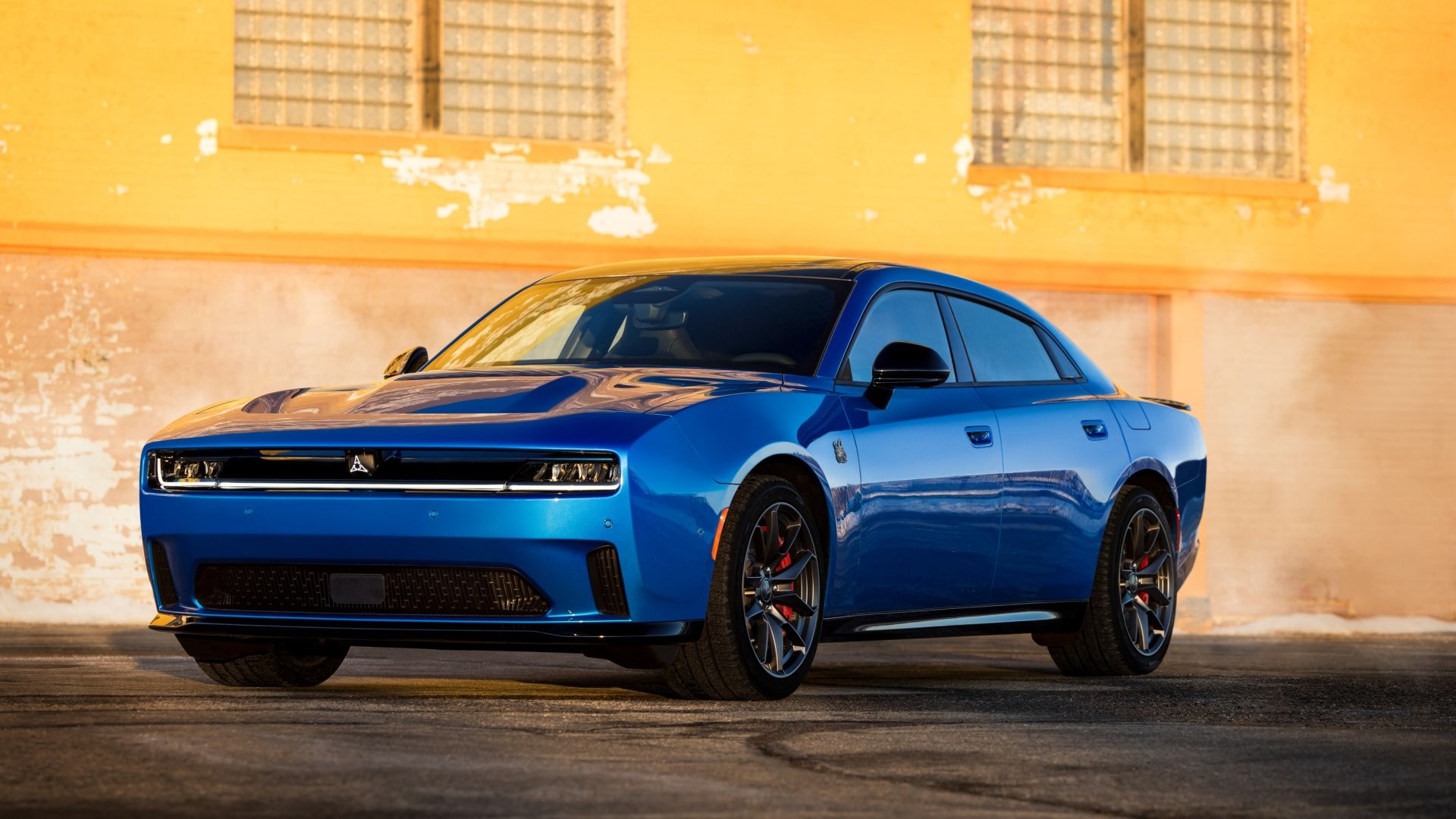
3. Dodge Charger
The Dodge Charger’s heavy body and performance focus contribute to rapid brake wear in city traffic. High-speed braking systems are designed for highway use, not frequent stops. Brake pads and rotors degrade quickly under constant low-speed braking. Owners often face higher service costs in urban driving conditions.
Suspension is tuned for road stability, not urban comfort. Handling is precise but firm, transmitting stress to braking components. Tires are large and provide grip but also increase braking demand. Daily commuting accelerates maintenance requirements.
Brake replacement intervals are shorter compared to compact vehicles. Rotors may warp due to repeated heat cycles. Pads require frequent inspection to maintain performance. The Charger is less suitable for stop-and-go traffic without significant upkeep.
Fuel consumption is higher, particularly in urban congestion. Acceleration encourages fast driving, compounding brake wear. Noise and ride firmness may reduce comfort during city commutes. Performance orientation takes precedence over durability in low-speed traffic.
Drivers must weigh power and aesthetics against practicality. Cincinnati’s stop-and-go streets highlight the limitations of high-performance, heavy sedans. The Dodge Charger is better suited for open roads than daily urban use.
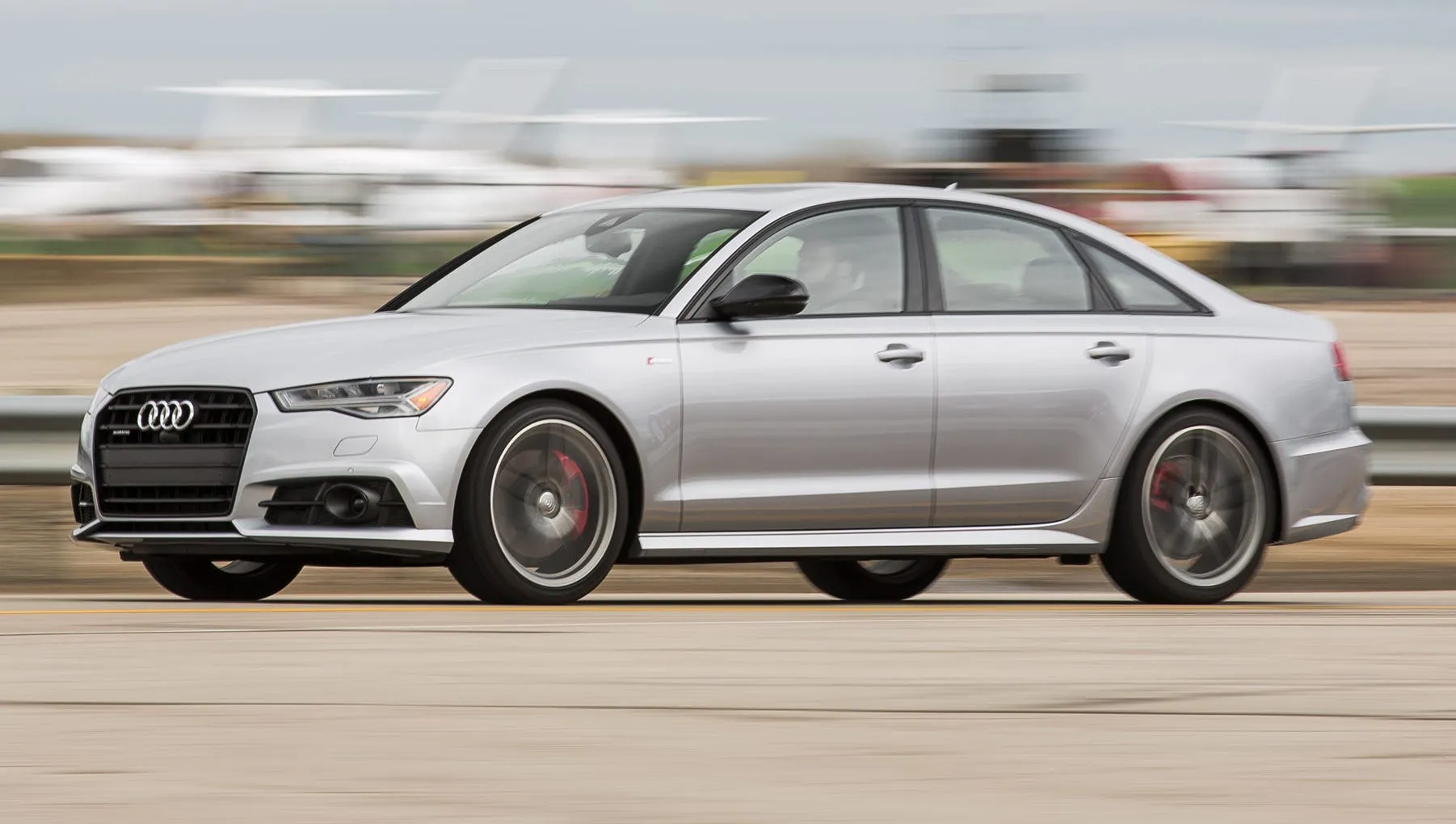
4. Audi A6
The Audi A6 is a luxury sedan that emphasizes refinement and high performance. Its braking system is precise but wears quickly under repeated city stops. Brake pads and rotors are engineered for smooth, high-speed braking, not constant low-speed cycles. Maintenance costs can be substantial.
Suspension design prioritizes handling and comfort at highway speeds. Urban driving may place stress on brakes and tires. High-end components are expensive to replace. The vehicle’s weight and performance features increase braking demands.
Brake longevity is limited by frequent stop-and-go use. Rotors are susceptible to wear and heat damage. Pads require high-quality replacements, which are costly. City drivers often experience accelerated maintenance cycles.
Fuel efficiency is moderate, and engine response encourages spirited acceleration. Frequent braking and acceleration raise operational costs. Cabin comfort and technology are excellent but cannot offset maintenance demands. Stop-and-go conditions highlight practical limitations.
While luxurious and enjoyable on open roads, the A6 is less suitable for dense urban driving. Brake wear and repair costs reduce its practicality for daily Cincinnati commutes. Its engineering favors refinement over long-term durability in heavy traffic.
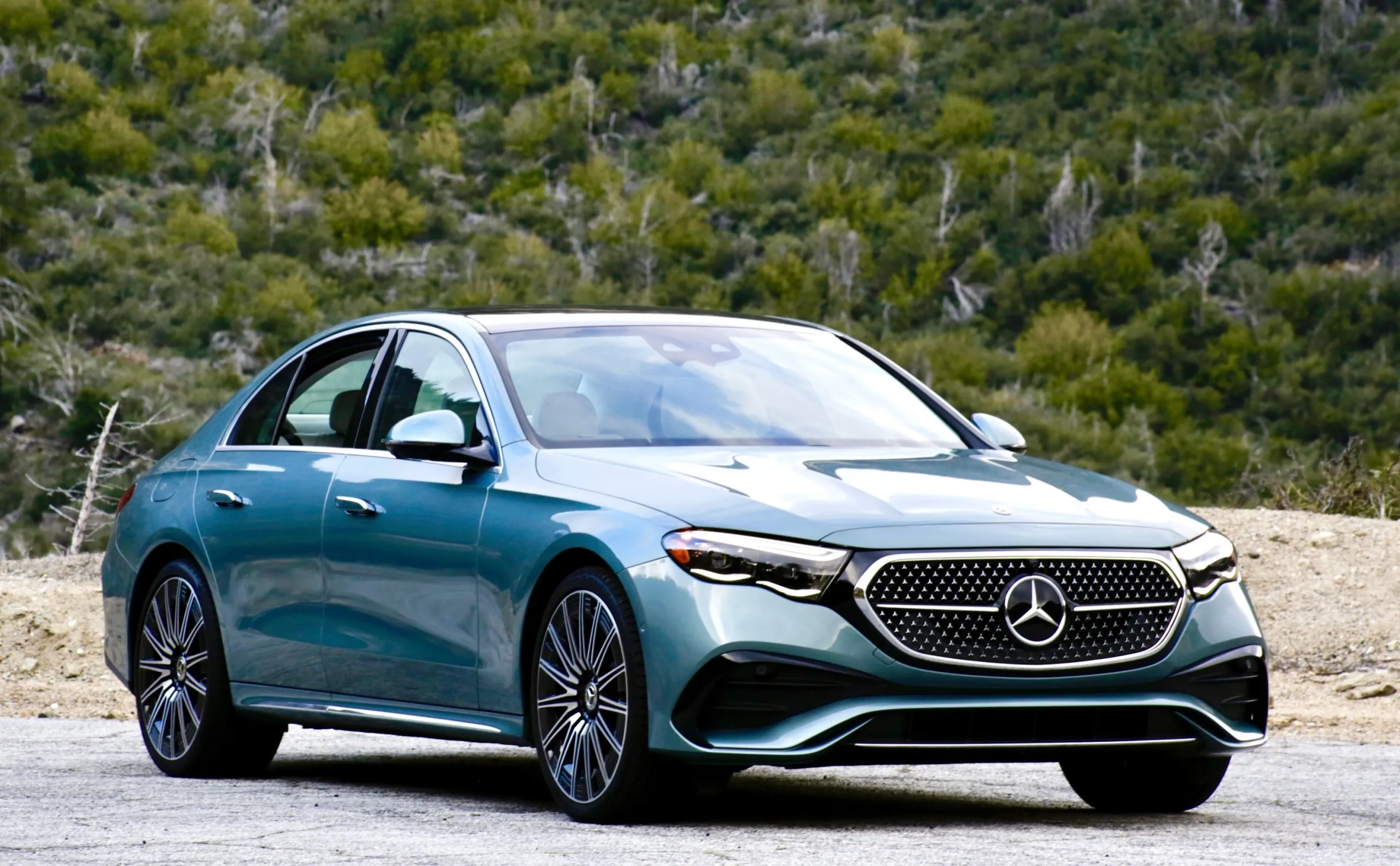
5. Mercedes-Benz E-Class
The Mercedes-Benz E-Class combines luxury with performance, but frequent city driving accelerates brake wear. Premium braking components are expensive and may degrade faster under repeated stops. Owners in urban areas must consider service costs.
Suspension and steering are tuned for comfort and stability at speed. City streets challenge this design, transferring stress to brakes and tires. Pads wear more quickly than in smaller, lighter vehicles. Frequent maintenance is required for optimal performance.
Brake rotors are large and heavy, creating additional wear under repeated use. Cooling systems cannot always compensate for low-speed traffic stress. Repair and replacement costs are higher than in standard sedans. Fuel efficiency is impacted by stop-and-go patterns.
Acceleration is smooth, but the engine encourages responsive driving, further stressing brakes. Cabin comfort and technology are excellent, yet frequent urban use reveals durability limitations. Stop-and-go traffic exposes components to more frequent maintenance.
Cincinnati drivers may enjoy luxury features, but operational costs in traffic are significant. Brake wear, pad replacement, and fuel consumption make the E-Class less practical for daily city commuting. Its strengths are most apparent on highways and open roads.