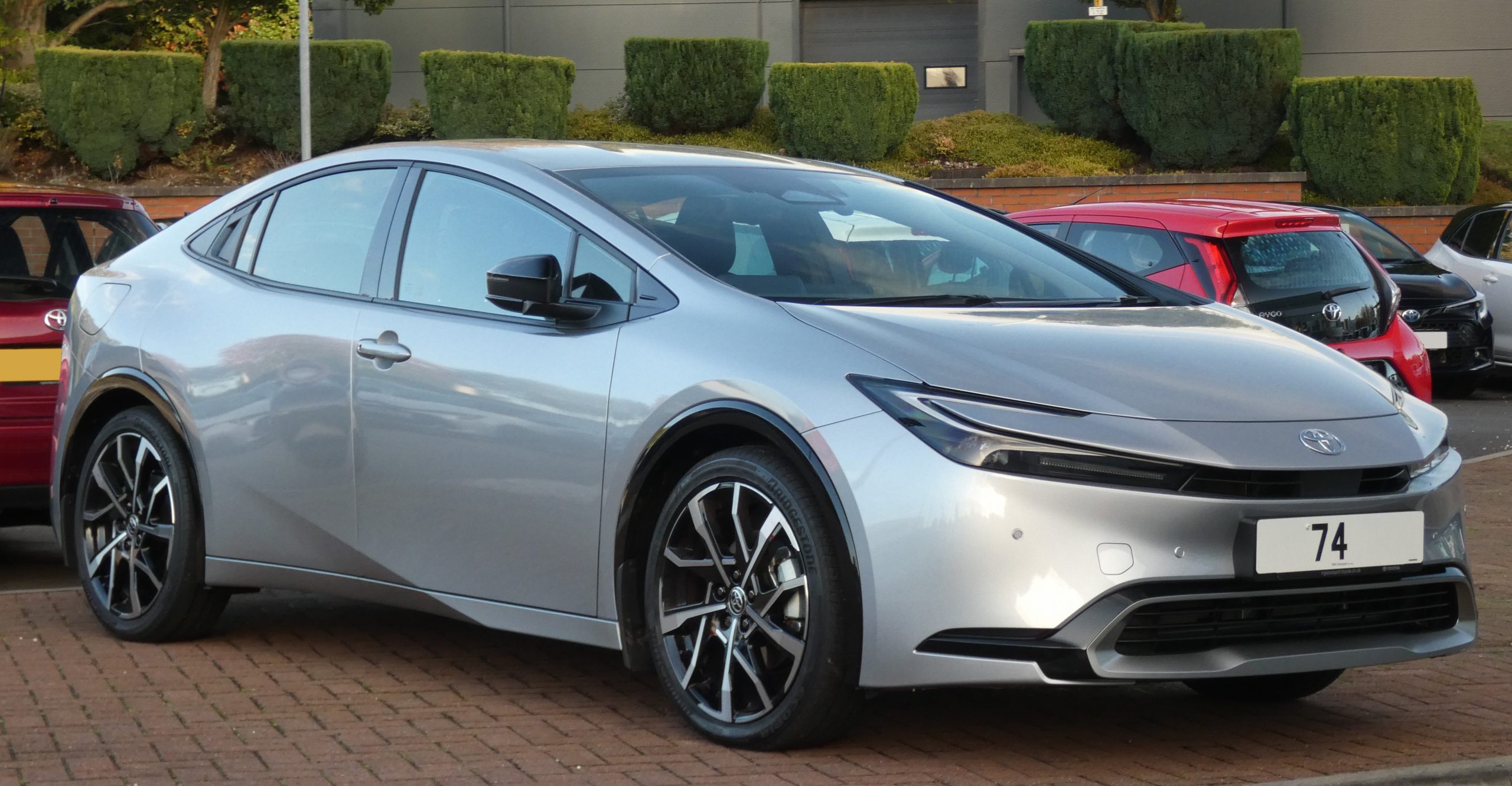
Urban drivers face a unique set of challenges when it comes to vehicle ownership. Stop-and-go traffic, tight parking, variable weather, and frequent short trips demand reliability, efficiency, and practicality. Some vehicles rise to the occasion, earning the loyalty of owners who keep them for 15 years or more.
Models like the Toyota Prius, Honda CR-V, and Subaru Forester demonstrate long-term value through exceptional fuel efficiency, durability, low maintenance costs, and user-friendly technology. Conversely, other vehicles, such as the Tesla Model S, BMW 7 Series, and Jeep Wrangler, often see early turnover.
High depreciation, complex technology, costly repairs, or urban impracticalities prompt owners to trade or sell them within a few years. By examining the characteristics that encourage long-term retention versus those that drive early resale, city drivers can better understand which vehicles offer enduring value and which are likely to become short-lived investments.
5 Vehicles That Owners Keep Long-Term in Cities
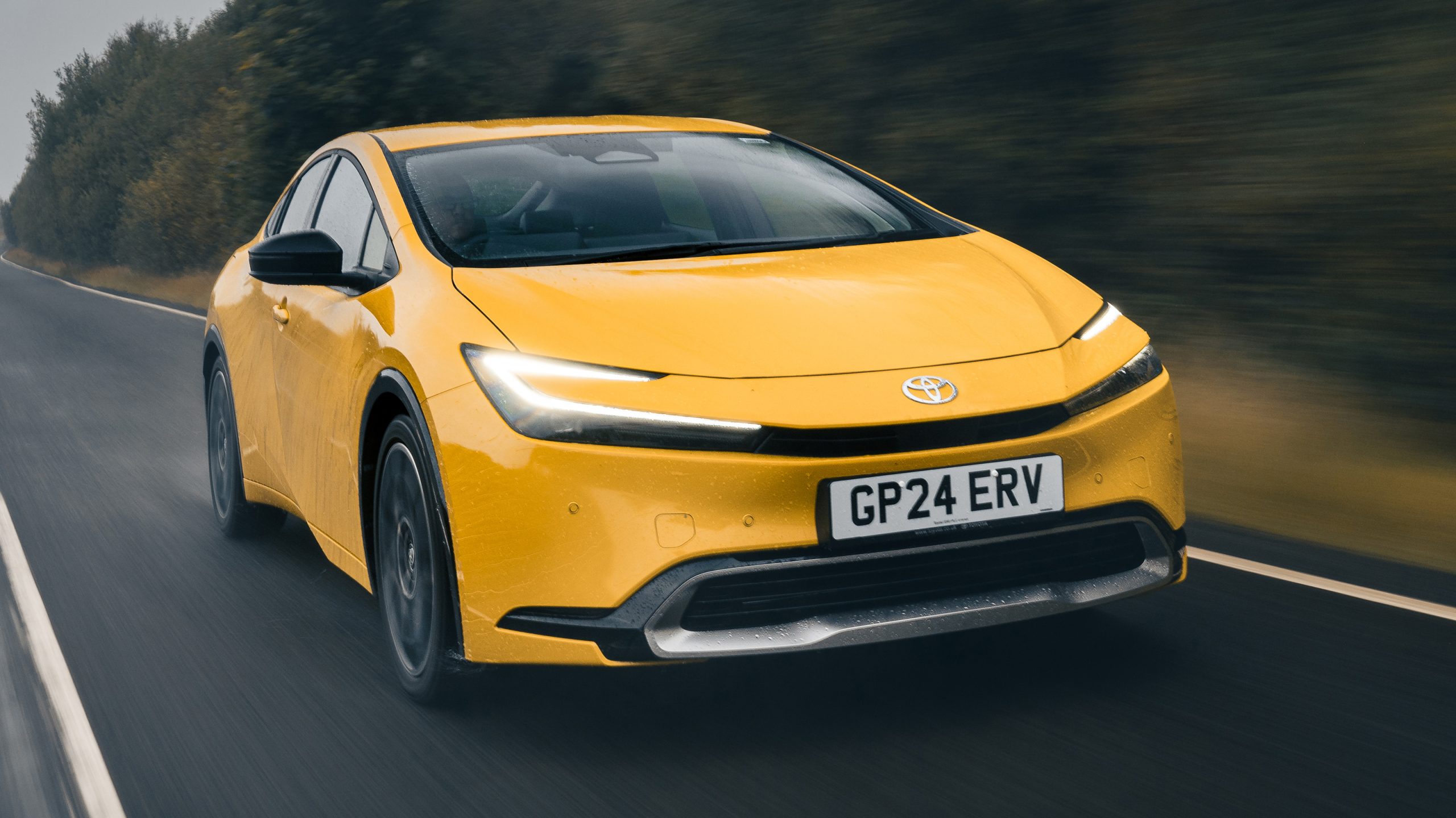
1. Toyota Prius: The Benchmark for Long-Term Urban Affordability
The Toyota Prius has earned its reputation as the gold standard for long-term city ownership by excelling where urban driving is most demanding: efficiency, durability, and cost control. Data shows that 13.7 percent of original owners keep their Prius for 15 years or more, more than double the industry average.
This loyalty is not accidental. The Prius hybrid system is specifically optimized for stop-and-go traffic, low speeds, and frequent idling, conditions that define daily urban commuting.
Fuel efficiency is the Prius’s most visible advantage. Depending on trim and drivetrain, city fuel economy ranges from 49 to 57 mpg, with real-world highway results near 49 mpg at sustained speeds. In city driving, the Prius operates on electric power for roughly 70 to 80 percent of the time at lower speeds, dramatically reducing gasoline consumption and engine wear.
Regenerative braking captures energy normally lost during braking and feeds it back into the battery, improving efficiency while extending brake life. Over a decade of city use, this translates into thousands of dollars saved on fuel and routine maintenance.
Reliability is another cornerstone of Prius ownership. Many examples exceed 200,000 miles with minimal issues, and some have surpassed 500,000 miles. The hybrid system has fewer wear-prone components than traditional drivetrains, eliminating items like starters, alternators, and conventional belts.
Toyota’s hybrid batteries have also proven exceptionally durable, often lasting well beyond ten years. This mechanical simplicity keeps long-term repair costs low and predictable.
The Prius is also well-suited to everyday urban practicality. Its hatchback design provides generous cargo space, up to 23.8 cubic feet on lower trims, while the compact exterior makes parking and maneuvering easy in crowded city environments.
Inside, modern infotainment with wireless Apple CarPlay and Android Auto, over-the-air updates, and comprehensive safety features ensure the car remains technologically relevant for many years.
Strong resale value further reinforces long-term affordability. Because operating costs remain low, owners are more likely to keep the vehicle rather than replace it, and demand for used Prius models stays high.
Backed by a 10-year or 150,000-mile hybrid-component warranty and complimentary maintenance for two years, the Prius stands out as one of the most financially sound vehicles for sustained urban use, combining efficiency, longevity, and everyday usability in a way few competitors can match.
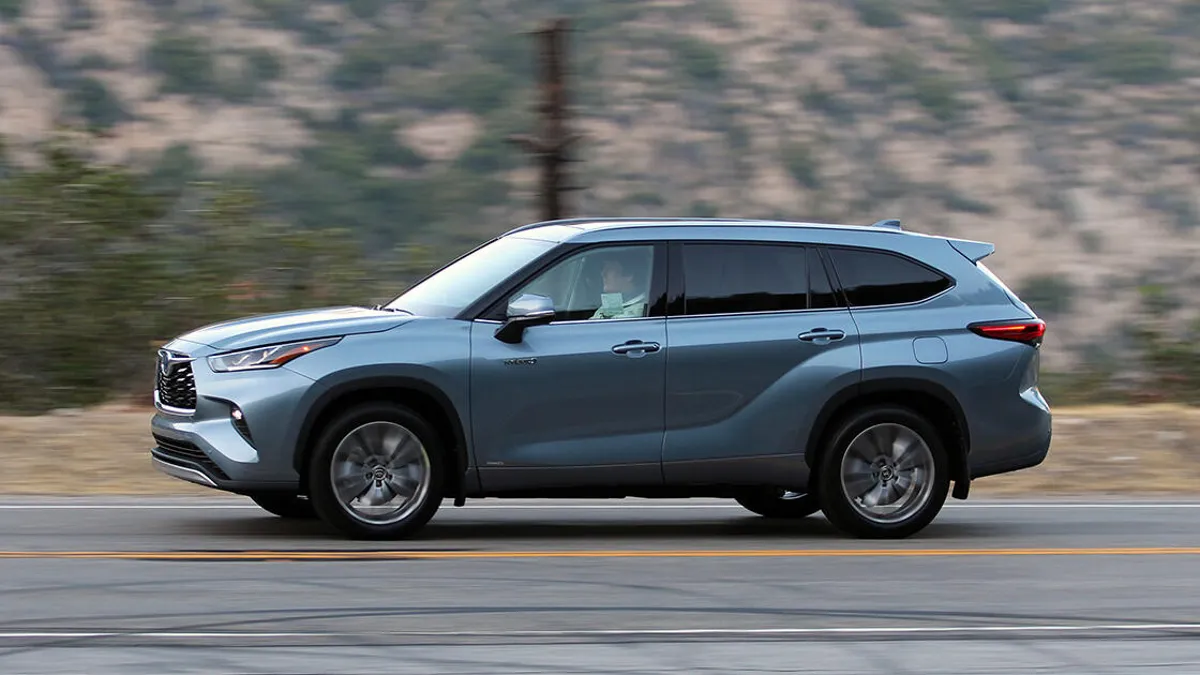
2. Toyota Highlander Hybrid: A Long-Term Urban Family Workhorse
The Toyota Highlander Hybrid has become a favorite among urban families because it combines three-row practicality with unusually low long-term ownership costs for a midsize SUV.
With a predicted 31 percent chance of reaching 250,000 miles and many real-world examples surpassing 300,000 miles, it is widely viewed as a vehicle built to be kept for the long haul. In city environments, where fuel costs and maintenance can quickly add up, the Highlander Hybrid stands out as a financially sensible alternative to traditional gasoline-powered family SUVs.
Fuel efficiency is one of its biggest advantages. The hybrid powertrain excels in stop-and-go traffic, where electric assistance reduces engine load and fuel consumption. City fuel economy can reach up to 36 mpg, a significant improvement over comparable gas-only three-row SUVs.
For urban families, this can translate into hundreds of dollars in fuel savings each year. Over time, those savings often offset the higher initial purchase price of the hybrid system within three to five years.
Reliability and durability further strengthen its long-term appeal. Toyota’s hybrid systems have a long track record of reliability, and the Highlander Hybrid benefits from an eCVT-style transmission that reduces mechanical complexity and wear.
With fewer stress points than a traditional automatic transmission, maintenance needs are lower and more predictable. Hybrid batteries are engineered to last between 8 and 15 years and are typically covered for up to 10 years or 150,000 miles, offering peace of mind for long-term city ownership.
The Highlander Hybrid also delivers strong everyday practicality. It provides three rows of seating for families, with flexible second-row configurations and adequate cargo space for daily errands, school runs, and weekend trips. While the third row is best suited for children, folding it down opens up substantial cargo room, making the vehicle adaptable to changing needs over time.
Resale value remains high due to the model’s reputation for longevity and efficiency, further lowering the total cost of ownership. Combined with Toyota’s complimentary maintenance for two years and a strong standard safety suite, the Highlander Hybrid offers a rare balance of space, efficiency, and durability.
For city-based families seeking a dependable vehicle they can confidently keep for many years, it stands out as one of the smartest long-term investments in the three-row SUV segment.
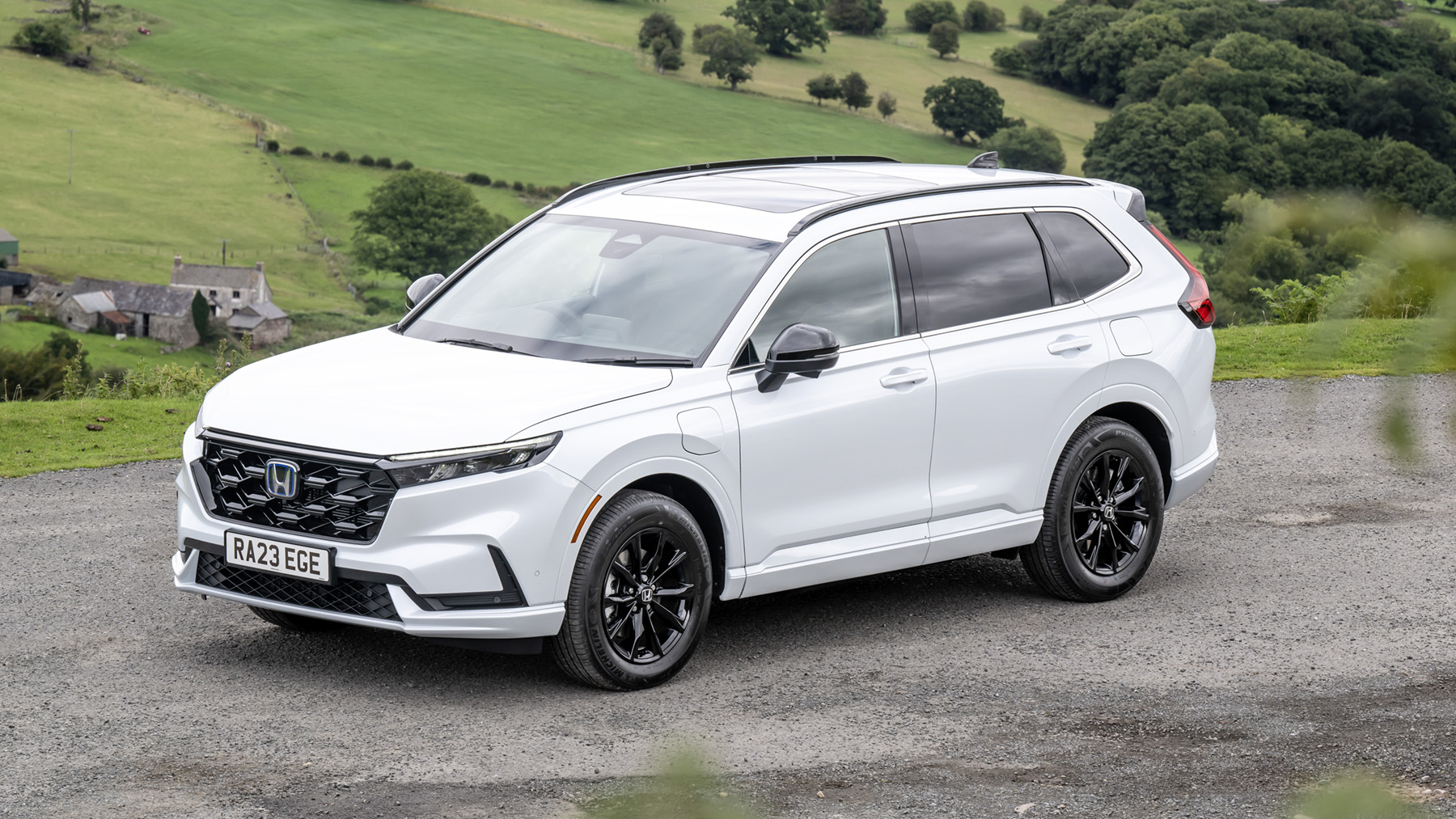
3. Honda CR-V: The Ultimate Long-Term Urban SUV
The Honda CR-V remains one of the most popular compact SUVs for city drivers seeking long-term reliability, practicality, and low ownership costs. In 2026, 10.7% of CR-V owners kept their vehicles for 15 years or more, highlighting its reputation as a durable, city-friendly vehicle.
With consistently strong reliability ratings and a history of lasting well beyond 200,000 miles, the CR-V provides peace of mind for urban commuters and families who rely on a vehicle that performs dependably over the long haul.
The CR-V’s 1.5-liter turbocharged engine, paired with a continuously variable automatic transmission (CVT) is engineered for longevity, providing dependable performance through years of stop-and-go city driving.
Owners experience reduced breakdown anxiety, knowing the vehicle can remain in daily use for 15 to 20 years. Hybrid models add fuel efficiency without sacrificing durability, further extending the CR-V’s long-term appeal.
Compact yet spacious, the CR-V offers maneuverability in tight urban streets while maintaining a roomy interior and large cargo area. Its smooth suspension handles potholes and uneven pavement comfortably.
Fuel-efficient models, particularly hybrids, deliver up to 40-plus MPG in city driving, significantly lowering the cost of daily commuting. Hill-descent control and traction-management features enhance urban and light off-road handling, while optional all-wheel drive increases versatility.
Routine maintenance, such as oil changes and tire replacements, is affordable, and the CR-V retains 50 to 60 percent of its value after five years. Strong resale value and exceptional reliability reduce the need for frequent vehicle replacement, saving owners from high new-car costs. Complimentary scheduled maintenance for the first year adds further value.
The standard Honda Sensing suite, including adaptive cruise control, collision mitigation braking, and lane-keeping assist, keeps drivers safe in congested city traffic. Improved rust resistance and durable interior materials contribute to long-term usability.
Cargo space of 39 cubic feet behind the second row accommodates daily errands, while the infotainment system includes a 9-inch touchscreen with Apple CarPlay, Android Auto, navigation, and wireless charging.
With a combination of longevity, low maintenance, fuel efficiency, advanced safety features, and practical interior space, the Honda CR-V continues to be a top choice for urban drivers seeking a reliable, long-lasting compact SUV that remains cost-effective and enjoyable for years. Its balance of performance, practicality, and affordability cements its status as a keep-forever vehicle in city environments.
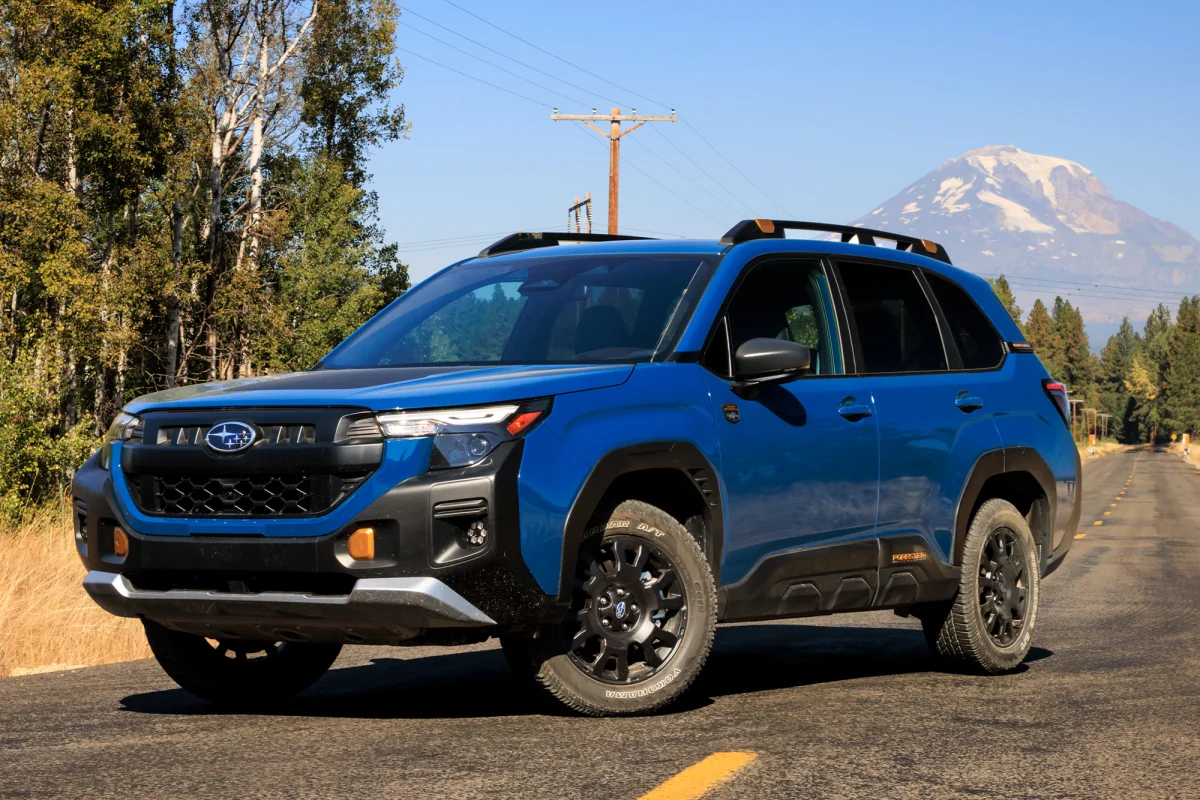
4. Subaru Forester: Rugged Reliability and Long-Term Urban Appeal
The Subaru Forester is a compact SUV widely respected for its durability, practicality, and safety, making it a top choice for long-term city ownership. In 2026, over 12% of Forester owners retain their vehicles for 15 years or more, highlighting its reputation as a dependable, long-lasting SUV.
Its standard Symmetrical All-Wheel Drive, high ground clearance, and robust construction make it particularly suited for cities with harsh winters or challenging road conditions, providing peace of mind for daily commuting and weekend adventures alike.
Reliability and longevity are key reasons owners keep Foresters for the long term. With many models surpassing 200,000 miles with minimal issues, the SUV’s flat-four BOXER engine and continuously variable transmission are engineered for enduring performance.
The suspension is tuned for comfort, and while handling is not sporty, it provides a stable and predictable ride, even over potholes and rough urban terrain. Hybrid variants in the future may offer additional performance benefits, but the current lineup already meets the practical needs of most drivers.
Safety is another strong factor. The EyeSight Driver Assist Technology suite comes standard, including adaptive cruise control, automated emergency braking, and lane-keeping assistance, ensuring high safety ratings for city and family use. Combined with Subaru’s reputation for rugged, rust-resistant construction, the Forester maintains functionality and peace of mind for many years.
Practicality and interior space make the Forester ideal for urban families. The upright cabin, panoramic sunroof, and tall windows create a bright and airy feel, while the spacious second row and 30 cubic feet of cargo space behind the rear seats accommodate adults and luggage comfortably.
Folding the rear seats expands cargo capacity to 75 cubic feet, outperforming competitors like the Nissan Rogue and Mazda CX-50. Infotainment is modern and user-friendly, with an 11.6-inch touchscreen, wireless Apple CarPlay and Android Auto, and wireless smartphone charging on most trims.
While its 2.5-liter engine produces a modest 180 horsepower, acceleration is adequate for city driving, and fuel economy is competitive, averaging 26 mpg city and 33 mpg highway in most trims. The Forester Wilderness variant can tow up to 3,500 pounds, while other trims tow 1,500 pounds.
With a combination of reliability, safety, versatility, and spaciousness, the Subaru Forester remains a long-term urban SUV that owners trust to handle daily commuting, family responsibilities, and light off-road adventures, making it a practical and enduring investment for city drivers.
5. Toyota Camry: Urban Reliability and Long-Term Value
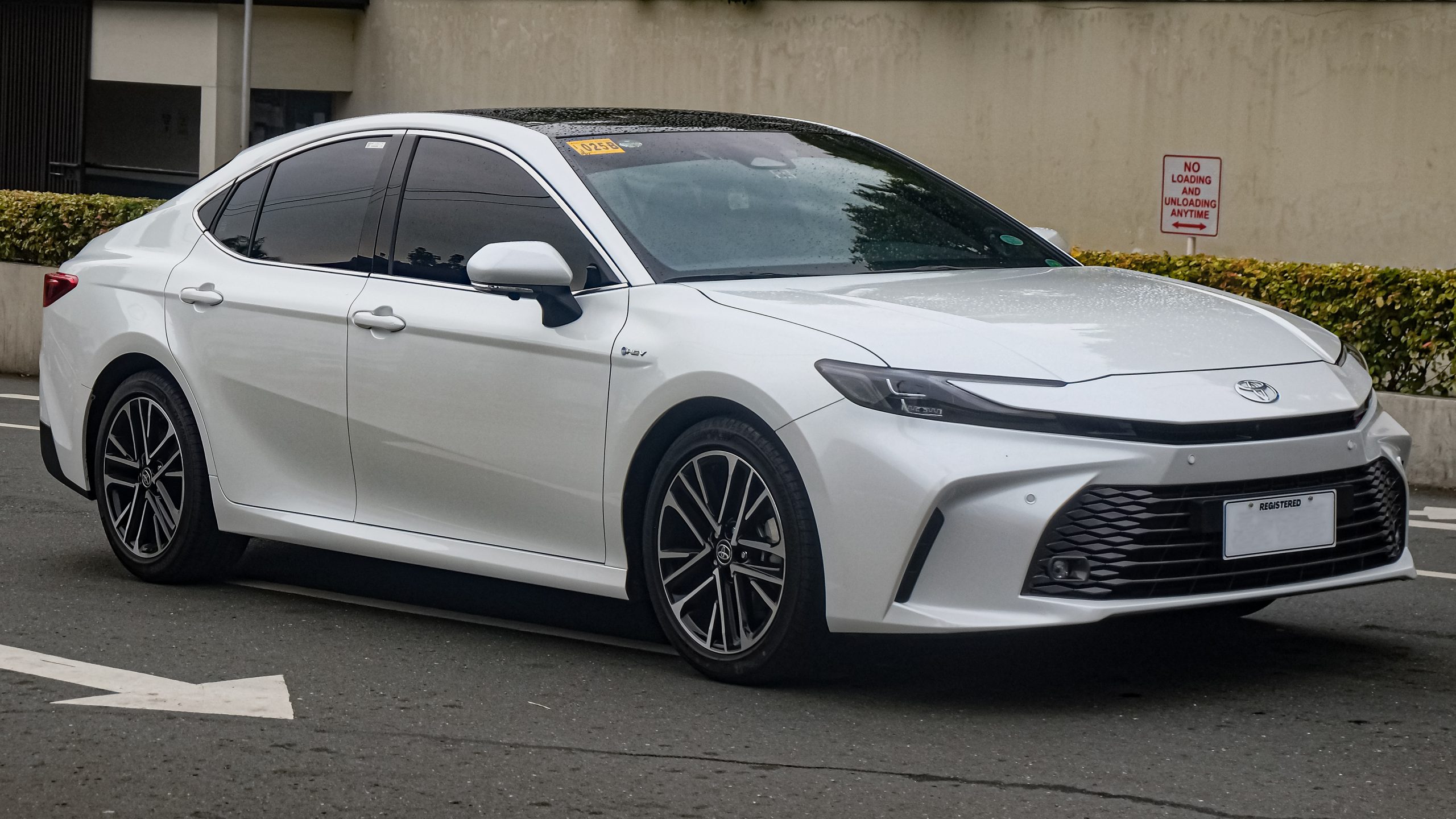
The Toyota Camry remains a cornerstone of city driving, valued for its reliability, durability, and low-cost maintenance. Many Camry owners keep their vehicles well beyond 200,000 miles, with some reaching 300,000 miles, making it a practical, long-term investment for urban commuters.
Its mature platform, widely available parts, and straightforward engineering contribute to longevity and reduce repair headaches, making it ideal for daily use in busy environments.
A major reason for long-term ownership is the Camry’s proven reliability. According to RepairPal, Camrys average only 0.3 repair visits per year, and major repairs are uncommon. Non-turbo engines, timing chains instead of belts, and robust drivetrain components lower the likelihood of costly issues.
Owners also benefit from high fuel efficiency, often exceeding 30 miles per gallon, which makes stop-and-go city traffic more economical. Combined with a comfortable and durable interior, the Camry remains a dependable daily driver for many years.
Safety and comfort are also key factors. Toyota Safety Sense comes standard, offering adaptive cruise control, automated emergency braking with pedestrian and cyclist detection, and lane-keeping assist. These features provide confidence in high-traffic conditions while protecting passengers.
The interior is spacious and well-equipped, featuring dual-zone climate control, rear vents, and flexible cargo space of up to 19 cases with the rear seats folded. Higher trims include leather seating, heated seats, ambient lighting, and larger infotainment displays, ensuring comfort and convenience for both daily commutes and longer trips.
Performance is practical and balanced. Front-wheel-drive Camry Hybrids combine a 2.5-liter four-cylinder engine with two electric motors, producing 225 horsepower, while all-wheel-drive versions add a third motor for a total of 232 horsepower. Both use a continuously variable automatic transmission for smooth acceleration and strong city responsiveness.
Sportier trims like the SE and XSE offer tighter suspension tuning for improved handling, although steering feedback is moderate. Fuel economy is strong, with front-wheel-drive models reaching up to 52 mpg city and 49 mpg highway, while all-wheel-drive models achieve slightly lower but still efficient numbers.
From ownership costs to resale value, the Camry offers long-term practicality and financial sense. With low maintenance needs, high reliability, efficient hybrid powertrains, and modern safety and comfort features, the Toyota Camry continues to be a top choice for urban drivers seeking a dependable, long-lasting, and cost-effective vehicle.
Also Read: 5 Cars That Stay Affordable Over Years of City Use vs 5 That Don’t
5 That Are Commonly Sold Off
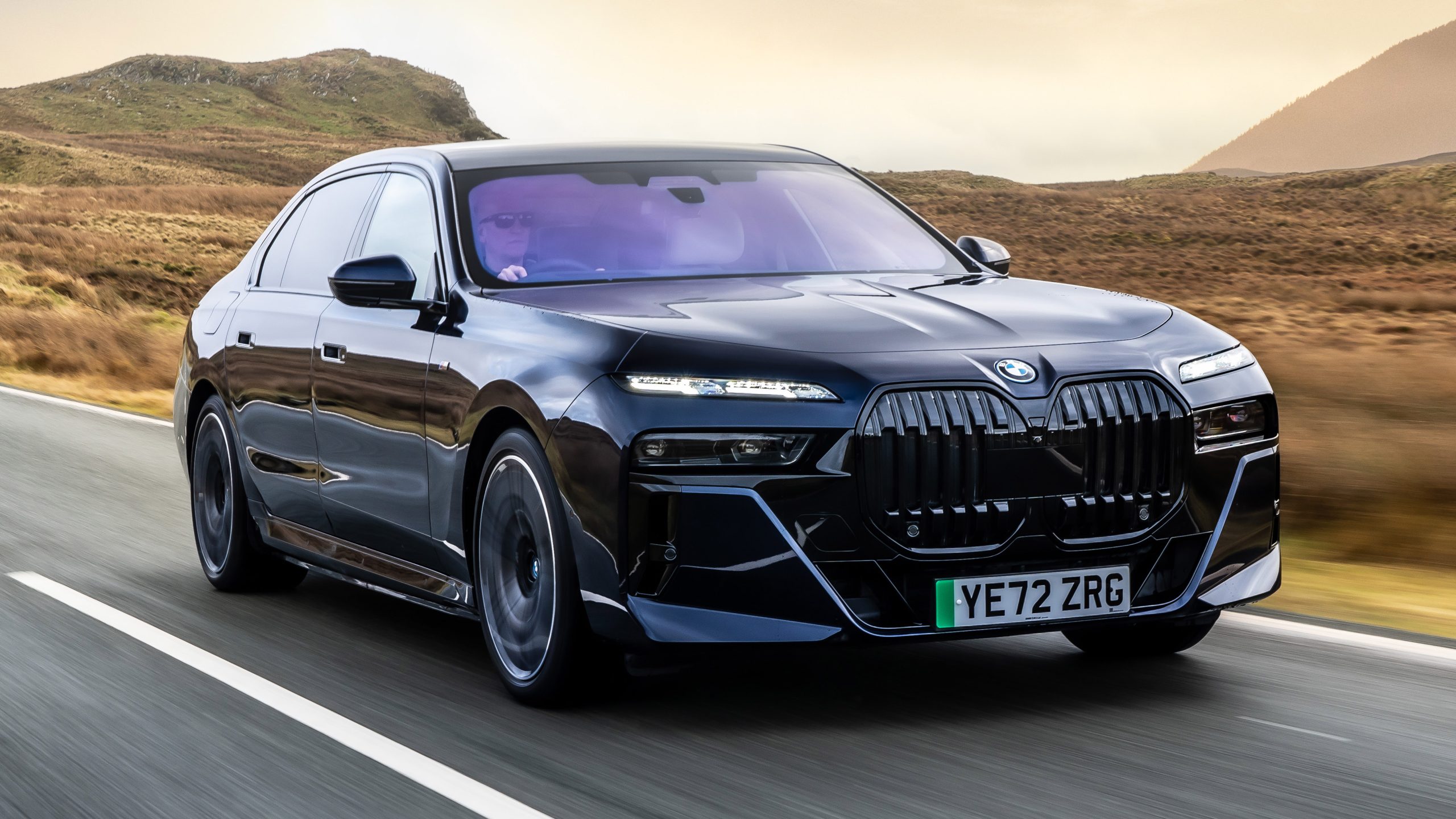
1. BMW 7 Series: Engineering Excellence Meets Rapid Depreciation
The BMW 7 Series is a pinnacle of luxury and technology, offering cutting-edge performance, advanced electronics, and high-end materials. However, these same features contribute to why many owners part with their vehicles within the first 50,000 miles. The combination of steep depreciation, rising repair costs, and the end of the factory warranty drives a significant turnover in ownership.
A key factor is the “warranty cliff.” The 7 Series is packed with flagship technologies, including active roll stabilization, gesture controls, and sophisticated air suspension. While these features operate flawlessly under warranty, repair costs after coverage ends can reach $5,000 to $10,000 per incident. Many owners sell before warranty expiration to avoid unexpected financial burdens.
Depreciation is another major consideration. The 7 Series loses over 60% of its value within the first five years. A vehicle that initially costs around $100,000 may drop $60,000 in value in just half a decade. Early resale allows owners to retain substantial trade-in value before the car enters the high-mileage category, where buyer demand diminishes sharply.
Leasing patterns also influence ownership. Many 7 Series sedans are leased by executives or corporations. Leases typically run three years, after which cars are returned to dealerships and enter the used market. The target demographic prefers the latest model for prestige and technology, reducing loyalty to older versions and creating a surplus of used vehicles.
Compounding maintenance costs further encourage early sale. The N63 V8 “hot-vee” engine, for instance, is prone to overheating, leading to leaks and component wear. Even standard maintenance tasks, such as battery registration or brake service, often require specialized BMW diagnostic tools, limiting cost-effective repair options through independent shops.
While the BMW 7 Series offers exceptional luxury and engineering, owners frequently sell within a few years. Once the warranty ends, the combination of complex systems, high repair costs, rapid depreciation, and lease-driven turnover transforms this status symbol into a potential financial liability.
2. Jaguar I-PACE: Early Sales Driven by Recalls, Depreciation, and Outdated Technology
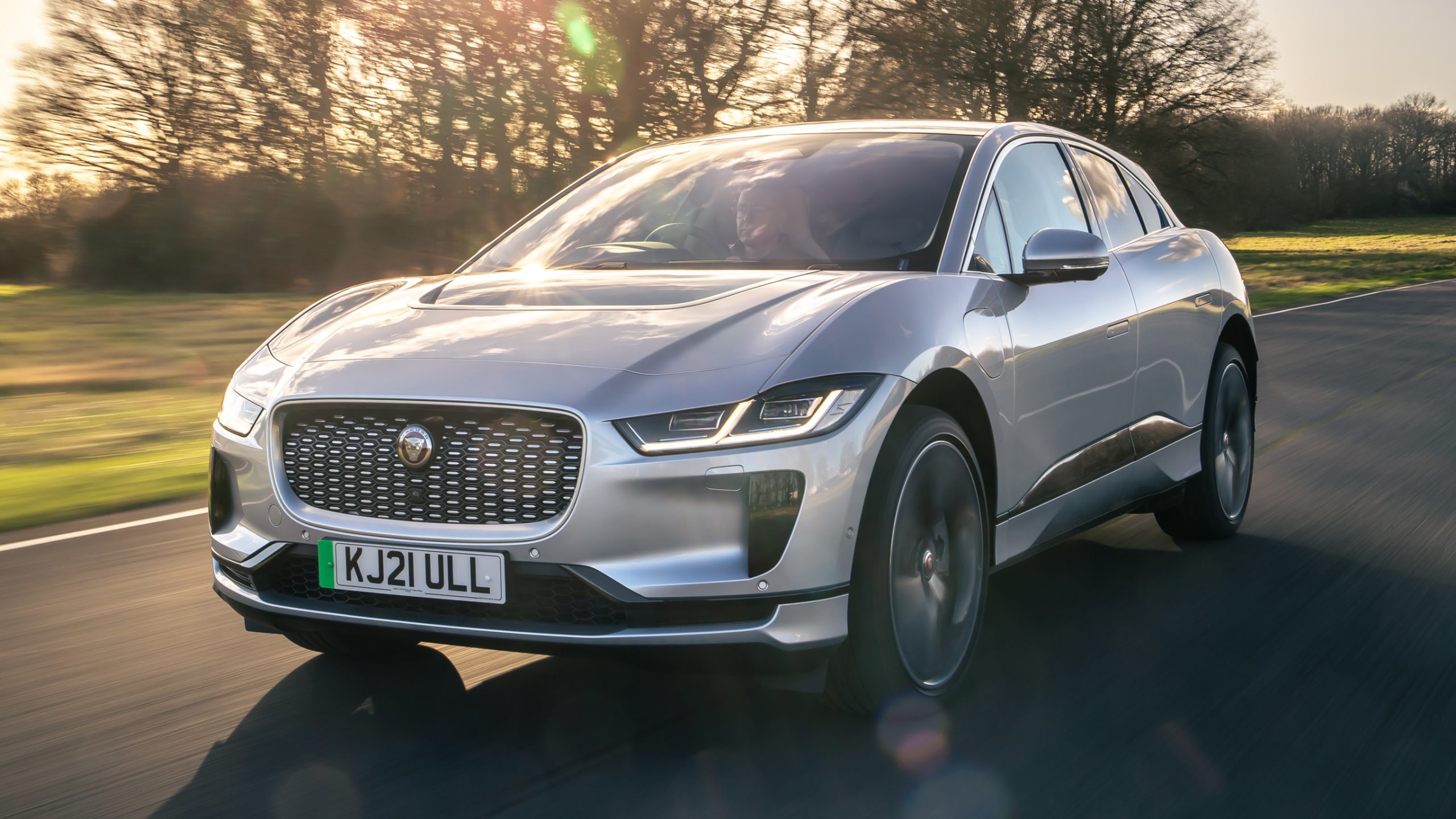
The Jaguar I-PACE, once a groundbreaking luxury electric SUV, has experienced high turnover as owners trade or sell their vehicles early. A combination of reliability concerns, a large manufacturer buyback program, and aging technology has significantly reduced its resale value and long-term appeal.
A major factor is the high-voltage battery recall. 2019–2024 I-PACE models equipped with LG Energy Solution battery modules faced risks of thermal overload and fire. After multiple software fixes failed, Jaguar launched a large-scale buyback program in 2025 and 2026. Many owners opted to sell back their vehicles rather than deal with charging limitations, capped at 75–80%, or the potential fire hazard.
Depreciation has also been severe. Early I-PACE models that originally cost over $70,000 are now often worth less than $18,000 on the used market. The rapid loss in value incentivizes owners to sell before the vehicle becomes a financial liability or requires expensive out-of-warranty repairs.
Outdated technology and slow charging contribute further. While the I-PACE was revolutionary at launch, its 100kW charging rate is far behind current 800V architectures that charge at 250kW or more. Long-distance drivers often sell because charging to 80% takes 45–60 minutes, compared to under 18 minutes with modern competitors.
High maintenance and insurance costs exacerbate the problem. Owners report persistent issues with the 12V battery, air suspension leaks, and infotainment glitches. With discontinuation in 2024, parts are scarce, and dealership repairs can take months. Additionally, the I-PACE sits in the highest insurance groups, leading to steep premiums.
Finally, Jaguar’s shift toward ultra-luxury electric vehicles has left the I-PACE as a “dead” platform, with no future software support. Many owners sell to transition to EVs with more modern technology, better charging infrastructure, and stronger long-term support.
The combination of recalls, depreciation, outdated hardware, maintenance challenges, and brand discontinuation has created a significant early turnover in I-PACE ownership.
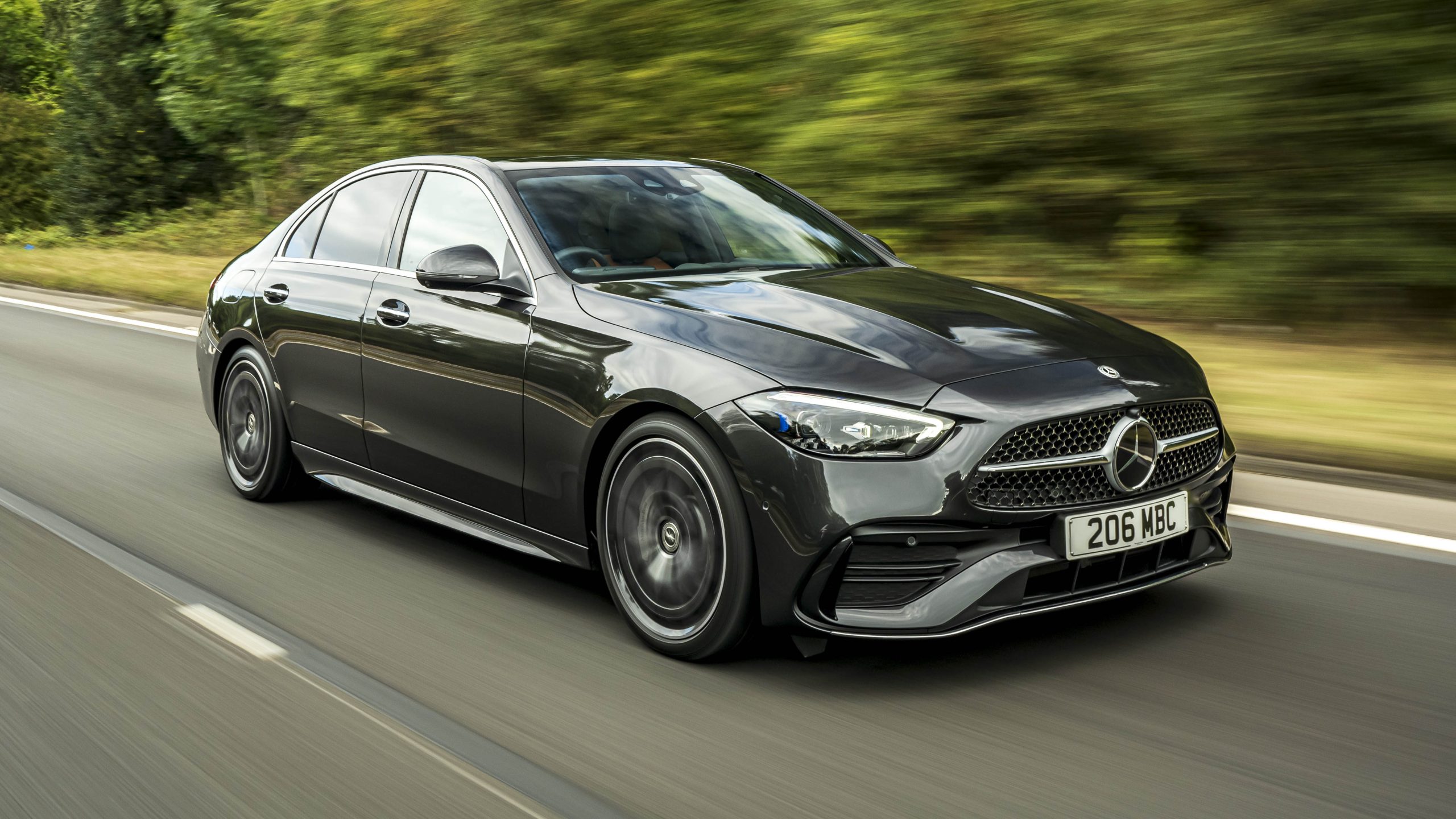
3. Mercedes-Benz C-Class: High Turnover Driven by Leases, Maintenance, and Technological Advances
The Mercedes-Benz C-Class experiences high turnover in urban areas, largely due to its popularity in the luxury leasing market, escalating maintenance costs, and rapid technological advancements. As one of the most accessible entry points into the luxury segment, many owners exchange their vehicles within a few years, contributing to a steady flow of pre-owned C-Class models.
A primary factor is the lease-end cycle. Most C-Class buyers opt for 36-month leases to enjoy a new car under full factory warranty. When these leases expire, large numbers of well-maintained, low-mileage vehicles enter the certified pre-owned market, creating the impression of frequent ownership changes.
Maintenance costs rise significantly after the warranty period. While the C-Class is reliable during its early years, routine services like brake replacements or sensor calibrations become expensive, and complex systems such as MBUX infotainment or air suspension can cost thousands to repair. Many owners sell around the four-year mark to avoid these high expenses.
Depreciation also plays a major role. The C-Class typically loses 45% to 50% of its value within the first five years. Owners concerned about financial loss often sell before reaching the steep part of the depreciation curve. Additionally, as a status symbol, many owners trade in their cars when facelifts or new generations are released to stay current with the latest design and technology.
Shifting consumer preferences further influence turnover. In 2026, buyers increasingly favor SUVs and crossovers, leading many C-Class owners to trade for models like the Mercedes-Benz GLC, which provides similar luxury features with added utility and a higher seating position.
Finally, the C-Class’s advanced technology accelerates replacement. As software-driven features become standard, older models may feel outdated. Owners who value updated smartphone integration, semi-autonomous driving, and faster computing power often upgrade to newer iterations, ensuring their vehicles keep pace with modern standards.
The combination of lease practices, maintenance economics, depreciation, shifting preferences, and fast-moving technology drives the high turnover rate of the Mercedes-Benz C-Class.
4. Tesla Model S: High Turnover Driven by Technology, Depreciation, and Market Competition
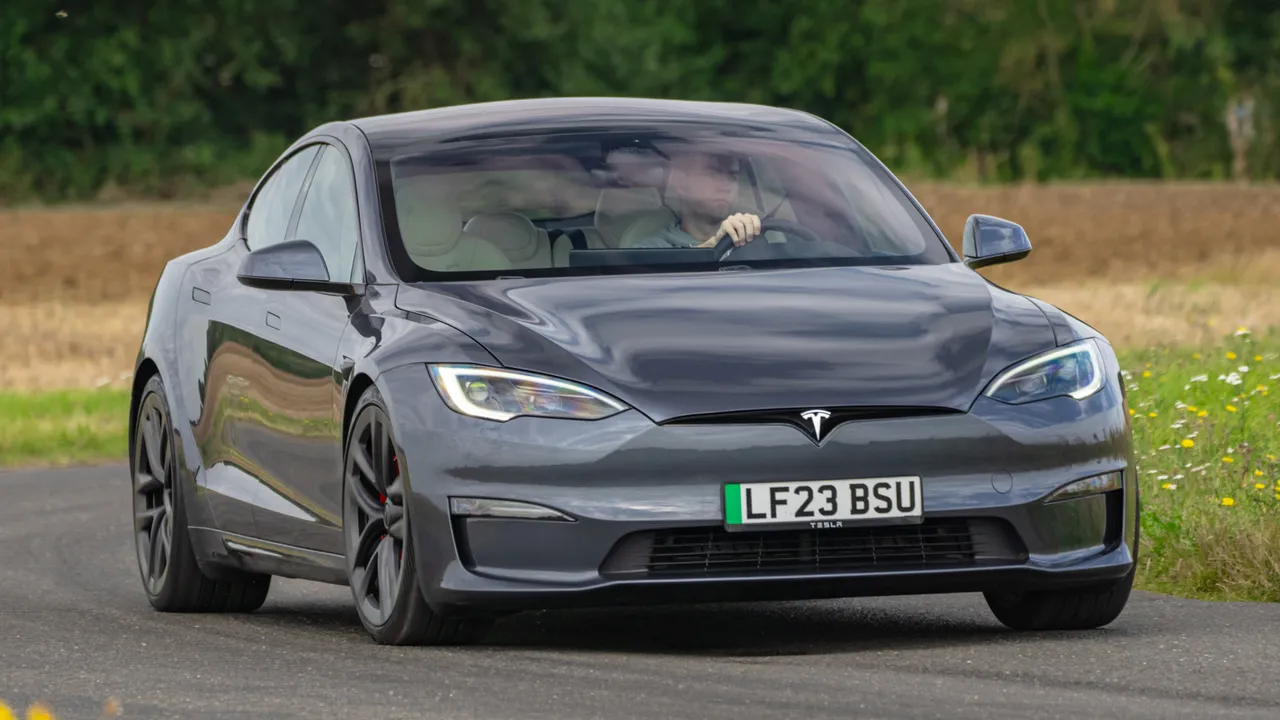
The Tesla Model S, despite strong brand loyalty, experiences high turnover in the used market as owners frequently trade in for newer versions with upgraded technology. As of 2026, several key factors explain why the flagship EV sees early resales.
A primary reason is rapid technological obsolescence. Tesla updates its vehicles frequently, similar to smartphone cycles, rather than adhering to traditional model years. Many owners sell older Model S units to access hardware upgrades, such as Tesla’s Hardware 4 sensor suite, which enables the latest Full Self-Driving capabilities.
Additionally, range improvements in the 2026 Model S, now offering 410 miles, motivate owners of older versions with shorter ranges to upgrade for better performance.
Aggressive depreciation also contributes to high turnover. The Model S lost approximately 15.8% of its value over the past year alone, and Tesla’s frequent price cuts on new inventory, sometimes exceeding $7,60,0, further reduce resale values. Over a 10-year period, some owners may see up to 89% of the original purchase price eroded, creating financial incentives to sell before steep losses accumulate.
Market saturation and growing competition play a role as well. Internal rivals like the Model 3 and Model Y offer comparable technology at lower prices, prompting some owners to trade down for value. Meanwhile, luxury competitors such as the Lucid Air, Audi A6 Sportback e-tron, and Porsche Taycan attract owners seeking higher build quality and comfort.
Brand sentiment and maintenance concerns also influence resale decisions. Some owners are motivated by reputational fatigue associated with CEO Elon Musk, while out-of-warranty repairs for complex systems like adaptive suspension or the 17-inch Media Control Unit can be costly. Selling before the warranty expires mitigates these financial risks.
The Tesla Model S sees frequent early resale due to rapid technological updates, sharp depreciation, increased competition, and potential maintenance costs, making it a high-turnover luxury EV despite its performance and brand prestige.
5. Jeep Wrangler: Iconic Off-Roader Faces Early Turnover in Urban Settings
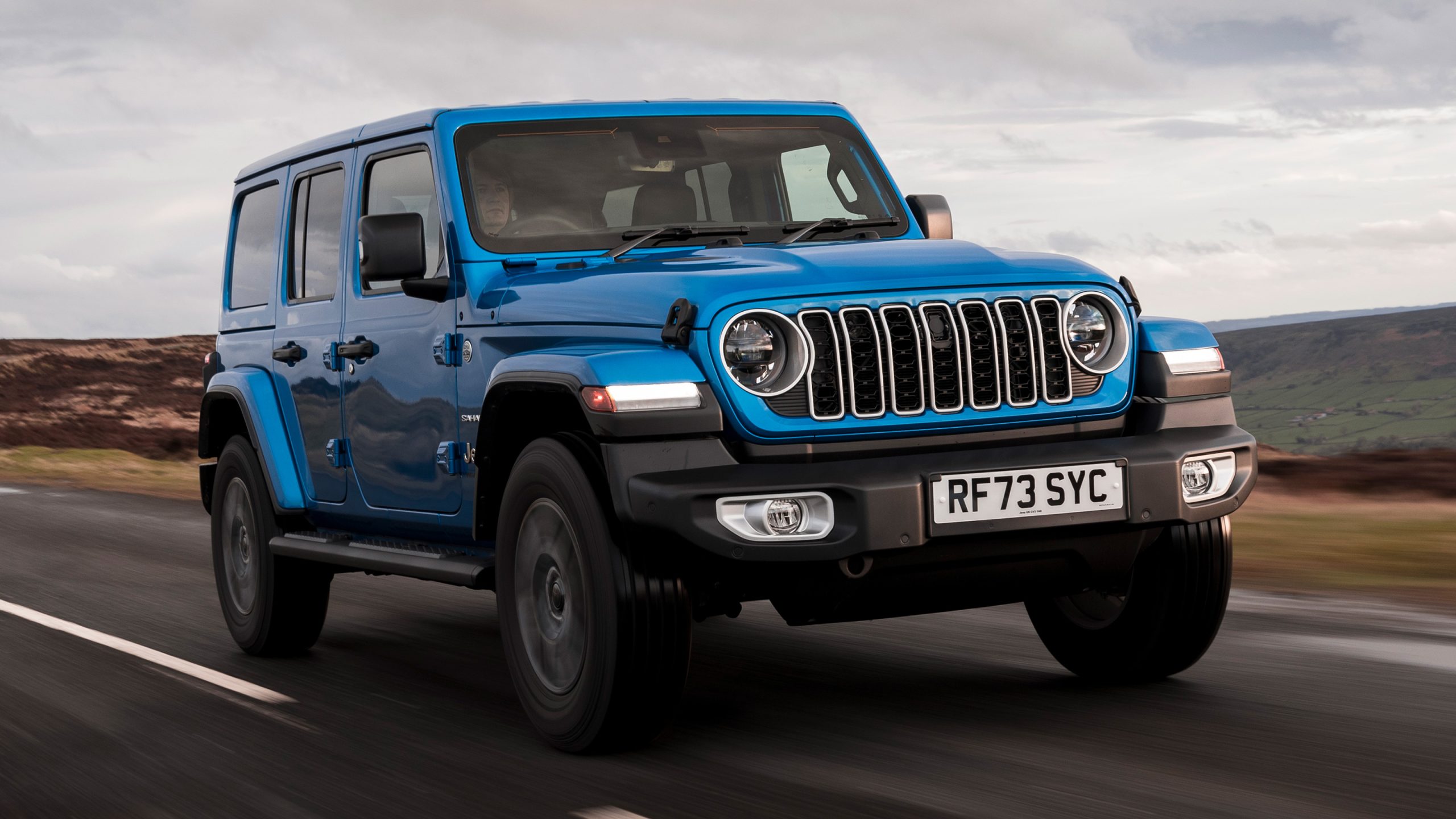
The Jeep Wrangler, while iconic and boasting high resale value, experiences low long-term retention in cities, with only 3.8% of owners keeping their vehicles for 15 years. Its rugged, body-on-frame construction, designed for off-roading, creates trade-offs that many urban drivers find difficult to tolerate over time.
A key factor driving early sales is “daily driver” fatigue. The Wrangler’s solid axle suspension, optimized for rocky terrain, delivers a rough ride on paved roads.
Excessive wind and road noise, combined with limited interior storage and poor fuel efficiency, make it uncomfortable and impractical for regular commuting. Many owners eventually trade in their Wranglers for more economical and comfortable alternatives, such as Honda or Toyota SUVs.
Reliability and safety concerns further contribute to high turnover. The infamous “Death Wobble,” experienced in JL (2018–2020) and JK (2007–2018) models, causes violent front-end shaking at highway speeds. Electrical issues with TIPMs and instrument clusters can leave dashboards blank or shut down engines unexpectedly.
Recurring transmission and engine problems, including gearboxes popping out of gear, power drops in automatic transmissions, and stalling engines, frustrate long-term owners and add significant maintenance costs.
Rising costs and increased competition also affect retention. High-end trims like the Rubicon exceed $70,000, a steep price for a vehicle lacking luxury safety and comfort features. Rivals such as the Ford Bronco offer modern off-road capability with improved on-road manners, enticing some Jeep owners to switch brands. Discontinuation in certain European markets due to emissions regulations further impacts demand.
Paradoxically, the Wrangler’s strong resale value encourages turnover. Many owners can sell their vehicles after a few years for close to the original purchase price, allowing them to move to more practical daily drivers with minimal financial loss.
While the Jeep Wrangler remains an off-road icon, poor on-road comfort, recurring mechanical issues, high costs, and changing market preferences drive early resale in urban environments.
The contrast between vehicles kept long-term and those frequently sold highlights how urban conditions shape ownership decisions. Cars like the Toyota Prius, Honda CR-V, and Subaru Forester thrive in cities due to efficiency, reliability, practicality, and affordable maintenance, rewarding owners who hold onto them for many years.
On the other hand, models such as the BMW 7 Series, Tesla Model S, and Jeep Wrangler face rapid depreciation, high repair costs, or challenging city usability, encouraging early resale. Understanding these patterns helps urban buyers make informed choices, balancing performance, comfort, and financial sense.
Ultimately, long-term city ownership is less about prestige or initial price and more about efficiency, durability, and everyday convenience, the qualities that transform a vehicle into a dependable urban companion rather than a short-lived status symbol.
Also Read: Top 10 Cars Under $20K That Fool Everyone Into Thinking You’re Rich