In recent years the pickup truck has shifted from an exclusively work oriented machine into a vehicle type that many people choose for errands and everyday commuting as much as hauling cargo or towing trailers.
Trucks that once felt cumbersome weaving through city streets have been refined with suspension systems tuned for comfort, cabins filled with creature comforts, and technology safety features that make driving in stop and go traffic less wearying for drivers and passengers.
Buyers increasingly demand that their truck feel at home in rush hour as much as on gravel roads or parked at a job site. These new generation trucks offer balance, quietness, responsive steering, and a sense of confidence that comes from thoughtful engineering and purposeful design. In this article we compare two distinct groups of pickup trucks in context of daily errands and urban driving conditions.
On one side are five trucks that handle daily errands comfortably, trucks you might choose if you want ease of use, sensible visibility, and a relaxing ride. On the other side are five trucks that tend to feel awkward in traffic, whether due to their size, rigidity of suspension, or design choices that prioritize heavy duty performance at the expense of nimble urban handling.
Throughout we consider ride quality, cabin ergonomics, parking ease, and driver confidence in tight spaces. We also discuss how the size and weight of a truck affects fuel economy in stop and go conditions, as well as the mental workload required to pilot large vehicles through intersections, roundabouts, and busy commercial areas.
While some drivers enjoy being surrounded by a commanding vantage point, others find that the very things that make a truck capable off road and at highway speeds work against it in constrained environments. Understanding these tradeoffs can help prospective buyers choose a vehicle that matches their lifestyle and daily driving demands.
5 Trucks That Handle Daily Errands Comfortably
Ford F-150
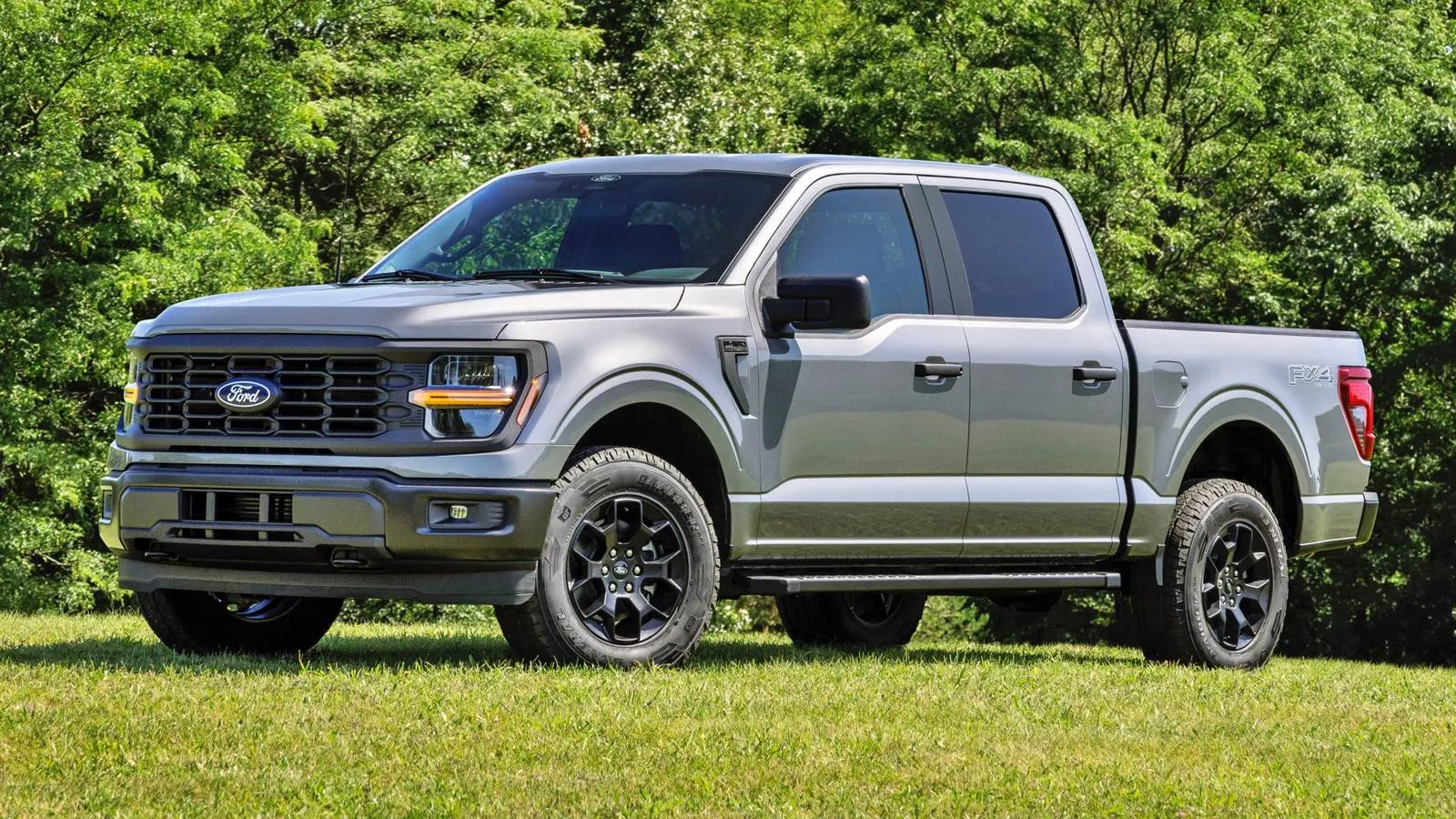
The Ford F-150 has long been celebrated for blending capability with everyday usability, giving drivers a sense of confidence whether cruising suburban streets or maneuvering into tight parking spots at the grocery store.
Its steering feel is well weighted, offering predictability without requiring constant correction, which reduces fatigue when traffic slows to a crawl during rush hour commutes. Inside the cabin the seats are designed for long duration comfort, with supportive cushioning that helps drivers avoid discomfort even after extended periods of idling at traffic lights or inching along crowded avenues.
Sound insulation in the F-150 has seen improvements over successive generations, so the typical urban rumble and tire noise are kept at bay, letting conversations flow easily and making audio entertainment more enjoyable.
Technological features such as adaptive cruise control and lane keeping assist further lighten the cognitive load on the driver, smoothing out the stop and go flow of daily errands and adding a layer of safety that enhances peace of mind in bustling urban settings.
Comfort extends to rear passengers as well since the cabin space in crew cab models rival many family SUVs, with generous legroom and climate control vents that ensure consistent comfort for all occupants. Storage solutions like under seat bins and deep door pockets mean you can stash shopping bags, work gear, or kid items without cluttering the floor.
Whether you are driving to school drop off, weekend errands, or navigating the weekly commute, the F-150 presents a polished package that doesn’t constantly remind you of its truck heritage in ways that compromise daily comfort.
Combined with a robust set of safety features and reliable build quality, it stands out as a truck that can feel at home both on long highway trips and at the heart of city life.
Ram 1500
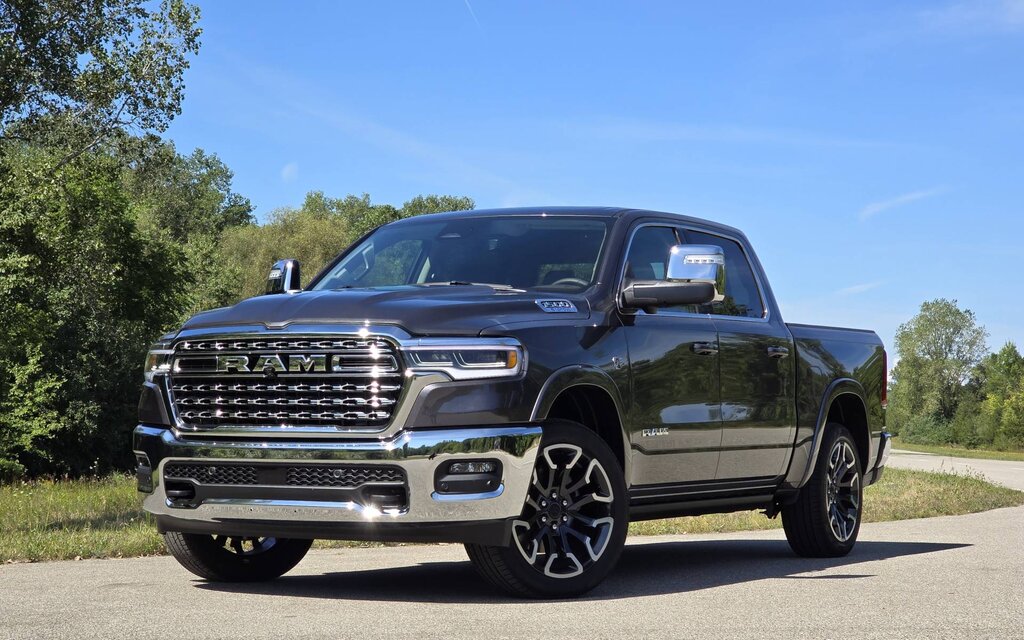
The Ram 1500 is frequently described as having one of the most refined rides in its class thanks to its optional active suspension system and well tuned chassis that soak up rough pavement and bumps that might otherwise jolt occupants.
On city roads marred by uneven pavement or patched asphalt, this refinement translates into a quieter and smoother ride that feels more akin to a luxury SUV than a traditional pickup truck. Driving the Ram 1500 through everyday errands feels natural and composed, with steering that balances responsiveness and lightness, helping drivers feel in command without wrestling with a heavy steering wheel.
Inside, the cabin layout fosters ease of use with logically arranged controls and an infotainment screen that is readable at a glance, so you can make adjustments without distraction. The supportive seating, ample cushion, and thoughtful use of materials contribute to a pleasant environment for both short hops and extended drives.
In traffic the Ram’s engine options, including its efficient V6 and powerful V8, provide smooth and linear acceleration, avoiding the abrupt throttle changes that can unsettle passengers or require constant modulation. Adaptive cruise control and traffic assist functions help take some of the monotony out of stop and go situations, reducing driver stress during peak commute hours.
Rear visibility is aided by well placed windows and optional camera systems that give expansive views when reversing or changing lanes, a benefit when parking in tight commercial plazas or maneuvering through congested neighborhoods.
The interior space is generously proportioned, making it comfortable for families and cargo alike, while clever storage compartments allow drivers to organize items gathered during errands without sacrificing legroom.
With its blend of comfort, quietness, and intuitive controls, the Ram 1500 feels tailored to drivers who want the utility of a truck without the constant reminder of its size in traffic heavy conditions.
Toyota Tundra
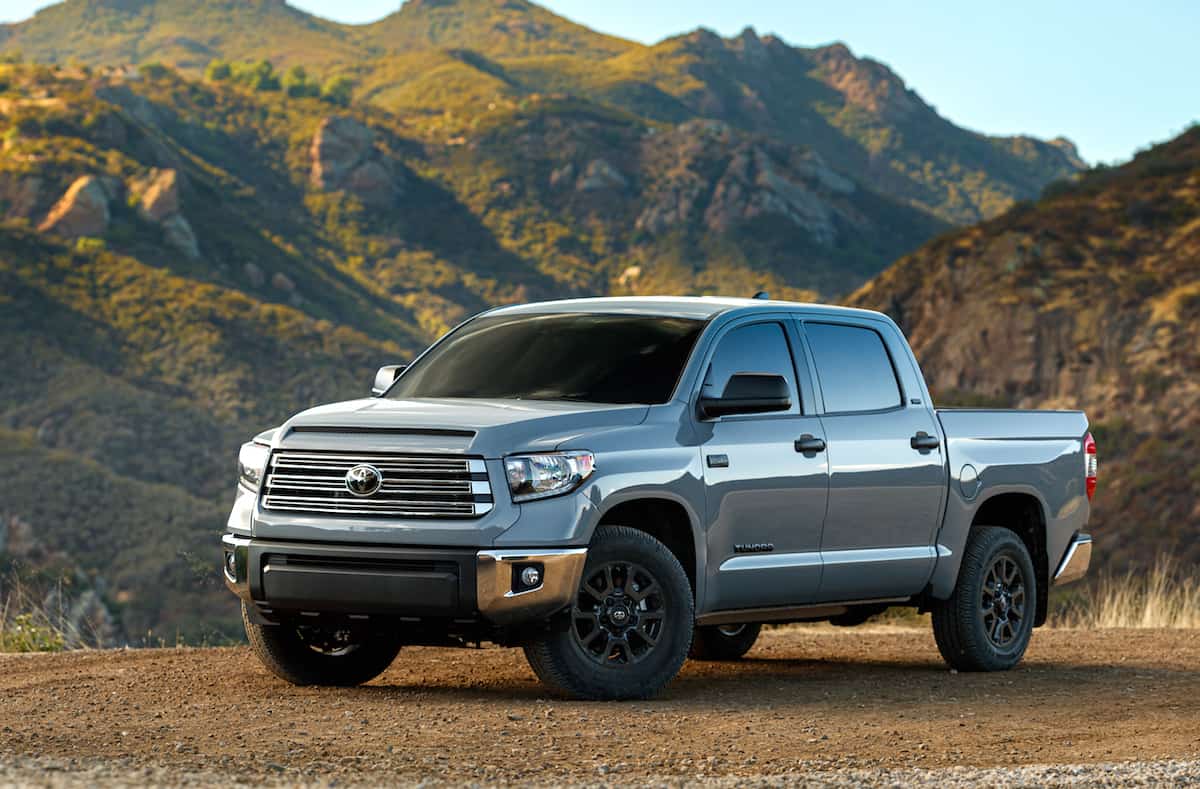
The Toyota Tundra has gained a reputation for reliability and ease of ownership, but recent generations have also focused attention on ride quality and daily drivability that match its rugged capabilities.
On urban streets the Tundra’s suspension strikes a deliberate balance, cushioning imperfections without feeling floaty or disconnected from the road, creating an experience that instills confidence whether you are heading to work or to the grocery store.
Drivers find the Tundra’s seating position comfortable and commanding, with supportive bolstering that reduces fatigue on routes plagued by frequent stops. Its steering calibration provides a reassuring feel that helps navigate through traffic flows that might otherwise seem intrusive or chaotic.
Inside, the cabin materials and layout reflect practical ergonomics, with an interface that offers straightforward access to climate controls and media functions without demanding excessive attention away from the road.
Acceleration from a stop is managed smoothly thanks to responsive throttle mapping and available powertrains tuned to provide usable torque at low engine speeds, which is especially helpful when merging into busy traffic or climbing short hills in crowded city districts.
The Tundra also benefits from a suite of driver assistance features that include automatic emergency braking and lane departure alerts that can offer additional layers of safety in congested scenarios where quick decisions are often required.
Parking sensors and optional surround view cameras make resolving tight parking dilemmas less stressful, as visual feedback is clear and comprehensive, reducing guesswork when positioning the vehicle exactly where you need it in cramped lots. Rear passengers enjoy generous seating and climate comfort, making routine errands with family more enjoyable.
With its combination of balanced ride quality, functional cabin design, and driver friendly features, the Tundra delivers a daily experience that feels composed rather than overwhelming, helping owners approach each urban mile with calm assurance.
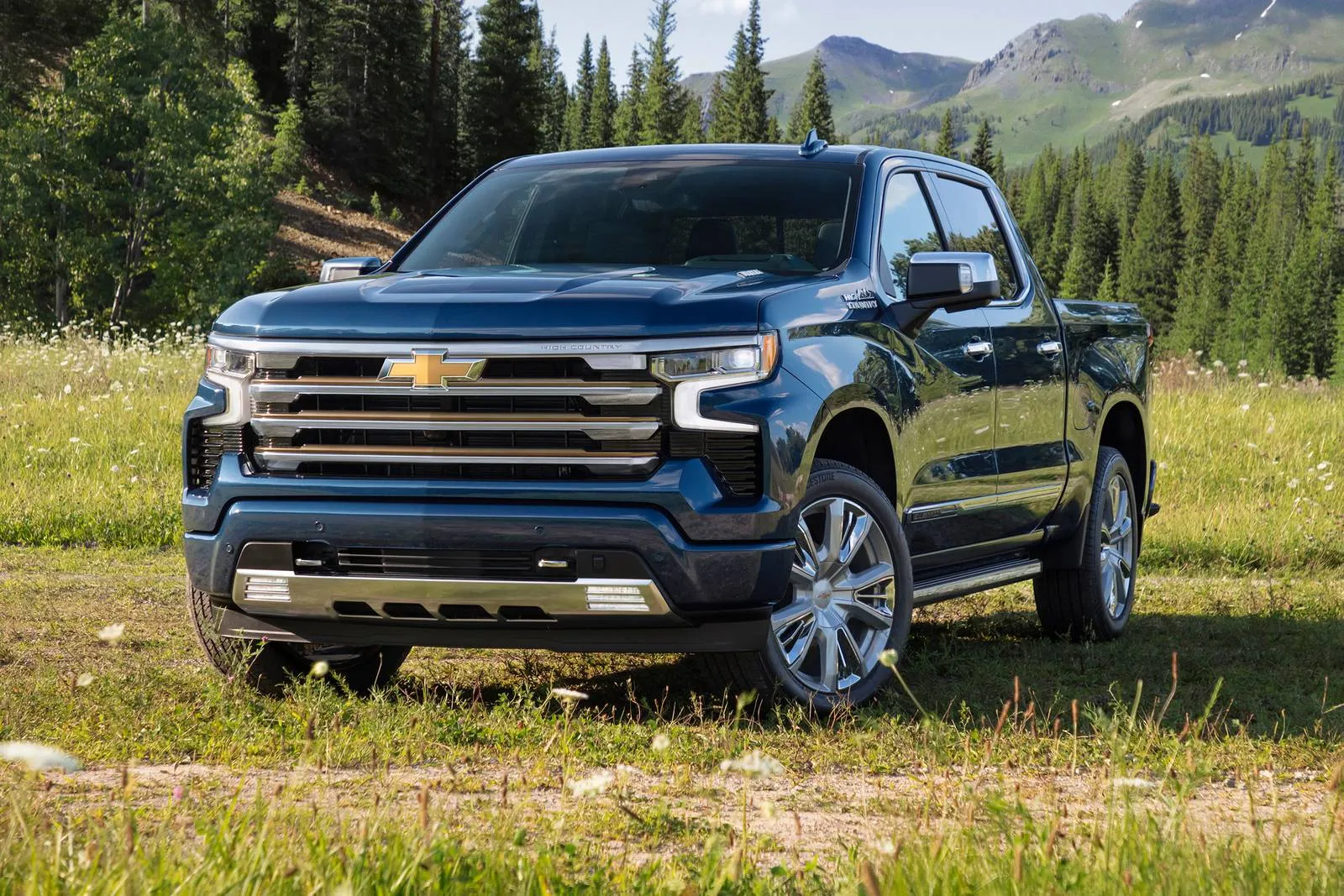
Chevrolet Silverado 1500
The Chevrolet Silverado 1500 earns recognition for its versatility across a wide range of tasks, but a significant part of its appeal is how it manages the everyday grind of city travel without beating occupants up or making drivers feel like they are wrestling a beast.
The chassis tuning on modern Silverado 1500 models provides a composed ride that absorbs the imperfections common to urban roads, such as potholes and expansion joints, smoothing them out in a manner that maintains composure rather than harshness.
For drivers faced with frequent accelerations and decelerations, the Silverado’s powertrain options, including efficient turbocharged engines and smooth shifting automatic transmissions, produce seamless transitions that support relaxed driving.
Inside the cabin, ergonomic placement of frequently used controls reduces the cognitive effort needed to adjust settings while moving, which is particularly beneficial during the frequent interactions with traffic lights and turn signals typical of daily errands.
Visibility from the driver’s seat is ample, with thoughtfully designed windows and mirror placements that help reduce blind spots and make merging and lane changes less onerous.
Technology in the Silverado 1500 further supports everyday usability with features such as intuitive touchscreens, voice command options, and driver assistance systems that take on repetitive tasks like maintaining distance from vehicles ahead.
Seating comfort is a priority, with supportive cushions that hold their shape and reduce pressure points during longer idle periods or stop and go sequences. The Silverado’s handling attributes strike a satisfying middle ground, with steering that responds accurately without abrupt reactions, allowing drivers to approach roundabouts, shopping center entrances, and tight residential streets with poise.
Rear cabin space in crew cab models rivals many sport utility vehicles, creating a comfortable environment for passengers or extra cargo. The Silverado 1500 manages to blend the utility expected from a pickup with the refined manners that make daily errands feel less like a chore and more like a natural part of life.
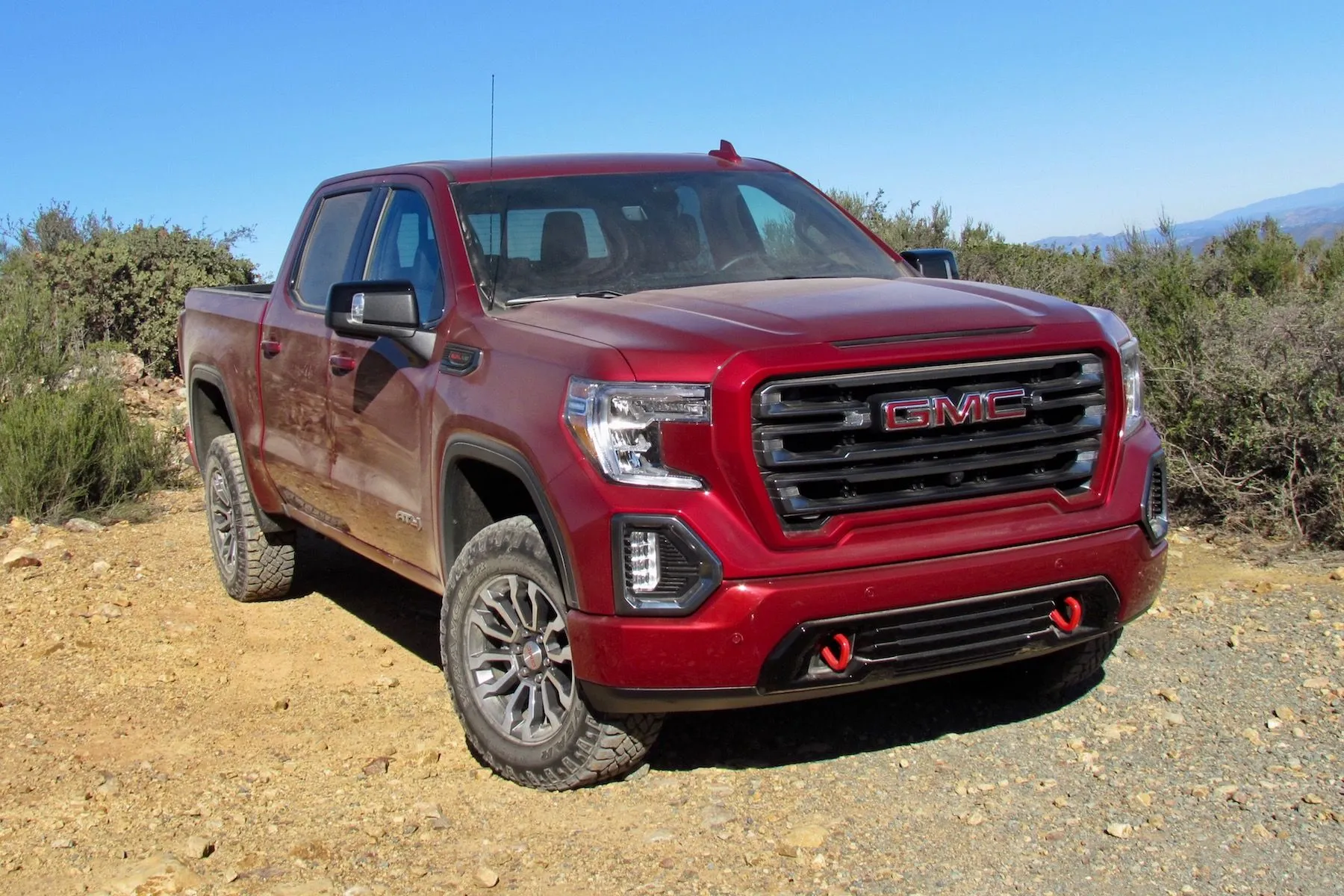
GMC Sierra 1500
The GMC Sierra 1500 shares much with its corporate cousin but typically presents a more upscale interior and slightly more refined ride characteristics that appeal to drivers seeking a premium feel without sacrificing functionality.
On roads filled with stop and go traffic the Sierra’s suspension tuning absorbs imperfections effectively, fostering a composed demeanor that translates to greater confidence and less fatigue. The cabin is quiet, with sound deadening that curtails wind and road noise, supporting clear conversations and enjoyable audio experiences even at moderate speeds.
Controls are logically placed and tactile, enabling drivers to make adjustments without undue effort or distraction from the challenges of navigating busy streets. Seats in the Sierra 1500 tend to offer generous support and plush cushioning, which help occupants feel comfortable when errands take longer than expected or traffic congestion slows progress.
Driver assistance technologies available on the Sierra, such as forward collision alert, automatic braking, and adaptive cruise control that handles speed adjustments in traffic, contribute to a safer and more relaxed driving environment where the focus can remain on the road rather than constantly compensating for external conditions.
The powertrain choices provide smooth power delivery that makes merging into traffic or accelerating from a stop light feel natural rather than abrupt or jerky, further enhancing the sense of ease. Rear visibility and optional camera systems assist with tight parking maneuvers that are common when running errands in urban areas. Interior storage solutions are well thought out, allowing owners to organize personal items and shopping bags without cluttering seating areas.
Passengers in the rear cabin enjoy roomy quarters and climate comfort that make group trips or family errands more pleasant, ensuring that everyone stays comfortable even when traffic delays occur.
With a balance of refined ride quality, supportive interior design, and responsive handling traits, the GMC Sierra 1500 earns its place as one of the trucks that can handle daily errands with composure and comfort, making typical city transit feel less burdensome and more like a dependable routine.
5 Trucks That Feel Awkward in Traffic
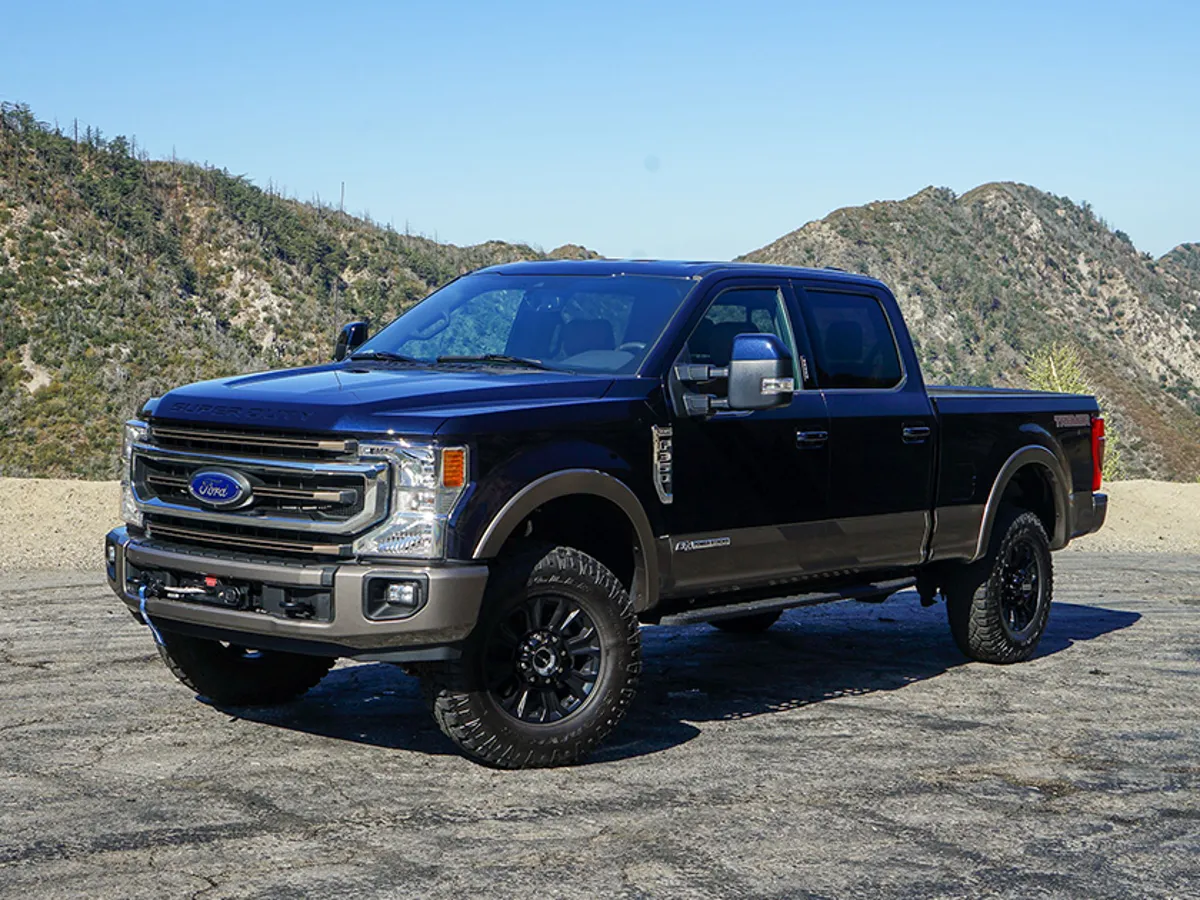
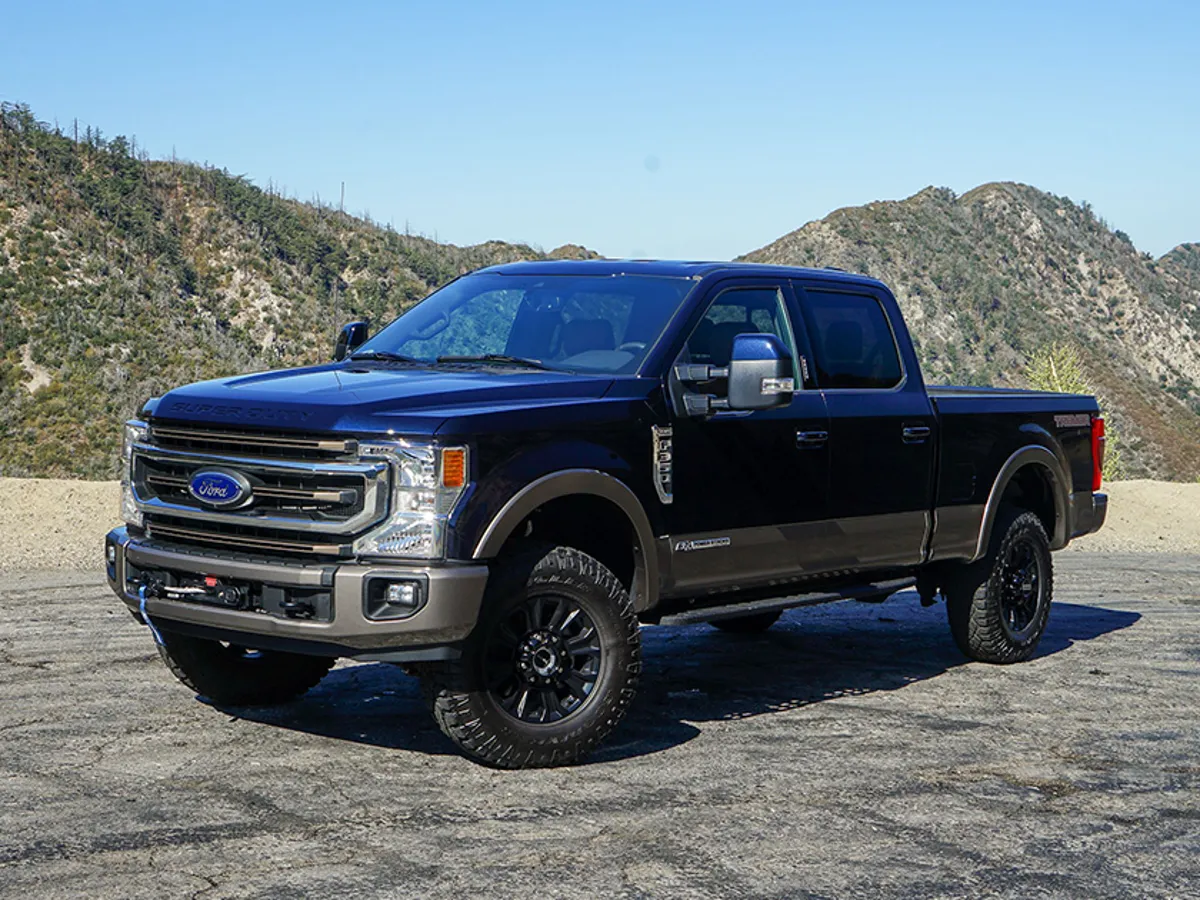
Ford Super Duty F-350
The Ford Super Duty F-350 is engineered with serious towing and hauling capabilities in mind, but those heavy duty traits can work against it when navigating urban traffic or tight parking situations. Its size and weight create a significant presence that requires constant spatial awareness from the driver, and low-speed maneuvers can feel unwieldy compared to more nimble trucks designed with daily errands in mind.
The suspension, tuned for carrying heavy loads, often feels firm when unladen, transmitting road imperfections directly into the cabin rather than smoothing them out. This firmness compounds the sensation of awkwardness as you creep through stop and go traffic, with each bump or pothole generating noticeable movement that can unsettle occupants.
Steering feedback in the F-350 leans toward prioritizing stability under load, which means at lower speeds the wheel can feel heavy and resistant to quick adjustments needed to negotiate congested streets.
Visibility, while expansive due to the truck’s commanding height, can also present challenges with larger blind spots around the long hood and extended mirrors that may protrude into adjacent lanes during tight traffic. The length and width make parking maneuvers more tense, especially in urban environments with limited space, forcing drivers to rely heavily on sensors and cameras that still require careful interpretation.
In tight neighborhoods or narrow streets the F-350’s size can feel like a burden rather than an advantage, demanding micro adjustments that feel unnatural after coming from a more compact vehicle. Drivers may find themselves frequently planning routes to avoid small parking lots or congested downtown areas, knowing that once committed the truck’s dimensions will make every turn and twist more demanding.
The Super Duty F-350 shines on highways and work sites where its strength is fully utilized, but in urban traffic its formidable presence and heavy duty tuning often translate into an awkward and taxing daily drive.
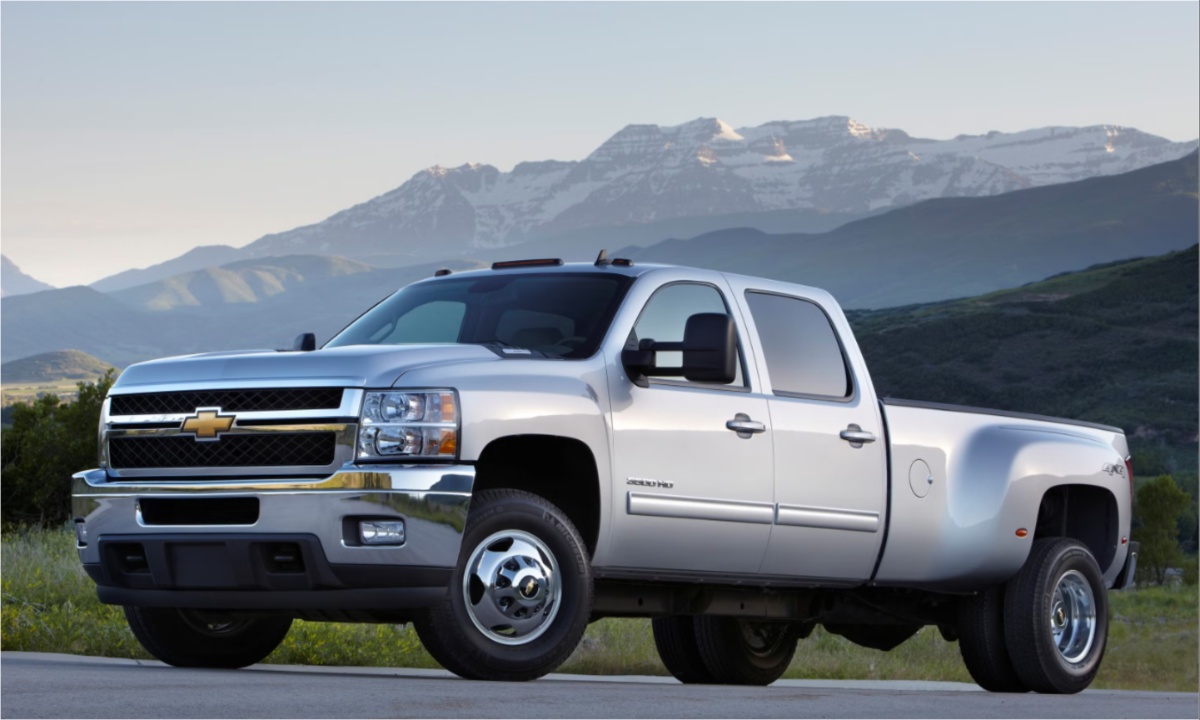
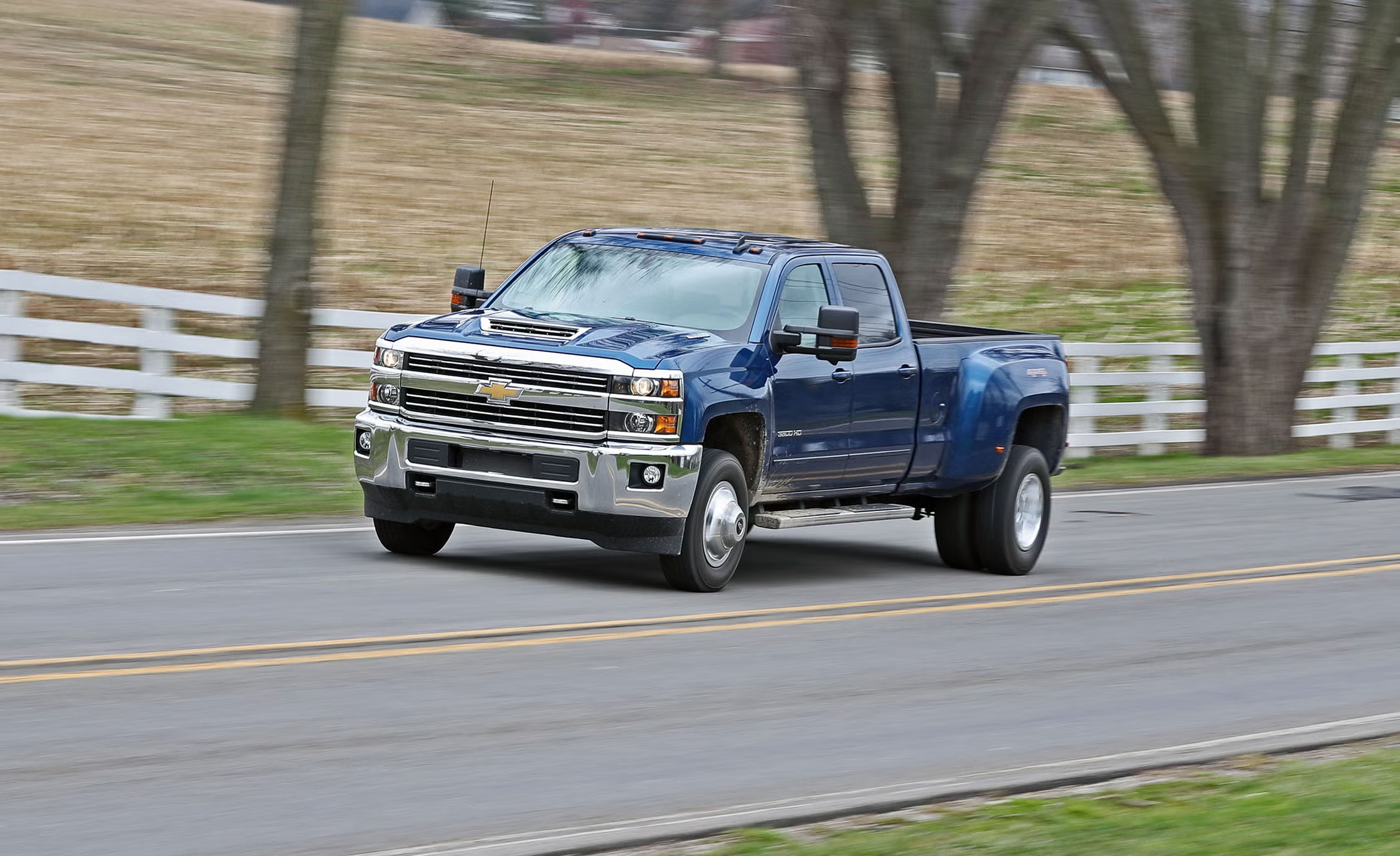
Chevrolet Silverado 3500HD
Like many heavy duty pickups, the Chevrolet Silverado 3500HD prioritizes maximum towing capacity and payload strength, but those capabilities come with tradeoffs that reveal themselves when attempting to use the truck for regular errands in traffic dense conditions.
Its long wheelbase and bulk create a sense of sluggishness during low speed maneuvers, which can test a driver’s patience when you are inching forward at a crowded intersection or trying to merge onto a busy street.
The suspension, designed to remain stable under enormous loads, can feel stiff and unresponsive when the truck is empty, transmitting every minor road imperfection directly to the cabin rather than isolating occupants from bumps and dips. That lack of compliance makes urban driving less pleasant than in more comfort oriented trucks, and can lead to a feeling of being disconnected from the nuances of the road beneath you.
Steering feedback at low speeds can feel heavy, requiring more effort to make sharp turns or adjust position in gridlocked conditions, which contributes to a sense of fatigue over longer drives. Maneuvering through parking lots or narrow residential streets is more tense due to the Silverado 3500HD’s size, and even with advanced camera systems and sensors, drivers can feel uncertain about clearances until they have significant experience with the truck’s dimensions.
Blind spots are more pronounced due to the extended mirrors and towering height, which demands constant vigilance when traffic shifts around you. Because the engine and transmission are tuned for pulling heavy trailers, throttle response in city traffic can feel either overly hesitant or disproportionate when attempts are made to accelerate from a standstill, requiring careful modulation to avoid jerky movement.
Fuel consumption suffers in stop and go traffic, as the large displacement engines work harder without the benefit of sustained highway momentum, creating an expensive and less efficient routine if daily errands involve frequent congestion. The cabin, while spacious, may seem less refined in its ride characteristics than trucks designed with mixed usage in mind, and road noise can be intrusive at times when moving slowly over coarse pavement.
Combined, these factors create an experience that can feel awkward rather than natural, especially for drivers transitioning from smaller or more comfort tuned vehicles to this heavy duty work oriented truck.
Ram 3500
The Ram 3500 represents the extreme end of heavy duty capability within the Ram lineup, but that focus on maximum performance under load often detracts from everyday usability in congested environments. Its robust suspension is ideal when carrying significant weight or towing trailers, but feels rigid and unforgiving when the truck is unloaded, causing every road imperfection to jar the cabin and its occupants.
Navigating city streets can feel like steering a large cumbersome object rather than a vehicle that responds intuitively, particularly in tight spaces where precision matters. Steering effort at low speeds is noticeably higher than lighter duty trucks, which becomes apparent when threading through stop and go traffic or negotiating sharp turns.
The truck’s extended wheelbase and larger turning radius make it work harder to complete maneuvers that would feel effortless in more urban oriented models.
Visibility from the driver’s seat is elevated, yet the tradeoff comes in the form of increased blind spots around the rear and sides that make quick decisions in traffic more anxiety inducing. Advanced camera systems help, but drivers still need to constantly reference them to judge proximity to curbs or adjacent vehicles, adding to the cognitive load.
Acceleration in city conditions can feel unsynchronized as the powertrain, optimized for torque at highway speeds and under load, struggles to offer smooth low speed throttle modulation, leading to jerky transitions that unsettle passengers. The transmission’s shift patterns also reflect its heavy duty orientation, which may feel less refined or deliberate when crawling through congested avenues.
Fuel economy is further compromised in daily use because the engine’s displacement and tuning demand higher energy even at low speeds, making routine errands more costly at the pump. Inside, the Ram 3500’s interior is functional but can feel stark in relation to its size and presence, especially in lower trim levels where comfort amenities are basic.
These elements combined result in a driving experience that feels awkward and demanding in traffic, reminding drivers that this truck’s strengths lie in tasks where capability trumps comfort rather than in the nuanced choreography of everyday driving.
GMC Sierra 3500HD
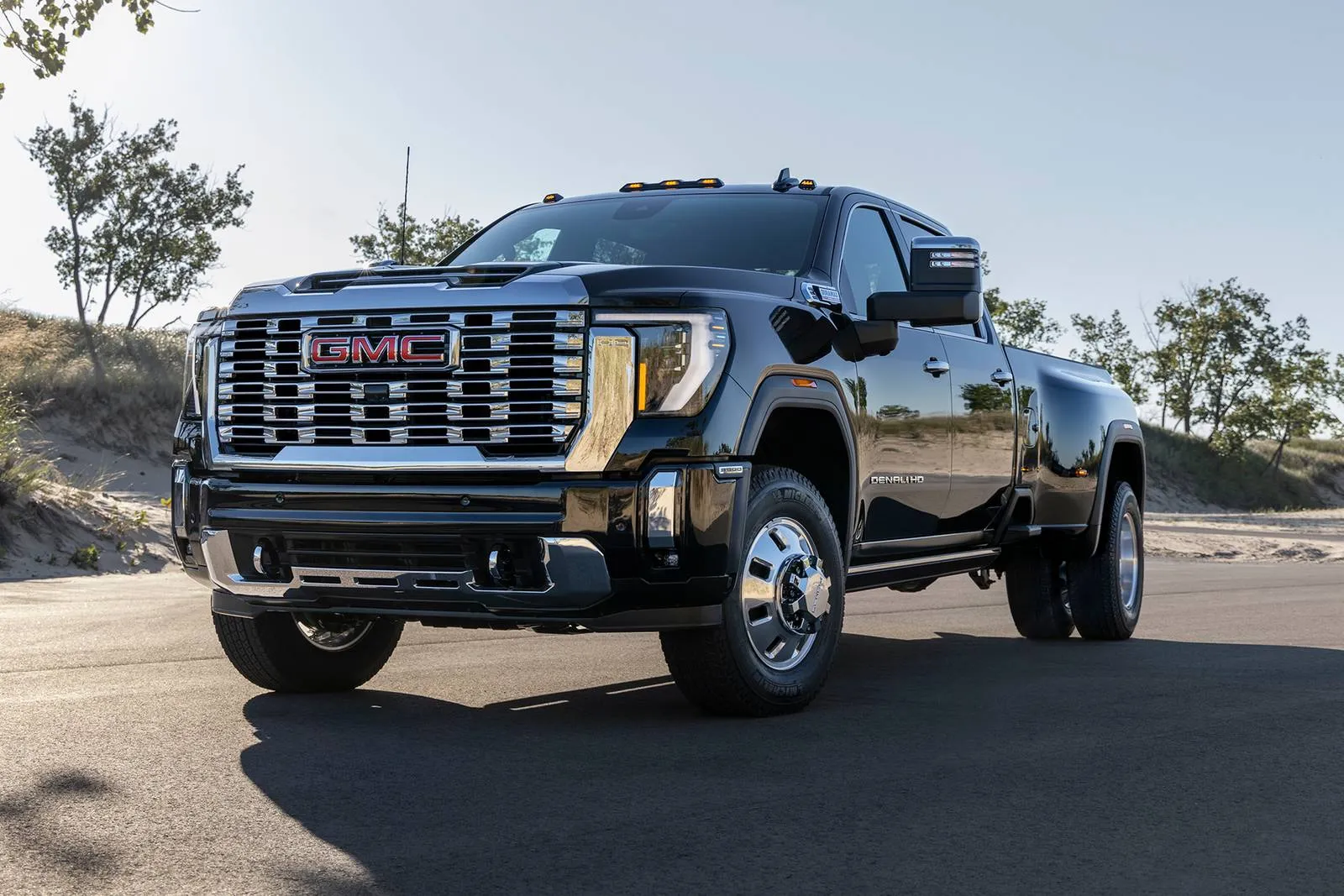
The GMC Sierra 3500HD shares the platform and many characteristics of its Chevrolet counterpart, including formidable towing strength and a rugged build that excels under load but often feels out of place in stop and go traffic.
Its suspension is designed to remain firm under extreme weight, which results in a ride that is harsher than lighter pickups when the truck is unladen, transmitting road irregularities directly into the cabin rather than smoothing them out. This quality becomes especially noticeable during urban drives with frequent changes in speed and direction, making daily errands less comfortable than expected.
Steering effort at low speeds tends to be higher, demanding more physical input when turning into tight parking spots or negotiating crowded intersections. The truck’s size also presents challenges with blind spots that require constant checking of mirrors and cameras to ensure safe lane changes.
Acceleration from a stop can feel ponderous or uneven because the powertrain is calibrated for pulling heavy trailers rather than quick adjustments typical of urban traffic flow. Drivers may find themselves judiciously modulating the throttle to avoid abrupt movements that unsettle passengers or create uneasy moments in heavy traffic.
The large turning radius demands extra planning to complete what would otherwise be simple maneuvers in smaller vehicles, creating a sense of intrusion between you and the flow of traffic. Fuel consumption remains high even at low speeds, as the sizable engine and weight make every stop and go sequence less efficient than in more compact trucks.
Inside the Sierra 3500HD, the cabin space is generous, but the ride quality and road noise can detract from the comfort expected in city driving conditions, particularly without advanced noise insulation found in lighter duty or luxury oriented vehicles.
The mental effort of constantly judging clearances and anticipating the movements of other drivers adds up over the course of a day’s errands. While the Sierra 3500HD is unmatched for heavy hauling and towing tasks, these strengths translate into awkwardness in the context of daily traffic, where agility, ride compliance, and ease of maneuvering matter more than sheer capacity.
Nissan Titan XD
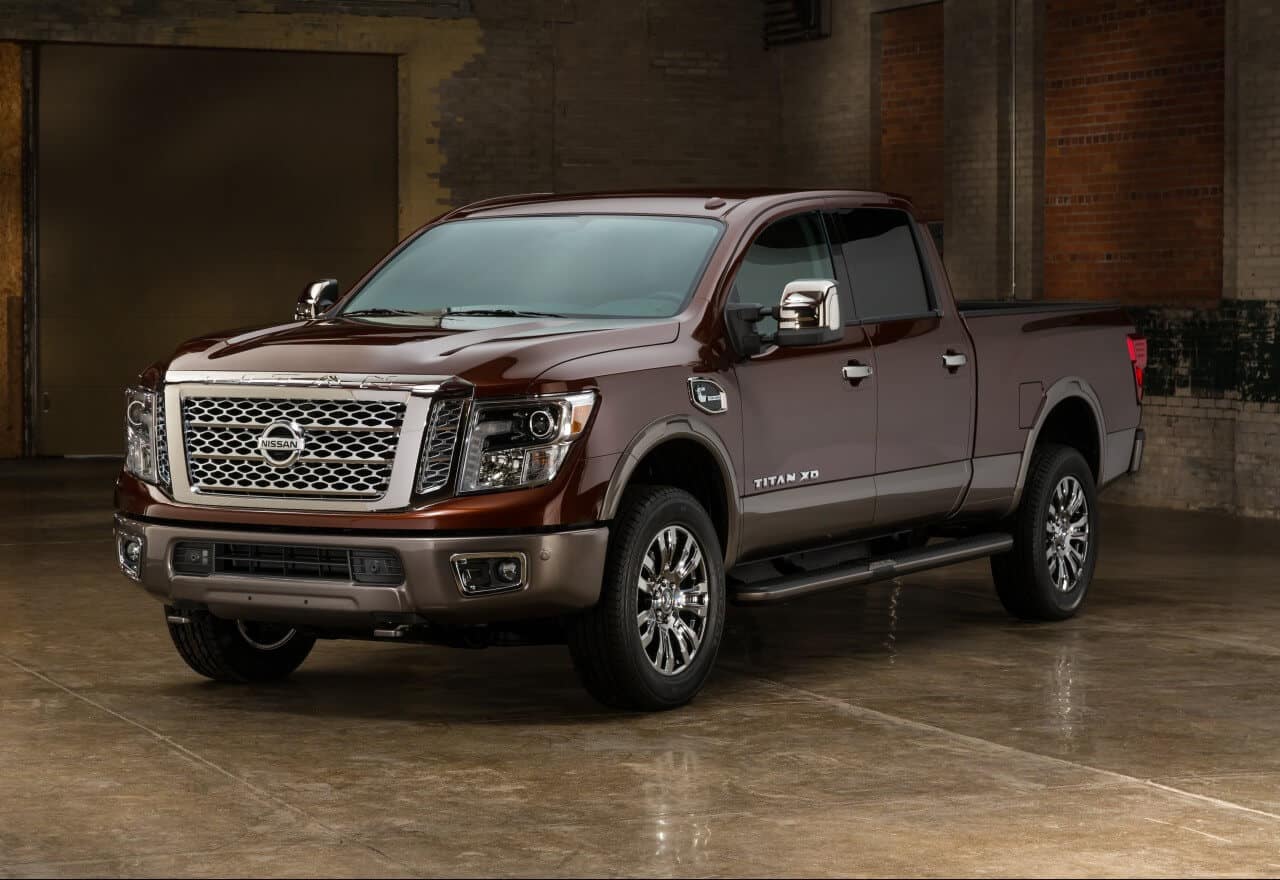
The Nissan Titan XD occupies a niche between half ton and three quarter ton trucks, attempting to bridge daily usability with enhanced capability, but in practice it often feels less confident in crowded urban settings compared to other pickups designed with those conditions in mind.
Its size and weight are greater than typical light duty trucks, which can create a sense of bulk when moving through traffic congested zones or trying to position the vehicle in crowded lots. The suspension, while robust, tends to communicate road imperfections to the cabin rather than absorbing them, especially when the truck is not laden with cargo, resulting in a ride that feels firm and occasionally unsettled on uneven surfaces.
Steering at low speeds can feel less precise and heavier than in lighter duty trucks, demanding more effort to execute tighter turns or navigate through narrow passages.
Visibility is a mixed bag with the Titan XD; the elevated seating position offers a commanding view, yet the broader body and mirror placement can create blind spots that require drivers to rely heavily on camera systems. These aids help, but interpreting visual feedback while driving in dense traffic still demands heightened awareness.
Power delivery for urban driving feels tuned toward highway or towing use, which can lead to less responsive throttle modulation at low speeds, producing movement that feels out of sync with the needs of frequent stops. This mismatch can frustrate drivers who expect smooth transitions between acceleration and deceleration during errands.
Fuel economy suffers in city traffic as well, since the larger engine and mass demand more energy without the momentum sustained at higher speeds.
Inside, the cabin offers ample space and features, but the ride character does not match the comfort levels found in more urban friendly trucks, making longer errands or congested commutes feel more taxing than necessary.
The cumulative effect of bulk, firm ride, and less intuitive low speed handling contribute to an experience that feels awkward in daily traffic conditions. While the Nissan Titan XD presents itself as a capable truck with respectable strengths, its demeanor in crowded driving environments highlights limitations that make it less suited to errands compared to trucks engineered for comfort and ease of handling.