Car ownership in America is often framed around passion, performance, or prestige, but time has a way of separating smart purchases from costly mistakes.
A vehicle that feels exciting on day one can become a financial drain, a reliability nightmare, or simply irrelevant a decade later.
Meanwhile, some cars quietly age into dependable companions holding their value, staying usable, and continuing to make sense long after newer models flood the market.
The difference usually isn’t about horsepower or luxury badges; it’s about engineering philosophy, ownership costs, long-term demand, and how well a car fits into real American life over time.
This list looks at five cars that genuinely stay worth owning as the years pass and five that, despite strong starts, tend to disappoint long-term owners.
These aren’t judgments based on short-term reviews or resale spikes, but on how these vehicles behave after warranties expire, tech ages, and maintenance bills start telling the truth.
Cars That Stay Worth Owning Over Time
Not every car ages gracefully. Some lose their appeal the moment newer tech arrives, while others quietly become more valuable, more reliable, and more loved as the years go by. These are the vehicles that don’t just survive ownership over time, they reward it.
Whether it’s bulletproof reliability, timeless design, strong resale value, or a driving experience that never feels outdated, certain cars continue to make sense long after the warranty expires. They resist depreciation better than most, cost less to keep on the road, and often earn a loyal following that only grows stronger with age.
In this article, we’re highlighting cars that stay worth owning over time, models that prove longevity isn’t about hype or horsepower alone. From dependable daily drivers to enthusiast favorites that hold their charm, these vehicles show why smart ownership isn’t just about buying right, but buying something you’ll still be happy with years down the line.
1. Toyota Land Cruiser
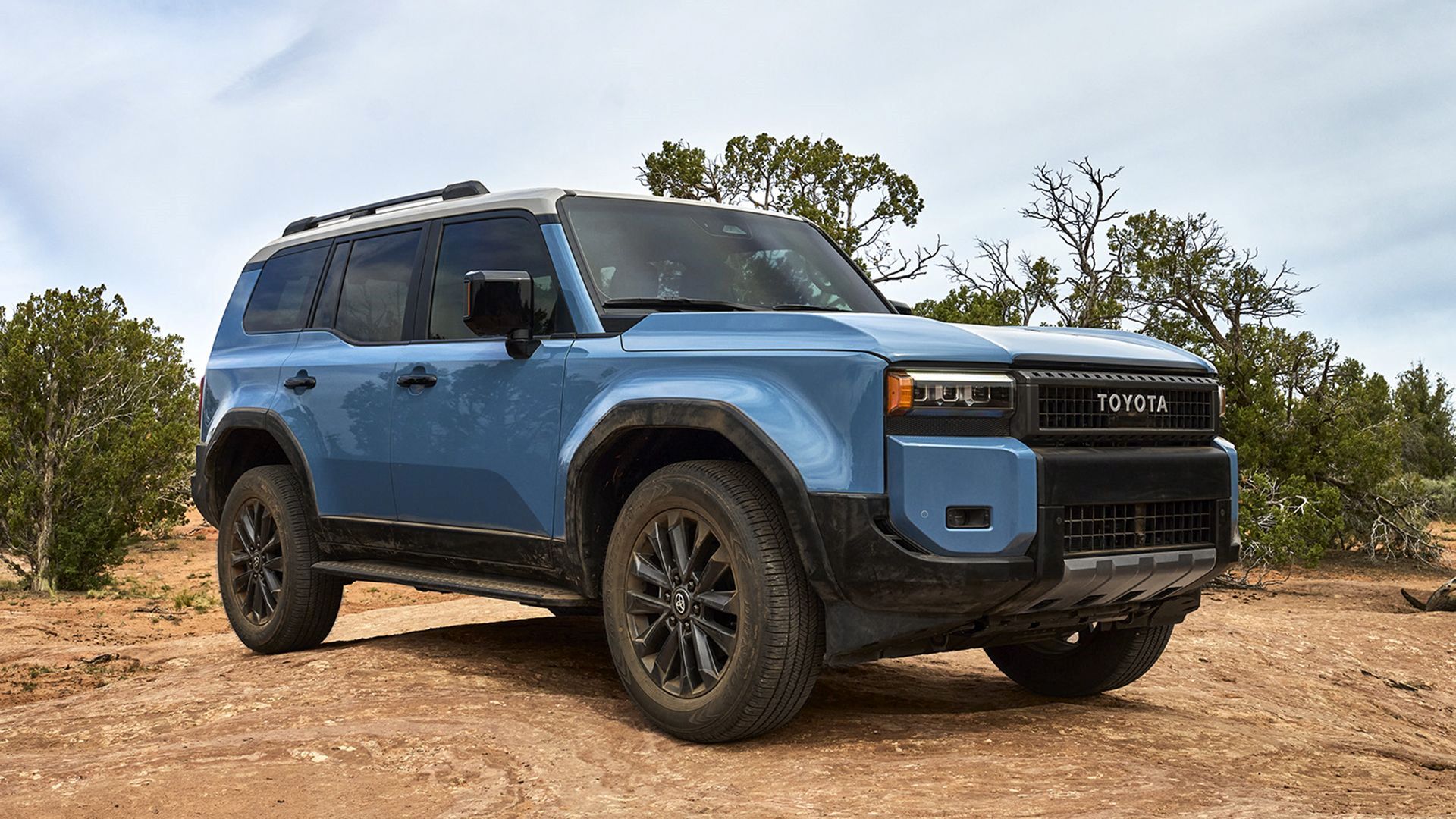
Few vehicles in the U.S. market have a long-term ownership reputation as bulletproof as the Toyota Land Cruiser. While expensive upfront, the Land Cruiser earns its keep over decades rather than years.
Built on over-engineered global platforms designed for extreme environments, it’s common to see examples with 300,000 miles still in daily use.
The naturally aspirated V8s used in older U.S. models prioritize durability over efficiency, and the conservative interior tech ages gracefully compared to flashy competitors.
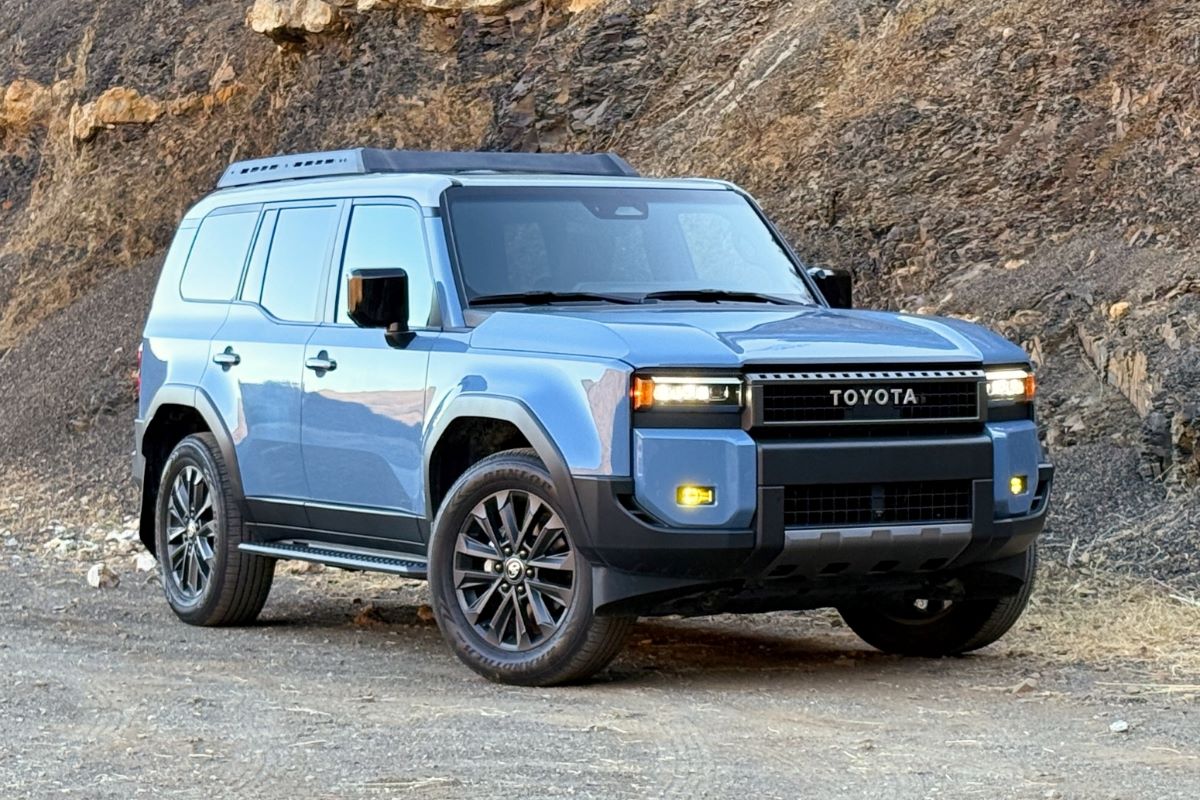
What truly keeps the Land Cruiser valuable is trust. Buyers know what they’re getting, mechanics understand it, and parts availability remains strong long after production ends.
In an era where luxury SUVs are increasingly complex and fragile, the Land Cruiser’s simplicity relative to its class has become a strength.
Even discontinued U.S. models continue appreciating because long-term reliability and real-world capability never go out of style.
2. Honda Accord
The Honda Accord may not spark envy in a parking lot, but it consistently proves why it’s one of America’s smartest long-term cars.
Accords strike a rare balance between efficiency, comfort, resale value, and reliability. Even older models still feel usable today thanks to intuitive layouts and drivetrains that age predictably rather than catastrophically.
What separates the Accord from many midsize sedans is how little it demands from owners over time. Maintenance costs remain reasonable, engines are proven, and parts are inexpensive and widely available across the U.S.
Used buyers trust the nameplate, which helps resale values remain steady. It’s not flashy, but the Accord rewards patience and long-term owners usually feel validated rather than burned.
While a number of automakers have reduced their sedan offerings or exited the segment altogether, the Honda Accord continues to stand out as a strong player in the midsize sedan category. Unlike some key rivals, most notably the Toyota Camry, which has moved to a hybrid-only lineup, the Accord provides buyers with a wider selection of trims and powertrain choices.
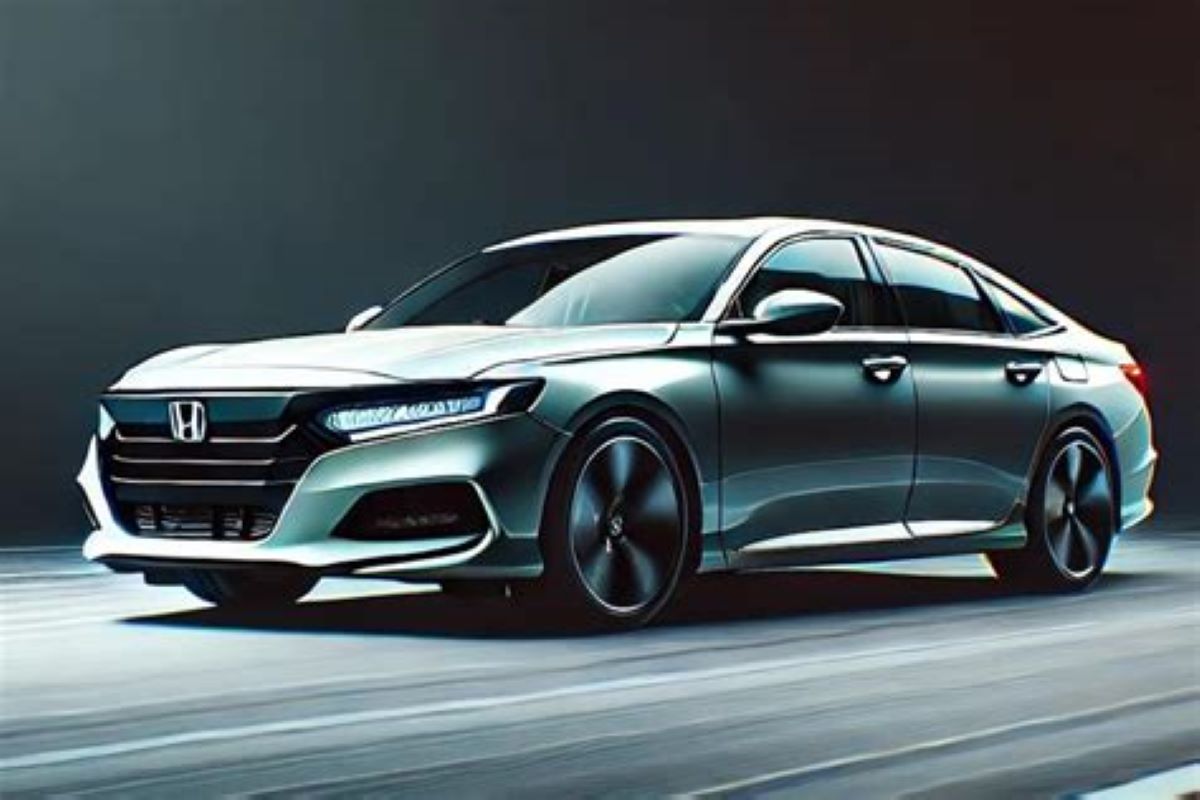
Both the LX and SE trims are powered by a 1.5-liter turbocharged four-cylinder engine producing 192 horsepower, paired with a continuously variable automatic transmission (CVT) that delivers power to the front wheels.
The hybrid versions also feature front-wheel drive and combine a 2.0-liter four-cylinder engine with an electric motor, generating a total of 204 horsepower and achieving up to 44 mpg combined. Unlike the Camry, the Accord does not offer an all-wheel-drive option. Even so, the Accord’s key strengths lie in its competitive fuel efficiency, comfortable ride, and engaging driving characteristics.
Thanks to its diverse trim levels and powertrain offerings, the 2025 Accord caters to a wide range of needs, from the affordability and efficiency of the base trims to the added technology and improved performance found in the hybrid models. What follows is a closer look at what each version offers, along with pricing as listed at the time of publication.
Also Read: 10 Cars That Don’t Suit Short Urban Trips
3. Porsche 911
The Porsche 911 defies nearly every rule of depreciation in the automotive world. While expensive to buy and maintain, it remains one of the few sports cars that can genuinely be considered a long-term asset rather than a liability.
Porsche’s evolutionary design philosophy means older 911s never feel obsolete overnight, and the brand’s commitment to mechanical integrity pays off as cars age.
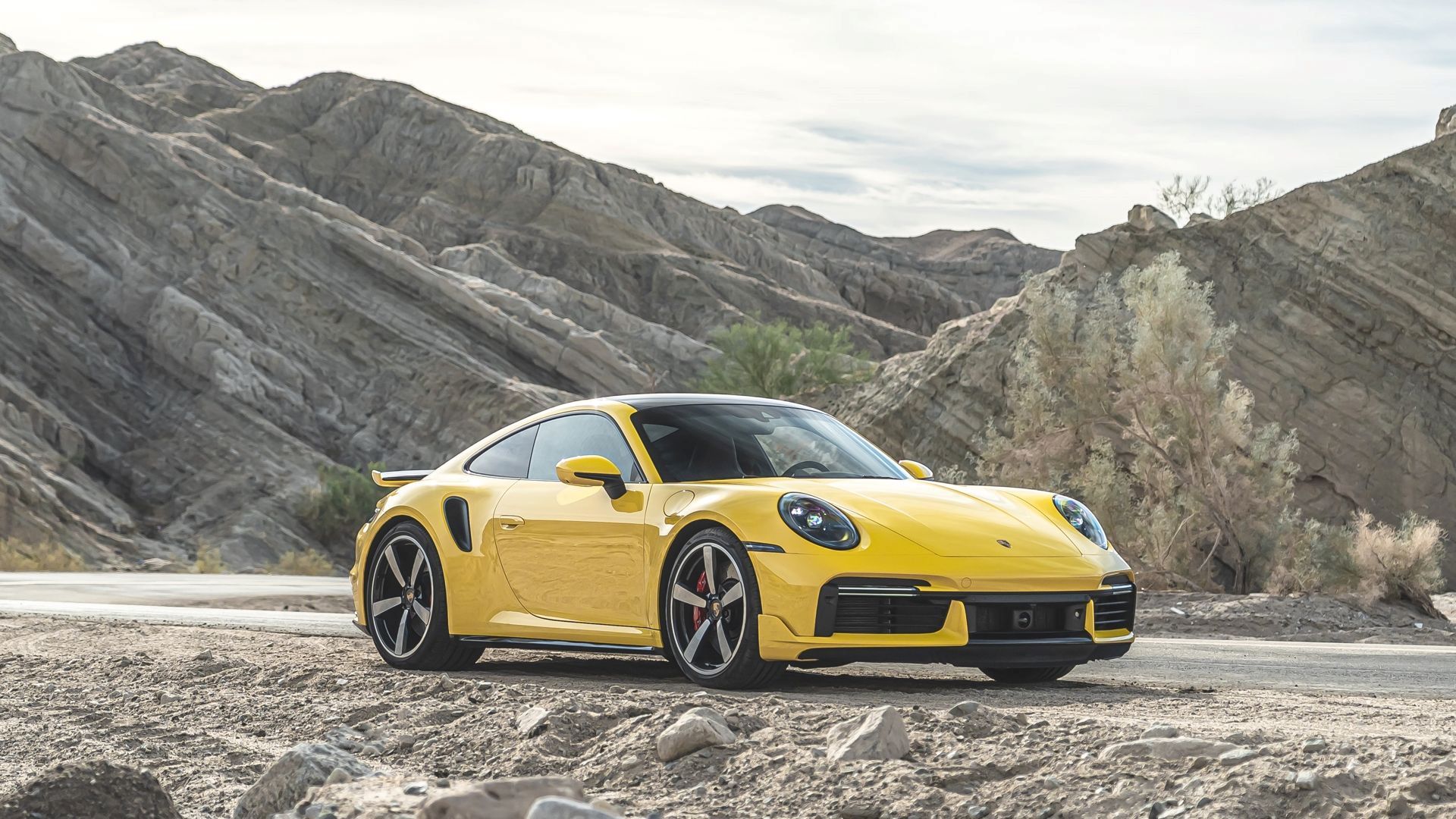
Unlike many high-performance vehicles, the 911 is built to be driven regularly, not stored indefinitely. Engines are robust, interiors hold up well, and aftermarket and factory support are exceptional.
In the U.S., where enthusiast demand is strong and sustained, even high-mileage examples retain appeal. Ownership isn’t cheap, but value retention and emotional satisfaction often outweigh the costs.
At the rear of the 911 sits a twin-turbocharged 3.0-liter flat-six engine. In base Carrera form, it produces 379 horsepower, while the Carrera S boosts output to 443 hp, and the range-topping GTS delivers 473 horsepower.
Every version comes standard with an exceptionally fast-shifting eight-speed automatic transmission, though enthusiasts can opt for a satisfying seven-speed manual in the S and GTS models.
Both the coupe and cabriolet are rear-wheel drive by default, but all-wheel drive is available for drivers who want year-round, high-performance capability. The Targa, however, is offered exclusively with all-wheel drive.
We’ve driven the base Carrera along with multiple versions of the more potent Carrera S, which demonstrated impressive track performance and remarkable grip in challenging weather. Regardless of configuration, every 911 delivers blistering acceleration, especially when taking advantage of the delightfully effective launch control system.
During our testing, an automatic-equipped GTS sprinted to 60 mph in just 2.8 seconds. The same model fitted with the seven-speed manual completed the run in a still-quick 3.2 seconds. Porsche’s optional sport exhaust further elevates the experience by adding a richer, more aggressive engine soundtrack.
Beyond straight-line speed, the 911 continues to excel as a driver’s car. It remains supremely comfortable while being even more engaging to drive. Steering feel is sharp, precise, and highly communicative, while both the coupe and convertible benefit from improved cornering grip and stability.
Despite its exceptional body control, ride quality is surprisingly compliant, allowing the 911 to transition effortlessly between relaxed cruising and spirited driving without missing a beat.
4. Subaru Outback
The Subaru Outback earns its long-term reputation not through luxury or performance, but through usefulness.
In large parts of the U.S. especially regions with snow, rough roads, or outdoor lifestyles the Outback fits daily life better than many SUVs. Standard all-wheel drive, solid fuel economy, and a wagon-based layout make it practical without being bulky.
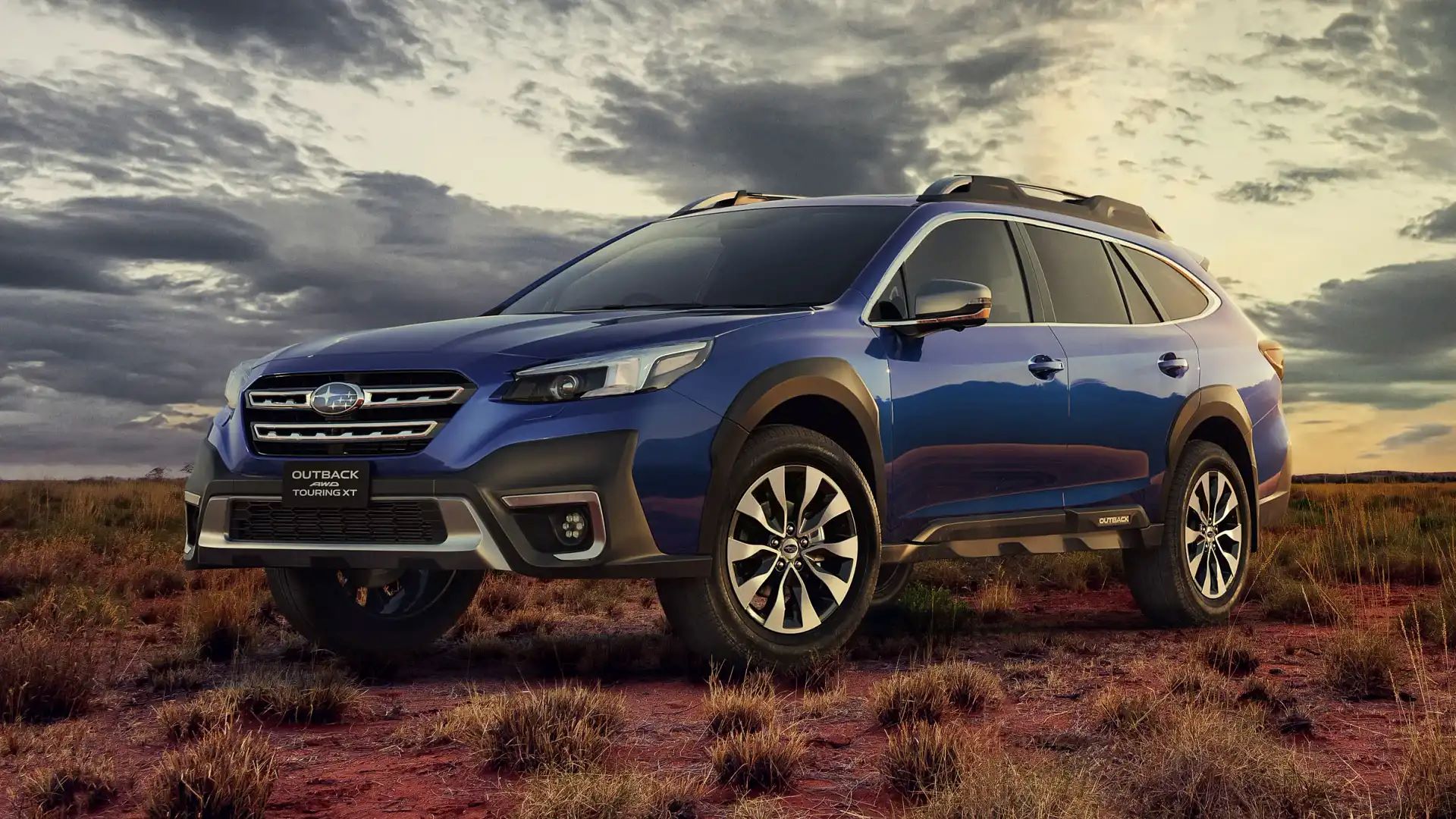
Older Outbacks remain relevant because their core strengths don’t rely on cutting-edge tech. Visibility, cargo space, and predictable handling age better than touchscreen-heavy cabins.
While not immune to mechanical issues, especially in older generations, the Outback’s loyal owner base and strong resale values show how practicality can be timeless when executed correctly.
During our testing, the Outback managed a 0–60 mph run in 6.5 seconds, making it notably quicker than competitors like the Honda Passport, which needed 7.9 seconds. That said, models equipped with the base engine still feel underpowered overall. Drivers who prioritize stronger acceleration will be better served by opting for the available turbocharged engine.
On the road, the latest Outback feels planted and confident when navigating corners. Steering response has improved as well, offering greater precision and making it easier for drivers to trust that the vehicle will follow their intended line.
The Outback’s suite of driver-assistance features, including adaptive cruise control and lane-keeping assistance, operates smoothly, providing helpful support without becoming intrusive or distracting.
Comfort is another strong point, particularly on rough urban roads. The Outback soaks up potholes, uneven pavement, and manhole covers with ease, allowing drivers to roll over poor surfaces without hesitation.
Combined with excellent outward visibility, the result is a genuinely versatile vehicle, one that’s comfortable and stress-free in city driving, yet equally capable of helping you escape it when the road opens up.
5. Ford F-150
America’s best-selling vehicle didn’t earn that title by accident. The Ford F-150’s long-term value comes from versatility, massive parts availability, and a culture that supports ownership at every stage.
Whether used as a work truck, family hauler, or weekend project vehicle, the F-150 adapts to changing needs better than almost any other vehicle on the road.
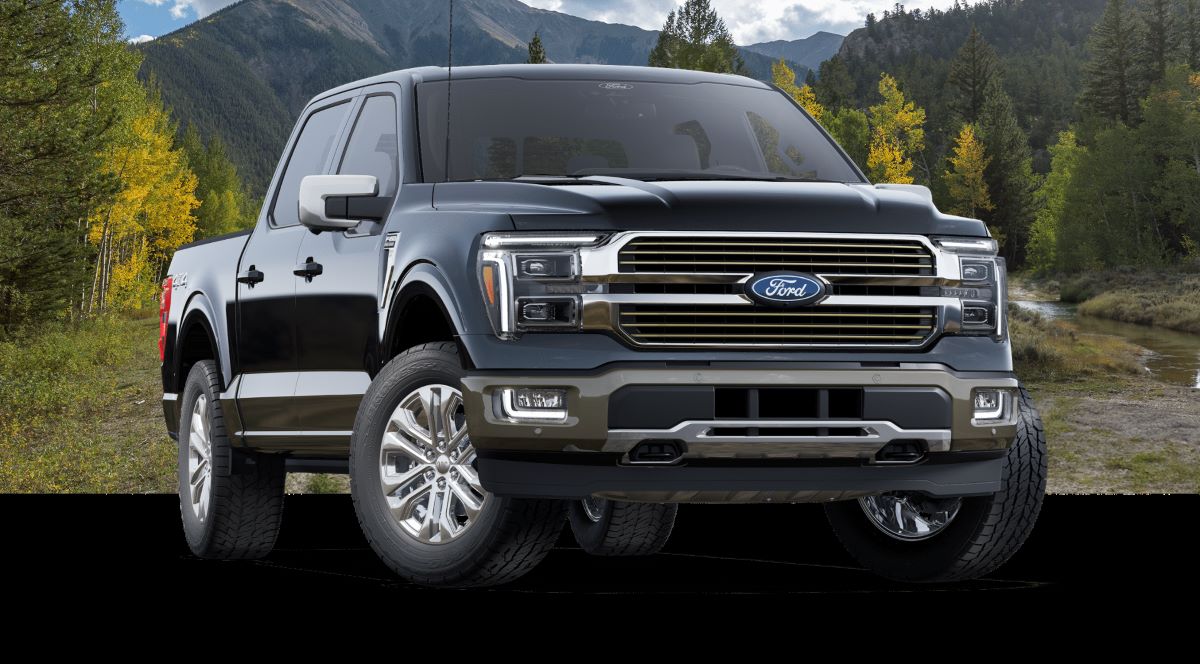
Even as technology evolves, older F-150s remain serviceable and relevant because trucks age differently than passenger cars. Wear is expected, capability is prioritized, and aftermarket support is unmatched.
In the U.S., demand for used pickups keeps resale values strong, making the F-150 one of the safest long-term bets in automotive ownership.
Also Read: 10 Luxury Cars With Diesel Engines That Are Actually Cool
Cars That Don’t Stay Worth Owning Over Time
Not every car is a smart long-term decision. Some look great on the lot, feel impressive on a test drive, and promise cutting-edge features, only to become expensive headaches a few years down the road. Rapid depreciation, rising repair costs, outdated tech, and reliability issues can quickly turn early excitement into long-term regret.
These are the cars that struggle to justify ownership as time goes on. Whether it’s complex engineering that doesn’t age well, weak resale value, poor parts availability, or maintenance costs that spiral out of control, certain models simply don’t hold up once the honeymoon period ends. In many cases, they cost far more to keep than they’re ever worth.
1. BMW 7 Series
The BMW 7 Series is a masterclass in short-term luxury and long-term regret. New, it offers cutting-edge technology, superb ride quality, and prestige. A few years later, those same features become liabilities.
Complex electronics, air suspension systems, and tightly packaged engines lead to repair bills that can dwarf the car’s market value.
Depreciation hits the 7 Series hard in the U.S. because used buyers understand the risks. Once warranties expire, ownership becomes a gamble rather than a pleasure.
What initially feels like a bargain on the used market often turns into an ongoing financial drain, making long-term ownership difficult to justify.
There’s an immense sense of power and speed on tap here. Just when it feels like the 750i is already moving at an impressive clip, there’s still more thrust available, effortlessly pushing the car deep into triple-digit territory.
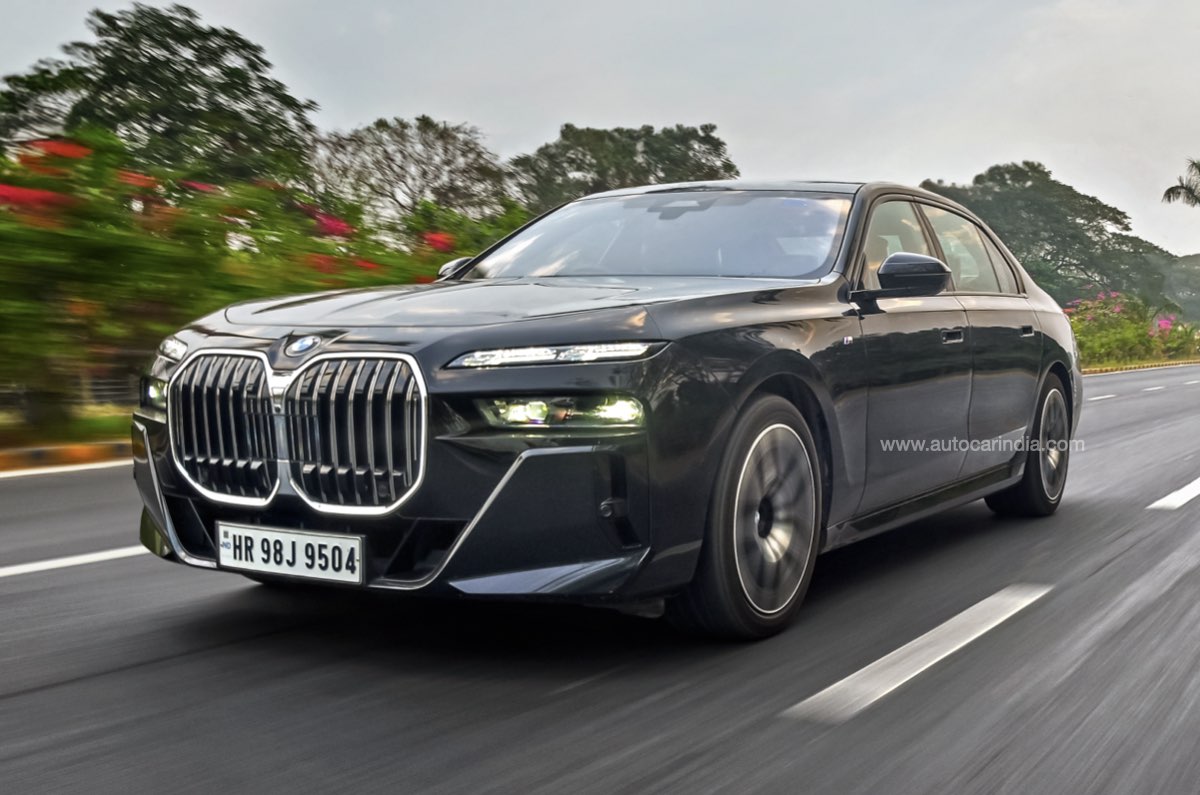
It’s clearly engineered with autobahn cruising in mind. Unfortunately, that level of performance can rarely be fully enjoyed on American roads. Braking performance matches the engine’s authority as well, delivering strong, consistent stopping power while remaining stable and drama-free during emergency braking tests.
Shifts are smooth and nearly imperceptible, and the steering strikes a good balance, nicely weighted at highway speeds while remaining light and easy to manage in tight parking situations. Handling, however, is somewhat contradictory.
Turn-in is razor-sharp, yet the car exhibits a surprising amount of body roll. Even so, that movement never undermines confidence, as the sedan remains composed and stable through corners. It may feel soft at times, but it tracks cleanly and holds its line with assurance.
2. Fiat 500
The Fiat 500 entered the U.S. market with charm and personality, but time hasn’t been kind to its ownership experience.
While fun and stylish when new, long-term reliability issues, limited dealer networks, and subpar build quality hurt its reputation. As competitors improved small-car refinement, the Fiat 500 struggled to keep pace.
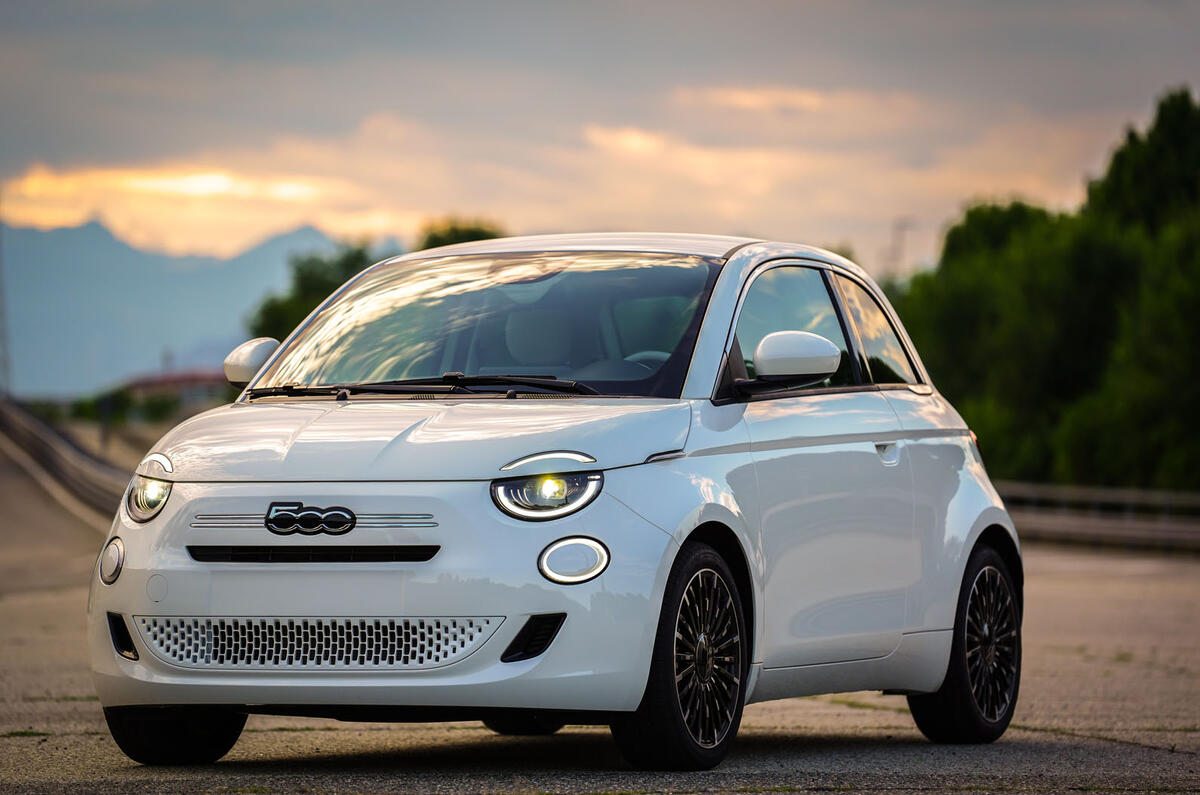
Over time, parts availability and resale values declined, leaving owners with cars that feel outdated faster than expected.
In a country where small cars already face uphill demand, the Fiat 500’s novelty wears off quickly, and long-term ownership satisfaction tends to suffer.
3. Nissan Altima (CVT Models)
The Nissan Altima was once a strong midsize sedan contender, but the widespread use of continuously variable transmissions (CVTs) severely impacted its long-term value.
While efficient and smooth when new, many CVTs developed reliability issues that became apparent outside warranty periods.
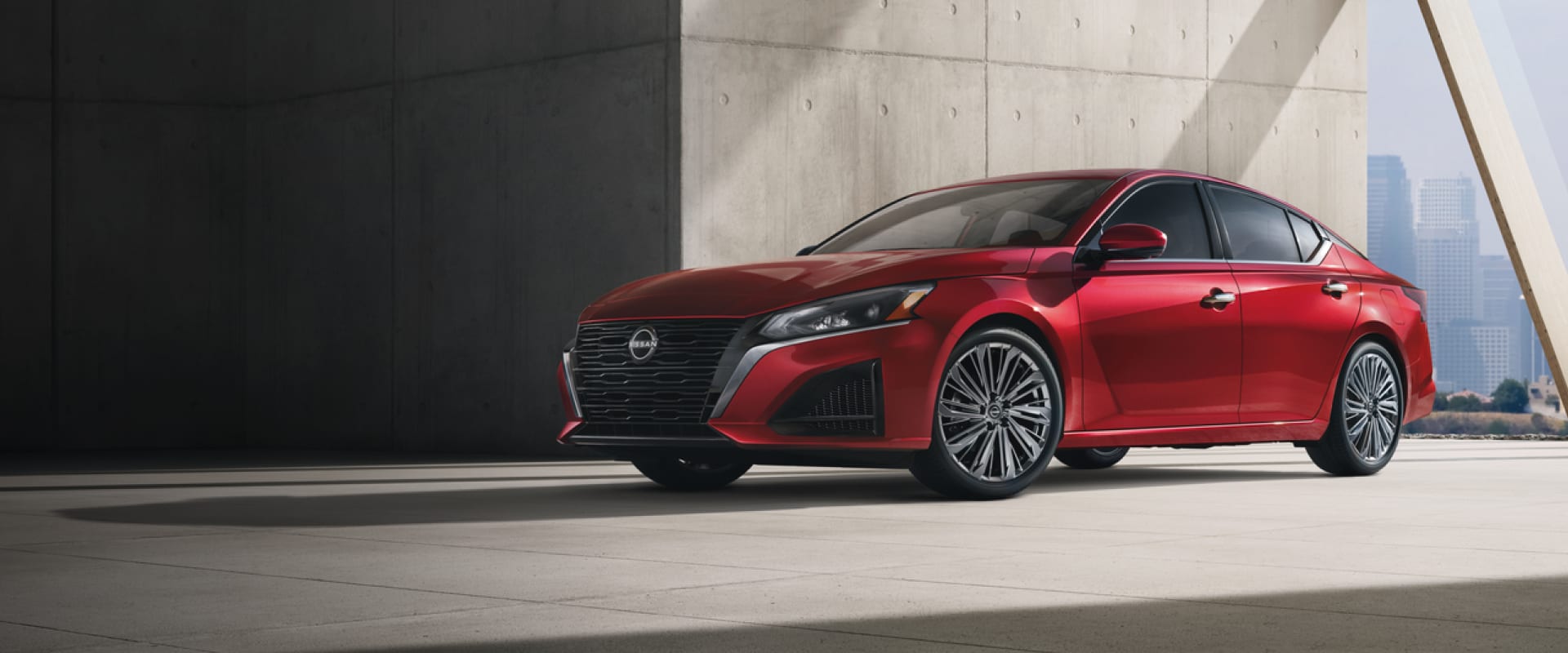
In the U.S. used market, this reputation has significantly hurt resale values. Even well-maintained examples face skepticism from buyers.
The Altima isn’t a bad car on day one, but over time, ownership anxiety replaces confidence something that’s hard to ignore when evaluating long-term worth.
The Altima isn’t likely to impress with outright acceleration or braking performance. Our all-wheel-drive test vehicle was equipped with the 2.5-liter engine and managed a 0–60 mph run in a fairly ordinary 8.4 seconds. That said, the CVT automatic is well calibrated and helps the Altima fade into the background during everyday driving, which many buyers will appreciate.
One of the car’s strengths is its composed and predictable handling. It inspires confidence when navigating fast, sweeping corners. At the same time, that capability highlights one of the Altima’s shortcomings: steering that feels overly light and lacks clear feedback.
4. Jaguar XF
The Jaguar XF offers striking design and engaging driving dynamics, but long-term ownership tells a different story.
Electrical issues, inconsistent reliability, and expensive repairs undermine its appeal as the years pass. In the U.S., limited dealer coverage and high parts costs further complicate ownership.
Depreciation is steep, not because the XF lacks charm, but because buyers factor in uncertainty. Owning one long-term often feels like a leap of faith rather than a calculated decision, making it difficult to recommend beyond short-term leases or warranty coverage.
If you’re in the market for a sport sedan wearing a Jaguar badge, the XF is now the sole choice. Jaguar launched the second-generation model for the 2016 model year and gave it a midcycle refresh last year that brought revised styling along with an updated infotainment system.
The XF is brimming with traditional British luxury appeal, even if it doesn’t feel quite as well-rounded as some competitors. One look at the car makes that clear, its clean, elegant bodywork and athletic proportions are unmistakably Jaguar.
When we tested a 2021 XF R-Dynamic, we appreciated its composed yet firm ride and sharp cornering abilities. However, the hesitant eight-speed automatic transmission and lackluster acceleration left us wishing for a bit more excitement.
Following the 2021 refresh, the cabin is better than ever. The interior now feels cleaner in its design and noticeably more upscale, while the new infotainment system is both responsive and visually polished. It represents a significant step forward compared to the pre-refresh setup.
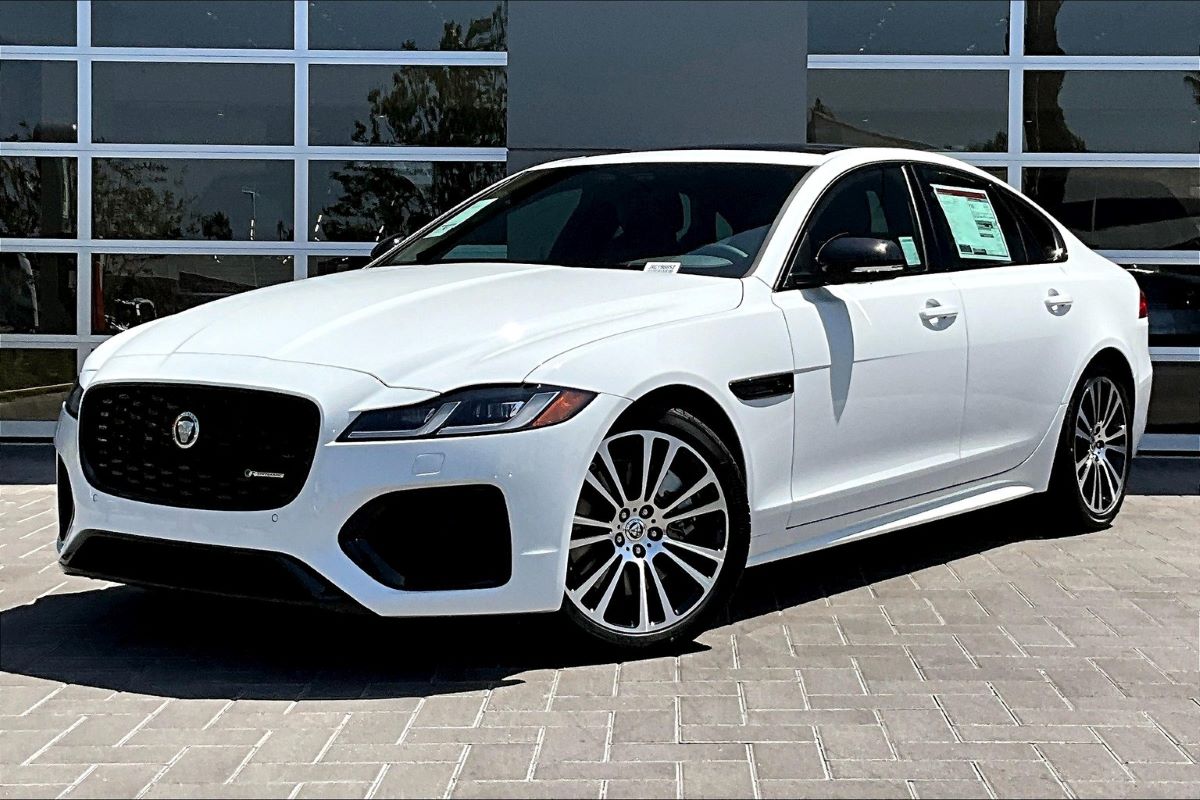
While the XF may not top our list in the midsize luxury sedan class, it stands out as an appealing alternative to the more ubiquitous BMW 5 Series and Mercedes-Benz E-Class. Buyers who value distinctive styling and confident handling will find the XF an attractive option.
The XF lineup has been simplified, as the previously available supercharged V-6 is no longer offered. Today, every XF is powered by a 2.0-liter turbocharged four-cylinder engine paired with an eight-speed automatic transmission.
In rear-wheel-drive and all-wheel-drive 25t configurations, the engine produces 247 horsepower and 269 lb-ft of torque. Opting for the AWD-only 30t variant increases output to 296 horsepower and 295 lb-ft of torque.
Jaguar estimates the 25t XF can reach 60 mph in 6.4 seconds, while the 30t version is rated at 5.7 seconds. However, our testing showed that even the more powerful XF needed 6.5 seconds to complete the sprint to 60 mph.
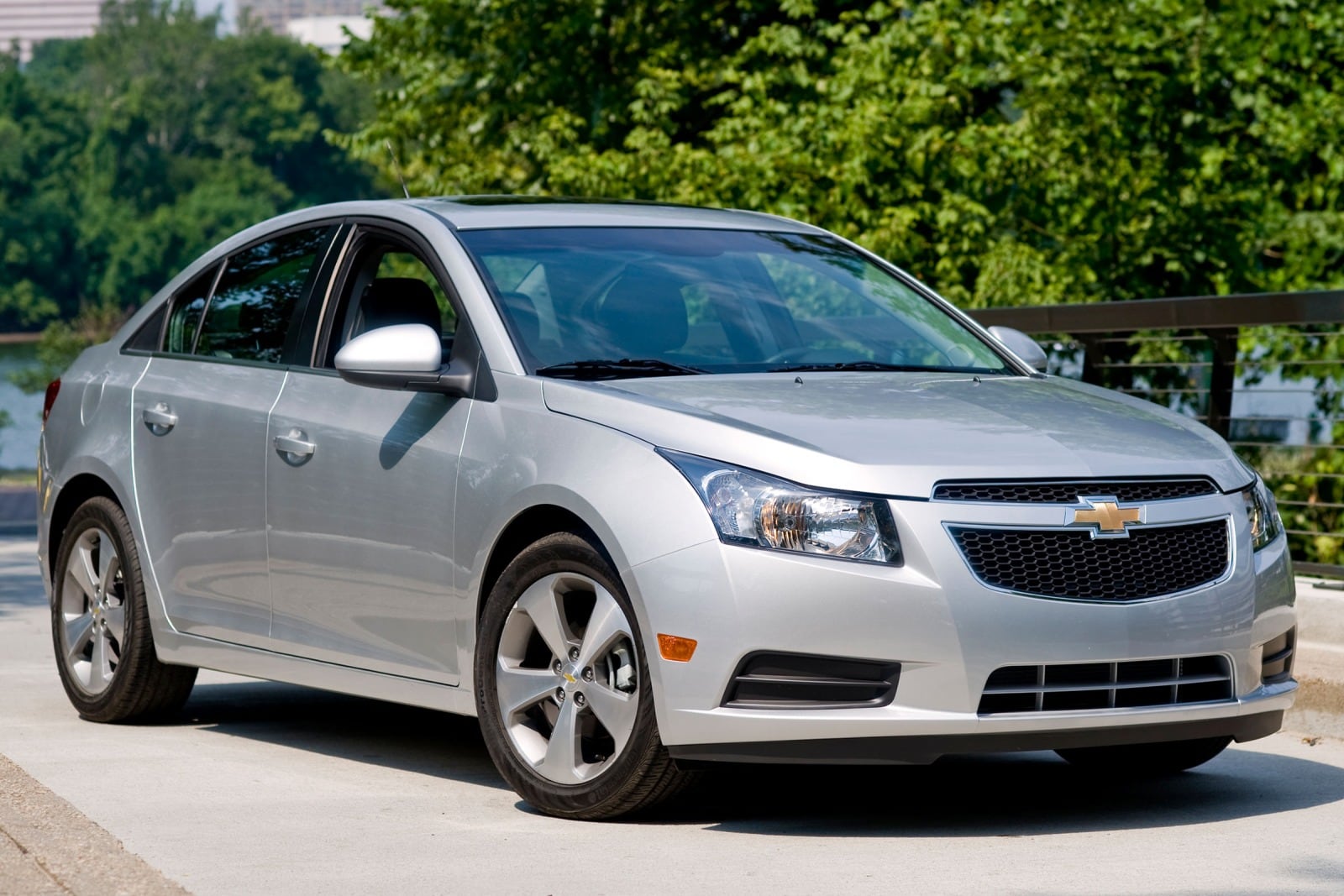
5. Chevrolet Cruze
The Chevrolet Cruze was designed as an affordable, efficient compact car, but its long-term shortcomings become apparent with age.
Turbocharged engines, cooling system issues, and interior wear problems contribute to declining ownership satisfaction over time.
As compact cars improved across the industry, the Cruze struggled to remain competitive in refinement and reliability. In the U.S. market, resale values reflect this reality.
While inexpensive to buy used, long-term owners often find the savings offset by repairs and diminishing appeal.
In the U.S., cars are often purchased with short-term thinking monthly payments, features, or brand image rather than how ownership feels five or ten years down the road.
Vehicles that stay worth owning share common traits: mechanical honesty, realistic engineering, broad support networks, and designs that don’t chase trends too aggressively.
Meanwhile, cars that disappoint over time usually aren’t bad by design they’re simply optimized for the showroom rather than the driveway years later.
The Cruze’s standard powertrain consists of a 153-horsepower turbocharged four-cylinder engine paired with a six-speed manual transmission. While we’re typically fans of manual gearboxes, this one falls short. In practice, the experience is underwhelming thanks to an overly light clutch pedal and long, imprecise shifter throws.
Choosing the optional six-speed automatic transforms the car, however, making the Cruze feel more responsive and willing when accelerating. There’s also an available diesel option, which uses a turbocharged four-cylinder engine mated to a nine-speed automatic transmission.
Although the diesel is noticeably louder and rougher than the gasoline version, it settles down at highway speeds and becomes quiet enough to be mistaken for a gas-powered engine.
On the road, the Cruze feels more substantial than its compact size suggests, delivering a sense of stability that belies its dimensions. The steering has a reassuring weight, the car tracks straight at speed, and it responds readily to driver inputs.
That said, the soft suspension tuning makes the Cruze feel somewhat vague when pushed hard through corners. The trade-off is comfort, as the compliant setup does an excellent job smoothing out rough pavement, bumps, and potholes.
As technology grows more complex and repair costs rise, long-term value is becoming one of the most important and overlooked factors in car ownership.
Choosing wisely doesn’t mean avoiding fun or luxury. It means understanding which vehicles reward commitment, and which quietly punish it once the excitement fades.