Salt Lake City is one of those places that quietly exposes weak vehicles. On paper, it’s a mid-sized American city with modern highways and suburban sprawl.
In reality, it’s surrounded by mountains, elevated above sea level, hammered by snowstorms, and defined by sharp elevation changes that can turn a routine commute into a traction test.
Add in freeze-thaw cycles, steep residential streets, canyon roads, and unpredictable winter conditions, and Salt Lake City becomes a uniquely demanding environment for cars, trucks, and SUVs.
Drivers here don’t just deal with snow they deal with snow that melts during the day and refreezes at night, sudden storms that dump inches without warning, and mountain passes that punish underpowered engines and poor drivetrains. Ground clearance matters.
Torque matters. All-wheel drive isn’t just a marketing feature it’s a genuine safety tool. At the same time, not every vehicle that looks rugged on Instagram actually performs well in real Salt Lake City conditions.
Some vehicles feel perfectly at home navigating Parley’s Canyon in January or climbing steep neighborhoods near the Wasatch foothills.
Others struggle the moment traction disappears or elevation robs them of power. Below are five vehicles that genuinely manage Salt Lake City terrain well and five that simply don’t, despite what their reputations or price tags might suggest.
Vehicles That Manage Salt Lake City Terrain
Salt Lake City driving demands more from a vehicle than most places. One day you’re navigating busy urban streets and freeway traffic, the next you’re climbing into the foothills, dealing with steep grades, sudden weather shifts, snow-covered roads, or rough canyon pavement. A car that works here has to be versatile, confident, and ready for conditions that can change fast.
Not every vehicle is built for that mix. Between winter storms, elevation changes, mountain passes, and weekend escapes into the Wasatch Range, drivers need machines that offer traction, stability, ground clearance, and reliability without sacrificing comfort or efficiency for everyday use.
1. Subaru Outback
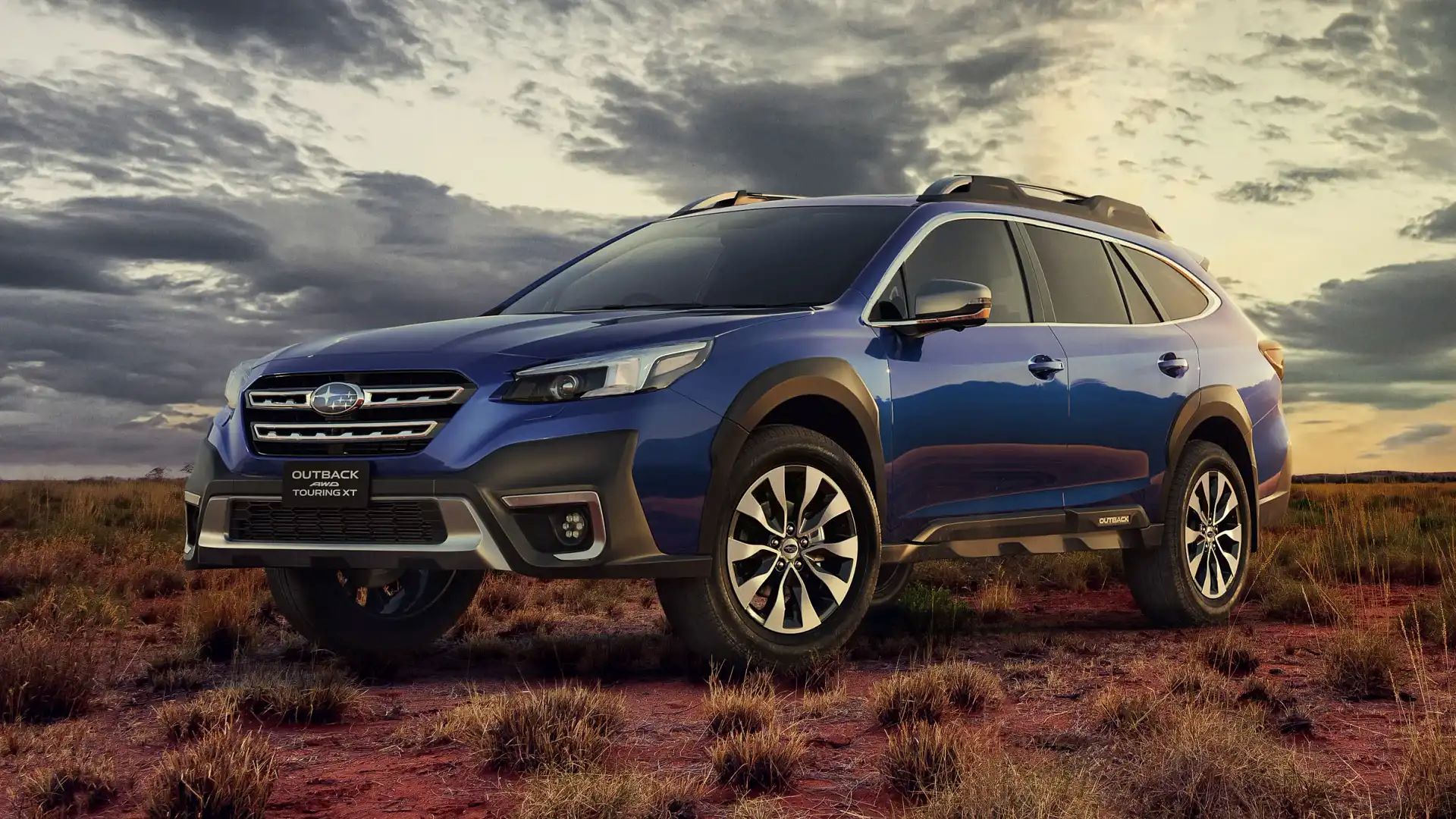
The Subaru Outback feels almost purpose-built for Salt Lake City, which explains why it’s everywhere on Utah roads.
Its symmetrical all-wheel-drive system provides consistent power delivery rather than reacting after slip occurs, making it exceptionally stable on icy streets and snow-covered highways.
Unlike many crossovers that default to front-wheel drive until traction is lost, the Outback always keeps power flowing to all four wheels.
Ground clearance is another major advantage. With more clearance than many compact SUVs, the Outback handles snow buildup and unplowed side streets without scraping its underbody.
It’s also well-balanced, meaning it doesn’t feel top-heavy when navigating canyon curves or windy mountain roads.
While it’s not a hardcore off-roader, Salt Lake City doesn’t require rock-crawling just confidence, grip, and predictability, all of which the Outback delivers effortlessly.
The Outback isn’t quick, but that’s essentially its lone drawback in this area. Our test vehicle, an Outback Limited equipped with the standard four-cylinder engine, reached 60 mph in 8.8 seconds.
Drivers looking for stronger acceleration will want to opt for the turbocharged engine, which brings performance closer to rivals like the Honda Passport and Ford Edge. On the plus side, the transmission responds quickly and shifts decisively, helping the Outback keep up with the flow of traffic.
While there’s a noticeable amount of body roll when cornering, the Outback remains composed. Steering feel is solid, with reassuring on-center response and useful feedback from the road. Best of all, thanks to 8.7 inches of ground clearance and standard all-wheel drive, the Outback is capable of reaching nearly anywhere its SUV rivals can, and even some places they can’t.
When it comes to comfort, the Outback represents strong value in the midsize SUV segment. The front seats are a highlight: they’re soft yet supportive, offering sufficient bolstering without feeling restrictive. They’re inviting seats that are easy to settle into when fatigued and remain comfortable over long stretches behind the wheel.
Ride quality is another area where the Outback shines. While certain road surfaces can introduce minor vibrations into the cabin, the suspension does an excellent job absorbing potholes, speed bumps, and drainage channels. Importantly, this compliance doesn’t come with excessive floatiness, resulting in a well-judged balance between comfort and control.
Also Read: 8 Underrated SUVs That Are Better Than Popular Models
2. Toyota 4Runner
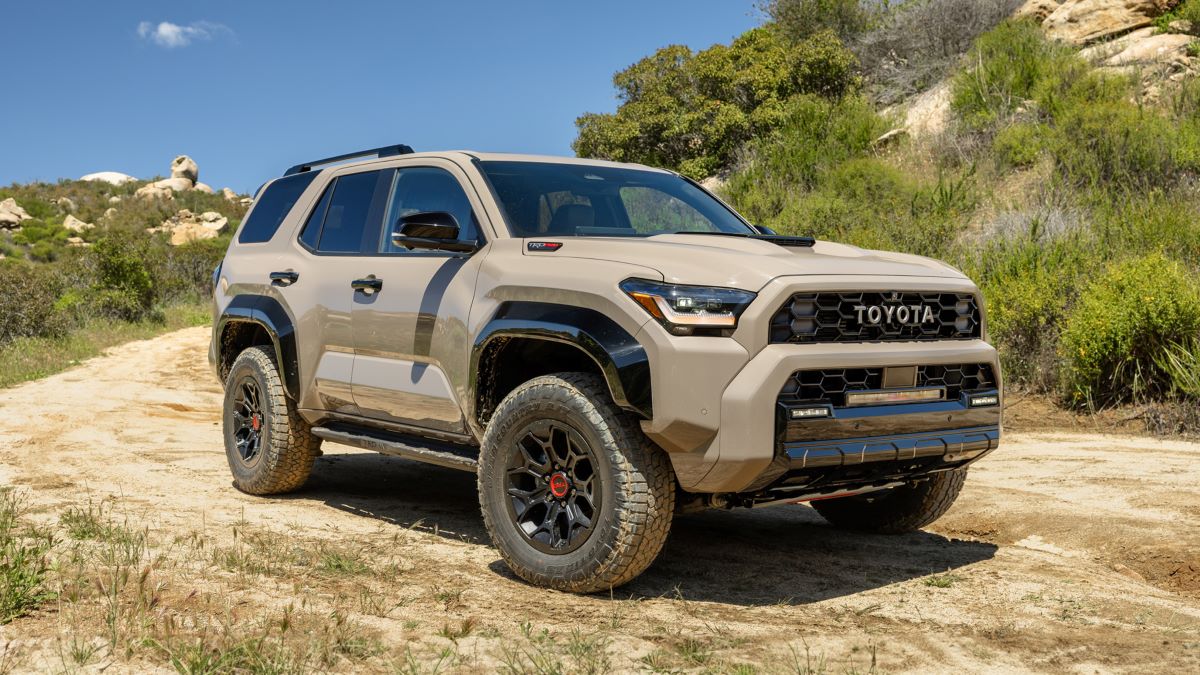
The Toyota 4Runner thrives where Salt Lake City gets difficult. Its body-on-frame construction, available four-wheel drive with low range, and proven reliability make it ideal for winter storms, steep inclines, and weekend trips into the mountains.
While it’s less fuel-efficient than modern crossovers, it compensates with durability and traction when conditions turn ugly.
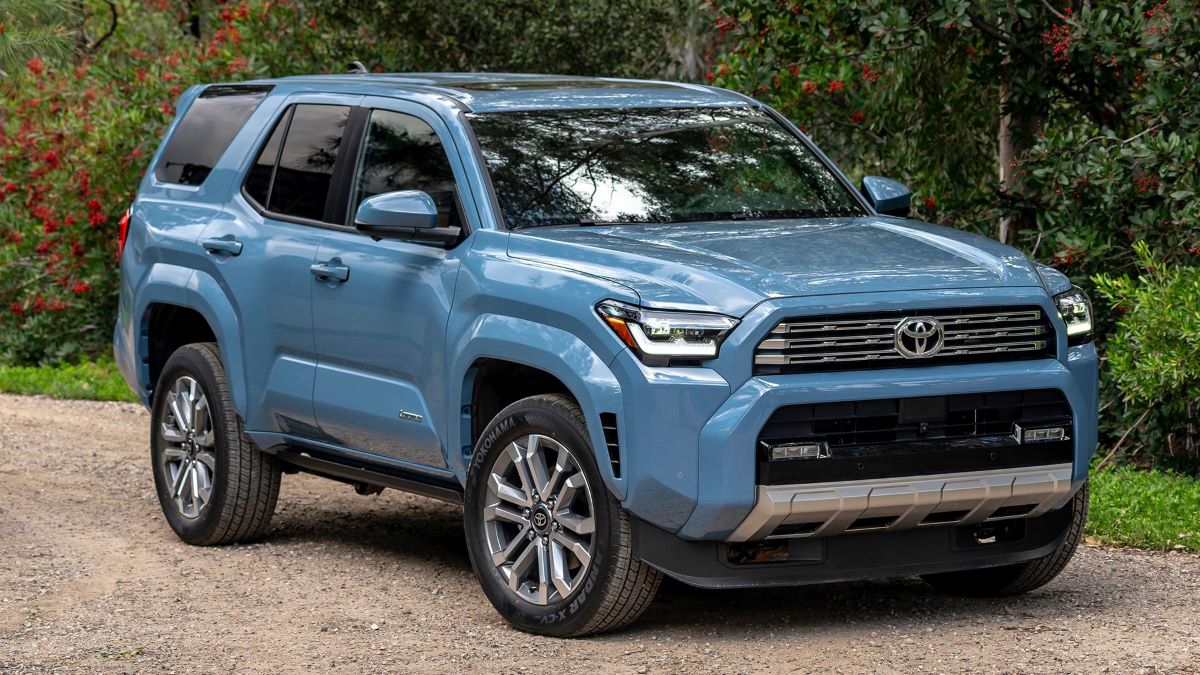
In neighborhoods with steep driveways or roads that remain icy long after plows pass, the 4Runner’s weight and drivetrain work in its favor. It doesn’t rely on electronics alone it has genuine mechanical capability.
For drivers who ski frequently, explore nearby trails, or commute through elevation changes daily, the 4Runner offers peace of mind that few vehicles can match.
3. Audi A6 Quattro
Not everyone wants or needs an SUV, and the Audi A6 Quattro proves that sedans can still thrive in Salt Lake City when engineered properly.
Audi’s Quattro all-wheel-drive system has long been one of the best in the industry, delivering precise torque distribution that shines on snow-covered pavement.
The A6 also benefits from strong turbocharged engines that perform well at altitude, where naturally aspirated engines often feel sluggish.
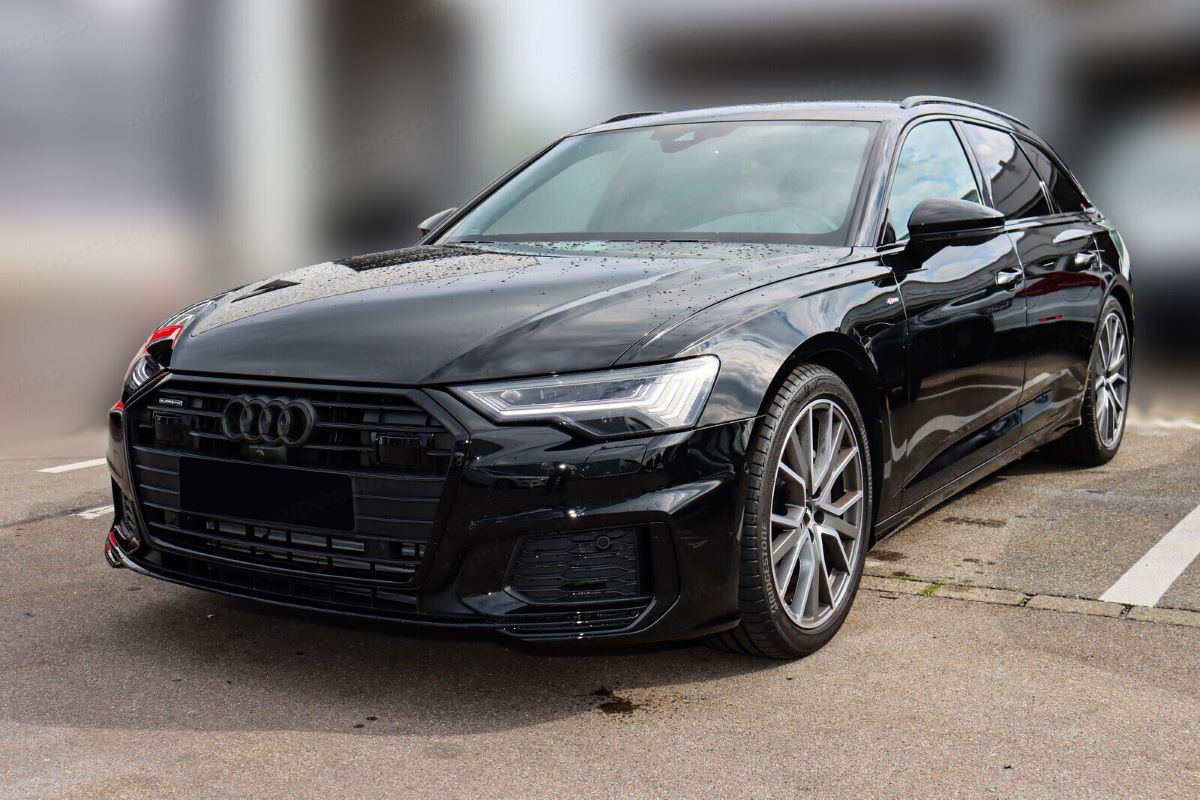
While ground clearance is limited compared to SUVs, the A6 compensates with stability, excellent winter traction, and refined control at highway speeds during storms.
For professionals who want luxury without sacrificing winter confidence, it’s a smart, underrated choice. As with many vehicles in Audi’s lineup, the lasting takeaway after spending time in the A6 is a strong sense of quality.
The German brand’s midsize sedan is outfitted with excellent materials throughout, and the cabin remains impressively quiet while on the move. This refinement underscores the A6’s traditional luxury credentials, while its extensive technology suite highlights its position as a thoroughly modern offering.
That sense of modernity carries over to the way the A6 drives. Ride comfort is outstanding without giving up composure or control. The A6 feels quick and assured regardless of engine choice, while the S6, and especially the formidable RS6 Avant, deliver performance that feels almost absurd, like a turbine-powered vault on wheels.
That said, models equipped with larger wheels tend to transmit noticeably more road noise. We’re also fond of the A6 Allroad, though depending on how it’s used, it may not fully replace a similarly sized SUV for some buyers.
Some drivers may view the A6 as overly restrained or feel it lacks enough personality to fully justify its premium pricing. Others, however, will appreciate its understated elegance and the appeal of luxury that doesn’t demand attention.
Audi’s engine lineup includes turbocharged four-, six-, and eight-cylinder options. Beyond the standard A6 sedan, buyers can step up to the sportier S6 or the high-performance RS6 Avant wagon if they’re looking to indulge their Autobahn-inspired ambitions.
4. Ford F-150 (4×4)
There’s a reason full-size pickups dominate mountain states, and the Ford F-150 is a prime example. When equipped with four-wheel drive and proper winter tires, the F-150 handles Salt Lake City’s terrain with authority.
Its high ground clearance, powerful engines, and advanced traction systems make it capable in deep snow and slushy conditions alike.
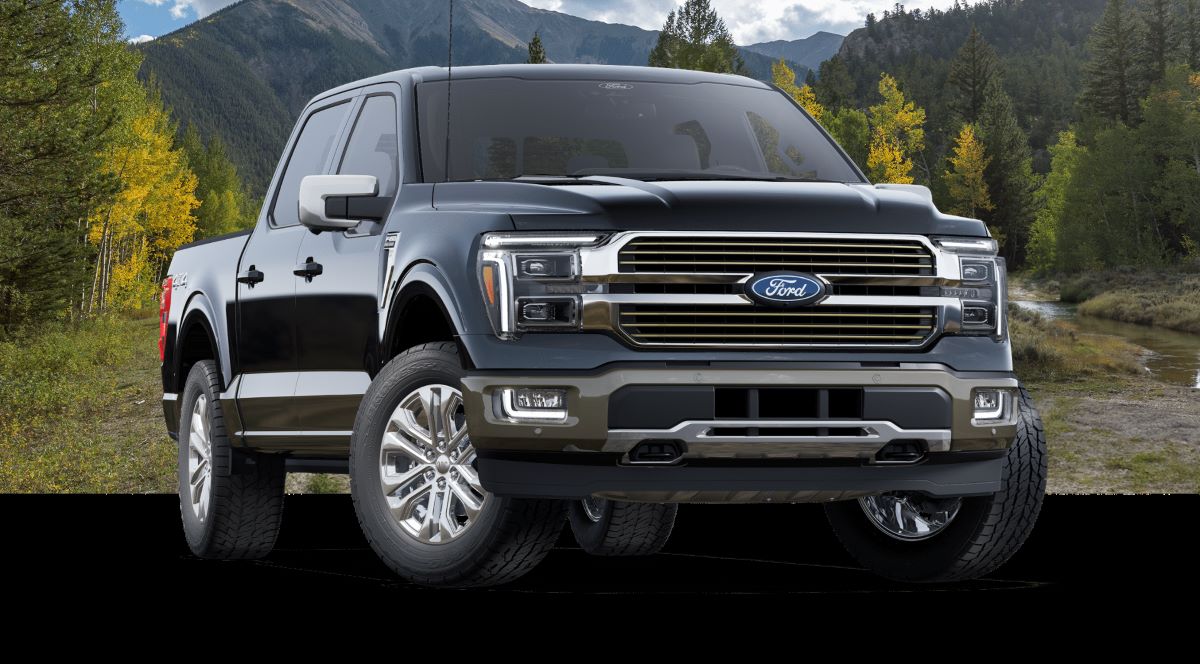
The F-150 is particularly effective during heavy snowfall when plows haven’t caught up yet. It can climb steep grades, pull trailers through slick conditions, and remain stable even when roads deteriorate.
While it’s larger than what some city drivers prefer, Salt Lake City’s wide roads and suburban layout make full-size trucks far more practical here than in denser cities.
5. Volvo XC90 AWD
The Volvo XC90 blends safety, comfort, and winter competence in a way that suits Salt Lake City perfectly. Its all-wheel-drive system, combined with intelligent traction control and strong low-end torque, performs well on snowy roads and mountain highways.
Volvo’s focus on stability and driver assistance systems also adds confidence when visibility drops or roads become unpredictable.
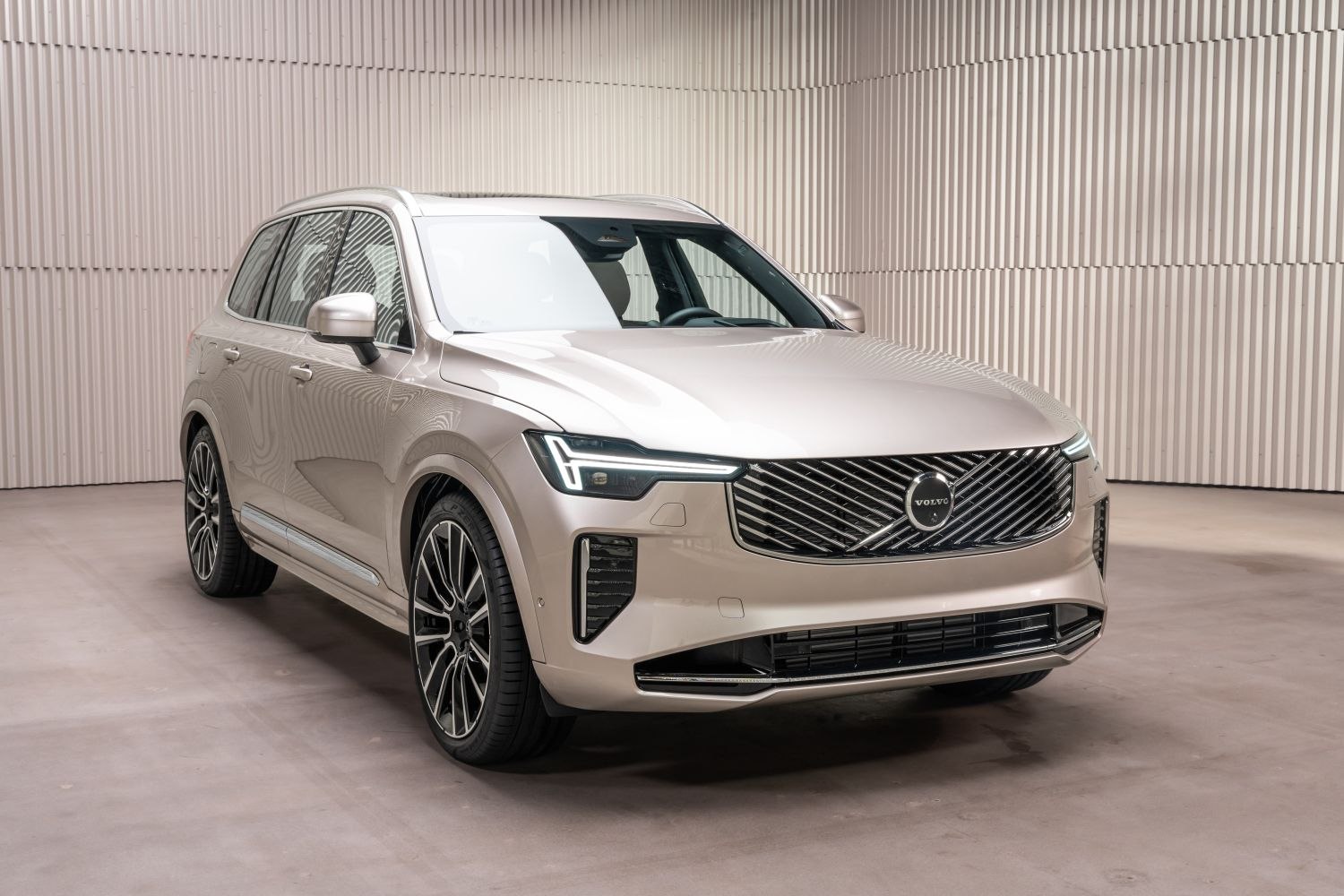
Unlike some luxury SUVs that prioritize style over substance, the XC90 is genuinely capable in winter conditions.
It’s not designed for extreme off-roading, but for Salt Lake City’s mix of urban driving, canyon roads, and winter storms, it’s more than sufficient.
For families navigating daily commutes during snow season, the XC90 offers security without sacrificing refinement.
Both the B5 and B6 powertrains are supported by a 48-volt mild-hybrid system. In B5 form, the XC90 uses a turbocharged 2.0-liter four-cylinder engine producing 247 horsepower, while stepping up to the B6 setup raises output to 295 horsepower. Every XC90 comes standard with all-wheel drive and an eight-speed automatic transmission, regardless of trim or engine choice.
Like many vehicles in this segment, the Volvo exhibits a noticeable amount of body lean when cornering. Even so, steering inputs are precise, and the steering wheel has a satisfying weight that strikes a balance between overly light and excessively heavy. Our test vehicle was equipped with the optional air suspension, which delivered a smooth, well-isolated ride and handled most driving situations with confidence.
That said, sharp bumps occasionally triggered some clatter from the chassis, revealing minor imperfections in the road, one of the few complaints in an otherwise polished and composed driving experience.
Also Read: 5 Volvo Models With Timeless Interiors And 5 That Fall Apart
Vehicles That Don’t Manage Salt Lake City Terrain Well
Salt Lake City isn’t an easy place for every vehicle to thrive. Between steep elevation changes, icy winter roads, sudden snowstorms, canyon drives, and uneven pavement, the local terrain quickly exposes a car’s weaknesses. What feels perfectly fine on flat, dry roads can become frustrating, or even unsafe, once real Utah conditions come into play.
Some vehicles simply aren’t built for this environment. Limited traction, low ground clearance, underpowered engines, poor cold-weather performance, or weak stability systems can turn daily commutes and weekend drives into stressful experiences. Add in frequent weather swings and mountain passes, and the shortcomings become impossible to ignore.
1. Chevrolet Camaro (Rear-Wheel Drive)
The Chevrolet Camaro may deliver thrilling performance on dry pavement, but Salt Lake City winters quickly expose its weaknesses.
Rear-wheel drive, low ground clearance, and wide performance tires make it a liability once snow and ice enter the picture. Even light snowfall can turn routine drives into white-knuckle experiences.
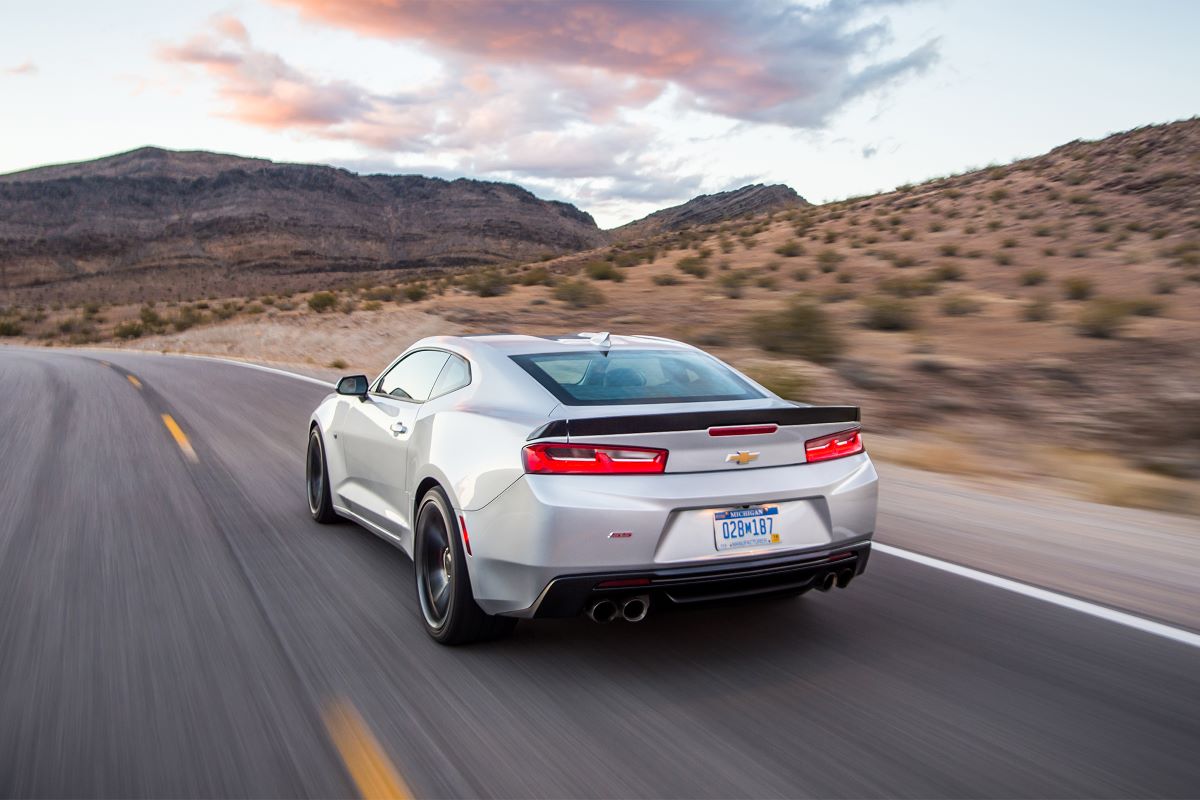
While winter tires can help, they don’t solve the Camaro’s fundamental traction and clearance issues.
Steep residential streets, icy intersections, and unplowed side roads are simply not what this car was designed for. In Salt Lake City, the Camaro becomes a seasonal vehicle at best and an impractical daily driver at worst.
2. Tesla Model 3 (RWD)
The Tesla Model 3 often surprises drivers with its quick acceleration and modern tech, but the rear-wheel-drive version struggles in Salt Lake City winters.
Instant electric torque can actually worsen traction on slick surfaces, especially without all-wheel drive. Add in limited ground clearance and relatively stiff suspension tuning, and winter performance suffers.
Cold temperatures also reduce battery efficiency, shrinking range during the months when drivers need reliability most.
While the AWD Model 3 performs significantly better, the rear-wheel-drive version simply isn’t well-suited to Salt Lake City’s winter terrain, especially for drivers who regularly encounter elevation changes or unplowed roads.
The Model 3 delivers a sporty and engaging feel, thanks to strong acceleration off the line, quick and intuitive steering, and nimble, well-coordinated handling. The straight-line punch that impressed us in earlier Long Range versions is still present in the base trim.
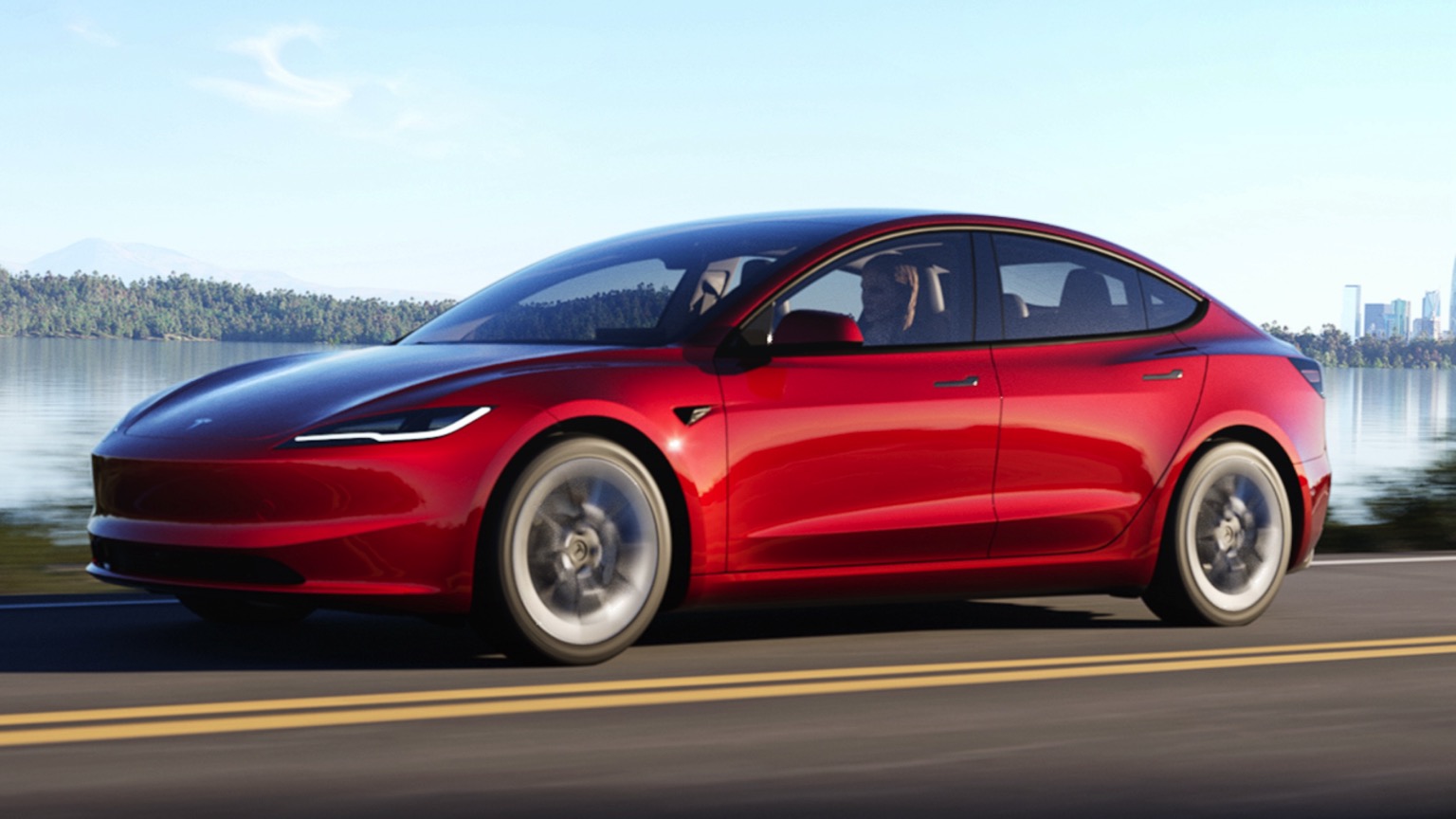
The Model 3 Standard Range Plus sprinted from 0 to 60 mph in 5.3 seconds, an impressive result for a single-motor electric vehicle. The more expensive Long Range and Performance variants, however, operate in an entirely different tier when it comes to outright speed.
While the standard 18-inch all-season tires aren’t especially sticky, they provide enough grip to support most spirited street driving. When pushed harder, true high-performance driving is held back by overly aggressive stability control intervention. Even so, this Tesla offers a commendable driving experience within the EV segment.
We found it to be a generally pleasant place to spend time, and that comfort held up even during longer drives. Our primary complaint involves the non-perforated leather seats, which don’t breathe particularly well in warmer climates. Aside from that, the seats are well cushioned and offer solid support.
All climate adjustments are handled through the central touchscreen, including directing airflow from the vents. While it’s an interesting concept, we’ve found it can be distracting to manage while driving.
On the plus side, the cabin remains quiet, effectively muting wind noise, electric drivetrain sounds, and most road noise. Ride comfort is agreeable for the majority of driving situations, though the suspension can feel a bit busy on rough or uneven road surfaces.
3. Mini Cooper
The Mini Cooper’s compact size and playful handling make it fun in dry conditions, but Salt Lake City’s terrain is not forgiving to small, low-clearance cars.
Snow accumulation, uneven pavement, and steep grades quickly overwhelm the Mini’s capabilities, even in all-wheel-drive variants.
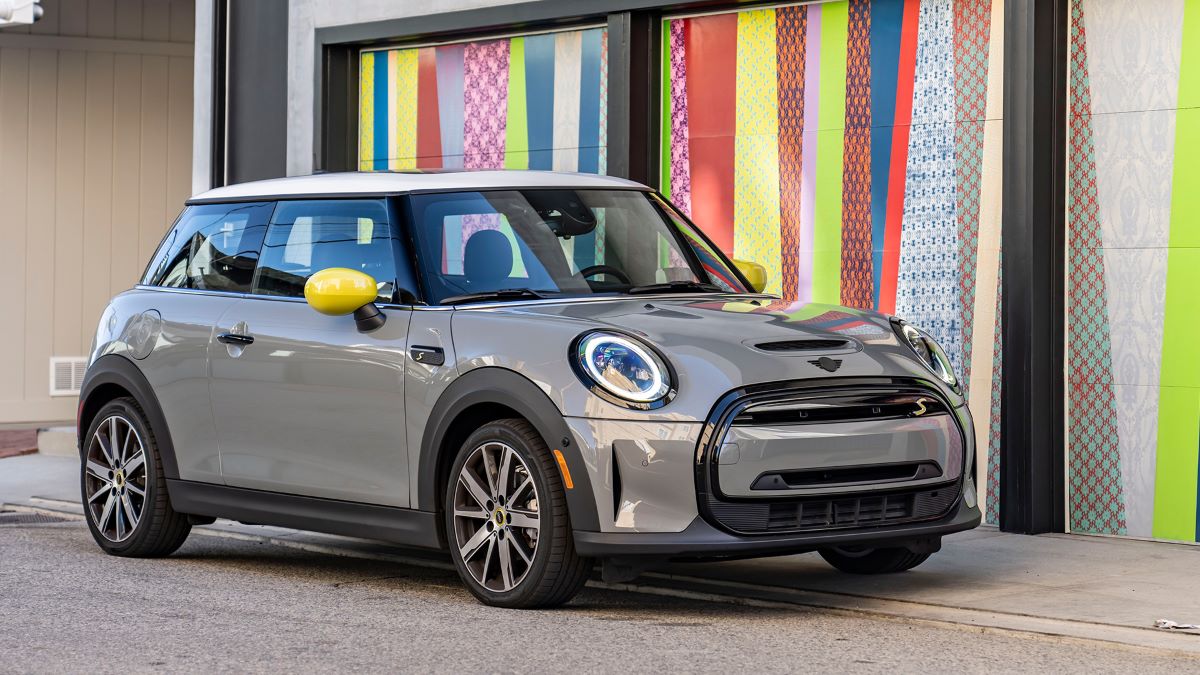
Its short wheelbase can lead to instability on icy highways, and limited ground clearance means deeper snow becomes an immediate obstacle.
For city centers with mild winters, the Mini can work but in Salt Lake City’s climate and geography, it’s often more stressful than enjoyable.
The 2021 Mini Hardtop 2 Door, as it’s now officially called, has grown in size and is offered in a wider range of versions than before. Even so, its mission remains the same: deliver nimble driving enjoyment and distinctive styling at an attainable price point.
For shoppers in the Englewood, NJ area, there are numerous examples available, including Cooper S hatchbacks with varying mileage, ownership histories, and pricing. These listings highlight the Hardtop 2 Door’s broad appeal, with options that balance performance, features, and value depending on budget and condition.
For the 2021 model year, Mini introduced the most powerful Hardtop to date: the John Cooper Works GP. Produced in limited numbers, this high-performance variant is powered by a turbocharged engine generating 301 horsepower, an increase of 73 hp over the standard JCW model, and 331 lb-ft of torque.
Mini didn’t stop at boosting engine output. Nearly every major component was upgraded to enhance performance, including a lower, sport-tuned suspension, additional chassis bracing, stronger brakes, and a revised engine oiling system designed to cope with sustained high-g cornering.
Visually, the GP sets itself apart with a massive rear wing and lightweight 18-inch wheels housed within unusually styled wheel arches. Inside, the John Cooper Works GP departs dramatically from the traditional Mini formula by removing the rear seats entirely. Instead, it becomes a strict two-seater, featuring a prominent cross brace where rear passengers would normally sit.
We spent an entire year with a Mini Cooper Hardtop 2 Door shortly after the third-generation model made its debut. Over 22,000 miles of driving, we discovered there was plenty to appreciate about living with Mini’s smallest hatchback.
4. Dodge Challenger
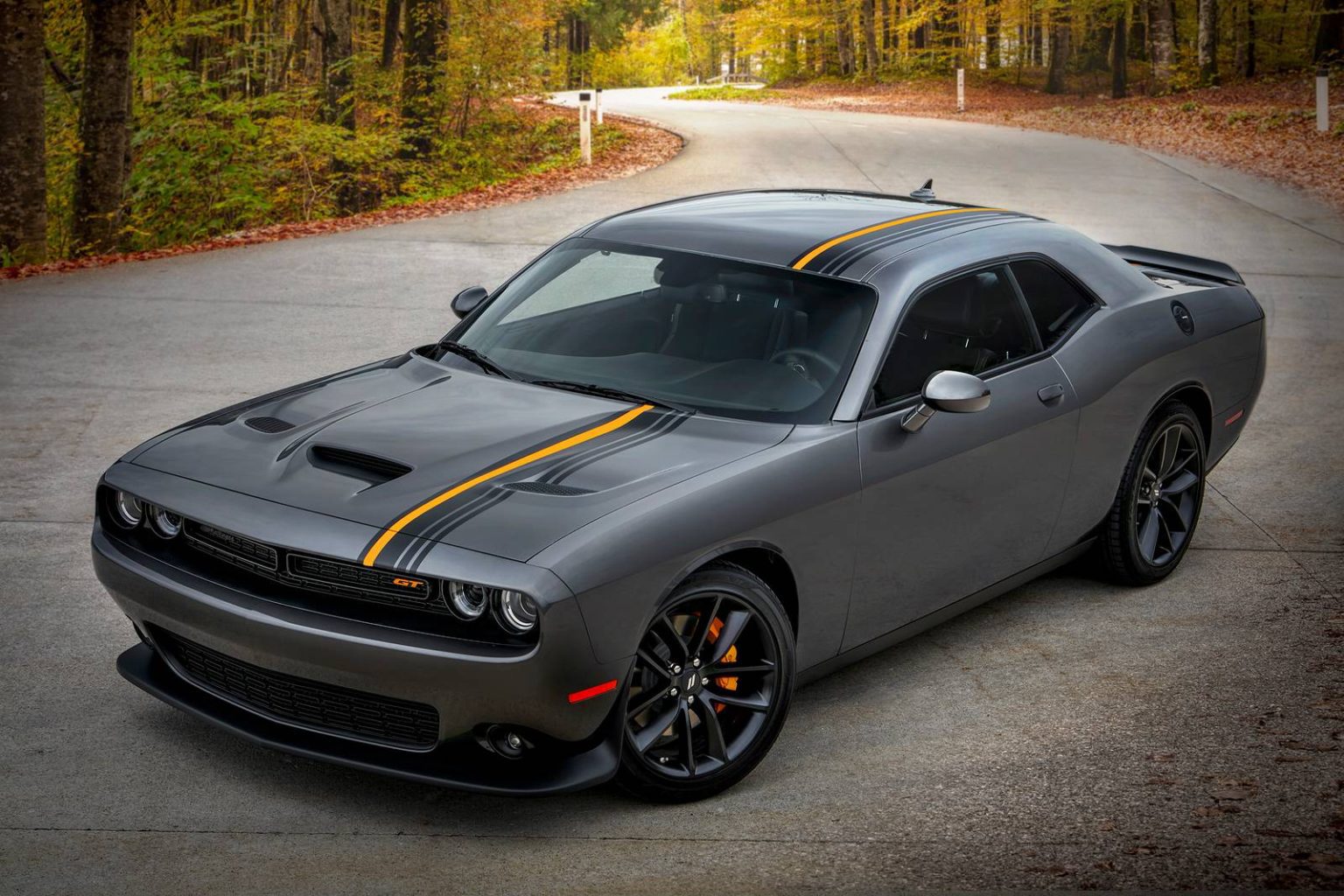
Like the Camaro, the Dodge Challenger suffers from being fundamentally mismatched to winter terrain.
Its heavy weight combined with rear-wheel drive creates traction issues on slick roads, and its long body makes maneuvering in snow more difficult than expected.
Even with modern stability control systems, the Challenger struggles on icy inclines and during sudden storms.
It’s a car built for straight-line power, not winter adaptability. In Salt Lake City, that mismatch becomes obvious the moment snow begins to fall.
The Dodge Challenger is undeniably heavy. At 4,950 pounds, the Challenger R/T outweighs a Chevy Camaro SS by roughly 1,000 pounds. Still, every engine in the lineup delivers respectable punch, and even the 3.6-liter six-cylinder SXT can be sufficient for commuting duties and more laid-back driving.
That engine is the familiar Pentastar V6, a longtime Chrysler staple that’s appeared across the Stellantis lineup, including in vehicles like the Jeep Wrangler. It’s an old-school, naturally aspirated V6 tuned for smooth, relaxed performance rather than outright aggression.
Most buyers are likely to skip straight past the base engines and move into R/T territory, which introduces the entry-level V8 option, a 5.7-liter Hemi. While it produces up to 51 fewer horsepower than the Chevy Camaro SS, it delivers comparable torque, giving the Challenger strong low-end shove.
Somewhat confusingly, this engine is offered in both the R/T Scat Pack and the SRT 392. The SRT 392 includes a variety of additional upgrades, such as enhanced suspension, brakes, wheels, and other cosmetic and interior enhancements not standard on the R/T. However, the shared engine means buyers can access the 6.4-liter V8 at a lower price point by opting for the R/T Scat Pack instead of the SRT.
For drivers who don’t plan on drag racing, the most powerful V8 may not be necessary. The standard R/T can reach 60 mph in the five-second range, while the R/T Scat Pack cuts roughly a full second from that time. The 2015 Challenger also brought a modest power bump to the 6.4-liter engine, adding 15 horsepower and 5 lb-ft of torque.
For the 2017 model year, Dodge introduced an all-wheel-drive option on entry-level trims, while the rest of the Challenger lineup remained rear-wheel drive, which suits the car just fine.
Another advantage of choosing a Challenger is the availability of a manual transmission, though this option isn’t offered with the Pentastar V6. Finally, for 2015, Dodge replaced the old five-speed automatic with a much more refined eight-speed unit, giving the Challenger a welcome upgrade in everyday drivability.
5. Nissan Versa
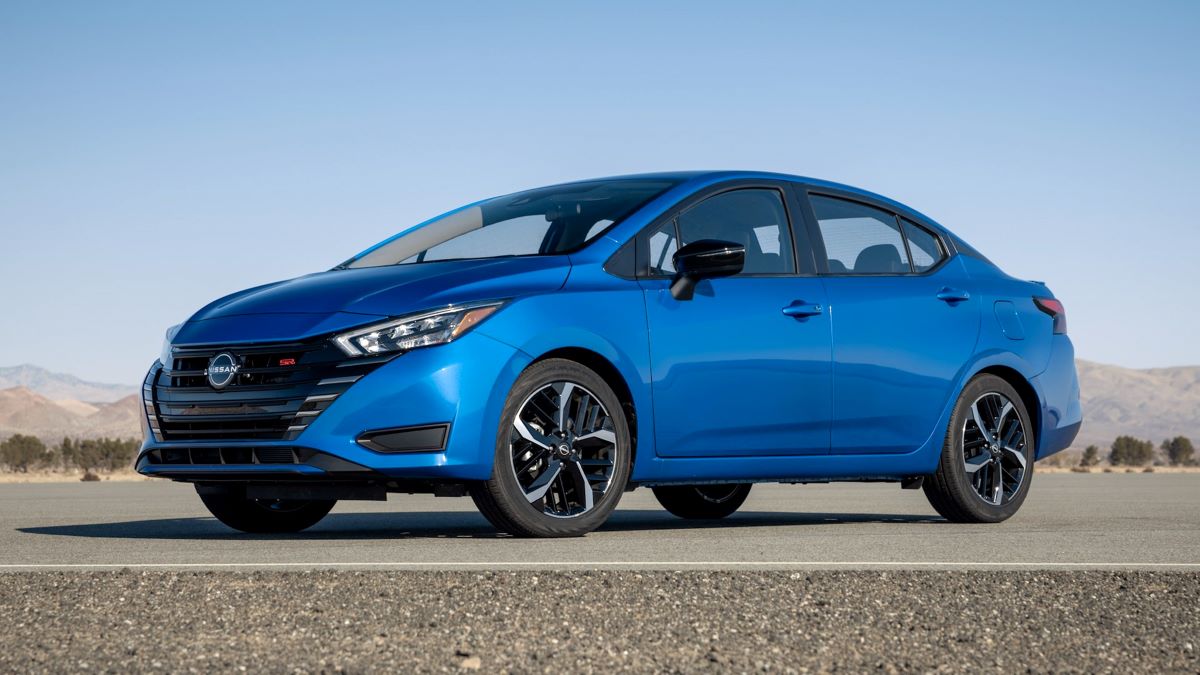
Budget-friendly and efficient, the Nissan Versa checks plenty of boxes for city commuting just not in Salt Lake City.
Low ground clearance, modest power output, and front-wheel drive that struggles on steep, icy roads make it poorly suited to the region’s terrain.
At higher elevations, the Versa’s engine feels strained, and in winter conditions, it lacks the traction and stability needed for confidence. While it can function during mild weather, it becomes a limiting factor once snow and ice dominate daily driving.
Salt Lake City doesn’t demand extreme off-road machines, but it does punish vehicles that lack traction, clearance, or power. Choosing the right vehicle here isn’t about trends it’s about physics, climate, and geography.
The difference between a capable vehicle and an ill-suited one isn’t just comfort; it’s safety, reliability, and peace of mind during long winters.
Vehicles that manage Salt Lake City terrain share common traits: dependable all-wheel or four-wheel drive, reasonable ground clearance, engines that handle altitude well, and chassis tuning designed for stability rather than pure performance.
Vehicles that fail tend to prioritize style, speed, or efficiency at the expense of real-world usability.
In a city where weather can change rapidly and elevation is always a factor, smart vehicle choices make everyday driving easier and winter driving far less stressful.