
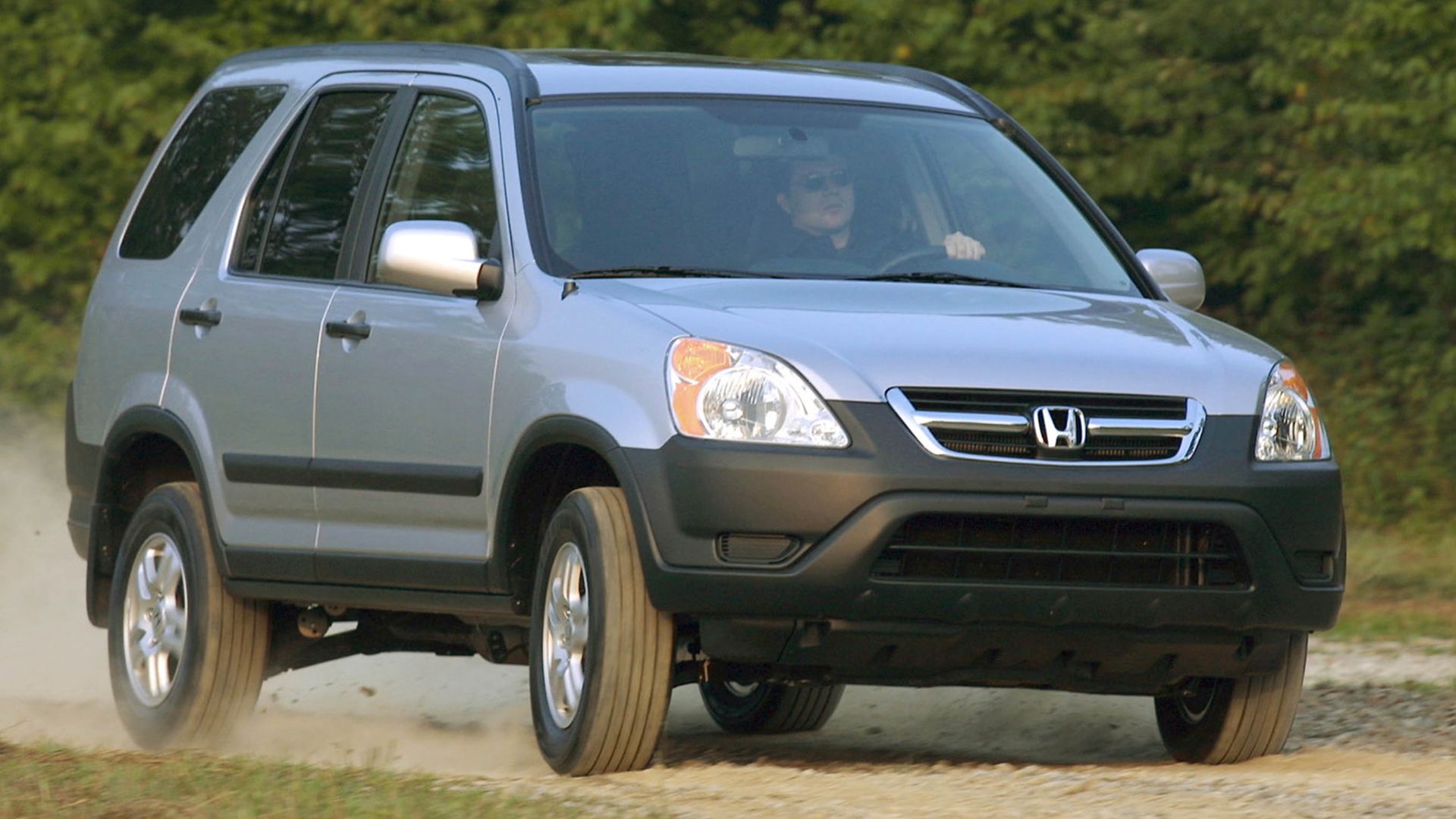
Des Moines sits in a unique middle ground for American drivers. It isn’t a dense coastal city where parking is a nightmare and public transit dominates, nor is it rural enough that every driveway hides a lifted pickup or farm truck.
Daily life here involves commuting on I-235, navigating snow-covered residential streets in winter, cruising suburban arterials like University Avenue, and finding parking downtown near Court Avenue or East Village.
The “right” car for Des Moines needs to be versatile, weather-ready, affordable to own, and practical without feeling dull. That balance is where many vehicles either shine or completely fall apart.
Some cars feel tailor-made for Iowa’s seasonal swings, road conditions, and lifestyle, while others seem impressive on paper but become frustrating liabilities once winter hits or maintenance bills stack up.
This list breaks down five cars that genuinely fit daily life in Des Moines and five that really don’t, based on climate, infrastructure, ownership costs, and real-world usability.
Cars That Fit Des Moines Daily Use
Daily driving in Des Moines asks for balance. Between stop-and-go city traffic, long suburban commutes, rough winter roads, and sudden weather changes, the ideal vehicle has to be comfortable, efficient, and dependable without being overkill. What works here isn’t flashy performance or extreme off-road ability, it’s usability.
The best cars for everyday life in Des Moines handle cold starts, potholes, snow, and highway miles with equal confidence. They’re easy to live with year-round, affordable to maintain, and well-suited to everything from downtown errands to interstate drives and winter commutes.
This article highlights cars that truly fit Des Moines daily use, vehicles that make sense for the city’s climate, road conditions, and driving habits. Whether you’re commuting, running errands, or navigating Iowa winters, these models deliver the kind of practicality and comfort that matter most day to day.
1. Toyota RAV4 (Hybrid or AWD Gas Models)
The Toyota RAV4 has become almost a default choice in cities like Des Moines for a reason: it checks nearly every box without drawing unnecessary attention to itself.
With available all-wheel drive, the RAV4 handles icy mornings and snow-covered side streets with confidence, while its ride height offers better visibility during winter storms than a low-slung sedan.
Iowa winters can be unpredictable, and the RAV4’s traction systems and stability control are well-tuned for slick conditions.
For daily driving, it’s comfortable and efficient. The hybrid version is especially appealing in Des Moines, where fuel savings add up over time but full EV infrastructure isn’t yet universal across all neighborhoods.
Maintenance costs remain low, reliability is excellent, and resale value stays strong important for a city where practicality often trumps flash. Whether it’s grocery runs, commuting, or weekend trips out of town, the RAV4 feels purpose-built for this environment.
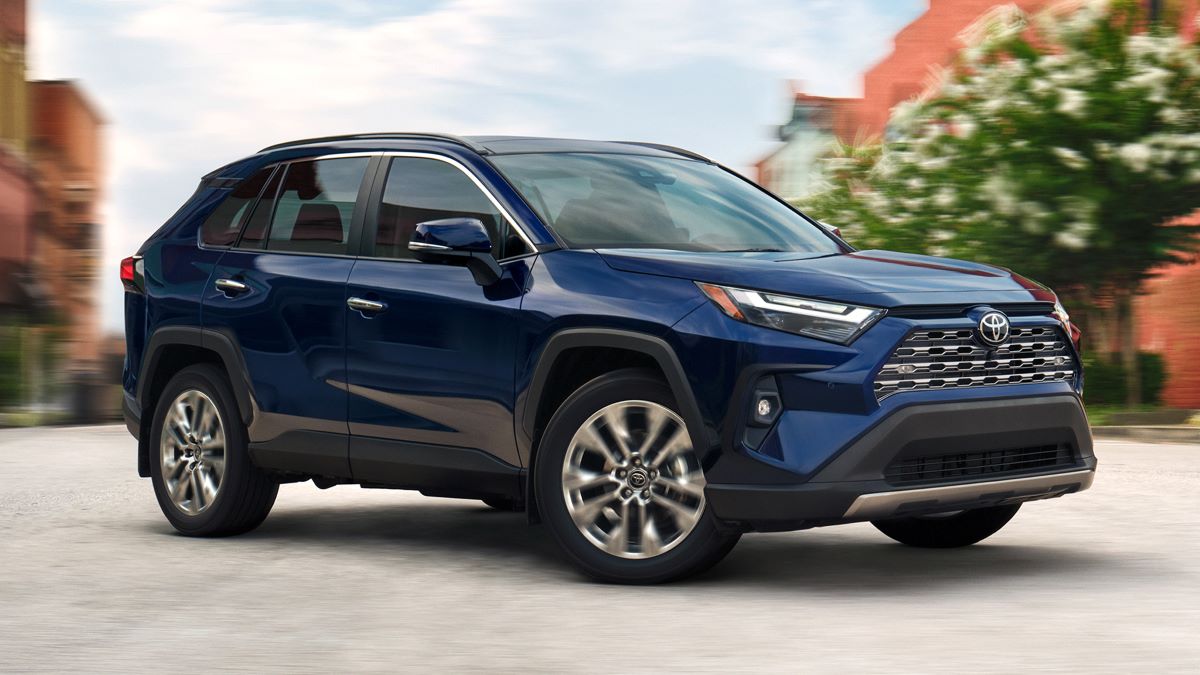
Unfortunately, the RAV4 doesn’t particularly stand out in this area. Around town, the engine feels cooperative, and passing or merging maneuvers are handled without much fuss.
However, drivers in a hurry may notice that overall power delivery is ultimately on the modest side. In Edmunds’ testing, our RAV4 Adventure test vehicle required 9.1 seconds to accelerate from 0 to 60 mph, a figure that falls slightly behind the segment average.
Another drawback is the steering, which feels vague around the center and lacks the feedback and weight you’d expect. As a result, it can be difficult to judge exactly how much input is needed.
On the plus side, the RAV4’s available upgraded all-wheel-drive system adds rear-axle torque vectoring along with more sophisticated traction management features, including selectable terrain modes and hill descent control. Combined with its respectable ground clearance, these systems give the RAV4 Adventure better-than-average off-road capability for a compact SUV.
Also Read: Top 10 Electric Hypercars That Are Rewriting the Rules
2. Subaru Outback
If there were an “Iowa weather survival award,” the Subaru Outback would be a perennial finalist.
Standard all-wheel drive, generous ground clearance, and a suspension tuned for uneven roads make it ideal for Des Moines’ winter potholes and snow-packed streets.
The Outback also feels stable at highway speeds, which matters when driving stretches of I-80 or I-35 during high winds or poor visibility.
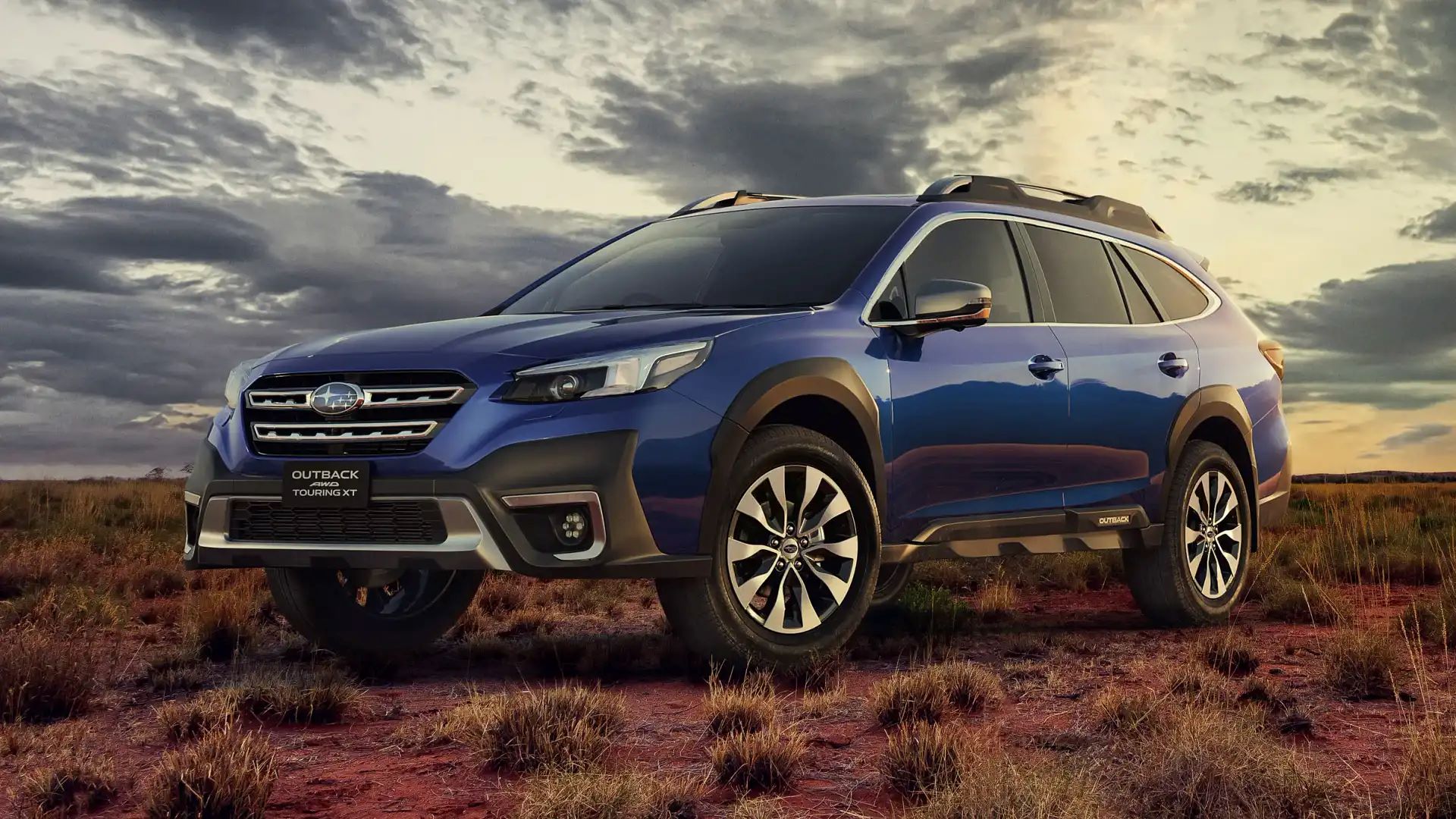
Beyond weather readiness, the Outback excels as a daily companion. It’s roomy without being oversized, comfortable for long drives, and practical for families or anyone hauling gear.
Subaru’s safety technology is also well-suited for commuter traffic, and fuel economy remains reasonable despite its rugged capabilities. In a city that values function over flash, the Outback fits right in.
3. Honda CR-V
The Honda CR-V thrives in places like Des Moines because it’s easy to live with in every sense. It’s compact enough to maneuver downtown, yet spacious enough for families or frequent Costco runs.
Available AWD adds winter confidence, while Honda’s efficient powertrains keep fuel costs manageable throughout the year.
What really makes the CR-V stand out is how little effort it demands from its owner. Maintenance is predictable, repairs are rarely expensive, and resale values remain high.
In a city where many drivers rack up miles commuting from suburbs like Ankeny or West Des Moines, that long-term dependability matters. The CR-V isn’t exciting, but it doesn’t need to be it simply works.
We find the 2023 CR-V to be likable, even if it doesn’t break much new ground. Its exterior styling plays it safe, but the Civic-inspired cabin stands out as both attractive and practical. Updates to technology and driver-assistance features are also welcome additions.
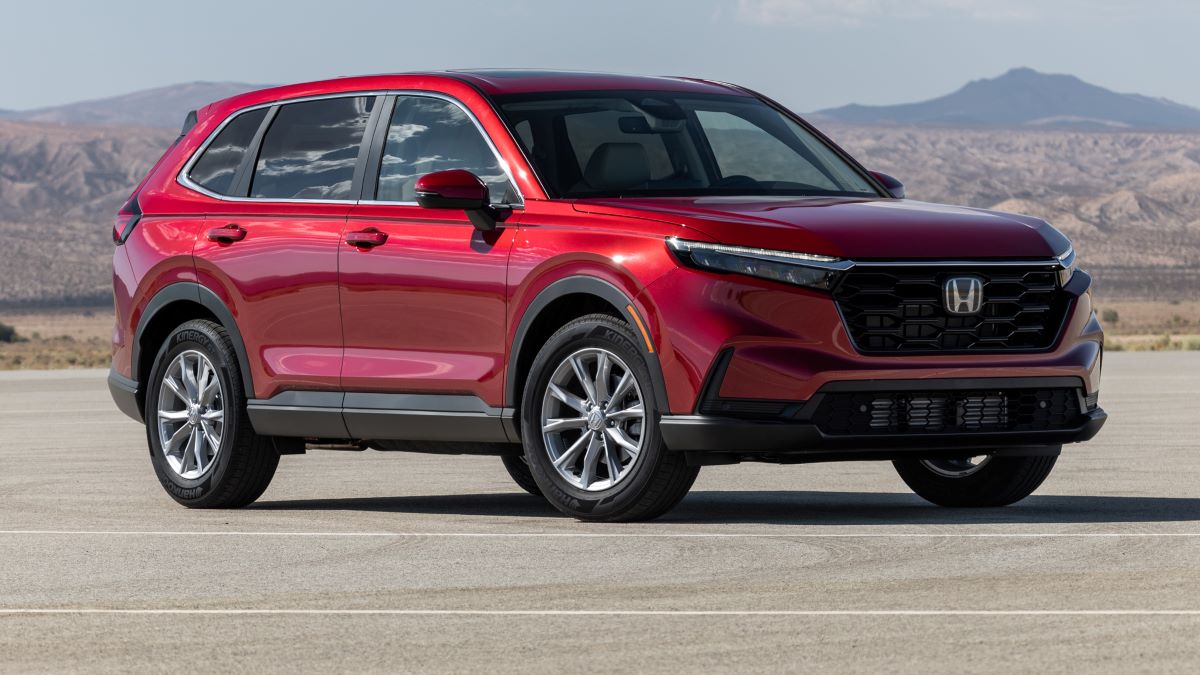
Better yet, the CR-V delivers a pleasant driving experience, something that’s hardly surprising given that it shares its platform with the excellent Civic. The turbocharged engine offers sufficient acceleration, while the precise steering, smooth braking response, and composed ride quality create a nicely connected feel behind the wheel.
Still, the CR-V lacks a true wow factor. It seems Honda was careful not to take too many risks, likely to avoid alienating the large and loyal CR-V customer base. As a result, the CR-V remains a dependable and sensible option in the compact crossover segment, but there’s a sense that Honda could have injected more excitement or innovation. Instead, it feels largely familiar, just with a higher price tag.
As before, the CR-V is powered by a 1.5-liter turbocharged inline-four engine producing 190 horsepower and 179 lb-ft of torque. Honda says the engine has been refined to run more quietly and deliver peak torque at lower engine speeds.
It remains paired with a continuously variable automatic transmission, with front-wheel drive standard and an updated all-wheel-drive system that can now route up to 50 percent of available torque to the rear wheels.
Acceleration, however, is slower than the previous generation. The outgoing CR-V managed a 0–60 mph run in 7.8 seconds, but in our testing, the 2023 model required 8.7 seconds to reach the same benchmark.
4. Toyota Camry AWD
Sedans still make sense in Des Moines, especially when they’re adapted for winter. The Toyota Camry with available all-wheel drive offers a rare blend of efficiency, comfort, and cold-weather capability.
Unlike many front-wheel-drive sedans, the AWD Camry inspires confidence during snowstorms while retaining excellent fuel economy during the rest of the year.
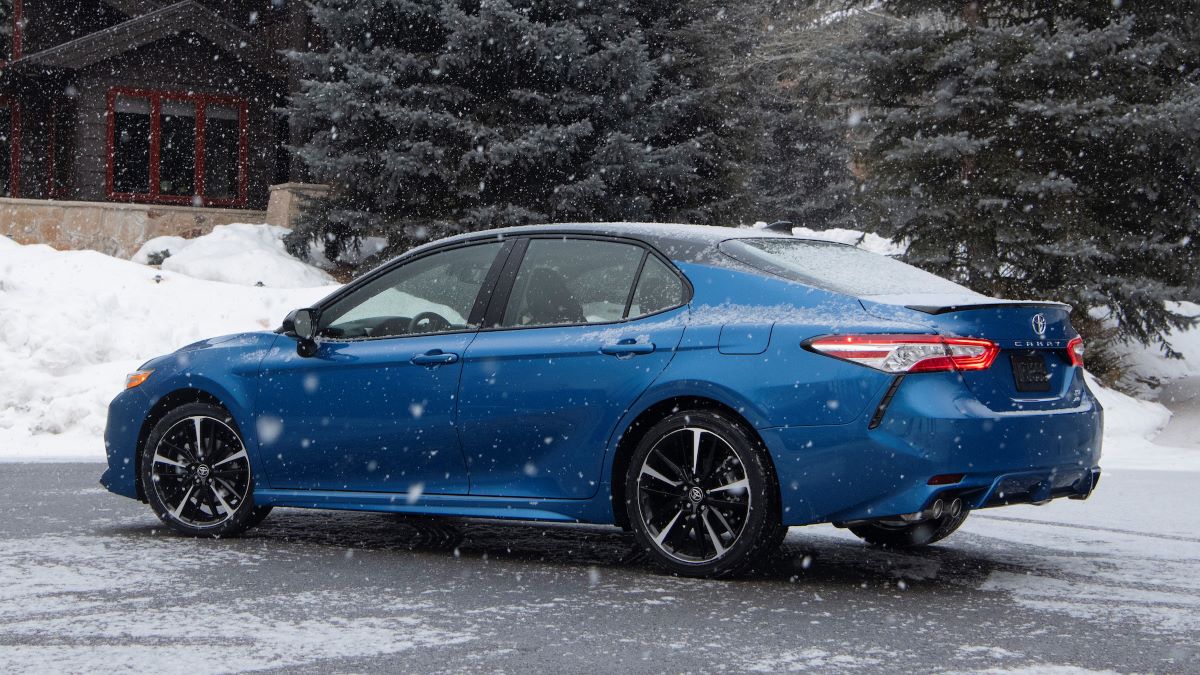
Its low running costs, quiet ride, and strong reliability reputation make it ideal for daily commuting. Parking is easier than with larger SUVs, and ride quality remains excellent even on rough winter roads.
For drivers who don’t need the height or cargo space of a crossover, the AWD Camry is one of the most sensible daily drivers available in Iowa.
5. Ford Escape Hybrid AWD
The Ford Escape Hybrid with AWD is a surprisingly good match for Des Moines daily life. It combines SUV practicality with strong fuel efficiency, which is ideal for drivers who commute regularly but still need winter traction.
The Escape’s size feels just right large enough to handle snow confidently, small enough to park easily downtown.
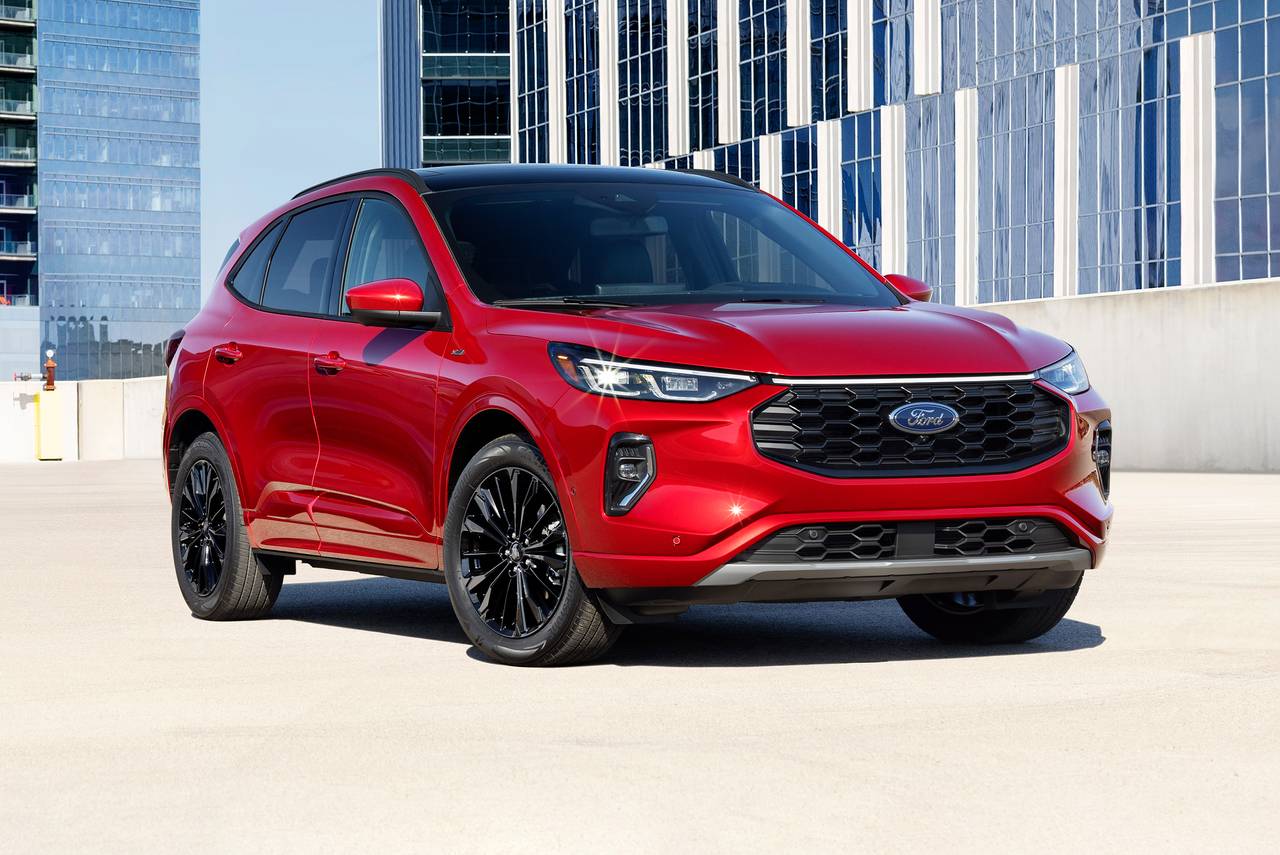
Ford’s hybrid system has matured significantly, and the Escape benefits from lower fuel costs without the charging concerns of a full EV. Its interior is comfortable, tech features are modern, and maintenance costs remain reasonable.
For drivers who want something a little different from the typical Toyota or Honda without sacrificing practicality, the Escape Hybrid is a smart choice.
Also Read: 5 Hybrids That Actually Benefit City Driving vs 5 That Offer Little Gain
Cars That Don’t Fit Des Moines Daily Use
Not every car makes sense for everyday life in Des Moines. While some vehicles look great on paper or shine in ideal conditions, they quickly become impractical when faced with Iowa winters, uneven roads, long commutes, and the realities of daily driving. What feels exciting at first can turn into a hassle once weather, maintenance, and usability come into play.
Des Moines daily use favors vehicles that can handle snow, cold starts, potholes, and highway miles without drama. Cars that lack traction, ride comfort, efficiency, or durability often struggle here, making ownership more frustrating than enjoyable. In some cases, it’s not that the car is bad, it’s simply the wrong tool for the environment.
1. Chevrolet Camaro (Especially V8 Models)
The Camaro might look great cruising in summer, but it becomes a liability in Des Moines the rest of the year.
Rear-wheel drive, limited visibility, and low ground clearance make winter driving stressful even dangerous without dedicated snow tires. Snow-covered streets, icy intersections, and slush buildup are not a Camaro’s friends.
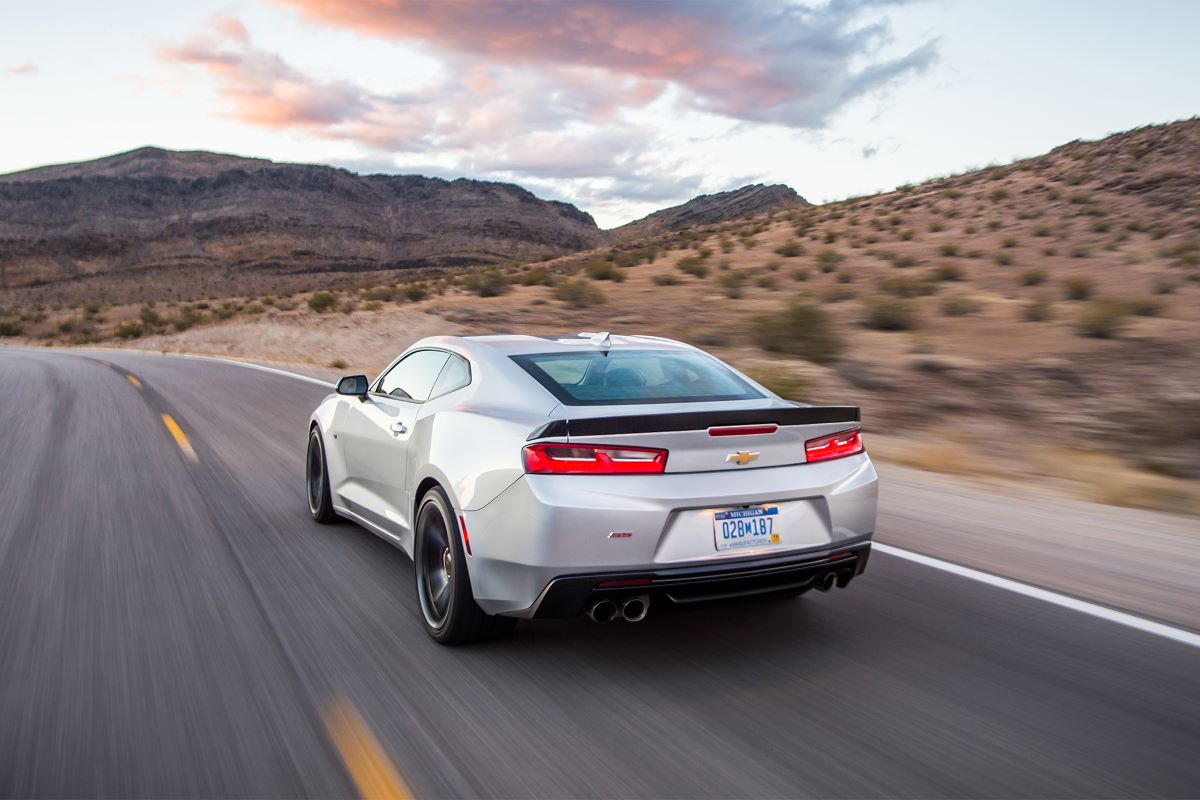
Beyond winter concerns, the Camaro’s practicality is limited year-round. Trunk space is tight, rear seats are barely usable, and ride comfort suffers on rough roads.
Fuel costs and insurance premiums also add up quickly. While it’s undeniably fun on clear roads, the Camaro simply doesn’t align with the realities of daily driving in central Iowa.
2. Tesla Model 3 Performance
Electric vehicles are growing in Iowa, but the Model 3 Performance variant is a questionable fit for Des Moines.
Cold weather significantly reduces battery range, and winter conditions can complicate charging especially for drivers without access to a heated garage or reliable home charging setup.
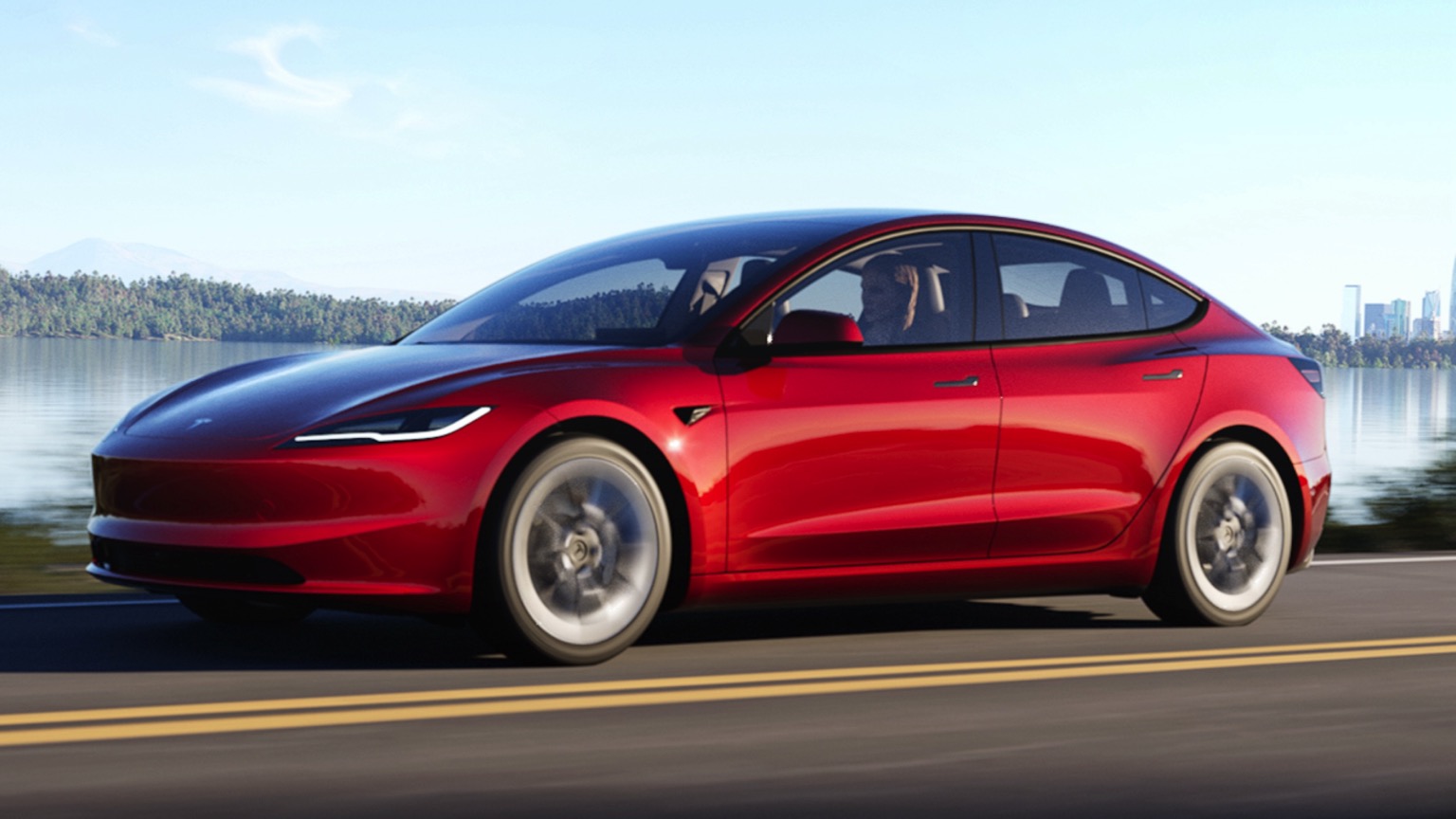
The Performance model’s low-profile tires and stiff suspension aren’t ideal for snow, potholes, or uneven pavement.
While Tesla’s AWD system is competent, the combination of winter range loss, tire vulnerability, and repair costs makes it less appealing as a daily driver here. A standard Model 3 or hybrid alternative makes far more sense in this environment.
The Model 3 is offered with two main powertrain configurations, both built around a 75-kWh lithium battery and dual electric motors. The Long Range version produces a combined 295 horsepower and 332 pound-feet of torque, while the Performance variant significantly raises output to 510 horsepower and 547 pound-feet of torque.
Rear-wheel drive comes standard, with all-wheel drive available, and every Model 3 uses a single-speed automatic transmission. Regardless of which setup you choose, performance is a strong point. Instant torque delivery allows even the Long Range model to feel quick, posting a 0–60 mph time of 4.9 seconds and reaching a top speed of 125 mph.
Selecting all-wheel drive for the Long Range trims that sprint to 4.2 seconds. The Performance model pushes things further, adding a Track Mode that sharpens handling and responsiveness while enabling a rapid 0–60 mph run in just 2.9 seconds and a top speed of 163 mph.
3. Mercedes-Benz S-Class
The S-Class represents automotive luxury at its highest level, but it’s wildly mismatched for Des Moines daily use.
Iowa winters are harsh on complex air suspension systems, advanced electronics, and luxury materials. Repairs and maintenance costs can become astronomical, especially once the car is out of warranty.
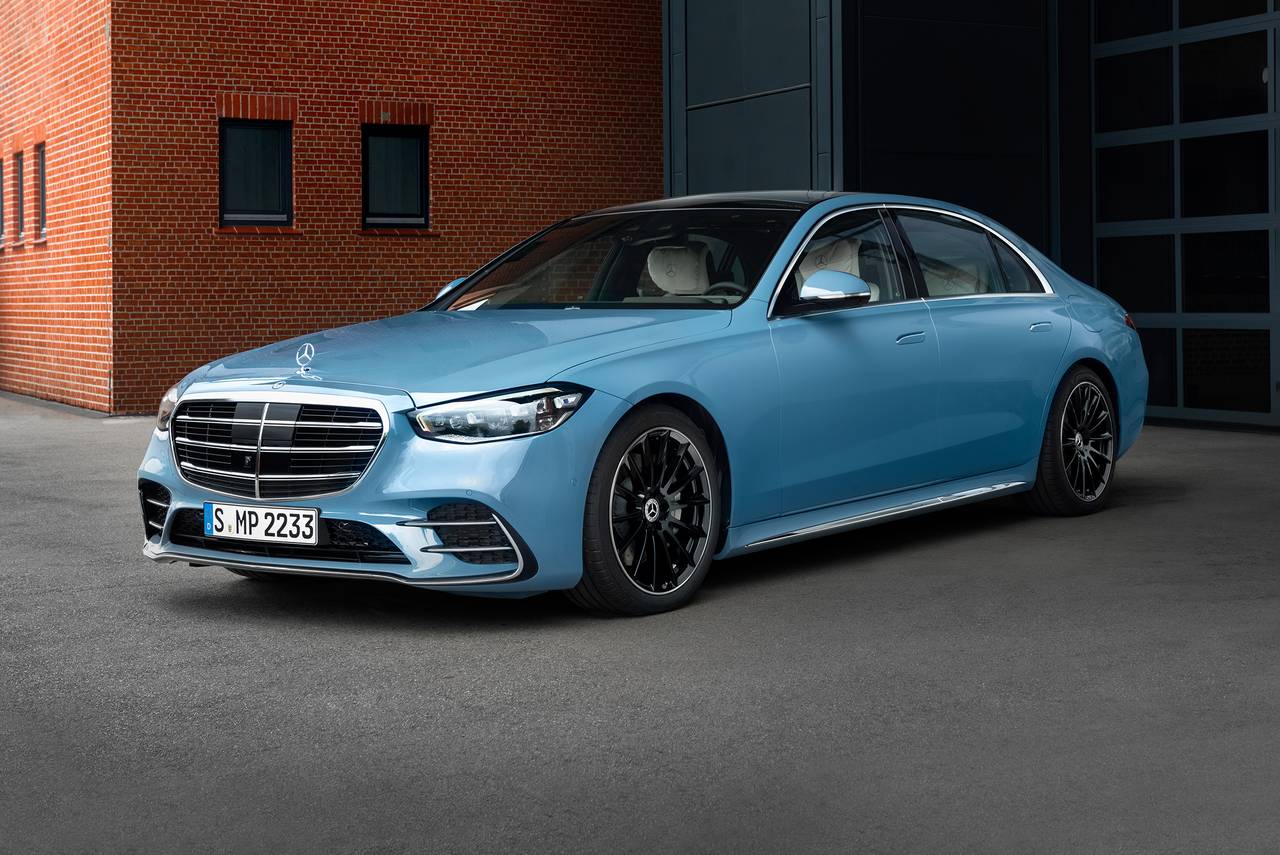
Its size also works against it. Parking downtown becomes stressful, winter road salt accelerates wear, and minor damage can result in massive repair bills.
The S-Class is best enjoyed in milder climates or as a second car not as a year-round daily driver in the Midwest.
With the exception of a handful of new paint colors and upholstery choices, the 2023 Mercedes-Benz S-Class carries over without changes. As the brand’s flagship sedan, the S-Class represents the very essence of Mercedes-Benz luxury.
While its position is constantly challenged by rivals such as the BMW 7 Series, Audi A8, and Tesla Model S, there remains something uniquely distinctive about the S-Class experience.
The S-Class stands as a cornerstone of the Mercedes-Benz lineup. It may not be the company’s highest-volume model, but it most clearly embodies the luxury, refinement, and advanced technology that define the three-pointed star.
The latest generation continues that legacy with confidence. Technology is everywhere, from the massive OLED infotainment display to the extensive suite of active safety features. Beneath the high-tech surface, the S-Class remains an excellent car to drive, striking an impressive balance between plush comfort and responsive road manners. Every available powertrain delivers smooth, effortless performance, while the interior pampers occupants with premium leather materials and generous legroom.
That said, there are subtle indications that the S-Class may be losing a bit of its edge. Less premium switchgear appears in some areas, and the design feels more like a careful evolution than a bold reimagining.
While the S-Class advanced to the final round of our 2021 Car of the Year competition, it ultimately lacked the excitement needed to secure the top spot. Its most significant challenge may come from within Mercedes-Benz itself, as the electric EQS-Class increasingly competes for the brand’s flagship status.
The 2023 S-Class is offered with four different powertrains, all of which are paired with a nine-speed automatic transmission and standard all-wheel drive.
The S500 is powered by a 3.0-liter turbocharged inline-six engine combined with a mild-hybrid system, producing 429 horsepower and 384 lb-ft of torque. Mercedes-Benz claims a 0–60 mph time of under five seconds, while EPA fuel economy estimates stand at 21 mpg city and 30 mpg highway.
Stepping up to the S580 brings a 4.0-liter twin-turbo V8 that generates 496 horsepower and 516 lb-ft of torque. In our testing, the S580 completed the 0–60 mph sprint in exactly four seconds. The Mercedes-Maybach S580 shares the same powertrain, though its additional weight reduces fuel economy from 16/25 mpg city/highway to 15/24 mpg.
Joining the lineup later was the S580e plug-in hybrid, which pairs the inline-six engine with an electric motor to deliver a combined output of 510 horsepower and 553 lb-ft of torque.
4. Jeep Wrangler (Lifted or Two-Door Variants)
The Jeep Wrangler’s rugged image suggests winter dominance, but daily life in Des Moines exposes its weaknesses.
Short wheelbases, solid axles, and aggressive off-road tires can make icy roads unpredictable, especially at highway speeds. Lifted versions only amplify these issues.
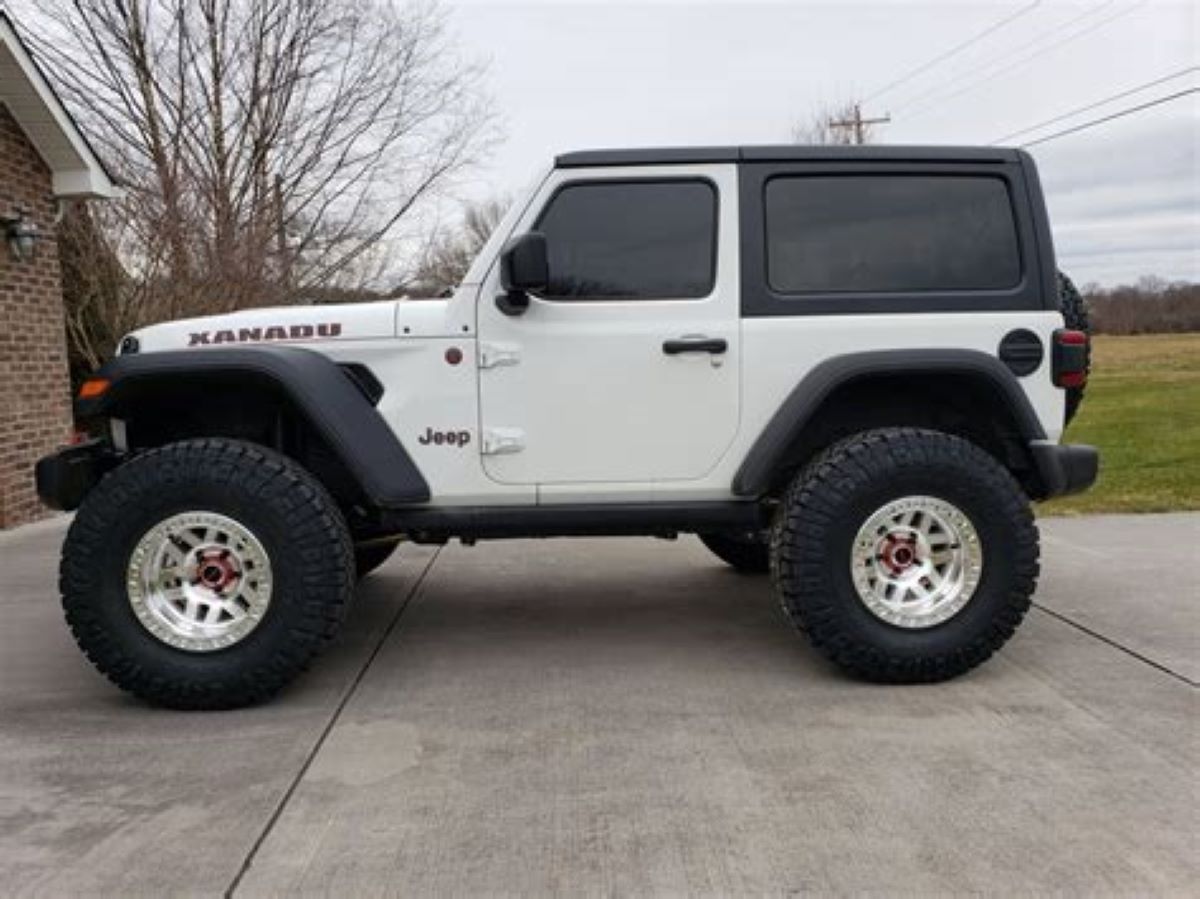
Comfort is another major drawback. The Wrangler’s ride quality, noise levels, and fuel economy make commuting less pleasant than it needs to be.
While it excels off-road and looks great in summer, it’s overkill and often uncomfortable for everyday urban and suburban driving in Iowa.
5. BMW M4
The 2022 BMW M4 delivers the same level of excitement as its M3 sedan counterpart, but it’s offered exclusively as a coupe or a soft-top convertible. Both versions earn a spot on our Editors’ Choice list. The standard hardtop model is available only with rear-wheel drive, a rewarding manual transmission, and a thrilling twin-turbocharged inline-six producing 473 horsepower.
Stepping up to the Competition model brings a more potent 503-hp version of the engine, a quick-shifting automatic transmission, and unique chassis tuning designed to yield faster lap times at the track. All-wheel drive is offered solely on automatic-equipped M4s, and this sophisticated system even includes a rear-drive mode for drift-friendly antics.
The headline updates for the 2022 M4 lineup are the return of the convertible variant and the introduction of all-wheel drive for the first time. Buyers choosing the newly reintroduced droptop, now featuring a retractable fabric roof rather than a folding hardtop, are limited to the Competition specification paired with BMW’s xDrive all-wheel-drive system.
Powering the M4 is a twin-turbocharged 3.0-liter inline-six offered in two output levels. The standard version produces 473 horsepower and 406 pound-feet of torque and comes paired with rear-wheel drive and a six-speed manual transmission. In our testing, this configuration launched to 60 mph in 3.8 seconds and completed the quarter-mile in 12.0 seconds at 121 mph.
The Competition model increases output to 503 horsepower and 479 pound-feet of torque, making it even quicker, though it’s available only with an eight-speed automatic transmission. To compensate for the lack of a manual option, the M4 Competition can be equipped with a rear-biased all-wheel-drive system. When fitted with AWD, the M4 Competition coupe shaved a full second off the standard model’s 0–60 mph time, hitting the mark in just 2.8 seconds at our test track.
Every M4 comes standard with adaptive dampers, adjustable brake-pedal feel, and an electronically controlled exhaust system that grows louder in Sport and Sport Plus modes. Drivers can also quiet the exhaust at any time by pressing the M Sound button.
BMW provides a vast array of adjustable drive-mode settings, which we feel can sometimes dilute the purity of the driving experience envisioned by its engineers.
Our time behind the wheel of the M4 Competition highlighted its ferocious acceleration, exceptional cornering grip, and rock-solid stability. Steering feel has also improved, though it still doesn’t match the feedback offered by Porsche’s two-door sports cars.
The standard M4 rides on 18-inch wheels up front and 19-inch wheels in the rear, while the M4 Competition uses a staggered setup with 19-inch fronts and 20-inch rears. Both versions feature a carbon-fiber roof to lower the center of gravity and can be equipped with optional carbon-ceramic brakes for fade-resistant stopping power.
The BMW M4 is a high-performance machine built for precision driving, not winter resilience. Rear-wheel drive, performance tires, and low ground clearance make it poorly suited for snow and ice.
Even with winter tires, ground clearance and ride stiffness remain problematic on winter-damaged roads.
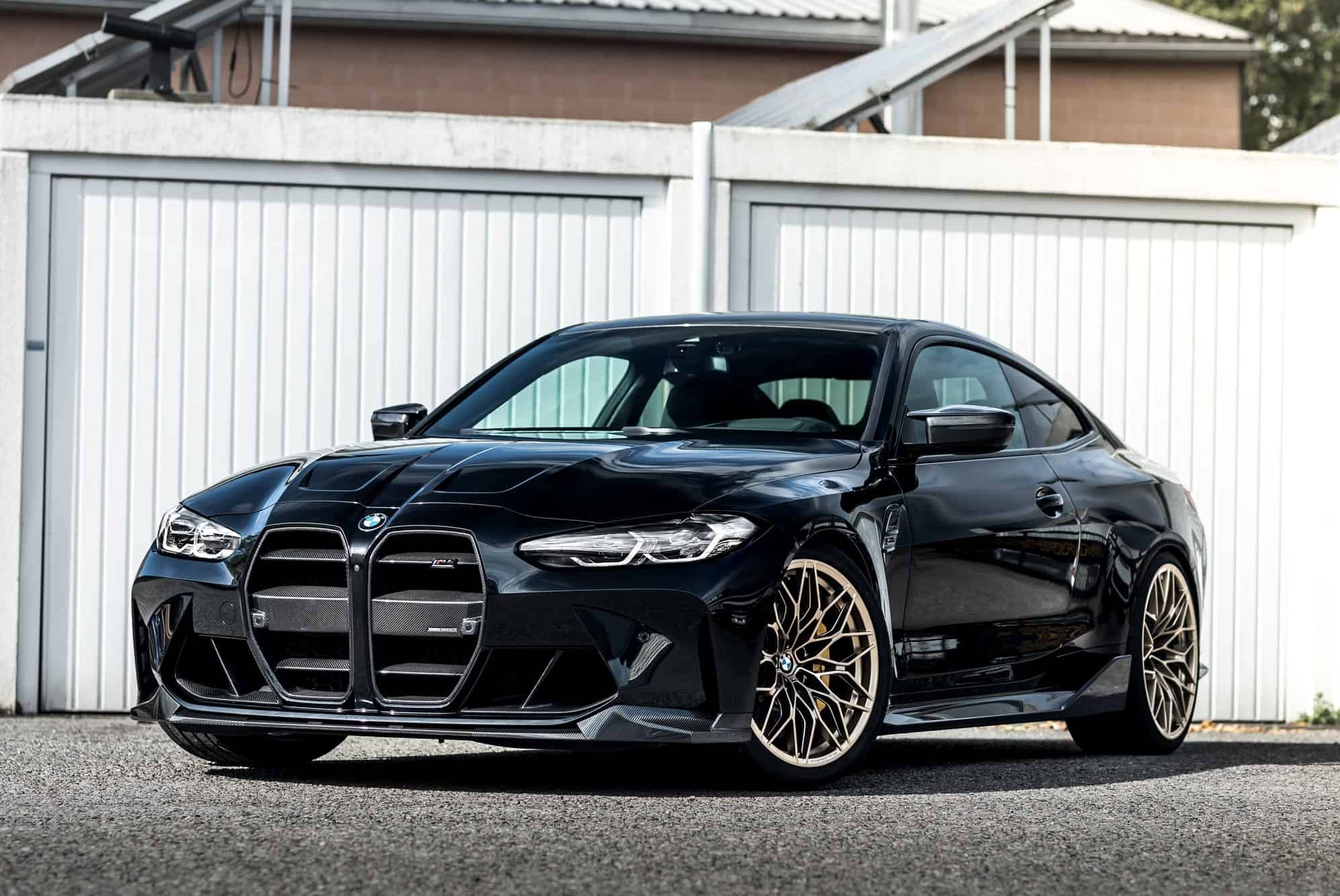
Ownership costs also clash with Des Moines practicality. Insurance, maintenance, and repair bills are high, and winter conditions accelerate wear on expensive components.
The M4 shines on dry pavement and racetracks, but as a daily driver in central Iowa, it’s simply the wrong tool for the job. Des Moines rewards vehicles that prioritize balance: traction without excess, efficiency without compromise, and reliability over flash.
Cars that fit daily life here don’t need to be boring but they do need to handle snow, rough roads, and long commutes without drama. Crossovers, AWD sedans, and efficient hybrids thrive in this environment because they adapt to Iowa’s realities instead of fighting them.
On the other hand, performance cars, ultra-luxury sedans, and extreme off-road machines often feel like constant compromises. They may turn heads or excel in niche scenarios, but daily life in Des Moines exposes their weaknesses quickly.
Choosing the right car here isn’t about prestige or power it’s about finding something that quietly, consistently makes every day easier, no matter what the weather decides to throw at you.
