Living in a coastal city comes with a unique mix of perks and problems that shape what kind of vehicle actually makes sense to own.
Whether you’re in Miami, San Diego, Los Angeles, Seattle, Boston, Charleston, or along the Jersey Shore, coastal living isn’t just about ocean views and beach access.
Salt air, high humidity, sudden storms, narrow streets, dense parking, and heavy stop-and-go traffic all put very specific demands on a vehicle over time.
Many cars that seem perfect on paper or look great cruising along a waterfront road end up aging poorly in coastal environments.
Salt accelerates corrosion, humidity attacks electrical systems and interiors, and frequent short trips in traffic punish drivetrains not designed for it.
At the same time, certain vehicles thrive in these conditions, offering rust resistance, compact dimensions, smart powertrains, and low long-term ownership stress.
This list breaks down five vehicles that genuinely suit coastal city life and five that tend to struggle, not because they’re bad vehicles overall, but because their design works against the realities of coastal ownership in the U.S.
Vehicles That Suit Coastal Cities
Living in a coastal city comes with its own driving challenges and perks. Tight streets, heavy traffic, salty air, frequent rain, and limited parking demand vehicles that are compact, efficient, corrosion-resistant, and easy to maneuver. At the same time, coastal life often means scenic drives, weekend escapes, and a preference for comfort over brute capability.
The vehicles that work best in coastal cities strike a careful balance. They’re practical enough for daily commuting and parking constraints, yet comfortable and refined enough for longer shoreline drives. Fuel efficiency, durability, good visibility, and smart technology matter far more here than sheer horsepower or off-road toughness.
This article highlights vehicles that truly suit coastal cities, models that handle urban density, variable weather, and seaside conditions with ease. Whether you’re going through beachside traffic, city centers, or ocean-front highways, these vehicles fit the coastal lifestyle without feeling out of place.
1. Toyota Corolla Hybrid
For coastal cities, reliability and efficiency matter more than outright performance, and the Toyota Corolla Hybrid fits that reality almost perfectly.
Coastal driving is rarely about long highway cruises; it’s about short trips, traffic lights, congestion, and frequent idling.
The Corolla Hybrid’s powertrain thrives in that environment, delivering excellent fuel economy while placing minimal strain on mechanical components.
Toyota’s long-standing reputation for corrosion resistance also plays a major role here.
While no vehicle is immune to salt air, the Corolla’s conservative engineering, simple suspension design, and proven electrical systems hold up better over time than more complex alternatives.
It’s also compact enough for street parking, inexpensive to maintain, and quiet at low speeds an underrated advantage in dense residential coastal neighborhoods.
For buyers who want a car that fades into the background while quietly surviving years of coastal exposure, this is one of the safest bets on the market.
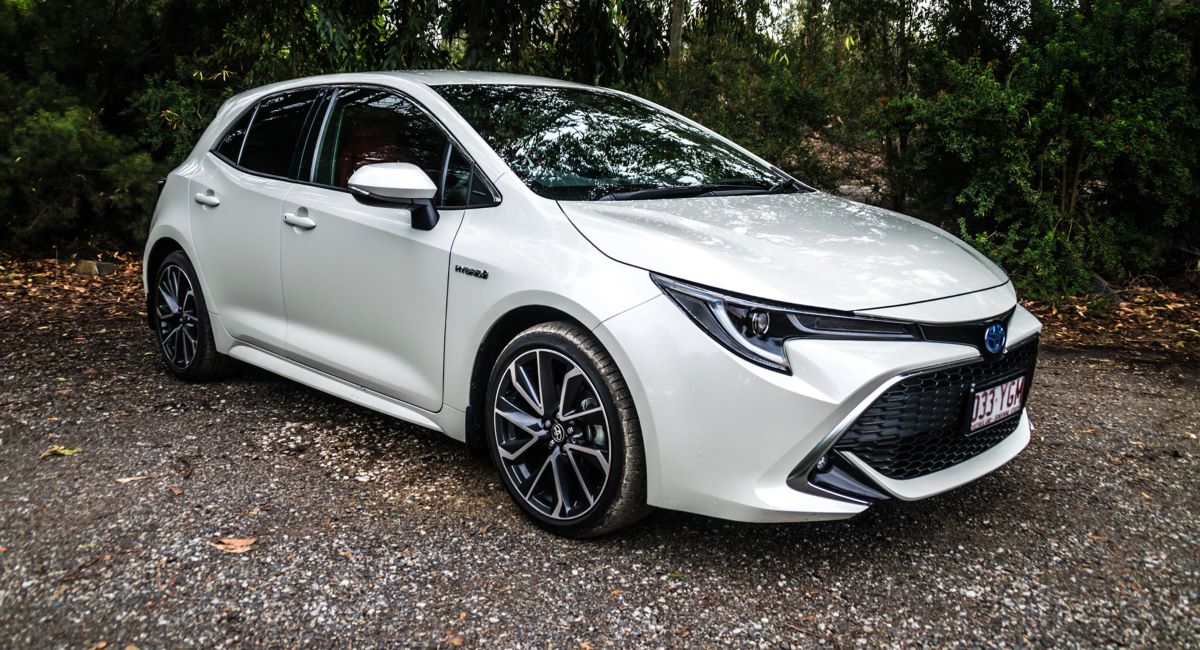
The Corolla Hybrid currently stands as Toyota’s most affordable hybrid model, utilizing the previous-generation Prius powertrain. Toyota has long been a pioneer in hybrid technology, having been among the first automakers to introduce a mainstream gasoline-electric vehicle to the American market.
Nearly thirty years later, the brand continues to dominate multiple hybrid segments. By pairing Toyota’s most recognizable and dependable nameplate with its proven hybrid systems, the Corolla Hybrid delivers what can genuinely be described as a “best of both worlds” offering.
The compact hybrid sedan segment is relatively small today, as many manufacturers have shifted their development focus toward similarly sized crossovers instead. Even so, models like the Corolla Hybrid continue to attract strong interest from buyers.
The Corolla Hybrid uses Toyota’s previous-generation 1.8-liter four-cylinder Atkinson-cycle 2ZR-FXE engine. It shares the same bore and stroke as the non-hybrid Corolla engine but benefits from a higher 13.0:1 compression ratio and a late intake valve closing strategy. On its own, the gasoline engine produces 98 horsepower and 105 lb-ft of torque.
Toyota pairs this engine with a Hybrid Synergy Drive system that uses three permanent-magnet motors, increasing total system output to 138 horsepower and 152 lb-ft of torque. The primary electric motor produces 93 horsepower, while the smaller motor contributes 40 horsepower.
Toyota does not disclose the output of the third motor or provide individual torque figures. Power output remains the same regardless of whether the vehicle is equipped with front-wheel drive or all-wheel drive. An electronically controlled continuously variable transmission is the sole transmission option across the lineup.
Toyota does not publish official acceleration figures, but independent testing shows that all-wheel-drive Corolla Hybrid models reach 60 mph in 9.0 seconds. Front-wheel-drive versions are slightly slower, requiring approximately 9.6 seconds to complete the same sprint. Across the range, top speed is electronically limited to 114 mph.
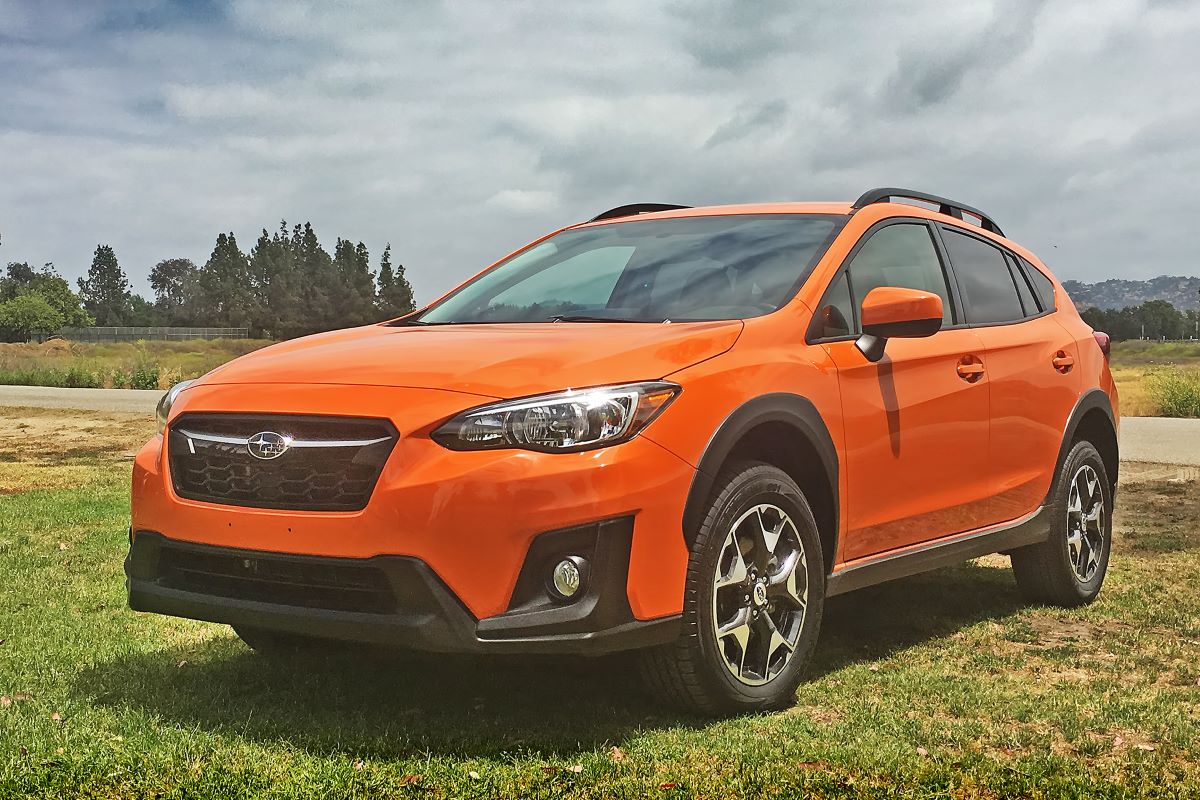
2. Subaru Crosstrek
Coastal cities often deal with sudden weather changes, slick roads, and occasional flooding, and the Subaru Crosstrek is uniquely suited to handle those variables without becoming oversized or inefficient.
Its standard all-wheel drive offers stability during heavy rain, while its modest ground clearance provides reassurance when streets flood during storms.
Subaru’s use of protective underbody coatings and the Crosstrek’s relatively simple mechanical layout help it resist the worst effects of coastal humidity.
It’s not a luxury vehicle, which actually works in its favor there’s less sensitive tech to degrade over time, and repairs are straightforward.
The Crosstrek also appeals to coastal lifestyles that include outdoor activities like kayaking, cycling, or beach trips.
It can carry gear without feeling bulky, and it fits into tight urban spaces far more easily than larger SUVs that quickly become liabilities in dense coastal cities.
The Crosstrek’s standard 152-horsepower four-cylinder engine is loud but ultimately underwhelming in terms of performance. As is the case with many rivals in this segment, accelerating to highway speeds can feel sluggish, regardless of whether you opt for the standard manual transmission or the available automatic.
In our testing, an automatic-equipped Crosstrek took a relaxed 9.2 seconds to reach 60 mph. The plug-in hybrid version performed better, trimming 0.9 second from the 0–60 mph time of the 2.0-liter model. Much of this lackluster acceleration is resolved by choosing the optional 182-horsepower 2.5-liter engine, which is also used in the Legacy sedan and Outback wagon.
On the road, the Crosstrek feels stable and confident through corners, aided by well-weighted steering and a composed ride. The suspension strikes a good balance, remaining firm without feeling harsh while absorbing larger bumps with ease.
Charging the plug-in hybrid model takes up to five hours using a standard 120-volt household outlet, while a 240-volt connection can reduce charging time to as little as two hours. With an electric-only range of just 17 miles, however, most drivers shouldn’t expect to complete their entire commute without relying on the gasoline engine.
Also Read: 5 Hybrids That Actually Benefit City Driving vs 5 That Offer Little Gain
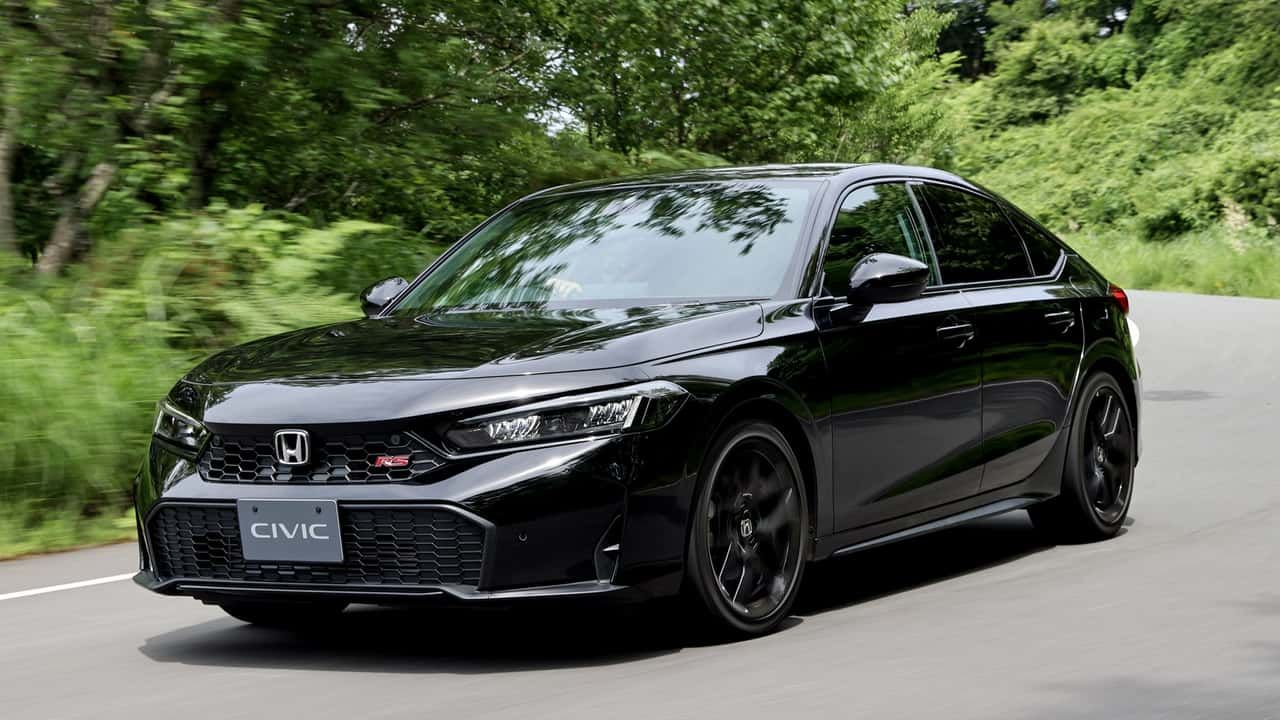
3. Honda Civic
The Honda Civic has long been a coastal city favorite for good reason. It combines compact dimensions, excellent fuel economy, and strong long-term durability in an environment where all three matter.
Civics handle frequent stop-and-go driving with ease, and their engines are well-known for tolerating short trips without developing issues.
Honda’s paint quality and interior materials also tend to hold up well against sun exposure and humidity, two constant factors in coastal cities.
The Civic’s low cost of ownership is particularly important in areas where parking dings, salt wear, and higher insurance rates are part of daily life.
While it may not feel exciting, the Civic excels at being easy to live with something that becomes increasingly valuable the longer you own a car near the ocean.
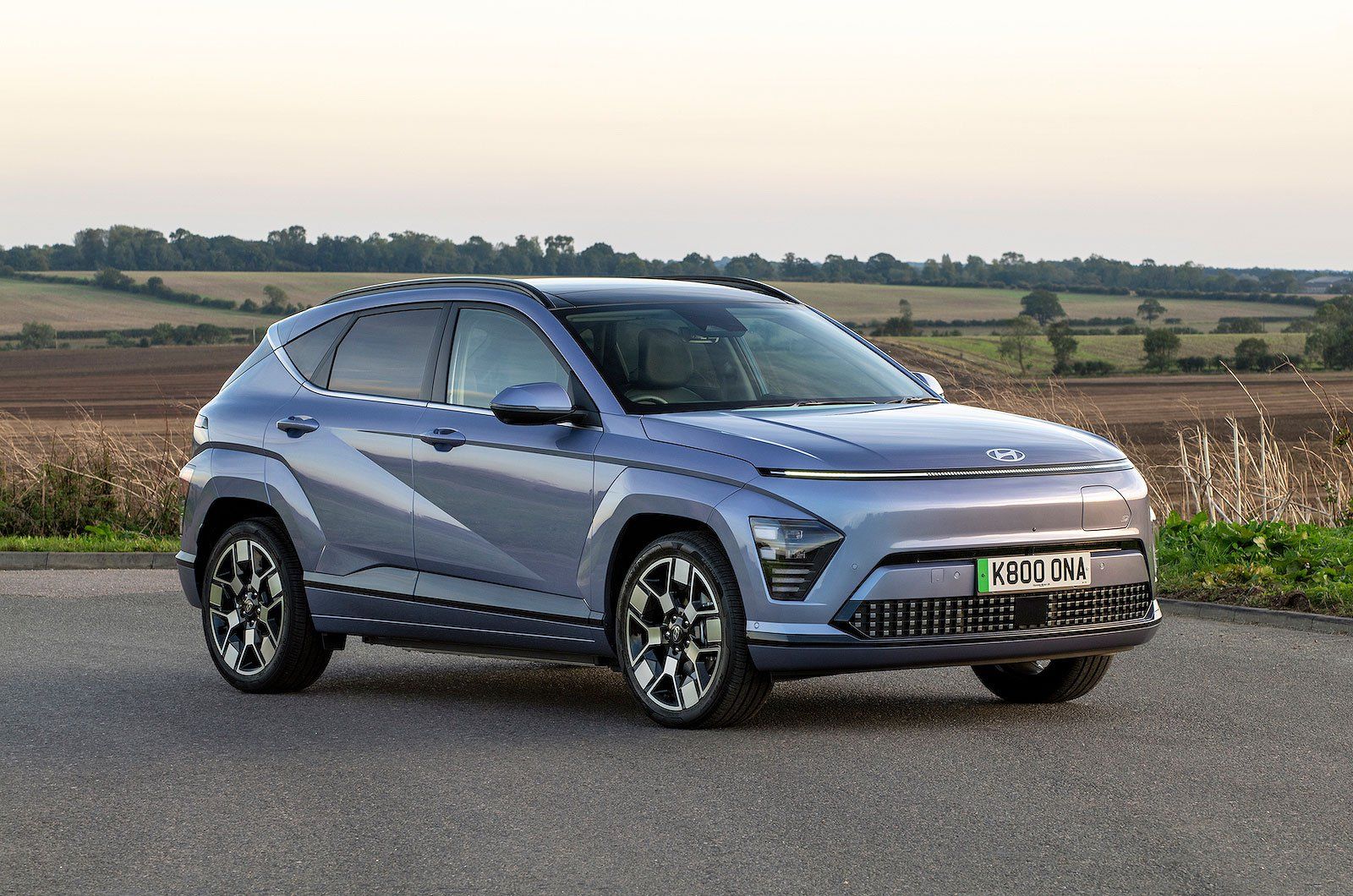
4. Hyundai Kona Electric
Electric vehicles make surprising sense in coastal cities, and the Hyundai Kona Electric is one of the best-suited examples.
Coastal driving patterns short distances, low speeds, and frequent stops are ideal for EV efficiency. Regenerative braking reduces wear on traditional brake components, which often corrode faster in salty environments.
Because the Kona Electric has fewer moving parts than a gas vehicle, there’s simply less that can go wrong due to humidity or salt exposure.
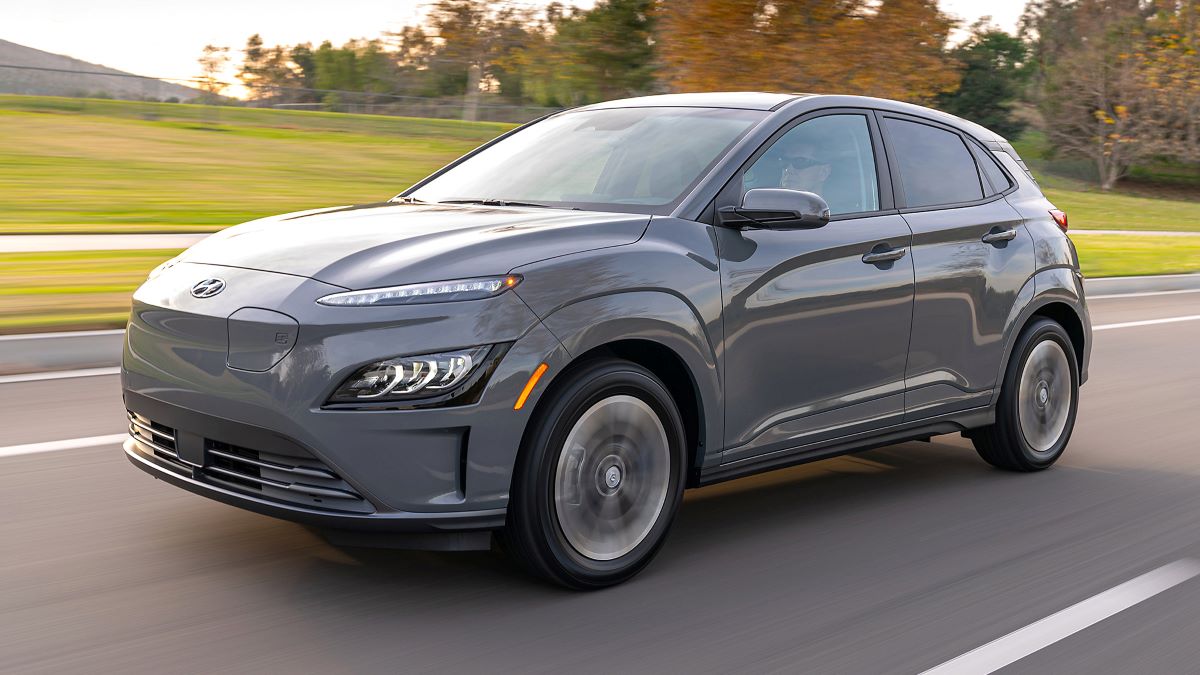
There’s no exhaust system to rust, no oil changes, and no transmission heat to manage in traffic. Hyundai’s battery thermal management also performs well in warm coastal climates.
Its compact size and instant torque make it ideal for city driving, and charging infrastructure is increasingly robust in coastal metro areas.
For city dwellers with access to home or workplace charging, it’s one of the least stressful ownership experiences available.
5. Mazda CX-30
Mazda has quietly built some of the most enjoyable and durable compact crossovers on the market, and the CX-30 is particularly well-suited to coastal life.
Its size strikes a sweet spot small enough for urban environments but elevated enough to handle uneven roads, flooded intersections, and rough parking surfaces.
Mazda’s modern rust-prevention processes have improved significantly over the past decade, and the CX-30 benefits from these advancements.
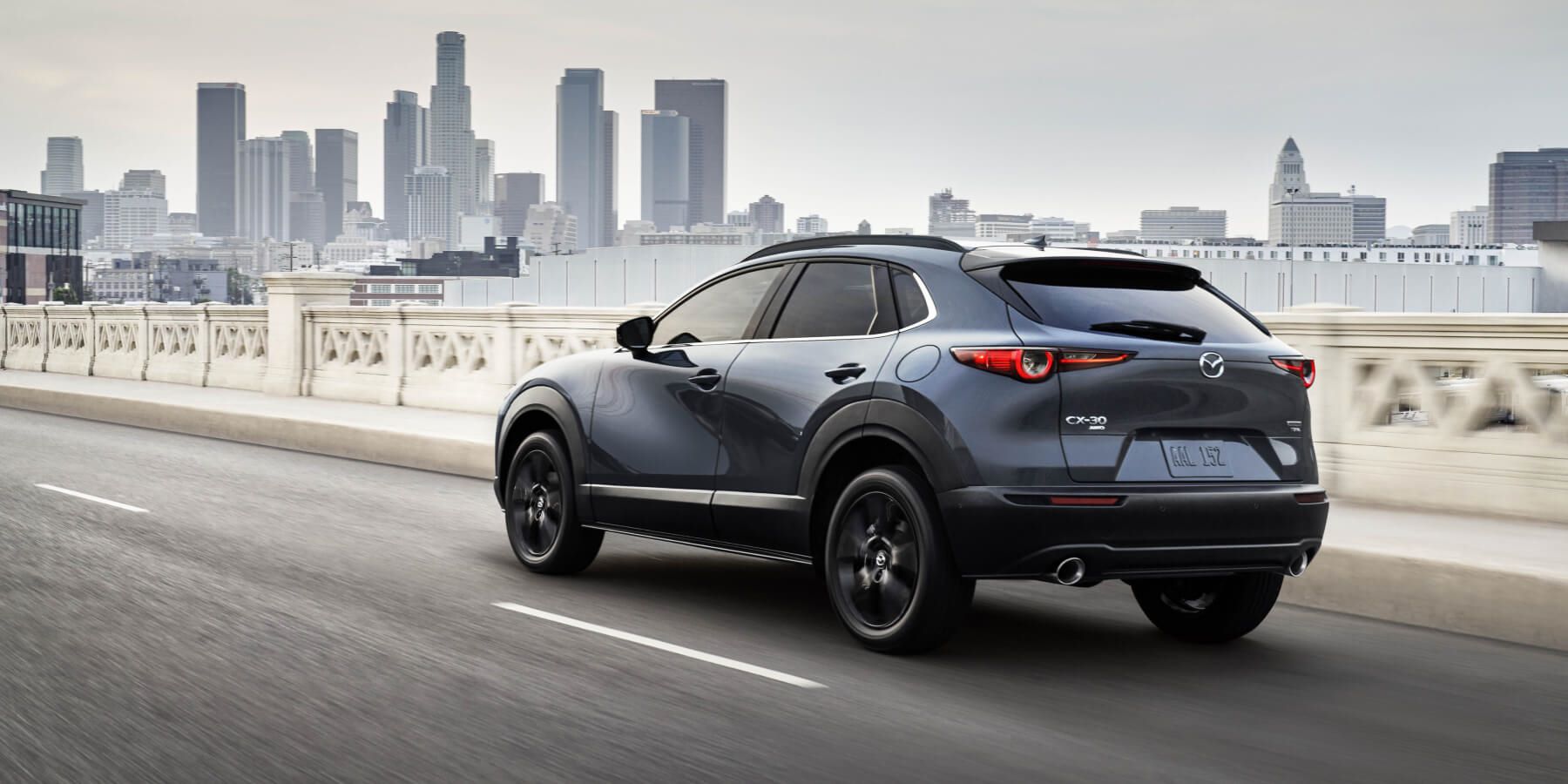
Its naturally aspirated engine avoids the heat and complexity issues that turbocharged engines can face in humid conditions.
The interior also resists sun damage better than many competitors, making it a strong option for coastal drivers who park outdoors. It’s not flashy, but it’s durable, comfortable, and well-matched to the realities of coastal cities.
The CX-30 is both approachable and enjoyable to drive. Its standard engine delivers better-than-average power for the segment, but drivers seeking stronger acceleration will appreciate the available turbocharged option, which cuts the 0–60 mph time to 6.4 seconds and makes it the quickest vehicle among extra-small SUVs.
The transmission is calibrated to upshift early in the interest of fuel efficiency and can hesitate briefly when a quick downshift is needed for passing at highway speeds. Engaging Sport mode helps sharpen responses and adds more urgency to the CX-30’s driving character.
In our testing, the driver-assistance systems performed reliably, with minimal false alerts. Adaptive cruise control delivered smooth, natural-feeling acceleration and braking, contributing to a relaxed driving experience.
Vehicles That Don’t Suit Coastal Cities
Coastal cities demand a specific kind of vehicle, and not all cars are up to the task. Tight streets, heavy traffic, frequent rain, salty air, and limited parking expose weaknesses that might go unnoticed elsewhere. What works well inland or on open highways can quickly become inconvenient, costly, or frustrating by the sea.
Vehicles that struggle in coastal environments often share common flaws, poor corrosion resistance, bulky dimensions, inefficient powertrains, or drivetrains that don’t pair well with stop-and-go traffic and wet roads. Over time, salt exposure, humidity, and urban congestion can accelerate wear and diminish long-term value.
This article highlights vehicles that don’t suit coastal cities, models that fall short when it comes to maneuverability, durability, efficiency, or ease of ownership in seaside environments. Knowing which cars don’t fit the coastal lifestyle can save buyers money, maintenance headaches, and daily frustration.
1. Jeep Wrangler
The Jeep Wrangler is often associated with beach towns and coastal imagery, but ownership reality tells a different story. While it excels off-road, coastal cities rarely offer the conditions that justify its compromises.
The Wrangler’s body-on-frame construction, exposed hinges, and removable panels are all highly vulnerable to salt corrosion.
Wind noise, poor fuel economy, and vague on-road handling quickly become tiring in dense urban environments. Parking is also a headache, and the interior materials especially in older models don’t age gracefully when exposed to humidity and sun.
For coastal city dwellers who rarely leave pavement, the Wrangler is more lifestyle symbol than practical choice, and it often deteriorates faster than expected.
The Wrangler puts off-road performance first, and that focus is exactly why it has such a devoted following. Its capability is especially notable in Rubicon form. Our test Wrangler was even equipped with the optional Xtreme off-road package, which adds aggressive 37-inch tires and increased ground clearance. From rocky trails to sandy dunes, there’s very little terrain this SUV can’t conquer.
On pavement, however, the experience is quite different. We do appreciate how the suspension and tires soak up ruts, bumps, and potholes with minimal effort.
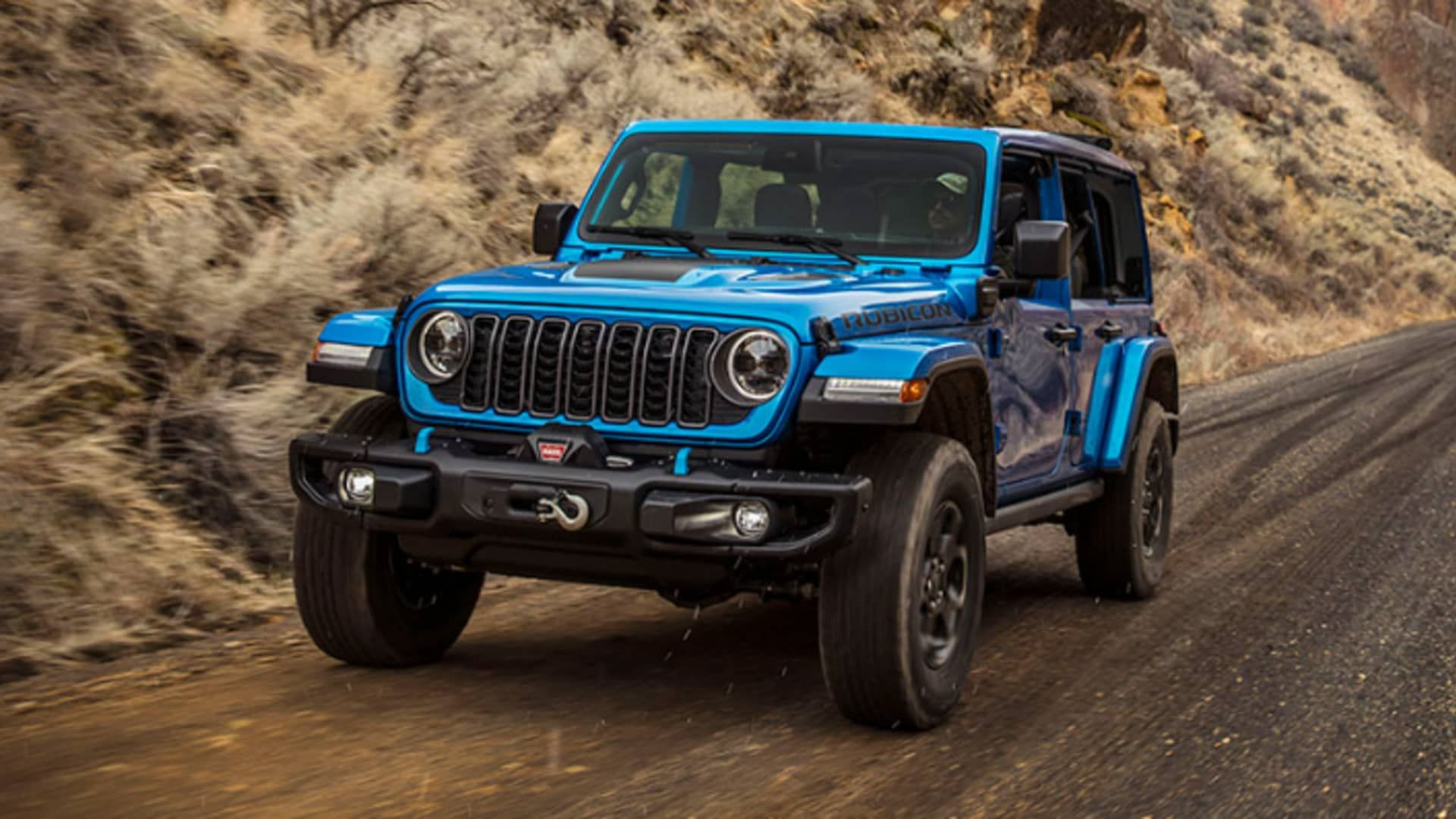
The ride is firm, but around town you can generally drive without worrying much about rough surfaces. That said, the Wrangler’s steering lacks precision and often demands constant correction at highway speeds to stay centered in its lane. Acceleration with the V6 engine feels sluggish, and stopping distances in emergency situations are longer than ideal.
The Wrangler’s driver-assistance features generally perform well and do help reduce workload behind the wheel. The drawback is that Jeep limits availability to basic systems, such as blind-spot monitoring and adaptive cruise control, and makes them optional on most trim levels rather than standard equipment.
Comfort is not a strong suit for daily driving. The front seats are flat and firm, offering minimal support, which can make longer trips tiring. That fatigue is compounded by the Wrangler’s well-known levels of wind noise and tire roar at speed.
The Wrangler’s tall ride height also affects ease of entry. Shorter drivers will likely need to use the pillar-mounted grab handle to climb inside. Once seated, the cabin feels narrow, with the upright windshield positioned close to occupants.
By comparison, the Ford Bronco offers noticeably more interior space. The Wrangler benefits from a commanding driving position and straightforward, user-friendly controls. Installing child safety seats is manageable in the four-door Unlimited model, provided the seats aren’t overly large, though fitting a rear-facing seat may require sliding the front seat forward.
Also Read: 5 Cars for Evanston Urban Driving and 5 Compact-Friendly Picks
2. Large Luxury Sedans (Mercedes-Benz S-Class, BMW 7 Series)
Large luxury sedans may seem appealing for scenic coastal drives, but they struggle in real-world coastal city ownership.
These vehicles are packed with complex electronics, air suspension systems, and sensitive materials that don’t respond well to salt air and humidity over time.
Repairs become frequent and expensive, especially once corrosion begins affecting sensors, wiring, and suspension components.
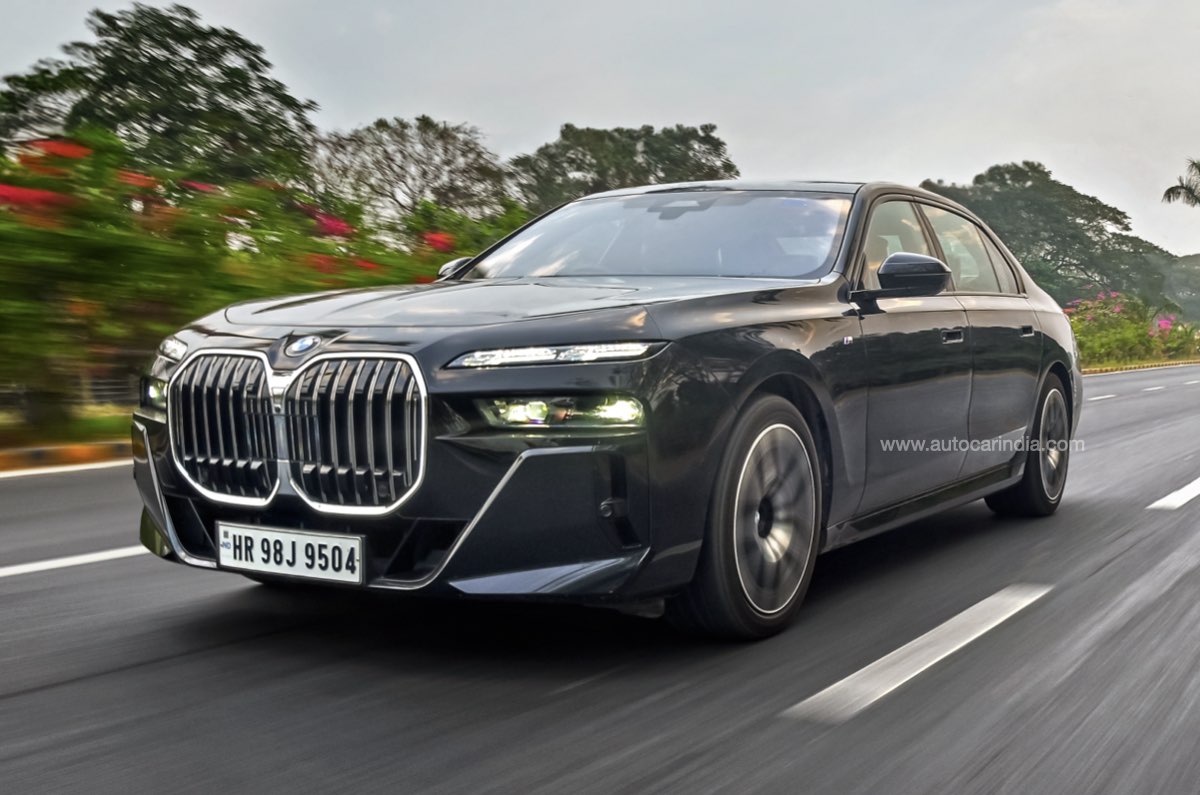
Their size also makes city parking stressful, and their low ground clearance increases vulnerability during coastal flooding events.
While these sedans excel on highways, coastal cities rarely provide the smooth, uninterrupted driving conditions they were designed for.
3. Chevrolet Camaro
The Chevrolet Camaro is a performance car built for wide roads and open stretches, not congested coastal cities.
Its poor outward visibility makes tight streets and parking garages a constant challenge, while its low ride height increases exposure to water intrusion during storms.
Performance-oriented components like wide tires, aggressive brakes, and high-output engines wear quickly in stop-and-go traffic. Add salt air into the mix, and maintenance demands rise sharply.
For drivers who rarely leave urban coastal environments, the Camaro’s strengths go largely unused while its weaknesses are felt daily.
Chevrolet developed the 2016 Camaro on an all-new platform shared with the Cadillac ATS. Compared to its predecessor, the car featured a slightly shorter wheelbase and reduced overall length.
It also marked the first time the Camaro lineup included a turbocharged inline-four engine, a direct response to Ford’s Mustang and its 2.3-liter EcoBoost offering. GM understood its audience well, and the pony car appealed broadly thanks to its styling, technology features, and strong performance. For buyers who wanted traditional muscle, a V8 option remained available.
At a glance, some might have mistaken the 2016 Chevrolet Camaro for a refreshed version of the fifth generation, but in reality, it was completely redesigned. The updated front end incorporated wide LED headlights flanking a slim, black V-shaped grille with the Chevrolet badge prominently centered.
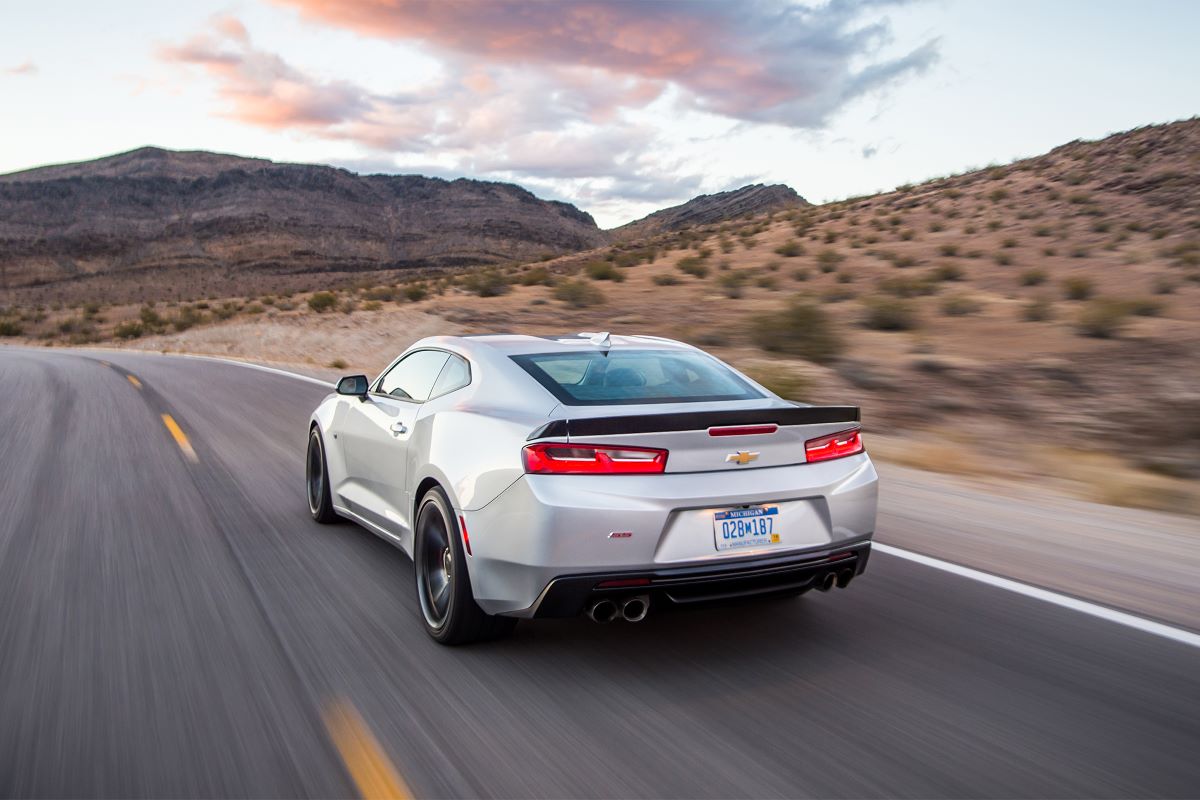
With its low, aggressive stance, the sixth-generation Camaro made it clear that rear-quarter visibility was not a top priority. The long hood, shallow greenhouse, and short rear deck defined the car’s overall shape. Other design elements were more subtle but thoughtfully executed. Instead of traditional nameplates, GM placed red, blue, and white Camaro badges behind the front wheel arches.
The long doors featured sculpted lower sections similar to the previous generation, and optional aerodynamic side skirts enhanced the profile. At the rear, the Camaro retained its signature quad taillights, a design cue shared with earlier generations, including the fifth. Depending on trim level, the lower portion of the rear bumper was finished in black, while dual round exhaust outlets came standard.
Inside, Chevrolet’s designers significantly upgraded the cabin. Hard plastic surfaces were reduced, and the front seats featured pronounced bolstering to better support occupants.
At launch, Chevrolet offered the 2016 Camaro with three engine choices: a turbocharged 2.0-liter inline-four, an all-new 3.6-liter V6, and the familiar 6.2-liter V8. Each engine could be paired with either a six-speed manual or an eight-speed automatic transmission, sending power to the rear wheels through either a standard or optional limited-slip differential. Later, Chevrolet expanded the lineup with the introduction of the ZL1, a model that paid homage to the original 1967 Camaro ZL1 package.
4. Full-Size Pickup Trucks
Full-size trucks like the Ford F-150 or Chevrolet Silverado may appear practical in coastal regions, but in city environments they often become liabilities. Their size makes parking difficult, and narrow streets magnify every inch of width.
Salt air accelerates corrosion on frames, brake lines, and underbody components, particularly on trucks that aren’t meticulously cleaned.
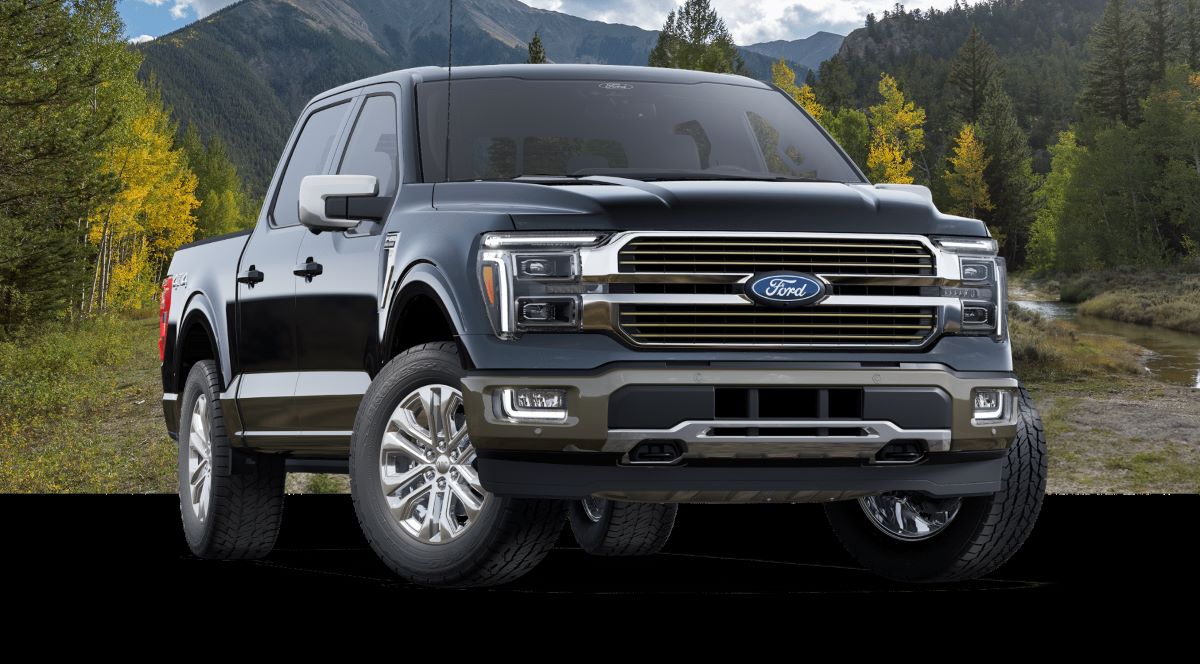
Fuel economy also suffers in stop-and-go traffic, and their height increases wind resistance during coastal storms.
Unless you regularly tow or haul heavy loads, full-size trucks are usually more vehicle than coastal city life requires.
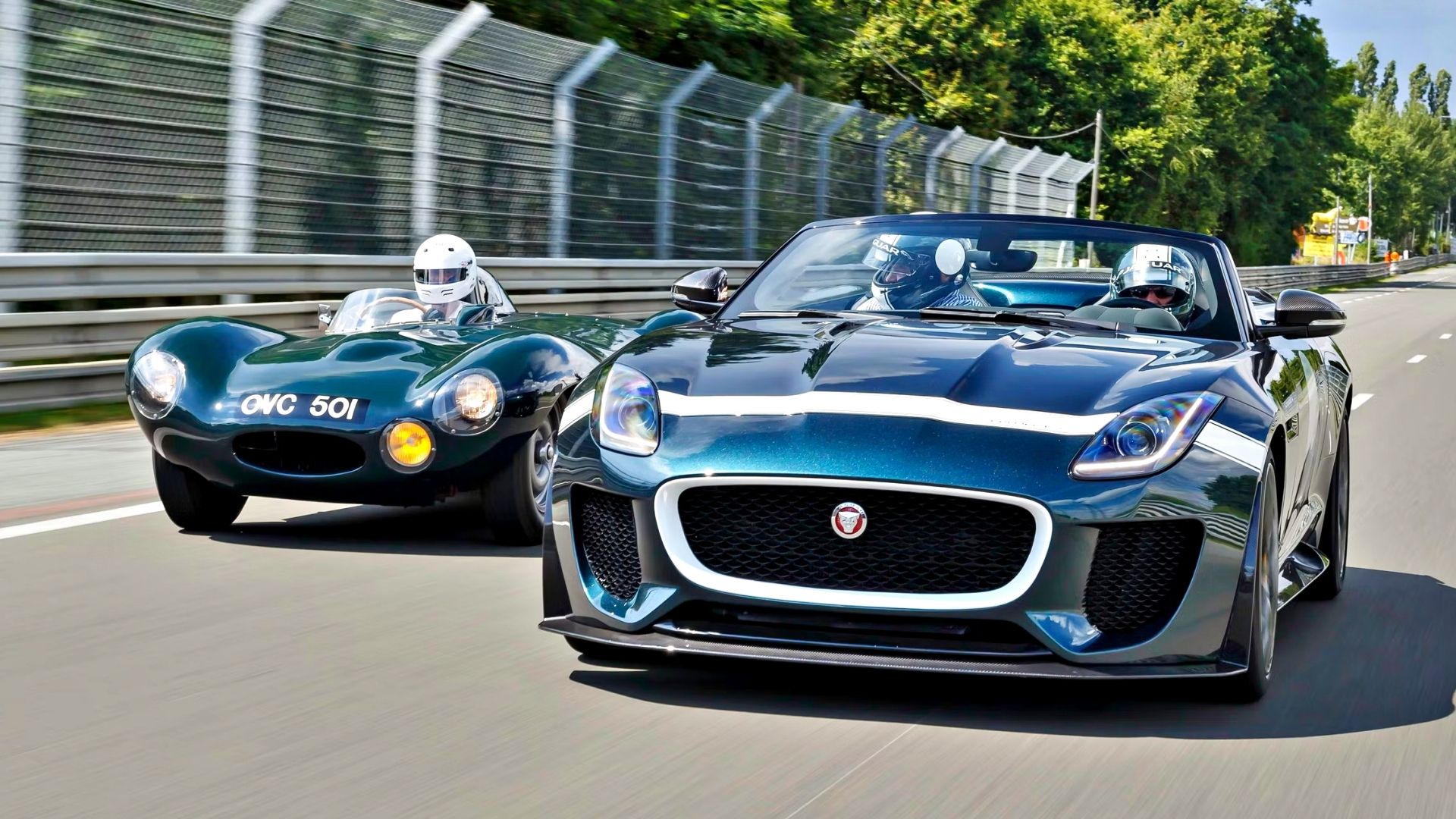
5. Older European Sports Cars
Classic or older European sports cars may look stunning against an ocean backdrop, but they’re among the worst choices for coastal ownership.
Many lack modern rust protection, and salt air quickly attacks body panels, subframes, and exhaust systems.
Electrical systems in older European cars are particularly vulnerable to humidity, leading to persistent and costly issues. Parts availability and specialized labor further complicate ownership in environments that already accelerate wear.
Choosing the right vehicle for a coastal city isn’t about image or aspiration it’s about longevity, usability, and stress reduction.
Salt air, humidity, congestion, and unpredictable weather expose weaknesses faster than most drivers expect.
Vehicles that prioritize simplicity, corrosion resistance, efficiency, and compact design consistently outperform larger, more complex alternatives over time.
The best coastal vehicles fade into the background, quietly handling daily life without constant repairs or compromises. The worst ones may look great parked near the water, but they demand attention, money, and patience in return.
In coastal cities, the smartest vehicles aren’t the loudest they’re the ones that survive.