
Flagstaff, Arizona is one of the most misunderstood driving environments in the United States. To outsiders, it’s just another mountain town.
To locals, it’s a place where elevation, weather, terrain, and lifestyle collide in ways that punish the wrong vehicle choice and reward the right one.
Sitting at roughly 7,000 feet above sea level, Flagstaff experiences real winters, frequent snowfall, steep grades, forest roads, and dramatic temperature swings.
At the same time, it’s a college town with daily commuting needs, tight parking areas, and long highway stretches connecting it to Phoenix, Page, and the Grand Canyon.
That combination means not every vehicle that works elsewhere in Arizona works here. Cars that feel perfectly fine in Phoenix heat can struggle in thin air.
Vehicles that look rugged on paper can feel clumsy or inefficient in real Flagstaff life. The best choices balance winter traction, altitude performance, reliability, and livability while the worst often fail at one or more of those fundamentals.
Here are five vehicles that genuinely fit Flagstaff driving, followed by five that don’t and exactly why.
Vehicles That Fit Flagstaff Driving
Driving in Flagstaff is a whole different game. With high elevation, frequent snow, steep roads, and rapidly changing weather, vehicles here need to handle more than just daily errands. Cold starts, strong traction, dependable brakes, and confidence on icy mountain streets all matter year-round, not just in peak winter.
Choosing the right vehicle can mean the difference between smooth daily driving and white-knuckle commutes. In this article, we highlight vehicles that fit Flagstaff driving, focusing on capability, reliability, and real-world performance in mountain and snow-heavy conditions.
1. Subaru Outback
The Subaru Outback feels almost purpose-built for Flagstaff. Its standard all-wheel drive isn’t just a marketing feature; it’s a tangible advantage when snow hits I-40 or when forest roads turn icy after sunset.
Ground clearance is generous enough to handle unplowed side streets and dirt roads without feeling oversized in town.
At elevation, the naturally aspirated engine does lose some punch, but Subaru’s gearing and drivetrain compensate well enough for daily driving.
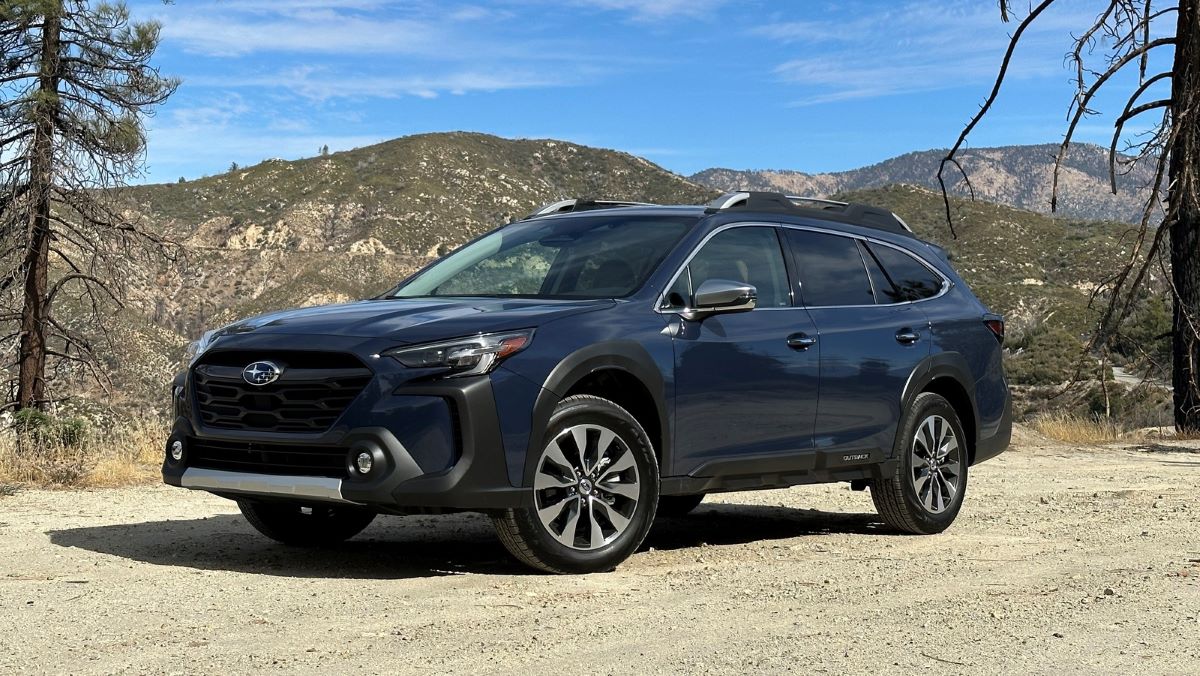
What truly makes the Outback a Flagstaff favorite is balance. It’s comfortable for long drives down to Phoenix, stable in winter storms, and practical for outdoor lifestyles.
Fuel economy remains reasonable despite AWD, and maintenance costs are predictable. It’s not flashy, but it’s dependable in exactly the ways Flagstaff drivers need most.
The Outback isn’t particularly quick, but that’s really its only drawback in this segment. Our test car, an Outback Limited equipped with the standard four-cylinder engine, needed 8.8 seconds to reach 60 mph from a standstill.
If you want acceleration closer to what competitors like the Honda Passport or Ford Edge deliver, stepping up to the turbocharged engine is the better choice. That said, the transmission responds promptly and shifts smoothly, which helps the Outback stay in step with surrounding traffic.
There is some noticeable body lean when cornering, but the Outback remains composed and predictable. Steering feel is solid, with good on-center response and clear feedback from the road.
The standout feature is its capability: thanks to 8.7 inches of ground clearance and standard all-wheel drive, the Outback can handle nearly everything its SUV rivals can, and even venture into places some of them can’t.
When it comes to comfort, it’s tough to find a better value. The Outback’s front seats are excellent, striking a nice balance between softness and support. They provide enough bolstering to hold you in place without feeling restrictive. Altogether, they’re inviting seats that are easy to settle into when you’re worn out and comfortable enough for long stretches behind the wheel.
Ride quality is another strong point. While certain road surfaces can introduce mild vibrations into the cabin, the Outback generally smooths things out very well. Potholes, speed bumps, and drainage channels are handled with ease, yet the vehicle never feels floaty or disconnected. It’s a well-judged blend of comfort and control.
The climate control system does a good job maintaining a pleasant cabin temperature. The downside is that adjustments beyond basic temperature settings require navigating the complex touchscreen interface, which can be frustrating to use.
Also Read: 12 Cars That Keep Cabins Calm and Dim At Night
2. Toyota RAV4 Hybrid AWD
Flagstaff drivers who want efficiency without sacrificing winter capability often land on the RAV4 Hybrid with all-wheel drive.
Unlike traditional AWD systems, Toyota’s hybrid setup uses an electric motor to power the rear wheels when needed, providing instant torque in slippery conditions. That’s especially useful on snowy inclines or icy intersections.
At altitude, the hybrid system helps offset power loss from thinner air, making acceleration feel more consistent than many gas-only competitors.
It’s easy to live with in town, easy to park near NAU, and remarkably efficient for a vehicle that can confidently handle winter. For drivers splitting time between city errands and mountain highways, the RAV4 Hybrid hits a sweet spot.
The RAV4 Hybrid uses a 2.5-liter four-cylinder engine supported by three electric motors, producing a total of 219 horsepower. All-wheel drive comes standard, with one electric motor driving the rear wheels while the remaining motors work with the gasoline engine to power the front wheels.
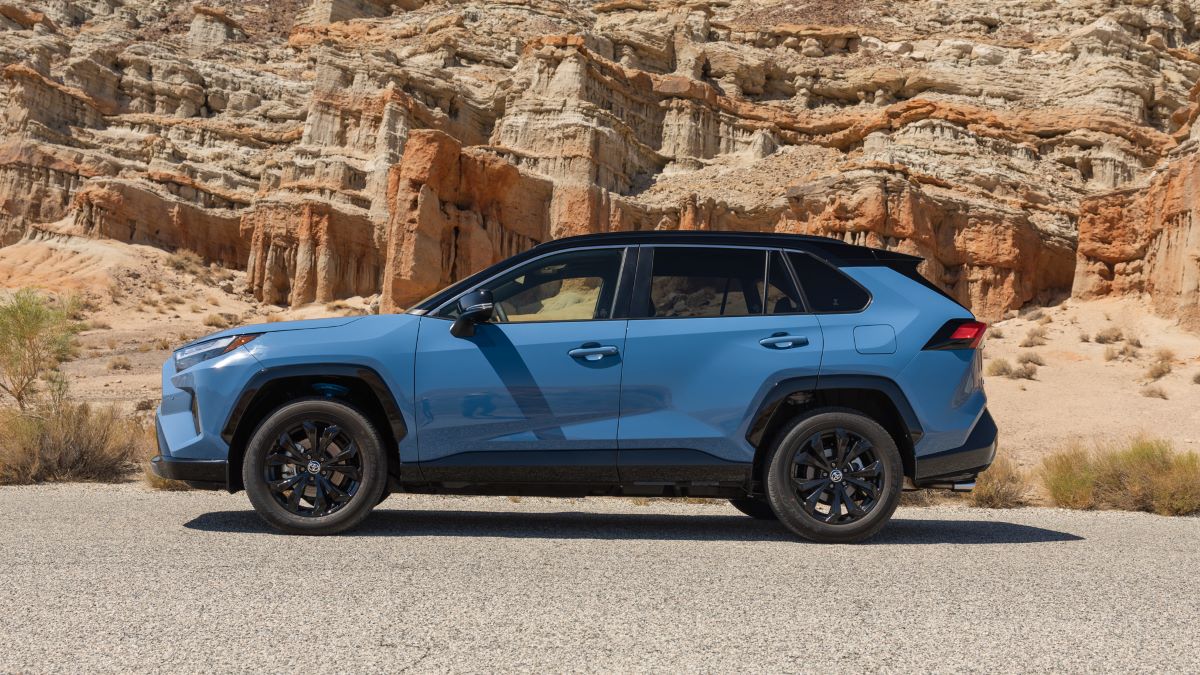
A continuously variable automatic transmission (CVT) is also standard. Compared with the non-hybrid version, the RAV4 Hybrid isn’t just more fuel-efficient, it’s noticeably quicker as well. In our testing, it reached 60 mph in 7.4 seconds, while the gas-only model required 8.0 seconds to hit the same mark.
That extra responsiveness is easy to feel from behind the wheel, especially in city driving. The electric motors deliver instant torque, giving the RAV4 Hybrid a satisfying surge of power when pulling away from a stop.
Drivers looking for even stronger acceleration can step up to the RAV4 Prime, which proved significantly quicker in our testing, sprinting to 60 mph in just 5.6 seconds. As with the standard RAV4, both the hybrid and Prime variants offer capable, predictable handling and a comfortable ride, though they aren’t intended to deliver sporty, high-performance cornering.
3. Jeep Grand Cherokee (V6 AWD)
The Jeep Grand Cherokee earns its place here not because of its badge, but because it genuinely handles Flagstaff’s mix of terrain.
With proper tires and an AWD or 4WD system, it manages snow, steep grades, and rough roads without complaint. The V6 engine is well-matched to elevation changes and doesn’t feel as strained as smaller turbo engines when climbing.
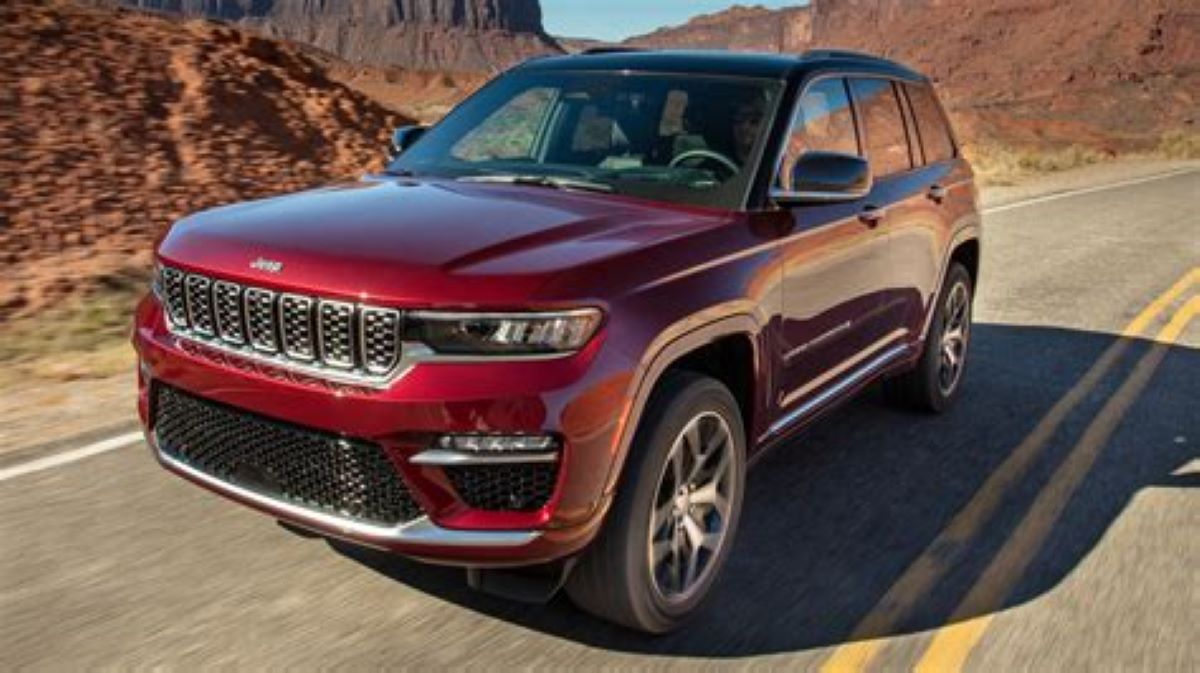
Importantly, the Grand Cherokee still feels civilized. It’s comfortable on long interstate drives, stable at highway speeds in winter conditions, and roomy enough for gear, pets, or family life.
In a town where weather can change quickly, having a vehicle that feels secure without being cumbersome is a real asset.
4. Honda CR-V AWD
The Honda CR-V doesn’t scream “mountain town,” but that’s part of its appeal. With available all-wheel drive, good weight distribution, and predictable handling, it handles Flagstaff winters better than many expect.
The turbocharged engine provides decent mid-range torque, which helps compensate for elevation when merging or climbing hills.
Reliability is another major win. Flagstaff residents often rack up miles driving long distances between towns, and the CR-V’s proven durability matters.
It’s also easy to maintain, affordable to insure, and comfortable for daily use. For drivers who want something practical rather than adventurous-looking, the CR-V quietly does the job well.
Honda clearly put in the work when it introduced its first turbocharged engine, a 1.5-liter unit producing 190 horsepower, into the CR-V and matched it with one of the best continuously variable automatic transmissions (CVTs) on the market, a compliment we don’t hand out easily.
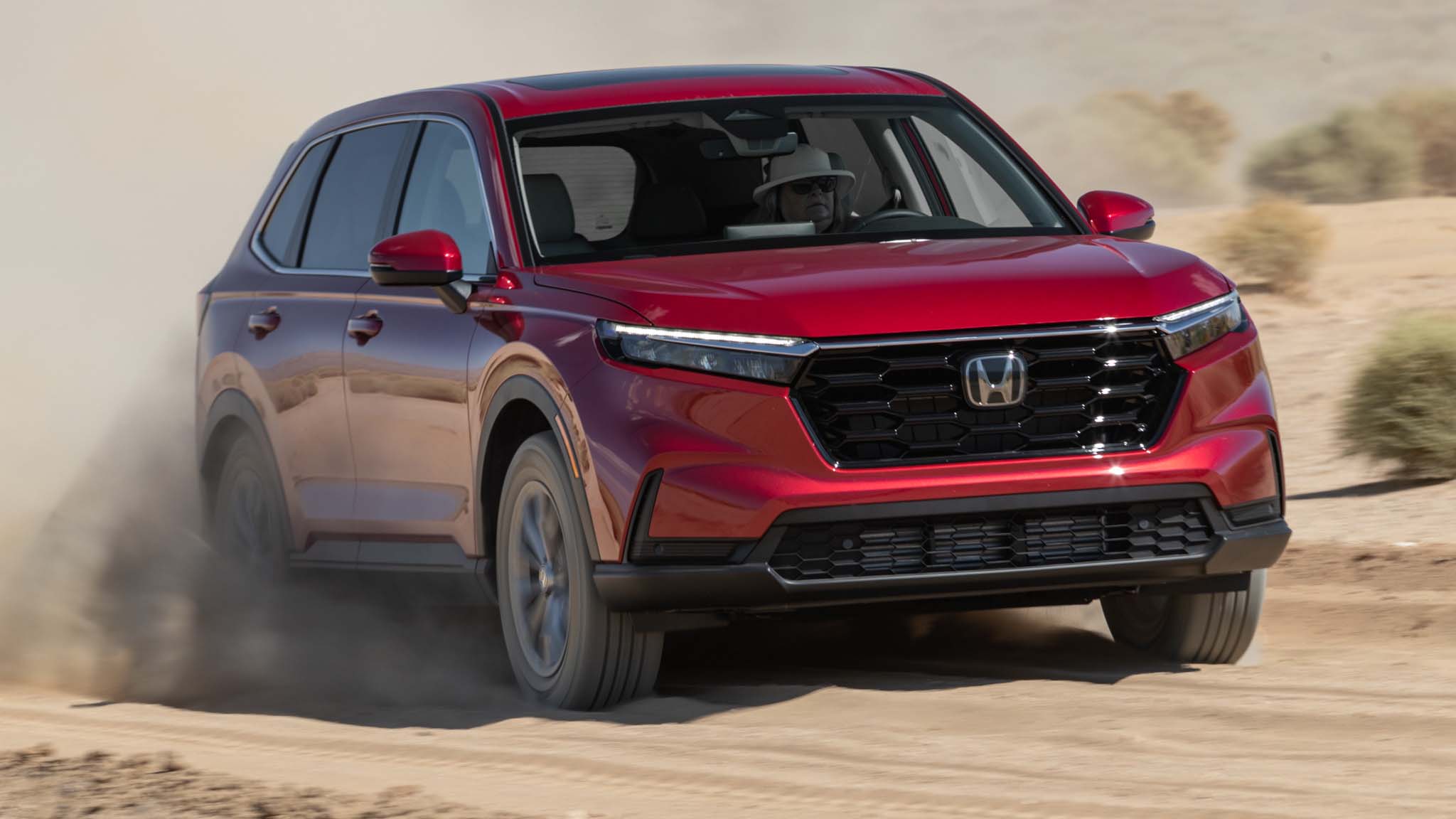
While most compact crossovers offer limited towing capability, the CR-V’s rating is among the lowest in the segment at 1,500 pounds. Parents who secretly dream of street-racing glory may be underwhelmed by the CR-V’s acceleration. That said, they, and just about everyone else, will value its polished ride quality, eager steering response, and confident braking performance.
The CR-V’s ride strikes an excellent balance between composure and comfort, making it well suited for both short trips and long commutes. Its brake pedal is nicely tuned and responsive, delivering strong, predictable stopping power whenever it’s called upon. The CR-V Hybrid uses a 2.0-liter four-cylinder engine paired with two electric motors, producing a combined 201 horsepower.
In our experience, the hybrid system operates smoothly and stays largely out of the way. We also appreciated Honda’s efforts to reduce engine noise at wide-open throttle by adding extra sound insulation and incorporating active noise cancellation through the audio system. The result is a noticeably quieter drive than the base engine, which ranks among the loudest in its class when the accelerator is pressed hard.
5. Toyota Tacoma (V6 4WD)
Flagstaff sits at the edge of some of Arizona’s best outdoor terrain, and the Toyota Tacoma thrives in that environment.
With proper 4WD and snow-rated tires, it handles winter roads confidently while also unlocking access to forest service roads, trails, and camping areas most crossovers can’t reach.
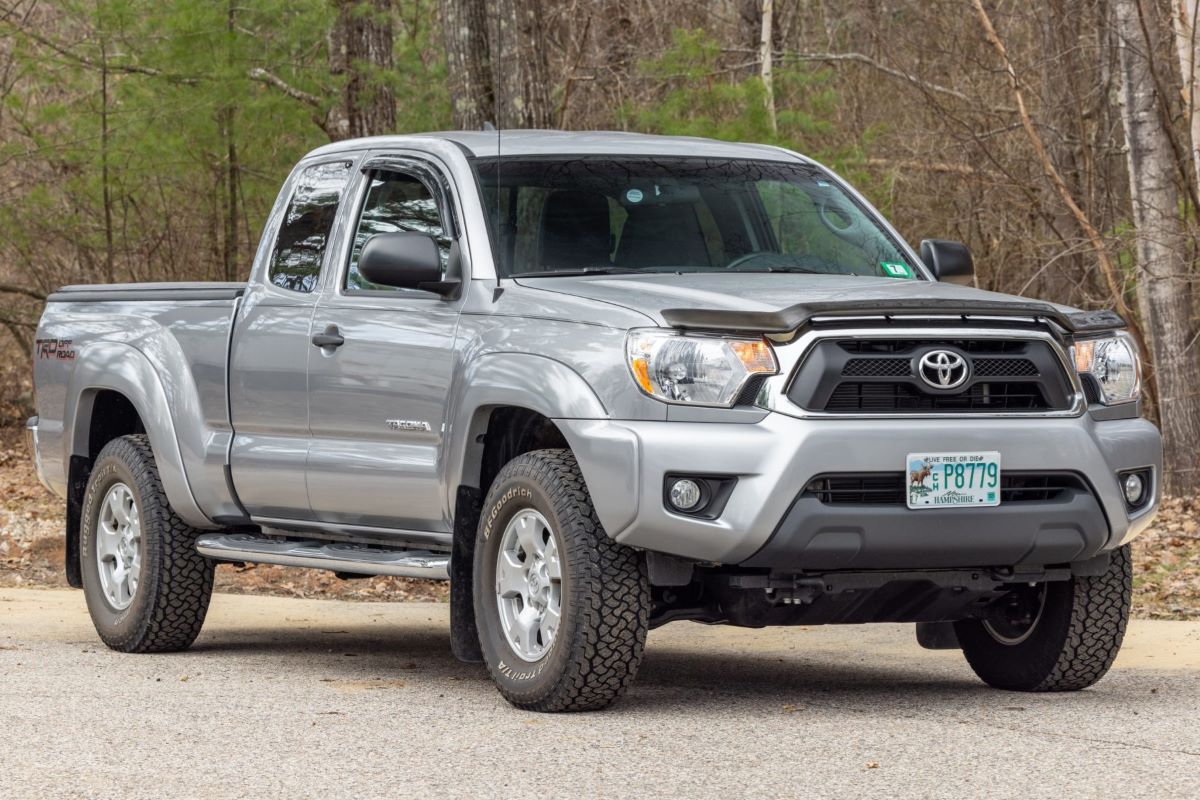
At altitude, the V6 performs reliably, even if it’s not especially quick. What matters more is durability. Tacomas are known for shrugging off harsh conditions, temperature extremes, and rough usage.
For residents who genuinely use their vehicle beyond pavement rather than just liking the idea of it the Tacoma fits Flagstaff life exceptionally well.
We evaluated a TRD Sport producing 278 horsepower, and it feels lively enough in everyday driving while delivering sufficient muscle to reach 60 mph in a solid 7.6 seconds in our testing.
We also spent time with a TRD Pro equipped with the i-Force Max hybrid powertrain. That version was only slightly quicker to 60 mph, recording a 7.4-second run, likely because the added weight and off-road-focused hardware offset much of the extra output. With either powertrain, the transmission operates smoothly and quickly, avoiding unnecessary shifts or gear hunting on inclines.
The Tacoma’s braking performance on pavement also stood out. The brake pedal is responsive yet progressive, making it easy to shed speed confidently and precisely at any velocity. While handling isn’t typically a top priority for truck shoppers, the steering is light and accurate, and the Tacoma maintains composed, predictable behavior on the highway regardless of trim level.
Every Tacoma comes standard with a suite of advanced driver-assistance features, including automatic emergency braking, lane departure alert, full-speed adaptive cruise control, and more. We found these systems to work well, offering helpful intervention without being overly intrusive or prone to false warnings.
Also Read: 5 Hatchbacks That Excel Downtown vs 5 That Feel Underpowered
Vehicles That Don’t Fit Flagstaff Driving
Flagstaff’s high elevation, frequent snowfall, icy roads, and steep grades make it one of the more demanding places to drive year-round. While some vehicles thrive in these conditions, others struggle the moment winter weather hits.
Low ground clearance, rear-wheel drive layouts, poor cold-weather reliability, and summer-biased setups can quickly turn daily driving into a headache. Choosing the wrong vehicle here doesn’t just mean inconvenience, it can impact safety and mobility. In this article, we break down vehicles that don’t fit Flagstaff driving, highlighting the common traits that make certain cars a poor match for mountain and snow-heavy conditions.
1. Chevrolet Camaro (RWD)
Rear-wheel-drive performance cars like the Camaro struggle mightily in Flagstaff.
Even with winter tires, the combination of low ground clearance, wide performance tires, and rear-biased power delivery makes snow driving stressful at best and dangerous at worst. Add steep hills and icy intersections, and it becomes a constant compromise.
Beyond winter, visibility issues and stiff suspension don’t pair well with uneven roads or snow-packed streets.
While the Camaro is thrilling on dry pavement, Flagstaff offers too many days each year where it’s simply the wrong tool for the job.
The standard 275-horsepower four-cylinder engine isn’t actually slow, we tested a manual-equipped version that turned out to be unexpectedly quick.
However, inconsistent throttle behavior and coarse, unrefined sounds make it feel less sporty, relegating it to the option best suited for budget-minded buyers. Stepping up to the 335-horsepower V-6, though, transforms the car entirely. That muscular six-cylinder delivers a sharp, aggressive soundtrack that gives the car a much more engaging personality.
The Camaro LT1 and SS go even further, powered by Chevy’s legendary small-block V-8 that produces 455 horsepower and 455 lb-ft of torque. Massive low-end torque, smooth and linear power delivery, and chest-tightening acceleration define the experience. Opting for the available dual-mode exhaust amplifies the drama, with a crisp bark on startup and thunderous noise when the throttle is pinned.
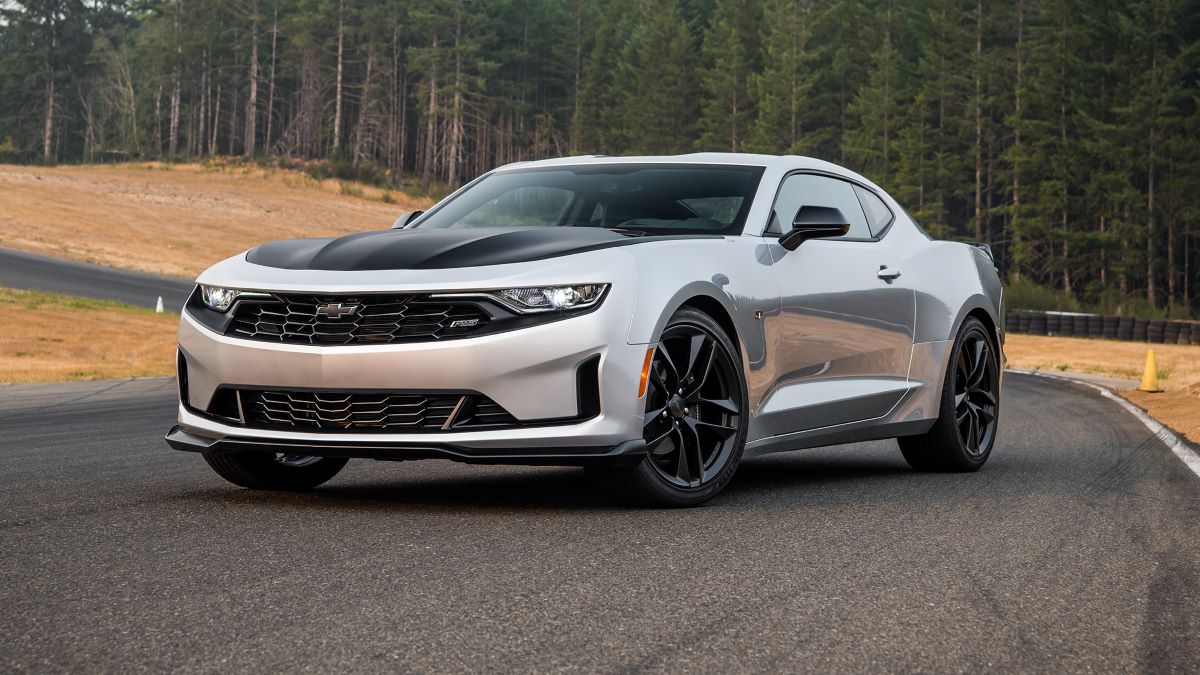
A six-speed manual transmission comes standard, preserving the Camaro’s enthusiast-friendly ethos. An eight-speed automatic is optional with the four-cylinder, while a quick-shifting 10-speed automatic is available with both the V-6 and V-8 engines.
What truly sets the Camaro apart is its outstanding chassis, which delivers an unmatched connection between driver and car among pony cars. The rigid structure enables sharp handling and a premium, confidence-inspiring feel.
Ride quality strikes an impressive balance, firm enough for agility on winding roads, yet compliant enough to handle rough pavement. With the 1LE package, the coupe rises above its segment, going head-to-head with far more expensive performance cars.
On track, 1LE-equipped models feel tight and focused, but they remain surprisingly relaxed in everyday driving. The electric power steering offers appropriate weight and precise responses, while braking performance rounds out the package. The pedal delivers consistent, progressive feedback, and the 1LE variants benefit from even stronger, track-focused Brembo brakes.
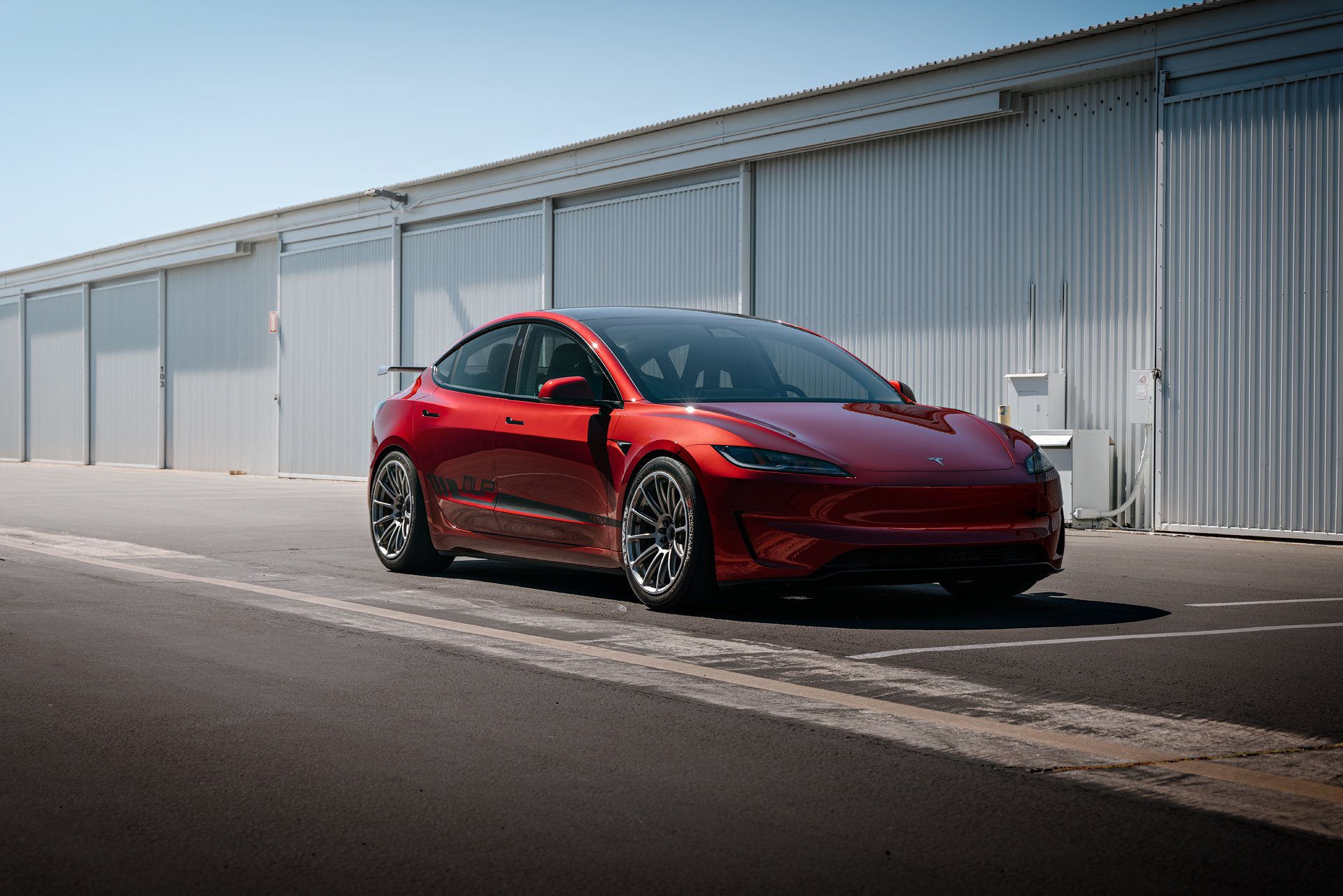
2. Tesla Model 3 Performance
Electric vehicles can work in cold climates, but Flagstaff exposes their weaknesses quickly especially high-performance variants.
The Model 3 Performance suffers reduced range in cold weather, longer charging times, and traction challenges if not equipped with proper winter tires. Sudden snowstorms can make charging logistics stressful, particularly for drivers without home charging.
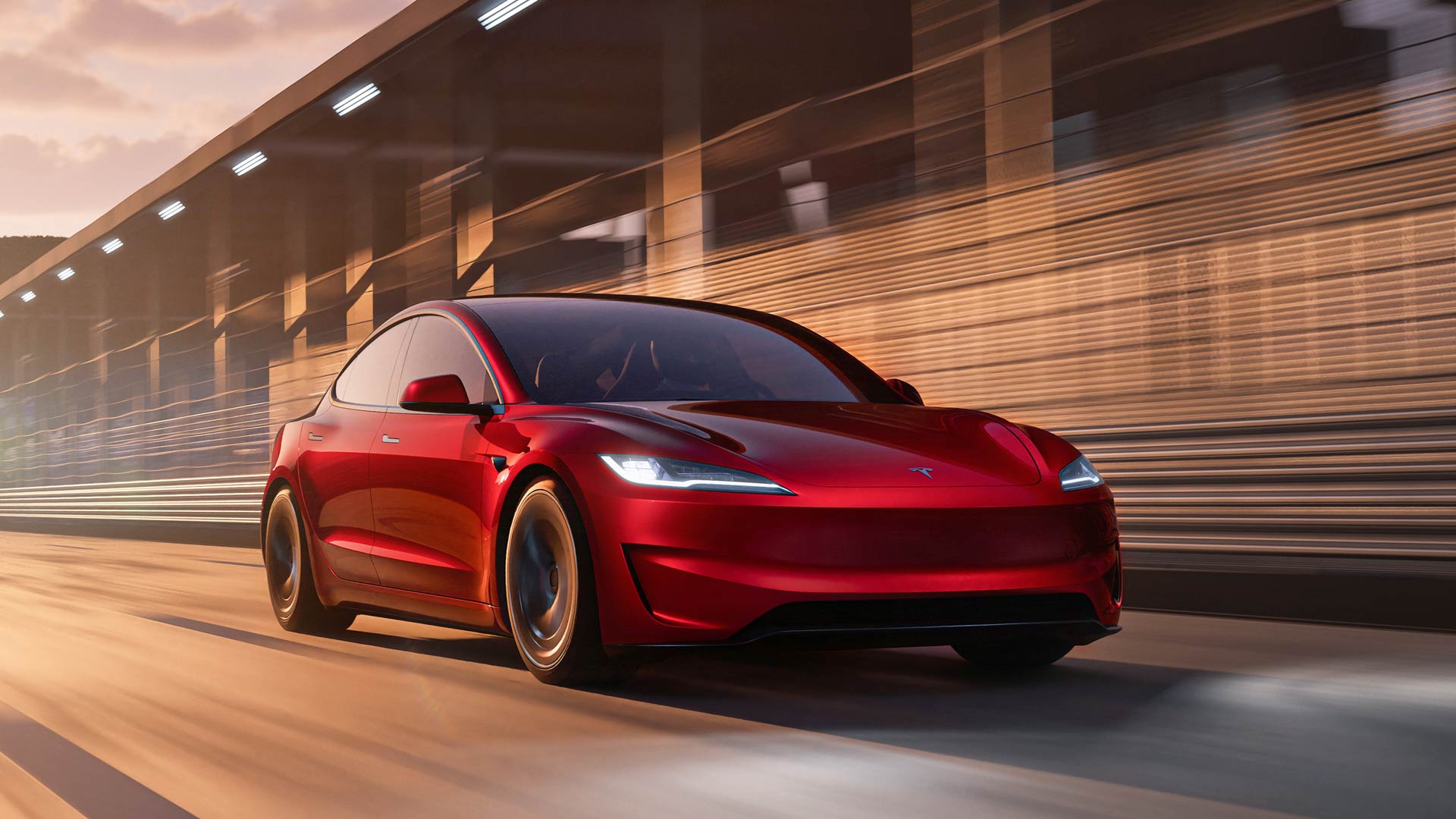
Additionally, cold temperatures and elevation reduce efficiency, making winter road trips less predictable.
While the standard AWD Model 3 is more manageable, the Performance version prioritizes speed over practicality something Flagstaff driving rarely rewards.
3. Ford Mustang (RWD)
Like the Camaro, the Mustang’s rear-wheel-drive layout makes it poorly suited for Flagstaff winters.
Even newer models with traction aids struggle when snow accumulates or when roads remain icy for days at a time. Low clearance and performance-oriented tires further limit usability.
Mustangs also tend to suffer at elevation, where naturally aspirated engines lose noticeable power.
For a town where winter driving is unavoidable rather than occasional, owning a Mustang often means leaving it parked more than intended.
The Mustang GT delivers strong acceleration thanks to its muscular V8, making it genuinely quick off the line. Braking performance is equally confidence-inspiring, with a firm pedal that encourages hard stops when needed. The GT sprinted from 0 to 60 mph in 4.6 seconds and came to a halt from 60 mph in just 118 feet.
Steering weight varies depending on the selected drive mode, but no matter the setting, the driver gets a solid level of feedback. Even without optional high-performance summer tires, the Mustang remains composed through corners, helped by controlled body roll and impressive stability. The 10-speed automatic transmission is also a standout, selecting the right gear at the right time without feeling overly frantic or intrusive.
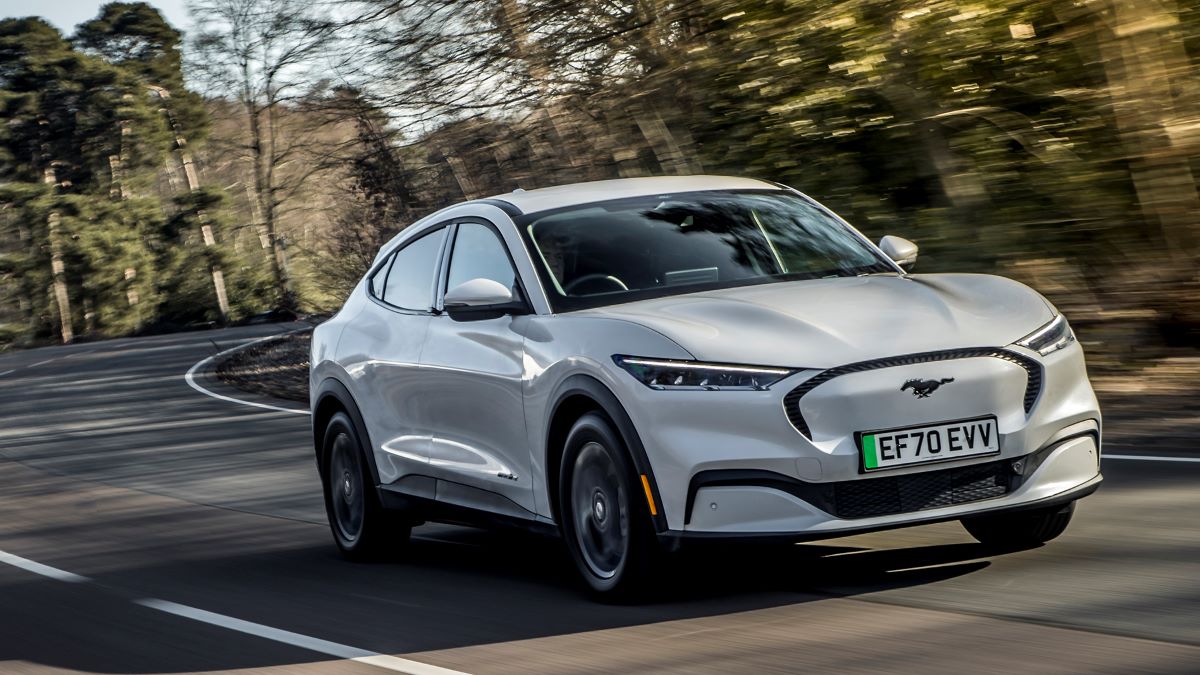
For a car so focused on performance, the Mustang manages to stay comfortable for extended periods, which is no small accomplishment. The seats provide excellent support, and the cabin remains relatively quiet at cruising speeds, aside from the V8’s soundtrack, which is exactly the kind of noise most drivers will want to hear.
Climate controls are easy to reach and use, and the thoughtfully placed air vents distribute cool air evenly for front occupants. Once the automatic climate control is set, it rarely requires further adjustment. On hot days, the ventilated seats cool quickly and help keep occupants comfortable, even during long drives.
4. Mazda MX-5 Miata
The Miata is beloved for good reason but Flagstaff is not its habitat. Minimal ground clearance, light weight, and rear-wheel drive make it extremely vulnerable in snow and slush.
Even with snow tires, its low profile and short wheelbase can make winter driving nerve-wracking.
Cold weather also limits the enjoyment of top-down driving for much of the year. While it’s a joy on mountain roads in summer, Flagstaff’s long winters make the Miata a seasonal toy rather than a realistic daily vehicle.
The Miata’s engine loves to rev and provides enough punch to produce genuinely exciting acceleration. Its high-revving character is easy to enjoy thanks to the precise, light-action manual transmission, which encourages drivers to explore the upper reaches of the tachometer.
Even the available automatic transmission stands out, delivering quick shifts and sporty calibration. In our testing, the soft-top Miata reached 60 mph in 5.7 seconds, while the slightly heavier hardtop RF version followed closely at 5.8 seconds.
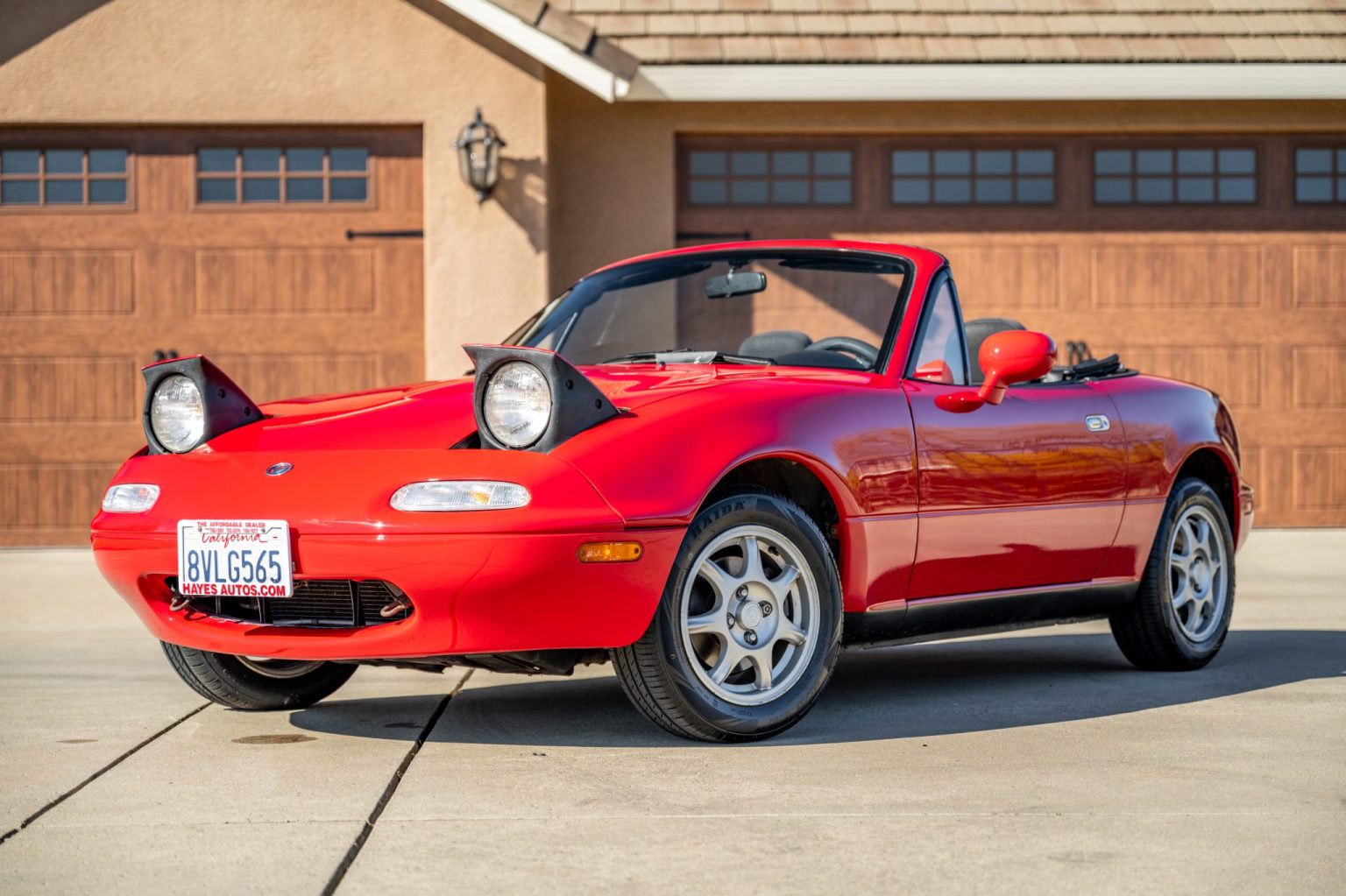
Ride quality is on the firm side, and the Miata can feel a bit bouncy when traveling over a rapid series of bumps. The mid-range Club trim, with its stiffer springs and shocks, delivers the firmest ride in the lineup, though none of the Miata variants are uncomfortable. Handling is lively and responsive, with the car changing direction eagerly and without hesitation.
The steering is a highlight, light, communicative, and instantly responsive, keeping the driver well informed about what the front tires are doing. At the end of the day, the Miata is simply a joy to drive.
5. Large Luxury SUVs (Escalade, Navigator)
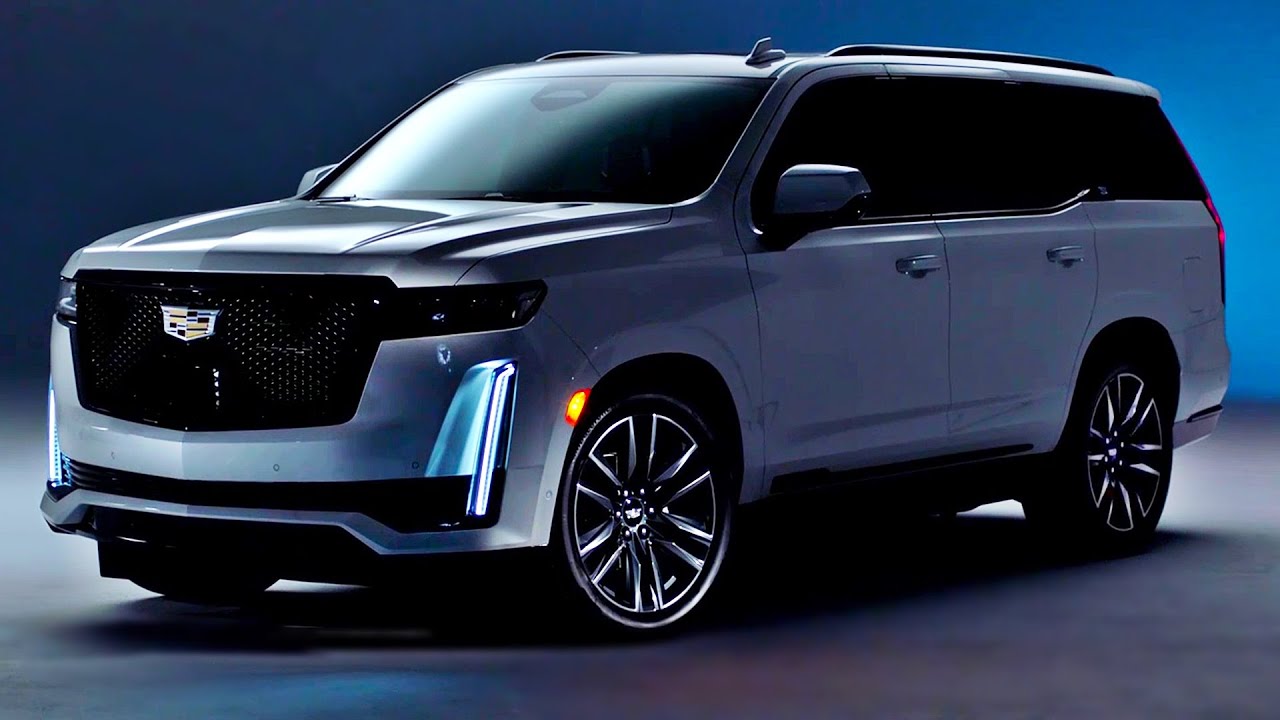
Big luxury SUVs might seem like winter-proof tanks, but in Flagstaff they often feel excessive and inefficient.
Their sheer size makes navigating narrow, snow-lined streets and tight parking lots frustrating. Fuel economy drops sharply at elevation, and repair costs can climb quickly when harsh conditions take their toll.
While they offer traction and comfort, they’re overkill for most Flagstaff lifestyles and lack the agility needed for everyday mountain town driving. More compact AWD vehicles often outperform them in real-world winter usability.
Driving in Flagstaff isn’t about owning the toughest or flashiest vehicle it’s about choosing one that respects the environment.
Snow, altitude, and terrain reward balance, traction, and reliability far more than raw horsepower or aggressive styling. Vehicles that succeed here tend to be adaptable, predictable, and resilient across seasons.
The wrong vehicle can turn winter into a constant struggle. The right one makes Flagstaff’s unique driving conditions feel manageable and sometimes even enjoyable.
