
Electric power has moved far beyond quiet city cars and practical daily drivers. In recent years, a new class of machines has emerged that uses electric technology to push performance into territory once reserved only for the most extreme gasoline powered hypercars.
These electric hypercars are not just quick alternatives to traditional super machines. They are redefining what performance, acceleration, and engineering can look like in the modern era.
Without the limitations of internal combustion engines, designers have new freedom. Electric motors deliver instant torque, advanced battery systems allow for clever weight distribution, and sophisticated software controls how power reaches each wheel.
This opens the door to levels of traction, control, and straight line speed that would have seemed impossible not long ago.
Electric hypercars also challenge old assumptions about what makes a car exciting. Instead of focusing solely on engine noise or gear changes, they emphasize raw acceleration, precision control, and futuristic design.
Many of them serve as rolling laboratories, introducing new materials, cooling systems, and energy management solutions that may influence future performance vehicles.
These machines are not only about speed. They represent a shift in how high performance vehicles are engineered and experienced. Aerodynamics, battery efficiency, and intelligent power delivery now play roles just as important as traditional horsepower figures.
The ten electric hypercars on this list stand at the forefront of this transformation. Each one brings a unique approach to extreme electric performance, showing how the rules of the hypercar world are being rewritten in real time.
Let’s begin with two models that shocked the automotive world by proving electric power could compete at the very highest level.
Also Read: Top 10 Cars That Still Look Like the Future Today
1. Rimac Nevera
The Rimac Nevera is one of the most influential electric hypercars ever created. Developed by a Croatian company that started as a small startup, it quickly demonstrated that electric performance could surpass the capabilities of many traditional gasoline powered hypercars.
Its combination of power, technology, and engineering innovation helped redefine expectations for what an electric car could achieve.
One of the Nevera’s most striking features is its immense power output. With multiple electric motors working together, it delivers astonishing acceleration that places it among the quickest production cars ever built.
Instant torque allows it to launch with a force that few vehicles can match, completely changing how drivers think about straight line performance.
The Nevera also showcases advanced control systems. Each wheel can be powered and managed independently, allowing the car to adjust torque in real time. This creates extraordinary levels of grip and stability, helping the car remain controllable even under extreme acceleration and high speed cornering.
Battery technology plays a central role in the Nevera’s design. Its energy storage system is integrated into the structure of the car, contributing to rigidity while keeping the center of gravity low. This approach improves both performance and safety, demonstrating how electric architecture can influence overall vehicle design.
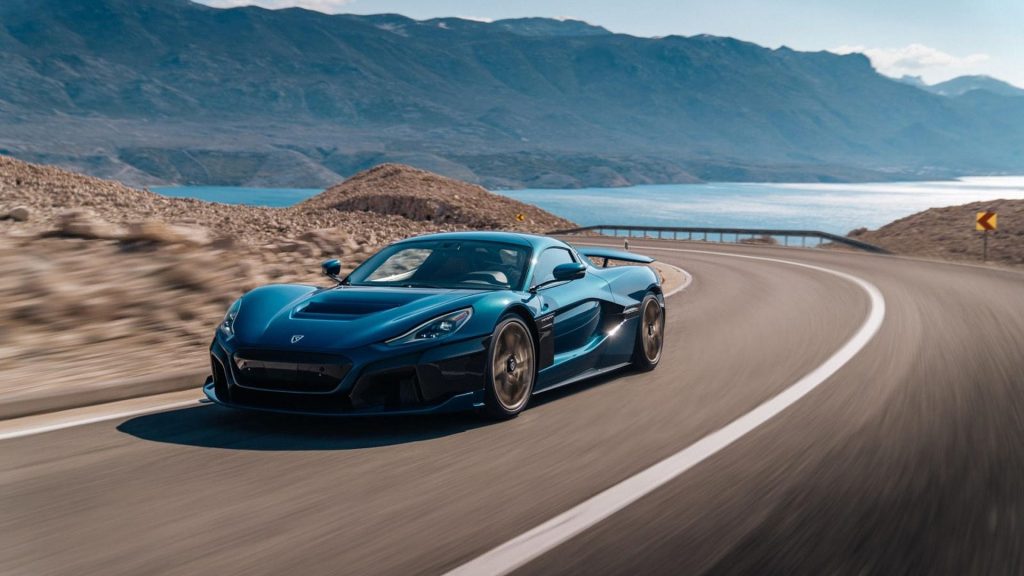
Aerodynamics and cooling are also critical. The Nevera uses active aerodynamic elements and sophisticated thermal management to keep components operating at peak performance. These systems ensure the car can handle repeated high speed runs without losing efficiency.
Inside, the Nevera blends cutting edge technology with a driver focused layout. Digital displays and advanced interfaces give the driver access to performance data while maintaining a sense of control and engagement.
The Rimac Nevera is rewriting the hypercar rulebook by proving that electric power can deliver not just speed, but also precision and innovation. It stands as a benchmark for the new generation of high performance electric vehicles.
2. Lotus Evija
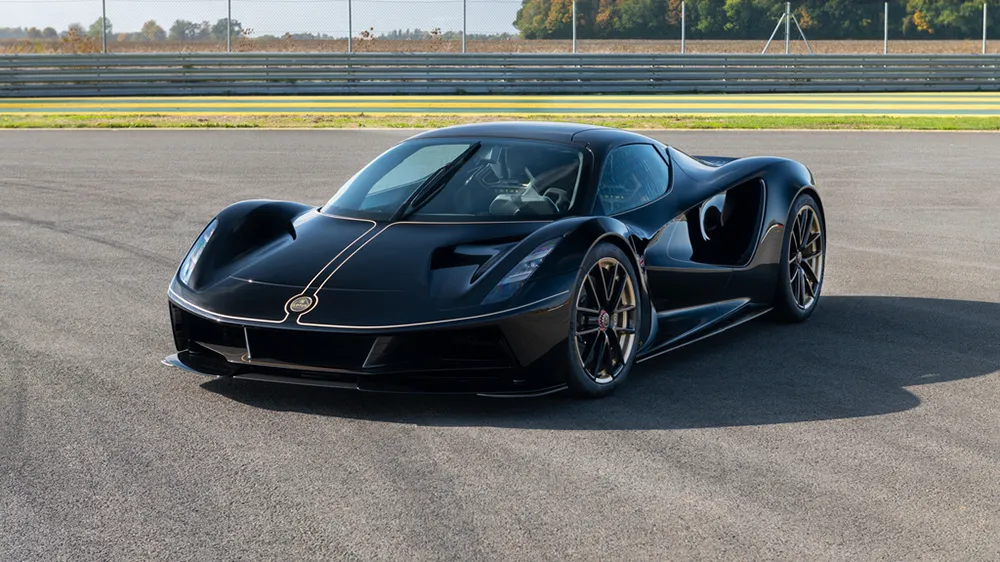
The Lotus Evija represents a bold new direction for a brand long known for lightweight sports cars. By entering the electric hypercar arena, Lotus demonstrated how its focus on engineering precision and aerodynamic efficiency could be applied to a completely new type of performance machine.
The Evija is built around a lightweight structure designed to offset the mass of its battery system. Lotus engineers used advanced materials and clever packaging to keep the car as light as possible for an electric hypercar. This focus on weight helps preserve the agility and responsiveness that the brand is famous for.
Power delivery is handled by multiple electric motors that work together to produce extraordinary performance. Instant torque provides explosive acceleration, while sophisticated software ensures power is distributed in a way that maintains stability and control. This allows the Evija to deliver both straight line speed and confident handling.
Aerodynamics play a huge role in the Evija’s design. Large tunnels carved through the body help manage airflow, reducing drag while increasing downforce. This dramatic approach not only improves performance but also gives the car a futuristic appearance that reflects its advanced technology.
The battery and cooling systems are engineered to handle the demands of extreme performance. Efficient thermal management ensures the car can deliver consistent output, even during intense driving sessions. This reliability is essential for a hypercar designed to operate at the limits.
Inside, the Evija focuses on the driver with a minimalist layout that highlights its performance intent. Advanced displays provide essential information without overwhelming the cockpit.
The Lotus Evija shows that electric hypercars can still follow a philosophy centered on precision and driver engagement. By combining innovative aerodynamics, advanced materials, and extreme electric performance, it helps push the boundaries of what a hypercar can be.
3. Pininfarina Battista
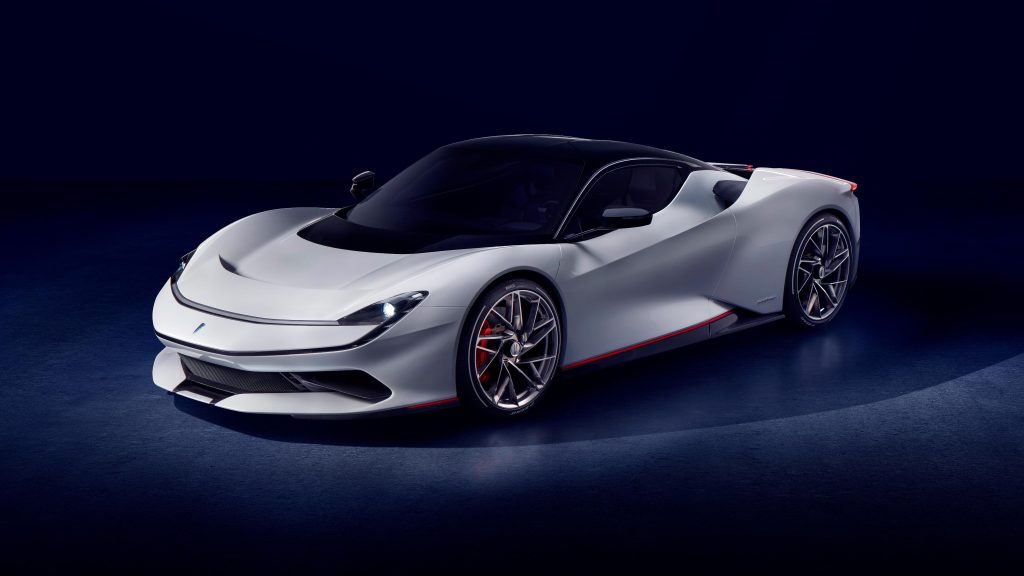
The Pininfarina Battista represents the fusion of Italian design heritage with cutting edge electric performance. Named after the founder of the Pininfarina design house, this hypercar is not only a technological showcase but also a statement about how beauty and extreme performance can coexist in the electric era.
One of the defining aspects of the Battista is its immense power. Multiple electric motors work together to deliver breathtaking acceleration that rivals, and in many cases surpasses, traditional hypercars powered by internal combustion engines.
The instant response of electric torque gives the Battista a sense of urgency that feels almost otherworldly from the driver’s seat.
Advanced torque vectoring is central to how the car manages this power. By controlling each wheel individually, the system can optimize grip and stability in real time. This allows the Battista to remain composed during hard acceleration and aggressive cornering, making its extreme performance more usable and controllable.
The battery pack is integrated into a strong, lightweight carbon structure that helps maintain rigidity while keeping the center of gravity low.
This structural approach enhances handling and ensures the chassis can cope with the forces generated by the electric drivetrain. It is a clear example of how electric architecture is changing the fundamentals of hypercar design.
Aerodynamics are carefully sculpted to balance downforce and efficiency. Active aerodynamic elements adjust depending on speed and driving conditions, helping the Battista remain stable at high speeds while reducing drag when possible. This adaptability is crucial in a car capable of such extreme performance.
Inside, the Battista blends luxury with technology. The cabin features high quality materials and a layout that surrounds the driver with digital interfaces and performance data. Despite its technical complexity, the design aims to keep the driving experience intuitive and engaging.
The Pininfarina Battista rewrites the hypercar rulebook by proving that electric performance can be combined with artistry and emotional appeal. It stands as a symbol of how traditional automotive craftsmanship can evolve in the age of electrification.
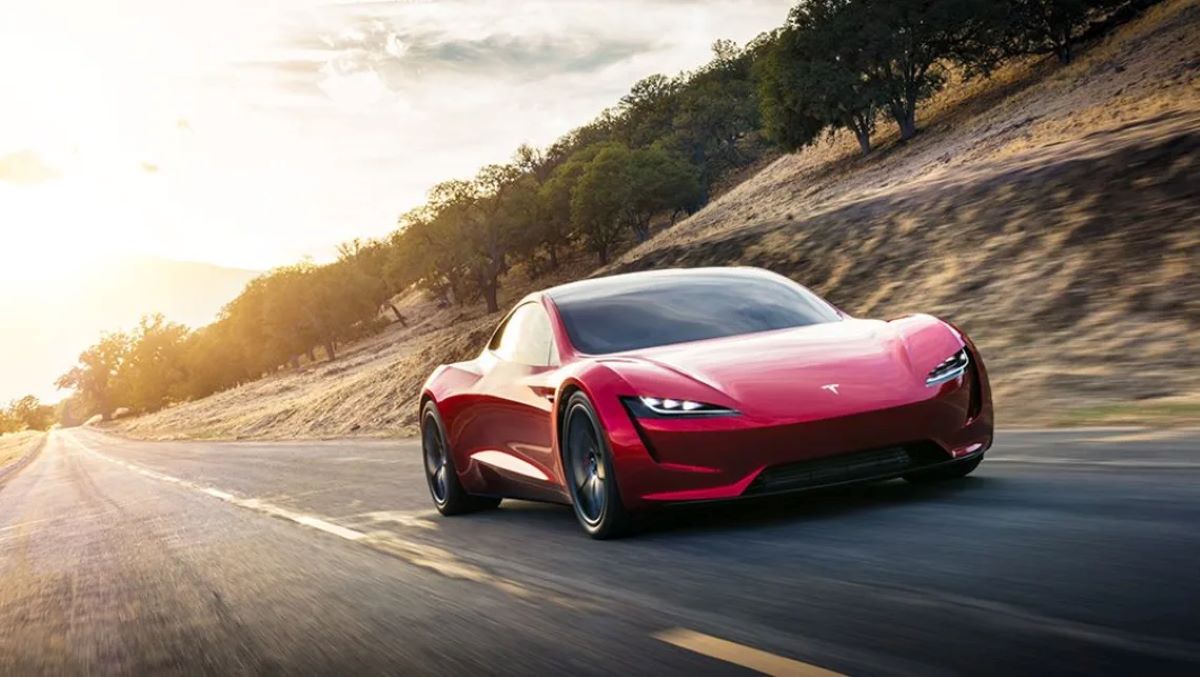
4. Tesla Roadster Second Generation
The second generation Tesla Roadster was introduced with bold claims that immediately captured global attention. Designed to be the fastest production car in the world, it represents Tesla’s vision of how electric technology can deliver not only efficiency but also unprecedented levels of performance.
At the heart of the Roadster’s impact is its promised acceleration. Instant torque from its electric motors is expected to produce launch performance that challenges the limits of what road cars can achieve. This emphasis on straight line speed helps redefine expectations for electric sports and hypercars.
Beyond raw acceleration, the Roadster aims to combine performance with usability. Tesla’s experience with battery technology and energy management allows for a long driving range compared to many other high performance electric vehicles. This balance between speed and range is part of what makes the car so groundbreaking.
All wheel drive and advanced traction systems are designed to ensure that the car’s power can be used effectively. By controlling torque delivery with precision, the Roadster aims to provide both stability and driver confidence at high speeds. Software plays a crucial role in shaping the driving experience.
Aerodynamics and lightweight construction are also key elements. The Roadster’s shape is optimized to reduce drag while maintaining stability, and the use of advanced materials helps manage weight despite the large battery pack. This combination supports both performance and efficiency.
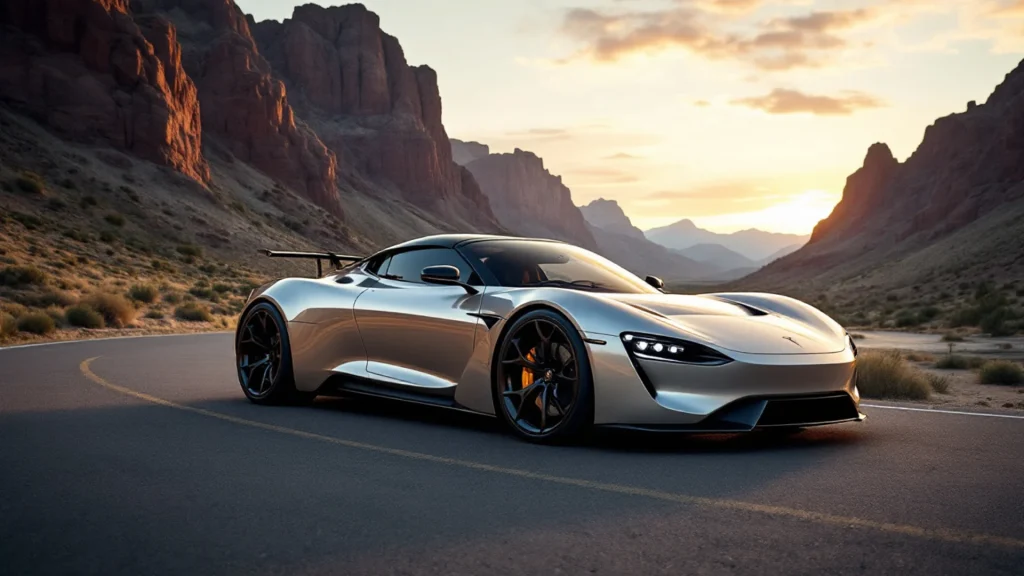
Inside, the Roadster is expected to feature a minimalist, technology focused cabin. Large displays and a clean layout reflect Tesla’s approach to interior design, where digital interfaces replace many traditional controls. This creates a futuristic environment that matches the car’s performance ambitions.
The second generation Tesla Roadster is rewriting the rules by challenging the idea that hypercar performance must come from traditional exotic brands. It shows how a company rooted in electric innovation can aim directly at the highest levels of automotive performance, pushing the entire industry to rethink what is possible.
5. Aspark Owl
The Aspark Owl is one of the most extreme examples of how electric power can transform hypercar performance. Developed by a Japanese engineering company, it focuses almost entirely on delivering astonishing acceleration and advanced technology within a very low and dramatic body.
One of the Owl’s most remarkable characteristics is its instant torque delivery. Multiple electric motors provide immense power the moment the driver presses the accelerator.
This results in breathtaking launch performance that places it among the quickest accelerating road cars ever built. The sensation of acceleration is smooth yet intense, redefining expectations of what a hypercar can feel like.
The car’s low height and lightweight construction play a key role in its performance. Engineers worked to keep the structure as light as possible while still maintaining strength and safety. This helps improve agility and responsiveness, which are essential qualities in a machine designed for extreme speed.
Advanced all wheel drive systems allow the Owl to manage its enormous power effectively. By carefully controlling torque at each wheel, the car maintains grip even under intense acceleration. This technology helps make its performance more usable and less intimidating than raw numbers might suggest.
Aerodynamics also contribute to its capabilities. The Owl’s sleek shape is designed to cut through the air efficiently while providing the stability needed at high speeds. Cooling systems are carefully integrated to manage the heat generated by its powerful electric components, ensuring consistent performance.
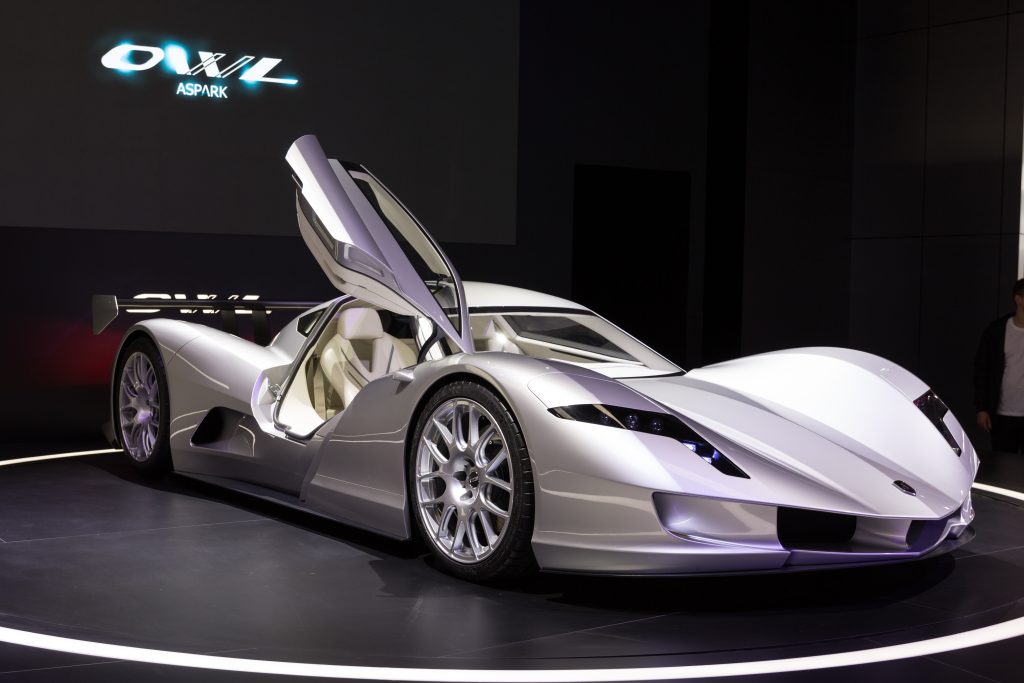
Inside, the Owl combines futuristic design with driver focused features. Digital displays and lightweight materials create an environment that feels more like a high tech cockpit than a traditional car interior. The focus remains on performance and innovation rather than luxury alone.
The Aspark Owl rewrites the rules by showing just how far electric acceleration can go. Its extreme performance, advanced engineering, and bold design make it a symbol of how electric hypercars can push beyond traditional limits.
6. NIO EP9
The NIO EP9 is an electric hypercar that was developed with a strong connection to motorsport technology. Built by a company involved in electric racing, it serves as a showcase of what can happen when track focused engineering meets road car innovation.
One of the EP9’s defining features is its focus on downforce and grip. The car uses advanced aerodynamics to generate significant downforce, helping it remain stable and planted at very high speeds. This design allows it to corner with remarkable confidence, making it more than just a straight line machine.
Its electric drivetrain delivers immense power through multiple motors, enabling rapid acceleration and impressive top speed capability. The instant torque characteristic of electric motors is paired with sophisticated control systems that distribute power precisely to each wheel.
Battery and cooling technology are central to the EP9’s performance. Designed to handle the stress of high speed driving and track use, its systems are engineered for both power and durability. Efficient thermal management helps maintain performance over extended sessions.
The EP9 also demonstrates how electric vehicles can break records on challenging circuits. Its achievements on famous tracks helped change perceptions about what electric cars could accomplish, proving they could compete with and even surpass traditional performance machines.
Inside, the car maintains a driver focused layout that reflects its racing roots. Lightweight materials and a purposeful design create an environment centered on performance rather than comfort.
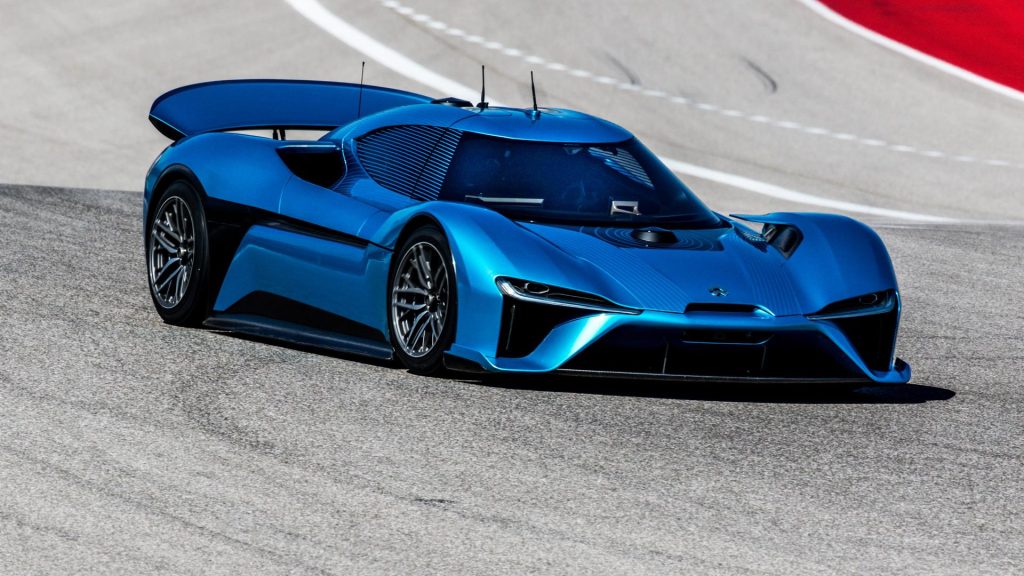
The NIO EP9 rewrites the hypercar rulebook by combining electric power with serious track capability. It shows that electric performance is not limited to straight line speed but can also deliver exceptional handling and circuit performance, pushing the boundaries of what modern hypercars can achieve.
7. Hispano Suiza Carmen
The Hispano Suiza Carmen revives a historic automotive name with a thoroughly modern electric hypercar that blends heritage inspired design with cutting edge performance. While many electric hypercars focus purely on futuristic styling, the Carmen stands out by combining classic visual influences with advanced electric engineering.
At its core, the Carmen is built around a powerful electric drivetrain that delivers immense performance. Multiple motors provide strong acceleration and precise power control, allowing the car to surge forward with the instant response that defines electric hypercars.
This immediate torque gives it thrilling straight line speed while also enabling smooth and controlled power delivery.
The chassis uses lightweight construction techniques to offset the weight of the battery system. Carbon fiber and advanced structural design help maintain rigidity while keeping mass as low as possible. This approach supports agile handling and helps the Carmen feel more responsive than its size might suggest.
Torque vectoring technology allows each wheel to receive the optimal amount of power at any moment. This improves traction, stability, and cornering performance. Instead of simply being fast in a straight line, the Carmen is engineered to be balanced and engaging on a variety of roads.
Aerodynamics are carefully integrated into the bodywork, though in a more subtle way than some of its rivals. The focus is on maintaining elegance while still achieving the airflow control needed for high speed stability and cooling. This blend of beauty and function reflects the car’s dual identity as both a design statement and a performance machine.
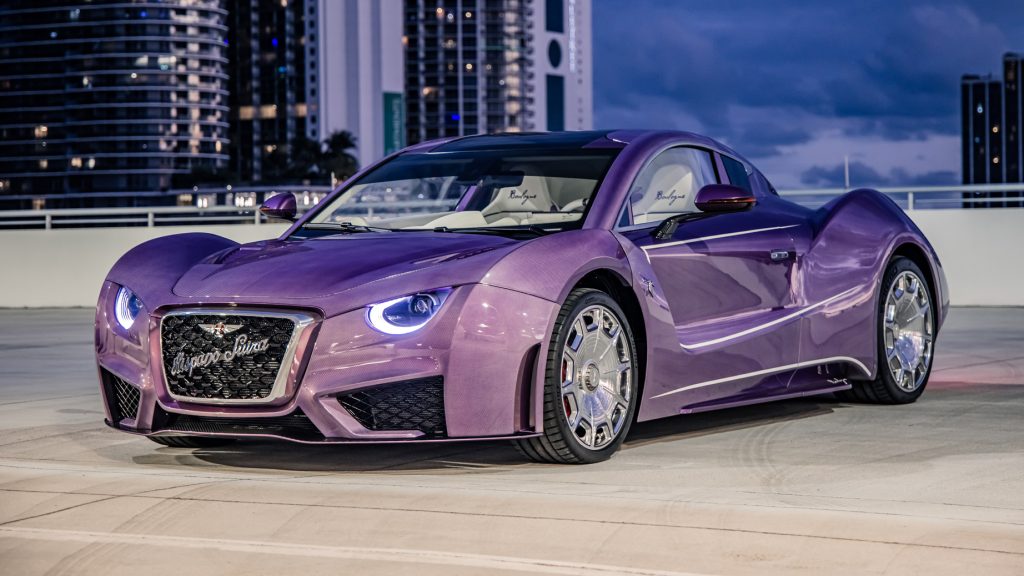
Inside, the Carmen emphasizes craftsmanship and luxury. Rich materials and bespoke details create an interior that feels more like a grand touring car than a stripped out track weapon. This sets it apart from more aggressive hypercars and highlights how electric performance can coexist with refinement.
The Hispano Suiza Carmen rewrites the rules by proving that electric hypercars do not all have to look or feel the same. By combining heritage design, advanced electric technology, and luxurious craftsmanship, it expands the definition of what an electric hypercar can be.
8. Automobili Estrema Fulminea
The Automobili Estrema Fulminea is an ambitious electric hypercar project that pushes the boundaries of battery technology and lightweight construction. Developed with a focus on innovation, it aims to showcase how next generation energy storage and advanced materials can transform hypercar performance.
One of the Fulminea’s most talked-about features is its advanced battery system. By using cutting edge cell technology, the car aims to achieve a balance between high energy capacity and reduced weight. This is a crucial challenge for electric hypercars, and Fulminea’s approach represents a major step toward improving both performance and range.
Multiple electric motors provide powerful acceleration and all wheel drive capability. Instant torque allows the Fulminea to deliver explosive launches, while sophisticated control systems manage power distribution to maintain grip and stability. This helps make its extreme performance more controllable.
Lightweight construction is central to the car’s philosophy. Extensive use of carbon fiber and advanced composites helps offset the mass of the battery pack. Keeping weight down improves not only acceleration but also braking and cornering performance.
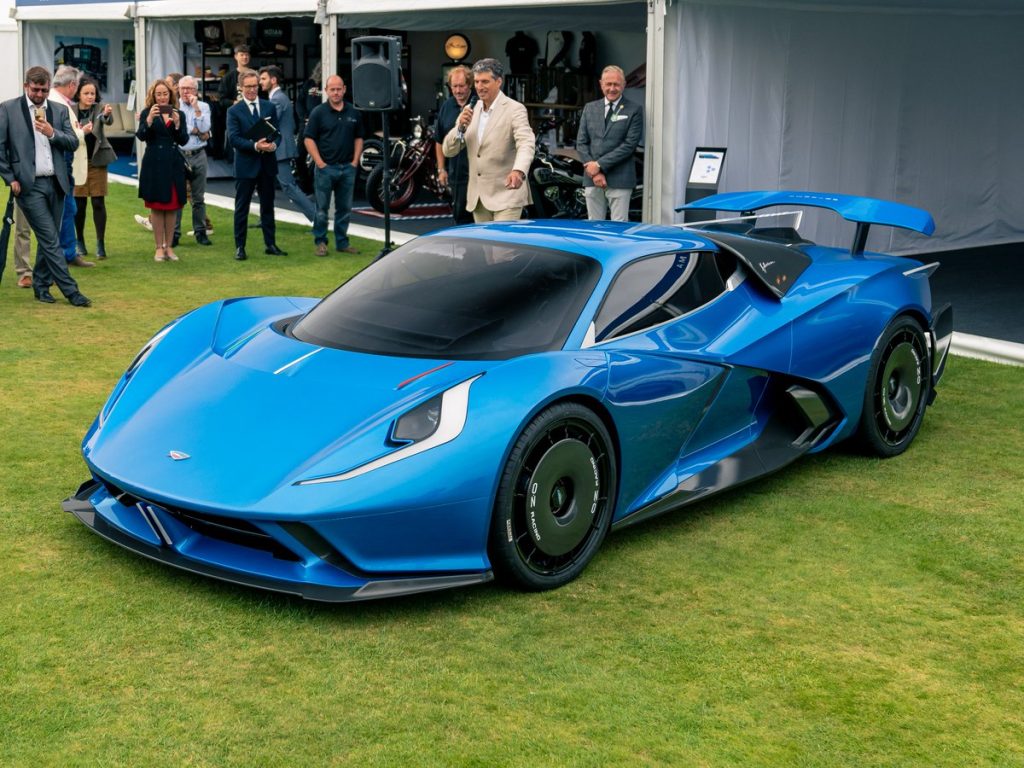
Aerodynamics are designed to maximize efficiency and high-speed stability. Careful airflow management helps reduce drag while ensuring that cooling systems function effectively. This balance is essential for maintaining performance during sustained high speed driving.
The interior focuses on a modern, high tech environment that reflects the car’s forward looking nature. Digital interfaces and lightweight materials create a cockpit that feels like a glimpse into the future of performance vehicles.
The Automobili Estrema Fulminea rewrites the rules by targeting one of the biggest challenges facing electric hypercars: battery performance. By combining advanced energy storage, lightweight design, and extreme electric power, it represents a bold vision of how the next generation of hypercars may evolve.
9. Deus Vayanne
The Deus Vayanne is an ambitious electric hypercar project that aims to blend extreme performance with cutting edge design and technology.
Developed through a collaboration between engineering and design specialists, it represents a modern approach to building a hypercar that is defined as much by software and aerodynamics as by raw power.
One of the Vayanne’s defining goals is to deliver extraordinary output from its electric drivetrain. Multiple motors provide immense power, allowing the car to accelerate with the instant force that has become a hallmark of electric hypercars.
This rapid response changes the traditional relationship between throttle input and vehicle motion, creating a driving experience that feels both intense and controlled.
Advanced torque management plays a crucial role in handling this performance. By adjusting power delivery to each wheel in real time, the Vayanne can maintain grip and stability even under extreme acceleration.
This level of control would be difficult to achieve with a conventional mechanical setup and highlights how software has become a key performance tool.
The car’s structure relies heavily on lightweight materials. A strong carbon based chassis helps keep weight down while maintaining the rigidity needed for precise handling. This careful balance between strength and mass is essential in an electric hypercar, where battery systems add significant weight.
Aerodynamic development is another area where the Vayanne seeks to push boundaries. Its bodywork is shaped to manage airflow efficiently, reducing drag while generating the downforce required for high speed stability.
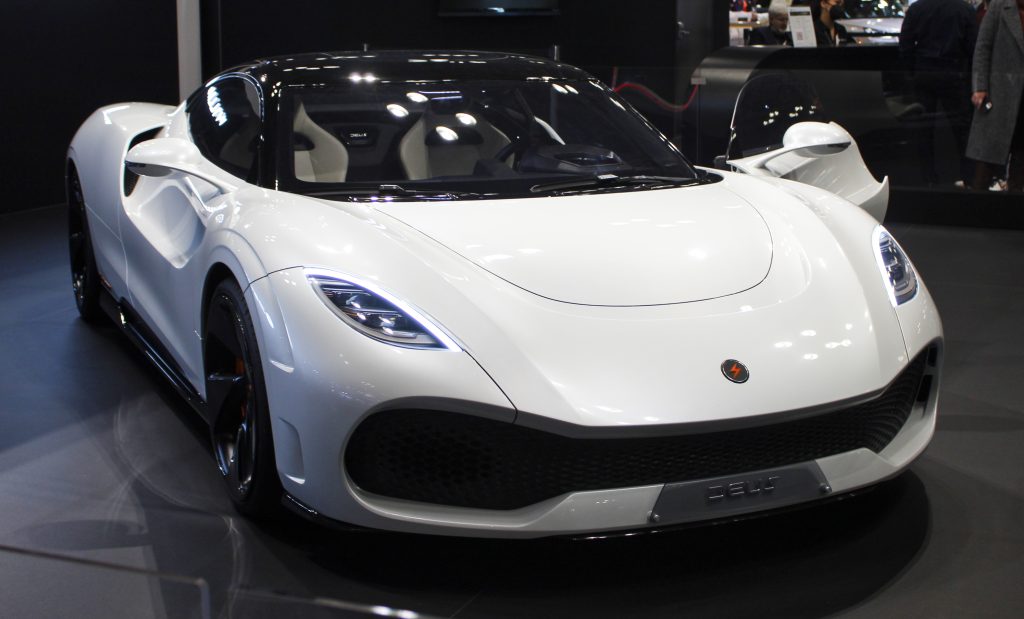
Active aerodynamic elements may adjust depending on driving conditions, helping the car adapt to different performance demands.
Inside, the Vayanne is expected to feature a highly modern cockpit focused on digital interfaces and driver information.
Instead of traditional gauges, advanced displays provide real time performance data and system feedback, reinforcing the idea that this is a vehicle defined by technology as much as by mechanical components.
The Deus Vayanne rewrites the hypercar rulebook by emphasizing the growing role of software, aerodynamics, and electric power integration. It shows how the next generation of hypercars may be shaped as much by digital intelligence as by physical engineering.
10. RAESR Tachyon Speed
The RAESR Tachyon Speed takes a dramatically futuristic approach to the electric hypercar concept. With styling that looks closer to a science fiction vehicle than a traditional car, it aims to showcase how radical design and electric performance can come together to create something entirely new.
The Tachyon Speed’s electric drivetrain is designed to deliver immense output, allowing for rapid acceleration and high top speed potential.
Instant torque gives it explosive performance off the line, while advanced control systems manage how that power reaches the wheels. This balance between power and control is essential in a vehicle operating at such extreme levels.
Aerodynamics are central to the Tachyon’s design. Its low, wide body is shaped to maximize airflow efficiency and generate the downforce needed for high speed stability. Large wings and aggressive channels help manage air movement, ensuring the car remains planted even as speeds climb.
Lightweight construction is another priority. Advanced composite materials are used to keep weight as low as possible, helping improve acceleration, braking, and cornering. This focus on mass reduction reflects a broader trend in electric hypercar design, where engineers work hard to offset battery weight.
The interior concept continues the futuristic theme. Instead of a conventional seating position, the driver sits in a low, reclined posture similar to that of a fighter jet pilot. Digital displays and minimal physical controls create a cockpit that feels more like an aircraft than a traditional automobile.
The Tachyon Speed is not just about performance numbers. It also represents a bold vision of what future hypercars could look like when designers are freed from the constraints of traditional engine packaging. Electric power allows for new proportions and layouts that would have been impossible before.
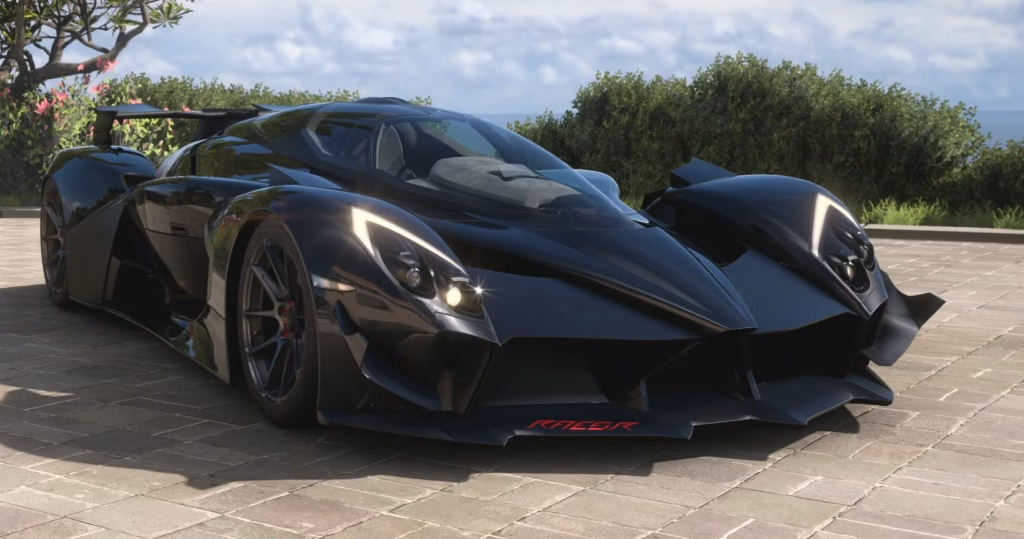
The RAESR Tachyon Speed rewrites the rules by combining extreme electric performance with a design philosophy that pushes beyond current automotive norms. It stands as a symbol of how electric technology can inspire entirely new forms of high-performance vehicles.
Electric hypercars are transforming performance with instant torque, advanced battery systems, torque vectoring, and active aerodynamics.
Models like the Nevera, Evija, Battista, and others prove electric power can rival or surpass traditional hypercars. They redefine speed, control, design freedom, and technology, reshaping what the future of extreme automotive performance looks like.
Also Read: Top 10 Electric Cars That Completely Miss the Point
