
German automakers have built their reputations on precision engineering, strong performance, and long distance durability. While modern headlines often focus on complex electronics and high repair costs, there is another side to the story.
Over several decades, German brands have produced engines that routinely cover hundreds of thousands of kilometers with proper care.
These engines are not just tough by accident. They were designed during eras when overengineering was common, materials were robust, and power outputs were kept within safe limits. Many of them powered taxis, long distance commuters, and commercial vehicles that demanded reliability day after day, year after year.
Longevity also comes from balance. The best long lasting engines usually combine solid internal components, sensible tuning, and cooling systems that can handle sustained stress. When matched with regular maintenance, these powerplants develop a reputation for running almost forever without major internal work.
Another reason these engines stand out is how well they tolerate age. Even after decades, parts availability, specialist knowledge, and strong enthusiast communities help keep them on the road. That makes them favorites not just among mechanics, but also among owners who want a car that can age gracefully.
This list highlights ten German engines that have earned respect for extreme longevity. They come from different brands and eras, but all share a reputation for durability that goes far beyond average expectations.
We will look at what makes each one special and why they continue to be trusted long after many other engines would have given up.
Also Read: Top 10 Cars That Still Look Like the Future Today
1. Mercedes Benz OM617 Five Cylinder Diesel
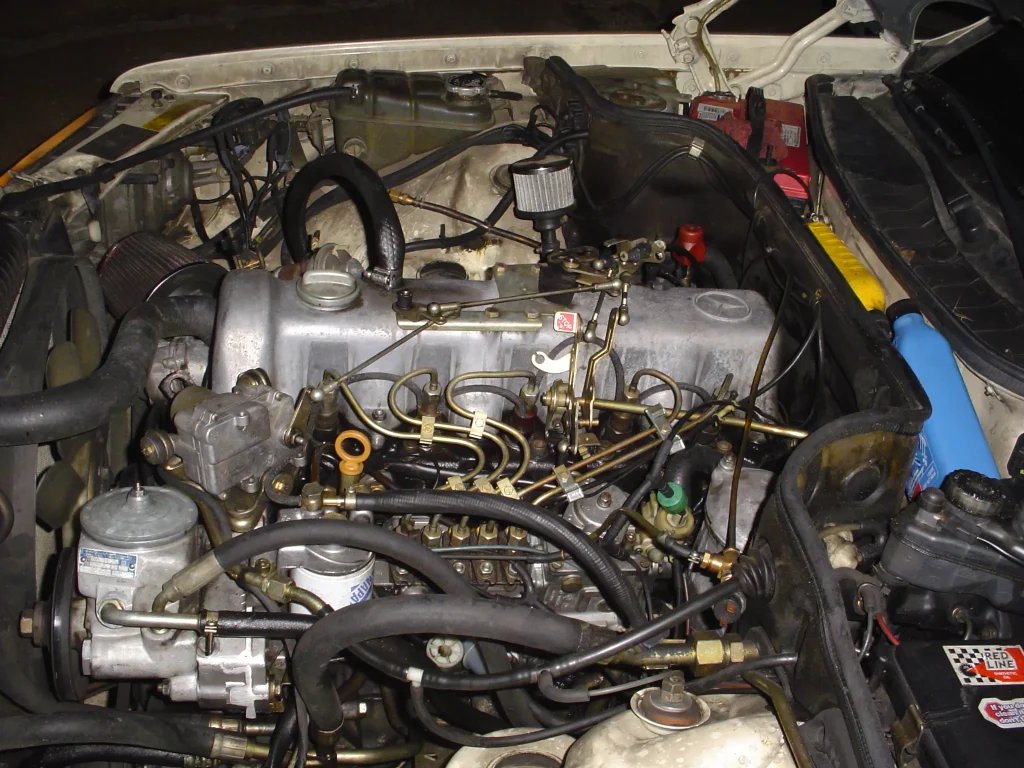
The Mercedes Benz OM617 diesel engine is often described as one of the toughest passenger car engines ever built. Introduced in the 1970s and used through the 1980s, this five cylinder diesel powered models like the W123 and early W126. It quickly became famous for surviving enormous mileage with minimal internal wear.
One of the key reasons for its longevity is its heavy duty construction. The engine block is made of thick cast iron, and the internal components were built to handle the high compression of diesel operation over long periods. Mercedes engineered it with durability as a top priority, not just performance or cost savings.
The OM617 uses a simple mechanical fuel injection system rather than complex electronics. This makes it less sensitive to electrical failures and easier to maintain over decades. Many problems that would sideline modern engines can be diagnosed and repaired with basic tools and mechanical knowledge.
Cooling and lubrication systems on this engine are also generously designed. It can handle long highway drives, hot climates, and heavy loads without overheating when properly maintained. This is one reason it became a favorite in regions where cars were expected to run reliably in harsh conditions.
Another factor is how conservatively it was tuned. Power output is modest by modern standards, which means the engine is rarely stressed near its limits. That lower specific output reduces wear on pistons, bearings, and valvetrain components, allowing the engine to keep running smoothly for decades.
Real world examples often exceed 500000 kilometers, and some go far beyond that with only routine maintenance and occasional peripheral repairs. It is common to see these engines still running in daily use, long after the bodies around them have been restored or replaced.
Because of this reputation, the OM617 has become legendary among diesel enthusiasts and mechanics alike. It represents an era of engineering where longevity was a core goal, and it remains one of the clearest examples of a German engine built to outlast almost anything else on the road.
2. BMW M57 Inline Six Diesel
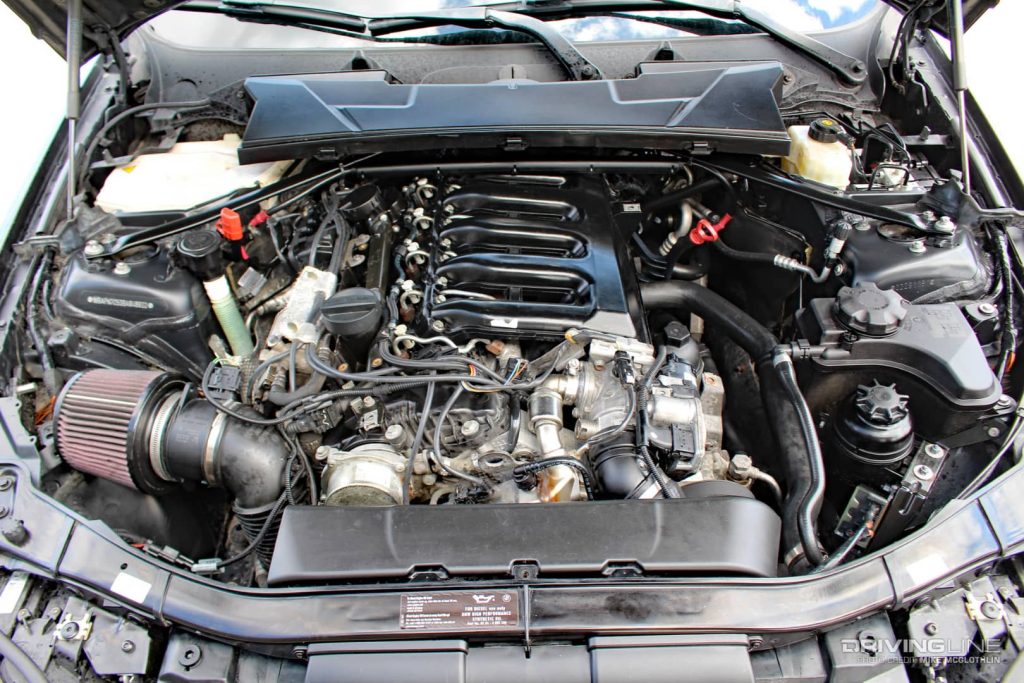
The BMW M57 diesel inline six is another German engine widely praised for its ability to handle high mileage without major internal failure. Produced from the late 1990s into the 2010s, it was used in a wide range of BMW models, from 3 Series sedans to larger 5 Series and SUVs.
This engine combines strong performance with robust design. Its cast iron block provides excellent strength, while the aluminum cylinder head helps manage weight and heat. The bottom end is particularly durable, allowing the engine to cope well with both daily driving and long distance cruising.
Fuel injection technology in the M57 was advanced for its time, yet still durable when properly maintained. While it uses common rail injection, many versions have proven capable of handling high mileage without the frequent internal failures that affect some later diesel designs. Regular fuel system care goes a long way.
Turbocharging adds power, but BMW kept boost levels and overall stress within reasonable limits for most versions. This balance between performance and reliability is a big reason the M57 has such a strong following. It delivers the torque people want from a diesel without constantly operating on the edge.
Cooling system design also supports longevity. When components like thermostats and water pumps are maintained on schedule, the engine manages temperature well even under heavy loads. That thermal stability helps protect the head gasket, cylinder head, and internal moving parts over the long term.
Many high mileage European taxis and company cars used vehicles powered by the M57. Real world usage like this is a tough test for any engine, yet the M57 consistently proved it could handle years of daily operation with only routine servicing and occasional wear item replacement.
Today, the M57 is still respected among enthusiasts and mechanics as one of BMW’s most durable modern diesels. It shows that performance and longevity do not have to be opposites, and that with solid engineering, a complex engine can still achieve an impressively long service life.
3. Mercedes-Benz M103 Inline Six Petrol
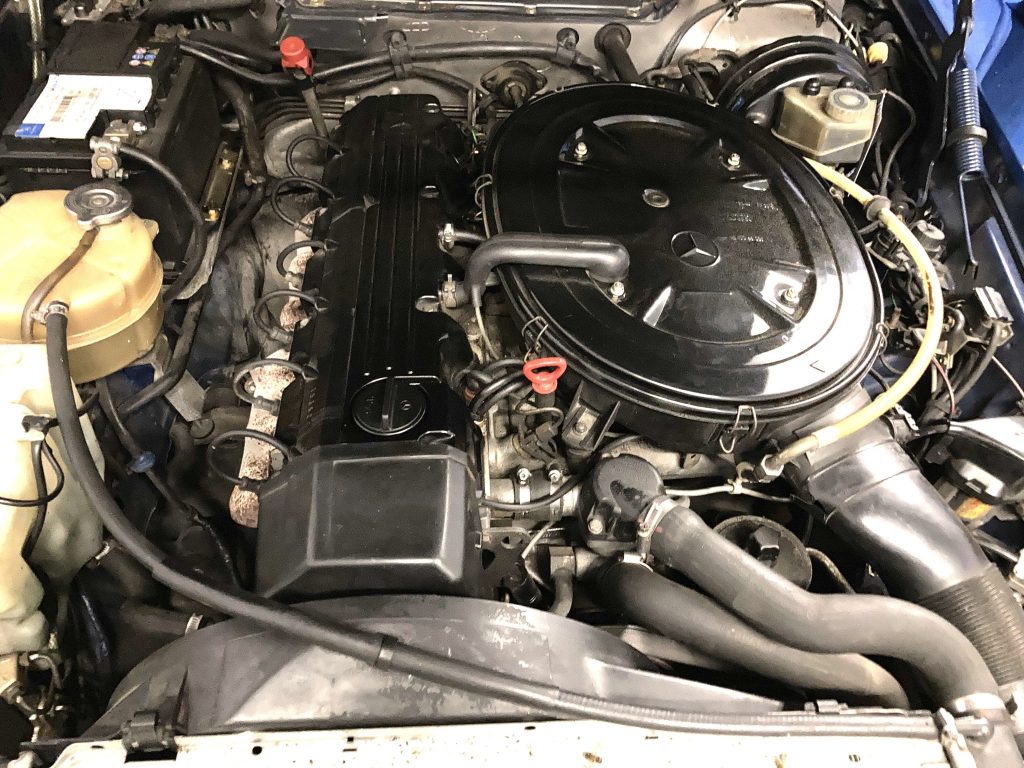
The Mercedes Benz M103 inline six petrol engine powered many models in the 1980s and early 1990s, including versions of the W124 E Class and W126 S Class. While it does not get as much internet fame as some Mercedes diesels, mechanics know it as a smooth and extremely durable gasoline engine.
One of the biggest strengths of the M103 is its simple and robust design. It uses a cast iron block paired with an aluminum head, a combination that provides strength where it is needed and effective heat management. The bottom end components are known for holding up well even after very high mileage.
Fuel delivery on most M103 engines relies on mechanical or early electronic injection systems that are far less complex than modern direct injection setups. This means fewer delicate parts exposed to high pressure fuel and less risk of expensive injector or pump failures as the engine ages.
The engine was also not pushed to extreme power levels from the factory. Output was respectable but conservative, which reduces long term stress on pistons, rods, and bearings. That conservative tuning is a common theme among engines that last a very long time.
Cooling system capacity and oiling are generally up to the task as long as routine maintenance is performed. Regular coolant changes and proper oil service help prevent the head gasket and valvetrain issues that can affect any older engine if neglected. When cared for, the M103 often runs smoothly for decades.
Another factor in its longevity is how well it tolerates high mileage use. These engines powered many daily driven executive cars that covered long highway distances. Steady cruising at moderate engine speeds is ideal for long term wear, and the M103 thrives in that environment.
Because the cars around them were built to a high standard as well, many M103 powered vehicles are still on the road today.
For a petrol engine of its era, reaching very high mileage without a full rebuild is not unusual, which is why it remains respected as one of Mercedes most durable gasoline inline six designs.
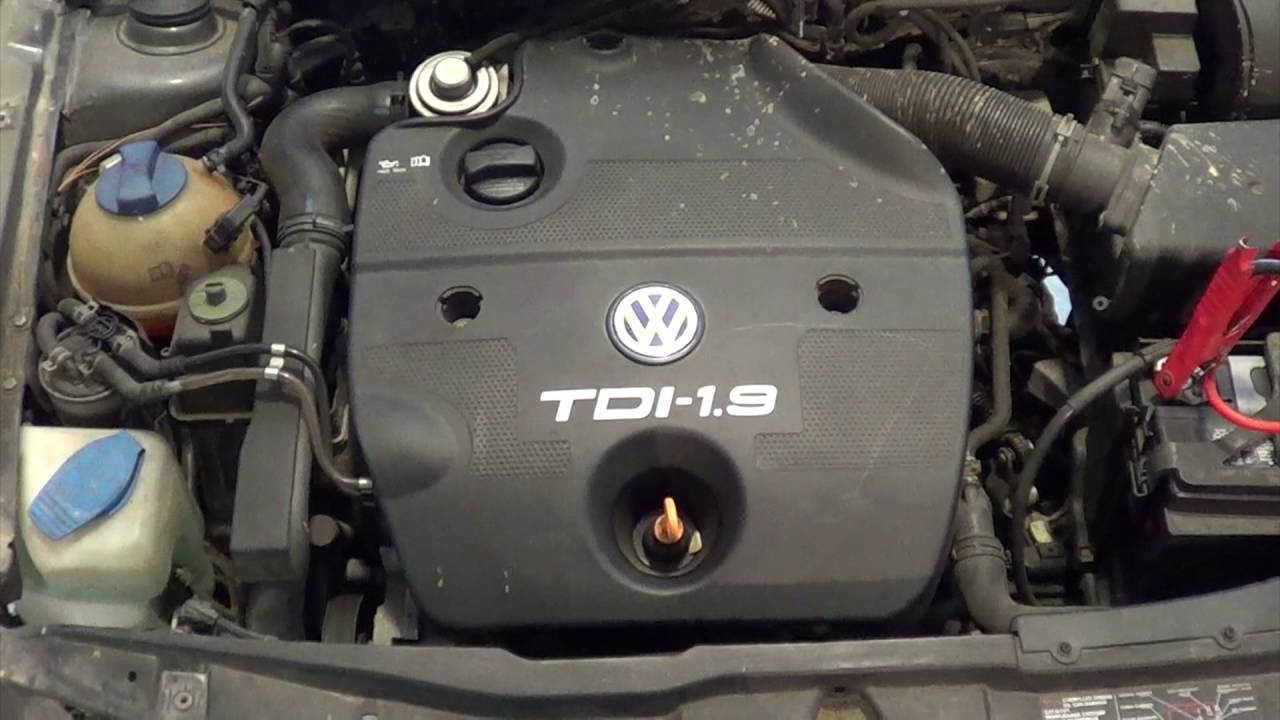
4. Volkswagen 1.9 TDI ALH Diesel
The Volkswagen 1.9 TDI ALH diesel engine is famous worldwide for combining excellent fuel economy with serious longevity. Found in models like the late 1990s and early 2000s Golf, Jetta, and Passat, it became a favorite among commuters and long distance drivers who wanted a car that would just keep going.
A major reason for its durability is its strong cast iron block and relatively simple internal layout. Compared to many newer diesels, the ALH uses less extreme fuel pressures and simpler emissions systems. That lower level of complexity helps reduce the number of failure points as the engine ages.
The turbocharged setup is also fairly modest in factory form. While it provides good torque for everyday driving, it does not push the engine to its absolute limits. That balance between performance and mechanical sympathy helps the engine avoid the excessive stress that shortens the life of more aggressively tuned designs.
Another strength is the mechanical injection pump system used in the ALH. While not as advanced as later common rail systems, it has proven very durable when supplied with clean fuel and maintained properly. Many examples have run for years without needing major fuel system overhauls.
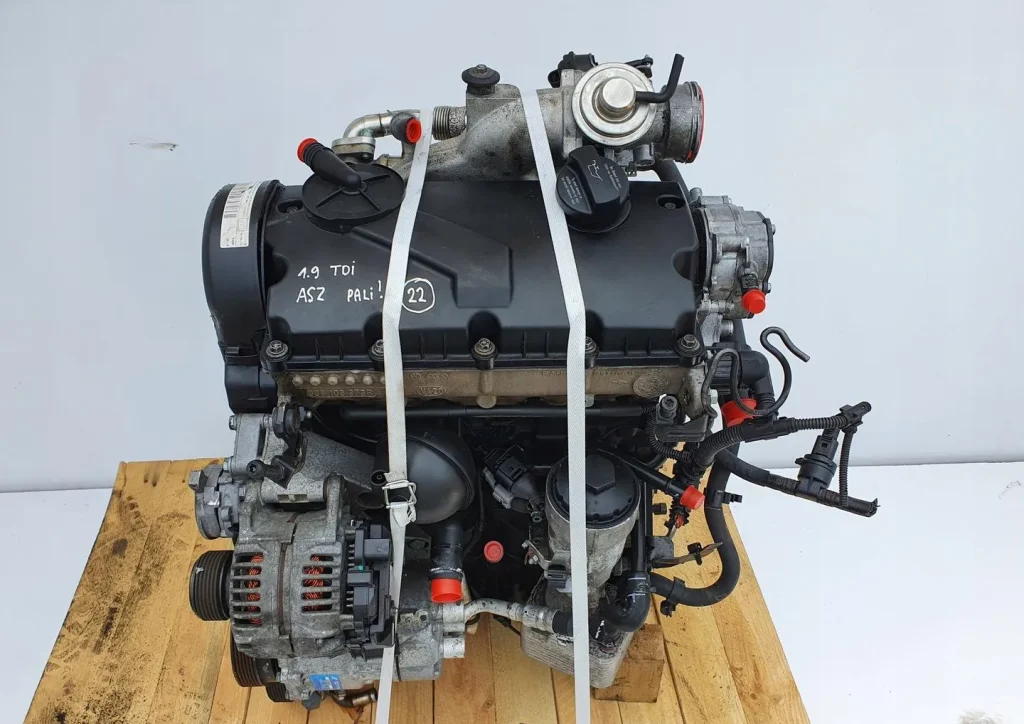
Owners frequently report mileages well beyond 400000 kilometers, and some go much further with consistent servicing. Regular timing belt changes, proper oil, and attention to cooling system health are key, but those are manageable requirements for an engine known to deliver such long service life.
Because these engines were installed in practical, affordable cars, many were used as daily drivers and commuter vehicles. That kind of steady use often means fewer cold starts and less short trip stress, which further contributes to their ability to keep running year after year.
The ALH 1.9 TDI has built a loyal global following for good reason. It proves that a small, efficient diesel can also be extremely long lived, making it one of the most respected German engines for drivers who value durability as much as economy.
5. BMW M54 Inline Six Petrol
The BMW M54 inline six petrol engine was produced from the early 2000s and powered a wide range of models, including the E46 3 Series, E39 5 Series, and early X3 and X5. It is often praised for its smooth power delivery, but mechanics also know it as one of BMW’s more durable modern gasoline engines.
One of the key strengths of the M54 is its balanced design. It uses an aluminum block with iron cylinder liners, which helps keep weight down while still providing strong, wear resistant cylinder surfaces. The rotating assembly is well matched to the engine’s output, so internal stress remains within safe limits.
BMW did not chase extreme horsepower numbers with the M54. Instead, the focus was on a broad, usable powerband and refinement. That conservative approach to tuning helps reduce long term strain on components like pistons, connecting rods, and bearings, which in turn supports high mileage reliability.
Cooling system maintenance is important on this engine, as with many BMWs of the era, but when components such as the water pump and expansion tank are replaced proactively, the engine itself tends to hold up very well. Overheating is one of the few things that can seriously shorten its life.
The M54 also benefits from relatively straightforward port fuel injection rather than more complex direct injection systems. This means fewer issues with carbon buildup on intake valves and fewer extremely high pressure fuel system parts that can fail with age.
In real world use, many M54 engines have surpassed 300000 kilometers without requiring a full rebuild. Regular oil changes, attention to cooling system health, and timely replacement of wear items go a long way. The core engine structure is usually not the weak point.
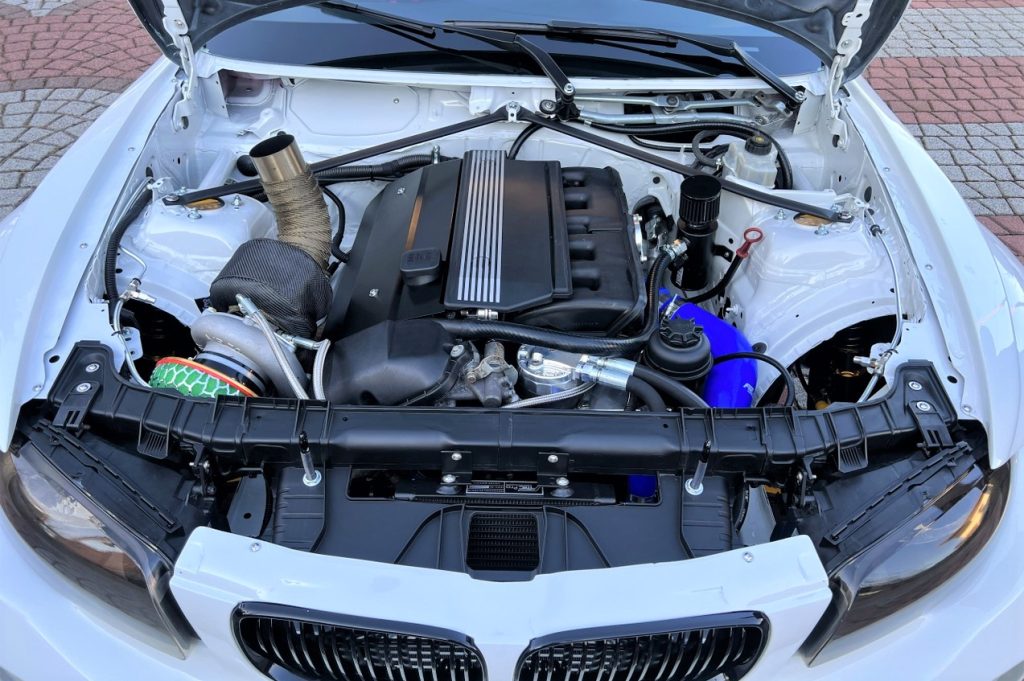
Because the M54 was installed in so many BMW models, parts availability and mechanic familiarity remain strong. This support network helps owners keep these engines running for years, reinforcing the M54’s reputation as one of BMW’s most durable and long lived modern inline six petrol engines.
6. Audi 1.8T 20 Valve Turbo Petrol
The Audi 1.8T 20 valve turbo petrol engine became one of the most widely used turbocharged engines from the Volkswagen Audi Group in the late 1990s and 2000s.
It powered everything from Audi A4s to Volkswagen Golfs and Passats. Despite being turbocharged, it has earned a reputation for impressive longevity when maintained properly.
A big reason for its durability is its strong bottom end design. Many versions use a robust block and forged internals that can handle more power than the factory output. This overengineering means the engine is often operating well within its mechanical limits in stock form.
The turbo system, while adding complexity, was not pushed to extreme boost levels from the factory. That moderate tuning allows the engine to deliver good performance without constantly running at high stress. With regular oil changes and proper warm up and cool down habits, the turbo itself can also last a long time.
Another advantage is the engine’s relatively simple port fuel injection system in many variants. This avoids some of the long term carbon buildup and injector issues seen in later direct injection turbo engines. Fewer ultra high pressure components can translate into fewer age related failures.
Cooling and lubrication systems are generally effective as long as sludge buildup is prevented through consistent oil service. Early neglect could cause problems, but engines that received regular maintenance often prove very durable even after many years of use.
The 1.8T also became popular in enthusiast communities, leading to a deep knowledge base about common issues and fixes. This shared experience makes it easier for owners to address small problems before they become serious, which helps extend engine life.
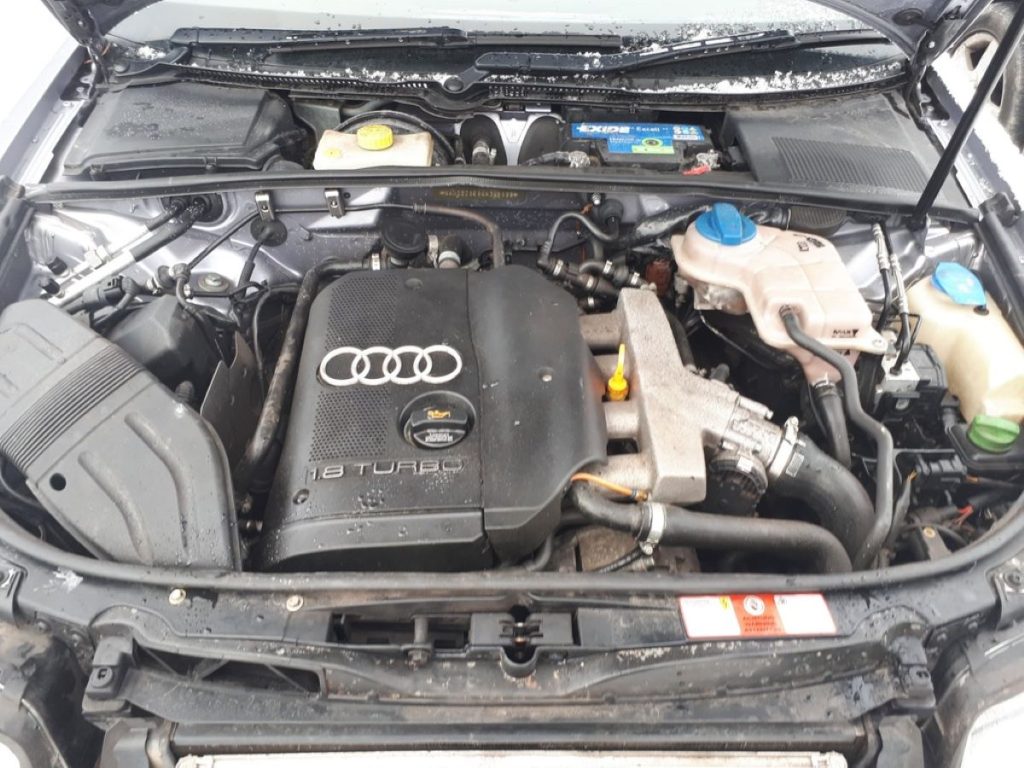
It is not unusual to find well maintained 1.8T engines with very high mileage still running smoothly. For a relatively small turbocharged petrol engine, that kind of lifespan is impressive and shows how thoughtful engineering and conservative factory tuning can support long term durability.
7. Porsche M96 Flat Six Petrol
The Porsche M96 flat six is a controversial entry on any list, but it earns a place here because many well maintained examples have proven capable of very high mileage. Used in the late 1990s and early 2000s Boxster and 911 models, this engine helped bring Porsche performance to a wider audience.
The design uses an aluminum block and heads, keeping weight low and helping with heat management. Its horizontally opposed layout gives excellent balance and smoothness, which reduces certain types of vibration related wear over time. When running properly, it is a refined and efficient performance engine.
Much of the negative reputation comes from specific failure points rather than general wear. Issues like intermediate shaft bearing concerns are well known, and preventative solutions have been developed. Engines that receive these upgrades and proper maintenance often go on to cover very high distances reliably.
Another strength is how the engine performs when driven regularly. Long periods of sitting can be harder on it than steady use. Cars that are exercised properly, warmed up correctly, and serviced on schedule tend to experience fewer problems and more consistent long term performance.
Oil quality and change intervals are especially important for this engine. Clean oil supports the valvetrain, timing components, and internal bearings. Owners who stay on top of service tend to see much better durability than those who treat it like a low maintenance commuter car.
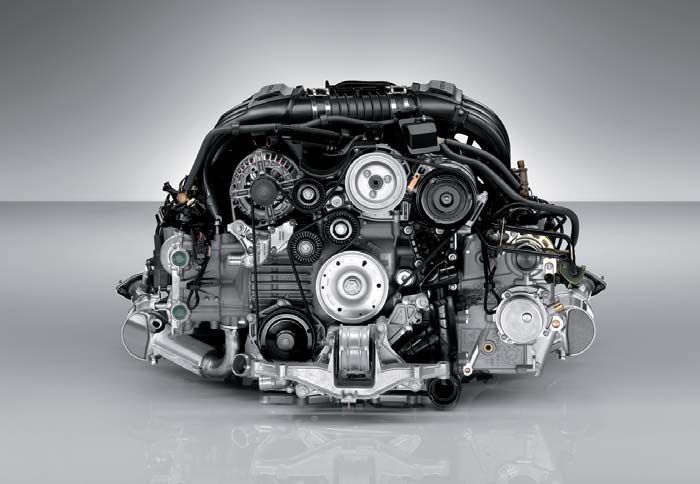
Cooling system health also plays a major role. Keeping radiators, coolant lines, and water pumps in good condition helps prevent overheating, which can damage any high performance aluminum engine. With a stable cooling system, the M96 can handle spirited driving without excessive wear.
While it may not be as indestructible as some heavy duty diesels, the M96 shows that even a high performance German sports car engine can achieve impressive longevity when known weak points are addressed and maintenance is taken seriously.
8. Mercedes Benz OM606 Inline Six Diesel
The Mercedes Benz OM606 diesel inline six is widely respected as one of the strongest and most durable diesel engines the company ever produced. Used in the 1990s in models like the W124 E Class and early W210, it built on Mercedes’ diesel heritage with even more refinement and strength.
This engine features a cast iron block and a robust bottom end designed to handle high compression and long term stress. Many enthusiasts consider it overbuilt for its factory power output, which means internal components are rarely pushed near their limits in standard form.
Fuel injection systems on the OM606, especially in earlier mechanical versions, are known for their durability. Even the later electronically controlled versions have proven long lasting when maintained with clean fuel and proper servicing. The engine’s basic structure remains the real star.
Cooling capacity and oiling are also strong points. The engine was designed for use in heavier luxury cars that often covered long distances at highway speeds. That steady operating environment, combined with a well engineered cooling system, supports long term reliability.
Another reason for its reputation is how well it responds to regular maintenance. Routine oil changes, valve adjustments where required, and attention to the cooling system help these engines reach extremely high mileage without internal rebuilds. Many examples have run for decades in daily service.
The OM606 has also gained popularity in enthusiast and motorsport communities because of how much power its internals can handle. The fact that it tolerates significant performance increases without immediate failure speaks volumes about its strength in standard form.
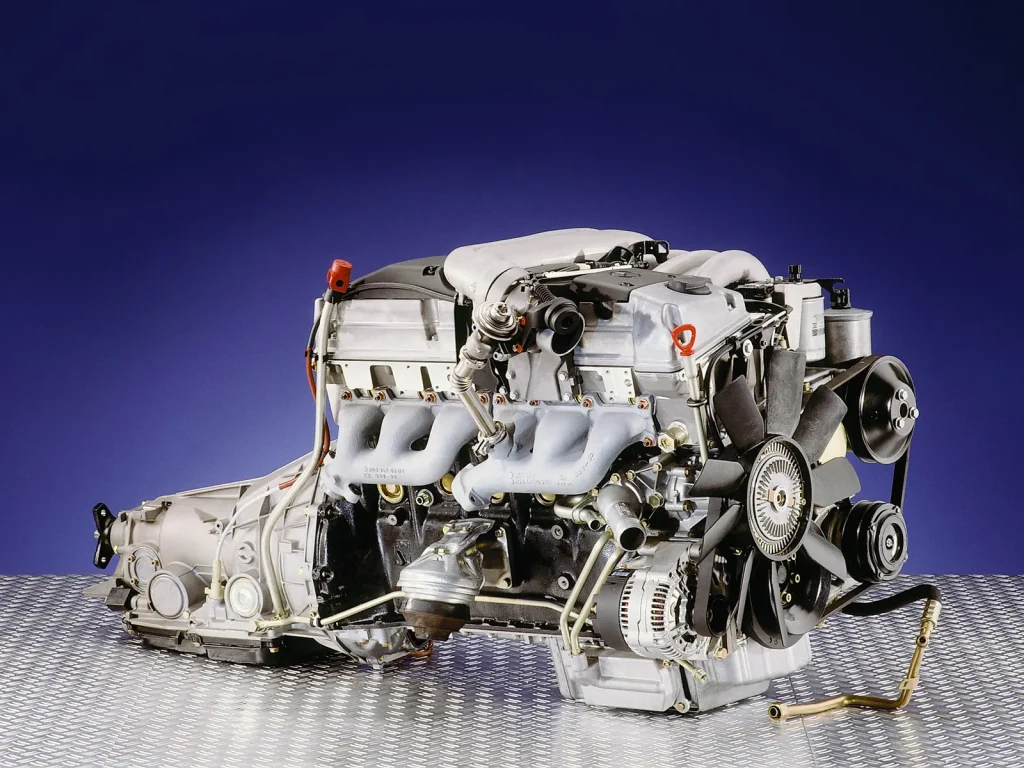
For drivers and mechanics who value durability above all else, the OM606 stands as one of the best examples of a German diesel engine built to last. It combines classic Mercedes overengineering with enough refinement to make it both tough and pleasant to live with over the long term.
9. Volkswagen 2.5 R5 Petrol
The Volkswagen 2.5 R5 petrol engine, often called the five cylinder 2.5, powered various Volkswagen models in the 2000s and early 2010s. It showed up in cars like the Jetta, Passat, and Beetle. While it was never marketed as a performance engine, it developed a strong reputation for durability in everyday use.
One of its main strengths is its relatively simple, naturally aspirated design. Without turbochargers or extreme output levels, internal components are not subjected to the high stresses seen in many modern downsized engines. This helps reduce long term wear on pistons, rods, and bearings.
The engine uses a sturdy block and a straightforward layout that mechanics find familiar and accessible. Routine maintenance such as oil changes, ignition system service, and cooling system care is generally easy to perform. That simplicity makes it more likely owners will keep up with proper service.
Another factor in its longevity is conservative tuning. Power delivery is smooth and adequate rather than aggressive, which means the engine usually operates well within its mechanical limits. Engines that are not constantly pushed to their edge tend to last much longer over time.
Cooling and lubrication systems are well matched to the engine’s output. When owners stick to proper oil specifications and keep an eye on coolant condition, the engine typically handles both city traffic and long highway drives without major internal problems.
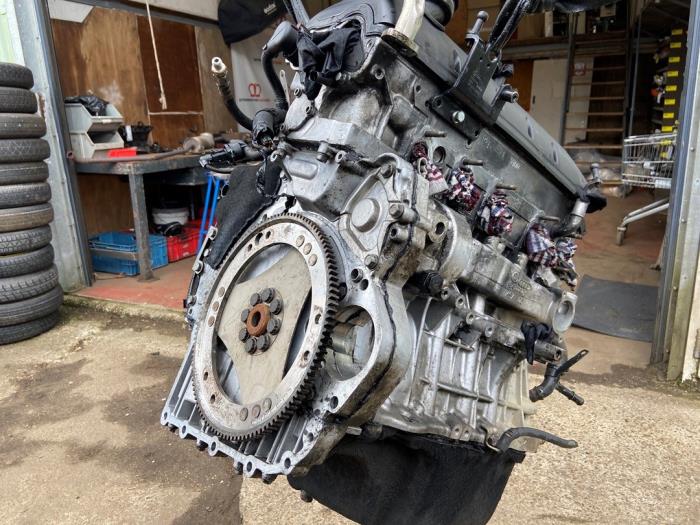
Because it was installed in practical daily driven cars, many of these engines accumulated high mileage through steady commuting. This kind of consistent use, rather than repeated short cold trips, is generally easier on internal components and helps extend service life.
The Volkswagen 2.5 R5 may not be flashy, but it has proven to be a dependable long term companion for many drivers. Its combination of simple design, moderate power, and solid construction makes it one of the more durable modern German petrol engines.
10. BMW M30 Inline Six Petrol
The BMW M30 inline six petrol engine is one of the brand’s most legendary powerplants, produced from the late 1960s into the early 1990s. It powered a wide range of models, including various 5 Series, 6 Series, and 7 Series cars. Over time, it became known not just for smooth performance, but also for remarkable longevity.
A major reason for its durability is its strong cast iron block and robust internal components. Built in an era when overengineering was more common, the M30 was designed with generous safety margins. This allowed it to handle years of use without major internal failures when properly maintained.
The engine’s design is also relatively straightforward compared to modern units. It uses traditional port fuel injection or earlier systems, and avoids many of the highly stressed components found in newer direct injection or turbocharged engines. Fewer high pressure systems often mean fewer age related failures.
Power output was respectable but not extreme for its displacement. This conservative tuning helps keep internal stress down, especially during steady highway driving. Engines that spend much of their life at moderate loads often develop less wear than those constantly pushed hard.
Cooling system care is important, as with any older engine, but when maintained properly the M30 handles heat well. Regular oil changes and proper valve adjustments also contribute to its ability to keep running smoothly over very long distances.
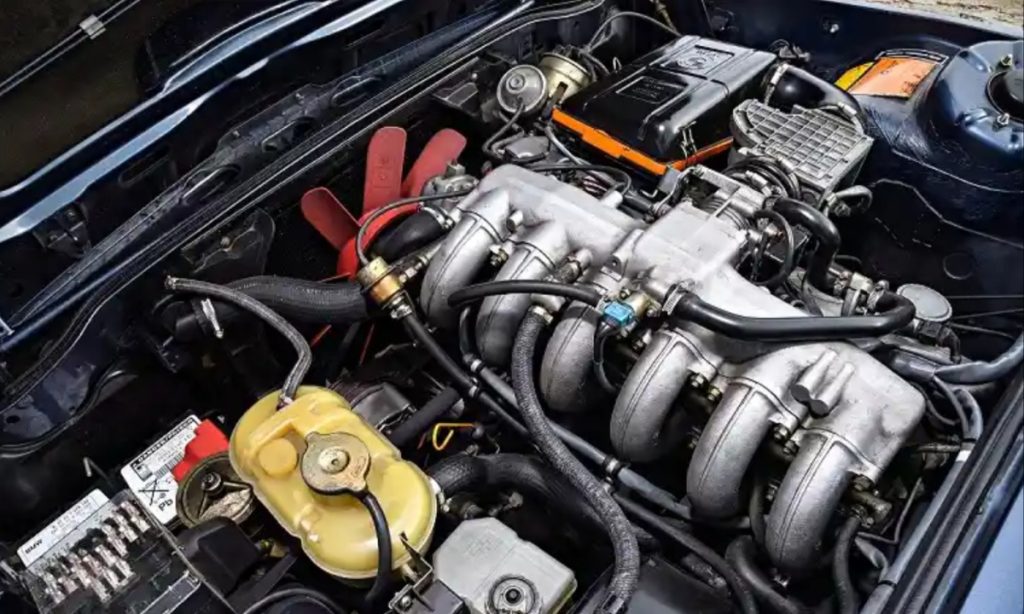
Many M30 engines have reached very high mileage in daily driven cars, particularly in Europe where long highway trips are common. It is not unusual to hear of examples running strong after decades of service, sometimes outlasting multiple generations of newer vehicles.
The M30 represents a classic era of German engineering where durability was a central goal. Its long production run and continued presence on the road today highlight just how well it was built, earning it a well deserved place among the most long lived German engines ever made.
Also Read: Top 10 European Sports Cars That Deliver Thrills on a Budget
