
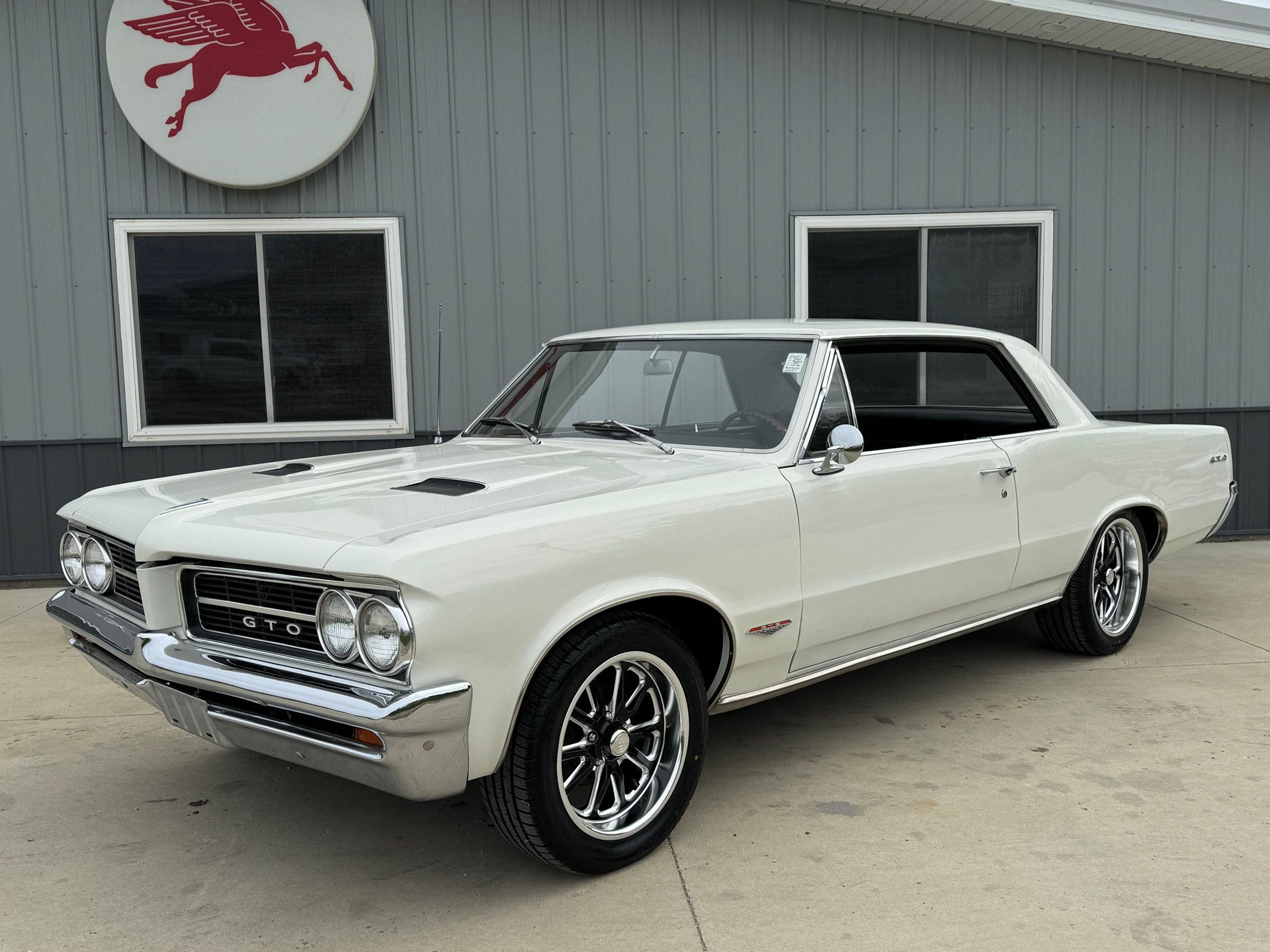
The 1960s were one of the most transformative decades in automotive history. It was a time when car design, performance, and cultural influence evolved at a pace never seen before.
Manufacturers experimented boldly, racing technology advanced rapidly, and the automobile became a symbol of freedom, identity, and innovation. Many of the cars introduced during this era did more than just sell well. They changed the industry’s direction.
This decade saw the birth of new vehicle categories and the rise of performance as a major selling point. Muscle cars roared onto the scene, sports cars gained international fame, and design became more expressive and dramatic.
Automakers pushed boundaries in engineering, aerodynamics, and power, while also shaping how people connected emotionally with their vehicles.
Motorsport played a major role in this transformation. Success on racetracks translated into showroom excitement, and lessons learned in competition influenced road car development. At the same time, growing youth culture and expanding highways fueled demand for faster, more stylish, and more personal cars.
Some cars from the 1960s stand out not just for their looks or performance, but for how they reshaped expectations.
They influenced future designs, inspired new technologies, and left legacies that still echo in modern vehicles. These models helped define entire segments and established reputations for brands that remain strong today.
The following ten cars represent some of the most important automotive milestones of the 1960s. Each one played a unique role in changing how cars were built, marketed, and experienced. Let’s begin with two machines that helped launch performance culture into the mainstream.
Also Read: Top 10 Performance SUVs That Are More Fun Than Sports Cars
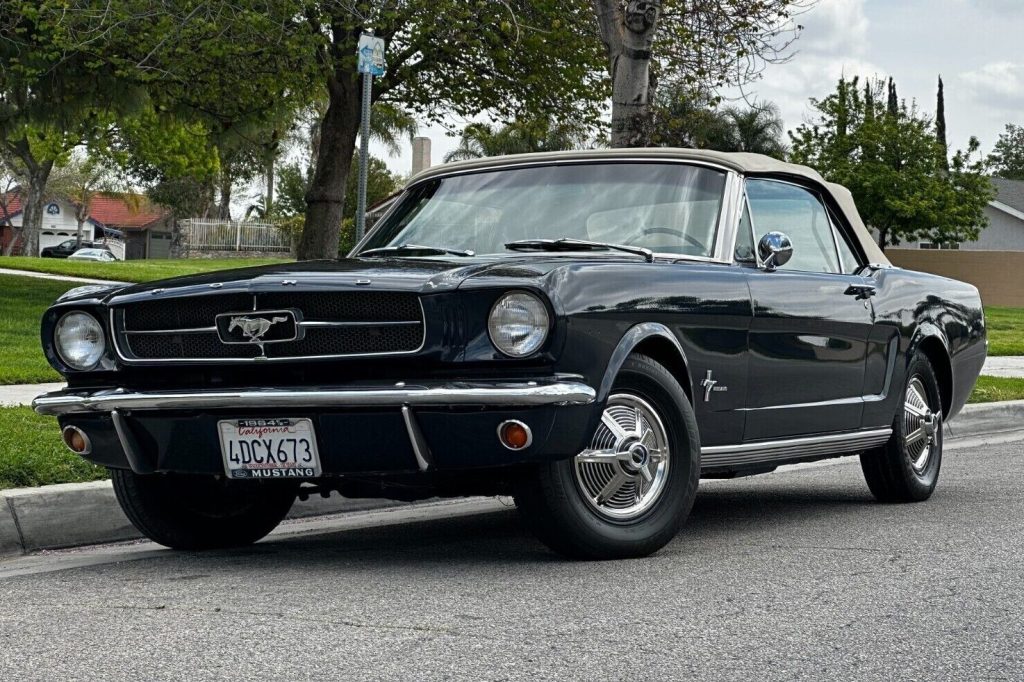
1. Ford Mustang 1964 and a Half
The Ford Mustang that debuted in 1964 quickly became one of the most influential cars in history. It introduced the world to the concept of the affordable, stylish performance coupe, creating what would soon be known as the pony car segment. Its impact on both the automotive industry and popular culture was immediate and long lasting.
One of the Mustang’s most important contributions was its formula. It combined sporty looks, a range of engine options, and a price that made it accessible to a wide audience. Buyers could choose from economical six cylinder engines or more powerful V8 options, allowing the car to appeal to both casual drivers and performance enthusiasts.
Its design played a major role in its success. The long hood, short rear deck proportions created a sporty image that resonated strongly with younger buyers. It looked fast even when parked, and that visual appeal helped make it a symbol of personal freedom and style.
The Mustang’s influence extended beyond sales numbers. Competing manufacturers quickly took notice and developed their own sporty compact coupes, leading to a wave of new performance oriented models. This competition fueled rapid innovation in power, handling, and design throughout the industry.
Motorsport involvement further enhanced the Mustang’s reputation. High performance versions proved themselves on racetracks, which reinforced the car’s performance image and strengthened its connection with enthusiasts.
The Mustang also showed that performance and style could be profitable on a large scale. It helped shift the industry’s focus toward lifestyle oriented vehicles that appealed to emotion as well as practicality.
The 1964 Mustang did more than introduce a new model. It created a movement. Its blend of affordability, performance, and style reshaped the American car market and left a legacy that continues to influence vehicles today.
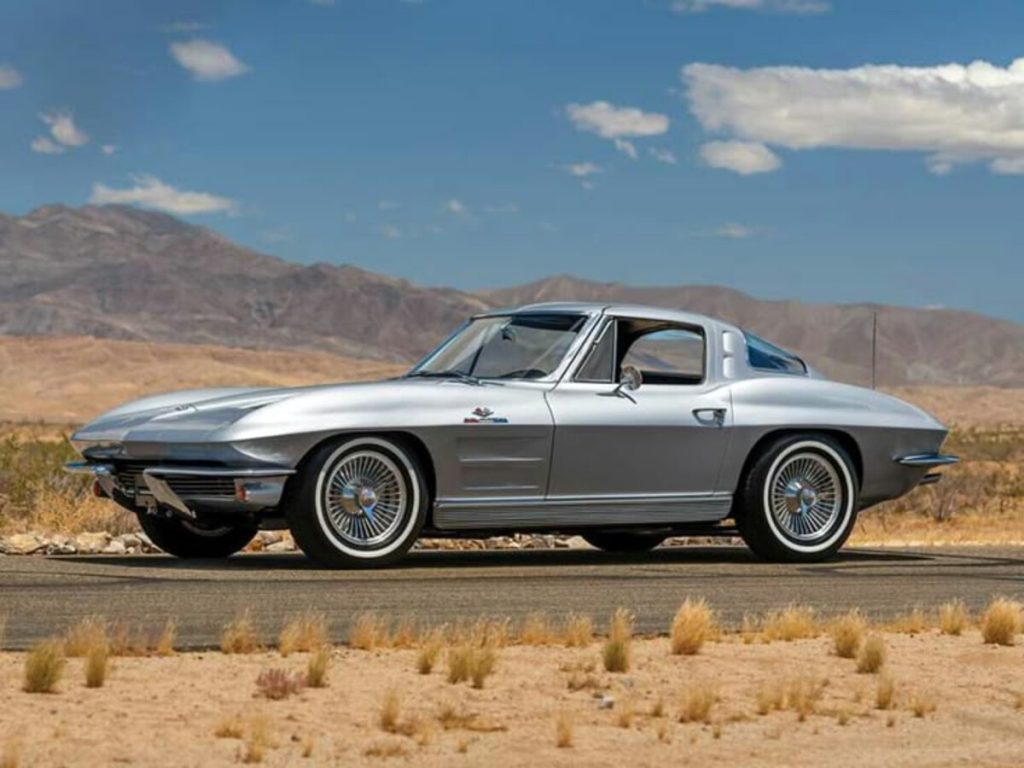
2. Chevrolet Corvette Sting Ray 1963
The 1963 Chevrolet Corvette Sting Ray represented a major leap forward for America’s sports car. With its dramatic styling, improved engineering, and sharper focus on performance, it transformed the Corvette from a stylish cruiser into a serious competitor on both road and track.
One of the most striking aspects of the Sting Ray was its design. The split rear window coupe became an instant icon, and the car’s sculpted bodywork looked more like a European exotic than a typical American vehicle. This bold styling helped redefine what an American sports car could look like.
Underneath the body, the Sting Ray introduced significant engineering advances. Independent rear suspension improved handling and ride quality, making the car more balanced and capable in corners. This was a major step forward for American performance cars, which often relied on simpler setups at the time.
Engine options ranged from strong small block V8s to high performance fuel injected versions. These powerplants delivered impressive speed and acceleration, helping the Corvette earn respect among performance enthusiasts and racers.
The Sting Ray’s success in motorsport also elevated its status. Racing versions proved that American engineering could compete internationally, which boosted the Corvette’s image and influenced future development.
Inside, the cockpit focused more on the driver than earlier models. Clear gauges and supportive seating reinforced the idea that this was a car built for enthusiastic driving, not just cruising.
The 1963 Corvette Sting Ray helped change perceptions about American sports cars. By combining advanced engineering, bold design, and serious performance, it set a new standard and influenced generations of Corvettes and other performance vehicles that followed.
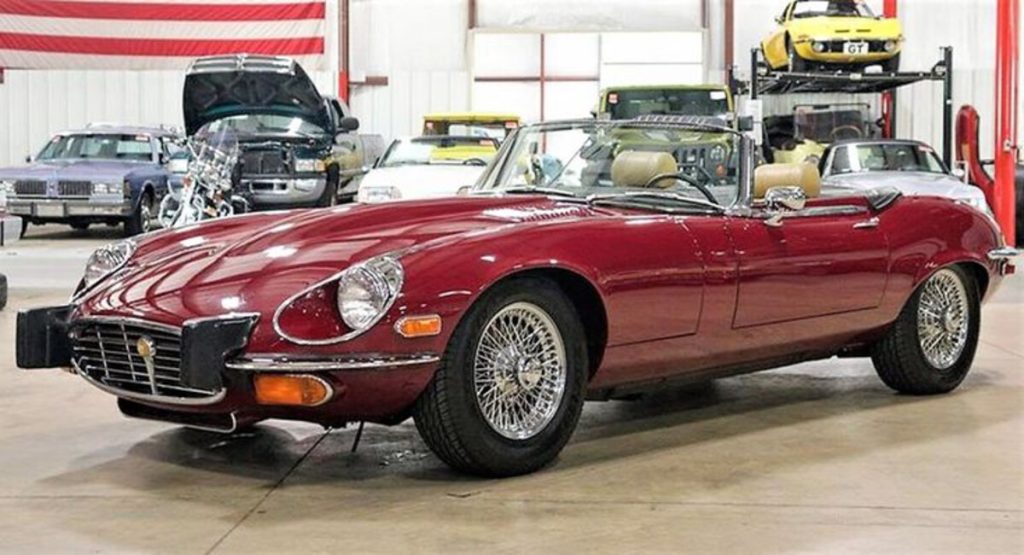
3. Jaguar E-Type
The Jaguar E Type stunned the world when it debuted in 1961. With its sleek shape, strong performance, and relatively accessible price, it proved that a car could combine exotic styling with real world usability. Many people consider it one of the most beautiful cars ever made, and its influence on design and engineering was enormous.
One of the E Type’s most important contributions was its styling. The long hood, flowing curves, and low stance gave it a dramatic, aerodynamic appearance that stood out from other cars of the time. It looked like a racing machine adapted for the road, and that visual impact helped redefine expectations for sports car design.
Performance was equally impressive. The E Type offered strong straight line speed and advanced engineering, including independent suspension and disc brakes. These features were not common in many road cars at the time, and they helped give the Jaguar a reputation for both speed and sophistication.
Another key factor was its value. Compared to many exotic European sports cars, the E Type delivered similar performance at a much lower price. This made high level sports car performance more accessible to a broader group of buyers, changing the competitive landscape in the process.
The E Type also strengthened Jaguar’s global image as a maker of refined yet thrilling vehicles. Its success influenced other manufacturers to place greater emphasis on aerodynamics, handling, and driver focused design.
Inside, the cockpit was built around the driver, with a clear focus on instrumentation and control. This approach reinforced the car’s sporting purpose and enhanced the driving experience.
The Jaguar E Type changed how the world viewed sports cars. By blending beauty, performance, and relative affordability, it set a new benchmark that continues to inspire designers and engineers decades later.
4. Porsche 911
The Porsche 911, introduced in the mid 1960s, became one of the most enduring sports car designs in history. Its unique layout, distinctive styling, and strong performance helped it stand out in a crowded field and set the stage for a lineage that continues today.
One of the most important aspects of the 911 was its rear engine layout. Placing the engine behind the rear axle gave the car distinctive handling characteristics. While it required skill to master, this layout also provided strong traction and a unique driving feel that became part of the car’s identity.
The 911’s design was also groundbreaking in its consistency. Its smooth, rounded shape and sloping roofline created a silhouette that has remained recognizable for decades. This timeless design approach showed that a strong visual identity could carry a model through many generations.
Performance was a key focus from the beginning. The 911 offered lively acceleration, precise steering, and excellent balance for a sports car of its era. It quickly built a reputation for being both exciting to drive and usable daily.
Motorsport success further enhanced its status. The 911 proved highly competitive in a wide range of racing events, which reinforced its image as a serious performance machine and helped drive continuous development.

Inside, the car emphasized driver engagement. Clear gauges and a focused driving position highlighted Porsche’s commitment to building cars for enthusiasts rather than just for comfort.
The Porsche 911 changed the sports car landscape by showing that a model could evolve without losing its core identity. Its combination of distinctive engineering, strong performance, and timeless design created a blueprint that many manufacturers still try to follow.
5. Pontiac GTO 1964
The 1964 Pontiac GTO is widely credited with launching the American muscle car era. By placing a large, powerful V8 engine into a relatively affordable midsize car, Pontiac created a formula that would dominate the rest of the decade and permanently change how performance was marketed to the public.
Before the GTO, high performance was often reserved for expensive sports cars or full size models. The GTO broke that pattern by offering serious power in a more compact, youth oriented package. This made straight line performance accessible to a much larger audience, especially younger buyers eager for speed and style.
The car’s engine choices were central to its impact. Large displacement V8 options delivered strong acceleration and an aggressive sound that became a defining feature of muscle cars. Performance was not subtle. It was bold, loud, and meant to be noticed both on the street and at the drag strip.
Styling also played a key role. The GTO looked muscular and purposeful, with subtle performance cues that hinted at its capabilities. It did not rely on extreme bodywork but still projected a powerful presence that appealed to enthusiasts.
Marketing helped cement its legacy. Pontiac promoted the GTO as an exciting performance machine rather than just transportation. This shift in advertising strategy helped turn cars into lifestyle statements and influenced how performance vehicles were sold for decades afterward.
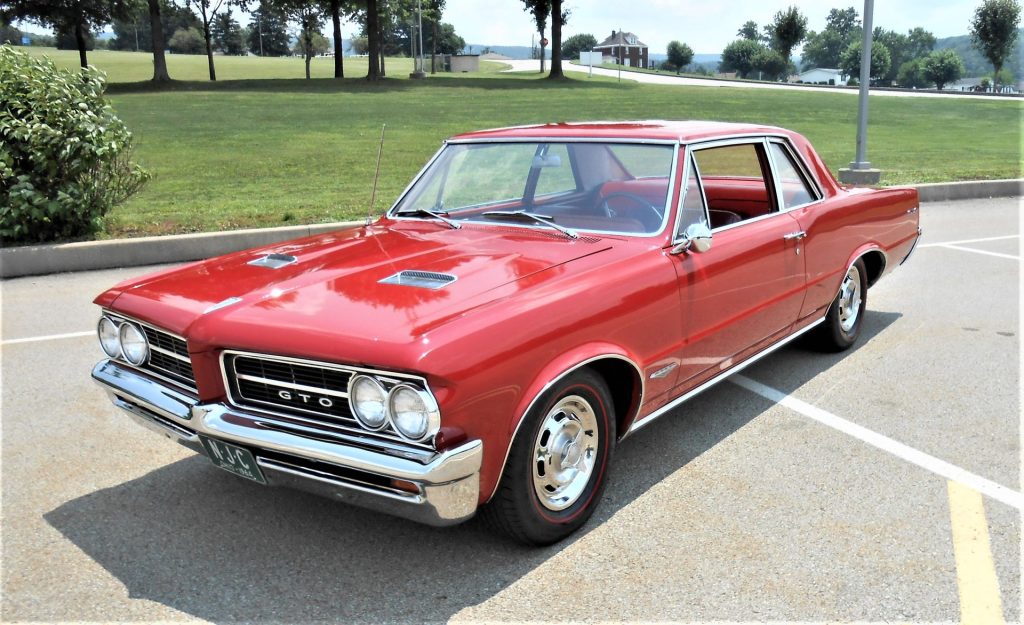
The GTO’s success sparked a wave of competition. Other manufacturers quickly followed with their own high powered midsize cars, leading to a horsepower race that defined the late 1960s. This new segment became one of the most iconic chapters in American automotive history.
The 1964 Pontiac GTO changed everything by proving that affordable cars could deliver thrilling performance. It set the template for muscle cars and left a lasting mark on automotive culture that is still felt today.
6. Lamborghini Miura
The Lamborghini Miura, introduced in the mid 1960s, is often credited with creating the modern supercar. Its mid engine layout, dramatic styling, and focus on performance redefined what the ultimate road going performance car could be.
Before the Miura, most high performance cars used front engine layouts. By placing the engine behind the seats, Lamborghini improved weight distribution and handling while also creating a striking new design. This configuration soon became the standard for high end performance cars.
The Miura’s styling was revolutionary. Low, wide, and flowing, it looked more like a futuristic concept than a production car. Its shape emphasized speed and drama, capturing the imagination of enthusiasts around the world and setting a new visual standard for exotic cars.
Performance matched the looks. The powerful engine delivered impressive speed for its time, and the car’s layout helped it handle better than many rivals. It was not just a beautiful machine, but also a serious performance car that pushed engineering boundaries.
The Miura also changed how exotic cars were perceived. It was not designed primarily for racing but as a road car that offered race inspired performance and style. This shift helped create the idea of the supercar as an object of desire, blending speed, design, and exclusivity.
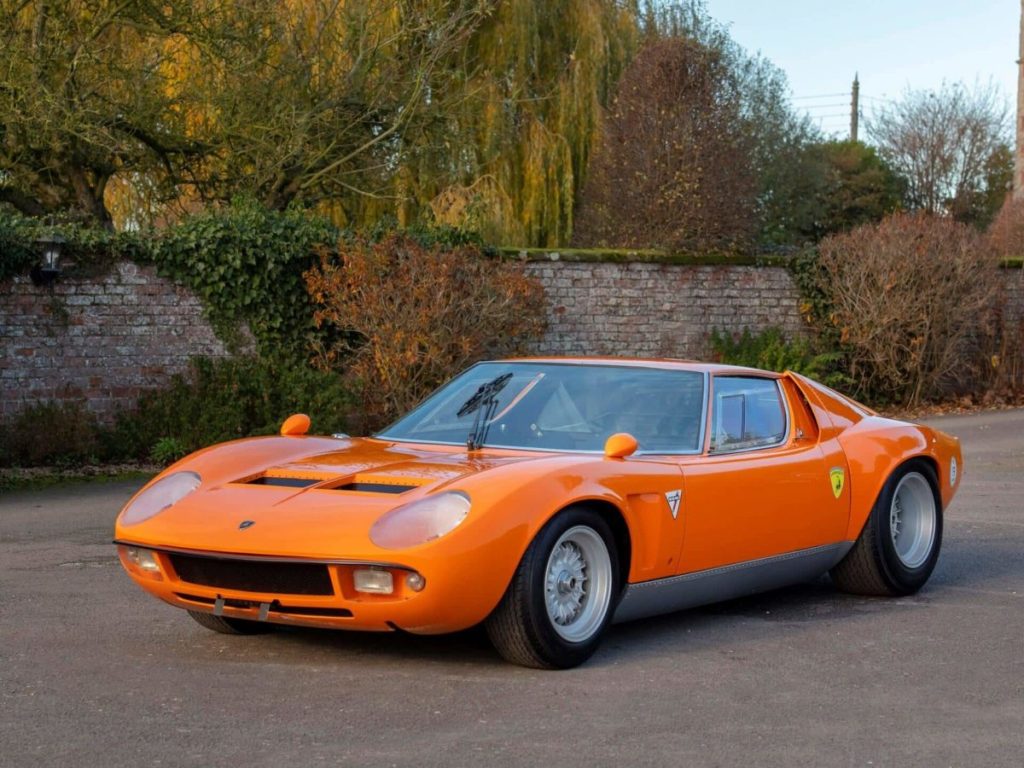
Its influence spread quickly. Other manufacturers adopted mid engine layouts for their top performance models, and the Miura’s dramatic proportions influenced sports car design for decades.
The Lamborghini Miura changed the automotive world by establishing a new blueprint for extreme performance cars. Its combination of innovative engineering, breathtaking design, and cultural impact makes it one of the most important cars of the 1960s.
7. Mini Cooper
The Mini Cooper proved that a small, affordable car could be both practical and thrilling to drive. At a time when performance was often associated with large engines and big bodies, the Mini took a completely different approach. Its clever design and racing success helped redefine what people thought a performance car could be.
One of the Mini’s most important innovations was its layout. By mounting the engine sideways and driving the front wheels, designers were able to maximize interior space while keeping the car extremely compact. This efficient packaging influenced countless future small cars and became a standard in the industry.
The Cooper performance version added more power and sharper handling, turning the Mini into a giant killer on twisty roads and racetracks. Its light weight and nimble responses allowed it to compete successfully against much more powerful cars, especially in rally competition.
Success in motorsport, particularly in events like the Monte Carlo Rally, gave the Mini Cooper global recognition. It showed that agility, balance, and smart engineering could be just as important as horsepower. This shifted the focus of performance car development toward handling as well as speed.
The Mini also had a huge cultural impact. Its distinctive shape and friendly personality made it popular with a wide range of drivers, from everyday commuters to celebrities. It became a symbol of 1960s style and individuality.
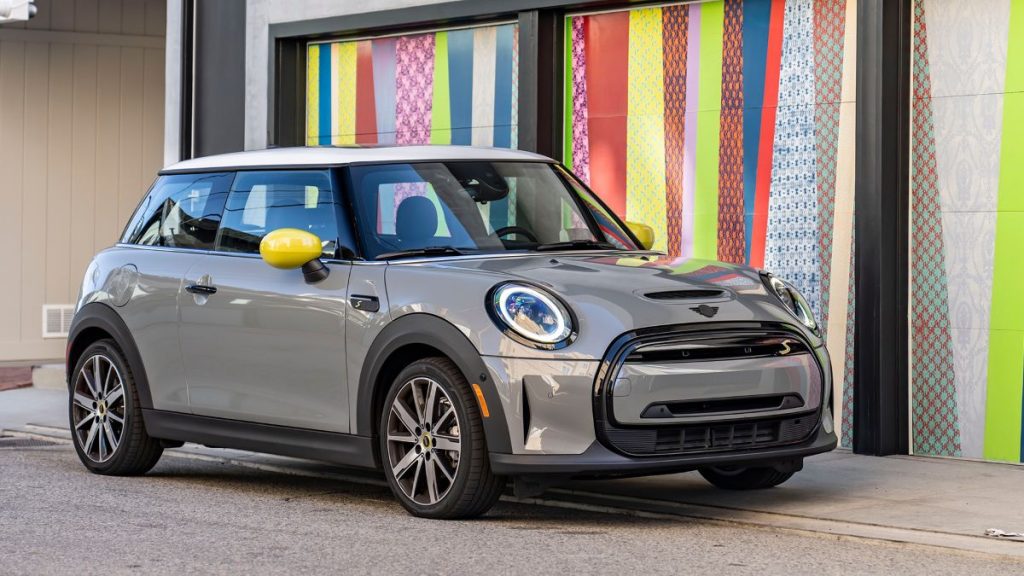
Inside, the car was simple but cleverly designed to make the most of limited space. Its practicality made it a realistic option for many buyers, proving that a fun car did not have to be impractical.
The Mini Cooper changed the automotive world by demonstrating that small cars could deliver big excitement. Its influence can be seen in generations of compact performance cars that followed.
8. Shelby Cobra 427
The Shelby Cobra 427 was a brutal, uncompromising sports car that combined American V8 power with a lightweight British chassis. This unique blend created one of the most thrilling and influential performance cars of the 1960s.
Carroll Shelby’s idea was simple but revolutionary. Take a small, lightweight roadster and install a very powerful engine. The result was a car with explosive acceleration and a raw driving experience that few others could match at the time.
The 427 version took this formula to the extreme. With a larger engine and wider body to handle the added power, it became an icon of pure performance. Its aggressive stance and massive tires gave it a look that matched its capabilities.
On the track, the Cobra proved its worth. It competed successfully against established European sports cars, showing that American power and ingenuity could win on the international stage. This success helped boost the image of American performance engineering worldwide.
The Cobra’s influence went beyond racing. It helped popularize the idea of combining lightweight construction with large engines, a formula that would inspire many future performance cars. It also showed that small manufacturers could create world class machines through clever engineering and bold ideas.
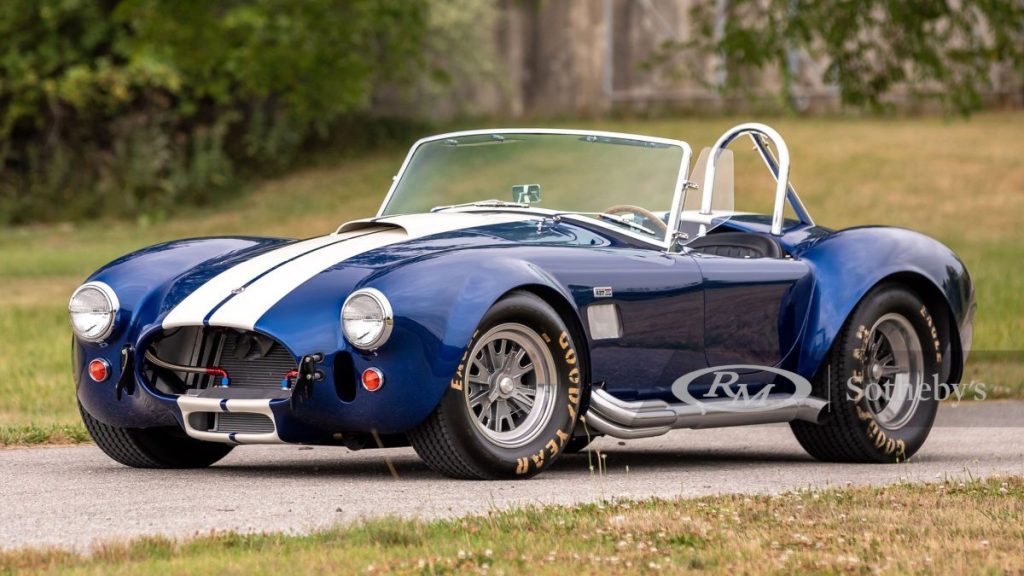
Driving a Cobra was an intense experience. The car demanded skill and respect, and that raw character became part of its legend. It represented performance in its purest form, without the filters of modern electronics.
The Shelby Cobra 427 changed everything by proving that extreme performance could come from creative thinking rather than just big budgets. Its legacy continues to inspire sports cars that value power, light weight, and driver engagement above all else.
9. Ferrari 250 GTO
The Ferrari 250 GTO is often spoken of as one of the greatest cars ever built, but its importance goes far beyond rarity or beauty.
Introduced in the early 1960s, it represented a turning point in how road cars, racing, and engineering could intersect in a single machine. It helped define the idea of a race bred road car and set standards that influenced high performance vehicles for decades.
At its core, the 250 GTO was built for competition. Ferrari designed it to meet homologation requirements for grand touring racing, which meant it had to be based on a production model while still delivering serious track performance.
This blending of race engineering and road legality created a new type of car that blurred the line between street machine and competition tool.
Aerodynamics played a major role in its development. The body was shaped with careful attention to airflow, something that was still a developing science at the time.
Its long hood, low nose, and carefully sculpted rear helped improve high speed stability and efficiency. This focus on aerodynamic performance influenced future sports car design across the industry.
Under the hood, the V12 engine delivered both power and character. It was engineered for durability in long distance racing, yet remained usable on public roads. The combination of strong performance and mechanical reliability made the 250 GTO a formidable competitor in endurance events.
Success on the track cemented its legacy. The car dominated its class in international racing, proving that Ferrari’s blend of engineering and design was world class. These victories enhanced the brand’s image and reinforced the importance of motorsport as a proving ground for road cars.
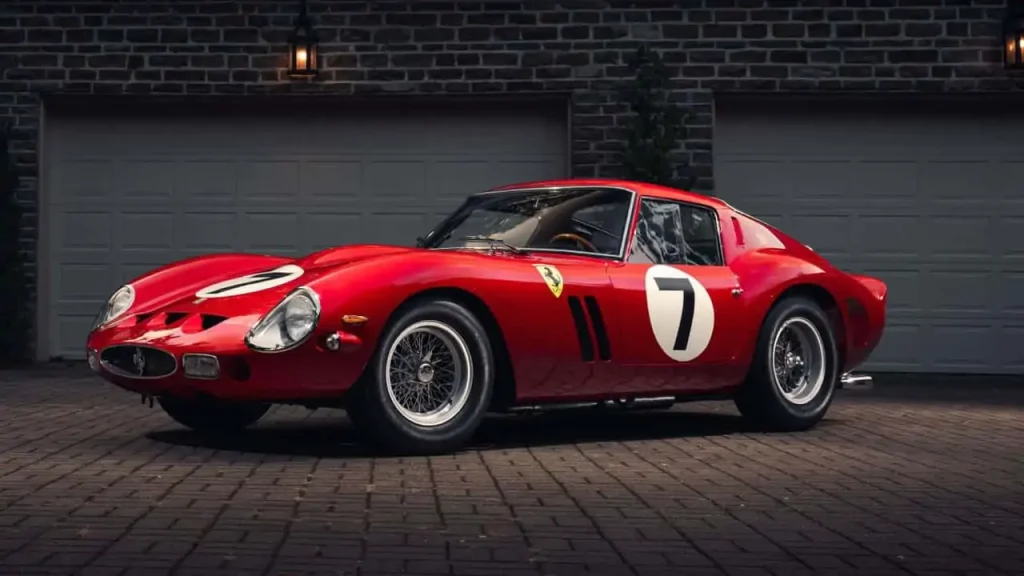
The 250 GTO also helped establish the idea of the limited production, high performance halo car. Its exclusivity and racing pedigree made it highly desirable even in its own time. This concept later evolved into the modern supercar and hypercar segments.
Beyond its technical achievements, the car influenced how enthusiasts and collectors view performance vehicles.
It showed that a car could be both a tool for competition and an object of beauty and passion. The Ferrari 250 GTO changed the automotive world by demonstrating the powerful connection between racing success, advanced engineering, and lasting cultural impact.
10. Ford GT40
The Ford GT40 was born from ambition and rivalry, and it went on to change the course of endurance racing and high performance engineering. Developed in the 1960s to beat Ferrari at the 24 Hours of Le Mans, it became one of the most significant race cars ever built and left a lasting influence on performance car development.
One of the GT40’s most important contributions was its role in advancing the mid engine layout for high speed racing.
By placing the engine behind the driver, engineers improved weight distribution and aerodynamics. This configuration became the standard for top level race cars and later influenced many road going supercars.
The car’s design focused heavily on stability at extreme speeds. Long distance endurance racing requires not just power but also reliability and aerodynamic efficiency. The GT40’s low, wide shape helped it cut through the air while remaining planted on high speed straights and fast corners.
Power came from large displacement American V8 engines, which provided the strength needed to compete in endurance events.
These engines were tuned for durability as well as performance, allowing the GT40 to sustain high speeds for hours at a time. This blend of brute force and engineering refinement became a hallmark of American racing innovation.
The GT40’s victories at Le Mans were historic. Winning multiple times in succession, it broke Ferrari’s dominance and proved that American manufacturers could succeed at the highest levels of international motorsport. These achievements boosted Ford’s global image and highlighted the value of motorsport as a platform for technological advancement.
Lessons learned from the GT40 program influenced future road cars as well. Aerodynamics, lightweight construction, and advanced chassis design all became more important in performance car engineering. The project showed how racing could drive innovation that later filtered down to production vehicles.
Culturally, the GT40 became a symbol of determination and engineering ambition. Its story captured the imagination of enthusiasts and demonstrated how competition can push manufacturers to achieve extraordinary results.
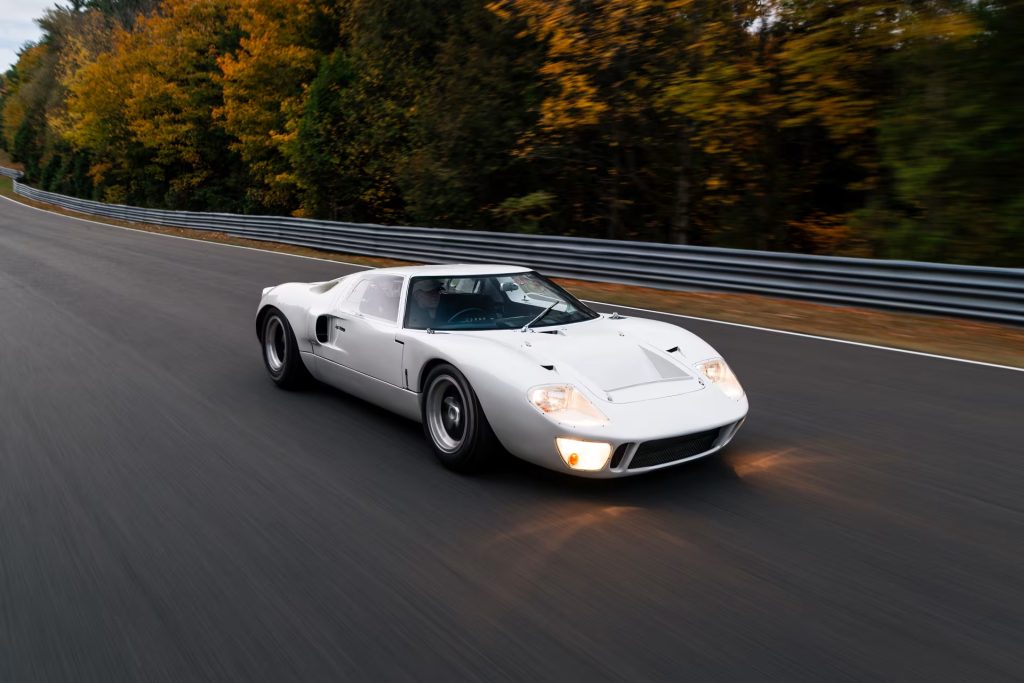
The Ford GT40 changed everything by proving that focused engineering, bold goals, and motorsport dedication could reshape the automotive world. Its legacy continues to inspire both race cars and road cars that aim to combine speed, endurance, and cutting edge design.
The 1960s reshaped the automotive world through bold design, rising performance, and strong motorsport influence. Cars like the Ford Mustang and Pontiac GTO brought affordable speed to the masses, launching the pony car and muscle car eras.
Meanwhile, the Chevrolet Corvette Sting Ray and Jaguar E Type proved that striking style and advanced engineering could exist together in true sports cars.
European innovation surged with the Porsche 911 and Lamborghini Miura, which helped define the modern sports car and supercar formulas.
The Mini Cooper showed that small cars could be exciting and competitive, while the Shelby Cobra demonstrated the power of combining light weight with massive American V8 performance.
At the highest level, the Ferrari 250 GTO and Ford GT40 connected racing success directly to automotive legend. Their engineering, aerodynamics, and endurance racing victories influenced performance development for decades.
Together, these ten cars changed expectations about speed, design, and identity, shaping not only the cars that followed but also the culture and passion surrounding the automobile itself.
