Electric cars were supposed to represent a clear step forward. The promise was simple: cleaner transportation, lower running costs, smart packaging, and technology that actually improves everyday driving.
At their best, electric vehicles deliver smooth acceleration, quiet operation, and clever interior layouts made possible by compact drivetrains. They can feel like a genuine evolution of the automobile.
However, not every electric car fully embraces these advantages. Some models end up feeling like traditional gasoline cars awkwardly converted to electric power.
Others focus so heavily on gimmicks, extreme performance, or questionable design choices that they lose sight of what makes an electric car truly useful and forward thinking. Instead of improving efficiency, practicality, or driving ease, they sometimes add weight, complexity, or cost without clear benefits.
In certain cases, the issue is not that the car is bad in isolation. It may be comfortable, quick, or well built. The problem is that it does not fully take advantage of the opportunities electric platforms provide.
Poor range for the price, cramped interiors despite large bodies, confusing technology, or design decisions that hurt usability can make these vehicles feel like missed opportunities.
Electric cars have the potential to rethink how vehicles are packaged and used. When manufacturers fall back on old habits or chase flashy headlines instead of meaningful progress, the result can feel like a step sideways rather than forward.
Here are ten electric cars that, in different ways, seem to miss the real point of going electric, starting with two that sparked plenty of debate about what an EV should really be.
Also Read: 10 Best-Looking Supercars Ever Built That Are Still Relevant
1. Mazda MX 30 EV
The Mazda MX 30 EV is a perfect example of an electric car that looks interesting on the surface but struggles to deliver where it matters most. Mazda is known for building engaging, well designed vehicles, yet this model feels like it was built with hesitation rather than commitment to the electric concept.
One of the biggest concerns is its limited driving range. Compared to many other electric vehicles in a similar price bracket, the MX 30 offers significantly less distance on a full charge.
This restricts its practicality, especially for drivers who cannot charge at home or who regularly travel longer distances. Instead of feeling liberating, the electric experience here can feel limiting.
The packaging also raises questions. Electric cars typically benefit from clever space usage thanks to compact drivetrains and flat floors.
The MX 30, however, does not feel especially roomy for its size. Rear seat access is complicated by its rear hinged doors, and overall cargo and passenger space do not fully reflect the advantages an EV platform could offer.
Mazda also emphasized sustainable interior materials and distinctive styling, which are admirable goals. The cabin looks unique and thoughtfully designed, but this focus on aesthetics does not compensate for the compromises in range and usability. Drivers may appreciate the design, yet still feel anxious about longer trips.
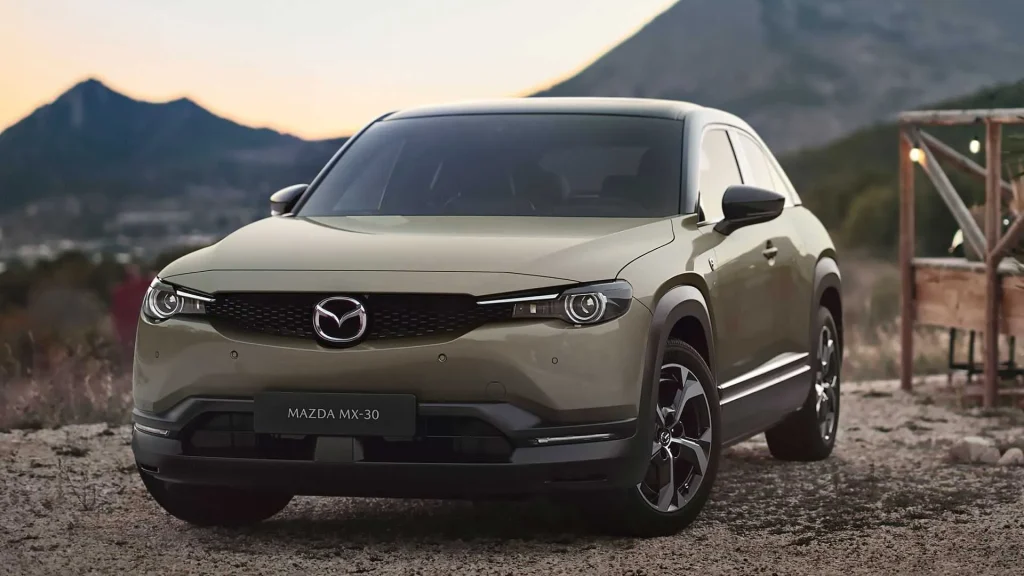
Performance is adequate but not particularly exciting. Electric motors usually provide instant torque that makes even modest cars feel lively. The MX 30 delivers smooth acceleration, but it does not stand out in a segment where many competitors offer both better range and stronger performance.
The result is an electric car that feels like a cautious experiment rather than a bold step forward. It has charm and personality, but by offering limited range and only average practicality, it misses a core advantage that makes EVs so appealing in the first place.
2. Mini Cooper SE Electric
The Mini Cooper SE Electric brings classic Mini style into the EV world, but in doing so it carries over many limitations that feel outdated in an electric context. While it is fun to drive and full of personality, it does not fully embrace the practical and technological advantages that modern electric cars can deliver.
Range is again one of the main sticking points. The Mini Electric offers relatively short driving distance compared to many other EVs on the market. This makes it best suited to short urban trips, but many drivers expect even small electric cars to handle occasional longer journeys with less planning stress.
Interior space is another area where the car feels compromised. Minis have always been compact, but electric platforms often allow designers to create surprisingly roomy cabins within small footprints.
The Mini Electric largely keeps the traditional layout, resulting in tight rear seating and limited cargo capacity. It feels like a gasoline Mini with batteries added rather than a car reimagined around electric architecture.
Technology integration also feels less forward thinking than expected. While it includes modern infotainment and digital displays, the overall user experience is not as seamless or spacious as in many purpose built electric vehicles.
Some rivals use their EV foundations to create open, airy interiors and simplified controls, while the Mini sticks closely to its conventional design.
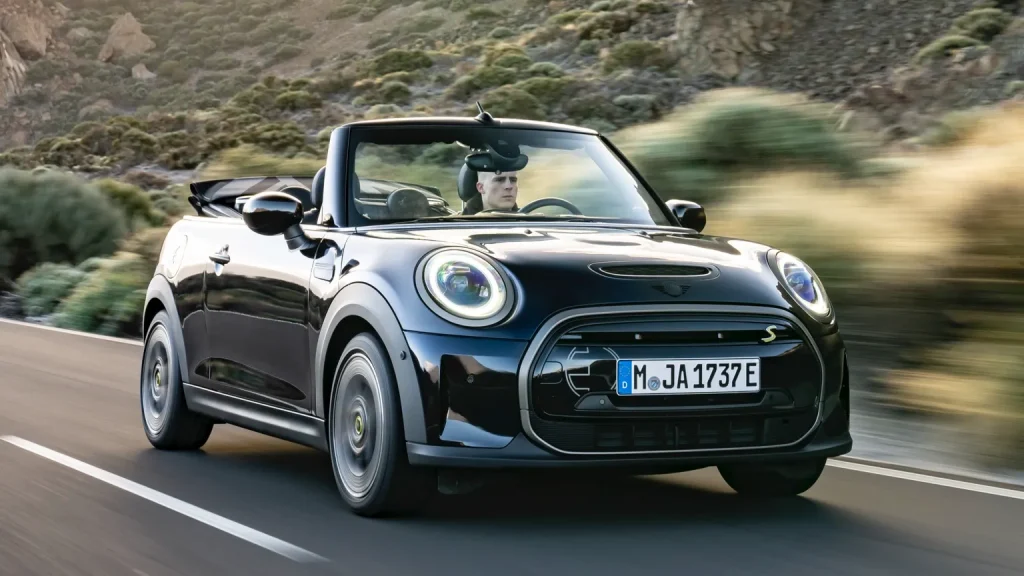
On the positive side, the Mini Electric delivers the brand’s trademark go kart like handling and quick low speed response. Around town, it feels agile and entertaining. However, that fun factor does not fully make up for the practical compromises, especially at its price point.
Ultimately, the Mini Cooper SE Electric feels like a stylish city toy rather than a well rounded electric car. By prioritizing nostalgia and brand identity over range, space, and forward thinking packaging, it misses some of the biggest opportunities that come with going electric.
3. Honda e
The Honda e is one of the most charming electric cars ever made, yet it also stands as a clear example of how style and clever ideas can overshadow real world usability. At first glance, it seems like the perfect modern city EV, but in practice it leaves some drivers wondering why its design priorities did not better match everyday needs.
Visually, the Honda e is a success. Its retro inspired styling, clean lines, and friendly face make it look like a futuristic concept car.
The interior is equally striking, with wide digital screens stretching across the dashboard and a lounge like layout. From a design and technology standpoint, it feels imaginative and forward thinking.
The problem is that the mechanical side does not fully support that futuristic image. The driving range is limited compared to many other electric cars, even in the small car category.
For city use this may be acceptable, but many drivers expect an EV to handle more than just short commutes. Frequent charging becomes a reality, which can be inconvenient for those without easy access to home charging.
Interior space is another weak point. Despite being an electric car, the Honda e does not offer the kind of clever packaging seen in some competitors. Rear passenger space is tight, and cargo capacity is modest. It feels more like a stylish runabout than a truly practical small hatchback.
Efficiency and performance are decent but not class leading. The car is smooth and quiet, yet it does not significantly outperform rivals in range or charging speed. For a vehicle positioned as a high tech urban EV, many expected it to push further in these areas.
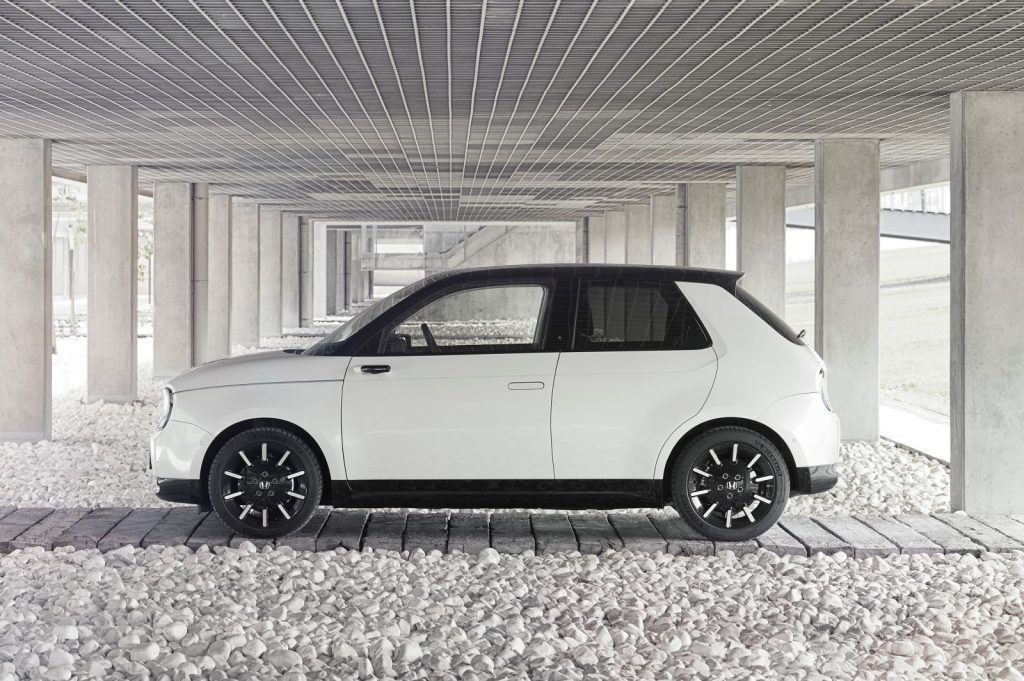
The Honda e feels like a beautifully designed gadget on wheels, but one that sacrifices too much practicality for style and novelty. It shows what electric cars can look like, but not necessarily how useful they can be for a wider range of drivers.
4. Lexus UX 300e
The Lexus UX 300e brings electric power to a premium compact crossover, but its execution feels more like an afterthought than a ground up EV design. While it delivers the comfort and build quality expected from Lexus, it struggles to take full advantage of what an electric platform can offer.
One of the main issues is range. Compared to many similarly priced electric vehicles, the UX 300e falls short in how far it can travel on a full charge. This limits its appeal as a primary vehicle, especially for drivers who want the flexibility to take longer trips without frequent charging stops.
Packaging is another area where the car feels compromised. The UX was originally designed as a hybrid and gasoline model, and the electric version retains much of that layout.
As a result, interior space and cargo capacity do not benefit from the flat floor and open architecture that many purpose built EVs provide. It feels like a converted conventional vehicle rather than a true electric rethink.
Performance is smooth but not particularly exciting. Electric cars often surprise drivers with quick acceleration and responsive torque, but the UX 300e delivers a more subdued driving experience. It is comfortable and quiet, yet it does not feel like a leap forward in how an electric car can perform.
Charging speeds also do not lead the segment, which adds to the sense that this model was built cautiously rather than ambitiously. Buyers paying a premium price might expect more advanced battery and charging technology.
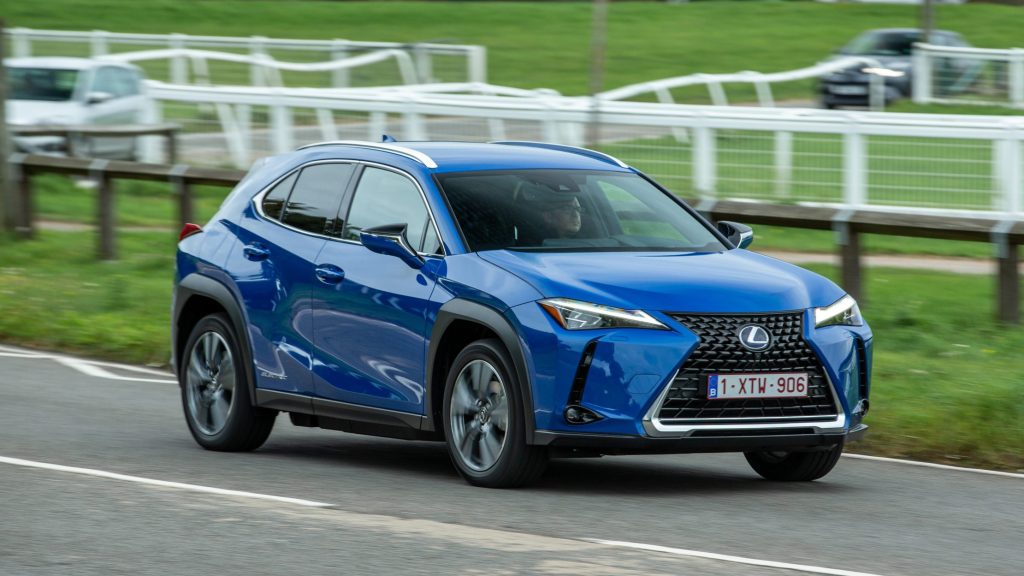
The Lexus UX 300e is refined and easy to live with in many ways, but it does not fully embrace the strengths of electric vehicle design. By adapting an existing platform instead of creating something purpose built, it misses the chance to redefine space, range, and performance in a meaningful way.
5. Ford Mustang Mach E GT Performance Edition
The Ford Mustang Mach E GT Performance Edition is quick, powerful, and packed with technology, but it also highlights how chasing branding and extreme performance can sometimes blur the purpose of an electric vehicle. While it succeeds as a fast electric crossover, it raises questions about efficiency, identity, and everyday usability.
One of the biggest points of contention is weight and efficiency. High performance versions like this one add larger motors, bigger wheels, and sport focused components that increase energy consumption.
As a result, driving range can drop compared to less powerful versions. For a vehicle that is already not small, this tradeoff makes long distance travel less convenient than it could be.
The performance itself is impressive. Instant torque and strong acceleration make it genuinely quick in a straight line. However, this focus on speed feels slightly out of step with the practical strengths of EVs, such as smooth commuting, low running costs, and quiet comfort.
Buyers drawn in by the Mustang name may expect a lightweight, sharp handling sports car, yet this is still a tall, heavy crossover at heart.
Interior technology is modern, but not always intuitive. A large central screen controls many functions, which can be distracting while driving. Some drivers feel that the pursuit of a high tech image comes at the expense of simple usability.
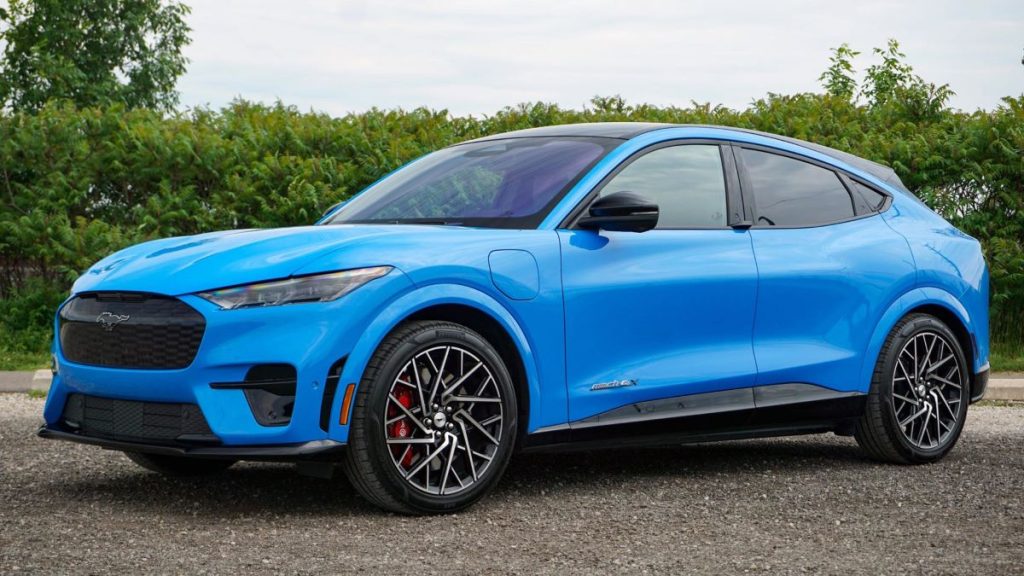
Brand identity is another area where the car feels conflicted. The Mustang name carries strong expectations about performance and character. Applying it to a heavy electric crossover makes sense from a marketing standpoint, but it can feel like a mismatch between heritage and reality.
The Mach E GT Performance Edition is not a bad EV. It is fast, comfortable, and well equipped. But by prioritizing image and headline performance over efficiency and purity of purpose, it sometimes feels like it misses the more meaningful advantages of going electric.
6. Audi e tron First Generation SUV
The first generation Audi e tron SUV delivered the luxury, refinement, and build quality expected from the brand, but it also became known for efficiency and range figures that lagged behind many competitors.
As a result, it often felt like a traditional luxury SUV that happened to be electric rather than a vehicle truly optimized for EV strengths.
One of the most common criticisms was its energy consumption. The e tron was relatively heavy and not especially aerodynamic for an electric vehicle.
This translated into real world range that could be disappointing, especially at highway speeds. Drivers sometimes found themselves planning charging stops more often than expected in a premium EV.
Interior quality and comfort were strong points, but packaging did not feel revolutionary. Many purpose built EVs use their platforms to create extra interior space or innovative storage solutions. The e tron, in contrast, felt similar in layout to Audi’s gasoline SUVs, which made it familiar but not particularly forward thinking.
Charging performance was acceptable, yet not always class leading, which added to the sense that this was an early step rather than a fully optimized electric design. Buyers paying a premium price might expect cutting edge battery efficiency and fast charging to match the luxury experience.
Driving dynamics were smooth and quiet, as expected, but the car’s weight limited agility. Instead of feeling like a new type of electric SUV, it often felt like a conventional luxury SUV with a battery replacing the engine.
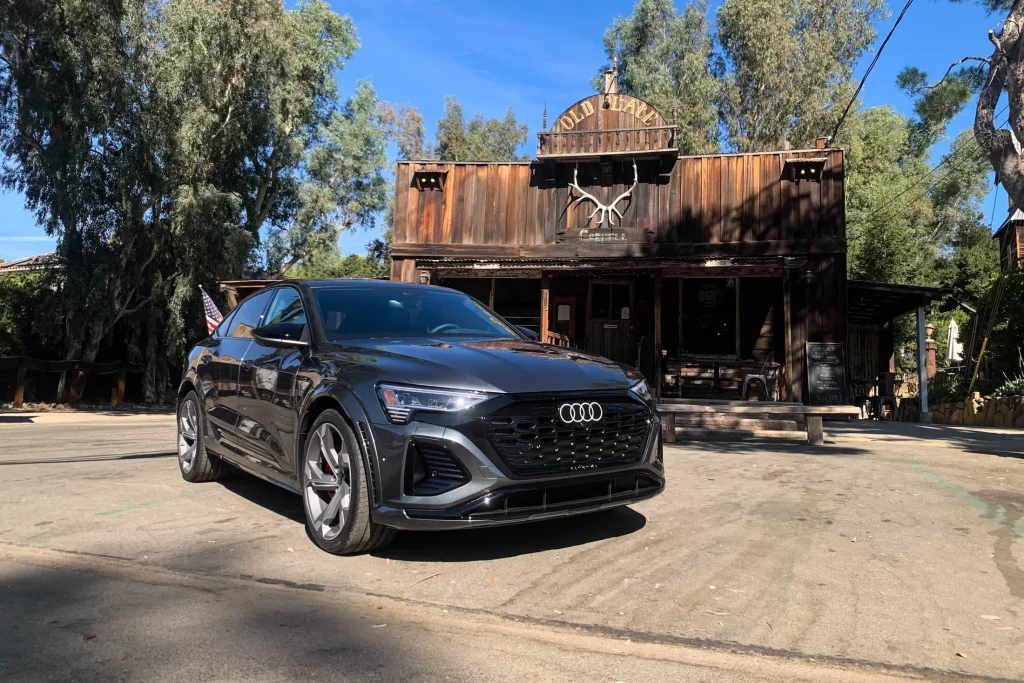
The Audi e tron SUV showed that simply electrifying an existing formula is not enough. While it offered comfort and brand prestige, it did not fully exploit the packaging, efficiency, and innovation potential that define the best electric vehicles. That gap between expectation and execution is what makes it feel like a missed opportunity.
7. GMC Hummer EV
The GMC Hummer EV is one of the most dramatic electric vehicles ever built, but it also represents a version of electrification that seems to ignore many of the reasons EVs became popular in the first place.
While it showcases impressive engineering and off road capability, its size, weight, and energy use make it feel like a contradiction on wheels.
One of the main appeals of electric cars is improved efficiency and reduced energy consumption. The Hummer EV, however, is extremely large and heavy.
Its massive battery pack is needed to move its huge body, which means it uses a great deal of energy per mile. In practical terms, it can consume power at a rate that rivals or exceeds many gasoline trucks, just with electricity instead of fuel.
Its extreme weight also affects how it interacts with roads and trails. While it has advanced suspension systems and clever features like four wheel steering, physics still applies.
A vehicle this heavy can be harder on tires, brakes, and even trail surfaces when used off road. This raises questions about whether electrification here is being used for meaningful progress or simply to create a spectacle.
The Hummer EV is packed with attention grabbing features such as rapid acceleration, flashy displays, and novelty driving modes. These elements are impressive in demonstrations, but they do not necessarily improve daily usability or long term sustainability. Instead, they reinforce the idea of excess rather than efficiency.
Interior space and comfort are strong, but not groundbreaking given the vehicle’s enormous footprint. Many smaller electric vehicles manage to offer equally clever packaging with far less bulk. The Hummer’s size often makes it difficult to maneuver or park in typical urban environments, limiting its practicality for many drivers.
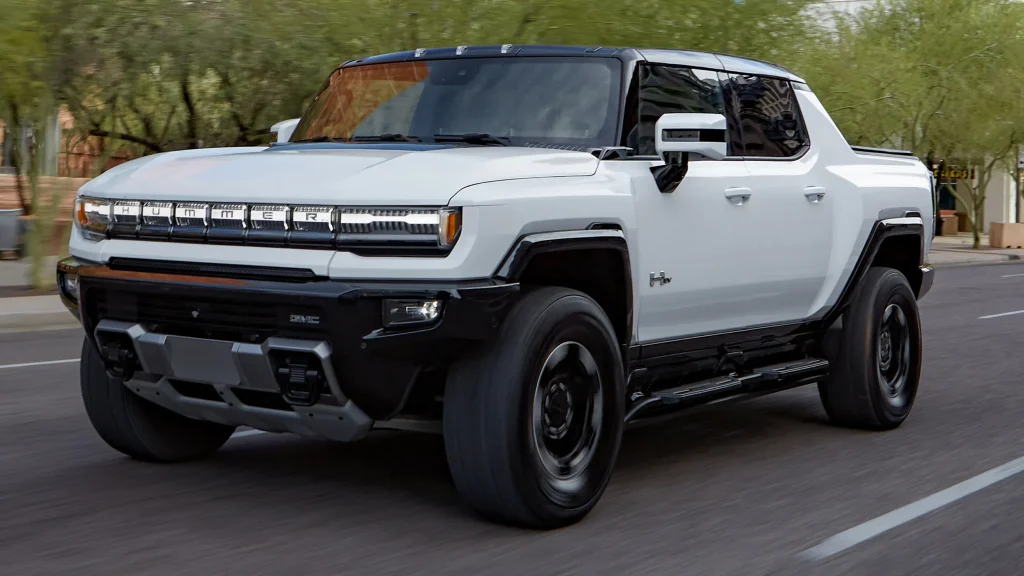
The Hummer EV proves that electric power can be used to make something extreme and memorable. However, by prioritizing size, power, and spectacle over efficiency and smart design, it misses some of the core ideas that make EVs appealing as a step toward more responsible transportation.
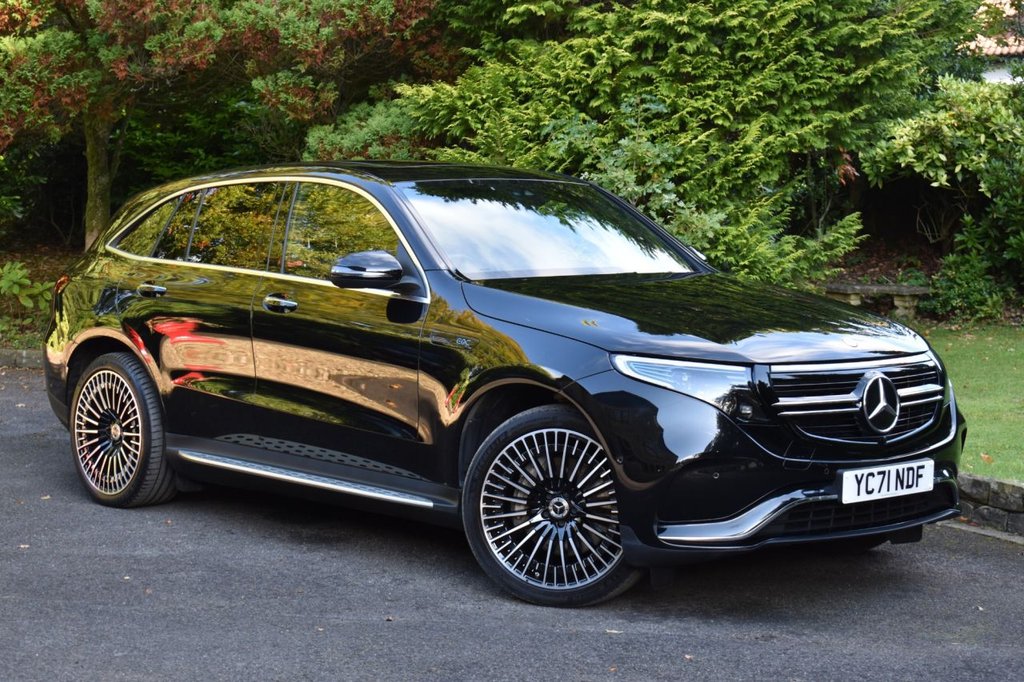
8. Mercedes Benz EQC
The Mercedes Benz EQC was one of the brand’s first serious electric SUVs, yet it felt more like a converted gasoline model than a fresh vision of electric luxury. While it delivered comfort and refinement, it struggled to stand out in areas where a purpose built EV could truly shine.
One of the biggest criticisms was range and efficiency. Compared to many rivals, the EQC offered relatively modest driving distance on a full charge. For a premium vehicle, this meant more frequent charging stops and less confidence on longer trips, which is not ideal for buyers expecting cutting edge electric performance.
The platform choice contributed to some of these issues. The EQC shared much of its structure with conventional Mercedes models, which limited how effectively it could be optimized for electric packaging.
Interior space was comfortable, but not significantly more spacious than similar gasoline SUVs, missing a chance to showcase the benefits of EV architecture.
The design also played it safe. While some electric cars embrace bold, futuristic styling, the EQC looked very similar to other Mercedes SUVs. This familiarity may have appealed to traditional buyers, but it also made the car feel less like a step into the future and more like a cautious transition.
Charging performance and technology were respectable, yet not class leading. In a fast moving EV market, being merely adequate can make a vehicle feel outdated quickly. Buyers paying luxury prices often expect the best available battery and charging solutions.
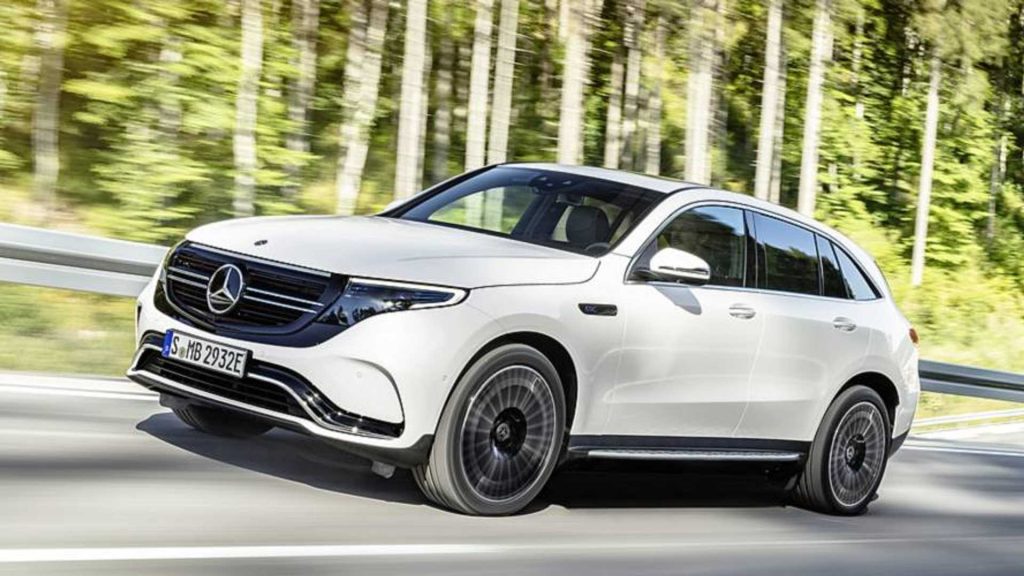
The EQC succeeded as a comfortable, quiet electric SUV, but it did not push boundaries in range, packaging, or design.
By relying too heavily on existing formulas, it missed an opportunity to redefine what a Mercedes electric vehicle could be. That conservative approach is why many see it as an EV that never fully embraced the point of going electric.
9. Toyota bZ4X
The Toyota bZ4X arrived with high expectations. Toyota is known for hybrid leadership and long term reliability, so many people assumed its first widely available modern electric crossover would be a carefully engineered benchmark. Instead, the bZ4X ended up feeling cautious and compromised in several key areas.
One of the main issues is range relative to size and price. While the bZ4X is not unusable, its real world driving distance often lags behind several competitors in the same segment. For a brand associated with efficiency, this underwhelming range feels like a missed opportunity to set a new standard.
Charging performance is another area where it can fall short. Some versions are not among the fastest to recharge on high speed chargers, which adds extra time on longer trips. When other EVs are pushing faster charging as a core advantage, being merely average can feel disappointing.
Packaging also does not fully capitalize on electric design freedom. The interior is comfortable and airy in front, but overall space efficiency is not dramatically better than many gasoline crossovers. The driving position and dashboard layout are unusual, yet not always in ways that clearly improve usability.
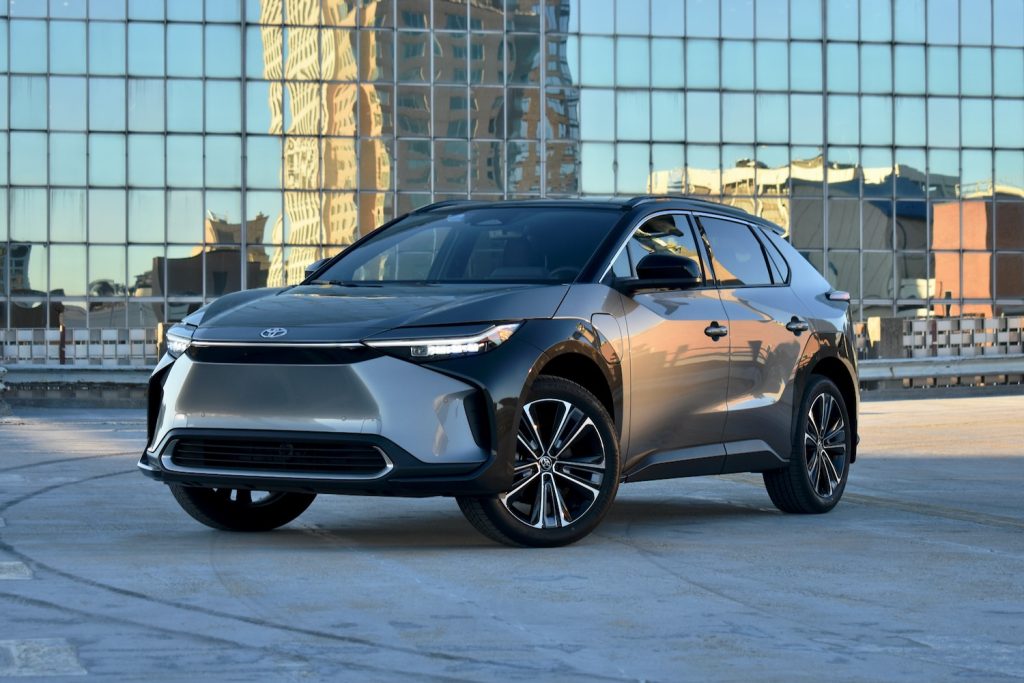
The bZ4X also became known for an early recall related to wheel hardware, which did not help its image as a solid, confidence inspiring EV. Even after fixes, the perception lingered that Toyota was moving more cautiously than boldly into the electric space.
Driving experience is smooth and quiet, as expected, but not particularly engaging or distinctive. It does not stand out for performance, range, charging speed, or packaging innovation. Instead, it feels like a safe, middle ground approach in a segment where many rivals are taking bigger leaps.
The Toyota bZ4X is not a failure, but it does not feel like a leader either. By playing it safe and delivering only average results in several key EV metrics, it misses the chance to show what Toyota could truly do with a dedicated electric platform.
10. Jaguar I Pace
The Jaguar I Pace was one of the earliest premium electric SUVs to reach the market, and at launch it earned praise for its design and driving dynamics.
However, as the EV market evolved, some of its shortcomings became more noticeable, making it feel like a car that did not fully align with the long term direction of electric vehicles.
One of the main concerns is efficiency and range. The I Pace is relatively heavy and not especially efficient compared to newer electric SUVs. Real world range can be lower than expected for its battery size, which means more frequent charging stops than some competitors.
Charging speed is another factor. While acceptable when it launched, charging performance has been overtaken by newer models that can add range more quickly. As charging infrastructure improves and expectations rise, this slower replenishment can feel like a disadvantage on longer journeys.
Interior technology and infotainment were also criticized in earlier versions for being less intuitive than rivals. Software glitches and slow response times did not match the premium image, and in an EV where software plays a central role, this became a notable weakness.
Packaging is stylish but not maximized. The I Pace looks sleek and sporty, yet interior and cargo space are not class leading. Some newer electric SUVs offer more room within similar or smaller footprints, showing how quickly EV design has advanced.
To its credit, the I Pace still drives well, with strong acceleration and composed handling. It feels sporty and refined, which aligns with Jaguar’s brand. But being good to drive is no longer enough on its own in the EV world.
The Jaguar I Pace was an early pioneer, but it now feels like a first draft of the modern electric SUV. As newer competitors deliver better efficiency, faster charging, and more advanced software, it stands as an example of an EV that started strong but did not fully keep up with the core priorities of the electric future.
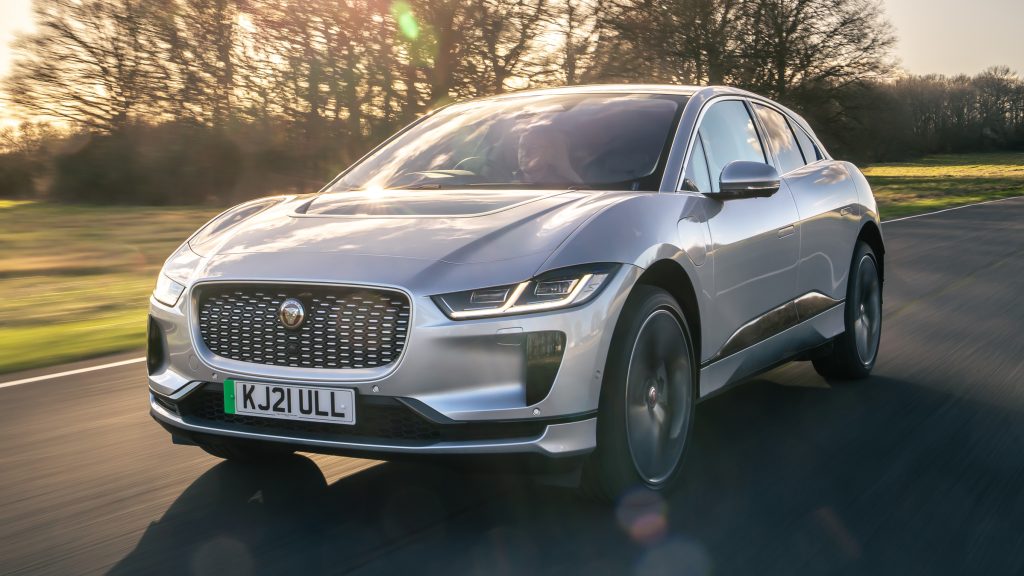
Some electric cars look impressive but miss core EV advantages like strong range, efficiency, smart packaging, and intuitive tech.
Instead, they focus on style, branding, size, or gimmicks. These models show that simply being electric is not enough. To succeed, an EV must rethink usability, practicality, and real world convenience.