
Car history is filled with machines that once turned heads, sparked debates, and pushed boundaries, only to fade quietly as tastes changed and trends moved on. Some were bold experiments.
Others arrived just a little too early or too late. A few were misunderstood from day one. Yet time has a way of reshaping opinions, and distance often reveals strengths that were easy to miss when these vehicles were new.
Curiosity tends to pull people back toward the familiar names that already dominate auction headlines and social feeds. That habit leaves plenty of deserving classics sitting in the shadows, waiting for someone to pause and reconsider what made them special in the first place.
Style, engineering, comfort, and personality often live far beyond the short list of household favorites. Those qualities become clearer when hype fades, and honest appreciation takes its place. This page highlights ten classic cars that rarely get the spotlight they deserve. Each one carries a distinct personality, shaped by the era that produced it and the risks taken by the brand behind it.
None of these choices relies on nostalgia alone. Each has substance, charm, and a story worth revisiting. Some challenged conventions, others offered quiet refinement, and a few dared to ignore what rivals were doing entirely.
A second look does more than refresh memory. It opens the door to understanding why innovation sometimes arrives without applause. For anyone who enjoys automotive history with depth, variety, and surprises, these forgotten classics offer plenty to admire and reconsider.
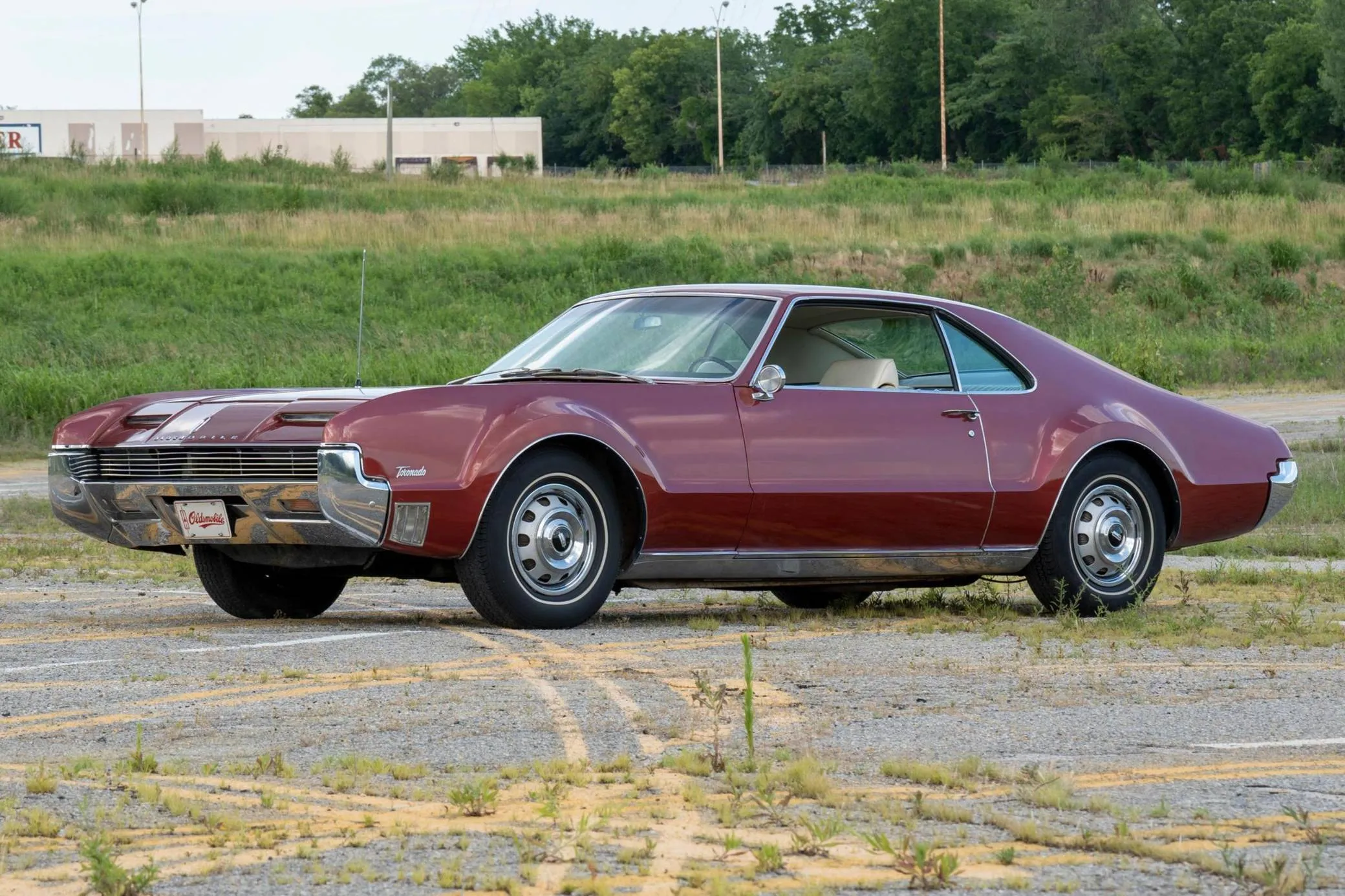
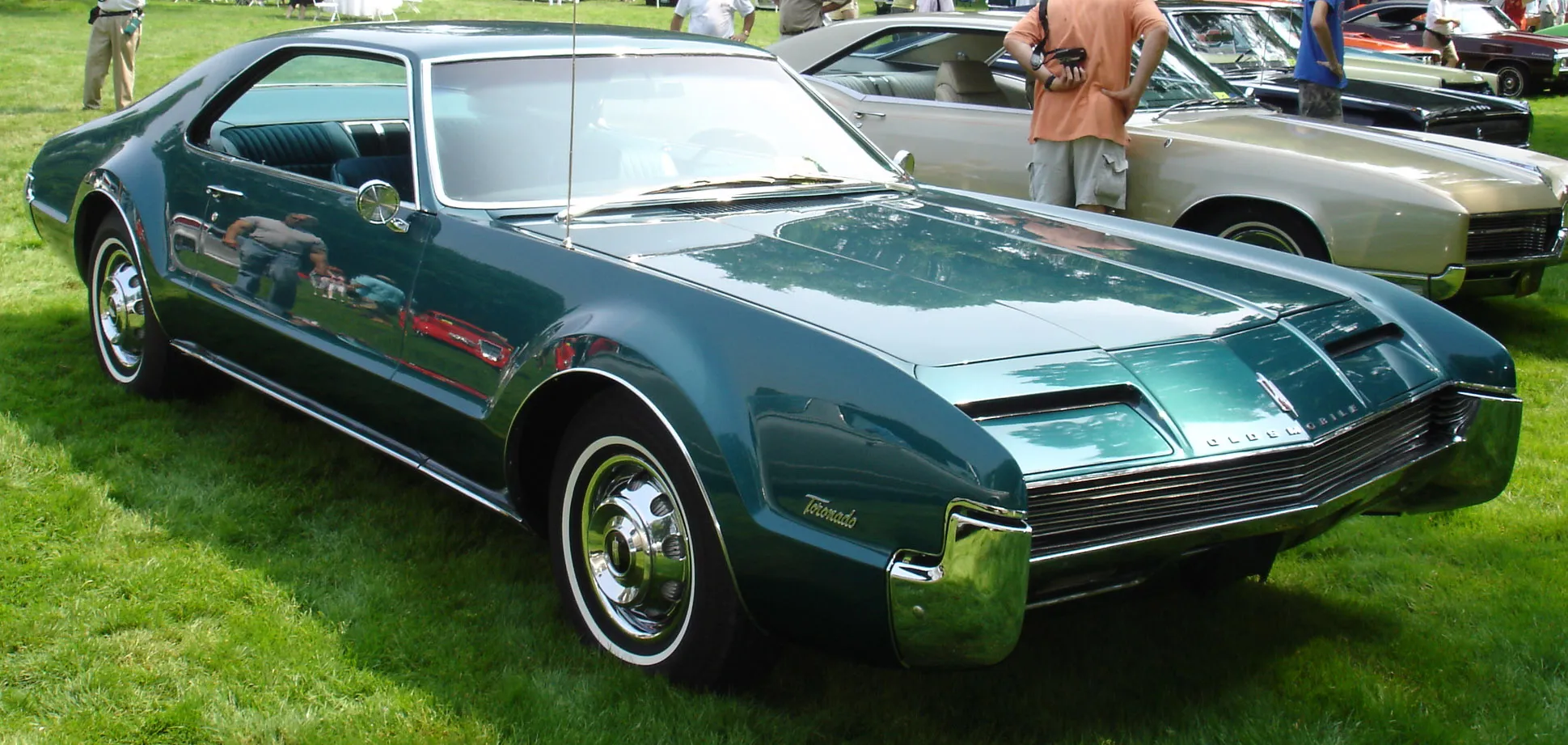
1. Oldsmobile Toronado Deluxe 1966
Front Wheel Drive in a full-size American luxury coupe sounded unusual in the mid 1960s, yet Oldsmobile took that risk with confidence. Toronado Deluxe arrived with bold intentions, pairing advanced engineering with dramatic styling that refused to blend in. Wide, low proportions and hidden headlights gave the car a futuristic presence that still feels daring decades later.
Design choices leaned heavily toward clean surfaces and long horizontal lines. Sharp creases were avoided in favor of smooth contours that emphasized length and stability.
That approach made the Toronado look planted even when parked. Inside, a sweeping dashboard wrapped around the driver, placing controls within easy reach and reinforcing the idea that this car was built for serious cruising rather than quick errands.
Power came from a massive 425 cubic inch V8 engine, delivering effortless acceleration without demanding attention. Torque arrived early, allowing the Toronado to glide forward with calm authority.
Front Wheel Drive added a sense of security uncommon among large American coupes of the period, especially in poor weather. Engineers focused on balance and traction, aiming for comfort without sacrificing control.
Public reaction proved mixed at launch. Traditional buyers questioned the drivetrain choice, while others struggled to classify the car within existing categories.
That uncertainty contributed to its quiet fade from mainstream admiration. Time, however, has been kind to bold ideas. Modern drivers now recognize how advanced this layout was for a luxury coupe of its size.
Collectors who revisit the Oldsmobile Toronado Deluxe often discover a car that feels far more modern than expected. Ride quality remains smooth, interior space feels generous, and styling still commands attention without shouting. Appreciation grows with understanding, making this model a rewarding rediscovery for anyone willing to look past familiar classics.
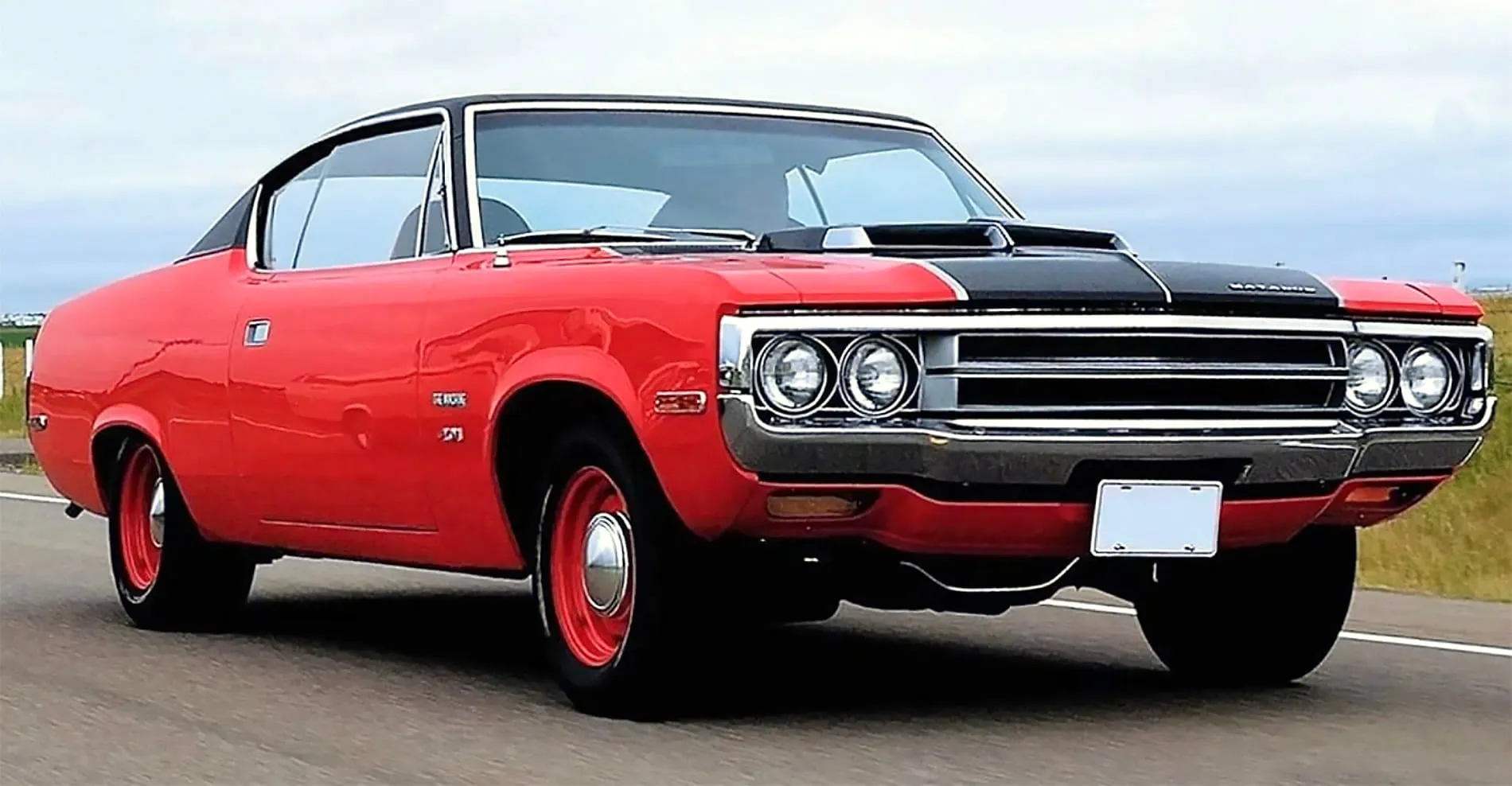
2. AMC Matador Coupe 1971
Sharp angles and aggressive proportions defined the AMC Matador Coupe, a car that refused to apologize for its presence. Introduced during a period of rapid design change, this coupe embraced dramatic lines that separated it from safer choices on American roads. Long doors, a sloping roofline, and a wide stance gave it a performance-focused attitude even when standing still.
American Motors Corporation approached design with fewer resources than larger rivals, yet creativity filled that gap. Matador Coupe styling looked ahead rather than backward, borrowing cues from concept cars rather than existing sedans. This willingness to push boundaries created a love it or leave it response that followed the car throughout its life.
Under the hood, buyers could choose from several V8 options, each delivering strong acceleration and a satisfying exhaust note. Suspension tuning leaned toward comfort, but straight-line performance remained confident. That balance made the car suitable for daily driving while still offering excitement when the road opened up.
Interior appointments varied depending on trim level, yet even modest versions offered supportive seating and clear instrumentation. Controls were straightforward, focusing on usability rather than decoration. This practical approach suited drivers who valued substance over flash.
Public perception struggled to keep pace with the Matador Coupe’s ambition. Racing success in stock car events added credibility, but street buyers often overlooked the model in favor of more familiar badges. That oversight now works in its favor. Survivors remain relatively affordable, and uniqueness has become an asset rather than a liability.
Reconsidering the AMC Matador Coupe reveals a car that dared to look different at a time when conformity felt safer. Its confidence, visual drama, and solid performance combine into a package that feels refreshingly honest today.
Also Read: 10 Classic Sports Cars That Deserve a Modern Revival
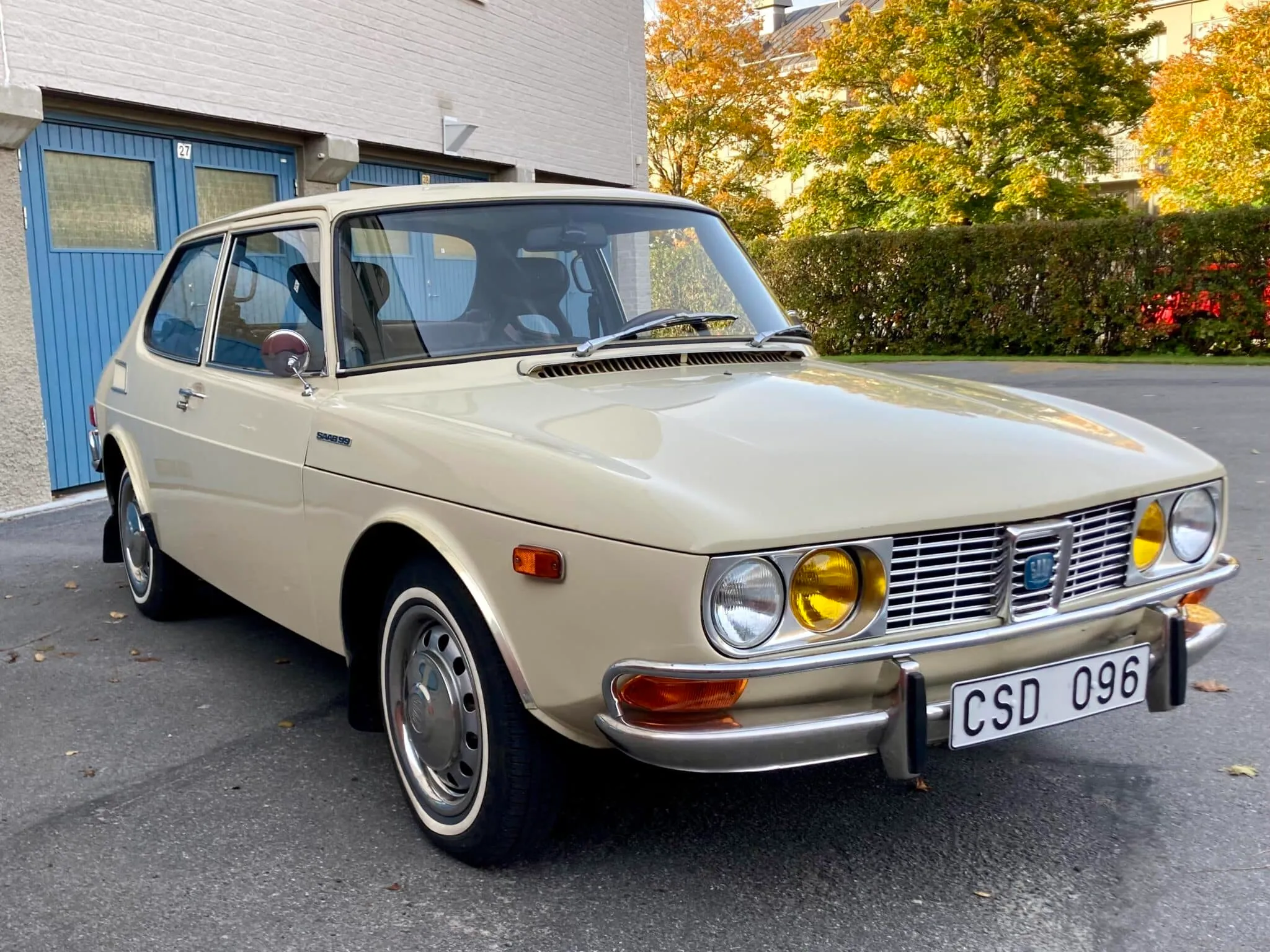
3. Saab 99 1969
Innovation defined Saab long before turbochargers became a household term. The Saab 99 marked a turning point for the Swedish brand, introducing ideas that later became industry standards. Clean lines, excellent visibility, and a focus on safety shaped every decision behind this compact yet sturdy sedan.
Exterior styling favored function above ornament. Thin pillars and a large glass area provided excellent sightlines, while subtle curves reduced wind noise. Rather than chase trends, designers focused on durability and efficiency, creating a shape that aged gracefully without chasing fashion.
Engineering excellence hid beneath the modest body. Front Wheel Drive improved traction, especially in challenging conditions. Suspension tuning delivered stability without harshness, and steering remained precise at highway speeds. These qualities earned trust among drivers who valued confidence behind the wheel.
Interior layout prioritized ergonomics. Switches fell naturally to hand, gauges were easy to read, and seats supported long journeys without fatigue. Saab even placed the ignition switch near the gear selector, a safety-inspired choice that reduced knee injuries during collisions.
Market reception leaned toward practicality rather than excitement, which limited its appeal among buyers seeking flair. Yet time has highlighted the brilliance of its execution. Many features introduced in the Saab 99 later appeared across the industry, proving its influence ran deeper than sales figures suggested.
Rediscovering the Saab 99 means appreciating thoughtful engineering that quietly changed expectations. Reliability, comfort, and intelligent design combine into a classic that rewards owners with substance rather than spectacle.
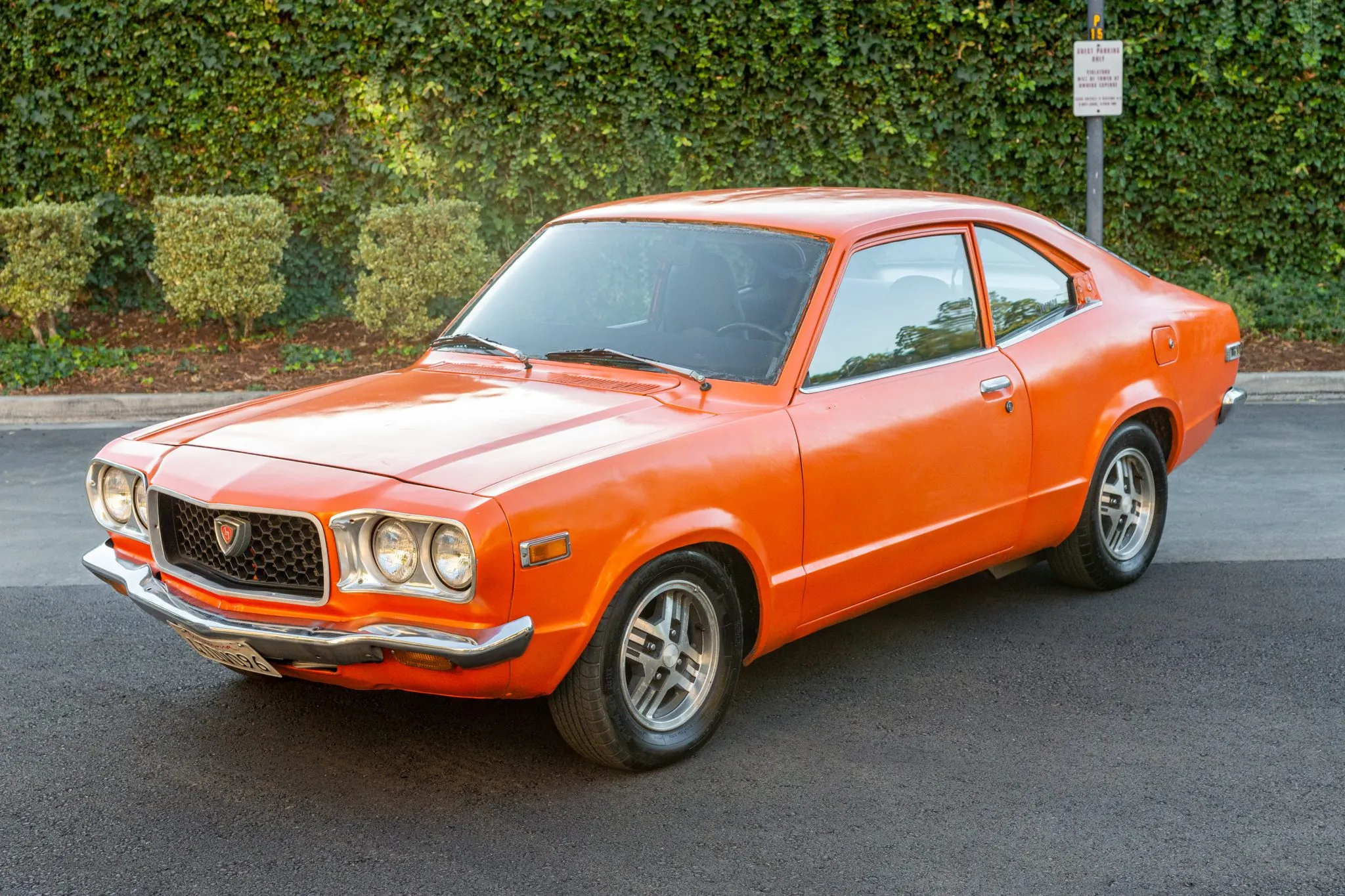
4. Mazda RX-3 1973
Compact dimensions and light body construction defined the Mazda RX-3, yet the vehicle carried a presence that extended far beyond its physical size. Introduced at a time when conventional piston engines dominated public preference, this model relied on rotary engineering to establish a clear identity.
The result was a coupe that felt purposeful, energetic, and technically distinctive, appealing to drivers who valued innovation supported by sound engineering judgment. Exterior styling followed a disciplined approach. Clean body lines and gentle curves combined to produce a shape that appeared intentional rather than decorative.
Short front and rear extensions reduced visual bulk, while the low beltline reinforced the car’s agile character. Designers avoided excessive embellishment, allowing form to support function. This restraint helped the RX-3 maintain relevance long after many contemporaries appeared visually dated.
Mechanical layout represented the car’s defining strength. The twin rotor rotary engine delivered smooth and continuous power delivery, unlike the stepped response common among traditional engines of the period. Acceleration developed in a steady manner, encouraging the driver to use higher engine speeds with confidence.
Light weight enhanced responsiveness, allowing the chassis to react promptly to steering input. Cornering felt controlled and predictable, contributing to driver confidence during active use. Interior presentation aligned closely with the vehicle’s purpose.
Cabin space remained compact yet efficiently arranged. Seating provided adequate lateral support, maintaining occupant stability during firm driving. Instrument layout emphasised clarity, with gauges positioned for quick recognition. Controls responded precisely, reinforcing a direct relationship between driver input and vehicle reaction.
Market reception remained cautious, influenced by limited understanding of rotary technology and prevailing fuel concerns of the era. As a result, the RX-3 did not achieve widespread recognition at launch. Present-day evaluation presents a different perspective. Drivers who return to this model often appreciate its mechanical sincerity and balanced execution.
Reassessment of the Mazda RX-3 confirms its role as a thoughtfully engineered coupe that prioritised balance, responsiveness, and technical originality. Ownership continues to offer a driving experience defined by mechanical clarity and disciplined design.
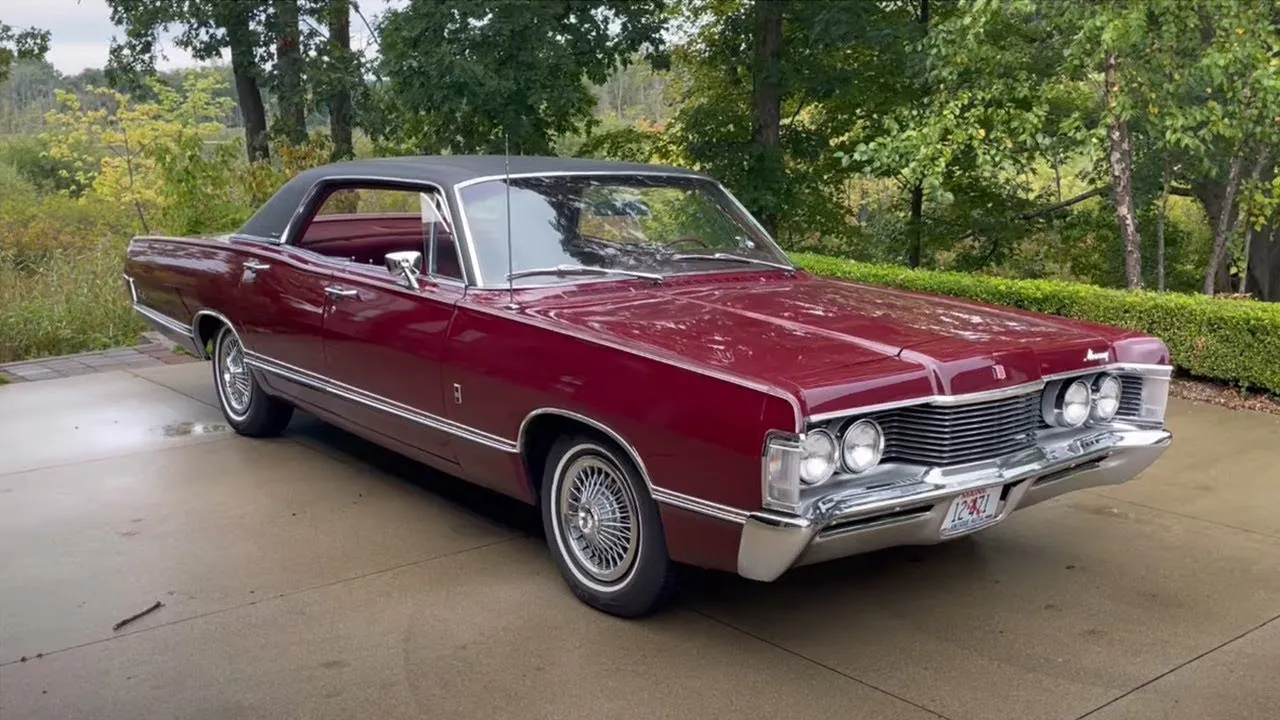
5. Mercury Park Lane Brougham 1968
Luxury assumed a composed and authoritative character with the Mercury Park Lane Brougham, a full-size sedan created to deliver comfort supported by presence. This model addressed buyers who valued refinement expressed through proportion and craftsmanship rather than visual excess. Its design language reflected maturity, projecting confidence through scale and symmetry.
Exterior treatment relied on measured elegance. Long body proportions established a sense of stability, while restrained chrome accents complemented rather than dominated the design. The wide front grille and smooth side panels contributed to a unified appearance. Visual balance replaced ornamentation, allowing the vehicle to communicate dignity through simplicity.
Powertrain options consisted of V8 engines calibrated for smooth and controlled delivery. Acceleration developed with minimal effort, making extended highway journeys calm and predictable. Ride quality benefited from suspension tuning focused on isolation from road irregularities.
This approach ensured passengers experienced minimal disturbance, regardless of surface condition. Interior execution reflected Mercury’s commitment to comfort and quality. Seating featured generous cushioning, allowing occupants to remain relaxed during prolonged travel.
Legroom and shoulder space supported passenger ease, while sound insulation reduced external intrusion. Controls operated with solid feedback, reinforcing confidence in build standards. Interior materials emphasised durability alongside comfort, supporting daily use without compromise.
Public preference during the period often favoured more visually assertive nameplates, resulting in reduced attention for this model. Such oversight concealed the vehicle’s strengths. Examination today highlights consistency in build, composed ride behaviour, and styling that avoids temporal excess.
Reconsideration of the Mercury Park Lane Brougham presents a sedan shaped by principles of dignity, comfort, and thoughtful engineering. For individuals who value understated luxury and composed road manners, this classic continues to provide a rewarding ownership experience grounded in refinement and balance.
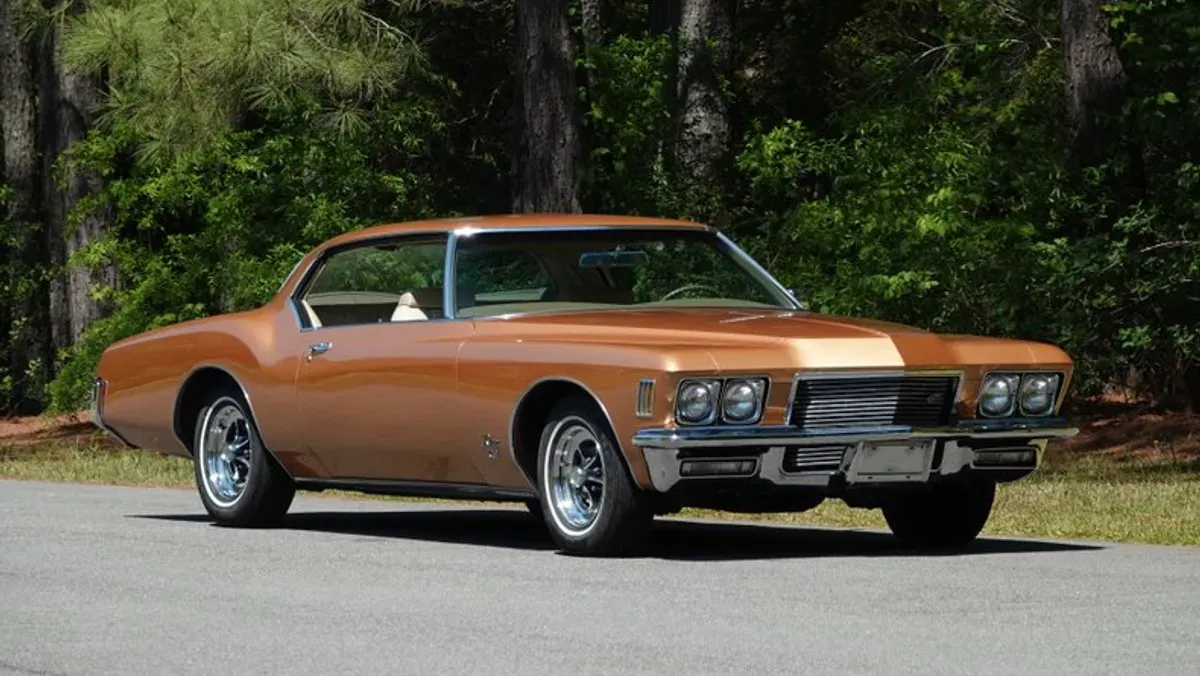
6. Buick Riviera Gran Sport 1971
Muscle met luxury in a way few cars managed during the early 1970s, and the Buick Riviera Gran Sport stands as proof. This was not a car built to shout for attention. Instead, it relied on confidence, proportion, and carefully restrained aggression. Long doors, a sweeping roofline, and a wide rear track gave the Riviera a planted stance that felt purposeful without appearing excessive.
Design language shifted dramatically for the 1971 model year. Sharp edges replaced curves, creating a crisp, architectural shape that looked intentional from every angle. The clamshell hood became a defining feature, opening forward and reinforcing the Riviera’s bold identity. Even today, the shape feels deliberate rather than dated, a sign of thoughtful design rather than trend chasing.
Performance came from big block V8 power, delivering smooth yet forceful acceleration. The Gran Sport package sharpened the experience with firmer suspension tuning and performance-oriented gearing. Highway driving felt effortless, while passing power arrived without hesitation. Engineers aimed for composure first, allowing speed to arrive naturally rather than aggressively.
Inside, the cabin balanced comfort with driver focus. Bucket seats provided support, while woodgrain trim and soft materials created a welcoming atmosphere. Instrumentation remained clear and easy to read, reflecting Buick’s emphasis on usability. Noise insulation kept the ride quiet, allowing long drives to feel relaxing instead of tiring.
The Riviera Gran Sport struggled to stand out during an era crowded with louder performance cars. That subtlety caused it to slip from popular memory. Today, that same restraint gives it lasting appeal. A second look reveals a car that blended performance and elegance with confidence, rewarding drivers who value balance over spectacle.
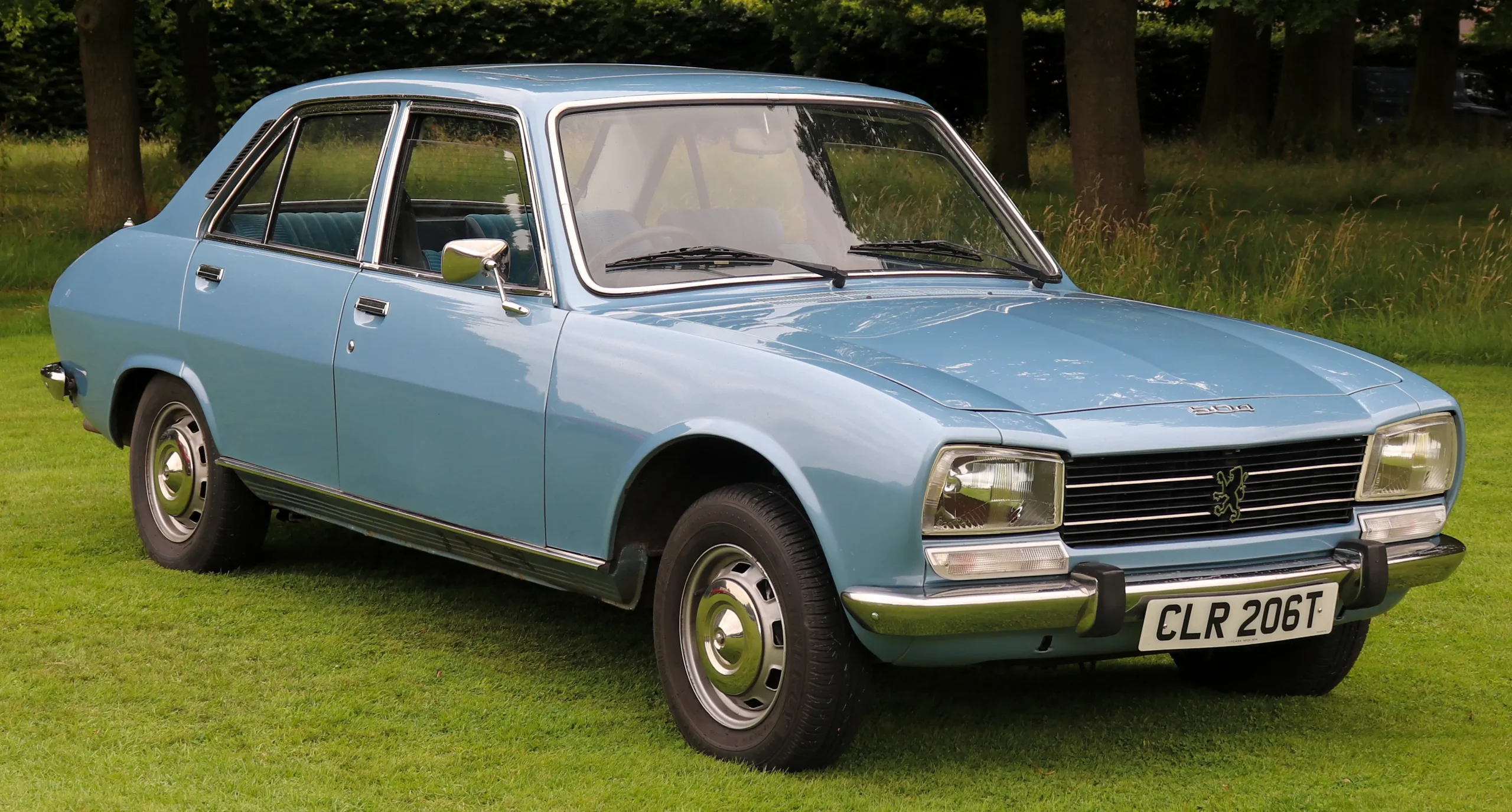
7. Peugeot 504 Sedan 1975
Graceful lines and exceptional ride quality defined the Peugeot 504 Sedan, a car engineered with longevity in mind. Introduced as a practical yet refined family vehicle, it carried a quiet confidence that appealed to drivers who valued substance. The design avoided gimmicks, relying instead on proportion and clarity.
Exterior styling featured a sloping hood, narrow pillars, and a calm silhouette that emphasized visibility. Rather than chase bold shapes, designers focused on harmony. This approach allowed the car to age gracefully, maintaining relevance long after flashier rivals faded from memory.
Mechanical engineering proved equally thoughtful. Independent suspension delivered impressive comfort across varied road surfaces. Steering felt predictable, allowing drivers to maintain control with minimal effort. Engine choices favored durability and efficiency, contributing to a reputation for reliability that extended across continents.
Interior layout emphasized comfort and logic. Seats offered excellent support, especially on extended drives. Switch placement felt intuitive, and the driving position suited a wide range of body types. Materials leaned toward practicality, yet fit and finish reflected care and precision.
Market perception often labeled the Peugeot 504 as conservative, which limited its appeal among trend-driven buyers. That perception masked its strengths. Owners discovered a car capable of handling daily demands with poise, delivering comfort without unnecessary distraction.
Revisiting the Peugeot 504 Sedan reveals thoughtful engineering built around real use rather than marketing slogans. It stands as a reminder that true quality often reveals itself slowly, rewarding patience and appreciation rather than instant excitement.
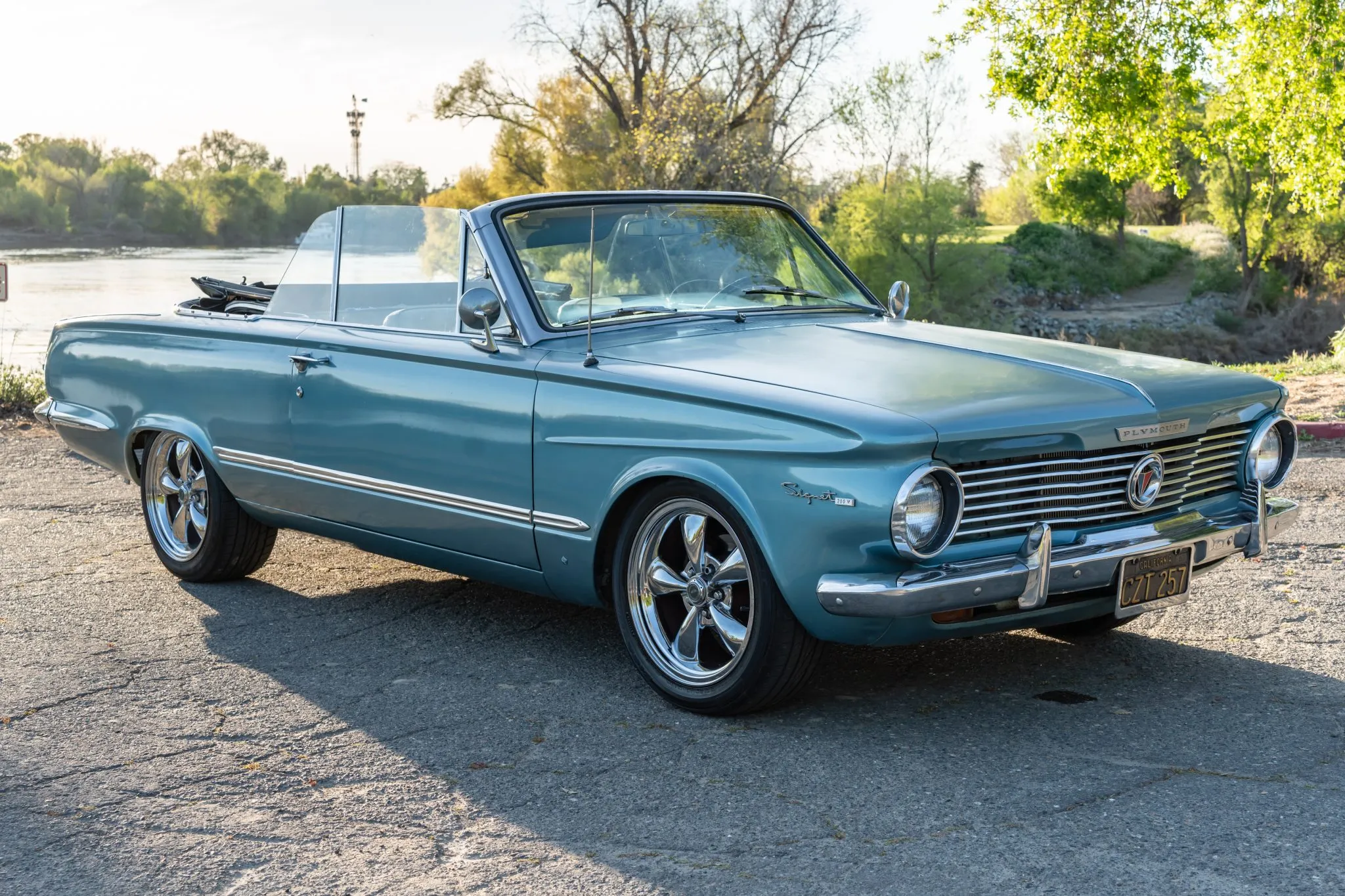
8. Plymouth Valiant Signet 1964
Compact size did not prevent the Plymouth Valiant Signet from offering comfort and personality. Designed as an upscale trim within the Valiant lineup, the Signet aimed to provide refinement without excess cost. Clean styling and sensible proportions made it approachable rather than intimidating.
Exterior details included subtle chrome accents and a tidy roofline that avoided unnecessary flourish. The car looked honest, projecting reliability rather than bravado. This visual simplicity allowed owners to appreciate its form without distraction.
Engine options ranged from dependable six-cylinder units to more spirited configurations. Smooth power delivery suited urban driving, while highway cruising felt stable and controlled. Lightweight construction enhanced efficiency and responsiveness, making the car enjoyable without demanding constant attention.
Interior presentation exceeded expectations for its class. Upholstery choices added warmth, while thoughtful trim elevated the atmosphere. Dashboard layout focused on clarity, ensuring gauges and controls remained easy to understand. Seating comfort surprised many first-time drivers.
Competition from flashier compacts often overshadowed the Valiant Signet. That quiet reputation led to fewer collectors paying attention. Those who take time to revisit it discover charm rooted in balance and usability rather than hype.
A fresh look at the Plymouth Valiant Signet highlights a car designed for real life. Practical, comfortable, and well-engineered, it delivers satisfaction through dependability and thoughtful design.
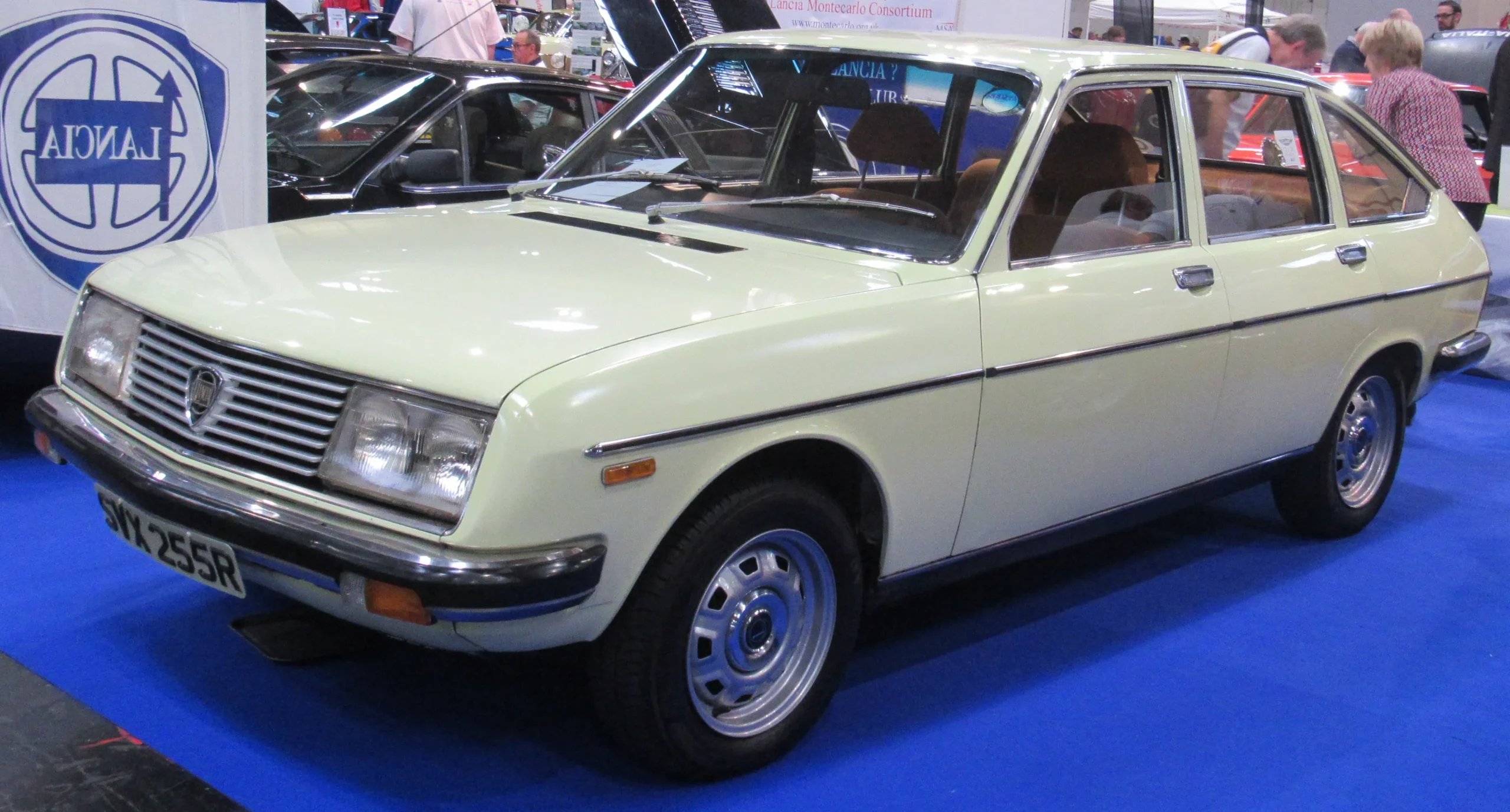
9. Lancia Beta Coupe 1976
Italian flair met practical engineering in the Lancia Beta Coupe, a car that balanced style with everyday usability in a way few coupes of its era managed. Sleek lines, a low roof, and subtle detailing gave it presence without excess ornamentation.
Designers placed heavy emphasis on proportion, ensuring the car felt sporty while still maintaining an air of restraint. That balance helped the Beta Coupe appeal to drivers who wanted personality without sacrificing comfort or practicality.
Flowing exterior surfaces created a sense of motion even when the car stood still. Thin roof pillars improved outward visibility, a detail often overlooked in sporty coupes of the time. Compact dimensions made city driving less stressful, while the short wheelbase contributed to an agile feel on winding roads.
Rather than appearing intimidating or aggressive, the Beta Coupe projected confidence through simplicity and cohesion. Mechanical design centered on a Front Wheel Drive layout that favored stability and predictability. Suspension tuning leaned toward control, allowing the car to remain composed through corners without feeling harsh.
Engine options ranged from modest to lively, each offering responsive acceleration that encouraged enthusiastic driving. Power delivery felt smooth and accessible, making the car enjoyable for both relaxed cruising and spirited outings.
Step inside, and the cabin reveals thoughtful Italian craftsmanship. Seating positioned occupants low, reinforcing a direct connection to the road. Upholstery choices balanced comfort with durability, while supportive bolstering kept passengers secure during turns.
Instrumentation featured clear markings, avoiding clutter while delivering essential information at a glance. Switchgear placement reflected careful planning, placing controls within natural reach. Reputation suffered during its early years due to quality concerns, which overshadowed its design and driving strengths.
That stigma lingered long after improvements addressed many of those issues. Modern enthusiasts who revisit the Lancia Beta Coupe often find a rewarding experience that challenges outdated assumptions. A second look reveals intention and personality working together.
The Lancia Beta Coupe offers engaging handling, thoughtful design, and a driving feel that remains enjoyable. For those seeking a classic that blends style with usability, it continues to stand apart from more predictable choices.
Also Read: 10 Overlooked European Classics That Are Perfect Budget Collectibles
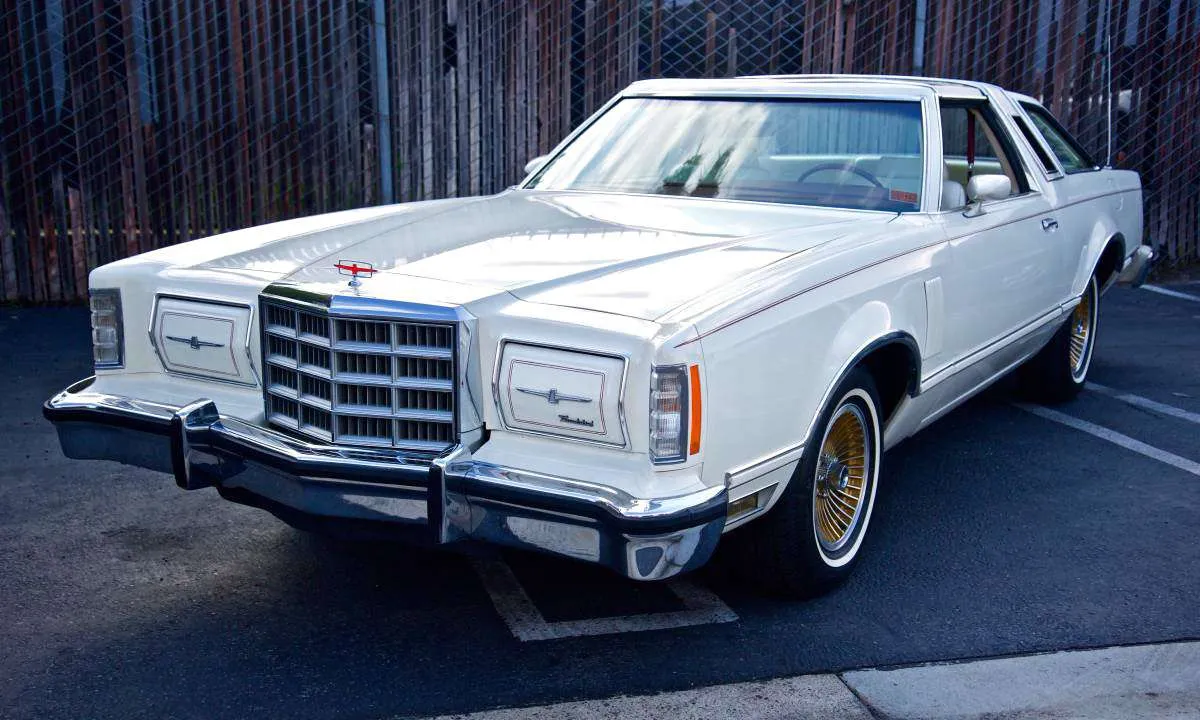
10. Ford Thunderbird Town Landau 1979
Personal luxury took a refined and deliberate approach with the Ford Thunderbird Town Landau, a model built to prioritize comfort, presence, and ease. Rather than chasing raw performance numbers, this Thunderbird focused on delivering a relaxed driving experience wrapped in confident styling.
Formal roof treatments, opera windows, and rich trim elements defined its visual identity, setting it apart from sport-oriented coupes of the same period. Exterior styling leaned strongly toward elegance. The padded vinyl roof added a formal touch, while the wide stance gave the car a grounded appearance.
Chrome accents were applied with restraint, highlighting body lines instead of overwhelming them. Proportions emphasized length and stability, creating a silhouette that felt dignified rather than flashy. Power delivery reflected the car’s mission. V8 engines provided smooth and steady acceleration, allowing the Thunderbird to glide along highways with minimal effort.
Throttle response felt calm and predictable, reinforcing confidence during long drives. Suspension tuning absorbed bumps and imperfections effectively, delivering a ride quality that favored comfort over sharp handling. Interior space focused on relaxation and isolation from road noise.
Plush seating offered generous cushioning, making extended trips feel less tiring. Wide armrests and thoughtful sound insulation added to the sense of calm inside the cabin. Dashboard design balanced traditional styling cues with modern convenience, offering clear instrumentation without unnecessary distraction.
Shifting preferences during the late 1970s gradually pushed this type of personal luxury car out of fashion, leading to reduced appreciation at the time. The distance from that period now allows a clearer perspective. Craftsmanship, comfort, and distinctive character stand out more clearly once trends lose their influence.
Reconsidering the Ford Thunderbird Town Landau highlights an era when luxury centered on ease and presence. It remains a rewarding classic for drivers who value comfort, confidence, and a relaxed approach to the road.
