
Car ownership often looks simple on the surface, yet repair realities shape long-term satisfaction more than styling or acceleration ever will. Repair access decides how quickly a problem gets solved, how much it costs, and how stressful the process becomes when something breaks.
Some vehicles fit neatly into the everyday repair ecosystem. Others demand brand-specific tools, advanced software, or technicians trained only by select programs. That difference changes ownership experiences in ways buyers rarely consider before signing paperwork.
General repair shops form the backbone of vehicle service across most regions. These shops rely on common diagnostic equipment, widely available parts, and mechanical layouts that follow familiar patterns. Vehicles designed with that ecosystem in mind tend to age gracefully.
Repairs remain affordable, wait times stay reasonable, and owners retain flexibility when choosing where to service their cars. Confidence builds when options remain open. Specialty-dependent vehicles operate under a different model.
Exclusive engineering decisions, limited parts distribution, or proprietary software requirements restrict service choices. Repairs often require certified centers, longer scheduling delays, and higher labor rates. Some owners accept those tradeoffs for brand identity or performance traits. Others discover the inconvenience only after warranty coverage ends.
This page separates vehicles into two clear groups. The first section focuses on models that thrive without specialty shops. Each entry highlights why these vehicles integrate smoothly into everyday service environments and how that design approach benefits owners across years of use.
In the next section, we will examine vehicles that rely heavily on specialized service networks, explaining why general shops struggle to support them. Understanding this difference before buying saves time, money, and frustration later. Smart ownership begins with knowing not just how a vehicle drives, but how it gets fixed when real life intervenes.
5 Vehicles That Don’t Require Specialty Shops
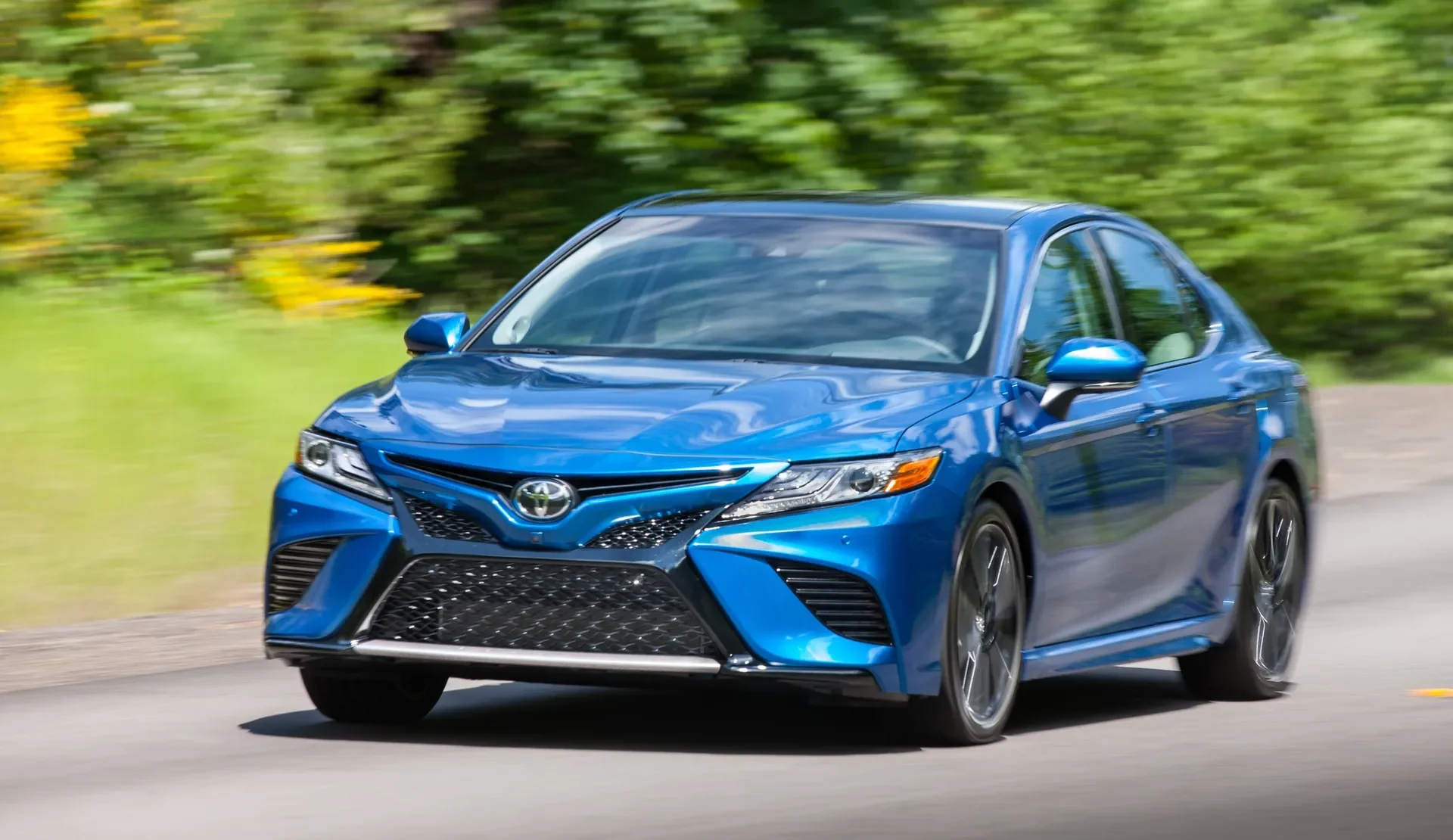
1. Toyota Camry 2018
Reliability and accessibility define the Toyota Camry 2018 in ways that continue to influence buyer trust years after purchase. Service friendliness plays a major role in that reputation.
Independent repair shops encounter this sedan daily, which builds familiarity and confidence among technicians who work on it regularly. That exposure translates into faster diagnostics and fewer labor hours during routine repairs.
Parts availability remains one of the Camry’s strongest advantages. Replacement components for brakes, suspension, cooling systems, and engine sensors appear in stock at most parts suppliers. Aftermarket manufacturers also support this model heavily, which keeps prices competitive. Owners rarely wait days for shipments, reducing downtime and inconvenience when repairs arise.
Mechanical layout follows conventional design principles. Engine placement, transmission access, and suspension architecture reflect approaches taught in standard automotive training programs.
Technicians do not need brand-exclusive tools to perform common tasks such as timing service, steering repairs, or electrical troubleshooting. Diagnostic access uses widely supported scan protocols rather than restricted software platforms.
Ownership costs benefit from this simplicity. Labor rates remain reasonable because general shops can perform work efficiently. Competition among repair providers keeps pricing balanced, allowing owners to choose based on reputation rather than necessity. That freedom matters once vehicles age and service needs increase.
Driving habits also influence repair accessibility. Daily commuting, highway travel, and city errands place predictable demands on components. The Camry handles those demands without introducing unusual wear patterns that confuse general technicians. Predictable wear leads to predictable repairs, which strengthens trust between owners and service providers.
Resale value reflects this service openness. Buyers often seek vehicles that local shops can support easily. Confidence in repair access encourages second owners to purchase without hesitation. That demand stabilizes pricing in used markets.
Toyota Camry 2018 succeeds because design decisions favor long-term practicality. Owners gain peace of mind knowing that repairs remain manageable regardless of location or shop preference.
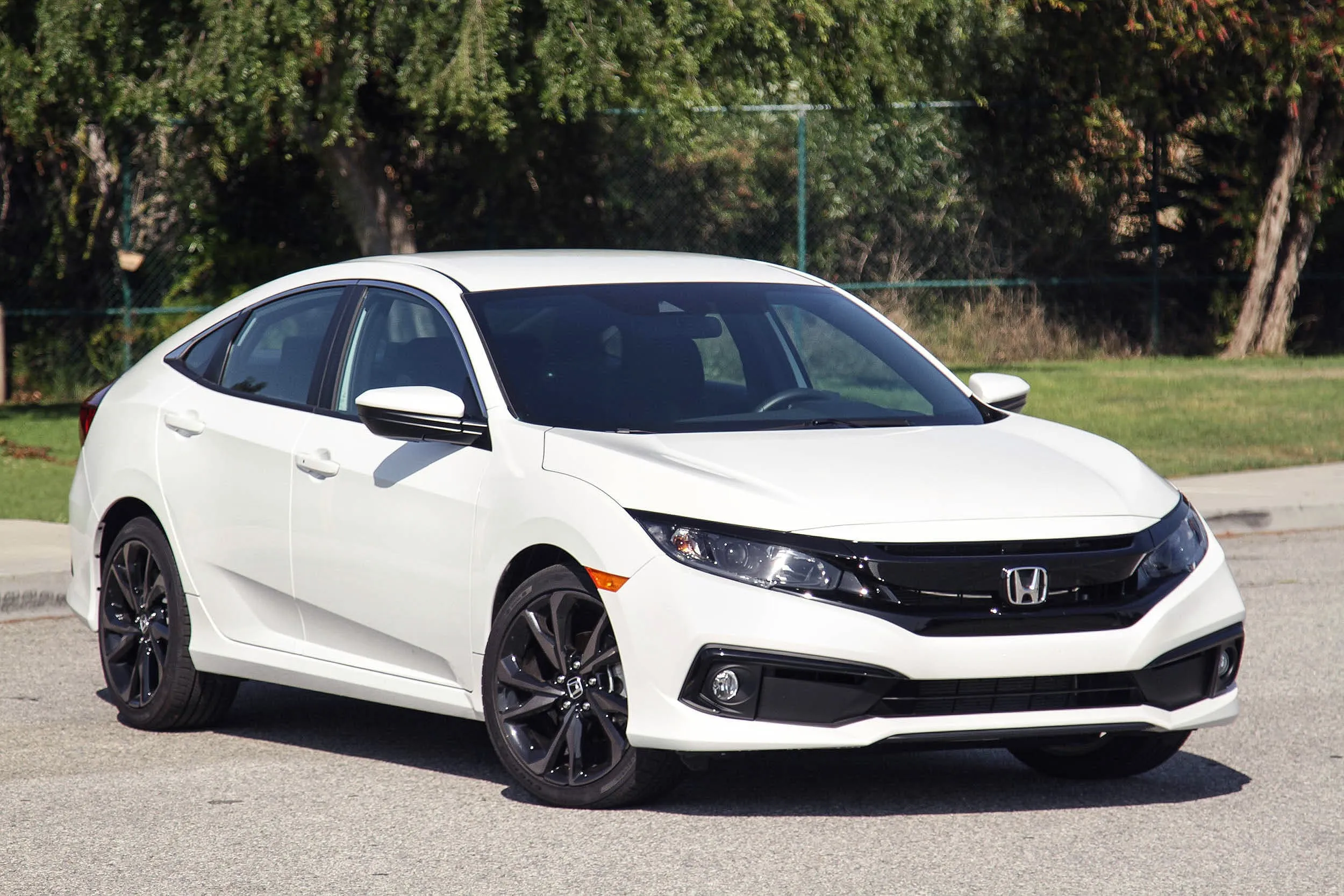
2. Honda Civic 2019
Compact sedans often balance efficiency with ease of ownership, and the Honda Civic 2019 stands as a clear example. General repair shops view this model as familiar territory, which simplifies service planning from routine maintenance to more involved mechanical work.
Engine configurations used in this Civic rely on proven engineering. Whether equipped with naturally aspirated or turbocharged options, systems remain accessible without specialized calibration equipment. Standard diagnostic scanners communicate effectively with onboard systems, allowing accurate fault detection without manufacturer-specific subscriptions.
Parts distribution supports widespread service access. Brake components, filters, belts, and electronic sensors remain abundant through multiple suppliers. Competitive pricing reduces repair bills while minimizing delays. Owners benefit from quick turnaround times, especially when unexpected issues occur.
Training familiarity also matters. Automotive programs frequently use Honda systems as teaching examples due to their consistency. Technicians entering the workforce already understand common Civic layouts, reducing trial and error during repairs. That experience shortens labor hours and limits costly mistakes.
Interior and electrical systems avoid unnecessary complications. Climate controls, infotainment units, and driver assistance features integrate smoothly with standard diagnostic processes. Repairs rarely require component coding or software locks that restrict independent service access.
Insurance assessments often favor models with accessible repairs. Replacement parts remain affordable, which influences repair approvals after minor incidents. That factor indirectly supports ownership satisfaction by limiting total loss scenarios for manageable damage.
Longevity further reinforces this model’s appeal. High-mileage Civics remain a common sight on roads, serviced by local shops without difficulty. Owners trust the vehicle because the support infrastructure already exists almost everywhere.
Honda Civic 2019 continues to attract practical buyers who value independence in service choices. That freedom strengthens confidence throughout the ownership cycle.
Also Read: 15 Vehicles That Don’t Handle Cold Mornings Well
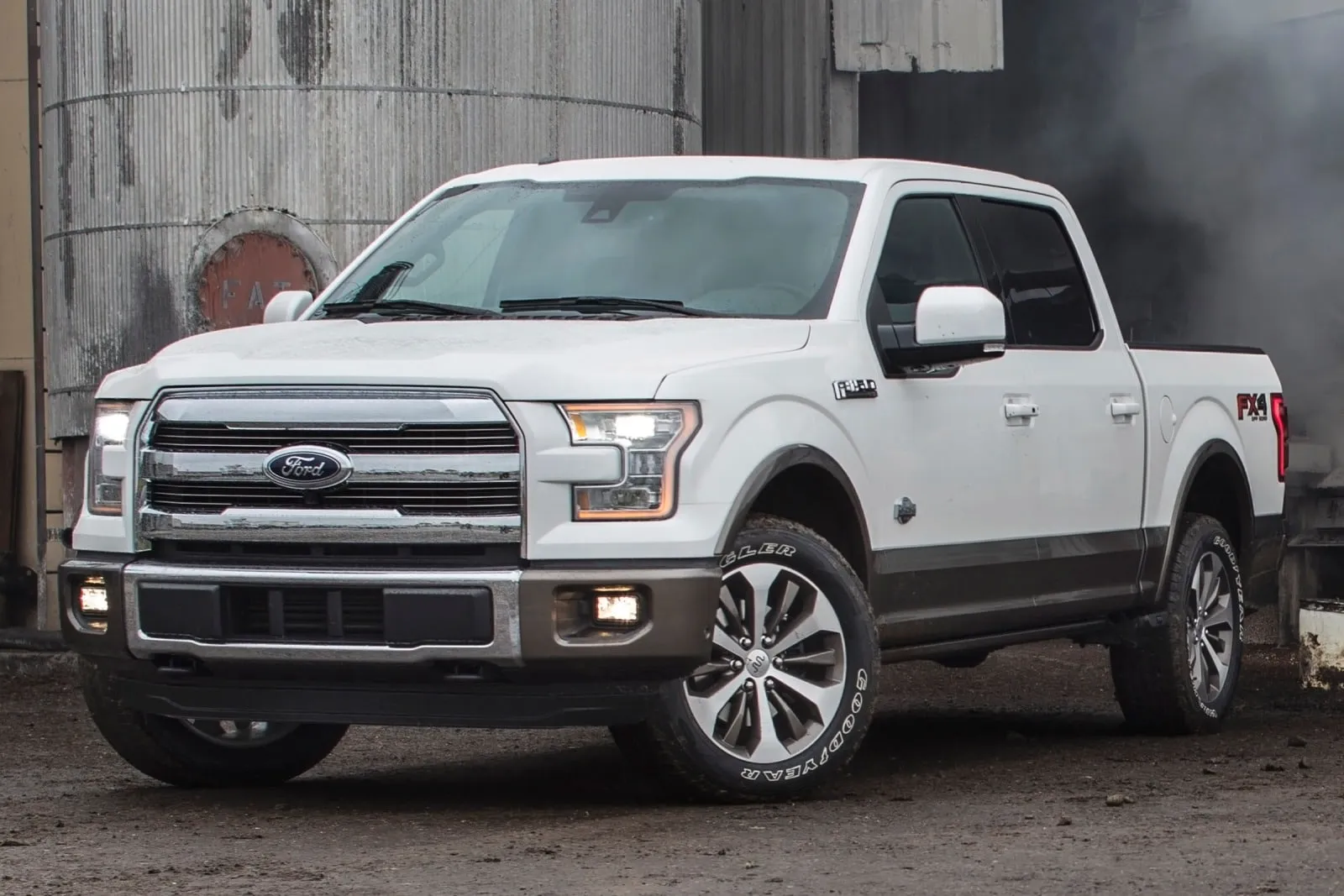
3. Ford F-150 2017
Pickup trucks demand durability, and the Ford F-150 2017 meets that expectation while remaining accessible to general repair shops. Widespread use across work and personal settings ensures constant exposure among technicians, making this model one of the most familiar trucks in service bays.
Engine options range from naturally aspirated V6 units to turbocharged EcoBoost variants. Despite variation, repair procedures remain well documented and supported through standard tools. Independent shops routinely handle fuel system repairs, turbo servicing, and transmission work without factory intervention.
Parts supply forms another advantage. Domestic production and high sales volumes keep replacement components readily available. Aftermarket alternatives offer additional cost savings, particularly for suspension, braking, and drivetrain components. That availability supports faster repairs even in rural areas.
Structural design balances innovation with practicality. Aluminum body panels initially raised repair concerns, yet procedures have become standard practice across body shops. Specialized equipment remains unnecessary for most mechanical repairs, allowing general facilities to manage upkeep confidently.
Usage patterns reinforce repair familiarity. Towing, hauling, and commuting expose components to predictable stress. General shops understand those wear patterns and plan repairs accordingly. That knowledge reduces diagnostic guesswork and keeps labor charges controlled.
Resale markets favor vehicles with broad service support. Buyers feel comfortable purchasing used trucks, knowing local shops can handle future needs. That trust helps maintain value as mileage accumulates. Ford F-150 2017 thrives because it aligns strength with service accessibility. Owners benefit from a truck that performs demanding tasks while remaining easy to maintain outside dealership networks.
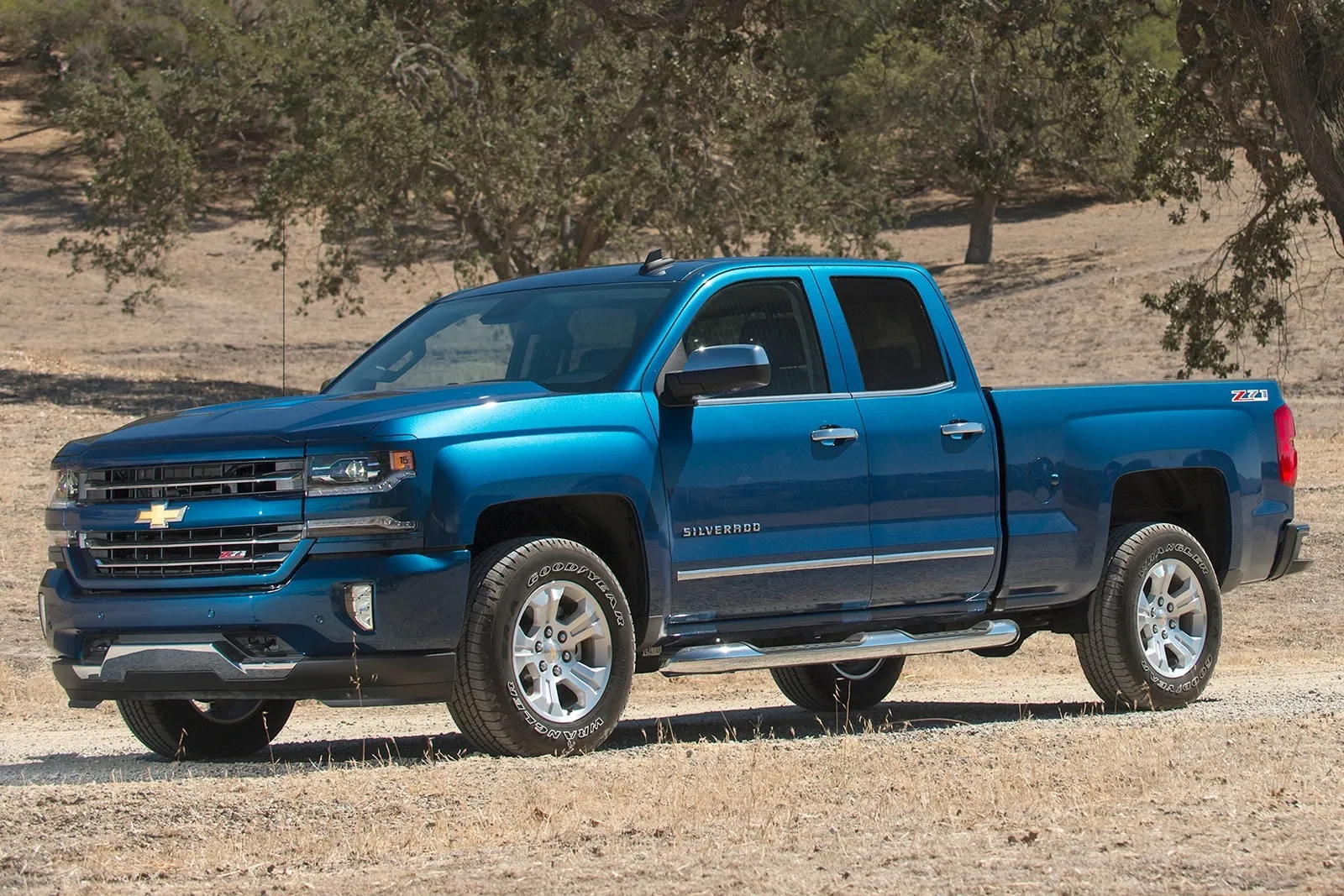
4. Chevrolet Silverado 1500 2016
Full-size trucks often serve as symbols of utility and durability, and the Chevrolet Silverado 1500 2016 exemplifies this tradition with a combination of strength and service friendliness. Its design reflects practical engineering choices that make it accessible to general repair shops across regions, simplifying ownership whether the vehicle is used for work, commuting, or recreational purposes.
High familiarity among technicians ensures that routine maintenance and repairs can be performed efficiently, reducing frustration and downtime. Powertrain configurations offer both V6 and V8 options, engineered for durability and service simplicity.
Conventional layouts allow independent mechanics to address issues involving ignition, cooling systems, fuel delivery, and transmissions without needing proprietary diagnostic tools. Even complicated repairs, such as alternator replacements or timing adjustments, can be executed using widely available equipment and established techniques.
This conventional engineering reduces dependency on manufacturer-certified service centers, giving owners flexibility in choosing where to repair their vehicles. Parts availability strengthens this advantage. Common components, including brake pads, filters, suspension parts, and drivetrain elements, remain in widespread supply due to aftermarket production and consistent demand.
Competitive pricing keeps repair costs predictable, while local availability minimizes wait times for essential components. Owners relying on their Silverado for daily work or long-distance travel benefit from this efficiency, as repairs can be scheduled without extensive planning or serious interruptions.
Electrical and diagnostic systems are designed to integrate with standard scanning tools. Onboard computers produce conventional fault codes that technicians can interpret using widely accessible diagnostic equipment. Sensor replacement, wiring repairs, and module troubleshooting remain manageable tasks without requiring software restricted to brand-specific facilities.
This approach reduces complications for independent repair providers and enhances confidence among owners who value practical solutions over proprietary restrictions. Suspension and braking systems reinforce service simplicity.
Heavy-duty components withstand frequent use, and replacement procedures rely on commonly available tools. Experienced technicians recognize wear patterns quickly, allowing preventative maintenance to be applied before issues escalate. Ride quality and braking performance can be restored efficiently without specialized intervention.
Long-term reliability contributes to the Silverado’s reputation. Even high-mileage examples maintain functionality with basic care, offering owners peace of mind. The ability to select trusted local mechanics rather than depend solely on dealership networks ensures service flexibility.
Chevrolet Silverado 1500 2016 blends durability, utility, and service independence, creating an ownership experience defined by reliability and choice. Drivers who prioritize robust performance and accessible maintenance find the balance between capability and repair freedom particularly compelling, making this truck a practical option for both work and lifestyle needs.
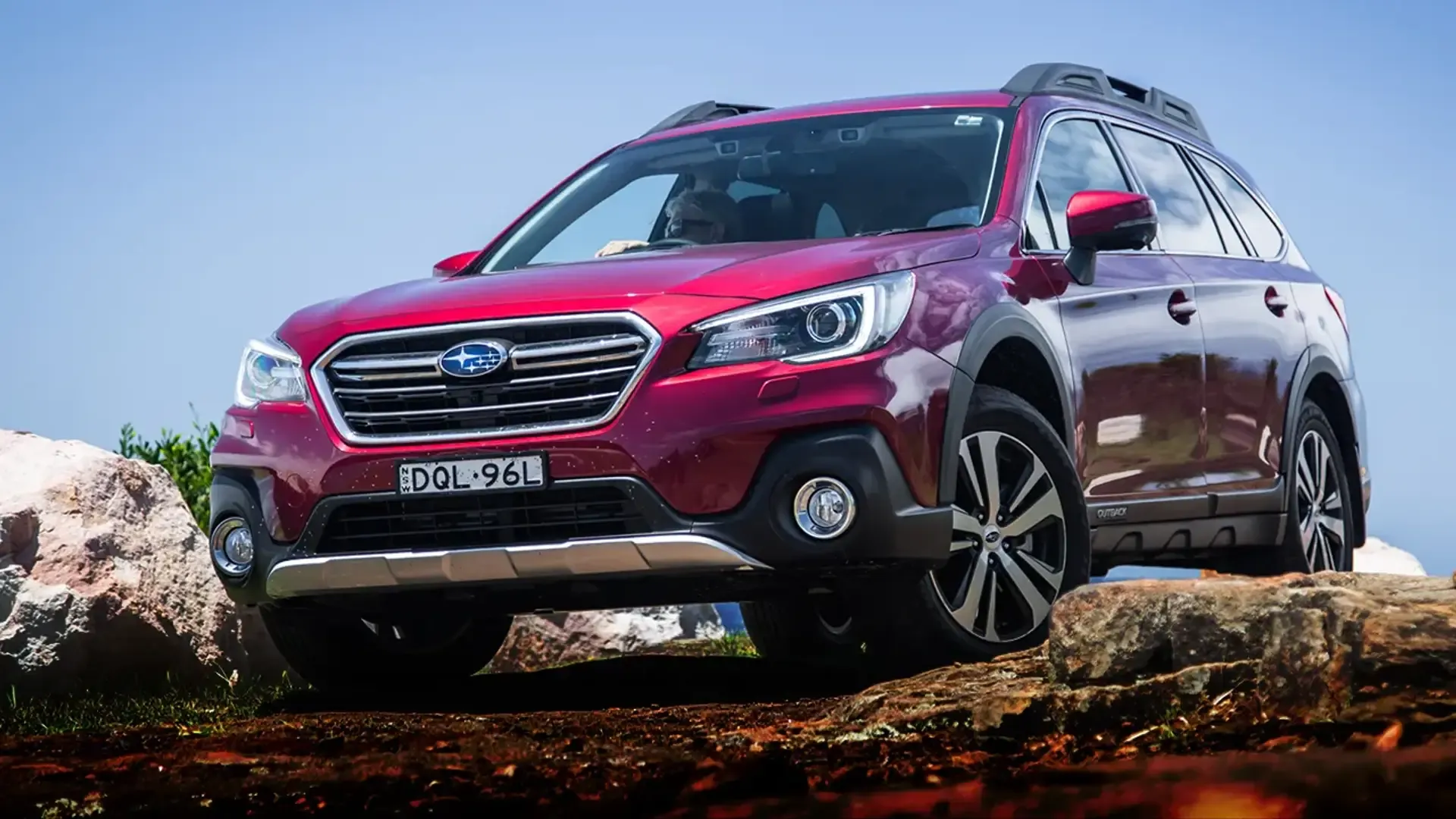
5. Subaru Outback 2018
All Wheel Drive systems sometimes complicate repairs, yet the Subaru Outback 2018 manages to remain accessible for general service providers. Consistent engineering across Subaru models allows independent shops to build experience quickly.
Boxer engine layout differs from inline designs, though familiarity has grown due to Subaru’s market presence. General shops regularly perform head gasket service, cooling repairs, and timing component replacements using standard equipment. Diagnostic access relies on common scanning tools rather than restricted platforms.
Parts supply supports broad service access. Subaru components remain readily available through multiple distributors. Aftermarket options expand choices further, keeping repair costs within reasonable limits. Drivetrain servicing benefits from design consistency. All Wheel Drive components follow predictable maintenance schedules.
Technicians trained on one Subaru model adapt easily to others, reducing learning curves during repairs. Usage patterns reinforce service confidence. Outdoor-oriented driving introduces suspension and braking wear, yet replacement procedures remain simple. Shops accustomed to crossovers handle these tasks efficiently.
Resale value reflects trust in repair access. Buyers appreciate vehicles that combine traction capability with manageable service requirements. That assurance strengthens demand in secondary markets. Subaru Outback 2018 proves that distinctive engineering can coexist with service openness. Owners gain versatility without sacrificing repair freedom.
5 Vehicles That Require Specialty Shops
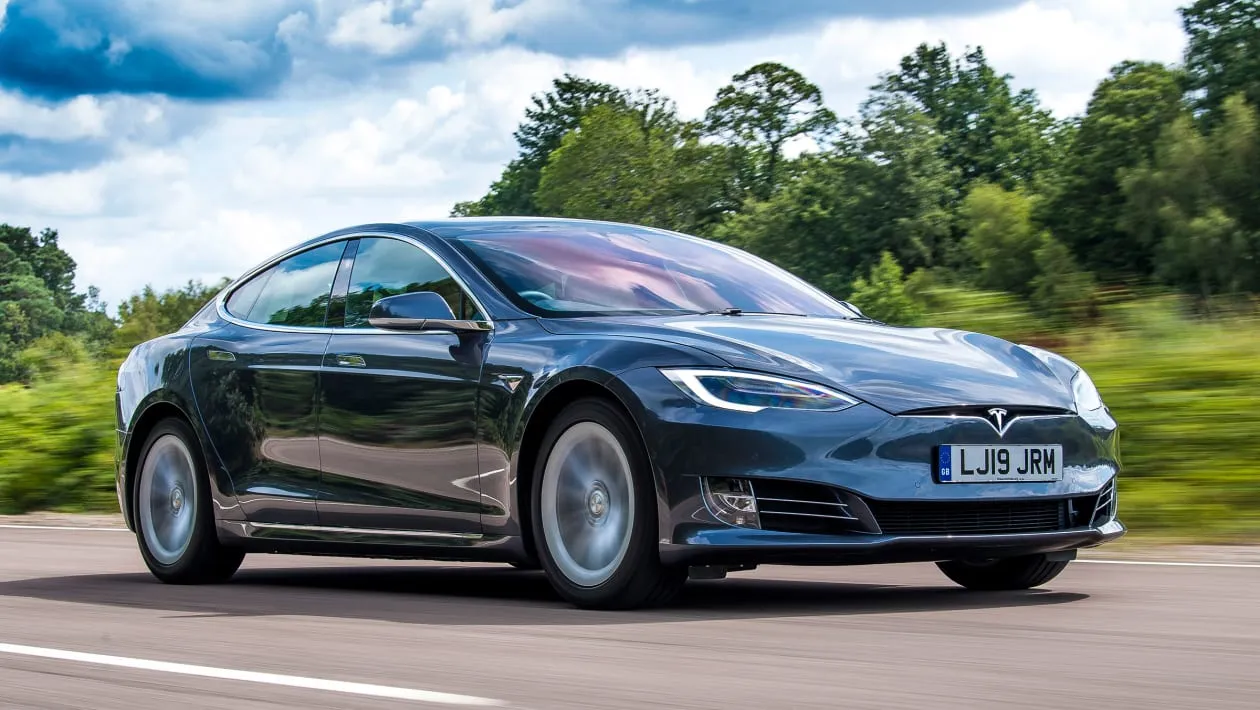
1. Tesla Model S 2019
Ownership of a Tesla Model S 2019 introduces drivers to a repair structure that differs sharply from traditional vehicles. Electric architecture, proprietary software, and tightly controlled service channels shape every maintenance decision. Independent repair shops often lack authorization, tools, or data access needed to perform even basic diagnostics on this model.
Service access depends heavily on manufacturer-approved centers. Diagnostic procedures rely on encrypted software that communicates directly with Tesla systems. Without that access, general technicians cannot reset alerts, calibrate components, or confirm successful repairs. Routine issues that appear simple can escalate into dealership-only appointments.
Parts availability reinforces this dependency. Tesla restricts the distribution of many components, including battery modules, sensors, and control units. Even body panels and lighting assemblies may require direct ordering through official channels. Delays become common, extending repair timelines well beyond typical expectations.
Electrical systems present additional barriers. High-voltage components demand specialized training and safety certification. Independent shops often avoid such work due to liability concerns. As a result, owners must schedule service at limited locations, sometimes far from home.
Software updates influence mechanical behavior as well. Vehicle functions develop through remote updates, altering performance or control logic. Diagnosing issues requires familiarity with current software versions, something general shops cannot track easily. That gap complicates troubleshooting.
Interior and exterior repairs also reflect restricted access. Advanced driver assistance hardware requires calibration after windshield replacement or suspension work. Approved equipment remains limited to select facilities. Skipping calibration risks a safety system malfunction.
Insurance repairs highlight the same pattern. Approved repair networks handle collision damage due to aluminum construction and sensor integration. Independent body shops often decline involvement. Tesla Model S 2019 ownership rewards innovation and performance, yet service independence remains limited. Specialty infrastructure defines upkeep, shaping cost, convenience, and scheduling expectations long after purchase.
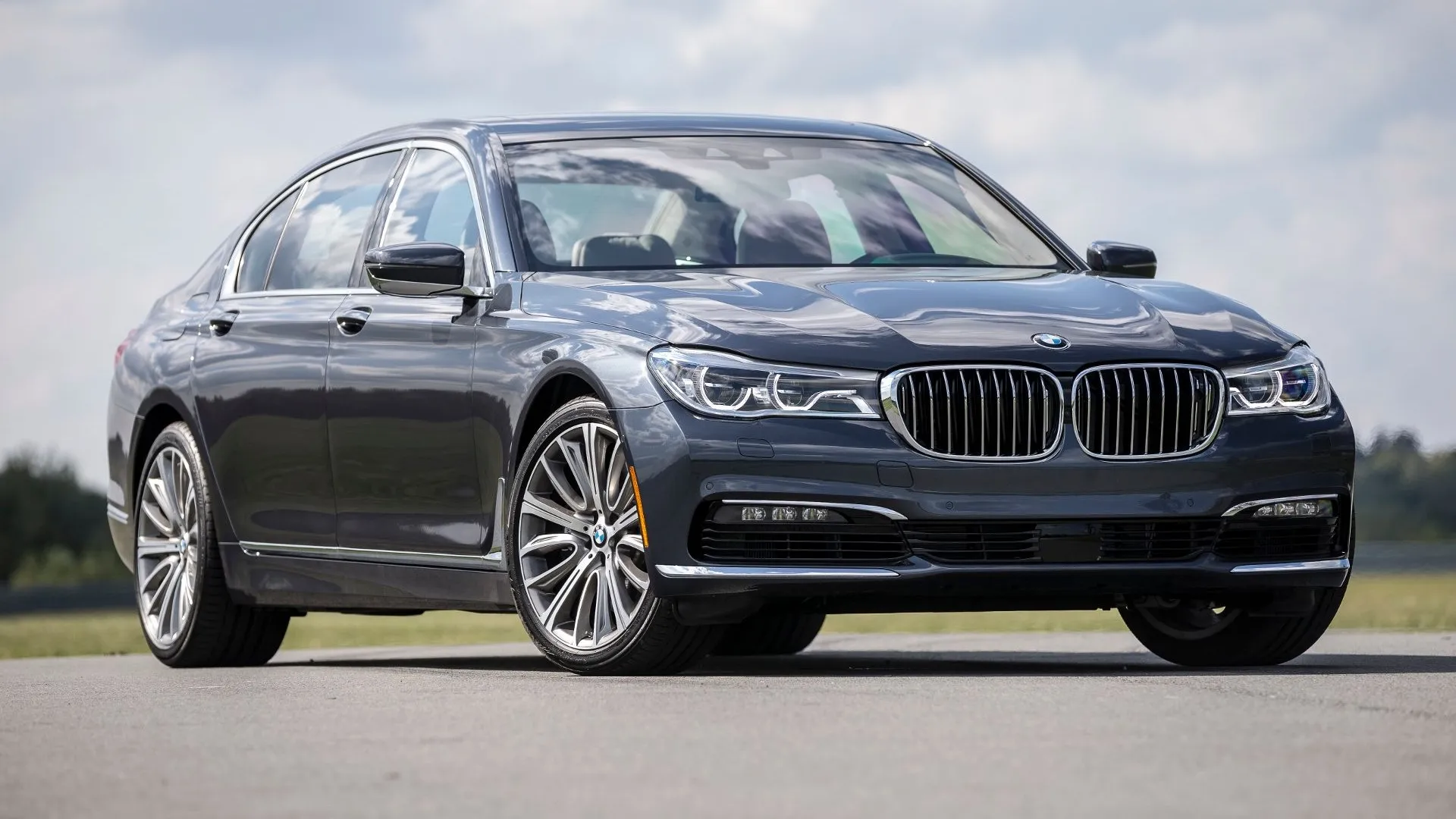
2. BMW 7 Series 2016
Luxury sedans often promise refinement, yet the BMW 7 Series 2016 brings ownership obligations tied closely to specialized service environments. Engineering priorities favor advanced technology, which places repair control firmly within authorized networks.
Electronic integration defines this vehicle. Numerous control modules communicate continuously, requiring factory-level diagnostic platforms for accurate assessment. Independent shops may read error codes, yet meaningful interpretation often demands brand-specific software and training.
Parts sourcing adds another layer. Many components feature model-specific calibration requirements. Even routine replacements, such as batteries, require system registration to function properly. Without access to coding tools, general shops cannot complete installations correctly.
Suspension systems illustrate service limitations clearly. Adaptive air suspension components require precise calibration after replacement. Approved equipment ensures ride height accuracy and system balance. Without it, drivability issues persist.
Interior technology ages unevenly. Displays, infotainment controllers, and comfort systems rely on software integration. Repairs often involve reprogramming rather than physical replacement. Authorized centers maintain updated pathways unavailable elsewhere.
Engine service also reflects specialization. Turbocharged configurations demand precise tuning. Diagnostic interpretation extends beyond mechanical inspection into data analysis, favoring technicians trained specifically on BMW platforms.
Ownership costs reflect these constraints. Labor rates increase due to certification requirements. Scheduling depends on dealer availability rather than local convenience. Warranty expiration magnifies these concerns as owners shoulder the full expense.
Resale markets recognize service dependency. Buyers weigh prestige against repair access limitations. Pricing adjusts accordingly once coverage ends. The BMW 7 Series 2016 delivers refinement paired with restricted service freedom. Specialty shops remain essential partners throughout ownership, shaping both cost and experience.
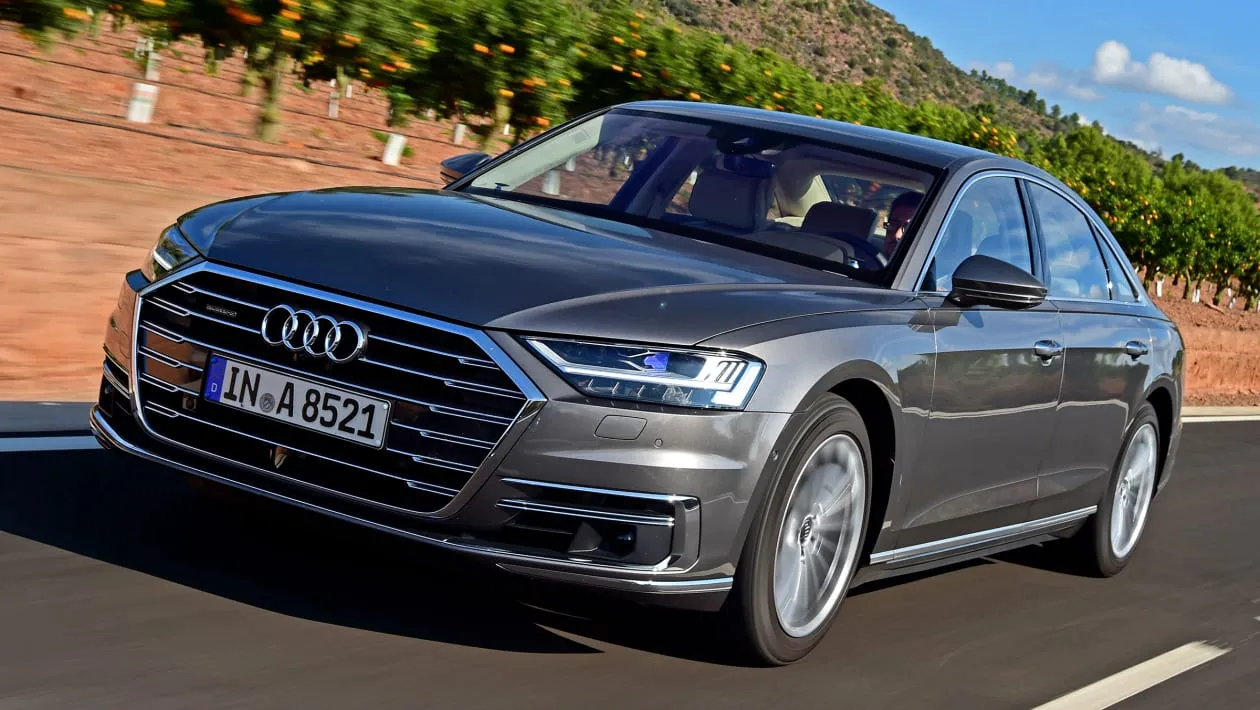
3. Audi A8 2017
Sophisticated engineering defines the Audi A8 2017, yet that sophistication binds the vehicle to specialized service channels. Advanced construction and electronics exceed the reach of most independent repair facilities. Aluminum-intensive architecture demands specific repair techniques.
Body repairs require certified equipment and trained personnel. General shops often decline involvement due to tooling costs and structural precision requirements. Electronic systems reinforce this dependency. Multiple driver assistance features rely on radar, cameras, and sensors that demand calibration after repairs.
Authorized service centers maintain the necessary alignment tools and software access. Powertrain service also reflects specialization. Engine management systems integrate closely with transmission and drivetrain controls. Diagnosing performance issues involves proprietary data streams unavailable through standard scanners.
Interior systems add further barriers. Infotainment, climate control, and seating functions rely on interconnected modules. Replacing components often triggers software pairing steps restricted to approved platforms. Parts sourcing follows controlled channels.
Many components require verification or programming before installation. Delays occur when availability depends on the manufacturer’s distribution rather than an open aftermarket supply. Insurance repairs align with this structure. Approved repair facilities handle collision work due to sensor placement and body construction.
Independent shops risk incomplete repairs without calibration capability. Ownership experience centers on refinement and technology. Service independence becomes secondary. Owners commit to authorized networks to preserve functionality and safety system integrity.
Audi A8 2017 ownership suits drivers comfortable with specialized service arrangements. Repair pathways remain defined by precision rather than flexibility, influencing cost and convenience throughout the vehicle’s life.
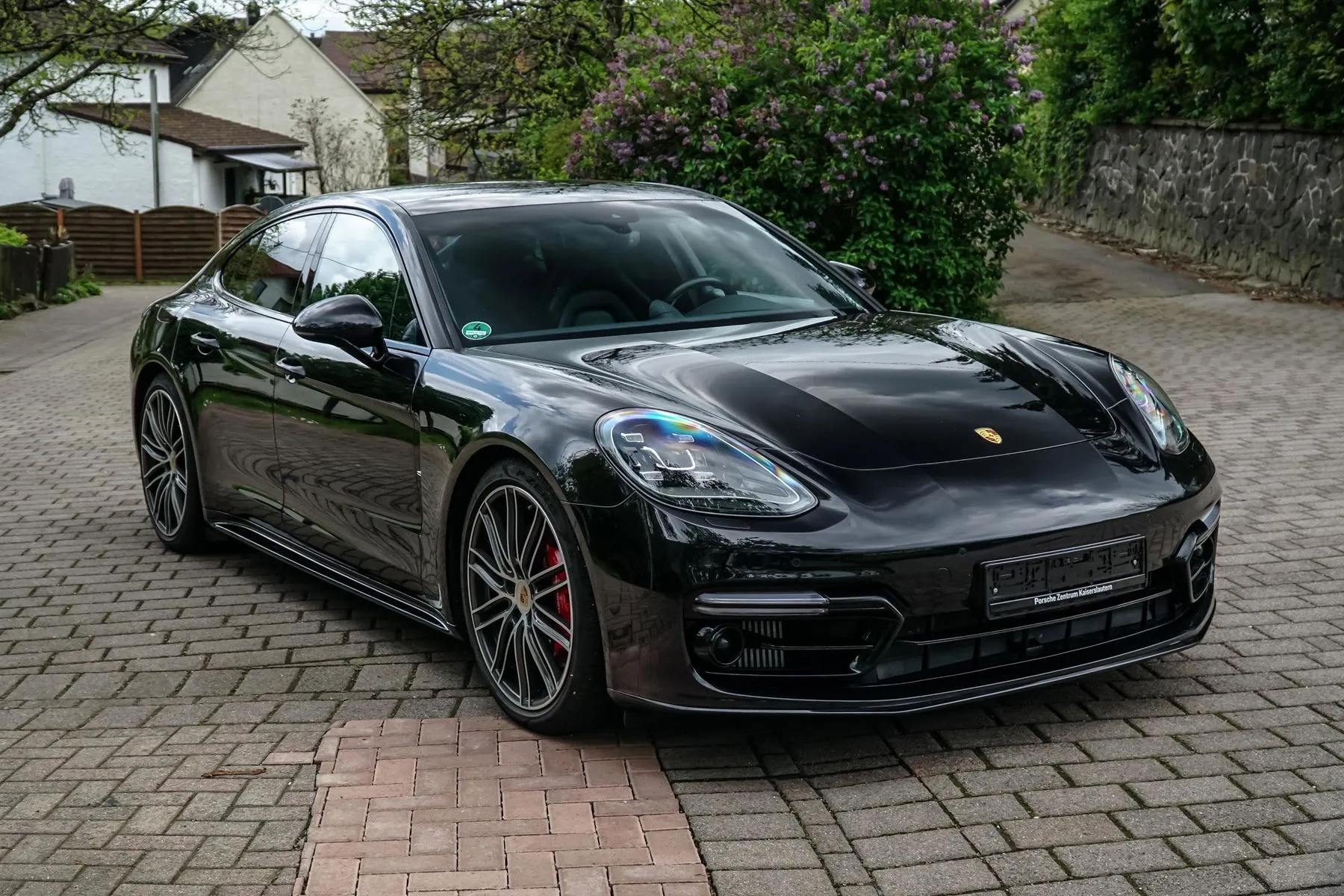
4. Porsche Panamera 2018
Performance luxury reaches high levels in the Porsche Panamera 2018, though service accessibility narrows accordingly. Engineering priorities emphasize precision, placing repairs within tightly controlled environments.
Powertrain configuration illustrates this clearly. Engine placement, cooling systems, and drivetrain layout follow performance-driven logic. Accessing components requires specialized knowledge and equipment. Independent shops rarely encounter this architecture, limiting familiarity.
Diagnostic systems reinforce exclusivity. Porsche-specific software communicates with vehicle networks using encrypted protocols. Standard scanners provide limited insight, pushing owners toward authorized service centers for accurate assessment.
Suspension and braking systems highlight similar patterns. Adaptive suspension components require calibration under precise conditions. High-performance brakes involve materials and procedures unfamiliar to general technicians.
Parts availability also restricts flexibility. Genuine components dominate repair pathways due to fitment and performance requirements. Aftermarket alternatives remain limited. Pricing reflects exclusivity, influencing long-term ownership costs.
Interior systems integrate performance data displays and advanced controls. Repairs often involve software synchronization rather than simple replacement. Authorized technicians maintain updated access required to complete tasks.
Warranty considerations guide service decisions early. Once coverage ends, dependency remains due to tooling and training barriers. Owners accept higher labor rates in exchange for accuracy. Resale buyers understand these obligations. Purchase decisions factor in service access and cost. Demand exists, yet ownership expectations remain specific.
Porsche Panamera 2018 rewards drivers seeking performance paired with refinement. Service pathways align closely with brand-controlled environments, shaping every repair interaction.
Also Read: 10 Affordable Vehicles With Cabins That Show Wear Quickly

5. Land Rover Discovery 2019
The Land Rover Discovery 2019 embodies versatility, offering a combination of off-road capability and refined comfort, yet its maintenance structure requires engagement with specialized service providers. The vehicle’s advanced engineering, which contributes to its performance and technology features, also imposes limits on where and how repairs can be conducted.
Owners must be prepared to work within these boundaries to maintain the vehicle’s functionality and safety standards. The drivetrain integrates sophisticated traction management systems and electronically controlled suspension, ensuring performance across varied roads. Diagnosing faults or recalibrating components is not straightforward, as it necessitates manufacturer-authorized diagnostic software.
Independent mechanics without this access cannot reliably identify issues, making service at general shops impractical. The precise calibration required extends to components such as air suspension systems, which must be aligned using proprietary equipment.
Incorrect adjustments can compromise ride quality and affect the performance of safety systems, illustrating the direct impact of specialized service needs. Electrical systems further highlight the model’s technical demands. Numerous interconnected control modules govern everything from engine management to driver assistance features.
Troubleshooting these systems requires both training and software access that are typically limited to certified facilities. Even routine repairs, including sensor replacements or system resets, often involve procedures that general shops are neither equipped nor authorized to perform.
Parts distribution is also tightly controlled. Replacement modules and other critical components often require coding or pairing before installation, which restricts availability to authorized channels. Delays in obtaining parts can occur when supply is limited to official distributors, lengthening service timelines and increasing planning requirements for repairs.
Interior systems, including infotainment, climate control, and advanced driver assistance features, rely on the same controlled access for maintenance. Updates, calibration, and system resets must be performed using approved tools to ensure operational reliability.
The implications extend to ownership costs and scheduling. Labour rates at certified centres reflect both the specialized skills required and the investment in proprietary equipment. Service appointments often require coordination with authorized dealerships, which may be distant or have limited availability.
Insurance repairs follow similar protocols, as collision work demands precise handling of structural elements and sensors that are critical to the vehicle’s safety performance. Ownership of a 2019 Land Rover Discovery is most suitable for individuals who value capability, comfort, and technology while accepting limited service options.
Maintenance responsibility is defined by specialty shops from the first repair throughout long-term ownership, reinforcing the importance of understanding service requirements before purchase.
