Transitioning smoothly from city streets to open highways is a crucial factor in choosing a vehicle, yet not every car manages it equally well. Some models strike a perfect balance, offering responsive power, composed handling, and refined comfort for both stop-and-go urban traffic and higher-speed cruising.
Vehicles like the Honda CR-V Hybrid, BMW 3 Series, Volkswagen Golf GTI, Tesla Model 3, and Volvo V60 Cross Country showcase this versatility, pairing efficient powertrains with stable suspensions, intuitive controls, and advanced safety features. These cars provide drivers with confidence during merges, lane changes, and long stretches of highway driving while maintaining maneuverability and practicality in tight urban environments.
On the other hand, some vehicles shine in city conditions but struggle once they leave town. Compact cars such as the Mitsubishi Mirage, Smart Fortwo EQ, Nissan Versa S, Fiat 500e, and Jeep Wrangler highlight how lightweight construction, limited power, or off-road-focused designs can compromise highway stability, acceleration, range, or cabin refinement.
While these models excel for budget-conscious or city-focused drivers, they require extra planning, caution, and patience when driven at sustained high speeds.
Understanding these contrasts helps buyers match a vehicle to their driving patterns, ensuring comfort, efficiency, and safety in both urban and highway scenarios.
5 Cars That Handle City-to-Highway Transitions Well
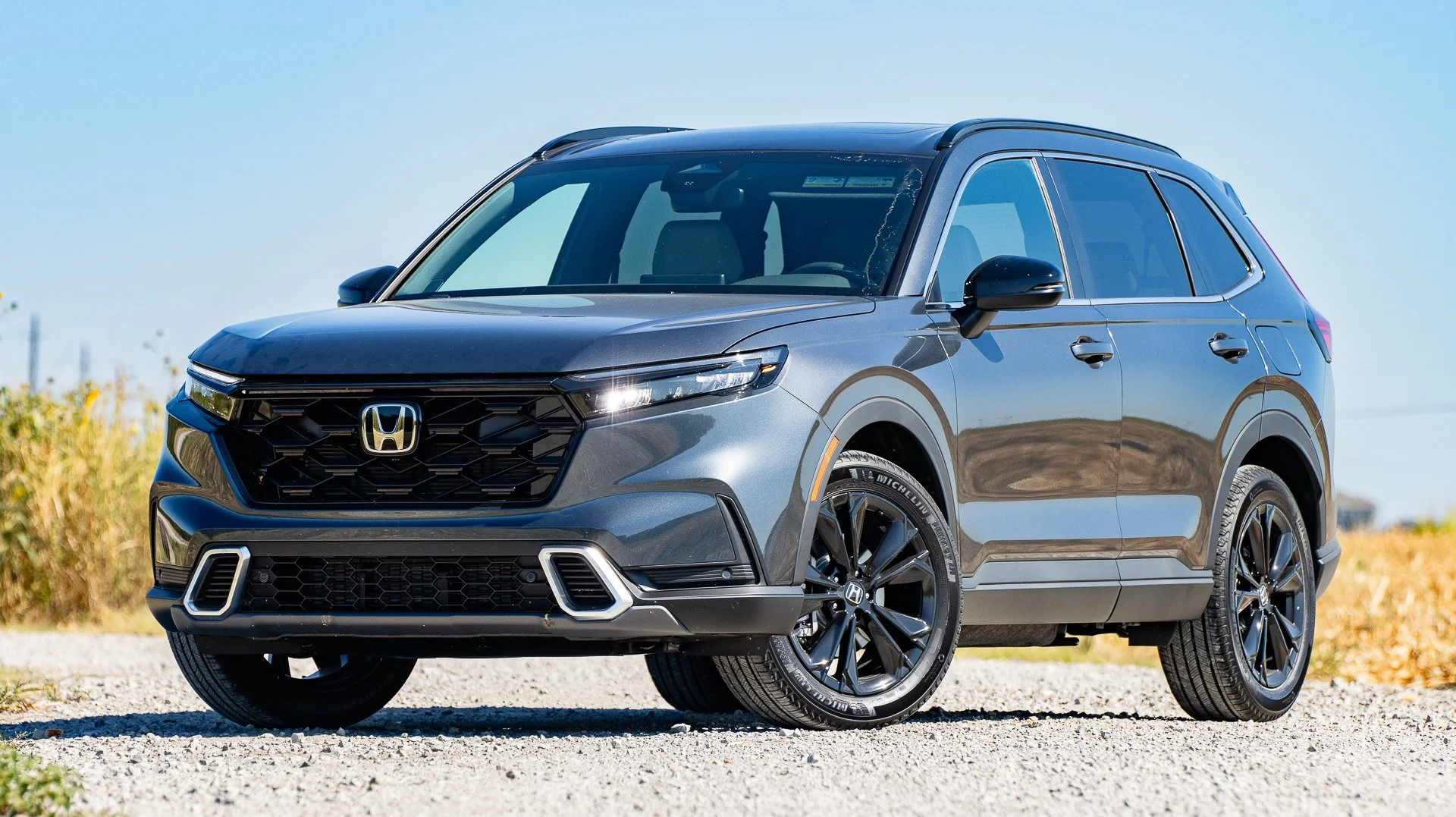
1. Honda CR-V Hybrid (2025): Efficient, Comfortable, and Responsive
The 2025 Honda CR-V Hybrid sets a benchmark for versatility, combining smooth performance, impressive fuel efficiency, and a refined cabin. Its fourth-generation two-motor hybrid system seamlessly switches between electric power in city driving and gasoline power on highways, delivering 204 horsepower and 247 lb-ft of torque. \
This ensures quick lane changes, confident acceleration on ramps, and a quiet, composed ride that isolates road noise better than many rivals.
The hybrid powertrain pairs a 2.0-liter four-cylinder engine with two electric motors, offering slightly more power than the nonhybrid model. Drivers can choose front-wheel or all-wheel drive, with AWD standard on the Sport Touring Hybrid.
While it does not match the sporty handling of vehicles like the Mazda CX-50 or Volkswagen Tiguan, the CR-V Hybrid remains stable, precise, and comfortable thanks to a front-strut and rear-multilink suspension. Throttle response has been enhanced for immediate power delivery, and the Sport Touring Hybrid accelerates from 0–60 mph in 7.9 seconds, competitive for its class.
Fuel efficiency is a strong feature of the CR-V Hybrid. Front-wheel-drive Sport and Sport-L trims achieve 43 mpg city and 36 mpg highway, while the AWD Sport Touring registers 31 mpg in real-world highway testing. The vehicle can tow up to 1,000 pounds when equipped with optional accessories, slightly less than the nonhybrid model.
Inside, the CR-V Hybrid offers a spacious, well-designed cabin with comfortable seating for all passengers. Higher trims use premium materials and honeycomb-texture accents for visual interest. Controls are intuitive, with touchscreen infotainment, climate knobs, and a reconfigurable digital gauge display.
Cargo space is generous, holding up to 29 carry-on suitcases with the rear seats folded. Infotainment options include a 7.0- or 9.0-inch touchscreen, Apple CarPlay, Android Auto, wireless mirroring, navigation, SiriusXM, and wireless charging, depending on trim level.
Safety is comprehensive, featuring lane-keep assist, lane-departure warning, automated emergency braking, and blind-spot monitoring. Higher trims add parking sensors and more advanced driver-assistance features. Warranty coverage includes a three-year/36,000-mile limited warranty, a five-year/60,000-mile powertrain warranty, and one year/12,000 miles of complimentary scheduled maintenance.
With its combination of smooth power transitions, efficient fuel consumption, spacious interior, and refined ride, the 2025 Honda CR-V Hybrid delivers a versatile, capable, and comfortable experience for both city and highway driving.
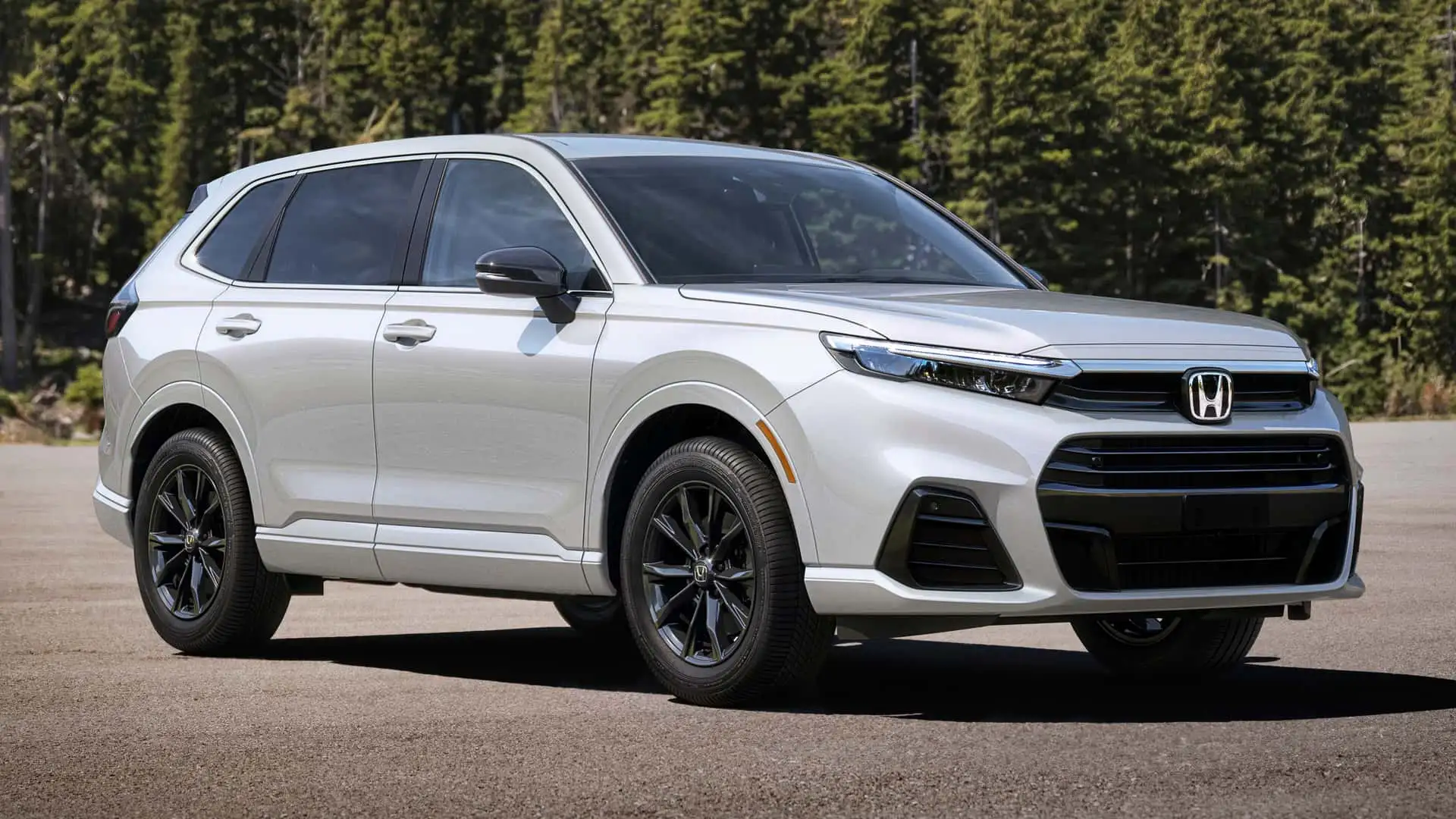
2. BMW 3 Series (330i): Balanced Performance for City and Highway Driving
The BMW 3 Series 330i has long been valued for its “Goldilocks” proportions, and the 2025 model continues that tradition with a blend of agility, comfort, and refinement that suits both urban driving and highway cruising. Compact enough to navigate tight city streets and parking spaces, the 330i remains composed and confident at speed thanks to its well-tuned chassis and responsive powertrain.
Power comes from a 2.0-liter turbocharged inline-four producing 255 horsepower and 295 lb-ft of torque, with peak torque available from just 1,550 rpm. This low-end responsiveness gives the 330i punchy acceleration in stop-and-go traffic and effortless passing power on the highway.
Paired with a quick-shifting 8-speed automatic transmission, the engine stays in the optimal power band, delivering smooth transitions between relaxed commuting and spirited driving. The sedan reaches 60 mph in roughly 5.3 seconds, placing it firmly in the competitive range for entry-level luxury sport sedans.
For 2025, BMW adds a 48-volt mild hybrid system that improves efficiency, particularly in city driving, where electric assistance helps during launches and low-speed operation. EPA ratings rise to 28 mpg city, 35 mpg highway, and 31 mpg combined, marking an improvement over recent model years.
Optional xDrive all-wheel drive further enhances stability and traction in varying road and weather conditions, while features like Dynamic Stability Control and available Active Cruise Control with Stop & Go help reduce driver fatigue on longer commutes.
Ride and handling strike a careful balance between comfort and sportiness. The standard suspension remains compliant over urban imperfections, while optional M Sport components sharpen steering response and cornering precision. Even in Comfort mode, the chassis feels controlled rather than soft, with improved absorption over bumps compared to earlier versions.
Inside, the 330i delivers a premium experience despite its entry-level positioning. The cabin offers supportive sport seats, ambient lighting, and thoughtful packaging, including a large trunk and folding rear seats that enhance cargo flexibility.
Rear passengers benefit from generous legroom, wide-opening doors, and modern conveniences such as USB-C ports and climate vents. BMW’s latest iDrive 8.5 infotainment system adds a modern touch, though some interior materials and limited standard driver-assistance features remind buyers of its place at the base of the lineup.
The 2025 BMW 330i succeeds as a refined, capable luxury sport sedan, smoothly transitioning from a comfortable city commuter to a confident highway performer while preserving the core driving character the 3 Series is known for.
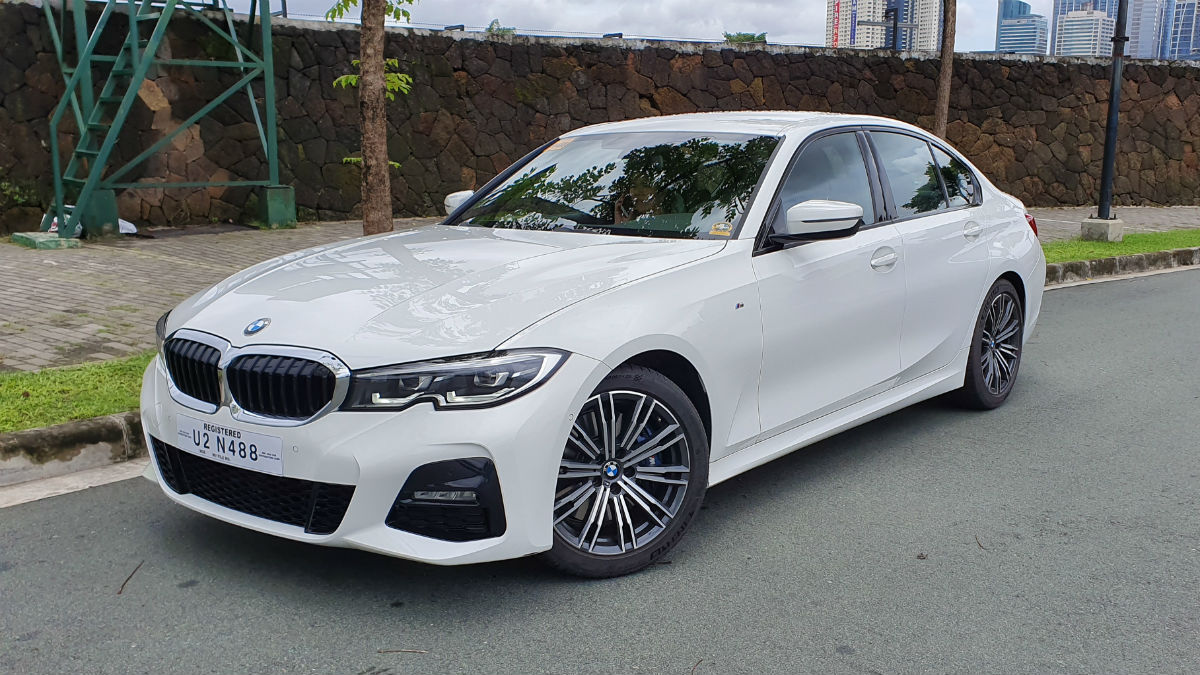
3. Volkswagen Golf GTI: A Compact Performance Car That Adapts Effortlessly
The Volkswagen Golf GTI has long earned its reputation as the ultimate “pocket rocket,” and the latest iteration continues to excel as a car that effortlessly bridges city commuting and highway driving.
Compact dimensions and variable-ratio steering make it exceptionally nimble in urban environments, allowing drivers to dart through traffic and navigate tight streets with ease. At higher speeds, the GTI feels planted and composed, delivering the stability and confidence of a much larger vehicle.
Powering the GTI is a turbocharged 2.0-liter inline-four producing 241 horsepower, delivering immediate torque that suits stop-and-go city driving while providing strong, confident acceleration for highway merging and passing. The seven-speed dual-clutch automatic transmission shifts quickly and smoothly, keeping the engine in its optimal power band across varying speeds.
Although the manual transmission is no longer available, the DSG ensures effortless transitions between relaxed commuting and spirited driving. The GTI accelerates from 0–60 mph in 5.6 seconds, placing it ahead of some rivals while remaining competitive in the hot-hatch segment.
Handling balance is a major strength. The available DCC Adaptive Chassis Control allows drivers to tailor the suspension to conditions, softening the ride over rough city pavement and firming it up for stability during high-speed cornering.
An electronically controlled limited-slip differential enhances traction and reduces understeer, helping the GTI remain composed and engaging on winding roads. Despite its sporty nature, ride quality remains comfortable enough for daily use, avoiding the harshness often associated with performance-focused cars.
Inside, the GTI offers a modern and airy cabin that belies its small footprint. Seating is spacious for both front and rear passengers, and the hatchback design provides impressive cargo versatility with 60/40 folding rear seats.
Interior materials have improved, and recent updates address earlier complaints by restoring physical steering-wheel buttons and refining the infotainment interface. A large 12.9-inch touchscreen with Volkswagen’s latest MIB4 software, wireless Apple CarPlay and Android Auto, wireless charging, and multiple USB-C ports enhance everyday usability.
Fuel economy remains respectable for a performance-oriented hatchback, with recent models rated at 24 mpg city, 32 mpg highway, and 27 mpg combined. Driver-assistance features are comprehensive, including adaptive cruise control, lane-keeping assist, automated emergency braking, and Volkswagen’s IQ.Drive system, which adds Emergency Assist for added safety during long trips.
By combining agility, comfort, and performance-focused engineering, the Golf GTI continues to function as several cars in one: an efficient daily commuter, a refined highway cruiser, and a genuinely fun performance hatch when the road opens up.
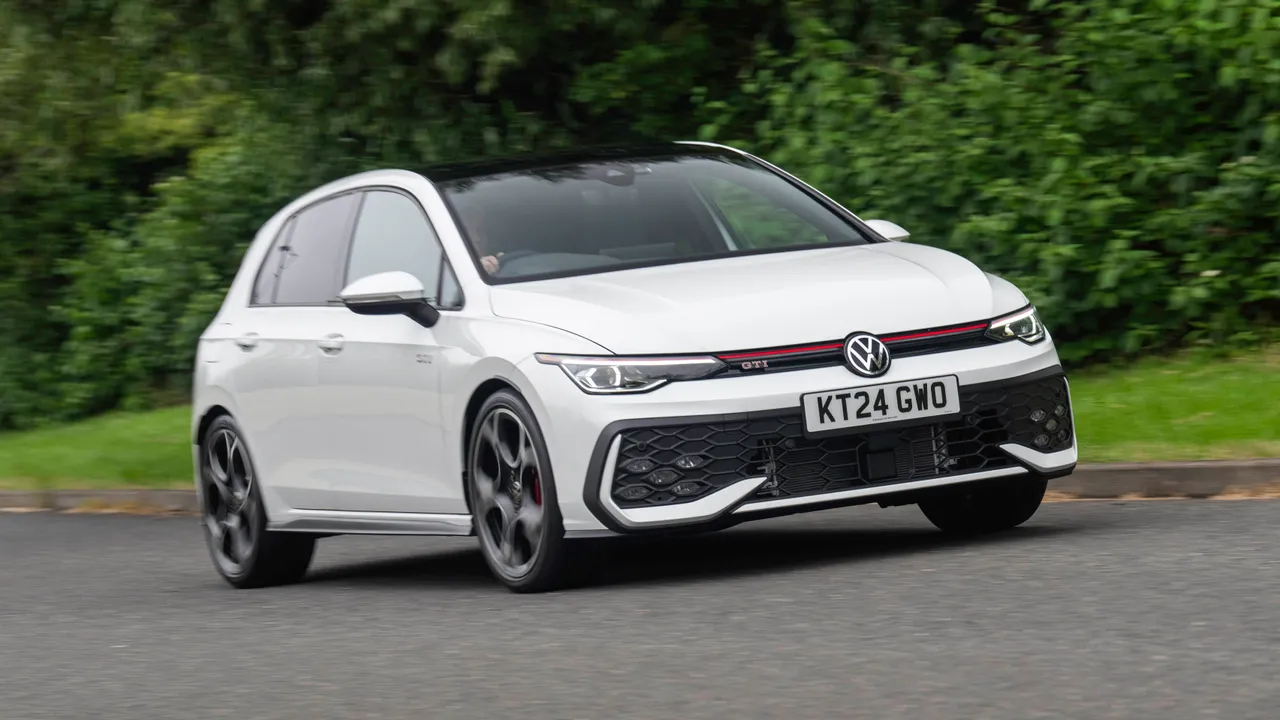
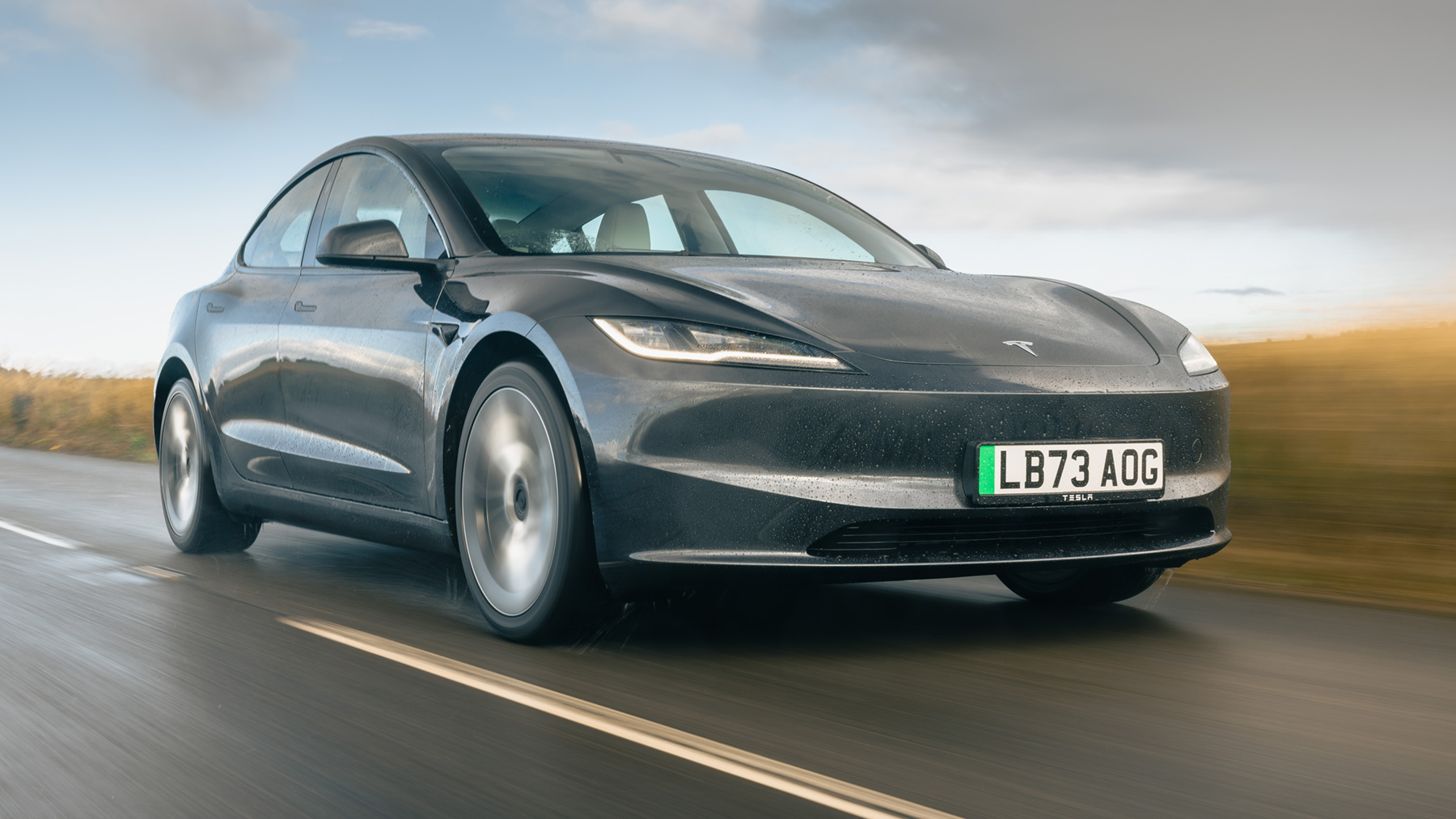
4. Tesla Model 3: Seamless Electric Performance from City Streets to Highways
The Tesla Model 3 highlights the strengths of electric vehicles when it comes to transitioning between city driving and highway travel. Without a traditional transmission, power delivery is smooth and uninterrupted, allowing the Model 3 to accelerate cleanly from low-speed traffic to sustained highway speeds.
Regenerative braking supports intuitive one-pedal driving in urban conditions, reducing the need for constant brake input and making stop-and-go traffic easier to manage. At higher speeds, the low center of gravity created by the floor-mounted battery pack provides impressive stability during lane changes and sweeping curves.
Instant torque defines the Model 3 driving experience. Whether in single-motor rear-wheel-drive form or dual-motor all-wheel-drive configurations, the electric powertrain delivers immediate and linear acceleration that makes highway merging feel effortless.
Output ranges from 286 horsepower to 510 horsepower in the Performance model, which reaches 60 mph in just 2.8 seconds and competes with far more expensive sport sedans. Steering is accurate and well weighted, with multiple settings that allow drivers to adjust effort to suit city or highway conditions.
Ride quality is firm yet controlled, striking a balance between comfort and responsiveness. Recent refinements have made the cabin noticeably quieter at speed, improving long-distance comfort.
The Model 3 Performance adds adaptive dampers, upgraded brakes, and wider tires, enhancing grip and control without sacrificing composure during extended highway cruising. Aerodynamic efficiency also contributes to stability and reduced wind noise, supporting a calm driving environment at higher speeds.
Range and efficiency remain strong selling points. EPA estimates span roughly 298 to 363 miles, depending on configuration, and real-world testing confirms the Model 3 performs well even during sustained highway driving.
Charging options are flexible, with access to Tesla’s Supercharger network allowing rapid charging. In testing, a dual-motor Performance model charged from 10 percent to 90 percent in under 40 minutes on a fast charger.
The interior reflects Tesla’s minimalist design philosophy, centered around a 15.4-inch touchscreen that controls most vehicle functions. Front seats are supportive and comfortable, while rear-seat space is tighter for adults. Cargo practicality is solid, with a usable rear trunk and folding rear seats that can accommodate larger items.
Driver-assistance technology plays a major role in highway comfort. Standard Autopilot provides adaptive cruise control and lane assistance, helping reduce fatigue during long trips. More advanced automated features are available through optional software, though driver supervision is still required.
With instant acceleration, confident handling, and advanced electric technology, the Tesla Model 3 delivers a smooth and capable experience that transitions effortlessly from city traffic to high-speed highway travel.
5. Volvo V60 Cross Country: Wagon Practicality with All-Road Confidence
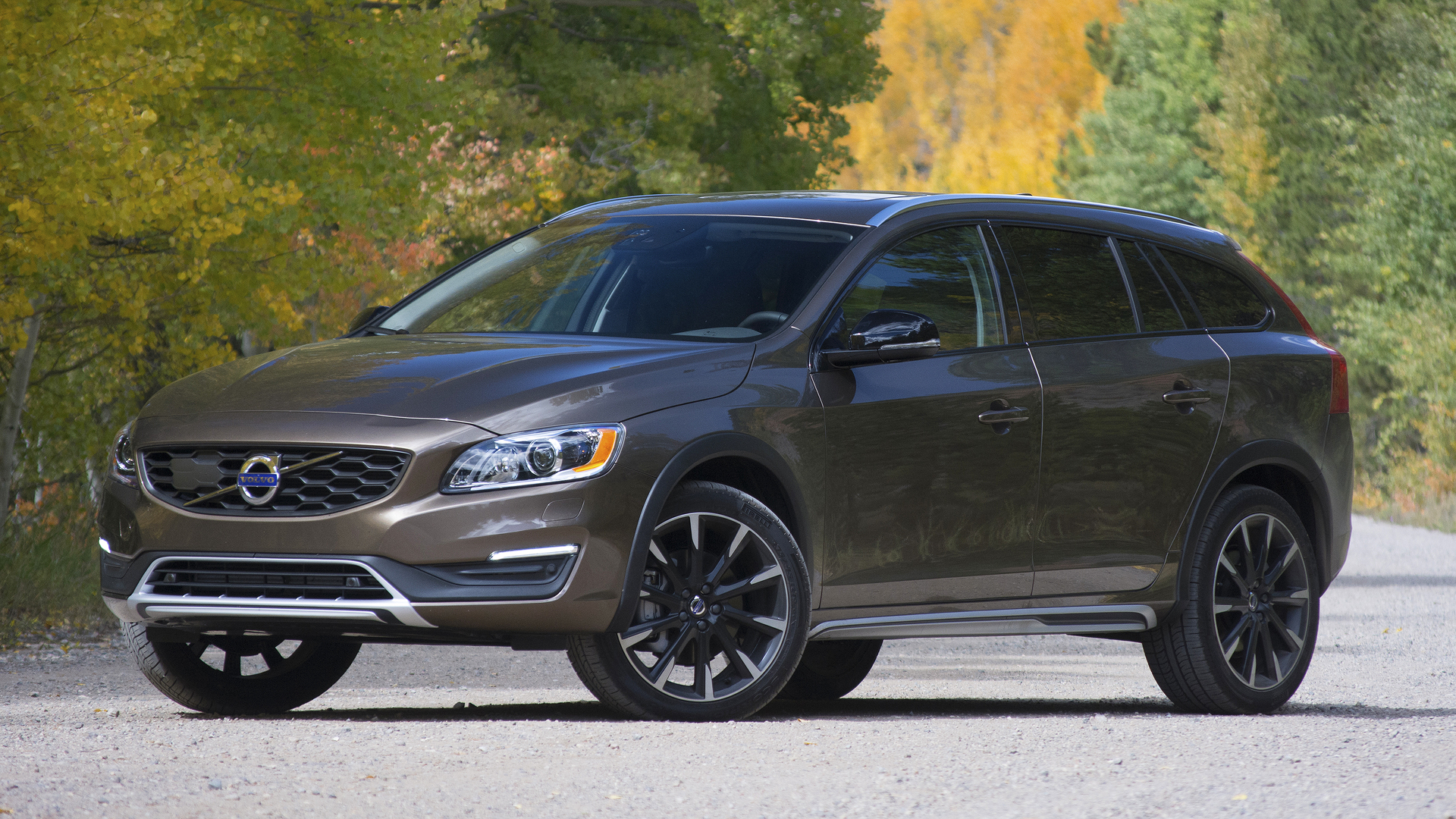
The Volvo V60 Cross Country combines the maneuverability of a sedan with the added toughness and capability of a ruggedized wagon, making it well-suited for drivers who regularly move between city streets and highways.
Its compact footprint allows easy movement through urban areas, while the raised ride height and 197 mm of ground clearance help absorb potholes, broken pavement, and uneven on-ramps. Standard all-wheel drive further enhances stability and traction, giving the V60 Cross Country confidence in a wide range of driving conditions.
Under the hood is a turbocharged 2.0-liter four-cylinder engine producing 247 horsepower, paired with an eight-speed automatic transmission and a 48-volt mild-hybrid system. This setup delivers smooth, refined acceleration in city traffic while providing confident power for highway merging and passing.
The mild-hybrid system assists during low-speed driving, improving efficiency and responsiveness in stop-and-go situations. Acceleration to 60 mph takes about 7.1 seconds, which prioritizes comfort and smoothness over outright sportiness.
Unlike taller SUVs, the V60 Cross Country retains a lower center of gravity, resulting in more composed, car-like handling on curving roads. The suspension strikes a careful balance between comfort and control, absorbing rough surfaces without feeling floaty at speed.
On the highway, the wagon feels planted and secure, with all-wheel drive helping maintain grip during lane changes or poor weather. Fuel economy remains competitive for its class, with EPA ratings of 24 mpg city and 31 mpg highway, and a real-world highway result of 29 mpg in testing.
Inside, the V60 Cross Country delivers a refined and thoughtfully designed cabin. Volvo’s signature seats are supportive and comfortable for long drives, and high-quality materials such as real wood, metal trim, and soft leather give the interior a premium feel.
Front-seat space is generous, while the rear seat can comfortably accommodate two adults. Cargo capacity is a standout strength, offering excellent flexibility for daily errands or longer trips, with up to 22 carry-on suitcases fitting when the rear seats are folded.
Technology and safety are central to the V60 Cross Country experience. A 9.0-inch touchscreen runs Volvo’s Google-based infotainment system, supporting Apple CarPlay, Android Auto, Bluetooth, and built-in connectivity. Safety features come standard and include automated emergency braking, lane-keeping assist, and adaptive cruise control, reflecting Volvo’s long-standing focus on occupant protection.
With its blend of comfort, traction, safety, and wagon practicality, the Volvo V60 Cross Country delivers a versatile driving experience that transitions smoothly from city streets to relaxed and confident highway travel.
Also Read: 5 Cars That Are Easy to Own Without a Garage vs 5 That Depend on Covered Parking
5 That Struggle Outside Town
1. Mitsubishi Mirage: Budget-Friendly City Car with Highway Limitations
The Mitsubishi Mirage is a purpose-built urban commuter that places affordability, simplicity, and fuel efficiency above all else. As one of the least expensive new cars available, it appeals strongly to budget-conscious buyers who primarily drive in city environments.
In that setting, its small size, light weight, and excellent fuel economy make it easy to live with. However, those same characteristics create clear compromises when the Mirage is taken onto highways or open roads.
At the center of the Mirage’s challenges is its 1.2-liter three-cylinder engine, which produces just 76 to 78 horsepower, the lowest output of any new car sold in North America. Acceleration is slow, and reaching highway speeds requires careful planning and full throttle, especially on short on-ramps.
Passing slower traffic or merging into fast-moving lanes can feel stressful, and the lack of reserve power becomes even more noticeable on steep grades, where the engine must work at its limit, and drivers may disable the air conditioning to maintain speed.
The Mirage’s lightweight construction, at roughly 2,100 pounds, further affects its highway manners. Narrow 14-inch tires and a light chassis make the car sensitive to crosswinds and turbulence from larger vehicles. At speeds above 50 mph, the Mirage can feel unsettled, requiring frequent steering corrections. Uneven pavement can also cause the ride to feel bouncy, lacking the planted confidence found in heavier sedans.
Cabin refinement is another area where cost-cutting is evident. Minimal sound insulation allows engine noise, road roar, and wind noise to dominate at highway speeds. The CVT keeps the engine spinning at high rpm, resulting in a constant, strained sound that can make long trips tiring and conversations difficult.
Despite these drawbacks, the Mirage remains appealing for its low ownership costs, strong reliability record, and honest simplicity. It succeeds as basic transportation for city-focused driving, but it is best suited to drivers who rarely venture onto high-speed highways.
2. Smart Fortwo EQ: Urban Specialist with Serious Highway Trade-Offs
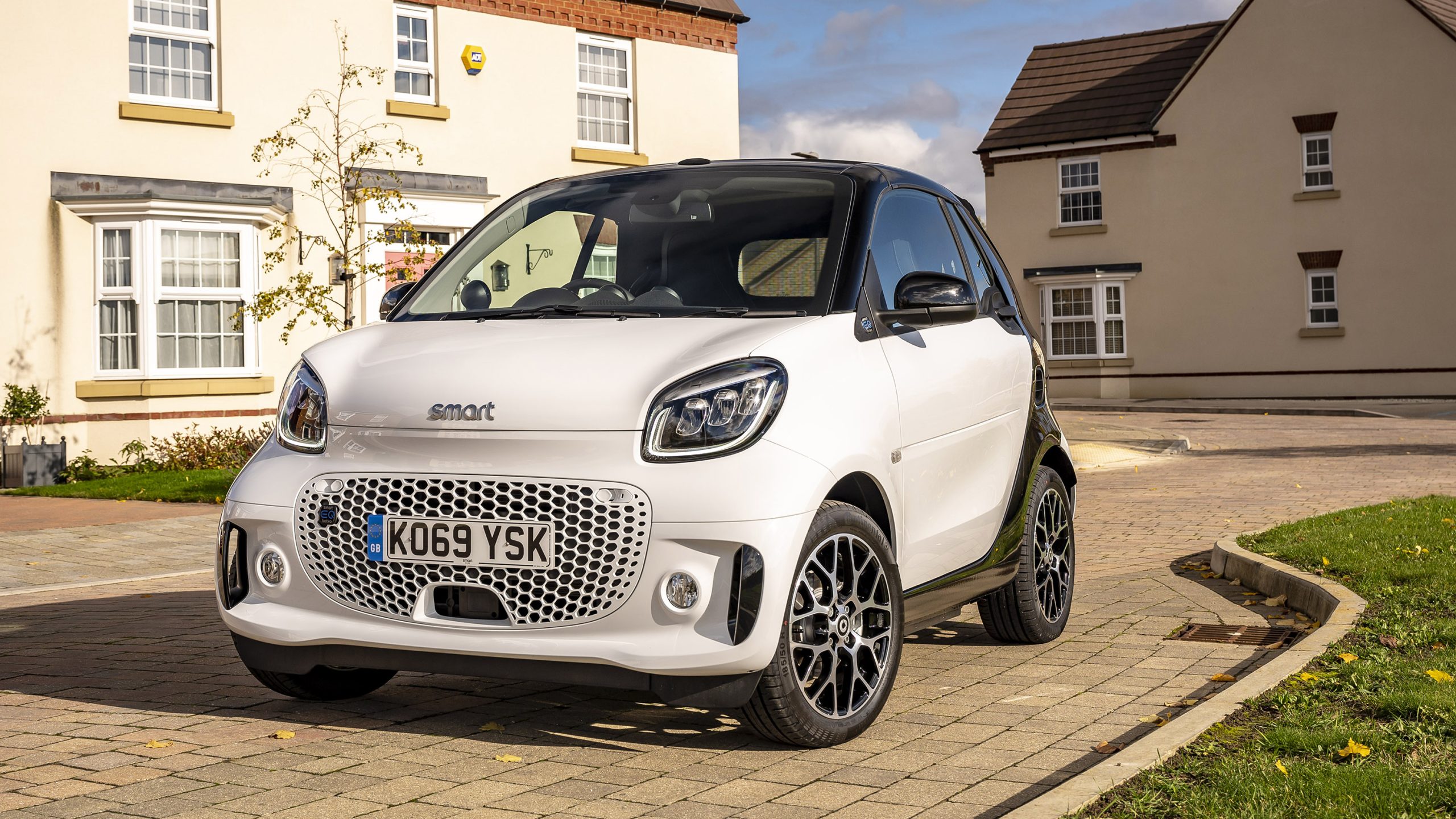
The Smart Fortwo EQ is engineered with a single mission in mind: effortless city driving. Its tiny footprint, ultra-short wheelbase, and electric powertrain make it unbeatable for dense urban environments where tight streets and scarce parking dominate. However, once taken beyond city limits, the Fortwo EQ’s strengths quickly turn into liabilities, revealing clear limitations during sustained highway driving.
The most immediate challenge comes from basic physics and aerodynamics. The Fortwo EQ’s tall, boxy shape and extremely short wheelbase make it highly sensitive to crosswinds and the air turbulence created by larger vehicles.
At highway speeds, gusts of wind or passing trucks can physically push the car within its lane, forcing the driver to make constant steering corrections. The short wheelbase also causes a choppy ride, as both axles react almost simultaneously to bumps and road dips, leading to a jittery and fatiguing experience over longer distances.
Efficiency and range also decline sharply at higher speeds. The Fortwo EQ’s small 17.6 kWh battery is adequate for city use but struggles on the highway, where aerodynamic drag rises dramatically.
At steady speeds around 70 mph, real-world range can drop from the advertised 80 miles to roughly 45–50 miles. Prolonged high-speed driving also increases heat buildup, and with limited thermal capacity, the system may reduce power output to protect the battery.
Performance further limits highway confidence. The Fortwo EQ is electronically capped at 81 mph, which leaves no reserve power for passing or sudden acceleration. While low-speed response feels lively in town, acceleration fades quickly once speeds exceed 60 mph, making merging and overtaking stressful.
Refinement is another compromise. Minimal sound insulation allows wind and tire noise to dominate at highway speeds, and the light, quick steering that works well for parking can feel nervous when traveling fast.
In the end, the Smart Fortwo EQ is a highly effective urban tool but a poor match for regular highway use. It excels exactly where it was designed to, and struggles everywhere else.
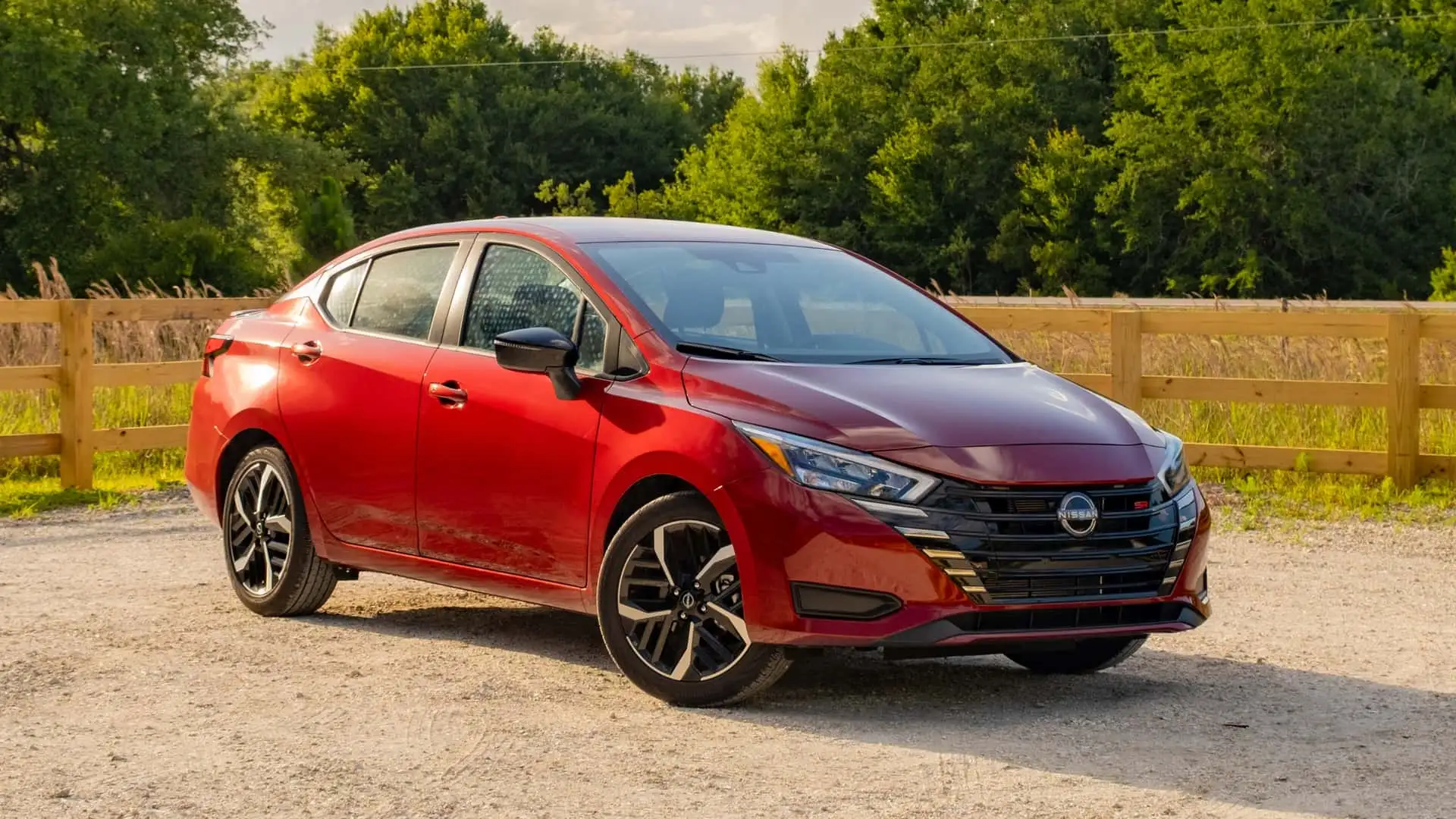
3. Nissan Versa S: Affordable City Transportation with Highway Compromises
The Nissan Versa in base S trim is designed to deliver dependable, low-cost transportation for budget-conscious drivers, and it performs that role well in urban environments.
Its compact size, light steering, and efficient engine make it easy to manage in traffic and parking situations. Once driven at sustained highway speeds, however, the Versa S begins to show the limitations of its powertrain and cost-focused design.
All Versa models use a 1.6-liter four-cylinder engine producing 122 horsepower and 114 lb-ft of torque. While adequate for city driving, this output leaves little margin for highway use.
Merging into fast-moving traffic requires heavy throttle input, and acceleration to highway speeds is slow, with 0–60 mph times exceeding 10 seconds. Passing slower vehicles demands careful timing and planning, adding stress during long-distance travel.
The base S trim is unique in offering a five-speed manual transmission, which appeals to drivers who prefer a traditional driving experience. However, the lack of a sixth overdrive gear means the engine must spin at high rpm at highway speeds.
At around 75 mph, this results in a constant engine drone that becomes tiring over time. The gearing also hurts efficiency, with the manual version returning lower highway fuel economy than CVT-equipped models, which benefit from taller gearing and smoother operation.
Stability is another concern. The Versa’s lightweight subcompact structure works well in city conditions but becomes more vulnerable to wind buffeting on open roads. Passing trucks and strong crosswinds can push the car within its lane, requiring frequent steering corrections. This behavior reduces confidence and contributes to driver fatigue during extended highway trips.
Interior refinement is limited in the S trim to keep costs low. Road and wind noise are more noticeable at speed due to minimal sound insulation, and the lack of features such as adaptive cruise control or smartphone integration further diminishes long-distance comfort.
The Nissan Versa S succeeds as an inexpensive urban commuter, but its highway limitations reflect a vehicle designed around affordability rather than sustained high-speed travel.
4. Fiat 500e: Stylish City EV with Highway Range and Stability Limits
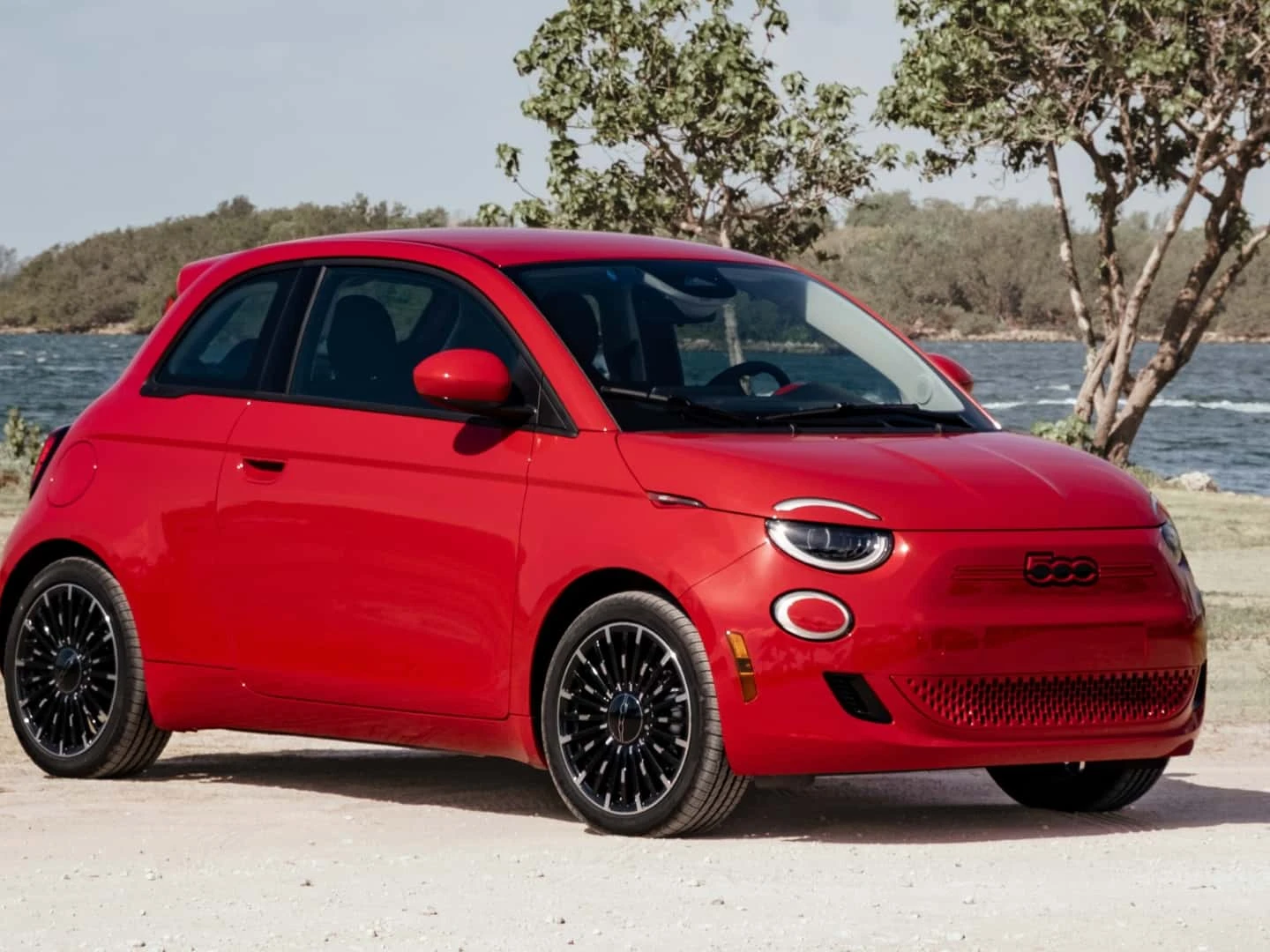
The Fiat 500e is designed first and foremost as an urban electric car, excelling in tight city streets with its compact size, charming styling, and responsive low-speed performance. In dense environments, it feels lively and easy to place, making it ideal for short trips and daily commuting. When driven beyond city limits, however, the 500e’s priorities become clear, and several compromises emerge during sustained highway use.
The most significant challenge is range efficiency at higher speeds. While the larger 42 kWh battery version is rated for up to 199 miles under WLTP testing, real-world highway driving at speeds around 70 mph can reduce usable range to roughly 120 miles.
The smaller 24 kWh version is even more limited, with motorway range sometimes dropping to around 80 miles in colder conditions. This sharp decline can introduce frequent charging stops and heightened range awareness on longer trips.
High-speed stability and refinement are also areas where the 500e struggles. Its tall, narrow profile and short wheelbase make it sensitive to crosswinds and turbulence from larger vehicles, which can result in a nervous feel on open roads.
Uneven pavement can produce a bouncy ride as the suspension reacts quickly to surface changes. Cabin refinement is modest, with noticeable wind and tire noise at highway speeds due to limited sound insulation, making extended drives more tiring than in larger electric cars.
Performance is well-suited to city use but less convincing at higher speeds. Acceleration feels brisk up to about 30 mph, but power delivery tapers off beyond 60 mph, reducing confidence during overtaking. The electronically limited top speed of 93 mph further emphasizes its city-focused nature.
Practicality for longer travel is limited. Cargo space measures just 185 liters, restricting luggage capacity, and while the 85 kW DC fast-charging capability is adequate, it trails some competitors that charge faster, adding time to road trips.
The Fiat 500e succeeds as a stylish, efficient urban electric car, but it is best viewed as a town-focused companion with occasional long-distance capability rather than a true all-purpose EV.
5. Jeep Wrangler: Off-Road Legend with Highway Limitations
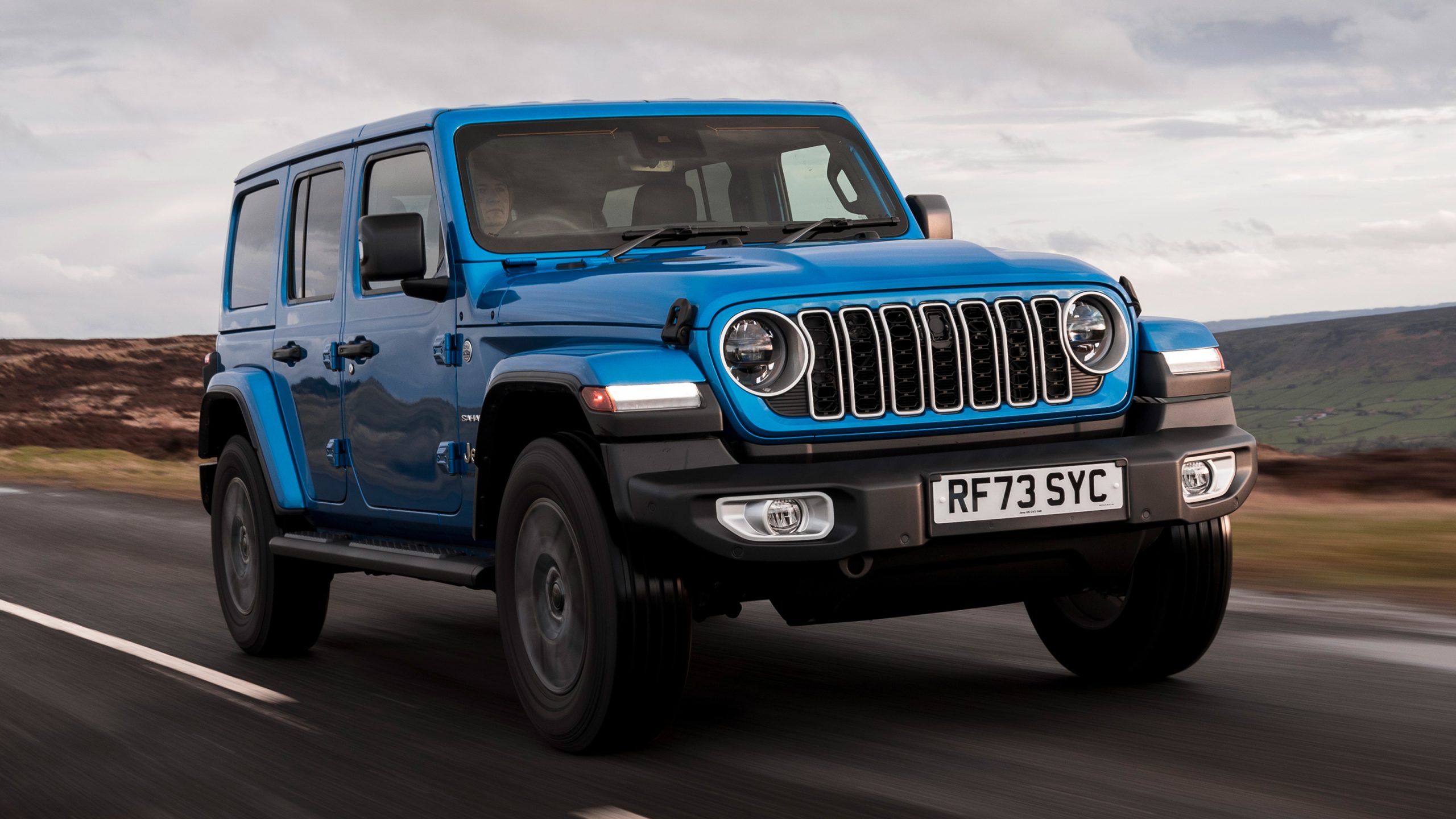
The Jeep Wrangler is renowned for its off-road capability and iconic styling, but many of the features that make it a trail conqueror also create challenges on highways. Its solid-axle suspension, boxy design, and specialized steering result in a driving experience that is less refined at higher speeds, demanding constant attention from the driver.
The Wrangler’s solid front axle, while excellent for rock crawling and durability, reacts to bumps on both sides simultaneously. On paved highways, this produces a “floaty” ride and requires frequent steering corrections to stay centered in a lane.
The recirculating ball steering system, designed to prevent injury during off-road use, adds a vague and disconnected feel at speed, reducing steering precision compared with modern rack-and-pinion systems. A unique hazard of this setup is the infamous “Death Wobble,” a violent front-end shake triggered by bumps at highway speeds, typically caused by worn suspension components.
Aerodynamics is another weakness. The vertical windshield and box-like body create substantial wind resistance, which lowers fuel efficiency and increases sensitivity to crosswinds. Drivers often report a tense experience on exposed bridges or open highways as the Wrangler can feel like a sail being buffeted by gusts.
Its high center of gravity, while providing excellent ground clearance off-road, contributes to body roll and requires a stiff suspension, producing a harsh and crashy ride over bumps and road joints.
Additional compromises stem from the Wrangler’s removable top and doors. Minimal sound insulation allows wind and tire noise to penetrate the cabin, making extended highway drives physically and mentally tiring. Aggressive off-road tires amplify these noises, further reducing comfort.
In short, the Jeep Wrangler excels as a rugged, adventurous off-road vehicle but sacrifices comfort, stability, and refinement on highways. While capable in city traffic at low speeds, it is best treated as a specialist tool rather than a long-distance cruiser.
The ability to transition smoothly between city and highway driving separates truly versatile cars from those designed for specialized use. Models like the Honda CR-V Hybrid, BMW 3 Series, Volkswagen Golf GTI, Tesla Model 3, and Volvo V60 Cross Country achieve this balance through carefully engineered powertrains, refined suspensions, and advanced technology.
They provide consistent performance, stability, and comfort, making them reliable companions for both short commutes and longer drives.
In contrast, the Mitsubishi Mirage, Smart Fortwo EQ, Nissan Versa S, Fiat 500e, and Jeep Wrangler highlight the trade-offs of vehicles optimized for city use or off-road performance.
Their limitations at higher speeds include bouncy rides, wind sensitivity, restricted acceleration, and range concerns. Understanding these differences ensures that drivers select cars suited to their driving patterns, maintaining safety, efficiency, and comfort in every setting.
Also read: 10 Cars That Are Harder to Live With Than Expected