
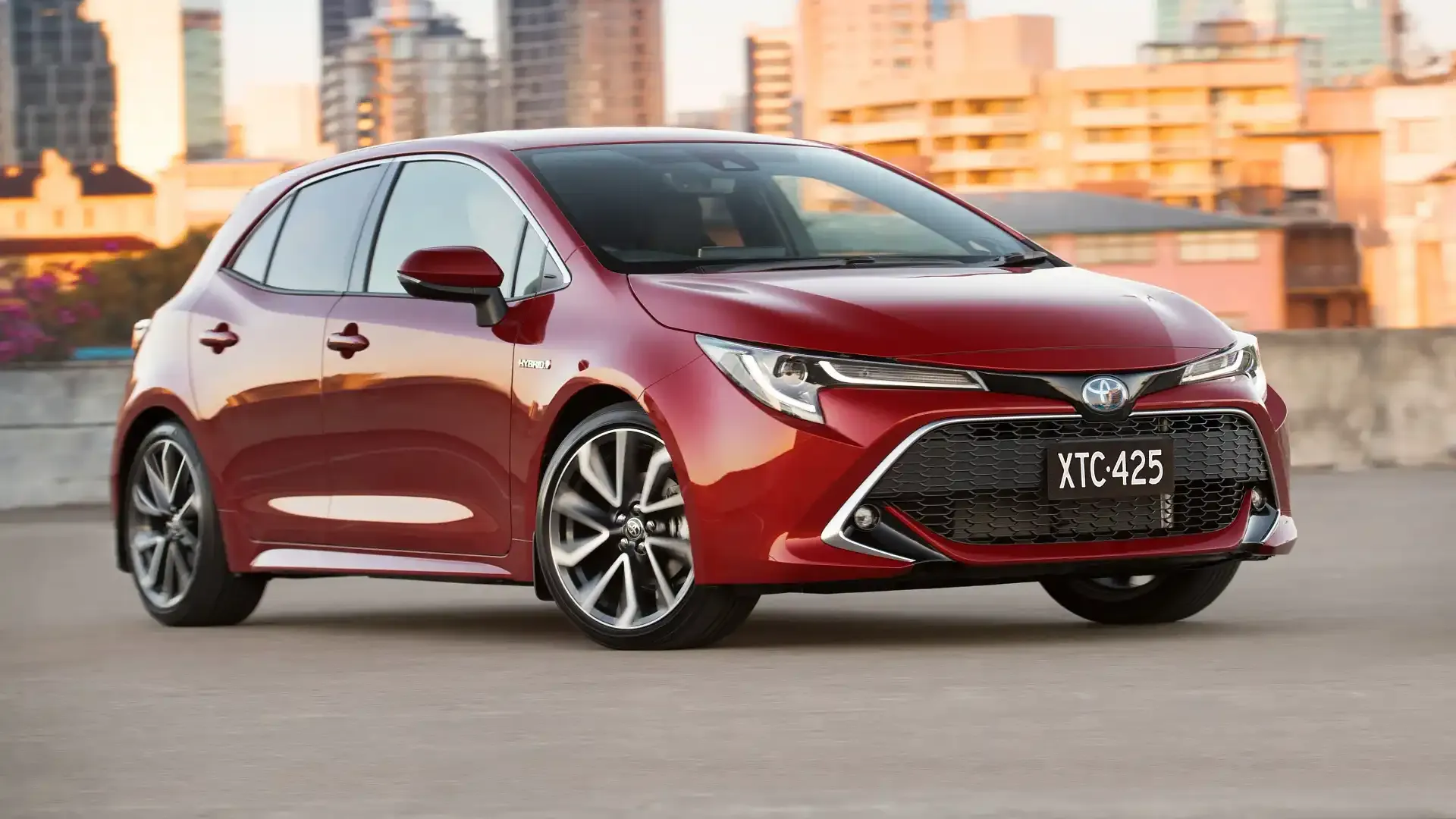
Urban life demands practicality, and vehicle ownership in a downtown environment presents a unique challenge. Tight streets, limited parking, stop-and-go traffic, and a dense network of service options influence which cars remain convenient to own.
Some vehicles thrive in these conditions, offering simple service routines, easily sourced parts, and systems that local mechanics understand. Others, despite their performance or luxury appeal, become burdensome due to specialized equipment requirements, proprietary software, or uncommon components.
For city dwellers who want reliability without the hassle of long waits or expensive repairs, the type of car chosen plays a decisive role. Familiar engine layouts, standard drivetrain configurations, and uncomplicated electronics make a vehicle approachable for the mechanic around the corner.
High-tech hybrids, luxury European sedans, and vehicles with fully integrated digital systems often require visits to authorized service centers, which can mean longer wait times and higher expenses. Choosing a car that is easy to service can save both time and money while reducing frustration.
From compact sedans to practical SUVs, some vehicles handle urban driving demands with ease, while others quickly reveal their complication during frequent stops, tight parking, and short trips. This guide examines ten cars, divided into two groups: those that remain straightforward to maintain in city environments and those that depend on specialized service facilities.
Each vehicle is assessed for mechanical accessibility, parts availability, and ease of repair. Understanding these differences helps city drivers make informed decisions and ensures they can manage maintenance efficiently without unnecessary stress.
Service-friendly cars cater to predictability and dependability, while specialty-dependent models demand more planning and resources. For anyone prioritizing convenience, understanding which vehicles fall into each category will influence purchase decisions, reduce frustration, and make urban vehicle ownership far more manageable.
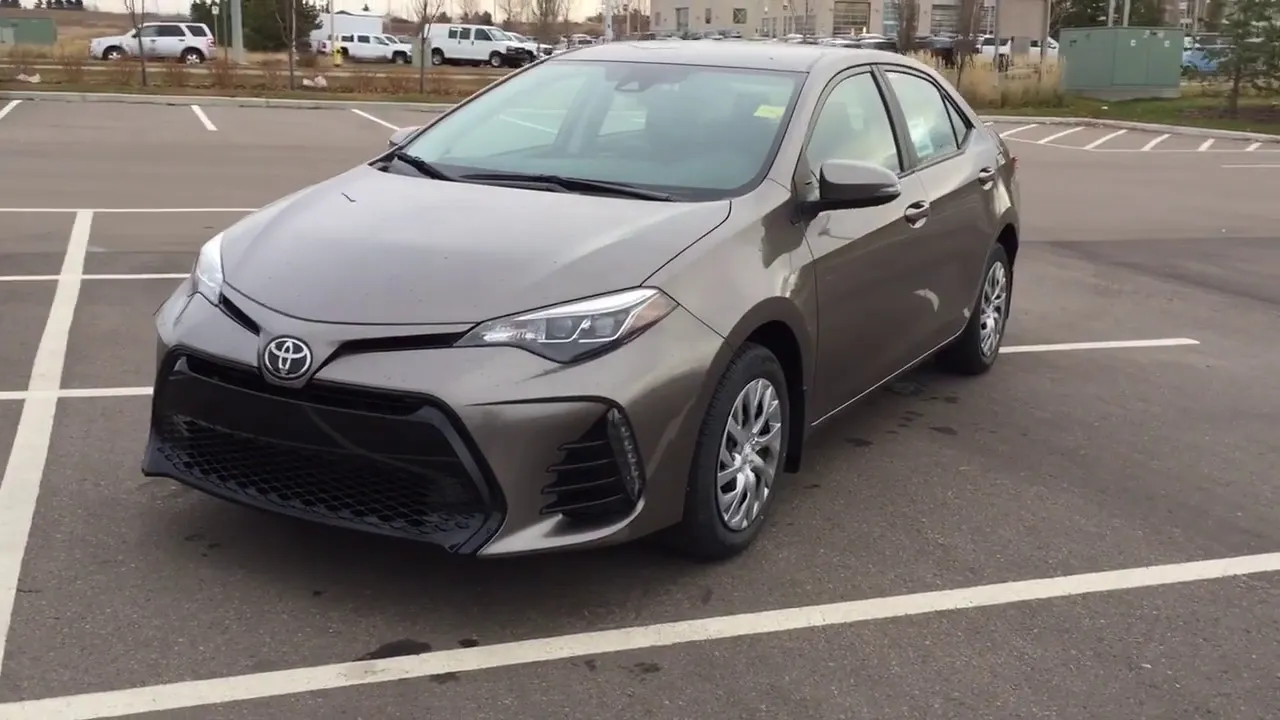
1. Toyota Corolla 2019
The Toyota Corolla 2019 has earned a reputation as a reliable and approachable compact sedan, particularly suited for downtown living. Its engine design and drivetrain follow conventional layouts familiar to most independent mechanics, meaning routine service rarely involves specialized equipment.
For urban owners, this translates to minimal downtime and predictable costs, an essential factor when daily commutes or work schedules cannot be interrupted. The Corolla’s four-cylinder engine prioritizes simplicity over exotic technology, providing robust performance without unnecessary complication.
Spark plugs, filters, and fluids are accessible and inexpensive, and replacements do not require specialized tools or training. Independent garages stock the components and can handle the majority of service tasks efficiently, which is crucial for city dwellers who may need urgent repairs on short notice.
Electrical systems have been intentionally kept straightforward. While modern iterations include infotainment and connectivity features, they avoid overly complicated module networks that would otherwise require brand-specific diagnostic tools. Technicians familiar with general automotive systems can address minor electrical issues without delays.
Suspension, steering, and braking systems also emphasize practicality. Parts replacement, alignment, and fluid service remain manageable for small, locally owned shops. Components endure urban driving conditions, such as potholes, frequent stops, and tight cornering, without the need for constant dealer intervention.
Interior and exterior components are designed for durability. Door handles, seat adjustments, and trim pieces withstand daily use, while panel repair or minor cosmetic fixes remain accessible. Paint and body panels follow standard specifications, which ensure repair shops can restore damage quickly.
Urban owners appreciate the Corolla 2019’s balance of convenience, reliability, and affordability. Ease of service reinforces its appeal, allowing owners to focus on driving rather than repair scheduling. This combination makes the vehicle a prime choice for downtown residents seeking dependable and manageable ownership.
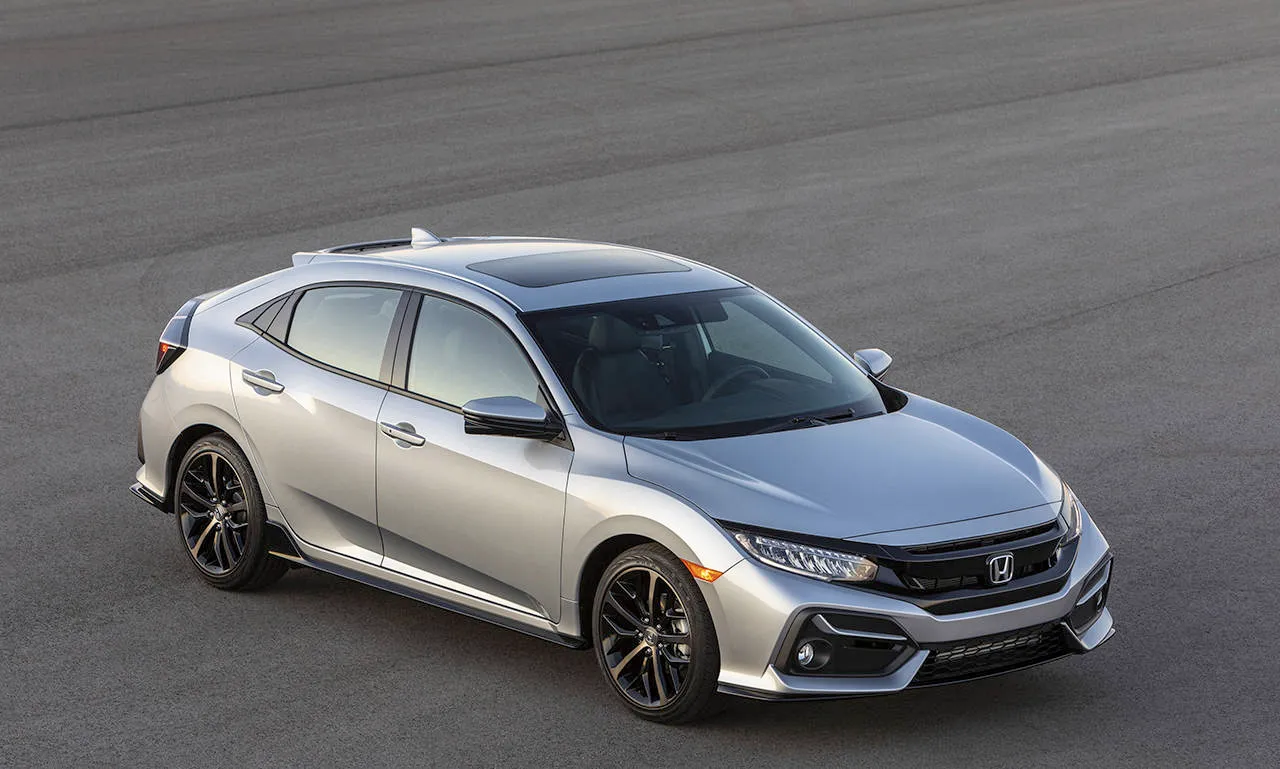
2. Honda Civic LX 2020
Honda Civic LX 2020 combines practical design with robust engineering, making it ideal for urban drivers who value service accessibility. Its long-standing engine layout and front-wheel-drive architecture are familiar to nearly all independent repair shops, meaning components can be replaced, inspected, and serviced without specialized tools or authorization.
The Civic’s four-cylinder engine performs efficiently under city driving, requiring routine oil changes, filter replacements, and minor tune-ups that mechanics can complete within a short timeframe. Parts availability is strong, and most components are stocked in local automotive stores, ensuring urgent repairs do not cause delays. For owners with tight schedules, this accessibility provides confidence that even unexpected issues can be resolved quickly.
Electrical and electronic systems have been designed with modularity. Basic controls, dashboard displays, and climate interfaces are intuitive for service technicians, reducing the likelihood of service delays caused by unfamiliar diagnostic processes. Standardized onboard diagnostics allow mechanics to identify problems accurately without resorting to brand-exclusive equipment.
Suspension and steering components maintain a balance of durability and simplicity. Civic LX models respond well to daily stop-and-go traffic, and urban wear on shocks, struts, and bushings remains manageable. Component replacements do not require expensive lifts or proprietary alignment tools, ensuring city-based repair shops can maintain the vehicle efficiently.
Cosmetic and body repairs are straightforward. Panels, paint, and trim pieces are commonly available, so minor dents or scratches do not require specialized body shops. Urban drivers benefit from a vehicle that can withstand tight parking situations, minor scrapes, and frequent maneuvering without complicated repair requirements.
Service simplicity, combined with fuel efficiency and reliability, reinforces the Civic LX 2020’s appeal. Owners experience reduced stress, faster turnaround times for repairs, and predictable maintenance costs. This accessibility makes it an excellent choice for city residents prioritizing practicality and convenience.
Also Read: 10 Vehicles That Are Fine New but Costly Later
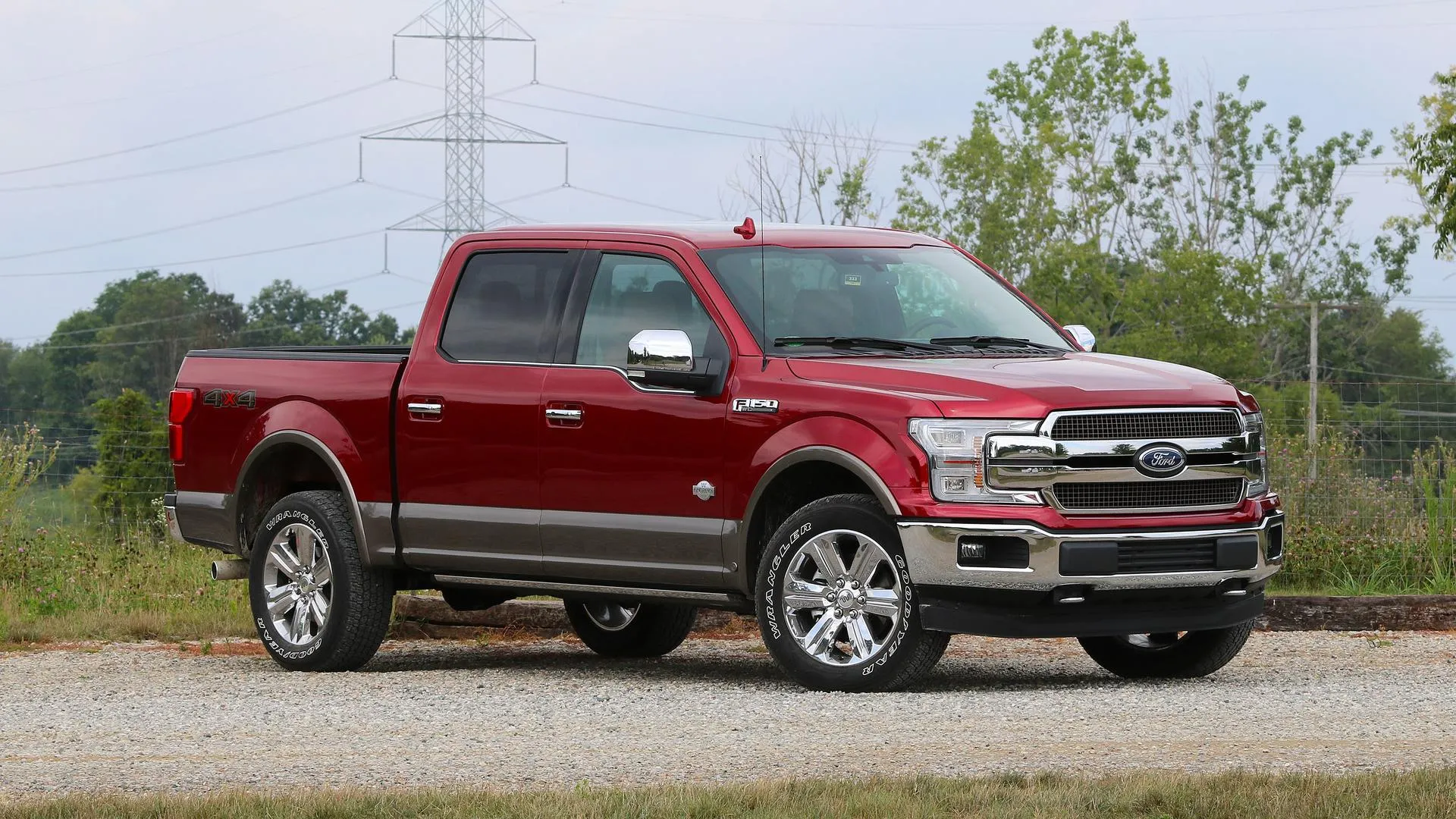
3. Ford F-150 2018
The Ford F-150 2018 stands as an example of utility paired with service simplicity in urban and suburban environments. Its engine and drivetrain use widely recognized configurations that independent garages can maintain efficiently, ensuring repairs and regular service remain approachable for downtown owners.
Gasoline V6 and V8 options follow standard designs with accessible spark plugs, belts, filters, and fluids. Component replacement rarely requires dealer-specific programming, allowing general repair shops to perform routine tasks efficiently. Independent technicians can handle major repairs without waiting for specialized tools or manufacturer intervention.
Electrical systems, while more advanced than previous generations, remain largely conventional. Standardized modules for lighting, climate, and powertrain monitoring allow experienced mechanics to troubleshoot issues quickly. Connectivity features are designed to be isolated from essential mechanical functions, reducing the likelihood of service delays caused by integrated electronics.
Suspension and braking systems cater to both heavy loads and urban driving conditions. Routine service of shocks, struts, and pads is straightforward, with commonly stocked parts available at multiple outlets. Urban owners benefit from the simplicity of these systems, even when trucks experience frequent curb contact, parking lot navigation, or stop-and-go city traffic.
Durability enhances service accessibility. F-150s are engineered to withstand long-term use with minimal intervention, allowing owners to prioritize daily functionality over complicated maintenance planning. Cosmetic and body repairs are manageable, thanks to widely available panels, paint, and trim pieces.
Parts networks are extensive. Local distributors and auto stores provide a wide range of replacement components at competitive pricing, making repairs timely and affordable. For city residents, this translates to fewer service interruptions, faster turnarounds, and more predictable ownership costs.
The Ford F-150 2018 combines strength, utility, and repair accessibility. Its approachable systems and dependable design make it an ideal choice for urban owners who require a vehicle capable of handling daily challenges without the burden of specialized maintenance.
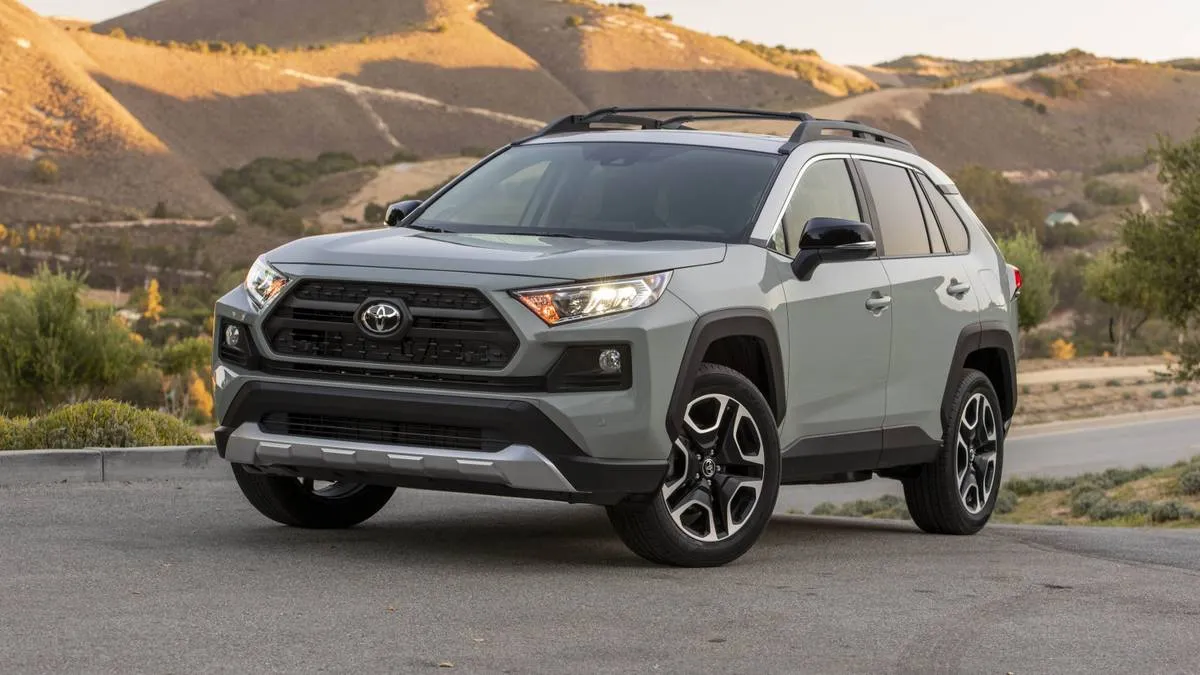
4. Toyota RAV4 2020
Toyota RAV4 2020 merges compact utility with mechanical accessibility, offering downtown owners a practical SUV that does not demand specialized service facilities. Its engine and drivetrain remain conventional, allowing local repair shops to perform inspections, routine servicing, and repairs efficiently.
The four-cylinder engine features a straightforward layout that permits easy access to belts, filters, fluids, and other consumables. Routine maintenance is predictable and cost-effective, with parts available through multiple channels, ensuring that urban owners do not encounter unnecessary delays during service.
Electronic systems are simplified relative to luxury competitors. Basic infotainment, climate controls, and monitoring features are modular, meaning technicians can service these systems without proprietary software. Common diagnostic tools and experience with general Toyota electronics suffice to resolve issues promptly.
Suspension and braking components reflect durability and simplicity. Struts, shocks, bushings, and brake assemblies are easily replaced using standard equipment, which ensures efficient service without reliance on specialized lifts or tools. Daily urban driving does not accelerate wear in ways that would require dealer-only repairs.
Interior and exterior components are designed for urban practicality. Door handles, seat adjustments, and trim panels remain durable and easy to replace if damaged. Paint finishes and body parts are commonly stocked, allowing local shops to perform cosmetic repairs efficiently.
Fuel efficiency and engine reliability support long-term ownership convenience. The RAV4 2020’s simplicity ensures predictable costs and minimal downtime, allowing owners to focus on daily activities rather than complicated service scheduling.
For city dwellers, this combination of accessibility, reliability, and mechanical transparency makes the Toyota RAV4 2020 an attractive choice. Owners enjoy a capable, compact SUV that balances comfort, utility, and service practicality, all without requiring specialized repair facilities or expertise.
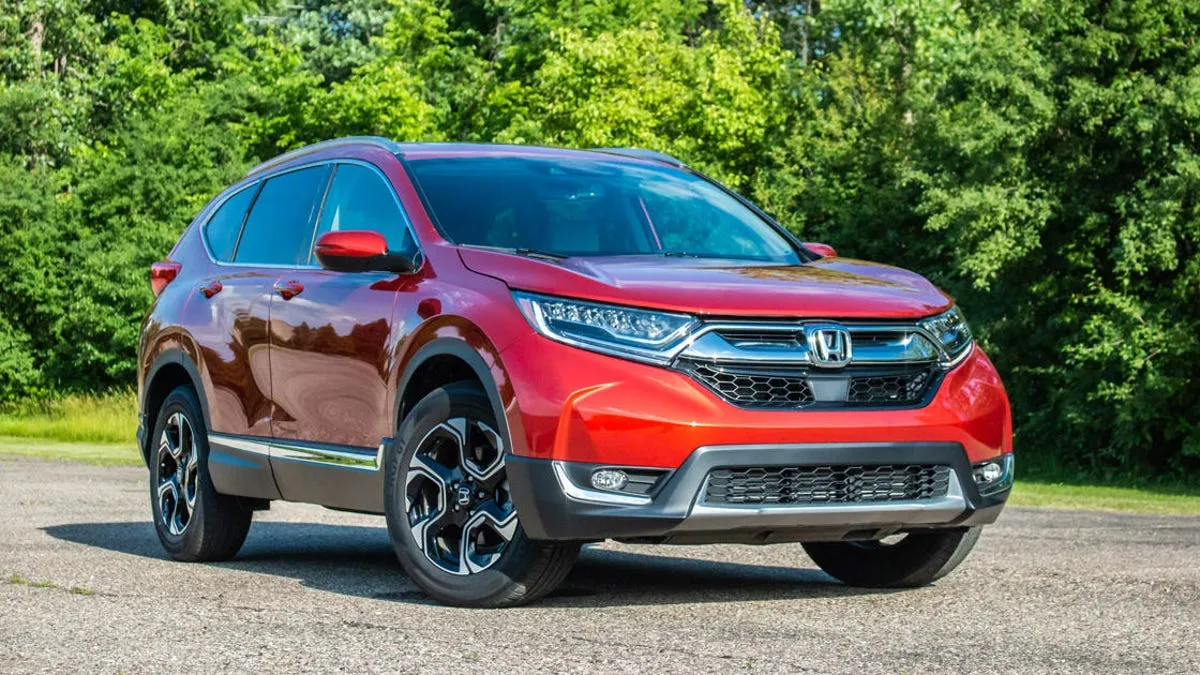
5. Honda CR-V 2019
The Honda CR-V 2019 blends compact SUV functionality with approachable service requirements, making it an ideal choice for downtown drivers. Its engine, transmission, and electrical systems remain conventional, allowing general automotive shops to perform repairs and maintenance efficiently.
The four-cylinder engine provides consistent performance while remaining mechanically straightforward. Routine replacements of filters, fluids, and spark plugs are easily handled by local mechanics, reducing downtime. Component availability is widespread, ensuring that repairs do not require special orders or manufacturer authorization.
Electrical and diagnostic systems follow standardized protocols. Infotainment modules, climate controls, and sensor networks are accessible with common diagnostic tools, allowing technicians to identify and correct issues without relying on specialized software. This simplicity helps maintain low service costs and short turnaround times.
Suspension, steering, and braking systems reflect durability and ease of repair. Components such as shocks, struts, and pads are designed for accessibility, allowing urban mechanics to perform replacements efficiently. Daily stop-and-go traffic, tight corners, and uneven streets pose minimal challenge to these systems.
Cosmetic and interior maintenance remain straightforward. Panels, paint, and trim pieces are commonly stocked, allowing bodywork to be completed quickly. Interior components withstand frequent use, and repairs can be performed without extensive disassembly.
For city residents seeking a reliable and service-friendly SUV, the Honda CR-V 2019 delivers predictable maintenance costs, quick repair turnaround, and broad parts availability. Its combination of practical design, mechanical transparency, and accessibility ensures hassle-free ownership in dense urban environments, making it an enduringly popular choice.
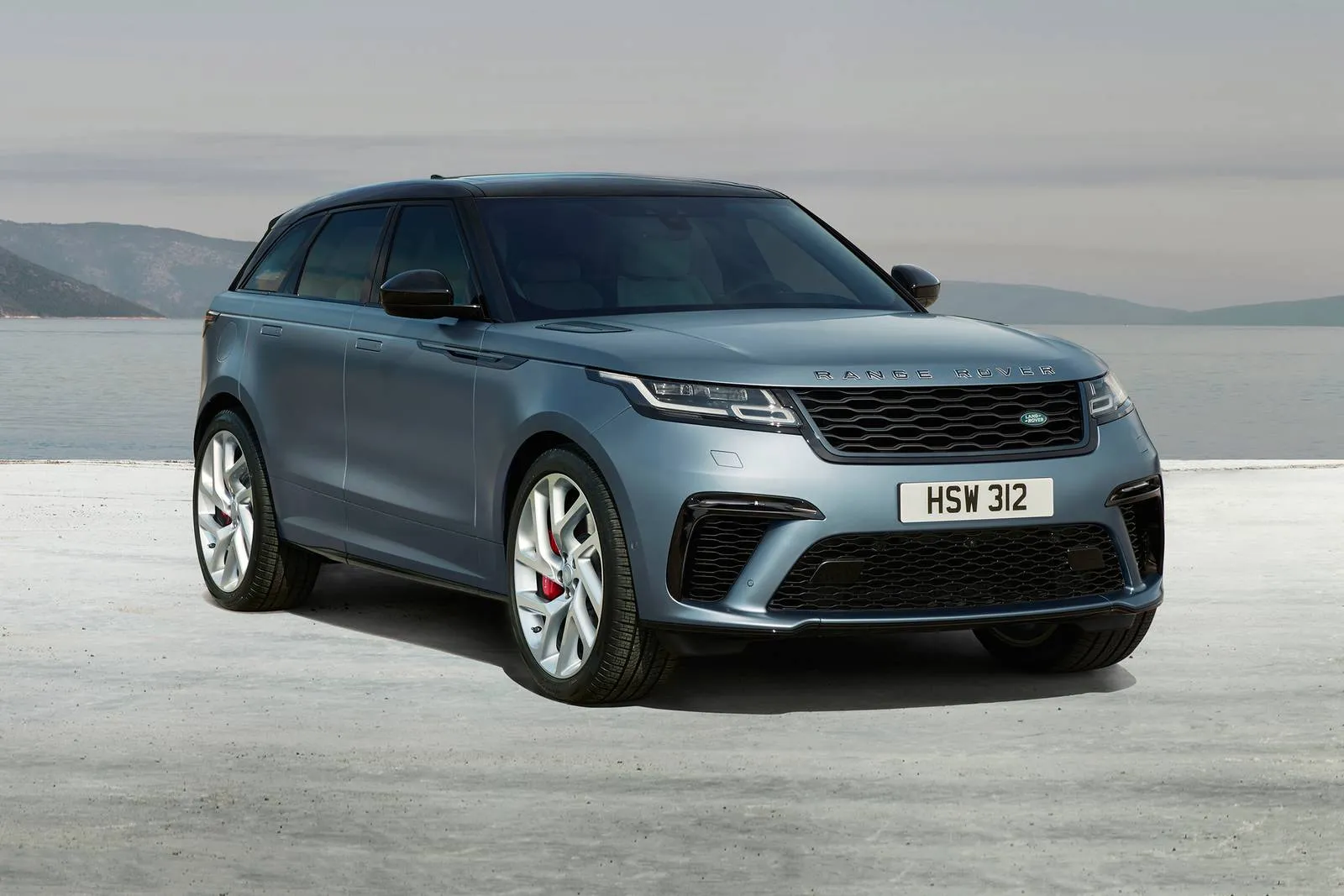
6. Land Rover Range Rover Velar 2020
The Land Rover Range Rover Velar 2020 represents urban luxury with a service profile that demands specialized attention. Its design emphasizes advanced technology, sophisticated suspension, and electronic integration, which makes servicing at a local downtown garage challenging. Independent shops often lack the equipment, calibration tools, and proprietary software needed for accurate repairs, requiring owners to rely on authorized facilities.
Air suspension systems are a defining feature of the Velar, providing adjustable ride height and comfort modes. Repair or replacement of these components involves recalibration using manufacturer-specific tools. Without this, the vehicle may exhibit uneven ride quality or trigger warning lights, reducing confidence for city driving. Technicians unfamiliar with the system risk incomplete service, making authorized service centers essential.
The drivetrain includes all-wheel-drive systems controlled electronically. This configuration integrates traction management, torque vectoring, and stability programs that require diagnostic software to assess. Even minor drivetrain adjustments or fault clearance cannot be completed effectively at general repair shops, emphasizing dependence on specialized service providers.
Electrical architecture adds another layer of complication. Multiple modules govern lighting, climate, infotainment, and driver assistance systems. These modules communicate continuously, meaning that troubleshooting is rarely straightforward. Simple repairs, such as sensor replacements or system resets, frequently require training and tools exclusive to approved dealers.
Parts sourcing also poses challenges. Many interior and exterior components, including adaptive suspension parts and electronic sensors, are supplied through official channels only. Delivery delays are common, particularly for non-standard paint or trim options, further complicating urban ownership.
Routine maintenance such as oil changes, brake service, or battery replacement, is simplified by general access points but still requires caution due to sensitive electronics and integrated systems. Many owners prefer dealer-performed service to avoid inadvertently affecting warranty coverage or system calibration.
The Range Rover Velar 2020 appeals to urban drivers who prioritize luxury, comfort, and advanced technology but accept limitations in service flexibility. Its sophistication comes at a cost in terms of accessibility, making ownership more demanding than conventional SUVs.
For city residents who value convenience and rapid service, reliance on specialized facilities makes the Velar a vehicle best chosen with awareness of service requirements.
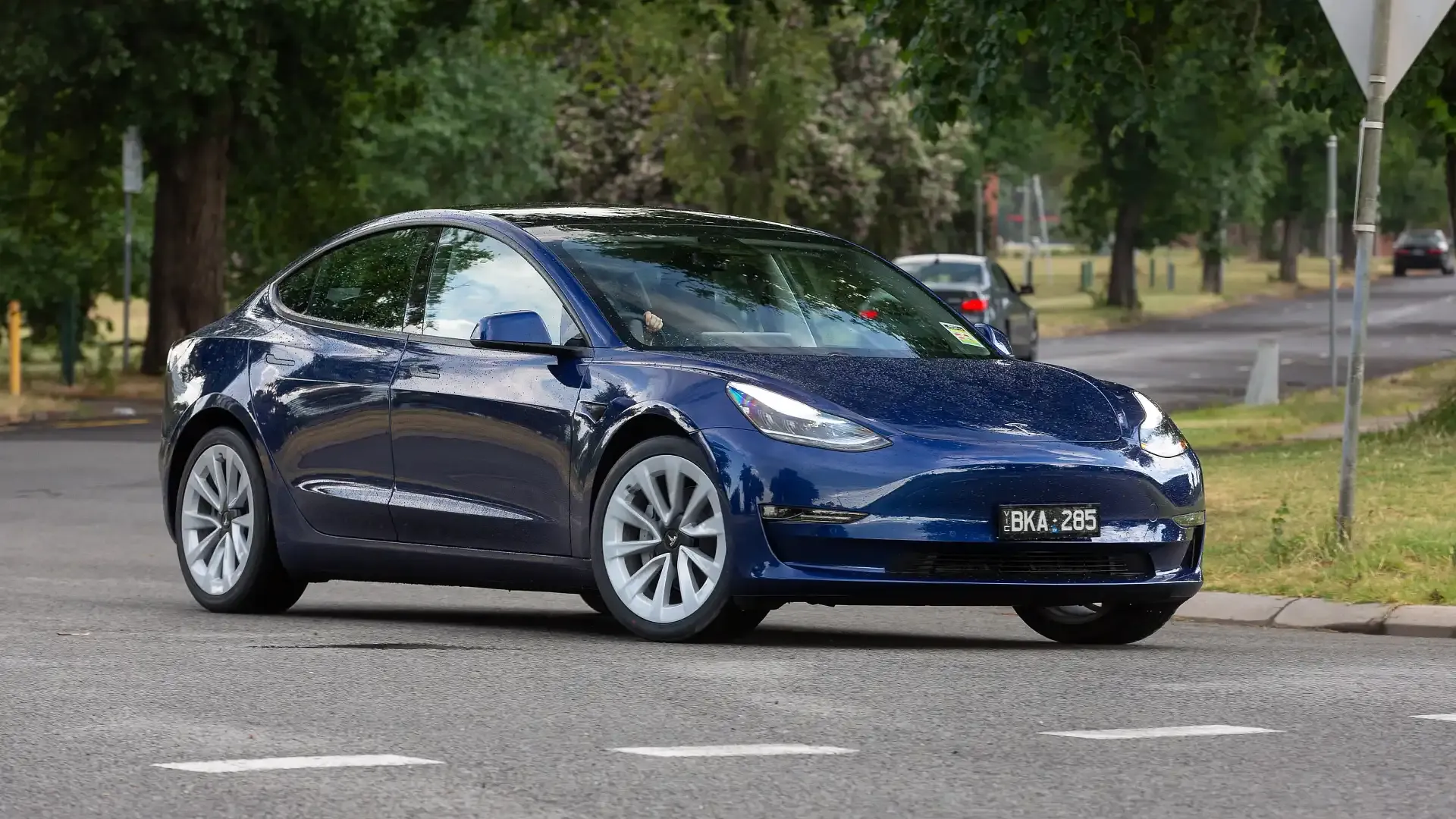
7. Tesla Model 3 Long Range 2021
The Tesla Model 3 Long Range 2021 exemplifies the challenges of servicing modern electric vehicles in an urban context. While renowned for efficiency and performance, its integrated electrical systems, proprietary battery technology, and digital-first diagnostics demand specialized knowledge and tools not typically available at local mechanics.
Battery management is central to Tesla ownership. The large lithium-ion pack requires precise thermal regulation and software-monitored charging cycles. Replacing or servicing the battery cannot be performed safely without manufacturer oversight, and attempting repairs at an independent shop risks system errors or warranty voiding.
Electrical architecture is highly integrated. Motors, inverters, and electronic control units interact continuously, and diagnostics rely on Tesla’s proprietary software. Even minor faults, such as sensor errors or connectivity problems, often require dealer intervention or specialized training. Independent shops may lack access to this software entirely, leaving owners dependent on authorized service centers.
Suspension and braking systems, while conventional in design, include sensors linked to advanced driver assistance features. Calibration after service is mandatory to maintain lane-keeping, collision avoidance, and adaptive cruise functionality. Without proper tools, these systems cannot be verified, potentially compromising safety in dense urban traffic.
Software updates form another critical aspect of maintenance. Tesla’s over-the-air updates influence vehicle performance, range, and system stability. Independent garages cannot apply or reverse updates, reinforcing dependence on authorized channels for software integrity.
Parts availability remains restricted. Body panels, sensors, and electronics are primarily distributed through Tesla’s network, often leading to longer repair times and scheduling delays. Minor cosmetic damage may still require dealer assistance due to sensor placement and advanced materials used in panels.
Ownership costs reflect this reliance. Labor charges at authorized centers are higher, and scheduling depends on availability rather than convenience. Urban drivers who expect rapid service must plan, understanding that accessibility is limited compared to conventional vehicles.
The Tesla Model 3 Long Range 2021 demonstrates that advanced electric technology offers unmatched performance and efficiency, but creates a service experience tightly controlled by manufacturer facilities. City owners seeking immediate accessibility may find the need for specialized service restrictive, requiring careful planning and expectation management.
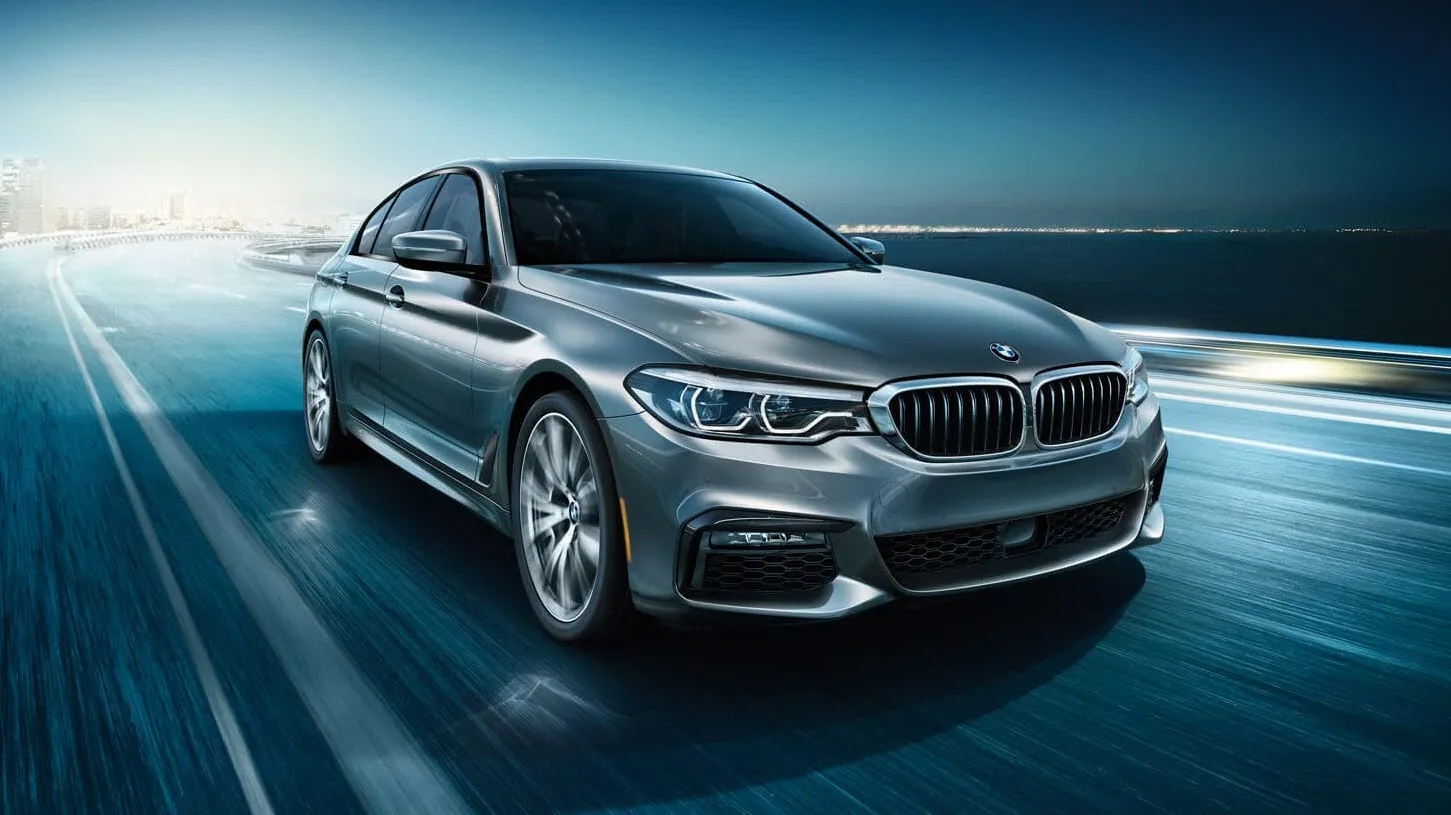
8. BMW 530i 2020
The BMW 530i 2020 offers executive comfort and performance, yet its urban service demands highlight challenges for owners who require convenient downtown maintenance. Modern BMWs combine turbocharged engines, intricate electronic networks, and advanced driver assistance features that are less accessible to general repair shops.
The turbocharged four-cylinder engine employs direct injection and high-pressure fuel systems. While mechanically robust, servicing these components requires specialized diagnostic and calibration tools to maintain performance and emission standards. General mechanics may handle basic oil or filter changes, but full inspection or repair often requires dealer-level equipment.
Electronic systems extend across engine, chassis, and interior modules. Integrated sensors for lane-keeping, collision warning, and adaptive cruise interact continuously. Detecting faults requires proprietary software capable of reading error codes and performing system resets. Independent garages without this software can only address a fraction of potential issues, limiting service options downtown.
Suspension technology includes adaptive dampers linked to electronic controls. Replacements, adjustments, and calibrations require precision tools and software interfaces to preserve ride quality and vehicle balance. Misalignment can impact handling, making dealer servicing essential for optimal performance.
Interior features, including infotainment, climate control, and electronic seat systems, are tightly integrated with vehicle electronics. Repairs, replacements, or updates often necessitate authorized parts and software, complicating otherwise routine service tasks.
Parts sourcing can be delayed due to restricted distribution channels. OEM panels, sensors, and electronic modules are supplied primarily through BMW networks, resulting in longer repair cycles in urban environments where access to dealers may be limited.
Insurance repairs often follow the same pattern. Collision repairs require certified facilities to maintain factory standards, particularly for aluminum panels, painted trim, and sensor placement. Downtown owners may face scheduling delays or higher costs compared to vehicles with conventional materials.
BMW 530i 2020 ownership appeals to drivers valuing luxury and performance, but requires acceptance of restricted service access. Specialized tooling, training, and parts control define the experience, making urban convenience a secondary consideration to technology and refinement.
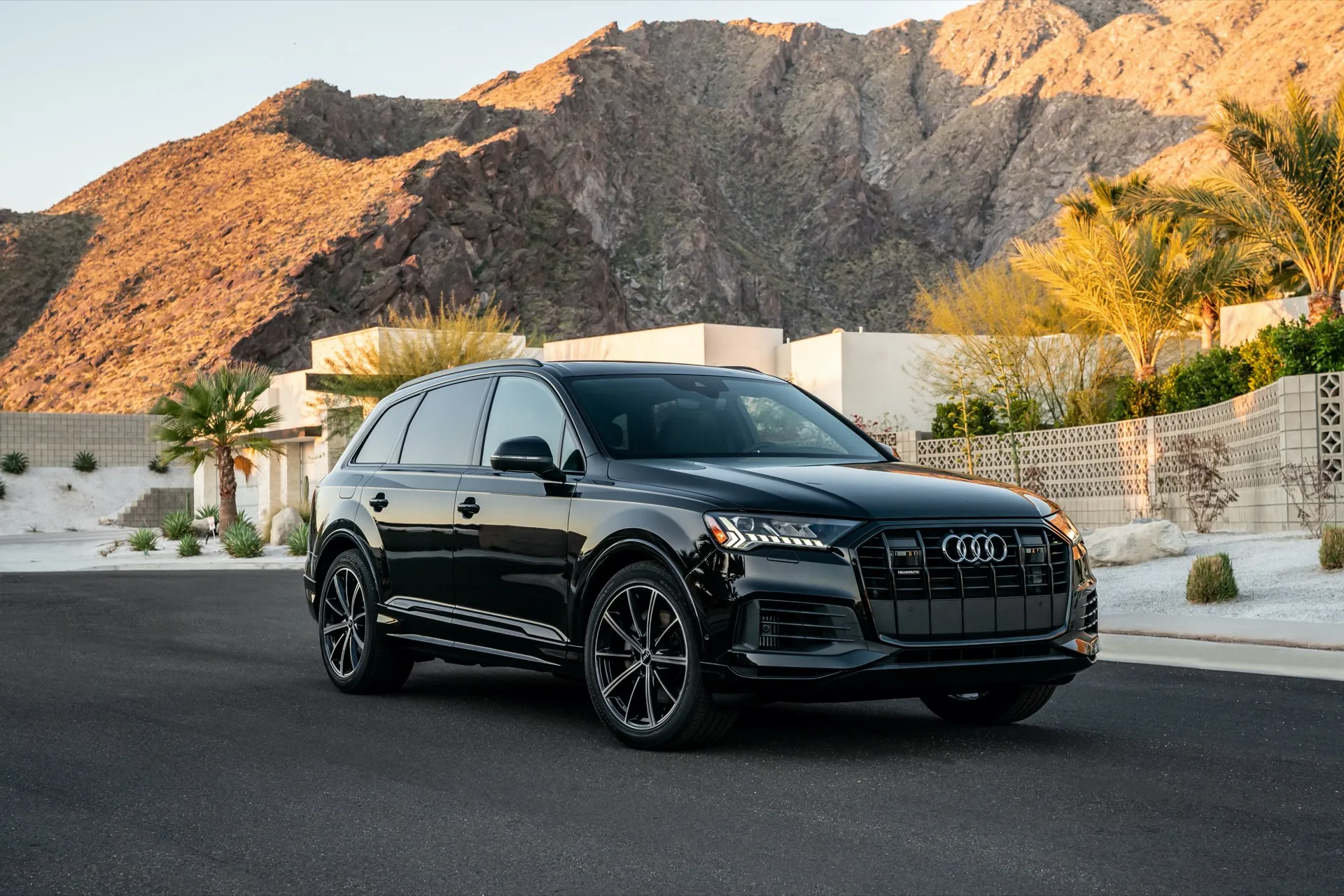
9. Audi Q7 2021
The Audi Q7 2021 blends full-size SUV comfort with high-tech systems that complicate urban servicing. Advanced engines, sophisticated suspension, and tightly integrated electronics require tools and training beyond the scope of many independent garages, creating dependency on authorized service centers.
The Q7’s V6 turbocharged engine includes forced induction, direct injection, and complicated emission controls. Servicing these components safely and accurately often requires proprietary diagnostic software and manufacturer authorization. Attempting repairs at a general shop can risk improper calibration or sensor misalignment.
Suspension utilizes adaptive air systems that must be recalibrated after any service intervention. Even minor component replacement, such as shock absorbers or bushings, involves adjustments that are monitored electronically, requiring dealer-specific calibration tools.
The electrical system encompasses infotainment, driver assistance, and powertrain controls. Interconnected modules communicate continuously, and troubleshooting relies on the manufacturer’s diagnostic interfaces. Independent mechanics without access to these systems cannot reliably address electronic faults or software updates.
Parts availability adds complication. Many components, from interior sensors to exterior panels, are distributed exclusively through Audi’s network. Lead times can extend repair durations, particularly for vehicles with special trim or custom configurations.
Safety features rely on precise calibration. Lane departure warning, adaptive cruise, and collision mitigation systems require accurate sensor alignment to operate correctly. Certified technicians are necessary to restore system functionality after service, limiting the feasibility of downtown repairs.
Ownership costs increase due to labor rates, part availability, and dependency on dealer scheduling. Urban owners seeking convenient, rapid service may face delays and higher expenses compared to vehicles with conventional engineering.
The Audi Q7 2021 illustrates that luxury and technology come at the cost of accessibility. Drivers gain exceptional comfort, performance, and electronic sophistication but must accept limitations in service options within dense city environments.
Also Read: 5 Vehicles That Adapt to City Changes vs 5 That Don’t
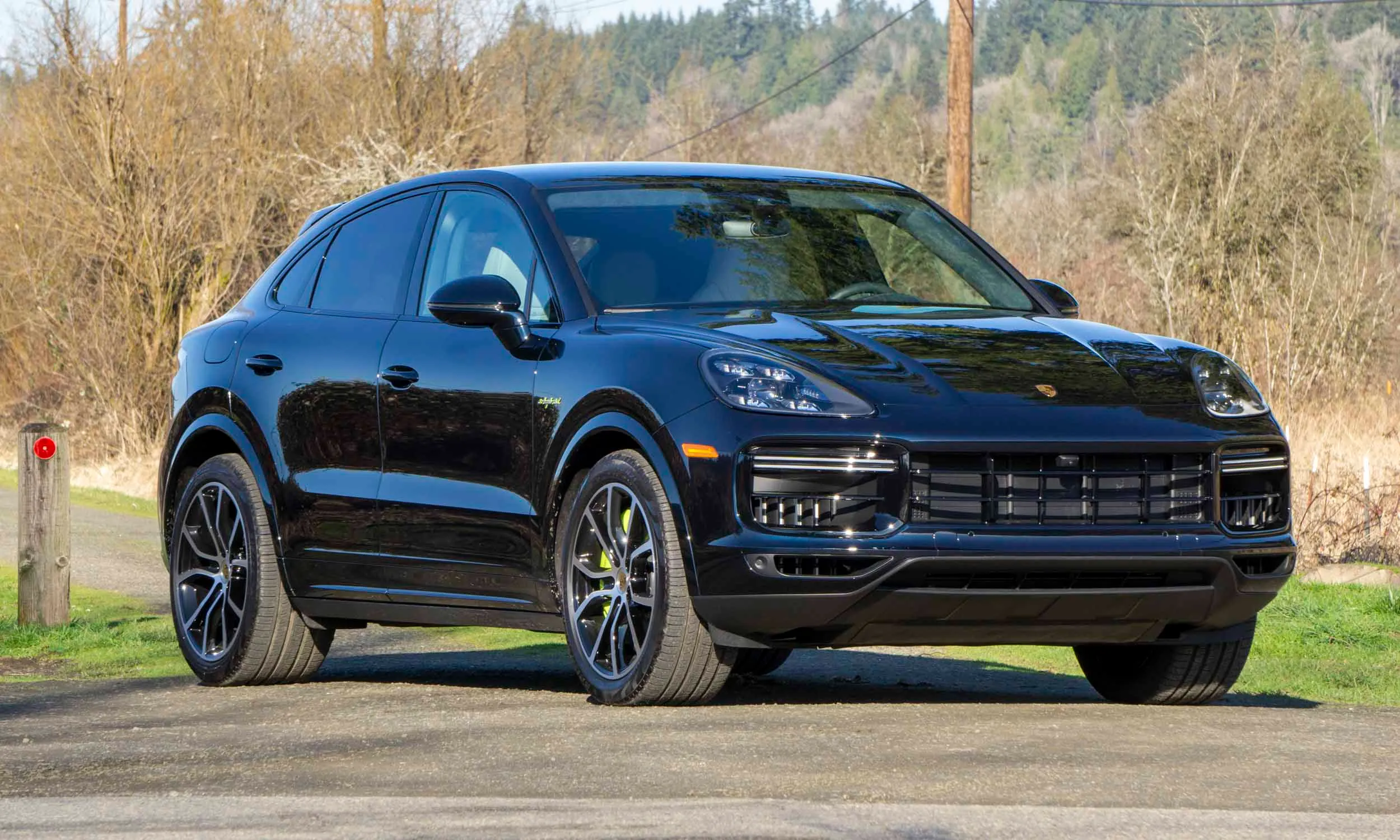
10. Porsche Cayenne 2020
The Porsche Cayenne 2020 represents high-performance luxury with service requirements that challenge urban ownership convenience. Its turbocharged engines, adaptive suspension, and integrated electronics demand specialized equipment and trained technicians. Independent garages rarely possess the tools or expertise necessary for full service, making dealer dependency essential.
Engine maintenance involves high-pressure fuel systems, turbochargers, and precise cooling components. Replacements or inspections require specialized knowledge, and improper handling can impact performance or longevity. Routine service, while achievable, often costs more due to required expertise.
Suspension technology includes adaptive air systems with electronic damping. Servicing these systems necessitates calibration through Porsche’s proprietary software. Failure to do so can compromise handling, stability, and safety, making local repairs challenging for urban owners.
Electrical architecture is extensive. Infotainment, climate control, and driver assistance features rely on integrated networks. Diagnosing faults or performing software updates requires access to Porsche’s systems, limiting the scope of independent service.
Parts distribution is controlled, with body panels, interior components, and performance-related parts available primarily through authorized channels. Special paint, trim, or optional features can extend repair timelines further.
Insurance repairs follow the same pattern. Precision construction and sensor placement require certified facilities to maintain factory standards. Downtown owners often experience scheduling challenges, making routine or cosmetic repairs more time-consuming than with conventional vehicles.
Ownership costs reflect this reliance. Labor and part prices remain higher, and scheduling depends on dealer availability rather than local convenience. While the Cayenne 2020 offers an unmatched driving experience and prestige, it requires acceptance of restricted service access for urban residents.
Luxury, performance, and high-tech integration make the Porsche Cayenne 2020 an outstanding vehicle in terms of capability, but a demanding choice for city ownership due to the necessity of specialized service.
