
Italian automotive design has long balanced artistic expression with engineering ingenuity, creating vehicles that resonate far beyond mere transportation. Concept cars serve as the ultimate canvas, allowing designers to challenge conventions, experiment with proportions, and hint at future technologies.
These prototypes often provoke discussion, inspire production models, and occasionally become collector icons. Italian brands have a history of turning imagination into tangible form, merging sculptural beauty with mechanical sophistication.
Car enthusiasts are drawn to these creations not just for performance, but for vision. From radical aerodynamics to futuristic interiors, concept cars convey ideas that cannot always be constrained by regulations or cost considerations. In some cases, they hint at sustainability trends, autonomous driving concepts, or hybrid innovations, while preserving an unmistakable Italian flair.
This collection focuses on ten Italian concept cars that pushed boundaries in their era, redefining what vehicles could look like, feel like, and achieve. Each entry offers insight into how Italian designers blended style, technology, and innovation to communicate a vision of the future. These vehicles serve as reminders that automotive design can be as much an art form as a mode of transport.
By examining design elements, performance features, and historical impact, this article highlights the importance of concept cars in shaping automotive evolution. From sleek mid-engine prototypes to cutting-edge electric visions, these ten Italian examples demonstrate creativity, audacity, and the relentless pursuit of originality.
1. 2023 Ferrari Vision Gran Turismo
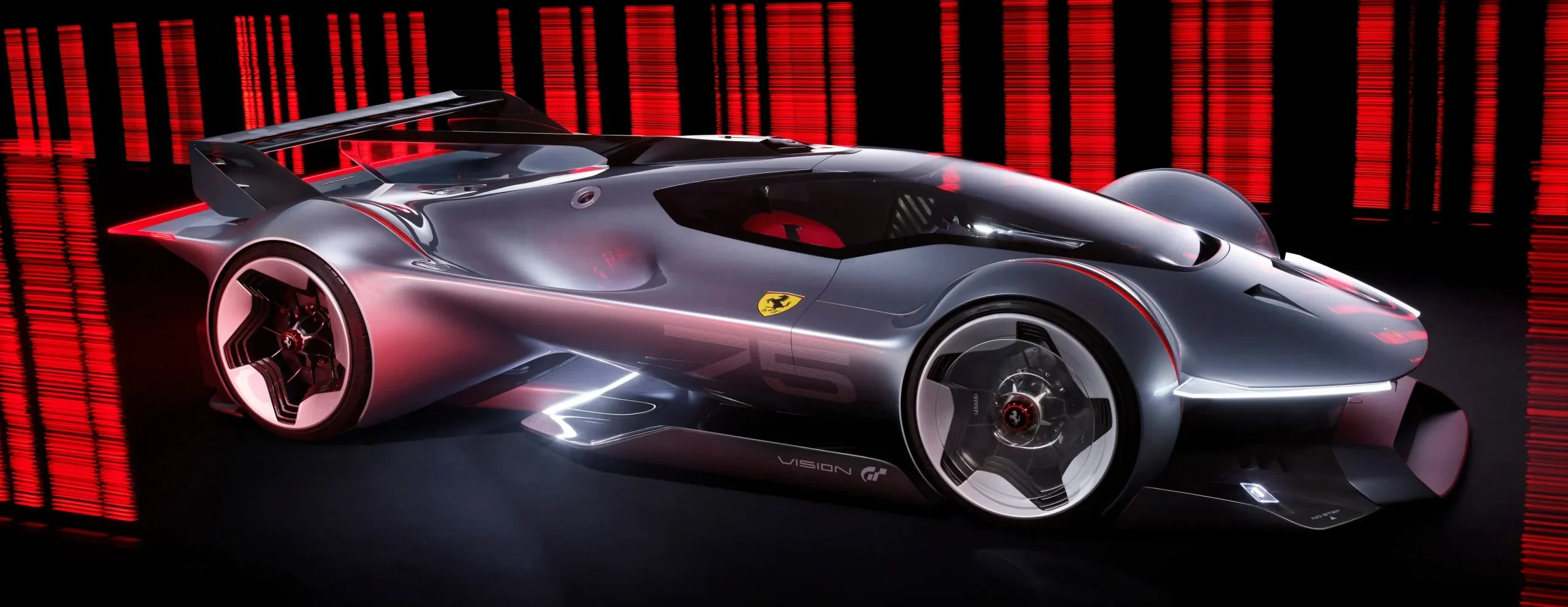
The 2023 Ferrari Vision Gran Turismo exemplifies a bridge between virtual and real-world automotive experiences. Initially conceived for digital racing simulations, this concept materialized as a full-scale prototype with radical proportions, low-slung profile, and extreme aerodynamic detailing.
Its elongated front end and sculpted side intakes enhance airflow management, while rear diffusers and integrated spoilers communicate purpose-built downforce strategies. Designers emphasized lightweight construction, integrating carbon fiber extensively throughout the chassis and body panels.
This focus on weight reduction enhances both handling precision and performance responsiveness. Even though the vehicle was created for a virtual environment, Ferrari engineers translated it into physical reality, demonstrating a marriage of digital design tools and tangible engineering capabilities.
Inside, the cockpit takes inspiration from racing simulators, merging functional controls with a futuristic aesthetic. Minimalist dashboards, integrated digital displays, and racing-inspired seating underscore performance intent. Ergonomics prioritizes intuitive driver interaction, ensuring that every input is translated directly into vehicle behavior.
The Vision Gran Turismo’s impact extends beyond its immediate performance specifications. Its dramatic forms influence Ferrari’s ongoing design philosophy, providing a testbed for aerodynamic experiments, lighting strategies, and proportion explorations. The concept demonstrates that digital platforms can serve as laboratories for real-world innovation, allowing designers to visualize extreme ideas without conventional production constraints.
As a collector’s conversation piece, the Vision Gran Turismo holds value due to its rarity and connection to both Ferrari’s heritage and digital culture. This concept blurs boundaries between simulation and reality, illustrating how Italian automotive design can challenge expectations while retaining Ferrari’s signature elegance and performance DNA.
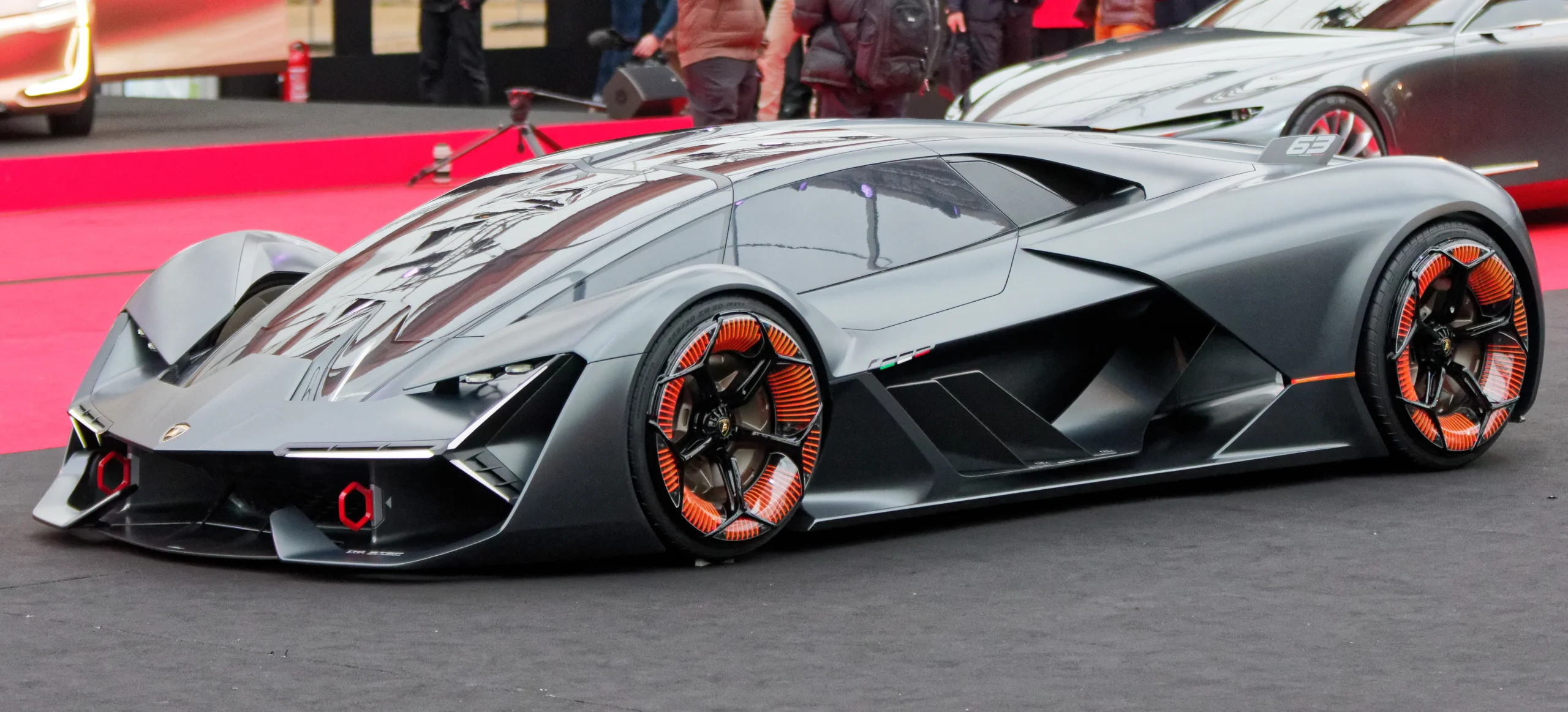
2. 2022 Lamborghini Terzo Millennio
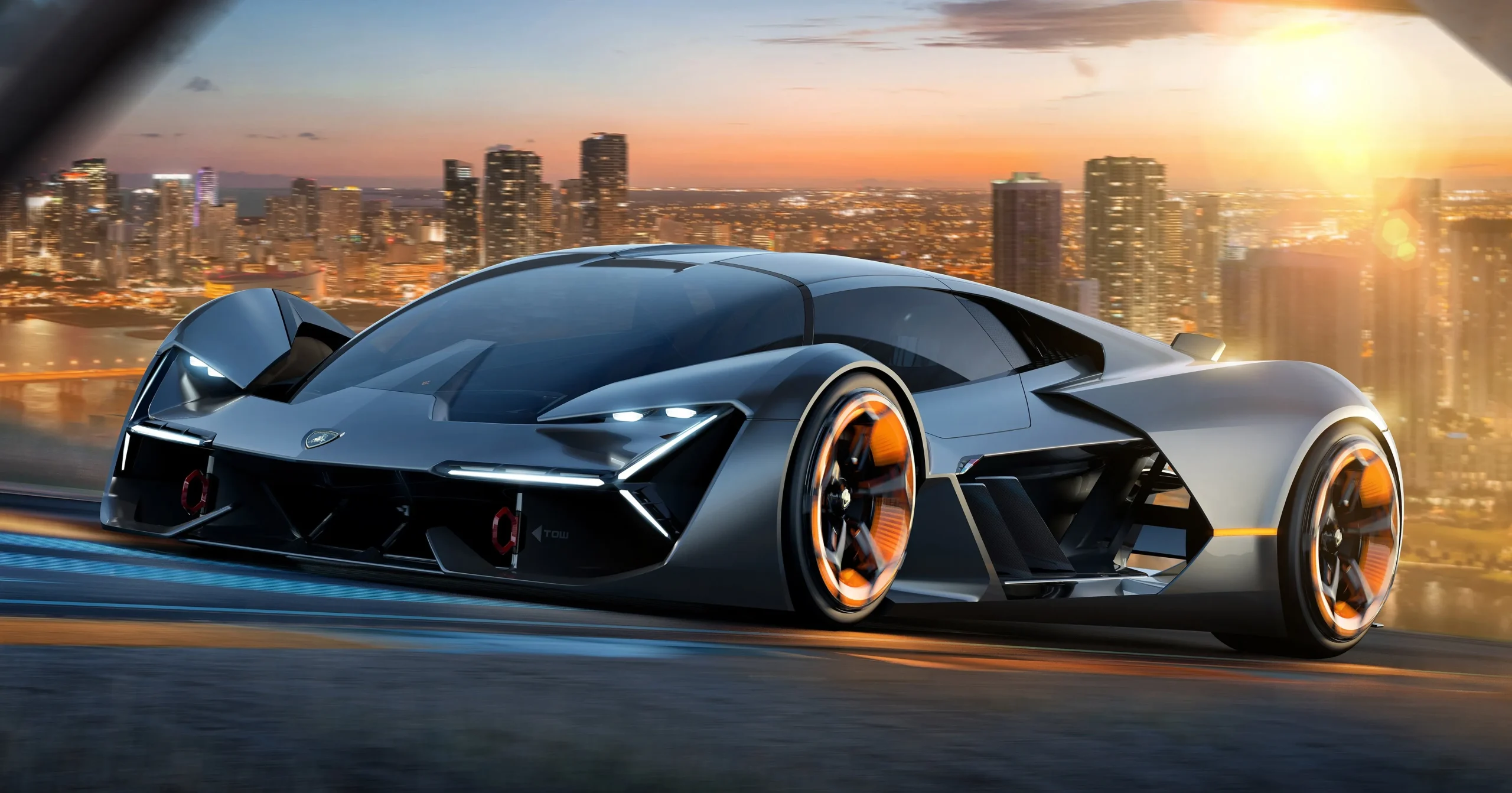
The 2022 Lamborghini Terzo Millennio represents a daring investigation into future propulsion systems, energy storage methodologies, and advanced material sciences. Produced through collaboration with the Massachusetts Institute of Technology, this concept vehicle incorporates an electric powertrain supported by supercapacitor-based energy storage technology, delivering instantaneous torque output and regenerative efficiency.
The engineering team integrated the energy storage apparatus directly into carbon fibre body panels, illustrating how structural elements could fulfil multiple functional roles simultaneously. Aerodynamic efficiency dictates the vehicle’s external appearance.
Sharp body contours, integrated diffuser systems, and active airflow management components regulate downforce whilst preserving a visual identity consistent with Lamborghini’s assertive design vocabulary. The Terzo Millennio’s wheel arches house independent suspension assemblies featuring electromagnetic actuation, permitting active adaptation to circuit and road conditions.
The interior design reinforces the futuristic concept, prioritising modularity and lightweight construction principles. Seating employs advanced composite materials for structural support and occupant protection, whilst control interfaces incorporate haptic feedback mechanisms to heighten driver awareness without creating sensory overload.
Cockpit architecture mirrors the exterior’s radical character, establishing a unified, progressive environment. This concept transcends mere aesthetic audacity; it questions established engineering conventions. Structural battery systems, active suspension technology, and predictive aerodynamic controls function as experimental platforms for innovations that may influence Lamborghini’s forthcoming electric vehicle programmes.
The Terzo Millennio demonstrates a dedication to performance-oriented sustainability whilst preserving the visceral driving experience anticipated from supercars. Its value among collectors stems from scarcity, technological aspiration, and cultural relevance.
As an expression of Italian engineering confronting electric mobility challenges, the Terzo Millennio offers a perspective on how a marque renowned for V12 excellence interprets future transportation whilst respecting its visual and performance traditions.
This concept automobile serves as a bridge between combustion heritage and electric possibility, showcasing bold decisions in material application, energy management, and aerodynamic integration that challenge conventional supercar development approaches.
Also Read: 5 Electrified Vehicles That Reduce City Fuel Costs vs 5 That Don’t
3. 2021 Maserati Alfieri Concept
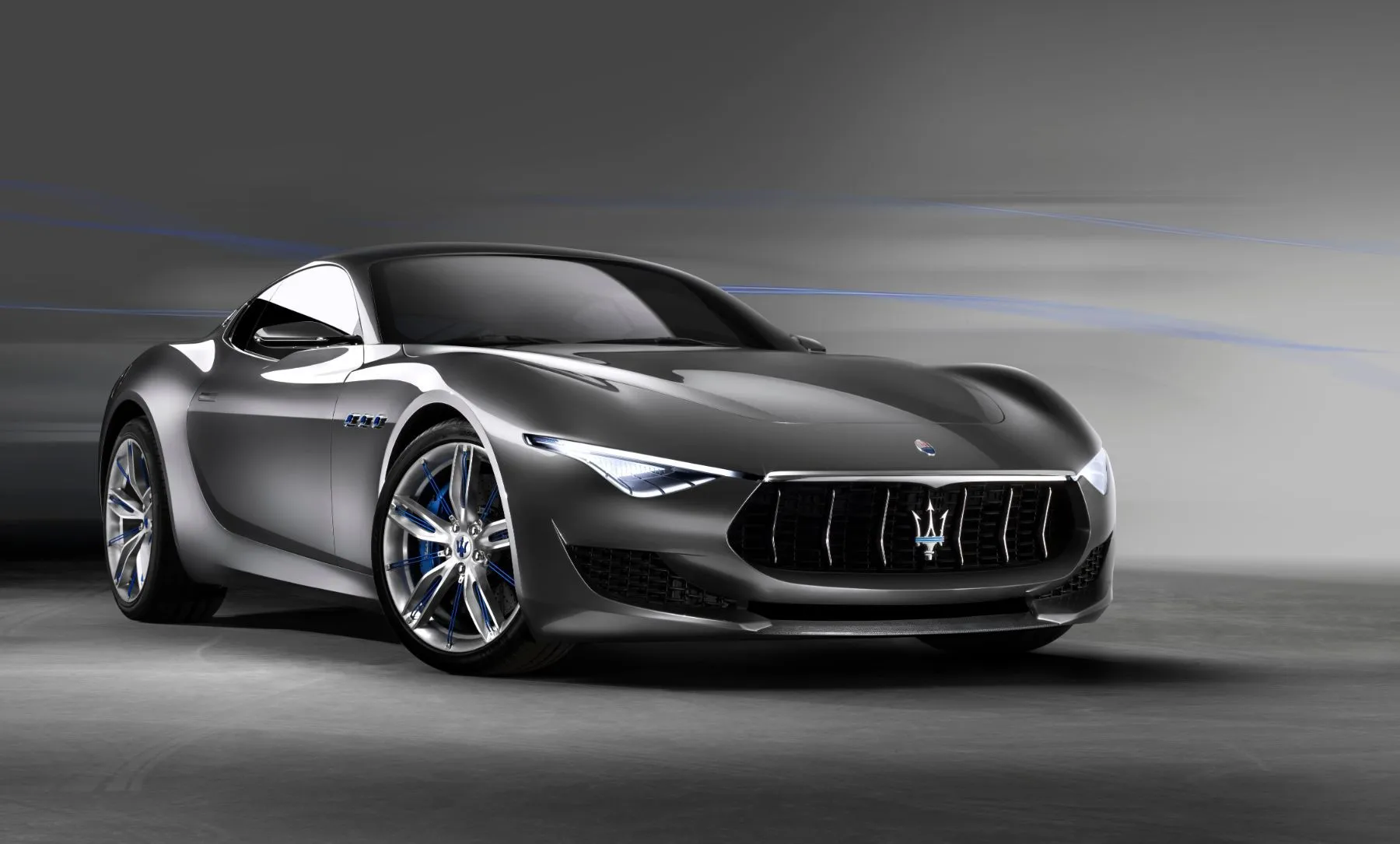
The 2021 Maserati Alfieri Concept communicates refinement and assertive performance through a singular design declaration. Named in honour of the Maserati co-founder, this automobile channels the brand’s historical proportions whilst incorporating contemporary aerodynamic principles and electric propulsion capabilities.
Its extended bonnet, sculpted lateral surfaces, and fastback roofline establish a profile that reconciles heritage with forward-thinking styling. Maserati engineers emphasised balanced mass distribution, with mid-mounted powertrain arrangements supporting optimal handling characteristics.
Prototype versions featured hybrid drivetrain configurations, previewing Maserati’s commitment to electrification whilst maintaining V6 and V8 performance attributes. Active aerodynamic systems were discreetly incorporated, providing downforce enhancement without compromising streamlined contours.
The passenger compartment emphasises artisanal quality, combining traditional Italian leather with modern interface technology. Digital instrumentation exists alongside tactile surfaces, facilitating driver engagement whilst maintaining a luxurious atmosphere.
Ergonomic seating ensures comfort throughout high-velocity journeys, reflecting Maserati’s emphasis on driver-focused touring excellence. The Alfieri’s design vocabulary influenced subsequent production models, illustrating how concept vehicles function as both aesthetic experiments and strategic declarations about brand trajectory.
Its synthesis of performance aspiration, visual impact, and limited-production experimentation establishes it as a collector-worthy milestone for enthusiasts monitoring Maserati’s development. The vehicle demonstrates how Italian automotive manufacturers address evolving market demands whilst preserving essential character traits that define their identity.
Through careful proportion management, material selection, and powertrain flexibility, the Alfieri concept articulates Maserati’s vision for grand touring vehicles in an electrified future, maintaining emotional appeal whilst acknowledging practical and environmental considerations that influence contemporary automotive design decisions.
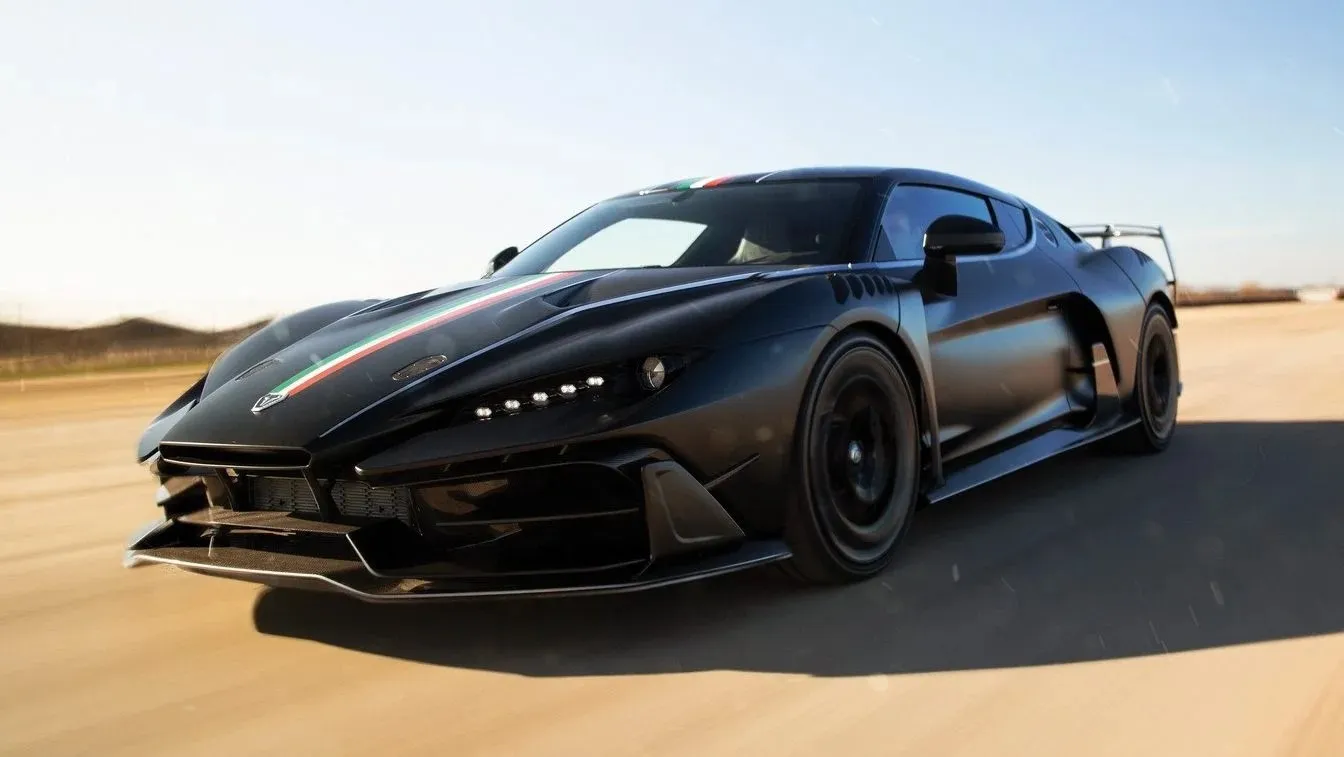
4. 2020 Italdesign Zerouno
The 2020 Italdesign Zerouno embodies exclusivity through restricted production and high-performance intention. Powered by a naturally aspirated 5.2-litre V10 engine sourced from Lamborghini, this automobile produces visceral auditory character and rapid acceleration. Its reduced profile, acute edges, and carbon fibre components communicate velocity even when stationary.
Italdesign emphasised bespoke craftsmanship throughout production. Each Zerouno receives meticulous attention to detail, ensuring that structural and aesthetic elements integrate flawlessly. Aerodynamic channels, rear diffuser assemblies, and front splitter components improve stability whilst complementing the vehicle’s angular forms.
Interior spaces adopt minimalist yet luxurious characteristics, incorporating lightweight seating, premium materials, and race-inspired control interfaces. Driver focus dominates the spatial arrangement, creating an immersive environment where interaction feels purposeful and immediate.
Controls and instrumentation emphasise performance metrics without distracting. The Zerouno’s collector potential derives from its limited availability and Italian design heritage. As an early example of Italdesign manufacturing fully functional, road-legal supercars, it represents a convergence of boutique craftsmanship, extreme performance, and design audacity, establishing it as a distinguished example in contemporary automotive discourse.
The vehicle demonstrates how small-volume manufacturers can compete with established supercar producers through meticulous engineering, exclusive production numbers, and uncompromising attention to detail. Each Zerouno reflects individual client specifications whilst maintaining cohesive design integrity, illustrating the possibilities available when traditional coachbuilding principles meet modern performance requirements.
This automobile appeals to collectors seeking vehicles that combine Italian styling excellence with mechanical prowess, representing a rare opportunity to acquire a machine that blends historical design expertise with current performance expectations in an extremely limited production run.
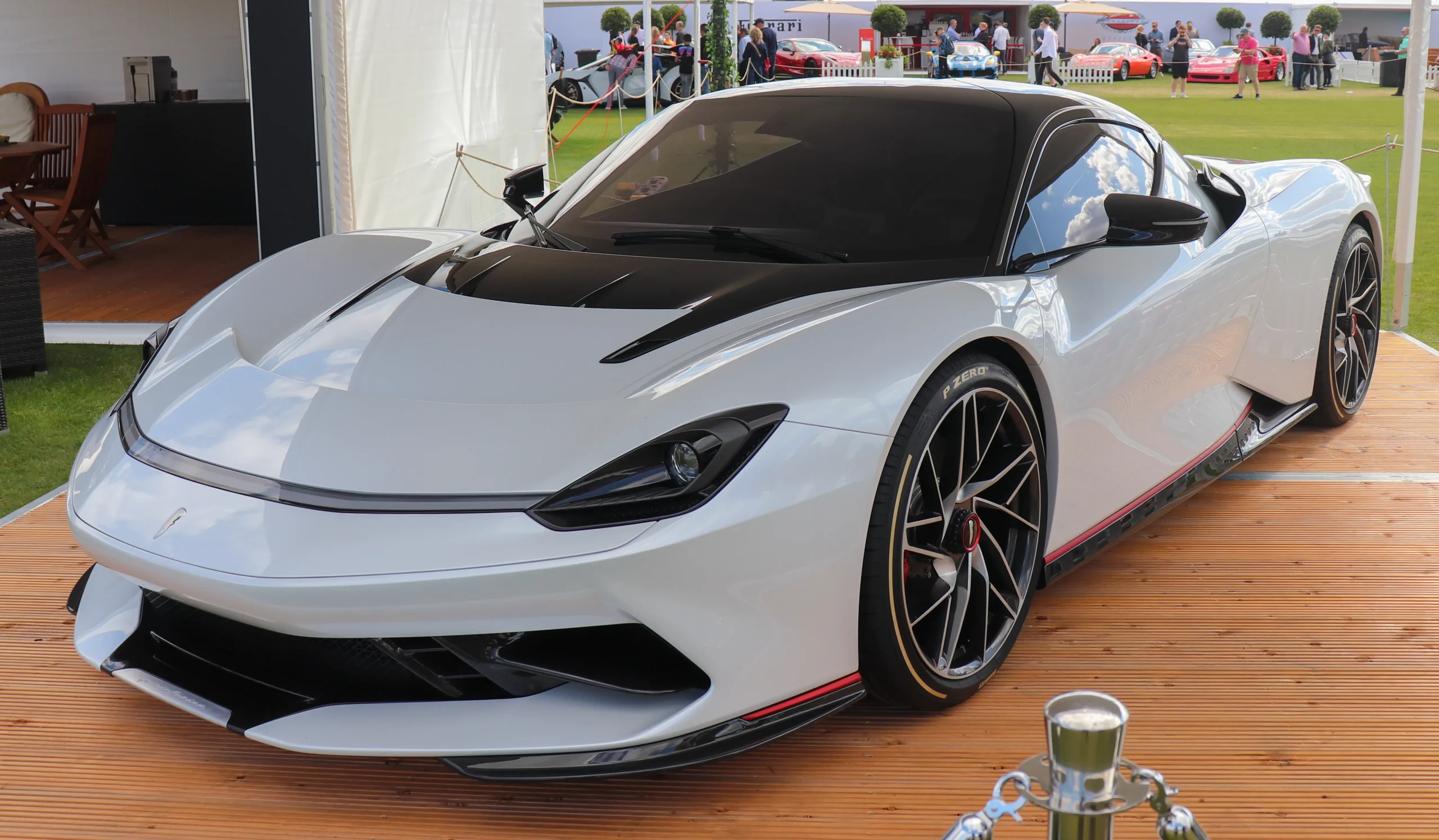
5. 2019 Pininfarina Battista Anniversario
The 2019 Pininfarina Battista Anniversario concept represents a distinguished fusion of historical lineage and contemporary electric propulsion technology. This exceptional vehicle features four electric motors that generate in excess of 1,900 horsepower, demonstrating immediate torque response and sophisticated battery management capabilities. The engineering team utilised substantial carbon fibre construction throughout the chassis to reduce mass, thereby improving acceleration characteristics and dynamic handling properties.
The exterior design emphasises fluid, three-dimensional forms that successfully integrate aerodynamic efficiency with striking visual impact. Elements such as the wheel arches, lateral air intakes, and rear diffuser assemblies function cohesively to regulate airflow whilst reinforcing a progressive design language.
Traditional Pininfarina design elements, including refined proportions and seamless surface transitions, achieve equilibrium between functional performance requirements and aesthetic elegance. The interior environment places particular emphasis on driver engagement.
State-of-the-art digital instrumentation, tactile control interfaces, and premium materials converge to deliver both comfort and active participation in the driving experience. The ergonomically configured seating accommodates high-velocity driving conditions, whilst carefully considered interface designs ensure that technological features enhance rather than overshadow the fundamental driving experience.
The Battista Anniversario’s desirability among collectors derives from several factors: its restricted production numbers, ambitious technological specifications, and the manufacturer’s distinguished reputation.
This automobile exemplifies Pininfarina’s ability to synthesise electric powertrain advancement with enduring design principles, presenting automotive enthusiasts with a compelling demonstration of Italian design excellence applied beyond conventional internal combustion platforms.
This model stands as testimony to the evolution of high-performance automotive engineering, where electric propulsion systems deliver unprecedented power outputs whilst maintaining the refined design sensibilities for which Italian coachbuilders have long been recognised. The Battista Anniversario bridges past accomplishments with future possibilities, establishing new benchmarks for what electric supercars can achieve in terms of performance, craftsmanship, and visual appeal.
Through meticulous attention to aerodynamic detail, material selection, and powertrain integration, Pininfarina has created a vehicle that honours its seventy-year design legacy whilst embracing the transformative potential of electric mobility. The result is a motor car that commands respect both for its technical achievements and its expression of automotive design as a refined art form.
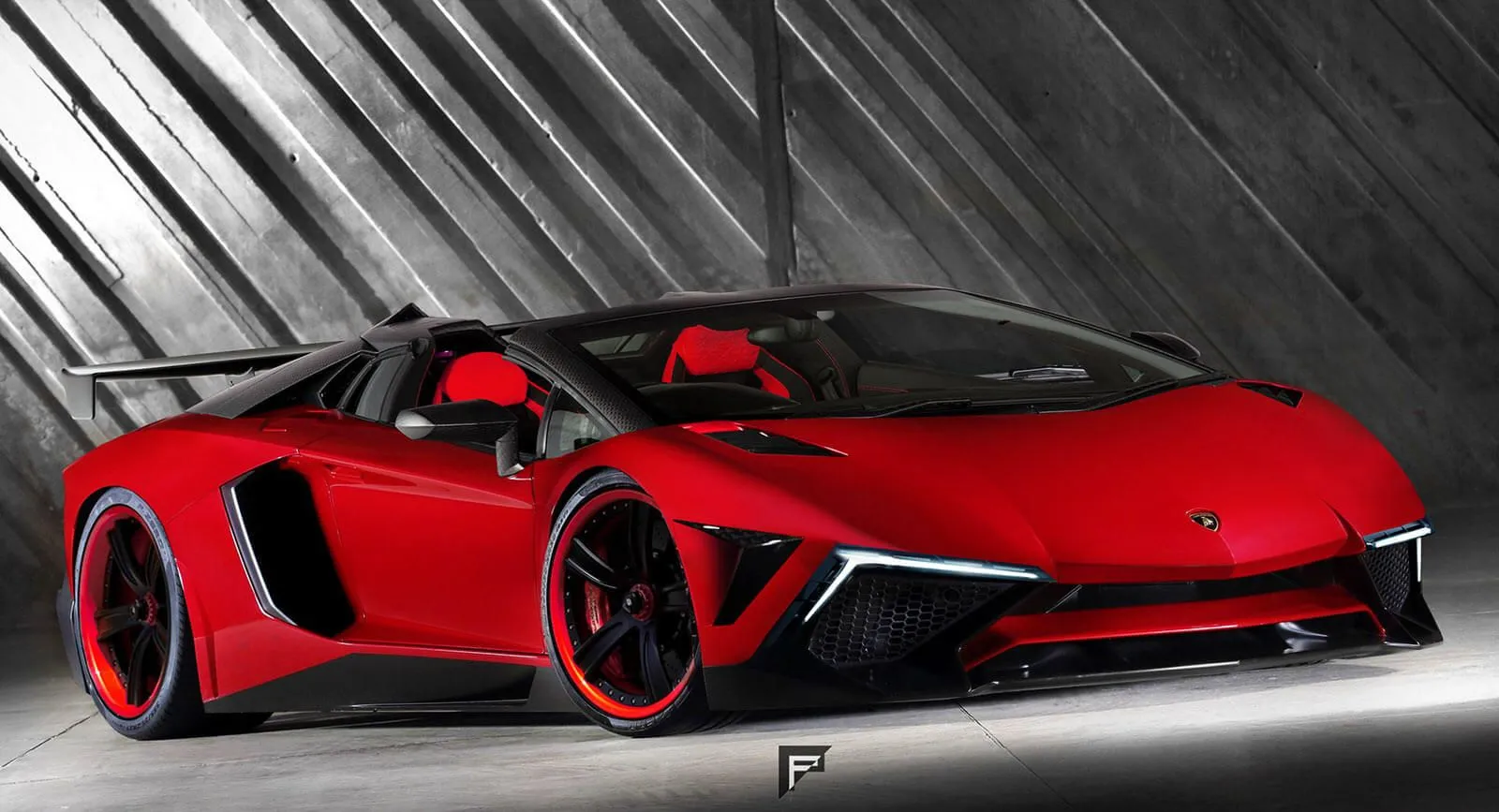
6. 2018 Lamborghini Terzo Millennio Roadster
Lamborghini challenged conventional design boundaries with the 2018 Terzo Millennio Roadster, a concept that fused extreme aerodynamics, electric propulsion, and radical structural engineering. Unlike typical roadsters, this vehicle integrated energy storage directly into carbon fiber body panels.
These structural batteries absorb kinetic energy and provide instantaneous power delivery, transforming the panels into active performance components. Proportions and geometry prioritize both aesthetic impact and aerodynamic efficiency. Long, low-slung nose sections combine with aggressive rear diffusers to reduce drag while enhancing downforce.
Wheel arches feature hidden vents that manage airflow around the tires, ensuring stability during high-speed maneuvers. Every visual line serves both a functional and stylistic purpose, blending Lamborghini’s aggressive identity with a forward-looking approach.
Interior design takes inspiration from advanced racing simulations. Seats employ lightweight composites that maintain driver security while minimizing mass. Control interfaces rely on haptic feedback, allowing precise input without diverting attention from the road. Instrumentation is digital, with customizable displays that adapt to driving conditions, creating a cockpit that feels both immersive and intuitive.
Engineering solutions in this Roadster reflect an ambition to rethink performance limits. Magnetic suspension elements and active aerodynamics operate in tandem with electric motors, allowing controlled torque delivery and precise vehicle response. This approach demonstrates how Lamborghini considers the entire vehicle as a unified system rather than a collection of discrete parts.
Collector interest in the Terzo Millennio Roadster stems from its rarity and pioneering technology. By merging traditional supercar traits with futuristic experimentation, this concept highlights Lamborghini’s commitment to innovation while honoring its design DNA. The Roadster invites enthusiasts to imagine a future where performance, sustainability, and extreme styling converge seamlessly.
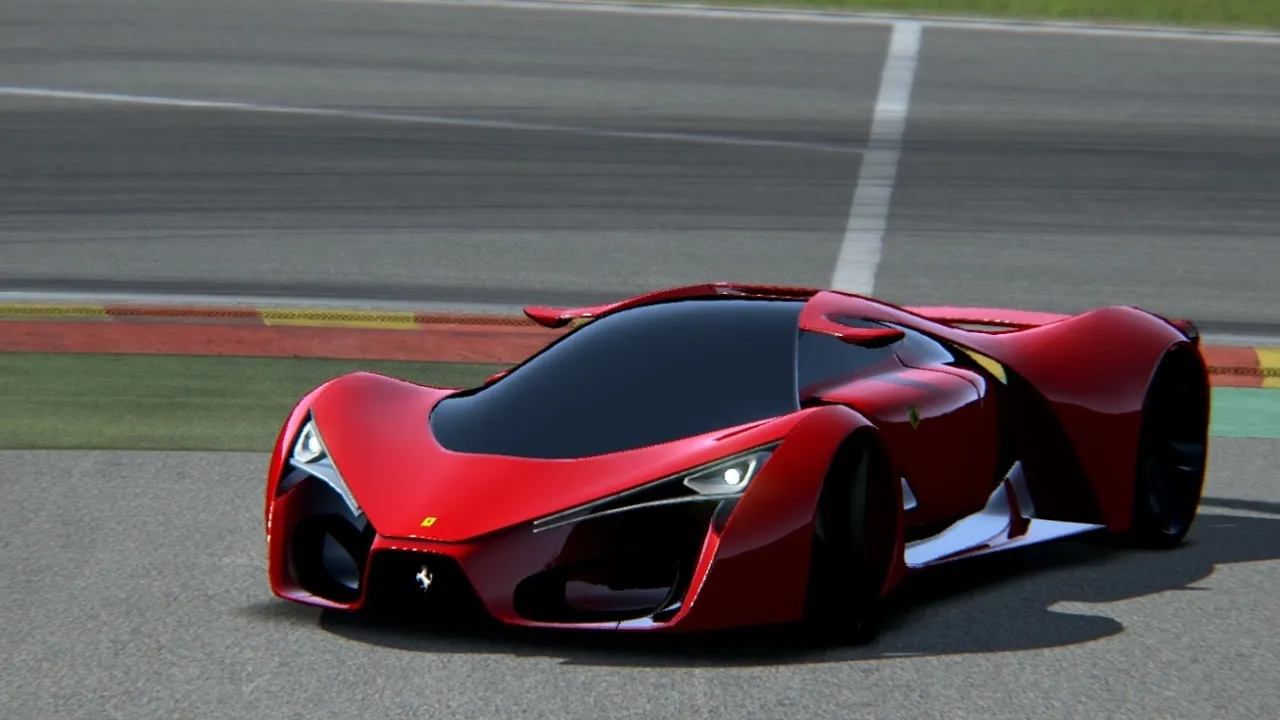
7. 2017 Ferrari F80 Concept
Ferrari’s F80 Concept redefined supercar proportions through extreme mid-engine layout and advanced aerodynamics. Every curve and contour was intended to optimize airflow management, reduce lift, and create a dynamic presence even at rest. Air vents, integrated side scoops, and a pronounced rear diffuser contribute to downforce while maintaining Ferrari’s aesthetic signature.
Chassis and drivetrain engineering complement the design’s aggressive posture. Carbon fiber monocoque structures reduce weight without compromising rigidity, supporting agile handling and precise cornering. Power delivery comes from a hybrid V8 configuration, blending traditional high-rev combustion characteristics with electric torque assistance for instantaneous acceleration.
Cockpit design merges classic Ferrari craftsmanship with modern ergonomics. Leather and Alcantara materials frame a minimalist dashboard, while digital instrumentation conveys vital performance information in a readable and visually engaging format. Control placement focuses on driver accessibility, ensuring seamless interaction with both engine and hybrid systems.
Performance experimentation extends to suspension and braking. Active dampers adapt to road conditions, enhancing ride quality without sacrificing responsiveness. Carbon-ceramic brakes provide reliable stopping power, complementing the F80’s powertrain. The result is a concept that communicates both extreme performance potential and everyday usability within a controlled environment.
F80’s impact on Ferrari’s design philosophy persists through subsequent production models. Limited production and cutting-edge technology secure its value as a future collectible. Enthusiasts admire how Ferrari combined aggressive styling, innovative materials, and hybrid technology in a concept that challenges traditional expectations without losing brand identity.
8. 2019 Maserati Alfieri GranTurismo Concept
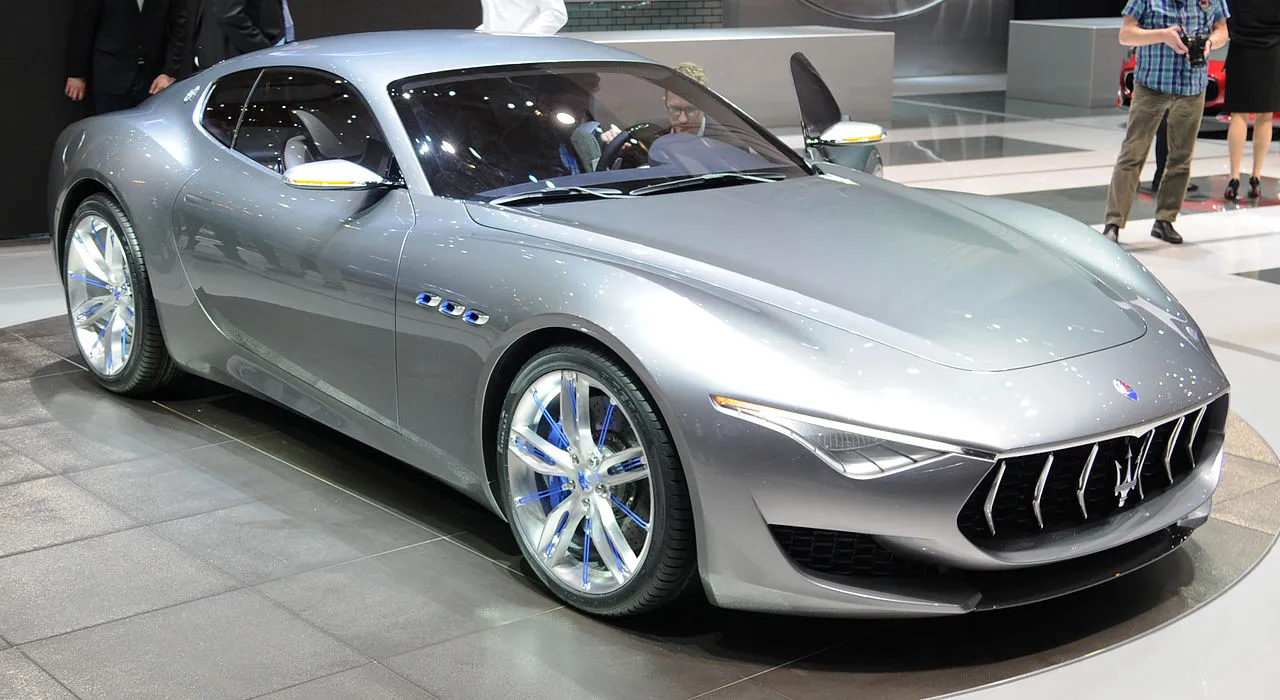
Maserati’s Alfieri GranTurismo Concept constitutes a harmonious synthesis of Italian refinement and performance experimentation. Mid-engine configuration emphasises equilibrium and manoeuvrability, permitting engineers to optimise mass distribution and handling characteristics. Its reduced roofline and sweeping posterior haunches generate a fluid silhouette that communicates motion even during stationary positioning.
Aerodynamic considerations receive meticulous attention. Integrated diffuser elements, posterior spoilers, and underbody conduits regulate airflow patterns to diminish drag coefficients and enhance cornering stability. Alfieri GranTurismo design intends to convey velocity and precision, featuring styling contours that progress from the anterior to posterior sections whilst augmenting downforce efficiency.
Within the cabin, artisanship converges with contemporary technology. Seating arrangements utilise advanced composite materials to deliver lightweight structural support, whilst dashboard assemblies combine tactile surfaces with digital information displays.
Operators enjoy intuitive access to performance measurement systems, ensuring concentration remains upon driving activities without superfluous distraction. Audio reproduction and connectivity apparatus integrate subtly, preserving an uncluttered interior aesthetic presentation.
Engineering initiatives concentrate upon hybrid propulsion methodology, coupling a turbocharged V6 powerplant with electric motor assistance. Instantaneous torque transmission complements the combustion engine’s elevated-revolution characteristics, delivering smooth acceleration patterns and dynamic responsiveness attributes.
Suspension geometry specifications and adaptive damping mechanisms permit controlled manoeuvrability whilst reinforcing the concept’s performance aspirations. Collector potential derives from limited production status and Maserati’s historical prestige within automotive circles.
Alfieri GranTurismo exemplifies Italian technical ingenuity applied towards modern performance requirements, demonstrating how an established marque can honour heritage whilst investigating innovative technology and design trajectories.
Enthusiasts regard this concept as a vision of Maserati’s future development, combined with enduring Italian elegance principles. This concept vehicle represents both retrospective appreciation and forward-thinking innovation, positioning Maserati within contemporary automotive discourse whilst maintaining distinctive brand identity characteristics that have defined the manufacturer throughout its operational history.
Design philosophy balances aesthetic appeal with functional engineering requirements, creating a proposition that addresses both emotional and rational purchasing considerations for discerning clientele seeking exclusive performance automobiles.
9. 2016 Italdesign Zerouno Duerta
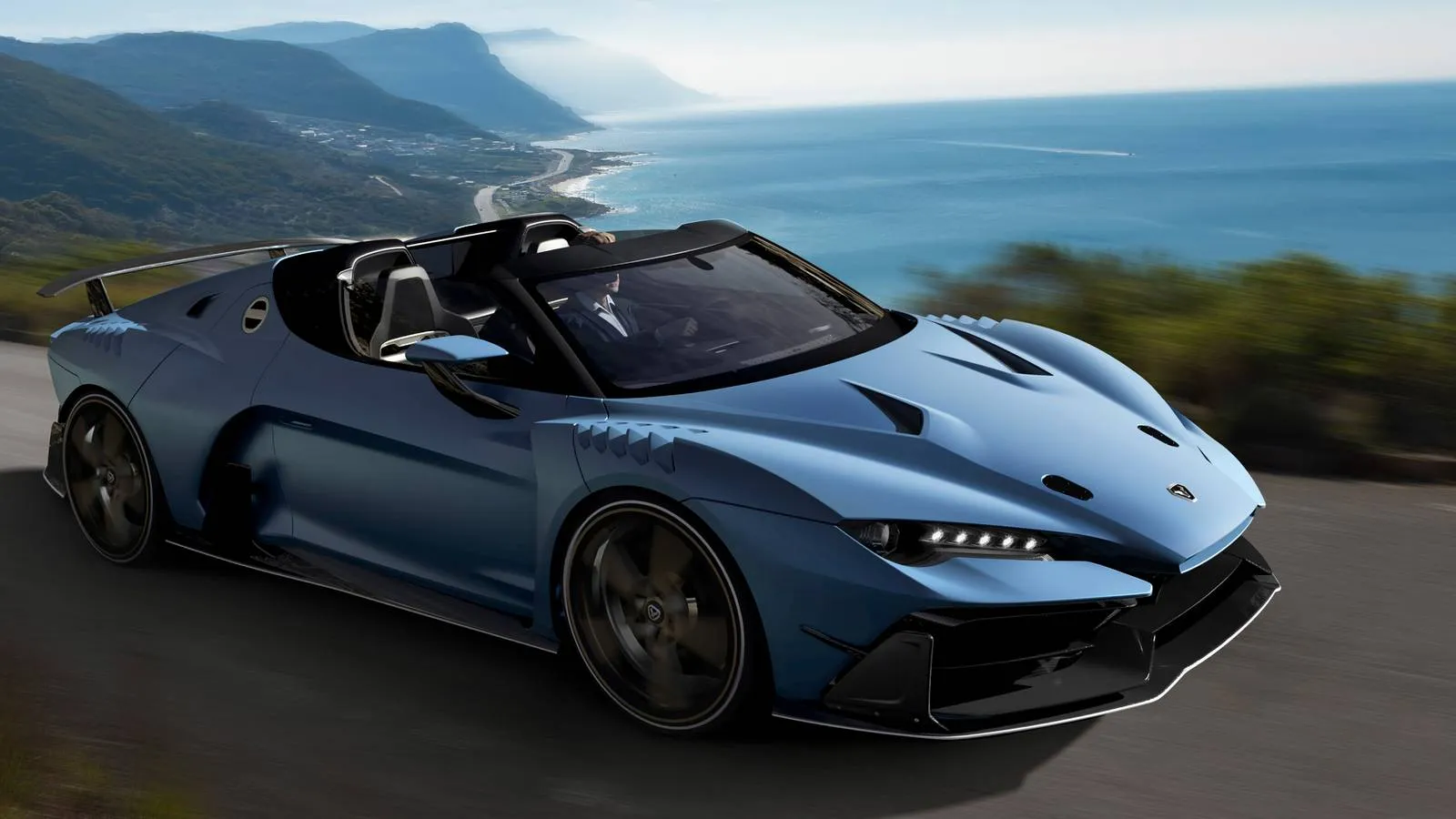
Italdesign’s 2016 Zerouno Duerta demonstrates the company’s capability to transform advanced aerodynamic principles into functional design for high-performance supercars. Its naturally aspirated V10 engine delivers visceral feedback, with each acceleration accompanied by distinctive exhaust acoustics. Body panels incorporate advanced carbon fibre composites, combining lightweight construction with dramatic styling elements.
Proportions exhibit aggressive yet deliberate characteristics. Front splitter assemblies and rear wing elements establish a sense of kinetic energy, whilst sculpted lateral intakes manage airflow around tyre assemblies and braking systems. Designers approached the Duerta as a unified machine, reconciling aesthetic impact with functional performance requirements.
Cockpit design adopts minimalist principles focused on driver interaction. Ergonomic seating accommodates extended high-velocity driving sessions, whilst instrumentation provides real-time vehicle data. Steering feedback achieves precision, translating nuanced inputs directly into vehicular motion, rendering the driving experience both engaging and immersive.
The Zerouno Duerta’s exclusivity strengthens collectible appeal. Only a small number received production, ensuring scarcity. This concept illustrates how boutique design establishments can combine bespoke engineering with visionary styling, manufacturing vehicles that attract both enthusiasts and collectors.
Its existence questions traditional production methodologies and reinforces Italdesign’s position as an innovator in supercar development. The vehicle represents a calculated response to market demands for personalised, limited-production supercars that deliver exceptional performance alongside distinctive design.
Each Duerta reflects meticulous attention to component integration, from powertrain mounting to suspension geometry, ensuring that mechanical excellence supports aesthetic ambition. The naturally aspirated engine configuration provides an increasingly rare experience as forced induction becomes prevalent, offering collectors an authentic connection to traditional supercar characteristics.
Italdesign’s decision to manufacture complete vehicles rather than simply designing for other manufacturers marks an important strategic development, positioning the firm as both creator and producer. This dual role permits greater control over final execution, ensuring that design intent translates faithfully into finished product.
The Zerouno Duerta serves as evidence of this approach’s viability, demonstrating that small-volume manufacturers can deliver products rivalling established supercar manufacturers through careful material selection, precision assembly, and uncompromising quality standards throughout the production process.
Also Read: 5 Vehicles That Handle Rough Urban Roads vs 5 That Don’t
10. 2018 Pininfarina H2 Speed
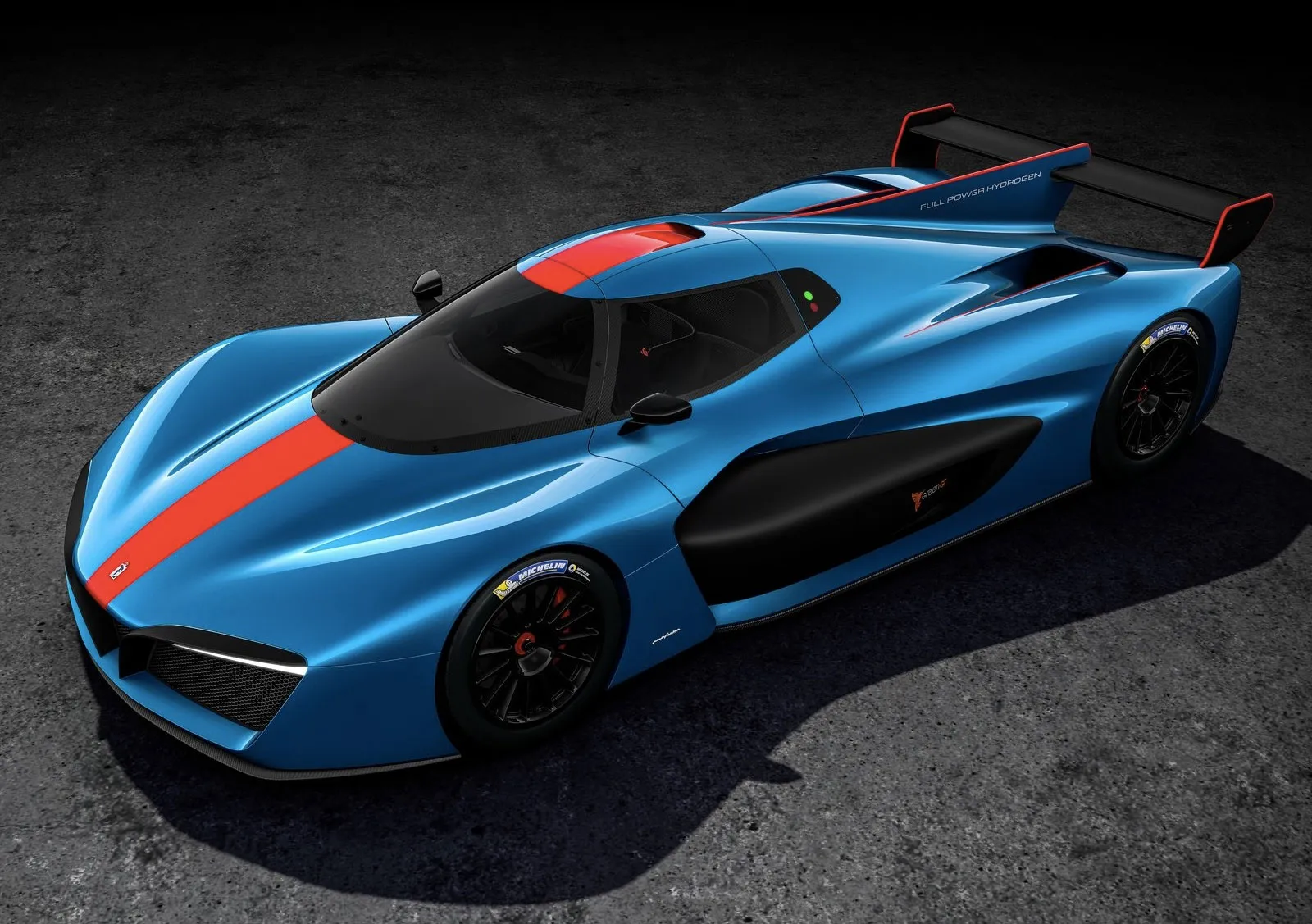
The 2018 Pininfarina H2 Speed concept advanced boundaries with hydrogen fuel cell technology integrated into an Italian supercar chassis. Its aerodynamic form facilitates high-velocity stability, whilst lightweight composites ensure maximum performance potential. The vehicle generates instantaneous torque with zero emissions, demonstrating a synthesis of sustainability and excitement.
External lines merge fluid curves with aggressive ventilation systems. Side skirt assemblies, rear diffuser components, and bonnet intakes functionally direct airflow, reinforcing high-velocity control whilst expressing dynamic intent. The concept maintains Pininfarina’s signature refinement, reconciling technological aspiration with aesthetic restraint.
Cockpit design prioritises immersion and control. Driver seating, pedal positioning, and steering ergonomics receive tailoring for precision, whilst digital instrumentation presents fuel cell metrics and performance data intuitively. Materials receive careful selection to reduce mass and convey sophistication.
Powertrain integration demonstrates how alternative energy solutions can complement supercar performance. Hydrogen storage tanks, electric motor assemblies, and energy management systems operate harmoniously, enabling rapid acceleration and sustained high-velocity stability. Pininfarina illustrated that innovation can coexist with timeless Italian design principles.
The collector appeal rests in scarcity, technological aspiration, and the vehicle’s position as a pioneering example of sustainable Italian performance. The H2 Speed embodies a future-facing vision whilst retaining the design heritage that defines the brand, ensuring enduring interest among enthusiasts and collectors.
This concept automobile addresses environmental concerns without sacrificing performance characteristics that define supercar experiences. Hydrogen fuel cell technology offers advantages, including rapid refuelling times and extended range compared to battery-electric alternatives, presenting a viable pathway for sustainable high-performance vehicles.
Pininfarina’s commitment to this technology demonstratesa willingness to pursue unconventional solutions when they align with performance and environmental objectives. The H2 Speed’s design successfully communicates technological sophistication without appearing clinical or detached from automotive passion.
Flowing surfaces and purposeful aerodynamic elements create visual drama whilst serving functional purposes, illustrating that sustainable propulsion need not compromise aesthetic appeal. This concept represents an important milestone in supercar evolution, suggesting that environmental responsibility and thrilling performance can coexist within Italian automotive design traditions.
