City driving requires vehicles that combine efficiency, maneuverability, and practicality. Narrow streets, tight parking, stop-and-go traffic, and the presence of pedestrians and cyclists create challenges that not every car can handle.
Some vehicles are designed specifically for urban life, offering compact dimensions, responsive handling, fuel efficiency, and modern technology that make daily driving easier and more comfortable.
This guide highlights five vehicles that excel in busy metropolitan environments, including nimble hatchbacks, agile hybrids, and compact electric cars. At the same time, we examine five vehicles that struggle in city conditions because of their size, limited visibility, or less practical layouts.
From oversized trucks to large SUVs and long sedans, these models face difficulties with parking, maneuvering, and fuel consumption, demonstrating that a car designed for power or off-road capability is often a poor fit for dense urban routines.
5 Vehicles That Adapt to Busy Urban Routines vs 5 That Don’t
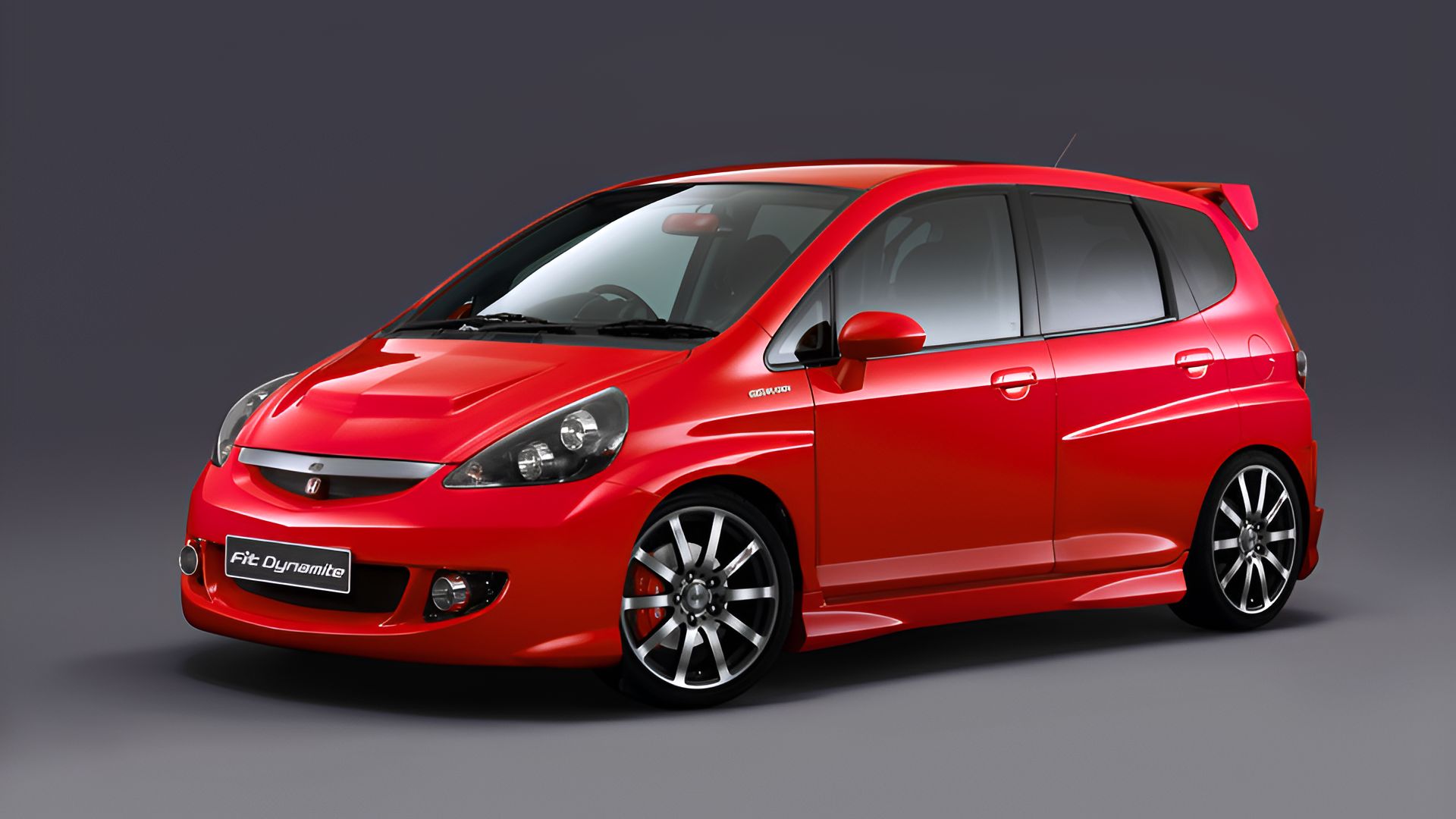
1. Honda Fit: The Ideal City Car
The Honda Fit is often called a “space magician” because of its ability to maximize interior space while remaining compact enough for urban driving. Despite its subcompact 4.1-meter length, it offers more rear legroom than many larger sedans, making it comfortable for passengers and versatile for cargo.
Its standout feature is the Magic Seat system, which allows the rear seats to be configured in four modes: Utility, Long, Tall, and Refresh. This system enables drivers to carry everything from groceries to tall plants or surfboards with ease.
The Fit is highly maneuverable and easy to park, thanks to its small footprint and tight turning radius. Its large windows and upright seating position provide excellent visibility, reducing stress in crowded city streets and heavy traffic. These qualities make it a practical choice for urban environments where tight parking and frequent stops are common.
Cargo flexibility is a major advantage of the Fit. The Magic Seat can fold flat or flip up, allowing for multiple interior configurations. Combined with the boxy cabin design, the Fit can accommodate surprisingly large loads, including up to 20 carry-on suitcases with the rear seats folded. This versatility rivals many larger vehicles and makes the Fit ideal for drivers who need to transport different types of cargo regularly.
The Fit is also fuel-efficient. It typically achieves 31 to 36 miles per gallon in city driving, while the CVT-equipped LX model can reach 40 miles per gallon on the highway. The 1.5-liter engine provides adequate power for urban driving, especially with the manual transmission, and the ECON mode helps optimize fuel consumption during stop-and-go traffic.
Inside, the Fit features a clean and well-assembled cabin with quality materials. Technology includes a 7-inch touchscreen with Apple CarPlay and Android Auto, Bluetooth connectivity, USB ports, and steering-wheel controls. Its rear Magic Seat adds further comfort and utility.
Safety features include adaptive cruise control, lane-departure warning, and automated emergency braking. The 2020 Fit earned a five-star crash-test rating from the NHTSA.
Honda is known for reliability, and the Fit is no exception. Many vehicles last over 200,000 kilometers with minimal issues, and routine maintenance is straightforward and affordable.
The Fit comes with a 3-year or 36,000-mile limited warranty and a 5-year or 60,000-mile powertrain warranty. The Honda Fit combines nimble city performance, exceptional interior versatility, fuel efficiency, and safety, making it a practical and reliable choice for urban living.
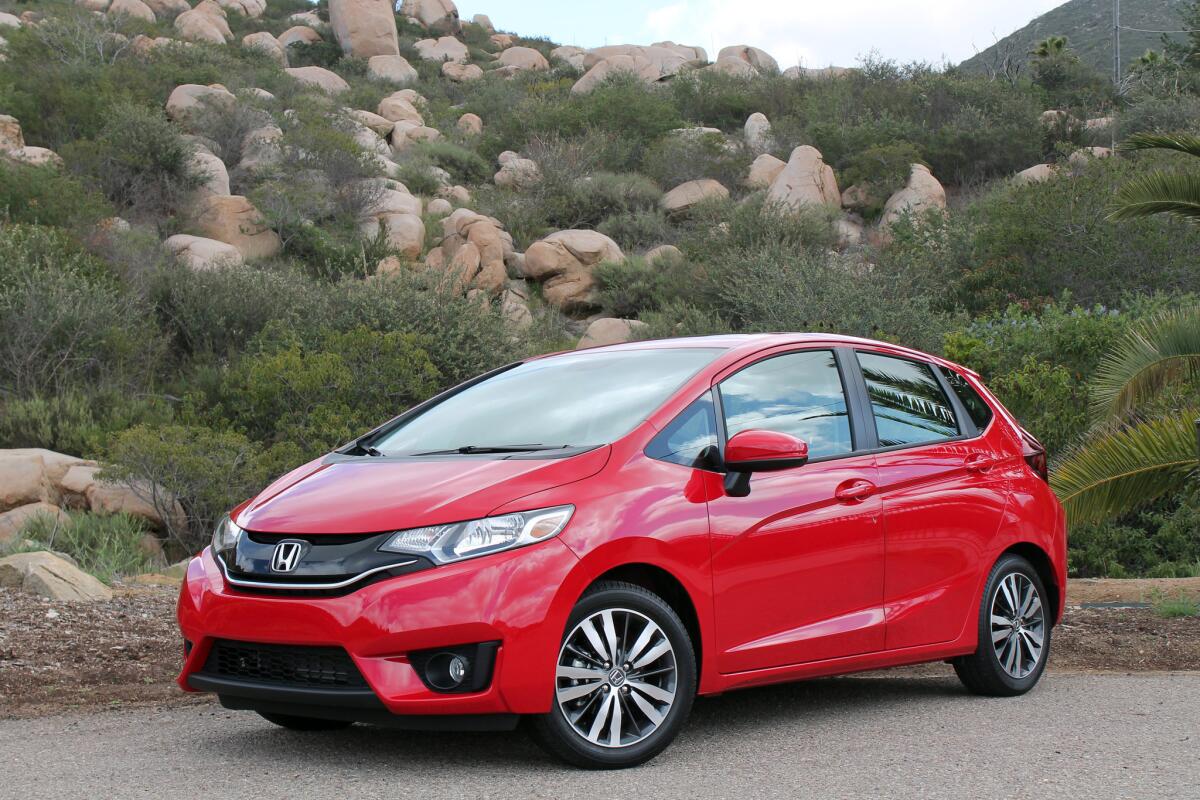
2. Toyota Yaris Hybrid: The Efficient and Practical Urban Hatchback
The Toyota Yaris Hybrid is designed for city driving, offering exceptional fuel efficiency, compact dimensions, and a quiet, smooth ride. Its fourth-generation hybrid powertrain allows the car to operate in electric mode for up to 80 percent of urban driving, achieving real-world fuel economy as high as 80 miles per gallon.
The combination of a 1.5-liter petrol engine and electric assistance provides 115 or 130 horsepower, delivering responsive acceleration while prioritizing efficiency. The CVT automatic gearbox ensures smooth, stepless power delivery, especially useful in stop-and-go traffic, while regenerative braking further maximizes energy recovery.
The Yaris is small and agile, making it easy to navigate narrow streets, heavy traffic, and tight parking spaces. Its sharp steering and well-balanced suspension make city driving and cornering enjoyable, while the ride remains comfortable over most road surfaces. The interior is functional and well-built, though somewhat understated, with high-quality assembly throughout.
Front passengers enjoy good space, adjustable seating, and practical storage solutions, including cupholders, door pockets, and a central armrest. The rear seats are tighter, especially for taller passengers, and the 286-liter boot is smaller than some rivals, but clever design allows surprising load capacity when folding the seats.
Toyota has equipped the Yaris Hybrid with modern technology and safety features to reduce driver fatigue. Standard features include adaptive cruise control, lane-keeping assist, pre-collision systems, a touchscreen with Apple CarPlay and Android Auto, and optional digital instruments.
The 2024 update brought a refreshed infotainment system, optional larger touchscreens, and enhanced safety features, while maintaining the car’s efficient hybrid system and refined driving experience.
On longer drives, the Yaris remains competent, though the short wheelbase can feel slightly bouncy on motorways. Fuel economy remains high, with CO2 emissions as low as 91 grams per kilometer, making it cost-effective for both personal and company use. Reliability is a key strength, with Toyota’s hybrid system proven over many years and a strong warranty of three years, extendable up to ten years with annual servicing.
The Toyota Yaris Hybrid combines remarkable urban efficiency, practical space management, advanced safety, and dependable engineering. It offers a comfortable, fun-to-drive experience while minimizing running costs, making it an excellent choice for city commuters seeking a compact, eco-friendly, and reliable hatchback.
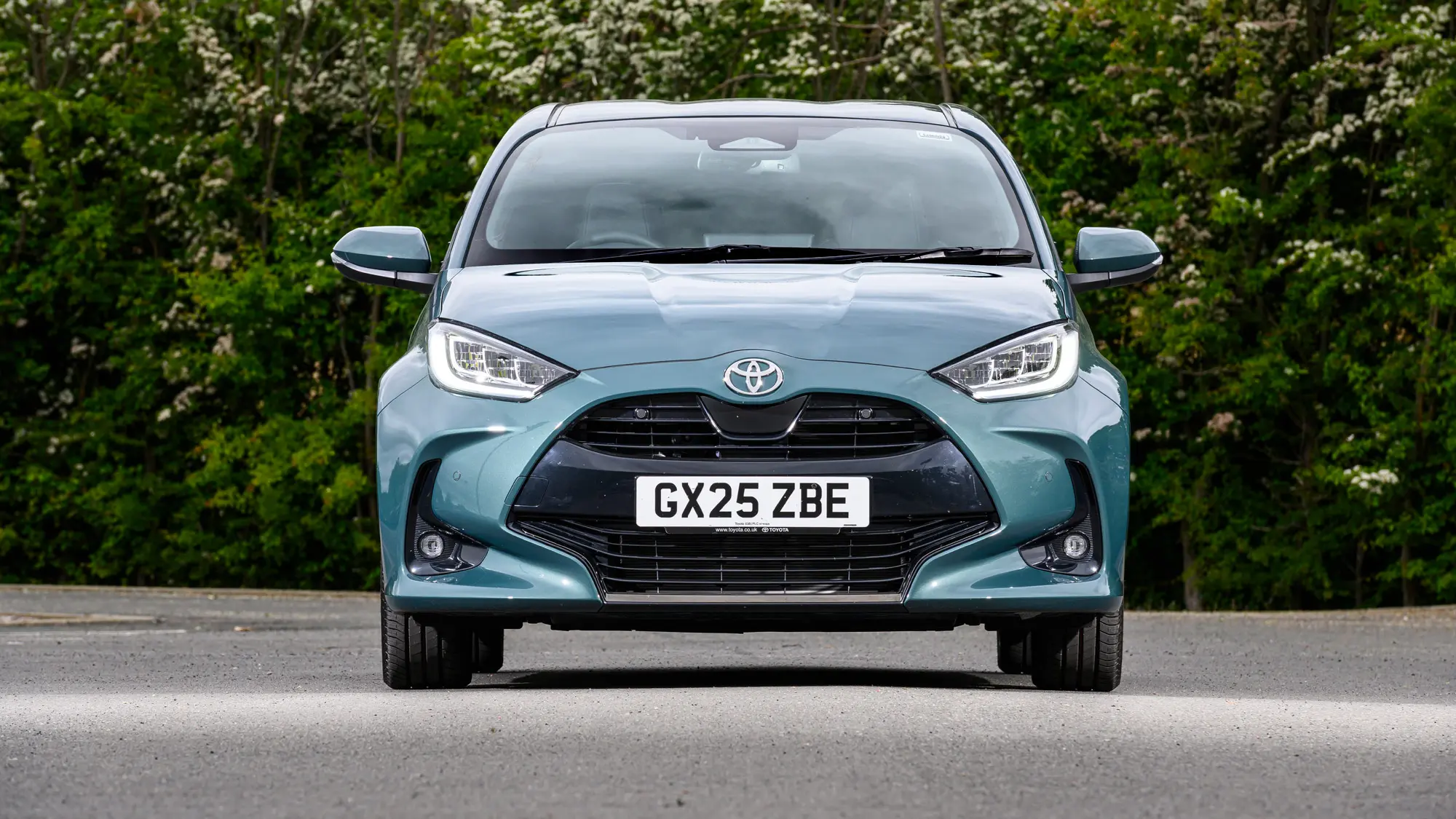
3. Fiat 500e: The Compact Electric Urban Runabout
The Fiat 500e is a small, stylish electric vehicle designed specifically for city driving. Its compact 143-inch length and tight turning radius make it exceptionally easy to park and maneuver in dense urban areas where larger cars struggle.
The 500e’s electric drivetrain delivers instant torque, providing responsive acceleration for merging into traffic and smooth stop-and-go driving without producing tailpipe emissions. It offers up to 162 miles of range in city conditions, making it well-suited for daily commutes and urban errands.
The 500e features a 117-horsepower front-wheel-drive electric motor and three driving modes: Normal, Range, and Sherpa. Sherpa mode is designed to conserve battery power when levels are low.
The car also supports one-pedal driving, allowing the driver to accelerate and brake using a single pedal, which enhances efficiency and simplifies city navigation. In testing, the 500e accelerates from 0 to 60 mph in 7.8 seconds, a performance comparable to small gas-powered SUVs, though less powerful than many other electric vehicles.
Charging is supported via DC fast charging up to 85 kW, adding approximately 31 miles of range in five minutes, though a full 10 to 90 percent recharge takes around 51 minutes. The EPA estimates the 500e’s range at 141 to 149 miles, with city energy efficiency rated at 121–127 MPGe and highway efficiency at 100–104 MPGe. Real-world testing shows an average of 83 MPGe in mixed driving conditions.
The interior is stylish and modern, though compact. Front seating is comfortable for two adults, while the rear seats offer limited legroom, suitable mainly for short trips or small items. Cargo space is modest, accommodating two carry-on suitcases with the rear seats up and more when folded, though the load floor is not fully flat.
Infotainment includes a 10.3-inch touchscreen, a 7.0-inch digital gauge cluster, wireless Apple CarPlay and Android Auto, and a six-speaker stereo. Optional features include wireless phone charging, in-dash navigation, and SiriusXM satellite radio.
Safety features include standard automated emergency braking, lane-keeping assist, and rear parking sensors, with optional upgrades like adaptive cruise control with lane-centering and automatic high beams. The 500e’s warranties cover four years or 50,000 miles for the limited and powertrain warranties, and eight years or 100,000 miles for electrical components, though there is no complimentary maintenance.
The Fiat 500e is a highly maneuverable, practical, and stylish electric vehicle for urban environments. Its compact size, instant torque, efficient electric drivetrain, and modern technology make it an ideal city car for short commutes, tight parking, and quiet, low-emission driving.
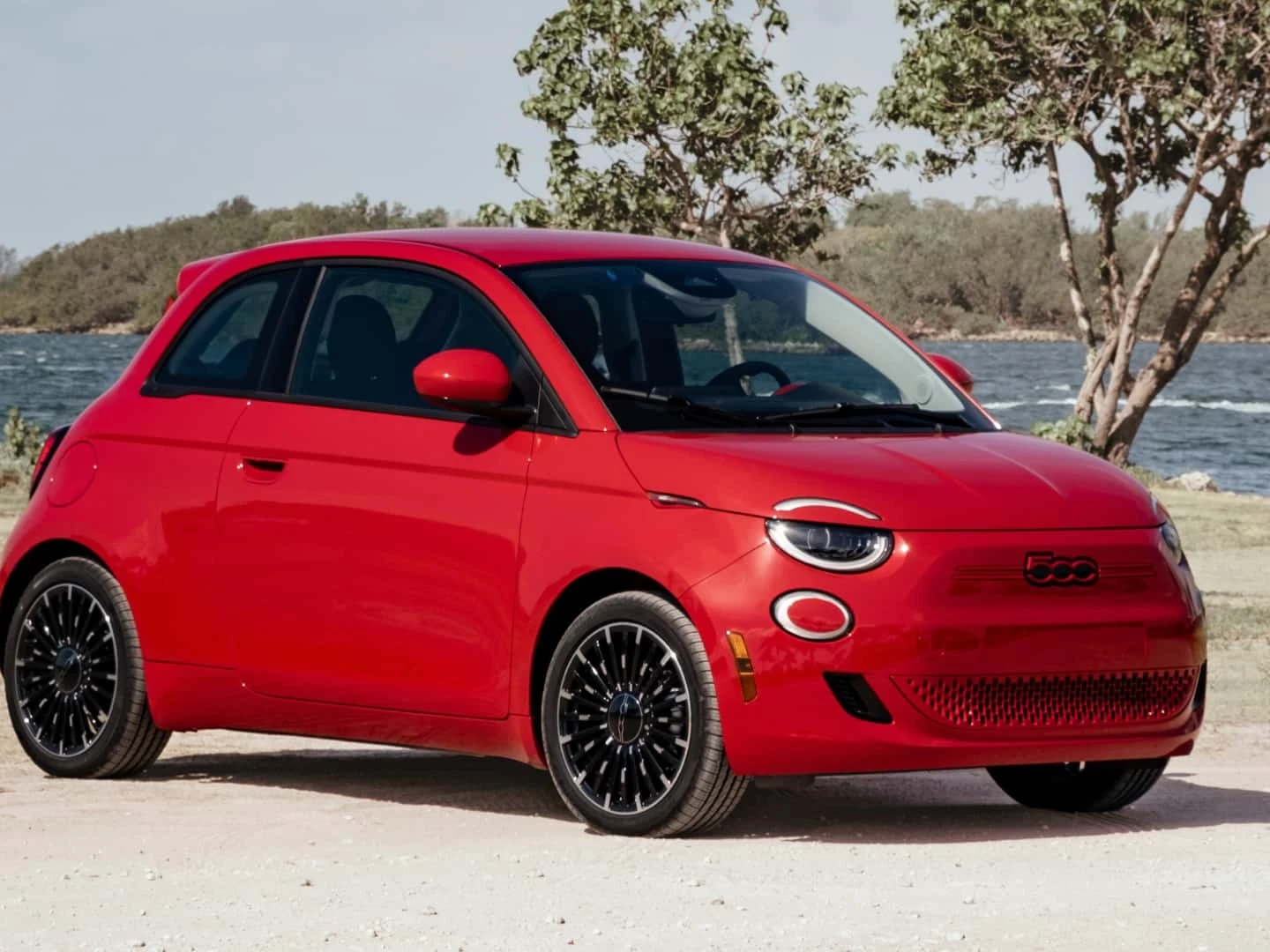
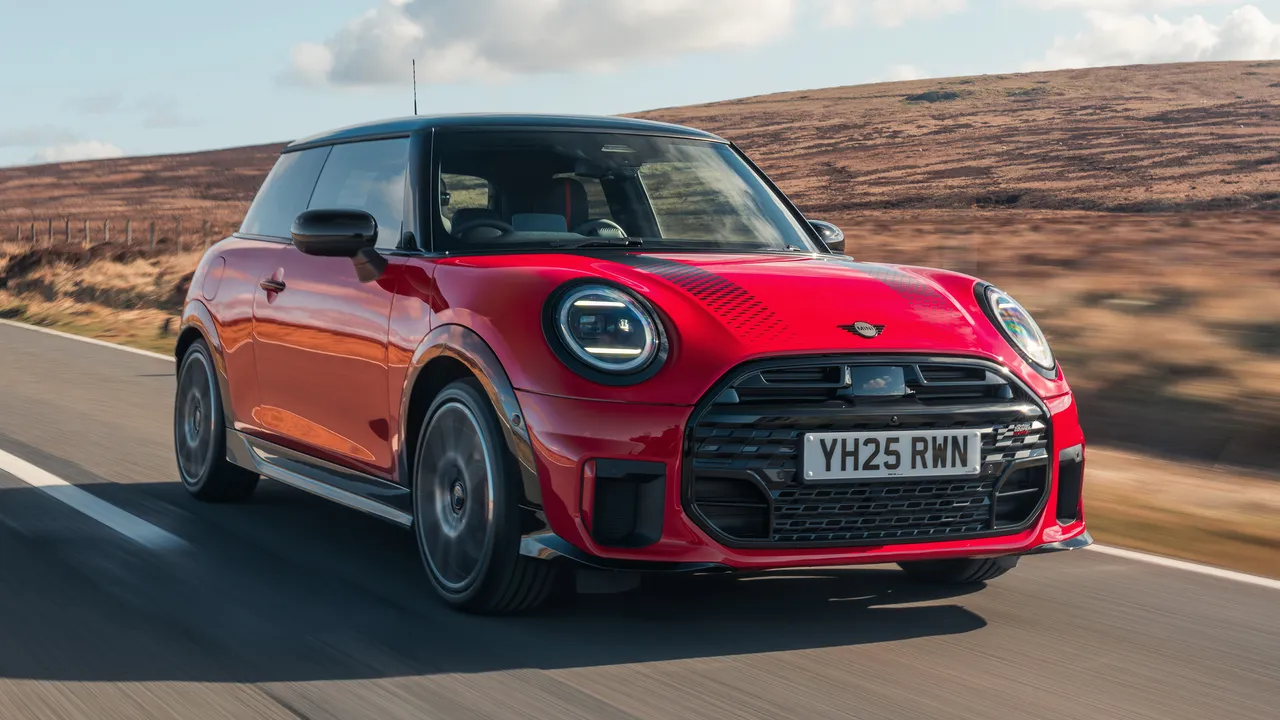
4. Mini Cooper: The Agile and Stylish Urban Hatchback
The Mini Cooper is a compact, highly maneuverable car designed for city driving. Known for its “go-kart” handling, it excels on tight corners, narrow streets, and in dense traffic. Its small footprint, short wheelbase, and tight suspension provide precise steering and a low center of gravity, giving drivers excellent control in urban conditions.
The car’s tight turning radius and large windows make parking and city driving easier, while its iconic design ensures clear visibility and a distinctive style.
Mini Coopers are available with turbocharged petrol engines or as the all-electric SE model. The base 2.0-liter turbocharged four-cylinder engine produces 161 horsepower, while the Cooper S generates 201 horsepower. Both come with a seven-speed dual-clutch automatic transmission, offering quick acceleration, with the Cooper S reaching 0–60 mph in 5.8 seconds.
The electric SE model provides zero-emission, quiet travel with regenerative braking and one-pedal driving, making it particularly efficient in stop-and-go traffic. Fuel efficiency for 2025 models ranges from 28 to 39 mpg, depending on configuration, while convertibles are slightly less efficient.
Inside, the Mini Cooper balances style and practicality. The cabin is inspired by the original 1959 Mini but includes modern touches such as textile-covered dashboards, hidden LED lighting, and refined controls.
Front seating is comfortable, and rear seats fold to increase cargo capacity for larger items. The circular digital infotainment display includes navigation, smartphone mirroring, SiriusXM, and apps. Higher trims offer heated seats and advanced climate control, while a standard head-up display adds convenience.
Safety and driver-assistance features are strong points. Standard systems include automated emergency braking with pedestrian detection, lane-departure warning, and lane-keeping assist. Optional features include adaptive cruise control with lane-centering. Newer Mini models have earned five-star Euro NCAP safety ratings, confirming their reliability in urban and suburban conditions.
Mini provides a competitive warranty covering four years or 50,000 miles, along with three years or 36,000 miles of complimentary scheduled maintenance. The combination of compact dimensions, sharp handling, efficient powertrains, and modern technology makes the Mini Cooper a practical and fun choice for city life.
Its blend of performance, style, and functionality ensures it stands out in the small-car segment for urban commuters who want both capability and personality in a compact package.
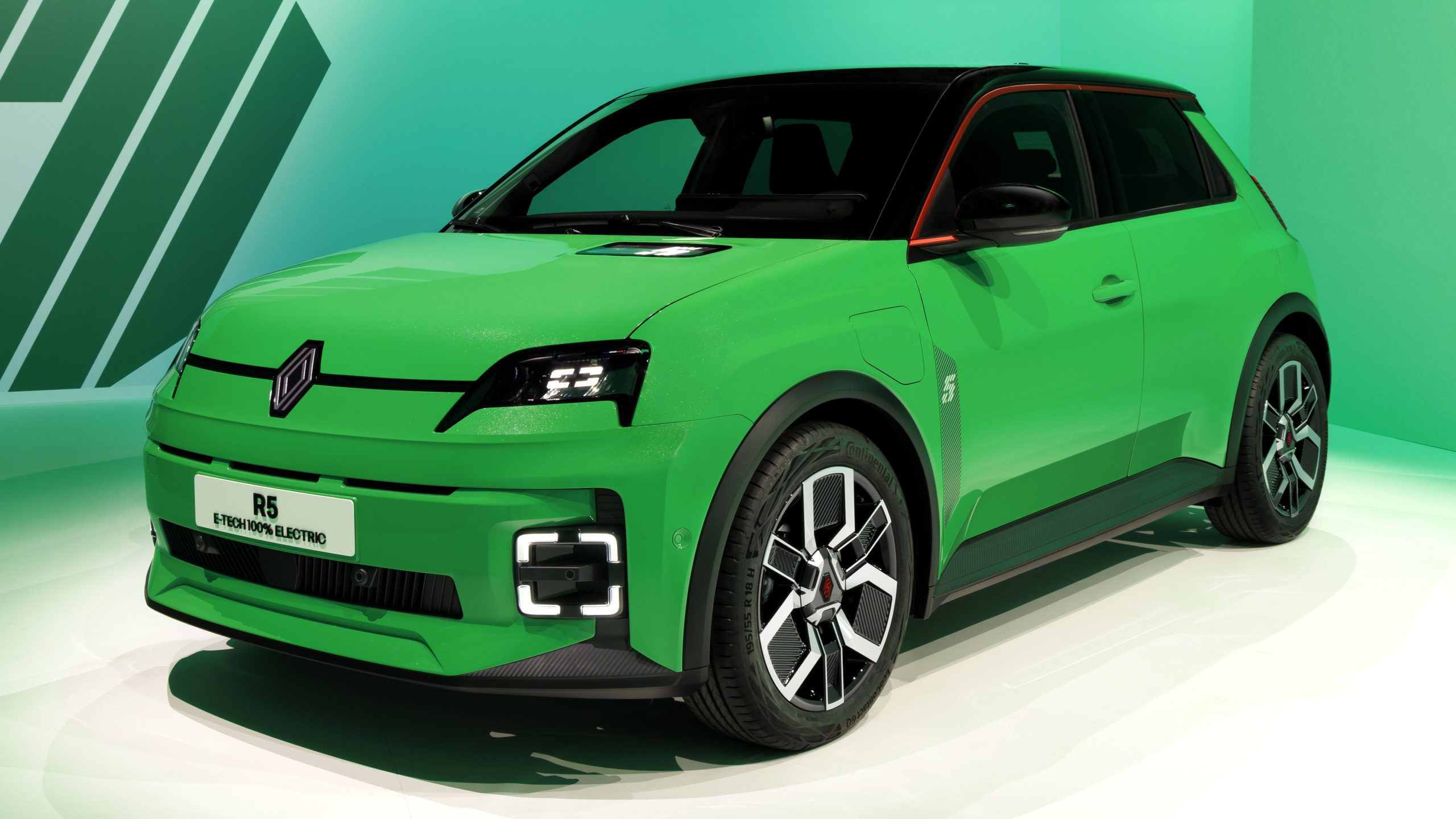
5. Renault 5 E-Tech: A Compact and Connected Electric City Car
The Renault 5 E-Tech is a modern electric vehicle designed specifically for urban driving. Its compact 3.92-meter length, tight 10.3-meter turning circle, and instant electric torque make it highly responsive in dense traffic and easy to park in tight spaces. The car combines retro-inspired styling with practical features, including a 326-liter boot, providing more cargo space than many competitors in its class.
Advanced technology, such as the Google-based OpenR Link system, allows real-time route adjustments, voice-activated controls via the “Reno” avatar, and access to over 25 driver-assistance systems, including active driver assist for stop-and-go traffic.
The Renault 5 E-Tech offers two powertrain options: the Comfort Range with a 52-kWh battery and 147 horsepower, providing up to 252 km WLTP range (around 210 EPA miles), and the Urban Range with a 40-kWh battery and 120 horsepower, offering up to 192 km WLTP range (approximately 160 EPA miles).
Both support AC charging at 11 kW, while DC fast charging is available up to 100 kW on the Comfort model, allowing rapid recharging for daily use. Energy-efficient driving is enhanced with B-mode regenerative braking, which enables one-pedal-like operation in traffic. Vehicle-to-Load capability lets the car power external devices, adding practical versatility.
The interior of the 5 E-Tech blends retro charm with modern functionality. Seats are supportive and adjustable, accommodating taller drivers comfortably despite the battery under the floor. The cabin feels spacious thanks to a wide body, low dashboard, and clever storage compartments.
A 10.1-inch touchscreen and digital instrument cluster offer clear, intuitive access to infotainment and vehicle information. Denim upholstery and thoughtful trim details contribute to a premium feel within a small footprint.
On the road, the Renault 5 E-Tech delivers smooth, precise control. The steering is direct and consistent, the accelerator is responsive, and braking is progressive. Handling is agile due to the battery’s low placement, creating a neutral and balanced response when cornering or merging.
Acceleration is smooth rather than aggressive, limiting torque steer while remaining sufficient for energetic city or highway driving. Ride quality is comfortable, though mid-corner bumps are noticeable under heavier loads.
With a base price lower than many rival electric city cars, such as the Mini Cooper SE, and winning European Car of the Year, the Renault 5 E-Tech stands out as a stylish, connected, and practical electric hatchback. Its combination of compact size, urban-friendly technology, and refined driving dynamics makes it a compelling choice for city commuters seeking efficiency, comfort, and personality in a small electric vehicle.
Also Read: 5 Cars That Work Well for City Families vs 5 That Feel Limiting
5 That Don’t
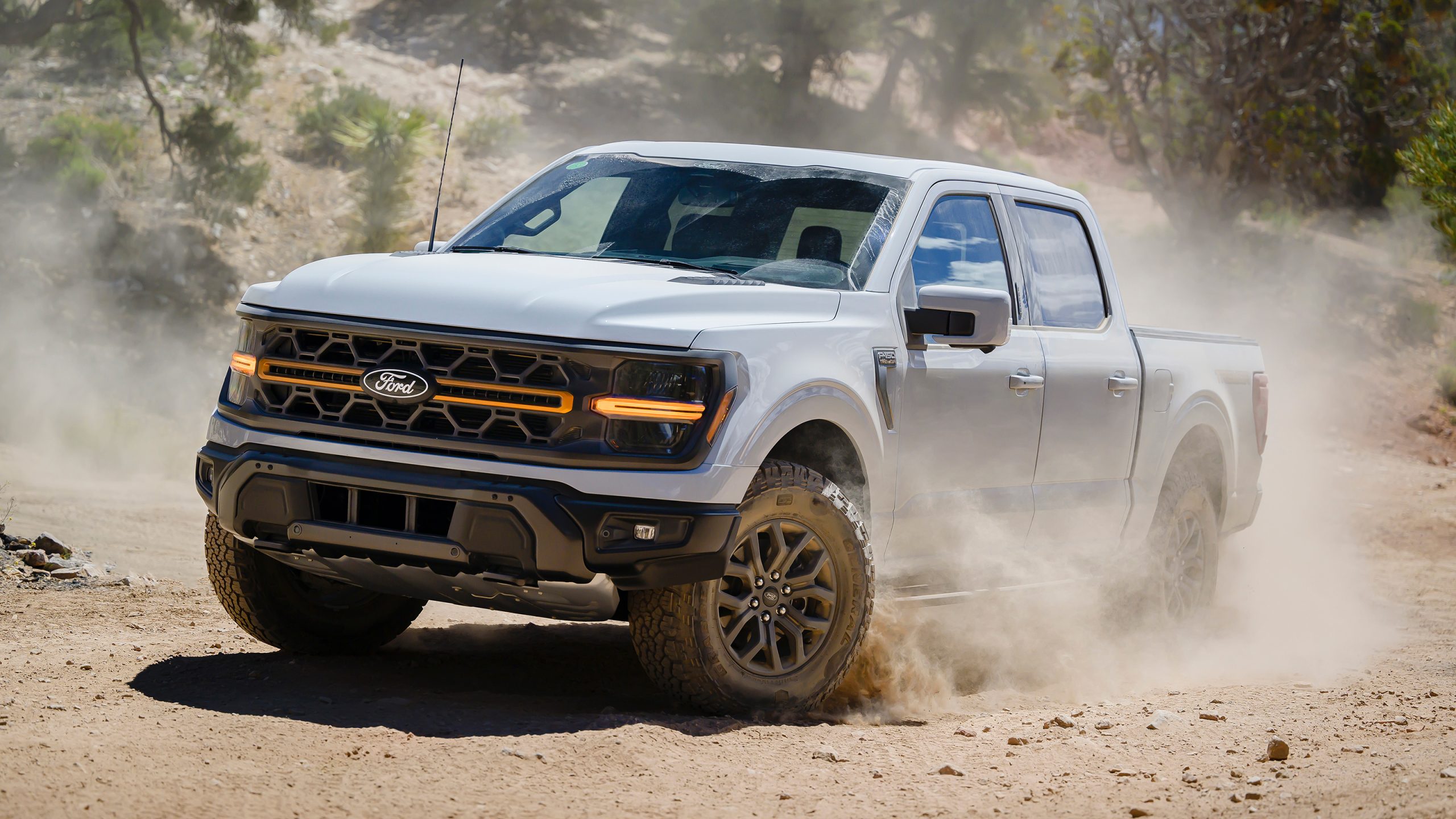
1. Ford F-150: A Truck Unsuited for City Life
The Ford F-150 is a powerful full-size pickup built for towing, hauling, and off-road performance, but its size and design present major challenges in urban environments. Measuring nearly six meters in length and two meters in width, the truck is far too large for narrow streets, tight intersections, and standard city parking spaces.
Its wide turning radius often requires multiple-point turns, while parking garages with low ceilings or narrow stalls can make entry difficult or impossible. Even on the street, the F-150’s length can trap it between vehicles, making exits stressful.
Visibility and safety pose additional concerns. The truck’s height creates significant front and rear blind spots, complicating interactions with shorter vehicles, cyclists, and pedestrians.
Stop-and-go traffic demands constant attention, as lane changes and tight turns are riskier due to the truck’s mass and restricted sightlines. While advanced systems like 360-degree cameras improve situational awareness, they are often essential rather than optional in crowded urban areas.
Economic factors further limit the F-150’s practicality as a city vehicle. Heavy traffic reduces fuel efficiency, with V8 models averaging just 15–16 mpg in urban conditions. This leads to frequent and costly refueling. Parking fees for oversized vehicles and higher insurance premiums add to the financial burden, especially considering the increased risk of minor collisions in tight spaces.
Urban driving also highlights the F-150’s logistical limitations. Frequent stops, unpredictable congestion, and tight deadlines clash with the truck’s large dimensions and limited maneuverability. While it excels in rural, off-road, or towing scenarios, the F-150’s size, visibility challenges, and operating costs make it cumbersome and inefficient for everyday city use. Its strengths on the open road become liabilities in dense metropolitan settings, where agility, compactness, and efficiency are essential.
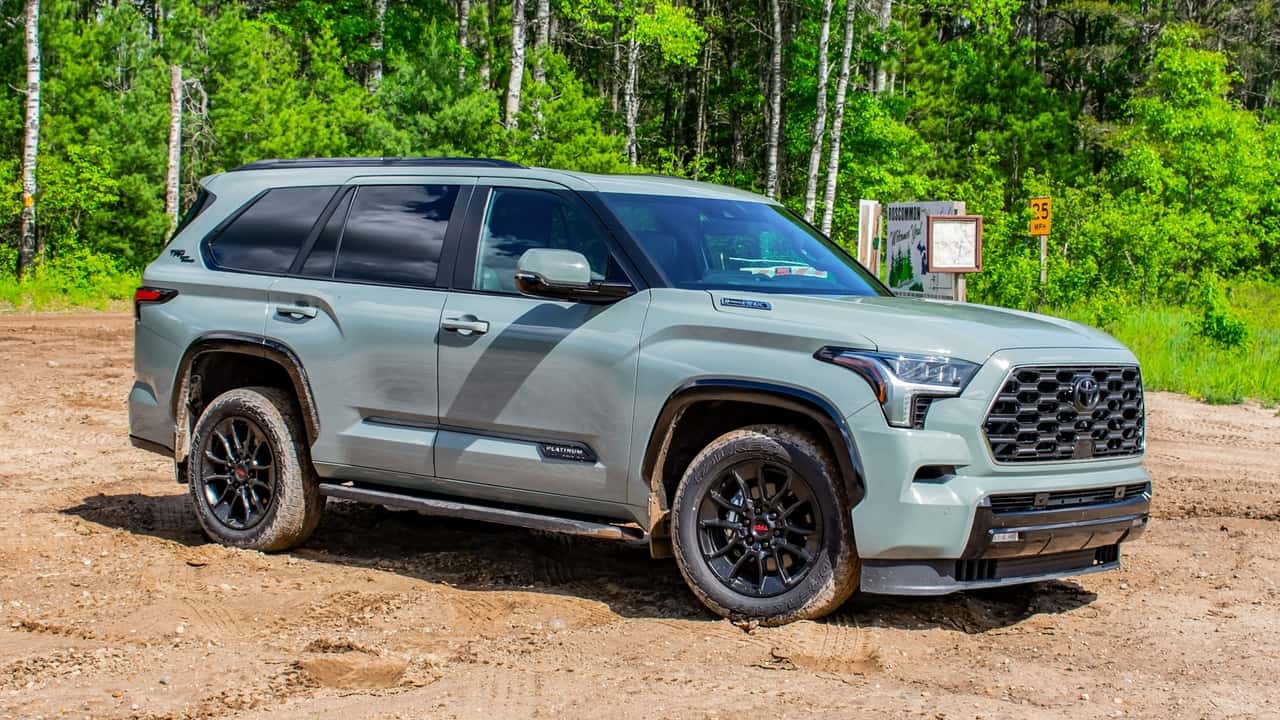
2. Toyota Sequoia: A Large SUV Unsuitable for City Streets
The Toyota Sequoia is a capable full-size SUV, ideal for highways and off-road adventures, but its size and design limit practicality in dense urban environments. Measuring approximately 208 inches long and 80 inches wide, the Sequoia struggles to fit into standard city parking spaces, narrow streets, and low-ceiling garages.
Maneuvering through tight areas often requires slow, deliberate movements, and even standard 7-foot parking structures leave little clearance, restricting the use of roof racks or modifications.
Urban maneuverability is compromised by the Sequoia’s bulk. Drivers report difficulty judging the extremities of the vehicle, often having to compensate for the passenger side to avoid collisions.
Its weight, exceeding 6,000 pounds, puts stress on brakes and suspension during stop-and-go traffic, leading to premature wear in older models. The commanding driving position provides visibility, but the vehicle still handles like a small bus, making tight turns and congested streets challenging.
Fuel efficiency presents another obstacle for city use. Even with the i-FORCE MAX hybrid powertrain, the Sequoia delivers real-world urban mileage in the mid-to-high teens. Frequent idling in traffic means moving several tons for a single occupant, resulting in high fuel costs and environmental impact compared with smaller, lighter hybrids or electric vehicles designed for urban commuting.
Safety and visibility remain concerns in pedestrian-heavy areas. Although equipped with Toyota Safety Sense 2.5, including pedestrian detection and surround-view cameras, the Sequoia’s high hood line and large blind spots make spotting children, cyclists, or small objects directly in front of the vehicle difficult. While advanced driver-assistance features improve awareness, they cannot fully mitigate the risks created by its size.
The Toyota Sequoia excels in open-road performance but is poorly matched to city life. Its massive dimensions, limited maneuverability, low urban fuel efficiency, and visibility challenges make it cumbersome and costly for urban routines, emphasizing that this SUV is built for space and power rather than metropolitan convenience.
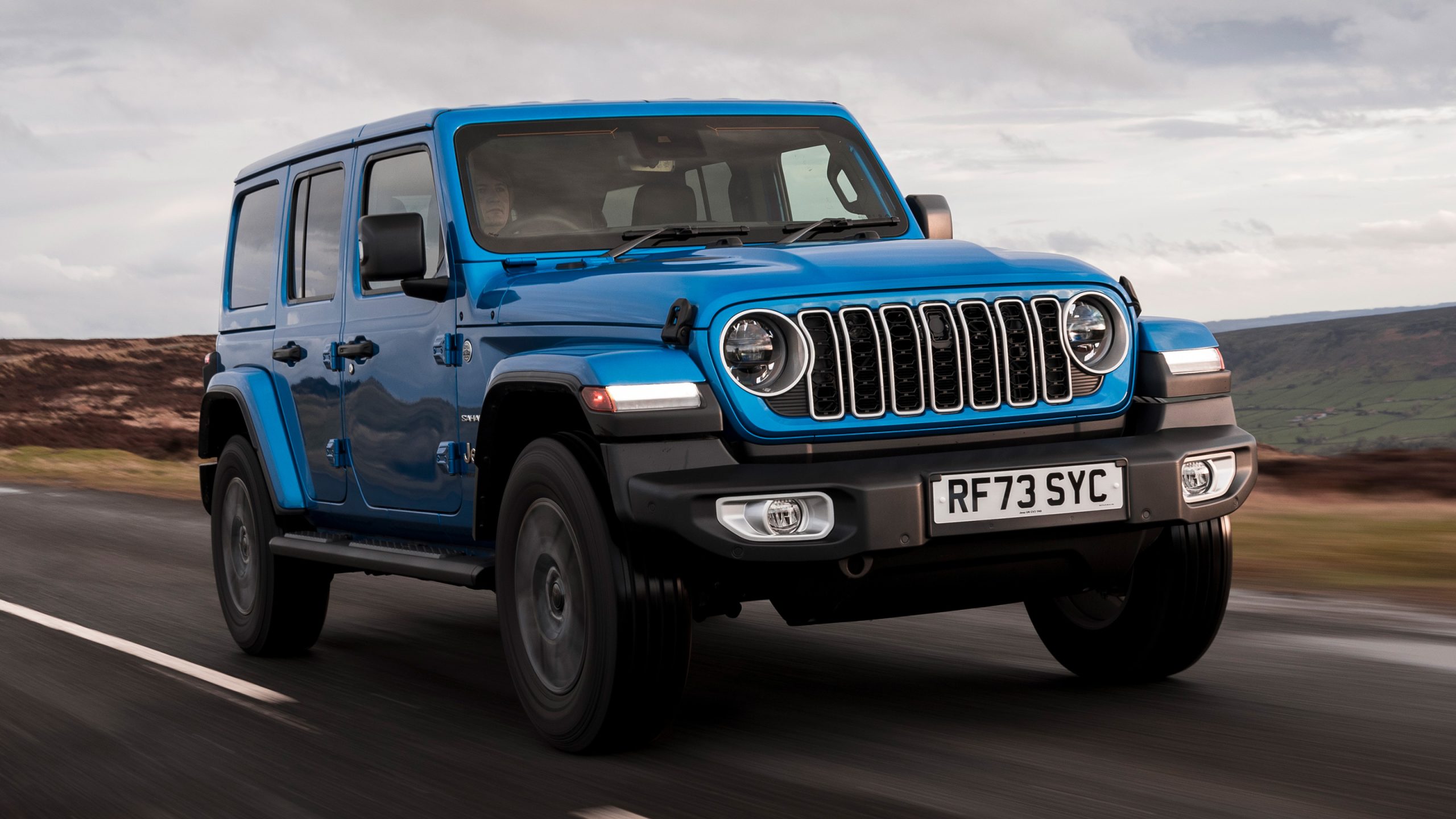
3. Jeep Wrangler: Rugged Off-Roader Struggling in Cities
The Jeep Wrangler is built for off-road adventure, but its design creates several challenges for urban driving. Its boxy, “brick-like” body prioritizes durability over aerodynamics, resulting in poor fuel economy. Gas-powered models typically achieve just 16–18 mpg in stop-and-go city traffic, while the hybrid 4xe variant improves efficiency slightly but still lags behind smaller, urban-friendly SUVs.
Ride quality and handling are compromised on paved streets. The Wrangler uses solid front and rear axles to maximize wheel articulation off-road, but this setup produces a crashy, unrefined ride over potholes and uneven pavement. Steering is less precise than modern crossovers, requiring constant correction to stay centered in narrow lanes, which can become fatiguing over longer commutes.
Noise and comfort are additional drawbacks. Soft-top models in particular allow wind and road noise to enter the cabin, while limited sound insulation and upright seating increase driver fatigue. Footwell space is cramped, and NVH (Noise, Vibration, and Harshness) levels make conversation or music enjoyment difficult at moderate speeds.
Urban practicality is also limited. Soft-top Wranglers are vulnerable to theft, and even hardtop versions require significant clearance to open the side-hinged rear tailgate. The 4-door Unlimited model’s nearly five-meter length, wide turning radius, and large blind spots from the roll cage and spare tire complicate tight parking, U-turns, and garage entry.
While the 2-door model offers a slightly smaller footprint, the Wrangler remains fundamentally ill-suited for dense urban environments.
Its rugged suspension, off-road-focused steering, and low fuel efficiency make city driving less comfortable and more demanding than vehicles designed for metropolitan use. In essence, the Wrangler excels as a specialized off-road vehicle but sacrifices efficiency, comfort, and practicality when used for daily urban routines.
4. GMC Hummer EV: Urban Challenges for a Massive Electric Truck
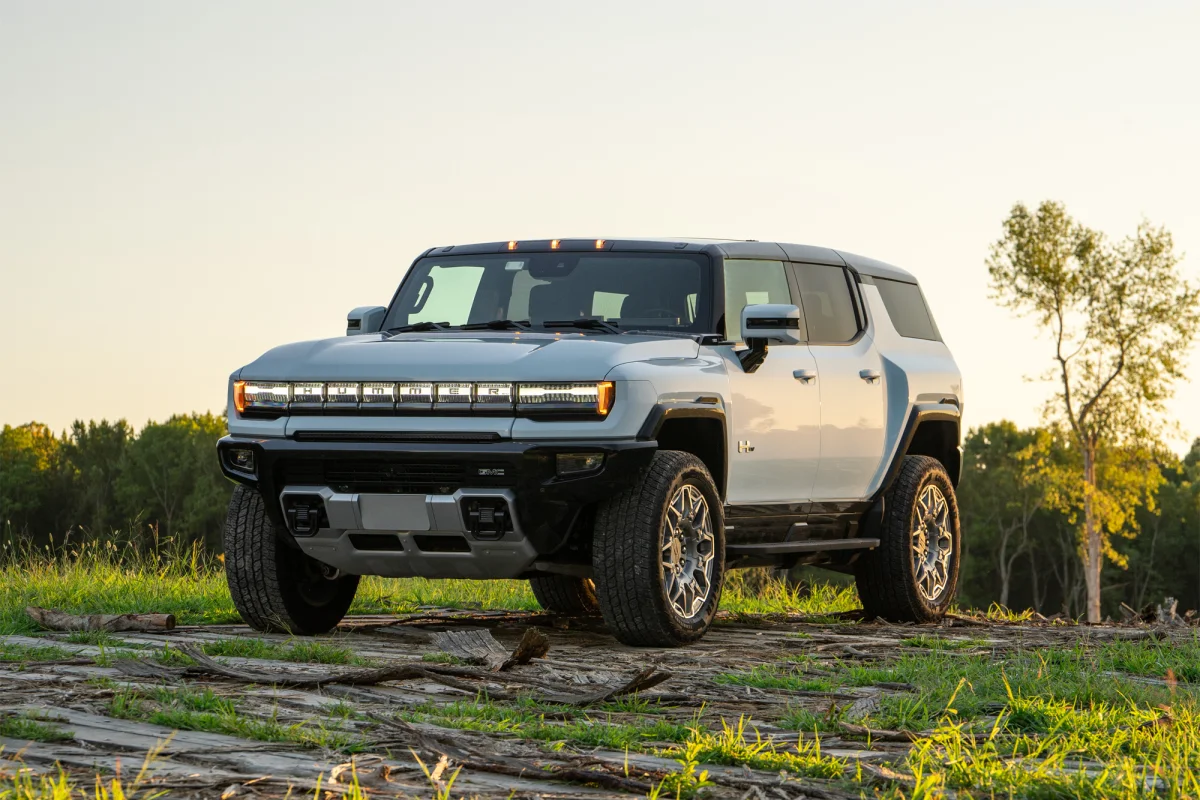
The GMC Hummer EV is an impressive electric truck in terms of technology and capability, but its size and weight make it poorly suited for city life. Measuring 86.7 inches wide, nearly 94 inches with mirrors, finding standard parking becomes a major challenge.
Many owners report barely fitting within parking lines, increasing the risk of door dings, blocking traffic, or requiring multiple attempts to park in urban spaces. Even with features like 4-Wheel Steer, which improves turning, maneuvering in tight streets or small garages remains stressful.
Weighing over 9,000 pounds, the Hummer EV is classified as a class 3 medium-duty truck. Its extreme mass can accelerate road wear, exceed weight limits on residential bridges, and prevent entry into older multi-story parking garages.
This size and weight also contribute to safety risks: the high hood and large blind spots make it difficult to see pedestrians, cyclists, or smaller vehicles in dense traffic, increasing accident potential.
Energy efficiency is another limitation for urban use. In stop-and-go traffic, the Hummer EV delivers only about 1.1 to 1.6 miles per kWh, far below smaller electric vehicles. Its 200+ kWh battery supports 350kW DC fast charging, but standard city chargers often provide only 150kW, resulting in longer charging times that disrupt busy schedules.
While the Hummer EV is a technological marvel and capable off-road machine, its extreme dimensions, weight, and limited efficiency make it an impractical choice for everyday urban routines. Owners must contend with tight parking, restricted access zones, safety blind spots, and higher operational costs, making it better suited for open roads and off-road adventures rather than dense metropolitan environments.
5. Acura TLX 2026: Urban Limitations of a Stylish Sedan
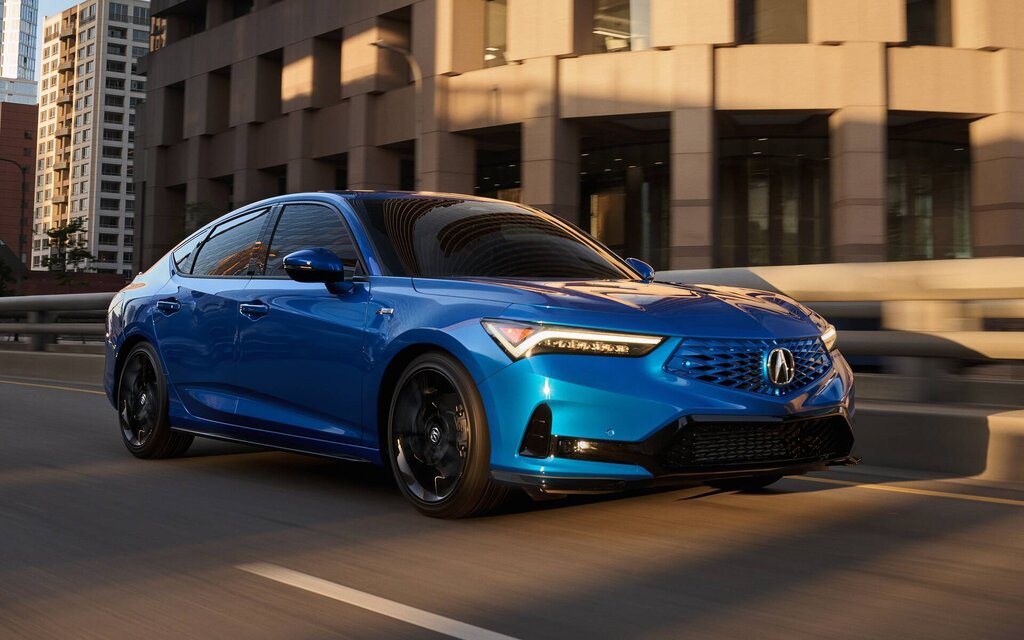
The 2026 Acura TLX is a sleek and refined sports sedan, but its design and specifications create challenges for busy city driving. Its nearly 10-inch longer length compared to competitors like the BMW 3 Series, combined with a 40.2-foot turning circle, makes tight U-turns, narrow alleyways, and compact parking decks difficult to handle. Drivers must exercise extra caution when maneuvering in dense urban environments.
Fuel efficiency in stop-and-go city traffic is another drawback. The standard 2.0-liter engine delivers roughly 21–22 mpg in urban conditions, while the Type S V6 drops to around 19 mpg. These figures lag behind many hybrid or more efficient rivals, increasing the frequency and cost of fuel stops during daily commutes.
Despite its sizable exterior, the TLX’s interior utility is limited. Rear seats are cramped, offering tight legroom even with its long wheelbase, and the trunk holds only 13.5 cubic feet, restricting cargo capacity for groceries or larger errands. This mismatch between exterior size and interior practicality reduces its appeal for urban families or those requiring versatile storage.
The Acura True Touchpad Interface, while innovative, can be a distraction in city traffic. Its steep learning curve makes split-second adjustments challenging, particularly compared to direct touchscreens offered by competitors.
Finally, the low ground clearance of approximately 5.3 inches creates potential issues on steep parking garage ramps or uneven city streets. Drivers must navigate cautiously to avoid scraping, adding stress to daily urban routines.
The Acura TLX 2026 prioritizes style and performance over city practicality. Its large footprint, limited interior space, low clearance, and mediocre fuel efficiency make it less suited to dense, high-traffic environments. While an appealing option for highway driving or open roads, its compromises can frustrate drivers during everyday urban commutes.
Urban driving favors cars that balance space, agility, and efficiency, making commuting and errands simpler and less stressful. Vehicles like the Honda Fit, Toyota Yaris Hybrid, Fiat 500e, Mini Cooper, and Renault 5 E-Tech show how thoughtful design and technology can enhance city life.
They offer compact footprints, easy maneuvering, fuel efficiency, and practical interiors. On the other hand, the Ford F-150, Toyota Sequoia, Jeep Wrangler, GMC Hummer EV, and Acura TLX demonstrate that large size, high weight, and off-road or performance-focused design create challenges in urban environments.
These vehicles are harder to park, less efficient, and often create blind spots that increase safety risks. Choosing a car suited to city life can save time, reduce stress, and improve convenience, while selecting the wrong vehicle can make everyday urban routines frustrating and inefficient.
Also Read: Top 10 Cars That Look Like They Belong in a Crime Epic