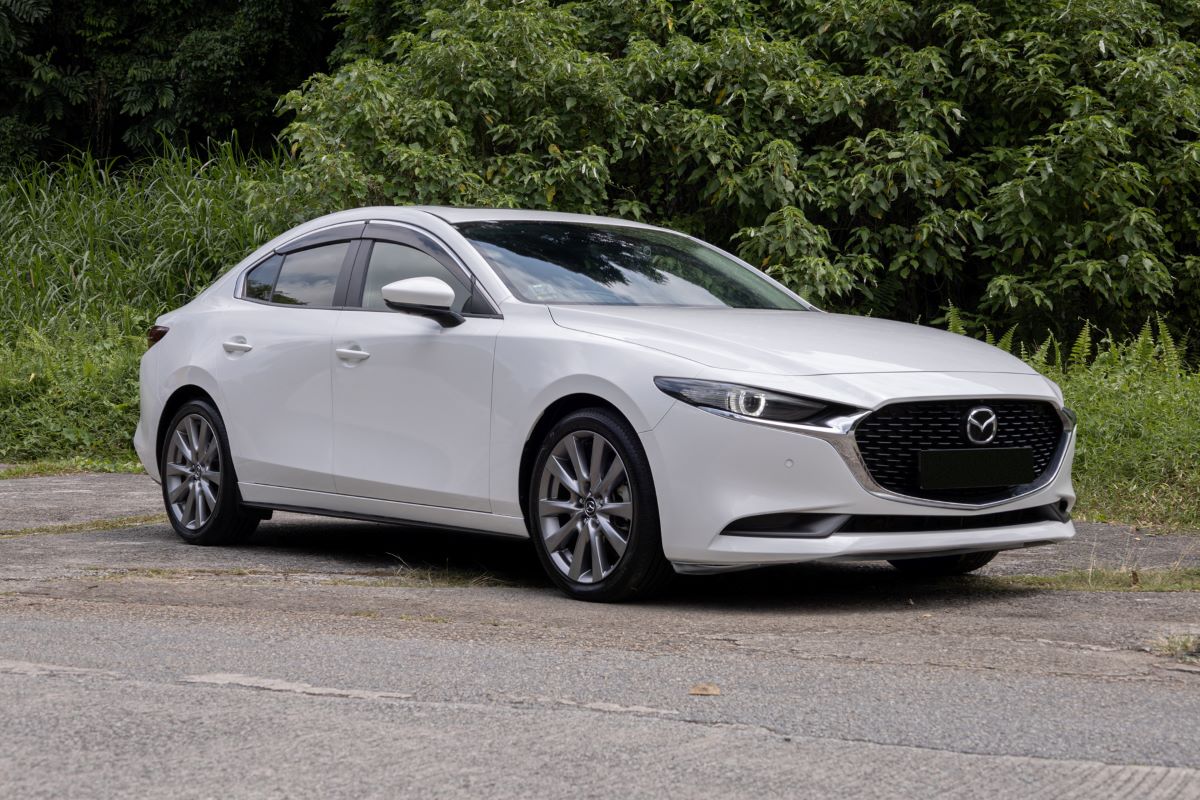
Modern drivers rarely stay in one environment. A typical day might start in stop-and-go urban traffic, move through crowded suburban roads, and end with a stretch of high-speed interstate driving.
The problem is that not every car is built to handle that transition smoothly. Some vehicles feel effortless in the city but fall apart on the highway, while others thrive at speed but feel clumsy in traffic.
The best all-around cars deliver comfort, stability, responsiveness, and efficiency in both settings, making the shift from city streets to highway cruising seamless.
Understanding what makes a vehicle adaptable across driving environments requires looking at factors like steering feel, transmission behavior, suspension tuning, power delivery, cabin comfort, noise insulation, and driver-assist technology.
A car that jerks through traffic or drones loudly at highway speeds can turn everyday commuting into a chore. On the other hand, a well-balanced vehicle can make the transition almost invisible to the driver.
Below are five vehicles that excel at moving from urban driving to highway cruising and five that struggle to do both well.
Cars That Handle City-to-Highway Transitions Well
The daily shift from crowded city streets to open highway lanes can expose a car’s weaknesses fast. Vehicles that struggle with throttle response, braking smoothness, or stability often feel unsettled when traffic patterns suddenly change.
The best all-around commuters handle both environments with ease, calm and manageable in stop-and-go traffic, yet confident and composed when merging at speed.
In this article, we highlight cars that handle city-to-highway transitions well, focusing on smooth power delivery, balanced handling, and the kind of refinement that makes mixed driving feel effortless.
1. Toyota Camry
The Toyota Camry remains one of the most balanced sedans on American roads. In city traffic, its smooth automatic transmission and light steering make navigating crowded streets effortless.
Acceleration is predictable rather than aggressive, which keeps the ride calm during stop-and-go driving. Hybrid versions add exceptional low-speed efficiency, reducing fuel costs for urban commuters.
Once the road opens up, the Camry shines even more. The suspension absorbs pavement imperfections without feeling floaty, and highway noise is minimal thanks to solid insulation.
Adaptive cruise control and lane-keeping assistance further reduce fatigue during long drives. Few midsize sedans transition as seamlessly from congested downtown streets to high-speed interstates as the Camry.
The 2025 Toyota Camry enters its latest generation with a noticeably refreshed mindset. As the best-selling passenger car in the United States for more than 20 years, the Camry has long been synonymous with dependability, everyday usability, and straightforward appeal.
With a fully hybridized lineup and a striking new design, Toyota isn’t merely holding its ground against rivals like the Honda Accord and Hyundai Sonata.
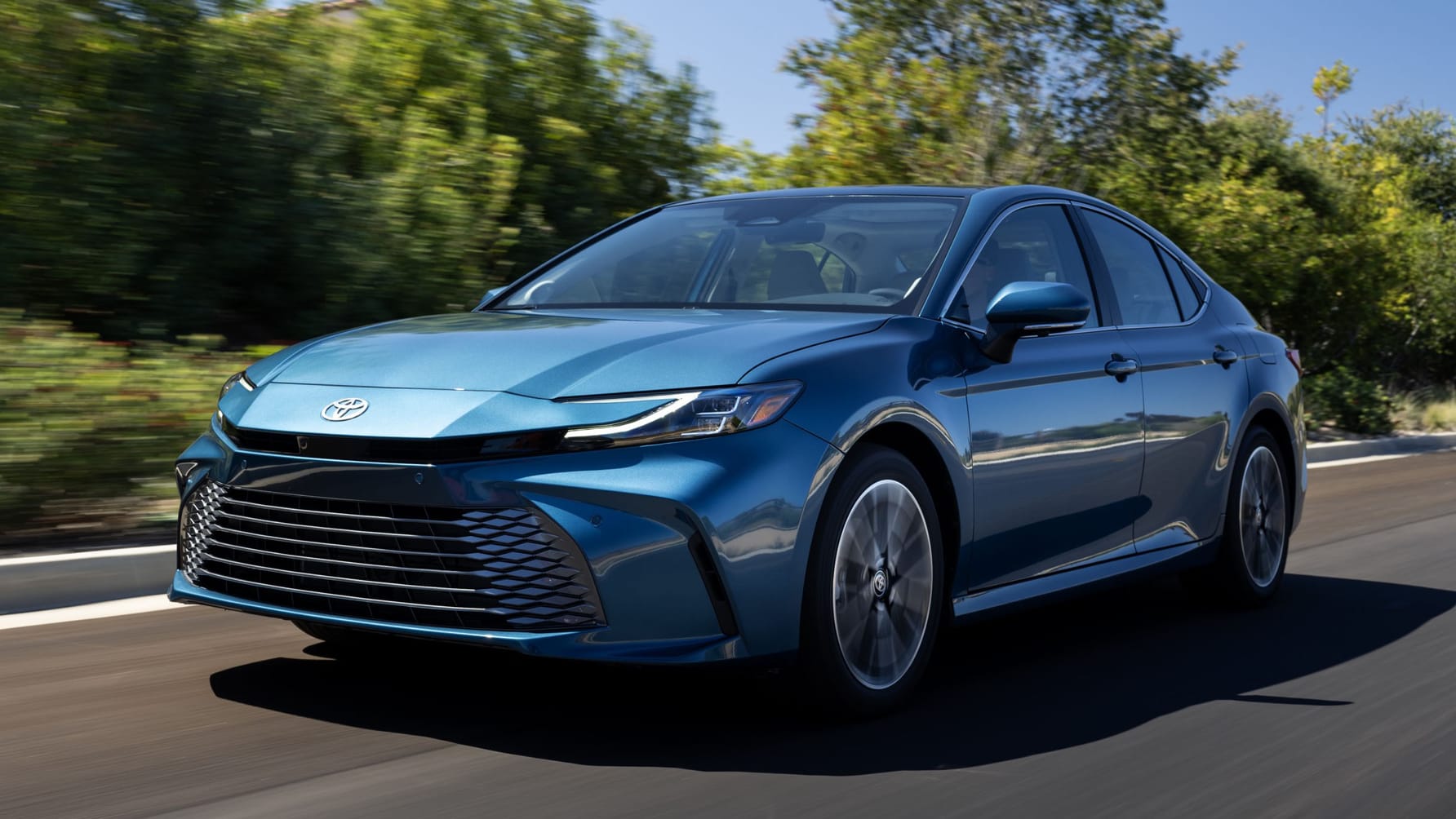
The Camry continues to top the sales charts year after year as America’s best-selling passenger car, and there’s little reason to believe that streak will end with the arrival of this new generation.
For 2025, Toyota is no longer relying solely on reputation, the updated styling gives the Camry a cleaner, sharper, and more contemporary presence.
Toyota has also made a decisive shift by moving to an all-hybrid lineup, retiring both the V6 engine and the TRD performance variants that once added extra punch to the Camry range.
The emphasis now squarely rests on efficiency and real-world practicality, with front-wheel-drive models delivering 225 horsepower and all-wheel-drive versions bumping output to 232 horsepower.
While fans of the outgoing naturally aspirated V6 may lament its departure, the hybrid powertrain’s refinement, smooth operation, and fuel-saving advantages make a compelling case in this new era for the Camry.
Also Read: 5 Hybrids With Seamless Powertrain Integration vs 5 With Complex Hybrid Failures
2. Honda CR-V
Compact crossovers often struggle to balance comfort and responsiveness, but the Honda CR-V gets it right.
Around town, its elevated seating position improves visibility in traffic, while its compact footprint makes parking simple. The turbocharged engine delivers smooth low-speed torque, ideal for city driving.
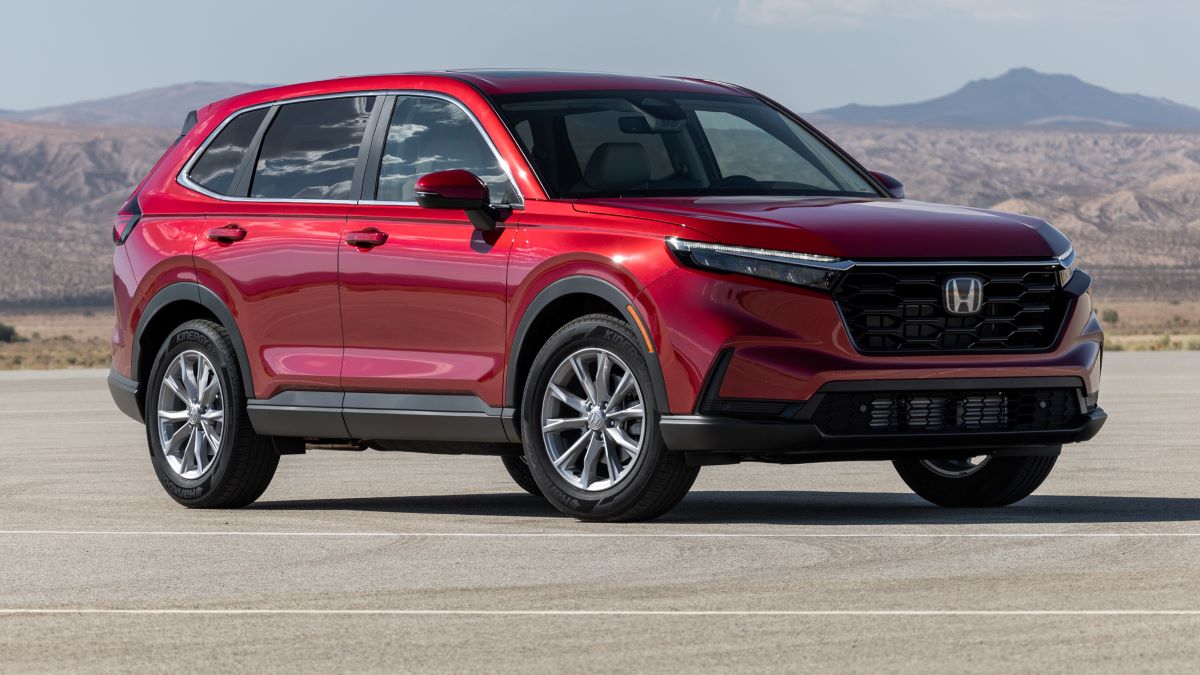
On the highway, the CR-V feels planted and confident. The cabin remains quiet even at speed, and steering is precise enough to avoid the vague, disconnected feel common in many crossovers.
Its strong fuel economy and spacious interior make it a practical choice for commuters who regularly switch between city errands and highway travel.
3. Mazda3
For drivers who want engagement without sacrificing comfort, the Mazda3 is a standout. In city driving, its responsive steering and compact dimensions make maneuvering through traffic easy.
The transmission shifts smoothly, and the throttle response feels natural rather than abrupt.
At highway speeds, the Mazda3 feels more premium than its price suggests. The suspension is tuned for stability, road noise is well controlled, and the interior offers near-luxury refinement.
This car proves that small vehicles can still feel composed during high-speed driving.
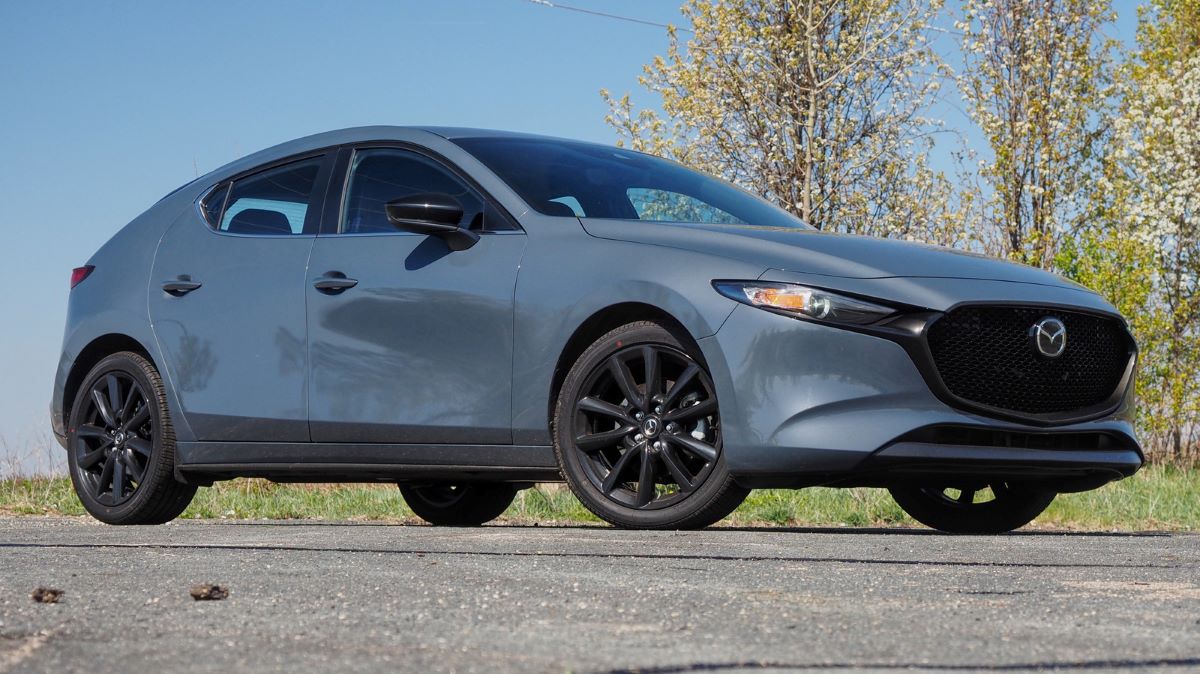
Mazda offers the 3 with a choice of three different four-cylinder engines, beginning with a 2.0-liter unit in the base sedan that produces 155 horsepower and is offered exclusively with front-wheel drive.
Stepping up to the 2.5-liter four-cylinder increases output to 186 horsepower and opens the door to an available all-wheel-drive system.
The standout option, however, is the turbocharged 2.5-liter engine, which delivers a healthy 250 horsepower. A six-speed manual transmission is available, but only on front-wheel-drive models, as selecting all-wheel drive requires a six-speed automatic.
Across the lineup, the Mazda 3 responds eagerly to throttle inputs, though it’s the turbocharged engine that truly makes the car feel quick.
In our testing, the turbo model sprinted from 0 to 60 mph in a swift 5.6 seconds. Both the hatchback and sedan remain settled on straight highways and winding roads alike, while also delivering a polished ride.
We’ve consistently praised the Mazda 3 for preserving the engaging character of its predecessor, thanks to excellent body control, steering that feels natural and communicative, and a firm suspension setup that avoids being harsh over rough pavement.
4. Subaru Outback
The Subaru Outback is built for versatility, and that includes handling multiple driving environments.
In urban settings, its standard all-wheel drive and comfortable ride inspire confidence during unpredictable traffic or poor weather. Visibility is excellent, and driver-assist systems work smoothly.
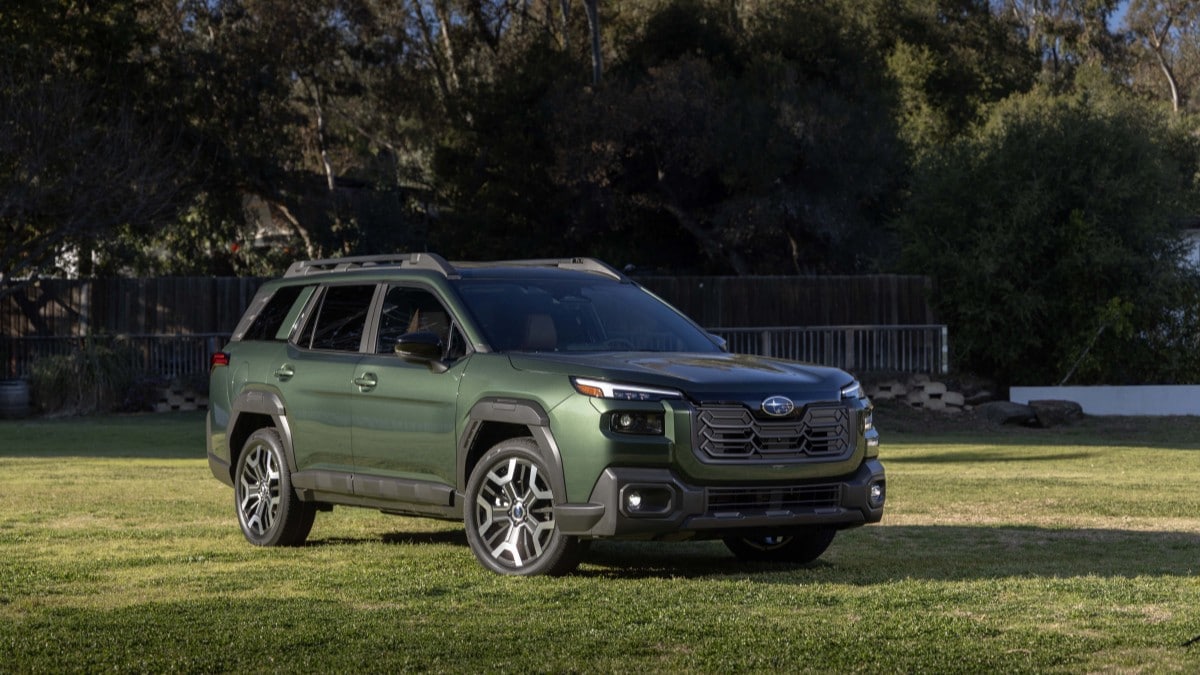
When transitioning to the highway, the Outback’s stable chassis and comfortable seating make long trips relaxing.
The car tracks straight, resists crosswinds, and remains composed even at higher speeds. For drivers who regularly commute from city centers to suburban or rural highways, the Outback delivers peace of mind.
5. BMW 3 Series
Luxury sedans often excel at transitions, and the BMW 3 Series is a prime example. In the city, its precise steering and responsive braking make navigating tight streets intuitive. Despite its sporty character, the ride remains comfortable in traffic.
BMW sold more than a million units in just three years since the launch of the seventh generation of the 3 Series, and the German automaker tried to maintain its lead in the premium segment of this compact executive sedan.
With sales accounting for 14 percent of the automaker’s entire lineup, the 3 Series was the family’s cash cow. It was available in two shapes, sedan and Touring, since the Gran Turismo version was ditched due to slow sales.
Furthermore, it didn’t have a coupe or convertible in the lineup since those versions were rebadged as the 4 Series, which was introduced in 2013.
But there was one certain thing: in just three years since the model’s launch in 2019, the seventh generation of the 3 Series outsold any of its predecessors. Remember that all these happened despite the world pandemic and the following microchip crisis.
In short, it was a beloved car not just by the brand’s fans. It also attracted customers from other automakers, too. As a result, BMW tried to keep its sales figures up and quickly introduced a refreshed version in July 2022 for both body shapes.
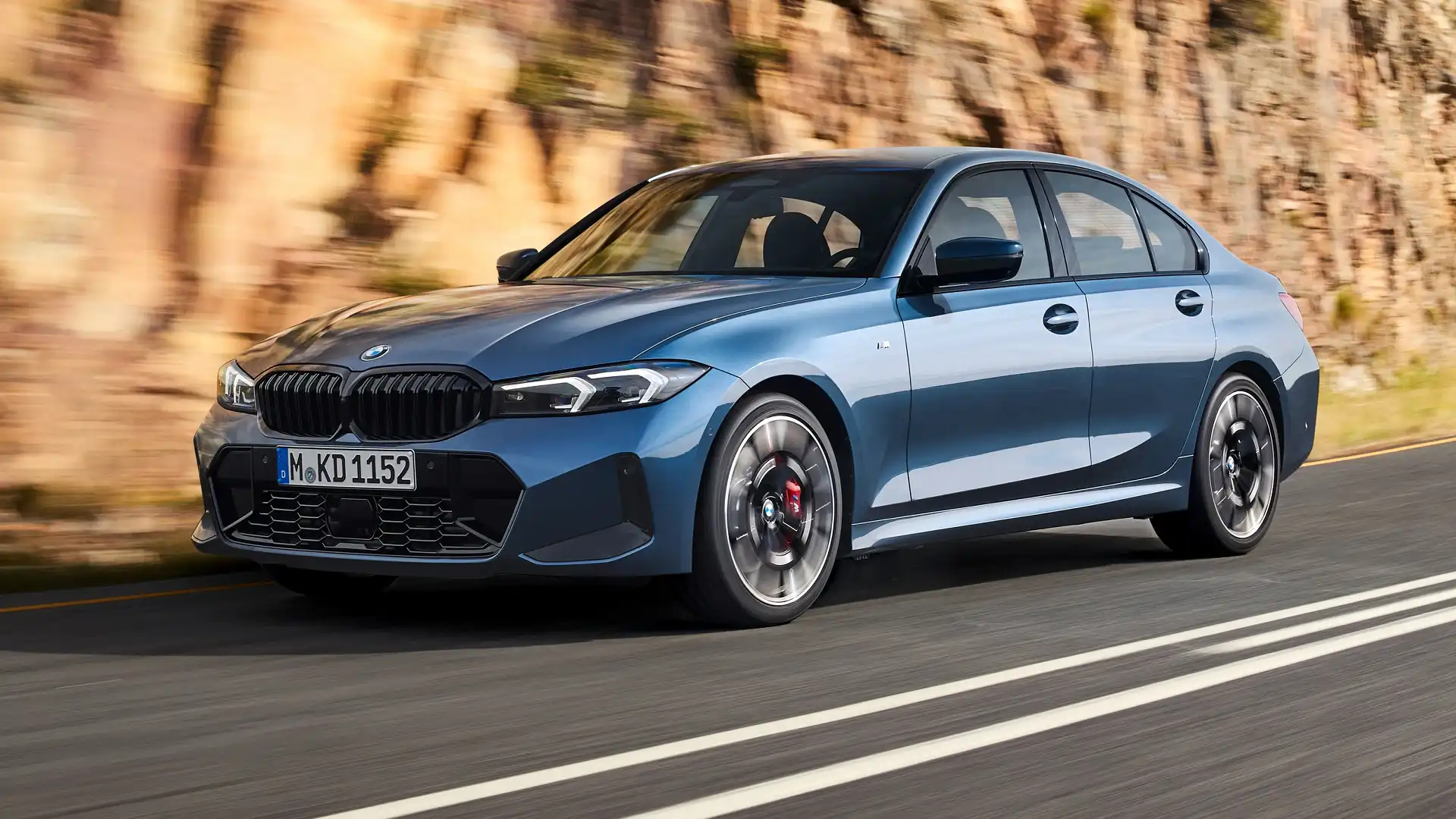
At the front, the most striking news was the introduction of standard LED headlights. Thanks to this crucial update, the automaker could make them slimmer since they didn’t have to accommodate bi-xenon brights as its predecessor.
In addition, the daytime running lights have been modified and had a reversed L-shape. Due to these modifications, BMW had to redesign the kidney grille to look wider than before.
In standard trim, the lower side of the bumper looked similar to its predecessor with its T-shaped side scoops, albeit the center air intake was broader. Customers could also opt for an M Pack, which added a more aggressive look for the apron, featuring a hexagonal wide air intake on the lower side flanked by L-shaped side scoops.
From its profile, there were no significant changes to the vehicle. Entry-level models were provided with 16-inch multi-spoke alloy wheels. At the same time, the higher grades were fitted with 18-inch wheels and fat tires.
On the front fenders, the 2022 BMW 3 Series Sedan (G20 in factory coding) featured a sculptured lower area, which was continued on the door panels towards the back of the car. Like its non-facelifted version, the refreshed one had a short rear deck with an integrated duck tail in the trunk’s lid.
For the rear fascia, BMW prepared a fresh set of taillights that sported L-shaped lights for parking and braking, while the reversing ones were smaller and positioned on the upper area of the tail lamps.
Lower, the automaker also provided a standard wrapped-around plastic bumper fitted with T-shapes echoing the ones from the front. In addition, the automaker also offered a more aggressive-looking bumper fitted with a large diffuser underneath it.
Inside, the technological package has been rich ever since the model’s introduction in 2019. But still, that version lacked some amenities.
The most noticeable upgrade was BMW’s curved display, which combined the 12.3″ instrument panel and the 14.9″ screen for the infotainment system atop the dashboard featuring BMW Operation System 8. There was no instrument cluster anymore.
Furthermore, there were additional options and trims, including brushed aluminum. BMW also said that it used more than 50% recycled materials for aluminum and about 16% for thermoplastics.
Under the hood, the automaker understood that the turbocharged three-cylinder engine had to go.
Another improvement over its predecessor was the increased range of electrified drivetrains (mild hybrids that worked on the 48-volt architecture. Furthermore, BMW also added two plug-in hybrids in the lineup that provided 204 PS (201 hp) and 292 PS (288 hp), respectively.
On the highway, the 3 Series transforms into a confident cruiser. The engine delivers smooth power for passing, while the chassis provides stability and control.
Advanced driver aids, quiet cabins, and supportive seats make long drives effortless. Few cars blend urban agility with highway performance as effectively as this BMW.
Also Read: Top 10 Shockingly Reliable German SUVs You Can Buy Cheap
Cars That Struggle With City-to-Highway Transitions
Moving from stop-and-go city traffic to fast-moving highways can be one of the most demanding parts of daily driving.
Sudden acceleration needs, short on-ramps, aggressive merging, and quick lane changes expose flaws that aren’t obvious at lower speeds.
Cars with sluggish power delivery, unsettled handling, or inconsistent braking often feel out of their depth during these transitions. Instead of feeling seamless, the drive becomes tense and unpredictable.
In this article, we look at cars that struggle with city-to-highway transitions, and why certain vehicles have a harder time adapting when traffic conditions change in an instant.
1. Jeep Wrangler
The Jeep Wrangler is legendary off-road, but its road manners are less impressive. In city driving, its boxy design limits visibility and makes parking difficult. Steering can feel vague, and the ride is stiff over potholes and uneven pavement.
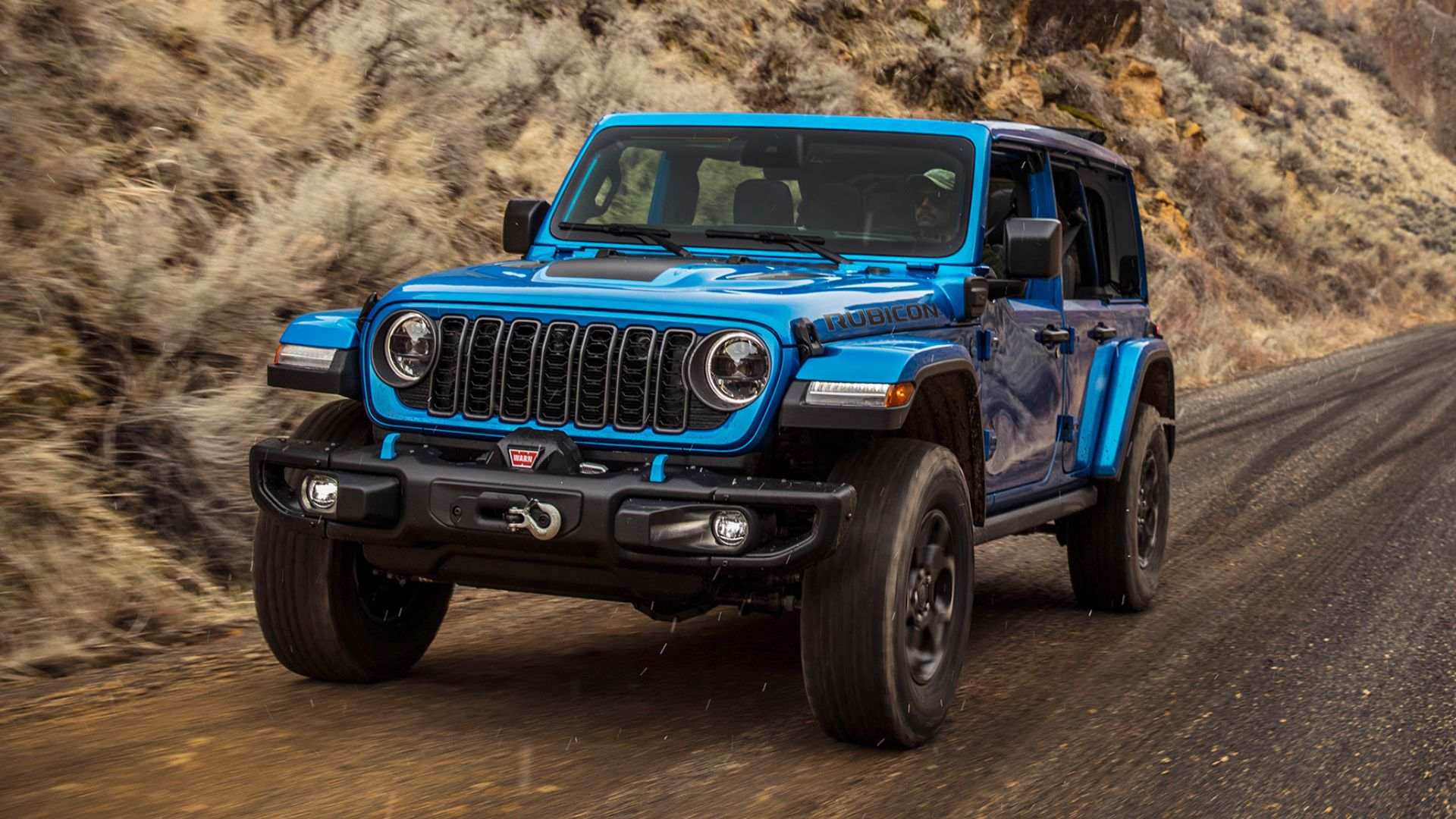
On the highway, the Wrangler struggles even more. Wind noise is pronounced, the ride feels unsettled at speed, and lane tracking requires constant corrections.
While it’s unbeatable on trails, it’s far from ideal for commuters who frequently move between urban and highway driving.
Mazda offers the 3 with a choice of three different four-cylinder engines, beginning with a 2.0-liter unit in the base sedan that produces 155 horsepower and is offered exclusively with front-wheel drive. Stepping up to the 2.5-liter four-cylinder increases output to 186 horsepower and opens the door to an available all-wheel-drive system. The standout option, however, is the turbocharged 2.5-liter engine, which delivers a healthy 250 horsepower. A six-speed manual transmission is available, but only on front-wheel-drive models, as selecting all-wheel drive requires a six-speed automatic.
Across the lineup, the Mazda 3 responds eagerly to throttle inputs, though it’s the turbocharged engine that truly makes the car feel quick. In our testing, the turbo model sprinted from 0 to 60 mph in a swift 5.6 seconds.
Both the hatchback and sedan remain settled on straight highways and winding roads alike, while also delivering a polished ride.
We’ve consistently praised the Mazda 3 for preserving the engaging character of its predecessor, thanks to excellent body control, steering that feels natural and communicative, and a firm suspension setup that avoids being harsh over rough pavement.
2. Nissan Versa
Budget cars often sacrifice refinement, and the Nissan Versa is no exception. In the city, its low price and compact size make it appealing, but the transmission can feel sluggish and noisy. Acceleration in traffic is hesitant, which can make merging stressful.
At highway speeds, the Versa feels underpowered and lacks stability. Road and wind noise are intrusive, and passing slower vehicles requires careful planning.
It’s affordable transportation, but not well suited for drivers who need confidence across varied driving conditions.
To keep its smallest sedan priced aggressively, Nissan made a few compromises. While the cabin has a stylish layout, it relies heavily on low-quality plastics, and a noticeable amount of engine noise makes its way into the interior.
The Versa’s inline four-cylinder engine is also short on power and is paired with an optional CVT that could benefit from significant recalibration. Steering feel is another weak point, as it lacks meaningful feedback from the road.
Where the Versa really makes its case is in value. Strong fuel efficiency and unexpectedly smooth, easygoing handling work in its favor.
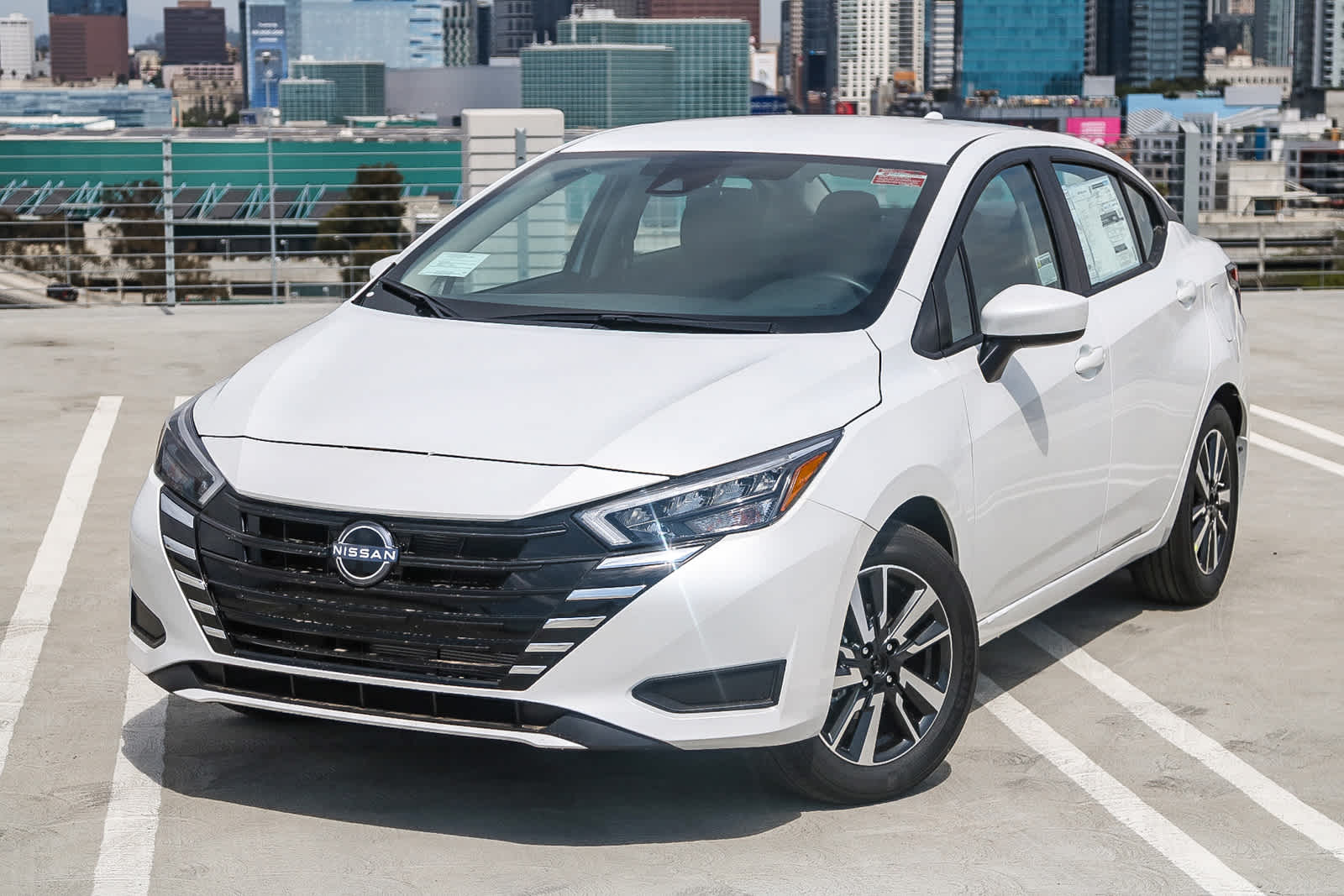
The exterior design is inoffensive, and it’s impressive how much standard active safety technology is included even on the base trim. The 2022 Versa stands out as a rare economy car that not only looks presentable but also offers up-to-date features and driver-assist tech.
Under the hood, the 2022 Versa comes with a naturally aspirated 1.6-liter inline four-cylinder engine producing 122 horsepower.
The entry-level Versa S is equipped with a five-speed manual transmission, while the SV and SR trims use a continuously variable transmission. Every version of the Versa sends power to the front wheels.
Although enthusiasts may prefer rowing their own gears, the CVT is the better option for maximizing fuel economy.
According to EPA estimates, a CVT-equipped 2022 Versa achieves 32 mpg in the city and 40 mpg on the highway, while models with the manual transmission see lower ratings of 27 mpg city and 35 mpg highway.
3. Chevrolet Spark
The Chevrolet Spark is built primarily for urban environments. Its tiny size makes parking easy and maneuvering through traffic simple.
However, the small engine struggles to keep up with faster traffic, and the ride can feel jittery over uneven pavement.
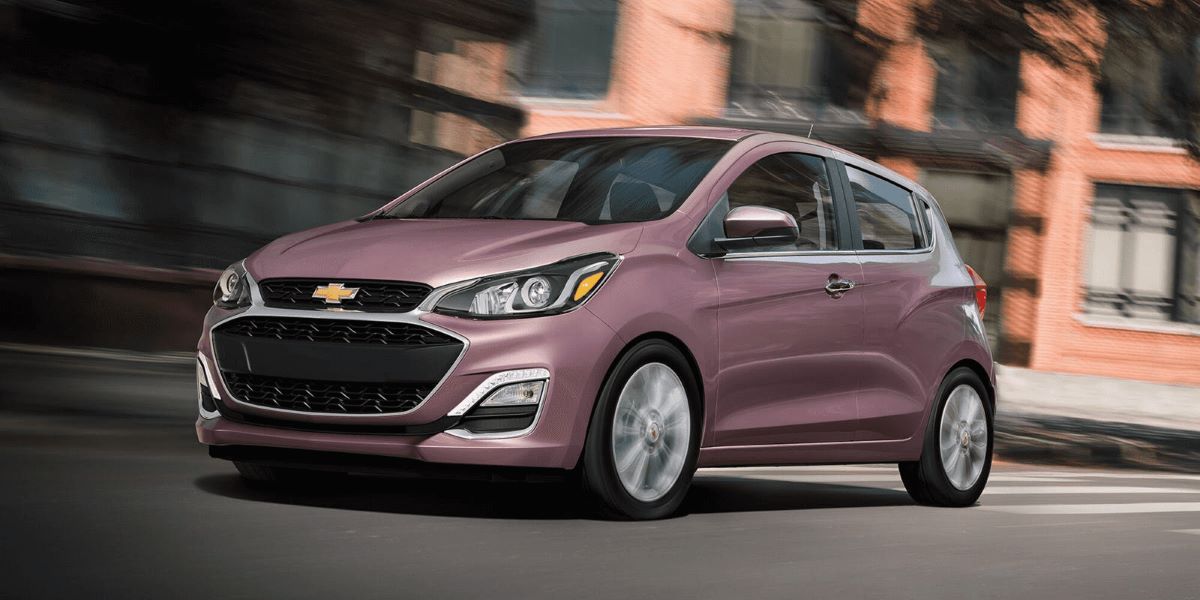
Once on the highway, the Spark’s limitations become obvious. Acceleration is weak, the cabin is loud, and stability at speed feels compromised. For drivers who rarely leave city limits, it works but highway trips quickly reveal its shortcomings.
Every Spark is powered by a modest four-cylinder engine that sends drive to the front wheels, paired with either a five-speed manual gearbox or a continuously variable automatic transmission (CVT).
Fortunately, the CVT handles power delivery smoothly and avoids the droning engine noise often associated with this type of transmission.
In our testing, the Spark felt alert at low speeds around town, but acceleration tapers off noticeably as speeds climb, requiring some patience. This tiny hatchback clearly isn’t intended for extended highway journeys, though it proves efficient, calm, and well suited to urban driving.
Around the city, the Spark is easy to maneuver through congested traffic thanks to its quick directional changes and stable behavior. The short wheelbase enhances agility in tight spaces without significantly hurting ride comfort.
That said, the suspension can feel bouncy over uneven pavement, and sharper bumps aren’t particularly well absorbed. Even so, interior rattles and road noise are better controlled than in many competing economy cars.
Steering response is direct and provides useful feedback about the road surface, while highway manners remain composed, making lane changes feel natural rather than nervous. Braking performance is another strong point, with a firm pedal and confident, consistent stopping power that makes it easy to shed speed when needed.
4. Ford EcoSport
The Ford EcoSport attempted to capitalize on the crossover trend but never quite nailed refinement. In city driving, its high seating position helps visibility, but the ride can feel stiff and the powertrain unrefined. Stop-and-go traffic highlights transmission hesitation.
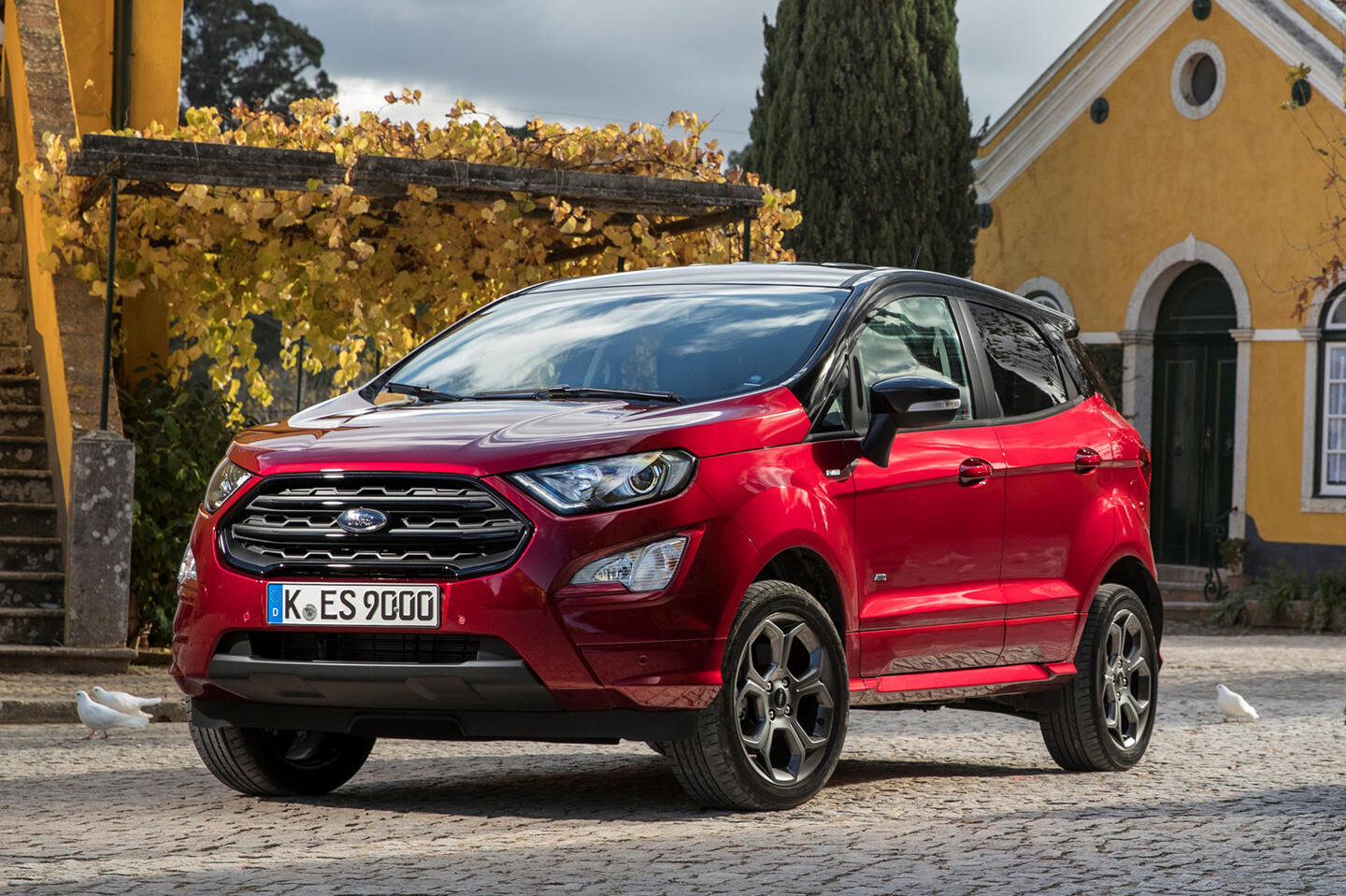
On the highway, the EcoSport feels out of its element. The engine strains at speed, the cabin remains noisy, and overall stability is average at best. Many competitors in the segment offer far better city-to-highway balance.
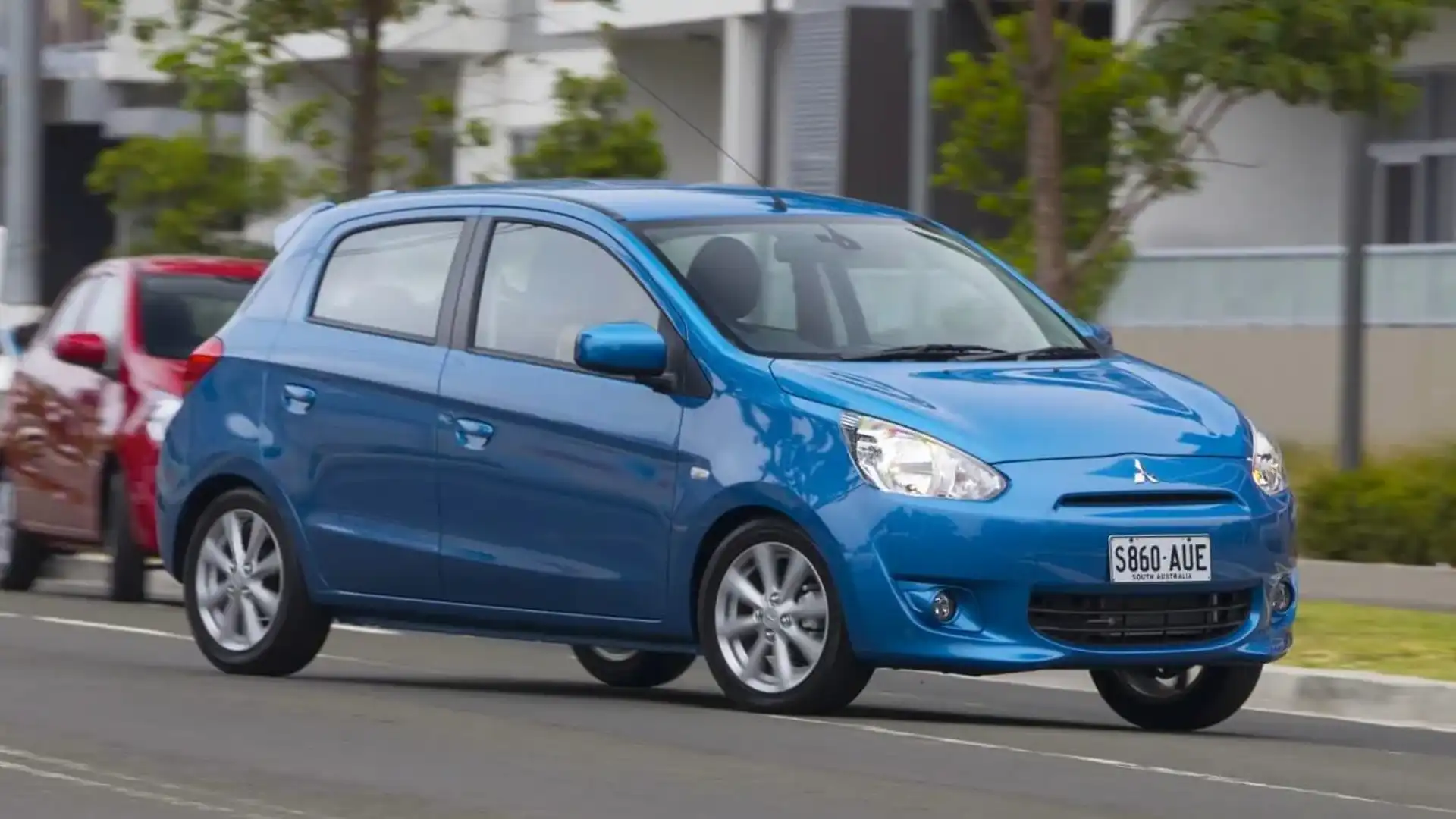
5. Mitsubishi Mirage
The Mitsubishi Mirage is one of the most affordable cars in America, but that price comes with compromises.
Around town, it feels light and nimble, yet acceleration is slow and the cabin feels basic. The steering lacks precision, which can make traffic driving less confidence-inspiring.
At highway speeds, the Mirage struggles the most. Wind and road noise are excessive, the car feels unsettled in crosswinds, and passing power is minimal.
While it’s cheap to own, it’s not designed for drivers who regularly transition between driving environments.
Choosing a car that handles city-to-highway transitions well isn’t just about horsepower or price it’s about balance.
Vehicles like the Toyota Camry, Honda CR-V, Mazda3, Subaru Outback, and BMW 3 Series prove that it’s possible to feel comfortable crawling through traffic and confident cruising at 70 mph.
Meanwhile, cars like the Jeep Wrangler, Nissan Versa, Chevrolet Spark, Ford EcoSport, and Mitsubishi Mirage reveal how design priorities can limit versatility.
For American drivers juggling urban commutes and highway travel, investing in a well-rounded vehicle can transform everyday driving from a chore into a smooth, predictable experience.