Steep urban streets are a uniquely American challenge. Cities like San Francisco, Seattle, Pittsburgh, Cincinnati, Los Angeles, and parts of Salt Lake City weren’t designed with modern vehicles in mind.
They feature sharp elevation changes, tight intersections, stop-and-go traffic on inclines, narrow lanes, and unpredictable weather conditions layered on top.
Driving in these environments exposes weaknesses that rarely show up on flat suburban roads. Hill starts, brake fade, transmission behavior, visibility, traction, and even vehicle length suddenly matter every single day.
Many buyers assume that power alone solves steep streets, but that’s only part of the equation. In reality, torque delivery, gearing, braking confidence, visibility, weight distribution, and drivetrain calibration play much bigger roles.
Some vehicles feel planted, predictable, and stress-free when climbing or descending city hills. Others feel awkward, strained, or downright nerve-wracking, even if they perform well on highways.
Below are five vehicles that genuinely manage steep urban streets well and five that tend to struggle once the pavement tilts sharply upward or downward.
Vehicles That Manage Steep Urban Streets Well
Steep urban streets add an extra layer of difficulty to everyday driving. Frequent hill starts, sharp inclines, downhill braking, and tight intersections can quickly overwhelm vehicles that aren’t designed to handle elevation changes smoothly.
In these environments, strong low-end torque, confident braking, stable traction, and good visibility matter more than outright speed.
The right vehicle makes climbing and descending city hills feel controlled and predictable instead of stressful. In this article, we highlight vehicles that manage steep urban streets well, focusing on real-world drivability, confidence, and ease of use in hilly city conditions.
1. Subaru Outback
The Subaru Outback consistently proves itself in hilly cities thanks to its standard all-wheel drive and well-tuned low-end torque delivery.
While it isn’t a sports car, its horizontally opposed engine provides a low center of gravity, which noticeably improves stability on steep inclines and declines.
Hill starts feel controlled, even in wet or slick conditions, and the vehicle rarely scrambles for traction when pulling away from a stop on a steep grade.
Equally important is the Outback’s visibility. Its upright seating position, generous glass area, and predictable braking make navigating downhill intersections far less stressful.
Subaru’s hill-start assist works smoothly without abrupt engagement, which matters when traffic behind you is inches away. In cities with constant elevation changes, the Outback feels calm rather than overwhelmed.
The Outback lineup offers two flat-four engine options: a standard 2.5-liter producing 182 horsepower and an optional turbocharged 2.4-liter making 260 horsepower.
Both engines are paired with a continuously variable automatic transmission (CVT) that simulates an eight-speed gearbox to help reduce the droning often associated with CVTs.
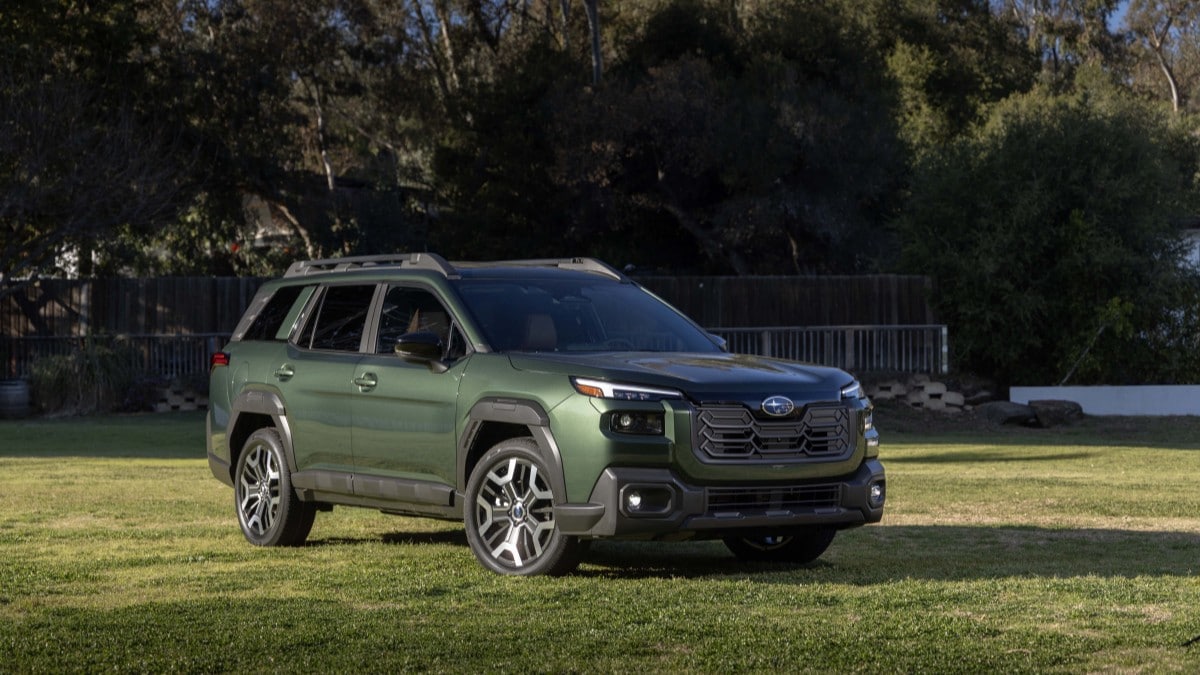
As expected, all Outbacks come standard with all-wheel drive, a Subaru sign, with the lone exception being the rear-drive BRZ sports coupe.
The base powertrain delivers modest performance, and the Outback we tested posted uninspiring acceleration along with sluggish transmission responses.
The turbocharged engine provides a noticeable boost in speed, but it suffers from the same hesitant CVT behavior. That said, most Outback buyers prioritize comfort and light off-road capability over outright performance.
With 8.7 inches of ground clearance and dependable all-wheel drive, the Outback handles poor weather conditions and uneven, rutted roads with confidence.
Its suspension is tuned for comfort, delivering a calm, compliant ride, while steering remains accurate and easy to manage at highway speeds. Neither version offers much in the way of athleticism, something that may surprise WRX owners stepping into the more practical wagon.
When it comes to towing, the standard engine is rated to pull up to 2,700 pounds, while the turbocharged model increases capacity to 3,500 pounds.
Also Read: Top 10 Sports Car Engines That Deliver Pure Driving Euphoria
2. Toyota RAV4 Hybrid
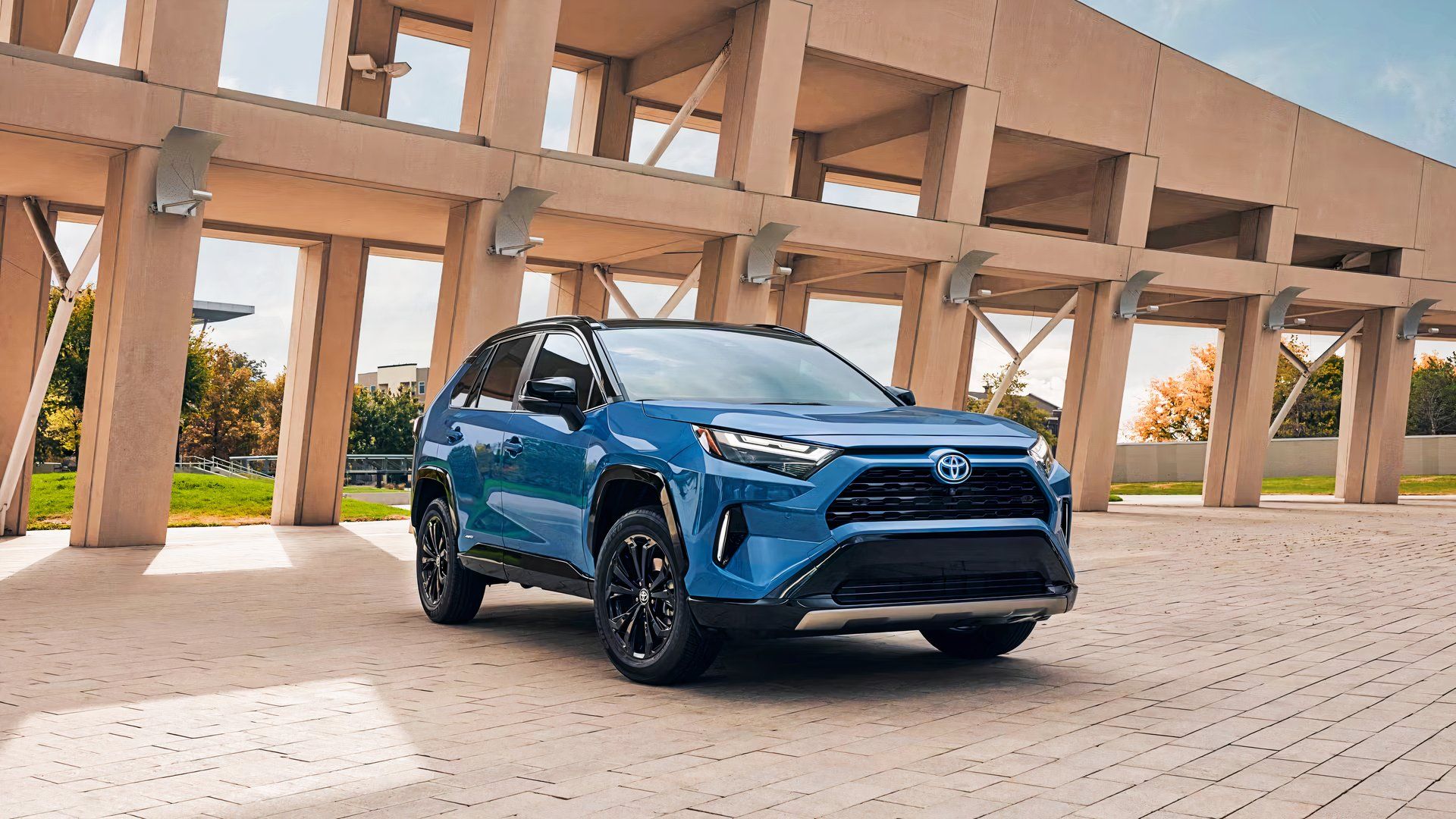
Hybrid systems often shine in steep urban environments, and the Toyota RAV4 Hybrid is a prime example.
Its electric motors deliver instant torque at low speeds, which makes uphill starts feel effortless. There’s no lag, no sudden surge, and no sense that the vehicle is straining against gravity.
Descending steep streets is another strength. Regenerative braking helps reduce reliance on the friction brakes, which lowers brake wear and minimizes fade on long downhill stretches.
The RAV4 Hybrid also benefits from excellent traction management and a balanced chassis that feels stable even when the road pitches sharply downward.
For drivers who regularly deal with urban hills, this hybrid setup provides both confidence and comfort.
The RAV4 Hybrid pairs a 2.5-liter four-cylinder engine with three electric motors to produce a combined 219 horsepower.
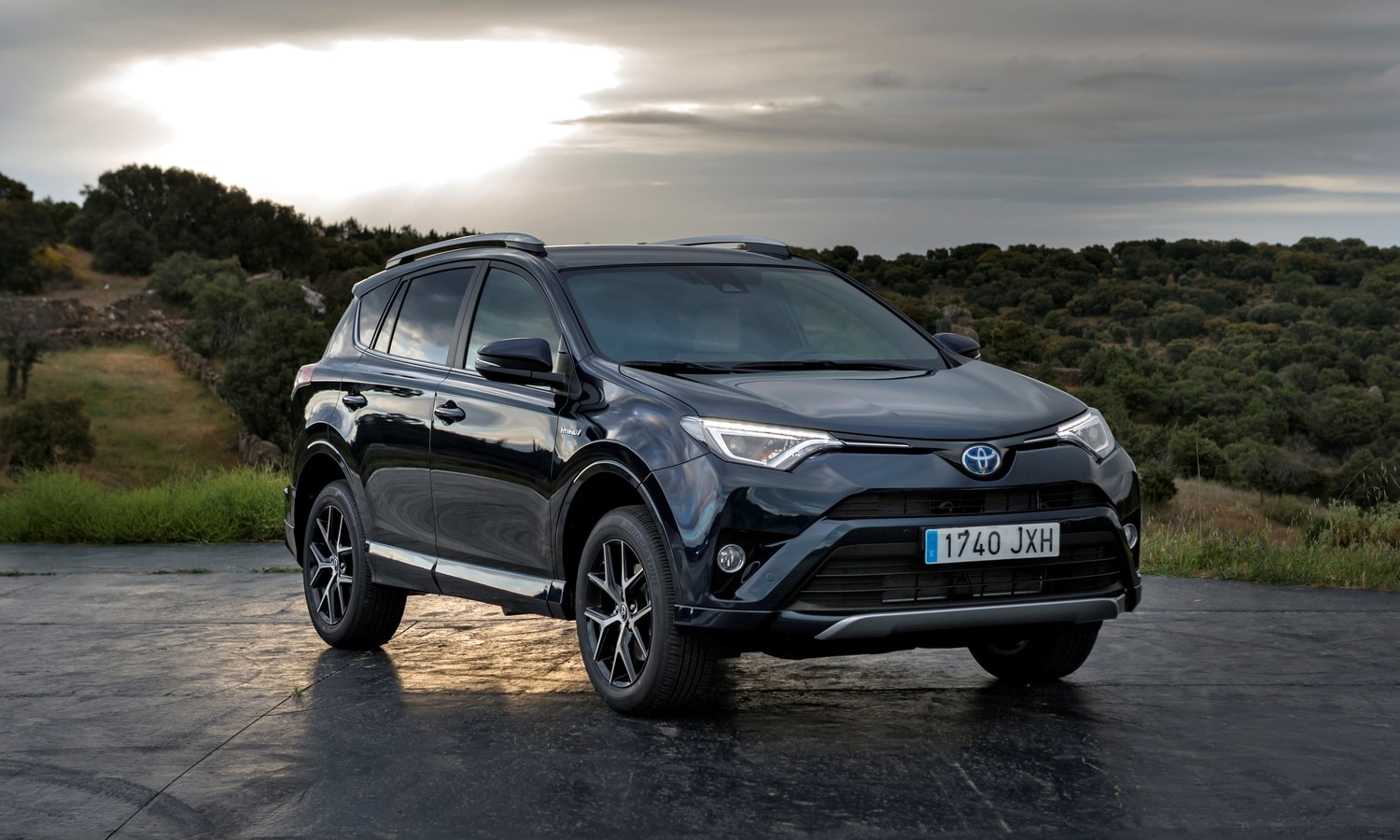
All-wheel drive comes standard, with one electric motor driving the rear wheels and the others working alongside the gasoline engine to power the front axle.
A continuously variable automatic transmission (CVT) is also standard. Compared to the non-hybrid RAV4, the hybrid is not only more fuel-efficient but also quicker. In our testing, it accelerated from 0 to 60 mph in 7.4 seconds, beating the gas-only model’s 8.0-second run.
That added performance is noticeable behind the wheel, especially in city driving. The electric motors provide instant torque off the line, giving the RAV4 Hybrid a more responsive and energetic feel when pulling away from a stop.
For drivers seeking even stronger acceleration, the RAV4 Prime delivers a significant step up. In testing, the plug-in hybrid model reached 60 mph in just 5.6 seconds.
Like the standard RAV4, both the Hybrid and Prime versions offer competent handling and a comfortable ride. They’re well suited for everyday driving, though they prioritize efficiency and comfort over sharp cornering or sporty dynamics.
3. Mazda CX-5
The Mazda CX-5 doesn’t rely on brute strength or complex drivetrains to handle steep streets well. Instead, it excels through precise throttle calibration, responsive steering, and strong braking performance.
Mazda’s attention to chassis tuning becomes especially noticeable on inclines, where the CX-5 feels composed rather than top-heavy.
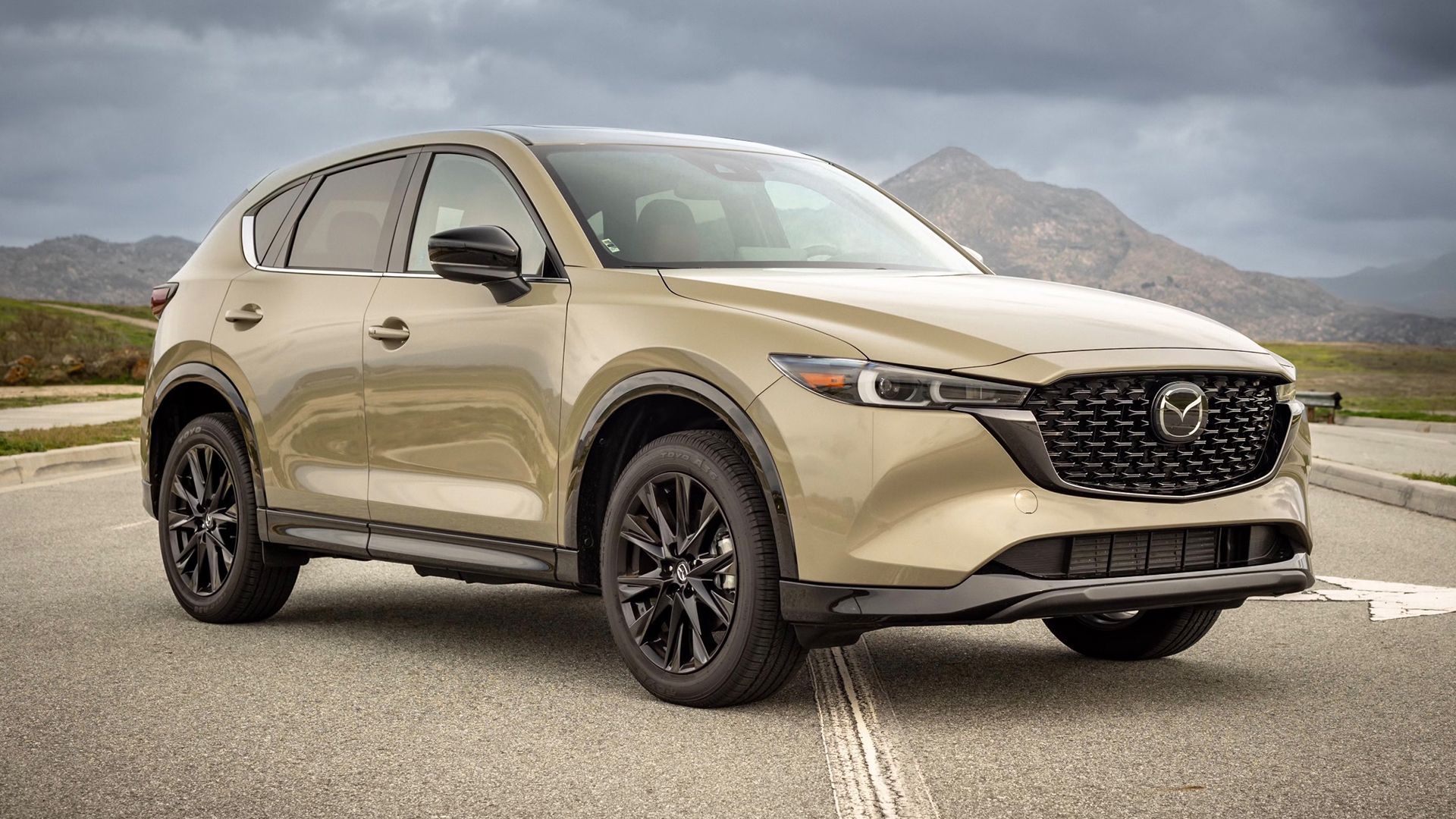
Its automatic transmission downshifts quickly on uphill climbs without hunting for gears, and engine braking is effective on descents.
The vehicle’s relatively compact size makes tight hilltop intersections easier to manage, especially in older cities where streets narrow unexpectedly.
The CX-5 proves that good engineering matters more than raw specs when gravity becomes part of the daily drive.
4. Jeep Grand Cherokee
While often associated with off-road use, the Jeep Grand Cherokee is extremely capable in steep urban environments.
Its strong low-end torque, available four-wheel drive systems, and solid braking performance make it well-suited for cities built on hills.
Hill-start assist and hill-descent control aren’t just marketing features here they actively reduce stress during everyday driving.
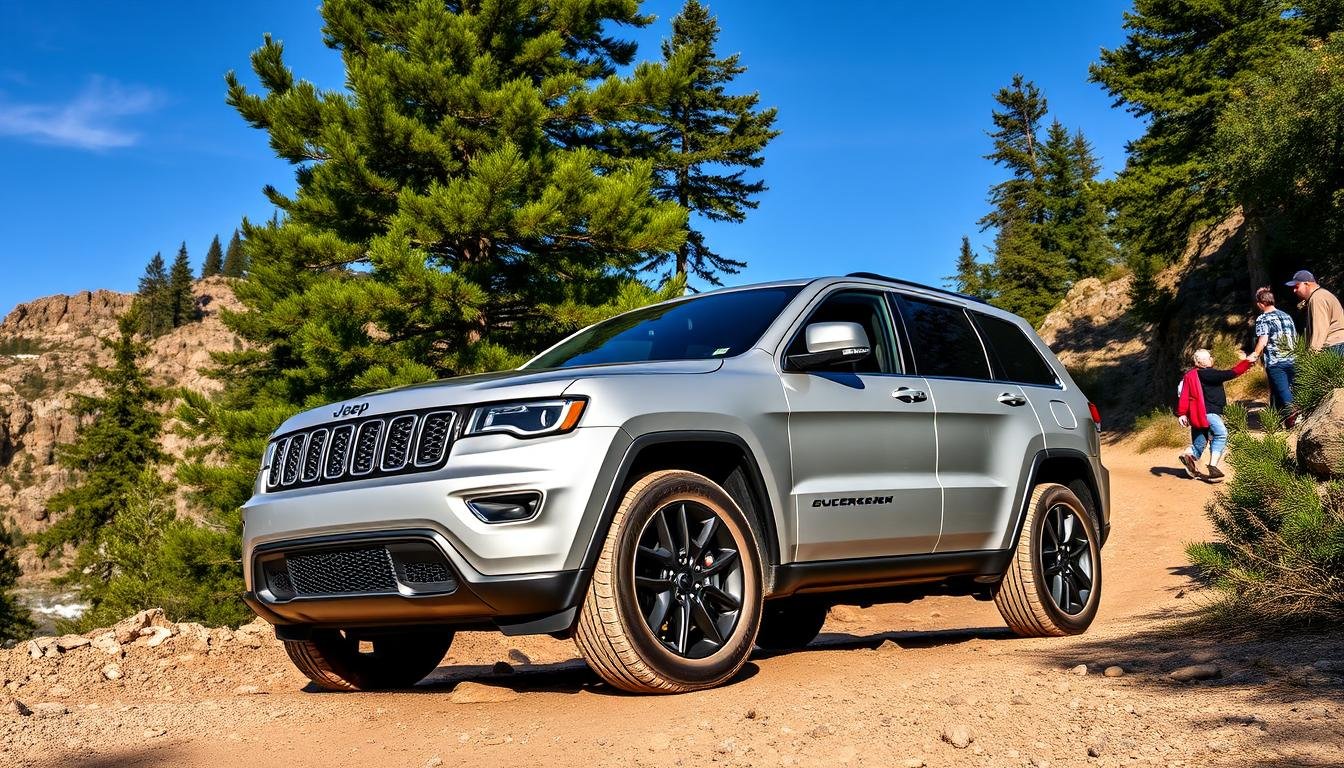
The Grand Cherokee’s weight and wheelbase help it feel planted on steep downhill roads, reducing the floaty sensation some SUVs exhibit.
Drivers who live in hilly neighborhoods appreciate how effortlessly it climbs steep residential streets without excessive throttle input or wheel spin.
The standard V6 delivers solid low-speed power and feels responsive around town, but with several equally capable rivals in the segment, overall performance lands squarely in the middle of the pack.
In our testing, the Grand Cherokee reached 60 mph in about 8 seconds, putting it on par with other five-passenger midsize SUVs such as the Toyota 4Runner and Honda Passport.
The available 4xe plug-in hybrid powertrain is noticeably quicker and provides a more energetic driving experience. On the plus side, braking performance inspires confidence with smooth, predictable stopping power, and the steering stands out for being light yet precise.
That said, the Grand Cherokee isn’t especially sporty. While it avoids feeling cumbersome, its grip limits and driver engagement fall below average for the class.
As a tradeoff, it offers greater off-road capability than most midsize crossover SUVs, making it a stronger choice for buyers who value trail readiness over on-road athleticism.
5. Honda CR-V
The Honda CR-V doesn’t scream “hill specialist,” but its real-world behavior tells a different story.
Honda’s drivetrain tuning emphasizes smooth torque delivery and predictable responses, which are exactly what steep streets demand. Hill starts are easy, and the CR-V rarely feels underpowered when climbing urban grades.
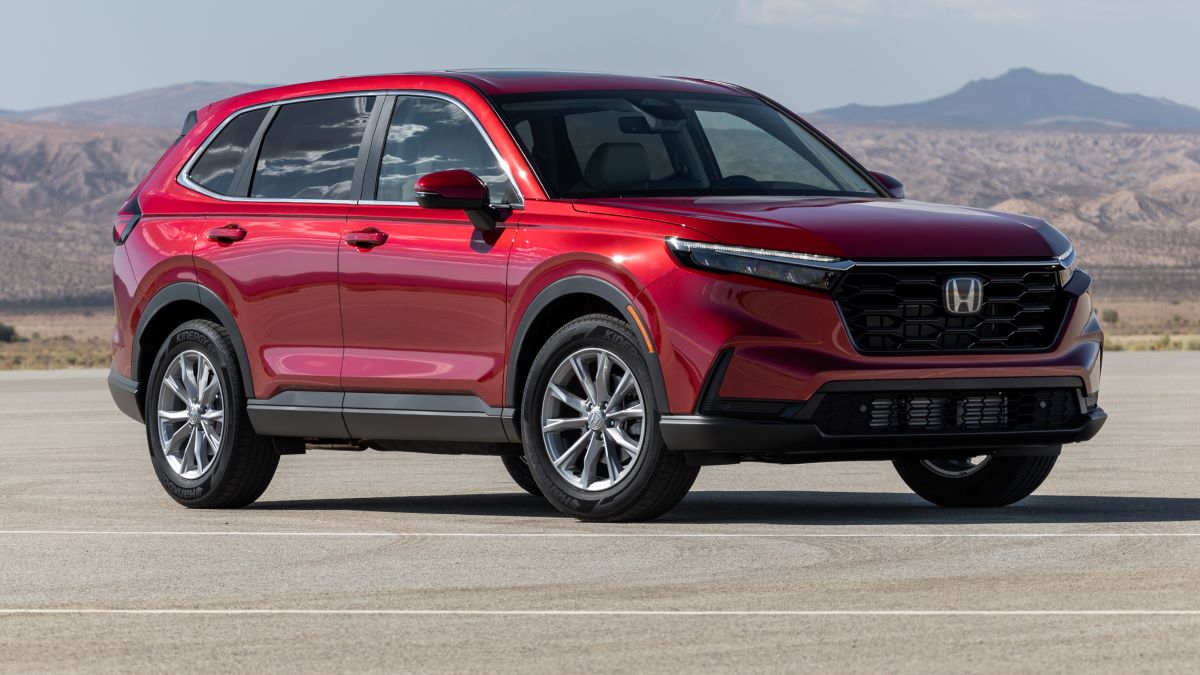
Braking performance is another quiet strength. The pedal feel remains consistent even on repeated downhill stops, which builds confidence over time.
The CR-V’s excellent outward visibility also helps drivers judge angles, distances, and curb proximity on steep streets where spatial awareness matters more than speed.
Also Read: Top 10 Sports Car Engines That Deliver Pure Driving Euphoria
Vehicles That Struggle on Steep Urban Streets
Steep urban streets can quickly expose a vehicle’s shortcomings. Frequent uphill starts, sharp gradients, downhill braking, and tight hilltop intersections demand strong low-speed torque, responsive brakes, and stable traction.
Cars that lack these traits often feel strained, unpredictable, or outright stressful to drive in hilly cities. Rolling backward on inclines, sluggish acceleration, and brake fade on descents can turn routine trips into nerve-wracking experiences.
In this article, we examine vehicles that struggle on steep urban streets, and the design limitations that make them poorly suited for elevation-heavy city driving.
1. Chevrolet Camaro
Despite its performance image, the Chevrolet Camaro is surprisingly ill-suited for steep urban streets.
Its long hood, limited forward visibility, and low seating position make hilltop intersections stressful. Cresting a steep incline often means committing blindly, which is far from ideal in dense city traffic.
The Camaro’s stiff suspension and aggressive throttle response can also make smooth hill starts difficult.
Combined with poor rear visibility and a wide turning radius, it feels more exhausting than enjoyable in hilly urban environments. What works on open roads doesn’t translate well to vertical city layouts.
The final update for the sixth-generation Chevrolet Camaro made the ZL1 quicker than ever, despite retaining the same engine as its predecessor. It was Chevrolet’s way of sending off the iconic muscle car on a high note.
Chevrolet was reluctant to let the Camaro fade away. After successfully reviving the nameplate and restoring much of its former glory, the brand faced a changing automotive landscape.
Following the Muscle Car era and the Malaise era came a time when buyers increasingly favored affordable, stylish vehicles over raw performance.
Still, a dedicated group of enthusiasts continued to crave the thunderous sound of a supercharged V8, and Chevrolet delivered.
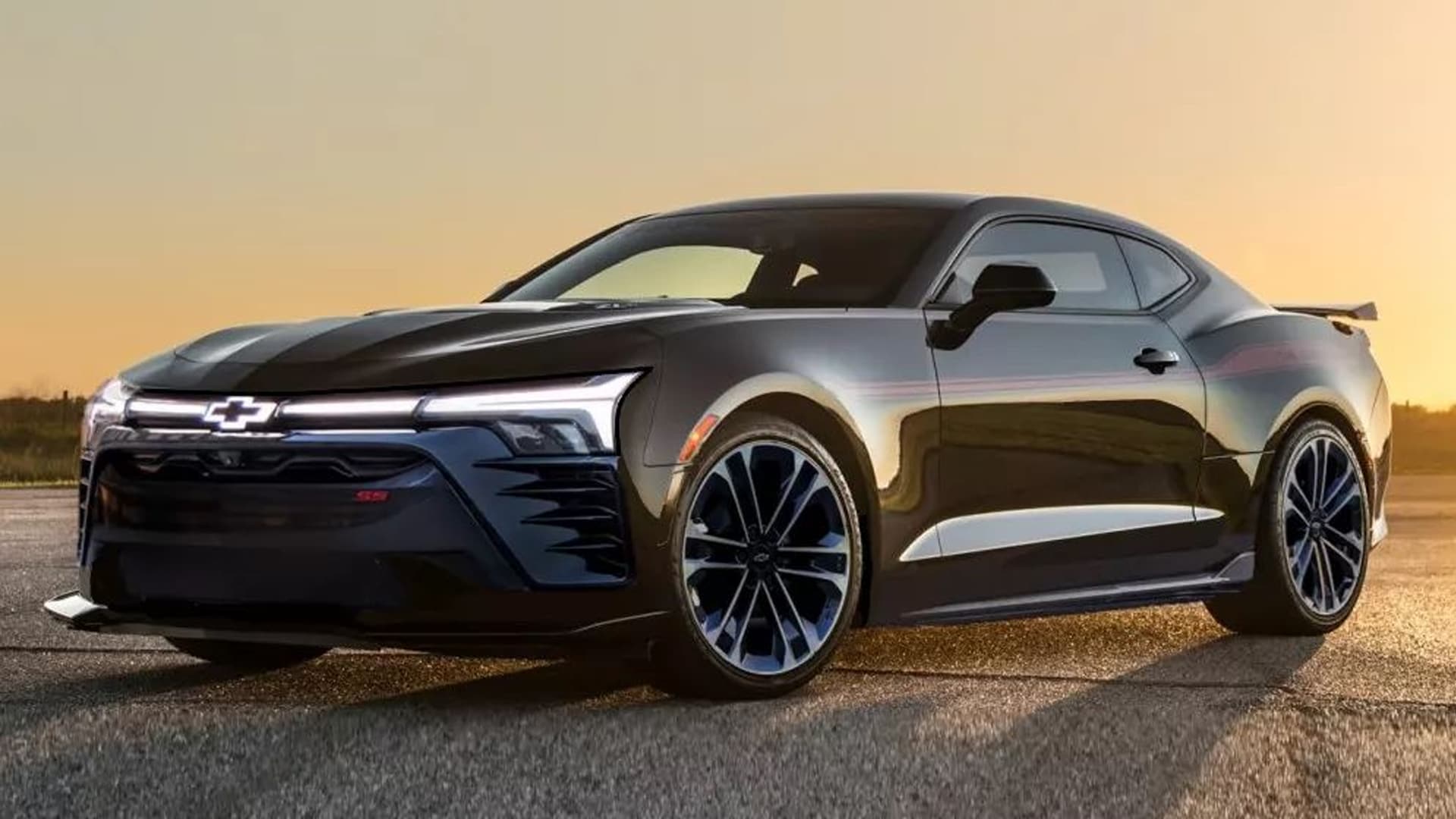
Equipped with one of the largest superchargers ever fitted to a pony car, the Camaro ZL1 was engineered to take on its long-standing rivals, the Ford Mustang and Dodge Challenger, without hesitation.
While lesser Camaro variants powered by four-cylinder, V6, or naturally aspirated V8 engines adopted a revised front-end design, the 2019 Camaro ZL1 retained its own aggressive identity.
HID headlights framed by wave-shaped LED daytime running lights sat within a black V-shaped grille bearing the Chevrolet bowtie. Below the slim, body-colored bumper was a large hexagonal lower grille with a wide mesh pattern, flanked by side scoops housing the fog lamps.
The ZL1 badge, finished in silver and red, stood prominently in the upper corner, while aerodynamic elements, including small tail fins, were added to increase downforce.
From the side, the ZL1 stood apart with its raised hood featuring a carbon-fiber power dome and distinctive ZL1 badging. Additional aerodynamic enhancements along the side sills improved ground effects.
It was also the only Camaro trim to come standard with 20-inch dark graphite-painted forged aluminum wheels in a 10-split-spoke design, though a 19-inch wheel option was available.
At the rear, the ZL1 shared the family’s fascia and twin oval LED taillights inspired by the 1968 Camaro, but differentiated itself with a large decklid-mounted wing and standard quad exhaust outlets.
Inside, Chevrolet equipped the ZL1 with its best available components. Standard Recaro seats featured aggressive bolstering with hand-stitched suede and leather upholstery.
The driver faced a redesigned instrument cluster with an eight-inch digital display, while an eight-inch touchscreen infotainment system sat atop the center stack.
Running GM’s Infotainment 3 software, the system included Apple CarPlay and Android Auto compatibility. A rearview camera was standard, and the center console housed either a manual gear shifter or an automatic selector.
Models equipped with the automatic transmission also featured paddle shifters mounted behind the flat-bottom steering wheel.
Mechanically, the ZL1 carried over its formidable powertrain. The supercharged 6.2-liter V8 continued to produce 650 horsepower (659 PS) and was paired with either a six-speed manual transmission or a ten-speed automatic.
To manage the immense torque output, Chevrolet fitted an electronically controlled limited-slip differential at the rear axle.
2. Nissan Sentra
On paper, the Nissan Sentra seems like a practical city car, but steep streets reveal its weaknesses. Its modest engine struggles on long or sharp inclines, often requiring heavy throttle input that increases noise and strain.
The continuously variable transmission can feel disconnected, especially when the car hesitates before delivering power uphill.
Downhill driving isn’t much better. The braking system can feel overworked during repeated stops, and engine braking is minimal.
For drivers in flat cities, these issues may never surface, but in hill-heavy urban areas, the Sentra often feels underprepared.
The Sentra continues with a 149-horsepower 2.0-liter four-cylinder engine paired to a continuously variable automatic transmission (CVT), with power sent to the front wheels.
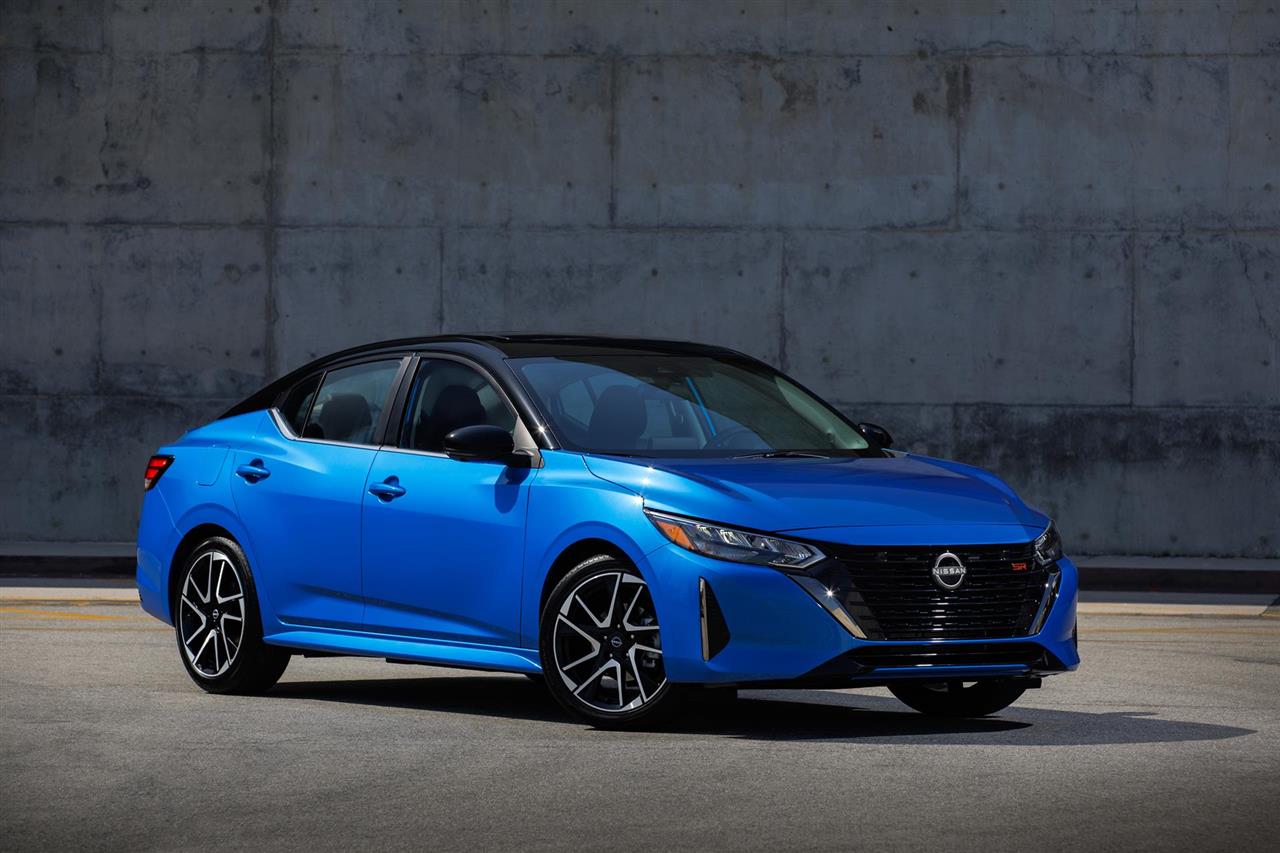
Because the updates to the powertrain are minimal, there are no real expectations for noticeable improvements in either performance or fuel efficiency, which is evident in the unchanged 0–60 mph acceleration times.
Where the 2026 model does see progress is in its structure and chassis tuning, with Nissan claiming a six-percent increase in body rigidity. The car also benefits from revised dampers and a larger steering damper intended to cut down on unwanted vibrations.
During our time behind the wheel of the 2026 Sentra, those chassis updates translated into a stable, well-controlled ride and sharper, more confident handling.
Unfortunately, those gains are held back by the uninspiring powertrain, as acceleration remains sluggish and continues to be one of the car’s most noticeable shortcomings.
3. Ford Mustang
Like the Camaro, the Ford Mustang is built for performance in the wrong context. Steep urban streets expose its limited visibility, stiff clutch (in manual versions), and aggressive power delivery.
Hill starts in traffic can feel awkward, especially for drivers unfamiliar with steep grades.
The Mustang’s weight distribution and rear-wheel-drive layout can also work against it on slick inclines.
Without careful throttle control, wheel spin becomes an issue, adding stress to already tight urban situations. It’s a thrilling car on open roads, but city hills aren’t where it shines.
Don’t let the number of cylinders mislead you, the standard turbocharged EcoBoost four-cylinder delivers enough performance to put older V-8 Mustangs to shame.
Opting for the High-Performance package brings an even more engaging version of the EcoBoost engine, borrowing its character from the now-discontinued Ford Focus RS with sharper response and a more satisfying sound.
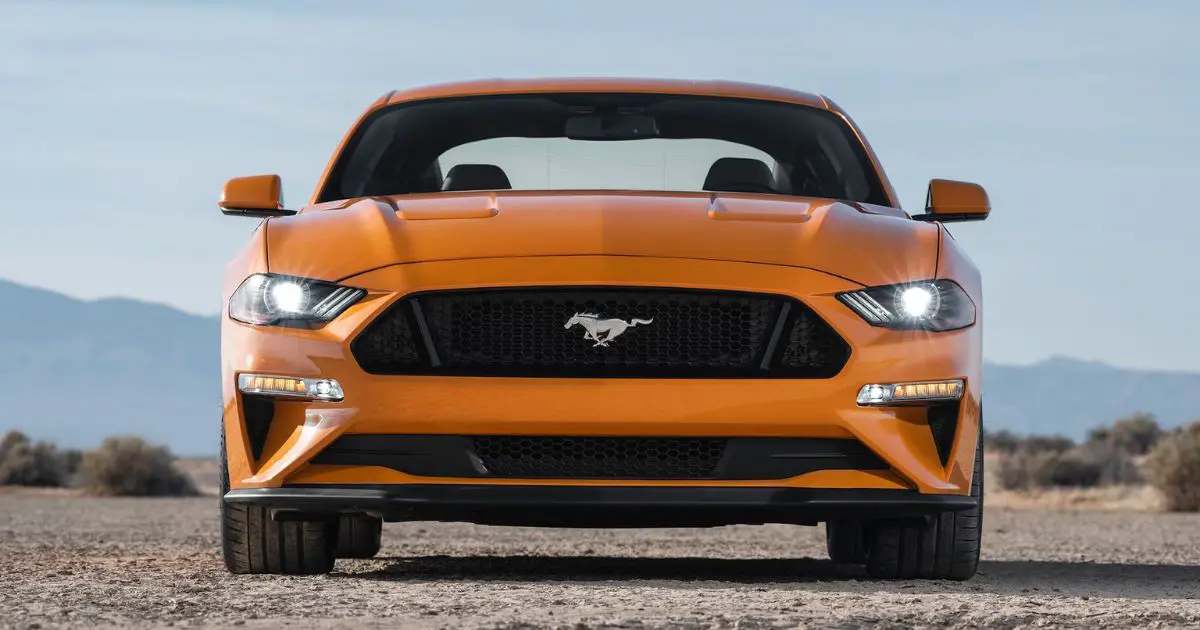
GT models step things up with a 460-horsepower V-8, which can be paired with an optional active exhaust system that unleashes a deep, thunderous growl.
Both engine choices come standard with a six-speed manual transmission, while a 10-speed automatic is available and makes the Mustang quicker than ever.
The V-8 Mustang can also be specified with a transformative Performance Pack Level 2, which adds serious track-focused hardware sourced from the Shelby GT350.
Meanwhile, four-cylinder buyers aren’t left out, as the optional EcoBoost Handling package equips the coupe with components designed for racetrack duty.
This generation of Mustang also marked a major turning point with the adoption of an independent rear suspension, replacing the outdated solid rear axle. That change significantly improves handling precision while also elevating ride comfort.
Even in lower-powered configurations, the Mustang’s updated chassis provides a balanced mix of comfort and control. Drivers seeking a sharper edge can opt for the Performance package on both EcoBoost and GT models.
Steering assistance is well judged, feeling light and relaxed in Comfort mode while gaining appropriate heft in the sportier settings. Brake performance is strong, with a firm pedal that can feel sensitive in stop-and-go traffic but becomes easier to modulate smoothly as speeds increase.
4. Hyundai Venue
The Hyundai Venue is compact and affordable, but steep urban streets push it beyond its comfort zone. Its small engine works hard on inclines, often sounding strained even at low speeds.
While its size helps with parking, it doesn’t compensate for the lack of torque needed for confident hill climbing.
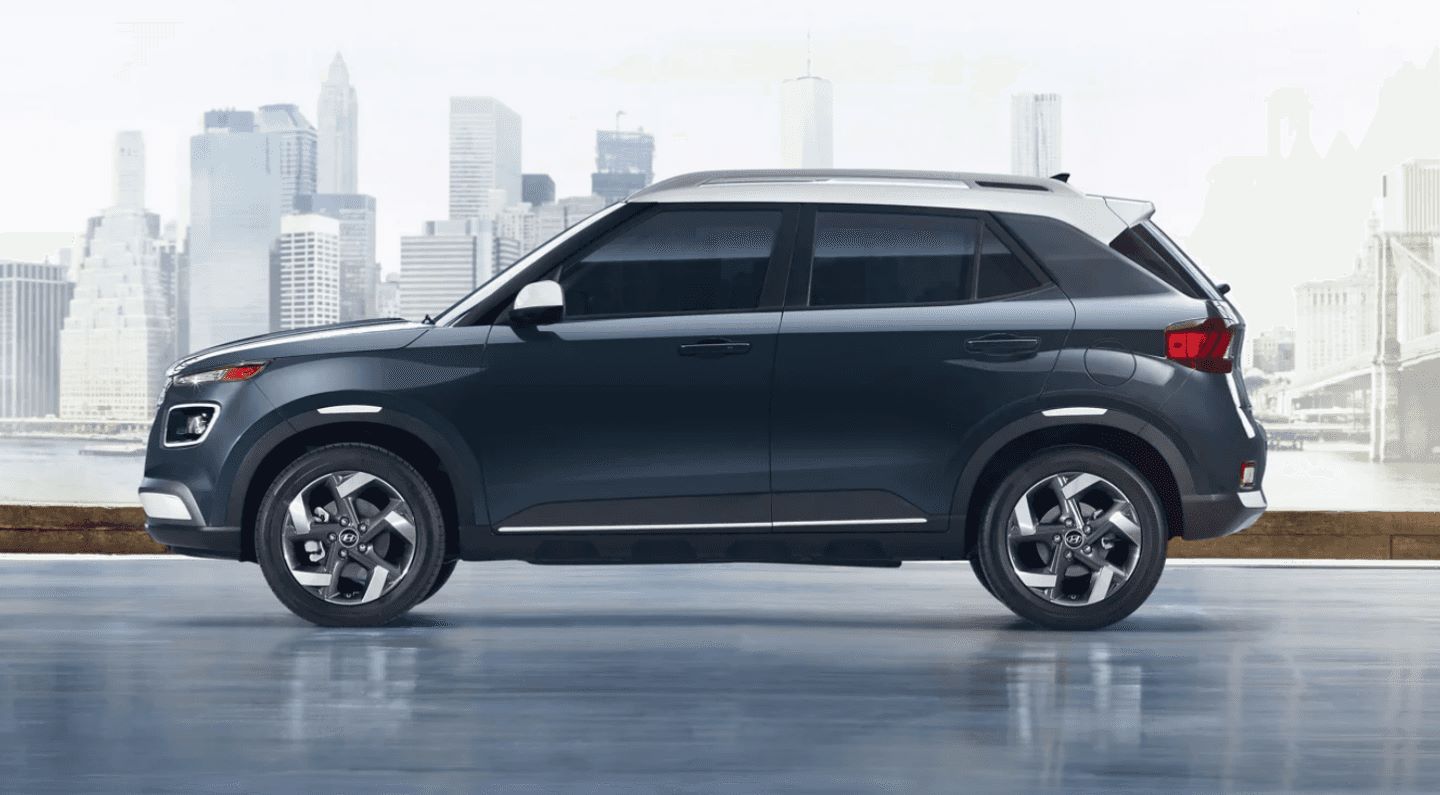
Descending steep roads highlights another weakness: braking confidence. Repeated downhill stops can make the brakes feel less reassuring, and the short wheelbase contributes to a choppier ride on uneven slopes.
In flatter cities, the Venue feels adequate, but hills quickly expose its limitations.
5. Tesla Model 3 (Rear-Wheel Drive)
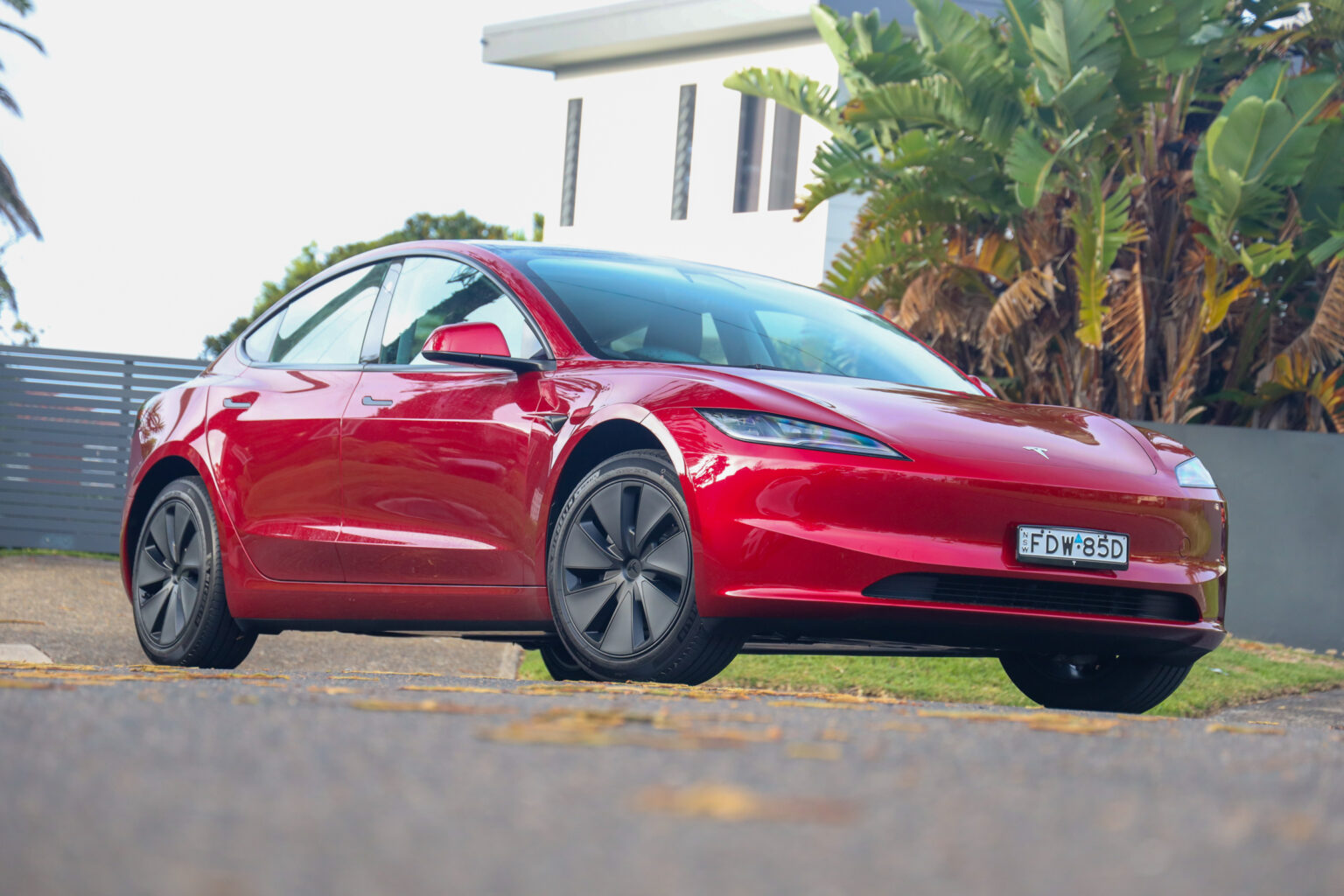
Electric vehicles often handle hills well, but the rear-wheel-drive Tesla Model 3 can struggle in specific urban hill scenarios.
While it has plenty of torque, traction becomes an issue on steep, slick inclines, especially in wet or cold conditions. Without all-wheel drive, the instant torque can overwhelm the rear tires when pulling away from a stop.
Visibility challenges also play a role. The low nose and minimalist interior can make judging steep crests and tight downhill intersections more stressful than expected.
In cities with aggressive elevation changes, the AWD versions fare much better than the rear-wheel-drive setup.
Steep urban streets amplify every design decision a manufacturer makes. Gearing that feels fine on flat roads suddenly feels wrong.
Brakes that work perfectly in suburbs may fade under constant downhill use. Visibility issues that seem minor become daily annoyances. Vehicles that manage hills well tend to feel calmer, more predictable, and less fatiguing over time.
For American drivers living in hilly cities, choosing the right vehicle isn’t about horsepower bragging rights or flashy features.
It’s about confidence confidence when stopping on an incline, confidence when cresting a hill into cross traffic, and confidence when descending steep streets in heavy traffic.
The difference between a vehicle that manages steep urban streets and one that doesn’t isn’t subtle. Over months and years of daily driving, it can mean the difference between enjoying your city and dreading every uphill commute.