
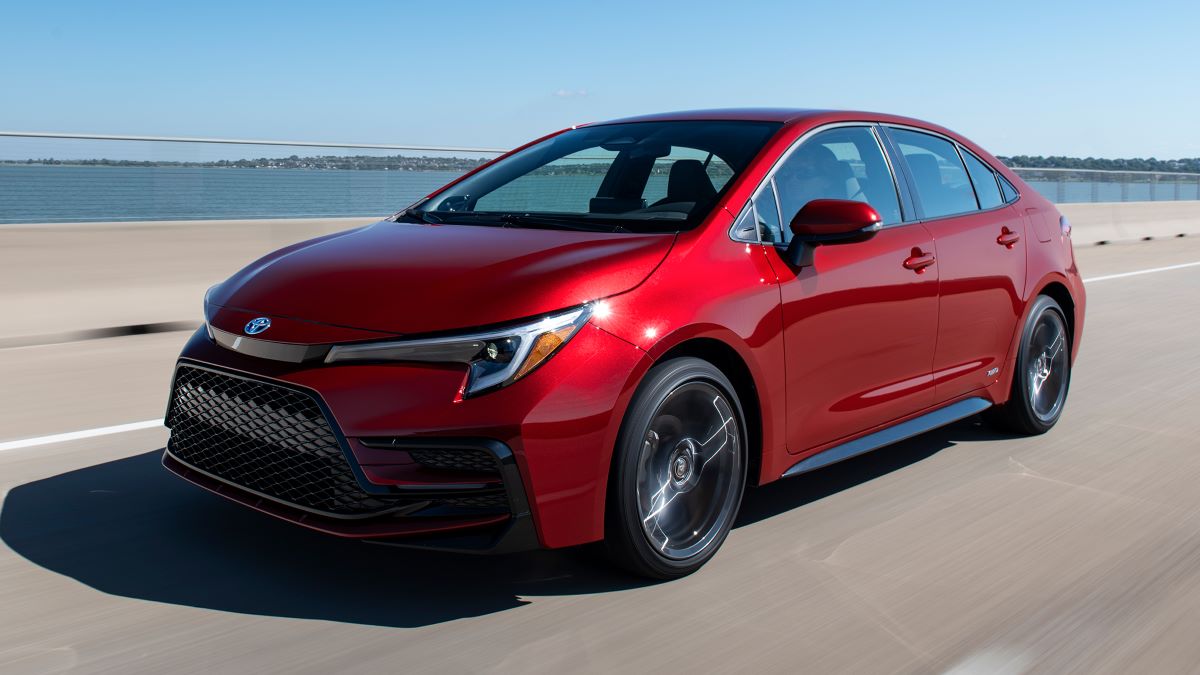
Omaha is often described as an easy city to drive in, but daily commuting tells a more complicated story.
While traffic congestion doesn’t rival Chicago or Dallas, Omaha drivers face a unique blend of challenges that quietly shape which vehicles work well and which ones become frustrating over time.
Long straight corridors like Dodge Street encourage speed but punish poor ride quality. I-80 commuting demands highway stability.
Winter brings snow, ice, and bone-chilling cold starts, while summer adds heavy rain, construction zones, and endless stop-and-go delays.
Another overlooked factor is distance. Omaha’s spread-out layout means many commuters regularly travel from suburbs like Papillion, Elkhorn, Gretna, or Bellevue into central job hubs.
That turns “short city trips” into consistent 25–40 minute drives. Vehicles that feel fine for occasional errands often fall apart as daily commuters here.
The best Omaha commuter vehicles balance winter confidence, road comfort, fuel efficiency, and long-term durability.
The worst tend to lean too hard toward extremes either too small, too specialized, or too costly to live with in a city that quietly racks up miles.
Below are five vehicles that handle Omaha commuting well, followed by five that tend to struggle in real-world daily use.
Vehicles That Handle Omaha Commutes Well
Omaha commutes demand versatility. Between hot summers, icy winters, changing road conditions, and a mix of city streets and highway driving, vehicles here need to be comfortable, reliable, and easy to live with year-round.
Smooth ride quality, good cold-weather performance, and manageable running costs matter just as much as fuel efficiency. The best commuters balance everyday comfort with confidence when the weather turns.
In this article, we highlight vehicles that handle Omaha commutes well, focusing on real-world usability, all-season capability, and stress-free daily driving.
1. Toyota Corolla Hybrid
The Toyota Corolla Hybrid is an underrated hero for Omaha commuters who prioritize efficiency without sacrificing reliability.
Omaha traffic patterns with frequent stops, long lights, and steady suburban cruising play perfectly into the hybrid system’s strengths.
Fuel economy remains excellent year-round, even during winter months when hybrids traditionally suffer.
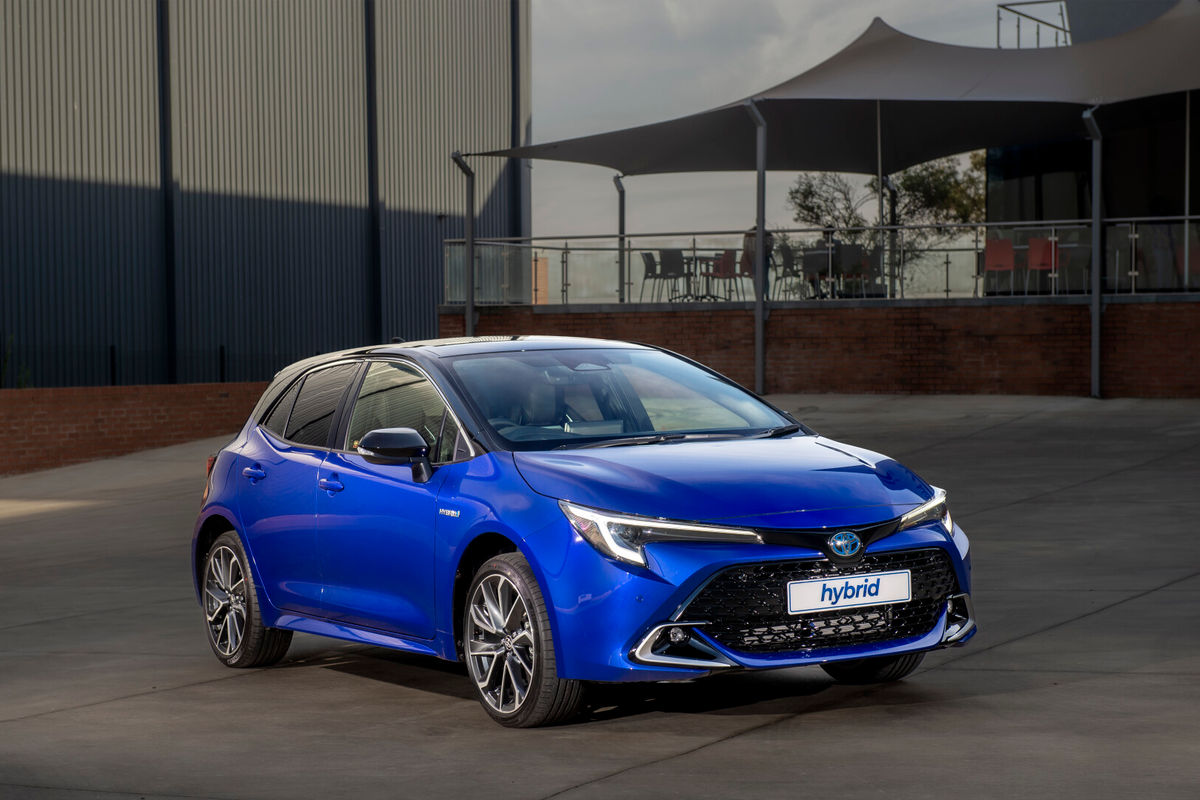
The Corolla Hybrid warms up quickly, handles cold starts reliably, and doesn’t demand premium fuel or specialized maintenance. Its compact size makes downtown parking easier, while its stable highway manners keep longer commutes comfortable.
Unlike some small cars, the Corolla Hybrid feels planted on Nebraska highways. It’s not fast, but it’s predictable, quiet, and stress-free qualities that matter far more during daily commutes than excitement.
2. Ford Escape Hybrid
The Ford Escape Hybrid fits Omaha’s mixed driving conditions surprisingly well. It offers SUV practicality without the bulk or inefficiency of larger crossovers.
For commuters who deal with snow-covered neighborhood roads but still want good fuel economy, it strikes a useful middle ground.
The Escape Hybrid’s ride quality is tuned for comfort, which helps absorb cracked pavement and potholes common after winter freeze-thaw cycles.
Highway driving feels composed, even during windy conditions that can unsettle lighter vehicles.
Interior space is another advantage. Omaha commuters often balance work, family, and errands in one trip, and the Escape’s cargo flexibility supports that lifestyle without forcing drivers into oversized vehicles.
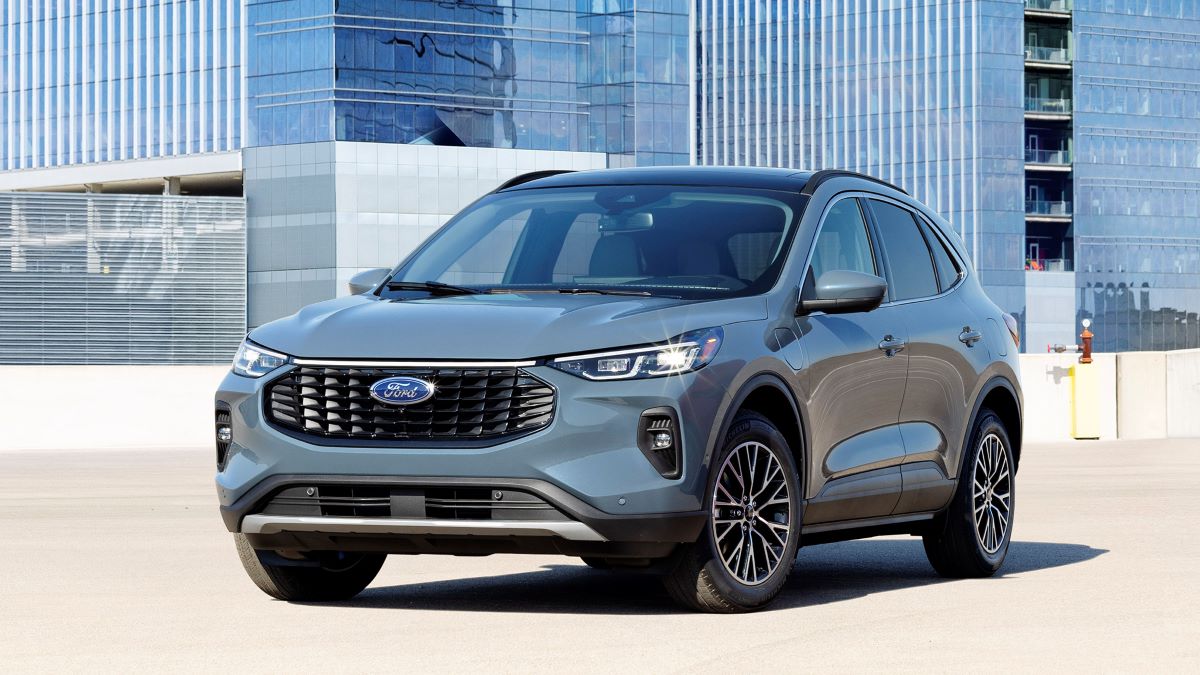
To compete directly with rivals like the Honda CR-V Hybrid and Toyota RAV4 Hybrid, the Escape Hybrid is available with two distinct electrified powertrain options.
The standard configuration uses a 2.5-liter four-cylinder engine working alongside two electric motors to produce a combined 200 horsepower.
This version comes standard with front-wheel drive and a continuously variable automatic transmission, while all-wheel drive is offered as an option.
Ford also offers a plug-in hybrid variant, which features a more potent electric motor and delivers a combined 221 horsepower, though this setup is available exclusively with front-wheel drive.
In terms of driving dynamics, both versions handle adequately but lack any real excitement, making them unlikely to appeal to enthusiasts who enjoy spirited driving on winding roads.
That said, shoppers prioritizing a smooth, comfortable ride for daily commuting will likely find both powertrains to be well suited to their needs.
Also Read: 8 Underrated SUVs That Are Better Than Popular Models
3. Hyundai Tucson AWD
The Hyundai Tucson has quietly become a strong commuter option for cities like Omaha. With available all-wheel drive, it handles winter roads confidently while maintaining reasonable fuel economy.
Its suspension tuning favors smoothness over sportiness, which works well on Omaha’s long arterial roads.
The cabin is quiet and well-insulated, helping reduce fatigue during longer commutes from western suburbs.
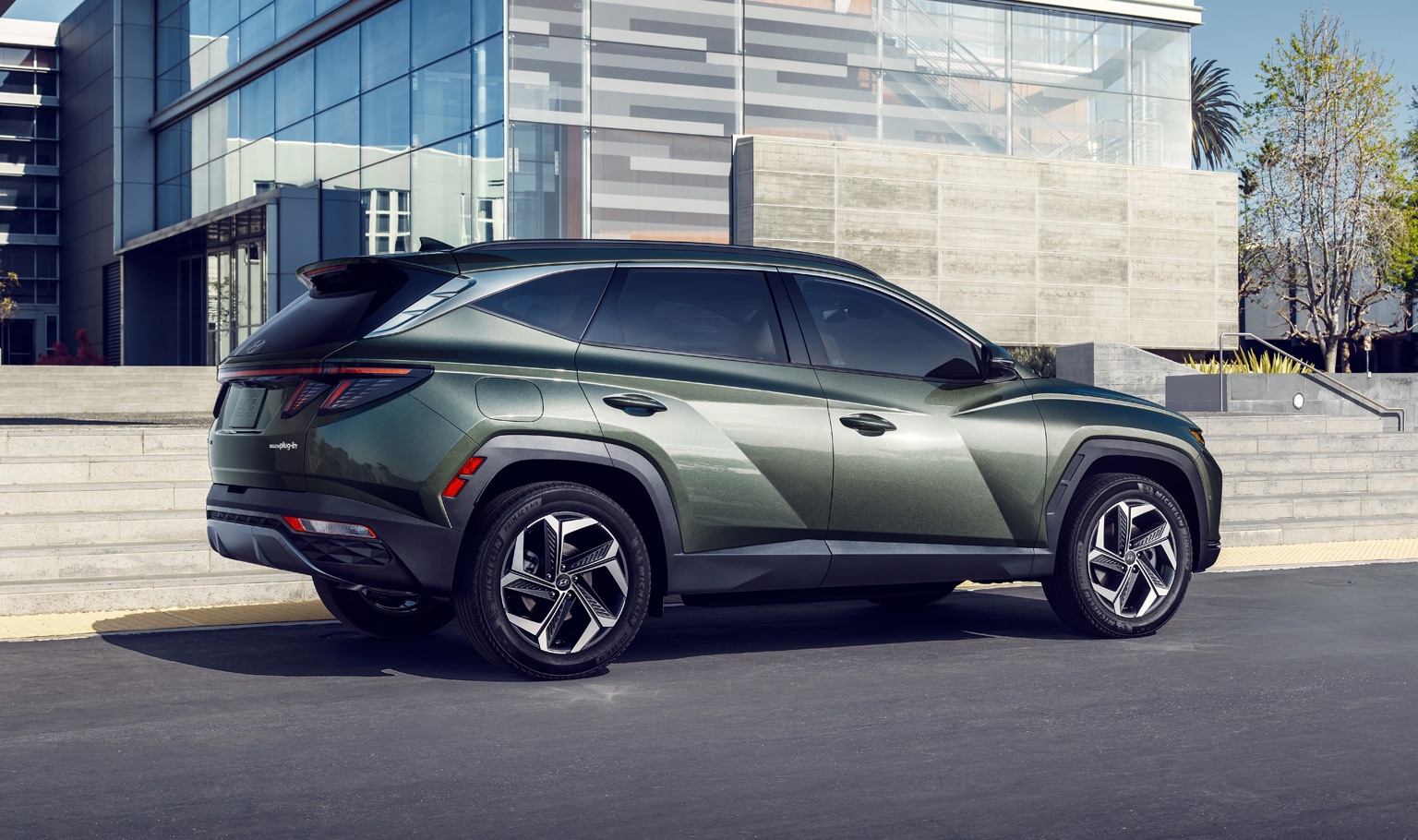
Hyundai’s warranty coverage also appeals to drivers planning to keep their vehicle for many years common in Omaha, where ownership cycles tend to be longer than in larger metro areas.
The Tucson isn’t flashy, but it’s dependable, comfortable, and well-suited to the realities of Midwest commuting.
4. Honda Accord
The Honda Accord proves that sedans still make a lot of sense in Omaha. The city’s road layout allows the Accord to shine, especially on highways and wide surface streets where smooth acceleration and stable handling matter.
Fuel efficiency is strong, ride comfort is excellent, and the interior offers plenty of space for both passengers and gear.
The Accord’s lower center of gravity compared to SUVs improves stability during windy conditions, which are common in eastern Nebraska.
While front-wheel drive means drivers must be mindful in winter, good tires and modern traction control systems make the Accord a capable year-round commuter for most Omaha residents.
The range opens with a turbocharged 1.5-liter four-cylinder producing 192 horsepower, but the standout option is the 252-hp turbocharged 2.0-liter four-cylinder that tops the lineup.
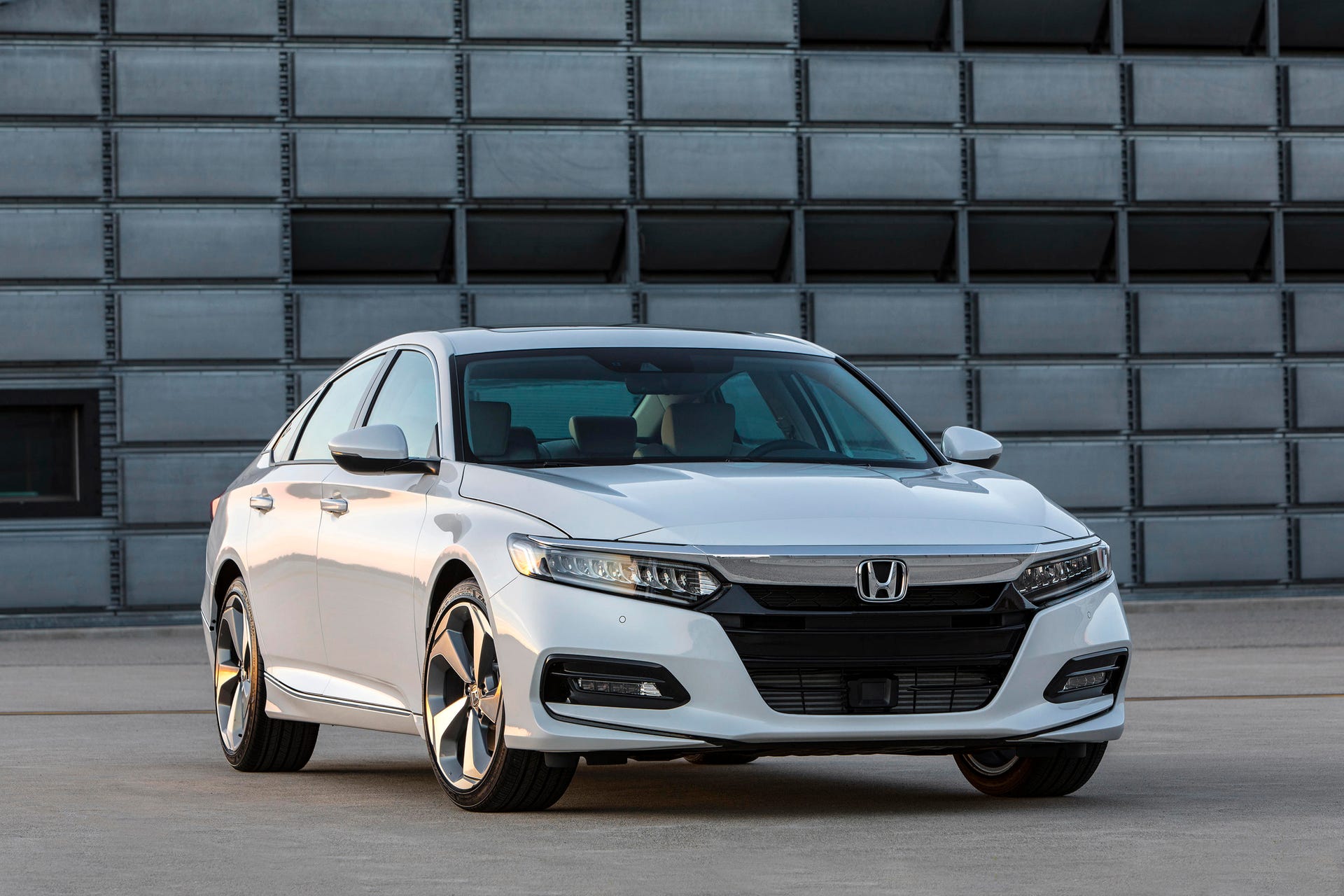
This more powerful engine is paired with a 10-speed automatic transmission that delivers impressively smooth and nearly imperceptible shifts.
While both engines operate with refinement, the 2.0-liter delivers a noticeable surge of power, enough to overwhelm the front tires when accelerating hard in first gear. A hybrid variant is also offered, combining a four-cylinder engine with two electric motors for added efficiency.
Beyond the powertrains, the Accord’s chassis is well tuned and invites enthusiastic driving, maintaining excellent composure through corners with very little body roll. Steering effort is appropriately light for the segment, though some drivers may wish for a bit more road feel.
Even so, the steering remains precise and confidence-inspiring. Ride quality is firm and controlled without crossing into harshness, allowing the Accord to successfully blend the character of a sport sedan with the comfort and usability expected of a family car.
5. Subaru Crosstrek
The Subaru Crosstrek fits Omaha’s needs better than many realize. Its standard all-wheel drive provides winter confidence, while its smaller footprint makes it easier to maneuver and park than larger SUVs.
The Crosstrek’s suspension is designed to handle rougher surfaces, making it well-suited to roads damaged by snowplows and salt.
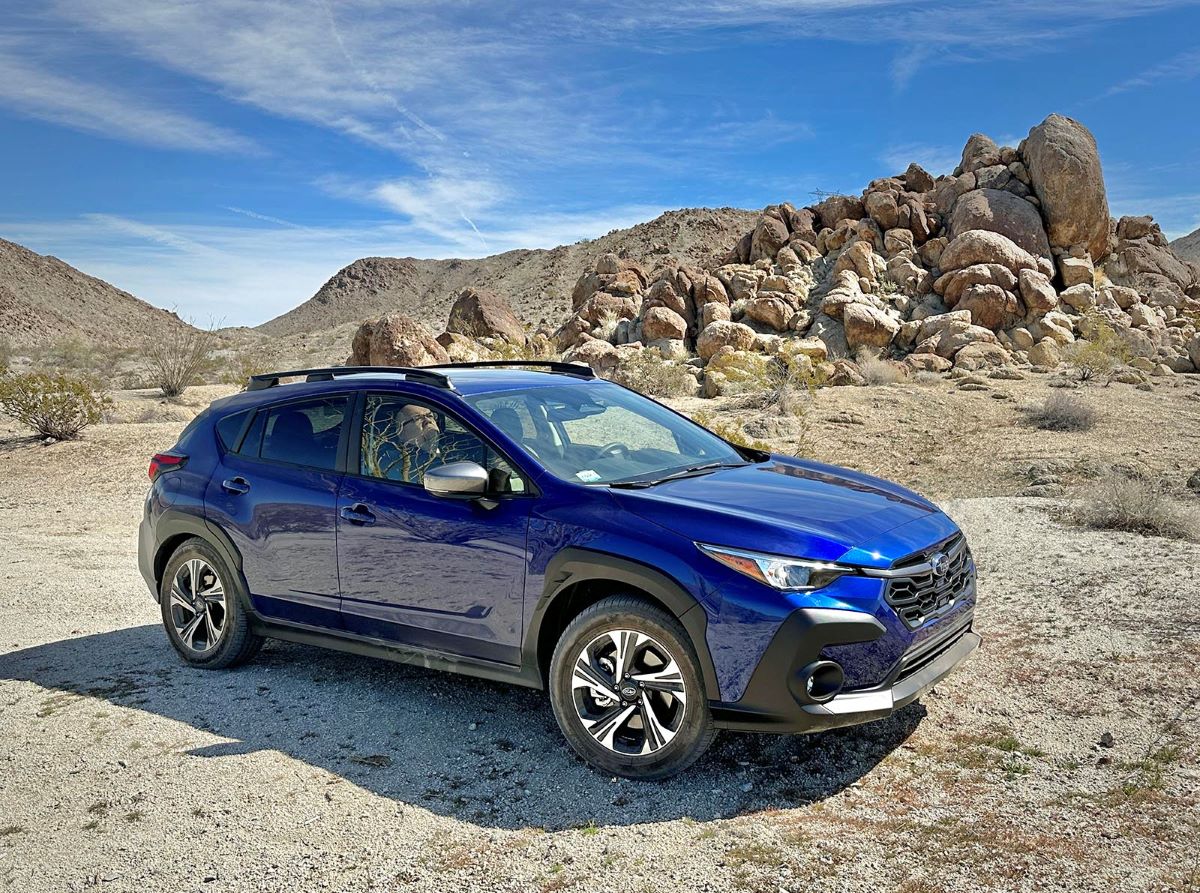
Fuel economy remains respectable, and Subaru’s reputation for longevity appeals to drivers who want a vehicle that can handle years of commuting abuse.
For commuters who want winter readiness without moving up to a full-size crossover, the Crosstrek is a smart, efficient choice.
Also Read: Top 10 Shockingly Reliable German SUVs You Can Buy Cheap
Vehicles That Struggle With Omaha Commutes
Omaha’s daily commute can be tougher than it looks. Harsh winter weather, icy roads, pothole-prone streets, and a mix of short city drives and highway stretches quickly expose a vehicle’s weaknesses.
Cars that struggle with cold starts, traction, ride comfort, or efficiency often become frustrating to live with in these conditions. What works well in milder climates doesn’t always translate to smooth commuting here.
In this article, we break down vehicles that struggle with Omaha commutes, and the traits that make them ill-suited for the city’s year-round driving demands.
1. Dodge Challenger
The Dodge Challenger’s retro styling and powerful engines attract attention, but Omaha commuting exposes its weaknesses quickly. Its wide body and long doors make parking garages and tight lots inconvenient, especially downtown.
Rear-wheel drive becomes a major liability in winter, even with traction control. Cold temperatures also impact performance and fuel efficiency more than many drivers expect.
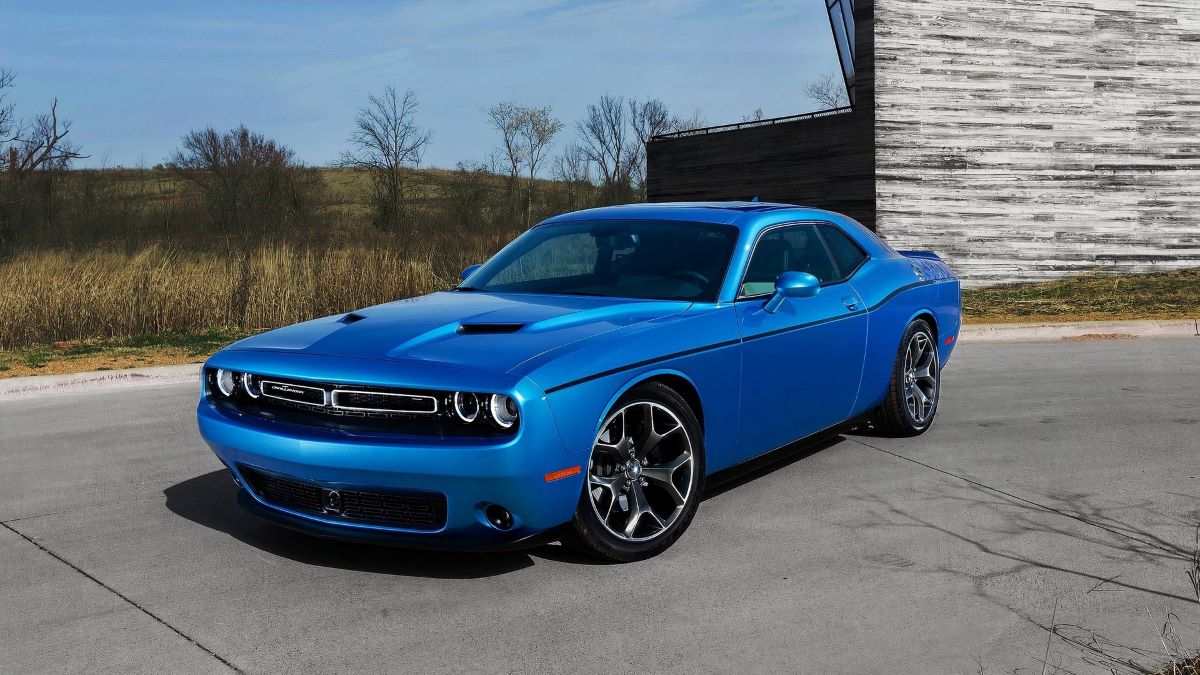
Add poor visibility and high fuel consumption, and the Challenger becomes impractical for daily use. It excels on open roads, but Omaha commuting is rarely about open-road freedom.
The Challenger’s standard 305-hp V-6 does little to excite drivers looking for strong performance. Paired only with an eight-speed automatic, the engine feels underpowered in such a heavy coupe and can’t match the acceleration or drama offered by comparable rivals.
Dodge’s Hemi V-8 options, however, completely change the equation. The 5.7-liter V-8 we tested, rated at 375 horsepower, delivered ample thrust for effortless power slides and backed it up with a satisfyingly aggressive exhaust note.
For those wanting even more muscle, the 6.4-liter V-8 raises output to 485 horsepower and 475 lb-ft of torque. We also spent time in the T/A 392 with the automatic transmission and were impressed by its explosive startup bark and deep, resonant roar under throttle.
Although we’re partial to manual gearboxes, the ZF automatic responds sharply to throttle inputs and delivers quick, decisive downshifts. On the road, the Challenger attacks corners with brute force rather than finesse, leaning and surging like an angry bull.
It embodies the classic muscle-car formula, excelling on straight roads and at the drag strip more than on tight back roads or race circuits. Since the 2015 redesign, the versions we’ve driven have offered compliant, comfortable ride quality, though they lack polish.
Compared to the more precise and athletic Camaro and Mustang, the Challenger feels too soft in corners, with steering that’s numb and slow to respond, traits that suit relaxed cruising and easily managed, throttle-induced oversteer.
2. Mini Cooper (Non-AWD Models)
The Mini Cooper’s compact size seems appealing for city driving, but Omaha’s road conditions reveal its limitations.
Short wheelbase and stiff suspension make potholes feel harsher than they should, and highway driving can feel unsettled, especially in windy conditions.
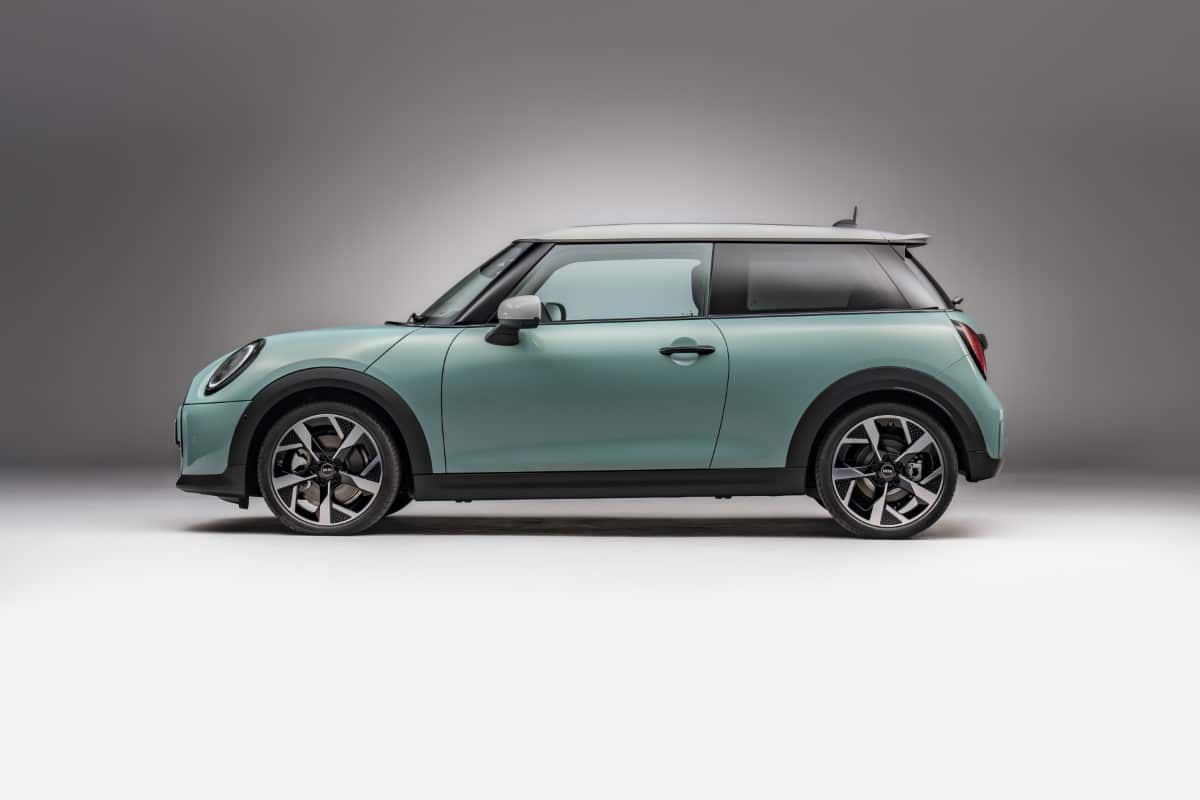
Winter performance is another concern. Front-wheel drive helps, but low ground clearance and narrow tires struggle in deeper snow. For short downtown-only commutes it can work, but Omaha’s spread-out layout often demands more versatility.
3. Tesla Model S (Older Models)
Older Tesla Model S vehicles face challenges in Omaha commuting that newer EVs handle better. Cold winters significantly reduce range, forcing frequent charging stops during peak winter months.
Road salt and winter debris also accelerate wear on suspension components. Additionally, charging infrastructure outside central Omaha is still uneven, making longer suburban commutes more complicated than expected.
While EVs can work in Omaha, older large luxury models like the Model S often introduce more inconvenience than benefit for daily drivers.
With electric motors driving both the front and rear axles, every version of the Model S comes standard with full-time all-wheel drive. Performance varies from very quick to downright extreme across the lineup.
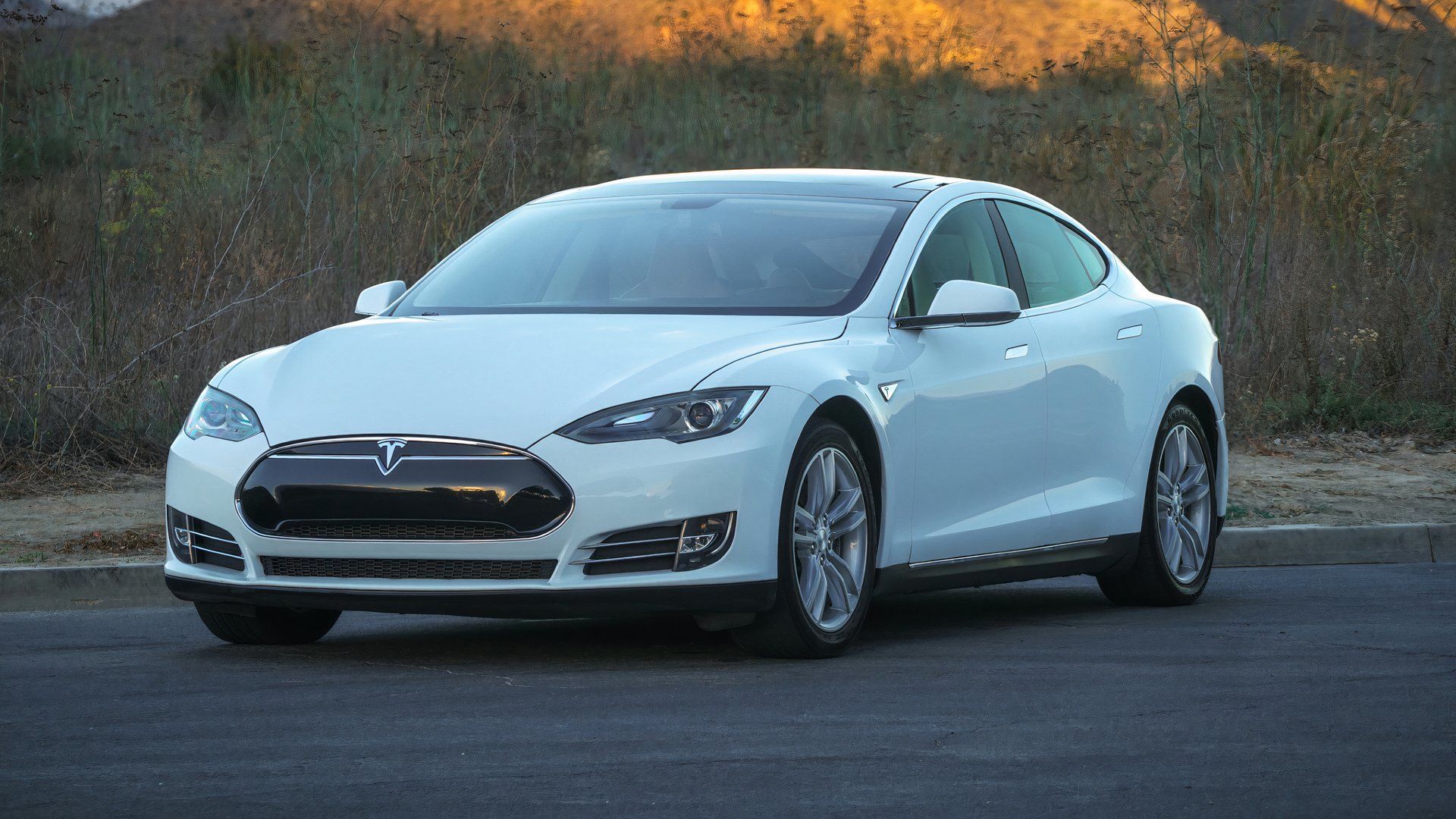
While we haven’t yet tested the Model S Long Range, our 2020 test car rocketed from 0 to 60 mph in just 2.4 seconds and was hugely entertaining thanks to its instant, relentless power delivery.
The Plaid variant ups the ante even further by adding a third electric motor, raising total output to a staggering 1,020 horsepower.
That’s enough to launch it to 60 mph in only 2.1 seconds in our testing. Beyond straight-line speed, the standard Model S has established itself as a capable sports sedan, with tightly controlled body movements and precise steering.
Drivers can select between heavier or lighter steering modes, though neither setting provides much additional road feel. Ride quality remains comfortable, handling feels sharp, and the car is composed and serene during highway cruising.
4. Mitsubishi Mirage
The Mitsubishi Mirage’s low purchase price comes with serious trade-offs that show up quickly in Omaha commuting. Acceleration is weak, making highway merges stressful, especially during rush hour on I-80.
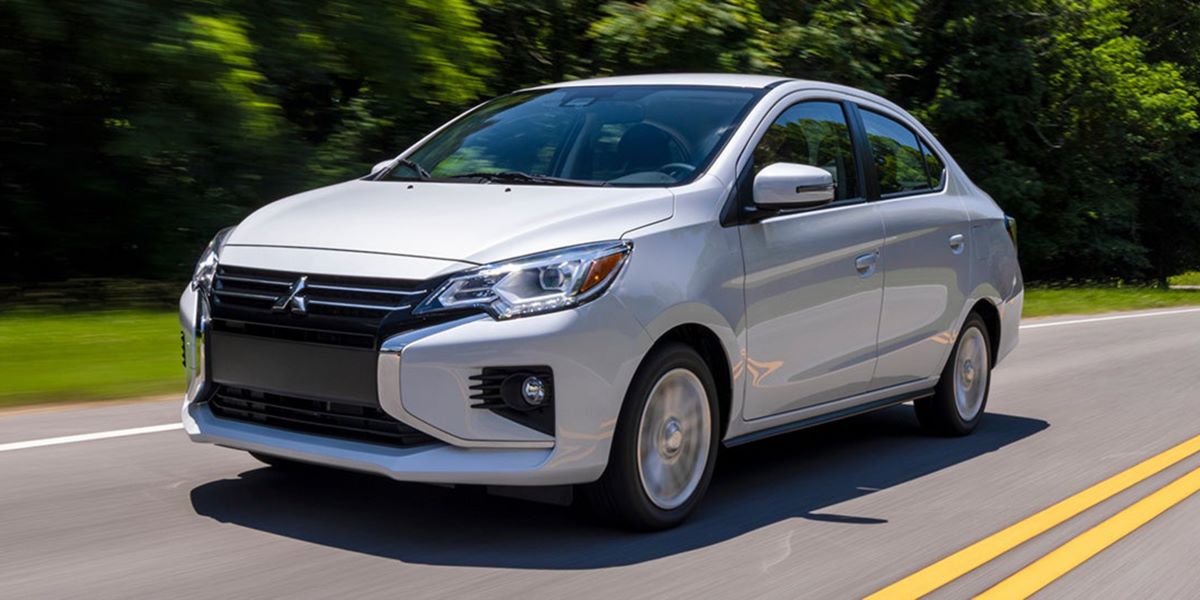
Its light construction and narrow tires reduce stability during winter weather and strong winds.
Ride quality suffers on rough pavement, and long commutes amplify cabin noise and discomfort. It’s affordable, but the cost comes in daily frustration rather than dollars.
Every 2020 Mitsubishi Mirage hatchback is powered by a 1.2-liter three-cylinder engine producing a meager 78 horsepower and 74 lb-ft of torque. That output trails competitors like the Chevrolet Spark, which offers 98 horsepower.
The entry-level Mirage comes standard with a five-speed manual transmission, while higher trims switch to a continuously variable automatic transmission. All versions drive the front wheels.
On both city roads and highways, the Mirage feels sluggish, with weak acceleration that demands heavy throttle when attempting to pass at freeway speeds. Pushing the engine results in loud, coarse noises, and noticeable vibrations make their way into the cabin, further diminishing the driving experience.
5. Ford F-350 Super Duty
Heavy-duty trucks like the Ford F-350 are common in Nebraska, but they’re poorly suited for daily Omaha commuting unless work demands it.
Their size makes parking difficult, fuel consumption is high, and ride quality is harsh when unloaded.
Stop-and-go traffic quickly becomes tiring, and maneuvering through construction zones or downtown streets feels unnecessarily cumbersome. For most commuters, these trucks add complexity without meaningful benefit.
Omaha commuting isn’t extreme, but it’s demanding in subtle ways. Vehicles that succeed here prioritize comfort, winter readiness, efficiency, and long-term durability over raw performance or image.
The best options quietly reduce stress and adapt to seasonal changes without complaint.
The Ford F-350 sits squarely in the middle of the F-Series Super Duty lineup. It outperforms the F-250 when it comes to towing and payload, though it stops short of the extreme capabilities offered by the F-450.
Buyers can choose between single- and dual-rear-wheel setups, and the truck is also available as a chassis cab designed for job-specific upfits.
Beyond brute strength, Ford has equipped the F-350 with smart features aimed at simplifying demanding tasks.
One standout is Pro Trailer Hitch Assist, which can automatically reverse the truck and line up the hitch ball directly beneath a trailer’s coupler with the press of a button.
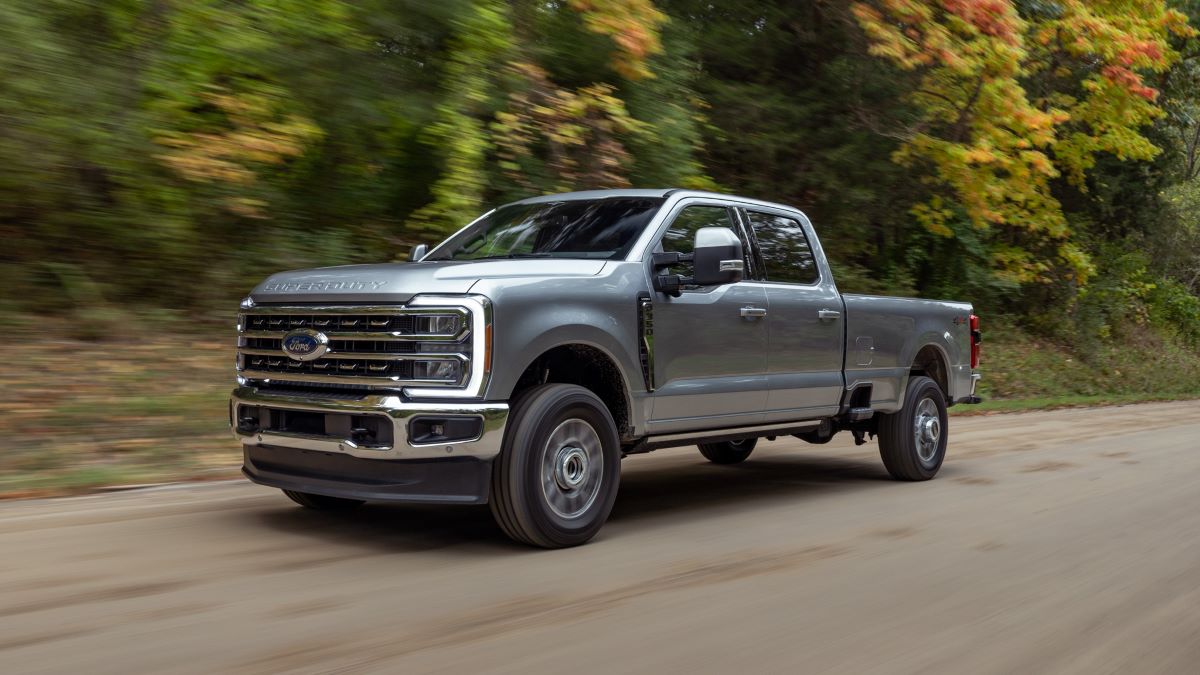
Another useful tool is Ford’s Onboard Scales system, which estimates payload by monitoring suspension compression as cargo is added, then displays that information on the infotainment screen and within the FordPass app.
Although the F-350 can be outfitted with luxury touches, especially in upscale trims like King Ranch and Platinum, its primary mission is serious work.
Depending on configuration, the truck can tow as much as 28,000 pounds using a standard bumper-mounted hitch, or an astonishing 38,000 pounds when equipped with a gooseneck setup.
That kind of capability makes it suitable for hauling massive recreational trailers or heavily loaded construction equipment without breaking a sweat.
In the heavy-duty pickup segment, competition is limited to other domestic offerings. The Ram 3500, along with the Chevrolet Silverado 3500 and GMC Sierra 3500, are the F-350’s main rivals.
While the Ram may edge ahead in interior luxury at the high end, none of these competitors can match the Ford’s sheer towing and hauling prowess.
The worst choices usually lean too far toward novelty, luxury, or specialization qualities that sound appealing but rarely translate into a better daily driving experience.
In Omaha, the smartest commuter vehicles are the ones that simply work, day after day, no matter what Nebraska weather decides to throw at them.
