
For most American drivers, the true cost of owning a vehicle isn’t decided on the day it’s purchased. It’s decided slowly, month by month, when routine maintenance turns into unexpected repairs or doesn’t.
While sticker price, fuel economy, and features dominate car-shopping conversations, repair predictability is often overlooked, even though it has a massive impact on long-term ownership satisfaction.
Predictable repair costs don’t necessarily mean “cheap” vehicles. Instead, they refer to cars that fail in known, manageable ways, use widely available parts, and can be serviced easily by independent mechanics across the country.
On the flip side, some vehicles may drive beautifully when new but develop costly, inconsistent issues that are difficult to diagnose, require specialized labor, or rely on expensive components. These vehicles often turn ownership into a financial guessing game.
Below are five vehicles that tend to keep repair costs stable and foreseeable for U.S. owners and five that commonly do the opposite.
This comparison focuses on mainstream ownership beyond warranties, using real-world factors like parts availability, mechanical complexity, labor time, and long-term reliability trends.
Vehicles That Keep Repair Costs Predictable
Unexpected repair bills are one of the biggest frustrations of car ownership. While no vehicle is completely maintenance-free, some are far better at keeping costs consistent and manageable over time.
These are the cars that rely on proven engineering, widely available parts, and straightforward service needs, not complex systems that fail without warning.
Predictable repair costs mean fewer surprises, easier budgeting, and less stress year after year. In this article, we highlight vehicles that keep repair costs predictable, focusing on reliability, long-term durability, and ownership peace of mind.
1. Toyota Corolla
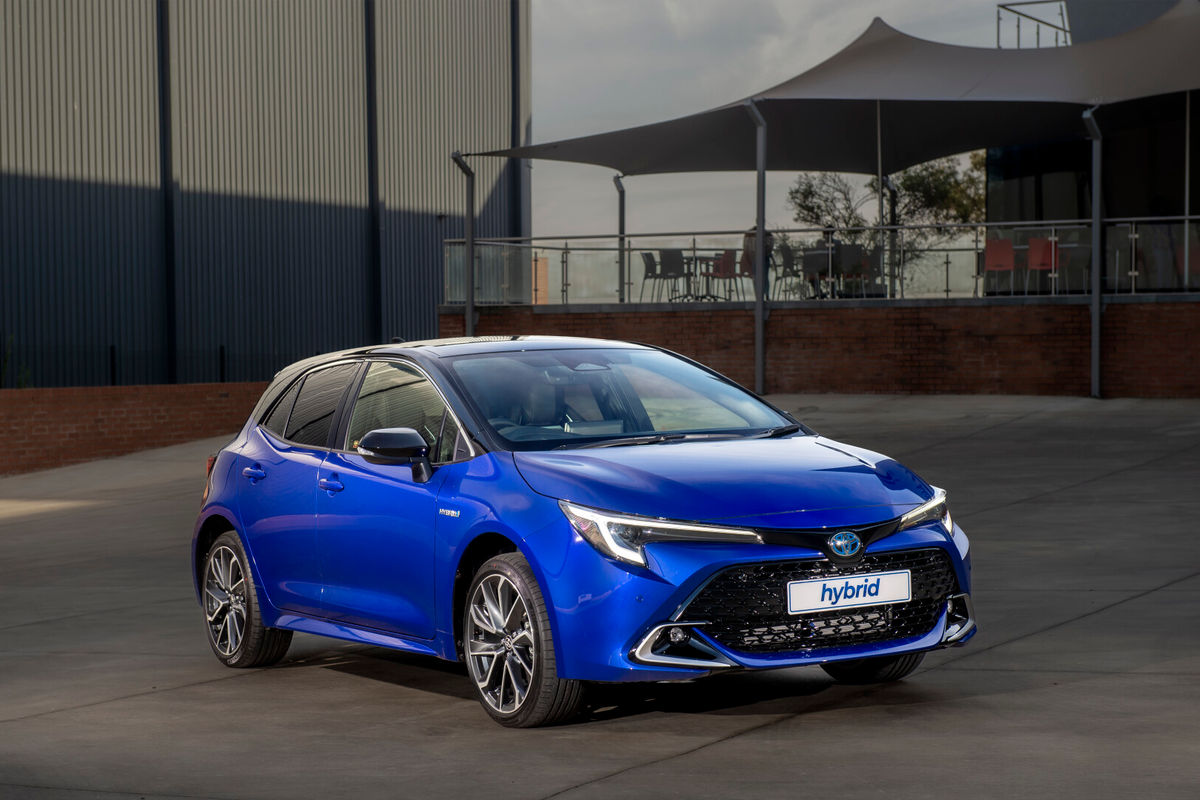
The Toyota Corolla has earned its reputation not through excitement, but through consistency. For decades, it has relied on conservative engineering choices, naturally aspirated engines, and transmissions designed for longevity rather than performance.
As a result, when something does go wrong, it’s usually something mechanics have seen hundreds of times before.
In the U.S., Corolla parts are everywhere. Brake components, suspension parts, sensors, and engine accessories are produced by countless aftermarket manufacturers, which keeps prices competitive.
Labor costs are also reasonable because the engine bay layout is straightforward, and most shops don’t need specialized tools to work on it.
Even major repairs, like alternators or water pumps, tend to be predictable in both timing and cost.
For owners who want financial stability rather than surprises, the Corolla is a benchmark.
With the exception of the sport-oriented SE and XSE trims, the Corolla sedan relies on a 1.8-liter four-cylinder engine producing 139 horsepower, driving the front wheels through a continuously variable automatic transmission (CVT).
The more spirited variants upgrade to a 2.0-liter four-cylinder that makes 169 horsepower and can be paired with either a CVT or an available six-speed manual gearbox. While every Corolla hatchback comes standard with the larger engine, the hybrid powertrain is exclusive to the sedan.
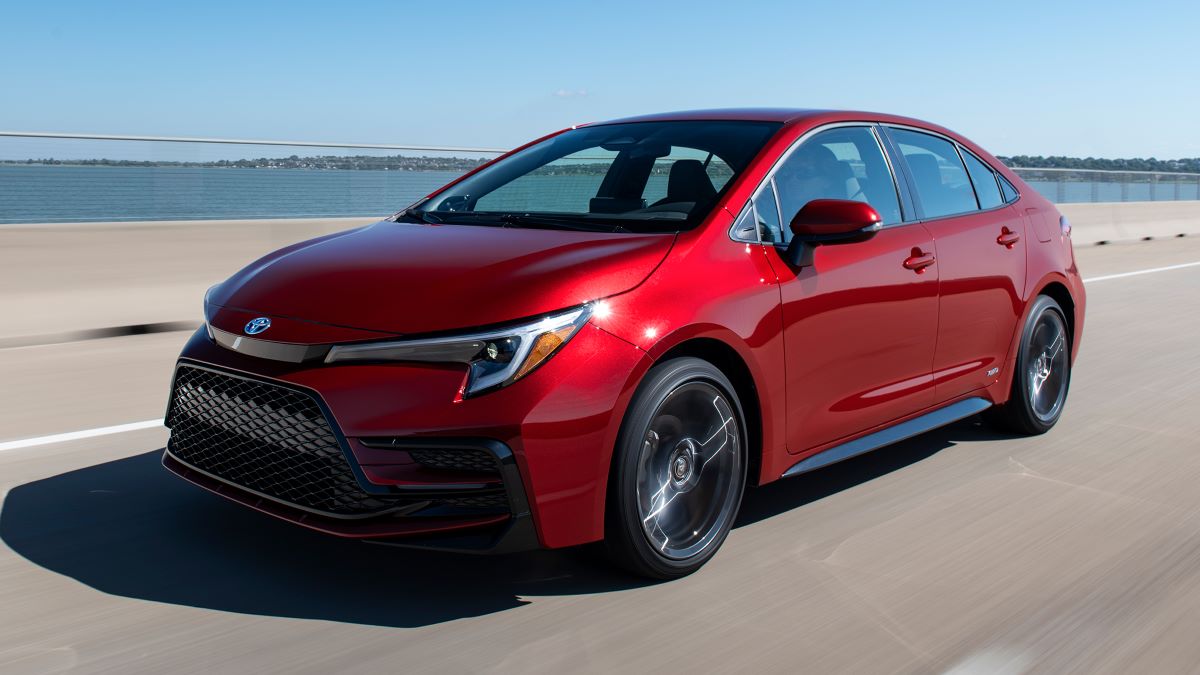
In our testing of both the Corolla SE hatchback and the Corolla XSE sedan, we found that even the most powerful engine in the lineup fails to deliver truly satisfying acceleration.
Both versions feel sensible and composed in city driving and remain stable and calm at highway speeds, but when pushed hard, the engines emit coarse and unrefined sounds that detract from the overall experience.
Ride quality is a strong point, as both the sedan and hatchback absorb most road imperfections effectively, filtering out all but the harshest bumps. Body control is also improved over past generations, giving the Corolla a more agile feel than before.
The SE and XSE trims further distinguish themselves with firmer, sport-tuned suspension setups, and the XSE adds larger 18-inch wheels, while other trims roll on 15- or 16-inch wheels.
Even so, when stacked against more engaging competitors like the Mazda 3 and Volkswagen Golf, the Corolla’s steering, while smooth and progressive, falls short of being truly rewarding.
Braking performance is also unremarkable, as neither body style impressed in our 70-mph-to-zero tests, requiring stopping distances between 174 and 183 feet. That said, the brake pedals themselves are predictable, confidence-inspiring, and easy to modulate.
Also Read: Top 10 Performance Cars You Can Actually Live With Daily
2. Honda CR-V
The Honda CR-V stands out in the compact SUV segment for combining practicality with mechanical familiarity.
Honda’s engines, particularly its non-turbo four-cylinders, are well understood across the American repair ecosystem. Timing chains instead of belts in many generations further reduce major scheduled expenses.
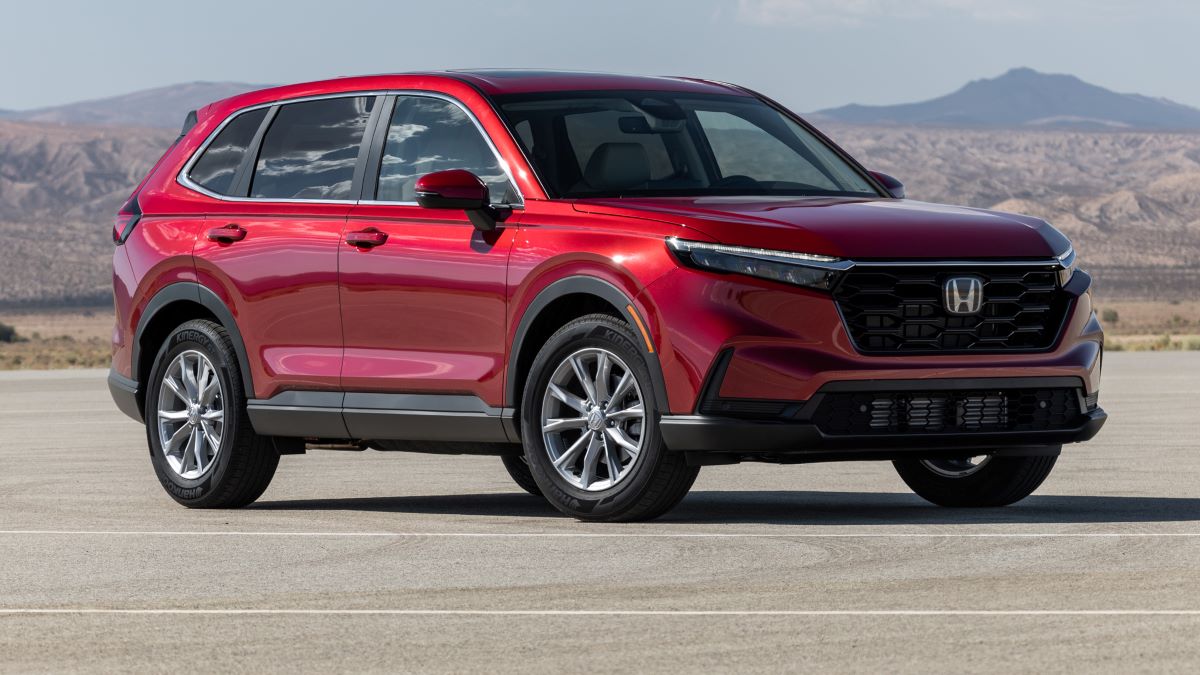
What makes the CR-V especially predictable is how evenly it ages. Suspension wear, brake replacements, and cooling system maintenance tend to occur at expected intervals rather than failing suddenly.
Independent mechanics regularly service CR-Vs, meaning owners aren’t forced into dealership pricing once the warranty expires.
While repair costs aren’t the absolute lowest, they are steady and foreseeable, which is exactly what many families and commuters value.
3. Ford F-150 (Non-Luxury Trims)
The Ford F-150’s dominance in the U.S. market has created an enormous advantage when it comes to repairs. With millions on the road, parts availability is unmatched.
Even significant repairs benefit from high competition among parts suppliers and repair shops.
Older and simpler powertrains such as naturally aspirated V8s or base EcoBoost engines are well documented, and labor times are well established.
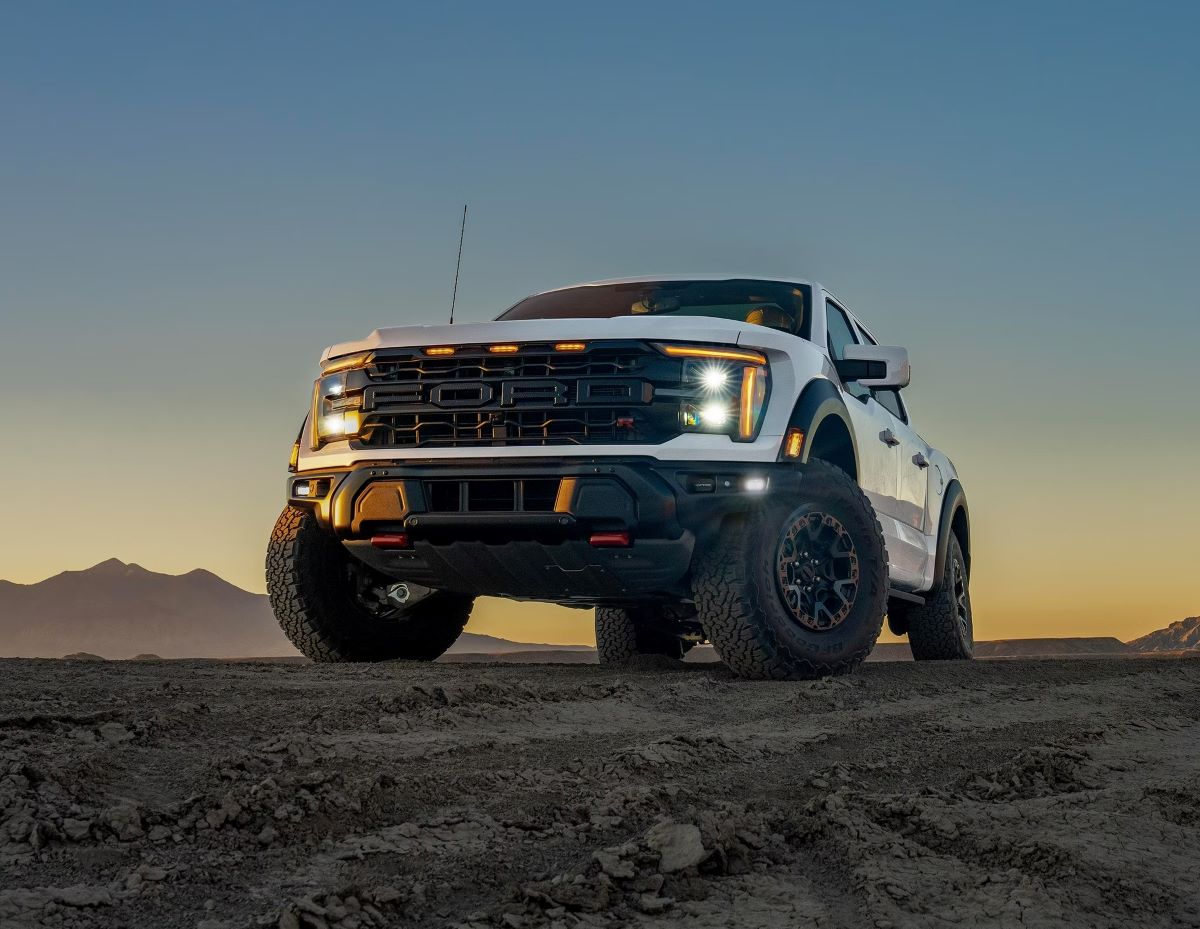
This keeps estimates consistent rather than speculative. Body parts, suspension components, and drivetrain pieces are also widely available both new and used, which helps control costs after accidents or wear-and-tear failures.
While newer, high-tech trims can introduce complexity, mainstream F-150s remain one of the most predictable full-size trucks to maintain in the U.S.
4. Subaru Outback
Despite its reputation for quirks, the Subaru Outback earns a place here because of its consistency.
Subaru’s boxer engines and all-wheel-drive systems follow a familiar pattern: owners know what typically fails, when it fails, and how much it costs to fix.
Head gasket issues in older models, CVT maintenance requirements, and suspension wear are all well-documented.
This transparency allows owners to plan ahead rather than being blindsided. Subaru specialists are common in snow-belt states, and aftermarket support has grown significantly.
The Outback may not be the cheapest vehicle to repair, but its predictability makes it manageable for long-term ownership.
The Subaru Outback began life as a wagon dressed up with a hint of SUV styling and capability. Over successive generations, however, it steadily evolved, taking on more of the character of the vehicle it was always meant to resemble: a true SUV.
With its full redesign for 2026, the Outback finally completes that transformation, stepping confidently into the midsize SUV class without apologies, much like the final figure at the front of an evolutionary timeline.
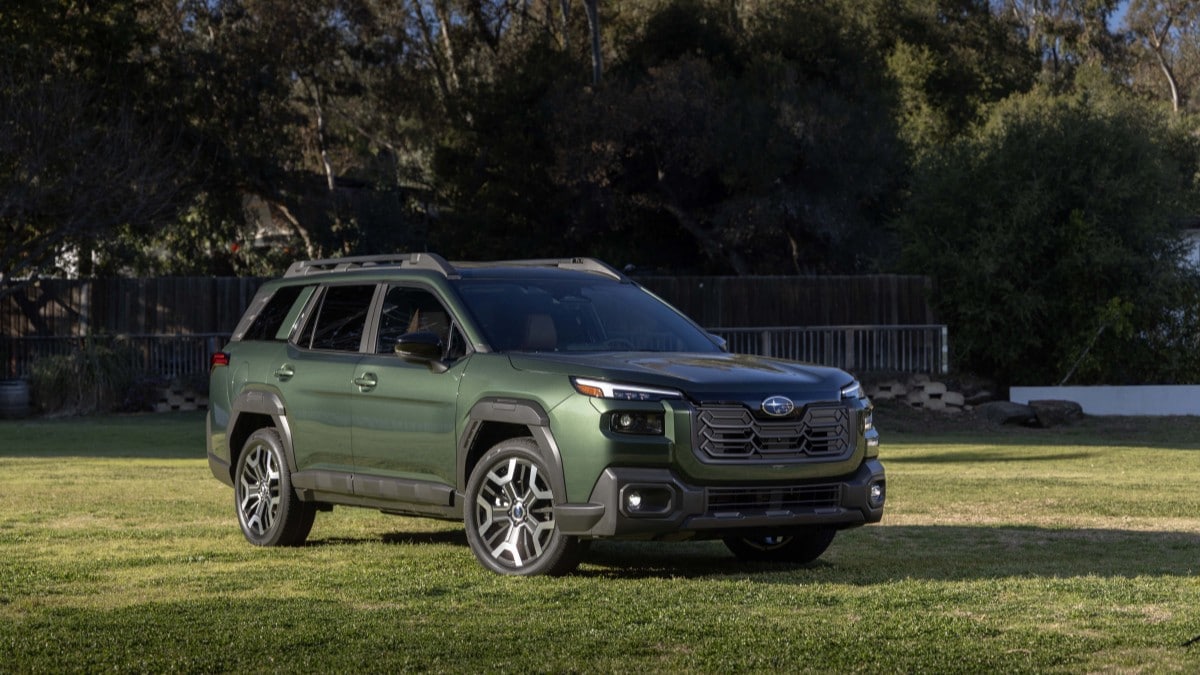
Even so, longtime Outback owners will find plenty that feels familiar. The latest model retains the traits that have long defined it, including distinctive proportions, practical dimensions, and a reputation for versatility.
Inside, there are two roomy rows of seating, a sizable cargo area, and highly functional roof rails designed to carry gear that won’t fit inside.
The driving experience continues to emphasize comfort and ease, though style has never been the Outback’s strongest suit, and that hasn’t changed here.
To fully understand how the 2026 Outback has progressed, where it has improved and where it has stayed true to its roots, we spent several weeks living with it on real-world roads.
That included tedious daily commutes, school runs, and weekend getaways, along with structured testing at our test track. The impressions and scores that follow reflect that full range of use.
5. Chevrolet Malibu (Non-Turbo Generations)
The Chevrolet Malibu, particularly non-turbocharged versions, benefits from General Motors’ massive domestic footprint. Shared components across GM’s sedan lineup mean replacement parts are easy to source and relatively affordable.
Engines and transmissions in these trims are simple by modern standards, which reduces diagnostic time and labor costs.
Electrical systems are also less complex than those found in newer premium sedans, minimizing the risk of cascading failures.
For drivers seeking a comfortable commuter car without luxury-car maintenance uncertainty, the Malibu offers repair costs that rarely shock owners.
Chevrolet’s Malibu has long filled the role of a dependable midsize sedan choice. If nothing else, it has typically been a car most shoppers wouldn’t mind ending up with at a rental counter.
However, Chevrolet’s final sedan is nearing the end of the road, as the Malibu is set to be discontinued after the 2025 model year.
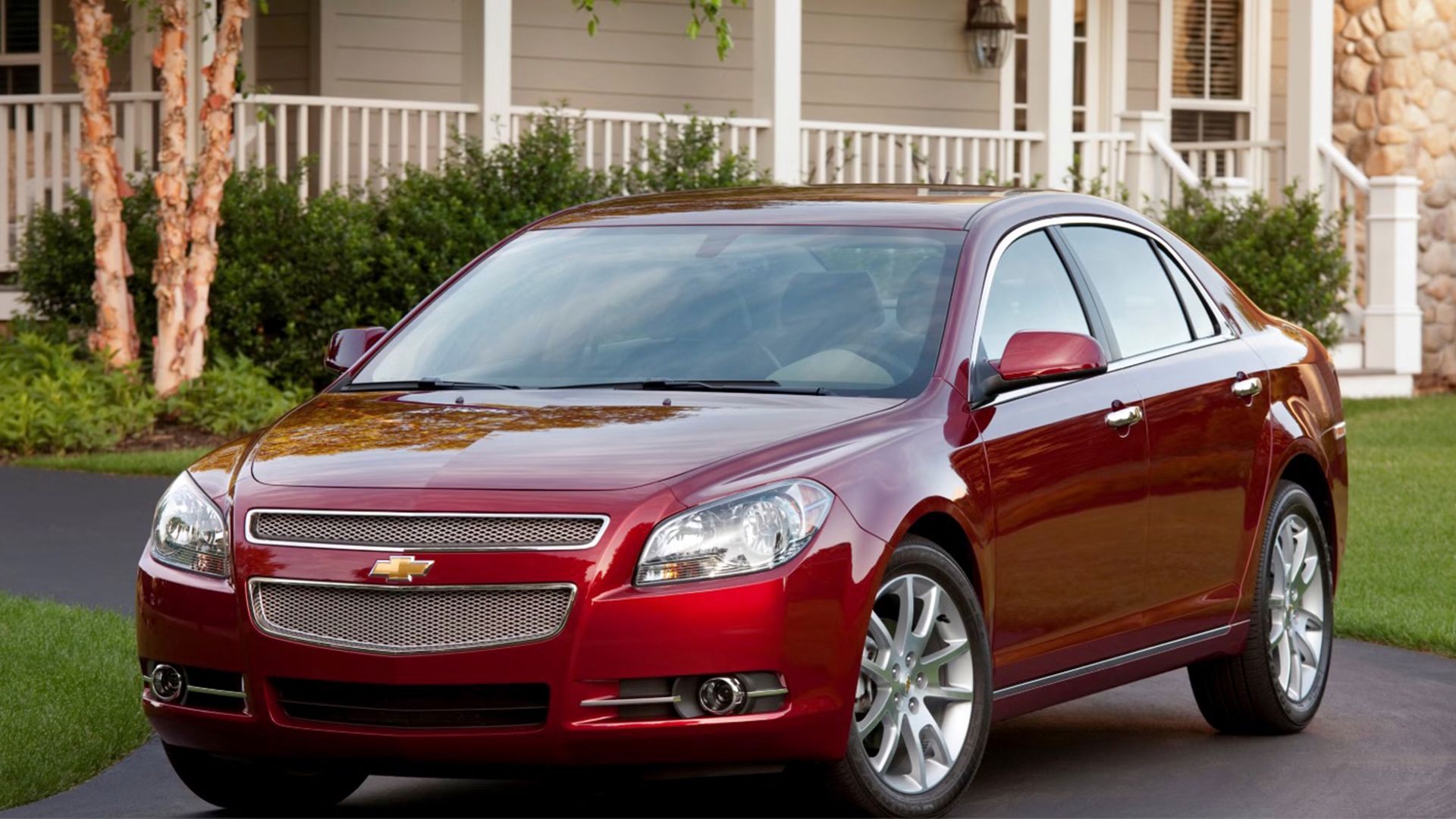
The current generation dates back to 2016, and with no major redesign since then, it has struggled to remain competitive in a segment that has continued to evolve.
While the Malibu does have a few redeeming qualities, rival sedans generally deliver a more compelling overall package.
Its touchscreen infotainment system is straightforward and easy to operate, but part of that simplicity comes from the fact that it’s an older setup that lacks the features and polish found in newer systems. That sense of being behind the curve extends beyond infotainment.
Competing models offer more advanced driver-assistance technology, stronger safety suites, and a wider array of convenience features.
Many also provide the option of a hybrid powertrain for better fuel economy or more powerful engines for those who want a sportier driving experience, neither of which is available with the Malibu.
Shoppers considering alternatives would be wise to look at established favorites such as the Toyota Camry and Honda Accord.
Although they typically cost more upfront, they justify the added expense with stronger performance, better technology, and broader powertrain choices. The Kia K5 and Hyundai Sonata are also worth a look, offering stylish designs and generous feature content.
Even compact sedans like the Honda Civic and Hyundai Elantra deserve consideration, as they provide comparable passenger and cargo space at a lower price point.
For its final model year, the 2025 Chevrolet Malibu is offered in LS, RS, LT, and 2LT trims. Every version is powered by the same turbocharged 1.5-liter four-cylinder engine, producing 163 horsepower and 184 lb-ft of torque, and sends power to the front wheels through a continuously variable automatic transmission.
Vehicles That Don’t Keep Repair Costs Predictable
Not all vehicles make ownership costs easy to plan for. Some are prone to unpredictable repairs, where complex systems, costly parts, or inconsistent reliability turn routine ownership into a financial guessing game.
Sudden breakdowns, specialized labor, and technology-heavy components can lead to repair bills that arrive without warning, and often at the worst possible time.
While these vehicles may offer strong performance or premium features, they frequently trade peace of mind for surprise expenses.
In this article, we explore vehicles that don’t keep repair costs predictable, and why certain designs and ownership profiles make long-term budgeting more difficult.
Also Read: 5 Popular Cars That Everyone Regrets Buying and 5 They’d Buy Again
1. BMW 7 Series
The BMW 7 Series exemplifies how advanced technology can undermine repair predictability. While it delivers an exceptional driving experience, its complexity introduces countless potential failure points.
Air suspension systems, adaptive electronics, and tightly packaged engine bays make even routine repairs expensive.
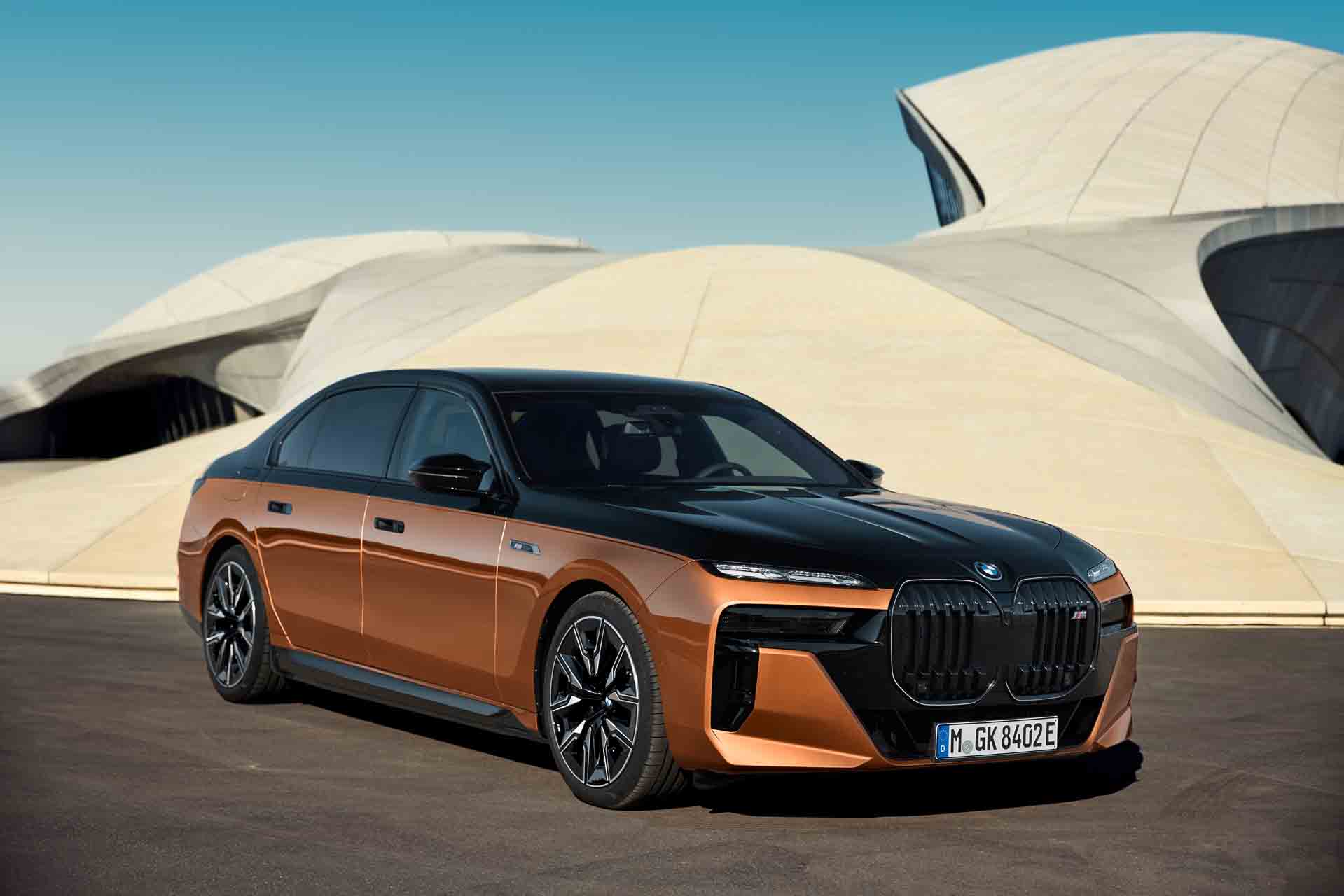
Parts are costly, and many repairs require dealership-level diagnostic equipment. Worse, failures often don’t follow a linear pattern.
Owners may fix one issue only to trigger another, leading to cascading costs. Labor times are also inconsistent, making it difficult to get firm estimates.
For U.S. owners outside warranty coverage, the 7 Series often becomes a financial wildcard.
2. Land Rover Range Rover
The Range Rover’s reputation for luxury is matched only by its reputation for unpredictable repair bills.
Advanced air suspension systems, complex drivetrain components, and electronics that control nearly every function create a perfect storm for ownership anxiety.
Failures often occur without warning, and diagnosis alone can be expensive. Parts availability is limited compared to mainstream brands, especially outside major metro areas.
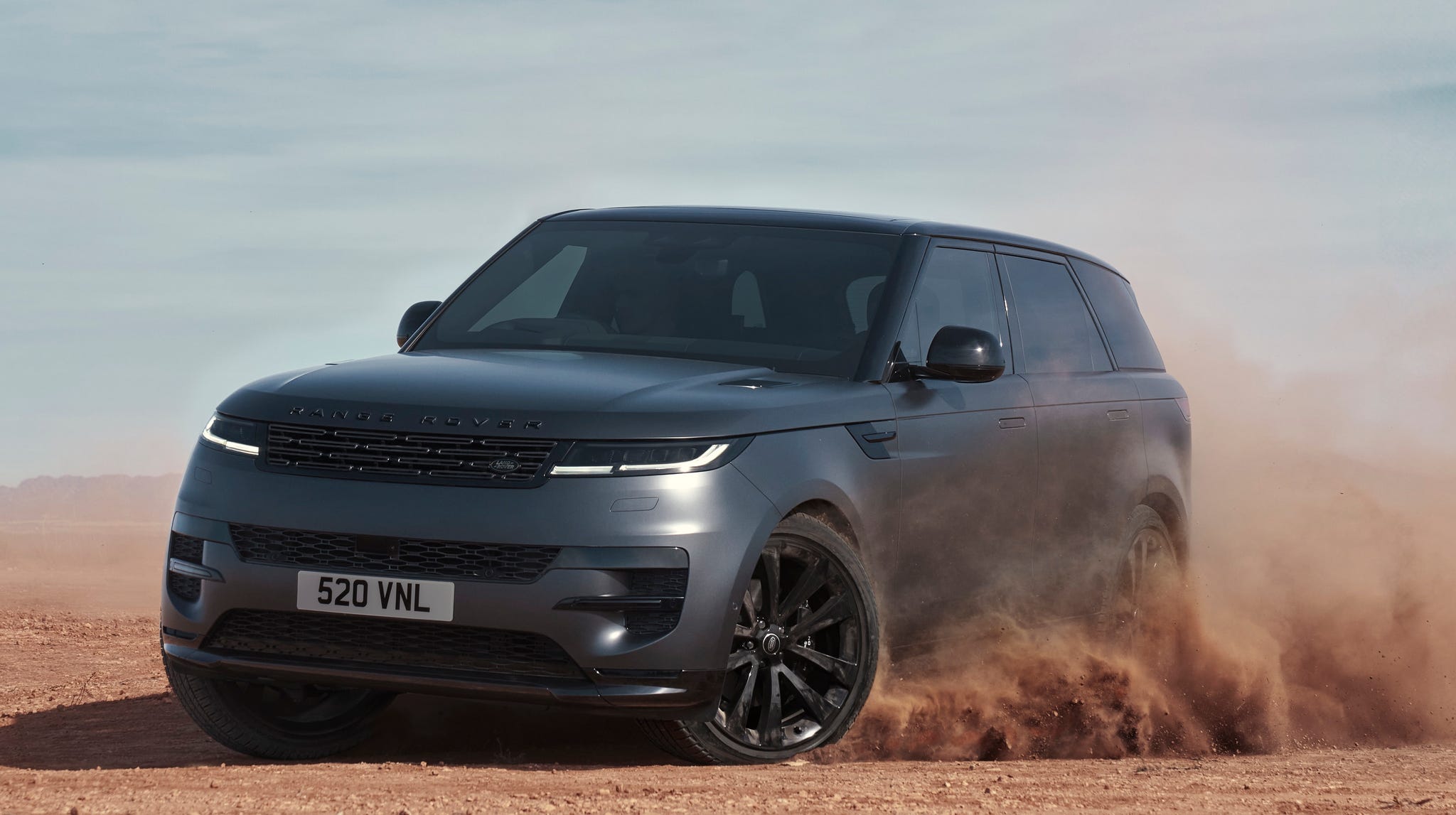
Even routine maintenance tends to cost more due to tight packaging and specialized procedures.
While some owners accept this as the price of prestige, the lack of repair predictability makes the Range Rover one of the riskiest long-term vehicles to own in the U.S.
3. Mercedes-Benz S-Class
Like the BMW 7 Series, the Mercedes-Benz S-Class is a showcase of cutting-edge automotive technology. Unfortunately, what impresses when new often becomes a liability as the vehicle ages.
Electronic control units, active safety systems, and luxury comfort features introduce repair scenarios that are both rare and expensive.
Independent shops may hesitate to work on certain systems, pushing owners toward dealership service rates. Additionally, repairs often require software updates or calibrations that add hidden costs beyond parts and labor.
The S-Class doesn’t just cost more to fix it’s harder to predict when and how those costs will appear.
Mercedes offers its flagship sedan with a choice of two powerful gasoline engines. The S500 is equipped with a turbocharged 3.0-liter inline-six producing 429 horsepower, while the S580 steps things up with a twin-turbocharged 4.0-liter V-8 delivering 496 horsepower.
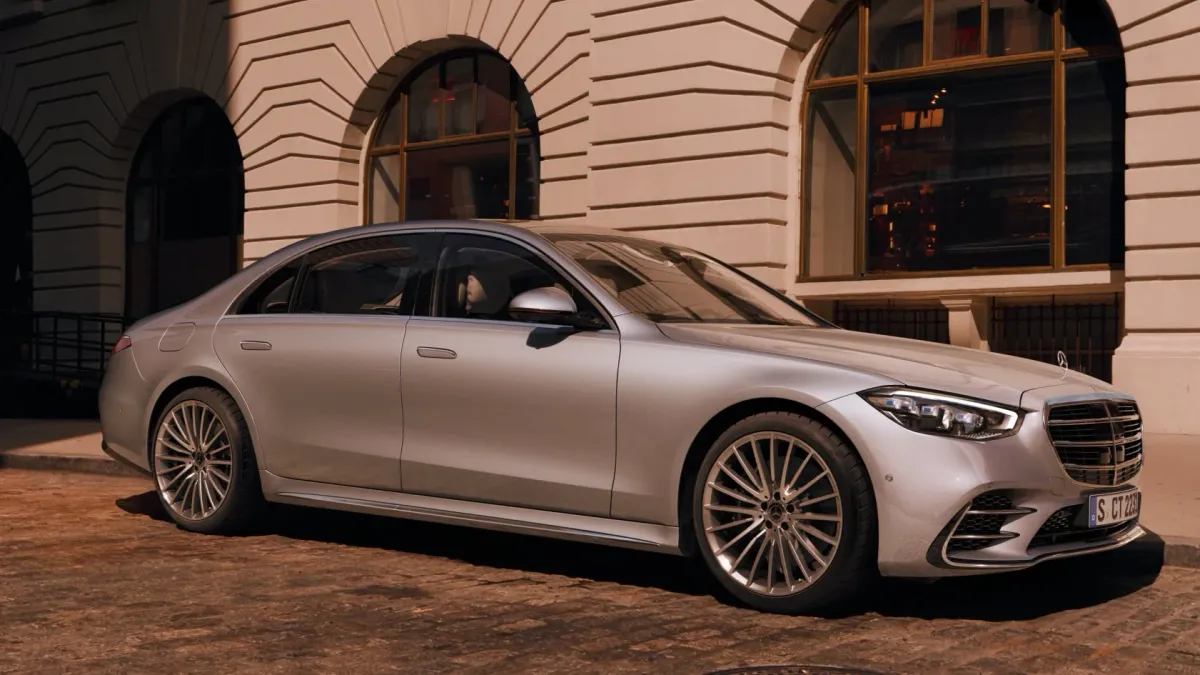
Both engines are enhanced by a 48-volt mild-hybrid system known as EQ Boost and are paired with a nine-speed automatic transmission and standard 4Matic all-wheel drive.
In addition, Mercedes plans to introduce a plug-in hybrid variant that is expected to provide roughly 60 miles of all-electric driving range. We’ve driven the gas-powered versions both in Germany and in the U.S., experiencing firsthand the variety of suspension and steering settings available.
Every S-Class rides on an air suspension, but models equipped with E-Active Body Control add a clever “curve” function that gently tilts the car into corners for improved composure.
The S-Class can also be optioned with all-wheel steering, a feature that makes this large luxury sedan feel surprisingly manageable when navigating tight urban environments or parking spaces.
4. Jeep Grand Cherokee (High-Tech Trims)
While base Jeep Grand Cherokee models can be manageable, higher trims introduce air suspension, advanced infotainment systems, and complex drivetrain options that undermine repair consistency.
Electrical issues, sensor failures, and suspension faults are common sources of unpredictable costs.
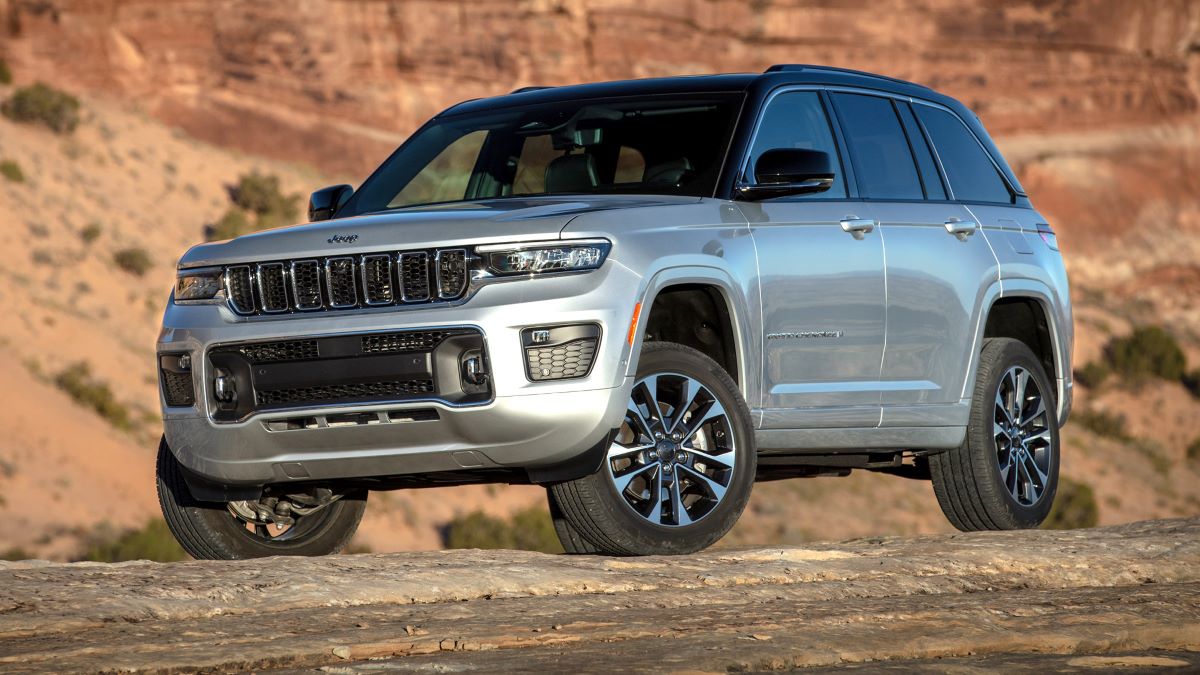
Parts pricing varies widely, and software-related problems can be difficult to diagnose. Owners often report intermittent issues that don’t present consistently, leading to repeated shop visits.
For drivers who prioritize off-road capability and luxury features, this unpredictability may be tolerable but it rarely aligns with budget stability.
The standard V6 provides solid power for everyday driving, but given the number of similarly strong rivals in this segment, its overall performance lands squarely in the middle of the pack.
In our testing, the Grand Cherokee reached 60 mph in about 8 seconds, a result that closely mirrors other five-passenger midsize SUVs such as the Toyota 4Runner and Honda Passport. Opting for the available 4xe plug-in hybrid powertrain brings a noticeable improvement in acceleration.
On the positive side, braking performance inspires confidence, with smooth and easily controlled stopping power, and the steering stands out for being light yet precise.
That said, the Grand Cherokee isn’t especially sporty. While it never feels awkward or unwieldy, its grip limits and overall driver engagement trail the class average.
The trade-off comes in the form of off-road ability, where the Grand Cherokee proves more capable than most midsize crossover SUVs, offering an advantage for buyers who value trail-ready versatility over sharp on-road dynamics.
5. Tesla Model S (Out of Warranty)
The Tesla Model S challenges traditional repair economics altogether. While it has fewer moving parts than internal combustion vehicles, when something does fail, repair paths are limited.
Tesla controls parts distribution, diagnostic access, and approved repair networks.
This monopoly means owners often face fixed, non-negotiable repair costs with little transparency. Body repairs are especially notorious, as even minor damage can require extensive labor and long wait times.
For U.S. owners outside warranty coverage, the unpredictability isn’t about frequency it’s about cost magnitude when repairs do occur.
Predictable repair costs are about more than reliability rankings. They’re about familiarity, accessibility, and transparency.
Vehicles that share parts across millions of units, rely on proven engineering, and can be serviced by independent mechanics tend to offer owners peace of mind long after the new-car smell fades.
Tesla has recently confirmed that the Model S is being discontinued, but that doesn’t mean it has disappeared from the market entirely.
In fact, you can still pick one up used in the UK for less than the cost of a brand-new Model 3, which raises an interesting question: is this former flagship EV still worth considering.
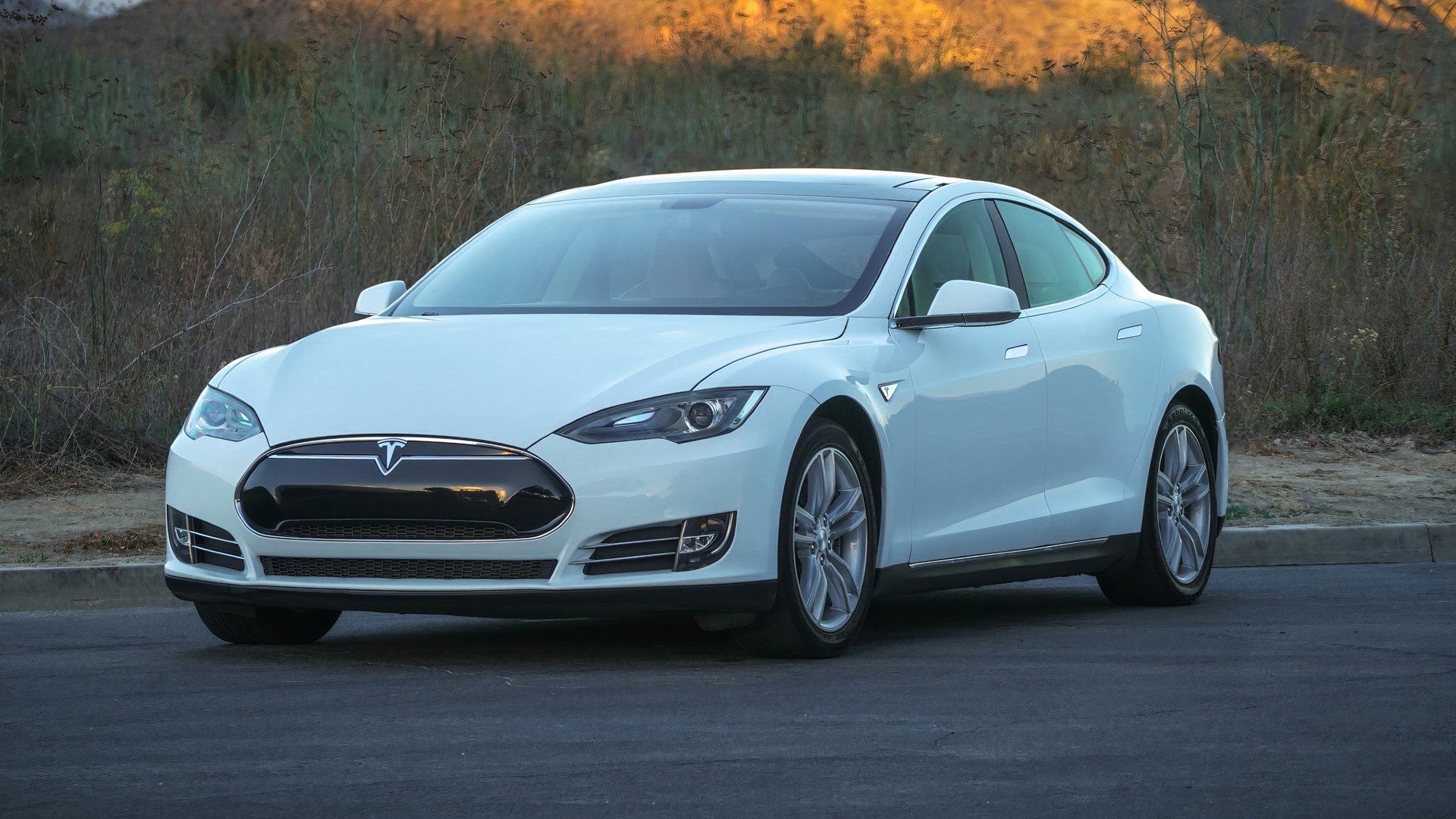
When it launched back in 2014, the Tesla Model S was the car that truly propelled Tesla into the mainstream, standing out as one of the most technologically advanced electric vehicles you could buy at the time. After a 12-year production run, however, Tesla has now decided to axe it.
Although it hasn’t been available to purchase new in the UK for several years, meaning many buyers may have largely forgotten about it, the Model S deserves another look because, in 2026, it represents a compelling second-hand bargain.
Despite its age, the Tesla Model S remains one of the most high-tech electric cars on the road. Its interior still feels modern, with a clean, minimalist design centered around a huge touchscreen that dominates the dashboard.
The system is impressively easy to use, featuring sharp graphics, fast responses, and an intuitive layout that feels as natural as operating a smartphone.
Beyond the tech, the Model S also excels as a long-distance cruiser. It’s exceptionally quiet at motorway speeds, making it a relaxing car for extended journeys.
Tesla’s Autopilot adaptive cruise control is another standout feature, ranking among the best available. It actively steers to keep the car centered in its lane while maintaining a safe following distance from traffic ahead, significantly reducing fatigue on long drives.
Conversely, vehicles loaded with bespoke systems, cutting-edge technology, or tightly controlled service ecosystems often turn routine ownership into a financial guessing game.
For American drivers who plan to keep their vehicles for years, choosing predictability can mean the difference between confident budgeting and constant uncertainty.
When it comes to long-term ownership, knowing what might go wrong and how much it will cost is often more valuable than hoping nothing ever does.
