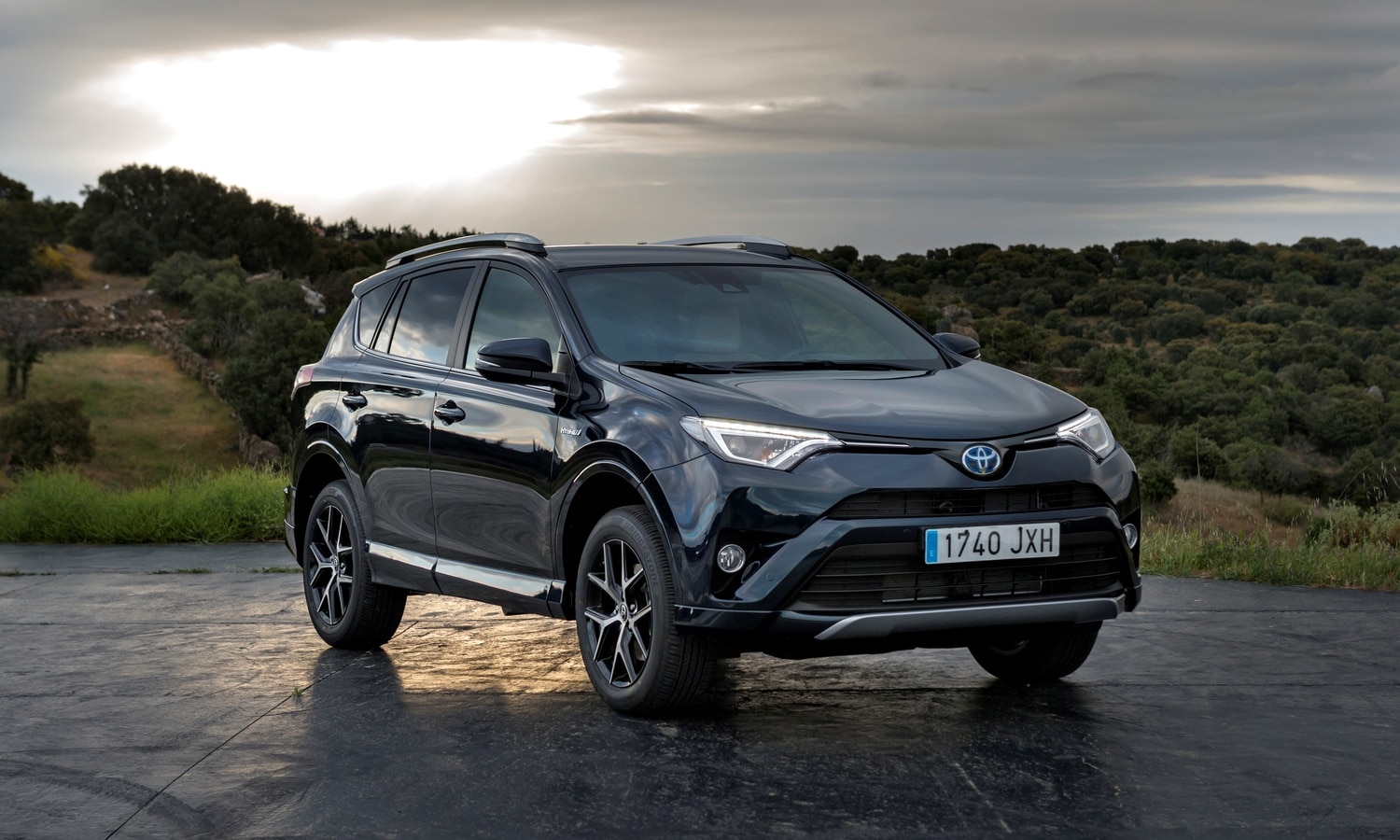
Nestled in the Blue Ridge Mountains, Asheville is one of the most scenic cities in the United States but it’s also one of the most demanding when it comes to daily driving.
Between steep inclines, winding mountain roads, sudden weather shifts, and tight urban streets, not every car feels at home here.
A vehicle that performs flawlessly on flat highways or suburban sprawl can quickly feel outmatched once you start navigating Asheville’s hills, switchbacks, and uneven pavement.
Driving in Asheville isn’t just about horsepower. It’s about torque delivery, braking confidence on descents, drivetrain grip in wet or icy conditions, and suspension tuning that doesn’t punish you on rough mountain roads.
Locals know that winter mornings can bring frost or light snow even when surrounding regions stay dry, while summer rainstorms can make steep streets slick in minutes.
Add in tourists unfamiliar with the terrain, cyclists sharing narrow roads, and wildlife crossings, and your car becomes a critical safety partner not just transportation.
Below are five cars that feel well-matched to Asheville’s hilly terrain, followed by five that struggle to keep up, not because they’re bad vehicles, but because their strengths lie elsewhere.
Cars That Handle Asheville Hills Well
Driving around Asheville means dealing with constant elevation changes, winding mountain roads, and steep neighborhood streets that test a car’s real-world capability.
Frequent hill climbs, downhill braking, and tight curves reward vehicles with strong low-end torque, confident traction, and stable handling. Add in changing weather and uneven pavement, and not every car feels equally comfortable here.
In this article, we highlight cars that handle Asheville hills well, focusing on vehicles that make mountain driving feel controlled, confident, and stress-free day after day.
1. Subaru Outback
The Subaru Outback feels almost purpose-built for places like Asheville. Its standard all-wheel drive system is a major advantage on steep, curving roads, especially during rain or winter weather.
Unlike part-time AWD systems, Subaru’s symmetrical AWD is always active, providing consistent traction without driver input.
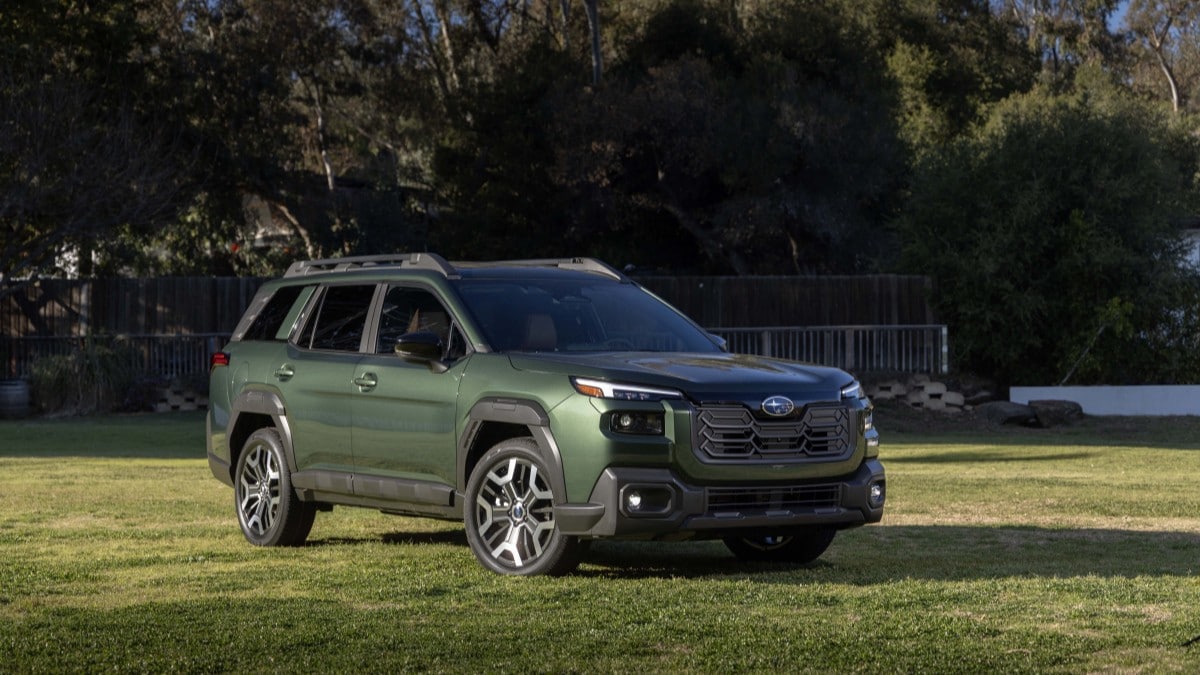
The Outback’s flat-four engine may not be flashy, but it delivers torque smoothly at low speeds exactly what you want when climbing hills or easing into tight mountain turns.
Its ground clearance also helps when dealing with uneven pavement, gravel pull-offs, or the occasional poorly maintained road.
Perhaps most importantly, the Outback feels stable and predictable on descents, with braking systems that inspire confidence rather than anxiety.
We evaluated an Outback Touring XT equipped with the stronger turbocharged engine.
During testing at our track, it sprinted from 0 to 60 mph in 6.5 seconds, a clear advantage over competitors like the Honda Passport, which managed the same run in 7.9 seconds.
The downside is that the Outback with the standard engine remains sluggish by comparison. Buyers who care about quicker acceleration will definitely want to opt for the turbo.
On the road, the latest Outback feels planted and confident through corners. Its steering is more precise and responsive than before, making it easier to trust that the vehicle will follow your inputs.
The suite of driver assistance features, including adaptive cruise control and lane-keeping assist, functions smoothly and provides helpful support without bombarding the driver with intrusive warnings.
Ride comfort is another strong point, especially on rough urban streets. The Outback shrugs off potholes, manhole covers, and uneven pavement with ease.
Combined with its excellent outward visibility, it delivers genuine versatility, equally comfortable navigating city traffic or escaping it altogether for more adventurous drives.
2. Toyota RAV4 Hybrid AWD
The RAV4 Hybrid AWD offers a smart blend of efficiency and capability that works exceptionally well in Asheville. Its electric motors provide instant torque, which makes uphill starts noticeably easier compared to traditional gas-only compact SUVs.
That immediate power delivery reduces strain on the engine and creates a smoother driving experience on steep inclines.
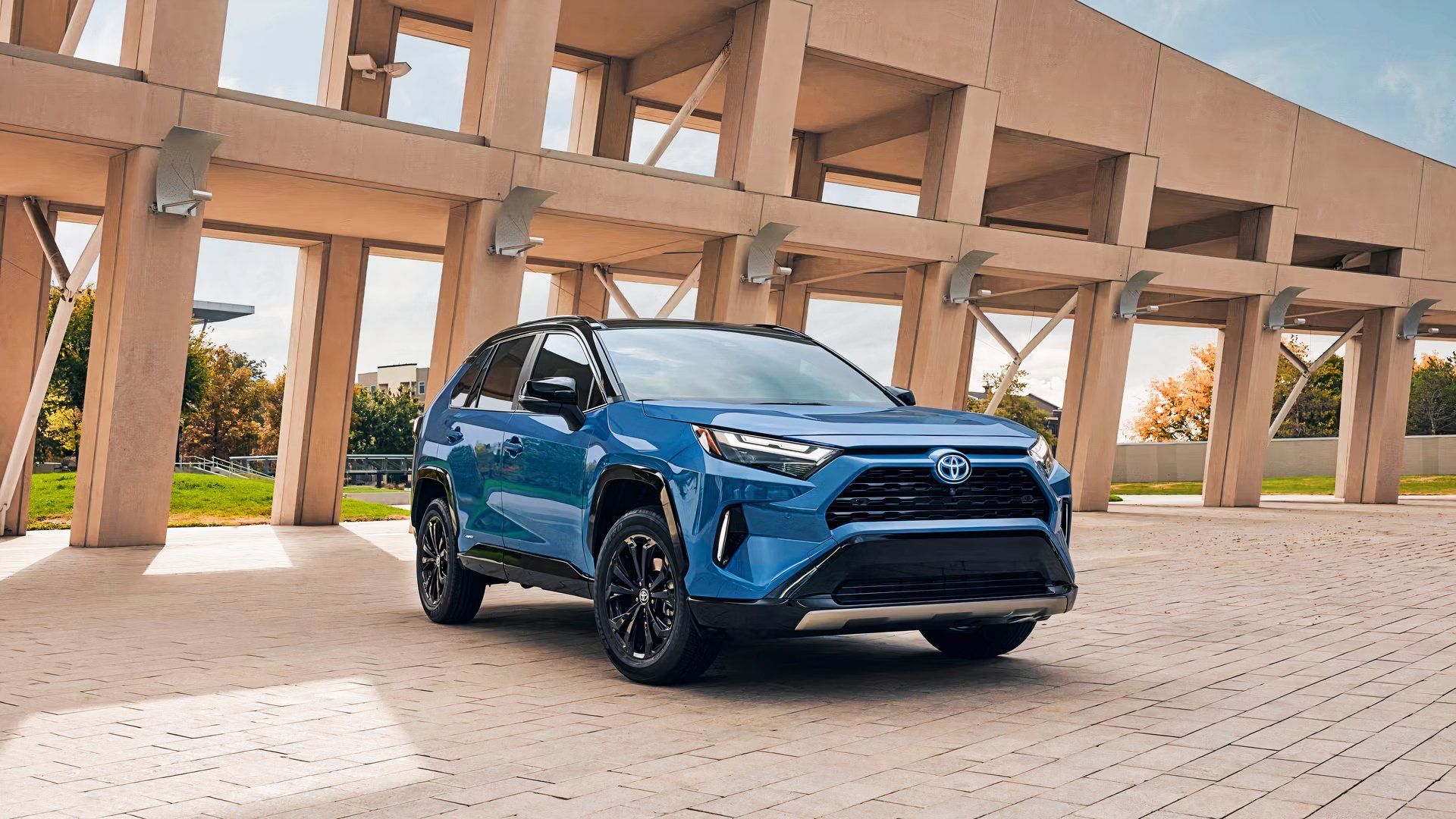
Because the hybrid system can power the rear wheels independently when needed, traction improves without the fuel penalty of a traditional AWD setup.
The RAV4 Hybrid also has strong regenerative braking, which helps maintain control when descending long hills while reducing brake wear an underrated benefit in mountain towns.
3. Mazda CX-5 AWD
The Mazda CX-5 stands out for its handling precision, which is especially valuable on Asheville’s winding roads. The steering feels direct and confident, making tight curves less stressful and more engaging.
While it doesn’t have the rugged image of some rivals, its AWD system reacts quickly to traction loss, keeping the vehicle composed in wet or uneven conditions.
The CX-5’s suspension strikes a balance between firmness and comfort, absorbing rough pavement without feeling floaty.
Its turbocharged engine option is particularly well-suited to elevation changes, offering strong mid-range torque that doesn’t require aggressive throttle input when climbing.
The CX-5 comes standard with all-wheel drive and offers a choice between a 187-horsepower base engine and a more potent 256-hp turbocharged option.
A turbo-equipped CX-5 ran from 0 to 60 mph in 6.6 seconds, making it noticeably quicker than most competitors and giving it strong passing power at highway speeds.
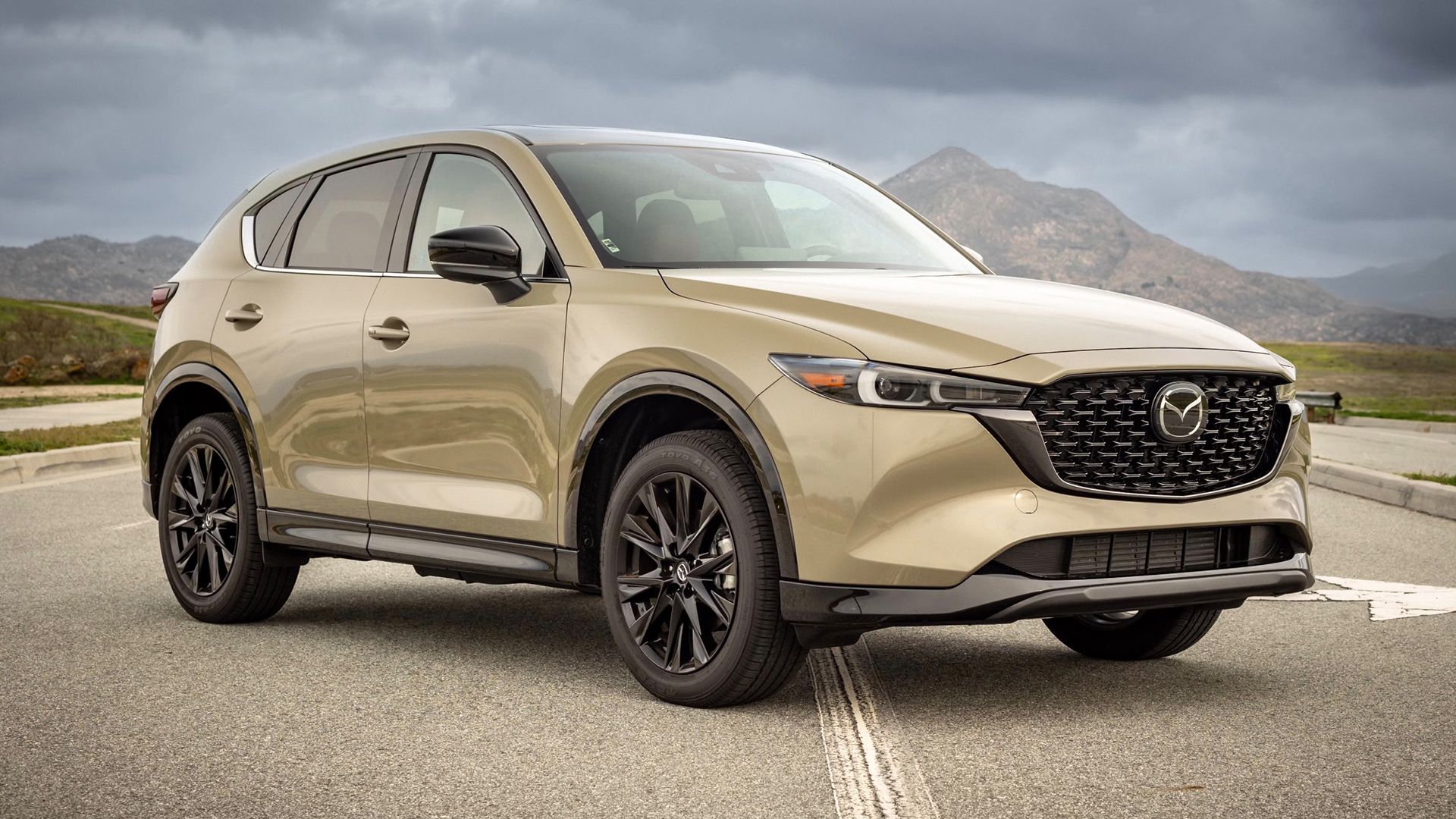
The standard engine, by contrast, needs a few extra seconds to reach 60 mph and can feel strained when attempting highway passes.
No matter which engine you choose, the CX-5 delivers confident handling. The steering is precise, and the suspension is well controlled, contributing to a reassuring, sporty feel on the road.
While the ride isn’t as cushy as some rivals in this segment, we think the slightly firmer response over small bumps is a fair trade-off for the sharper handling. Visibility is another plus, thanks to the CX-5’s large windows and the available surround-view camera system on higher trims.
Mazda equips every CX-5 with a comprehensive set of driver assistance features, though they feel a bit dated compared to newer systems. The lane-keeping assist, for instance, reacts slowly, and the adaptive cruise control can hesitate before adjusting speed to changing traffic.
Most drivers and front-seat passengers will find the CX-5 comfortable, thanks to its well-shaped front seats. However, taller occupants may wish for more thigh support on longer drives.
There’s a wide range of seat adjustments, memory settings on higher trims, and easy entry and exit through the large front doors.
The controls are intuitive and user-friendly, and because the CX-5 predates the trend toward touch-sensitive switchgear, it still relies on physical buttons and knobs for most functions, a welcome choice for many drivers.
The rear seat, however, feels more cramped than its measurements suggest, likely due to its narrower layout compared to competitors. The seat cushions are relatively flat and don’t offer much support, though the adjustable seatback is a nice touch.
Rear door openings are small, so entry can be awkward if the front seats are pushed far back. Child seat compatibility is average, but rear-facing seats may be a tight fit.
Automatic climate control performs well and includes rear air vents. Overall cabin quietness is good at cruising speeds, although the engine becomes noticeably louder under full acceleration.
4. Honda CR-V AWD
The Honda CR-V AWD excels through balance rather than brute force. Its AWD system engages seamlessly when climbing or when wheel slip is detected, which is ideal for Asheville’s unpredictable road conditions.
The CR-V’s light steering and good visibility also help when navigating narrow streets or tight parking situations common in older parts of the city.
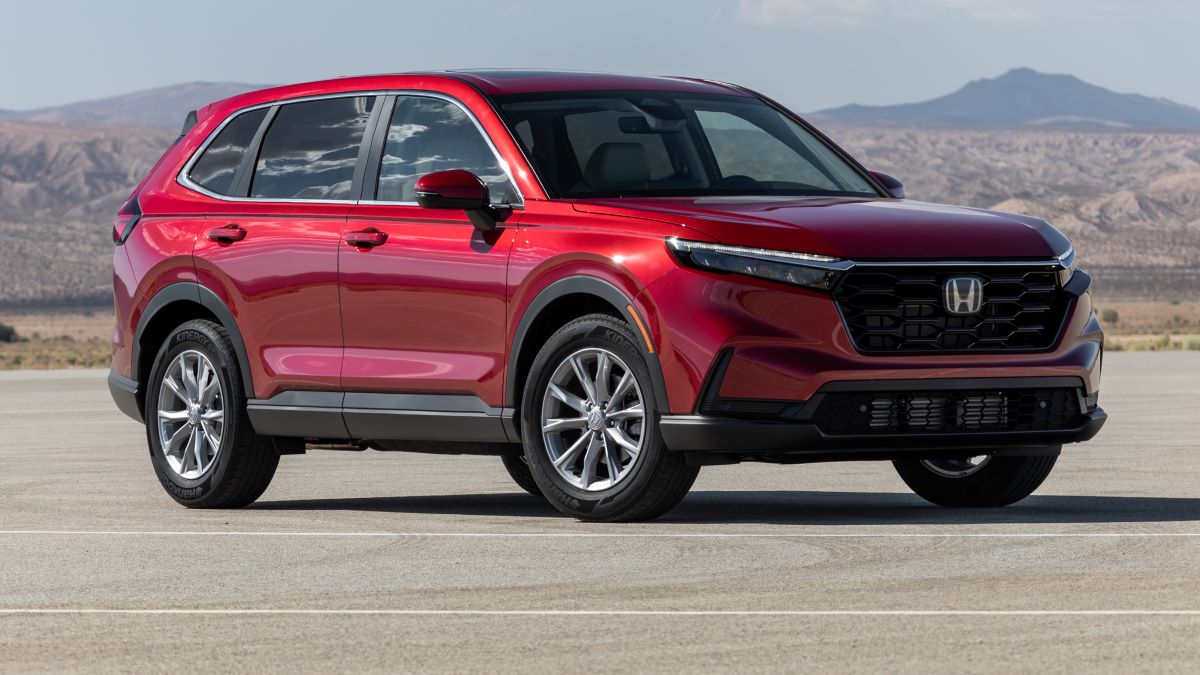
While not a performance vehicle, the CR-V’s engine delivers power smoothly, reducing the need for constant gear hunting on hills.
Its suspension handles uneven surfaces well, keeping passengers comfortable even when roads aren’t perfectly maintained.
The CR-V isn’t designed to be a performance standout, but it does feel alert and well-balanced compared with many other small SUVs.
The hybrid Sport Touring version we drove completed a 0–60 mph run in 8.0 seconds, which is right in line with segment norms, and the standard 1.5-liter engine delivers similar results. This level of performance is adequate for everyday driving, even if it won’t excite enthusiasts.
Braking performance is reassuring, with strong stopping power in emergency situations and smooth, easy modulation in routine use.
The hybrid system operates seamlessly in normal driving and its simulated gear changes feel natural, though tackling extended mountain climbs may require more throttle input.
In corners, the CR-V remains stable and predictable, aided by responsive steering that provides enough feedback to keep the driver informed. Ride comfort stands out as one of the vehicle’s biggest strengths.
Outward visibility is a bit uneven, with large front windows providing a clear view ahead, a less generous rearward view, and effective parking camera systems helping fill the gaps.
While the available driver-assistance features perform well, competitors tend to offer a broader array of these technologies.
Inside, comfort is a major highlight. The cabin layout is intuitive, with ample space in both seating rows and large windows that create an open, airy feel.
The front seats are supportive and highly adjustable, while the rear seat offers excellent legroom and is especially accommodating for child-seat installation.
Wide door openings and seat heights that are well suited to adults make getting in and out easy. Controls are thoughtfully placed and simple to use, particularly the physical climate controls, which can be adjusted without taking your eyes off the road.
5. Ford Bronco Sport
The Ford Bronco Sport is particularly well-suited to Asheville for drivers who frequently venture beyond paved roads or live on steeper outskirts.
Its available all-wheel drive, higher ride height, and terrain management system provide confidence on everything from wet asphalt to gravel and dirt paths.
Unlike larger SUVs, the Bronco Sport remains compact enough to feel manageable in the city while still offering the low-end torque and traction needed for hill climbs.
Its shorter wheelbase also helps on tight curves, making it surprisingly nimble for its rugged appearance.
It’s obvious that off-road capability is a top priority for the Bronco Sport, particularly in the Badlands trim we drove.
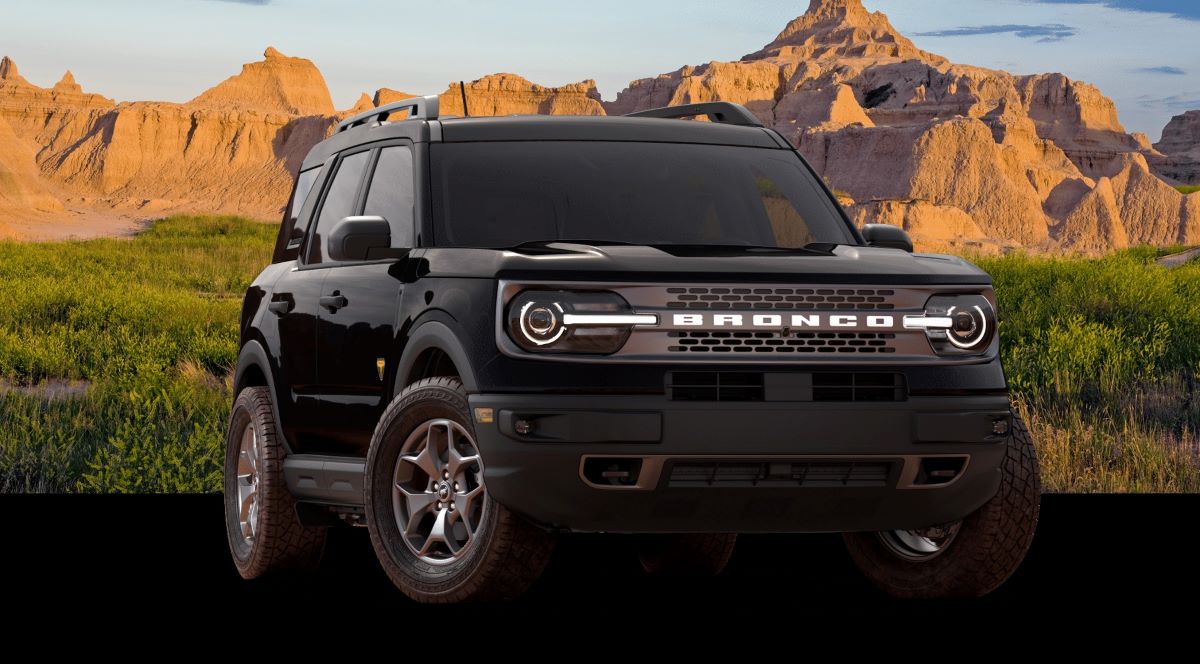
On the plus side, that focus pays off when you leave the pavement, as the Bronco Sport is genuinely fun and capable on dirt trails. The downside is that this off-road bias comes at the expense of on-road refinement, where it’s far less satisfying to drive.
The available 2.0-liter EcoBoost four-cylinder delivers solid performance, pushing the Bronco Sport from 0 to 60 mph in 7.2 seconds, which is competitive for the segment.
That power helps make it an enthusiastic off-roader and works well with the vehicle’s intelligent traction management systems. Unfortunately, once back on the street, shortcomings become more apparent.
Braking performance is unimpressive, with a 60-mph stopping distance of 127 feet, longer than average for a small SUV, and the brake pedal itself lacks reassuring feel and responsiveness. Low-speed transmission behavior is another weak point, with shifts that can feel abrupt and unrefined.
Cars That Struggle in Asheville Hills
Asheville’s hilly terrain can quickly expose a car’s weak points. Steep inclines, sharp curves, downhill braking, and frequent elevation changes demand strong low-end power, dependable brakes, and confident traction.
Vehicles that lack these qualities often feel strained on climbs, unstable on descents, or tiring to drive on winding mountain roads.
What works fine on flat city streets can become frustrating, even stressful, in this environment. In this article, we look at cars that struggle in Asheville hills, and why certain designs are poorly suited for daily driving in mountain terrain.
1. Toyota Corolla (Base Models)
The Toyota Corolla is a reliable, fuel-efficient sedan, but Asheville’s terrain exposes its limitations.
Base models lack all-wheel drive and offer modest engine output, which can make uphill driving feel strained especially when fully loaded or merging on inclines.
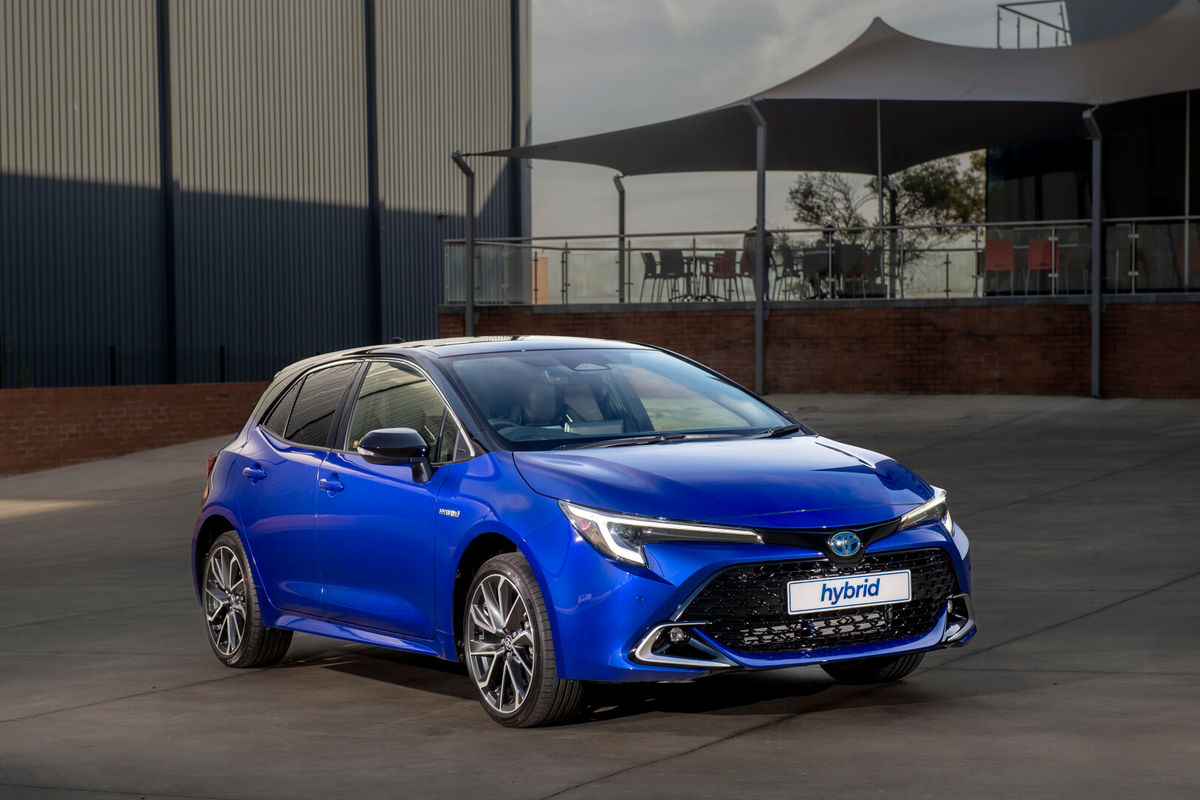
On steep descents, the Corolla’s braking system can feel overworked, and the suspension doesn’t always inspire confidence on uneven roads.
While it’s perfectly fine for flatter cities, Asheville’s hills demand more torque and traction than the Corolla comfortably provides.
2. Nissan Versa
The Nissan Versa prioritizes affordability and fuel economy, but those strengths don’t translate well to mountainous driving.
Its small engine struggles on steep climbs, often requiring high RPMs just to maintain speed. That constant strain can make driving feel stressful rather than relaxed.
The Versa’s lightweight build also means it can feel unsettled on winding roads, especially during rain.
Without AWD or advanced traction systems, it’s not well-suited for Asheville’s variable weather and elevation changes.
You wouldn’t expect an economy-focused sedan to be especially quick, and the Versa’s four-cylinder engine certainly takes its time building speed.
In everyday city driving or when blending into normal traffic, this isn’t much of an issue. However, situations that demand quicker responses, such as pulling out into a tight gap or passing with limited room, highlight the car’s lack of urgency.
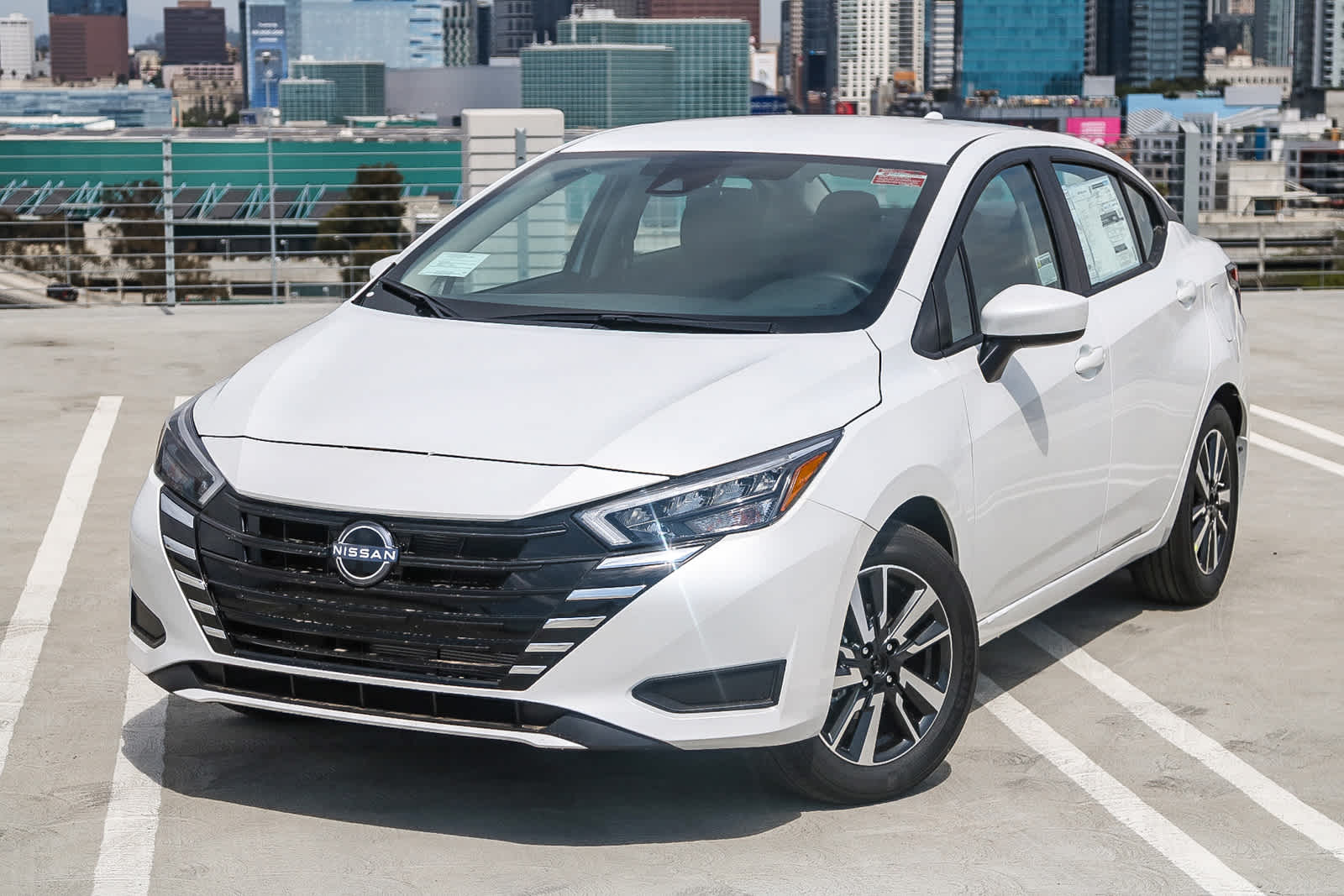
The Versa needed a slow and rather noisy 10.4 seconds to reach 0 to 60 mph, making it one of the slowest vehicles we’ve evaluated in recent memory.
Where the Versa fares better is in its handling. It remains stable and composed through corners, giving the driver a sense of control. While the steering lacks feedback and can feel overly heavy at times, the car still responds predictably and tracks where you point it.
Braking performance is also a strong point, with the Versa stopping confidently in emergency situations and offering a brake pedal that’s easy to modulate for smooth, everyday stops.
3. Hyundai Elantra
The Hyundai Elantra offers a comfortable interior and good tech features, but its low ground clearance and front-wheel-drive layout limit its effectiveness in hilly environments.
On wet or icy roads, uphill traction can be inconsistent, particularly on steeper residential streets.
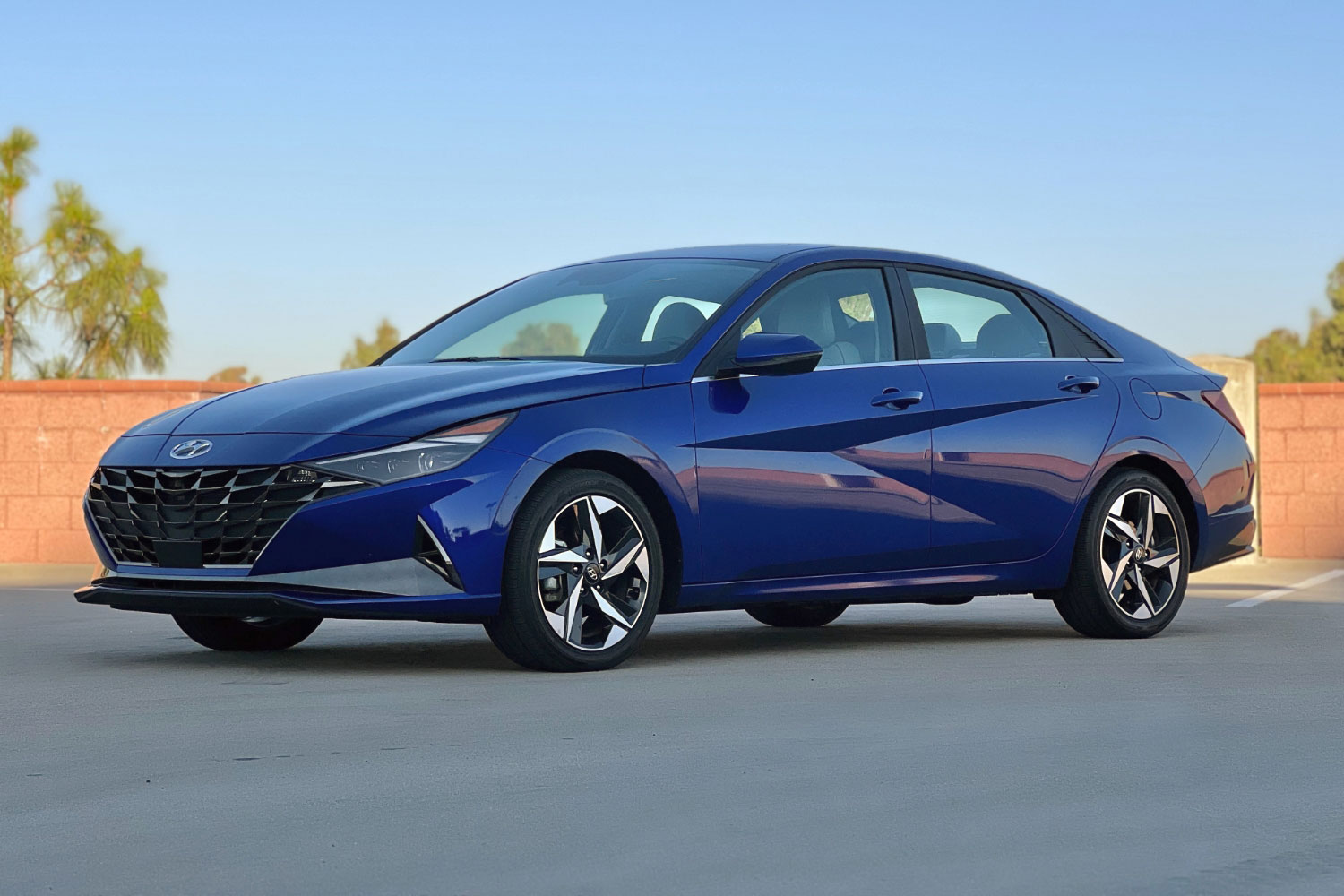
While the Elantra performs well on highways, Asheville’s constant elevation shifts expose its lack of low-end torque. The transmission often downshifts aggressively, which can feel jerky and tiring over time.
The standard four-cylinder engine doesn’t deliver much punch. In testing at Edmunds’ track, the Elantra recorded a 0–60 mph time of 9.4 seconds, placing it below the average for small sedans.
While that performance isn’t outright poor, it does make merging onto highways or overtaking slower traffic feel a bit sluggish and require extra patience.
Whatever power is available is managed by a continuously variable automatic transmission that Hyundai has clearly calibrated with fuel efficiency as the top priority.
As a result, it’s not particularly rewarding when pushed hard. In normal driving conditions, however, the CVT behaves smoothly, and the familiar droning sound often associated with these transmissions is kept to a relatively low level.
Beyond the powertrain, the Elantra delivers a fairly average driving experience. It handles corners competently for a compact sedan, remaining predictable and stable, and it doesn’t get easily unsettled over rough pavement.
Drivers looking for a more engaging feel should consider the N Line variant, which benefits from a sport-tuned suspension for a livelier drive.
The Elantra also comes with a solid selection of driver assistance features, though many of them require stepping up to higher trims or adding options.
The upside is that once equipped, these systems perform very well in real-world use. During our testing, the adaptive cruise control and lane-centering functions operated smoothly and confidently, without triggering any false alerts.
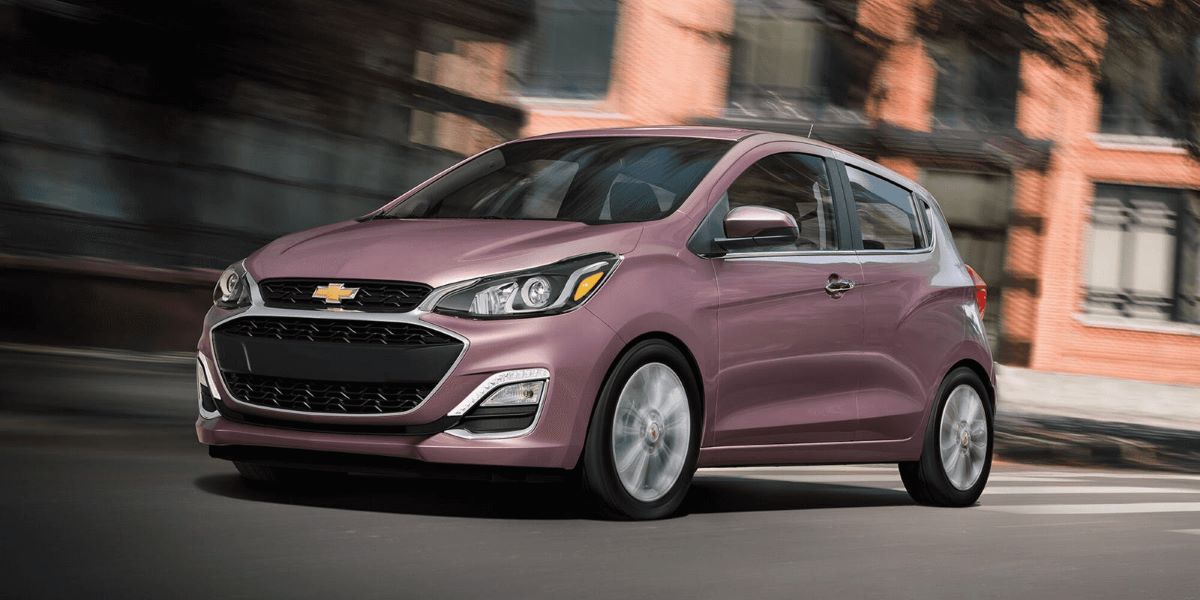
4. Chevrolet Spark
The Chevrolet Spark is designed for dense urban environments, not mountain terrain. Its small engine and minimal torque make uphill driving slow and noisy, while its short wheelbase can feel twitchy on winding roads.
In Asheville, where hills are unavoidable, the Spark feels out of its depth. Descending steep grades can also be uncomfortable, as the brakes and suspension aren’t designed for sustained elevation changes.
The standard four-cylinder engine doesn’t deliver much punch. In testing at Edmunds’ track, the Elantra recorded a 0–60 mph time of 9.4 seconds, placing it below the average for small sedans.
While that performance isn’t outright poor, it does make merging onto highways or overtaking slower traffic feel a bit sluggish and require extra patience.
Whatever power is available is managed by a continuously variable automatic transmission that Hyundai has clearly calibrated with fuel efficiency as the top priority.
As a result, it’s not particularly rewarding when pushed hard. In normal driving conditions, however, the CVT behaves smoothly, and the familiar droning sound often associated with these transmissions is kept to a relatively low level.
Beyond the powertrain, the Elantra delivers a fairly average driving experience. It handles corners competently for a compact sedan, remaining predictable and stable, and it doesn’t get easily unsettled over rough pavement.
Drivers looking for a more engaging feel should consider the N Line variant, which benefits from a sport-tuned suspension for a livelier drive.
The Elantra also comes with a solid selection of driver assistance features, though many of them require stepping up to higher trims or adding options.
The upside is that once equipped, these systems perform very well in real-world use. During our testing, the adaptive cruise control and lane-centering functions operated smoothly and confidently, without triggering any false alerts.
5. Mitsubishi Mirage
The Mitsubishi Mirage is one of the least suitable vehicles for Asheville’s geography. Its underpowered engine struggles even on moderate inclines, and steep hills often require full throttle just to keep moving.
The Mirage’s lightweight design also works against it on mountain roads, where stability and traction matter more than efficiency. In wet or cold conditions, the lack of AWD or robust traction control becomes a significant drawback.
Asheville driving rewards vehicles that prioritize torque over raw horsepower, traction over speed, and stability over minimalism.
Hills amplify every weakness in a drivetrain, suspension, and braking system. Cars that feel fine elsewhere may suddenly feel inadequate, while well-matched vehicles make daily driving calmer and safer.
Every Mitsubishi Mirage hatchback is powered by a 1.2-liter three-cylinder engine producing a modest 78 horsepower and 74 pound-feet of torque, which is noticeably less output than competitors like the Chevy Spark, rated at 98 horsepower.
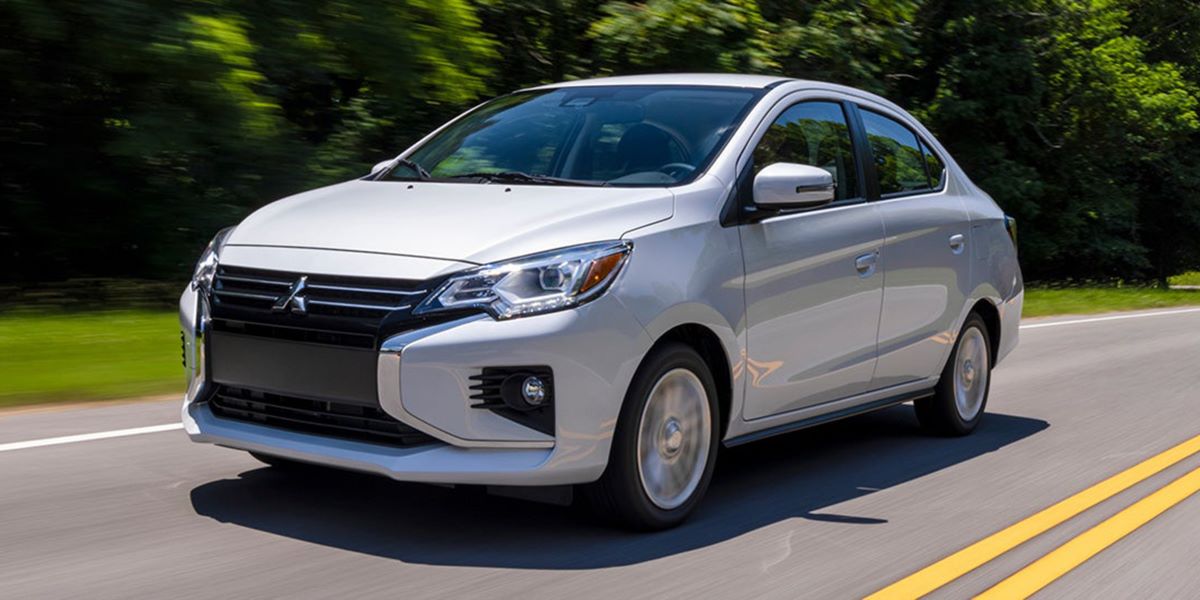
The entry-level Mirage is offered with a five-speed manual transmission, while all higher trims switch to a continuously variable automatic transmission (CVT). In every configuration, power is delivered to the front wheels.
On both city streets and highways, the Mirage’s acceleration feels underwhelming. Passing at freeway speeds often requires a heavy right foot, and when pushed hard, the engine becomes noisy and strained.
Adding to the experience, a significant amount of engine vibration makes its way into the cabin.
Choosing the right car for Asheville isn’t about luxury or status it’s about matching your vehicle to the terrain.
A car that climbs confidently, descends smoothly, and remains composed in changing weather transforms Asheville’s challenging roads from a daily test into part of the experience.
In a city defined by its mountains, the right car doesn’t just get you there it works with the landscape, not against it.