
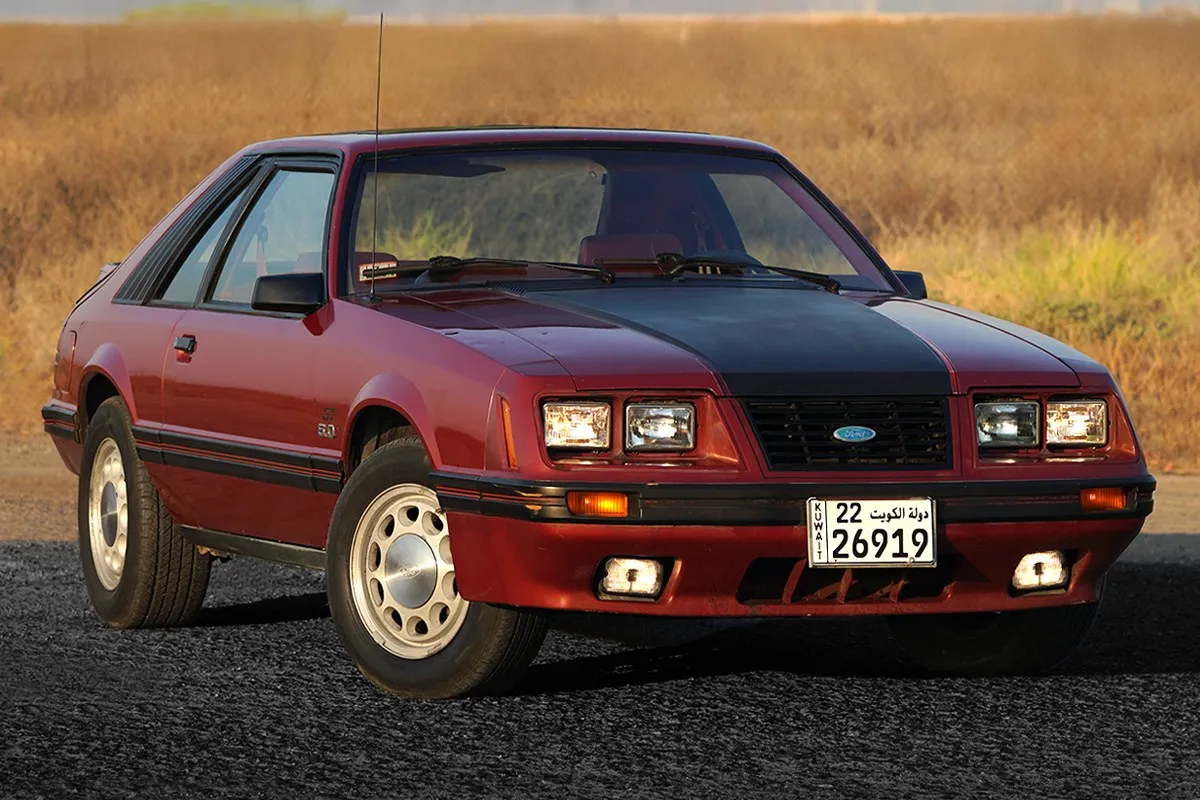
Car culture from the 1980s still sparks emotion in a way few other decades can match. Square edges, bold paint choices, pop-up headlights, and interiors filled with physical buttons created a driving experience that felt personal and mechanical. That era produced vehicles that did not try to hide their personality.
They showed it proudly, right down to the engine note and the feel of the steering wheel. For anyone who grew up during that time or simply admires it today, these cars represent more than transportation. They represent memory, attitude, and freedom.
Affordability adds another layer of appeal. Unlike many vintage vehicles that now sit behind velvet ropes, a wide selection of 1980s classics remains within reach for everyday buyers. These cars offer a chance to own something authentic without draining a savings account. Insurance rates stay reasonable, parts availability is usually solid, and ownership still feels approachable for first-time collectors.
This page focuses on machines that deliver nostalgic charm without asking for exotic car money. Each vehicle listed earned its reputation through real-world use, cultural impact, and lasting design. From performance coupes to practical icons, these cars reflect the variety that defined the decade.
Expect personality, character, and a driving experience that feels refreshingly honest. The journey begins with five standout models that continue to earn admiration decades after leaving the showroom.
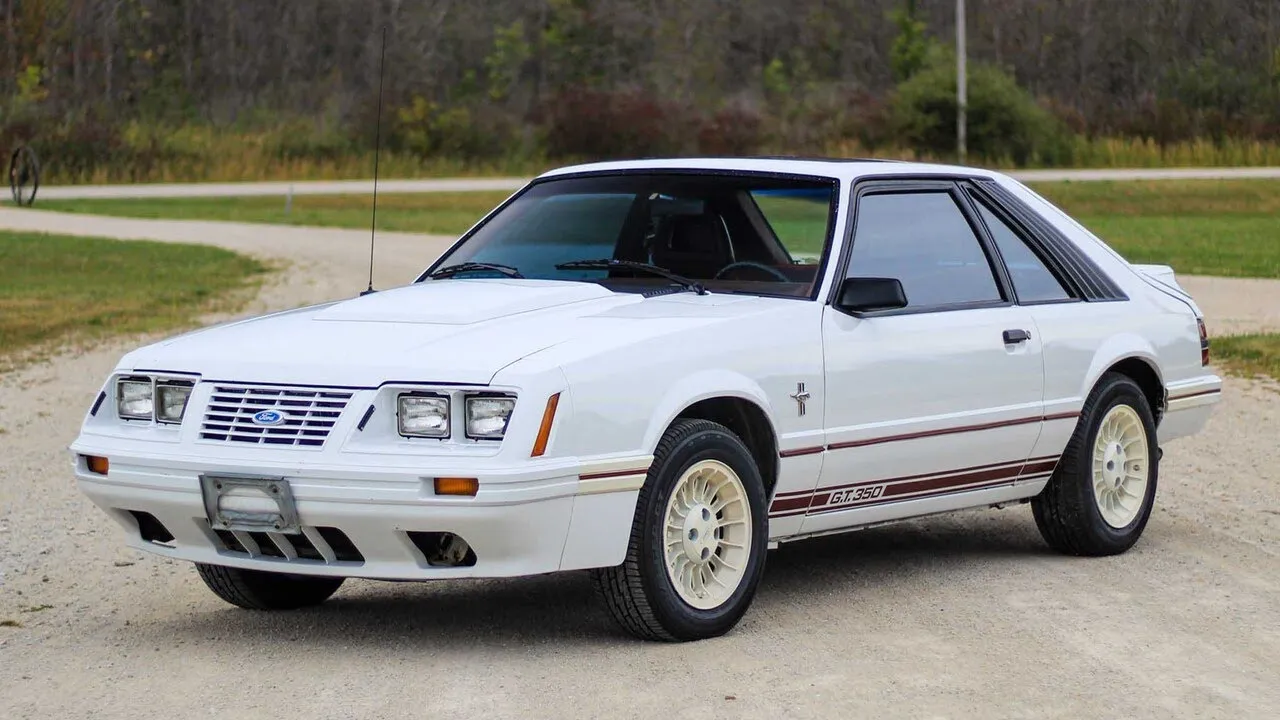
1. 1984 Ford Mustang GT
Muscle car energy never vanished during the 1980s, and the 1984 Ford Mustang GT stands as proof. Built on the Fox platform, this model carried the Mustang name through a period of change while holding onto its rebellious spirit.
Sharp lines replaced the curves of earlier generations, giving the car a purposeful stance that still feels confident today. Blacked-out trim, hood scoops, and bold striping helped the GT announce itself without subtlety. Under the hood, buyers found a 5.0-liter V8 that delivered strong acceleration and a soundtrack that defined American performance for an entire generation.
Power figures may appear modest by current standards, yet the lightweight body allowed the car to feel lively and responsive. Manual transmissions added engagement, while the suspension setup balanced straight-line speed with cornering ability better than many expected at the time.
Driving a 1984 Mustang GT feels raw in the best way. Steering feedback remains direct, braking requires intention, and the engine responds eagerly to throttle input. That analog nature keeps drivers connected to the road. No driving modes or digital filters interfere with the experience. What happens depends entirely on the person behind the wheel.
Affordability plays a large role in this car’s continued popularity. Clean examples often remain priced far below earlier classic Mustangs, making entry into ownership realistic. Parts availability stays excellent thanks to strong aftermarket support. Customization options range from factory correct restorations to personalized builds that reflect modern tastes.
Cultural impact adds emotional value. This Mustang appeared in music videos, parking lots, and drag strips across the country. It symbolized youthful confidence and independence. Even today, spotting one on the road sparks instant recognition.
For drivers seeking an authentic slice of 1980s performance without financial strain, the 1984 Ford Mustang GT delivers attitude, sound, and history in equal measure.
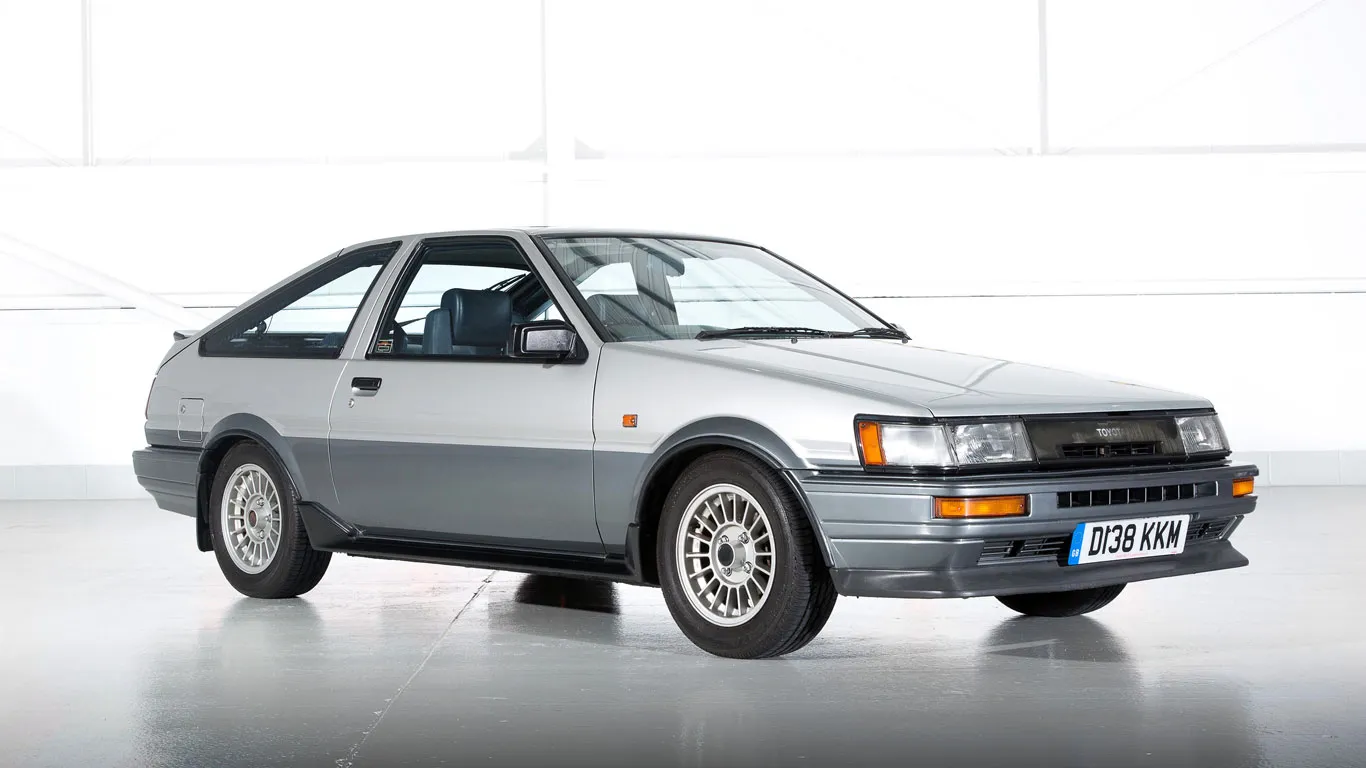
2. 1986 Toyota Corolla AE86
Unexpected legends often rise from humble beginnings, and the 1986 Toyota Corolla AE86 fits that description perfectly. Designed as a practical compact car, it gained legendary status through motorsport, street culture, and its pure driving feel. Lightweight construction and Rear Wheel Drive made this model stand apart from most economy cars of its time.
Power came from a high-revving 1.6-liter engine that rewarded drivers who enjoyed working through the gears. Output numbers never aimed to impress on paper, yet the engine’s willingness to rev created a sense of excitement that numbers alone could not describe. Balanced weight distribution allowed the chassis to respond predictably, building trust between car and driver.
The AE86 gained widespread recognition through drifting culture and racing circuits. Its controllable handling characteristics made it a favorite for drivers who valued precision. That reputation spread globally, cementing the car as a symbol of driver-focused engineering. Interior design stayed simple, with supportive seats and clear instrumentation emphasizing function over luxury.
Ownership today brings a mix of practicality and passion. Fuel efficiency remains respectable, insurance costs stay manageable, and mechanical simplicity keeps maintenance approachable. Parts sourcing varies by region, yet strong enthusiast communities continue to support restoration and repair efforts.
Affordability once defined this car, and while prices have risen due to demand, examples still exist within reach compared to many performance classics. Value comes from experience rather than speed. Each drive feels engaging, even at legal speeds.
Styling adds another layer of charm. Clean lines, pop-up headlights, and compact proportions give the AE86 a timeless look. It does not shout for attention, yet those who recognize it appreciate its importance. For drivers seeking a connection to pure mechanical balance and 1980s automotive culture, the 1986 Toyota Corolla AE86 remains a rewarding choice.
Also Read: 5 Hatchbacks That Excel in Urban Driving vs 5 That Feel Underpowered
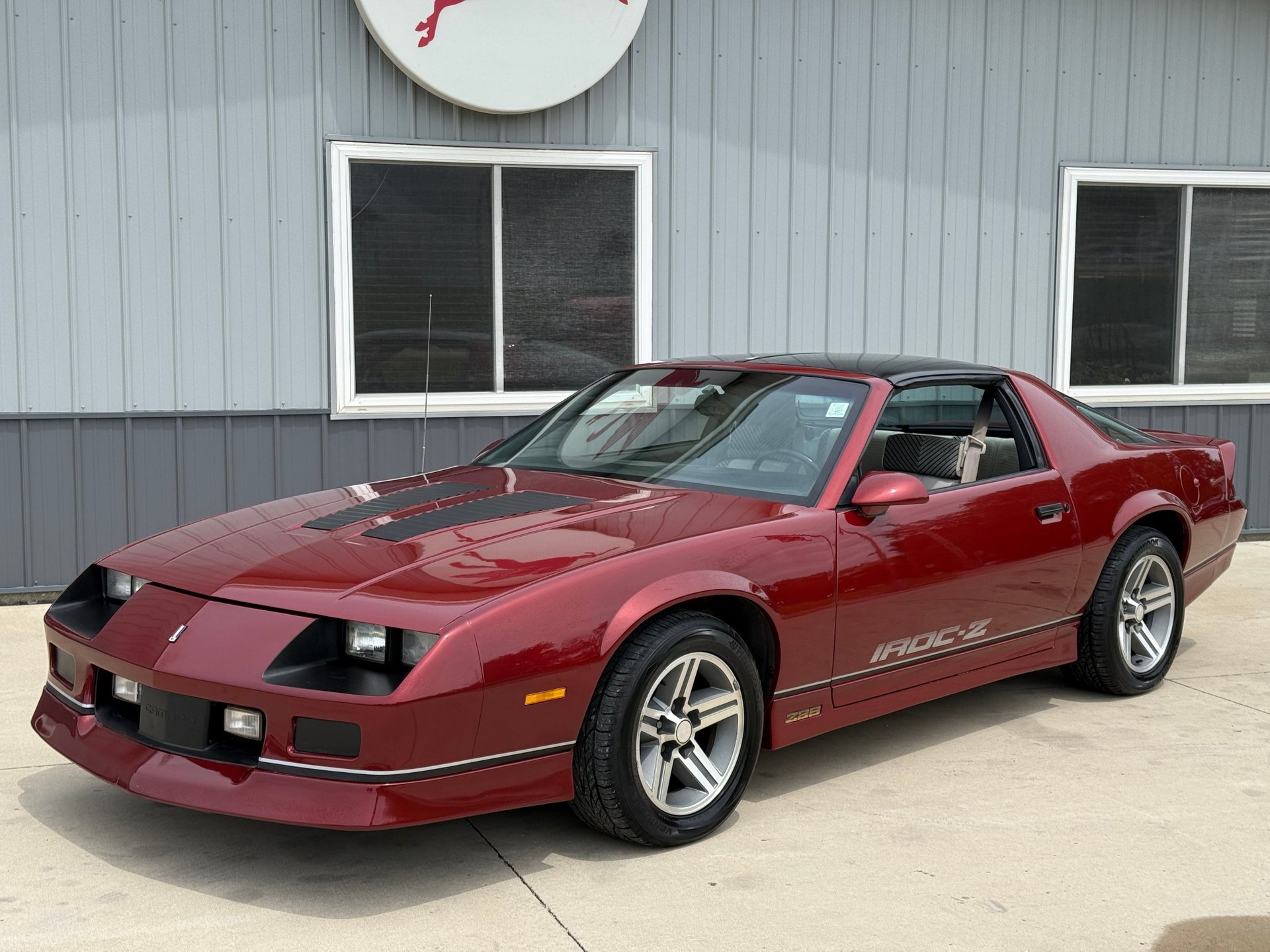
3. 1987 Chevrolet Camaro IROC Z
Confidence defined the 1987 Chevrolet Camaro IROC Z, a car that embraced performance image with boldness. Named after the International Race of Champions series, this Camaro wore its intentions clearly. Ground effects, distinctive wheels, and aggressive decals gave it a road presence few rivals could match.
Engine options ranged from V8 choices that delivered strong torque and a satisfying exhaust note. Acceleration felt immediate, especially in straight-line driving, where the car excelled. Suspension tuning focused on stability and grip, improving handling compared to earlier versions. Wide tires and lowered ride height contributed to its planted feel.
Inside the cabin, drivers encountered a blend of sport and comfort. Deeply bolstered seats held occupants firmly during spirited driving. Analog gauges provided clear information, while the dashboard layout reflected 1980s design priorities. Everything felt driver-oriented, reinforcing the performance theme.
Driving an IROC Z delivers a sense of theater. The long hood, low seating position, and rumbling engine create an immersive experience. Steering requires effort, reminding drivers that this machine predates electric assistance. That physical connection enhances enjoyment for those who appreciate tactile feedback.
Affordability remains one of its strongest advantages. Compared to earlier Camaros from the muscle car era, IROC Z models often cost far less while still offering V8 power and iconic styling. Parts availability remains strong, and many mechanical components share compatibility with other General Motors vehicles.
Cultural influence cannot be ignored. This Camaro appeared in movies, television shows, and driveways across the country. It represented confidence, individuality, and performance during a decade defined by style. Today, the 1987 Chevrolet Camaro IROC Z continues to deliver that same presence, making it a nostalgic yet accessible performance classic.
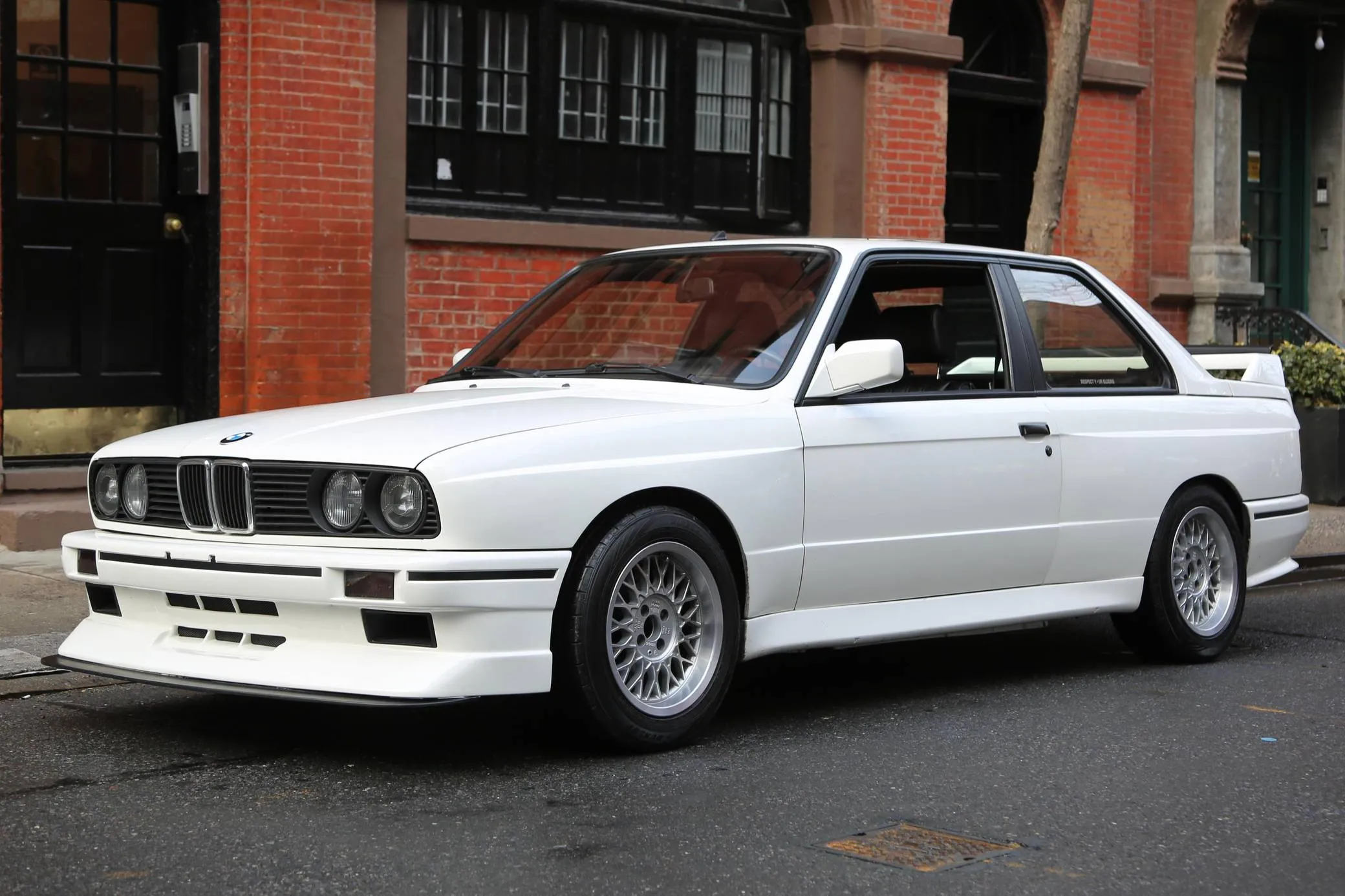
4. 1985 BMW 325i E30
Precision and balance define the 1985 BMW 325i E30, a car that helped shape the modern sport sedan. Compact dimensions, clean lines, and restrained styling gave it an understated elegance. Rather than chasing trends, BMW focused on driving dynamics and build quality.
Under the hood sat a smooth inline six engine known for reliability and linear power delivery. Acceleration felt refined rather than aggressive, encouraging drivers to enjoy the full range of the rev band. Rear wheel drive and balanced weight distribution allowed the chassis to respond predictably, especially through corners.
Driving an E30 feels composed and confident. Steering feedback remains one of its strongest traits, communicating road texture with clarity. Suspension tuning strikes a satisfying balance between comfort and control. Each input receives a measured response, making daily driving feel engaging rather than routine.
Interior design emphasized ergonomics. Controls fell easily to hand, seating positions supported long drives, and visibility remained excellent. Materials used during this period aged gracefully, contributing to the car’s lasting appeal.
Affordability once defined the E30, and while collector interest has pushed prices upward, examples still exist within reach when compared to later performance sedans. Maintenance costs stay reasonable for a European classic, especially with proper care. Enthusiast support ensures access to knowledge and replacement parts.
Ownership brings a sense of refinement paired with enjoyment. This BMW does not rely on excessive power or flashy styling. Instead, it rewards thoughtful driving and appreciation for engineering balance. For buyers seeking a 1980s classic that blends practicality with driving satisfaction, the 1985 BMW 325i E30 remains a compelling option.
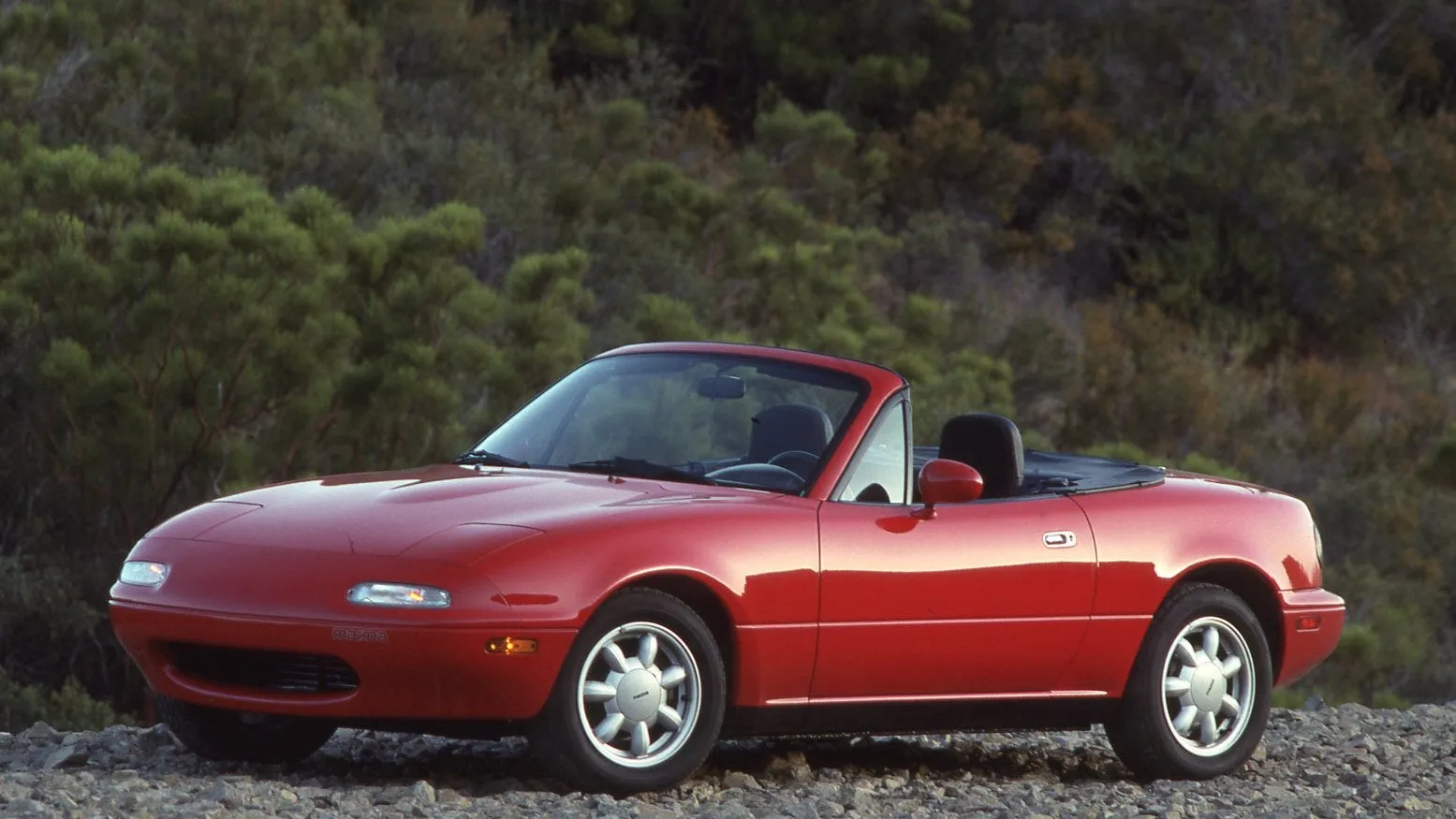
5. 1989 Mazda MX-5 Miata NA
Joy frequently arises from simplicity, and the 1989 Mazda MX-5 Miata NA reflects this principle with clarity and restraint. Released toward the close of the nineteen eighties, this compact roadster renewed interest in lightweight open-top motoring. Its small proportions, approachable styling, and distinctive pop-up headlights created immediate appeal without excessive ornamentation.
Engine output remained restrained, yet the vehicle’s low mass ensured that each journey felt engaging and responsive. Acceleration proved energetic when matched with the manual gearbox, delivering satisfaction through balance rather than raw force.
Rear wheel drive configuration and near ideal weight distribution supported confident cornering and smooth directional changes. Operating the Miata with the roof lowered fostered a heightened awareness of the surrounding environment.
Air movement, road sound, and visual openness combined to produce an experience that larger automobiles rarely provide. Steering response remained light and precise, guiding drivers toward control and discipline instead of speed alone. Braking performance and chassis tuning worked in harmony, encouraging trust even among drivers with limited experience.
Cabin design followed a clear functional approach. Seating offered adequate support, while controls were arranged for ease of use. Instrumentation remained legible, reinforcing the focus on clarity. Absence of unnecessary features ensured that attention stayed firmly on driving tasks.
This deliberate simplicity contributed to the model’s reputation for dependability and consistent enjoyment. Cost considerations strengthened the Miata’s appeal. Early production examples continue to command reasonable purchase prices, while operational expenses remain manageable.
Mechanical parts are widely available due to strong production volumes and continued manufacturer support. Ownership presents an inviting prospect rather than a demanding obligation, especially for first-time classic car buyers.
Influence associated with this model persists for many years after its introduction. The Miata encouraged appreciation for modestly powered sports cars that reward skill and attentiveness. Its approachable character welcomed new participants into enthusiast circles while still offering depth for seasoned drivers.
The 1989 Mazda MX-5 Miata NA delivers a lasting sense of nostalgia through direct involvement and thoughtful engineering, providing satisfaction derived from balance, purpose, and enduring design. Such qualities explain why this vehicle continues to earn respect within academic discussions of automotive history.
It demonstrates how careful engineering choices can prioritise balance and usability without dependence on excess power or luxury. The Miata stands as evidence that thoughtful design principles can achieve lasting relevance across generations of drivers and motoring scholars alike, worldwide automotive education, and appreciation
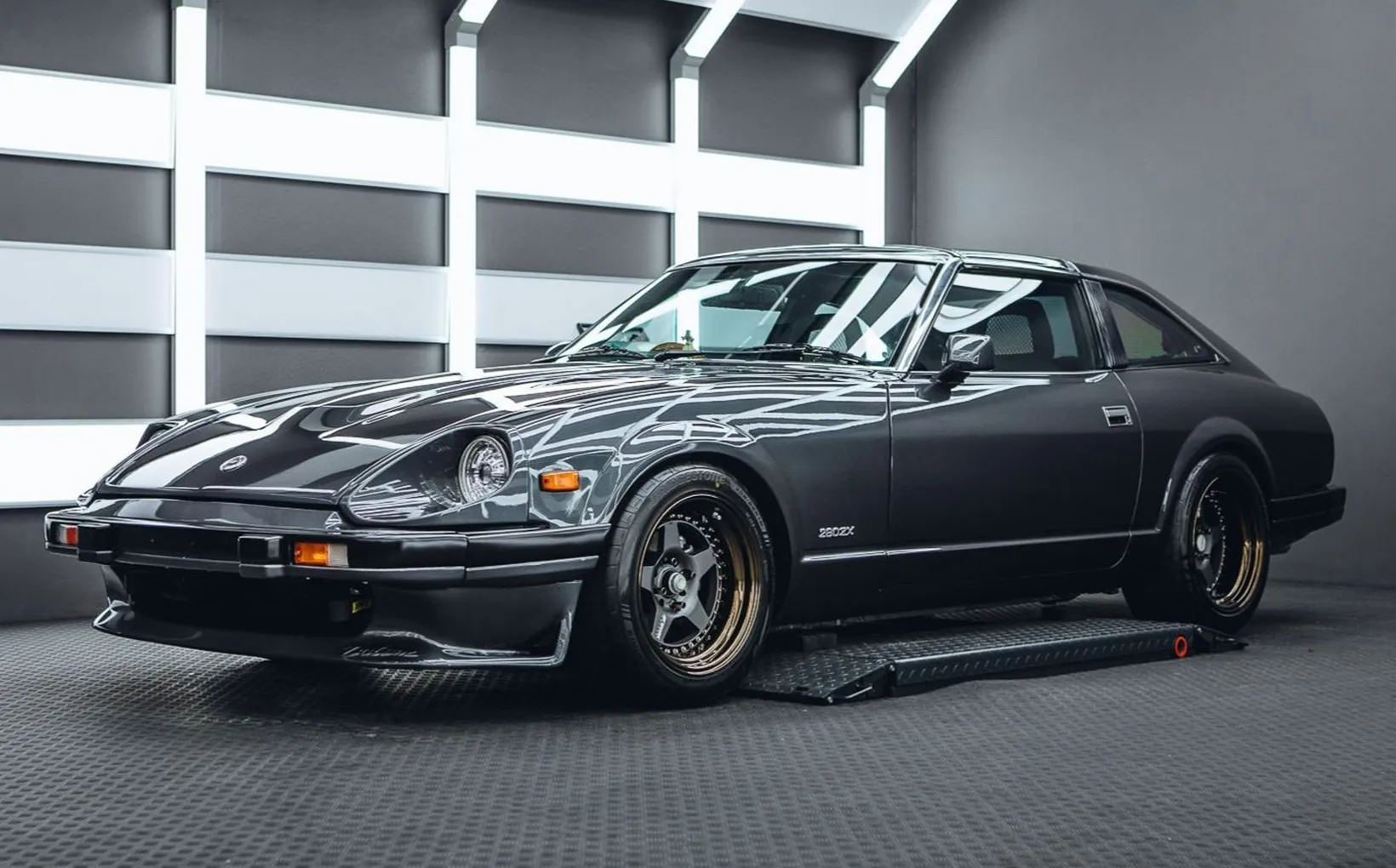
6. 1982 Datsun 280ZX
Confidence flows quietly from the 1982 Datsun 280ZX, a car that favored refinement without losing its sporting roots. This model represented a mature evolution of the Z car formula, leaning toward comfort while still offering engaging performance.
Smooth body lines replaced sharper edges, giving the car a sleek appearance that still feels tasteful decades later. Subtle styling cues, such as integrated bumpers and clean proportion,s helped it age gracefully. Power came from a 2.8-liter inline six engine known for durability and smooth delivery.
Acceleration felt steady rather than aggressive, making the car well-suited for long highway drives. Automatic and manual transmissions were available, broadening its appeal. Suspension tuning emphasized stability and ride quality, delivering confidence during spirited driving without harshness.
Behind the wheel, the 280ZX provides a relaxed yet engaging experience. Steering inputs feel deliberate, encouraging measured movements rather than quick reactions. Cabin insulation reduces road noise, setting it apart from earlier Z models. This car encourages enjoyment through balance, not intensity.
Interior design reflects early 1980s priorities. Digital gauge clusters appeared in some trims, adding futuristic flair. Supportive seats and thoughtful ergonomics contributed to comfort during extended drives. Features such as power windows and air conditioning enhanced daily usability.
Affordability remains one of its strengths. Compared to earlier Z cars, the 280ZX often remains priced within reach. Parts availability stays reasonable thanks to shared components and a dedicated community. Ownership rewards those who appreciate style, comfort, and mechanical honesty.
Cultural memory ties this car to a period when Japanese manufacturers refined their approach to performance coupes. The 1982 Datsun 280ZX delivers nostalgia through smooth driving manners and timeless design, offering a satisfying entry point into classic sports car ownership.
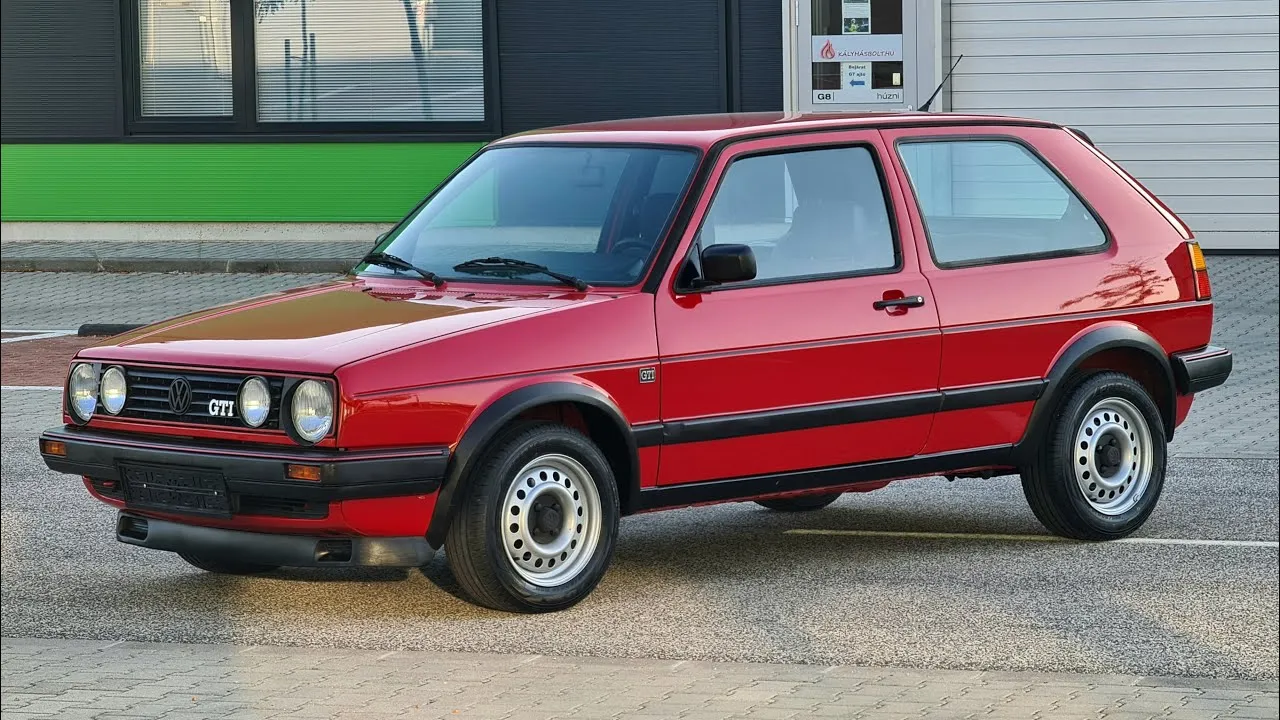
7. 1988 Volkswagen Golf GTI Mk2
Energy and practicality meet in the 1988 Volkswagen Golf GTI Mk2, a hatchback that defined everyday performance for an entire generation. Compact dimensions paired with purposeful styling gave it an instantly recognizable look. Flared arches, red trim accents, and distinctive wheels added attitude without excess.
Under the hood sat a lively four-cylinder engine that delivered responsive acceleration. Lightweight played a major role in its personality. Power reached the front wheels efficiently, allowing quick launches and confident cornering. Manual transmission engagement added to the sense of involvement.
Driving a Mk2 GTI feels playful. Steering responds eagerly, and suspension tuning balances comfort with agility. Urban streets suit this car well, yet winding roads reveal its true character. Each input feels rewarded, creating a sense of rhythm between driver and machine.
Inside, the cabin blends simplicity with personality. Tartan cloth seats became a defining feature, offering comfort and style. Controls remain intuitive, reinforcing the car’s focus on function. Visibility stays excellent, making daily driving stress-free.
Affordability remains a major attraction. Compared to later performance hatchbacks, ownership costs stay reasonable. Fuel efficiency helps keep expenses low, and mechanical simplicity aids maintenance. Enthusiast support ensures access to parts and shared knowledge.
Cultural influence places the Mk2 GTI among the most beloved hot hatches ever produced. It proved performance could coexist with practicality. The 1988 Volkswagen Golf GTI Mk2 continues to deliver joy through balance, responsiveness, and unmistakable character.
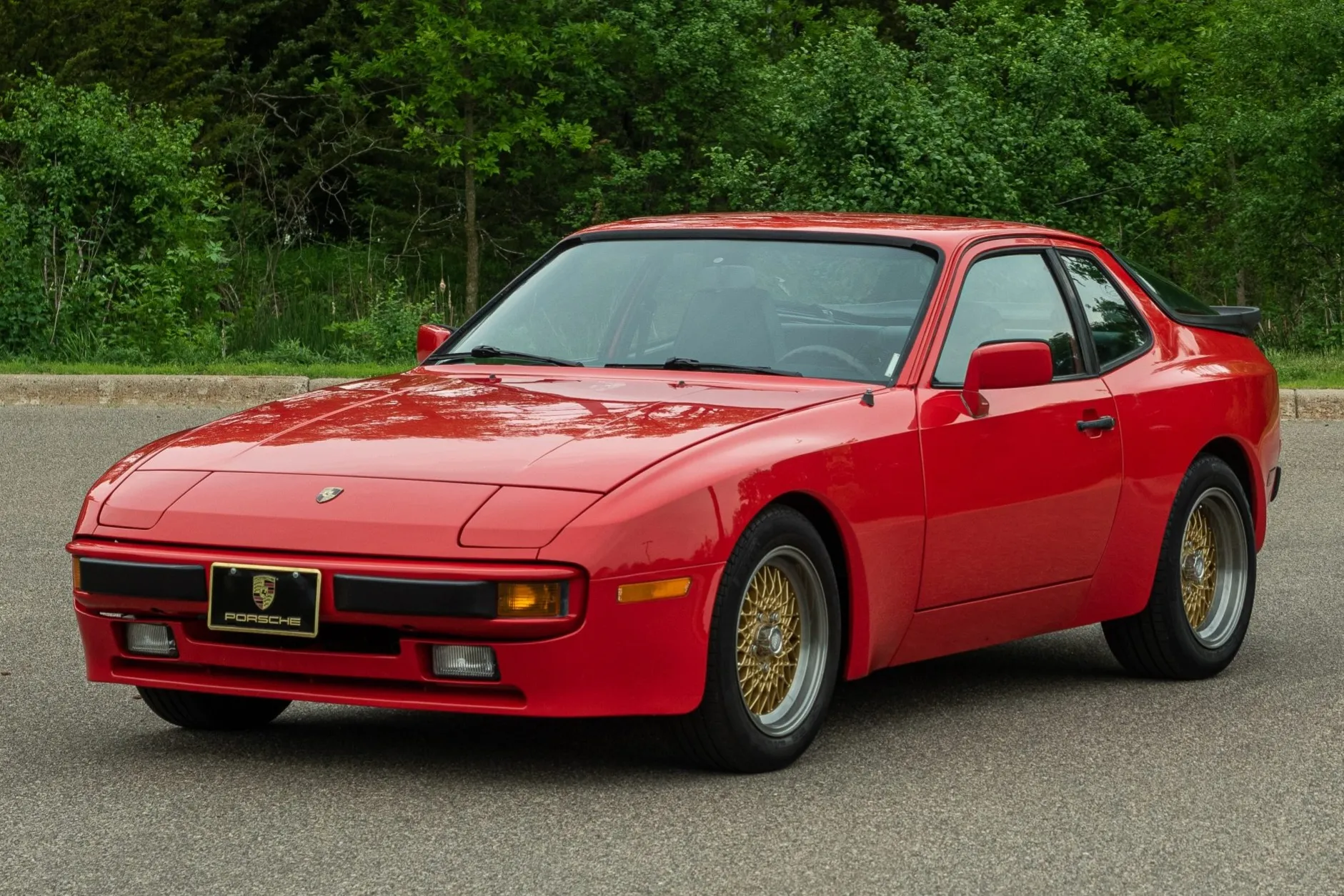
8. 1983 Porsche 944
Balance defines the 1983 Porsche 944, a sports car that brought precision engineering to a broader audience. Its front engine layout differed from traditional Porsche designs, yet delivered near-perfect weight distribution. Clean body lines and integrated styling elements gave it a refined appearance that still turns heads.
Power came from a four-cylinder engine that emphasized smooth delivery and efficiency. Acceleration felt controlled, allowing drivers to focus on handling rather than brute force. Rear wheel drive and a transaxle layout enhanced balance, creating predictable behavior through corners.
Driving the 944 inspires confidence. Steering feedback ranks among its strongest qualities, transmitting road information clearly. Suspension tuning provides composure, making high-speed cruising feel stable. Braking performance reinforces trust, encouraging spirited driving within comfort zones.
Interior design reflects Porsche’s attention to detail. Seating positions support performance driving, while controls remain logically placed. Build quality stands out, contributing to the car’s longevity. Each component feels purposeful rather than decorative.
Affordability once made the 944 a popular choice, and while values have risen, examples still exist below many classic sports cars. Maintenance requires diligence, yet rewards owners with reliability when properly cared for. Parts availability remains supported by specialists and enthusiasts.
The 1983 Porsche 944 delivers nostalgia through engineering excellence and balanced performance. It represents a period when precision and accessibility aligned, offering a driving experience that feels rewarding without intimidation.
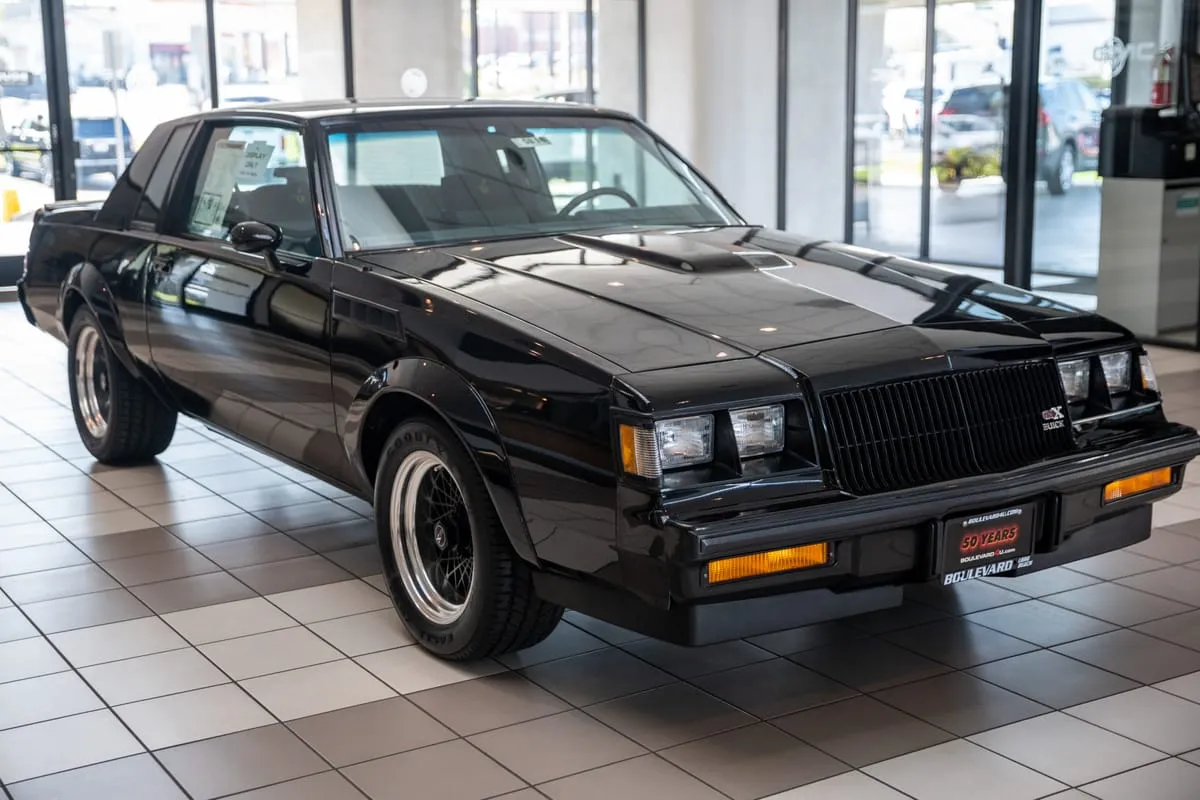
9. 1987 Buick Grand National
Power and mystery surround the 1987 Buick Grand National, a car that defied expectations. Dark paint, minimal chrome, and an aggressive stance gave it an intimidating presence. This model rejected flashy decoration, relying instead on performance reputation to speak.
Under the hood, a turbocharged V6 delivered surprising acceleration. Torque arrived quickly, pushing occupants into their seats with authority. Straight line performance impressed rivals, earning respect across the automotive community. Suspension tuning supported stability, keeping the car composed during hard acceleration.
Driving a Grand National feels dramatic. Throttle response delivers immediate results, while the exhaust note adds character. Steering prioritizes stability, reinforcing confidence at speed. This car rewards restraint and respect, reminding drivers of its capabilities.
Interior design reflects its era with a focus on comfort and driver information. Seats provide ample support, and instrumentation remains clear. Luxury touches appear without distracting from performance intent. Affordability once defined this car, and while demand has increased, it often remains priced below earlier muscle icons.
Maintenance benefits from shared components with other General Motors vehicles. Enthusiast communities offer strong support for restoration and care. Cultural memory places the Grand National among the most unexpected performance heroes of the 1980s.
The 1987 Buick Grand National delivers nostalgia through raw power and understated style, standing apart from traditional performance stereotypes.
Also Read: 7 Compact Hatchbacks That Handle Tight Streets Well
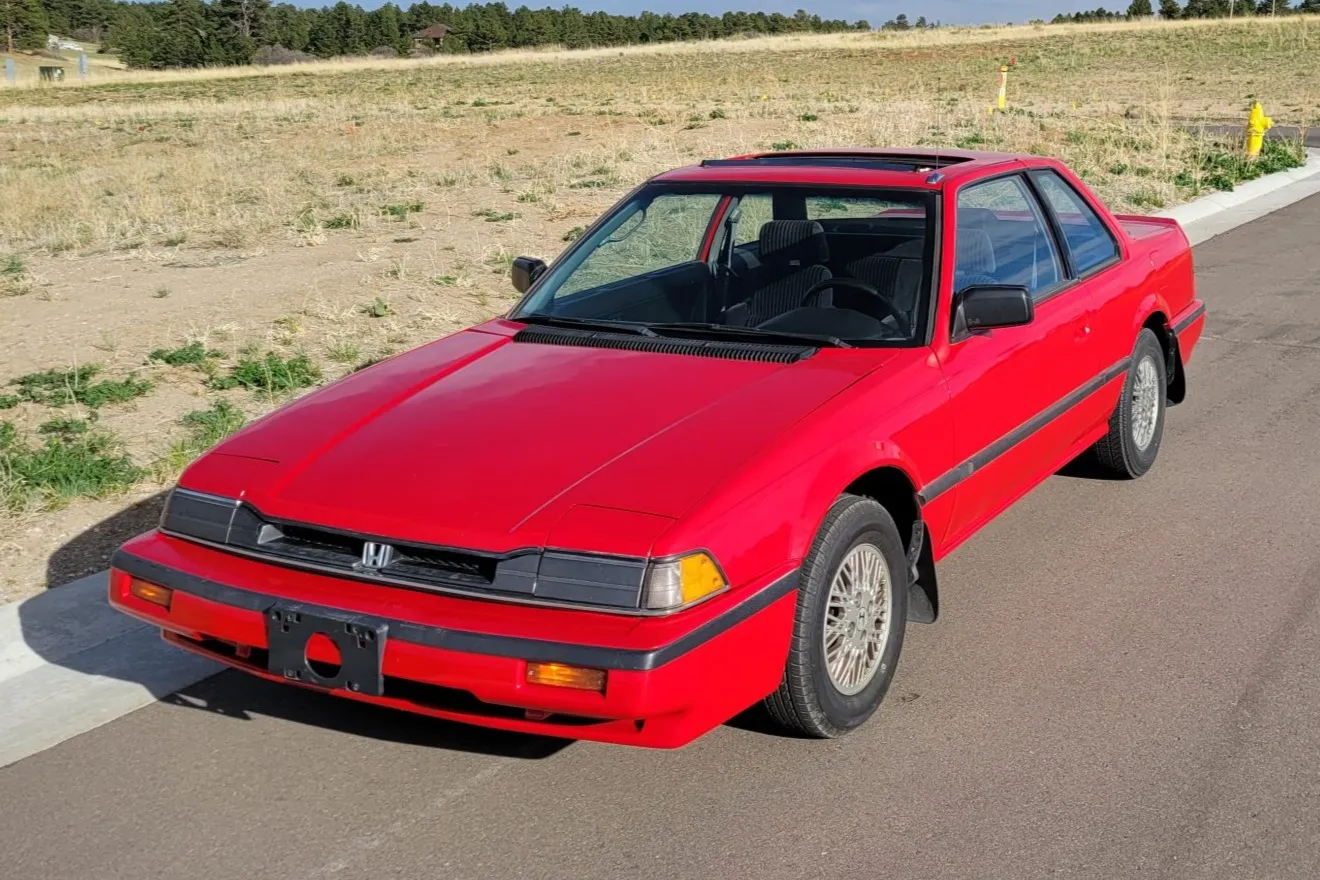
10. 1986 Honda Prelude Si
Elegance and technical progress define the 1986 Honda Prelude Si, a two-door coupe that presented advanced automotive thinking within a carefully styled form. Its low-profile stance and orderly body lines projected refinement and restraint. Pop-up headlights contributed visual interest while preserving harmony in the exterior presentation.
Performance originated from a responsive four-cylinder engine designed to deliver smooth power delivery across the rev range. When paired with a manual gearbox, acceleration proved energetic without excess. Front wheel drive configuration, combined with accurately tuned suspension, produced predictable road behaviour that supported assured driving in varied conditions.
Time behind the wheel of the Prelude Si reflects polish and control. Steering responses feel measured and accurate, allowing the driver to place the car with confidence. Chassis balance encourages stability during cornering, while braking capability remains dependable under repeated use. Satisfaction arises from precision and composure rather than aggressive force.
Cabin arrangement demonstrates Honda’s attention to ergonomic discipline. Switches and controls are positioned with logic, supporting ease of use. Seating posture feels natural and supportive, while outward visibility remains clear. Material quality and assembly standards contribute to durability, reinforcing trust in long term ownership.
Cost considerations continue to draw interest toward this model. Fuel consumption levels remain reasonable, reducing daily operating expense. Replacement components are readily accessible, assisting maintenance planning.
Ownership suits individuals who value mechanical integrity and restrained presentation rather than attention-seeking design. Historical appreciation of the Prelude Si rests on its balanced character. The model represents a period when careful engineering and practical performance aligned successfully.
Nostalgia associated with this vehicle emerges through reliability, measured performance, and enduring style. Such attributes demonstrate that satisfaction in motoring can be achieved through thoughtful design choices without reliance on excess or extravagance.
Academic discussion often references the Prelude Si when assessing dependable Japanese engineering of the late nineteen eighties. This vehicle demonstrated how disciplined development could satisfy professional expectations and everyday mobility needs.
Owners frequently report consistent performance across many years of service, reinforcing confidence in the brand. Such reliability supports long-term preservation and careful use within classic car circles. Respect for this model continues through documented maintenance practices and shared technical knowledge, ensuring its continued presence on public roads and within institutional collections.
Its measured appeal remains relevant for academic review, private ownership, and educational reference, supporting appreciation of disciplined automotive design across diverse professional audiences internationally today broadly.
