
Midwest winters present drivers with a mix of snow, ice, and freezing temperatures that can challenge even the most capable vehicles. Some cars are specifically engineered to handle these conditions, offering advanced traction systems, higher ground clearance, and features designed for cold-weather comfort.
Others, while popular or high-performing, show seasonal weaknesses that affect safety, reliability, and usability. This guide explores five cars that cope with Midwest winters, such as the Subaru Outback Wilderness, Toyota RAV4 Hybrid, Ford F-150 4WD, Jeep Grand Cherokee, and Subaru Crosstrek.
It also examines five vehicles that develop seasonal problems including the Tesla Model 3, older Dodge Ram trucks, Ford Mustang (2005–2009), Honda CR-V (2007–2011), and BMW 3 Series RWD. By looking at traction, structural durability, and climate-specific performance, this comparison highlights which vehicles handle snow and ice with confidence and which require extra care during extreme weather.
5 Cars That Cope With Midwest Winters
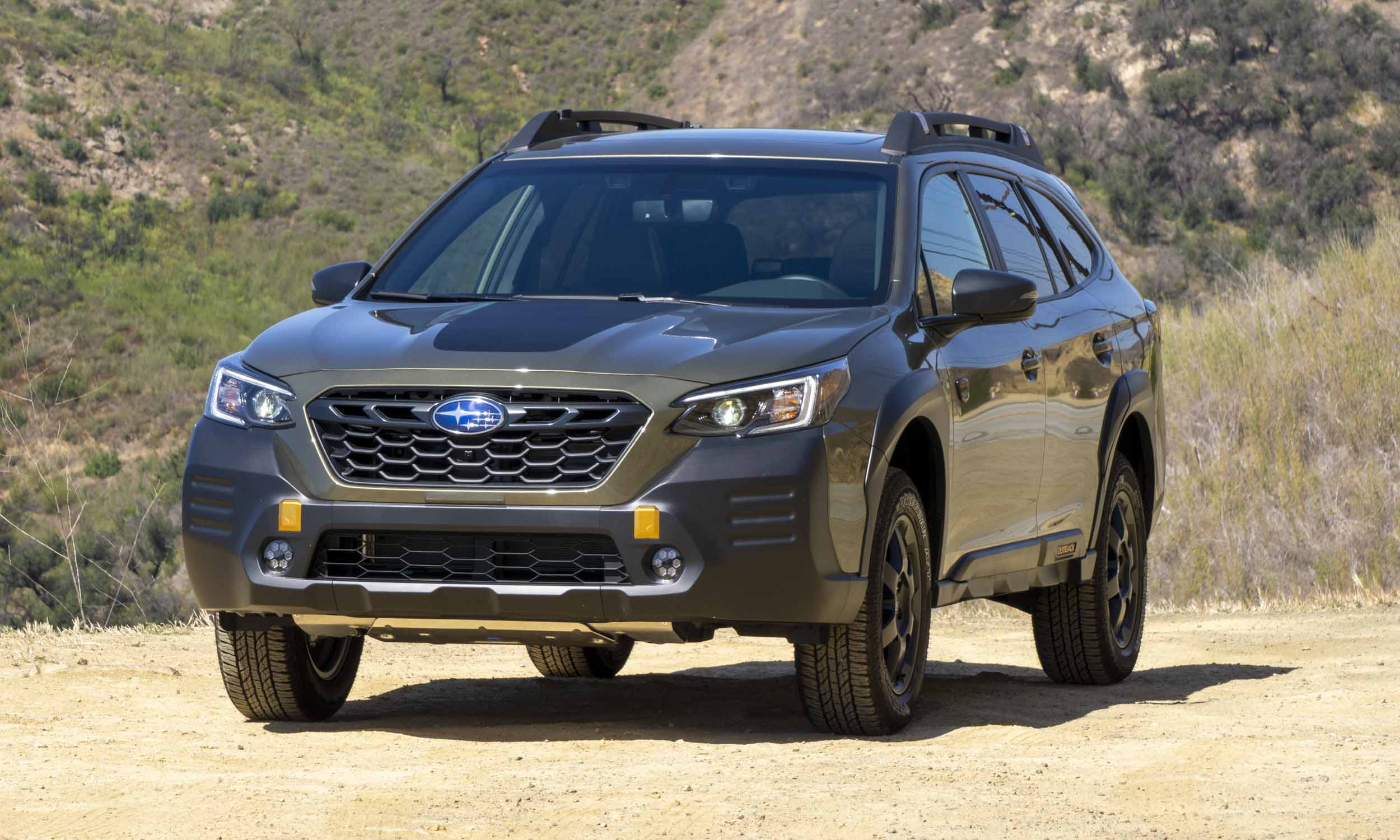
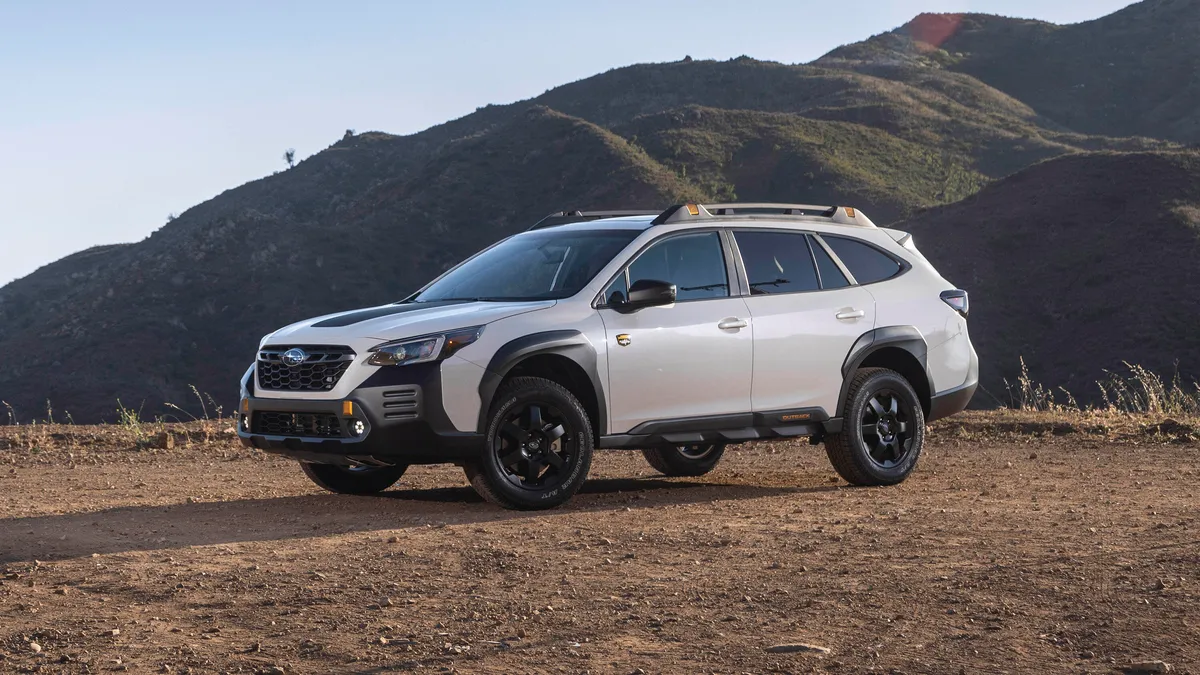
1. Subaru Outback Wilderness: A Winter-Ready Adventure Wagon
The Subaru Outback Wilderness trim is designed for drivers who demand capability, versatility, and comfort in challenging conditions. With Symmetrical All-Wheel Drive (AWD), the vehicle continuously delivers power to all four wheels, ensuring traction even on icy, snowy, or slushy roads. The Wilderness trim also boasts 9.5 inches of ground clearance, enabling it to clear snow berms and rough terrain with ease.
Enhanced Dual-Function X-MODE provides optimized traction in “Snow/Dirt” and “Deep Snow/Mud” conditions, making it well-suited for harsh Midwest winters. Complementing these features, all-weather amenities like heated seats, wiper de-icers, and heated mirrors enhance comfort, while rugged all-terrain tires and protective cladding improve handling in adverse conditions.
Practicality is a hallmark of the Outback Wilderness. Its spacious cargo area accommodates suitcases, sports gear, bicycles, and even larger items, with rear seats that fold down smoothly and wide-opening doors that make loading simple.
For weekend getaways or extended trips, the Outback provides ample space without the compromises of a traditional truck bed, making it ideal for ski trips, camping, or family vacations.
On the road, the Wilderness handles impressively for an off-road-focused trim. Despite its lifted suspension and knobby all-terrain tires, it maintains smooth freeway manners, tracks straight with minimal steering effort, and avoids added fatigue during long trips.
The 2.4-liter turbocharged engine delivers 260 hp and 277 lb-ft of torque from low RPMs, paired with a CVT that responds promptly, offering confident acceleration for highway merges and passes.
Inside, the interior blends ruggedness with subtle design touches, including copper accents and Wilderness branding. While the infotainment system is less intuitive than some competitors’, and the stock stereo underwhelms for high-fidelity audio, the cabin remains functional and comfortable.
The trim includes thoughtful design elements such as large latches for rear seats and user-friendly hatch access, enhancing everyday usability.
Priced around $38,695, the Wilderness trim sits near the top of the Outback range, offering increased off-road capability without compromising the core versatility and comfort of the Outback.
For those who value a vehicle that can handle winter roads, weekend adventures, and long-distance travel with equal skill, the Subaru Outback Wilderness emerges as a top pick delivering capability, practicality, and resilience in one versatile package.
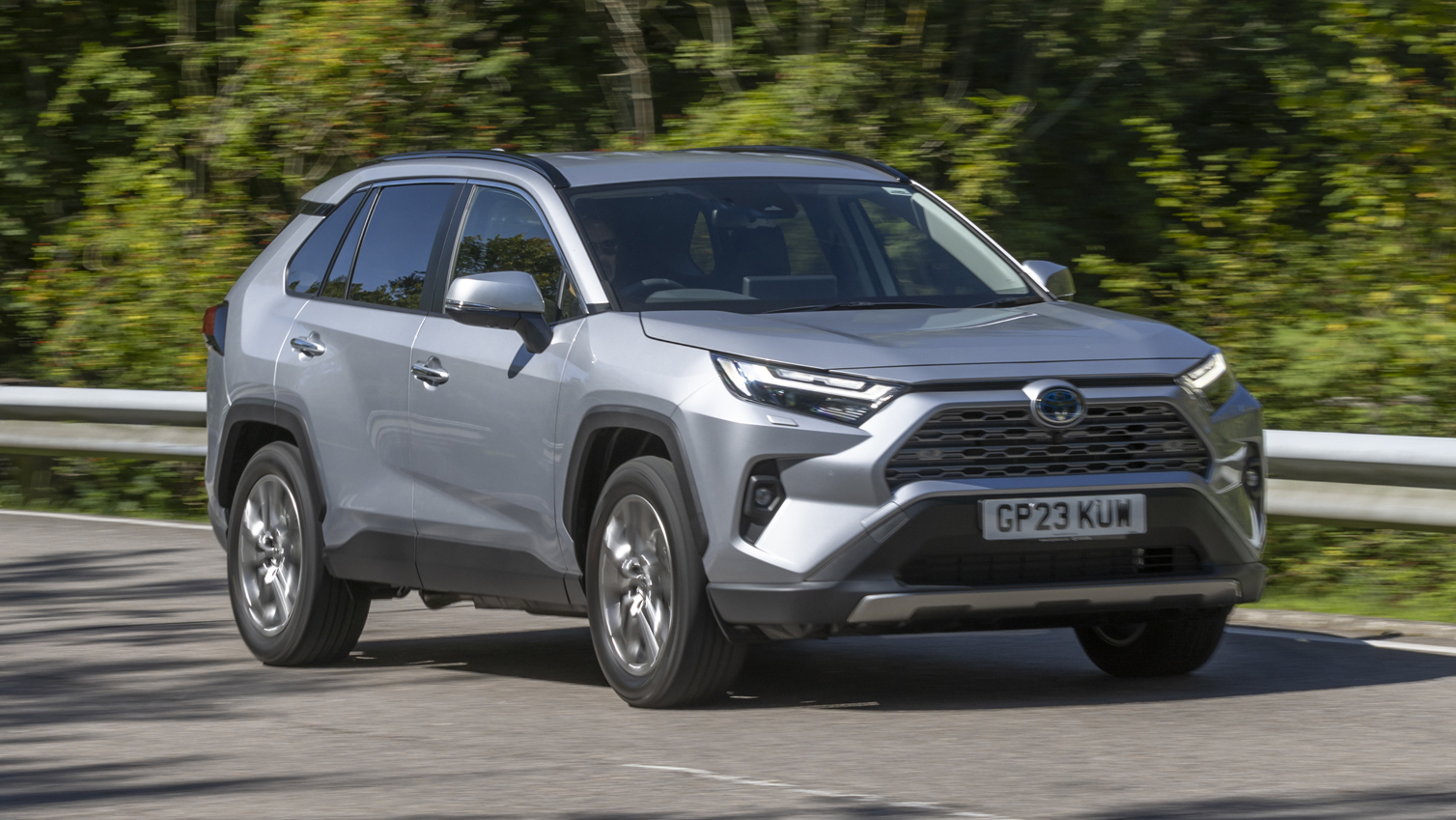
2. Toyota RAV4 Hybrid: Efficient, Winter-Ready, and Practical
The Toyota RAV4 Hybrid is engineered to handle challenging winter conditions, combining Electronic On-Demand All-Wheel Drive (e-AWD) with hybrid efficiency. Unlike traditional mechanical AWD systems, e-AWD uses a dedicated rear electric motor to deliver instant torque to the rear wheels, providing quick traction on icy roads and at stoplights.
Complementing this, Snow Mode optimizes power delivery and softens throttle response to minimize wheel spin, while the system manages the high-voltage battery to ensure consistent performance in sub-zero temperatures. Although extreme cold can reduce fuel efficiency by 10–20%, the RAV4 Hybrid remains reliable and capable in winter driving.
Power comes from a 2.5-liter four-cylinder engine paired with three electric motors, generating a combined 219 horsepower. This setup improves both acceleration and fuel economy, with a 0–60 mph time of 7.3 seconds in the Woodland Edition trim.
For higher performance, the RAV4 PHEV plug-in hybrid pushes total output to 302 hp and provides an EPA-rated 42 miles of electric-only range with a 6.6-kWh onboard charger, offering a quick 2.5-hour charge on 240V outlets. Fuel economy is strong, with the RAV4 Hybrid averaging 41 mpg city, 38 mpg highway, and 40 mpg combined, while the PHEV achieves 94 MPGe combined.
Interior space balances practicality and comfort. Both hybrid models share the regular RAV4’s roomy cabin, offering numerous cubbies and easy-to-use controls. Standard features include dual-zone automatic climate control, a tilting and telescoping steering wheel, and a height-adjustable cargo floor. Higher trims add heated seats, ambient lighting, and SofTex upholstery.
Cargo capacity is ample: the hybrid fits up to 22 carry-on suitcases with the rear seats folded, while the PHEV sacrifices a small portion of cargo space due to its larger battery. Infotainment ranges from 8- to 10.5-inch touchscreens, supporting wireless Apple CarPlay, Android Auto, and optional navigation with a premium JBL stereo.
Safety is a strong point, with standard automated emergency braking, lane-keeping assist, and adaptive cruise control across the lineup. Toyota also backs the RAV4 with robust warranties, including a 10-year/150,000-mile hybrid component warranty and two years/25,000 miles of complimentary scheduled maintenance.
The RAV4 Hybrid delivers a compelling mix of winter-ready traction, hybrid efficiency, practicality, and safety. It is ideal for drivers seeking a versatile SUV that performs well in snow and ice, offers modern hybrid technology, and provides comfort and convenience for daily driving or longer trips.
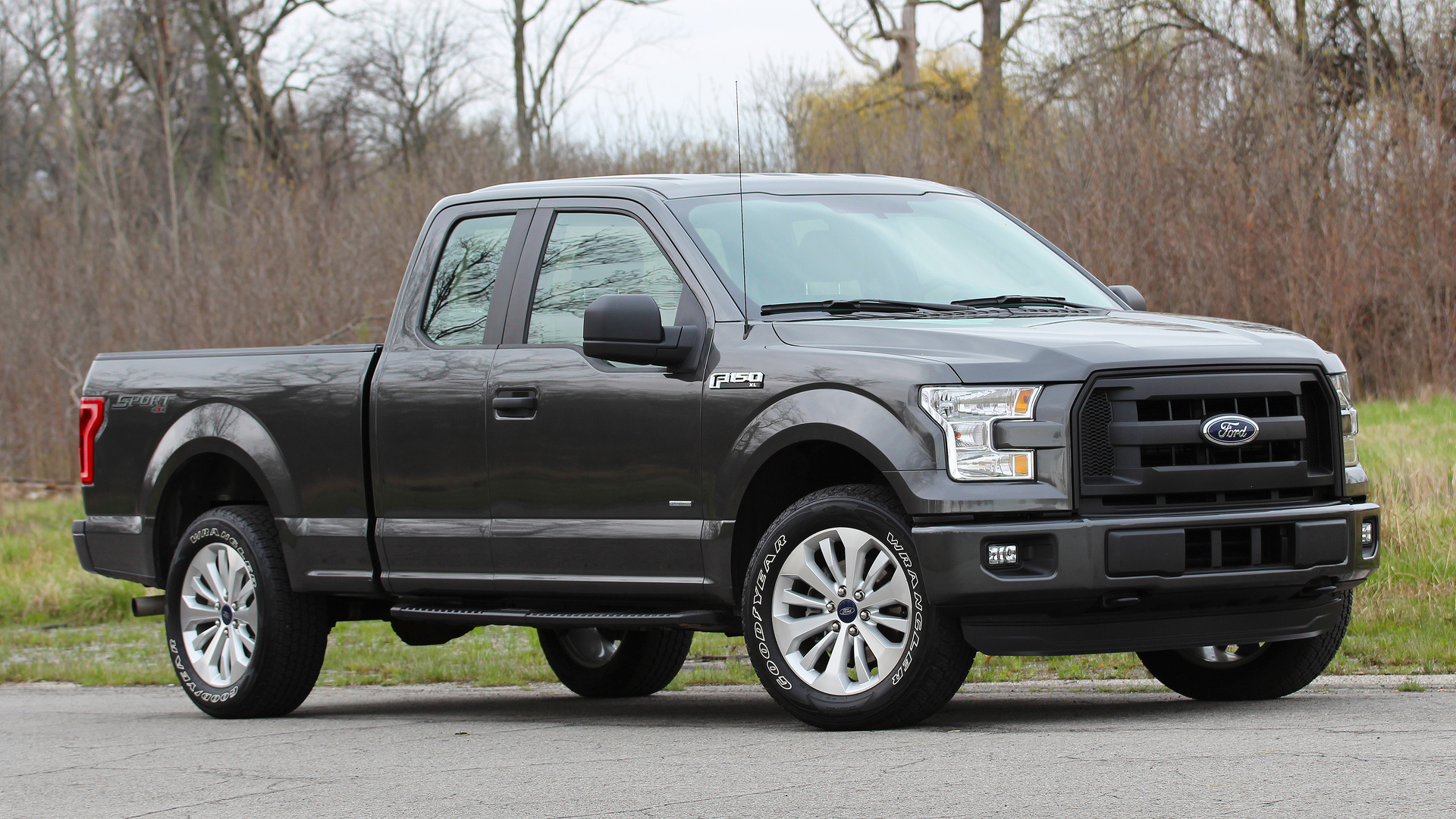
3. Ford F-150 4WD: Rugged Capability for Winter and Work
The Ford F-150 4WD is built to handle harsh Midwest winters and heavy-duty tasks with ease. Its high-strength steel frame and aluminum-alloy body resist corrosion from road salt while providing nearly 9 inches of ground clearance to traverse deep snow.
The truck’s selectable 4WD system includes specialized modes like “Slippery” and “Deep Snow/Sand,” allowing drivers to optimize traction and throttle response in low-grip conditions.
Electronic locking differentials further enhance grip, while heated mirrors, seats, and steering wheel ensure comfort in sub-zero temperatures. Advanced safety features, including Ford Co-Pilot360™ technologies such as pre-collision assist, add stability and confidence on slick roads.
The 2024 F-150 offers a variety of powertrains to suit different needs. Engine options range from a 325-hp 2.7-liter twin-turbo V6 to a 400-hp 5.0-liter V8, a 400-hp 3.5-liter twin-turbo V6, and a 430-hp hybrid combining a 3.5-liter twin-turbo V6 with an electric motor. All engines use a 10-speed automatic transmission and can be paired with rear- or four-wheel drive.
Performance is strong, with 0–60 mph times ranging from 5.3 seconds in the EcoBoost V6 Tremor to 6.0 seconds in the 5.0-liter V8 Tremor, while the hybrid PowerBoost can reach 60 mph in 5.4 seconds. Maximum towing capacity is 13,500 pounds, and payload tops out at 2,455 pounds, keeping the F-150 competitive with rivals like the Silverado, Sierra, and Ram 1500.
Fuel efficiency varies by powertrain, with EPA estimates of 20/26 mpg city/highway for the 2.7-liter V6, 18/24 mpg for the twin-turbo 3.5 V6, and 25/26 mpg for the hybrid. Real-world testing shows the Tremor with the 3.5-liter V6 achieves 19 mpg on the highway.
The interior balances durability and comfort. Higher trims like King Ranch, Platinum, and Limited offer nearly luxury-level cabins with ample storage cubbies, fold-flat seats, and a versatile console that doubles as a workspace.
Crew-cab models provide generous passenger space, while the bed can be outfitted with an optional onboard generator for work or recreational use. The 12-inch Sync 4 infotainment system includes Apple CarPlay, Android Auto, and Wi-Fi hotspot, with optional navigation and premium audio.
Safety features include standard automated emergency braking, while available options add lane-keeping assist, adaptive cruise control, and Ford’s BlueCruise hands-free driving system. Warranty coverage includes 3 years/36,000 miles bumper-to-bumper and 5 years/60,000 miles powertrain, though Ford does not offer complimentary scheduled maintenance.
The F-150 4WD combines rugged winter capability, high towing and payload capacity, and versatile interiors, making it an ideal choice for those facing tough snow, heavy-duty work, or long-distance travel in adverse conditions.
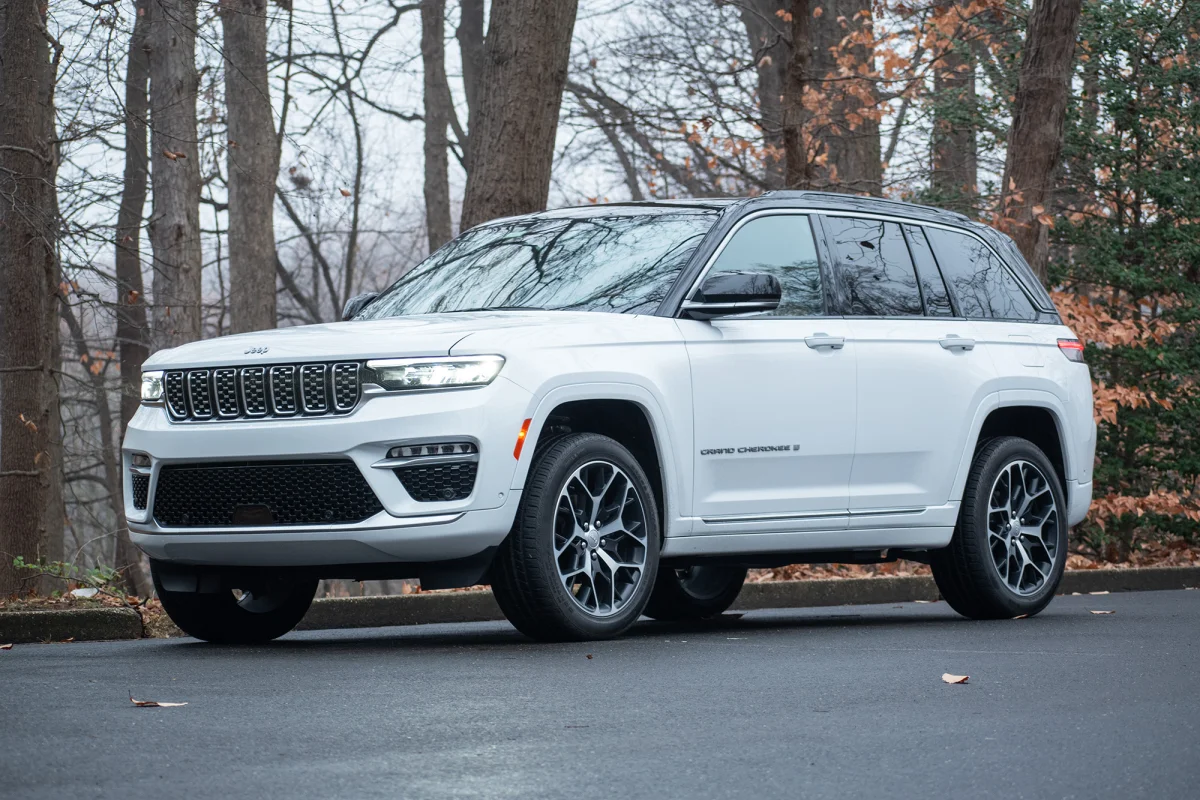
4. Jeep Grand Cherokee: Midwest Winter Performance and Features
The Jeep Grand Cherokee stands out as a capable midsize SUV for harsh Midwest winters thanks to its combination of advanced 4×4 systems, high ground clearance, and cold-weather comfort features.
Its Quadra-Trac II and Quadra-Drive II all-wheel-drive systems actively monitor wheel slip and distribute torque to wheels with the best traction, while the Selec-Terrain traction management system offers a dedicated “Snow” mode that optimizes throttle, transmission, and braking for icy or snow-covered roads.
The Quadra-Lift air suspension allows the SUV to raise up to 10.9 inches, enabling it to clear deep snow that could immobilize lesser crossovers. Additional features like a limited-slip rear differential, heated seats, heated steering wheels, and remote start enhance reliability and comfort in sub-zero temperatures.
Powertrains include a 293-hp 3.6-liter V-6 standard engine and an optional 324-hp turbocharged 2.0-liter four-cylinder, both paired with an 8-speed automatic transmission.
Rear-wheel drive is standard, while three AWD and 4WD systems provide increasing off-road capability, with one capable of sending all power to a single wheel if needed.
Performance testing shows a 0–60 mph time of 7.4 seconds for the V-6 Summit model, while the discontinued hybrid 4xe model was faster at 5.3 seconds. The Grand Cherokee also offers a maximum towing capacity of 6,200 pounds, slightly exceeding many competitors.
Fuel economy for the V-6 model is rated at 19 mpg city and 26 mpg highway, with our highway testing achieving 22 mpg. Interior comfort varies by trim, with base Laredo models offering essential features and Limited or Summit trims providing luxury appointments such as leather upholstery, digital displays, and open-pore wood trim.
Cargo capacity is generous at 13 carry-on suitcases behind the rear seats and 28 with the seats folded. Infotainment includes a 12.3-inch touchscreen, wireless Apple CarPlay, Android Auto, and optional premium audio systems.
Safety technology includes standard automated emergency braking, lane-keeping assist, and blind-spot monitoring, with optional adaptive cruise control and lane-centering. Jeep’s warranty includes a three-year/36,000-mile limited warranty and a five-year/60,000-mile powertrain warranty, with no complimentary maintenance.
The Grand Cherokee combines advanced traction technology, high ground clearance, and winter-ready comfort, making it a reliable and capable SUV for severe Midwest winter conditions.
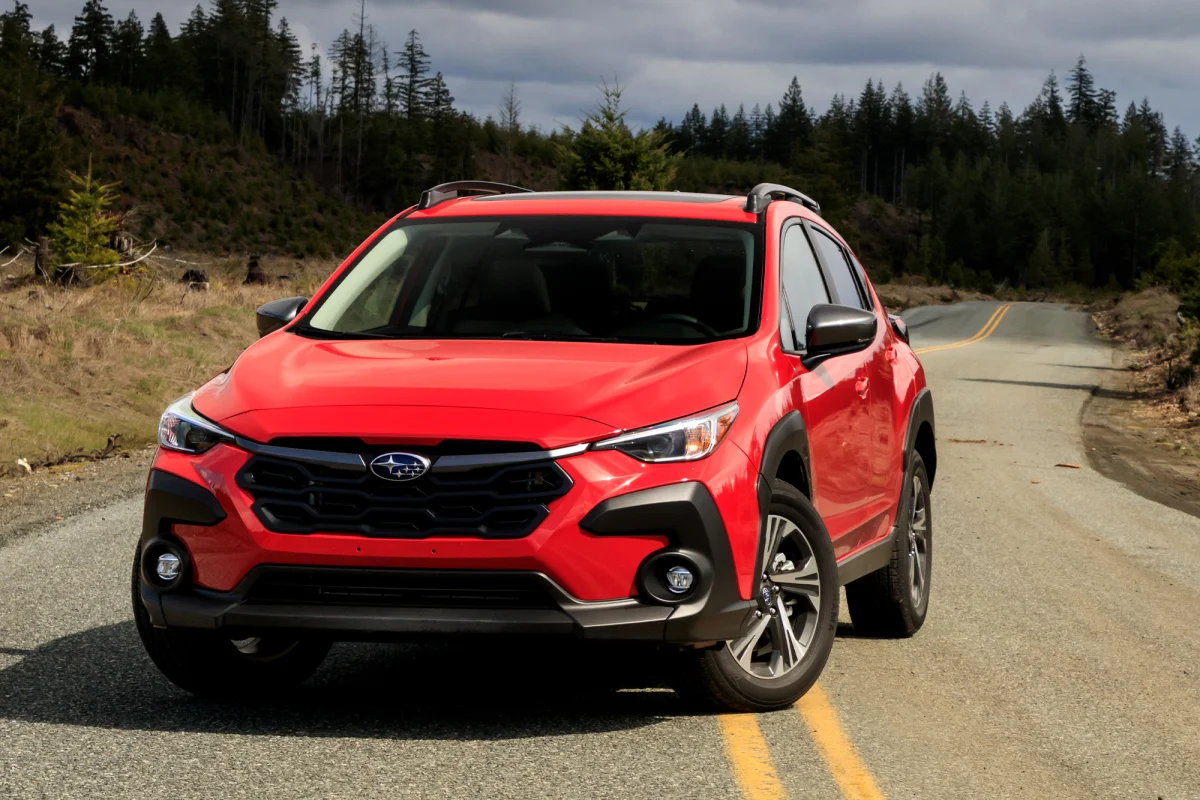
5. Subaru Crosstrek: Compact, Capable, and Winter-Ready
The Subaru Crosstrek is a compact SUV built to handle Midwest winters and light off-road adventures with ease. Its standard Symmetrical All-Wheel Drive delivers continuous power to all four wheels, ensuring stability and traction on icy, slushy roads.
With 8.7 inches of ground clearance (9.3 inches on the Wilderness trim), the Crosstrek can navigate deep snow and uneven terrain while maintaining a low center of gravity for added stability.
X-MODE optimizes engine output and brake control in low-traction conditions, and available heated seats, mirrors, and windshield wiper de-icers provide cold-weather comfort. The Wilderness trim enhances capability with aggressive all-terrain tires and upgraded suspension.
Powering all Crosstrek models is a 180-hp 2.5-liter four-cylinder engine paired with a continuously variable automatic transmission (CVT). Acceleration is modest, with the Limited trim hitting 0–60 mph in 8.1 seconds and the Wilderness in 8.6 seconds, slightly slower due to rugged tires and styling.
While its on-road personality is relaxed compared with sportier competitors like the Mazda CX-30 or Volkswagen Taos, the Crosstrek’s chassis excels off-road thanks to features like hill-descent control and hill-start assist, making it suitable for light trails and snow-covered paths. Tow capacity ranges from 1,500 pounds on standard trims to 3,500 pounds on the Wilderness, offering practical utility for small trailers or winter gear.
Fuel efficiency is competitive, with the 2.5-liter engine achieving an EPA rating of 25–27 mpg city and 29–33 mpg highway. Real-world testing showed 36 mpg on the highway, demonstrating its efficiency for both city commuting and longer road trips.
The interior emphasizes practical comfort. Front passengers enjoy generous space with 42.9 inches of legroom and 39.8 inches of headroom, while rear passengers have 36.5 inches of legroom. Cargo capacity is strong for a subcompact, offering 20 cubic feet behind the rear seats and 55 cubic feet with them folded, outperforming rivals like the CX-30.
Infotainment includes a 7-inch touchscreen standard, with an optional 11.6-inch display, wireless Apple CarPlay and Android Auto, and upgraded audio systems, including a 10-speaker Harman Kardon setup.
Safety is comprehensive, with Subaru EyeSight as standard, providing adaptive cruise control, automated braking, and lane-keeping assistance. Optional features include emergency steering, blind-spot detection, and rear cross-traffic alert. Warranty coverage aligns with industry standards: 3 years/36,000 miles limited, 5 years/60,000 miles powertrain, though no complimentary maintenance is included.
The Crosstrek combines compact size, winter-ready capability, off-road potential, and practical interior space, making it an ideal choice for drivers seeking a small but highly capable SUV for snowy, urban, and light off-road conditions.
5 That Develop Seasonal Problems
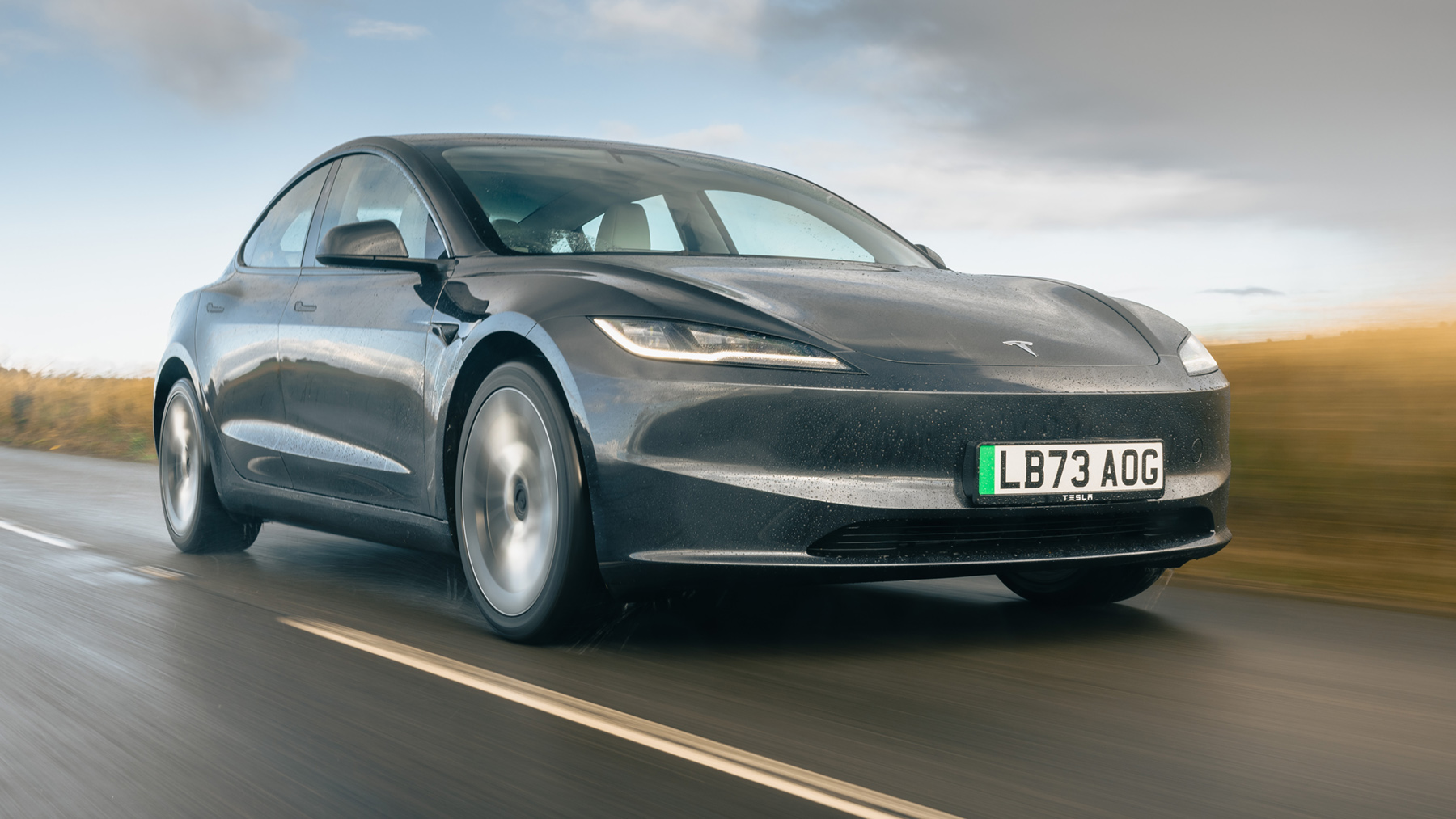
1. Tesla Model 3: Winter Range and Seasonal Challenges
The Tesla Model 3 delivers strong all-wheel-drive performance but faces challenges in extreme temperatures, particularly in cold Midwest winters. The lithium-ion battery experiences range losses of 20 to 40 percent in sub-zero conditions. Cold temperatures slow the movement of ions in the electrolyte, increasing internal resistance and reducing efficiency.
Unlike gasoline vehicles, which use engine heat to warm the cabin, the Model 3 draws energy directly from the battery to heat both the cabin and the battery pack. This further reduces driving range. Additionally, regenerative braking is limited when the battery is too cold. Drivers may notice a warning for limited regen, requiring more manual braking until the battery warms.
The vehicle’s design also introduces winter hardware issues. Flush-mounted door handles can freeze, making doors difficult or impossible to open. Frameless windows may stick if ice builds up along the window base, which can cause damage if the door is forced open.
The charging port latch can also freeze, preventing proper insertion or removal of the cable. Tesla recommends using the Mobile App’s defrost function to resolve this problem.
High temperatures create separate operational challenges. The Cabin Overheat Protection system may run the air conditioning or fans when the car is parked in direct sunlight, causing phantom battery drain. Ambient temperatures above 95 degrees Fahrenheit can also trigger active battery cooling, reducing range by 13 to 17 percent.
Tesla suggests using the Scheduled Departure feature to precondition both the cabin and the battery while the car is plugged in. This helps maintain optimal battery temperature, preserves driving range, and ensures cabin comfort in both extreme cold and heat.
The Model 3 provides excellent handling and technology but requires careful management of seasonal effects such as cold-induced range loss, icing of hardware components, and heat-related battery drain to maintain performance and usability.
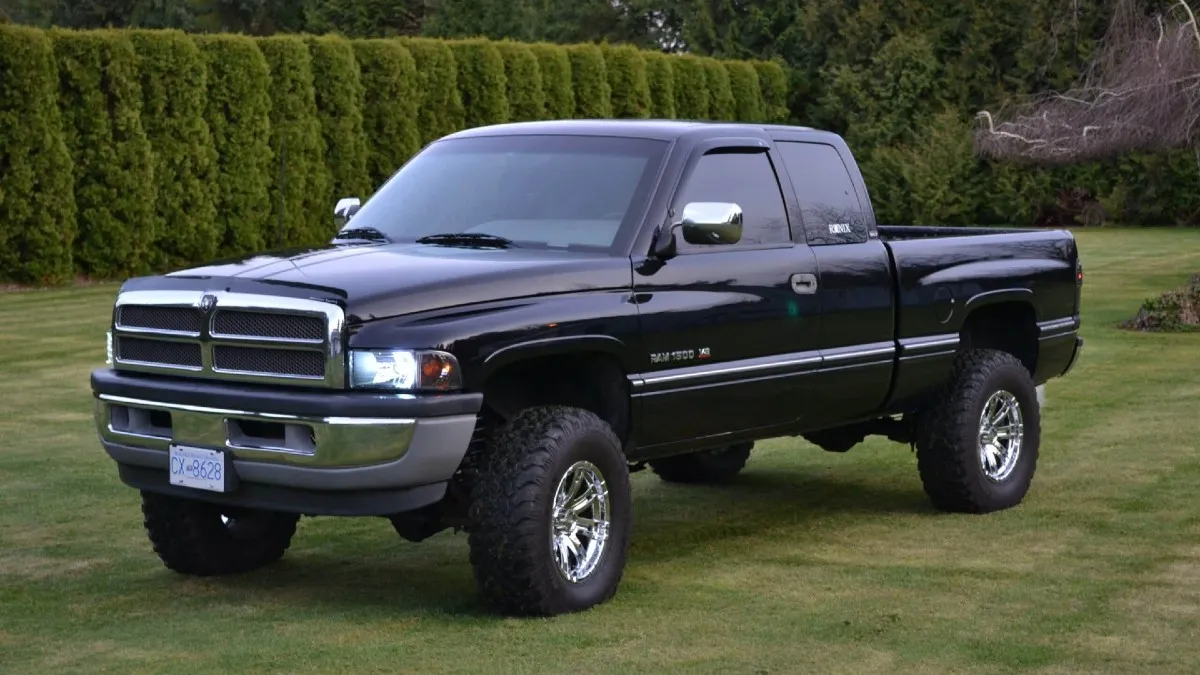
2. Dodge Ram Older Models: Seasonal Vulnerabilities
Older Dodge Ram trucks, particularly the 3rd Generation (2002–2008), are prone to severe rust and corrosion in Midwest climates due to the heavy use of road salt. Common trouble spots include rear wheel wells, rocker panels, and cab corners, where salt and slush accumulate. Clogged drainage holes exacerbate corrosion, allowing oxidation to progress as temperatures fluctuate between winter and spring.
Winter exposes additional weaknesses. Air suspension systems in 4th Gen models can freeze if moisture becomes trapped in the lines, causing the truck to bottom out or preventing proper ride height adjustments until thawed.
Engines such as the 5.7L Hemi often exhibit a “ticking” sound during cold starts because thickened oil struggles to lubricate lifters and camshafts, potentially leading to premature wear over time. Thermal stress can also cause exhaust manifold warping or sheared mounting bolts, producing ticking noises and leaks when transitioning from freezing ambient temperatures to hot engine conditions.
Summer introduces separate challenges. The plastic HVAC blend door is prone to snapping during heat waves, leaving the vehicle without air conditioning. High temperatures can also stress aging batteries, sometimes causing sudden failure. Fuel systems in older trucks may experience vapor lock, where fuel evaporates too quickly in the lines, leading to sputtering or stalling.
Heavy towing or hauling further strains the cooling system, including the radiator, water pump, and thermostat. Over time, older seals and hoses become brittle and are more likely to leak under heat and pressure, compounding potential breakdowns.
Older Dodge Ram models require careful attention to corrosion, suspension, engine lubrication, and cooling systems to survive Midwest winters and hot summer conditions. Preventive maintenance, including regular cleaning of wheel wells, drainage inspection, and winterizing of suspension components, is essential to minimize seasonal wear and extend the life of these trucks.
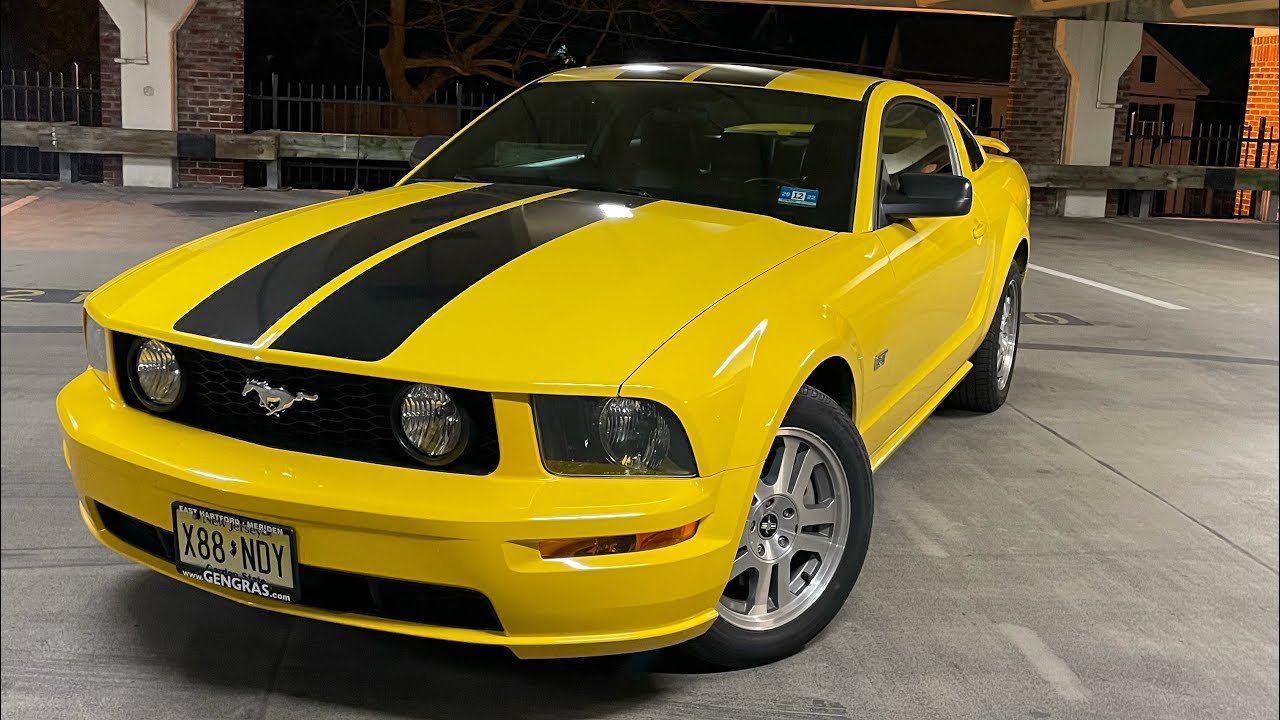
3. Ford Mustang (2005–2009): Seasonal Vulnerabilities
The 2005–2009 Ford Mustang (S197 generation) is a celebrated modern classic, but has several season-specific weaknesses that can affect reliability and ownership experience.
During the rainy season, the most common issue is water intrusion in the cowl area beneath the windshield. Small rubber grommets designed to drain rainwater are easily clogged by leaves and debris. When blocked, water overflows into the cabin through the cabin air filter, often soaking the Smart Junction Box (SJB) in the passenger footwell.
A wet SJB can trigger electrical glitches, including flashing lights or windows operating on their own. Regular clearing of these drains is critical to prevent water damage and electrical issues.
In winter, the Mustang faces problems with frozen brake cables and battery drain. Water can enter the rear parking brake cable housings through cracked rubber boots. When temperatures drop, the water freezes, locking the parking brake in the engaged position even after releasing the lever.
Additionally, some models equipped with “Shaker” audio systems experience parasitic battery drain, which is worsened in cold weather when battery efficiency is reduced, sometimes leaving the car unable to start.
Summer exposes cooling and HVAC vulnerabilities. The factory thermostat housing is plastic and prone to cracking, which can lead to coolant leaks and overheating during heat waves.
Early 2005–2007 models also have issues with A/C compressors seizing or leaking refrigerant, leaving occupants without air conditioning in high temperatures. Many owners replace these components with aftermarket upgrades to improve summer reliability.
The S197 Mustang requires seasonal attention to maintain reliability. Rain demands inspection and clearing of cowl drains, winter requires vigilance with parking brakes and battery health, and summer necessitates monitoring the cooling system and A/C performance. Awareness of these vulnerabilities helps preserve both performance and longevity in this generation of Mustang.
4. Honda CR-V (2007–2011): Seasonal Vulnerabilities
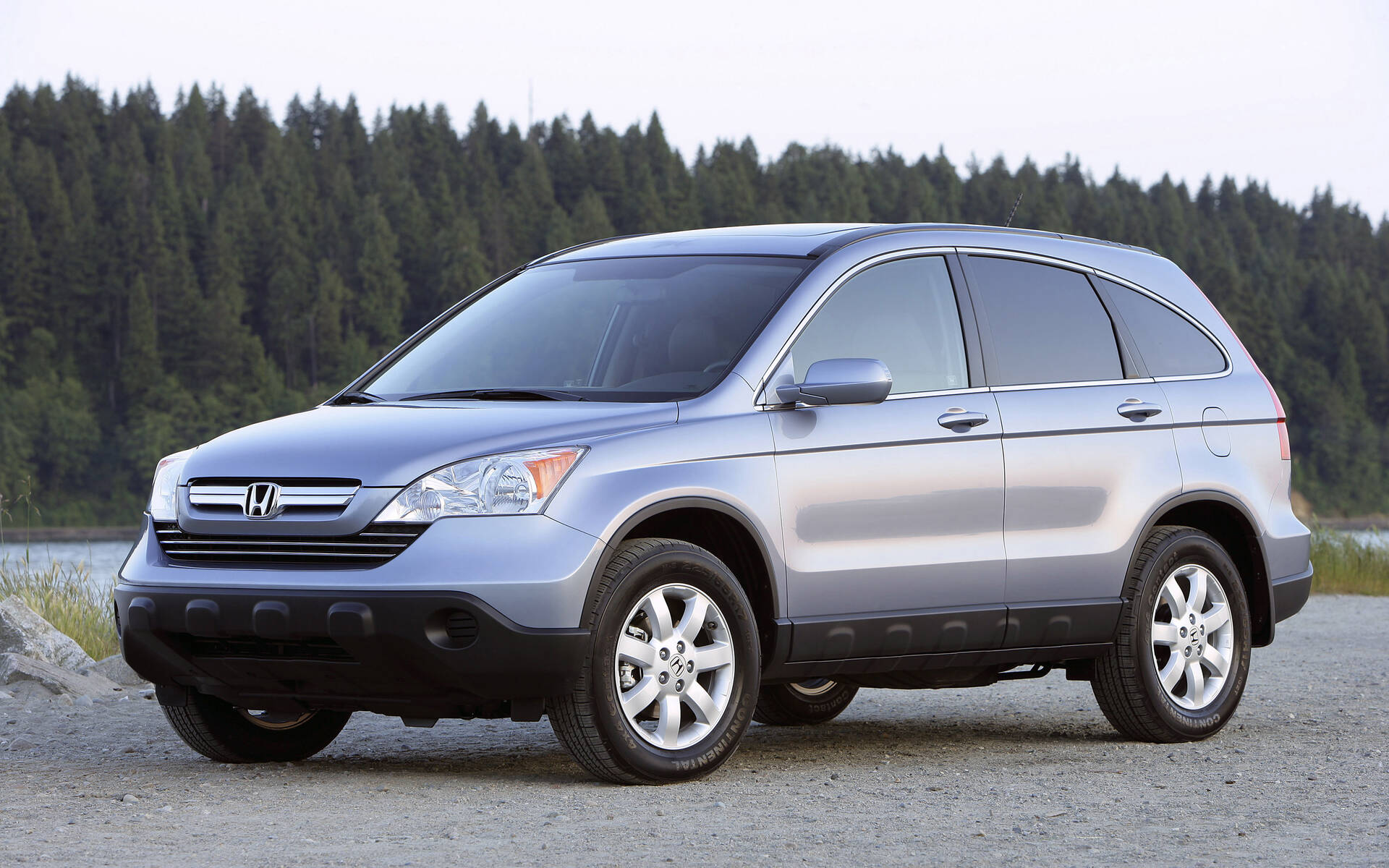
The 2007–2011 Honda CR-V is widely regarded as a reliable compact SUV, but older models are prone to season-specific mechanical and structural issues, particularly in regions that use road salt.
During winter, the most serious concern is structural corrosion. Road salt can accumulate inside the rear frame through drainage holes, causing internal rust that may lead to rear trailing arm failure.
This safety risk prompted a major Honda Rear Frame Recall in 2023, which included inspections, reinforcements, or repurchases of vehicles with severe damage. Cold temperatures also highlight electrical and starting issues, including slow cranking or a single click at startup.
Worn starter solenoids and stiffened battery cables reduce voltage delivery in freezing conditions. Additionally, the rear differential may produce groaning or chattering noises during tight turns, often requiring a fluid change to address viscosity problems.
In summer, the CR-V’s air conditioning system and cooling components are most vulnerable. AC compressors can fail catastrophically, contaminating the system with metal debris.
High ambient temperatures may also reveal failing compressor clutches or field coils, causing the AC to blow intermittently warm air. The cooling system itself can struggle during heatwaves, with older thermostats or fan motors unable to manage high engine loads, potentially resulting in overheating.
Certain issues persist year-round but worsen with seasonal extremes. Oil consumption is common in 2010–2011 models due to sticking piston rings, which worsen in hot weather as oil thins. Door lock actuators are also prone to failure, with temperature fluctuations causing the plastic internals to malfunction, leading to repeated cycling or erratic locking behavior.
While the 2007–2011 CR-V remains a solid choice for a compact SUV, owners in harsh climates should monitor rear frame integrity, starter performance, cooling systems, and AC components to mitigate seasonal damage and maintain reliability.
5. BMW 3 Series (RWD): Seasonal Challenges
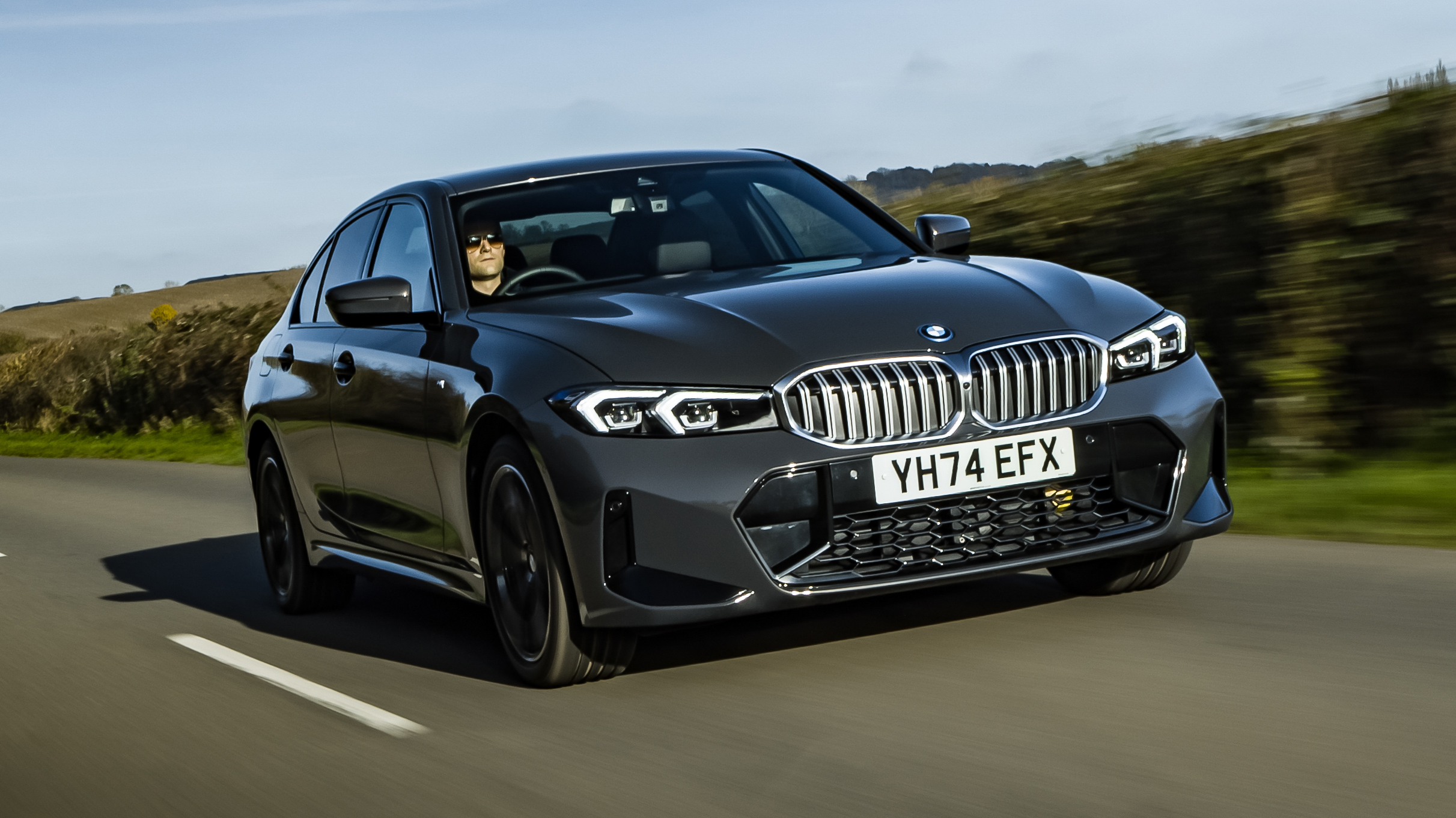
The BMW 3 Series Rear-Wheel Drive (RWD) is celebrated for precision handling, but its engineering design introduces season-specific challenges in extreme weather, particularly in Midwest winters.
The primary winter issue is poor traction on snow and ice. BMWs are designed with a near-perfect 50/50 weight distribution for summer performance, which reduces downward force on the rear tires.
On icy inclines or snow-covered roads, this often results in fishtailing or complete immobility. Running summer performance tires worsens the problem, as they harden in cold temperatures and lose nearly all mechanical grip below 45°F (7°C).
Temperature fluctuations also expose material vulnerabilities. Plastic and rubber components are prone to “thermal cycling,” where expansion and contraction lead to failures. Cooling system parts, including expansion tanks and water pumps, frequently fail during the first freeze or heatwave. Rubber gaskets, such as the oil filter housing seal, can begin to leak as the material stiffens in cold air.
Seasonal changes can accelerate mechanical fragility. Timing chain guides on engines like the N20 (2012–2015) are plastic and become brittle over years of temperature swings, potentially leading to catastrophic engine failure.
Cold weather also strains the battery in these electronics-heavy vehicles, causing frequent “Increased Battery Discharge” warnings. Diesel 3 Series models face additional issues: short winter trips prevent the engine from reaching optimal heat, promoting EGR valve clogging and carbon buildup.
To safely operate a RWD 3 Series through seasonal extremes, owners should equip winter tires and maintain the cooling system and critical seals. Awareness of these weather-related vulnerabilities ensures reliability and prolongs the life of this performance-oriented vehicle.
Choosing the right vehicle for Midwest winters is critical for safety, comfort, and reliability. Cars like the Subaru Outback Wilderness, Toyota RAV4 Hybrid, Ford F-150 4WD, and Jeep Grand Cherokee demonstrate how winter-focused design, all-wheel-drive systems, and cold-weather features allow drivers to navigate snow, ice, and slush with confidence.
In contrast, vehicles such as the Tesla Model 3, older Dodge Ram trucks, and BMW 3 Series RWD show how seasonal conditions can reveal vulnerabilities, including battery range loss, corrosion, frozen components, and traction challenges. Understanding these patterns allows drivers to make informed choices, ensuring they select vehicles that remain dependable in harsh winters and provide peace of mind year-round.
Also Read: 10 Cars That Become Annoying to Own After the Honeymoon Phase
