
Japanese performance cars have shaped car culture for decades, yet public attention often circles the same familiar names. While halo models dominate conversations, a deep bench of machines continues to sit quietly in the background, offering character, engineering depth, and genuine driving enjoyment without inflated hype.
These vehicles were built with intention, tested in real conditions, and refined through thoughtful design choices that still hold up today. Affordability plays a major role in their continued appeal. Rising prices have pushed once reachable icons far out of range, prompting sharper buyers to look elsewhere.
Hidden value often lives in cars that never chased headlines. Instead, they focused on balance, reliability, and usability, traits that become more appealing with time. Many of these models also avoided aggressive styling trends, allowing them to age gracefully.
Another reason these cars remain overlooked comes down to timing. Some arrived during market transitions, while others were overshadowed by siblings wearing more famous badges. That does not diminish their strengths. In fact, it enhances their appeal for drivers who want substance without the noise.
This list highlights ten Japanese domestic market vehicles that deserve renewed attention. Each entry offers something distinct, whether through engineering, design, or driving feel. None relies on an inflated reputation. All reward those willing to look beyond surface-level recognition.
1. 1992 Nissan Primera P10
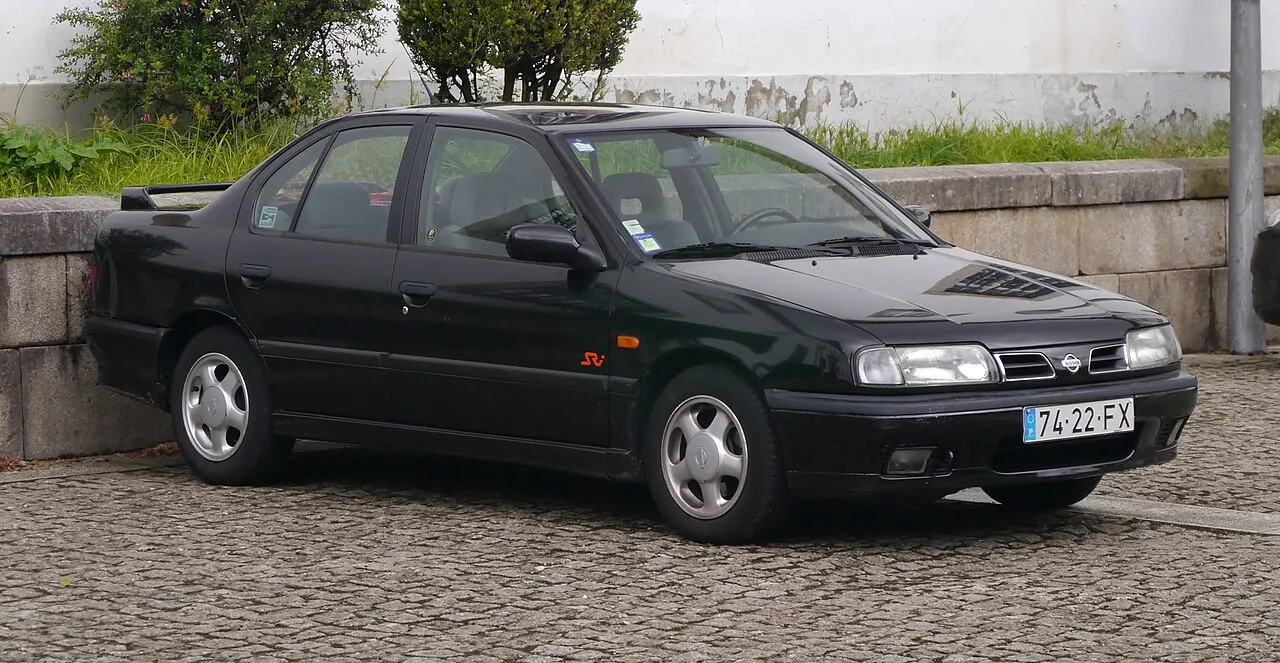
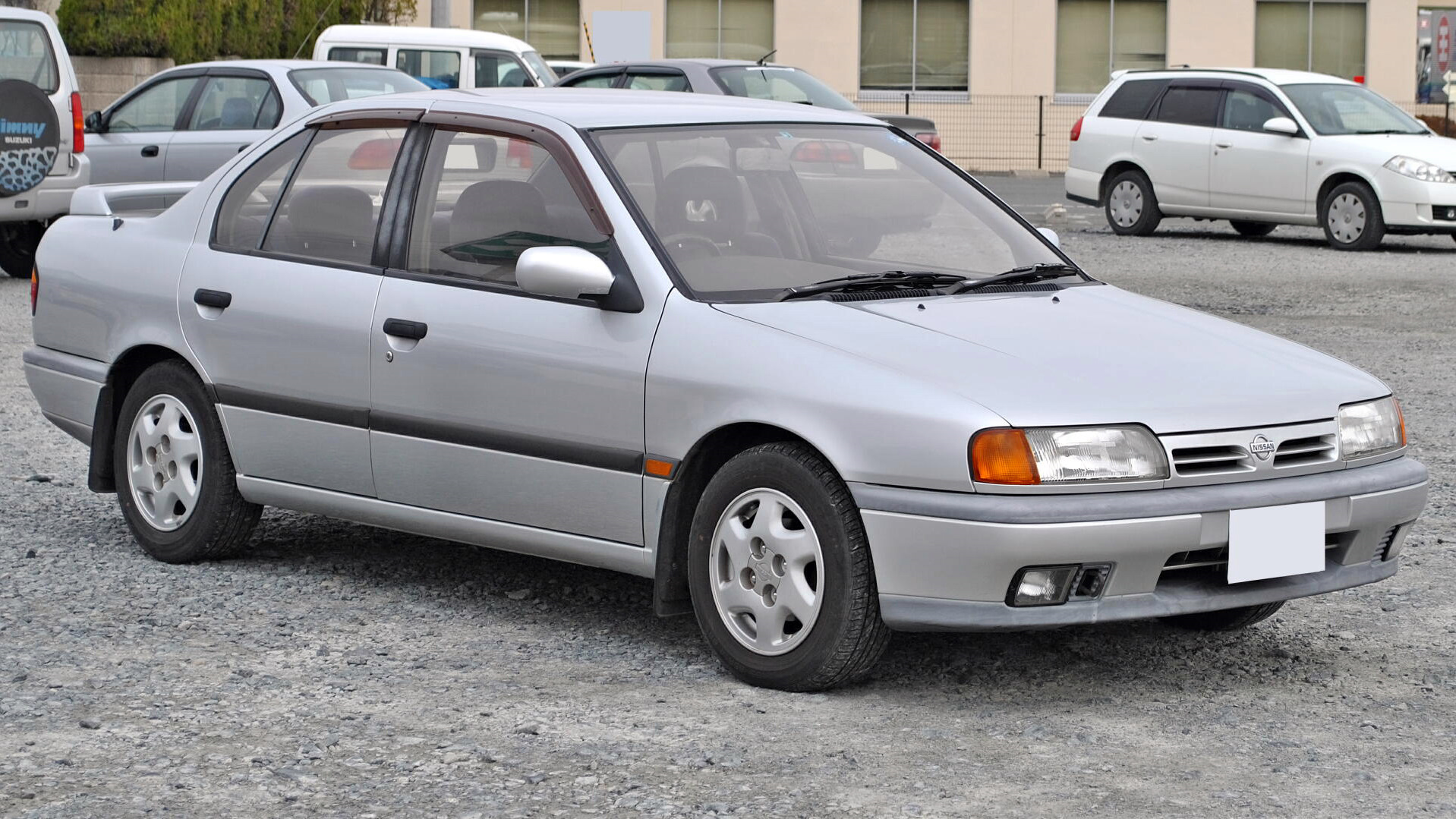
Sharp thinking defined the 1992 Nissan Primera P10, a sedan engineered with handling precision as its central mission. Released during a period when family cars rarely prioritized driver engagement, this model arrived with European-inspired suspension tuning and a focus on road feedback.
Clean exterior lines avoided excess, presenting a purposeful appearance that still feels balanced today. Under the hood, buyers found naturally aspirated four-cylinder engines designed for smooth delivery and long-term durability. Power output stayed modest, yet throttle response remained crisp.
Paired with a manual transmission, the Primera encouraged active driving rather than passive cruising. Front wheel drive layout combined with a multi-link rear suspension produced confident cornering behavior rarely seen in its class at the time.
Driving experience sets this car apart. Steering feel communicates road texture clearly, allowing precise placement through bends. Chassis response feels planted without harshness, creating trust during spirited driving. Long highway journeys benefit from stability and comfort, while back roads reveal the engineering intent behind the design.
Interior layout favors functionality. Controls are logically placed, seating offers support without stiffness, and outward visibility remains excellent. Build quality reflects Nissan’s commitment to longevity during this era, contributing to continued reliability decades later.
Market attention never fully landed on the Primera P10, which helps explain its current value. Prices remain accessible, parts availability stays reasonable, and ownership does not demand specialized knowledge. Appreciation grows through use rather than display.
For drivers seeking an understated sedan that rewards involvement, the 1992 Nissan Primera P10 delivers depth, balance, and a refreshing absence of pretense.
2. 1994 Toyota Chaser Tourer S JZX90
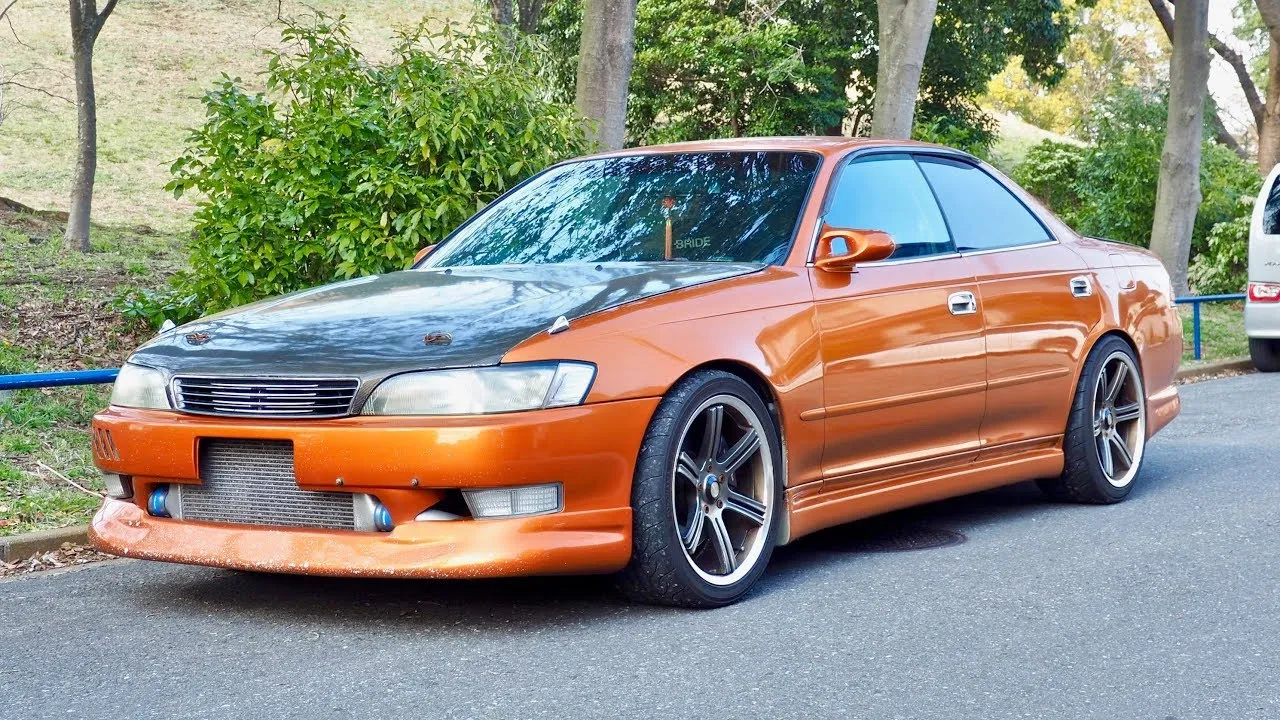
Performance wrapped in subtlety defines the 1994 Toyota Chaser Tourer S JZX90, a mid-size sedan created for buyers who valued restraint paired with capability. Design direction leaned toward executive presence rather than visual drama.
Straight body lines, balanced proportions, and conservative trim choices allowed the car to move through traffic without attracting attention. That understated appearance played a major role in its sleeper reputation, as few observers expected genuine performance from such a reserved exterior.
Power delivery came from a turbocharged inline six engine widely respected for durability and adaptability. Torque arrives smoothly, making daily driving relaxed and effortless. Pressing deeper into the throttle reveals a different personality, with confident acceleration that feels composed rather than frantic.
Rear wheel drive layout contributes to balanced handling, while thoughtful weight distribution helps maintain stability during spirited driving. Mechanical harmony between engine and chassis defines the experience.
Road behavior communicates calm assurance. Steering response feels deliberate and measured, encouraging confident inputs rather than sudden corrections. Suspension tuning absorbs surface irregularities effectively while preserving feedback.
Braking response supports controlled deceleration, reinforcing trust during higher speed travel. Long-distance journeys suit this platform well, yet winding roads highlight its controlled athleticism without demanding constant attention from the driver.
Cabin presentation emphasizes comfort and usability. Seating materials prioritize durability while remaining supportive during extended drives. Control placement follows intuitive logic, reducing distraction and fatigue.
Sound insulation keeps cabin noise subdued, creating a relaxed environment suitable for commuting or travel. Refinement does not interfere with driver engagement, maintaining a satisfying balance between comfort and awareness.
Public recognition often favored more aggressive siblings, leaving the Chaser Tourer S overlooked beyond dedicated communities. That lack of mainstream focus helps maintain accessible pricing today. Mechanical reliability remains a strong attribute, supported by Toyota’s engineering practices from the early nineteen nineties.
Maintenance routines stay manageable, encouraging long-term ownership. Ownership experience rewards patience and appreciation for balance. This sedan appeals to drivers who prefer performance delivered quietly, without exaggerated styling or unnecessary attention.
Turbocharged strength, composed handling, and restrained design combine to create enduring appeal. The 1994 Toyota Chaser Tourer S JZX90 continues to offer rewarding motoring for those who value depth over display.
Also Read: 5 Cars That Hold Value With City Use vs 5 That Don’t
3. 1991 Honda Ascot Innova
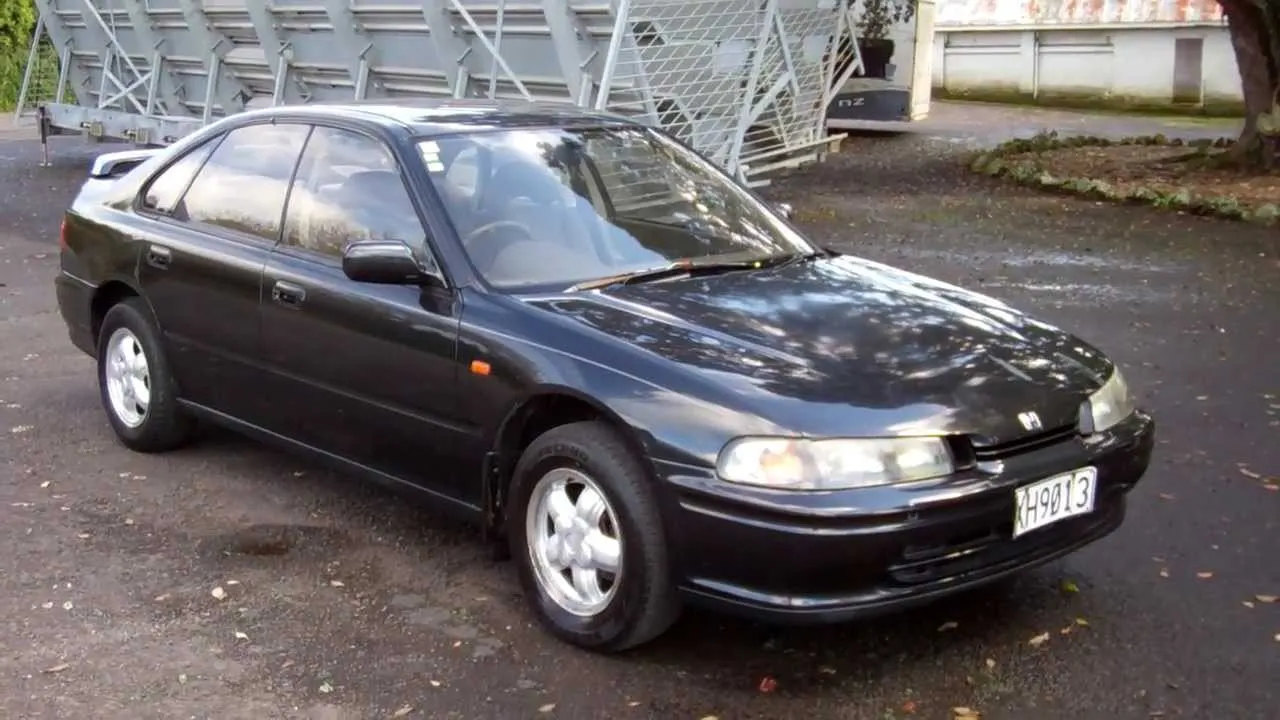
Quiet confidence defines the 1991 Honda Ascot Innova, a sedan developed with refinement and stability as primary goals. Market positioning focused on buyers seeking comfort paired with understated sophistication. Visual design avoided aggressive cues, favoring smooth contours and restrained detailing.
Such an approach allowed the vehicle to age gracefully, maintaining relevance long after trend-driven designs faded. Engine choices centered on naturally aspirated four and five-cylinder units engineered for smooth operation and longevity. Power delivery emphasizes consistency rather than forceful acceleration.
Both automatic and manual transmissions were offered, accommodating different driving preferences. Mechanical design choices support relaxed operation, making the car well-suited for daily commuting and extended travel alike.
Driving behavior reflects careful chassis development. Suspension absorbs uneven road surfaces with ease, promoting passenger comfort without sacrificing control. Steering response remains predictable, allowing confident maneuvering in urban and highway settings.
Braking performance stays composed, supporting secure stops under routine conditions. This balance suits drivers who value calm predictability over aggressive handling traits. Interior presentation highlights thoughtful planning. Seating comfort supports long hours behind the wheel, reducing fatigue. Dashboard layout encourages ease of use, with controls positioned for intuitive access.
Material selection reinforces durability, reflecting Honda’s manufacturing standards of the period. Noise insulation enhances serenity, aligning with the model’s refined character and supporting a relaxed driving atmosphere.
Market awareness beyond domestic borders remained limited, contributing to its understated presence today. That reduced exposure keeps purchase prices reasonable for informed buyers. Maintenance benefits from Honda’s reputation for dependable engineering and broad parts availability. Ownership remains approachable, even for those new to older vehicles.
Reward comes through reliability and composure rather than spectacle. This sedan does not attempt to command attention, yet it consistently delivers satisfaction through careful design and dependable performance.
The 1991 Honda Ascot Innova demonstrates how thoughtful engineering and restrained styling can create lasting value, proving that quiet competence often stands the test of time better than loud ambition.
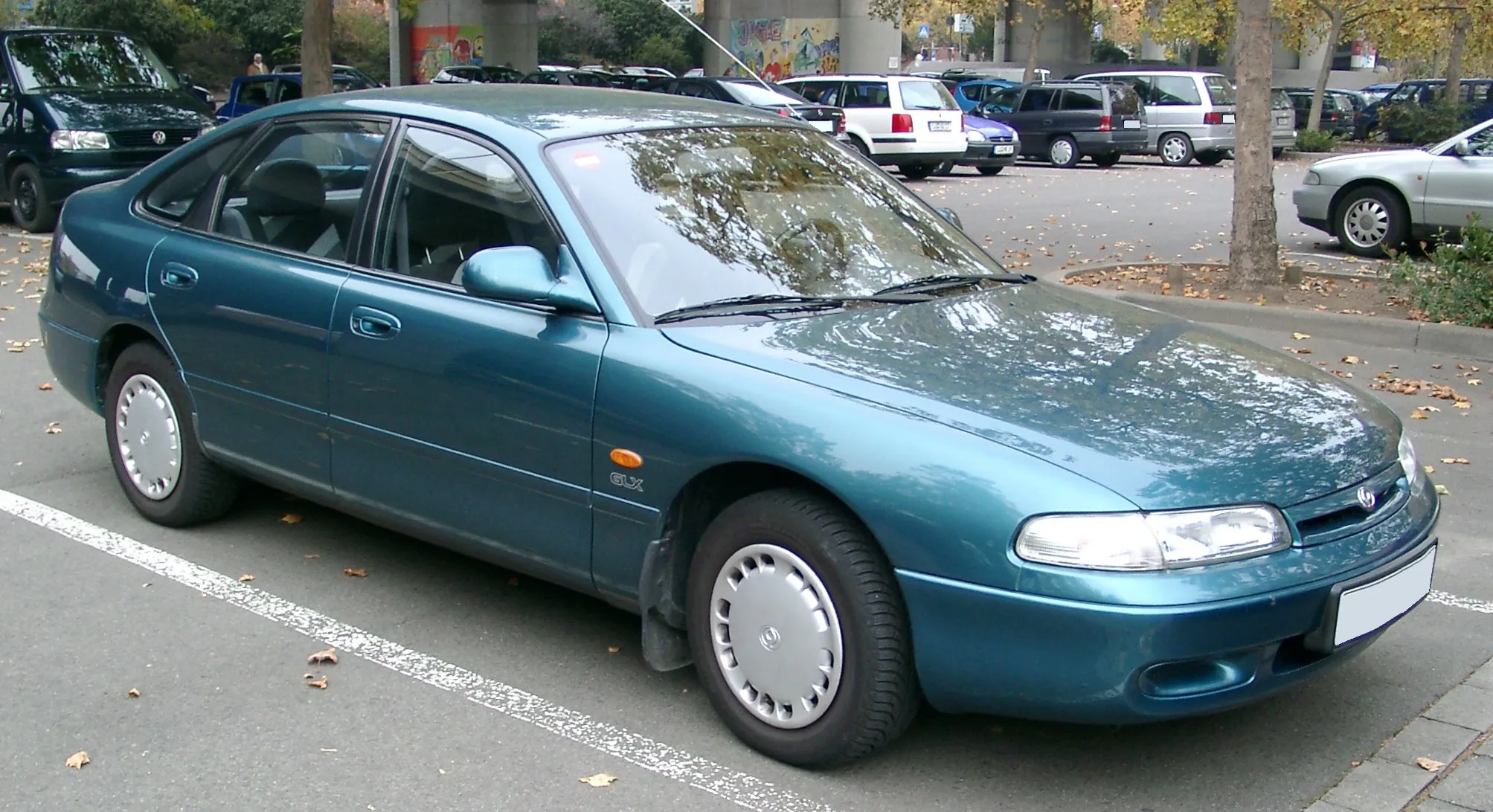
4. 1993 Mazda Efini MS 8
Distinct thinking shaped the 1993 Mazda Efini MS 8, a sedan created during Mazda’s experimental brand expansion period. Designed with refinement and uniqueness in mind, this model offered engineering features uncommon for its segment. Exterior styling emphasized curvature and proportion, giving it a graceful presence.
Engine choices included V6 configurations developed for smoothness and balance. Power delivery remained linear, prioritizing refinement rather than outright speed. Paired with well-tuned transmissions, the MS 8 delivered seamless acceleration suitable for daily driving.
Road manners feel composed and reassuring. Steering response remains controlled, suspension tuning favors comfort without detachment, and chassis stability supports confident cruising. This car encourages relaxed enjoyment rather than aggressive input.
Interior craftsmanship reflects Mazda’s ambition during this era. Seating materials feel substantial, controls operate smoothly, and cabin layout supports driver comfort. Attention to detail enhances the sense of quality throughout the interior.
Limited production numbers and brand restructuring kept the MS 8 under the radar. That obscurity works in favor of buyers today. Pricing stays approachable, and mechanical components share lineage with other Mazda models, easing ownership.
The 1993 Mazda Efini MS 8 appeals to drivers seeking individuality and comfort without sacrificing reliability. Its understated presence and thoughtful engineering reward those willing to look beyond familiar nameplates.
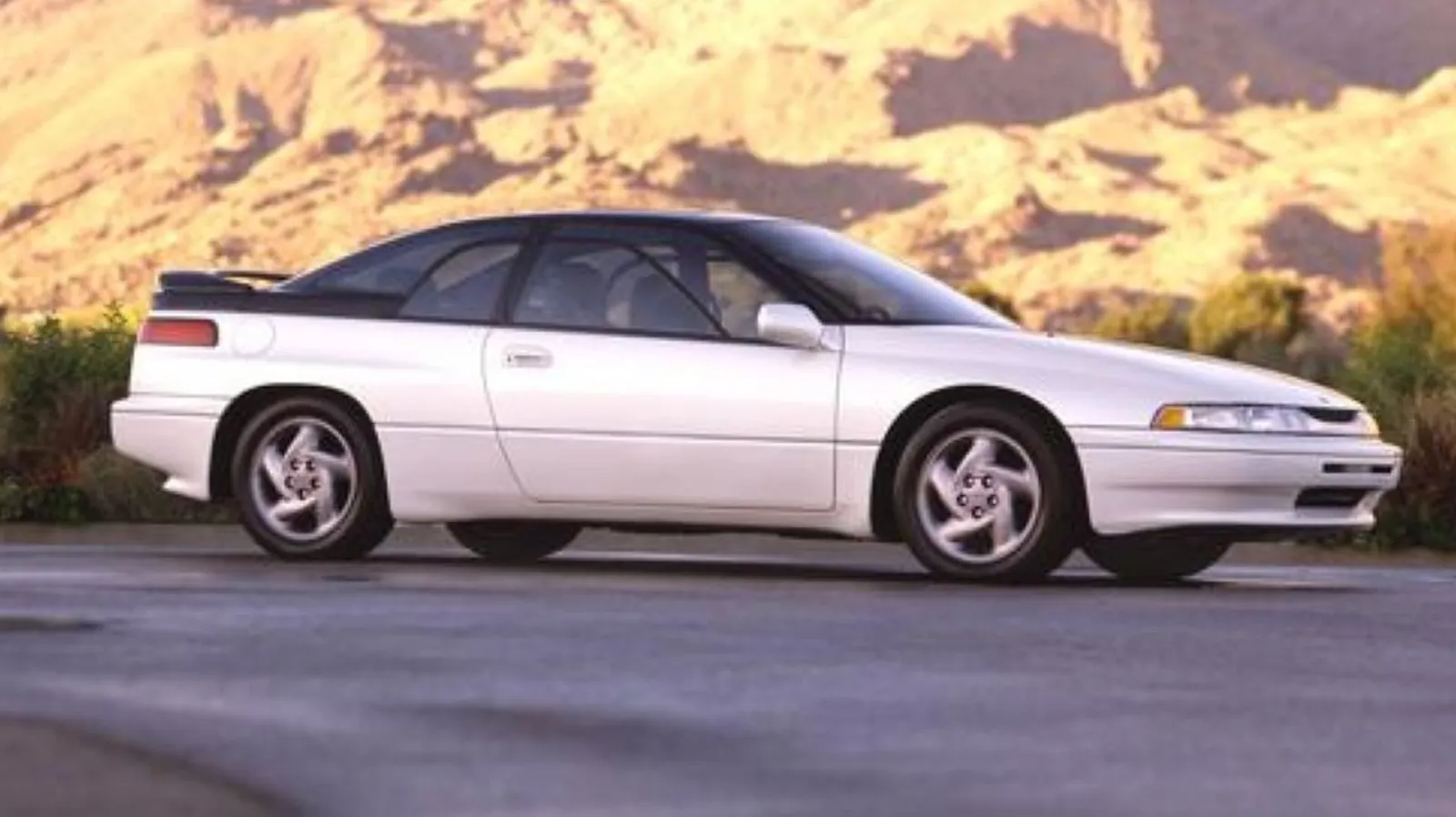
5. 1990 Subaru Alcyone SVX
Bold ambition defines the 1990 Subaru Alcyone SVX, a coupe that challenged conventions through design and engineering. Developed as a flagship, this model introduced an unconventional shape characterized by sweeping glass and futuristic detailing. Visual identity alone sets it apart from anything else of its era.
Power came from a flat-six engine delivering smooth torque and balanced performance. All Wheel Drive configuration reinforced stability, especially under varied driving conditions. Automatic transmission pairing suited the car’s grand touring intent.
Driving experience emphasizes confidence. Steering remains steady, suspension absorbs imperfections effectively, and chassis balance supports composed handling. Long journeys suit this car particularly well, aligning with its luxury-oriented mission.
Interior design leans toward innovation. Panoramic glass enhances visibility, seating comfort supports extended travel, and dashboard layout reflects forward-thinking design language. Materials selection aimed to match the car’s premium positioning.
Market response at launch proved mixed, which limited long-term recognition. That reception keeps values lower than expected for a flagship model. Maintenance requires awareness, yet rewards diligence with dependable service.
The 1990 Subaru Alcyone SVX stands as an example of creative risk-taking. It offers individuality, engineering depth, and a driving experience shaped by ambition rather than imitation. For buyers seeking something truly different, this car remains an overlooked gem.
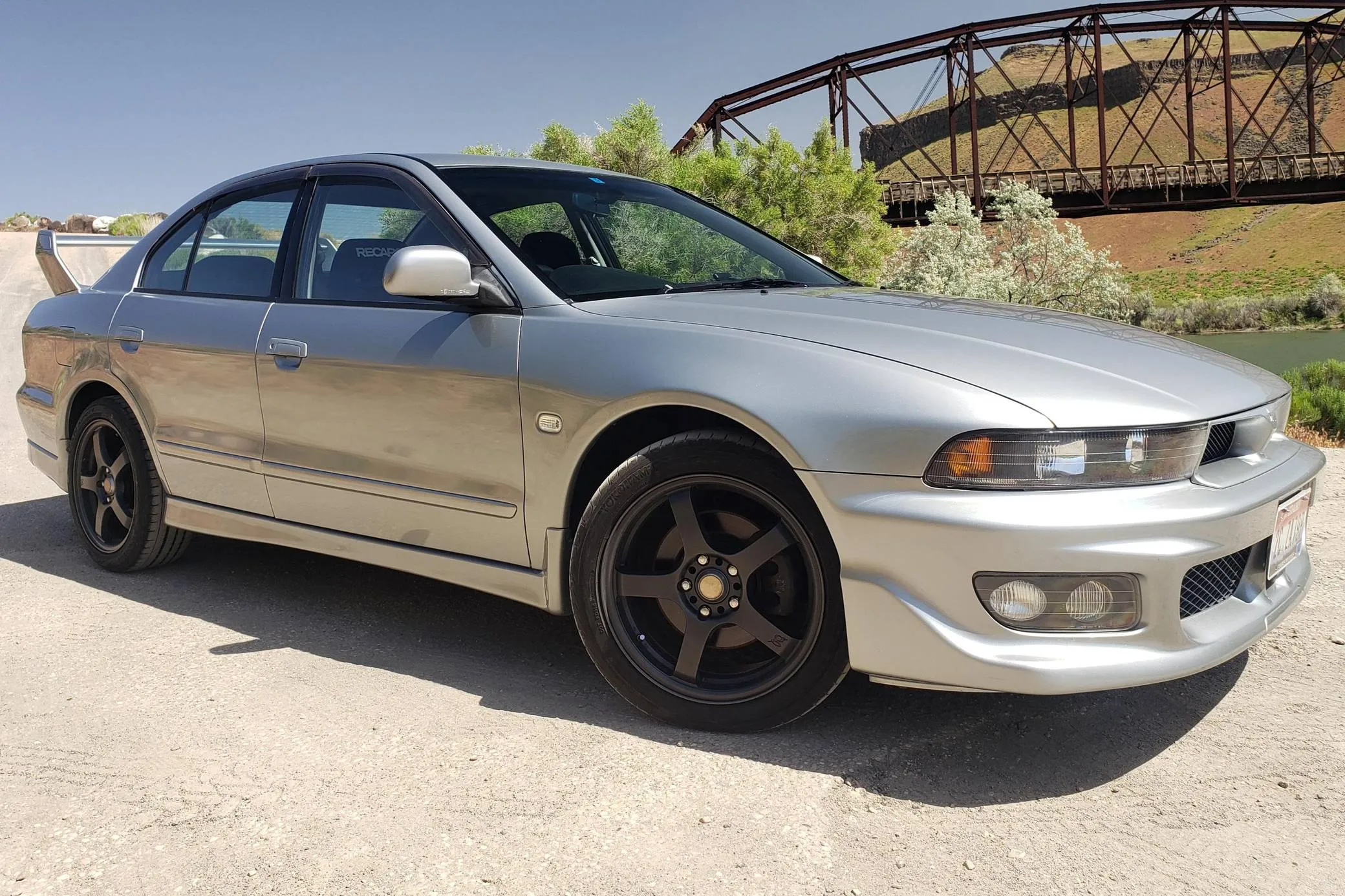
6. 1995 Mitsubishi Galant VR 4
Serious engineering hides beneath the restrained styling of the 1995 Mitsubishi Galant VR 4, a sedan developed with motorsport influence and everyday usability in mind. Designed as a performance flagship within the Galant range, this model borrowed heavily from rally-bred technology while presenting itself as a practical four-door car. Exterior appearance remained conservative, allowing its abilities to remain unnoticed by casual observers.
Turbocharged power delivered through a four-cylinder engine provides strong mid-range pull and consistent acceleration. All Wheel Drive traction enhances grip during acceleration and cornering, creating a planted feel on varied road surfaces. Manual transmission pairing encourages driver involvement, reinforcing the car’s performance-focused intent.
Driving behavior reflects confidence and control. Steering weight feels deliberate, suspension tuning balances firmness with comfort, and braking response supports spirited use. High-speed stability remains impressive, particularly during long highway stretches. This sedan rewards smooth inputs and thoughtful driving.
Interior layout emphasizes practicality. Seating offers support for extended journeys, dashboard design favors clarity, and materials focus on durability. Cabin noise levels stay moderate, contributing to a composed driving environment. Features align with mid-nineteen-nineties expectations without unnecessary distraction.
Limited production numbers and regional availability restricted exposure, which helps explain its continued undervaluation. Reliability benefits from Mitsubishi’s engineering during this period, provided proper maintenance is observed. Parts sourcing may require effort, yet shared components ease ownership challenges.
The 1995 Mitsubishi Galant VR 4 appeals to drivers seeking discreet performance and mechanical depth. It delivers rally-inspired capability without visual drama, rewarding those who appreciate substance beneath restraint.
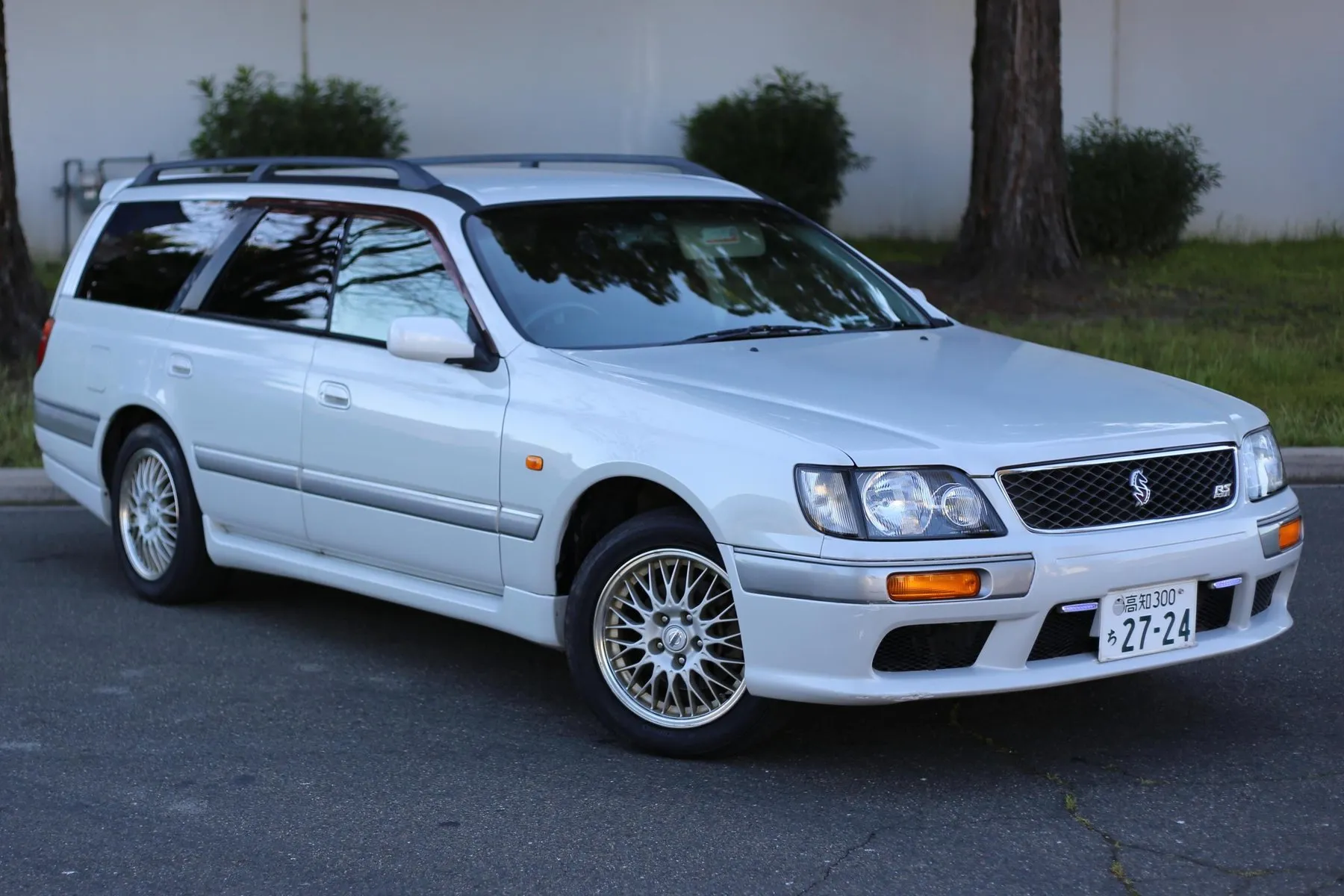
7. 1998 Nissan Stagea RS Four V
Utility and performance coexist within the 1998 Nissan Stagea RS Four V, a station wagon designed to challenge conventional expectations associated with family-oriented vehicles. Built upon proven Nissan mechanical platforms, this model combined strong performance capability with practical everyday usefulness. Its extended roofline, upright proportions, and restrained exterior detailing created a discreet appearance that avoided unnecessary attention while maintaining a sense of purpose and balance.
Propulsion is provided by a turbocharged six-cylinder engine engineered for smooth and consistent power delivery. Acceleration remains strong across a broad operating range, allowing confident progress in urban traffic and on open highways.
An advanced All Wheel Drive system supports traction during demanding driving conditions, including wet or uneven road surfaces. Availability of both automatic and manual transmissions ensured suitability for differing driver preferences and usage patterns.
From the driver’s seat, the Stagea projects composure and assurance. Steering behaviour remains stable and predictable, promoting confidence during lane changes and cornering. Suspension calibration manages weight transfer effectively, maintaining control without sacrificing comfort.
Braking performance adequately supports the vehicle’s mass, contributing to a secure driving experience. Despite its generous cargo capacity, handling characteristics remain engaging, confirming its versatility for routine commuting and extended journeys alike.
Interior arrangement reflects a focus on practical usability. Seating provides comfort for occupants across both rows, supporting extended travel without discomfort. Rear cargo space accommodates varied lifestyle requirements, from family transport to recreational equipment.
Controls are positioned logically, ensuring ease of operation. Assembly quality reflects Nissan’s manufacturing standards of the late nineteen nineties, reinforcing durability and long-term serviceability. Limited distribution outside the Japanese domestic market restricted international recognition of this model.
Such reduced exposure has helped preserve reasonable acquisition costs. Mechanical components share commonality with other performance-oriented Nissan vehicles, assisting maintenance planning and component replacement.
Ownership experience suits individuals who seek adaptability combined with dependable mechanical performance. The 1998 Nissan Stagea RS Four V presents a balanced combination of power and functionality. It demonstrates that a practical vehicle can deliver engaging performance without abandoning everyday usability.
Such balanced engineering supports long-term ownership satisfaction, offering dependable service, comfortable travel, and capable performance within one platform. This approach reflects disciplined design priorities that continue to earn respect among informed drivers seeking reliability without excess display and restraint.
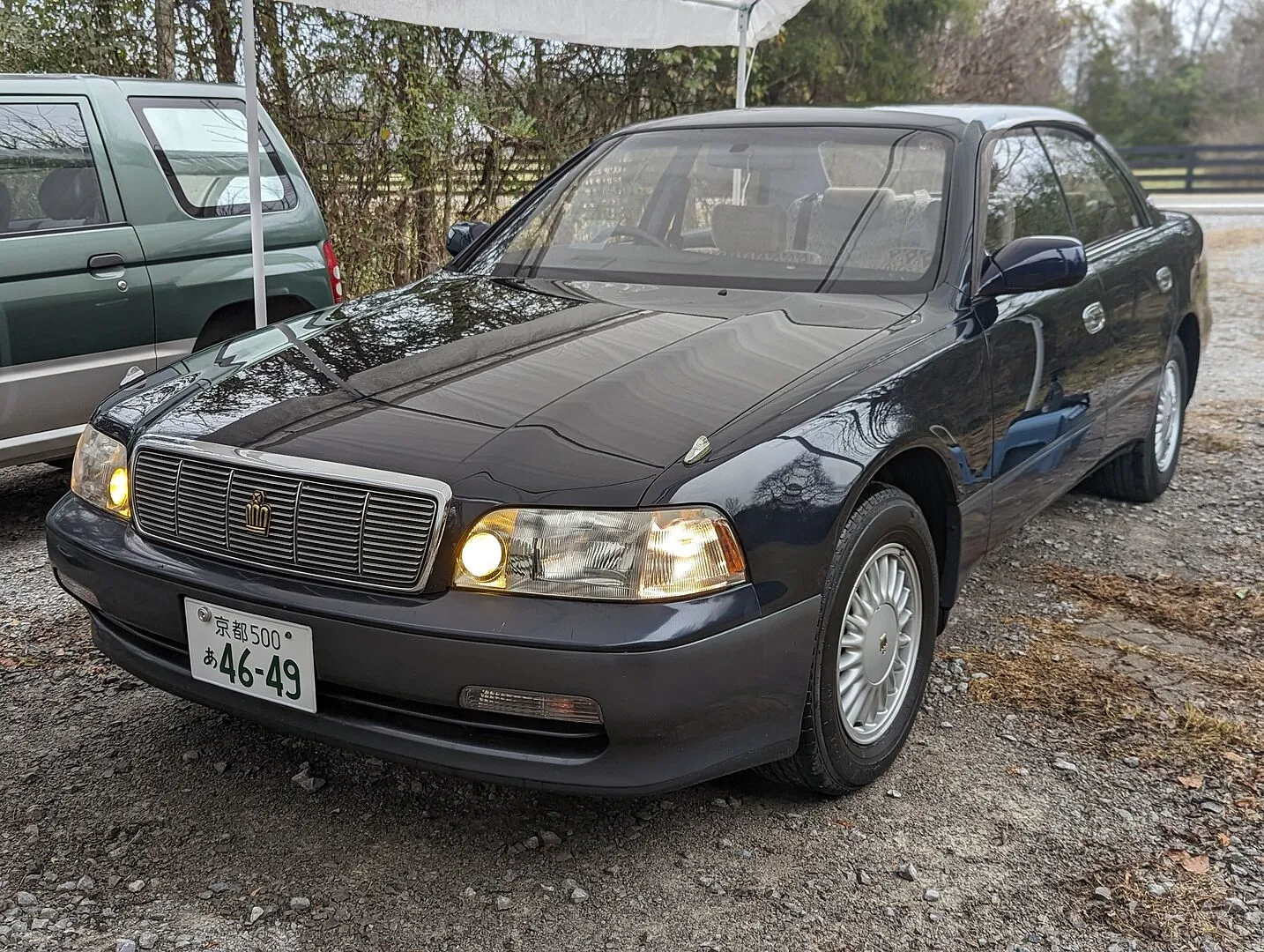
8. 1994 Toyota Crown Athlete G JZS147
Authority and refinement strongly define the 1994 Toyota Crown Athlete G JZS147, a premium sedan developed to deliver composed performance alongside executive comfort. Designed within Toyota’s upper market offerings, this model projected confidence through discipline rather than excess.
Exterior presentation reflects maturity, with balanced proportions, clean body lines, and restrained detailing that communicate status without drawing unnecessary attention. The design language prioritises presence and dignity, aligning with the expectations of a professional audience.
Mechanical performance is delivered through a turbocharged inline six engine engineered for smooth and consistent power delivery. Acceleration feels assured and effortless, particularly during highway driving. Rear wheel drive configuration supports balanced handling, while suspension tuning favours stability and ride composure.
Automatic transmission integration complements the vehicle’s refined character, allowing seamless power transfer and relaxed operation in varied driving conditions. Road behaviour reflects calm authority. Steering response remains measured and predictable, encouraging confident vehicle placement.
Suspension effectively filters surface irregularities, maintaining passenger comfort even on uneven roads. Braking performance remains dependable, supporting secure operation during extended journeys. This sedan proves especially well-suited for long-distance travel, where stability and quietness enhance driving satisfaction.
Interior presentation places comfort at the forefront. Seating materials feel durable and supportive, while generous cabin space ensures passenger ease. Control layout demonstrates thoughtful planning, promoting intuitive operation without distraction.
Sound insulation contributes to a serene cabin environment, separating occupants from external disturbances and reinforcing the vehicle’s executive intent. Limited exposure beyond domestic markets preserved its understated reputation.
Purchase pricing remains reasonable when compared with other luxury sedans of similar vintage. Toyota’s consistent engineering standards support long-term reliability, provided routine care is maintained. Ownership experience benefits from mechanical dependability and restrained operating demands.
The appeal of the 1994 Toyota Crown Athlete G JZS147 lies in dignified performance and composed execution. Strength and comfort are delivered through careful design choices, rewarding drivers who value refinement, reliability, and subtle authority above visual display.
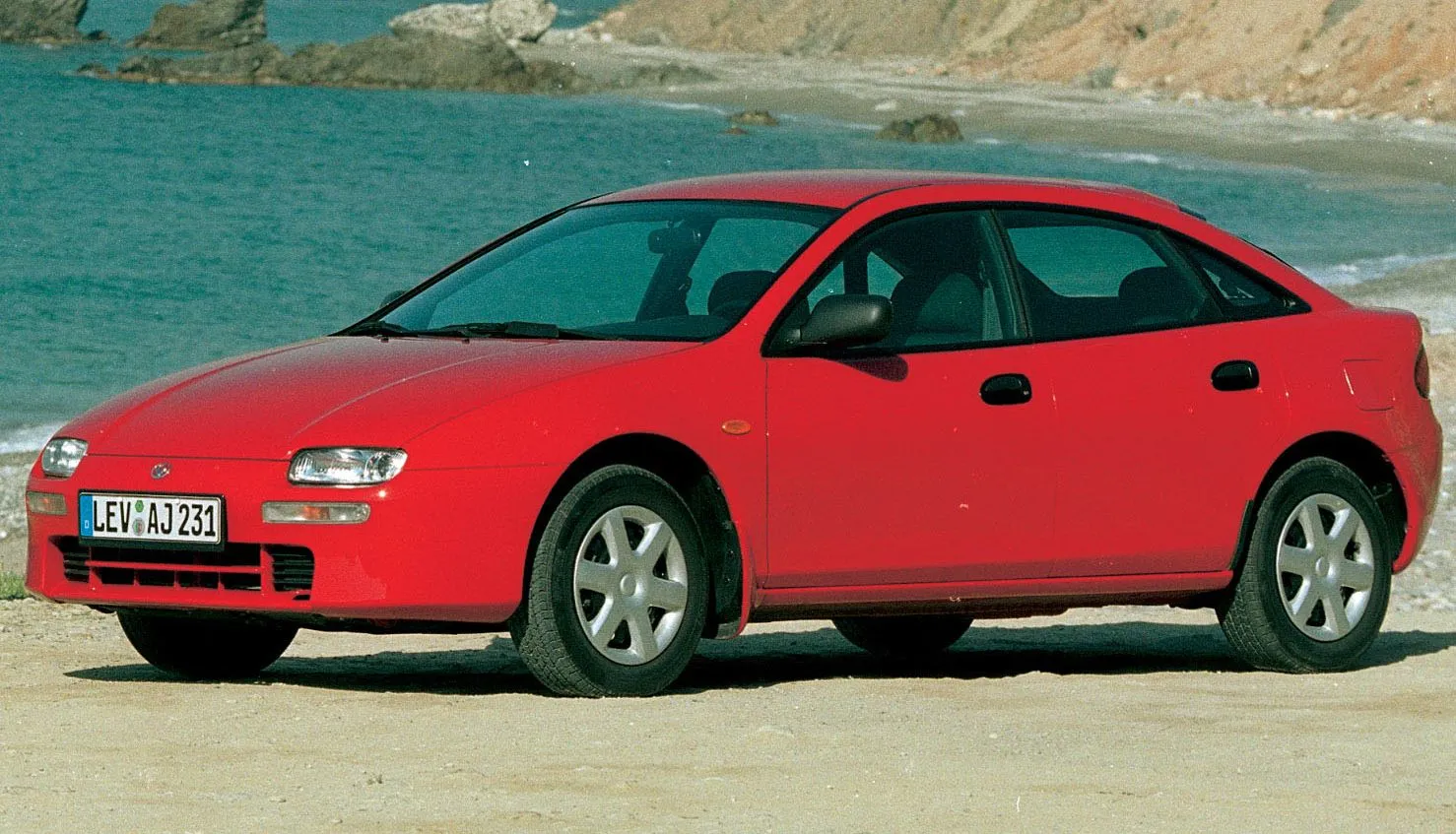
9. 1997 Mazda Familia GT R
Rally-inspired engineering defines the 1997 Mazda Familia GT R, a compact performance hatchback created to perform under demanding conditions. Developed with motorsport influence, this model reflects purposeful intent through design and mechanical specification.
Exterior appearance communicates aggression through flared wheel arches and functional detailing, signalling its performance orientation without excessive ornamentation. Power is supplied by a turbocharged four-cylinder engine that delivers strong acceleration across the rev range.
All Wheel Drive traction ensures consistent grip, supporting confident launches and secure cornering. Manual transmission pairing enhances driver involvement, reinforcing the car’s competition-derived identity and rewarding skilled input.
Driving characteristics remain sharp and responsive. Steering reactions feel immediate, allowing precise control through corners. Suspension tuning supports agility and stability, maintaining composure during spirited use.
Braking performance remains resilient under repeated demand, reinforcing confidence during performance driving. Lightweight construction enhances responsiveness, contributing to an energetic and engaging driving feel.
Interior design follows a function-led approach. Seating provides firm support during dynamic driving, ensuring occupant stability. Controls are arranged for accessibility, promoting ease of operation while maintaining focus. Instrumentation remains clear and purposeful, reflecting performance priorities rather than luxury considerations.
Production numbers were limited due to homologation requirements, restricting widespread availability. That rarity contributes to its continued undervaluation relative to performance capability. Maintenance requires informed care, yet rewards attention with dependable operation and mechanical durability.
The 1997 Mazda Familia GT R appeals to drivers seeking rally-influenced engineering in a compact and focused package. Purposeful design, engaging dynamics, and practical performance define its character, offering rewarding ownership for those who appreciate motorsport-inspired construction without excessive prominence.
Also Read: 10 Forgotten Classic Cars That Deserve a Second Look
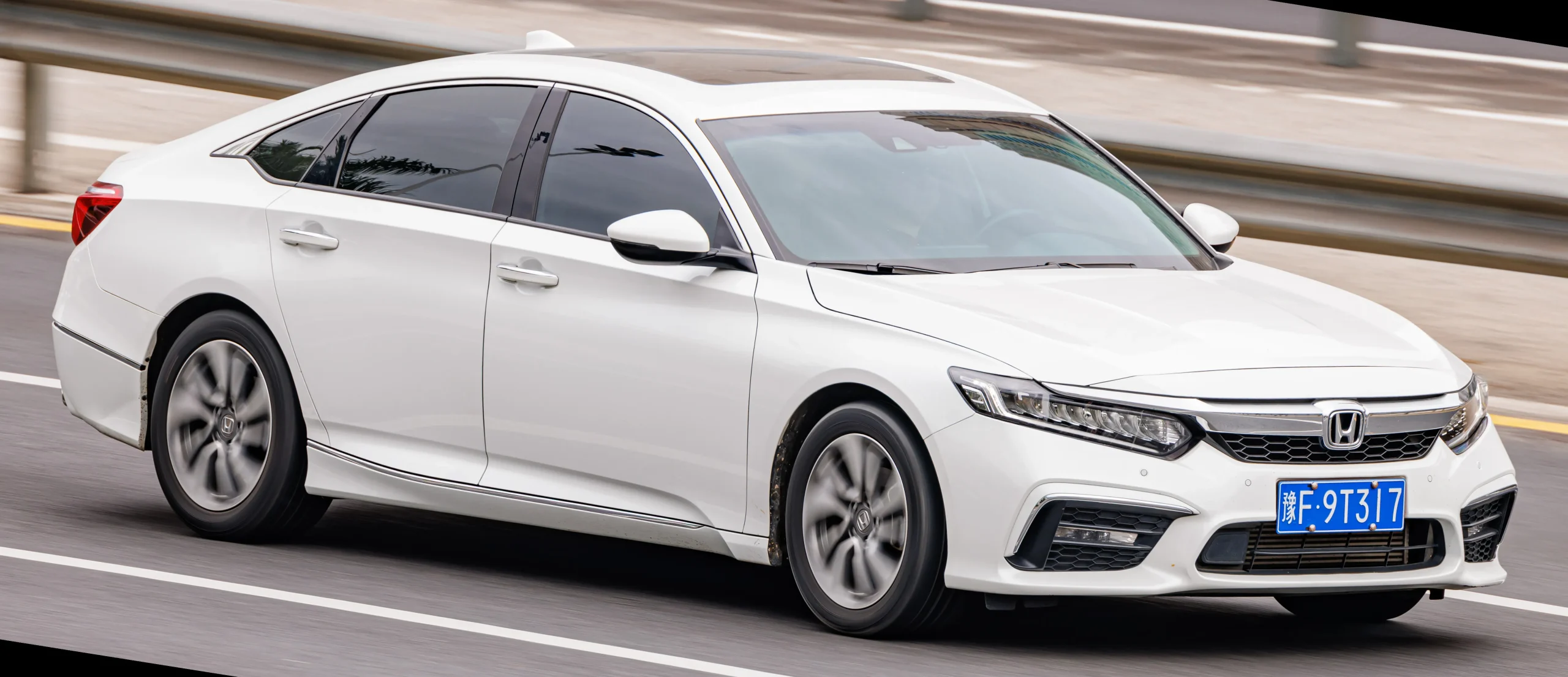
10. 1996 Honda Inspire UA2
Refined engineering characterises the 1996 Honda Inspire UA2, a sedan developed to deliver smooth performance alongside sustained comfort. Exterior styling adopts a sophisticated approach, emphasising clean lines and restrained detailing.
Visual presentation communicates professionalism and quiet confidence, avoiding exaggerated design features. Performance originates from a V6 engine engineered for smooth acceleration and controlled sound delivery.
Power application feels linear and composed, supporting relaxed driving. Front wheel drive configuration promotes predictable handling behaviour, while suspension tuning prioritises comfort and ride stability. Automatic transmission integration suits the vehicle’s executive orientation, enhancing ease of operation.
Driving experience focuses on smoothness and composure. Steering response remains controlled and reassuring, while ride quality effectively absorbs surface imperfections. Braking performance stays consistent under regular use, supporting confident operation. This sedan encourages calm, measured travel without sacrificing control or responsiveness.
Interior craftsmanship reflects Honda’s commitment to ergonomic discipline. Seating comfort supports extended journeys, reducing fatigue. Control placement follows logical patterns, enhancing ease of use. Material quality reinforces durability and long-term dependability. Cabin layout promotes clarity and calm, supporting driver focus and passenger comfort.
Market exposure remained limited in certain regions, contributing to reduced public recognition. That lack of attention preserves reasonable purchase values. Reliability benefits from Honda’s established engineering practices during the mid nineteen nineties, supporting confident ownership with proper care.
The 1996 Honda Inspire UA2 closes this discussion with restraint and polish. Balanced performance, dependable construction, and thoughtful design combine to deliver enduring satisfaction for drivers who value quiet capability, mechanical integrity, and refined motoring experience.
