
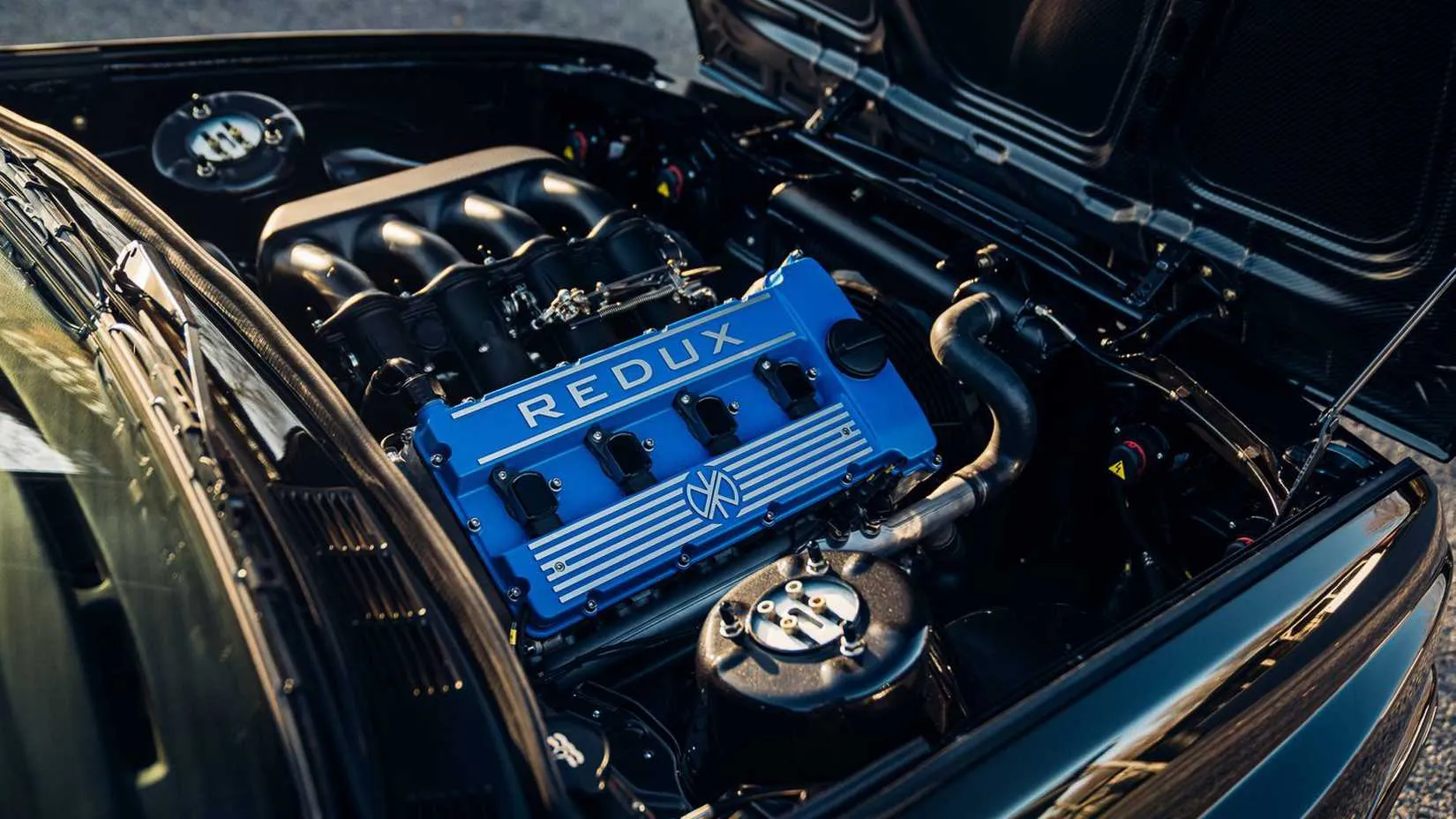
Car culture has always had a soft spot for engines that punch above their weight. Power figures matter, yet what truly earns lasting respect is character. Four-cylinder engines, when executed with care and purpose, often deliver that character more vividly than larger layouts.
They rev freely, respond sharply, and reward drivers who enjoy mechanical honesty rather than brute force. For gear-focused enthusiasts, these engines feel alive in ways spreadsheets cannot explain. A great four-cylinder does more than move a car forward. It creates a bond between machine and driver through sound, response, and reliability earned through years of use.
Some were born from motorsport ambitions, others from engineering stubbornness, yet each carved its place through consistency and soul. Their reputations grew in garages, on winding roads, and at racetracks where results mattered more than hype.
This list celebrates ten four-cylinder engines that earned deep respect from people who truly care about how cars feel. Each entry highlights a complete vehicle, not just a powerplant, because context matters. These machines prove that displacement alone never defines greatness.
Precision, balance, and personality do. What follows is not about trends or marketing. It is about engines that still spark conversation long after production lines moved on.
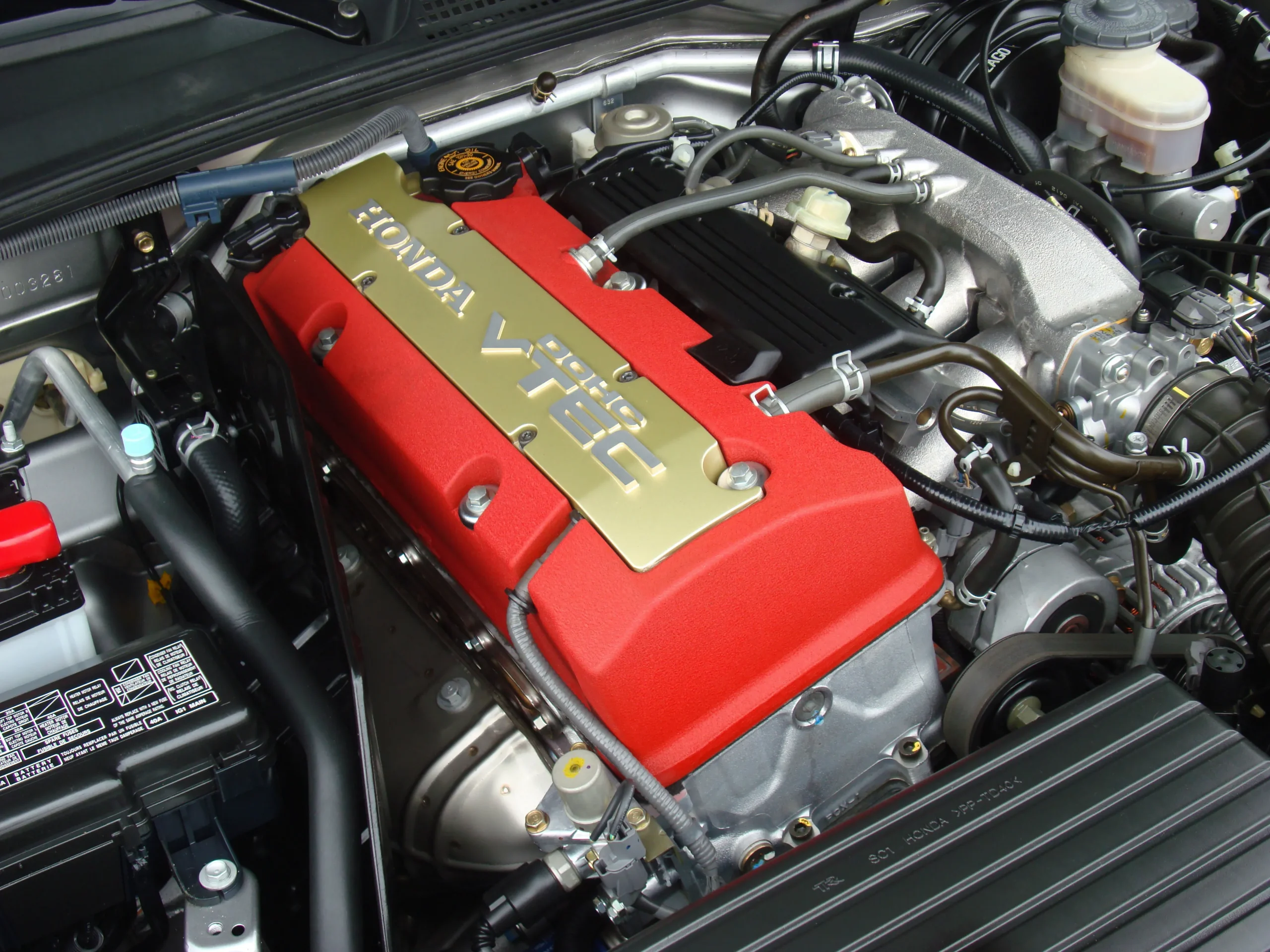
1. Honda S2000 F20C
Precision sits at the heart of the Honda S2000 F20C, an engine that changed expectations for naturally aspirated performance. Released at a time when turbocharging was gaining ground, Honda chose a harder path. Engineers chased revs, response, and efficiency through mechanical discipline rather than forced induction.
The result was a two-liter four-cylinder that produced astonishing output while remaining street-friendly. What set the F20C apart was its willingness to spin. A 9000 rpm redline transformed each drive into an event, encouraging drivers to work the gearbox and savor every gear.
Power delivery felt linear yet urgent, building intensity as revs climbed rather than fading. Throttle response arrived instantly, creating a sense of connection that few engines have matched. That responsiveness rewarded skill and punished laziness in equal measure.
Beyond numbers, durability cemented its reputation. Tight tolerances and advanced metallurgy allowed the engine to survive abuse that would shorten the life of lesser designs. Owners who respected warm-up procedures enjoyed years of spirited driving without drama. Valve train technology borrowed lessons from racing while remaining dependable for daily use. Such a balance earned trust across enthusiast circles.
Sound played a major role in its appeal. The intake note sharpened as revs rose, while the exhaust delivered a clean mechanical wail rather than artificial noise. Each move felt purposeful, and each acceleration run demanded attention. This was an engine that asked something from its driver and paid it back generously.
Placed within a lightweight Rear Wheel Drive roadster, the F20C defined the Honda S2000 experience. Chassis balance amplified engine character, creating harmony rather than competition between components. Even decades later, this engine remains a benchmark for how much excitement a four-cylinder can deliver when passion guides engineering.
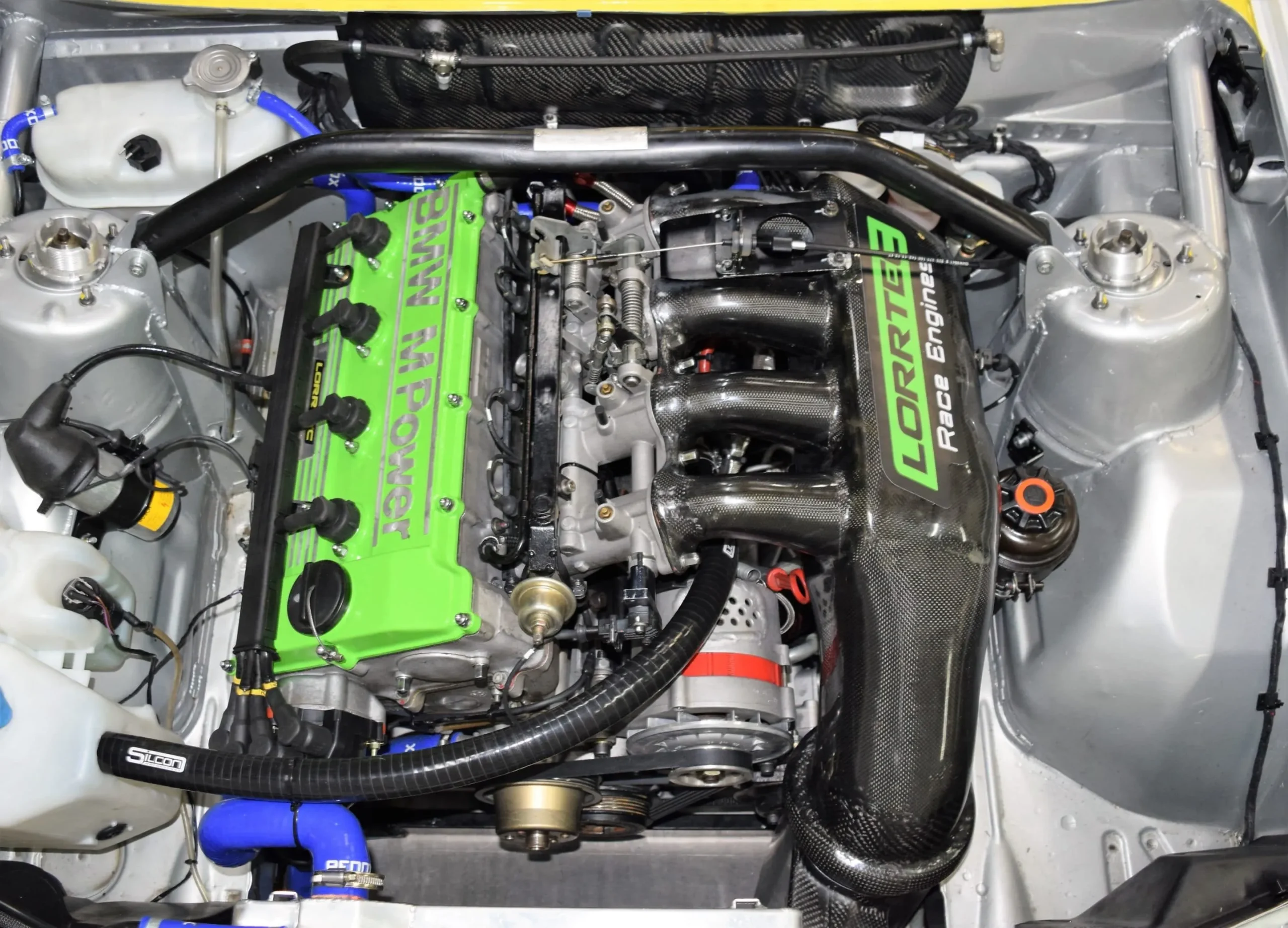
2. BMW E30 M3 S14
Motorsport ambition shaped the BMW E30 M3 S14, an engine built to win races before impressing road drivers. Born from homologation requirements, it carried a sense of purpose that still resonates. This four-cylinder did not aim for refinement first. It aimed for results. Everything else followed.
Displacement started modestly, yet breathing efficiency told the real story. Individual throttle bodies gave razor-sharp response, turning every pedal input into immediate action. Power delivery felt urgent and mechanical, rewarding drivers who kept revs high. Each gear change reinforced its racing roots, reminding occupants that comfort was secondary to precision.
Reliability under pressure defined the S14 character. Endurance racing demands consistency, and this engine delivered repeatedly. High compression ratios and aggressive cam profiles did not compromise longevity when maintained correctly. Owners learned that attention to detail paid dividends, creating a bond rooted in respect rather than convenience.
Acoustics played their part as well. Intake noise dominated the cabin, blending with exhaust notes into a soundtrack that felt raw and purposeful. It was not loud for spectacle. It was loud because airflow mattered. That honesty appealed to purists who valued function over polish.
Installed in a chassis engineered for balance, the S14 transformed the E30 M3 into a legend. Steering feedback, suspension tuning, and engine response worked together seamlessly. Driving one felt like participating in motorsport rather than observing it. Decades later, this engine remains a symbol of an era when racing success shaped road cars directly.
Also Read: 13 Rear-Engine Sports Cars That Redefined Performance
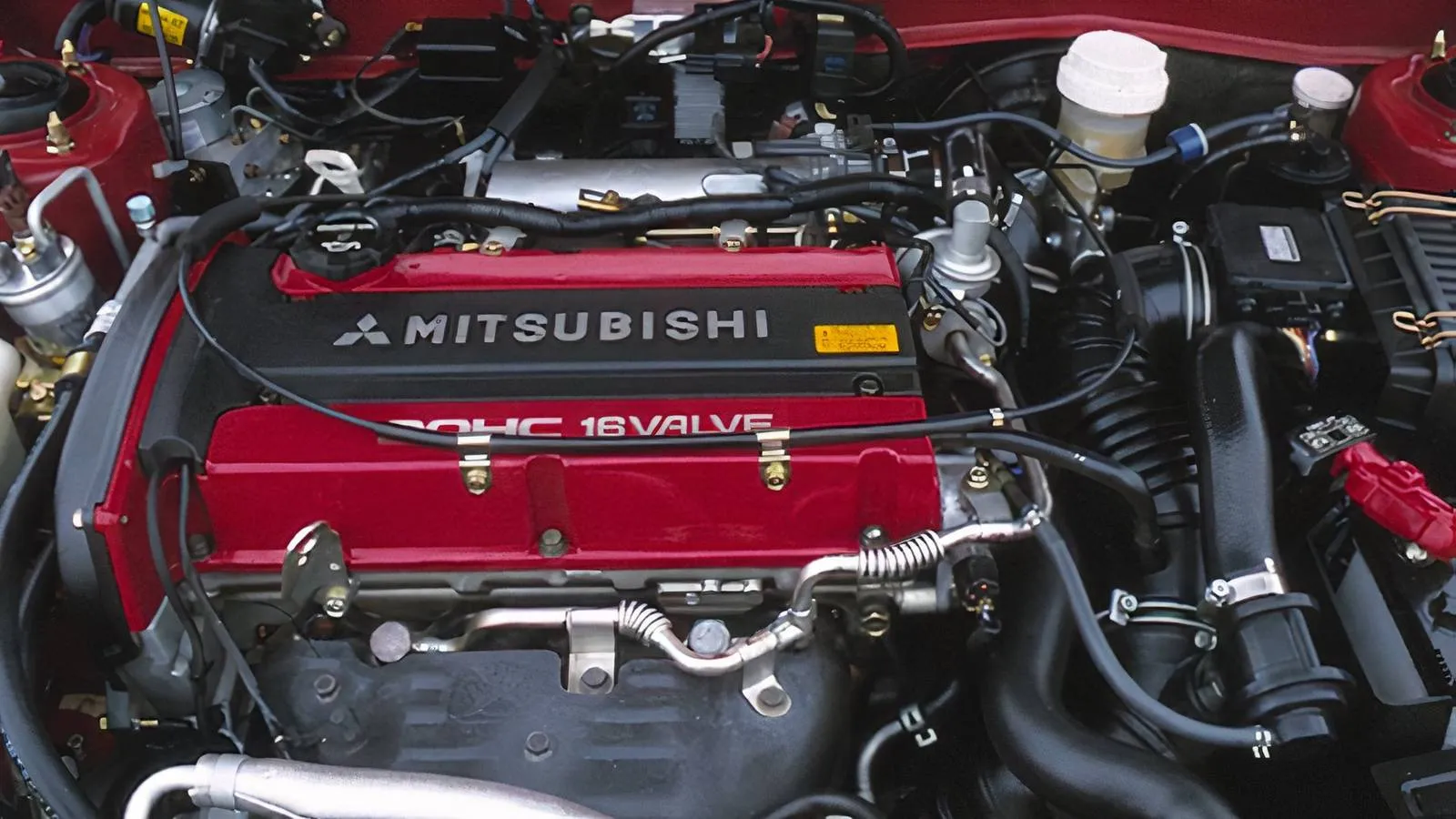
3. Mitsubishi Lancer Evolution IX 4G63
Rally stages forged the reputation of the Mitsubishi Lancer Evolution IX 4G63, an engine defined by resilience and adaptability. Turbocharged and eager, it thrived under conditions that punished weaker designs. Engineers focused on strength, knowing competition would test every component relentlessly.
Boost delivery arrived with intent, pushing drivers back into their seats while maintaining control. Unlike peaky turbo engines of its time, the 4G63 offered usable torque across a wide band. That flexibility suited varied driving situations, from tight corners to long straights. All wheel drive traction allowed the engine to deploy power confidently, reinforcing trust.
Tuning culture embraced this engine wholeheartedly. Robust internals supported higher boost levels without extensive modification. Enthusiasts discovered that careful upgrades yielded impressive gains while preserving reliability. This adaptability turned the Evolution IX into a favorite among builders who valued results earned through engineering rather than luck.
Sound and feel reflected its rally heritage. Turbo whistle blended with exhaust growl, creating an aggressive yet purposeful voice. Vibration communicated road conditions clearly, reminding drivers that performance came first. Every drive felt like preparation for a competition.
Longevity under stress defined its legacy. Many examples endured hard use while continuing to perform reliably. That endurance earned admiration beyond brand loyalty. The 4G63 proved that four cylinders could handle extreme demands without compromise when designed with intent.
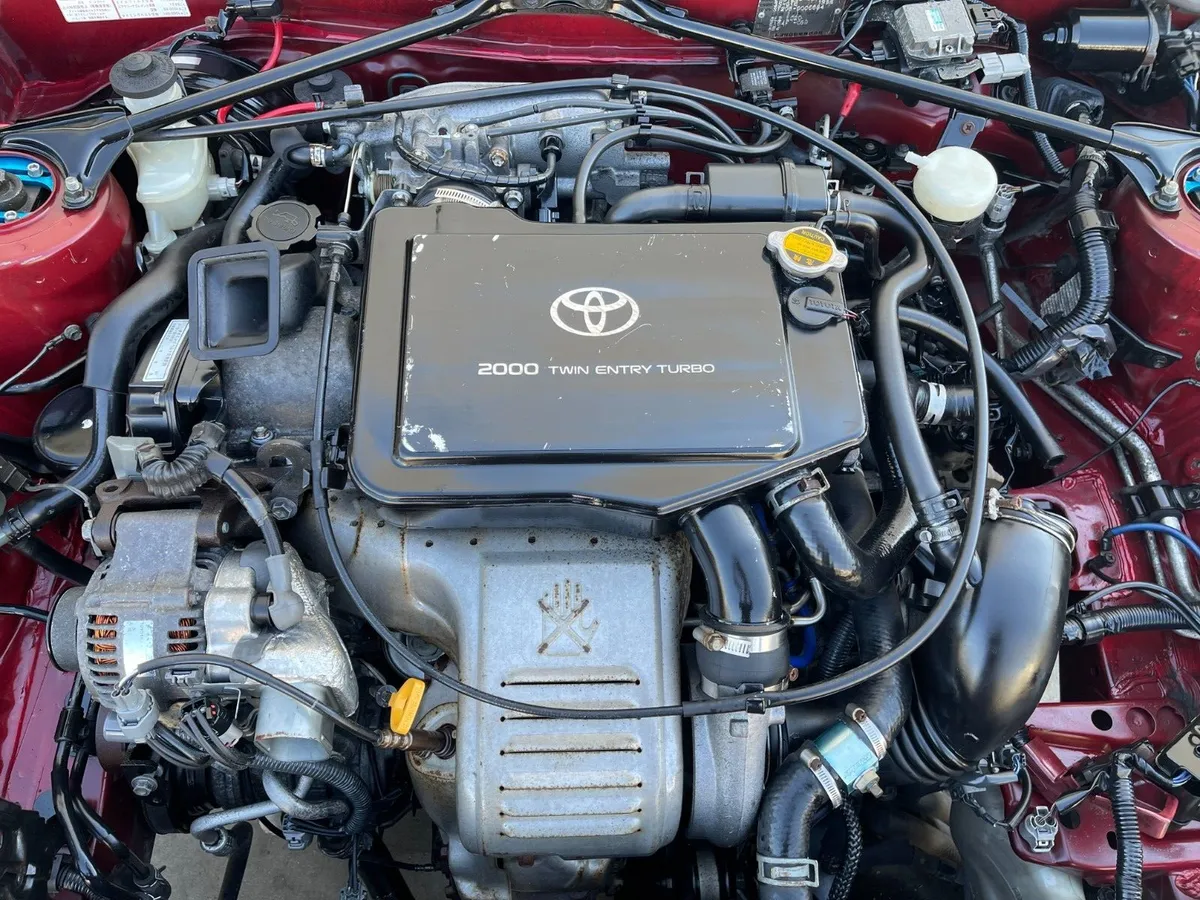
4. Toyota Celica GT Four ST205 3S GTE
The Toyota Celica GT Four ST205 3S GTE represents a focused approach to high-performance engineering, where control and reliability take precedence over raw numbers. This turbocharged four-cylinder engine was designed with rally stages in mind, and every component reflects that purpose.
Engineers concentrated on producing an engine that delivered predictable power across a variety of surfaces, emphasizing consistency rather than aggressive output. Such attention ensured drivers could maintain confidence even in challenging conditions, with the engine responding to inputs in a measured and dependable way.
Boost delivery was calibrated to feel immediate without being intimidating. Torque emerged in a manner that maintained momentum and preserved traction, allowing drivers to engage corners assertively. Coupled with an All Wheel Drive system, the engine rewarded commitment and technique, encouraging drivers to trust the vehicle rather than overcompensate for unpredictable behavior.
This balance between power and control became a defining feature of the 3S GTE, building a reputation as an engine that could perform under pressure without demanding constant correction. Durability remained central to the engine’s design philosophy. Forged internals, robust cooling, and conservative tuning permitted sustained operation under high boost conditions.
Owners valued the resilience, knowing that spirited driving or extended usage would not compromise reliability. Regular service intervals remained manageable, and the components offered a long service life, which reflected Toyota’s broader engineering standards during the mid-nineteen-nineties.
Sound characteristics contributed to its character without overwhelming attention. Intake whine and exhaust note remained subdued, allowing the driver to focus on control rather than theatrics. Chassis feedback and drivetrain cues communicated the engine’s state clearly, providing subtle guidance that enhanced the sense of connection between car and driver.
Enthusiasts appreciated this understated approach, as it emphasized performance precision rather than excessive showmanship. Integrated within the ST205 chassis, the 3S GTE delivered a holistic driving experience.
Steering, suspension, and power harmonized to create a sense of cohesion rarely found in high-output turbocharged vehicles of the era. Weight distribution complemented torque delivery, and the car remained poised even under demanding conditions.
Respect for this engine comes from its consistent, trustworthy behavior and the confidence it instilled in drivers, proving that reliability, control, and mechanical honesty can combine to create a performance package that endures in reputation and capability.
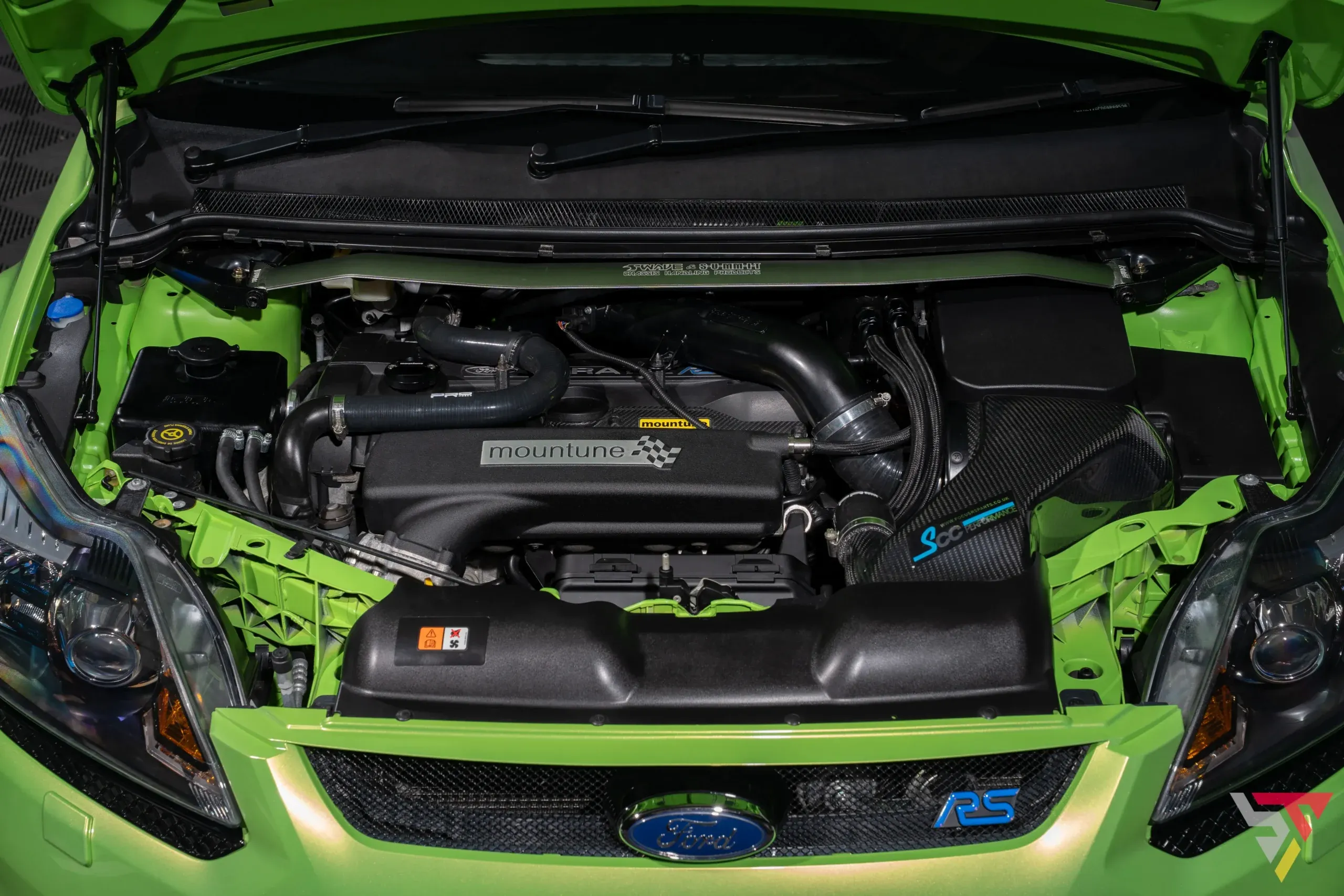
5. Ford Focus RS Mk2 Duratec RS
The Ford Focus RS Mk2 Duratec RS demonstrates what a turbocharged four-cylinder can achieve when engineering prioritizes engagement and practicality. This engine was conceived to challenge perceptions of Front Wheel Drive performance, offering a combination of high output, durability, and usability.
Engineers focused on delivering responsive torque, immediate throttle reaction, and a power curve that demanded attention while remaining manageable for daily driving. The result is an engine that rewards confidence, encourages aggressive application, and sustains spirited use without compromise.
Torque delivery is assertive and linear, giving the Focus RS a sense of urgency when accelerating from low speeds. Engineers tuned the system to minimize traction loss, allowing the driver to fully exploit performance without excessive correction.
Throttle response feels direct and communicative, creating a connection between driver and car that emphasizes control. The Duratec RS encourages bold input while maintaining predictability, a trait that quickly gained respect among enthusiasts who value engagement and mechanical honesty.
Acoustic feedback contributes to the experience without exaggeration. Intake resonance and exhaust tone communicate engine state naturally, providing audible cues during acceleration and high load. These sound characteristics emphasize mechanical integrity rather than artificial amplification, complementing the driving experience with purposeful information that enhances awareness and timing.
Durability of the engine reflects careful engineering. Despite its high output, the Duratec RS can endure sustained use when maintained according to specifications. Cooling efficiency, internal component strength, and tuning choices allow drivers to push the engine without fear of damage.
This reliability, combined with upgrade potential, made it a favourite among enthusiasts seeking performance while retaining everyday practicality. Installed in the Mk2 RS chassis, the Duratec RS proved that Front Wheel Drive vehicles could combine excitement with control.
Suspension tuning, steering precision, and weight distribution synergized with engine output, producing a cohesive and engaging driving experience. The combination of responsive power, predictability, and mechanical clarity helped establish this four-cylinder as an example of innovation and durability, earning enduring admiration among drivers who seek substance alongside performance.
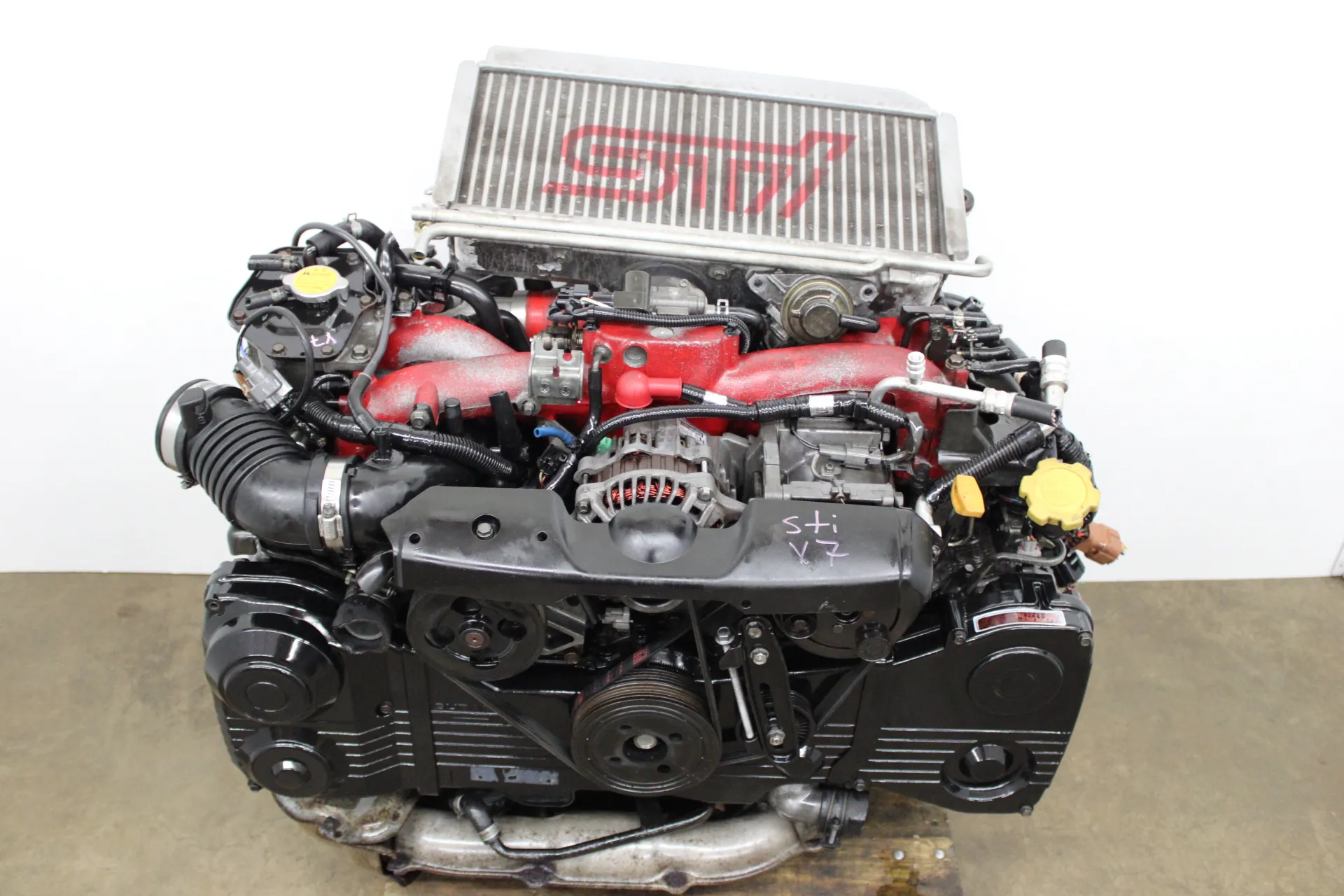
6. Subaru WRX STI EJ207
Precision, durability, and rally heritage converge in the Subaru WRX STI EJ207, an engine developed to excel on challenging courses while maintaining composure on regular roads. This turbocharged four-cylinder benefited from Subaru’s decades of motorsport experience, producing a unit capable of responding instantly to driver commands.
Compact dimensions paired with All Wheel Drive traction allowed the car to translate power efficiently without losing composure under load. Turbo spool characteristics were carefully engineered to reduce lag while maintaining control at high revs.
Torque delivery remained predictable, giving drivers confidence to push corners aggressively without fear of overwhelming grip. Unlike some turbocharged designs, the EJ207 combined performance with mechanical clarity, rewarding throttle modulation and precision steering.
Each acceleration run felt intentional, reinforcing a connection between driver input and road outcome. Mechanical integrity formed the foundation of the engine’s reputation. Forged internals, high quality pistons, and a resilient cylinder head allowed high boost levels without sacrificing long term reliability.
Routine maintenance ensured the EJ207 continued performing under aggressive driving conditions. That durability, combined with motorsport pedigree, made it a choice for enthusiasts seeking a serious performance tool that could also handle daily usage.
Sound delivery emphasized function rather than showmanship. Intake resonance blended with a restrained exhaust note to create an unmistakable tone, alerting the driver to engine load and rev range. Vibrations and feedback transmitted through the chassis encouraged precise handling, heightening awareness and involvement without distraction.
That responsiveness contributed to its lasting respect among seasoned drivers. Installed in the WRX STI chassis, the EJ207’s performance felt harmonious. Suspension geometry, weight distribution, and steering ratios amplified the engine’s attributes, creating a cohesive driving experience.
High rev capability and turbo power reinforced engagement, while All Wheel Drive stability ensured control remained accessible. Its combination of reliability, performance, and feedback demonstrates why this engine remains a celebrated example among four-cylinder designs that successfully blend heritage and modern capability.
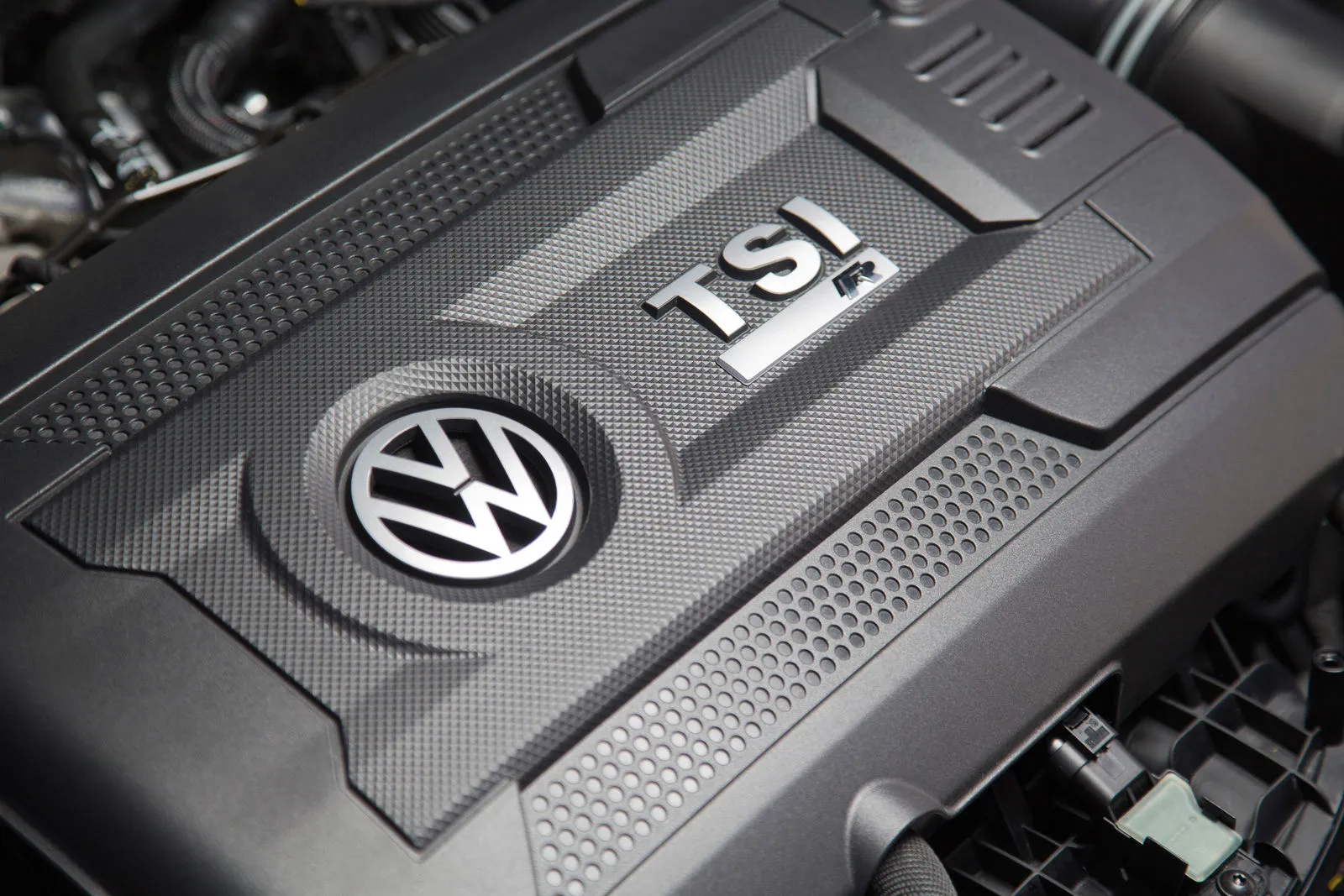
7. Volkswagen Golf GTI Mk7 EA888 TSI
Engineering balance defines the Volkswagen Golf GTI Mk7 EA888 TSI, a turbocharged four-cylinder designed to deliver smooth, responsive, and efficient performance. Compact and lightweight, the EA888 achieved impressive output without demanding aggressive driving habits, appealing to enthusiasts who value versatility combined with sharp throttle response.
Turbocharged performance arrives with minimal hesitation, producing a broad band of torque suitable for urban environments and spirited road excursions. The engine feels alive when prompted, rewarding measured inputs while remaining tractable for daily commuting.
Variable valve timing and direct injection contribute to both efficiency and precise control over fuel delivery, improving responsiveness at low and high revs alike. Reliability earned respect through meticulous engineering.
Components were chosen for durability under normal and spirited driving conditions. Cooling efficiency and internal tolerances helped the EA888 sustain repeated accelerations without compromise. Owners found that the engine’s consistency rewarded attention to scheduled service intervals while minimizing surprises as time goes on.
Sound characteristics were tuned to provide an engaging mechanical signature. Intake resonance, combined with exhaust tone, produced a balanced soundtrack that signaled performance without overwhelming cabin occupants. That subtle audio cue encouraged driver awareness and enhanced satisfaction during acceleration.
Integration with the Mk7 chassis reinforced the engine’s effectiveness. Weight distribution, suspension tuning, and steering calibration worked in concert with the engine’s output to create precise handling and responsive behavior.
Turbo power felt controlled yet assertive, blending daily usability with performance engagement. This engine continues to represent a benchmark for four-cylinder design, demonstrating how careful engineering can produce a responsive, durable, and rewarding unit without resorting to excess displacement or complication.
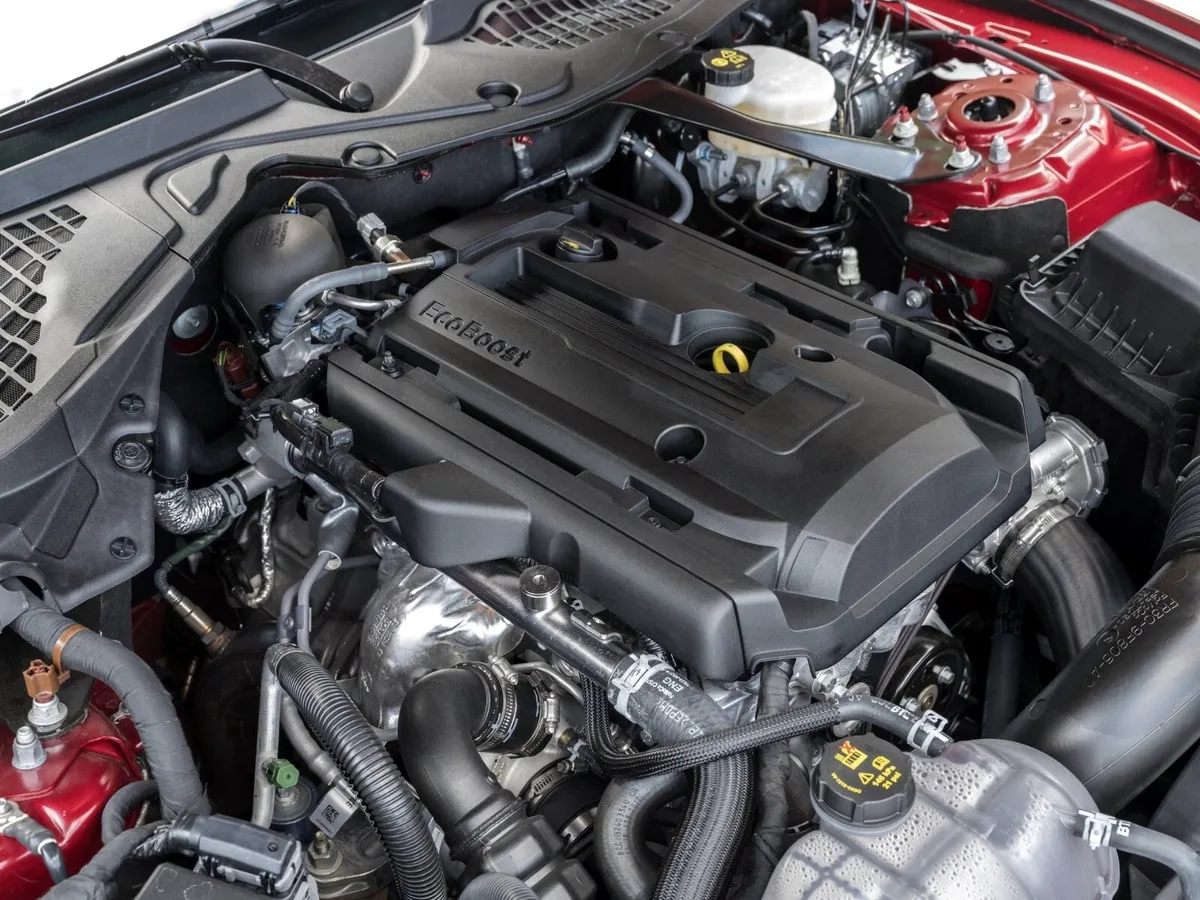
8. Ford Mustang EcoBoost 2.3L
Innovation meets practicality in the Ford Mustang EcoBoost 2.3L, a turbocharged four cylinder engineered to provide both spirited performance and efficiency. While the Mustang name often suggests V8 tradition, the 2.3L unit delivers surprising responsiveness, making it an appealing option for drivers who appreciate compact power married with handling precision.
Turbocharger design allowed immediate spool with minimal lag, creating a linear power curve that encouraged measured throttle inputs. Peak torque arrived low in the rev range, making acceleration effortless during urban driving while still providing excitement at higher speeds.
Transmission calibration complemented the engine’s character, ensuring movements remained responsive and connected to the driver’s intentions. Structural engineering supported durability under varied conditions. Forged internals, reinforced cooling, and careful tuning ensured that the 2.3L remained dependable under prolonged stress.
Drivers could pursue spirited sessions without excessive concern for wear, provided service intervals were observed. This reliability contributed to its rapid acceptance among enthusiasts seeking smaller displacement excitement.
Auditory feedback enhanced engagement. The turbocharged four-cylinder produced a resonant intake tone and measured exhaust note, creating presence without distraction. Vibrations transmitted through the cabin offered subtle cues about load and rev range, reinforcing driver awareness while maintaining comfort.
Mounted in the Mustang chassis, the 2.3L engine demonstrated how power could be effectively deployed in a performance car with reduced displacement. Steering, suspension, and weight distribution complemented the engine’s characteristics, allowing it to feel agile, responsive, and cohesive.
This engine challenges assumptions about four cylinders in traditional muscle car contexts, proving that thoughtful engineering can deliver excitement, reliability, and driver connection within a modern turbocharged platform.
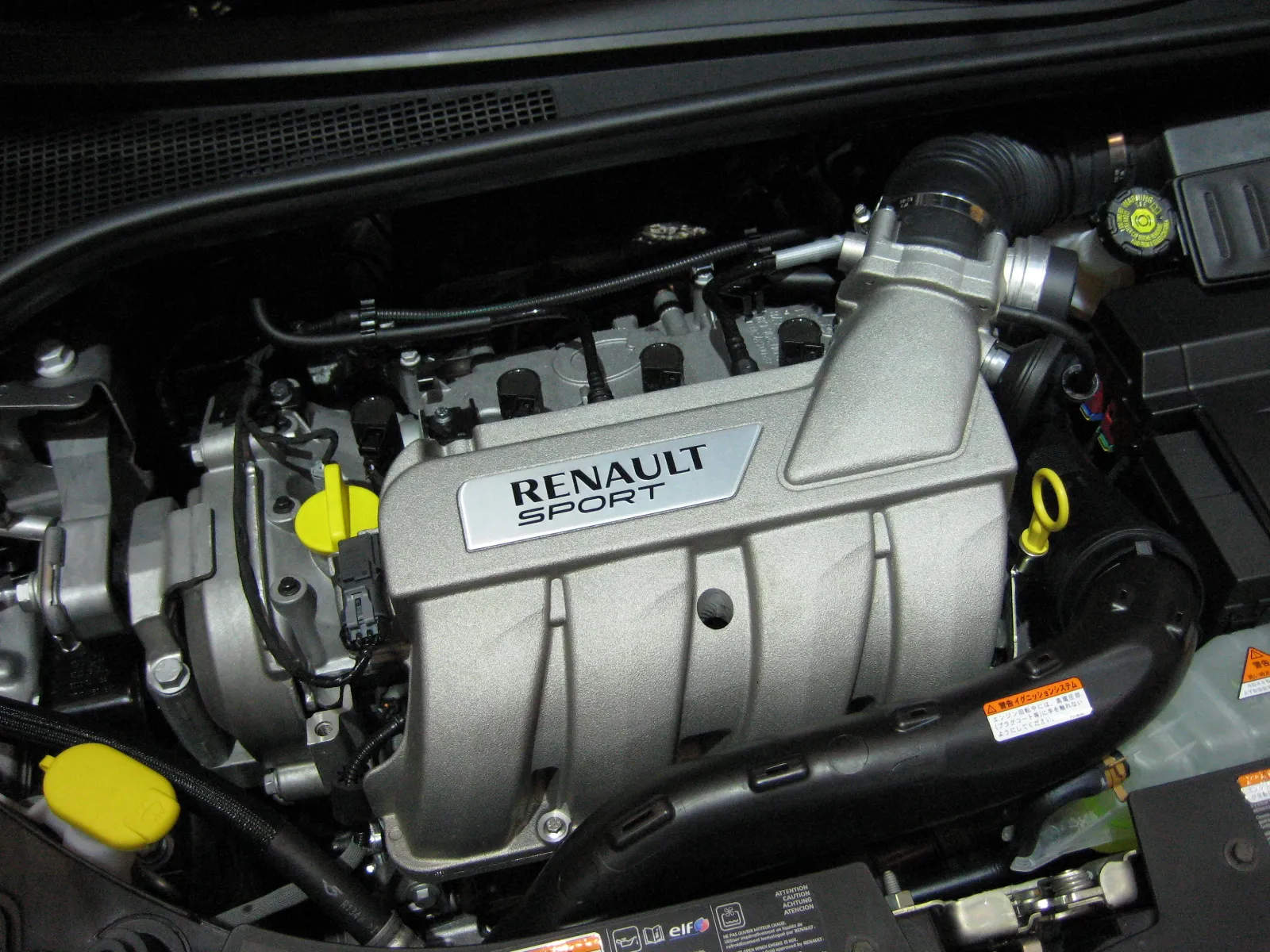
9. Renault Megane RS F4R
Precision and agility define the Renault Megane RS F4R, a naturally aspirated four-cylinder that prioritizes high rev engagement and mechanical honesty. Developed for drivers who enjoy feedback-rich experiences, this engine transforms everyday driving into a focused activity.
Power builds progressively, rewarding controlled inputs and attentiveness through its rev range. Chassis integration highlights harmony. Steering ratios, suspension tuning, and weight distribution accentuate the engine’s character, making acceleration, braking, and cornering feel connected.
High rev responsiveness encourages drivers to maintain momentum while cultivating an appreciation for throttle control and engine behavior. It rewards involvement through direct feedback rather than overwhelming power.
Durability factors were carefully engineered. Reinforced components and precise assembly ensured the engine could tolerate spirited operation without degradation. Routine service preserves long-term functionality, emphasizing reliability alongside spirited driving enjoyment. This combination created a reputation among enthusiasts for balance and responsiveness.
Acoustic traits further reinforce the engine’s appeal. Intake resonance and exhaust tone rise in harmony as revs climb, providing audible cues that inform shifting decisions and reinforce engagement. Vibrational feedback communicates load and traction conditions subtly, contributing to an immersive experience.
Installed within a lightweight chassis, the F4R exemplifies synergy between engine and platform. Its responsiveness, mechanical clarity, and durability make it a celebrated example of naturally aspirated four-cylinder performance, earning respect among drivers who value precision, involvement, and reliability.
Also Read: 10 Proven Naturally Aspirated Engines Famous for Extreme Longevity
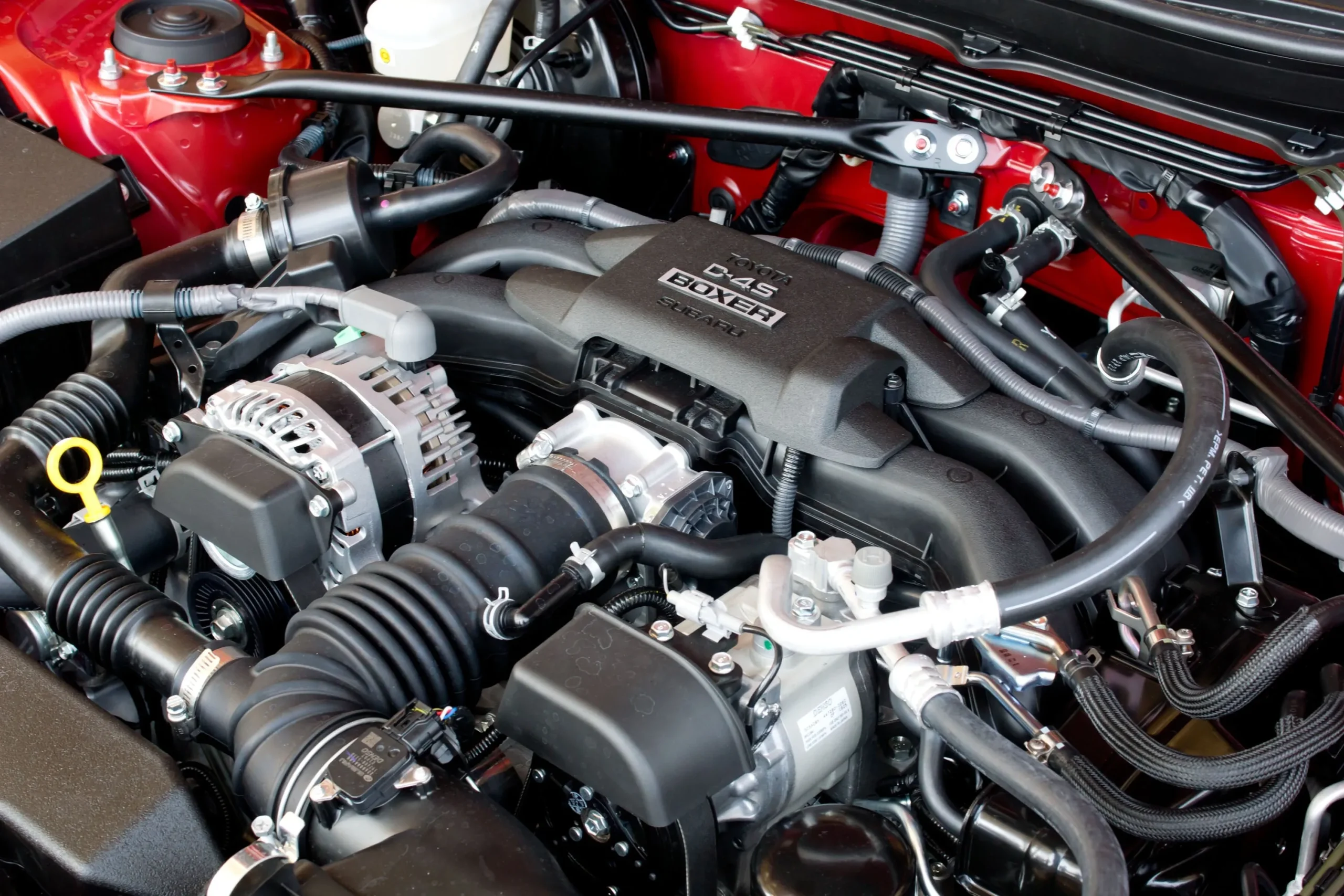
10. Toyota 86 FA20
The Toyota 86 FA20 represents a disciplined engineering approach that prioritizes driving engagement and mechanical balance. This naturally aspirated four-cylinder engine was designed to deliver linear power, high rev performance, and precise interaction with a Rear Wheel Drive chassis.
Rather than chasing outright horsepower numbers, engineers focused on creating a powerplant that rewards careful throttle control, encourages momentum management, and promotes an understanding of weight transfer. Every element of its design supports the connection between driver and machine, making each drive a study in skillful execution rather than raw acceleration.
High rev characteristics define the FA20’s personality. Power rises smoothly through the rev range, inviting the driver to maintain speed through corners and to time gear changes with attention. Throttle response is direct and communicative, creating an immediate link between input and action.
This responsiveness encourages careful, deliberate driving, as the engine conveys subtle information about grip, load, and momentum. Such qualities foster a sense of mastery, teaching drivers how engine behaviour interacts with steering, suspension, and chassis dynamics to produce controlled, engaging motion. The FA20 does not demand excessive speed to be enjoyed; it thrives on technique and timing.
Durability forms a cornerstone of the engine’s reputation. Components were designed to endure repeated high-rev operation without compromise, and maintenance intervals were set with practical usability in mind. Drivers can exploit the engine’s capabilities during spirited driving while enjoying confidence in its long term reliability.
That resilience reinforces the vehicle’s appeal, showing that enjoyment need not come at the expense of longevity or safety. Owners value the balance struck between endurance and performance, knowing that the FA20 can withstand regular spirited use while remaining dependable as time goes on.
Acoustic and tactile feedback further enhance engagement. Intake and exhaust notes combine with mechanical resonance to communicate load and rev state to the driver naturally, without artificial enhancement. Subtle vibrations transmitted through the chassis provide additional sensory information, heightening awareness of road conditions, traction, and engine behaviour.
When paired with the lightweight and well-balanced Toyota 86 chassis, the FA20’s qualities become fully apparent. Suspension tuning, steering ratios, and weight distribution complement the engine’s behaviour, emphasising skillful handling over brute force. The resulting package delivers responsiveness, enjoyment, and a lively character that remains engaging across various driving conditions.
This naturally aspirated four-cylinder continues to earn admiration from enthusiasts who prize driving purity and connectedness, demonstrating how thoughtful engineering can create an enduring and compelling experience without relying on extreme horsepower figures.
