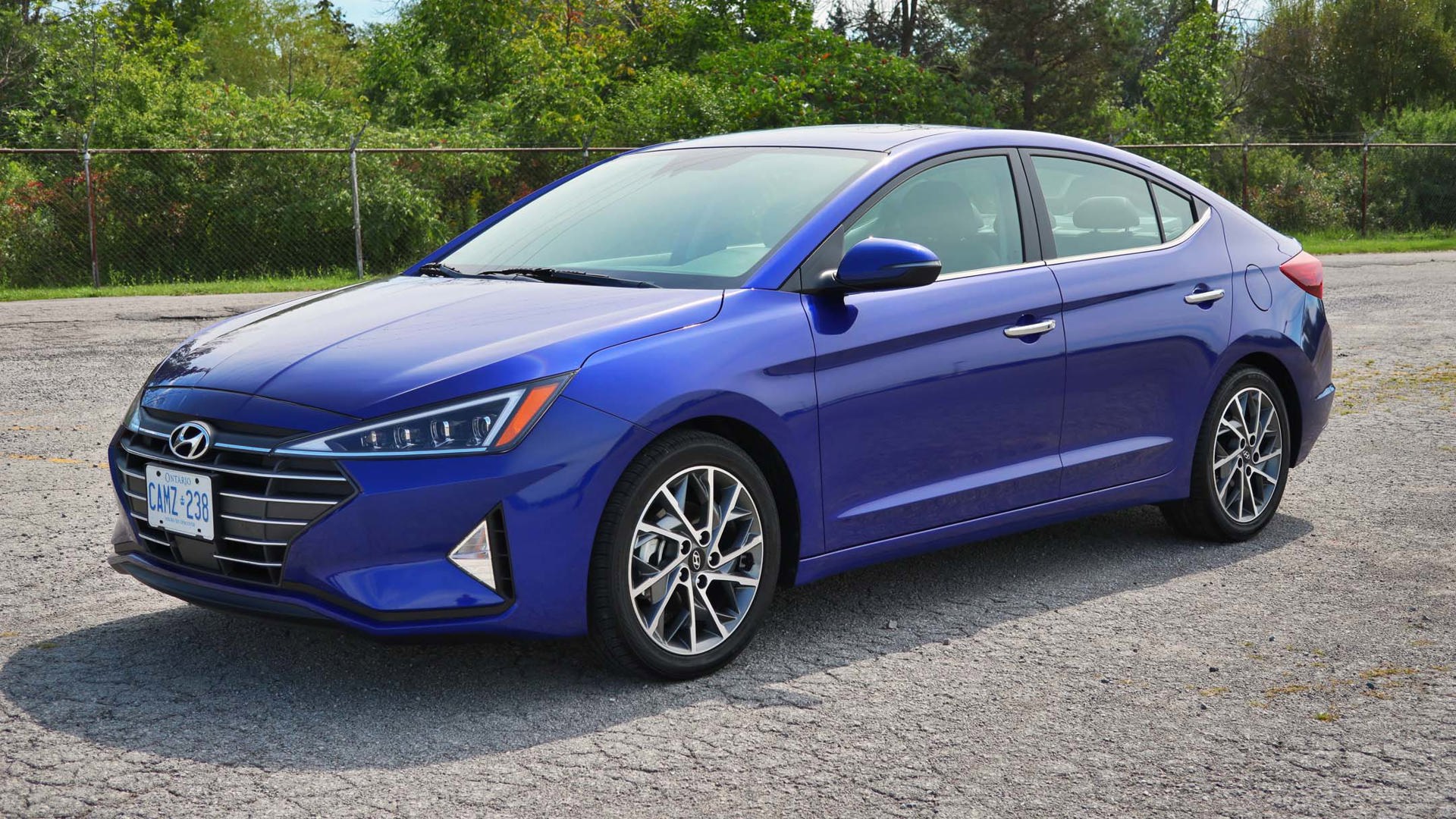
Urban commuting in the United States is a unique driving experience that often gets misunderstood. While highways and suburban sprawl dominate much of the country, millions of Americans still rely on dense city streets every day.
Whether it’s navigating Brooklyn traffic, Chicago’s grid system, downtown Los Angeles congestion, or tight parking situations in Boston and San Francisco, urban commuters face challenges that go far beyond simple fuel economy numbers.
Sedans remain a popular choice for city driving because they strike a balance between size, comfort, and efficiency. However, not all sedans are created equal when it comes to urban life.
Factors like steering radius, visibility, ride quality at low speeds, transmission behavior in stop-and-go traffic, maintenance predictability, and even curb-appeal safety play a bigger role than horsepower or top-speed bragging rights.
Some sedans feel almost purpose-built for city commuting, making daily drives calmer and more predictable.
Others, despite impressive specs or brand prestige, can actively make urban driving more stressful and expensive than it needs to be.
Below is a detailed breakdown of five sedans that genuinely make sense for urban commuters and five that don’t.
Sedans That Make Sense for Urban Commuters
Urban commuting puts a very specific kind of pressure on a car. Tight parking, stop-and-go traffic, short trips, and constant low-speed driving reward vehicles that are easy to maneuver, efficient, and comfortable without being complicated or oversized.
Sedans that work well in cities tend to blend manageable size with smooth power delivery, good visibility, and low ownership stress.
They may not grab headlines, but they make daily life easier. In this article, we highlight sedans that make sense for urban commuters, focusing on practicality, efficiency, and stress-free city driving.
1. Toyota Corolla
The Toyota Corolla continues to be one of the most sensible urban commuter sedans in the U.S., and not just because of its reputation for reliability.
Its compact footprint makes it easy to maneuver through narrow streets and crowded downtown areas, while its light steering reduces fatigue during long stretches of stop-and-go traffic.
The Corolla’s suspension is tuned for comfort rather than aggression, absorbing potholes and uneven pavement that are common in older cities.
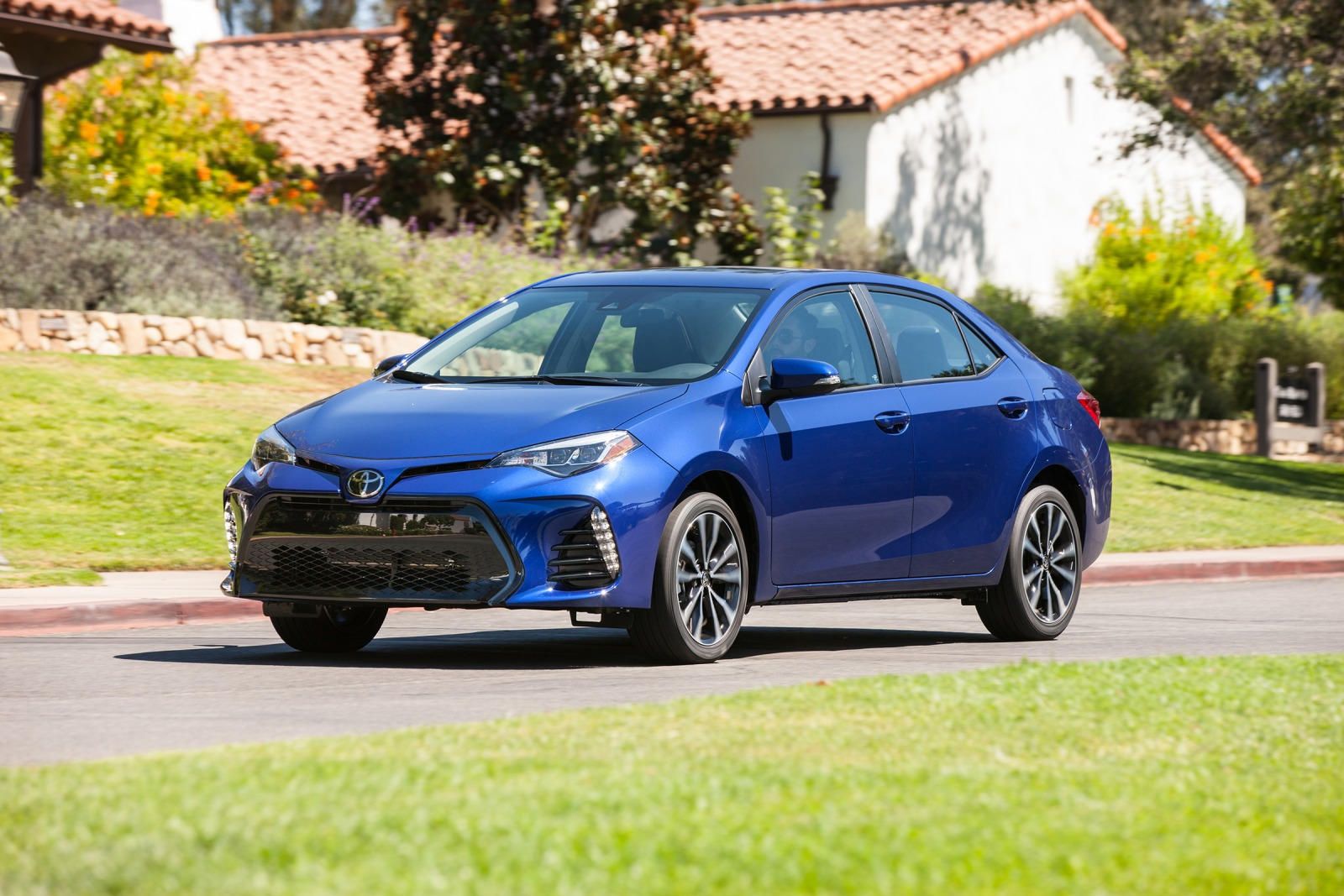
Fuel efficiency is another major win. Urban commuters often spend more time idling than driving at speed, and the Corolla’s powertrain handles that reality well without guzzling fuel.
Maintenance costs are low and predictable, which matters when a car is accumulating miles slowly but consistently.
Perhaps most importantly, the Corolla doesn’t demand attention or effort it simply works, which is exactly what many city drivers want.
2. Honda Civic
The Honda Civic is often viewed as a slightly sportier alternative to the Corolla, but its urban strengths are just as strong.
The Civic’s visibility is excellent, with a low hood and well-placed mirrors that make lane positioning easy in tight spaces. Steering is responsive without being twitchy, which is ideal for weaving through city traffic without feeling nervous.
Inside, the Civic makes smart use of space, offering comfortable seating and intuitive controls that reduce distraction.
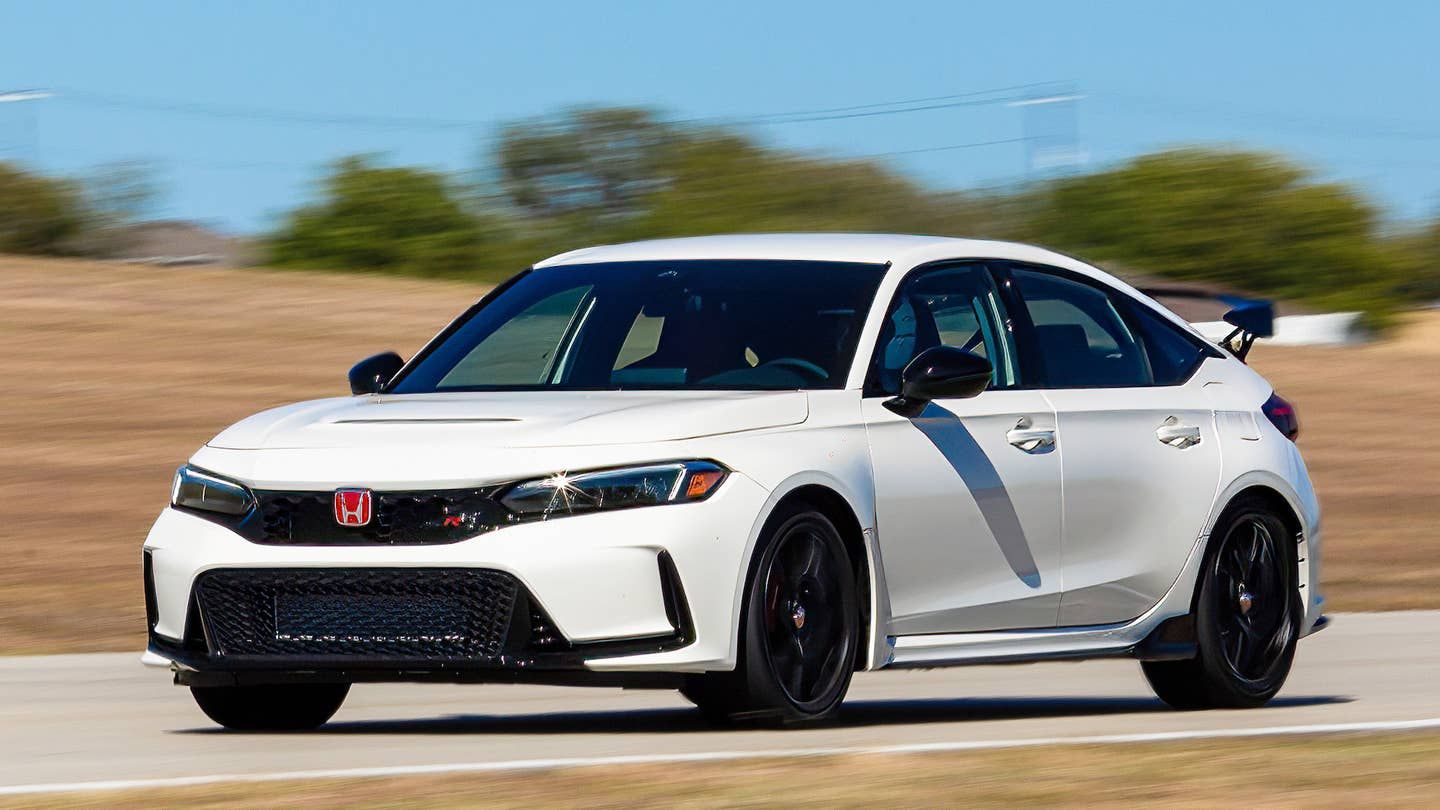
Its engines deliver enough power for quick merges or evasive moves without encouraging aggressive driving.
Like the Corolla, the Civic benefits from a massive service network across the U.S., meaning repairs are rarely complicated or expensive an underrated advantage for city dwellers who can’t afford downtime.
Also Read: Top 10 Affordable Sports Cars in 2026 That Actually Feel Fast
3. Hyundai Elantra
The Hyundai Elantra has quietly become one of the most urban-friendly sedans on the market. Its ride quality is tuned specifically for comfort at low and moderate speeds, making it ideal for stoplights, construction zones, and uneven pavement.
The cabin is quiet for the class, which helps reduce stress during long commutes in heavy traffic.
Hyundai’s strong warranty coverage is a major plus for urban drivers, who tend to rack up wear-and-tear miles rather than highway cruising miles.
The Elantra’s tech features, including smart safety aids and user-friendly infotainment, are particularly useful in city environments where driver awareness matters more than outright speed.
It’s a sedan designed to make everyday driving feel manageable rather than demanding.
Since its debut in 1990, the Hyundai Elantra has grown into one of the most popular compact sedans in markets around the world. Over the years, Hyundai has steadily refined the Elantra, shaping it into a vehicle known for reliability, affordability, and increasingly confident design.
What began as a straightforward economy car has evolved into a modern, technology-forward sedan, and the Elantra’s progression reflects Hyundai’s long-term commitment to innovation, value, and meeting the expectations of everyday drivers.
The first-generation Elantra, produced from 1990 to 1995, marked Hyundai’s entry into the highly competitive compact sedan segment.
Designed to take on established Japanese rivals such as the Toyota Corolla and Honda Civic, the original Elantra emphasized practicality and affordability.
It was powered by a modest 1.6-liter engine and featured a simple, functional design aimed squarely at budget-conscious buyers looking for dependable transportation rather than flashy styling or advanced features.
From 1996 to 2000, the second-generation Elantra brought noticeable improvements in both design and engineering. Hyundai focused on refining the driving experience, enhancing reliability, and improving build quality.
With better performance and improved fuel efficiency, this generation helped the Elantra gain traction with a wider audience and laid the groundwork for its growing reputation as a sensible and dependable compact sedan.
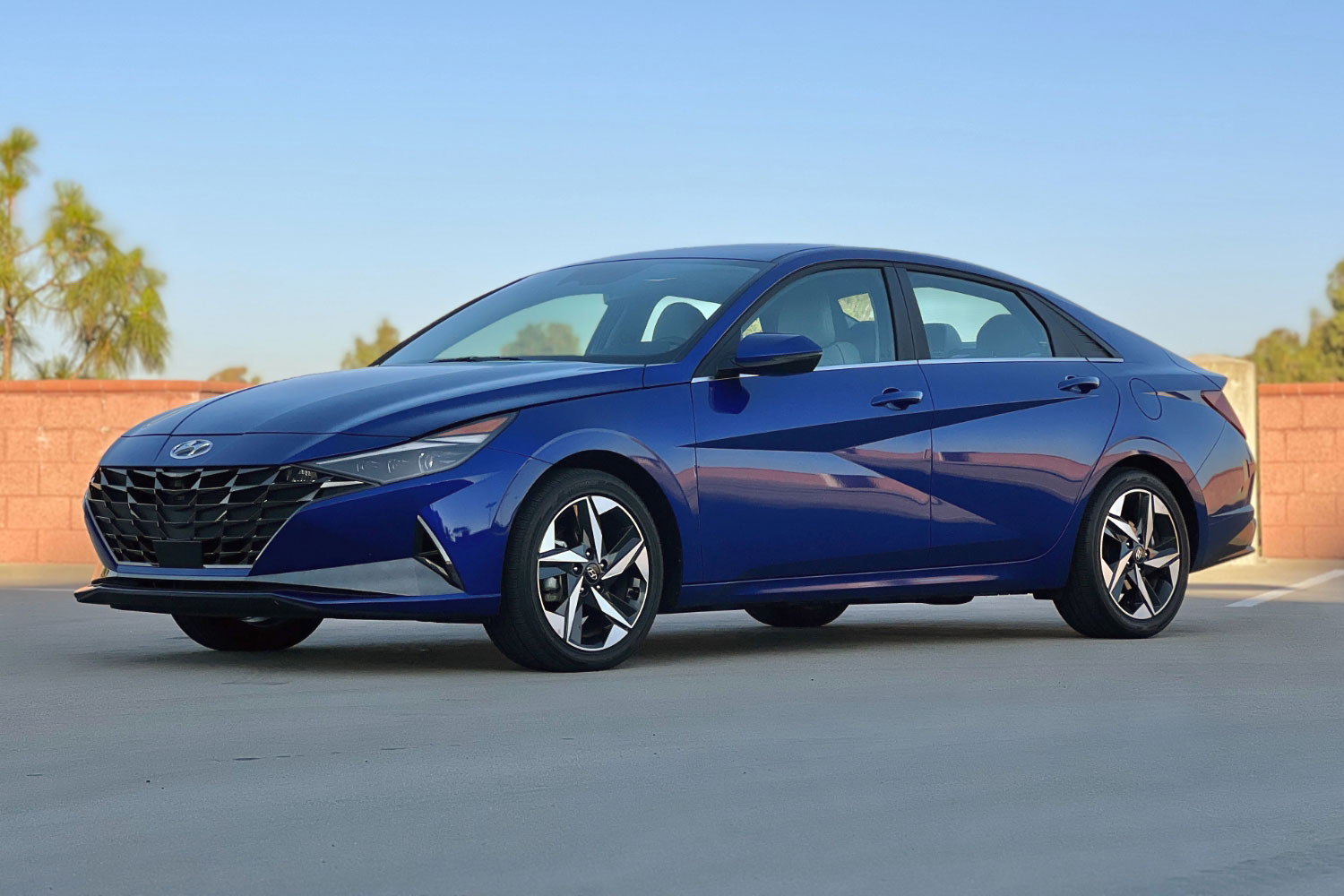
The current seventh-generation Elantra, introduced for the 2021 model year and continuing today, represents the most dramatic evolution yet.
It features a sharp, angular, and futuristic design that clearly distinguishes it from previous generations. Inside, the focus is on smart technology, advanced driver-assistance systems, and efficient powertrains.
With its combination of bold styling, modern features, and strong value proposition, the latest Elantra stands as one of the most competitive and well-rounded compact sedans on the market, underscoring how far the nameplate has come since its humble beginnings.
Also Read: 7 Best Sedans That Handle City Traffic Comfortably
4. Mazda3 Sedan
The Mazda3 Sedan stands out for commuters who want something that feels refined without becoming impractical. Its steering is precise, yet calm, making city driving feel controlled rather than tense.
The compact size allows for easier parallel parking, while the well-tuned suspension keeps the car stable over rough urban surfaces.
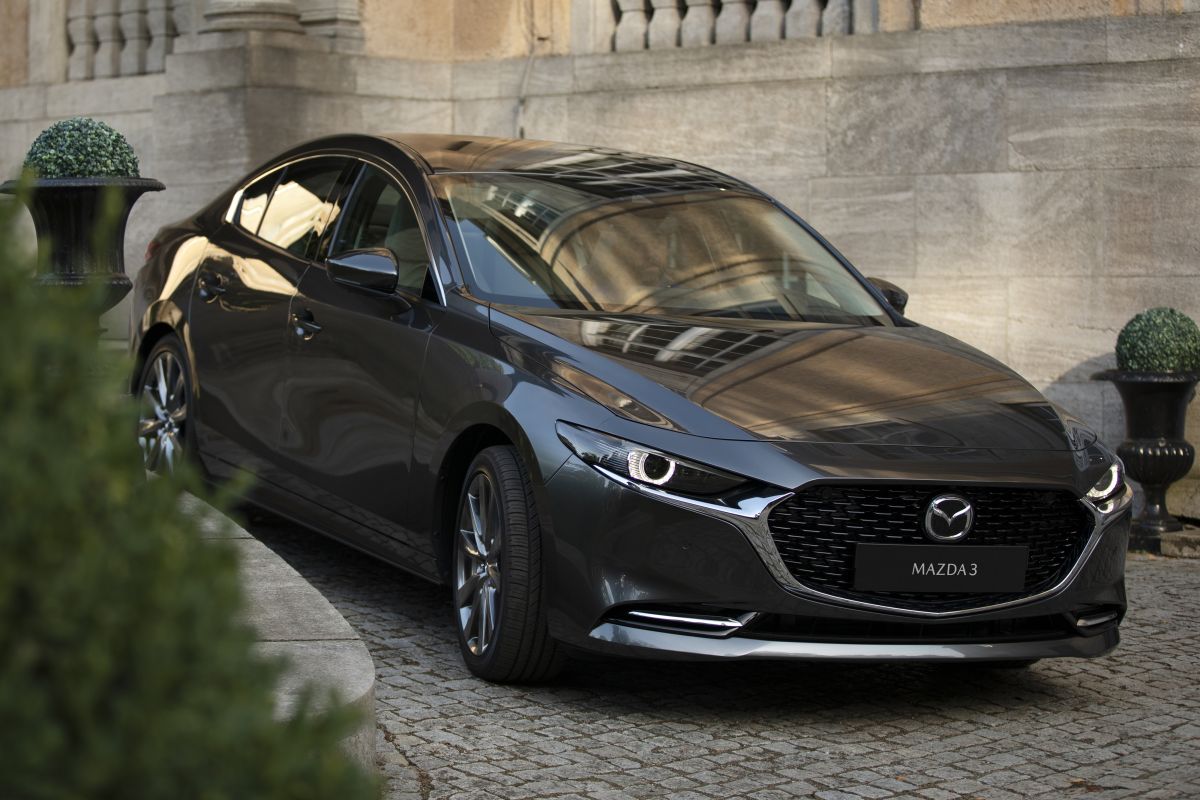
Mazda’s interior design also deserves credit. The cabin feels upscale without relying on gimmicks, and controls are placed logically to minimize distraction.
For urban commuters who still enjoy driving but don’t want a car that punishes them in traffic, the Mazda3 strikes an excellent balance between engagement and comfort.
Both the standard 2.5-liter four-cylinder engine and the available turbocharged option, which is significantly more powerful, deliver smooth, refined power.
During our track testing, the turbocharged Mazda 3 accelerated from zero to 60 mph in just 6.5 seconds, placing it among the quickest vehicles in the compact car segment. Both the manual and automatic transmissions provide smooth, well-timed shifts that complement the car’s responsive nature.
The Mazda 3 also impresses with its ride quality, absorbing larger highway dips with ease and maintaining a confident, stable feel at higher speeds.
That said, there are a few compromises. Rearward visibility is limited due to the hatchback’s small rear window and thick roof pillars.
Additionally, some of the Mazda 3’s advanced driver-assistance features, including the lane-keeping system, aren’t as effective as those found in certain competitors, such as the Honda Civic.
5. Nissan Sentra
Often overlooked, the Nissan Sentra makes a strong case for urban commuting when chosen in the right trim.
Its smooth ride quality is particularly noticeable on city streets, where abrupt suspension setups can become exhausting. The Sentra’s steering is light and forgiving, making tight turns and parking maneuvers easier for daily drivers.
Interior space is generous for the class, which matters for commuters who carry bags, groceries, or passengers regularly.
While it may not excite enthusiasts, the Sentra excels at reducing stress an underrated quality in urban environments. It’s a sedan that understands the realities of city driving rather than trying to impress on paper.
The Sentra’s underpowered engine detracts from what is otherwise a generally agreeable driving experience.
In our testing, the car required a sluggish 9.7 seconds to reach 60 mph, making it noticeably slower than key rivals, even the Toyota Corolla completes the same sprint about a second quicker.
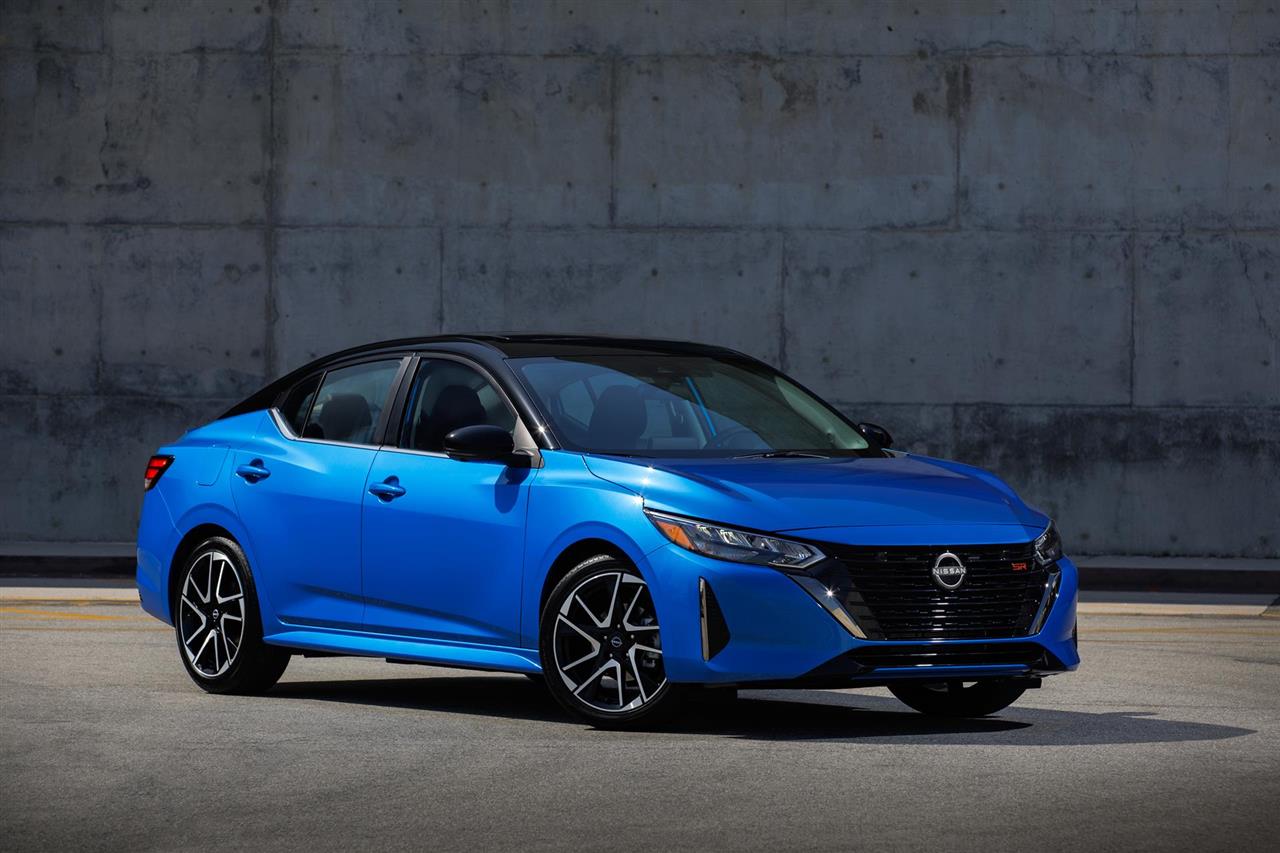
This lack of power is evident in everyday driving as well, where merging onto highways or keeping pace with quicker traffic demands a heavy right foot. A stronger engine option would significantly enhance the overall experience, but unfortunately, Nissan does not offer one.
Ride quality is another weak point for the Sentra. It tends to feel unsettled on most road surfaces, transmitting many small bumps and imperfections into the cabin. Still, there are bright spots in the driving experience.
With the available surround-view camera system, parking the Sentra is a simple task, and outward visibility remains good even without relying on the cameras.
Nissan equips the Sentra with an extensive suite of advanced driver-assistance features, including ProPilot Assist, which bundles adaptive cruise control with lane-centering technology.
In our evaluation, the lane-centering function felt fairly basic, and the underpowered engine struggled to maintain speed when adaptive cruise control needed to respond to a rapidly accelerating vehicle ahead.
Aside from those limitations, however, the driver-assistance systems operated smoothly and without irritation throughout our testing.
Sedans That Don’t Make Sense for Urban Commuters
Not every sedan is a good match for daily city commuting. Dense traffic, tight parking spaces, rough pavement, and constant stop-and-go driving quickly highlight weaknesses that don’t show up on open roads.
Sedans that are too large, too low, inefficient at low speeds, or expensive to maintain often add stress instead of convenience in urban environments.
What feels smooth and refined on the highway can become awkward or frustrating in crowded city streets. In this article, we break down sedans that don’t make sense for urban commuters, and why certain designs struggle to fit the realities of everyday city driving.
1. Dodge Charger
The Dodge Charger may be iconic, but it’s a poor match for dense urban commuting. Its size alone creates challenges in tight parking situations and narrow streets.
While the Charger offers powerful engines, that performance is largely wasted in city environments where speed limits and congestion dominate.
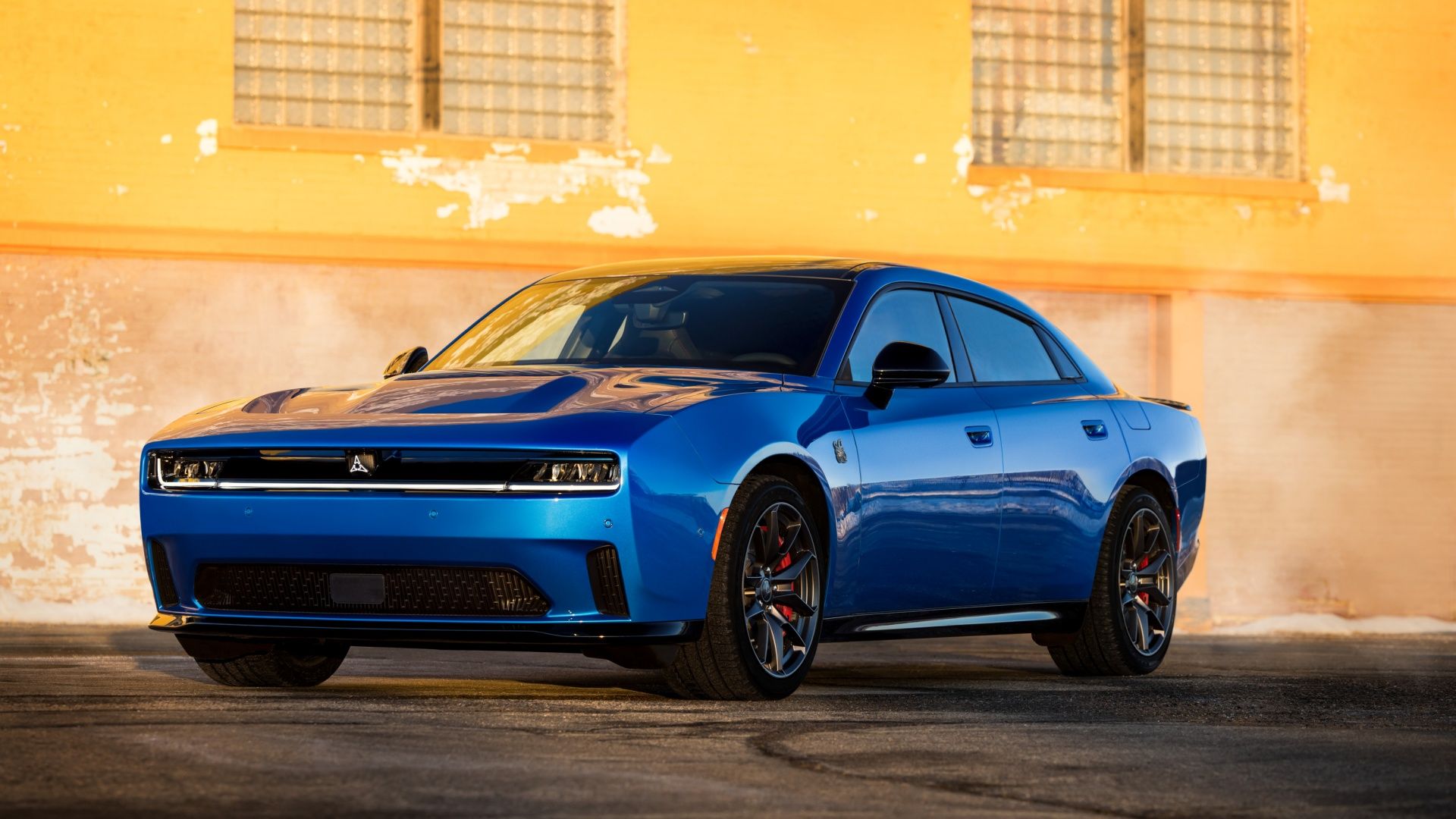
Fuel consumption is another major drawback, especially during frequent idling and short trips. The Charger’s turning radius and heavy steering make low-speed maneuvering more stressful than necessary.
For urban commuters, it often feels like driving a car that’s constantly out of place too big, too thirsty, and too demanding for daily city use.
The 2022 Dodge Charger stands out as the only V-8–powered sedan with a starting price below $40,000. While the Chrysler 300 also offers a V-8 paired with rear-wheel drive, it targets a more upscale audience and carries a higher price tag.
By comparison, the Charger feels less polished, with interior materials that can be hit or miss and a ride that’s noticeably firm, an issue that’s amplified when equipped with the optional 20-inch wheels. Like the Dodge Challenger coupe, the Charger comes standard with a V-6 engine and offers available all-wheel drive.
That said, the Charger is at its most compelling when equipped with one of its thunderous Hemi V-8 engines. Buyers can choose between a 370-horsepower 5.7-liter V-8 or a more potent 485-horsepower 6.4-liter version.
The Scat Pack also distinguishes itself with an available widebody design that gives the Charger a more aggressive and muscular stance.
The 2022 Charger won’t appeal to everyone, but for drivers seeking a modern sedan with old-school attitude and plenty of nostalgic character, it delivers something increasingly rare.
Also Read: 5 Cars That Rarely Break in Shops vs 5 That Constantly Do
2. Chrysler 300
The Chrysler 300 leans heavily into comfort and style, but its design is better suited to open roads than crowded downtown streets.
Its bulky proportions limit visibility, making tight maneuvers and parking more difficult than they need to be. The soft suspension can also feel floaty at low speeds, which reduces confidence in dense traffic.
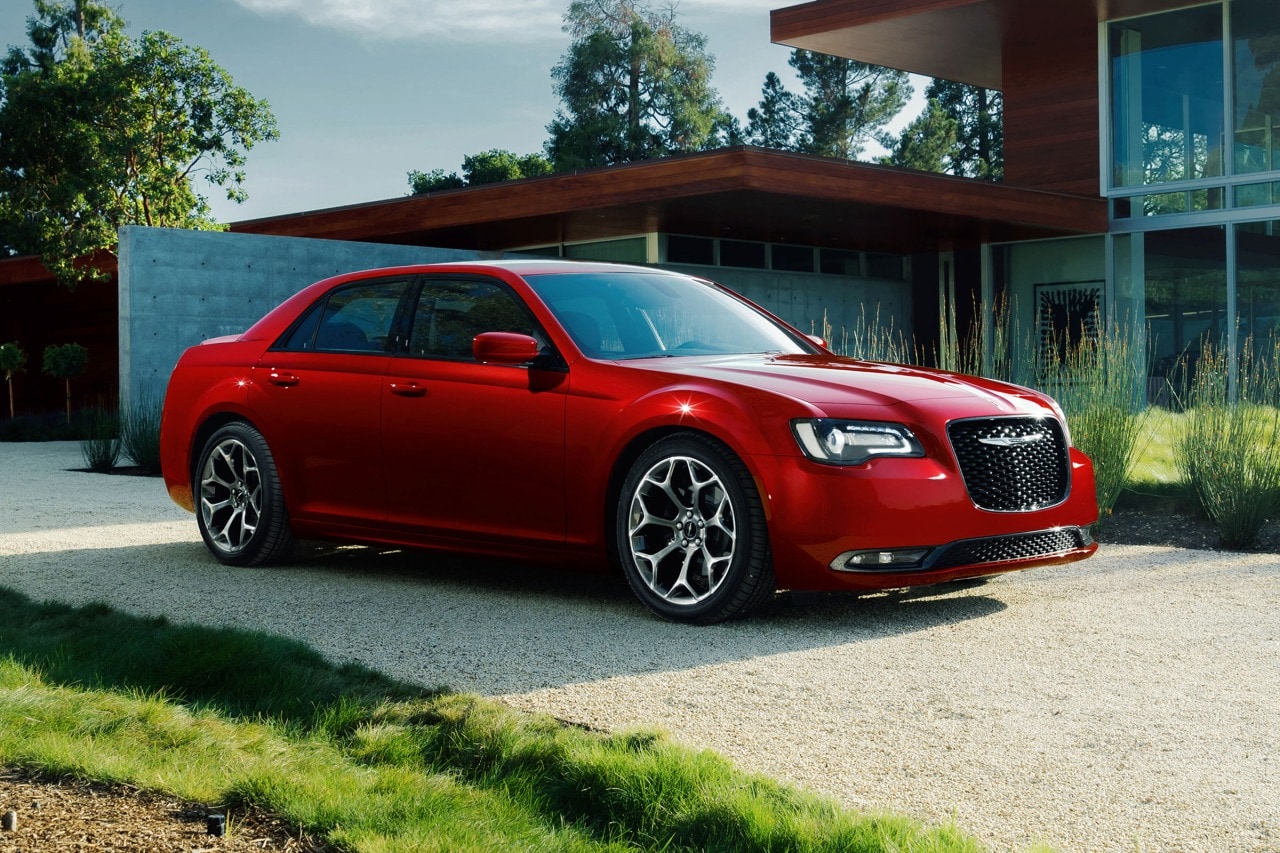
Maintenance and repair costs tend to be higher than compact or midsize sedans, particularly as the vehicle ages.
For city commuters who need reliability and predictability above all else, the Chrysler 300 introduces unnecessary complexity without delivering meaningful urban benefits.
The Chrysler 300,along with its corporate cousin, the Dodge Charger, stands apart in the large-car segment thanks to its rear-wheel-drive architecture and the availability of a Hemi V-8 engine.
All-wheel drive is offered, but only when paired with the standard 3.6-liter V-6. In our testing, a rear-wheel-drive, V-6–powered 300S accelerated from zero to 60 mph in 6.3 seconds.
That figure is on the slow side for the class, though it still feels adequately lively. A previous test of a rear-wheel-drive model equipped with the V-8, conducted in 2015, produced a much quicker 5.3-second run to 60 mph.
For a car of its size, the 300 handles reasonably well, even if the steering doesn’t provide the most detailed feedback. Body roll is kept in check, and the chassis is happy to have some fun, provided you don’t push it too hard.
The 300S trim features a firmer suspension than the rest of the lineup, and its standard 20-inch wheels further contribute to a ride that can feel uncomfortably harsh. This stiffness clashes with the 300’s near-luxury positioning.
Buyers prioritizing comfort would be better served by skipping the 300S and choosing either the base Limited model or the more upscale 300C instead.
3. BMW 5 Series
While the BMW 5 Series is an excellent luxury sedan in many contexts, urban commuting is not its strong suit. Its size and weight work against it in tight city environments, and its performance-oriented tuning can feel overkill during stop-and-go traffic.
Low-profile tires commonly fitted to the 5 Series are especially vulnerable to potholes, a frequent hazard in many U.S. cities.
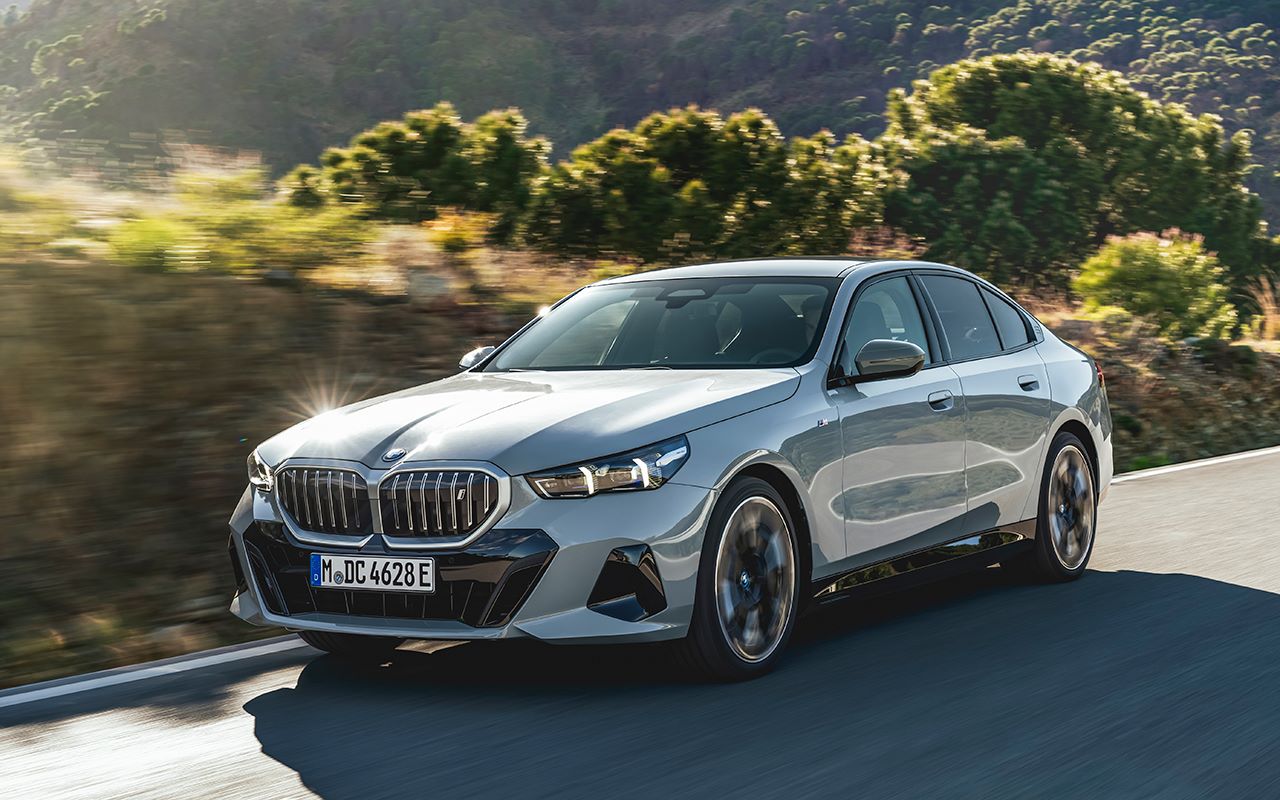
Ownership costs are another concern. Repairs, maintenance, and insurance tend to be significantly higher than mainstream sedans, which can add up quickly for a daily commuter vehicle.
In a city setting, much of what makes the 5 Series special simply goes unused, making it an inefficient choice for urban life.
The 2024 BMW 5 Series is offered with a variety of powertrain options designed to appeal to a wide range of drivers.
The 530i is equipped with a 2.0-liter turbocharged inline-four engine that produces 255 horsepower, striking a strong balance between everyday performance and fuel efficiency.
Stepping up, the 540i xDrive uses a 3.0-liter turbocharged inline-six engine rated at 375 horsepower, delivering noticeably stronger acceleration and overall performance.
For buyers interested in electrification, the i5 eDrive40 is a fully electric version generating 335 horsepower, while the range-topping i5 M60 xDrive caters to performance-focused drivers with a powerful 590-horsepower electric setup.
4. Tesla Model S
Despite its advanced technology, the Tesla Model S struggles as a purely urban commuter sedan. Its wide body and long wheelbase make parking in older cities difficult, and curb damage is a common risk.
While electric power is appealing for city use, the Model S’s size undermines that advantage.
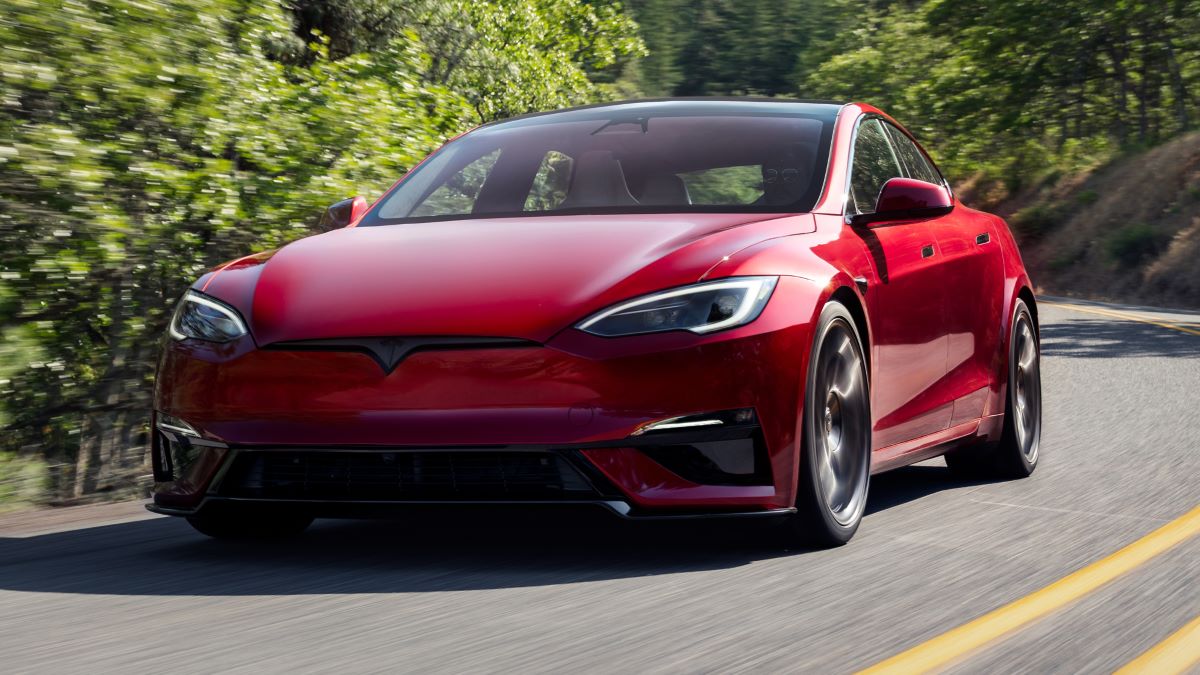
Repair logistics can also be challenging. Urban commuters depend on quick fixes and service availability, and Tesla’s repair ecosystem isn’t always as accessible as traditional brands.
For city dwellers without guaranteed home charging, daily use can become inconvenient rather than liberating.
With electric motors mounted on both the front and rear axles, the Model S delivers standard all-wheel drive across the entire lineup. Acceleration varies by version but consistently ranges from extremely quick to downright ferocious.
Although we haven’t tested the 2020 Model S Long Range Plus, our experience with a 2018 Model S 100D showed just how potent the platform can be, as it rocketed from zero to 60 mph in only 3.9 seconds and impressed with its instant, seamless power delivery.
For drivers craving even more intensity, the Model S Performance raises the bar significantly, achieving a supercar-rivaling 0–60 mph time of just 2.4 seconds in our testing when using its Cheetah launch mode.
Beyond straight-line speed, the Model S behaves like a capable sport sedan, with controlled body movements and sharp, responsive steering.
Drivers can choose between two steering modes that adjust effort from light to heavy, though neither setting provides much additional road feel.
Ride comfort remains a strong point, and the car feels planted and substantial on the road, a quality that pairs well with its calm, refined demeanor during relaxed highway cruising.
5. Toyota Avalon
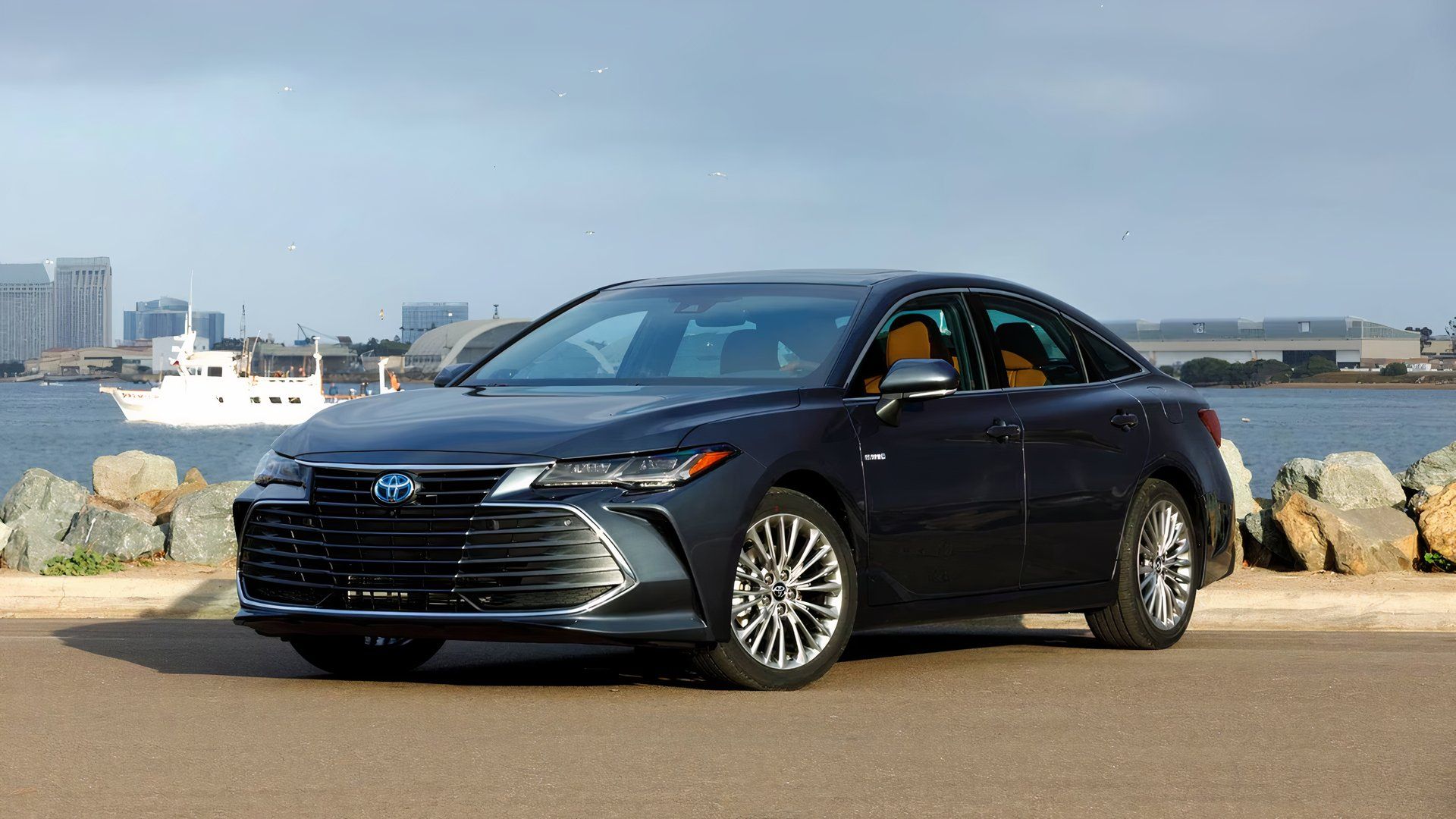
The Toyota Avalon offers comfort and reliability, but its large footprint makes it less practical for urban commuting.
Navigating narrow streets and tight garages can feel cumbersome, especially compared to smaller sedans that deliver similar reliability benefits.
Fuel efficiency is respectable, but not exceptional for city driving, and much of the Avalon’s interior space goes unused for solo commuters.
While it excels as a highway cruiser, it feels oversized and underutilized in dense urban environments where compactness and agility matter more.
Urban commuting in the U.S. isn’t about power, prestige, or size it’s about ease, predictability, and stress reduction.
The sedans that make sense are those that feel cooperative rather than confrontational in traffic. They’re easy to maneuver, economical to own, and forgiving of daily wear.
The Toyota Avalon offers buyers two distinct powertrain choices: a conventional gasoline option and a fuel-efficient hybrid alternative. The standard setup pairs a 3.5-liter V-6 engine producing 301 horsepower and 267 lb-ft of torque with an eight-speed automatic transmission that drives the front wheels.
In our testing, this V-6-powered Avalon accelerated from zero to 60 mph in 6.0 seconds. Models that carry the hybrid designation are equipped with a 2.5-liter four-cylinder engine working in conjunction with two electric motors.
Together, this system delivers a combined output of 215 horsepower and is matched with a continuously variable automatic transmission (CVT) that also sends power to the front wheels.
Many buyers drawn to a large sedan like the Avalon place a high priority on comfort, and Toyota’s flagship sedan delivers in that respect.
During our evaluations, the Avalon exhibited composed, well-controlled handling that effectively filtered out bumps and road imperfections, keeping the cabin calm and comfortable for occupants.
On the flip side, sedans that don’t make sense for city life often bring unnecessary bulk, complexity, or cost into an environment where simplicity wins.
Choosing the right sedan for urban commuting isn’t just a financial decision it’s a quality-of-life upgrade that can transform how you experience every single drive.