Living in an apartment changes the way people use their cars. Parking is often tight, spaces may be uncovered, and access to charging or maintenance can be limited.
Elevators, narrow entry gates, and crowded basements also make daily driving more about convenience than excitement. What works perfectly in a large house with a private garage can quickly become frustrating in an apartment complex.
Many car buyers focus on design, power, or brand image without thinking about how well a vehicle fits into their living situation.
Large dimensions, wide turning circles, and poor visibility can make parking stressful every single day. Low ground clearance may scrape on steep basement ramps, while long vehicles can be difficult to maneuver in multi level parking structures.
Noise and practicality matter more than people expect. Loud exhaust systems, heavy doors, or high fuel consumption can become daily annoyances in shared residential spaces. Cars that need frequent charging without easy home charging access can also turn ownership into a logistical challenge rather than a pleasure.
Storage is another overlooked factor. Apartment residents often use their cars for grocery runs, weekend trips, and errands, but they may not have extra space at home to store accessories, roof boxes, or tools. A vehicle that is hard to load or has limited cargo flexibility can make simple tasks more difficult.
Maintenance and cleanliness also play a role. Without a private driveway, washing the car, checking tire pressure, or even cleaning the interior becomes less convenient. Vehicles that demand extra care or have delicate finishes may lose their appeal when basic upkeep requires extra effort.
Here are nine cars that can be exciting or impressive on paper, but often feel mismatched with the practical realities of apartment living.
Also Read: Top 10 BMW Models That Delivered The Most Power Ever
1. Ford F 150 Raptor
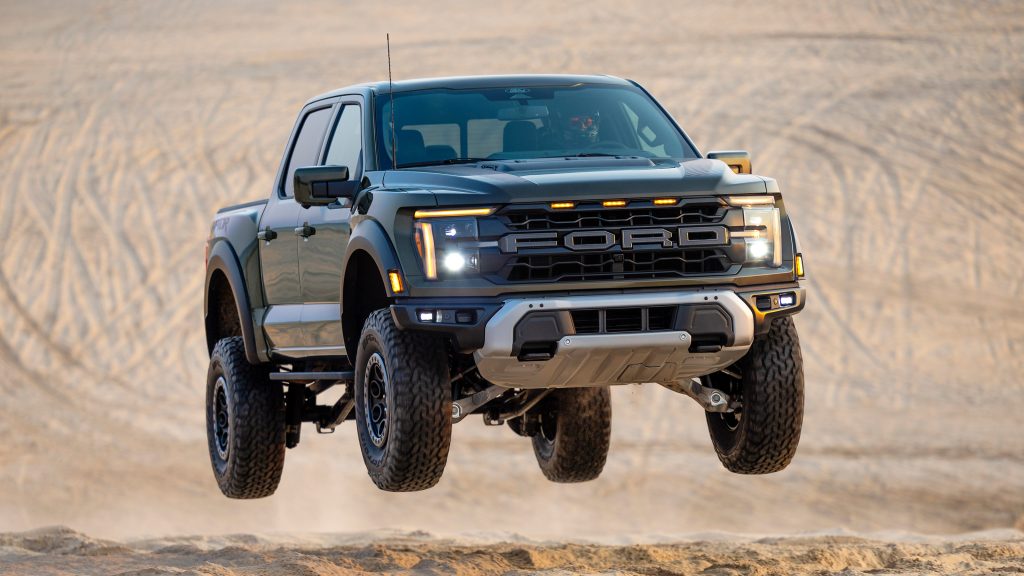
The Ford F 150 Raptor is built to dominate deserts and rough trails, not cramped apartment parking garages. Its massive size, wide stance, and tall ride height make a strong statement on the road, but those same traits become daily obstacles in tight residential spaces.
In many apartment complexes, parking spots are designed for standard cars and compact SUVs. The Raptor’s width can push it very close to the lines on either side, making it hard to open doors without worrying about hitting the neighboring vehicle. Over time, this constant stress takes away from the enjoyment of owning such a powerful truck.
Height can be just as problematic. Some underground parking structures have low clearance signs that leave very little room for tall vehicles. Even when the Raptor technically fits, drivers may find themselves creeping in slowly every day, worried about roof mounted accessories or simply misjudging the height.
Turning radius is another issue. Navigating tight ramps and sharp turns in multi level parking garages can feel awkward in a full size off road truck. What feels stable and confident on open highways can feel clumsy and oversized in confined concrete spaces.
Fuel consumption is also less apartment friendly than many buyers expect. City driving with frequent stops means high fuel bills, and apartment dwellers often do more short trips than long highway journeys. Visiting fuel stations more often becomes part of the routine.
Loading groceries or luggage can be inconvenient as well. The high bed height that is useful off road makes lifting heavy items more difficult, especially without a private driveway where you can take your time. In a shared parking lot, you may feel rushed while reaching up into the cargo area.
Ride comfort can be firm because of the off road suspension tuning. On broken city roads and speed bumps common in residential areas, the truck may feel bouncy rather than smooth. This reduces everyday comfort, which matters more than extreme capability for most apartment residents.
Insurance and tire costs are often higher for performance trucks like the Raptor. Large, specialized tires wear out faster and are expensive to replace. For someone already paying apartment rent and parking fees, these extra ownership costs can feel excessive.
The Raptor is fantastic in the environment it was designed for. But in tight, shared urban living spaces, its size, thirst, and daily inconvenience can quickly outweigh its adventurous image.
2. Chevrolet Suburban
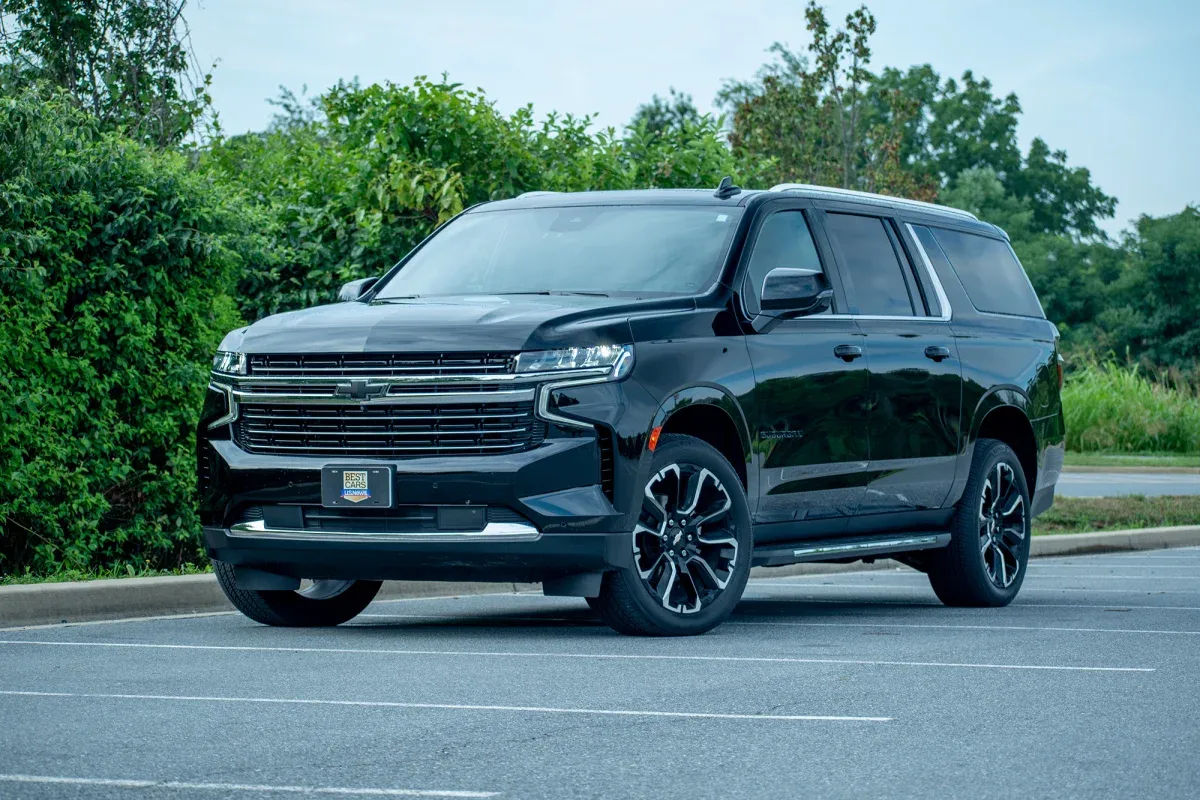
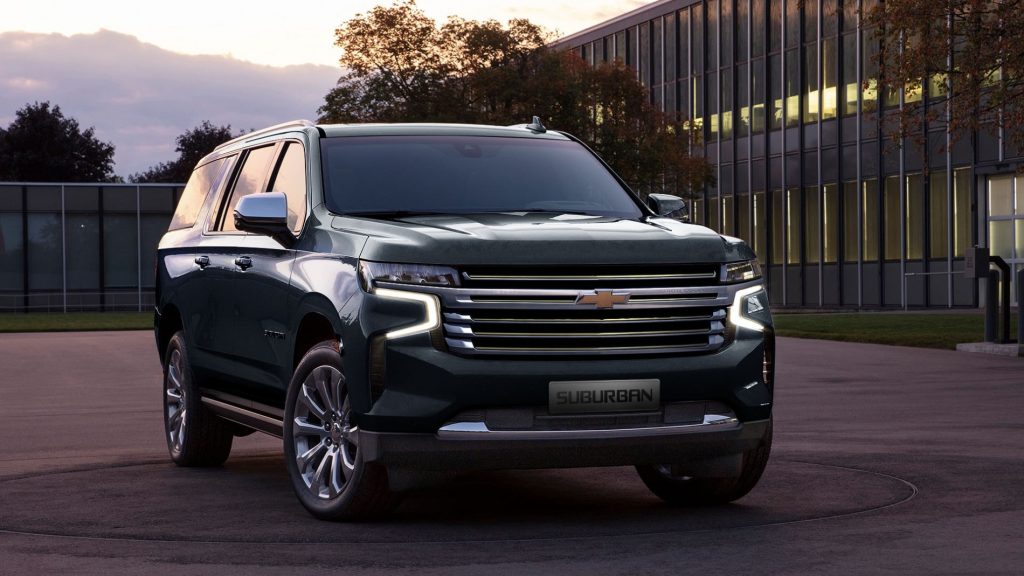
The Chevrolet Suburban is known for space, comfort, and long distance cruising ability. It works wonderfully for large families, road trips, and suburban homes with wide driveways. In an apartment setting, however, its sheer size can become a constant source of frustration.
Parking is the biggest challenge. The Suburban is extremely long, and in many apartment parking spots, it may extend close to the driving lane even when fully within the lines. This makes maneuvering in and out more difficult for both the owner and other residents.
Tight parking garages amplify the problem. Multi level structures often have narrow lanes and sharp corners, which require careful steering in such a large SUV. Daily navigation through these spaces can feel like a chore rather than a simple part of coming home.
Visibility, despite the high seating position, can still be tricky in confined areas. The length of the vehicle makes judging distances while reversing more difficult, especially if the garage is dimly lit. While cameras and sensors help, they do not fully remove the stress of handling such a large vehicle in tight quarters.
Fuel economy is another drawback in apartment living. Short trips to shops or offices mean the engine rarely settles into efficient cruising. Owners may find themselves filling up frequently, which adds to monthly expenses already stretched by rent and utilities.
Loading and unloading also becomes less convenient without a private driveway. Opening the large rear tailgate requires space behind the vehicle, which is not always available in tightly packed apartment lots. Accessing the third row or cargo area can feel awkward when another car is parked close behind.
The Suburban’s size can also make quick errands less appealing. Instead of hopping into a small car for a short grocery run, owners have to pilot a full size SUV through traffic and parking areas that were not designed with such vehicles in mind.
Cleaning and maintenance can be harder as well. Washing a vehicle this large in a shared residential area is rarely practical, so owners often rely on paid services. Over time, the effort required to keep it looking good adds to the sense that it does not quite fit the lifestyle.
The Suburban excels at moving people and cargo in open spaces. But in the tight, shared environments common to apartment complexes, its length, bulk, and running costs can make everyday life more complicated than necessary.
3. Hummer EV Pickup
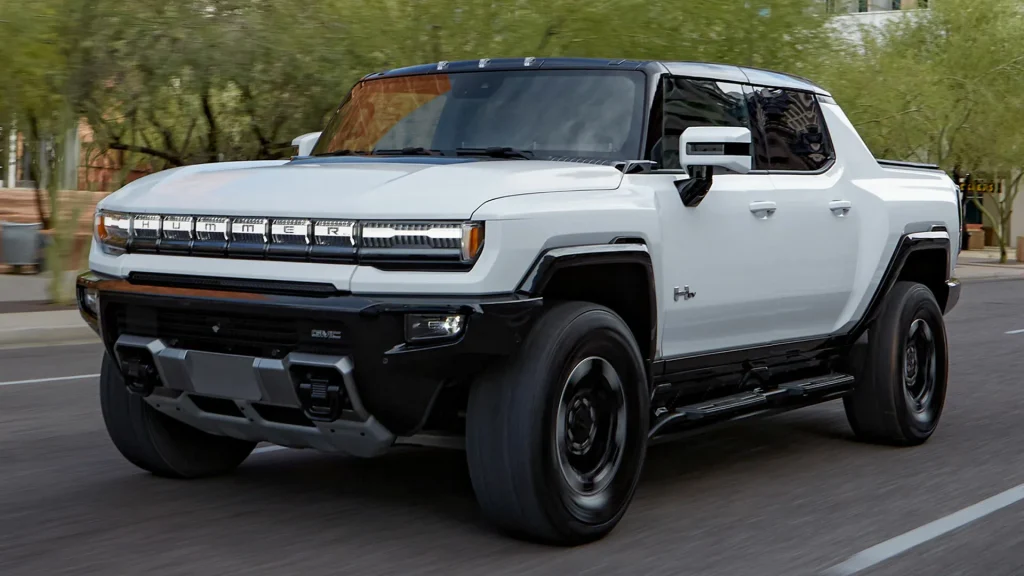
The Hummer EV Pickup is designed to be bold, futuristic, and extremely capable off road. With massive dimensions, huge tires, and advanced features like four wheel steering, it represents the idea of an electric supertruck. While this makes it exciting on open terrain, it can be a poor match for the tight spaces and daily routines of apartment living.
Its size alone creates immediate challenges. The truck is very wide, which makes fitting into standard apartment parking spaces stressful. Even when parked carefully, there may be little room left to open doors comfortably. In crowded basements, this can become a daily struggle that slowly erodes the joy of ownership.
Height and bulk add to the problem. Underground garages often have low ceilings, exposed pipes, or tight entry ramps. Driving a vehicle this tall and heavy into such spaces requires constant attention. The fear of scraping the roof or misjudging clearance can make simple parking feel like a tense task.
Turning in confined areas is also difficult despite features meant to improve maneuverability. Ramps and tight corners in parking structures are rarely designed with such large trucks in mind. Owners may find themselves making multi point turns where smaller cars glide through easily.
Charging can be another major issue for apartment residents. Without a dedicated home charger, relying on public charging stations becomes necessary. For a vehicle with a very large battery, charging sessions can take time, and finding available high power chargers regularly can become inconvenient. What should feel like a benefit of electric driving can turn into a logistical headache.
Weight also affects daily driving comfort. The Hummer EV is extremely heavy, and while this adds stability, it can feel less agile in city traffic. Navigating narrow streets, speed bumps, and tight parking entrances may feel awkward compared to smaller vehicles better suited to urban life.
Energy consumption is high for an electric vehicle of this size. Frequent short trips common in apartment living can lead to more frequent charging than expected. This becomes especially frustrating when charging access is not right at home.
Maintenance and cleaning are not simple either. Its large body and high ground clearance make washing difficult without proper equipment. Apartment residents often do not have access to private space or water connections, meaning regular visits to paid wash services.
The Hummer EV Pickup is impressive in the right setting. But for someone navigating tight garages, shared parking, and limited charging options, its extreme size and requirements can make everyday apartment life far more complicated than it needs to be.
4. Toyota Land Cruiser
The Toyota Land Cruiser is famous for durability, comfort, and go anywhere capability. It is a vehicle built to handle long journeys, harsh terrain, and heavy loads with ease. In a house with a driveway or in rural environments, it makes perfect sense. In apartment living, however, its strengths often go unused while its size creates daily inconvenience.
Parking is the first challenge. The Land Cruiser is wide and tall, which makes fitting into narrow apartment parking spots stressful. Owners often have to park with extreme care, leaving little margin for error on either side. Repeatedly squeezing in and out can become tiring over time.
Its height can also cause issues in underground garages with limited clearance. Even when it technically fits, drivers may feel uneasy navigating under low beams or pipes. This constant awareness reduces the relaxed feeling most people want when returning home.
Fuel consumption is another factor. Large engines and heavy construction mean the Land Cruiser uses more fuel than typical city cars. Apartment dwellers who mainly drive short distances may find themselves spending more on fuel than they anticipated. Frequent fuel stops add to the sense of inconvenience.
The vehicle’s off road capability, while impressive, is rarely used in urban apartment life. Locking differentials, advanced terrain systems, and rugged suspension become features owners admire but rarely need. Meanwhile, the tradeoff is a larger, heavier vehicle that feels oversized for narrow streets and crowded parking areas.
Ride comfort is generally good, but the Land Cruiser still feels like a large, truck based SUV. On tight residential roads and speed bumps, its size is always noticeable. Maneuvering through dense traffic or narrow lanes can feel more like work than convenience.
Loading and unloading can also be less convenient without a private driveway. The high cargo floor requires lifting items higher, and opening the large rear door in a tight parking spot can be awkward if another vehicle is parked close behind.
Cleaning and routine checks are more difficult in shared residential spaces. Washing such a large SUV or even wiping it down regularly is harder without dedicated space. Over time, the effort required to maintain it adds to the feeling that it does not suit the living situation.
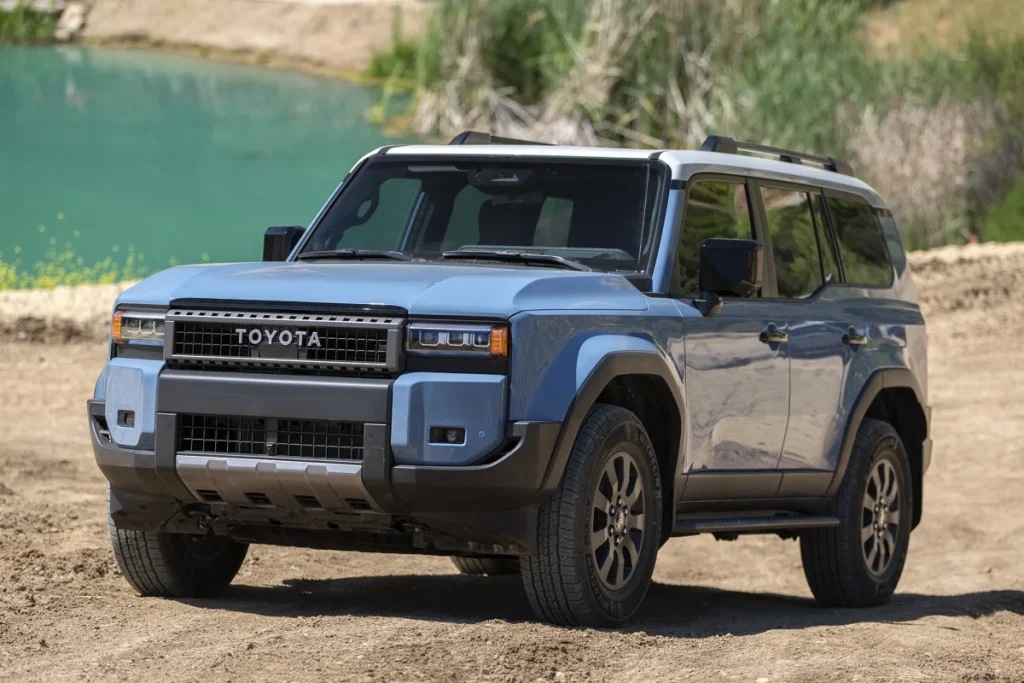
The Land Cruiser remains an outstanding vehicle for exploration and long distance travel. But for apartment residents dealing with tight parking, short city trips, and limited space, its size and fuel appetite often make it feel like more vehicle than they truly need.
5. Dodge Durango
The Dodge Durango blends SUV practicality with a performance oriented image, especially in higher trims that offer powerful engines and bold styling. It appeals to buyers who want space, presence, and strong acceleration in one package.
In a suburban home with easy parking, it can be a comfortable and capable family vehicle. In apartment living, though, some of its strengths quickly turn into daily inconveniences.
Size is the first issue. The Durango is wide and fairly long, which makes squeezing into standard apartment parking spots stressful.
Even when parked correctly, there may be very little room left on either side, making it difficult to open doors fully without worrying about hitting another car. This repeated effort can become frustrating over time.
Parking garages often present tight turns and narrow ramps. Maneuvering a large three row SUV through these confined spaces requires extra care and sometimes multiple adjustments. What feels stable and confident on open roads can feel bulky and awkward in a concrete structure with sharp corners.
Fuel consumption is another drawback in apartment life, where short trips are common. Larger engines and heavier weight mean frequent visits to the fuel station. Owners who mostly drive to nearby offices, shops, or schools may find that they are using far more fuel than necessary for their actual needs.
Noise can also be a factor, especially in performance versions. Loud exhaust notes that sound exciting on highways may not feel as appropriate in quiet residential complexes, especially during early morning or late night departures. Over time, this can make the vehicle feel less neighbor friendly than expected.
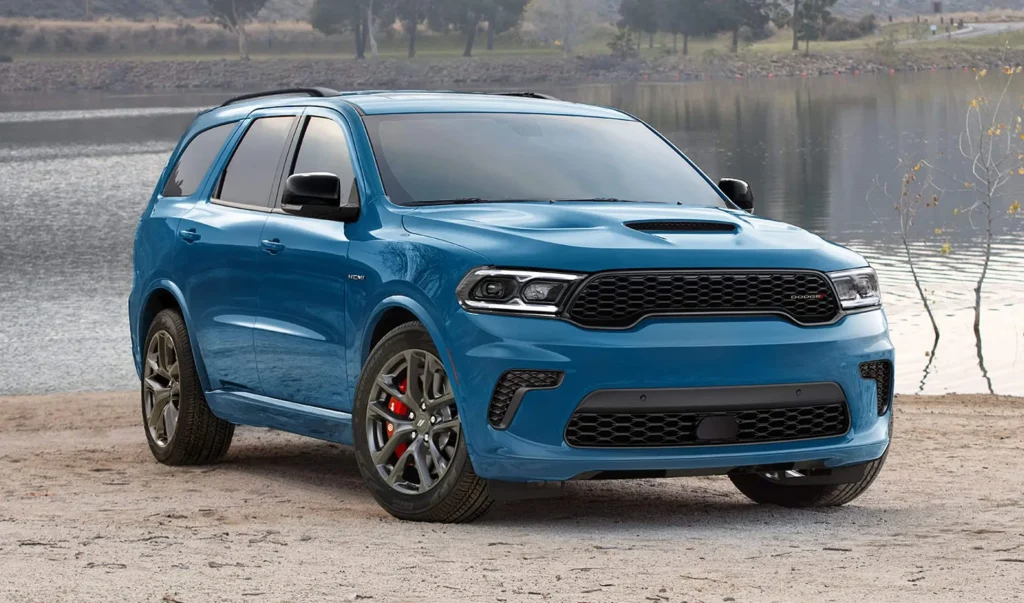
The Durango’s size can also make quick errands less convenient. Instead of easily slipping into small parking spots at local stores, drivers must handle a full size SUV in crowded lots. This adds small but constant friction to everyday tasks.
Maintenance costs may be higher than for smaller crossovers. Larger tires, bigger brakes, and more complex mechanical systems can lead to higher service bills. For apartment residents already managing rent, utilities, and parking fees, these extra expenses can feel unnecessary.
Loading cargo can be useful thanks to the large interior, but accessing the rear area in tight parking spots is not always easy. The tailgate requires space to open fully, which is not guaranteed in crowded residential parking. This can make simple loading and unloading more awkward than it should be.
While the Durango is comfortable and capable for families who truly need its size and power, many apartment dwellers find that its bulk, fuel thirst, and daily parking stress make it less suited to compact urban living.
6. BMW X7
The BMW X7 represents full size luxury in SUV form. It offers a spacious cabin, advanced technology, and a smooth, powerful driving experience. For buyers with large families and private driveways, it can be an excellent choice. In apartment environments, however, its size and complexity often create more hassle than benefit.
Parking is a constant challenge. The X7 is both long and wide, and many apartment parking spots are not designed with such large luxury SUVs in mind. Even with cameras and sensors, fitting into tight spaces every day can feel like a stressful routine rather than a simple task.
Multi level parking garages amplify the problem. Narrow lanes, low ceilings, and tight corners demand careful, slow maneuvering. Owners may find themselves avoiding certain parking areas altogether because they feel uncomfortable navigating such a large vehicle in confined spaces.
Fuel consumption, especially with larger engines, can be high in city driving. Short trips common in apartment living rarely allow the vehicle to operate at its most efficient. Frequent refueling adds to monthly expenses, which may already include parking charges and building fees.
The X7’s luxury features can also be harder to fully enjoy in this setting. Expensive paint, large alloy wheels, and delicate interior materials may cause owners to worry about scratches or dings in crowded parking structures. Constant concern about damage can reduce the sense of relaxation a luxury vehicle is supposed to provide.
Maintenance and repair costs are another consideration. As a flagship luxury SUV, the X7 uses advanced systems and premium parts. Servicing and replacement components can be expensive. For apartment residents balancing multiple living costs, these high ownership expenses may feel excessive.
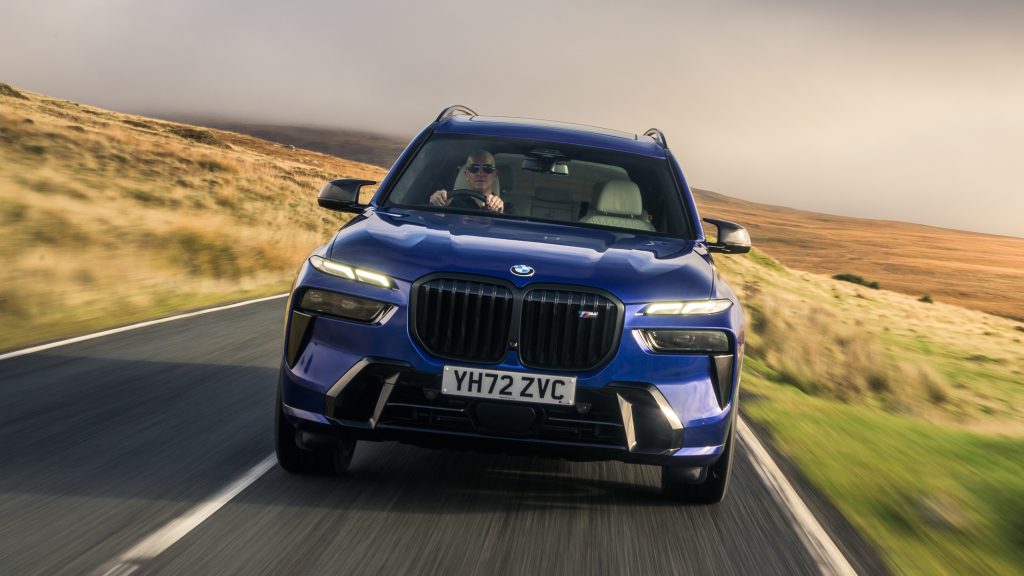
Its sheer size can also make short urban trips less convenient. Navigating narrow streets, tight U turns, and busy traffic in a large SUV requires more effort than in a compact crossover. Over time, drivers may wish for something easier to handle day to day.
Loading groceries or luggage is generally easy thanks to the large cargo area, but opening the big tailgate in a tight parking spot can be awkward. Without extra space behind the vehicle, accessing the rear may require careful positioning every time.
The X7 excels at long distance comfort and luxury for large families. Yet in apartment living with tight parking and mostly short trips, its size, costs, and constant maneuvering challenges can make it feel mismatched with everyday urban needs.
7. Mercedes-Benz G Class
The Mercedes Benz G Class is one of the most recognizable luxury SUVs in the world. Its boxy shape, upright windshield, and strong off road heritage give it a unique presence that few vehicles can match.
For buyers who want a bold statement vehicle with genuine capability, it is extremely appealing. In apartment living, however, that same boldness often becomes a daily inconvenience.
The first challenge is width. The G Class is wide and has flat, upright sides that make it feel even larger in tight spaces. Many apartment parking spots leave little room on either side, so opening doors without hitting neighboring cars can be difficult. Doing this carefully every single day quickly becomes tiresome.
Its height can also be an issue in underground garages with limited clearance. While it may fit, drivers often feel uneasy passing under low beams or pipes. That constant awareness reduces the relaxed feeling people want when returning home after a long day.
The G Class is also heavy and built on a tough, off road focused platform. In narrow ramps and tight parking structures, it can feel less nimble than modern unibody SUVs. Steering and maneuvering require more effort than in smaller crossovers designed for urban environments.
Fuel consumption is another major drawback. Powerful engines and boxy aerodynamics mean high fuel usage, especially in stop and go city traffic. Apartment dwellers who mostly take short trips may find themselves spending far more on fuel than expected for everyday driving.
Noise can also become a concern. The solid construction and performance oriented engines can produce noticeable sound, which may feel out of place in quiet residential complexes, particularly during early morning starts. What sounds impressive on open roads can feel excessive in shared living spaces.

The G Class is also expensive to maintain. Large tires, premium parts, and complex mechanical systems lead to high service costs. For someone already managing rent and urban living expenses, these additional costs can make ownership feel more stressful than enjoyable.
Practical use of its off road ability is limited in apartment life. Locking differentials and rugged suspension rarely come into play on paved city roads. Owners end up carrying around a lot of capability they rarely use while dealing daily with the disadvantages of its size and weight.
Cleaning and care can also be harder without a private driveway. The tall body and flat surfaces collect dust easily, and washing it regularly often requires paid services. Over time, the effort needed to keep it looking good adds to the feeling that it does not quite fit the lifestyle.
The G Class remains an icon of design and capability. But in tight parking structures and dense urban environments, its size, thirst, and high costs often make it more of a challenge than a convenience for apartment residents.
8. Ram 2500 Heavy Duty
The Ram 2500 Heavy Duty is built for serious work. Towing, hauling, and handling demanding jobs are where it truly shines. For people with large properties, trailers, or work equipment, it can be an essential tool. In apartment living, however, its work focused design often clashes with everyday practicality.
Its length and width immediately create parking challenges. Standard apartment spaces are rarely designed for heavy duty pickup trucks. Even when the truck fits within the lines, there may be almost no room left to open the doors comfortably. This makes simple daily use more stressful than it should be.
Height adds another layer of difficulty. Underground parking structures with low ceilings can make entry nerve wracking. Owners may need to avoid certain garages altogether, limiting parking options and adding inconvenience to daily routines.
Turning in tight areas is also harder with such a large truck. Ramps, narrow lanes, and sharp corners in multi level garages demand slow, careful maneuvering. Smaller vehicles pass through easily while heavy duty trucks require extra attention and sometimes multiple adjustments.
Fuel economy is typically low, especially in city driving. Apartment dwellers who mainly use their vehicle for short trips may find themselves filling up very frequently. For a truck whose main strengths are towing and hauling, this level of fuel use can feel unnecessary in an urban setting.
Ride comfort is tuned more for durability and load carrying than for smooth city cruising. On rough urban roads and speed bumps common in residential areas, the suspension can feel firm and bouncy. This reduces everyday comfort compared to lighter duty SUVs or crossovers.
Loading groceries or personal items into the bed can also be less convenient than expected. The high bed sides that are useful for work can make lifting items harder, especially without a private driveway where owners can take their time. In a shared lot, quick loading becomes more awkward.
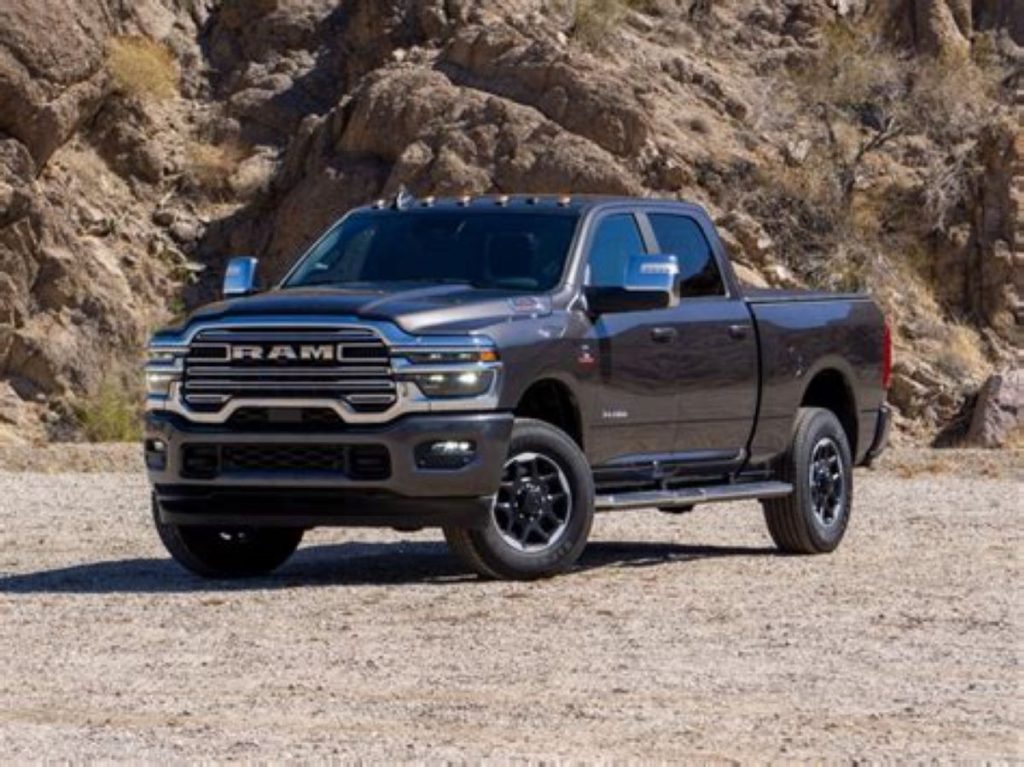
Maintenance and operating costs can be higher as well. Large tires, heavy duty components, and bigger engines mean more expensive service visits. Insurance may also be higher depending on usage and location. For apartment residents with limited space and mostly light duty needs, these costs can feel excessive.
The Ram 2500 is outstanding at the tasks it was built for. But in tight parking garages, crowded residential areas, and daily city errands, its size, fuel thirst, and heavy duty nature often make it a poor match for apartment based living.
9. Lamborghini Urus
The Lamborghini Urus combines supercar performance with SUV shape, creating a vehicle that is fast, loud, and visually dramatic. It attracts attention everywhere and offers thrilling acceleration along with a high seating position. While this mix sounds appealing, it often clashes with the practical realities of apartment living.
Its width and aggressive bodywork can make tight parking spaces stressful. Wide wheels and flared arches leave little room for error when squeezing into narrow apartment spots. Owners may constantly worry about scratching expensive paint or damaging large alloy wheels on concrete walls and pillars.
Ground clearance can also be a concern. Although it is an SUV, the Urus has a performance focused setup with low profile tires. Steep basement ramps or sharp speed bumps in parking structures may require slow, careful driving to avoid scraping the underside. This constant caution takes away from daily convenience.
The Urus is designed to be loud and exciting, which may not suit quiet residential environments. Cold starts can be noisy, and revving the engine in enclosed parking garages amplifies the sound. What feels thrilling on open roads can feel excessive in shared living spaces, especially early in the morning or late at night.
Fuel consumption is high, particularly in city driving. Apartment dwellers who mainly take short trips may find themselves visiting fuel stations frequently. For a vehicle that is rarely used to its performance potential in urban traffic, this can feel wasteful.
Maintenance and running costs are also significant. High performance tires wear quickly and are expensive to replace. Service, insurance, and parts costs are all in the premium category. Without a private garage, keeping such an expensive vehicle safe from dings and scratches in shared parking areas can be a constant source of stress.
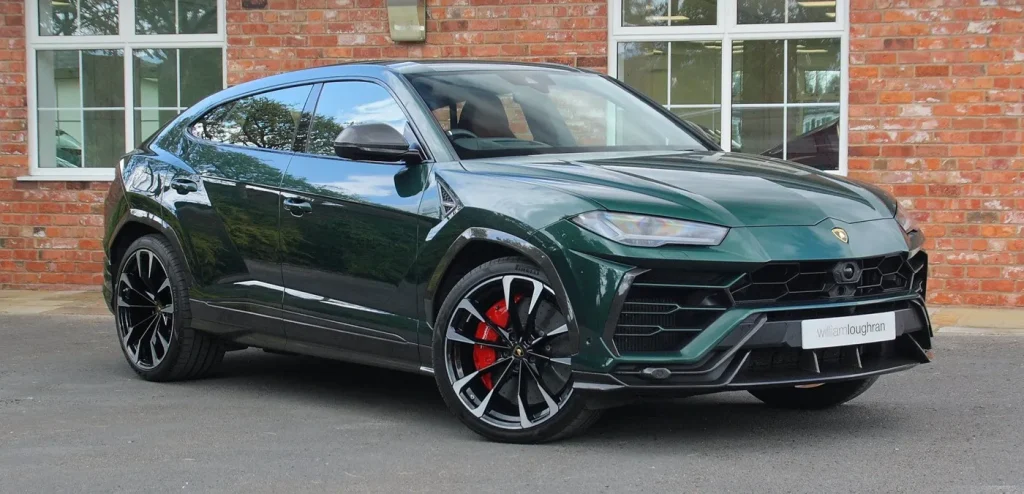
Its size, while smaller than some full size SUVs, still feels large in tight urban streets and multi level parking structures. Maneuvering through narrow lanes and crowded garages requires careful attention every day. Over time, this repeated effort can make even short drives feel less enjoyable.
Cleaning and care can also be challenging. Premium paint finishes and large wheels show dirt and brake dust easily. Without a private driveway, regular washing often means frequent visits to professional detailing services, adding more time and expense to ownership.
The Urus delivers incredible performance and presence. But in apartment living, where space is tight and daily convenience matters most, its width, noise, costs, and attention grabbing nature often make it more demanding than practical for everyday urban life.
Also Read: Top 10 Inexpensive SUVs Owners Commonly Regret Purchasing