
City life demands practicality, efficiency, and maneuverability. Narrow lanes, crowded parking lots, constant traffic, and short trips are the daily reality for urban drivers.
Yet some people choose vehicles that seem built for deserts, mountains, job sites, or race tracks rather than apartment complexes and downtown intersections.
These machines may be impressive, powerful, and capable, but in a city they often feel like using a sledgehammer to hang a picture.
Oversized dimensions are one of the biggest problems. Massive trucks and SUVs can barely squeeze into standard parking spaces and often struggle in underground garages. Wide turning circles make U turns stressful, and tall hoods can make it harder to see pedestrians, cyclists, and small cars in tight environments.
Then there is the issue of purpose. Some vehicles are designed to tow heavy trailers, crawl over rocks, or blast across open terrain at high speed.
In stop and go traffic at 30 kilometers per hour, all that capability goes unused. Instead, drivers are left with stiff suspensions, poor fuel economy, and the constant stress of navigating a machine far larger than necessary.
Running costs can also feel excessive in a city setting. Big engines burn more fuel, large tires cost more to replace, and complex performance parts often add maintenance expense. All of this makes daily urban driving less convenient and more costly than it needs to be.
This list looks at nine undeniably impressive vehicles, but borderline absurd for typical city life. They shine in extreme environments, yet feel out of place among traffic lights, speed bumps, and crowded shopping centers. Let’s start with two giants that simply dwarf the urban landscape.
Also Read: Top 10 Sports Cars Even Enthusiasts Regret Buying
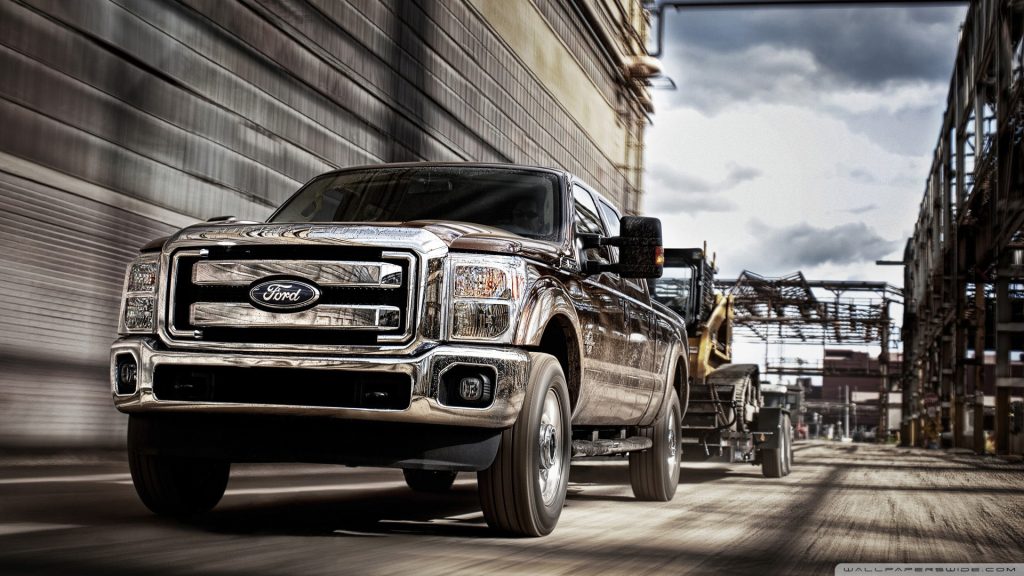
1. Ford F 350 Super Duty
The Ford F 350 Super Duty is a heavy duty pickup built for serious work. It is designed to tow massive trailers, haul heavy payloads, and handle tough job site conditions. In the middle of a busy city, though, all that capability quickly turns into inconvenience.
Size is the first issue. The F 350 is extremely long, wide, and tall compared to normal passenger vehicles. Standard parking spaces often feel too small, forcing the driver to park far away or risk sticking out into traffic. Underground garages can be especially stressful due to height restrictions and tight ramps.
Maneuverability is another challenge. The truck’s large turning circle makes tight city corners and narrow streets harder to navigate. Simple tasks like making a U turn or squeezing through a crowded parking lot require far more effort and planning than in a smaller vehicle.
Visibility can also be tricky in urban environments. The tall hood and high seating position provide a commanding view down the road, but they can make it harder to see objects and people close to the vehicle. In areas filled with pedestrians, cyclists, and scooters, that extra size becomes a liability rather than an advantage.
Ride comfort is not ideal for city streets either. Heavy duty suspension systems are tuned to handle big loads, not potholes and speed bumps at low speeds. As a result, the ride can feel stiff and bouncy when the truck is empty, which is often the case in daily urban use.
Fuel consumption is another major downside. Large diesel or gasoline engines designed for towing power use a lot of fuel, especially in stop and go traffic. Frequent short trips also prevent the engine from operating at its most efficient, making city driving particularly costly.
Practicality inside the city is also limited. While the cabin is spacious, the truck bed often goes unused in daily life. Many owners rarely haul anything that could not fit in a much smaller vehicle, meaning they are carrying around a huge empty cargo box for no real reason.
Noise and bulk further add to the overkill feeling. The engine note, sheer width, and road presence can make the truck feel out of place in tight residential streets and crowded downtown areas.
The F 350 Super Duty is an outstanding tool for heavy work and long distance towing. In a dense city environment, however, its size, thirst, and heavy duty nature make it far more vehicle than most people realistically need.
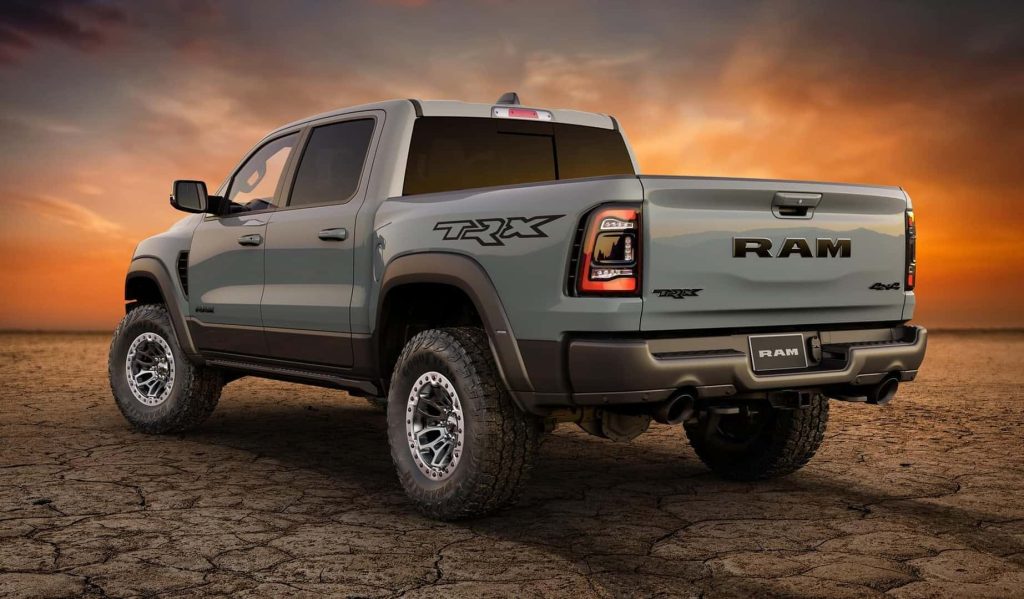
2. Ram 1500 TRX
The Ram 1500 TRX is a high performance off road truck built to conquer deserts and rough terrain at high speed. With huge power, specialized suspension, and aggressive tires, it is an engineering marvel. In city traffic, though, it feels wildly excessive.
Under the hood sits a massive supercharged engine designed for extreme performance. While thrilling on open roads or dirt trails, that power is mostly wasted crawling through traffic or waiting at red lights. The engine also consumes a lot of fuel, which becomes very noticeable during daily commuting.
The TRX’s width is one of its biggest urban drawbacks. Wide fenders and a broad stance make it difficult to fit into tight lanes and parking spaces. Drivers often have to fold mirrors and squeeze carefully into spots that a normal sedan would enter without a second thought.
Its off road focused suspension is another mismatch for city life. Long travel dampers and soft initial tuning help the truck absorb rough terrain at speed, but they can make it feel floaty and less precise on paved streets. Speed bumps and tight corners highlight that this truck was not designed for dense urban roads.
Tire choice adds to the overkill. Large, knobby off road tires create more road noise and can reduce on road efficiency. They also tend to wear faster on pavement, increasing replacement costs for drivers who rarely leave the city.
Parking garages can be a constant headache. Height and width may push the limits of some structures, and maneuvering such a large, powerful truck in tight spirals and narrow lanes can be nerve racking.
Inside, the TRX is comfortable and well equipped, but much of its rugged capability goes unused in daily urban life. Skid plates, reinforced components, and off road drive modes are impressive, yet unnecessary for grocery runs and office commutes.
The TRX also attracts attention, which not every city driver wants. Its loud exhaust, aggressive styling, and imposing presence can feel out of place in quiet neighborhoods and crowded urban centers.
As an off road performance machine, the Ram 1500 TRX is hugely capable and exciting. As a city commuter, it is oversized, thirsty, and far more extreme than urban life ever demands.
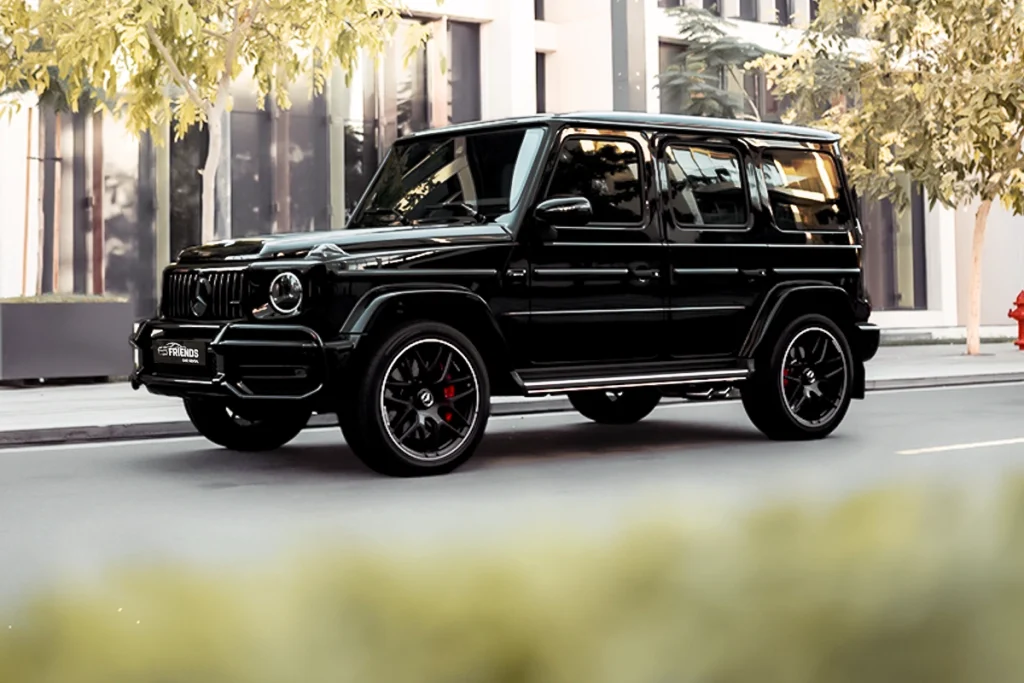
3. Mercedes-Benz G63 AMG 4×4 Squared
The Mercedes Benz G63 AMG 4×4 Squared is an off road monster wrapped in luxury. With portal axles, massive ground clearance, and huge tires, it is engineered to climb over obstacles that most vehicles would never attempt. In a city environment, though, that extreme capability becomes pure excess.
The first thing you notice is the height. The 4×4 Squared sits towering above almost everything else on the road. While this gives an impressive view ahead, it can make everyday tasks like entering parking garages or drive throughs stressful. Many urban structures simply are not designed with this kind of vehicle in mind.
Width and length also add to the challenge. The G63 4×4 Squared is bulky, and navigating tight streets or squeezing into parking spots often feels like threading a needle. Standard spaces can seem narrow, and drivers may find themselves constantly worrying about curbs and nearby cars.
The suspension, built for extreme off road articulation, does not always feel at home on smooth pavement. The ride can be bouncy and unsettled at lower speeds, especially over speed bumps and uneven city streets. What feels impressive on a trail can feel awkward in stop and go traffic.
Fuel consumption is another major drawback. A powerful twin turbo V8 engine combined with heavy weight and large tires results in significant fuel use. In a city, where trips are short and traffic is frequent, that thirst becomes even more noticeable.
Visibility close to the vehicle can also be tricky. The high hood and tall body make it harder to judge distances in tight spaces. Modern cameras help, but the sheer size still makes delicate maneuvers more stressful than in a normal SUV.
Most of the vehicle’s specialized hardware goes unused in daily urban life. Locking differentials, extreme suspension travel, and heavy duty underbody protection are designed for remote, rugged environments, not shopping centers and office parking lots.
The G63 AMG 4×4 Squared is an incredible machine in the right setting. In the city, however, it is simply too tall, too wide, and too extreme for the narrow streets and tight spaces that define everyday urban driving.
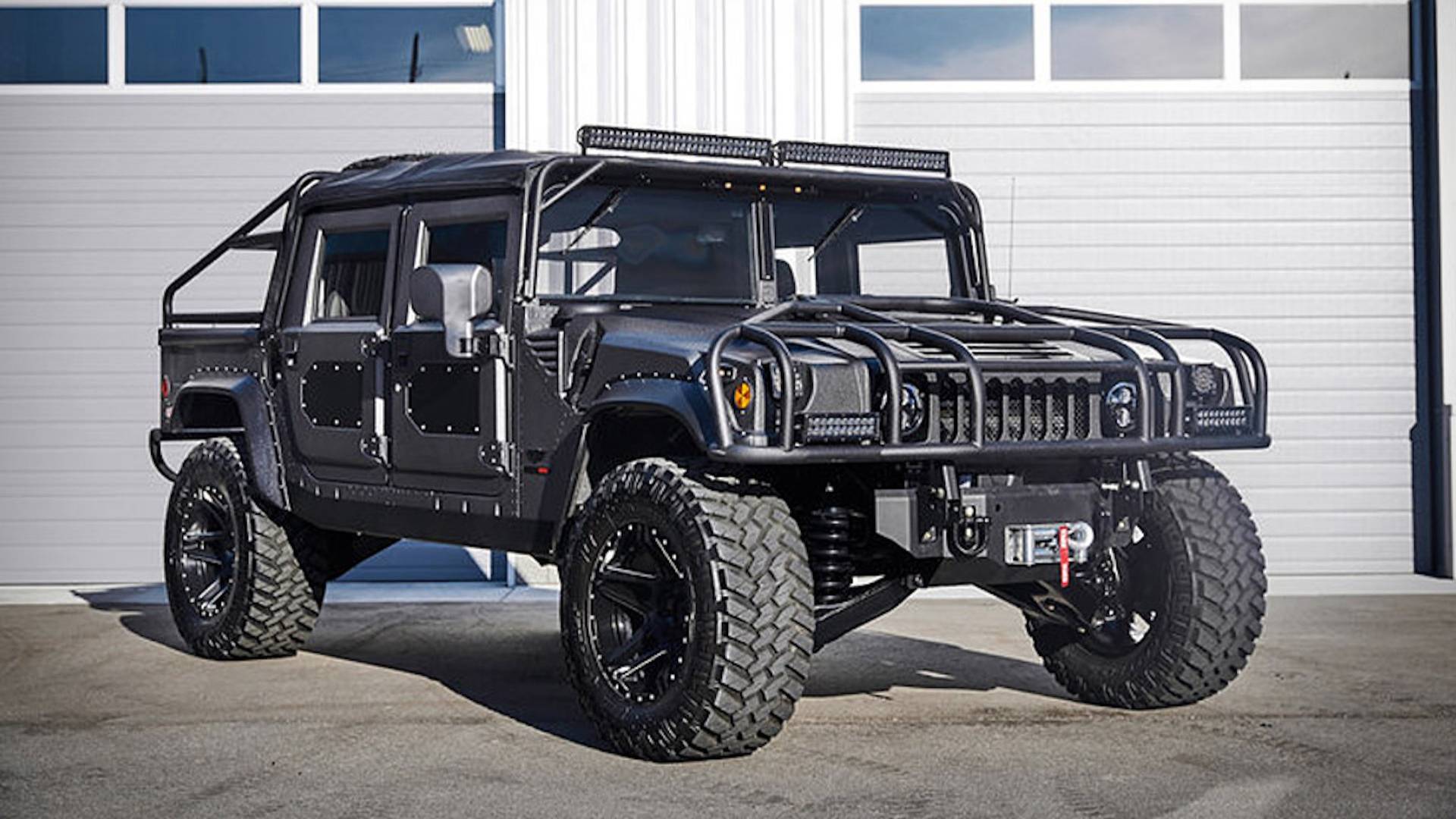
4. Hummer H1
The Hummer H1 was born from military design, built to handle harsh terrain, deep ruts, and extreme conditions. Its width, ground clearance, and rugged construction make it legendary off road. In a modern city, though, it can feel completely out of place.
One of the biggest challenges is sheer width. The H1 is so wide that it often struggles to stay comfortably within standard traffic lanes. Passing through tight construction zones or narrow city streets can be tense, with very little margin for error.
Parking is a constant headache. Standard spaces are usually too narrow, forcing drivers to park far from entrances or take up multiple spots. Underground garages are often off limits due to height and width restrictions, making daily errands more complicated than they need to be.
The driving experience itself can feel cumbersome in traffic. Steering is heavy, the turning radius is large, and the vehicle feels more like industrial equipment than a city runabout. Simple maneuvers that would be effortless in a compact car require careful planning in an H1.
Ride comfort is also not ideal for paved streets. The suspension is tuned for durability and off road strength rather than urban smoothness. Potholes and uneven surfaces can feel harsh, and the overall driving experience can be tiring in stop and go conditions.
Fuel economy is another major downside. Large engines moving a very heavy vehicle consume a lot of fuel, especially in low speed city driving. Frequent stops and short trips make efficiency even worse.
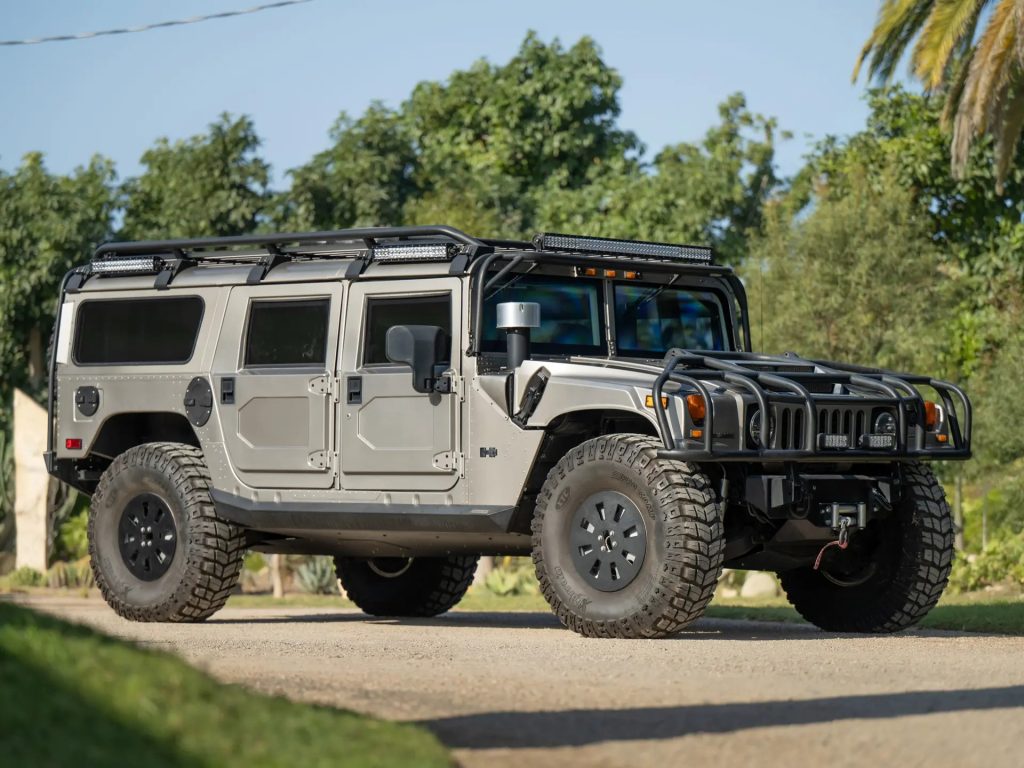
Inside, the H1 offers a unique and rugged environment, but it lacks the refinement and convenience features of modern vehicles. Noise levels can be high, and the overall experience can feel raw compared to more civilized SUVs.
While the Hummer H1 is iconic and incredibly capable off road, its size, weight, and military roots make it one of the least practical choices for everyday city life.
5. Lamborghini Aventador SVJ
The Lamborghini Aventador SVJ is engineered for track performance and high speed drama, not for crawling through traffic or navigating crowded parking structures. While it is an incredible machine in the right environment, city life exposes just how impractical such an extreme supercar can be.
Ground clearance is one of the biggest issues. The Aventador sits very low to the ground, which makes speed bumps, steep driveways, and rough road surfaces constant obstacles. Drivers often have to creep forward at awkward angles just to avoid scraping the front end.
Visibility is another challenge. Thick pillars, a low seating position, and limited rear visibility make it harder to judge distances in tight spaces. Parking in crowded areas or dealing with busy intersections can feel stressful compared to driving a normal car.
The ride is firm and focused on performance. Suspension tuning prioritizes high speed stability and sharp handling, not comfort over broken city pavement. Every pothole and expansion joint is felt clearly inside the cabin, which can become tiring on daily commutes.
The engine itself, while thrilling, can feel excessive in urban conditions. Its power is difficult to use at low speeds, and the car’s aggressive character can feel out of place when you are just trying to get to work or the grocery store.
Practicality is almost nonexistent. Storage space is minimal, and there is little room for anything beyond small bags. Even basic errands can become complicated when you have nowhere to put everyday items.
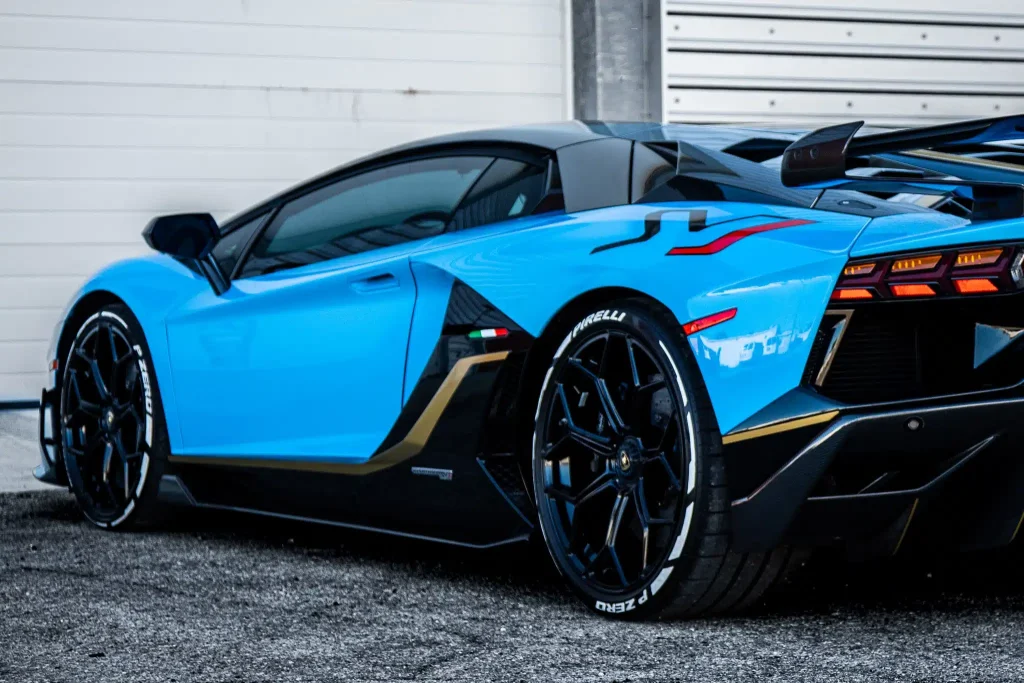
The transmission, designed for performance, can feel jerky at very low speeds. Stop and go traffic highlights the fact that this car was built for fast roads and racetracks, not constant creeping in city congestion.
Attention is another factor. The Aventador SVJ attracts a lot of it, which not every driver wants during routine daily life. In crowded urban settings, the constant attention can add stress rather than enjoyment.
The Aventador SVJ is a spectacular supercar in the right setting. In a city, though, its low ride height, firm suspension, and extreme focus make it far more machine than most daily urban driving situations require.
6. Ford Bronco Raptor
The Ford Bronco Raptor is built for high speed desert runs and serious off road exploration. With long travel suspension, wide bodywork, and aggressive tires, it is incredibly capable away from pavement. In dense city environments, however, much of that capability goes unused.
Width is a major issue. The Bronco Raptor is significantly wider than the standard model, which can make tight lanes and parking spaces more challenging. Navigating narrow streets or crowded lots requires extra care and attention.
The suspension, designed to absorb big impacts at speed, can feel soft and floaty on paved roads. While this is perfect for rough trails, it can make everyday urban driving feel less precise and more cumbersome than in a smaller SUV.
Large off road tires add to the overkill feeling. They generate more road noise and can wear quickly when used mostly on pavement. Their size also makes steering feel heavier and can reduce overall efficiency.
Fuel consumption is another drawback. Powerful engines and heavy off road hardware mean the Bronco Raptor uses more fuel than typical crossovers or compact SUVs, especially in stop and go city traffic.
Parking garages can present challenges due to height and width. Tight turns and narrow ramps require careful maneuvering, and some spaces may feel uncomfortably small for such a large vehicle.
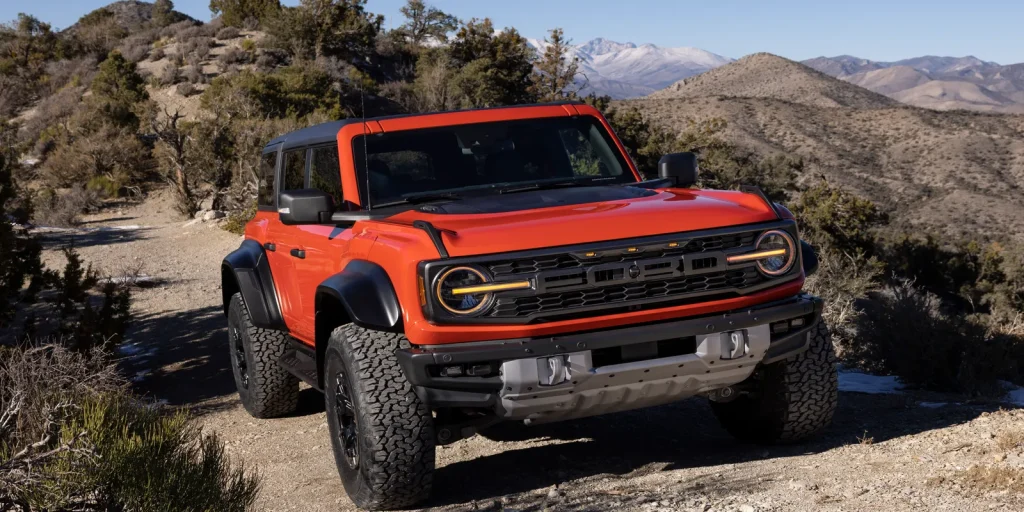
Most of the Bronco Raptor’s specialized features go unused in daily city life. Locking differentials, heavy duty skid plates, and advanced off road modes are impressive, but unnecessary for commuting and errands.
The Ford Bronco Raptor is an outstanding off road machine. In a city, its size, thirst, and trail focused design make it feel like far more vehicle than urban streets ever demand.
7. Chevrolet Silverado HD 2500 ZR2
The Chevrolet Silverado HD 2500 ZR2 is built to combine heavy duty truck capability with serious off road hardware. It is designed for towing large loads, hauling heavy cargo, and tackling rugged terrain. In a city setting, though, all that strength often turns into inconvenience.
The truck’s size is the first problem. It is long, tall, and wide, which makes tight city streets and parking lots more difficult to navigate. Standard parking spaces often feel too small, and fitting into urban garages can be stressful due to height limits and narrow ramps.
The heavy duty suspension, tuned to handle big loads and rough terrain, does not always feel comfortable on smooth pavement. When the truck is empty, the ride can be stiff and bouncy, especially over potholes and speed bumps common in urban areas.
Turning radius is another challenge. The large dimensions mean U turns and tight corners require more space and careful steering. In crowded city traffic, this can make everyday driving feel more like maneuvering construction equipment than a personal vehicle.
Fuel economy also suffers. Big engines and heavy construction lead to high fuel consumption, especially in stop and go traffic. Short city trips make efficiency even worse, increasing running costs for drivers who rarely use the truck’s full capability.
The off road features that make the ZR2 special often go unused in urban life. Skid plates, specialized dampers, and locking differentials are great on trails, but unnecessary for commuting, shopping, and school runs.
Inside, the cabin is spacious and comfortable, but the truck bed often sits empty during daily use. Many urban drivers rarely haul loads that require such a large vehicle, making its size feel excessive for typical errands.
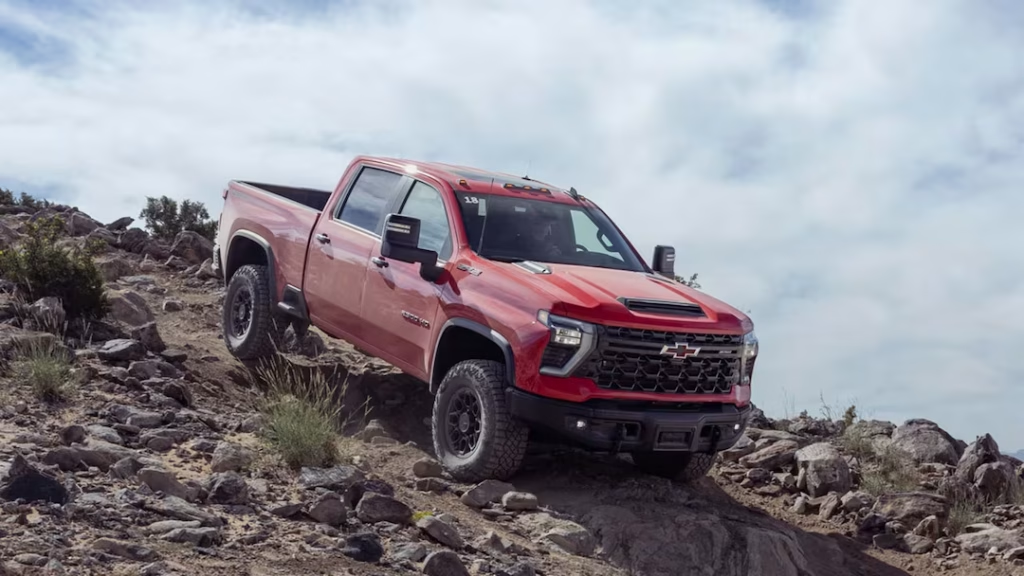
The Silverado HD 2500 ZR2 is a fantastic tool for tough jobs and outdoor adventures. In a city environment, however, its scale and heavy duty focus make it much more truck than most drivers realistically need.
8. Toyota Land Cruiser 79 Series
The Toyota Land Cruiser 79 Series is a legendary workhorse built for remote areas, harsh climates, and demanding off road conditions. It is valued for durability and simplicity, but in a modern city it can feel outdated and oversized for everyday tasks.
One issue is its rugged design. The suspension is tuned for carrying loads and handling rough terrain, not for comfort on paved streets. The ride can feel firm and bouncy, especially when the vehicle is not carrying heavy cargo.
Steering and handling are also more utilitarian than refined. The truck can feel heavy and slow to respond compared to modern urban vehicles. Navigating tight corners, crowded intersections, and narrow streets takes more effort than in a compact SUV or sedan.
Fuel consumption is another drawback. Engines built for durability and torque often use more fuel, particularly in stop and go city traffic. For short daily trips, this can make running costs unnecessarily high.
Parking can be difficult due to its size and simple design. Visibility aids found in modern vehicles may be missing, making tight urban maneuvers more stressful. Standard parking spaces can feel tight, and underground garages may be challenging.
The interior focuses on toughness rather than luxury or technology. While durable, it lacks many of the convenience features that make city driving easier and more comfortable. Noise levels can also be higher than in modern crossovers.
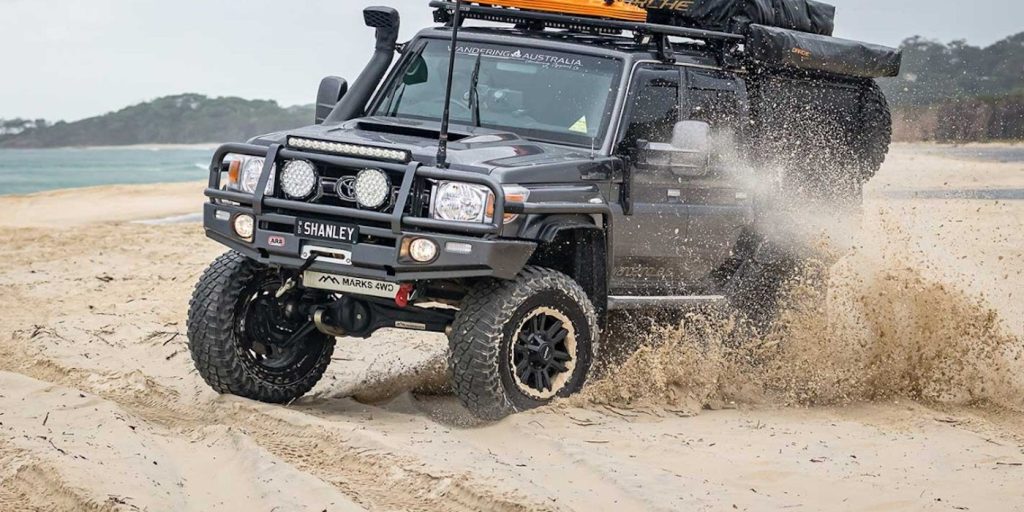
Much of the Land Cruiser 79’s capability goes unused in urban life. Its heavy duty frame, off road gearing, and rugged components are designed for remote trails and work sites, not paved streets and shopping centers.
The Land Cruiser 79 Series is ideal for extreme environments. In a city, though, its rugged nature and size make it more than most drivers need for daily commuting.
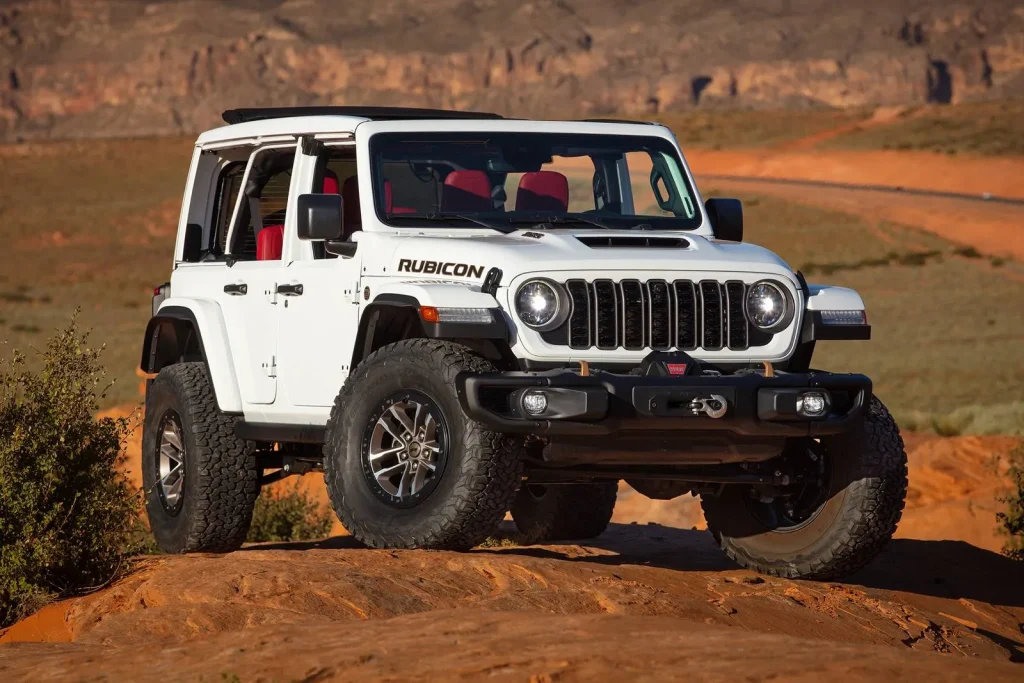
9. Jeep Wrangler Rubicon 392
The Jeep Wrangler Rubicon 392 takes the already capable Wrangler platform and adds a powerful V8 engine along with serious off road hardware. It is built for trail performance and open air adventure. In a dense urban setting, however, it often feels excessive.
The V8 engine delivers thrilling power, but in city traffic that performance rarely gets used. Instead, drivers deal with higher fuel consumption and a louder exhaust note that may feel out of place in quiet neighborhoods.
Ride quality is another compromise. Solid axles and off road tuned suspension are great for rocky trails, but on paved streets they can feel bouncy and less composed. Daily commuting can become tiring compared to driving a more road focused vehicle.
The Wrangler’s shape also creates challenges. It is tall and boxy, which can make it more affected by wind and less stable at higher speeds on highways leading into the city. Maneuvering in tight spaces requires more attention.
Steering feel is designed with off road durability in mind rather than urban precision. This can make the vehicle feel less nimble when navigating crowded streets or parking lots.
Practicality is mixed. While it offers decent cargo space, access and layout are not as convenient as in many crossovers. The removable top and doors are fun for adventures but add little value to daily city driving.
Much of the Rubicon 392’s specialized hardware, such as locking differentials and advanced off road systems, goes unused in urban life. They add weight and cost without providing real benefit on paved roads.
The Wrangler Rubicon 392 is an exciting and capable off road machine. In the city, though, its power, ride, and trail focused design make it far more vehicle than most urban drivers truly need.City driving demands compact size, easy maneuverability, good visibility, and reasonable efficiency.
Yet many people choose vehicles designed for extreme environments that rarely exist between traffic lights and parking garages. The result is a collection of machines that are impressive in capability but awkward and inefficient in daily urban life.
Heavy duty trucks like the Ford F 350 Super Duty and Chevrolet Silverado HD 2500 ZR2 are built for towing and hauling, not squeezing into tight parking spaces.
High-performance off-roaders such as the Ram 1500 TRX, Ford Bronco Raptor, and Jeep Wrangler Rubicon 392 shine on trails and open terrain but feel oversized, thirsty, and less precise in city traffic.
Ultra rugged icons like the Hummer H1 and Toyota Land Cruiser 79 Series are engineered for harsh, remote conditions, yet their width, ride quality, and outdated refinement make them cumbersome in dense urban settings.
Even exotic performance machines can be overkill. The Mercedes Benz G63 AMG 4×4 Squared and Lamborghini Aventador SVJ offer extreme capability and dramatic presence, but their size, low practicality, and city-unfriendly ride characteristics turn routine errands into stressful exercises.
Across all these vehicles, the same themes appear. Oversized dimensions make parking and tight streets difficult. Off-road or heavy-duty suspensions reduce comfort on paved roads. Large engines increase fuel costs in stop-and-go traffic. Most importantly, much of their impressive hardware goes unused in everyday city life.
While these vehicles are excellent in the environments they were designed for, urban drivers often end up carrying around far more capability than they will ever realistically need.
Also Read: 10 Italian Concept Cars That Redefined Automotive Design Limits
