Some cars are brilliant at what they were designed to do, but everyday errands are not part of that mission. A quick run to the grocery store, school pickup, pharmacy stops, or crowded parking lots demand comfort, easy access, good visibility, and practical storage.
When a vehicle is too extreme, too large, too low, or too specialized, even simple tasks can feel like a chore.
Daily errands often involve short trips, frequent stops, tight parking spaces, and carrying small but awkward loads. A good errand car should be easy to get in and out of, simple to maneuver, and forgiving over speed bumps and potholes. Smooth ride quality and decent cargo flexibility matter more than track performance or off road ability.
Some vehicles, however, are built with very different priorities. Supercars focus on speed and attention, heavy duty trucks prioritize towing strength, and off road machines are tuned for trails rather than traffic. These strengths can become weaknesses when the job is just picking up groceries or dropping off dry cleaning.
Visibility is another big factor. Tall hoods, tiny rear windows, and thick pillars can make parking stressful. Stiff suspensions, loud cabins, and heavy controls can also wear on drivers during routine use. What feels exciting on a weekend drive may feel exhausting during a week of small errands.
Here are eight cars that often feel mismatched for daily errands. Each one has clear strengths, but their design focus makes ordinary tasks more complicated than they need to be.
Also Read: Top 10 Legendary Supercars From The Past With Incredible Engines
1. Lamborghini Huracan
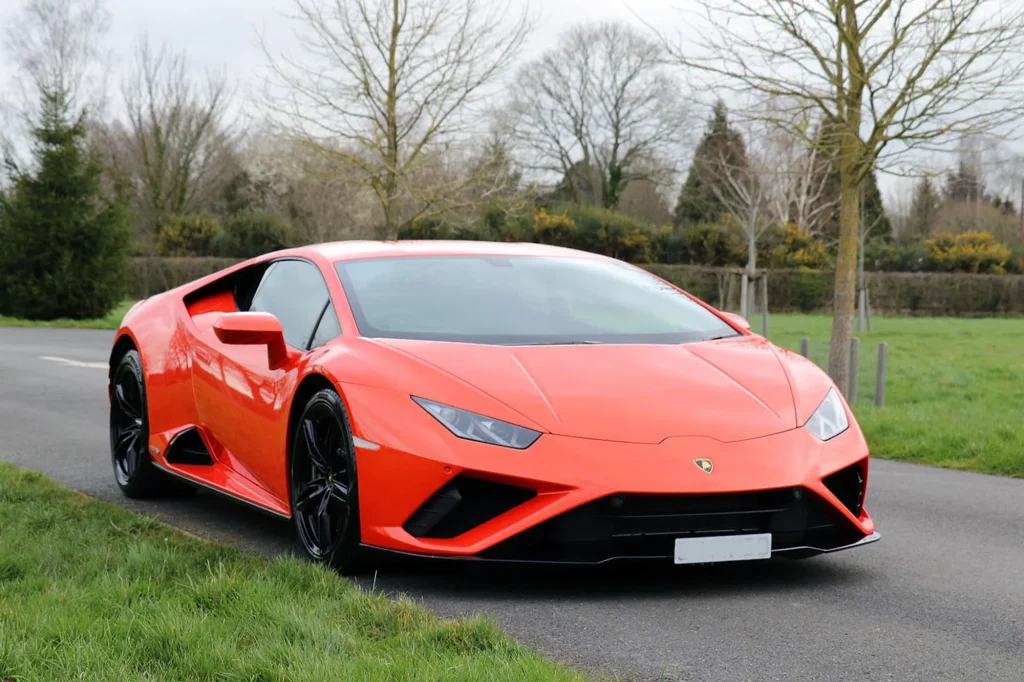
The Lamborghini Huracan is built for performance, drama, and head turning style. It excels on open roads and racetracks where its sharp handling and powerful engine can be fully appreciated. However, when used for everyday errands, many of its exciting traits turn into practical drawbacks.
One of the biggest challenges is ride height. The Huracan sits extremely low to the ground, which makes even mild speed bumps, steep driveways, and uneven parking lot entrances a source of stress. Drivers often have to slow to a crawl and approach at careful angles, turning simple errands into slow, cautious maneuvers.
Visibility is another issue. The low seating position and narrow windows make it harder to see surrounding traffic, pedestrians, and obstacles. In crowded shopping centers or busy city streets, this limited visibility can make parking and low speed driving more difficult than in an ordinary car.
Getting in and out is not graceful. The low seat and wide doors require effort, especially in tight parking spaces. For quick stops where you are frequently entering and exiting the car, this becomes tiring and inconvenient.
Cargo space is extremely limited. The small front trunk can handle only a few small bags. A normal grocery run can quickly exceed the available space, forcing drivers to pack carefully or make extra trips. This lack of flexibility makes the car impractical for routine shopping.
The suspension is tuned for performance, which means it is firm. Road imperfections, potholes, and rough pavement are clearly felt inside the cabin. While this sharpness adds to the sporty experience, it can become uncomfortable on everyday roads filled with bumps and cracks.
The car also attracts a lot of attention. For some drivers this is enjoyable, but for routine errands it can feel unnecessary or even stressful. Parking in public places may bring unwanted attention, and some drivers worry more about scratches or door dings than about finishing their tasks.
Cabin storage is minimal. There are few places to put everyday items like water bottles, shopping lists, or small personal belongings. This adds to the sense that the car was never meant for practical daily use.
Fuel consumption is another consideration. High performance engines are not optimized for short, stop and go trips. Frequent errands can mean frequent fuel stops, which adds time and cost.
The Lamborghini Huracan is an incredible machine for special occasions and spirited drives. For everyday errands, however, its low ride height, tight space, firm ride, and constant attention make simple tasks feel more complicated than they need to be.
2. Ford F 350 Super Duty Dually
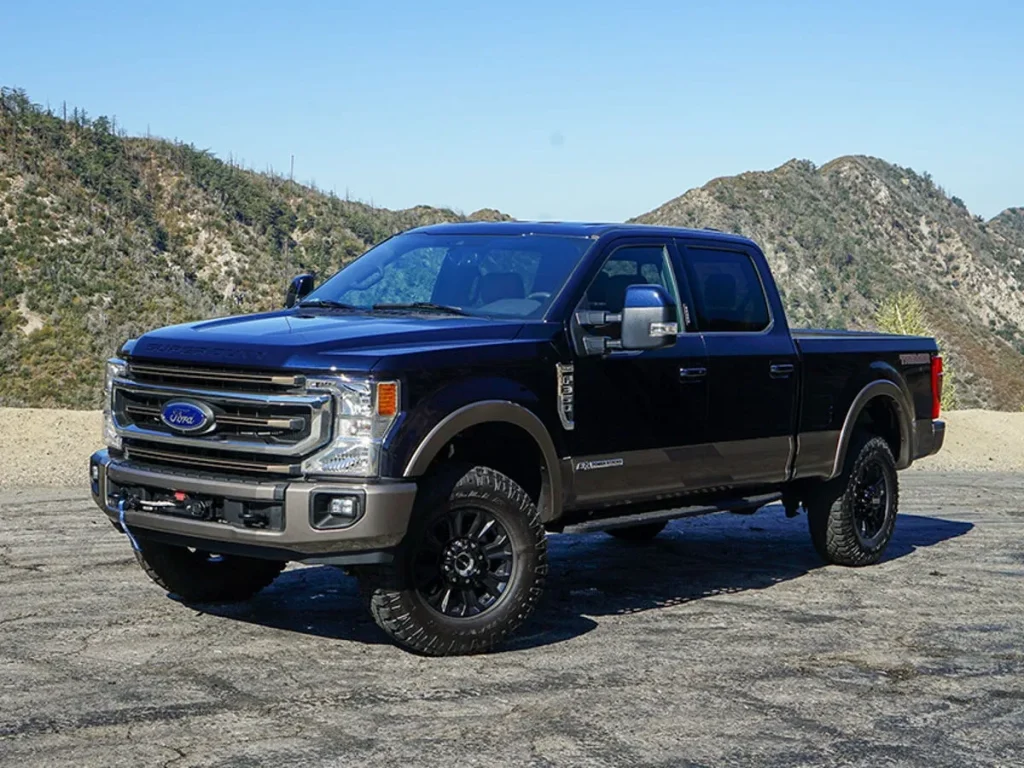
The Ford F 350 Super Duty Dually is designed for serious towing and heavy hauling. With its wide rear wheels and massive size, it is built to carry large loads and pull heavy trailers with confidence. While this makes it a powerhouse for work, it can feel oversized and awkward for simple daily errands.
Size is the biggest challenge. The truck is long, tall, and wide, especially at the rear where the dual wheels extend outward. Navigating tight parking lots, narrow streets, and drive through lanes can be stressful. Many standard parking spaces feel too small, requiring drivers to park far away or take up multiple spots.
Turning radius is also large. U turns and tight corners demand more space and planning. In crowded urban areas or older neighborhoods with narrow roads, maneuvering the truck can feel cumbersome compared to a smaller vehicle.
Ride height creates both advantages and disadvantages. While the high driving position offers a commanding view of the road, climbing in and out requires more effort. For quick errands with frequent stops, repeatedly stepping up into the cab can become tiring, especially for shorter drivers or passengers.
Ride comfort can be firm when the truck is not carrying a heavy load. Heavy duty suspension systems are designed to handle weight, so when the truck is empty it can feel stiff over bumps. This can make short trips over rough city streets less comfortable.
Fuel consumption is another drawback. Large engines and heavy weight mean higher fuel use, especially in stop and go traffic. For short errands, this can feel wasteful compared to a smaller, more efficient vehicle.
Visibility in tight spaces can be tricky despite the high seating position. The long hood and wide rear fenders make it harder to judge distances in parking lots. Drivers may rely heavily on cameras and sensors, which not everyone finds comfortable.
Cargo bed height is also something to consider. While the bed is excellent for large items, lifting small everyday purchases like groceries into a tall truck bed can feel inconvenient. Many drivers end up placing items in the rear seat instead.
The truck’s sheer presence can make some drivers hesitant to use it for simple tasks. Concerns about fitting into parking garages or drive throughs can add mental stress to otherwise easy errands.
The Ford F 350 Super Duty Dually is exceptional for heavy duty work. For everyday errands, though, its size, fuel use, and maneuvering challenges make it feel like far more truck than most daily tasks require.
3. Chevrolet Corvette C8
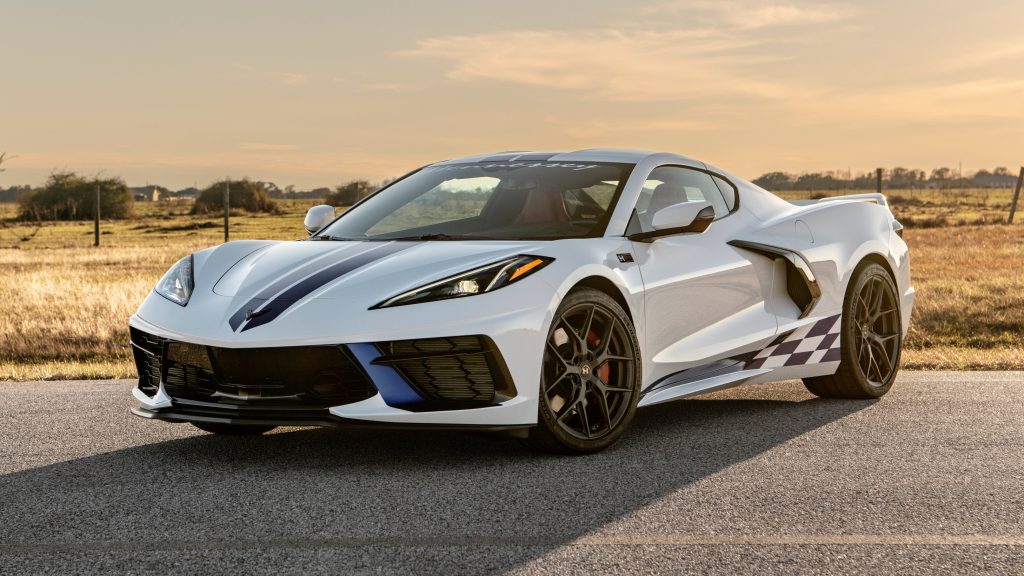
The Chevrolet Corvette C8 represents a major leap in American sports car design with its mid engine layout, exotic styling, and serious performance. It delivers thrilling acceleration and sharp handling, but those same characteristics can make it feel out of place during ordinary daily errands.
One of the first challenges is outward visibility. The mid engine design raises the rear deck and limits the rear window view. While cameras and sensors help, some drivers still find it harder to judge distances when reversing or parking in tight shopping center spaces. For quick errands that involve frequent parking, this can become frustrating.
The seating position is very low. Sliding into the car requires dropping down into the seat, which can be uncomfortable for some drivers, especially when making multiple stops in a short period. Climbing back out also takes more effort than stepping out of a sedan or crossover.
Cargo space is split between a small front trunk and a rear compartment. While clever, the combined capacity is still limited compared to even a compact hatchback. Grocery bags, bulk items, or oddly shaped packages can quickly exceed what the car can comfortably carry.
Ride quality, while improved compared to older sports cars, still leans toward the firm side in many configurations. Potholes, speed bumps, and rough pavement are more noticeable than in a typical daily driver. Running errands often means driving on uneven city roads, which can make the experience less relaxing.
Ground clearance is another concern. Steep driveways, parking lot entrances, and speed bumps require extra caution. Drivers may find themselves slowing dramatically or approaching obstacles at angles just to avoid scraping the front end.
The Corvette also attracts attention. Its exotic proportions and bold styling can draw stares in everyday settings like grocery store parking lots. Some drivers enjoy this, but others may feel self conscious or worried about accidental damage from nearby cars and shopping carts.
Cabin storage for small items is limited. Everyday things like reusable shopping bags, water bottles, or personal items have fewer convenient places to go. This makes the car feel less adaptable for routine use.
Fuel economy in stop and go driving is not ideal. High performance engines are tuned for power, not efficiency in short trips. Frequent errand runs can mean more frequent fuel stops.
The driving dynamics can also feel overly sharp for mundane tasks. Quick throttle response and firm braking are great on open roads but can feel jumpy in heavy traffic or crowded parking areas.
The Corvette C8 is an outstanding performance machine that delivers excitement every time you press the accelerator. For everyday errands, however, its low stance, limited cargo room, firm ride, and constant attention make simple tasks feel more complicated than they need to be.
4. Mercedes-Benz G-Class
The Mercedes-Benz G Class is a luxury SUV with serious off road capability and unmistakable styling. Its upright design and high quality interior make it feel special, but its rugged roots and substantial size can make it less suited to quick daily errands.
One major factor is ride comfort. Despite its luxury touches, the G Class is still built on a ladder frame and designed for off road durability. This construction can result in a firmer, more truck like ride compared to many modern crossovers. City streets with potholes and rough patches can feel more pronounced inside the cabin.
Size and shape also play a role. The boxy design looks distinctive but can make maneuvering in tight urban environments more challenging. Narrow parking spaces and crowded lots require careful positioning, and the tall, flat sides make the vehicle feel large from behind the wheel.
Fuel consumption is another drawback for short trips. Powerful engines and a heavy body mean the G Class uses more fuel than many other SUVs. Running frequent errands in stop and go traffic can feel inefficient and costly.
Entry and exit height can be inconvenient. While side steps help, the vehicle still sits high off the ground. Climbing in and out multiple times during a series of stops can become tiring, especially for passengers.
Cargo space is decent but not exceptional given the vehicle’s size. The rear door swings outward rather than upward, which can be awkward in tight parking spaces where there is limited room behind the vehicle.
Visibility is generally good forward, but the tall body and spare tire mounted on the rear door can affect rearward awareness. Parking in tight spaces may require heavy reliance on cameras and sensors.
The G Class also draws attention. Its iconic shape and premium image make it stand out. While this can be appealing, it may also make drivers more cautious about where they park during everyday errands.
The steering and driving feel are different from most modern SUVs. The G Class retains a more traditional, rugged feel that some drivers may find less smooth or refined during low speed city driving.
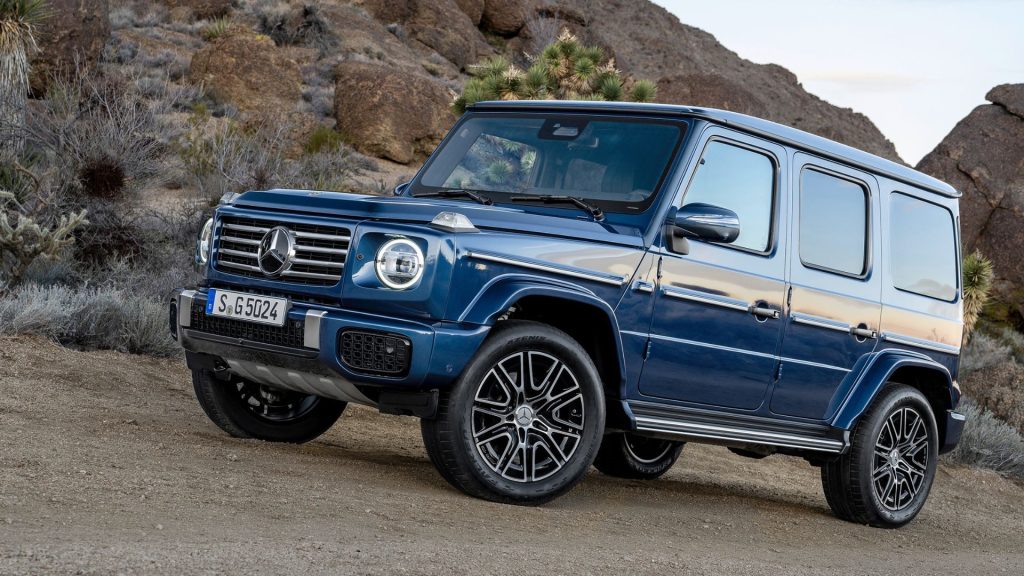
For long highway trips or off road adventures, the G Class offers a unique blend of luxury and toughness. For short, routine errands, however, its size, fuel use, firm ride, and distinctive design can make everyday tasks feel more demanding than necessary.
5. Porsche 911 GT3
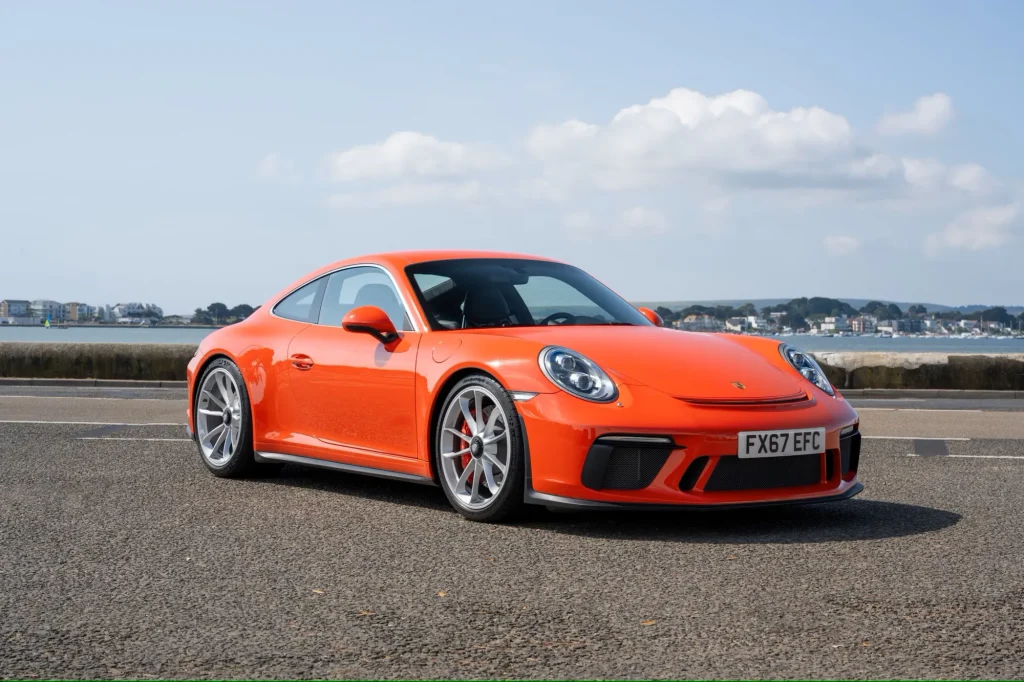
The Porsche 911 GT3 is engineered with track performance as its top priority. It delivers razor sharp handling, high revving power, and a focused driving experience that enthusiasts admire. However, when used for everyday errands, many of its race inspired traits can feel out of place.
Ride comfort is one of the first challenges. The GT3 uses firm suspension tuning designed to keep the car stable at high speeds and through hard cornering. On city streets filled with potholes, expansion joints, and speed bumps, that stiffness becomes very noticeable. Short trips to the store can feel more jarring than relaxing.
Ground clearance is limited. The low front splitter and aggressive aerodynamics mean drivers must be cautious over speed bumps and steep driveways. Routine errands often involve parking lots with uneven surfaces, which can create constant concern about scraping the underside.
Cabin noise is higher than in a typical road car. Road noise, tire hum, and engine sound are all part of the GT3 experience. While thrilling on a spirited drive, this constant noise can become tiring during stop and go traffic or longer city drives.
Getting in and out requires effort. The low seating position and supportive bucket style seats make entry and exit less convenient, especially in tight parking spaces where the long doors cannot open fully. Frequent stops amplify this inconvenience.
Storage space is extremely limited. The small front trunk can only handle a few small items. Grocery bags, larger packages, or bulk purchases quickly exceed its capacity, making the car impractical for typical shopping trips.
The GT3’s engine character also plays a role. It is happiest at higher revs and open roads. Crawling through traffic or idling in parking lots does not suit its personality. The car can feel restless and less comfortable at low speeds.
Attention is another factor. The GT3’s wings, vents, and aggressive styling draw eyes wherever it goes. While some drivers enjoy this, others may feel uncomfortable leaving such a high performance machine unattended in crowded public parking areas.
Fuel economy is not optimized for short, low speed trips. Performance engines tend to consume more fuel in stop and go conditions, which makes frequent errands less efficient.
The Porsche 911 GT3 is an exceptional car for driving enthusiasts who value precision and track capability. For everyday errands, though, its stiff ride, minimal storage, low clearance, and intense focus make simple tasks feel more demanding than necessary.
6. Hummer H2
The Hummer H2 is a large, bold SUV designed to project toughness and off road ability. Its tall stance and imposing presence make it stand out on the road. However, those same qualities can make it feel mismatched for everyday errands in crowded urban and suburban environments.
Size is the biggest issue. The H2 is wide, tall, and heavy, making it difficult to maneuver in tight parking lots or narrow streets. Standard parking spaces can feel cramped, and drivers may need to park farther away from store entrances to find a spot that feels comfortable.
Turning radius is also large. Tight U turns or quick direction changes in small lots require more space and careful steering. In busy areas with other cars and pedestrians, this can make simple errands feel more stressful.
Fuel consumption is significant. Large engines and heavy weight mean the H2 uses a lot of fuel, especially in stop and go traffic. Short trips for groceries or school pickups can feel inefficient compared to smaller vehicles.
Ride quality can be firm. The suspension is built for durability and off road use, so city streets with potholes and bumps are felt more clearly than in many modern crossovers. This reduces comfort on short, routine drives.
Entry and exit height is another inconvenience. Climbing up into the cabin requires more effort, and stepping down can be awkward. Frequent stops during errands make this more noticeable.
Visibility can be mixed. While the high seating position offers a commanding view forward, thick pillars and the large body can make it harder to judge distances in tight spaces. Parking often relies heavily on mirrors and sensors.
Cargo space is large, but the high load floor can make lifting small, everyday items more awkward than necessary. For light errands, the vehicle’s capacity is far more than needed.
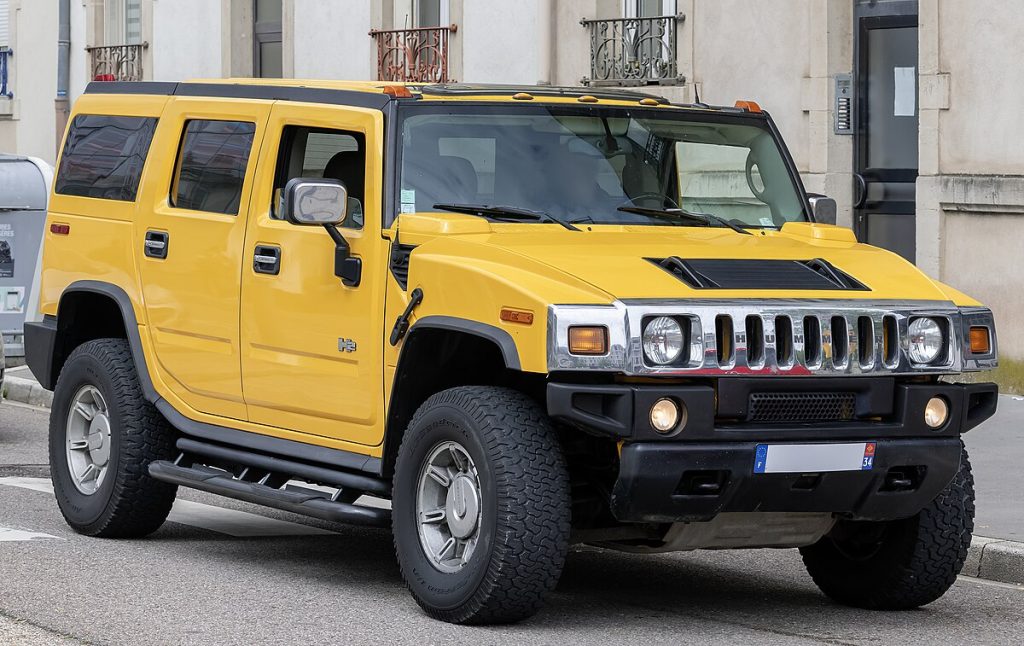
The H2’s bold styling also attracts attention, which some drivers may not want during routine tasks. Concerns about fitting into parking garages or narrow drive through lanes can add to daily stress.
The Hummer H2 excels at making a statement and handling rugged terrain. For everyday errands, however, its size, fuel use, and maneuvering challenges make it feel like far more vehicle than most simple daily tasks require.
7. Dodge Challenger Hellcat
The Dodge Challenger Hellcat is built around extreme horsepower, dramatic styling, and straight line speed. It is an icon of modern muscle, delivering thrilling acceleration and a powerful engine sound. For everyday errands, though, its performance focus can make routine tasks feel less convenient than they should be.
One of the first issues is fuel consumption. The supercharged engine is designed for power, not efficiency in stop and go traffic. Short trips to the store or school can use more fuel than expected, especially if the driver enjoys even small bursts of acceleration.
Size and visibility can also be concerns. The Challenger is a large coupe with a long hood and wide body. In tight parking lots, judging distances to curbs or other cars can be challenging. Thick pillars and a relatively small rear window can create blind spots that make reversing or lane changes more stressful.
Ride comfort is tuned more for performance than softness. While the car can cruise comfortably on highways, rough city streets and potholes are still noticeable. Frequent short trips over uneven pavement can feel less refined than in a family sedan or crossover.
Entry and exit can be awkward. The car sits lower than most everyday vehicles, and the long doors need space to open. In crowded parking lots, getting in and out without hitting nearby cars requires extra care.
Cargo space is limited compared to the car’s large exterior size. The trunk opening is not especially wide, which can make loading bulky grocery items or boxes more difficult. For a car that looks big, it is less practical than many smaller vehicles.
The Hellcat also attracts a lot of attention. Loud exhaust notes and bold styling draw eyes in quiet residential areas and busy parking lots. While some drivers enjoy this presence, others may find it unnecessary or even uncomfortable during simple errands.
The driving dynamics are another factor. The car’s strong throttle response and powerful brakes are great for spirited driving but can feel excessive in slow traffic. Smooth, gentle driving takes more concentration than in a softer, less powerful vehicle.
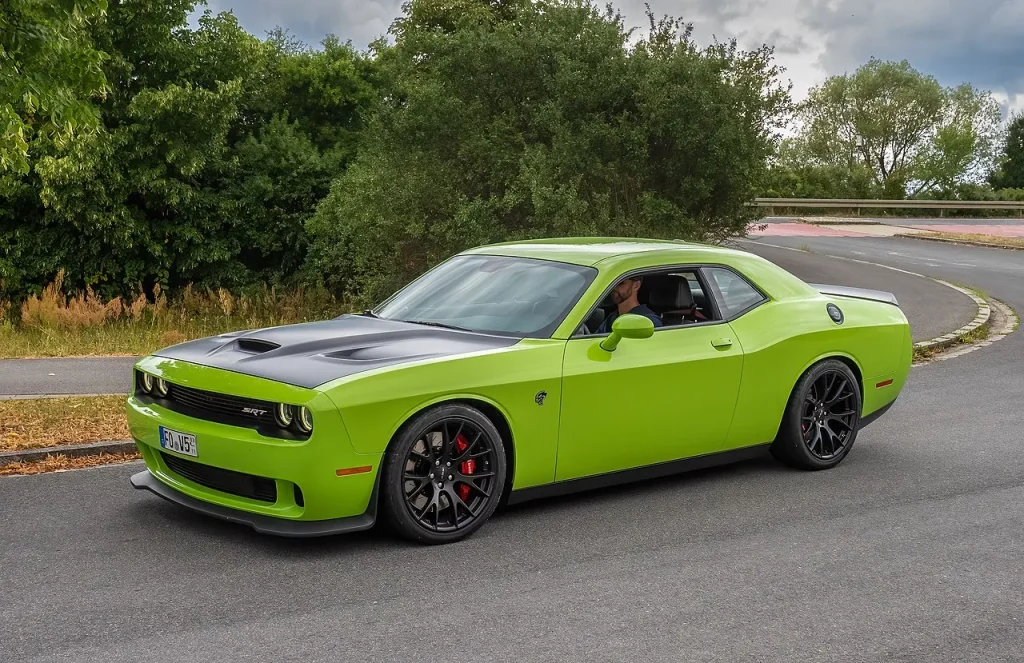
Insurance and maintenance costs can also be higher than average, which makes using the car for constant short trips feel less economical. Everyday wear and tear may feel more significant on a high performance vehicle.
The Dodge Challenger Hellcat is thrilling and memorable on open roads. For routine errands, however, its size, fuel use, loud character, and performance focused nature make it feel mismatched for simple daily tasks.
8. Toyota Land Cruiser 70 Series
The Toyota Land Cruiser 70 Series is built for durability and serious off road use. It is known for toughness, simplicity, and the ability to handle harsh environments. While it is extremely capable in remote areas, it can feel out of place during everyday errands in urban settings.
Ride comfort is one of the main drawbacks. The suspension is designed for carrying heavy loads and handling rough terrain. On paved city roads, this can translate into a firm and sometimes bouncy ride. Small bumps and imperfections are more noticeable than in modern crossovers.
Steering feel can also be heavier and less precise than in typical city vehicles. Maneuvering through tight parking lots or narrow streets requires more effort. Drivers used to light, easy steering may find it tiring during frequent short trips.
Interior refinement is basic. The cabin focuses on durability rather than luxury. Seats may feel firmer, and there are fewer comfort features compared to modern SUVs. For quick errands, drivers may miss the smoother, quieter experience of more road focused vehicles.
Noise levels can be higher as well. Engine and road noise are more present inside the cabin, especially at higher speeds. This adds to the rugged character but reduces overall comfort during daily driving.
Fuel consumption can be significant, depending on the engine. Frequent short trips around town may not be the most efficient use of such a heavy duty vehicle.
Entry and exit height is another factor. Climbing up into the cabin can be inconvenient for some drivers, especially during multiple stops in a short time.
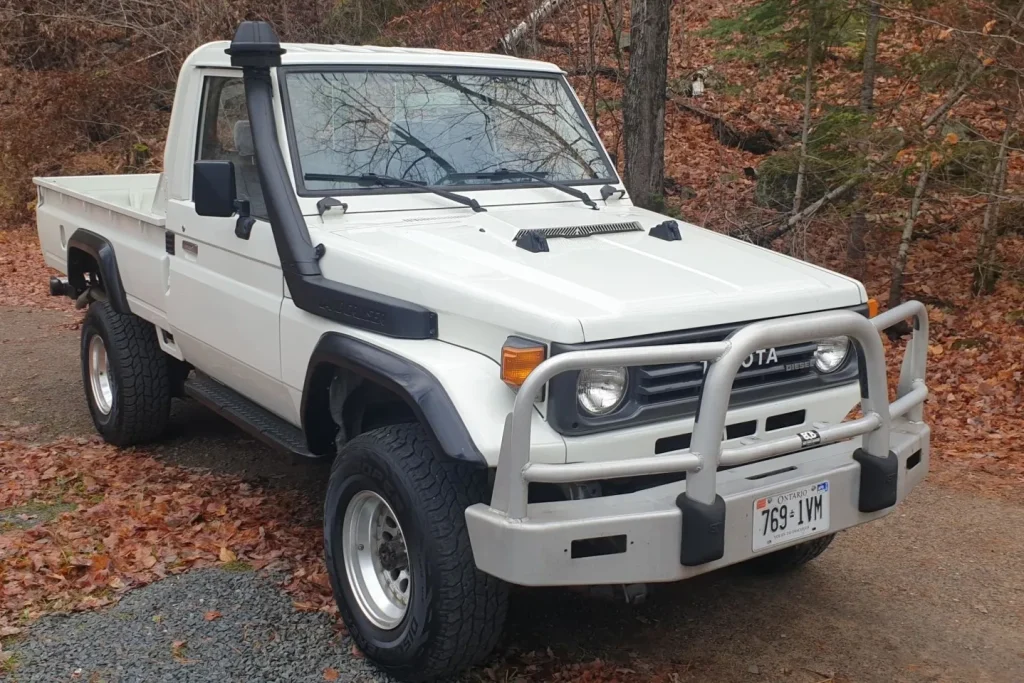
Visibility is generally good forward due to the upright design, but the boxy shape can make tight parking spaces feel more challenging. Drivers may need extra time to position the vehicle carefully.
Cargo capacity is excellent, but for small everyday purchases it is more space than needed. The high load floor can make lifting lighter items feel less convenient.
The Land Cruiser 70 Series is outstanding in remote and demanding environments. For everyday errands, however, its firm ride, basic comfort, heavy controls, and rugged nature make it feel mismatched for simple urban tasks.
Also Read: Top 10 Car Manufacturers Responsible For The World’s Most Powerful Supercars