
Buying a car is usually a mix of logic and emotion. On paper, many vehicles seem perfect, offering the right blend of style, performance, and features for the price.
But ownership often tells a different story, where daily usability, maintenance costs, and long term reliability matter far more than first impressions at the dealership.
Some cars win hearts during a short test drive but slowly lose their charm once real life begins. Ride quality that felt sporty can turn tiring on long commutes.
High tech features that seemed impressive can become frustrating when they start to malfunction. Even fuel economy, insurance costs, and resale value can surprise owners in ways they did not expect.
Another common issue is mismatch of lifestyle. A vehicle that looks rugged and adventurous may be uncomfortable as a daily city commuter. A luxury sedan packed with technology might age poorly once expensive electronic components begin to fail.
Over time, owners start to think less about how the car made them feel on day one and more about how often it sits in the workshop or drains their wallet.
This is why many experienced drivers say their second purchase would be very different from their first. Lessons learned from ownership tend to reshape priorities, shifting focus toward reliability, comfort, practicality, and overall cost of ownership.
The cars in this list are not necessarily bad vehicles, but they are models that a noticeable number of owners admit they would think twice about buying again.
Below are seven such cars, each with qualities that attracted buyers at first, but also with drawbacks that made long term ownership more challenging than expected.
Also Read: Top 10 Car Manufacturers Responsible For The World’s Most Powerful Supercars
1. Jeep Wrangler
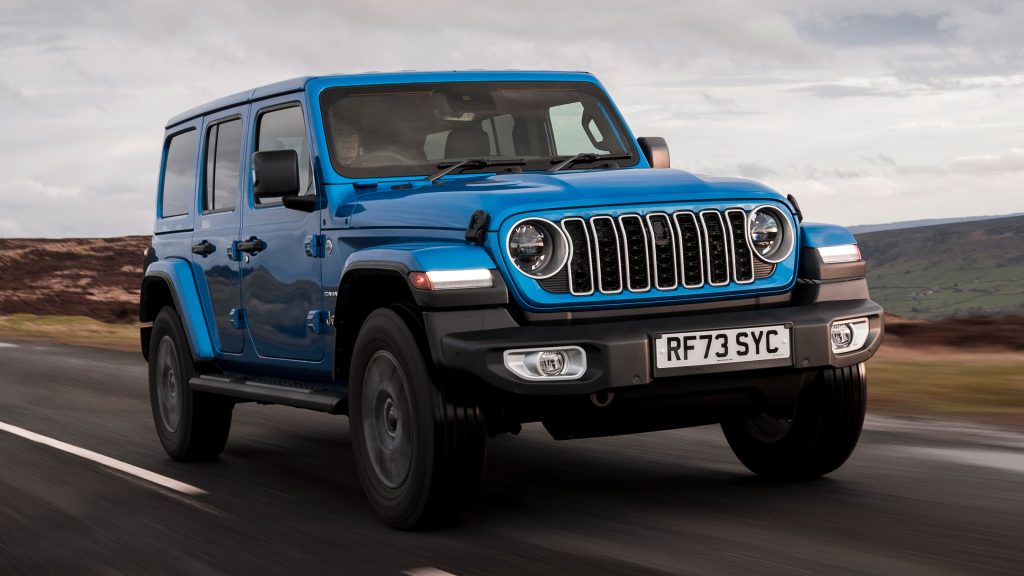
The Wrangler has an undeniable image. It represents freedom, adventure, and serious off road capability. Many buyers fall in love with its rugged styling, removable doors, and the promise of exploring trails and mountains. On a short drive, the upright seating and commanding view of the road can feel exciting and different from ordinary SUVs.
However, daily life with a Wrangler can be very different from the dream. Its body on frame construction and solid axles, which are excellent off road, make on road driving feel busy and sometimes uncomfortable.
The ride can be bouncy over uneven city streets, and highway driving often comes with noticeable wind and road noise. For commuters spending hours on paved roads, this quickly becomes tiring.
Fuel economy is another common complaint. Compared with many modern crossovers, the Wrangler tends to consume more fuel, especially in stop and go traffic.
Owners who bought it as a stylish daily driver often realize too late that they are paying a premium at the pump for capabilities they rarely use.
Interior quality has improved over the years, but some owners still feel that materials and fit do not fully match the price.
Hard plastics, rattles over time, and a generally utilitarian feel can disappoint those expecting SUV like refinement. When combined with a higher purchase price, this can create a sense that the value equation is not ideal.
Maintenance and repairs can also be a concern. While many Wranglers are durable off road, components like suspension parts and steering elements can wear faster under normal urban driving than buyers expect.
Add in higher insurance costs in some markets, and the overall ownership experience can feel more demanding than anticipated.
As a second car dedicated to weekend adventures, many owners still adore the Wrangler. But as a primary daily vehicle, a lot of people admit they would choose something more comfortable, quieter, and more fuel efficient the second time around.
2. BMW 7 Series
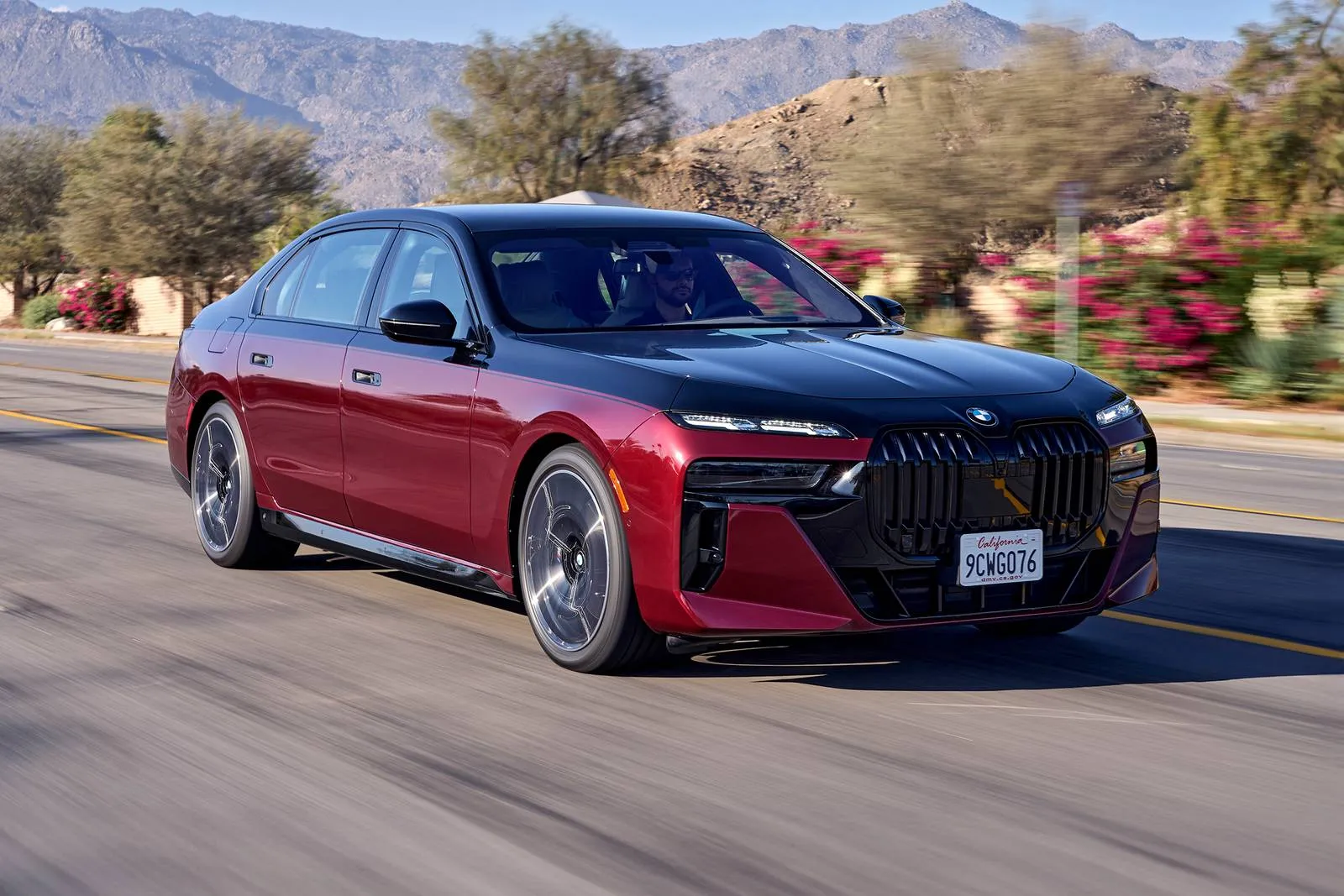
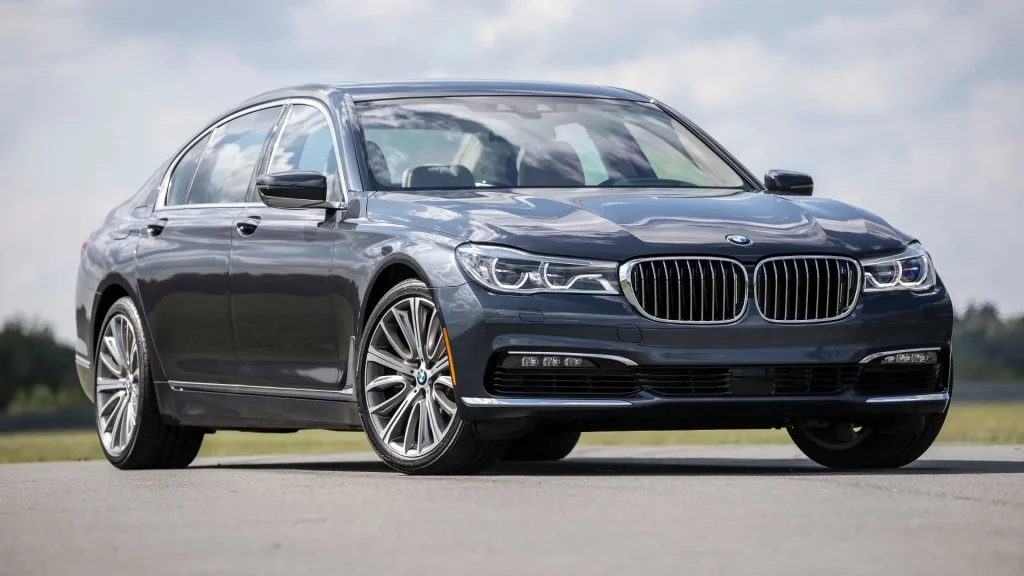
The 7 Series promises flagship luxury, cutting edge technology, and a prestige badge that turns heads. When new, it delivers an incredibly smooth ride, powerful engines, and a cabin filled with advanced features. Buyers are drawn to the idea of owning one of the most sophisticated sedans on the road.
The problem often appears after the warranty period ends. The very technology that makes the 7 Series so appealing can become a major liability as the car ages.
Complex infotainment systems, electronic suspension components, and numerous sensors can fail, and repairs are rarely cheap. Even relatively minor issues can lead to large bills due to labor costs and specialized parts.
Depreciation is another harsh reality. A 7 Series typically loses value quickly, which makes it tempting on the used market but painful for original buyers. Owners who paid a premium price sometimes feel frustrated watching resale values drop far faster than they expected. This can make the overall cost of ownership much higher than planned.
Reliability perceptions also play a role. While many examples run well, there is a widespread belief among owners that older flagship luxury sedans can be unpredictable. Electrical gremlins, warning lights, and intermittent faults can lead to repeated workshop visits. Even if each issue is fixable, the inconvenience and downtime add stress to ownership.
Running costs extend beyond repairs. Insurance, premium fuel requirements, and expensive routine maintenance all add up. Brake jobs, tires, and suspension work on a large luxury sedan are significantly more costly than on a typical family car. Over several years, these expenses can outweigh the comfort and prestige benefits for many drivers.
In hindsight, numerous former owners say they would choose a smaller, less complex luxury car or even a well equipped mainstream sedan instead.
The 7 Series delivers an incredible experience when everything works perfectly, but the long term financial and reliability concerns make many people reconsider if they had to make the purchase again.
3. Tesla Model S
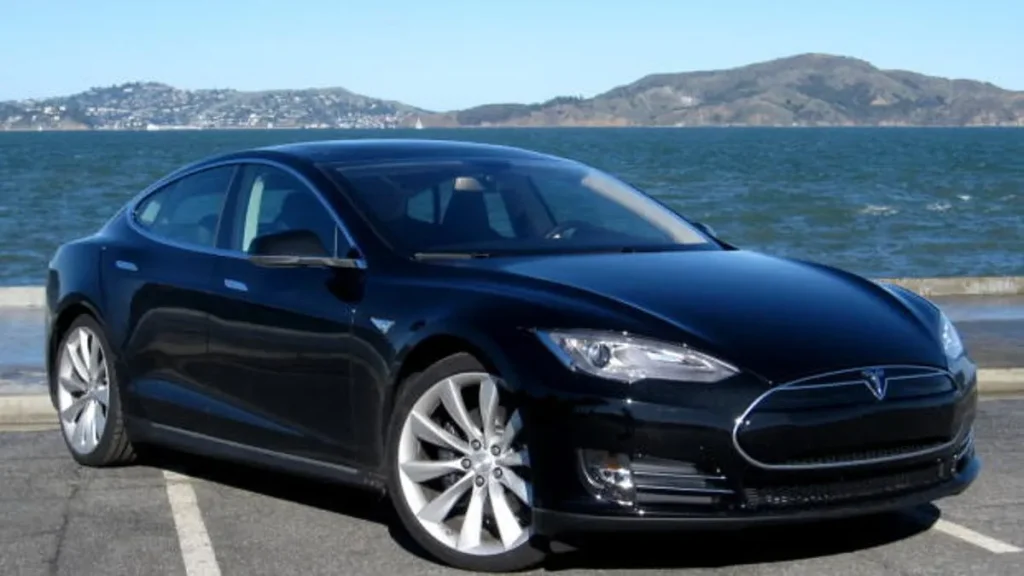
The Model S arrived as a game changer, redefining what an electric car could be. Its instant acceleration, futuristic interior, and long driving range made it feel years ahead of traditional luxury sedans. Early adopters especially loved the minimalist design and massive touchscreen that controlled nearly everything.
At first, the quiet ride and smooth power delivery feel almost magical. There are no gear shifts, no engine vibrations, and very little noise at city speeds.
Owners often describe the first few months as exciting and different from anything they have driven before. The performance versions add supercar quick acceleration that never stops being impressive.
Over time, though, some realities of ownership begin to stand out. The heavy reliance on the central touchscreen for basic controls can become frustrating.
Adjusting climate settings, opening the glovebox, or changing driving modes through menus is not always convenient while driving. What felt futuristic at first can start to feel distracting.
Build quality has also been a concern for a number of owners. Panel gaps, interior rattles, and trim pieces that wear faster than expected have been reported.
While not every car has these issues, those who do experience them often feel disappointed given the premium price they paid. Expectations are high in this segment, and small flaws feel magnified.
Service and repair experiences can be another mixed area. Unlike traditional brands with widespread dealer networks, service access may be limited depending on location. Some owners report long wait times for parts or appointments, which can be stressful if the car is their main vehicle. Even minor cosmetic repairs can take longer than expected.
Battery degradation and long term durability also worry some buyers. Although many cars hold up well, the idea of an expensive battery pack outside warranty creates anxiety. Resale values can fluctuate based on new model updates and price changes, leaving some owners unsure about long term value retention.
Charging is convenient at home, but for apartment dwellers or those without dedicated parking, it can become a daily challenge. Public charging infrastructure is improving, yet waiting at chargers during busy hours is not everyone’s idea of convenience. Road trips, while possible, require more planning than with a gasoline car.
Software updates are a unique strength, but they can also change the car in ways owners did not ask for. Interface layouts, features, and even driving behavior can shift overnight. Some drivers love this constant evolution, while others wish their car stayed consistent instead of feeling like a device that keeps changing.
Many former owners still praise the performance and innovation of the Model S. But when choosing again, some say they would opt for a simpler luxury EV or even a hybrid, valuing consistent build quality, easier service access, and more traditional controls over cutting edge novelty.
4. Land Rover Range Rover
Few vehicles make an impression like a Range Rover. The design is elegant yet imposing, the cabin is beautifully appointed, and the ride quality when new feels incredibly smooth. Buyers are drawn to the mix of true off road capability and high end luxury that few rivals match.
Driving one can feel special every day. The high seating position, quiet cabin, and premium materials create a strong sense of occasion. Advanced air suspension glides over rough roads, and powerful engines make such a large SUV feel effortless at highway speeds. It is easy to understand why people fall in love during the first year.
The challenge often begins as the vehicle ages. Complex electronics and air suspension systems can develop faults that are expensive to fix. Warning lights related to ride height, terrain systems, or driver aids can appear without much warning. Even when the issues are not catastrophic, the cost and frequency of repairs can frustrate owners.
Air suspension in particular is a common pain point. When working properly it delivers outstanding comfort, but failures in compressors or air struts can lead to very high repair bills. Some owners find themselves facing major suspension work far earlier than they expected for such an expensive vehicle.
Electrical glitches also contribute to second thoughts. Infotainment freezes, sensor errors, and intermittent warning messages can make the vehicle feel less dependable. Trips to the workshop become more frequent, and confidence in the car for long journeys may drop over time. Luxury loses its charm when reliability feels uncertain.
Running costs add another layer of concern. Fuel consumption is typically high, especially with larger engines. Insurance, premium tires, and costly routine servicing all add up quickly. What seemed manageable at purchase can feel excessive after several years of ownership.
Depreciation can be steep as well. Luxury SUVs often lose value quickly, and repair history plays a big role in resale. Owners who invested heavily in maintenance may still be surprised at how little they recover when selling. This financial hit makes many rethink whether the badge and comfort were worth it.
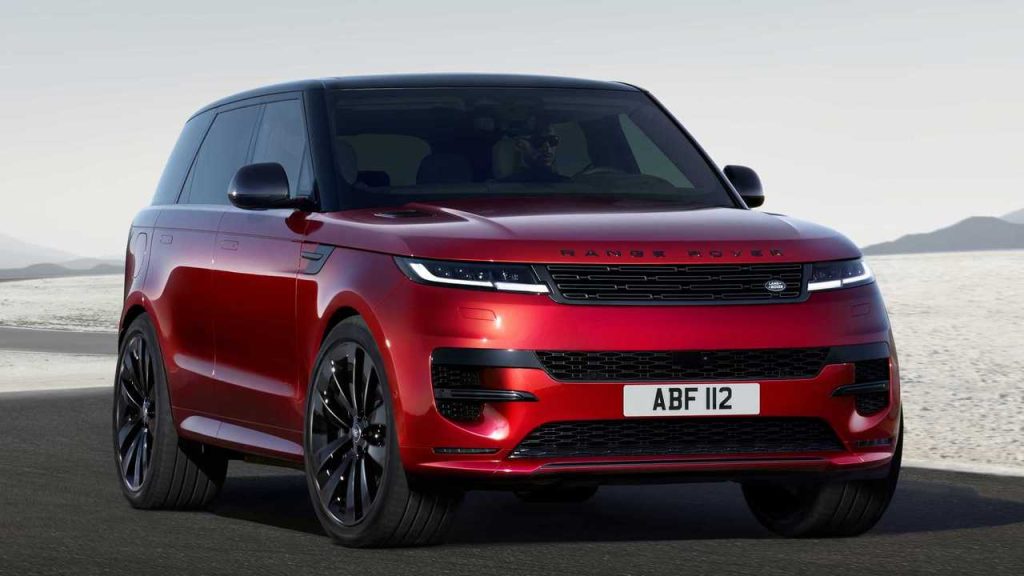
Practicality can also disappoint some buyers. While spacious, the large exterior size makes city driving and parking more stressful than expected. For families who mostly drive in urban areas, the off road capability and size may feel unnecessary in daily life.
Many previous owners still adore how a Range Rover looks and feels when everything is working perfectly. But faced with the full picture of reliability concerns and high ownership costs, a good number say their second choice would be a more dependable luxury SUV with lower long term financial risk.
5. Mini Cooper
The Mini Cooper wins people over with charm almost instantly. Its retro inspired design, compact size, and playful personality make it feel more like a lifestyle accessory than basic transportation. Many buyers love the idea of driving something that stands out in a sea of ordinary hatchbacks and sedans.
Behind the wheel, the Mini often delivers on its promise of fun. Quick steering, a tight turning circle, and a low to the ground feel make city driving lively and engaging. Parking is easy, and weaving through traffic can actually feel enjoyable. For younger buyers or those downsizing from larger cars, this agility is a big draw.
However, daily practicality can become a concern. The compact dimensions that make the Mini so easy to maneuver also limit interior space. Rear seats are tight for adults, and the cargo area is small compared to many similarly priced hatchbacks. Owners who later need more room for passengers or luggage often feel constrained.
Ride comfort is another area where opinions change over time. The sporty suspension that helps the Mini handle sharply can feel stiff on rough roads. Potholes and broken pavement are felt clearly inside the cabin, which can make longer drives tiring. What seemed sporty at first may start to feel harsh during everyday commuting.
Reliability and maintenance costs are frequent discussion points among former owners. While not every Mini has issues, some models have been associated with engine or transmission problems that are expensive to repair. Because the brand sits in a more premium price bracket, parts and labor can cost more than buyers expect for a small car.
Interior design is stylish but sometimes prioritizes form over function. Circular displays, unique switchgear, and unconventional layouts look cool, yet can be less intuitive to use.
As the novelty wears off, some owners wish for simpler, more straightforward controls. Technology systems in older models can also age quickly compared with newer competitors.
Fuel economy is generally decent, but premium fuel requirements in certain versions add to running costs. Insurance can also be higher than expected for a small hatchback, especially for younger drivers attracted to its sporty image. Over several years, these extra expenses reduce the financial advantage of owning a compact car.
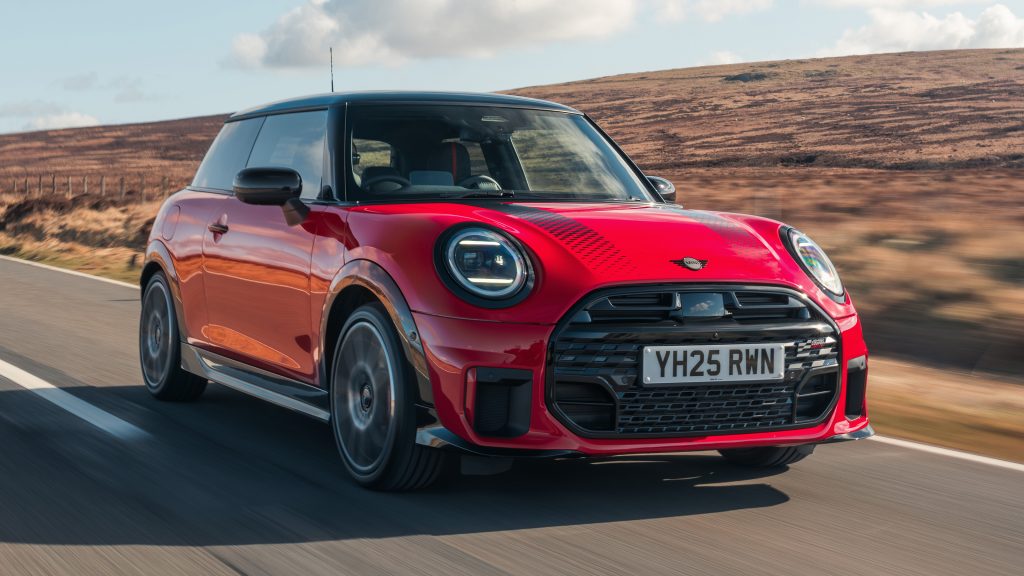
Another factor is long term versatility. Life situations change, and a car that suited a single person or couple may not work as well for a growing family. Owners who need child seats, more cargo room, or greater highway comfort often find themselves shopping for something larger sooner than planned.
Many former Mini owners still smile when they see one and remember the fun driving experience. But when choosing again, some say they would pick a slightly larger, more comfortable hatchback that balances personality with practicality and lower long term ownership stress.
6. Nissan Juke
The Nissan Juke made waves when it first appeared, largely because of its bold and unconventional design. High mounted headlights, sculpted body lines, and a coupe like crossover shape helped it stand out immediately. Buyers who wanted something different from traditional small SUVs were naturally drawn to it.
At first, the Juke can feel like a fun alternative to more conservative crossovers. Its compact size makes it easy to drive in the city, and turbocharged versions offer peppy acceleration. The elevated seating position gives a sense of SUV confidence while keeping overall dimensions manageable for tight streets and parking spaces.
Over time, though, some compromises become harder to ignore. Rear seat space is limited, especially for taller passengers, and the sloping roofline reduces headroom. Families who expected small SUV practicality sometimes realize the back seats feel more like those of a subcompact hatchback. Cargo space also trails many rivals.
Visibility is another commonly mentioned issue. The thick rear pillars and small rear window can make reversing and lane changes more challenging than expected. While cameras and sensors help, some drivers never fully feel comfortable with the outward visibility, especially in busy urban traffic.
Interior quality has been a mixed experience for owners. Some appreciate the motorcycle inspired center console design, but others find materials less refined than competitors at similar prices. As the car ages, interior rattles and wear on frequently touched surfaces can make the cabin feel older than its years.
Ride comfort can also disappoint. Short wheelbase and firm suspension tuning mean bumps and rough roads are clearly felt. On highways, road noise can be more noticeable than in slightly larger crossovers. Drivers who bought it for style sometimes wish they had chosen something more relaxed and refined for daily use.
Powertrain reliability, particularly related to certain automatic transmissions, has been a concern for some owners. Repairs in this area can be costly relative to the value of the vehicle. When major mechanical work appears outside warranty, it can quickly change how an owner feels about their purchase decision.
Fuel economy is reasonable but not always class leading, which surprises some buyers given the car’s small size. Combined with higher insurance costs in some markets due to its sporty image, overall running expenses can feel higher than expected for a compact crossover.
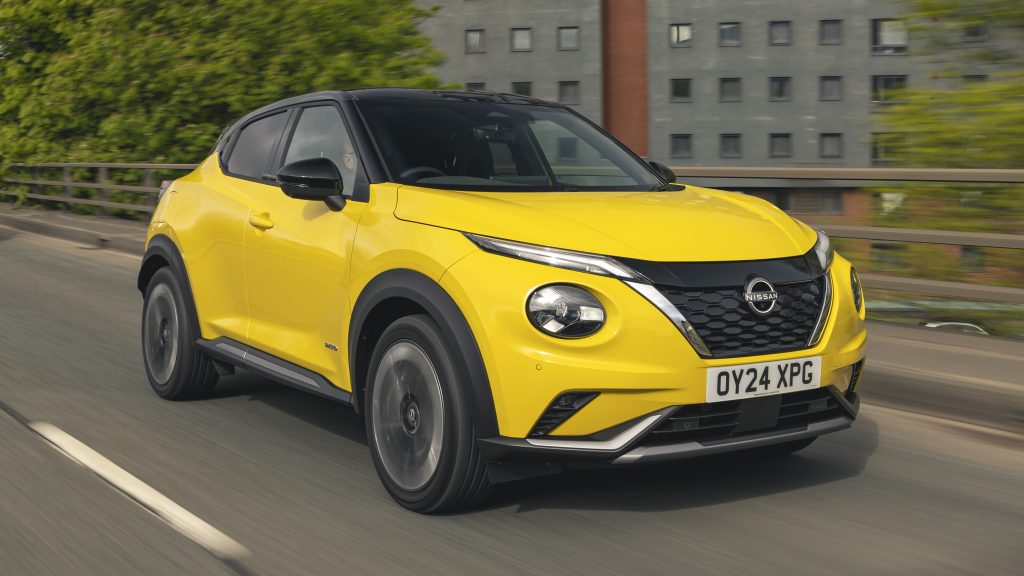
In hindsight, many Juke owners say they were initially won over by the styling and individuality. But when it comes time to buy again, some prefer a more conventional small SUV that offers better space, comfort, and long term dependability along with easier day to day usability.
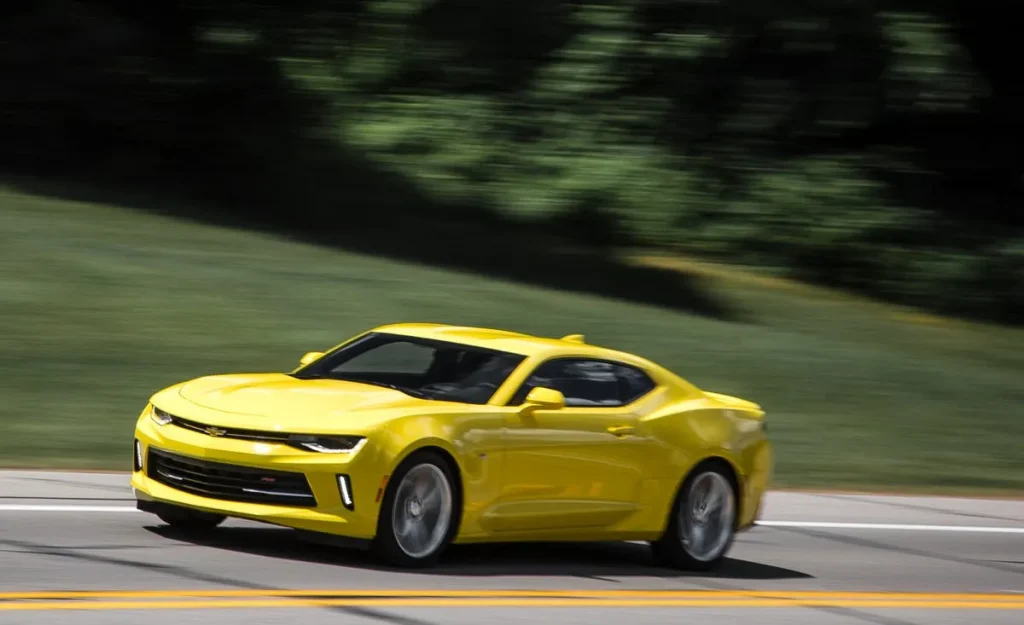
7. Chevrolet Camaro
The Camaro has long been an icon of American performance, attracting buyers with its aggressive styling, powerful engine options, and the promise of an exciting driving experience. For many, owning one feels like fulfilling a childhood dream of having a true muscle car parked in the driveway.
On the road, the Camaro often delivers exactly what buyers hope for at first. Strong acceleration, a throaty exhaust note, and sharp handling make it feel alive in a way many ordinary cars do not.
Weekend drives on open highways or twisty roads can be genuinely thrilling, reminding owners why they chose a sports coupe in the first place.
However, living with a Camaro every day can reveal compromises that are easy to overlook during a short test drive. One of the most common complaints is visibility. The low roofline, high beltline, and small windows create large blind spots. Parking, changing lanes, and navigating tight spaces can feel stressful, especially in busy urban areas.
Interior space is another challenge. The front seats are generally comfortable, but rear seats are extremely tight and often suitable only for short trips or small passengers. For owners who occasionally need to carry friends or family, the lack of usable back seat room quickly becomes a frustration. Cargo space in the trunk is also limited and awkwardly shaped.
Ride comfort can wear thin over time. The firm suspension that helps the Camaro handle well can feel harsh on rough roads. Long commutes or daily driving over broken pavement may leave drivers wishing for something more forgiving. What felt sporty and controlled at first can start to feel tiring after months of everyday use.
Fuel economy is rarely a strong point, particularly with V8 powered versions. Owners who use the car as a daily driver often find themselves spending far more on fuel than they expected. Insurance premiums can also be higher due to the car’s performance image, adding to the overall cost of ownership.
Practicality in bad weather is another area where some owners reconsider their choice. Rear wheel drive and wide performance tires can make driving in heavy rain or slippery conditions more challenging. While modern stability systems help, it still requires more attention and care than a typical sedan or crossover.
Interior quality and technology have improved in recent generations, but some drivers still feel the cabin does not fully match the price, especially in lower trims. Infotainment systems in older models can feel outdated quickly, and cabin materials may not age as gracefully as those in more comfort focused vehicles.
As life circumstances change, priorities often shift. Owners who once valued performance above all else may later want more space, comfort, or efficiency. Many former Camaro drivers say they still loved the excitement it provided, but if choosing again, they would likely pick a sport sedan or hot hatch that balances fun with everyday usability.
Buying a car often begins with excitement, emotion, and high expectations, but long term ownership can tell a very different story.
Many vehicles that seem perfect during a test drive reveal compromises over time in comfort, practicality, reliability, and overall running costs. This is why some owners later admit they would make a different choice if given another chance.
Several of the cars discussed stand out for offering strong first impressions but challenging day to day experiences. Models built with a focus on image or performance sometimes sacrifice ride comfort, interior space, or fuel efficiency.
Others impress with advanced technology and luxury features, yet become expensive and stressful to maintain as they age.
A common theme is mismatch between lifestyle and vehicle design. Off road focused SUVs may feel tiring on city commutes, while sports cars that shine on open roads can become impractical in traffic, bad weather, or family use. In other cases, compact cars chosen for style and fun prove too small or uncomfortable for long term needs.
Reliability and repair costs also shape owner regret. Vehicles with complex electronics, air suspension systems, or specialized components can lead to large bills outside warranty. Even when the driving experience is enjoyable, frequent workshop visits and high maintenance costs can overshadow the positives.
Another factor is changing priorities. What once mattered most, such as speed, bold design, or cutting edge features, may later be replaced by a desire for comfort, space, efficiency, and peace of mind. As responsibilities grow and daily routines settle in, practical benefits tend to outweigh emotional appeal.
In the end, these cars are not necessarily bad, but they highlight how important it is to think beyond first impressions. Many experienced owners say their second purchase would focus more on balance, dependability, and real world usability rather than excitement alone.
Also Read: Top 10 Iconic GM Muscle Cars That Shaped American Performance
