
Car shopping often starts with numbers and features. Horsepower figures, fuel economy ratings, cargo space measurements, and long lists of technology can make certain vehicles seem like perfect choices.
On paper, they promise strong performance, comfort, practicality, and value all at once. But real life driving is far messier than a specification sheet.
Daily use reveals things that brochures rarely highlight. Ride quality on broken pavement, visibility in traffic, ease of parking, cabin noise at highway speeds, and how intuitive the controls feel can make a huge difference.
A vehicle that looks impressive in a showroom can become frustrating when dealing with tight spaces, long commutes, or frequent errands.
Expectations also play a big role. When a car is marketed as sporty, luxurious, or highly capable, buyers naturally expect a certain experience. If the reality falls short, even a decent vehicle can feel disappointing.
High-performance models can be uncomfortable to live with, ultra efficient cars can feel underpowered, and feature packed interiors can be confusing to use.
Cost of ownership is another factor that rarely looks as simple in real life as it does on paper. Maintenance, repairs, fuel, and insurance can add up quickly, especially for vehicles with complex technology or high performance hardware.
This list looks at nine vehicles that often seem excellent when judged by specifications and marketing, yet can leave owners underwhelmed or frustrated in everyday use.
These are machines that promise a lot but sometimes struggle to deliver a truly satisfying real world experience. Let’s start with two that often impress in theory but can disappoint in practice.
Also Read: Top 10 Used Mustangs the Market Has Completely Ignored
1. Toyota C-HR
The Toyota C-HR often attracts buyers with its bold styling, high driving position, and reputation for reliability. On paper, it seems like a practical and efficient small crossover that should be perfect for urban life. In real world use, though, it can feel more compromised than its specs suggest.
Performance is one of the first areas where expectations and reality can clash. The engine is tuned for efficiency rather than excitement, which means acceleration can feel sluggish, especially when merging onto highways or carrying passengers. The numbers look acceptable on paper, but the driving experience can feel underpowered.
Interior space also tells a different story in daily use. While the vehicle’s exterior suggests crossover practicality, the sloping roofline and thick rear pillars reduce rear headroom and outward visibility. Rear passengers may find the space more cramped than expected, and the small rear windows can make the cabin feel closed in.
Cargo space is another compromise. Measurements may look decent on a specification sheet, but the shape of the rear area and high load floor limit how useful it is in practice. Large or bulky items can be harder to fit than in other vehicles of similar size.
Ride quality can also surprise owners. The suspension is tuned to balance comfort and handling, but on rough city streets it can feel firm, transmitting bumps and imperfections into the cabin more than some rivals.
Technology and controls may seem advanced at first glance, but the infotainment system can feel less intuitive in everyday use. Menus and controls may require more attention than drivers expect, which can become frustrating over time.
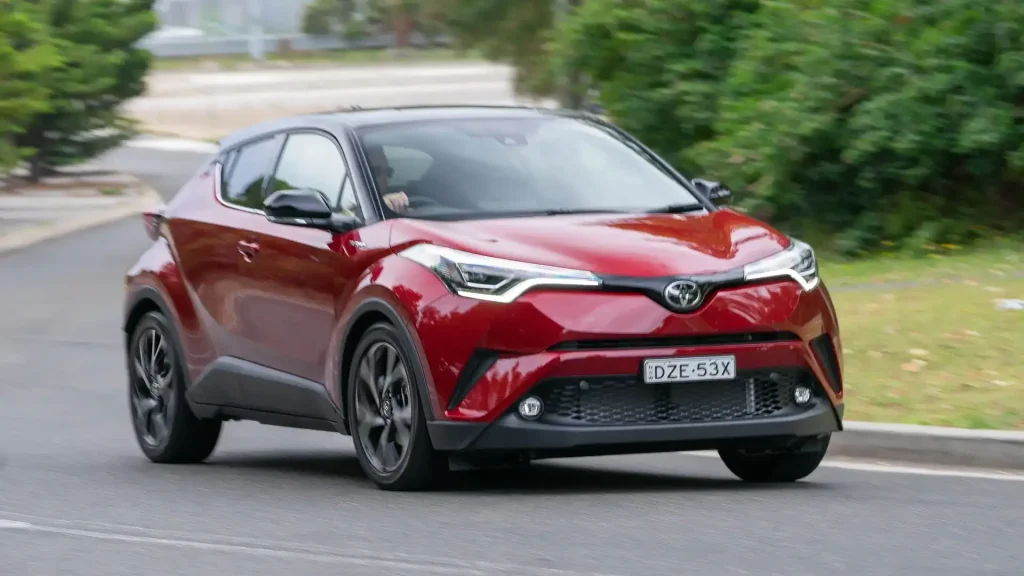
Visibility is another real world concern. The thick rear pillars and small rear window create significant blind spots. This can make lane changes and parking more stressful, even with modern driver assistance features.
The Toyota C-HR is stylish and reliable, and its specifications look appealing. In real life, though, its limited space, modest performance, and visibility issues can make it feel less practical and enjoyable than buyers initially expect.
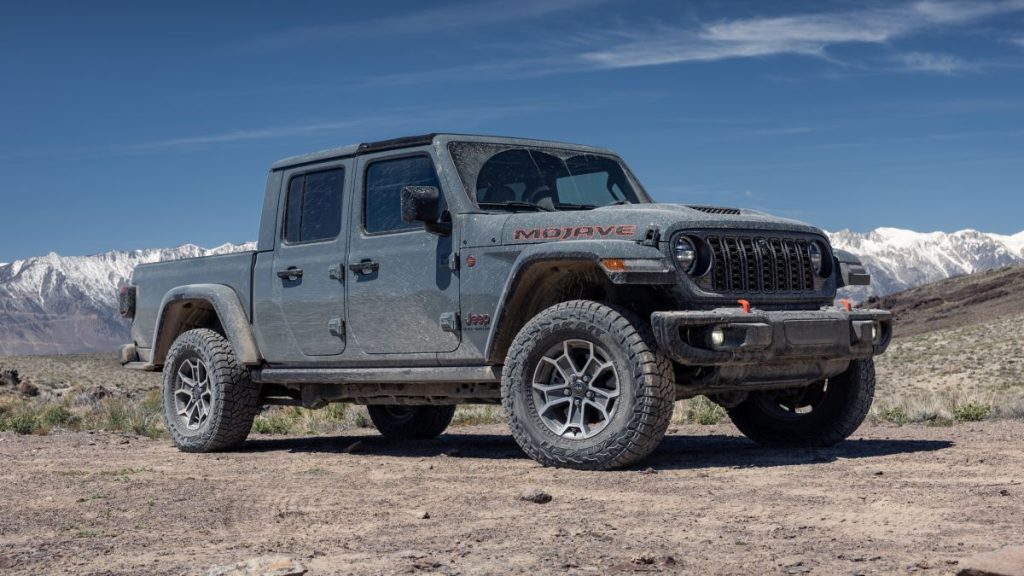
2. Jeep Gladiator
The Jeep Gladiator combines the image of a rugged off road SUV with the utility of a pickup truck. On paper, it looks like the perfect blend of adventure and practicality, offering open air fun, trail capability, and a cargo bed for everyday tasks. In real life, it often feels like a compromise in multiple areas.
One major issue is ride comfort. The Gladiator uses a solid axle suspension designed for off road durability. While this is great on trails, it can feel bouncy and unsettled on paved roads. Daily commuting over uneven city streets can become tiring compared to driving a more road focused pickup.
Maneuverability is another challenge. The Gladiator’s long wheelbase and large turning radius make it harder to park and navigate tight spaces. In urban environments, it can feel bulky and awkward, which is at odds with its adventurous marketing.
The truck bed is useful in theory, but smaller than that of many traditional pickups. This means it does not offer the same level of cargo capability as other trucks, while still bringing the size and fuel consumption of a larger vehicle.
Fuel economy is also less impressive in real world driving. The combination of off road tires, heavy weight, and boxy shape leads to higher fuel use than many buyers expect when reading official ratings.
Inside, the cabin has personality, but it may feel less refined than some shoppers anticipate. Wind noise, road noise, and the upright windshield design can make highway driving louder and less comfortable than in more conventional trucks.
Technology and storage solutions can feel limited compared to other vehicles in the same price range. Buyers expecting a blend of modern convenience and ruggedness may find the balance tilted more toward the latter.
The Jeep Gladiator excels on trails and offers a unique driving experience. In everyday life, though, its compromises in comfort, efficiency, and practicality can make it feel better in theory than in daily use.
3. Chevrolet Camaro
The Chevrolet Camaro often looks like an incredible performance bargain on paper. Strong engine options, sharp handling numbers, and aggressive styling suggest a thrilling sports car that is still reasonably affordable. In real world use, however, living with a Camaro every day can feel more difficult than the specifications imply.
Visibility is one of the biggest complaints from owners. The low roofline, high beltline, and small windows create large blind spots. Looking over your shoulder or judging tight spaces can feel awkward, especially in busy traffic or crowded parking lots. While cameras and sensors help, the basic design still limits outward visibility.
Interior space is also more restricted than many buyers expect. Front seat room is decent, but the back seats are extremely tight and often only suitable for short trips or small passengers. The trunk opening is narrow, which makes loading larger items harder than the official cargo volume suggests.
Ride comfort can be another surprise. Even in non track focused versions, the suspension is tuned toward sporty handling. On rough roads, the ride can feel firm, and daily commuting over broken pavement may become tiring compared to more comfort oriented cars.
The driving position, while sporty, can also feel low and cocooned. Some drivers enjoy this, but others may find it harder to see traffic lights, pedestrians, and surrounding vehicles in urban settings.
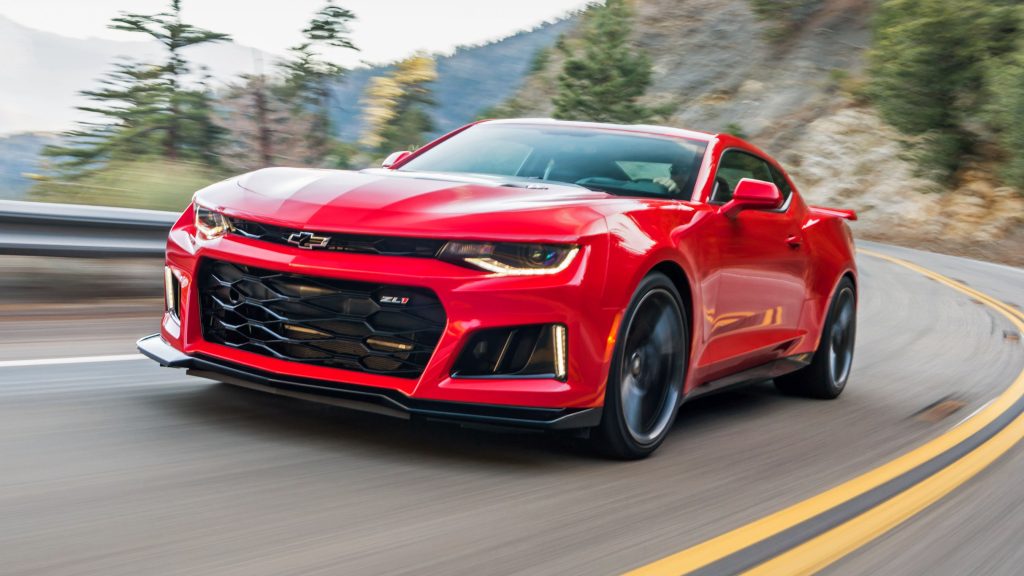
Practicality is limited for a car that some buyers hope to use every day. Storage spaces inside the cabin are not especially generous, and the small rear seats do not add much real world usefulness. Compared to a sporty sedan or hatchback, the Camaro feels more compromised.
Fuel economy can vary widely depending on the engine choice. Higher performance versions use noticeably more fuel in daily driving, especially in stop and go traffic, which can make ownership more expensive than expected.
The Camaro delivers strong performance and sharp styling, and on a twisty road it can be very rewarding. In everyday life, though, its tight cabin, limited visibility, and reduced practicality can make it feel better in theory than in long term use.
4. Nissan Murano CrossCabriolet
The Nissan Murano CrossCabriolet is one of the most unusual vehicles of the last decade. On paper, it seemed to combine the comfort and space of an SUV with the fun of a convertible. The idea of open air driving with crossover practicality sounded appealing. In reality, the execution left many owners underwhelmed.
One major issue is weight and performance. Converting an SUV into a convertible requires significant structural reinforcement, which adds weight. This can make the vehicle feel slower and less agile than its engine specifications might suggest.
Practicality also takes a hit. Removing the roof and adding reinforcement reduces cargo space compared to the standard Murano. The trunk becomes smaller and less versatile, which undermines the very crossover utility that was part of the original appeal.
Rear seat access and comfort are also compromised. The design changes needed to support the convertible top can make the rear area feel more cramped and less convenient than in a normal SUV. This makes the vehicle less family friendly than buyers might expect.
Ride and handling can feel less balanced due to the extra weight and structural changes. While it remains comfortable for cruising, it does not feel as composed as either a traditional SUV or a well designed convertible.
Fuel economy is also affected by the added weight and less aerodynamic shape when the top is down. Real world efficiency may fall short of expectations for a vehicle that does not offer true sports car performance.
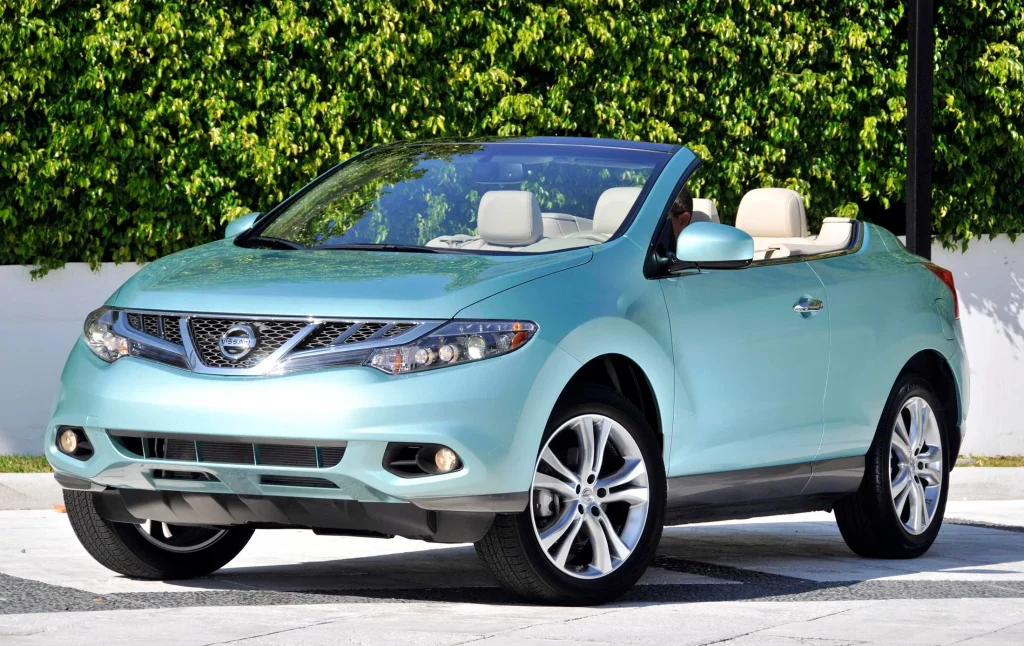
The novelty factor is strong at first, but everyday usability often reveals the compromises. It is not as practical as a regular SUV and not as engaging to drive as a purpose built convertible.
The Murano CrossCabriolet is a perfect example of a vehicle that sounds great in theory but struggles to deliver a well rounded experience in daily life.
5. Tesla Model X
The Tesla Model X looks incredibly impressive on paper. It offers quick acceleration, long electric range, advanced technology, and unique Falcon Wing doors that make it stand out from any other SUV. In real life, however, living with a Model X can be more complicated than the specifications suggest.
The Falcon Wing rear doors are a prime example. They look futuristic and solve some access issues in tight spaces, but they also add complexity. In parking garages or low ceiling areas, they can be slow or awkward to operate. Owners may find themselves waiting for the doors to open or worrying about clearance.
Size and weight are also factors. The Model X is a large and heavy vehicle, which can make it feel bulky in tight urban environments. Maneuvering in narrow streets or crowded parking lots requires more attention than the sleek design might imply.
Ride quality can vary depending on wheel and suspension choices. While the air suspension helps, large wheels and the vehicle’s weight can make rough roads feel more noticeable. The smooth electric powertrain does not always fully offset the physical size of the vehicle.
Interior space is generous, but the minimalist design can be polarizing. Nearly all functions are controlled through a central touchscreen. While this looks clean and modern, it can be distracting in everyday use when drivers must navigate menus for basic adjustments.
Build quality and fit and finish have also been points of criticism for some owners. Panel gaps, interior materials, and small issues that do not show up on a spec sheet can affect the real world ownership experience.
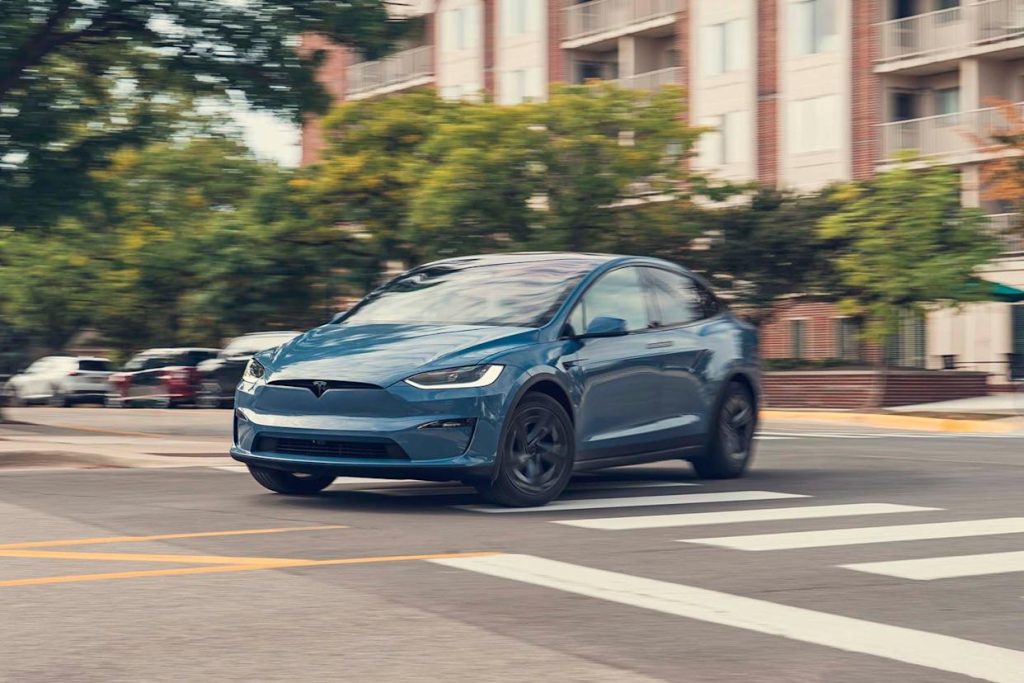
Range figures look great on paper, but real world driving, especially in cold weather or at high speeds, can reduce them noticeably. This can make long trips require more planning than buyers initially expect.
The Model X is undeniably advanced and quick, but its complex features, large size, and real world compromises can make it feel more impressive on paper than in daily ownership.
6. Range Rover Evoque Convertible
The Range Rover Evoque Convertible combines luxury SUV styling with open air driving. On paper, it promises style, off road capability, and the fun of a convertible in one package. In practice, the blend often feels less successful.
One of the biggest compromises is practicality. Removing the roof requires structural changes that reduce cargo space. The trunk becomes smaller and less useful than in the regular Evoque, which limits the vehicle’s ability to handle everyday tasks.
Rear seat space is also reduced. The design changes needed to support the convertible top make the back seats tighter and less comfortable. For a vehicle marketed as an SUV, this can be disappointing for families or those who regularly carry passengers.
The added weight from structural reinforcement can also affect performance and efficiency. The vehicle may feel slower and less agile than expected, and fuel economy can suffer compared to the standard model.
Ride and handling can feel less cohesive due to the changes required for the convertible design. While still comfortable, the vehicle does not feel as solid as a traditional SUV or as engaging as a purpose built convertible.
Off road capability, a key part of the Range Rover brand, becomes less relevant for many buyers of this model. Few owners will take a convertible SUV onto serious trails, which makes much of the capability feel unnecessary in daily life.
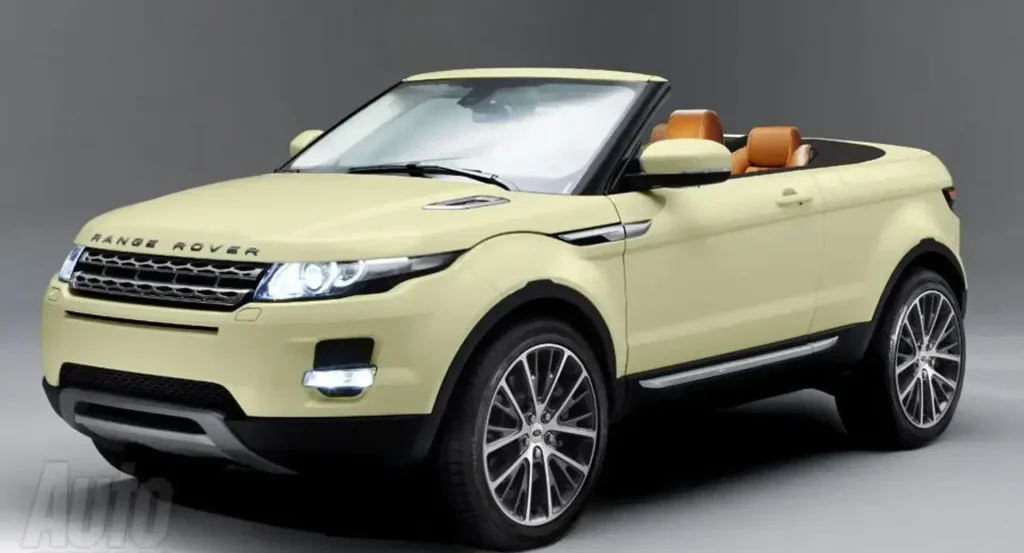
The novelty of a convertible SUV is appealing at first, but long term ownership often reveals the compromises in space, practicality, and performance. The Evoque Convertible ends up being neither the best SUV nor the best convertible.
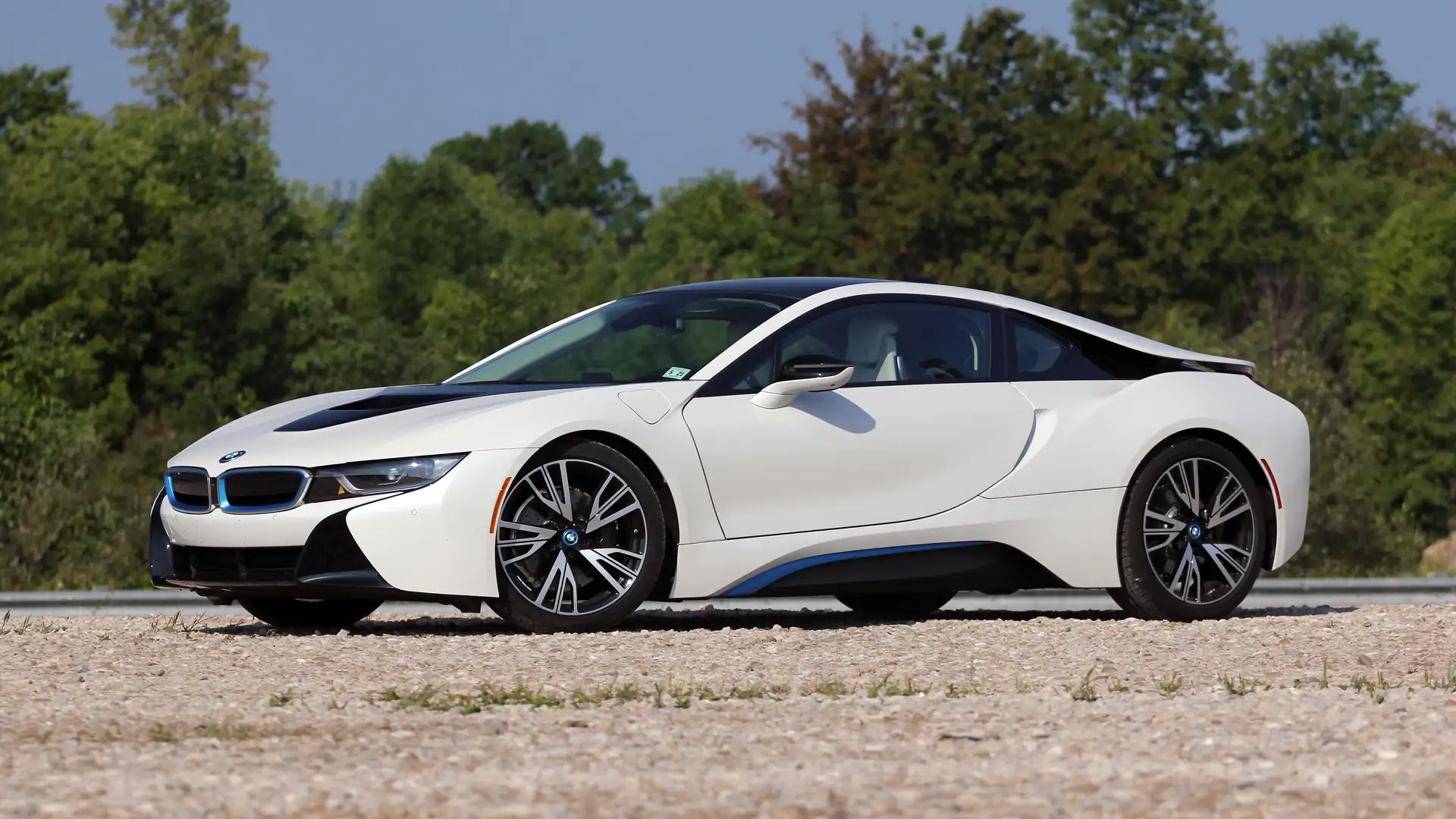
7. BMW i8
The BMW i8 is one of those cars that makes a stunning first impression. Futuristic styling, exotic looking doors, hybrid technology, and impressive efficiency figures make it seem like the perfect blend of sports car excitement and environmental responsibility.
On paper, it promises supercar looks with everyday usability and low running costs. In real life, the experience can feel more complicated.
Performance is the first area where expectations and reality sometimes diverge. The combined output from the electric motor and small turbocharged engine sounds impressive in brochures, but the car’s real-world acceleration can feel less dramatic than buyers expect from its supercar-inspired appearance. It is quick, but not as thrilling as many traditional sports cars at a similar price point.
Engine character also plays a role. The three cylinder engine is efficient, but it does not deliver the sound or emotional punch that many sports car drivers crave. The electric assistance is smooth and quiet, which is great for efficiency, yet it can make the driving experience feel less visceral than the styling suggests.
Interior space is another compromise. The i8 has a tight cabin and very small rear seats that are difficult to use. They work better as extra storage than for actual passengers. Getting in and out can also be awkward due to the low roof and wide sills.
Visibility is not ideal either. Thick pillars and a low seating position can make it harder to judge traffic in tight urban environments. While cameras help, the design still limits outward sightlines.
Practicality is limited for a car some owners hope to use regularly. Cargo space is small, and the layout makes carrying everyday items less convenient than in a conventional coupe or hatchback.
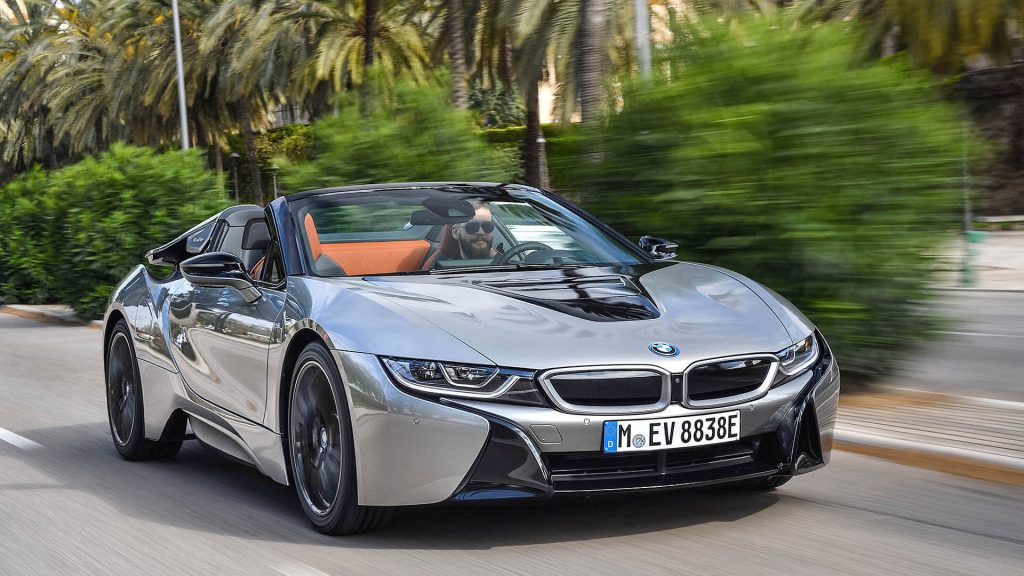
Maintenance and repair costs can also surprise owners. Advanced materials and hybrid components add complexity that may not be obvious from the efficiency numbers alone. Insurance can also be higher due to the car’s exotic construction.
The BMW i8 is a technological showcase and a striking design statement. In daily life, though, its modest real world performance, tight space, and limited practicality can make it feel more impressive on paper than in long term use.
8. Toyota 4Runner TRD Pro
The Toyota 4Runner TRD Pro is widely respected for its durability and off road capability. On paper, it seems like the perfect SUV for adventure while still being practical for everyday use. It promises toughness, reliability, and go anywhere confidence. In real world urban and highway driving, however, some of its strengths can turn into drawbacks.
Ride quality is one of the first issues many owners notice. The suspension is tuned for trail durability and off road articulation. On paved roads, especially broken city streets or long highway stretches, the ride can feel firm and bouncy compared to more modern crossovers.
Fuel economy is another area where real life differs from expectations. The 4Runner uses an older engine and transmission design that prioritizes reliability over efficiency. In daily driving, especially in stop and go traffic, fuel consumption can feel high for a midsize SUV.
Handling can also feel dated. The body on frame construction and higher center of gravity mean the vehicle does not feel as composed in corners as many newer unibody SUVs. For drivers used to car like crossovers, this can make everyday driving feel less refined.
Interior design and technology may also feel behind the times. While durable, the cabin materials and infotainment system can seem less modern than those in similarly priced competitors. Buyers drawn in by the rugged image may be surprised by the lack of cutting edge features.
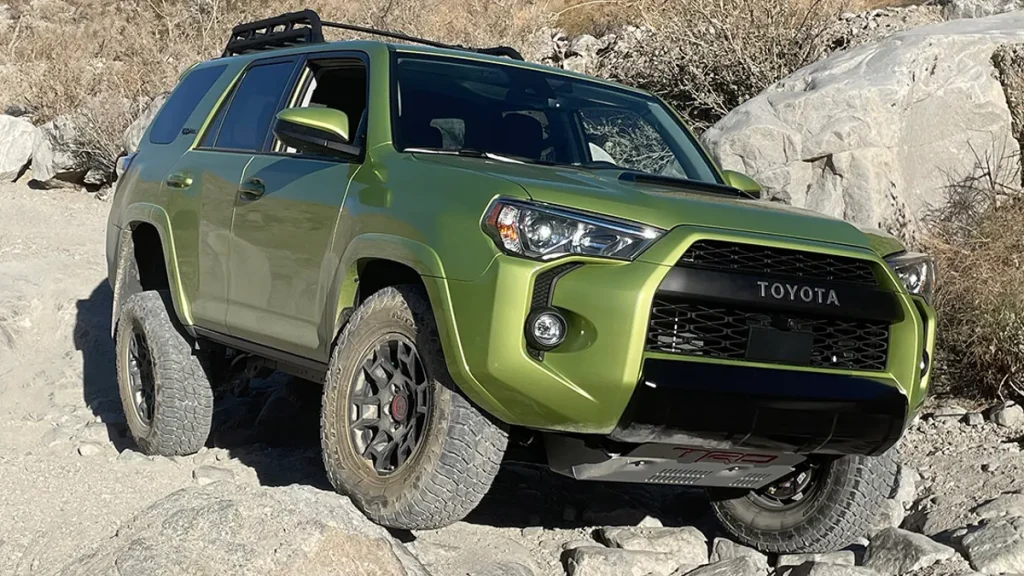
Size is another consideration. The 4Runner is not huge, but it is tall and boxy. This can make parking in tight city spaces and navigating low garages more challenging than with smaller SUVs.
Most of the TRD Pro’s specialized hardware, such as off road suspension tuning and protective components, goes unused in everyday life. For drivers who rarely leave pavement, this means carrying extra weight and accepting compromises in comfort without enjoying the benefits.
The 4Runner TRD Pro is outstanding for remote trails and tough conditions. For daily commuting and urban errands, though, its dated design and firm ride can make it feel better suited to adventure brochures than everyday streets.
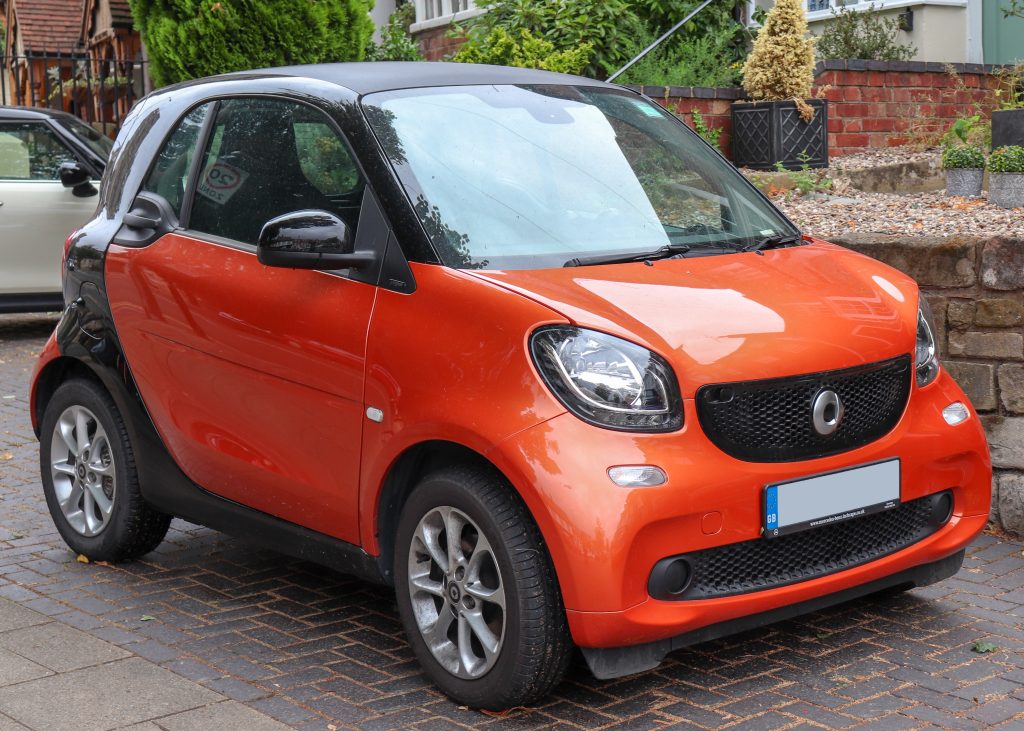
9. Smart Fortwo
The Smart Fortwo looks like the ultimate urban car on paper. Tiny dimensions, easy parking, and strong city fuel economy suggest it should be perfect for tight streets and crowded neighborhoods. In real life, however, living with such a small vehicle can reveal unexpected downsides.
Highway driving is one of the biggest challenges. The short wheelbase and light weight can make the car feel unsettled at higher speeds. Crosswinds and rough pavement can have a noticeable effect, which can make longer drives feel less stable and more tiring.
Ride quality can also be harsher than expected. With such a short wheelbase, the car can feel bouncy over bumps and potholes. City streets that are not perfectly smooth can lead to a choppy ride that becomes uncomfortable over time.
Interior space is cleverly designed, but still very limited. There is room for two people and some cargo, but not much flexibility. Larger items can be difficult to carry, and there is no option for extra passengers when needed.
Performance is modest, which is usually fine in city traffic. However, merging onto highways or climbing steep roads can feel slow and require planning. The small engine that looks efficient on paper may feel strained in certain real world situations.
Noise levels can also be higher than expected. Road and wind noise can become noticeable, especially at higher speeds, which reduces overall comfort compared to larger cars.
Safety perception is another factor. While the car meets safety standards, its tiny size next to large SUVs and trucks can make some drivers feel less secure, even if the engineering is solid.
The Smart Fortwo excels at squeezing into small parking spaces and navigating narrow streets. Beyond that, its limited comfort, space, and highway stability can make it feel more ideal on paper than in everyday life.
Some vehicles look fantastic when judged by specifications, marketing, and unique features, but everyday driving can reveal compromises that are easy to overlook at first. What seems perfect in a brochure may feel less satisfying once you deal with traffic, parking, long commutes, and daily errands.
Several vehicles on this list promise performance or capability that does not always translate into real world enjoyment. Sports cars like the Chevrolet Camaro and BMW i8 look exciting on paper, yet limited visibility, tight interiors, and modest practicality can make daily use frustrating.
Rugged models such as the Jeep Gladiator and Toyota 4Runner TRD Pro advertise off road toughness, but their firm rides, higher fuel consumption, and less refined handling can feel out of place on paved city streets and highways.
Other vehicles suffer from concept driven compromises. The Nissan Murano CrossCabriolet and Range Rover Evoque Convertible try to blend SUV practicality with open air driving, but end up sacrificing cargo space, rear seat comfort, and overall balance.
Meanwhile, high tech models like the Tesla Model X impress with acceleration and features, yet complex doors, large size, and screen heavy controls can complicate everyday ownership.
Even the Smart Fortwo, designed specifically for city life, shows how extreme specialization can backfire. Its tiny size makes parking easy, but limited space, modest performance, and less stable highway manners reduce overall versatility.
Across all these vehicles, the pattern is clear. Strong numbers, bold ideas, and eye catching designs do not always guarantee a satisfying real world experience. Living with a vehicle every day often highlights comfort, practicality, and ease of use far more than the impressive features that first caught your attention.
Also Read: 10 Turbocharged V6 Sleeper Cars Hiding in the Used Market
