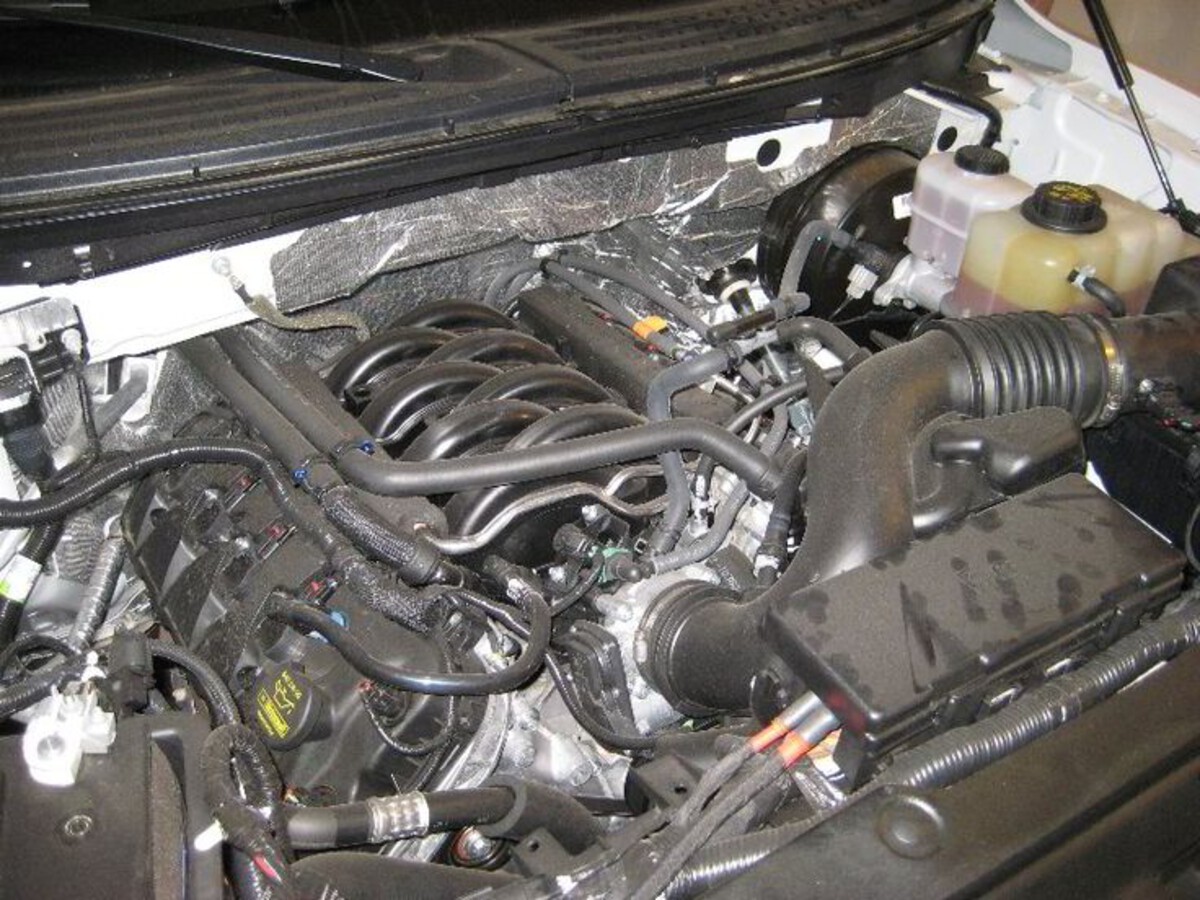
Fuel efficiency is no longer just a small bonus feature. For many drivers, it is one of the main reasons they choose one vehicle over another. Engine design plays a huge role in how much fuel a vehicle uses, how smoothly it delivers power, and how much it costs to maintain over time.
Ford has produced a wide range of engines over the years, some known for smart engineering and excellent efficiency, while others are remembered for high fuel consumption or long term reliability concerns.
This article looks at both sides. First, we will rank five Ford engines that stand out for delivering strong performance while keeping fuel use impressively low for their size and purpose.
These engines show how turbocharging, lighter materials, and modern fuel systems can make a real difference in everyday driving costs. They are popular among commuters, families, and even enthusiasts who want power without constant fuel stops.
After that, we will cover five Ford engines that are often better avoided if efficiency and ownership costs are top priorities.
Some of these engines are powerful but thirsty, while others have design issues that can make them less appealing in the long run. Together, this guide helps you understand which Ford engines truly make sense today.
Also Read: Top 10 Car Manufacturers Responsible For The World’s Most Powerful Supercars
Top 5 Ford Engines Ranked by Efficiency
Ford has invested heavily in improving engine efficiency over the past two decades. Stricter fuel economy standards and changing buyer expectations pushed the company to develop smaller displacement engines that still deliver satisfying performance.
Technologies like direct fuel injection, turbocharging, and variable valve timing have allowed Ford to get more power out of less fuel, especially in everyday driving conditions.
The engines in this list are not just efficient on paper. They have proven themselves in real world use across millions of miles in sedans, SUVs, and compact cars.
Many of them strike an ideal balance between power and fuel savings, making them practical choices for both city commuting and highway travel. Lower fuel use also often means fewer emissions and reduced long term operating costs, which matters to budget conscious owners.
We are highlighting these engines because they represent some of Ford’s smartest modern engineering. They show how the company adapted to a world where efficiency matters just as much as horsepower.
If you are shopping for a used Ford or just curious about which powerplants have earned a strong reputation for fuel economy, these are the ones most worth your attention.
1. Ford 1.0L EcoBoost Inline 3
The 1.0 liter EcoBoost three cylinder engine is one of Ford’s most impressive achievements in modern efficiency engineering. Despite its tiny size, this turbocharged engine was designed to deliver the power of a much larger motor while using far less fuel. It became especially popular in small cars where low running costs are a major priority.
One of the reasons this engine stands out is its clever use of turbocharging. The turbo helps the small engine produce strong torque at low speeds, which means drivers do not have to push the engine hard during normal city driving. That translates directly into better fuel economy in stop and go traffic, where many engines tend to be wasteful.
The engine also uses direct fuel injection and advanced cooling strategies to improve combustion efficiency. These technologies help extract more energy from every drop of fuel. In real world driving, many owners report excellent mileage figures that rival or beat other small engines without turbocharging.
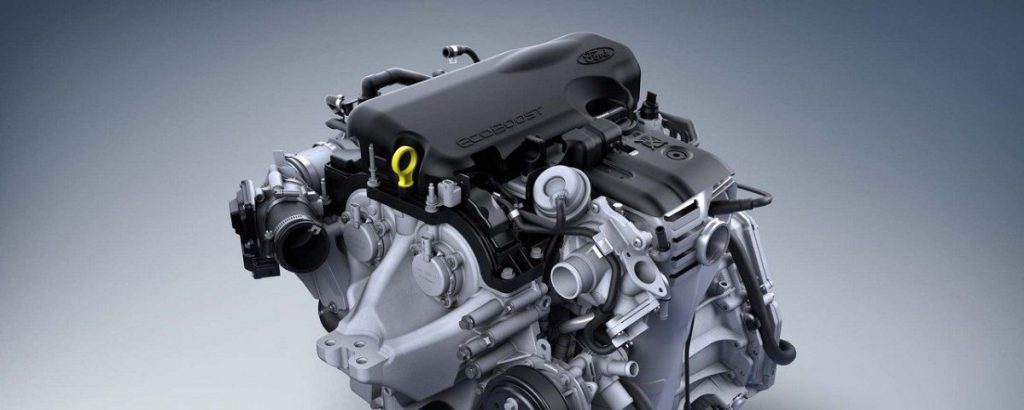
We are including this engine because it proves that efficiency does not have to mean weak performance. For drivers who want an affordable, fuel saving Ford for daily use, the 1.0L EcoBoost is one of the smartest and most forward thinking choices the company has ever offered.
2. Ford 2.0L EcoBoost Inline 4
The 2.0 liter EcoBoost four cylinder engine is a strong example of how Ford balanced performance and efficiency for a wide range of vehicles. Found in everything from sedans to compact SUVs, this turbocharged engine delivers solid power without the heavy fuel consumption often associated with larger V6 engines.
A key reason for its efficiency is its ability to produce high torque at relatively low engine speeds. Thanks to turbocharging and direct injection, the engine does not need to rev very high to move a vehicle confidently. Lower average engine speeds during everyday driving usually mean less fuel burned over time.
The 2.0L EcoBoost also benefits from modern engine management software that carefully controls fuel delivery and ignition timing. This helps keep the engine operating in its most efficient range as often as possible. When driven gently, many vehicles equipped with this engine achieve surprisingly good highway fuel economy for their size.
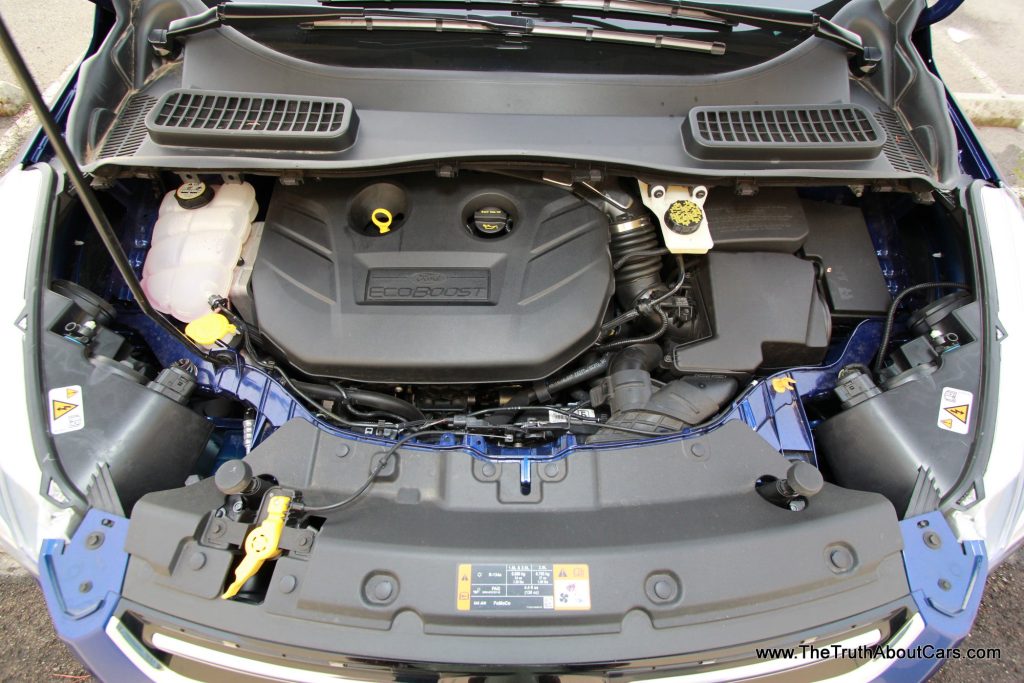
We are highlighting this engine because it offers a practical middle ground. It gives drivers more power than smaller economy engines while still being far more efficient than older V6 options.
For many people, it represents one of the best overall combinations of usable performance and reasonable fuel costs in the Ford lineup.
3. Ford 1.5L EcoBoost Inline 4
The 1.5 liter EcoBoost engine was designed to give compact and midsize vehicles a strong balance between everyday performance and impressive fuel savings. It sits neatly between smaller economy focused engines and larger performance oriented options, making it a practical choice for a wide range of drivers.
One of the biggest efficiency advantages of this engine comes from its small displacement combined with turbocharging. Under light throttle, the engine behaves like a modest four cylinder that sips fuel. When extra power is needed, the turbo provides a boost without requiring a large, constantly thirsty engine.
Ford Motor Company engineered this powerplant with direct injection and advanced valve timing systems that help optimize combustion in different driving conditions. Whether cruising on the highway or navigating city traffic, the engine adjusts to use fuel more effectively. This adaptability plays a major role in its real world efficiency.
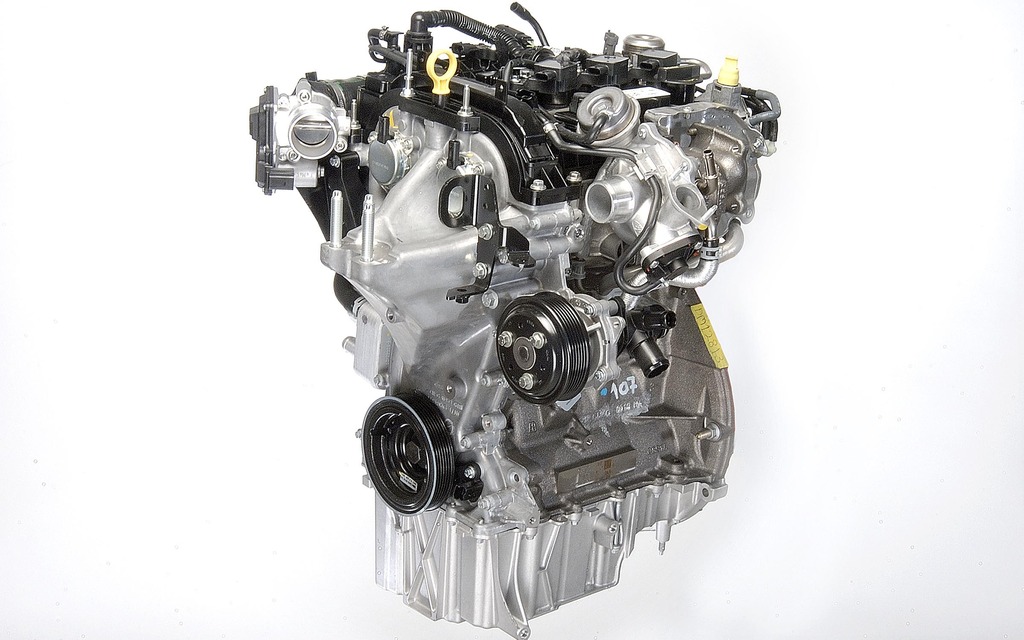
We are including the 1.5L EcoBoost because it is often found in family sedans and compact SUVs where fuel costs matter a lot over years of ownership.
It proves that drivers do not need to sacrifice usable power just to gain better mileage. For many households, this engine delivers one of the most sensible blends of performance and economy in the modern Ford range.
4. Ford 2.5L Hybrid Atkinson Cycle Inline 4
The 2.5 liter Atkinson cycle hybrid engine represents a different approach to efficiency compared to turbocharged gasoline engines. Instead of focusing on forced induction, this engine works alongside an electric motor to dramatically reduce fuel consumption, especially in city driving.
The Atkinson cycle design keeps the intake valves open longer than in a traditional engine. This improves thermal efficiency, meaning more energy is extracted from each unit of fuel. While this setup reduces peak power on its own, the electric motor fills in the gaps, providing smooth acceleration without heavy fuel use.
In stop and go traffic, the hybrid system can rely more on electric power at low speeds. This allows the gasoline engine to shut off frequently, saving fuel that would otherwise be burned while idling. Regenerative braking also captures energy that would normally be lost, feeding it back into the battery for later use.
We are highlighting this engine because it shows how Ford pushed efficiency beyond just refining gasoline technology.
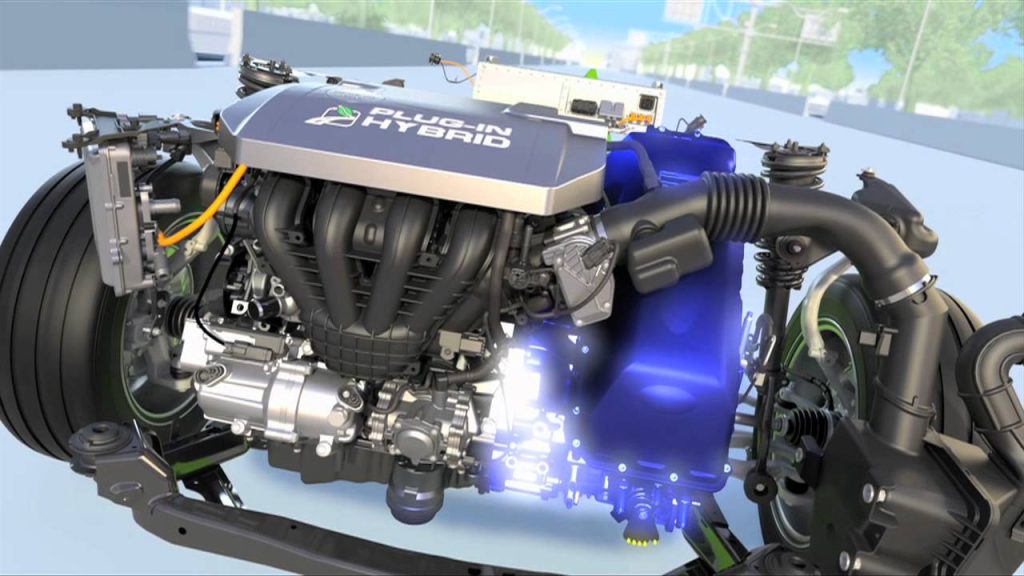
For drivers who spend a lot of time in urban environments, this hybrid system can deliver outstanding mileage compared to conventional engines of similar size. It stands as one of the most fuel conscious powertrains Ford has put into mainstream vehicles.
5. Ford 2.3L EcoBoost Inline 4
The 2.3 liter EcoBoost engine is often associated with performance models, but it also deserves recognition for how efficiently it delivers that performance. Compared to older naturally aspirated V6 engines with similar output, this turbocharged four cylinder uses noticeably less fuel in everyday driving.
A major reason for its efficiency is its smaller displacement. When cruising at steady speeds or driving gently, the engine does not consume as much fuel as a larger engine would under the same conditions. The turbocharger only works hard when extra power is demanded, which helps keep overall fuel use in check.
This engine also benefits from direct injection and precise electronic control systems that continuously adjust how fuel and air are mixed.
These technologies allow the engine to run cleanly and efficiently across a wide range of loads and speeds. In highway driving especially, it can be surprisingly economical for the level of performance it offers.
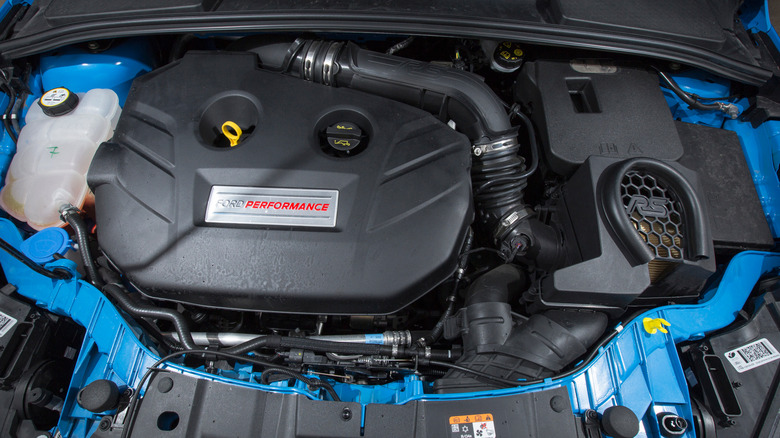
We are including the 2.3L EcoBoost because it proves that efficiency is not limited to small commuter cars.
Drivers who still want strong acceleration and engaging performance can choose this engine and avoid the heavy fuel penalties that once came with sporty models. It represents a modern balance between excitement and responsible fuel use.
5 Ford Engines to Skip
Not every engine in Ford’s long history has been a great choice for drivers focused on fuel efficiency and low ownership costs.
Some engines were designed in eras when fuel prices were less of a concern, while others aimed for high power without much regard for long term economy. In certain cases, design or reliability issues also made an engine more expensive to live with over time.
The engines in this section are not necessarily bad in every situation. Some deliver strong performance or have loyal fans. However, when efficiency, maintenance costs, and everyday usability are the main priorities, these engines often fall short compared to better alternatives in the lineup.
Higher fuel consumption, older technology, or known mechanical problems can all make them less appealing choices today.
We are highlighting these engines to help buyers make informed decisions, especially in the used vehicle market. Understanding which engines tend to consume more fuel or require costly repairs can save a lot of money and frustration.
If your goal is dependable and efficient transportation, these are the Ford engines you may want to think twice about before choosing.
1. Ford 5.4L Triton V8 3 Valve
The 5.4 liter Triton V8 in its three valve version is widely known for powering many trucks and large SUVs. While it delivers solid torque and towing capability, it is not a good match for drivers who care about fuel efficiency or low long term running costs.
One major issue with this engine is its fuel consumption. Designed primarily for heavy duty use, it burns a significant amount of fuel even during normal commuting. In city driving especially, the large displacement and vehicle weight usually lead to very low mileage figures compared to modern engines with similar performance.
This engine is also known for certain mechanical concerns, particularly related to its cam phasers and spark plug design. Repairs in these areas can be expensive and time consuming. When combined with its high fuel use, the total cost of ownership can quickly become higher than many buyers expect.
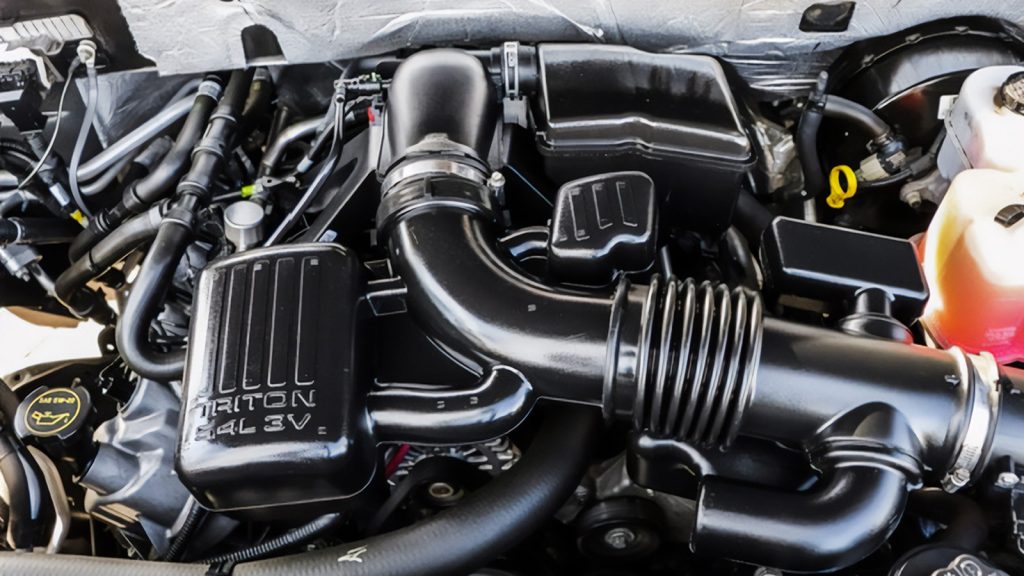
We are including the 5.4L Triton because it represents an older approach to power where efficiency was not a top priority. For drivers who do not regularly tow heavy loads or need a full size truck, there are far more economical and modern engine choices available in the Ford lineup.
2. Ford 6.8L Triton V10
The 6.8 liter Triton V10 was built for heavy duty applications such as large trucks, vans, and motorhome platforms. Its main strength is torque and durability under heavy loads, but efficiency is one of its weakest points by modern standards.
With ten cylinders and a large displacement, this engine consumes fuel at a high rate even when it is not working hard. In everyday driving without heavy cargo, it still burns far more fuel than smaller V8 or turbocharged engines that can provide adequate performance for most drivers.
Maintenance and repair costs can also be higher simply due to the engine’s size and complexity. More cylinders mean more components that can wear out over time. For owners who do not truly need the V10’s heavy duty capability, this can lead to unnecessary expense.
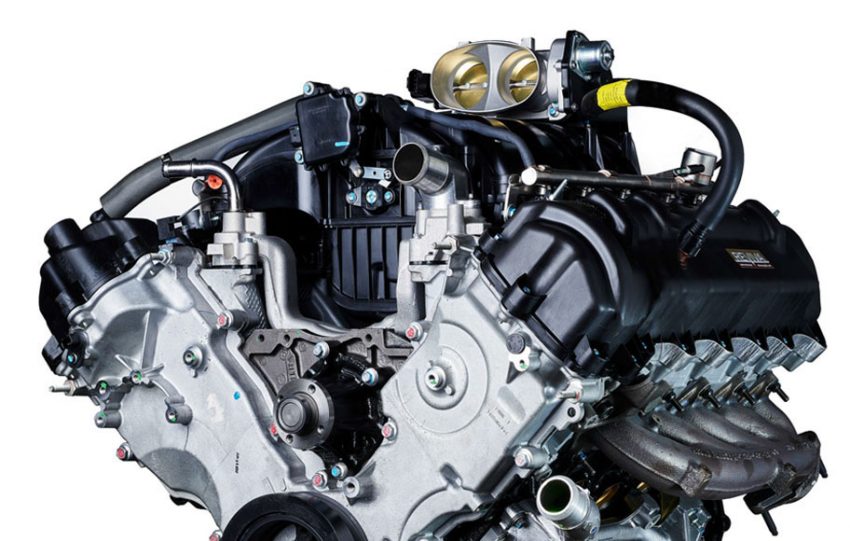
We are listing the 6.8L V10 because it is often found in used vehicles at attractive prices, which can tempt buyers. However, the long term fuel and maintenance costs usually outweigh the savings upfront unless the vehicle is being used exactly as intended for demanding commercial or heavy towing work.
3. Ford 4.0L SOHC V6
The 4.0 liter SOHC V6 was used in a variety of Ford SUVs, trucks, and older passenger vehicles. It was meant to provide a balance between power and practicality, but by modern standards it falls short in both efficiency and long term reliability.
Many drivers expected a V6 to offer decent fuel economy, yet this engine often delivers numbers closer to larger and more powerful V8 options.
One of the main problems is that the engine has to work hard to move the relatively heavy vehicles it was placed in. Because of this, it frequently operates at higher loads, which leads to increased fuel consumption. In city driving especially, owners often report disappointing mileage that makes daily commuting more expensive than expected.
Performance is not strong enough to justify the fuel use either. Acceleration can feel sluggish, and the engine does not feel particularly smooth or refined. Drivers often have to press the accelerator more than they would like, which only makes efficiency worse in real world conditions.
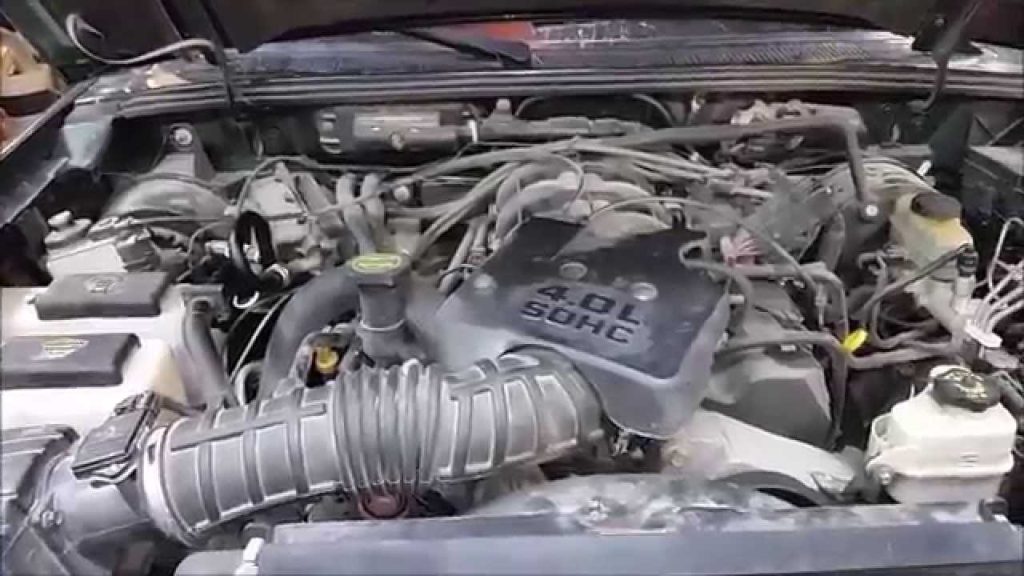
Reliability concerns are another major reason this engine is on the skip list. It is well known for timing chain system problems, including worn guides and tensioners.
Repairs are complex and labor intensive because of how the engine is designed. When these issues appear, the repair bills can be very high, sometimes higher than the value of the vehicle itself.
We are highlighting the 4.0L SOHC V6 because it represents an engine that consumes more fuel than it should while also carrying notable mechanical risks. For buyers focused on dependable and efficient transportation, there are far better Ford engine choices available.
4. Ford 6.0L Power Stroke Diesel V8
The 6.0 liter Power Stroke diesel V8 was designed for heavy duty trucks and offers strong towing capability. However, despite being a diesel engine, it is not known for impressive efficiency relative to its size and purpose. More importantly, it has developed a reputation for costly reliability issues that make it a risky choice for many buyers.
Fuel economy with this engine can be underwhelming, especially when the truck is used for normal daily driving rather than heavy towing.
The large displacement and weight of the vehicles it powers mean that even light use can result in significant fuel consumption. For drivers who do not regularly haul heavy loads, the operating costs can feel excessive.
The bigger concern is reliability. The 6.0L Power Stroke is associated with issues such as EGR cooler failures, head gasket problems, and high pressure oil system faults. Fixing these problems often requires major labor and expensive parts. Even well maintained examples can develop issues that lead to large repair bills.
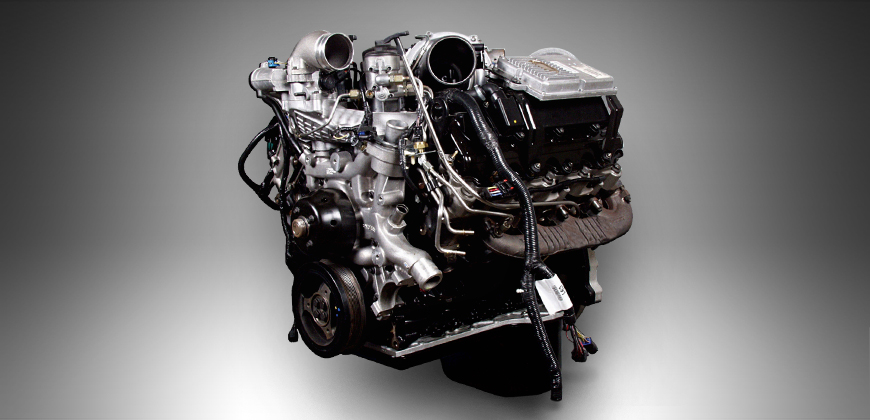
Because of these known weaknesses, ownership can become stressful and unpredictable. While some enthusiasts are willing to invest in extensive upgrades to improve durability, that adds even more cost. For the average owner looking for efficient and dependable transportation, this engine can be more trouble than it is worth.
We are including the 6.0L Power Stroke because it shows how an engine built for power and heavy work can become a poor fit for everyday drivers.
Unless someone specifically needs its towing strength and is prepared for potential repair expenses, there are safer and more efficient Ford diesel and gasoline options to consider.
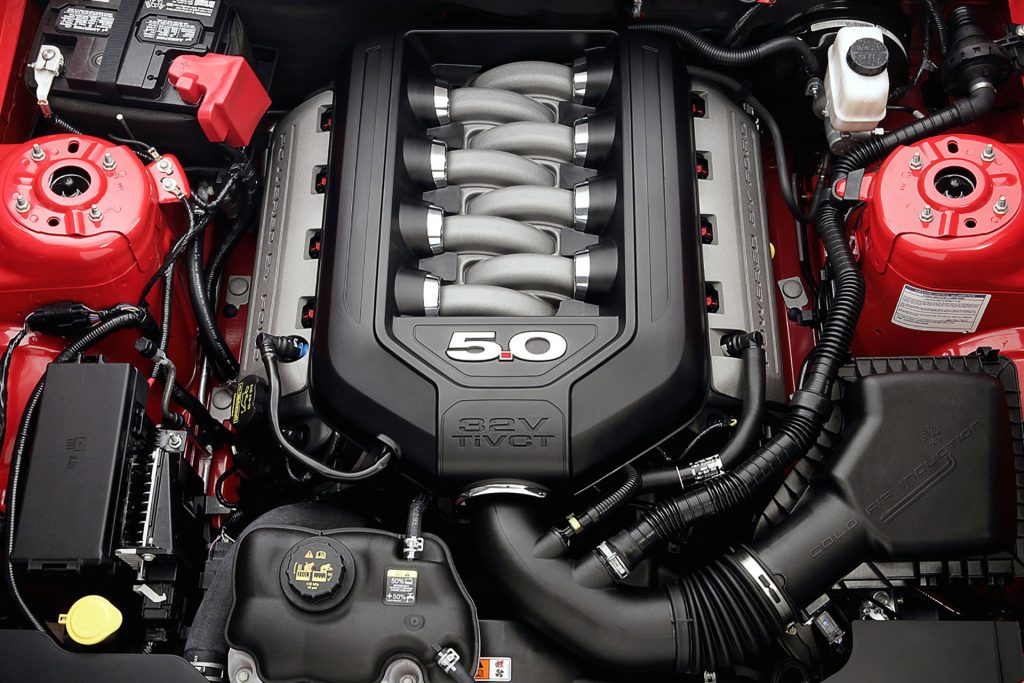
5. Ford 5.0L V8 Coyote (Early Truck Tune)
The 5.0 liter Coyote V8 is widely respected in performance circles, especially in sports car applications. However, in its early truck focused versions, it can be a less appealing choice for drivers who prioritize fuel efficiency and low operating costs.
While it delivers strong power and a great sound, those benefits often come with higher fuel consumption than many buyers expect.
In full size trucks, this engine is usually paired with heavy vehicles and four wheel drive systems. Even with modern engineering, moving that much weight requires a steady supply of fuel.
Around town, stop and go traffic quickly highlights how thirsty a naturally aspirated V8 can be compared to smaller turbocharged engines that produce similar usable torque at lower engine speeds.
Another factor is how the power is delivered. The Coyote V8 makes its best power higher in the rev range, which can encourage drivers to use more throttle. When driven enthusiastically, fuel economy drops quickly. For people who mainly need a truck for commuting, light hauling, or family use, this level of fuel use often feels unnecessary.
Maintenance costs can also be higher over time compared to smaller engines. While the Coyote itself is generally reliable, it still has eight cylinders, more spark plugs, and larger quantities of oil and other fluids. These routine service costs add up, especially when combined with frequent fuel stops.
We are including this version of the 5.0L V8 on the skip list not because it is a bad engine, but because it is often more engine than many drivers truly need. For buyers focused on efficiency and daily usability, Ford offers smaller turbocharged engines that provide strong real world performance with noticeably lower fuel and ownership costs.
Ford has produced a huge variety of engines over the decades, and they do not all deliver the same ownership experience. Some stand out for smart engineering that saves fuel without making the vehicle feel weak or underpowered. Others may offer strength or performance, but end up costing far more to run over time.
In the first half of this guide, we looked at five Ford engines that have earned a strong reputation for efficiency.
These engines show how smaller displacement, turbocharging, hybrid systems, and better fuel control technology can make a real difference in everyday driving. They are well suited for commuters, families, and anyone who wants to keep fuel costs under control.
Engines like the 1.0 liter and 1.5 liter EcoBoost units prove that small engines can still feel responsive in normal traffic. Turbocharging allows them to deliver useful torque without constantly burning large amounts of fuel. This makes them ideal for city driving, where stop and go conditions often punish bigger engines.
The 2.0 liter EcoBoost sits in a sweet spot for many drivers. It offers noticeably more power than entry level engines, yet still manages respectable fuel economy in sedans and compact SUVs. For people who want flexibility for both highway trips and daily errands, it is one of the most balanced choices Ford has made.
The 2.3 liter EcoBoost shows that efficiency and performance do not have to be opposites. It can power sportier vehicles while still using less fuel than older V6 engines with similar output. Drivers get strong acceleration when they want it, without paying the full fuel penalty that used to come with performance models.
The 2.5 liter hybrid Atkinson cycle engine represents another path to efficiency. By combining gasoline and electric power, it reduces fuel use especially in urban conditions. Frequent engine shutoff at low speeds and regenerative braking help stretch every tank of fuel much further than traditional engines.
Together, these efficient engines highlight how Ford adapted to changing expectations. Buyers today often want vehicles that are practical to run for years, not just powerful on paper. These powerplants meet that need by blending modern technology with real world usability.
On the other side, we covered five Ford engines that can be harder to justify if efficiency and low long term costs are the main goals. Some of these engines come from a time when fuel prices and emissions standards were less demanding. Others are powerful but simply oversized for what many drivers actually need.
The 5.4 liter Triton V8 and 6.8 liter V10 are good examples of engines built mainly for heavy duty work. They can tow and haul with confidence, but they consume a lot of fuel even when used lightly. For drivers who rarely use their full capability, the extra fuel cost often feels wasteful.
The 4.0 liter SOHC V6 is another engine that struggles to make a strong case today. It tends to deliver unimpressive fuel economy along with known mechanical concerns. Owners can end up paying more both at the pump and in repair shops, which makes it less appealing than newer alternatives.
The 6.0 liter Power Stroke diesel shows that not all diesel engines are automatically economical. While it offers serious towing power, it is also linked with expensive reliability issues. For people who just need a daily driver, the potential repair bills can outweigh any benefits.
Finally, the early truck versions of the 5.0 liter Coyote V8 demonstrate that a great performance engine is not always the most practical one. In heavy trucks, it often uses more fuel than smaller turbocharged options that still provide plenty of real world capability.
Overall, the key lesson is simple. The best Ford engine for you depends on how you actually use your vehicle each day. Choosing a well known efficient engine can save thousands in fuel and maintenance, while picking the wrong one can quietly drain your budget over time.
Also Read: Top 10 Classic American Cars That Rarely Make Smart Investments